Tag: ABC Trek

  • Annapurna Base Camp Trek in Winter

    Annapurna Base Camp Trek in Winter

    Annapurna Base Camp Trek in Winter.

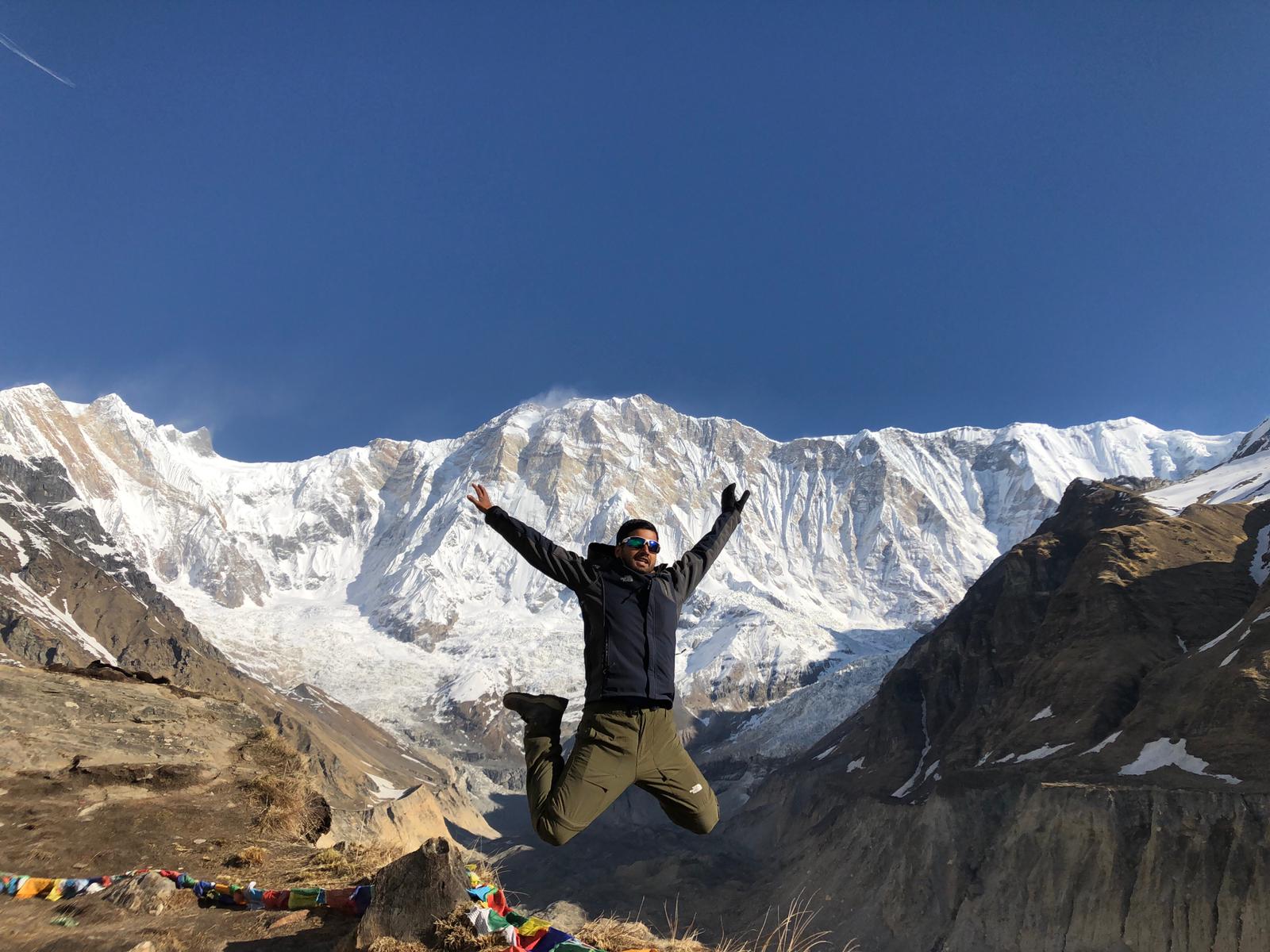
    Annapurna Base Camp Trek lies right in the middle of the most varied trekking area in Nepal. Winter changes everything between December and February. Therefore, the best time to conquer ABC this winter–which many avoid for trekking–surely awaits an unparalleled adventure right in your face. This guide will lead you through everything you need to know in order to conquer ABC this winter.

    Understanding Winter in the Annapurna Region

    winter trekking in annapurna base camp

    Winter is different in the Annapurna region of Nepal. The days more often than not are warm and pleasing with temperatures as high as 15°C (59°F) while on low altitude routes, though nighttime temperatures with height gains take a gradual descent. Many a time, the temperature has fluctuated from -10°C (14°F) or even more at base camp, mainly during nighttime. These unforeseen temperature fluctuations further create many contingencies and alternatives for the trekkers.

    Weather Conditions

    • Morning: Normal clear, no wind, cold
    • Afternoon: Some cloud build-ups
    • Evening: The temperature cools down rapidly
    • Night: Star visibility is superb but freezing
    • Precipitation: Snow at intervals, mainly above 3,000 meters
    • Visibility: Very good during clear days with some of the finest mountain views this time of year

    The Route in Winter

    1. Lower Regions (Day 1-2)

    The first couple of days of trekking from Nayapul pass through terrace fields and villages where the touch of winter is generally soft. Even though most of the stone steps and well-marked trails are pretty accessible, some parts do tend to get slippery with frosty mornings, which is fairly well worth one’s head preparation.

    2. Middle Elevations (Day 3-4)

    The higher one goes, the more different all the sceneries around Modi Khola Valley start to get. Rhododendron forests stand bare, their branches frosted in ice to form iconic scenes. Famous villages like Ghorepani, Chhomrong, and Bamboo take on a different character during winter, showing:

    • Fewer tourists translate into more genuine local experiences.
    • Traditional village activities during winter become visible.
    • Higher chance of wildlife sightings because of fewer trekkers.

    3. Upper Regions (Day 5-7)

    However, in the winter season, the last ascent to ABC from MBC poses the biggest challenges. The temperature and weather conditions may be extreme.

    • Deep snow above Deurali is possible
    • Steep sections possibly ice
    • Limited daylight means that much earlier starts are necessary
    • Temperature extremes that demand more judicious gear management

    Detailed Winter Preparations

    1. Essential Gear

    Clothing Layers:

    • Wool base layers (2 sets)
    • Fleece mid-layer
    • Down jacket
    • Waterproof outer shell
    • Insulated trekking pants
    • Waterproof pants
    • Warm hat, gloves, and buff
    • Multiple pairs of warm socks
    • Technical Equipment:
    • Crampons or micro-spikes
    • Gaiters for deep snow
    • Telescopic trekking poles with snow baskets
    • Headlamp with extra batteries
    • Emergency shelter (lightweight tent)
    • Chemical hand warmers
    • Sleeping Gear:
      • Sleeping bag (-15°C rating minimum)
      • Sleeping bag liner
      • Insulated sleeping pad

    2. Physical Preparation

    The EBC trek is quite demanding, and much preparation is expected prior to that. High altitude with demanding terrain further calls for it. Winter trekking requires superior fitness levels, and here’s what you must do prior to your EBC trek.

    • Cardiovascular training at least 3 months in advance,
    • Strength training with the main focus on legs and core,
    • Practice hiking with a full pack,
    • Cold-weather exposure training, if possible,
    • Altitude acclimatization exercises

    3. Cultural Experiences in Winter

    The EBC trek gives one a good chance to go well into the rich culture of the Sherpa people and that of the Nepali culture. In this regard, herein is an elaboration of what to expect about the cultural experiences:

    Sherpa Culture and Hospitality:

    • Warmth and Welcoming: The Sherpa people are warm and friendly, highly famous around the world for their outstanding hospitality. In the villages on this trek, you will be welcomed with warm smiles and open arms.
    • Unique Lifestyle: Witness their unique way of life adapted to the harsh Himalayan environment, including their traditional houses, and farming practices.
    • Buddhist Influence: You will encounter prayer flags, mani stones, and chortens (Buddhist shrines) throughout the EBC trek.

    Monasteries and Religious Sites:

    • Tengboche Monastery: Visit this iconic monastery, this is one of the most important places in the Khumbu region with respect to Buddhism. Serene surroundings, where one may witness daily rituals of monks.
    • Sacred Sites: Quite a fewholyspotscan be seenonthe way, whichincludes prayer wheels, stupas, and holy lakesthatshowcasethe spiritual significance of the EBC area.

    Community Interactions:

    • Tea Houses: Stay in traditional tea houses run by Sherpa families, offering a chance to interact with locals, learn about their lives, and experience their warm hospitality
    • Village Visits: Explore charming Sherpa villages like Namche Bazaar, Khumjung, and Pangboche, gaining insights into their daily life, traditions, and handicrafts.

    4. Photography Opportunities

    If you are into photography, Winter presents some great opportunities for photography that will leave you spellbound.

    • Crystal-clear mountain views
    • Snow-draped landscapes
    • Dramatic light conditions
    • Frost patterns and ice formations
    • Local life in winter
    • Wildlife in snow
    • Star photography in clear winter skies

    5. Safety and Emergency Preparedness 

    Communication:

    Particularly for EBC trekking, communication concerning safety and emergency preparedness is effective. Thus, these are a few things to think of.

    • Satellite phone 
    • Local SIM card with coverage map
    • Emergency contacts list
    • Regular check-ins with family/agency

    Medical Considerations:

    Trekking to Everest Base Camp (EBC) is a challenging adventure, but it’s important to be prepared for potential medical emergencies. Here are some key medical considerations that you can take for a safe and successful trek:

    • Extended first aid kit
    • Cold-specific medications
    • Altitude sickness prevention
    • Hypothermia awareness and treatment
    • Frostbite prevention techniques

    Weather Monitoring:

    Weather conditions are one of the most important factors for the safety and success of EBC. Snowstorms, high winds, and extreme cold can turn disastrous in a trice. The following should be kept in mind so as to reduce or avoid hazards arising from unfavorable weather conditions:

    • Daily weather updates when possible
    • Understanding mountain weather patterns
    • Recognition of dangerous conditions
    • Knowledge of safe evacuation routes

    Environmental Responsibility

    EBC trek is very important insofar as it ensures the mountain ecosystem does not get hurt, and future generations can have a go of the virgin mountain. Following is some of the environmental responsibility that has got to be understood and adapted to by the EBC trekker:

    • Proper waste management in snow conditions
    • Minimal-impact camping techniques
    • Wildlife awareness and protection
    • Support for local conservation efforts
    • Using established trails even in snow

    Conclusion

    A winter trekking to Annapurna Base Camp is not merely a physical journey but an immersion into a world few get to experience. The challenges of winter conditions are balanced by the rewards of diverse landscapes, cultural insights, and personal achievement. With proper preparation, respect for the environment, and a spirit of adventure, winter trekking in the Annapurna offers an unforgettable experience that showcases Nepal’s mountains at their most magnificent.

    For those willing to embrace the cold and challenge themselves, the winter ABC trek provides a unique perspective on one of the world’s most beautiful mountain regions. The combination of fewer tourists, crystal-clear views, and the raw beauty of snow-covered peaks creates an adventure that will remain in your memory long after the journey’s end. Your adventure Happy Mountain Nepal, will help you in every step to make your trip enjoyable.

  • Challenges and Difficulties in Annapurna Base Camp Trek.

    Challenges and Difficulties in Annapurna Base Camp Trek.

    Challenges and Difficulties in Annapurna Base Camp Trek.

    Annapurna Base Camp is said to be the most mythological trekking adventured in Nepal and hence, receives thousands of trekkers up to its base. During this fabulous trek you will perceive the grandeur of the Annapurna Mountain range. Although it is amazingly rewarding this trek presents a few challenges and difficulties in Annapurna Base Camp for which you should prepare.

    Annapurna base camp

    It’s a venture to the base camp of Annapurna, including some of the challenges one will have to put up with. In this blog, we would be discussing a few major challenges that people usually face during the trek and helpful tips for overcoming such issues.

    1. Altitude Challenges:

    The Annapurna Base Camp trek reaches as high as 4,130 meters (13,550 feet), and just like any other high-altitude trekking activity, the phenomena of altitude sickness are not that far. Symptoms of altitude sickness often set in headache, dizzy spells, nausea, and even lethargic tendencies-if one goes upwards at an uncomfortably rapid pace. Acclimatization is necessary for avoiding all lethal altitude-sickness diseases with post-effects detrimental to your health and safety.

    Common symptoms include:

    • Headaches
    • Nausea
    • Fatigue
    • Dizziness
    • Loss of appetite
    • Difficulty sleeping
    • Shortness of breath

    How to Overcome It:

    • Gradual Ascent: It means one should not ascend rapidly; instead, they may rest for regular intervals at important junctures to acclimatize the body.
    • Hydrate well: Plenty of water intake averts dehydration, which may increase the severity of altitude sickness.
    • Medication: Consult your doctor before the trek to recommend drugs such as Diamox, which are used in the prevention of mountain sickness.
    • Listen to your body: At the onset of any of the above symptoms, immediate descent to lower altitudes should be initiated.

    2. Unpredictable Weather Conditions

    Even during the best seasons, autumn and spring, weather conditions in the Annapurna region are really unpredictable. Besides, there is a threat of sudden rain or snow, as well as sharp fluctuations in temperature. During the monsoon season, normally from June to September, the weather conditions make the trails slippery and dangerous to walk on-a period normally characterized as “low time” because of heavy rainfall.

    How to Overcome It:

    • Check Weather Conditions: It is always a good thing to check weather forecasts in advance and subsequently do your planning of days.
    • Dress in layers: Use moisture-wicking clothes, insulated jackets, and a rainproof jacket to be protected from rain and unexpected temperature drops.
    • Delays: Bad weather may delay your scheduled time. Make sure you have more days, so you will not rush.

    3. Physical Demands and Fitness Levels

    The Annapurna Base Camp Trek will be extremely exhausting for most people, especially those who are not used to high-intensity hiking. Many days of continuous uphill and downhill walks over rough terrain and sometimes challenging paths may lead one to exhaustion whereby one may not be able to keep up a reasonable pace.

    How to Overcome It:

    • Physical Preparation: Start training several months before the trek. Focus on building endurance through cardio exercises like hiking, running, and cycling.
    • Pace Yourself: It’s essential to maintain a comfortable pace throughout the trek. Do not rush; take breaks when needed.
    • Strengthen Your Core and Legs: Strengthen your legs and core muscles through exercises like squats, lunges, and planks to handle steep ascents and descents better.

    4. Inadequate Trail Infrastructure

    Even though the ABC Trek is an already developed track, some parts of the route may be left untouched for tourism. Some areas, particularly those very remote, will not be comfortable regarding accommodation. In the same way, basic tea houses have only very primary facilities and services. Some parts of the route are not well-marked, thus requiring the hiker’s attentive attention not to get lost somewhere.

    How to Overcome It:

    • Guide/Porter Policy: A guide will not only help in navigation and knowledge of the local culture but also your safety. A porter will lighten the luggage hence making the trek less exhausting for you.
    • Carry Essential Gear: Bring a map or GPS device, a headlamp, and a power bank to stay connected and prepared.
    • Accommodation Prebook: This would include the prebooking of your teahouses in order to have places of rest during peak seasons where the sections may get busy along the trails.

    5. Challenging Topography

    The route of Annapurna Base Camp is pretty well-marked, though the tricky terrains with steep ascents, rocky and uneven tracks, river crossing, and icy or snowy paths during the cold months make the trek difficult. Besides, during the rainy season, the trail gets slippery.

    •  Use stout, waterproof ankle-high trekking boots to give support for your ankles while trekking on slippery and rocky surfaces.
    • Use trekking Poles. These helps balance and minimize the stress of the knees during a steep ascent or descent.
    • Ideally, trekking should be done either in the pre-monsoon months starting from March to May, or in the post-monsoon months of September to November to avoid snow-laden or slippery trails.

    6. Medical Facilities Are Not Accessible

    The Annapurna area is pretty remote, and there is limited access to any medical facilities. Major hospitals are in Pokhara-a few days of walking away a trekker has to be independent in handling minor injuries or diseases. In case of an emergency, sometimes the only way out is by using a helicopter, which is pretty costly.

    • Have comprehensive travel insurance that covers medical evacuation and trekking-related accidents.
    • Carry a well-stocked first-aid kit with you, containing items such as bandages, antiseptics, painkillers, blister treatments, and your personal medications.
    • Understand basic first aid to take care of cuts, sprains, and bruises among minor hurts.


    7. Limited Food and Water

    The Challenge: While there is food available on the route through teahouses, the fare is more or less Spartan with a selection of dal bhat, soup, and potatoes being an everyday option. Moreover, not all water sources are clean, hence making the purification of water very essential to avoid any water-borne ailment.

    How to Overcome It:

    • Water Purification Tablets or Filter: Always purify the water before drinking, whether from teahouses or natural sources.
    • Pack light, high-energy snacks such as nuts, energy bars, and dried fruits to supplement meals on the trail.

    Conclusion

    Annapurna Base Camp trekking is an exciting, beautiful tour for the people that will introduce trekkers to diversified views and nature with different ethnicities, cultures, and traditional norms in Nepal. In turn, this will identify some areas relating to the trek route terrain, atmospheric weather conditions, high altitude effects, and physical fitness that make this track a bit tough or challenge-packed to go easily and with minimum threat evidence safely for holiday trekking in one of the wonderful areas around earth. With proper preparation and the right mindset, the difficulties become part of the adventure, making the achievement of reaching Annapurna Base Camp even more meaningful. So, Book your trip from Happy Mountain Nepal for this winter of 2024.

     FAQs

    1. What is the best time for the Annapurna Base Camp Trek?

    The best time to trek is during spring (March to May) and autumn (September to November) when the weather is clear, and the trails are safer.

    2. How difficult is the Annapurna Base Camp Trek?

    The trek is considered moderate to challenging, with steep ascents, rocky terrain, and potential altitude-related difficulties. Basic fitness and preparation are essential.

    3. How long does the Annapurna Base Camp Trek take?

    The trek typically takes 7–12 days, depending on the chosen route and pace.

    4. What is the maximum altitude reached during the trek?

    The highest point is Annapurna Base Camp, located at an elevation of 4,130 meters (13,550 feet).

    5. What are the risks of altitude sickness on this trek?

    Altitude sickness is a concern as the trek reaches high altitudes. Symptoms include headaches, dizziness, and nausea. Gradual ascent and proper acclimatization are key to prevention.

    6. Are guides and porters necessary for the ABC Trek?

    While not mandatory, hiring a guide ensures better navigation and cultural insights, while porters help lighten your load, making the trek more comfortable.

    7. What kind of accommodation is available during the trek?

    The route features teahouse accommodations offering basic facilities such as simple rooms, shared bathrooms, and meals like dal bhat and noodles.

    8. How do I prepare for the physical demands of the trek?

    Start training several months before the trek, focusing on endurance, cardio, and leg strength through activities like hiking, running, or cycling.

    9. What permits are required for the trek?

    You will need a TIMS (Trekkers’ Information Management System) card and an ACAP (Annapurna Conservation Area Permit), both obtainable in Pokhara or Kathmandu.

    10. What should I pack for the Annapurna Base Camp Trek?

    Pack essentials like layered clothing, waterproof trekking boots, trekking poles, a first-aid kit, water purification tablets, and travel insurance.


  • Annapurna Trek Permit

    Annapurna Trek Permit

    Annapurna Trek is a majestic trek of Nepal, situated in northwestern Nepal, surrounded by the Annapurna Conservation Area Project. To experience the Himalayan life with a beautiful destination, you need two permits as a legal right.

    You set foot on the base of the World’s 10th-highest peak, Mount Annapurna, with an altitude of 8091 m. It is one of the most elegant trekking places, leading you to two base camps: Annapurna Base Camp and Machhapuchhre Base Camp.

    The route passes through typical Magar and Gurung villages with warm, welcoming people. You can enjoy lush green Rhododendron, Bamboo, and alpine forests on the way to the final destination: Annapurna Base Camp Trek.

    The breathtaking towns with diverse cultures, traditions, elegant climates, and amazing scenery will surely melt your heart. This trek is also considered a trek to Annapurna Sanctuary. This trek lets you experience magnificent views of Fishtail (Machhapuchhre), Hiunchuli, Annapurna Massif, Dhaulagiri, Tilcho, Pisang, and Pungda Danda.

    You also get a pit break at the astonishing Poon Hill viewpoint and relax by taking a natural hot spring bath in the famous Jhinu Danda. It starts in the tiny village of Nayapul, Pokhara. This trek is 10 days long and takes you to an altitude of 4130 m.

    Before you start this journey, you will need two permits to clear the routes. First, you need an Annapurna Conservation Area Project (ACAP) permit, and then you need Trekkers’ Information Management System (TIMS). Let’s check the details of these permits.

    Annapurna Conservation Area Project (ACAP) Permit

    Annapurna Conservation Area is a protected area by the Government of Nepal. You must get an Annapurna Conservation Area Project Permit to enter any part of the Annapurna Region.

    Once you get this permit, you can stay in this region as long as you want. The budget is utilized for the welfare and conservation of this protected region.

    This permit is available in the Nepal Tourism Board of Kathmandu and Pokhara.

    The cost of the Annapurna Conservation Area Project ( ACAP) Permit depends on your nationality.

    • If you are from a SAARC country, then it costs NRP 2000.
    • If you are from other foreign countries, then it costs NRP 200.

    Once you get this permit, you can visit any part of the Annapurna Region. You can stay there for as many days as you want. But once you depart to the starting point, the permit becomes invalid. This permit is acquired for each person, and only a single entry is granted.

    Annapurna Base Camp from Pokhara

    Trekkers’ Information Management System (TIMS) Permit

    This permit is mandatory for trekkers’ safety. It keeps records of trekkers to track their information during emergency cases. This helps in the timely rescue of trekkers during any natural disaster.

    Your permit can be obtained from the Nepal Tourism Board of Kathmandu or the Trekking Agencies Association of Nepal (TAAN). If you apply for this permit through a registered Trekking Agency, then it will cost less.

    • It costs USD 20 for individual trekkers.
    • If you apply through the registered Trekking Agency, it costs only USD 10.
    • If you are a SAARC country resident, then it costs USD 6.

    You must complete the form with the required documents in the NTB office. This permit is not available online. If you get a permit through an Agency, you only have to submit your documents, for the rest of the agencies are responsible.

    Documents Required for Annapurna Base Camp Trek Permit

    You need to provide the following documents for the Annapurna trek permit

    • Passport details and a copy of the Passport
    • Two passport-sized photographs
    • The details of the trekking itinerary and the area of the trek are needed. You can plan this with your Agency.
    • Travel Insurance
    • The cost of permits in Nepali Currency (NRP) is mandatory. So, exchange your cash before getting permits.

    Conclusion

    Hence, you can complete Annapurna Base Camp in 10 days, reaching an altitude of 4130 m. You get the glory of stepping on the foot of the World’s 10th-highest peak with panoramic views of Fishtail (Machhapuchhre), Hiunchuli, Annapurna Massif, Dhaulagiri, Tilcho, Pisang, and Pungda Danda.

    You need two permits to complete this journey. Permits are mandatory and will be checked at many checkpoints during your journey to Annapurna Base Camp. So get the Annapurna Conservation Area Project Permit and Trekkers’ Information Management System Permit before you set off. All the best!

    Happy Mountain Nepal is always here to assist trekkers from different parts of the world.

    Annapurna_Trek_Permit