Tag: Accommodation in Nepal

  • Nepal’s Practices: What to Do and What Not to Do During Travel

    Nepal’s Practices: What to Do and What Not to Do During Travel

    Nepal’s Practices: What to Do and What Not to Do During Travel

    Traveling to Nepal is much more than visiting a destination to check off your bucket list. It is about walking into a vibrant, living story that involves mountains, temples, and some of the warmest smiles on earth. The very air seems holy filled with the scents of incense from a temple and the sounds of children playing on rocky street corners. It is a country where nature and spirituality coexist in the most beautiful way, and every traveler is considered family. It provided you treat their culture with the same respect and love.

    Nepal’s cultural traditions means more than just good manners or etiquette. It is a way to connect. In this guide, we will examine what to do, and not do, while you are traveling in Nepal so your experience is felt, not just seen.

    1. Respect Local Culture and Religion

    In Nepal, spirituality flows through every heartbeat. You will see prayer wheels spinning, bells ringing, and devotees lighting lamps earlier than start at temples. Each and every action carries a meaning, and before you walk into any holy or non-holy site for that matter. Just take a moment to pause. Take off your shoes, take a look at the people around you, and settle into the peace.

    When walking around stupas or shrines, walk in a clockwise direction. This is in accordance with compatibility with the universe. Please do not touch statues or sacred objects closely or anything unless invited to do so. Placing your hands together in a simple “Namaste” signifies that you join them not only in their travel but their beliefs. 
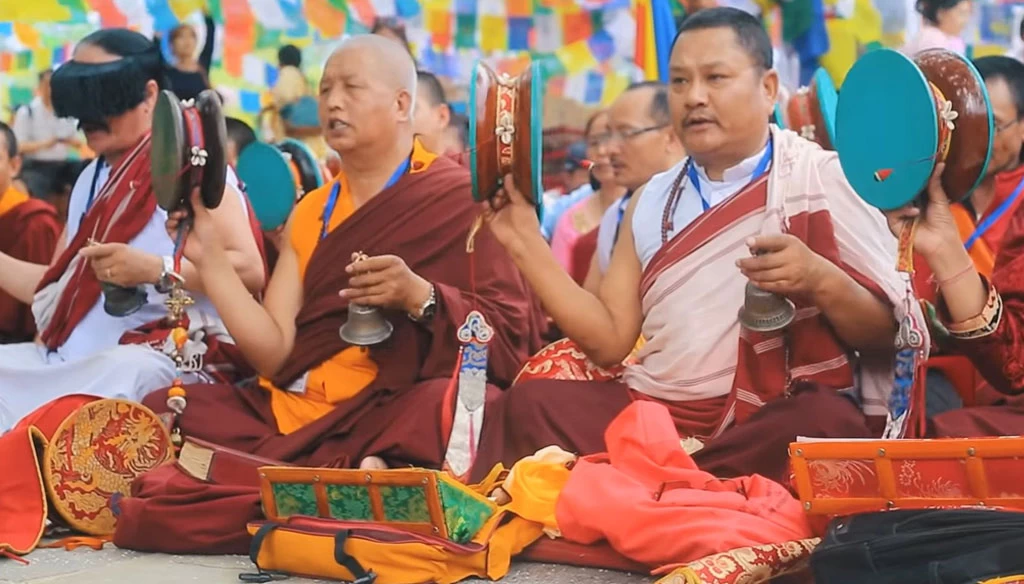
    A group of Buddhist monks in robes, holding traditional ceremonial instruments like bells and cymbals.

    Once they feel that respect, they will respond, disclosing to you. Their smiles will expand as they share their stories with you, calling you not a guest or visitor but a welcomed family member. It is the connections in those moments that travel last forever.

    2. Dress Modestly and Respectfully.

    The beauty in Nepal is beyond simply beauty, but modesty. In the villages, even the bright sun offers up a humble reminder of the quiet dignity of the people. Dressing modestly is not about limitation but simply feels right in accordance with the land and its people.

    Keep short skirts, skins, low-cut tops, and sleeveless shirts as your options. Especially in temples or simple places. A light scarf or light shawl is your best friend. It is very small to carry around, and very handy to wear if you need to. 

    When you wear respectful clothing, you will see a difference in the way that locals interact with you. Their smiles seem softer, their hellos more inviting. They see you, a person who is respectful of their lifestyle. And it will be in that very moment that you start to appreciate that travel is not about what clothes you wear. It is about what attitude you wear to show respect. 

    3. Always Ask Before You Take Photos

    The streets of Nepal are living poetry. Monks walk around in their standard red robes, women arrange marigolds, children huddle together to have some fun near stupas. Every photo is about to fly off the wooden canvas and into your heart. But first, ask. A little head gesture, a little question, “Photo lina sakchhu?” (Can I take a photo?), will make all the difference in a world where kindness is oft too easily taken for granted.

    In many parts of the globe, and especially in less urban areas. People can be shy or very calculated about being photographed. Respect their space and their privacy. There are certain places like Kumari Ghar or the inner of temples. That clearly asks you to not take photos in those areas, so please follow them. 

    When you take a moment to ask, the photos take on a new sense of emotion. They become more than just photos, they become shared moments, shared trust. With each smile you capture it will also come the warmth of permission and not intrusion. 

    4. Always Use Your Right Hand to Give or Receive

    In Nepal, the right hand is the hand of respect. Everywhere you offer money, take food from the serving station, or give or receive a gift, use your right hand exclusively and, if you want to be even more respectful, add your left hand to the gesture.

    The left hand is seen as unclean, by tradition and in terms of hygiene. It may seem trivial to you, but it is nevertheless.Locals do wherever and whenever they instinctively do it. It may seem like a little thing on your part, but it would mean something with respect to your awareness and consideration.

    And so it became that you would always reciprocate the smile and say, “We see you smiling.” I love this part of travel. That moment of connecting with our humanity without words.

    5. Respect for Food and Food Cultures

    Food in Nepal is considered as LOVE on a plate! No matter if it is a hot steaming dal bhat on a mountainside, or momo’s pulled apart at a street stall, food is so much more than just food. Food is kindness, prepared with care! 

    When food is offered, please even if you are not hungry, take a small amount. But it is important not to refuse to eat completely. Even if you say you are full, as this is considered rude. Please do not take from someone else’s plate. Food offered from another’s plate is considered “impure.” When possible, if you can eat with your right hand, please do; it is a magical way to connect with their culture! 
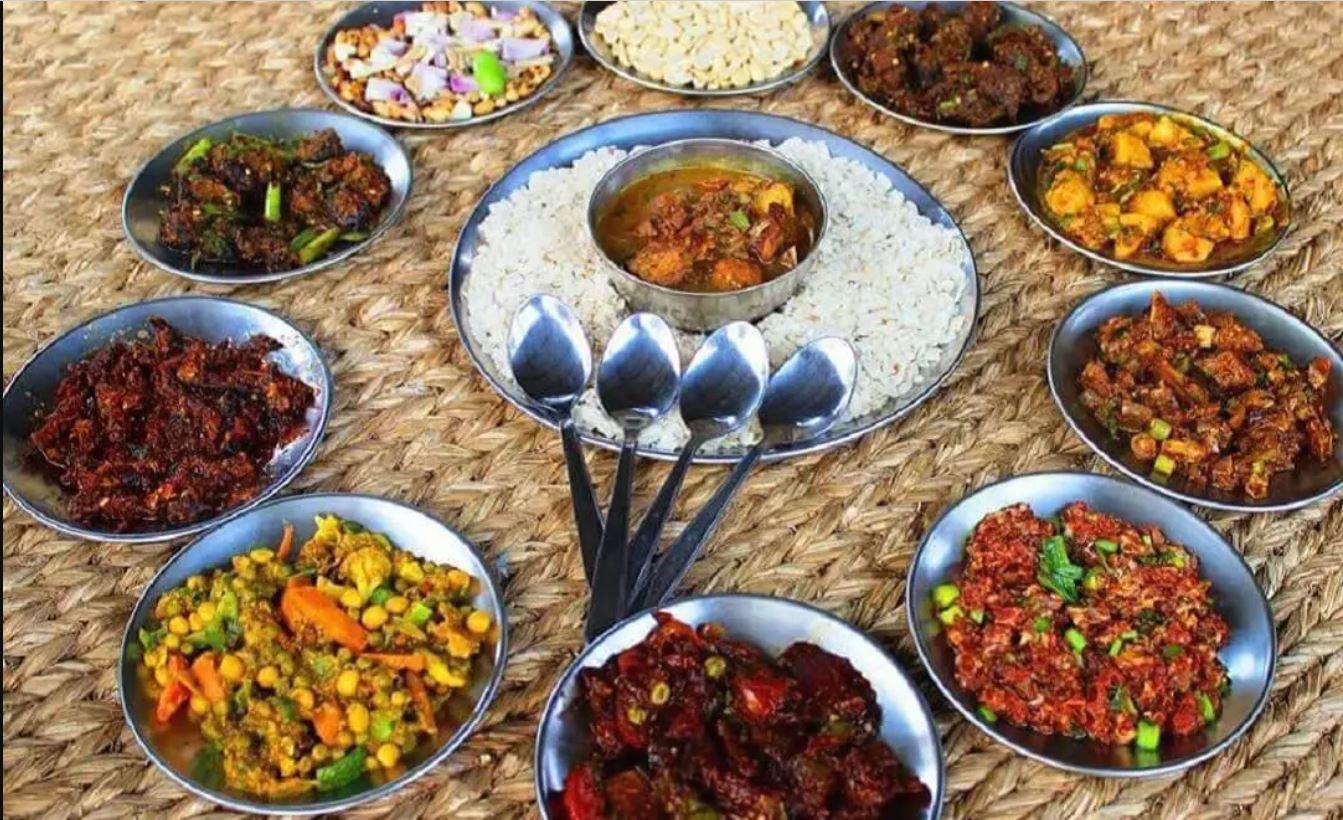
    Newari dish called samaya baji is showcases on the picture.dishes arranged on a woven mat. The main focus is a large metal plate containing a mound of white rice and a small bowl of curry. Surrounding this central dish are several smaller metal bowls, each filled with a different type of food, including what appears to be various curries, stir-fried vegetables, and other savory items.
    Newari Set

    Finally, after finishing your meal, to simply say “Mitho cha!” meaning delicious, it puts a huge smile on their face and a laugh, as gratitude is universal! Every meal is a story of kindness and connection!

    6. Care for the Environment

    The Himalayas represent more than a physical range of mountains or an awesome natural landscape. Every trail, every river, every forest has its own layer of sacredness. When you walk in, you are not just walking. You are walking in a continuity of prayers, a continuum of generations’ prayers.

    Do not leave litter, do not bring in plastic bottles or plastic bags. Or anything that will contribute to our own rubbish. Bring your own bottle and take your rubbish with you. And, be aware of the silence of nature. Do not play loud music or do anything to disrupt the space, the environment or the wildlife.

    There is also something fundamentally respect for the travel experience every time. You leave a space cleaner than you found it, which is a way of honoring the spirit of Nepal. You are saying thank you again, not with words but with an action. This is how the core of truly respecting the travel experience takes form.

    7. Learn a Few Words of Nepali

    Nothing opens your heart like language. Sometimes it is the simplest “Namaste” or “Dhanyabad” that creates smiles you cannot articulate. The local population observes how people are far more inclined to love and respect you. As you make an effort to speak their language. This shows natural humility and genuine curiosity. A simple phrase like “Sanchai hunuhunchha?” (How are you?) or “Ramro cha!” (It’s good!) goes a long way. The effort you put into speaking is what is most important.

    Conversing in their words pulls down the barriers of conversational exchange, transitioning conversations into friendships. The moment you no longer see the sights and sounds, but rather, see the soul, the journey becomes: Soulseeing. 

    8. Avoid Public Displays of Affection

    While love is universal, how that love is displayed changes in each culture. In Nepal, love is quiet and tender, typically expressed through care and not touch. Holding hands is fine, however, kissing or hugging in public may make others uncomfortable.
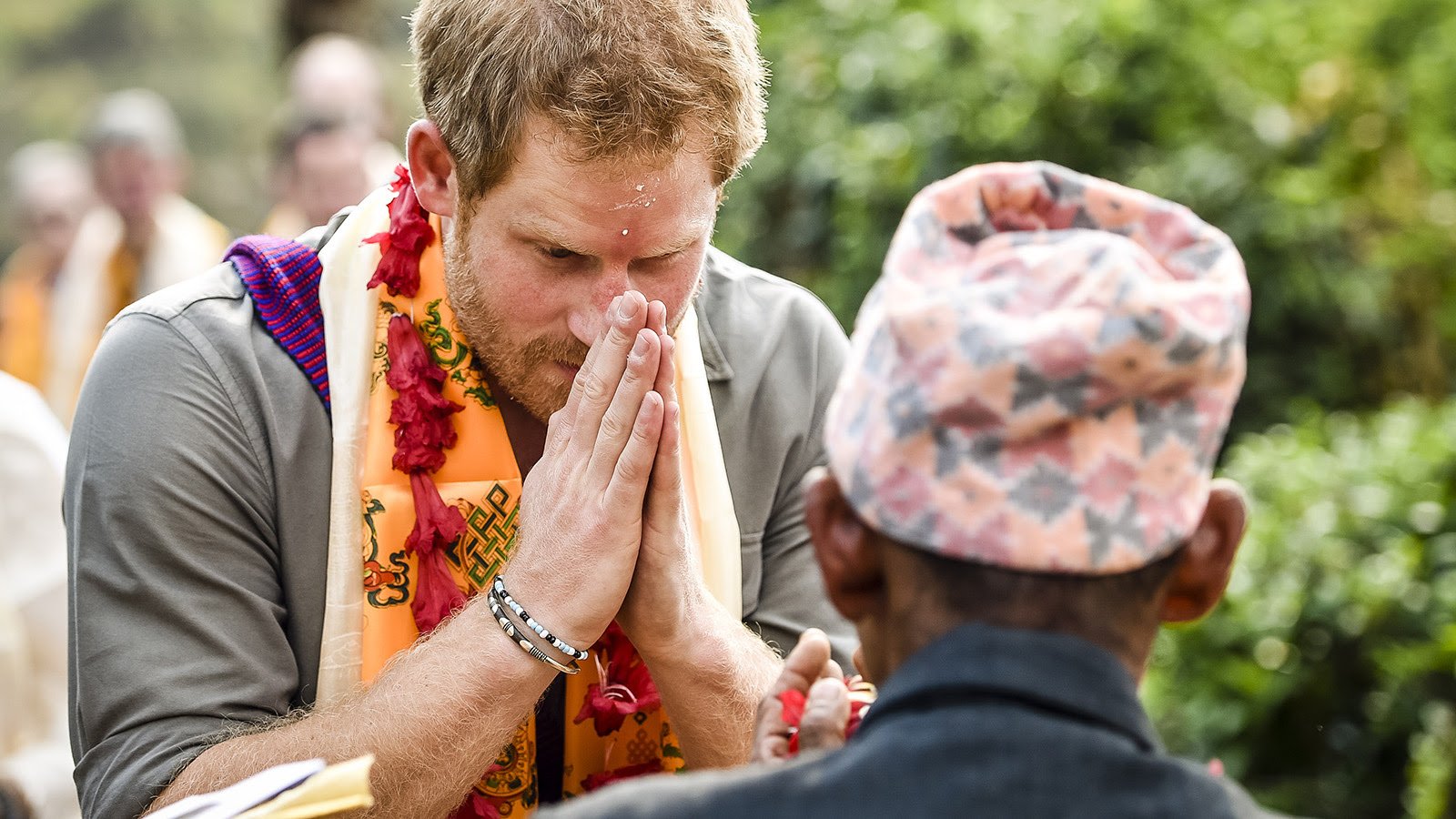
    The image is of a bearded Prince Harry wearing a patterned scarf and prayer beads, with his hands in a prayer/namaste gesture, interacting with a person in a traditional Nepali topi. It appears to be taken during his visit to Nepal.

    This is not a limitation, but an example of cultural grace. In this culture, private affection is kept private, and by adhering to this principle, you will smoothly integrate yourself into the culture at large. When you respect this aspect of the culture, you can move around Nepal with grace – perceived as a traveler who understands the heart of the culture. 

    9. Don’t Point Your Feet at People or Holy Objects 

    Feet are often considered lowly in Nepal, even small. They are the lowest part of your body, so pointing them toward someone, or even a deity, or to something sacred is considered disrespectful. 

    When you sit, especially on the floor, sit and pull your feet under you or let them point outward. If your foot touches someone accidentally, you will simply state “Sorry” or slightly otherwise bow. 

    These slight behaviors may seem to you as small things, but it says a lot about what kind of traveler you ar.

    10. The Skipping of Complaining and Comparing.

    Nepal has its own timelines that are slower, easier, and more heartwarming. While you are traveling, there may be bumps on the road, outages affecting power, and delays. Instead of berating the situation, take a breath and let patience guide you. It is all part of your narrative.

    The next time your bus stops unexpectedly for no good reason. Or worse yet breaks down on the highway, get out to look around. If the electricity goes out, take a moment to gaze upon the stars they are super bright here. 

    You will notice as you travel in Nepal, that perfection is not important. Perfection is easily masked in the imperfect places that tend to be beautiful. Once you stop comparing, and even begin to feel slightly provoked to give up all hope. The land will begin to gently reveal itself to you. 

    11. Always Ask Before You Enter a Home or Temple

    In Nepal, we refer to our homes and temples as sacred duties. You should never enter either without permission. If there is no door, you should ask still. Many times the inner shrine of the temple is limited to Hindus only.

    In moments of doubt, simply smile and inquire politely, “Can I enter?” Most will appreciate your politeness, and to the extent they can assist you they will do so.. The respect you give is your passageway to genuine experiences; natives will remember you not just as a traveler. But as a fellow human being who had genuine concern. 

    12. Honor the Monks and Nuns

    When you see monks in saffron robes or nuns sitting silently be humble to. Remember you are in the presence of devotion. Do not touch them. Speak softly and refrain from interrupting them during prayer time. If you want to give a gift of donation or charitable just give your gift with both hands and a quiet “Dhanyabad”.
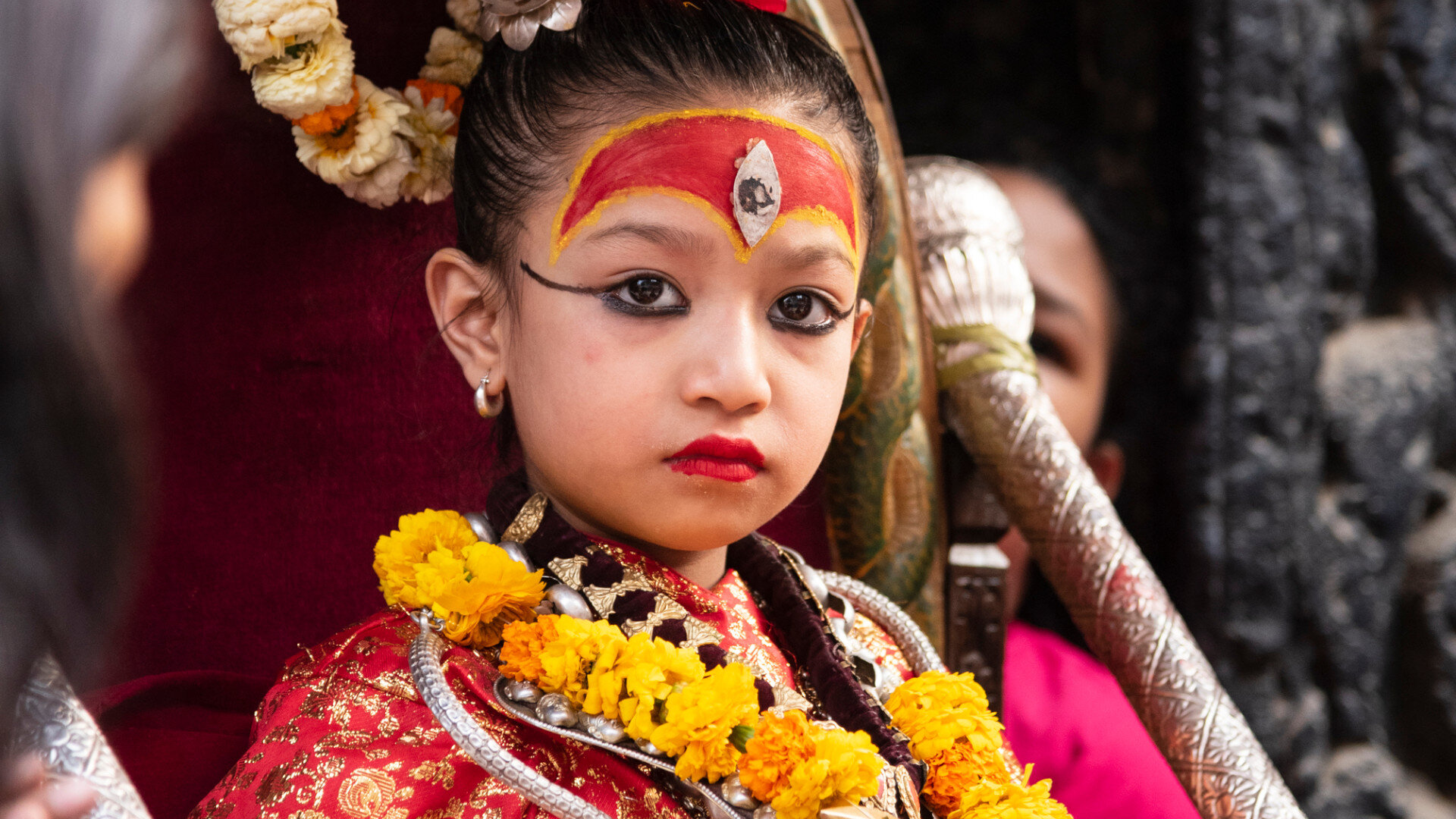
    A portrait of a young kumari girl in ornate traditional costume, headdress, and ceremonial makeup, displayed on a blog editing scree

    The experience of their calmness will astonish you. In those short interactions you will feel unnamable [or, feel] Something that goes beyond words, something that may grant lasting peace back to you home.

    13. Bargain Respectfully, Not Tactically

    Markets in Nepal are a truly remarkable explosion of color and life. Everywhere you go in a market. You will find people bargaining. You have to see it as a dance, not a sport. Smile at people, laugh with them, enjoy the jokes. Give a fair price, and appreciate the love and labor that went into the handmade wealth being sold. 

    A few rupees do not mean much to you. But they may mean a meal for someone else. When you give a fair price, you support households, and in turn support families and communities. As long as you shop respectfully and kindly. You can be confident that the items you purchase not only belong to the world of beauty and treatment but also to the gratitude of someone’s family. 

    14. Respect Festival and Ceremony

    Festivals in Nepal are just pure joy, music and dance and color and devotion. Dashain, Tihar, Holi, are not just festivals, they are sacred traditions. As you take part, watch for a moment before you engage.

    Do not block the procession of a celebration or touch something sacred unless permission was given. If someone offers you tika, or flowers, kindly graciously accept with your right hand as you lower your head. To experience these instances has a magical quality to it.  You may feel this pulse of Nepal, the spirituality, its people, and their love of life.

    Conclusion

    Visiting places in Nepal is not just travel but a journey into the heart. Each gesture of respect, kind word, and deliberate step unlocks portals not marked on a digital or paper map. Take action because you are respectful and want to create a bond between you and this sacred land of gods and mountains. When you travel with an open heart, you will not only be accepted by Nepal, you will be one with them for a lifetime.


  • Glamping in Nepal: Luxury Stays in the Heart of the Himalayas

    Glamping in Nepal: Luxury Stays in the Heart of the Himalayas

    Glamping Nepal: Nepali Luxury Glamping in the Himalayas

    Nepal is nature’s giant, civilization giant, heavens’ heaven, and nature and adventure spa spaa-ort haven. Where par excellence trekking and climbing were a decade ago back mass holiday adventure holiday, glamping was in wraps bes,t and for the very same reason Nepal has been n a twentieth-century trendsetter. Glamping is a Himalayan way of life with uncompromising comfort to relive backcountry wilderness view.

    Why Glamping in Nepal?

    Glamping Nepal isn’t luxury, but pure nature. The luxury of closeness to nature without camping inconveniences. No first-world compromise in the nature resorts and the same bed as nature for the couple, for the family, or for that matter, even for the solo traveler looking for a chill-out.

    Nepal geography is an open invitation to all forms of glamping holidays. You can experience in inner river canyon bottom camp walking treks, ridge resort pillar-shaped and a dome shape bedroom. You get chance to have authentic Home-cooked meals instead of jungle treks, a spa yoga treatment trail, and a house so steeped in Nepali culture.

    Best Glamping Resorts in Nepal

    1. The Pavilions Himalayas – The Farm

    Location: Pokhara

    The Pavilions Himalayas – The Farm is a luxurious resort on the edge of the valley floor of the Pokhara Valley. Outback villa scenery and canvas walls. Carbon-zero energy villas and rainwater harvesting with unapologetic luxury. Luxurious en-suite bathroom with reflective interior decoration and cozy beds form a bush homestead in luxury.

    It has nature and cultural exposure there as well as luxurious amenities which aree spread among the tourists.

    They spoil their visitors with hiking along surrounding trails, or village hamlets, or simply lounging around and relaxing with the hot tub. They own an organic farm within the house itself and utilize farm-fresh vegetables and fruits from the same farm and get them ready to be served in the gourmet restaurant so that the visitors get the farm-to-table flavor.

    Highlight

    • Amenities Eco-luxury tented villas.
    • Mountain-view and private hot tubs
    • Farm-to-table organic cuisine
    • Visit the village to see the village life
    • Yoga and wellness retreat

    2. Kasara Resort

    Location- Chitwan National Park

    Luxury is redefined in Kasara Resort’s luxury resort in Chitwan National Park. Nepali luxury villas and luxury hip are offered in the resort. Wood-finished villa, outdoor bathroom, and luxurious environment offered. The most peaceful place where one can sit and relax and enjoy time after he or she has learned his or her lesson is offered by the infinity pool and resort garden.
    Single-horned rhino and Bengal tiger jungle safari in the densest Chitvan jungles or bird near-extinction tour is arranged. Village walks Ayurvedic massage therapy, and canoe boat cruises on RaRiverriver are two of them. Kasara Resort is luxury, adventure, and culture all at once.

    glamping

    Highlights:

    • Luxury courtyard villa room bathroom view
    • Rhino and tiger site-seeing safari tour
    • Canoe on Rapti River
    • Tamang cultural homestay among villagers
    • Ayurvedic and spa massage

    3. Nepal Mountain Luxury Trekking Lodges

    Location: Everest & Annapurna Regions

    Short of the legendary hike, but to an identical degree, is Nepal and her very own amazing Everest and Annapurna Mountain Lodges. Panoramic wilderness landscape views between Roof-of-the-village lodges, peaceful evening getaway at day’s end. Second-story views and bathroom in the room with a cozy peep over great snow-peak panorama between luxury bedroom is one of which can be relished at per lodge.

    Trekkers can trek with seasoned trekkers and witness Himalaya’s wealth culture personally. Locally prepared dinner and lunch according to personal diet and food preference. Wild camping in the mountains under the open sky and stars, hot beveragess, and adventure spirit with other adventure team members of the same interest.

    Highlights:

    • Soft trek to Everest and Annapurna,
    • En-suite bathroom bedrooms,
    • Organized local dinner and fresh fruits and veg dinner,
    • Professional mountaineer’s guided trekking tour,
    • Himalaya scenic hill station tour.

    4. Dhulikhel Mountain Resort

    Location- Dhulikhel

    Dhulikhel Mountain Resort is a lap glamping hill resort, a nature wellness resort. Ultra-high-level architecture luxury cottages are offering sheer luxury in the lap of nature. Light finish and nature finish can be applied indoors to feel pure bliss to enjoy soft warmth. Lightning soft can be felt indoors under the cottage where day perhaps has begun underneath for trying to trick sun-rise amongst white hills.

    Dhulikhel offers Tibetian suites and trekking to Newari villages and ancient Newari temples around. Spas in the form of health club units are in the pipeline, yoga and meditation, Ayurveda massage, and vegetable-based vegetarian dishes prepared using organically grown spicess and locally available vegetables are some of the facilities offered by them. Adventure or otherwise, if the guests so desire, Dhulikhel Mountain Resort offers yoga.

    dhulikhel

    Highlights:

    • Sunset Himalayas,
    • Private verandah cottage isolation,
    • Yoga and meditation practice,
    • Nature excursion and Guided temple walk,
    • Raw vegetable and raw fruit cultivation, farm-fresh.

    5. Meghauli Serai – Taj Safaris

    Location: Chitwan National Park

    Meghauli Serai luxury, Taj Safari luxury, is beast luxury. Besides opening onto huge floor-to-ceiling glass doors to the Raupti River, resort-snuggling river view rooms straight from a film can be relished. Plunge pools are among its luxuries, for royal jungle arrival, at your service. Nepali luxury and handcraft, discovery, and luxury land.

    Demand jeep safaris are reserved and naturalists lead the visitors to surprise bear sightings of sloth bears, leopards, and majestic Bengal tigers. Birdwalking, nature walks, and Tharu dance lessons are reserved for the visitors. Good cuisine, grade-A service, and security arrive in style at Meghauli Serai Nepal’s top glamping hotel.

    glamping

    Highlights:

    • River-front accommodation,
    • Private plunge pool for relaxation,
    • Trained naturalist-guided jeep safaris,
    • Private wildlife and bird-watching safaris,
    • Personal Tharu ethnic culture on-demand animation.

    Thing you can Experience

    1. Nature: All of the company’s camps in Nepal are positioned in such a manner that they provide mountain, river o, or forest viewss.
      Comfort and luxluxuryfterer softness of in-bedroom toilets and other luxuries instead of hard camp are provided in Glamping camps.
    2. Eco-Friendly Living: Camps are seasonal to embrace the eco-friendly way of living of organic farming, recycling, and solar energy.
    3. Culture Immersion: The tourists are provided with village walk immersion, village people fairs, and cooking exhibitions with guides so that the tourists are thoroughly immersed in Nepalese culture.
    4. Adventure and Happiness: Nature walking hiking and rambling with or without a guide also left room for yoga and meditation.

    Conclusion

    Glamping in Nepal is more than just an accommodation choice—it’s a way to experience the country’s raw beauty while enjoying world-class hospitality. Whether nestled in the jungles of Chitwan or overlooking the Annapurna range, these luxury stays offer the perfect balance of adventure and indulgence. If you’re looking for a travel experience that combines nature with comfort, glamping in Nepal should be at the top of your list. Contact us today at Happy Mountain Nepal, Facebook, Instagram, or TikTok. 

    FAQs

    1. What is glamping, and how does glamping differ from camping?

    Glamping (glamorous camping) is high-end nature camping. Unlike normal camping, when you are overnight staying outdoors in the woods in tents and eating campfire food, glamping is high-end accommodation with a comfortable bed, in-suite toilet and shower facilities, and decent service.

    2. Why would I glamp in Nepal?

    Nepal is a feast for the eyes, Himalayas or tropical rainforest, and glamping just feels home. You have the luxury of wildlife safari, mountains, culture, and outdoor facility.

    3. What are the top glamping resorts in Nepal?

    Here are some of the top glamping resorts in Nepal:

    The Pavilions Himalayas – The Farm (Pokhara) – Ecowild view from top
    Kasara Resort (Chitwan National Park) – Wildlife tour and cultural tour
    Nepal Mountain Luxury Trekking Lodges (Everest & Annapurna) – Luxury high-altitude lodges
    Dhulikhel Mountain Resort (Dhulikhel) – Meditation and wellness retreat
    Meghauli Serai – Taj Safaris (Chitwan National Park) – Luxury jungle lodges

    4. What do I do when glamping in Nepal?

    Activities to do when glamping in Nepal are:

    • Guided hike in the Himalaya
    • Jungle safari for tiger and rhino spotting
    • Village walk and cultural experience
    • Yoga and meditation retreat
    • Canoeing, bird watching, and spa massage

    5. Is glamping in Nepal eco-friendly?

    Most of the glamping resorts are eco-friendly. They make use of solar power, rainwater harvesting, organic farming, and green buildings as a measure to reduce carbon prints without compromising luxury.

    6. What is the best season for glamping in Nepal?

    The best season is during the dry season when the weather is fantastic:

    Autumn (September-November) – Clear blue sky, pleasant weather, and finest view of mountains
    Spring (March-May) – Fine weather and Rhododendron bloom
    Avoid monsoon (June-August) for heavy rain and leeches in some areas.

    7. Is Nepalese glamping safe?

    Yes, there are safe Nepalese glamping resorts with trained guides, guided tours, and clean accommodations. Some have medical facilities on hand if needed and experienced sporting guides.

    8. Do Nepalese glamping resorts have restaurants and bars?

    They do have glamping resorts with organic farm-to-table cuisine, international and Nepali, and special diet. Private dining room and native cook classes in some.

    9. What do I bring with me glamping in Nepal?

    Bring:

    • Warm clothes to be warm in the morning but hot during the day and cold at night
    • Hiking boots if trekking
    • Sun screen, sun glasses, and hat
    • Light pullover for high country
    • Binoculars or camera to take photos of the wildlife

    10. Is glamping possible in Nepal?

    Direct booking on the resort site, travel agent, or online tour operator websites like Booking.com and Airbnb is available. Pre-booking is feasible especially in month-wise peak season phases of tourist inflows.