Tag: Adventure in Nepal

  • Cultural Immersion in Nepal

    Cultural Immersion in Nepal

    Cultural Immersion in Nepal: What I Experienced and What You Should Not Miss

    Experiencing Nepal is as if you stepped into a dynamic book. Every temple is a prayer, every mountain is an older story than time, and every smile is a warmth to your heart much like the sun. When I think of Nepal, I always carry the amazing mountains and lakes. But greater than that, are the people, the traditions, the spirituality and the love that every hour and every day is. My experience in Nepal wasn’t about sights and being part of a culture. My experience restored soft reminder of possibility. I recall the time I landed in Nepal, certainly with some thought of what I would be arriving to see.

    A group of people, including five tourists and several local guides, stands together outside a small shop with colorful prayer flags and goods hanging overhead. The tourists are wearing hiking gear and holding trekking poles. The group is holding a white banner that reads "HAPPY MOUNTAIN NEPAL" with a purple logo.

    To me, my experience was not simply seeing sights of Nepal connecting with this culture. I felt a sense of relief about the endlessness of possibility. When I first arrived in Nepal, I had some sense of what I was going to see. Temples and stupas and treks. But I did not expect how it was going to touch my heart. Every day meant something; it was a ritual that had softened over generations. The act of kindness from strangers made me feel like family. The festival that infused an entire town with life. Nepal is a place that creates relationships that last forever and never leave you after. 

    First, my first impressions of Kathmandu moved from the poetic beauty of Patan, to the feeling of being in the medieval age in Lumbini. And to the epic space of views in Pokhara, and the wonderful feeling in Bandipur

    These are places that do more than show you Nepal, they take you there.

    The center of Nepal, Kathmandu

    Kathmandu is a city full of contrast next to busy traffic. And ancient temples are located right next to cafes. It can be loud, religious, colorful, and simply fantastic all at once. Each day, I could enjoy narrow back streets. And allow myself to be taken in by the sights and sounds of colorful prayer flags in the wind. The sound of a street vendor negotiating a price on a small token. And in the background, bells are ringing from somewhere far away. Many of the times when caught up by this cloud of smell was floating in from a group of tea drinkers enjoying the masala tea. 

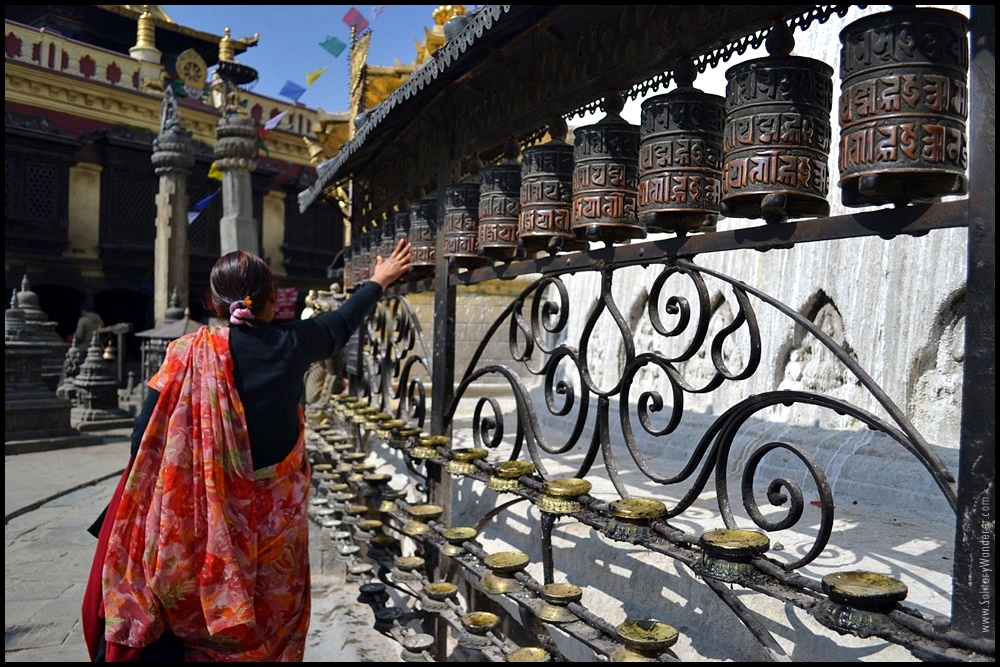
    To begin my journey, I visited the Swayambhunath Stupa, which obviously strives to make its way into heaven. At a high elevation overlooking the valley below, proudly displaying its presence on the skyline. As I slowly made my way up the long steep stairway. I could hear prayer wheels spinning and monks chanting serious prayers. At last, I reached the top, and I could see the domed stupa structure, white, and oval-shaped. With the eyes of Buddha looking in 4 different directions.

    Golden skies, Kal Bhairab statue at Kathmandu Durbar Square

    The sun was starting to rise and as it was breaking the horizon to begin the day. It was wrapping her arms around the city of Kathmandu. In the morning cool, the prayer flags were flying in the air. Something here touched me and gave a feeling of peace and grounding in that beautiful and fragile lives are cherished as human beings. I started my trip at Swayambhunath Stupa, which clearly tries to rise up into heaven. 

    So simple, yet so powerful. Later that same evening, I attended Pashupatinath Hindu temples in Nepal. As night fell, priests were observing the ‘aarti’ night service on the Bagmati River. Around the priests were thousands of devotees, holding lamps, singing and dancing. It is an incredible sight to see people surrender everything they believe in. 

    Up high, it looks down upon the valley below and is proud of being within the skyline. After walking for a bit up the very long steep steps, I could hear prayer wheels, and monks chanting very serious prayers.Tears rolling down their chins. They prepared to raise their necks to view and to pray with joined palms. Faith here was not simply a type of expression; faith is a type of living.

    The following day, I explored Kathmandu Durbar Square. It is the old royal palace and pagoda temples still reveal the architectural beauty of Nepal. Children ran around the grounds chasing pigeons while other sat on wooden steps. Discussing politics, religion, and family. When you are in Kathmandu, there is always some form of movement. However, there is a sort of rhythm behind the noise. 

    Things to do in Kathmandu

    • Get up early and go to Swayambhunath Stupa for sunrise
    • Experience the calm of early morning prayers
    • Attend the aarti at Pashupatinath in the evening – it will be amazing
    • Visit Kathmandu Durbar Square and try local Newari food; preferably Bara and Samay Baji

    Patan: The City of Art and Soul 

    Just a short ride from Kathmandu took me to Patan, which has a feeling of being an open gallery. Known as Lalitpur, “City of Beauty,”. Patan possesses a magic with fine arts, graceful temples, and warm people. Here, tradition and creativity go hand in hand. As one can see in the images below of temples and intricate designs.

    I spent some time at Patan Durbar Square watching. The Krishna Mandir stood in the middle, surrounded by beautifully carved windows and clay-red courtyards. Every carving, every angle, is full of history. 

    Inside the Patan Museum, I sat in front of sculptures of ancient people or metal statues carved from copper made over centuries with patience and spiritual love. Each work in the museum rang with the idea of nothing being made for gain. The silence allowed me to be connected to the creators generations before me who devoted their lives to bring pieces of art to life. Not for fame, but for God. 
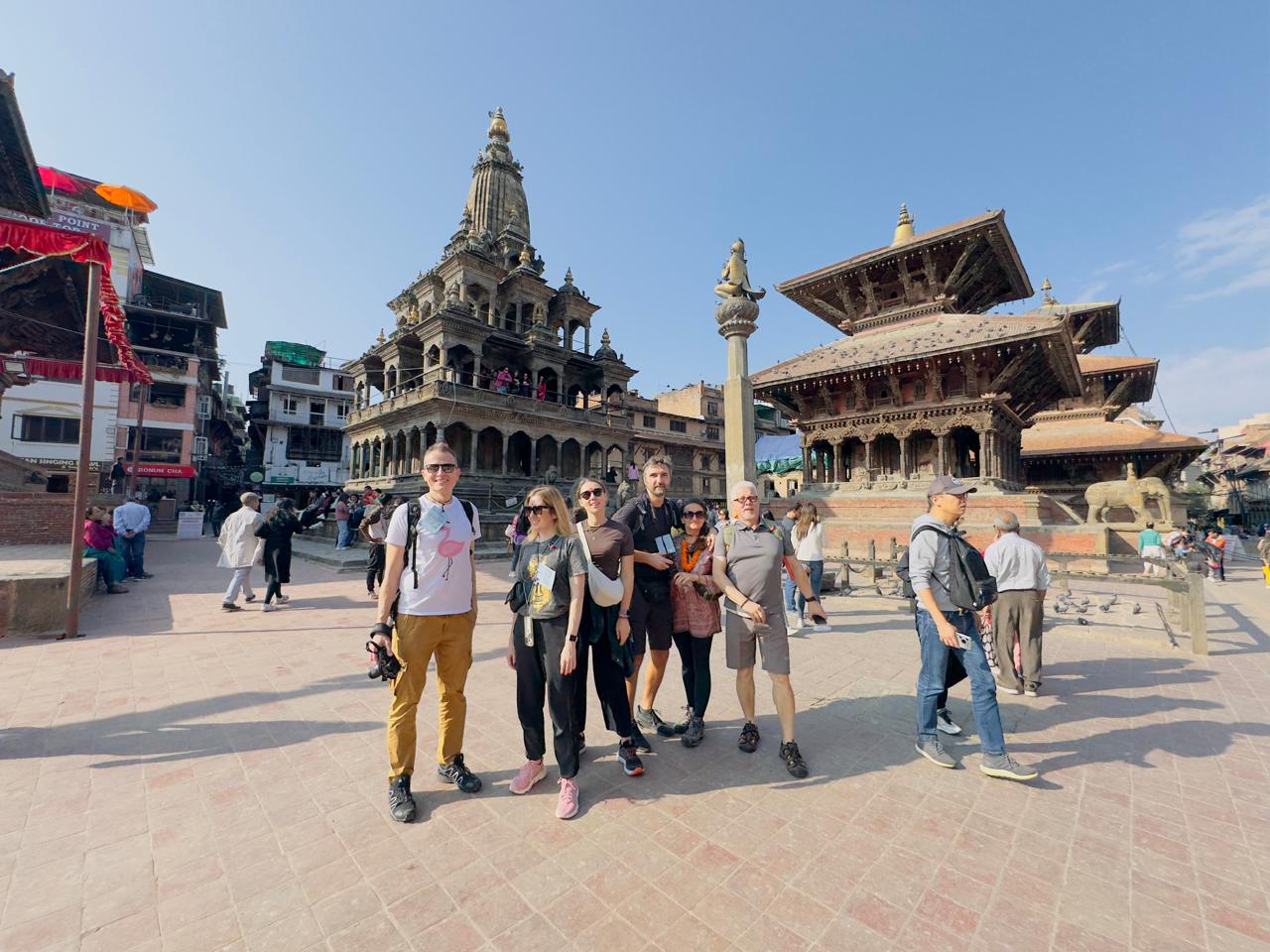
    Sightseeing Around Patan Durbar Square with krishna temple in the background

    As I traveled deeper into the chaos of the city. I met an older gentleman working with metal outside of a small workshop that seemed to be home. His hands were rough from kneading bronze and copper like butter into different shapes and symbols. When I hesitatingly asked him what inspires his art, he smiled kindly and said, ‘In Patan, we do not make art to sell.” We do it because it keeps our ancestors alive.” This phrase communicated the slightly more literal nature of Nepalese culture; art, mindfulness, and heritage are virtually interchangeable terms. 

    Things to do in Patan

    • The Golden Temple (known as Hiranya Varna Mahavihar) will give you insight into their (often collective) Buddhist customs and their astonishing abilities. 
    • During the golden hour, the Pata Museum and the nearby sacred temples will take on a golden shade. 
    • Speak with some artisans, and they will warmly greet you with tales and smiles. 

    A True Time Travel, Bhaktapur

    If you wish to see what life looked like in Nepal 100 years ago. Bhaktapur is your best place for you. As soon as I walked over the walls, time seemed to slow down. The atmosphere felt different. It felt slow, and brick lined the external walls of brick lined the streets with their old, dusty courtyard spaces. Bhaktapur is a museum of Newari culture and a city of old robes.

    As I walked around Bhaktapur Durbar Square. I couldn’t help but gaze at the height of the Nyatapola Temple. The carved stone guardians, the carvings of each carving. And the vertical awe of this square transported me into another dimension. It is one of those places that makes you feel and breathe history into the surrounding air. 

    I continued my way past pottery, where a new cast of feminine and masculine genders was sculpting the earthen pots with their craft. The earthy smell filled the area, as many earthen pots were sitting in drying stages in the afternoon sun. 
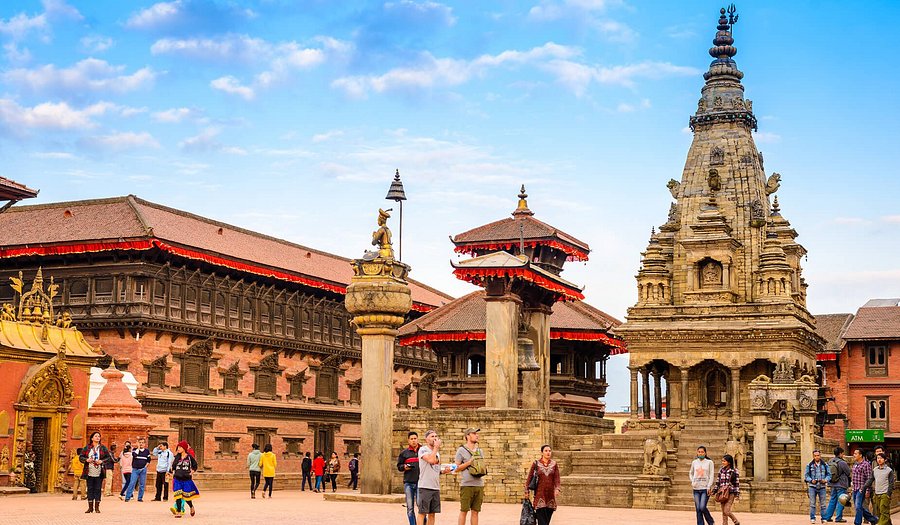
    Temples around Bhaktapur Durbar Square

    I stopped at a small shop to sample Juju Dhau. The iconic “King Curd” of Bhaktapur is served in a small clay bowl, and it was sweet, thick, and creamy (some of the best yogurt I have ever tasted!). The shopkeeper couldn’t contain his pride when he said, “Our family has made yogurt for five generations.” I could sense even the food in Bhaktapur takes on a heritage. 

    I happened to stop in another area, noticed all of the people gathering to pray. The warm dim lit glow from the oil lamps danced for life in the window. It is in moments like this that I thought, yes, while this country and even this world is undergoing modernization, there will always be places like Bhaktapur where these traditions remain, quietly revered and cherished. 

    Things to do in Bhaktapur

    • If you can, experience Bisket Jatra. It is bright colors, music, and emotion.
    • Try some Juju Dhau and explore Durbar Square at night, when the lamps illuminate both temples and streets. 
    • If possible, watch the potters at work, or try your own hand at shaping clay in Pottery Square. 

    A Place of Peace,Lumbini 

    After spending a few days in the mountains, and a few more in the countryside, I found myself at the site of Lumbini. Lumbini is known as the birthplace of the Lord Buddha. From the moment I arrived to be welcomed, I felt the stillness set in. The town’s noice settled to a sound stage of peacefulness. The wind revolve around the leaves of the trees at one end of the property. While I attended to the muted yet gentle vocal chanting from the furthest reaches of the area. The soft, tinkling tones and blooming of what must have been many. Many temple bells started as wrap melodic ornaments and jungles.

    The Maya Devi Temple identifies the location where the Maya Devi gave birth to Siddhartha Gautama. It is such a humbling thought to actually stand in a place like this. Monks from many places on the globe, each wrapped in their glowing orange sacred robes. They  were sitting in silence, not only in the sun but in stillness and meditation. I reflected on the scene, watching the prayer flags spinning around beside the temple. 

    Before making my way to the temple itself. I didn’t feel rushed, nor distracted  just peaceful. I spent the day wandering everywhere in the Monastic Zone. Seeing what international monastic architecture expressions of Buddhist worship look like. As the evening approached, I walked in the Garden along ancient trees and distant chants from other monasteries. In some places, you just feel better being there. Lumbini showed me that peace is not something we need to seek; it already exists within us. 

    Things to do in Lumbini

    – Make sure you visit Maya Devi Temple early in the morning when it is still quiet.

    – Enjoy looking at the international monasteries and see the different types of architectural styles.

    – Meditate under the Bodhi Tree, to even more significantly try to slow down your thoughts even more significantly.

    The City of Lake, Pokhara

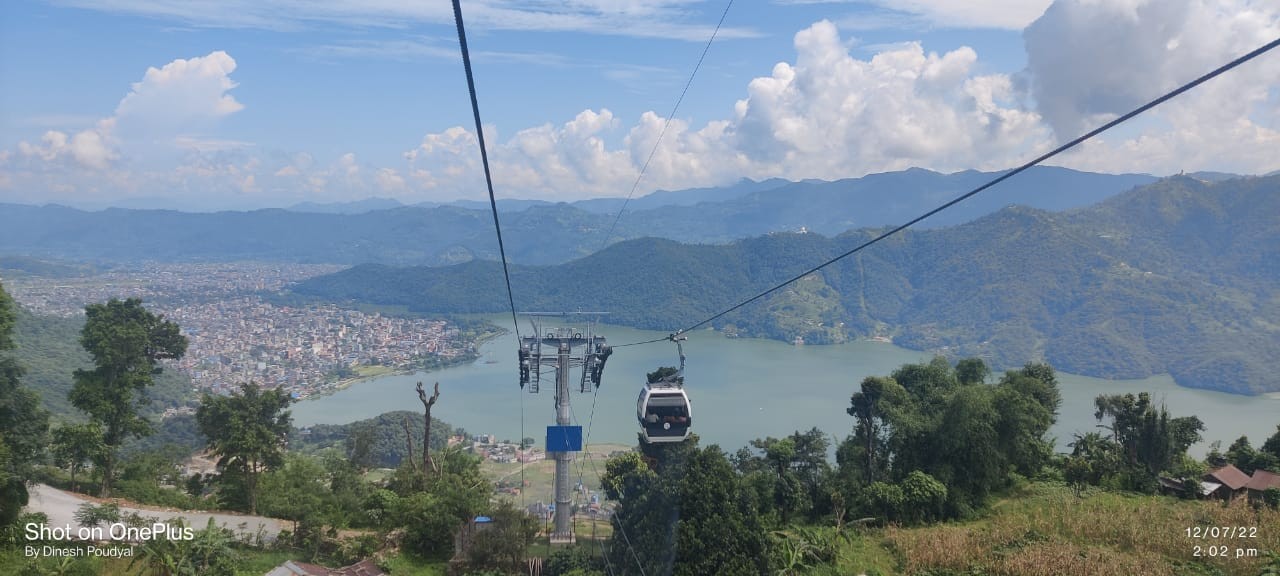
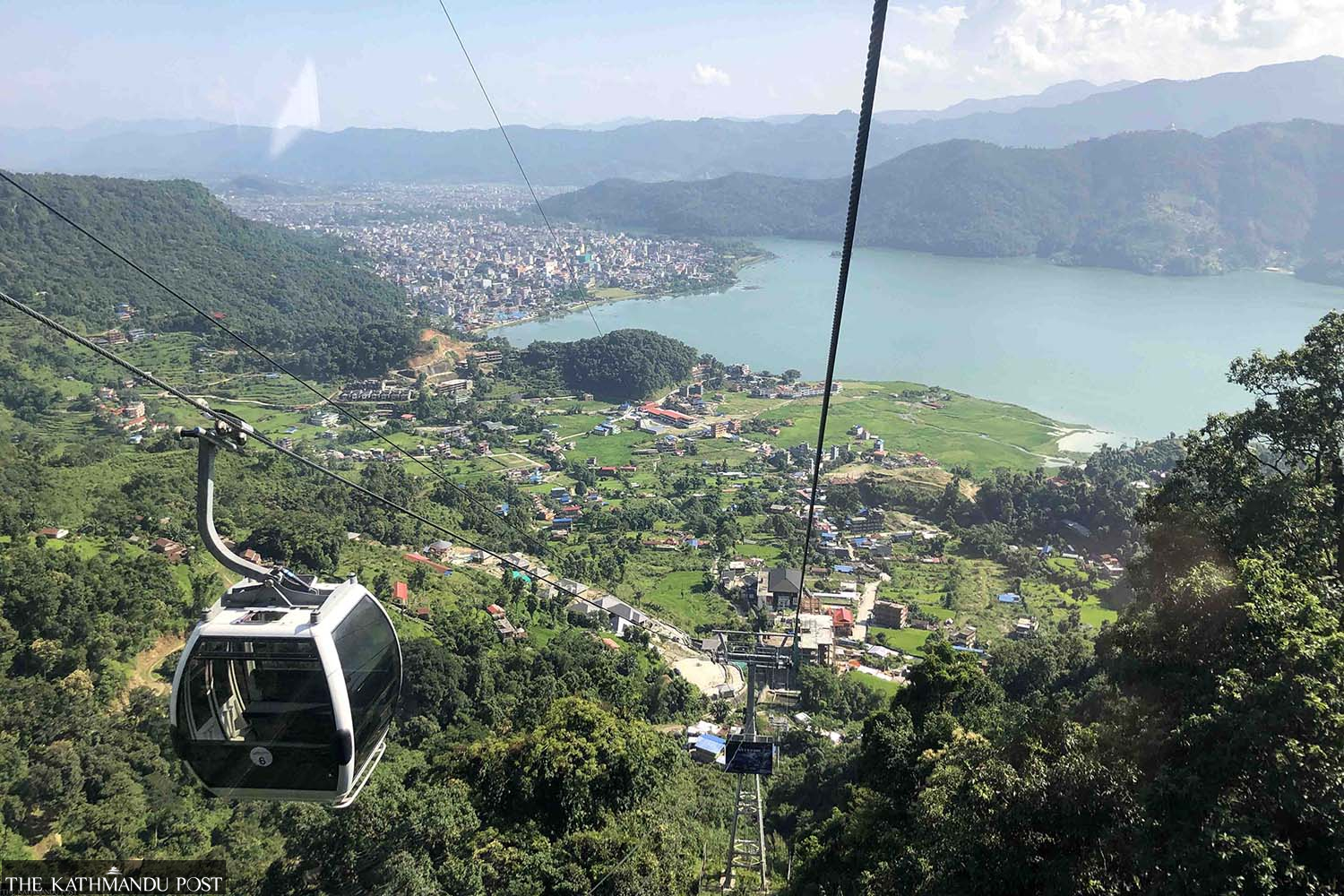
    Commonly called the “city of lakes,” for me it was the “city of reflections”. Both in the water and spirit. It is situated at the foot of the Annapurna range with some of both the sacred and scenic beauty of the land.  Every morning, I  would walk down to Phewa Lake and charm in the perfectly still water with the mountains perfectly now in it. The locals, too, came to the lake for a prayer, or a fish, or just to sit, sometimes silently. There was something soothing about this simplicity in its approach.

    One of the most enjoyable experiences I had while we were there was time spent at Bindhyabasini Temple, the oldest temple in Pokhara. I arrived just in time for morning puja, as I remember the flowers filled the air with sweetness. And women in saris prayed with their offerings, bells ringing with an ethereal rhythm which somehow felt organically connected to something innocent, not fear.
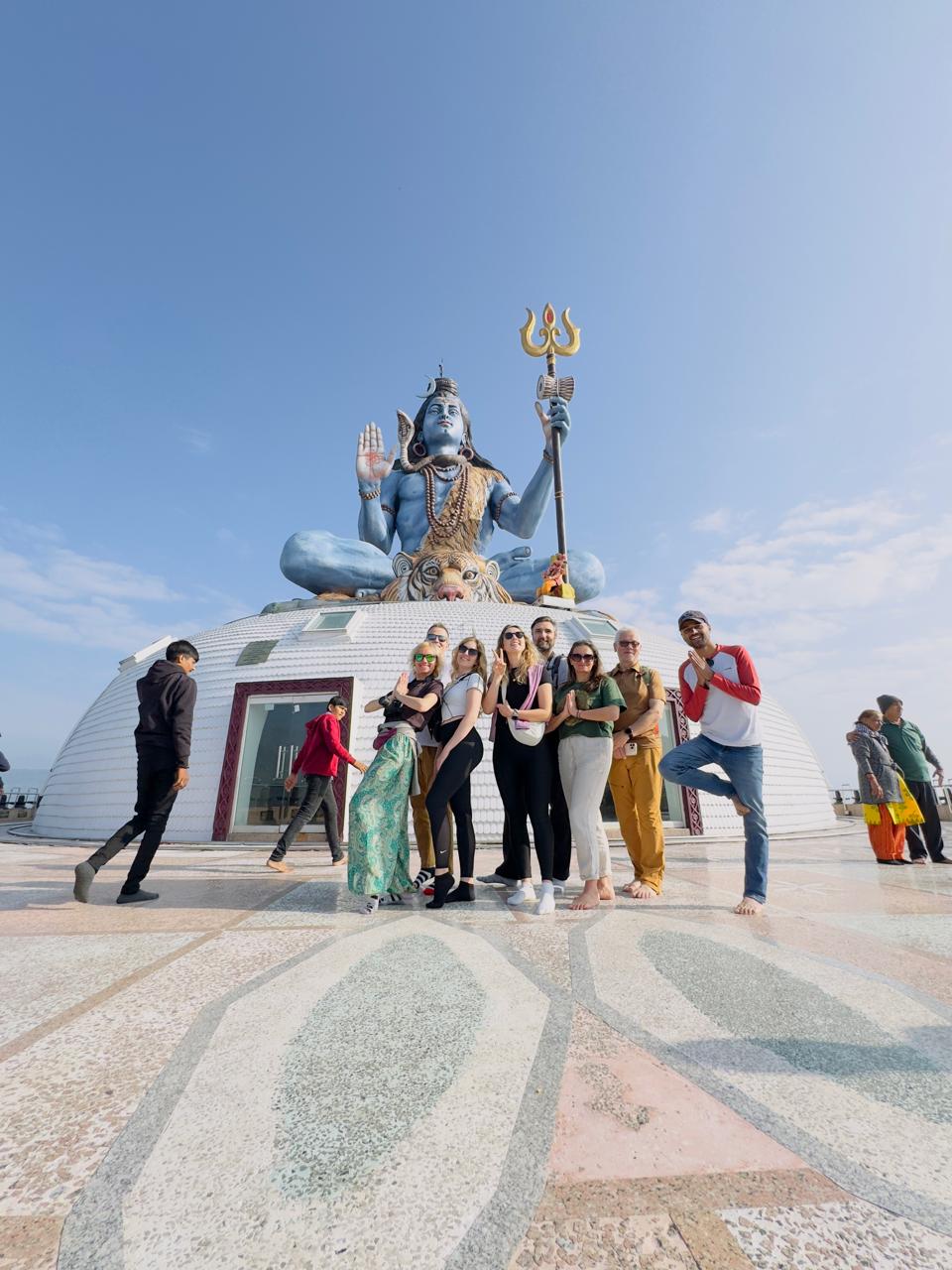
    Group of Happy Mountain clint taking pictures at Pumdikot shiva statue

    In the evening, we joined local community members and lit little oil lamps to place in Phewa Lake.They floated lazily on top of the water like stars falling from the sky. The lights floated on the surface of the water, like stars falling from the sky. It was a moment to think about large charmily as there were countless lights floating along. Some display peace, others hope, and even some gratitude. 

    Pokhara offers one more view of the diversity of culture in Nepal. When I was in the area. I visited the Gurkha Memorial Museum, which reminded me of how pride and honor.

    Things to do in Pokhara

    • Start your day with an early boat excursion on Phewa Lake and then complete a day trip to Tal Barahi Temple. 
    • It is also worth mentioning that you have to experience the sunrise from Sarangkot since bathing in the golden light with spectacular views of the textures of the Himalaya.
    • After that, t you will probably want to navigate around Old Bazaar, and if it remains possible, there are no complete experiences without stopping at the sacred Nakshasat Temple. 

    A Community Frozen in Time, Bandipur 

    Located proudly on a hill between Kathmandu and Pokhara, Bandipur will invite you to sit and take all it in with a full breath. The town is calming and beautiful. It gives some nostalgic novel feel. Newari homes hug alleyways, woodstove smoke drifts and throws itself about, and the sweet smell lentils require a reserved stomach for aware pleasure.

    I had the good fortune of staying at a small homestay run by an extremely nice family. They assumed I was one of their own. I was treated to wonderful hospitality. Every evening we all sat out on the balcony, looking into misty valleys, while sipping milk tea, and discussing life. The grandmother talked about all the ways the town celebrates the festivals of Dashain and Tihar with music, lights, and laughter. “Our joy is simple. We celebrate together, and that is it.”

    Children played traditional games, women prepared food for the festival. And men exchanged viewpoints on local issues in front of local shops. I felt in little Bandipur, that I entered an experience where community matters.

    old traditional structure in Bandipur

    I was lucky enough to see two of the most scenic sunsets during a trip in Bandipur. The dusk sky was painted with pink and golden colors. There were no signs of people, cars, or noise other than the wind rustling and temple bells ringing from time to time. Meanwhile, the Himalayas slowly receded into the background. 

    Things to Do in Bandipur 

    • Walk the main bazaar one evening around sunset and enjoy the tranquility. 
    • Homestay with a local family, and away from tourists. 
    • Try a piece of Sel Roti and Yomari, which folks make for their festivals. 

    What I Learned from a Cultural Experience in Nepal 

    The main thing, I learned from Nepal was that culture is not a building, or an event. It is in the people and the sharing and generosity.The person you just encountered who offers you tea, the child who looks down shyly smiling to you a namaste. The family of people who gather every night to pray and sing and share their lives together. My time in Nepali culture changed my view of the world. I learned to be happy without ownership, to be at peace by finding simplicity, and to express beauty in the most common of times. I felt a sense of connectedness in all things. From chanting in the temples in Kathmandu, to feeling a sense of peace in Lumbini, to finding beauty in the art of Patan, to laughing in Bandipur. All were experiences of community that reflects language and faith.

    When leaving Nepal, I took more than just a few souvenirs. I took the melody of the temple bells that were ringing in my heart. And the beautifully slow release of incenses in my pocket, to feeling the sweet creamy, empty taste of the curd on my tongue. As well as wearing the warm-fuzzy feeling of being advised by strangers together as a family. More than a memory, it was a new lens of viewing life.

    Conclusion

    In Nepal, the experience of cultural immersion is not a hurried activity. It signals you to slow down, listen, observe, and open your heart. The country does not accept you as a tourist, but rather as a friend who wants to endlessly share its ancient wisdom and joy of living daily.

    If you ever come to Nepal, do not just see it feel it. Walk through the old squares, talk to the artisans, eat with the locals, and let the rhythm of life guide you. Because in Nepal, the most meaningful experiences are not found on maps; they are found in moments that touch your soul.

     

  • What’s the Hardest Trek in Nepal? Personal Journey to Upper Dolpo

    What’s the Hardest Trek in Nepal? Personal Journey to Upper Dolpo

    What’s the Hardest Trek in Nepal? My Personal Journey into Upper Dolpo

    When I get asked what the hardest trek in Nepal is, I always take a moment to respond. The reality is, there are plenty of treks in Nepal that really push your body Kanchenjunga, the Great Himalayan Trail, and Upper Dolpo, all very deserving of that title. But when I think back on my own experience of trekking, the hardest trek in my opinion is Upper Dolpo, and it was not so much a trek as much as it was a battle between my body, my mind, and, at times, myself on the desire to continue. 

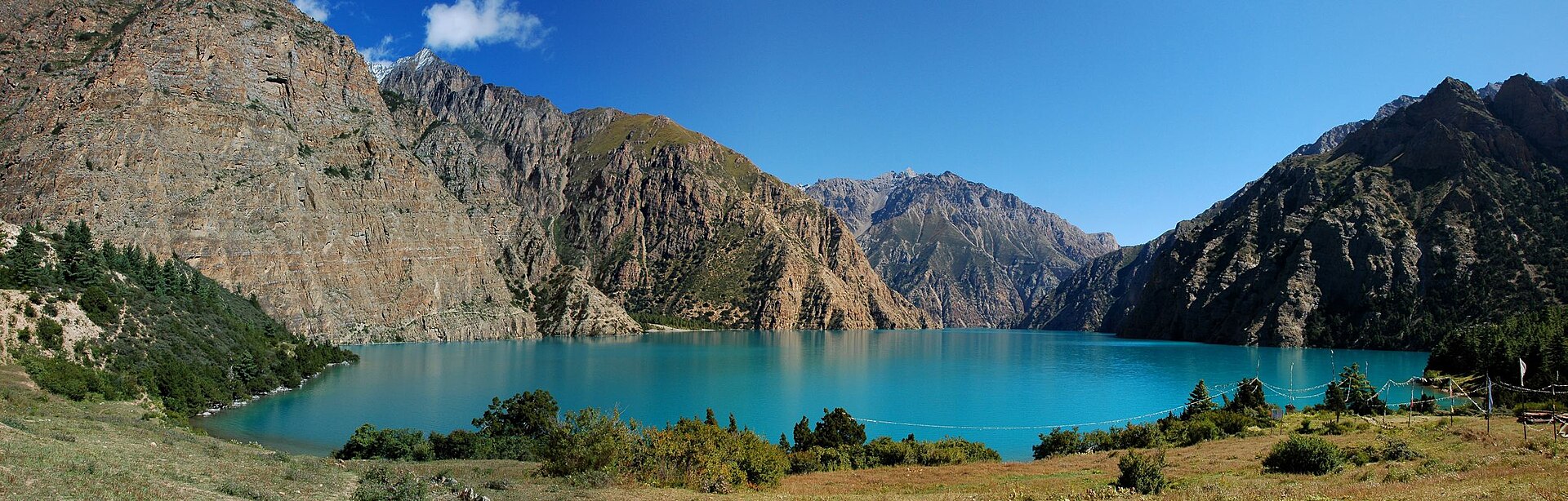
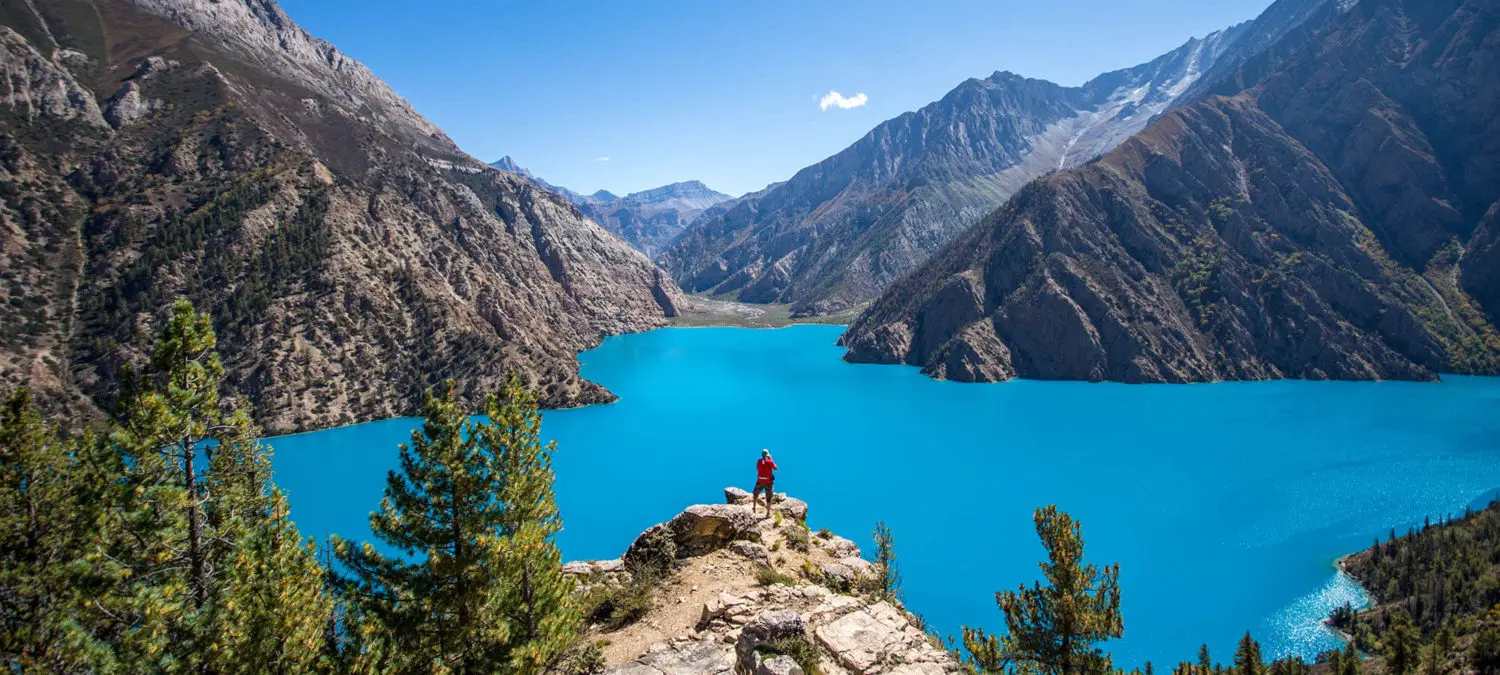
    Shey Phoksundo Lake, a stunning alpine freshwater lake located within Nepal's Shey Phoksundo National Park in the Dolpa District.

    I was expecting mountains and beauty, and instead found something much more raw. Silence so thick it was unsettling. Trails so long, it felt never-ending. Nights so cold I could not feel my fingers. But, with all this, there was something there that changed me.

    The First Steps into the Unknown.

    The feeling that I experienced when I arrived in Dolpo was something totally otherworldly. It began with flying somewhere far, then jumping into a multi-hour jeep ride up a road that seemed ready to give out at any moment. I was tired before I even started walking. But then the trail opened in front of me. There were landscapes I could not have imagined: the bare, vertical cliffs, the open valleys, yaks scratching against the wide-open sky. 

    In some ways, the first days were simple, long days of walking and moving steadily onward, but certainly nothing significant yet. I passed kids running barefoot, savoring one another’s laughter. Nurturing villagers offers butter tea, and I was met with joking smiles. It was warm and heartfelt. But somewhere deep down, I knew, the real challenges had not started yet.

    The Day That Nearly Broke Me.

    The most challenging day on the journey occurred at the Shey La Pass. The elevation is above five thousand meters, and I had been anticipating it for days. I hardly slept the night prior. My water bottle was frozen solid in the tent, and the elevation was extreme enough to make each breath of air feel like breathing through a straw.

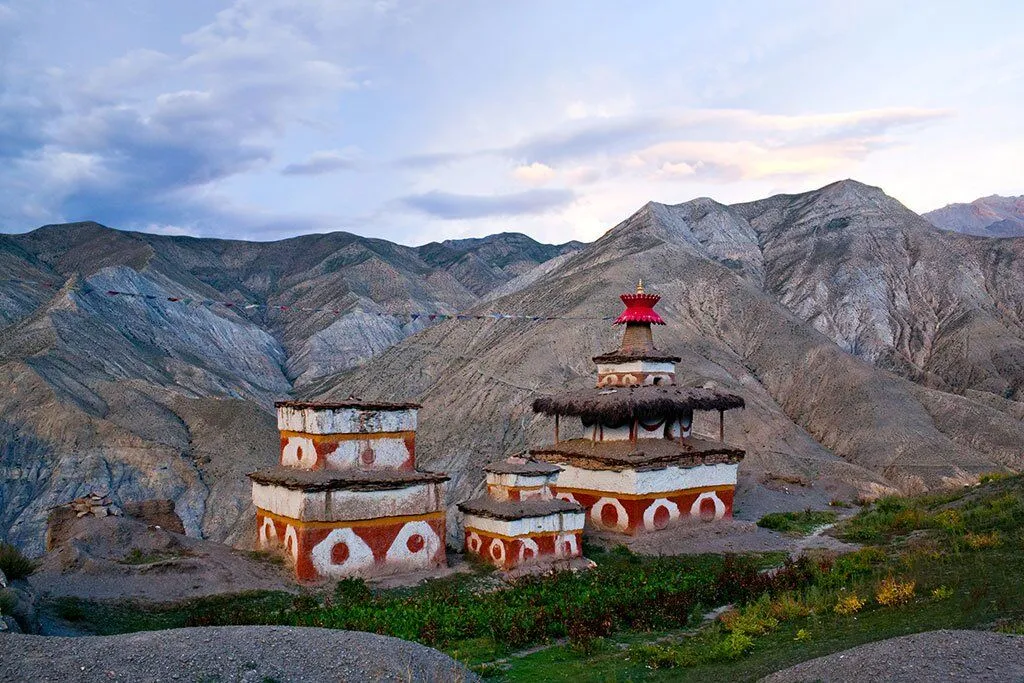
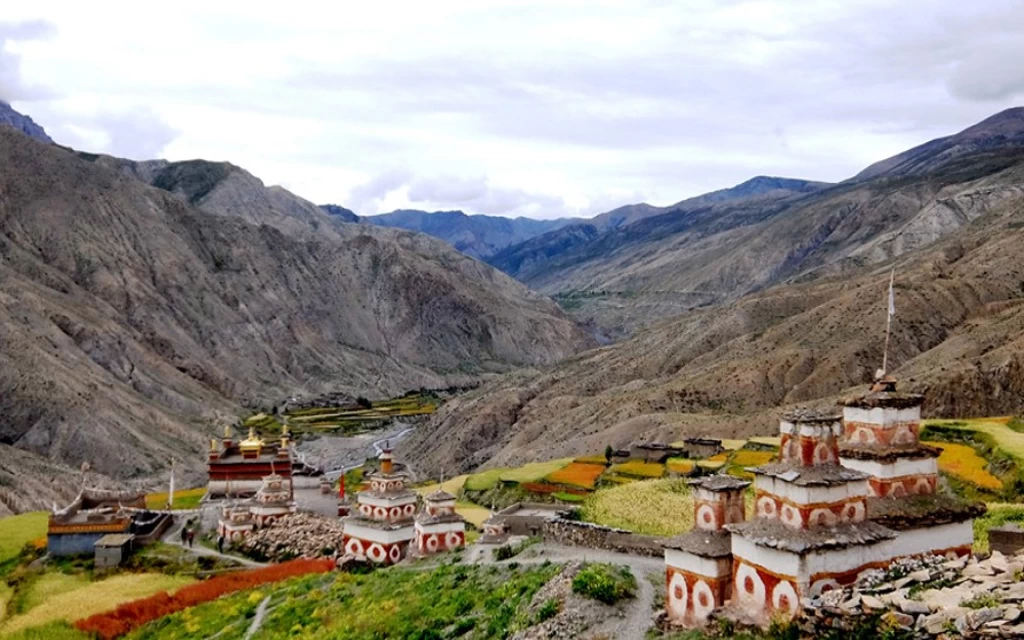
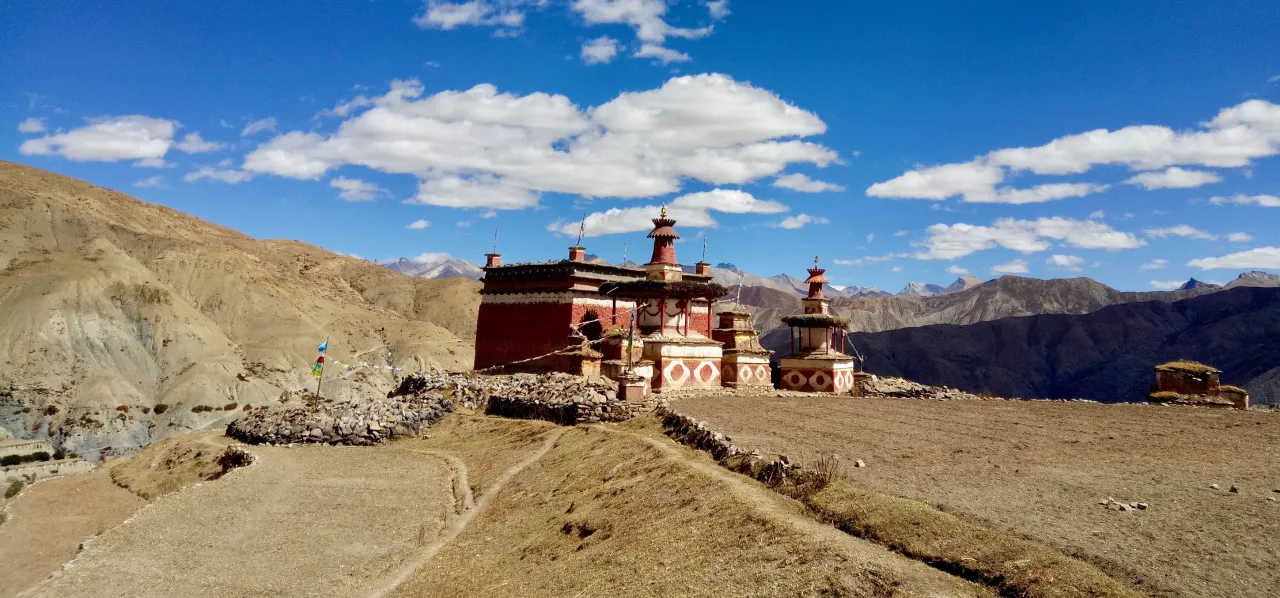
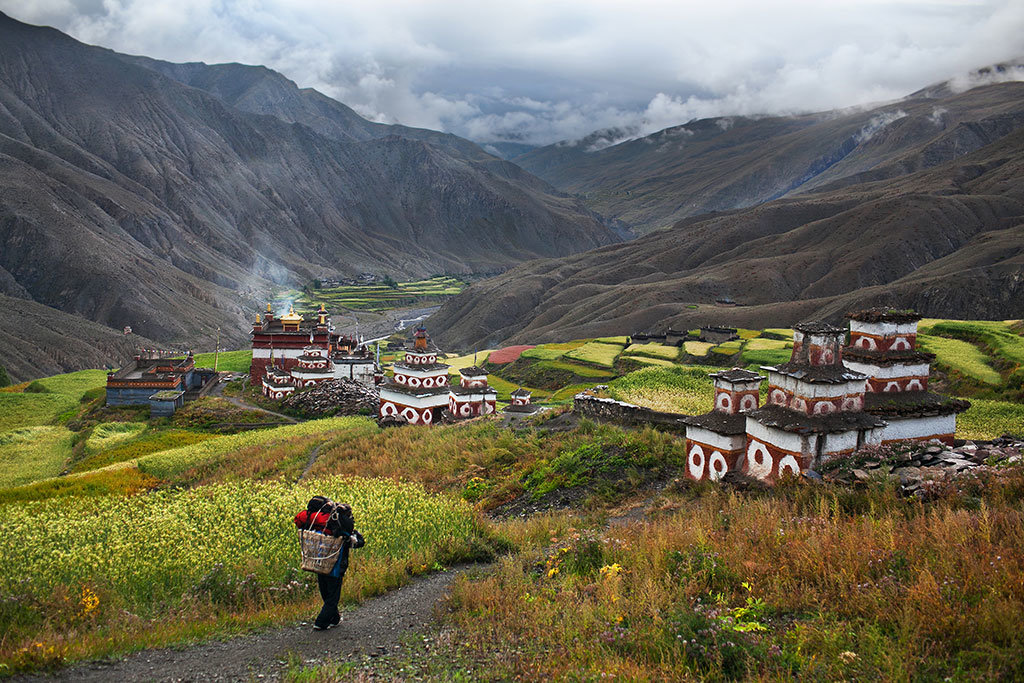
    traditional tiered chorten or monastery in the Upper Mustang region of Nepal, built into the side of a rugged, rocky mountain, with distinctive white and red/orange patterns, green foliage nearby, and another smaller structure lower down the slope.

    The sun began to rise, and we set off for the elevation. The cold felt sharp, stinging my cheeks like needles. I could hardly lift my legs because they felt quite heavy. I kept stopping to come to a halt while bent over, catching my breath as though I were running a marathon, and I would repeat that idea multiple times. Recalling each time I remember thinking: What am I doing? I could have been home in a warm, comfortable space, but here I was suffering.

    Just when I began to suffer debilitating doubts as to whether I could put one foot in front of the other, the summit appeared right in front of me: colored prayer flags flapping wildly against a backdrop of pure white snow. I stood there quivering, fatigued, yet in some sort of mixed-tragic-comedic form, I knew it was going to be “ok”. My pain, my effort, my fear, could all melt away into pure joy in a moment of complete repose. I was crying, not from sadness, but from relief and gratitude.

    It was the view that took my breath away, but it was the people who took me the furthest. The villagers of Dolpo live in what could be called some of the more unimaginable conditions on the planet, but their hearts are as open as they come. One evening, I was invite into the home of a family. We all sat around some buirs drinking hot, salty butter tea and eating the simplest of fare. The children were giggling, pointing at me, and curious about my strange attire and my juvenile attempts at Nepali.

    Their generosity made me realize something: adventure is not about conquering high mountain passes or checking destinations off your list. Its definition will always be distill down to a human experience. In those moments when I was surround by people who had so little and share so much, I felt more alive than in my busy city life. 

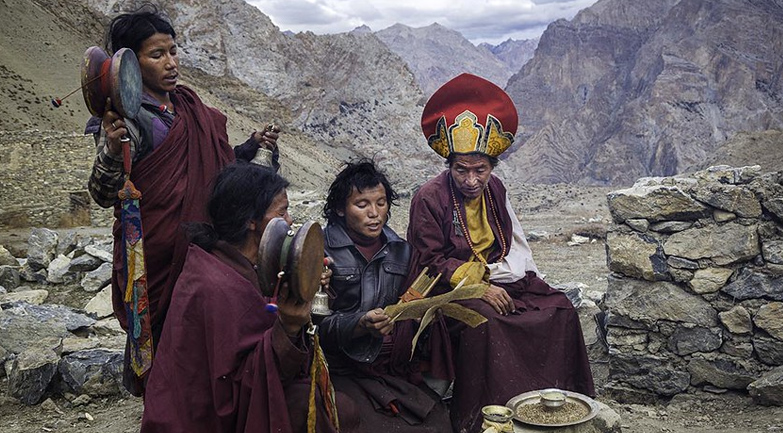
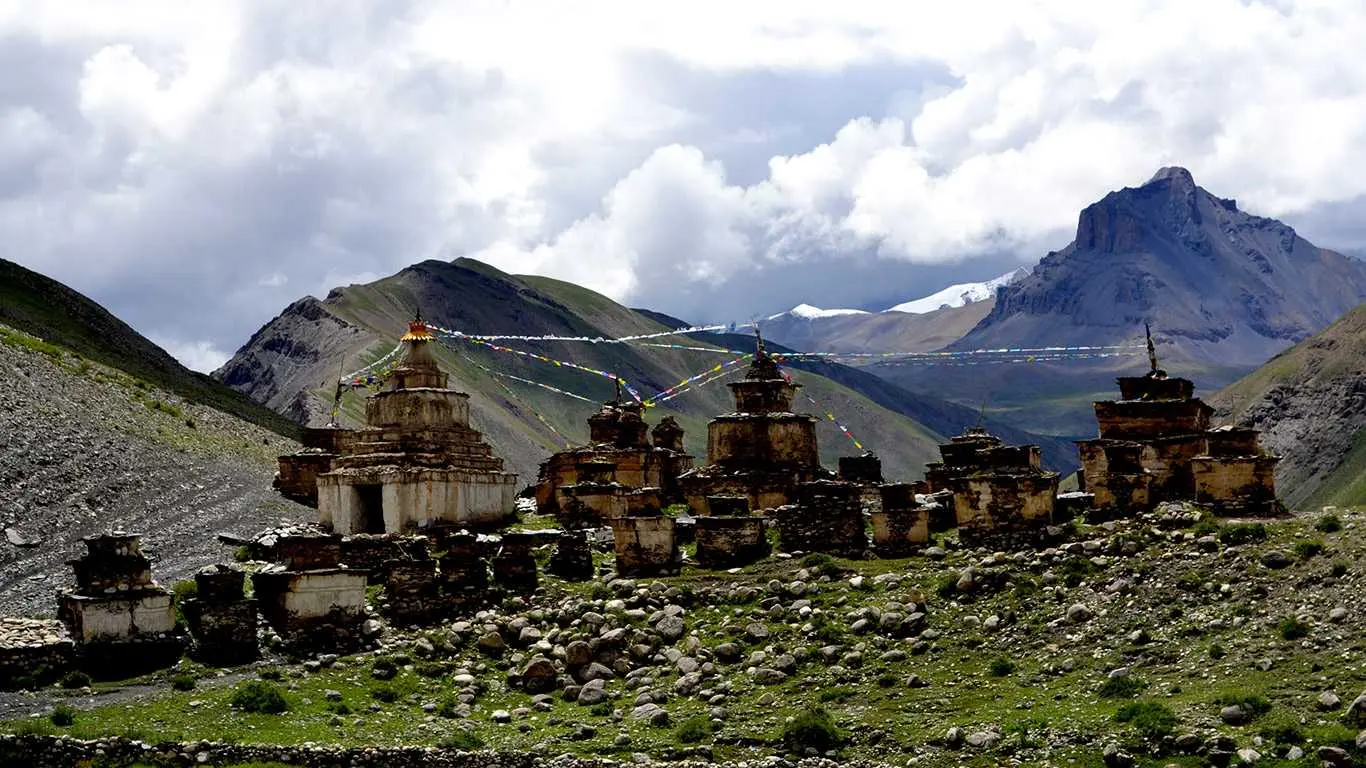
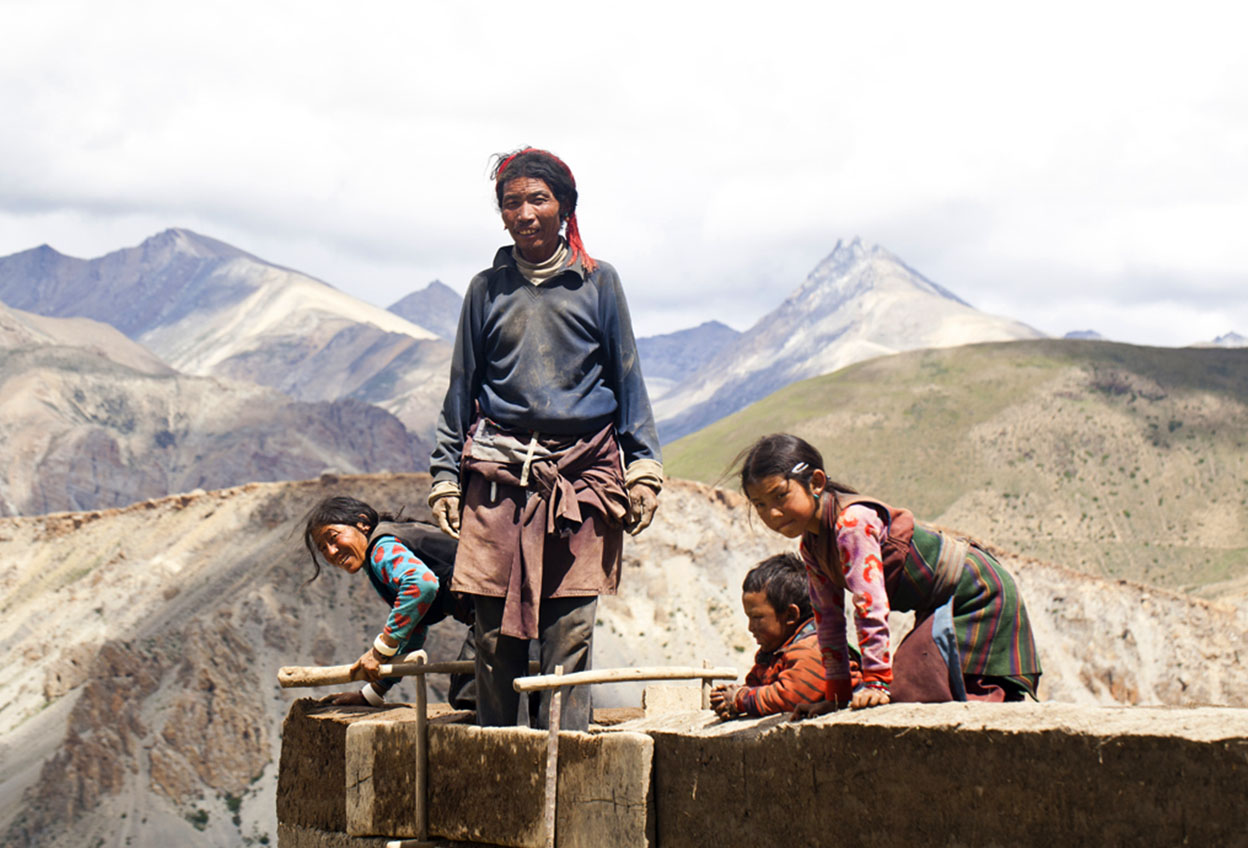
    The image likely depicts a Tibetan Buddhist ceremony or ritual taking place in the mountainous regions of the Himalayas, possibly involving monks or lamas performing a traditional religious observance.

    What Makes Dolpo So Difficult?

    It is not just the altitude (though it is uphill), and it is not only the duration (weeks of walking, with no real breaks), and not only the remoteness (knowing you will have help, if you need it, but it will take days), and not only the weather (sunshine one minute and snow the next). 

    It is a mind game. Waking up each day sore and tired, managing to talk yourself into continuing forward. No matter how hard, painful, or demanding it is, keeping on task regardless of moments when your body is simply screaming at you to stop! It feels like this is the one thing that makes Dolpo, and similar treks, so impossibly difficult.

    Why I Would Do It Again:

    You might be asking yourself why someone would want to do something like that. I asked myself that halfway up my hill. But now that I’m back home, I see why. Trekking in this way takes everything away. It pushes you out of your comfort zone and routine, and plops you into a world where each step you take, every breath you take, and every sunrise is important. 

    I learned in Dolpo what I am made of, I understand how unbelievably beautiful silence can be. I discovered that often the most challenging and dangerous trail can lead you to the most spectacular epiphanies you’ve ever had. The hardest trek in the world, in Nepal, might grind you down, but it also builds you up – in a way you never thought was achievable. That is exactly why I would do it again! Upper Dolpo is a journey of a lifetime. Contact us today at Happy Mountain Nepal, on Facebook, Instagram, or TikTok .


  • How to Prepare for a Trek in Nepal: Packing, Fitness & Permits

    How to Prepare for a Trek in Nepal: Packing, Fitness & Permits

    How to Prepare for a Trek in Nepal: Packing, Fitness & Permits

    Introduction

    Nepal is full of treks and is a dream for trekkers from around the world. With the highest mountains in the world to trek around, culturally diverse trails to hike, and amazing biodiversity, it is not surprising that every year thousands of trekkers come to Nepal to trek to Everest Base Camp, the Annapurna Circuit, or to explore Langtang Valley. Even with our dreams of snow-capped peaks and beautiful trails, trekking in Nepal is strenuous on our bodies, with significant preparation required. Physically preparing for your trek is essential, as is laboriously preparing if you are not used to walking up and down hills. It is key to prepare for a trek – and to be physically, mentally, and logistically fit for a safe, competent, and rewarding experience.

    In this guide, we will highlight the three main areas to be prepared in: the packing of appropriate gear you will need to take, how to prepare for your trek, and the needed permits, so you can trek in Nepal with the utmost confidence.

    how to prepare for trekking

    1. Fitness Preparation for Nepal Trekking: Train Your Body and Mind

    On your trek in Nepal, you will be walking between five to eight hours a day, and if you are fit for the trek beforehand, it will be easier and lessen the chances of injury or altitude sickness. Trekkers ideally should begin their physical fitness prep for their trek at least 6 – 8 weeks prior to departure.

    There is much trekking to be done throughout Nepal for 5-8 hours a day, often at high elevation and inside every type of rugged terrain imaginable. A good trek starts with good physical training.

    fitness for trekking

    1. Training

    Prepare and train 6 – 8 weeks prior to departure! Most importantly, don’t wait until your trip to prepare! Trekkers need cardiovascular fitness, leg strength, and endurance in general when trekking at elevation. Therefore, you should start a course of physical fitness well before departing to build your physical fitness level over the weeks and months leading up to your trek!

    2. Cardio Exercises

    First, prepare for your cardiovascular fitness regimen. The heart and lungs can be prepared for the mountains by hiking, brisk walking, jogging, cycling, swimming, and stair climbing. If you can, do your hikes on trails with elevation gain; if you really want to be realistic, pack a backpack with some weight to mimic the authenticity of a hiking experience.

    Hike as often as you can in terrain that has elevation gain: we want to train to prepare you for the nuances of altitude. Trekking, as opposed to typical hiking (or cardio), can “hit” the body differently, so we want to encourage you to hike at elevations above 2,500 meters, but only if you can to prepare for altitude (this may not always be accessible, so educate yourself about altitude sickness (Acute Mountain Sickness or AMS), acquire the knowledge where you can recognize the symptoms (e.g, headache, nausea, dizziness), and then practice how to avoid it. Getting acclimatized, staying hydrated, and accumulating elevation in a timely and gradual approach are all important factors that cannot be taken lightly to stay healthy in the mountains.

    3. Strength Training is Key

    Strength training isn’t any less essential than cardio. Include squats, lunges, step-ups, and planks in your training. That will strengthen the muscles that stabilize your hips and knees required to walk up steep slopes, and to descend quite steeply. And don’t neglect your upper body! By exercising the shoulders and back, you will discover pack is easier in the long term.

    Strength Training
    Fitness training for the Trek

    When you have established strong legs and stable core muscles, actually carrying a long hike backpack will be easier.

    • Leg Exercises: Squats, lunges, step-ups, and wall sits develop the strength of the muscle groups used for trekking.
    • Core Strengthening: Planks, crunches, and mountain climbers establish stability and balance upon uneven trail walking.
    • Exercise with Loaded Pack: Acclimate oneself to walking with a loaded pack of 6-10 kg. Practice your pack on flat ground, slopes, and stairs to mimic the terrain you will be walking.
    • Acclimatization Readiness: Learn to recognize symptoms of altitude illness if you don’t know what it is. It catches anyone regardless of how physically fit you are, so get to know the symptoms & acclimatize at a moderate altitude, if at all possible.

    2. What to Pack for a Trek in Nepal: Smart, Lightweight & Weather-Ready

    Having the right pack is having the whole experience in mind: a cold night, a hot day, wind, storm, or snowstorm, without overloading your pack to have too much weight.

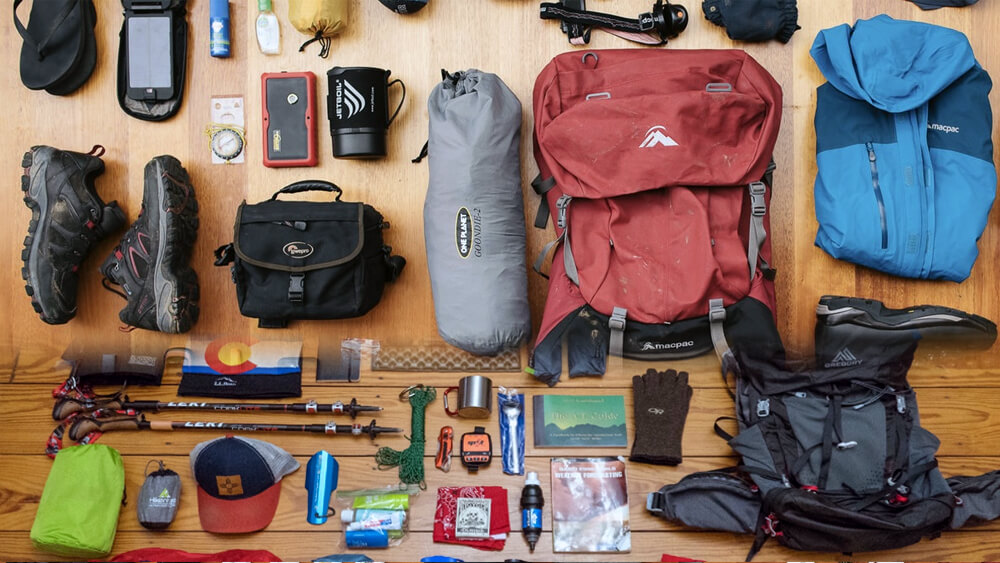
    Trekking Gears for the Adventure
    Gears

    1. Clothing Layers

    Your clothing will be moisture-wicking base layers, insulating mid layers of fleece jacket or down jacket, and a wind- and water-proof outer layer. Pack two or three base layers (long sleeves), one or two mid layers, and one outer jacket if you possess it. Do not forget your trek pants, sun cap, warm woolly hat, windproof gloves, and buff or neck gaiter to prevent the wind from getting to your neck.

    • Base layers: thermal top and leggings to wick sweat off your body for acclimatizing yourself to the heat.
    • Outer layer: Windproof jacket, waterproof snow pants for rain/snow.
    • Mid-layers: Quilted jackets of down or fleece filling for insulation.
    • Extras: wool hat, gloves, buff/scarf, sun hat for daily protection.

    2. Footwear: Comfort Comes First

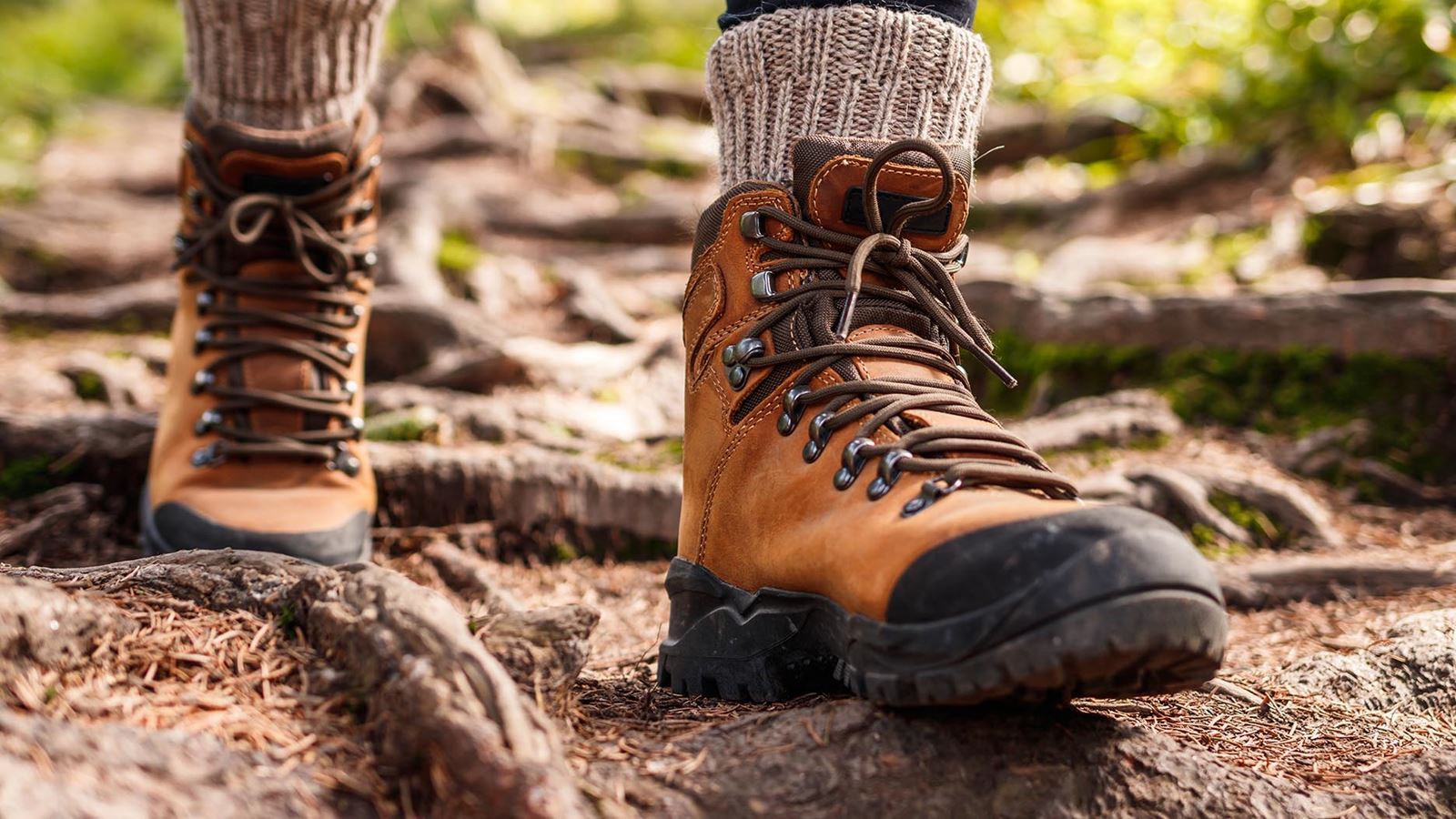
    The most important thing that you will be packing is your footwear. You need to obtain quality, size-appropriate, durable, broken-in trekking boots that support your ankles. DO NOT wear boots that you have never used or are brand new on the trail, because the last thing you want happening on your trek is blisters that will ruin your trip. You should also take lightweight sandals or camp footwear for the evenings. When buying socks, take 3 to 4 pairs of quality trekking socks, which will be merino wool or some sort of moisture-wicking synthetic blend that will minimize moisture build-up and reduce friction.

    Trekking boot is crucial
    Trekking Shoe
    • Trekking boots: Wear comfortable, broken-in, waterproof, ankle-supporting boots.
    • Camp shoes: Lightweight slippers or sandals to wear when you are relaxing in teahouses.
    • Socks: Take 3–4 breathable and moisture-wicking merino wool or synthetic trekking socks.

    3. Trekker’s Gear Essentials

    Another important item is a sleeping bag that is rated to at least -10°C, especially, if you will be trekking over 3,000 meters, take your sleeping bag, and a reasonable day pack (30L – 40L). A couple of trekking poles are useful for reducing strain on knees and keeping stability when you are using them on steep or rocky sections of trail. A headlamp will be useful for early morning starts and if there is a power cut with remote lodges.

    Be sure to pack some water bottles or carry a hydration bladder with purification tablets or a filter, since bottled water can be expensive and adds to the environmental pollution left behind from following in their footsteps in some of these areas.

    Packing item for trek
    Packing Gears
    • Daypack (30L–40L): As a first step, you’ll pack a daypack for carrying water, snacks, a camera, and a rain jacket.
    • Sleeping Bag: Use a down sleeping bag – rated to -10°C, or lower.
    • Trekking Poles: Improves stability and may reduce strain on your knees if you’re traversing, particularly on rocky trails.
    • Headlamp: To help you with early starts, even when you have electricity, it is particularly important in off-grid villages if the power is off, and getting worse if you are trekking on a cloudy day.
    • Water Bottles & Purifier: You can pack up to 2 liters and make use of water purification tablets, or a water filter, to avoid buying so much plastic bottled water.

    4. Toiletries & First Aid

    Packing out your toiletries should be easy – travel size + eco-friendly: Small towel, biodegradable soap, toothbrush/paste, sunscreen, lip balm with SPF, hand sanitizer, toilet paper. Be sure to pack out the feminine hygiene products. Disposal options are limited in the mountains. Lastly, pack a general first aid kit, including medication for altitude sickness.

    • Quick-drying towel, green soap, toothbrush, and toothpaste.
    • Hand sanitizer, toilet roll, and tampons.
    • First aid kit: blister pack, painkillers, antiseptic, band-aids, Diamox for altitude.

    4. Identification and Miscellaneous

    Passport photos and passport.
    Paper copies of your permits and insurance.
    Power bank, charging cable, spare batteries.
    Sunglasses, SPF 30+ sunscreen, SPF 30+ chapstick, and energy bar snacks.

    3. Nepal Trekking Permits: What Permits You’ll Need and How to Obtain Them

    Nepal permit requirements vary depending on the trekking region you utilize. Always obtain the proper documentation before your trek.

    1. TIMS Card (Trekkers’ Information Management System)

    The TIMS card (Trekkers’ Information Management System) is required for most of Nepal’s major trekking areas. The TIMS card was designed with the purpose of helping authorities follow trekkers in the event of an emergency. As an individual trekker, you must complete the TIMS application. Trekkers participating with an individual licensed guide/agency will receive their TIMS card along with their intake package. As of 2025, the TIMS will be retiling at NPR 2000 (approximately $15) for independent trekkers and would incur NPR 1000 (about $8) for agency trekkers.


    2. National Park or Conservation Area Permits

    You’ll also require trekking permits depending on your plans, trekking in the national parks or conservation areas. You’ll require an Annapurna Conservation Area Permit (ACAP) for trekking in the Annapurna zone, or a Sagarmatha National Park Permit for trekking to Everest. The permits cost between NPR 3,000 on average and are obtainable at Nepal Tourism Board offices in Pokhara or Kathmandu.

    3. Restricted Area Permits (RAP)

    There are only a few of Nepal’s trekking destinations that are off bounds. They are Upper Mustang, Manaslu, Nar Phu Valley, and Tsum Valley. You’ll require a Restricted Area Permit (RAP) to trek there. A RAP is only available through a licensed trekking company. Otherwise, you can’t trek to these destinations independently. You would need to have at least two of you, and hire an organized licensed guide through the agency. It is very costly based on where you trek and for how long you trek. Upper Mustang, for instance, will be $500 for 10 days, and Nar Phu is $100/week high season. Prices fluctuate very frequently, so be sure you look at the posted current prices and regulations.

    4. Best Time To Trek in Nepal: By Season

    The best time to trek in Nepal will make or break your entire experience. The best trekking months tend to be spring (March-May) or autumn (September-November), when your weather will be reliable, skies will be clear, and temperatures will be reasonable.

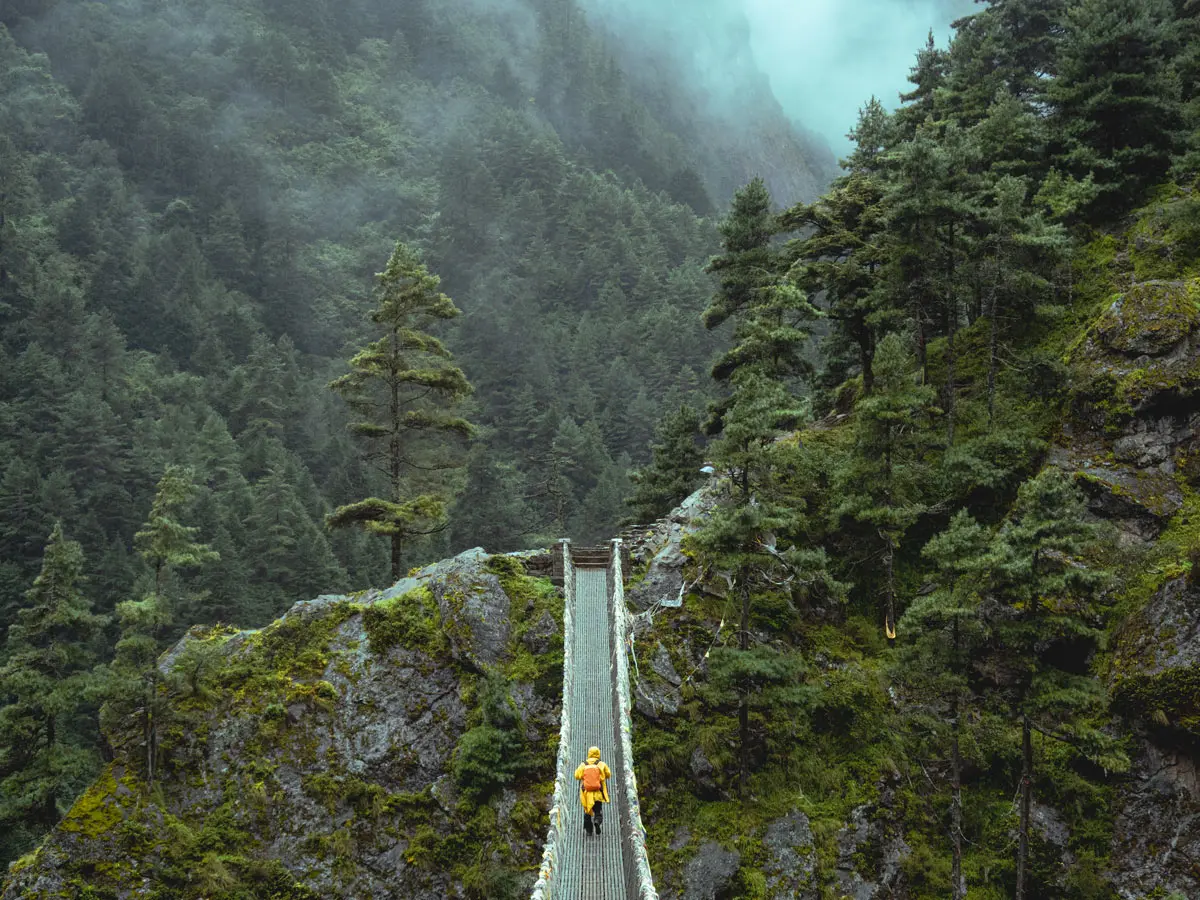
    Hillary Bridge & A lonely monsoon Trekker
    Mansoon Trek

    1. Spring (March to May)

    Spring provides all the greens and flowering rhododendrons, particularly lower down in the Himalayas. The views are usually good, but there will probably be some pre-monsoon rain towards the end of May. Autumn is best, normally colourful with fresh air, blue skies, and grand mountain vistas. The trails and teahouses are busy in October and the first half of November, so book early for rooms and permits.

    2. Winter (December to February)

    Winter (December to February) is cold, particularly at high elevations where it may even snow, and a few of the high passes will be closed. Lower-altitude treks such as Ghorepani–Poon Hill or the Helambu Circuit are available and much less touristy. The monsoon (June to August) is the worst season to trek with heavy rain, slippery trails, leeches, and danger of landslides. But rain-shadow regions such as Upper Mustang or Dolpo are arid, open in the monsoon season, and provide alternative trekking options.

    5. Solo or Guided: What’s Best for Your Trek?

    Most areas in Nepal have independent trekking options, and many solo trekkers have fun and enjoy the freedom of flexibility in their travel. Trekking solo gives autonomy to travel at your own pace, the ability to change plans last minute, and the ability to travel to less popular places at a lower price. Solo routes are generally well marked with plenty of teahouses along the route; popular solo trekking routes include Everest Base Camp, Annapurna Base Camp, and Langtang Valley.

    On the other hand, it can be tough – finding your way in remote areas is tricky even in good conditions and off season tried and the help you might enjoy may not be close if you become ill or injure yourself. Here a guide or a porter will be advantageous. A local guide not just makes things easier – adds extra safety, helps make translating easier and allows you to be more immersed with someone who can help give you cultural and geographical context of where you are. A porter provides knowledge by decreasing weight from your body and allows you greater ease in trekking and overall makes trekking more enjoyable.

    If you are trekking in a restricted area you will already have either hired a trekking guide or taking a guided organized trek. Restricted areas require you to travel with a registered guide and obtain the required area permits through a registered agency. Even if you decide to trek solo or with a guide, it is always valuable to let someone know of your travel route beforehand and to check in for any local updates on weather conditions and trail updates.

    6. Altitude Awareness: Stay Safe and Acclimatize

    Altitude sickness, or Acute Mountain Sickness (AMS) is likely the most dangerous aspect of trekking in Nepal. Anyone above 2,500 meters can develop AMS irrespective of fitness, gender or age. The most effective method to protect against the threat when at altitude is acclimatisation.

    altitude preparation

    Accilimization refers to allowing your body a transition time to acclimatize to thinner air changes by climbing slowly, and featured rest days when you’re not off of climb. A good general rule is don’t climb more than 500 meters a day if you’re above 3,000 meters. Although not altitude sickness specific, trails such as the Everest Base Camp have included acclimatisation days specifically because it’s actually normal and required that trekkers acclimatise at places such as Namche Bizarre or Dingboche.

    Way to Acclimatize

    • Go Slow: Climb slowly, as mentioned above. As a general guideline, sources suggest that you shouldn’t climb more than 500 meters per day.
    • Rest Days: Incorporating acclimatization days into the exercises on the treks (e.g. Namche Bazaar on the Everest trail).
    • Stay Hydrated: Consume 3-4 litres of water per day, and no alcohol or caffeine, only consume whatever water is available in these remote locations.
    • Watch for symptoms: Headache, lethargy, nausea, insomnia, are all signs of impending AMS.
    • Take Medicine: If symptoms worsen, take Diamox but only after speaking with your physician first. Diamox is preventative, not treatment, of AMS.

    If you experience worsening of symptoms or question your symptoms, go down immediately. Altitude sickness kills but is highly preventable with ongoing education!

    7. Budgeting for Your Trek in Nepal

    Nepal offers treks for all budgets, but planning your finances helps avoid surprises.

    1. Solo trekking

    Solo trekking is the lowest cost method of trekking in Nepal and costs $25-$40 per day. You will have the simplest facilities in guesthouses (or teahouses), plain fare such as dal bhat or noodles, and the bare minimum of trekking gear. You will be carrying your pack, deciding your route, and making all the arrangements by yourself. This is ideal for experienced trekkers who do not mind following along tracks and footpacing without a qualified guide. Trekking with a Guide or an Agency

    If you want more assistance you can trek with a guide, or a local agency, and this will generally cost $50-$100 a day.
    It will usually encompass a certified guide, a porter to pack your backpack, all your permits, transport to/from the trailhead, your accommodation, and food. It’s an excellent way of providing the safety, comfort, and cultural experience for first-time trekkers or those trekking in remote areas of Nepal.

    2. Full-Service Trekking Packages

    If you would like full organization anywhere between $800 and up over $2,000 are available for a 10-15 day trek depending on the region and level of service. Full service trekking packages generally are all inclusive, from airport pickup and a hotel in Kathmandu, domestic flights, guide and porter services, permits, meals, accommodation, and sometimes rented gear. It is a low stress option especially for someone that is a first timer to the area or is on a limited timeframe.

    3. Extras to Expect

    While you are provided with the basic essentials on a daily basis, there are extras incurred on trail. For example, hot showers in teahouses are usually in the range of $1-$3 depending on your elevation. There are costs incurred for charging electronics or using wi-fi which is around $2-$5 depending on the place you stay. It is customary to tip guides and porters, budget roughly 10-15% of your total trek cost. Snacks, bottled drinks, and chocolate bars are substantially more hi-priced on trail versus cities, so budget for these as well, in your overall daily expenses.

    8. Respect Local Culture and Environment

    Nepal trekking is not geology only. It is people interaction and place usage too.

    1. Dress Sensitively:

    When trekking by traditional best practice in Nepal, particularly rural or traditional areas, cultural custom needs to be considered. Avoid shorts, crop tops or indeed anything that might be described as revealing, apart from which it will be considered cultural insensitivity and generally disrepectful.

    2. Ask Permission for People, Rituals or Sacred Places:

    In general, always ask permission if you want to photograph people, ceremonies or shrines. Some may regard this as intrusive and even photography is prohibited in some temples and has to be done with respect towards culture and religion.

    3. Reduce Waste

    Do your part to maintain the loveliness of Nepal’s environment with your trash. Bring a refillable water container, bring purification tablets or equipment and try not to use single-use plastics or prepackaged food as much as possible to minimize trash on the trails.

    4. Support Local Business:

    Imagine sleeping in teahouses that belong to the villages and buying fruits and vegetables from villagers and handicrafts from artisans of villagers. In this manner, directly you are investing your money in supporting families and creating sustainability and community-based tourism for Nepal.

    Leave Trace—pack everything that you carry with you, and travel responsibly.

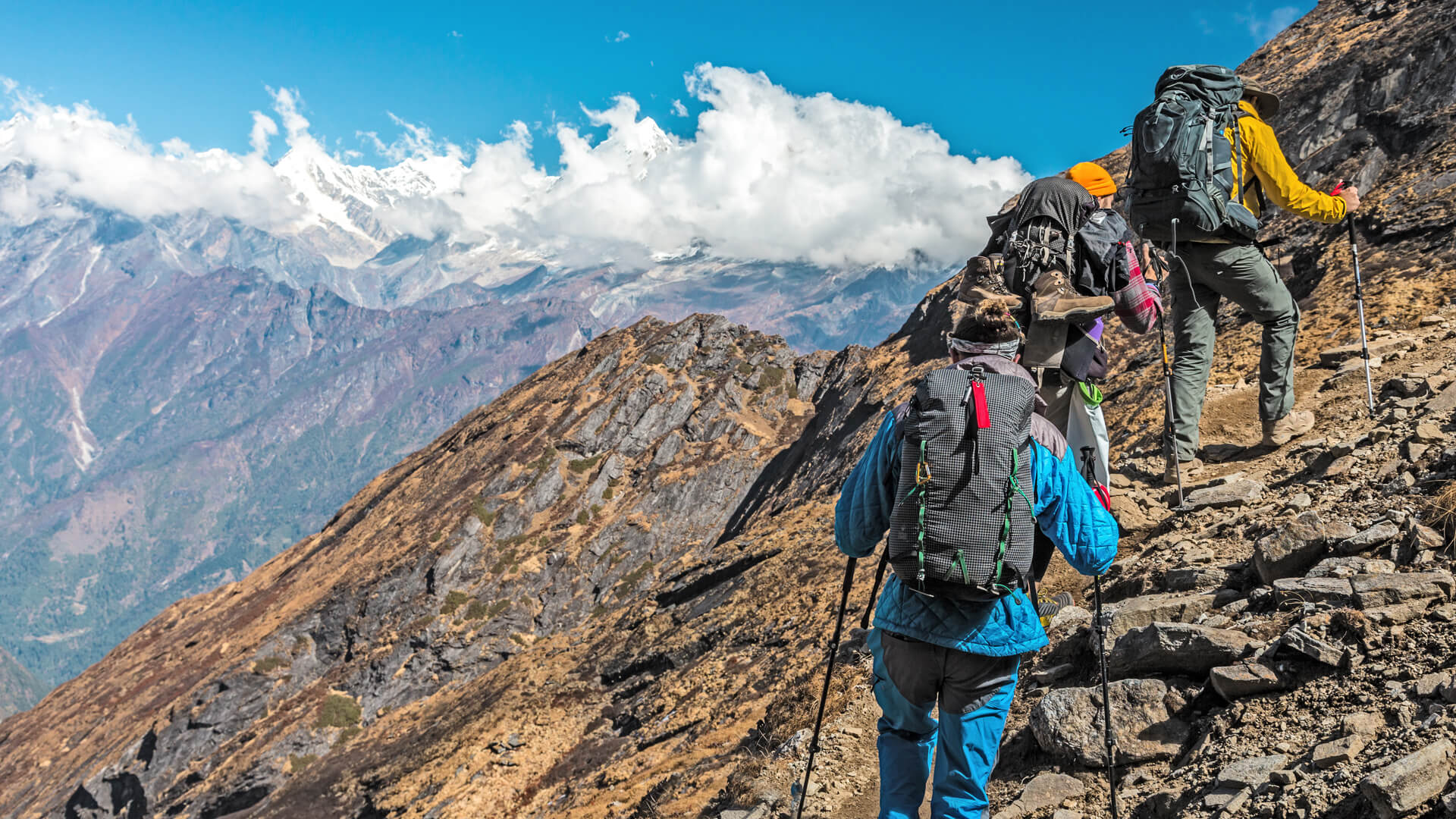
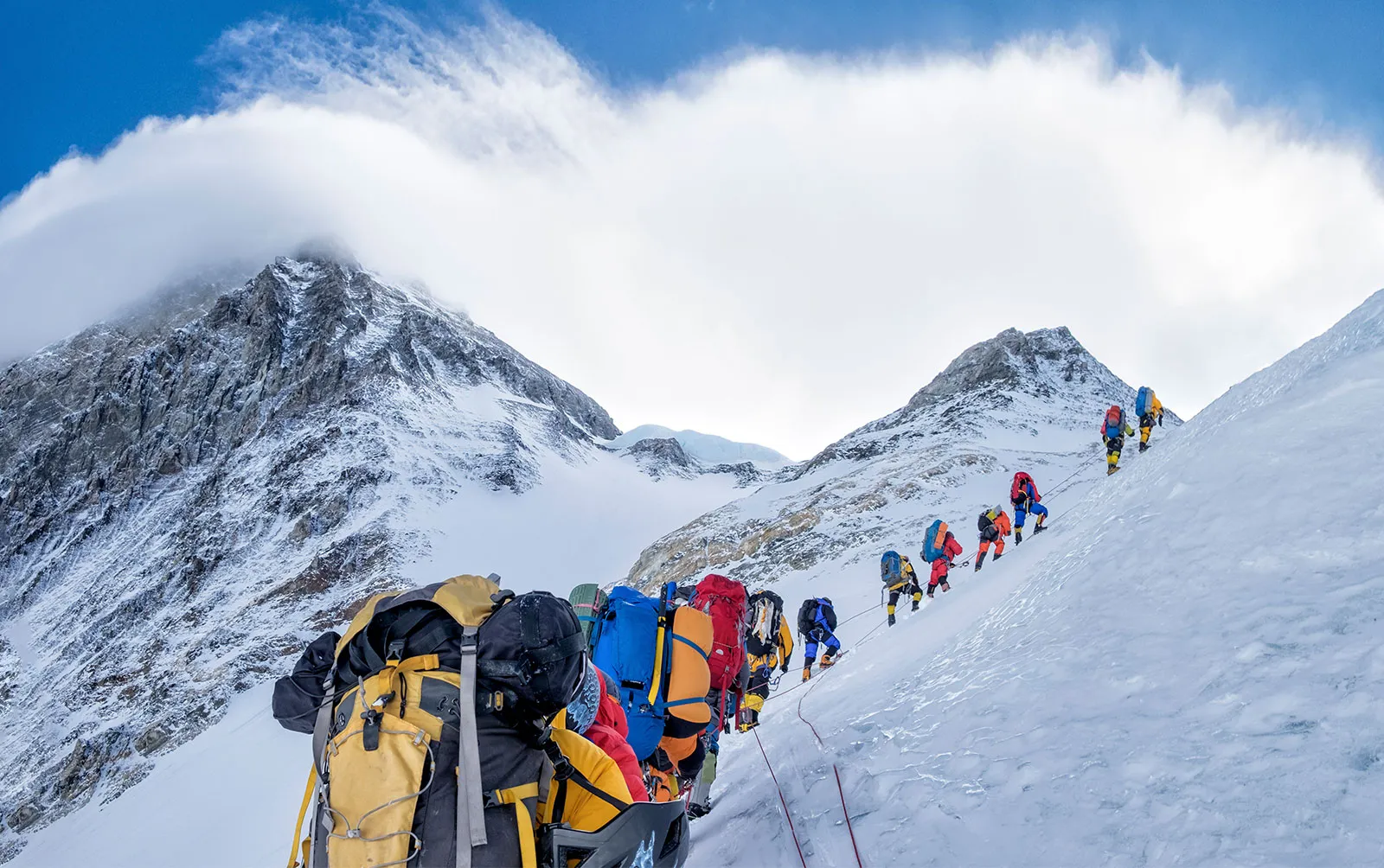
    Trekkers Trekking towards the Peak
    Trekkers

    Final Thoughts: Make Your Trek to Nepal a Life-Changing Adventure

    Nepal trekking is one that will challenge your physique, enrich your soul, and introduce you to nature and culture, something new compared to what you’ve encountered before. But cautioned, such life-altering experiences do not happen by accident – it’s the result of preparation. Whether it is increasing your physical fitness; going through the acclimatization process; deciding what clothes and equipment to take along with you; or what permit to buy, all of that which you decide before taking your first step on the path is a consideration for your hike to the Himalayas.

    With great planning; people, environment, and culture sensitivity; and great positive attitude, Trekking in Nepal can be wonderful, safe, and rewarding. Whatever it is, whether Everest Base Camp trek, Annapurna or a hidden trail, the majesty of the mountains awaits you. With determination and preparation, your Nepal trek will be a rewarding, unforgettable, and life-changing experience. Contact us today at Happy Mountain Nepal, Facebook, Instagram, or TikTok. 

  • Best Time to Visit Nepal: Season-by-Season Breakdown

    Best Time to Visit Nepal: Season-by-Season Breakdown

    Best Time to Visit Nepal: Season-by-Season Breakdown

    Nepal is also geographically and climatically diverse. From the Indian border Terai woodland to the eastern Tibetan Plateau highlands, Nepal is highly diversified in its changing weather throughout the year. This amazing difference in elevation makes there to be three different seasons, each conducive to travelers. You may intend to hike and scale the world’s highest mountains, tour old temples, observe wildlife in rainforests, or coincide with the extensive range of seasonal festivals, and a knowledge of Nepal’s seasonally oriented cycles will go a long way to enable the stipulation of when it would be best to visit you, according to what draws you.

    Looking at the best time to visit Nepal, it will really depend on what you are going to do and where you are headed (the plains or the higher Himalayas). There are vibrant, festival-filled autumns, peaceful, cold winters, and green monsoons, and they each put their own special shade of color on Nepal. This guidebook shall capture the four significant seasons – autumn, winter, spring, and monsoon – in a quick rundown of some of the key events occurring and related weather, festivals, best time, and travel-oriented information on what to expect for your visit to Nepal.

    1. Autumn (Late September to November): The Peak Season for Trekking and Festivals

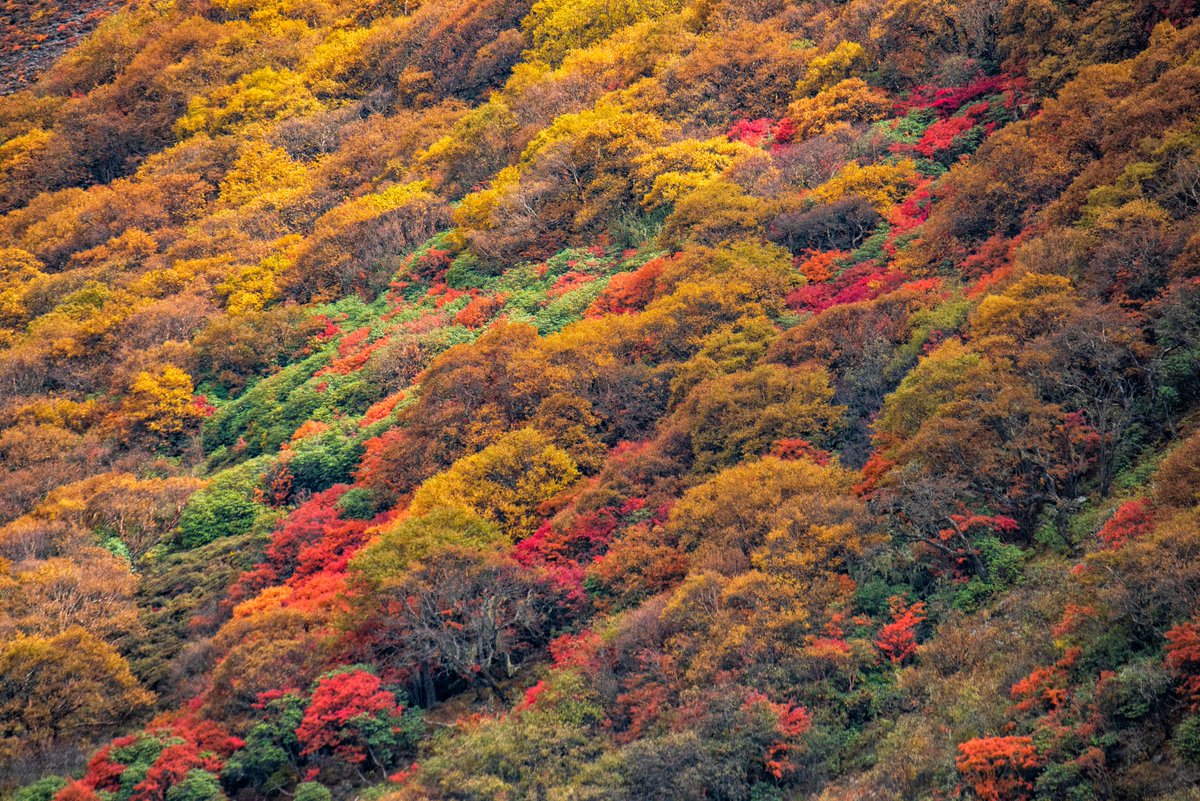
    In the fall months of October and November, when the majority of tourists come to Nepal, the rains that precede them have lifted and elevated the air and things are clean, green, and fresh. The weather is warm, the sky is blue, and we are scented with good quality smells, and ambient air wraps around us similar to an easter egg color. This would mean the fall season is the best time for trekking, sightseeing, and to witness some of Nepal’s biggest and most recognized festivals.

    Best time in nepal-Autumn season

    The mountains will have their best visuals, and visitors will have great views of Everest, Annapurna, and Langtang, the quickest and most spectacular snow-covered terrain, and some of the world’s most picturesque set of md global industry weirdos among the Himalayas.
    Most of the hiking trails and areas are busy with hikers from around the world, featured and advertised for trekking, and adventure and trekking tourism is a very popular thing to do. There are options to trek, multi-day trek, lodge accommodation, and volunteer tourism. The majority of Nepalis are also busy with their most important festivals at this time of year, so roads and streets in most towns and cities will be filled with activity for these ideal festivals and friendly activity.

    Major Highlights of Autumn

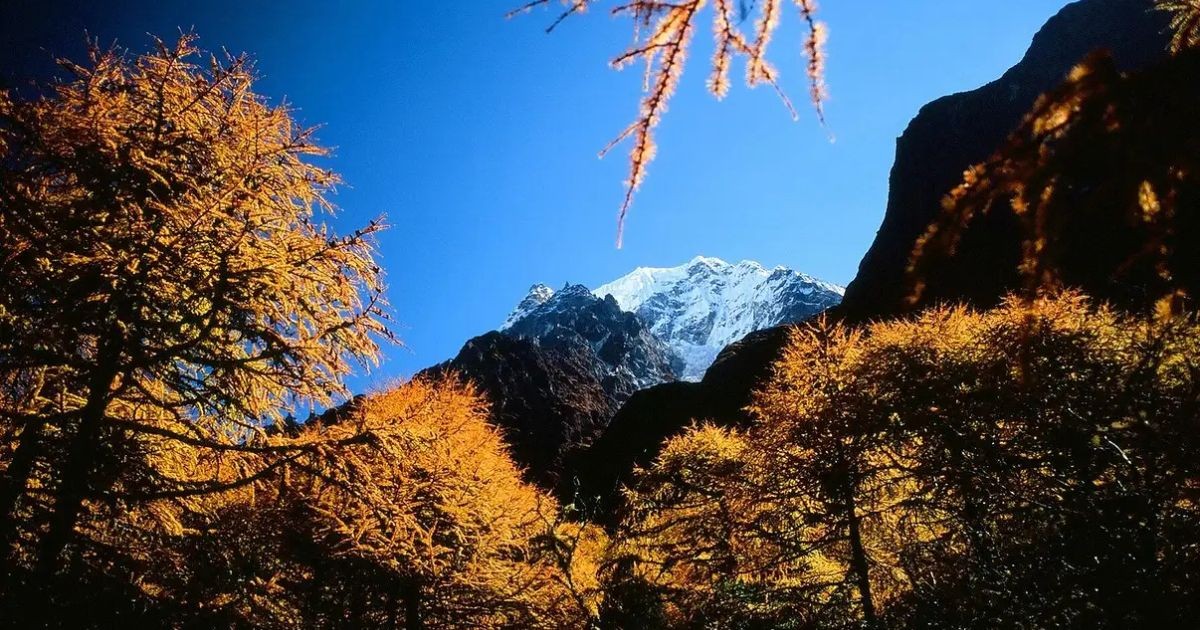
    lush forest in autumn

    1. Optimum trekking climate:

    Dry trails, comfortable daytime temperatures, and open blue skies are the optimum trekking climate for popular routes such as Everest Base Camp and Annapurna Circuit.

    2. Breathtaking mountain scenery

    Post-monsoon clear conditions give Himalayan summit views in all directions, offering photographers and nature enthusiasts breathtaking views while trekking into the wilderness.

    3. Cultural celebrations

    Dashain and Tihar—Nepal’s two largest and most significant festivals—are the times when communities and families gather to celebrate, feast, and worship for days, offering the richness of Nepal’s multi-hued culture.

    4. Adventure activities

    Swollen and uplifted by the monsoon months, the Philippines’ rivers provide ideal conditions for white-water rafting and kayaking reservations. Paragliding and all aerial pursuits take advantage of the delightful temperatures and gentle breeze during this period.

    5. City buzz:

    Festival time puts its mark on cities such as Kathmandu and Pokhara with its trimmings, flower-bedecked bazaars, and vibrant social agendas; an explosion of summer’s urban activity.

    Fall Festivals

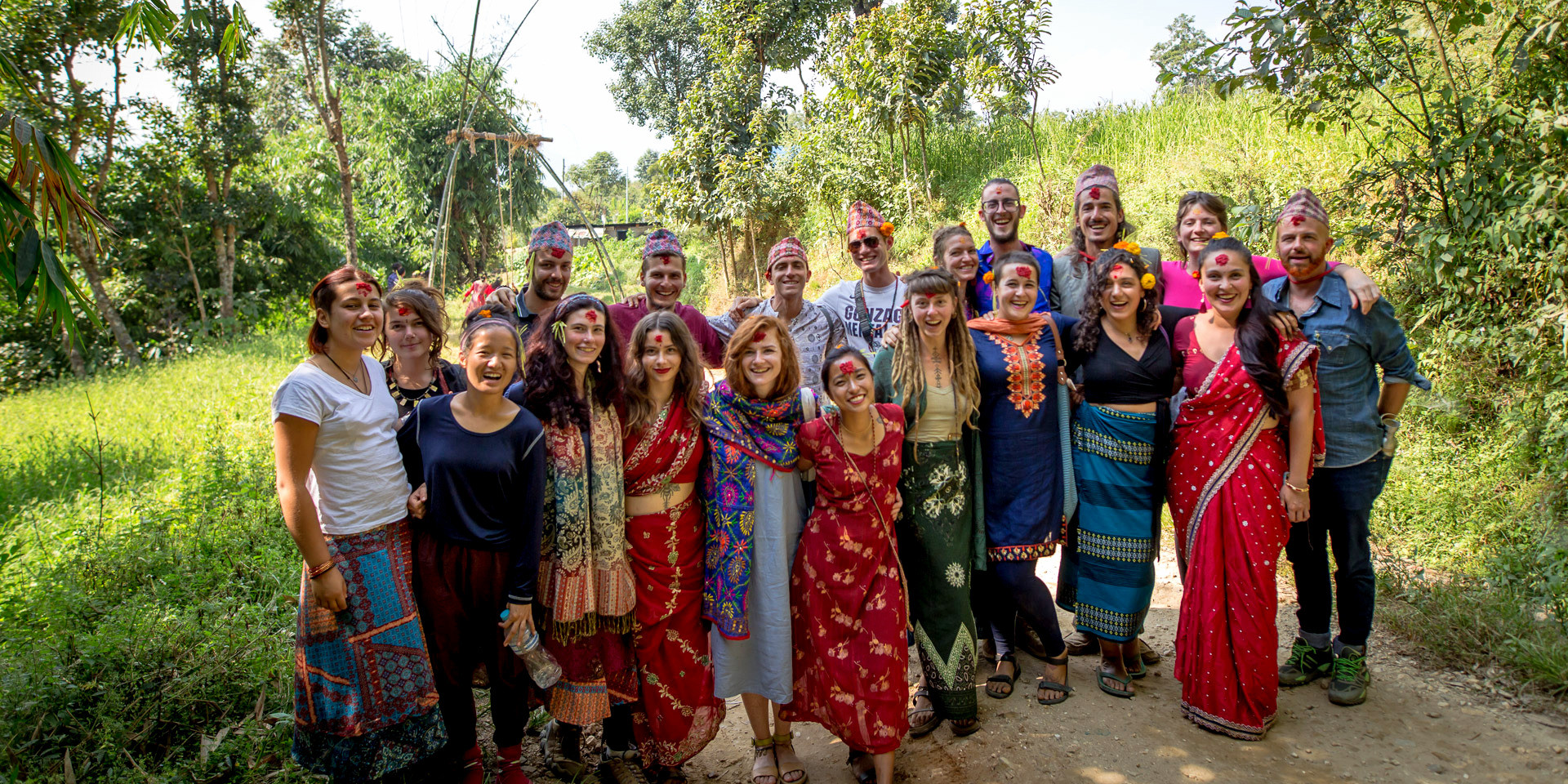
    foreigners enjoying celebrating Dashin festival in Nepal
    Dashain Celebration

    Dashain: Dashain is Nepal’s longest and most eagerly awaited festival. Dashain commemorates the triumph of good over evil through pujas and offerings to goddess Durga, family reunions, and other festivities.

    Tihar: This light festival is also a celebration of diverse life forms of animals—dogs, cows, crows, to mention a few—and ends with a celebration of brothers by sisters. Candles, lanterns, and whirling patterns of colored rangoli light up homes and streets.

    Winter (December to February): Quiet, Clear, and Affordable

    In Nepal, winter is completely the opposite of the busy fall months. The cold has settled in the high mountains, where the cold air has provided the right conditions for blocking snow at high passes. In the low valleys, it is mild sunny days and cold nights, the air is clear, bright, and crisp, providing a good opportunity for visibility- look for the sensational views of the mountains in the morning (and evening), when skies are moments when they can take your breath away!

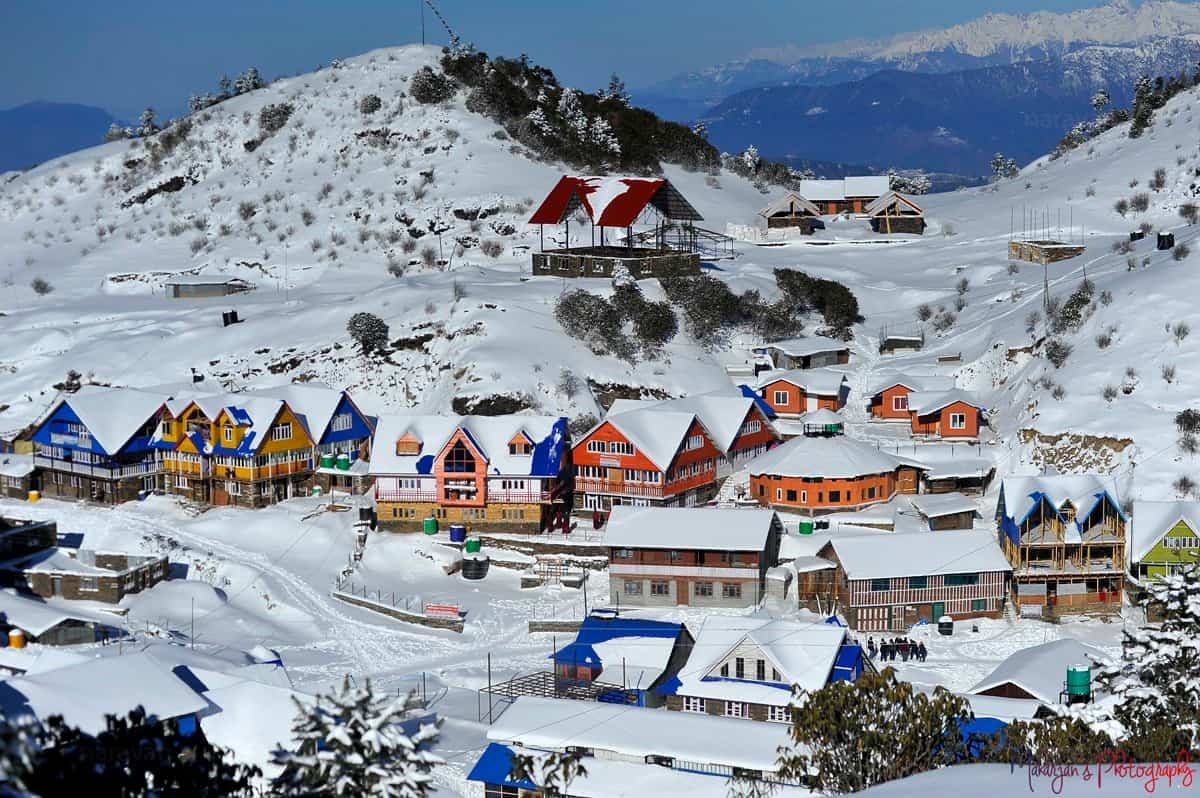
    Snowfall in Kuri Village during winter season
    Kuri Village

    This is a time of year that is normally considered “off-season” for tourists; which is great- usually, this means less tourists; lower plane fares, lower on accommodation and lower on tours; it is a good time of year to travel for those, who find that they enjoy secluded experiences, or if you’re traveling for the low costs, or if you’re also traveling for plenty of wildlife sightings! If you enjoy wildlife sightings, it is prime time right now in the Terai national parks, such as Chitwan and Bardia. Chitwan and Bardia are great for wildlife viewings right now because the elephant grassy areas have been trimmed from the monsoons, providing greater sightings of wildlife with little to no obstruction.

    Major Highlights of Winter

    snowfall in Namche Bazar during winter in nepal
    Namche Bazar

    1. Clear skies

    There is not much haze or pollution in the air, creating optimal visibility for pictures, sightseeing, beautiful sunrises, and sunsets.

    2. Treks within low elevation

    Low-elevation treks such as Ghorepani Poon Hill, Nagarkot, and Ghandruk can be made an enjoyable and rewarding experience for trekkers with proper gear.

    3. Best viewing places for wild animals

    Terai national parks, south Nepal’s dry-deciduous and tropical forests of mixed type, rhino, tiger, and bird-watching centers, are only for the best viewing after grass-cutting in January.

    4. Economical low-season travel:

    You are off-season with winter, so the entire air travel, hotel stay, and tours will cost less for those who want to save money but have their winters in Nepal.

    5. Comfortable City Weather

    Kathmandu and Pokhara have clear sunny days and cool evenings, ideal for touring cultural attractions, bazaars, restaurants, bakeries, and rooftops at night for evening meals and sunset.

    Spring (March-May): Blooming Beauty & Cultural Splendor

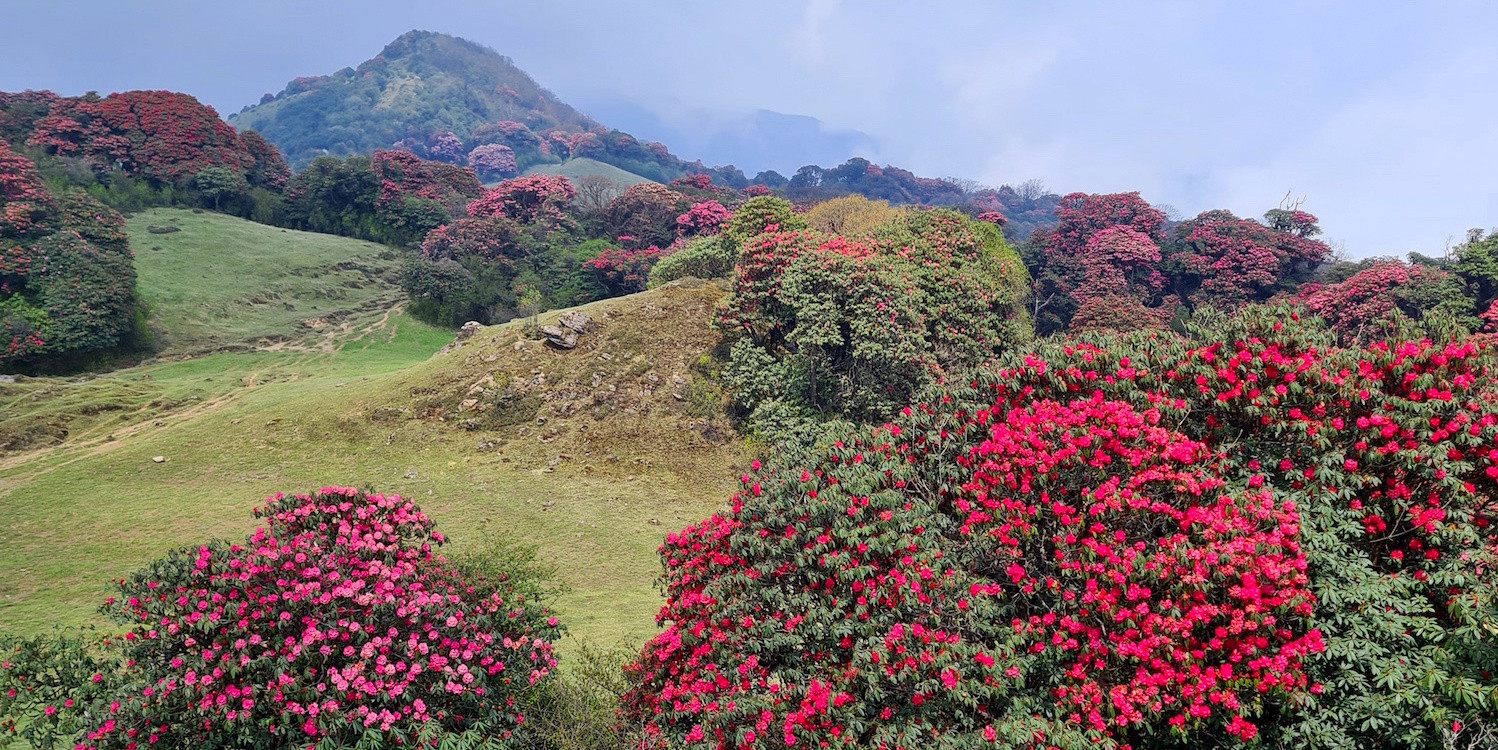
    Spring has become Nepal’s second peak season since in most of the nation, temperatures start to rise, and rhododendrons bloom in their full vigor throughout the country, with weather typically favorable for climbs and treks. Glorious red, pink, and purple rhododendron blooms burning intensely along trekking trails and routes highlight the bounty offered by Nepal’s geography and mountains in general.

    Full of Rhododendrons during spring in Nepal
    Rhododendrons in Spring

    Spring is also the best time for mountaineering season, the favorite season of climbers attempting to finish their Everest or other Himalayan giants because of the milder temperatures and relatively less changeable weather. Spring has many colorful festivals that provide tourists with a rich cultural experience. But in recent years, intensifying mass forest fires have contributed to the traditionally high pollution of Kathmandu, degrading air quality, and rapidly decreasing air quality and visibility.

    Major Highlights of Spring

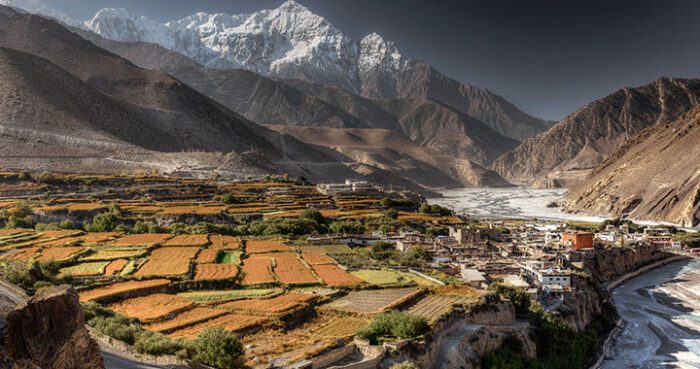
    Kagbeni Village, Farms & Nilgiri mountain in the Background
    Kagbeni

    1. Gorgeous rhododendron flowers

    A hiker will certainly appreciate the brilliant woods and scented pathways in places such as Langtang and Annapurna.

    2. Great time to climb

    Climbers prefer spring because of the comparatively stable weather and milder temperatures.

    3. Festival season

    The Holi, Shivaratri, and Rato Machhendranath festivities add color, music, and tradition to Nepal’s cities and towns.

    4. Rising wildfire problems

    Fire danger is also increasing because the weather is dry, and climate change is making dry fire-related fires more in number. Wildfires will make the air unclean and create a hindrance to visibility in the mountains.

    5. Tourist numbers are moderate

    You can anticipate that the number of tourists will be steady, fewer individuals than during the autumn season, but there will be slightly more tourists on the main routes.

    Spring Festivals

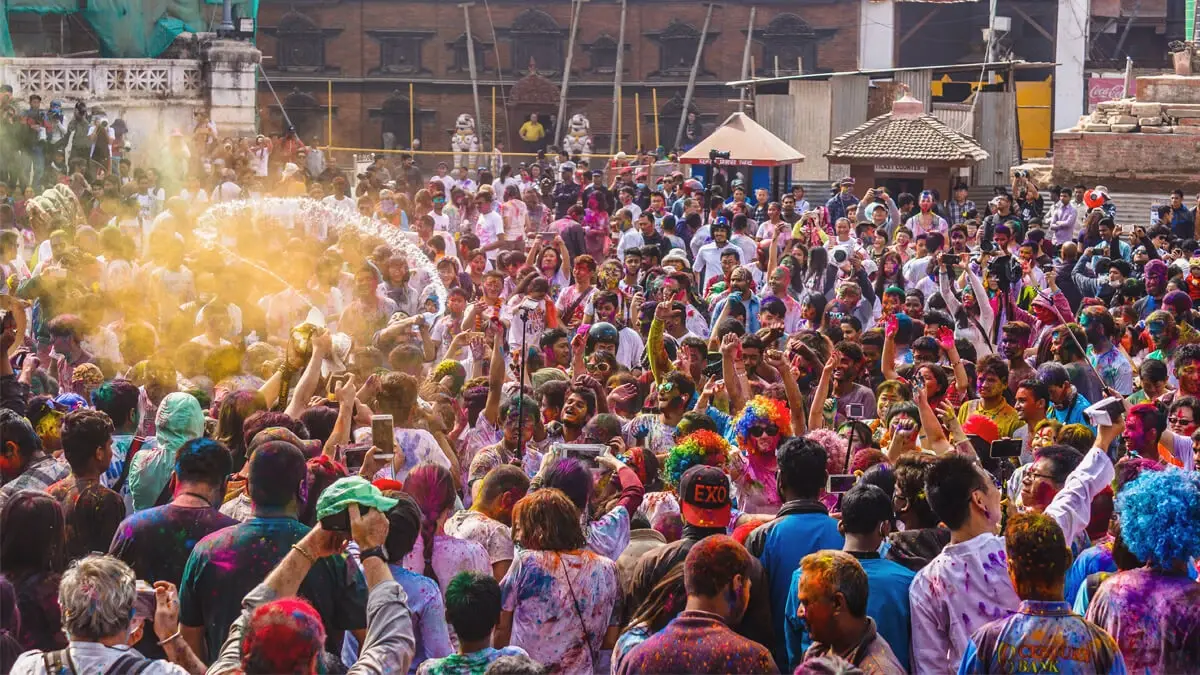
    holi celebration in Basantapur Nepal
    Holi in Nepal


    Holi: Colorful festive celebration with missile powders, music, and street partying; to herald the arrival of spring.

    Shivaratri: A Spiritual festival to celebrate Lord Shiva, fasting and vigils on nights, and worship at temples.

    Rato Machhendranath: The Chariot festival, centuries old, in Patan, to rain god for fertility or prosperity.

    Monsoon (June to August): Green and Peaceful, but challenging

    The monsoon will shower Nepal’s heaviest rains of the year, turning it into a green paradise. The rain, arriving unexpectedly, gives new life to crops, rivers, and forests, but the trip is hazardous with muddy roads, landslides, and halted transportation. A majority of the monsoon there is dense cloud cover, hiding the mountains. Trekkers and tourists will experience a little less diversity of things to do.

    a lonely trekker Monsoon trekking in nepal
    Monsoon Trek

    Monsoon is not the best time of year for most visitors to visit Nepal, but it can be excellent for budget travel, and least touristy. Tranquil and unsuspected moments of cultural and spiritual recesses are available, museums, or going to the drier rain-shadow areas and being off the beaten path. Those not fussed about putting up with a bit of rain can view the country’s adrenaline-charged green and get many fewer travelers.

    Major Highlights of Monsoon

    Monsoon in nepal
    Mansoon in Nepal

    1. Breathtaking landscapes

    The forests and fields are filled with the breathtaking, rejuvenating rain, low/mid-hill districts’ mind-blowing beauty.

    2. Tourist restrictions and lower prices

    Monsoon is off-season for Nepal, with air fare, tours, and hotels offered at lower prices.

    3. Challenging and risky trekking

    Slippery paths, muddy paths, and regular landslides make many trekking trails risky or even impossible.

    4. Rain-shadow treks:

    Since Upper Mustang, Dolpo, and a part of the Annapurna region fall in the rain-shadow, these places receive very little rain and therefore are dry trekking routes.

    5. Cultural and health retreats:

    Monsoon is ideal for yoga and meditation, or cultural pursuits out of rain and tourists.

    Things to Carry on Your Trip to Nepal.

    Gears to Carry on Your Trip to Nepal.
    Gears

    1. Layered clothing

    Temperature is highly unpredictable in Nepal. Nearly solely due to high elevation and the many microclimates in extremely proximity. Layered clothing is easy to adjust to changing weather, warming you on a cold morning and cooling you in the afternoon sun.

    2. Appropriate hiking boots

    Ensure that you put on good solid waterproof hiking shoes with a good grip to stabilize your feet when walking in the steep, slippery, at times muddy ground or walking the roadside and town too.

    3. Rain gear

    Lightweight rain pants and a waterproof rain jacket are essential if you are trekking in the Monsoon or shoulder season. It’ll keep you dry in those torrential rain downpours!

    4. Sun Protection

    The sun at high altitudes can kill you! Bring sunglasses with UV protection, a sun hat, and high SPF sunscreen so you don’t get burned by the blazing sun!

    5. Water purification

    You’ll need drinking water in Nepal. Bring along a portable water filter or purification tablets so that you’ll have water that you can safely drink (very important when trekking or in rural areas).

    6. Trekking Poles

    A trekking pole adds more comfort to your knees and aids balance on rough terrain when trekking. It can remove the grunt out of trekking long days.

    7. First-Aid Kit

    There are plenty of things that you can add to your first aid kit, including:

    • Band-aids
    • Antiseptic cream
    • Pain killers
    • Personal medications
      A first aid kit enables you to repair minor injuries or illnesses away from home!

    8. Power Bank & Universal Adapter

    In far-flung locations, the electricity might not be stable. A power bank will enable you to recharge your equipment at any time or place, and a universal adapter is also advisable.

    Conclusion

    Nepal is experiencing mixed fortunes at various best times of the year based on its seasons. Autumn is experiencing favorable climate for trekking and celebration, winter is experiencing serene views with lower accommodation expense, spring is experiencing blossoms of flowers and celebrations, and monsoon is experiencing greenery and tranquility.

    No matter which mode you want to undertake to reach Nepal in spring, summer, autumn, or winter, you will optimize Nepal as far as usefulness by seasonally planning and deciding upon choosing places to see. Contact us today at Happy Mountain Nepal, on Facebook, Instagram, or TikTok.

    FAQs

    1. When should you visit Nepal for trekking?

    Nepal’s ideal trekking seasons are spring (late March to May) and autumn (late September to November). You will experience consistent weather, blue skies, and pleasant temperatures. Autumn months are quite touristy, yet spring has sufficient flowering rhododendrons.

    2. Is it acceptable to travel during monsoons to Nepal?

    In general, it is possible but not advisable to travel in Nepal in the monsoon months (June-August). Rainy tracks get slippery, landslides occur normally, and a barren mountain landscape is created with ample rains. For adventure-seekers who can tolerate the quantity of rain, just be careful, remain in the rain shadow belt, and experience fewer tourists and lower rates.

    3. What do I encounter at Nepal’s festival

    Dashain and Tihar in autumn cannot be skipped, as they are Nepal’s best festivities with colours, rituals, and celebrations. Spring festivities like Holi, Shivaratri, and Rato Machhendranath also comprise such colourful cultural festivities and cannot be skipped.

    4. What should I bring to Nepal?

    Layering clothing, comfortable hiking boots, rain gear, sun gear. It would be wise also to bring along some water purification equipment; a standard first aid kit if doing a trek, Extra power banks They are handy particularly when recharging electronic goods in areas that are far from the sockets, and any type of power adapters that can fit universally a device into an outlet.

    5. Do I have any wildlife to view in Nepal during winter?

    Yes! Winter (December to February) can be some of the finest wildlife viewing in Terai national parks (Chitwan National Park, patch Bardia National Park). Wildlife viewing can get better after January when the grass is being cut, providing you with a good chance to view a rhino, tiger, and lots of birds.

    6. Do trekking permits in Nepal ever have to be obtained?

    Yes, a few of the most popular trekking routes require permits (a TIMS card and at least 1 entry permit into the conservation area (Annapurna or Everest region), and there are completely restricted areas (Upper Mustang, for example) that require special permits. It would be wise to find out all of this in advance of your trip.

    7. Is there a great cost in traveling in Nepal during the peak season?

    Nepal is quite inexpensive, but flights, lodges, and guides all pay more for high seasons, such as autumn. Book early and save your pennies, it’s always worth it! But you’ll get it cheaper going off-season, but possibly have to endure the weather.

    8. What health precautions should I have in mind when trekking in Nepal?

    Drink lots of water, walk in the pace to acclimatize and not be affected by altitude sickness, and eat clean cooked food. It is advisable that you carry a small first-aid kit and consult your doctor prior to the trip if you are suffering from any pre-existing medical condition. If you want to drink tap water, use a method of purification.

    9. Is solo travel in Nepal safe?

    Nepal is safe to travel solo, in fact, we learned that it can be the friendliest and the safest nation on the planet! Pune locals are warm like a local tip of appreciation, something you get from locals and nowhere else! Check out the general traveling tips. Group travel or traveling with a trekking guide offers security in any individual trail.

    10. What else can one do in Nepal aside from trekking?

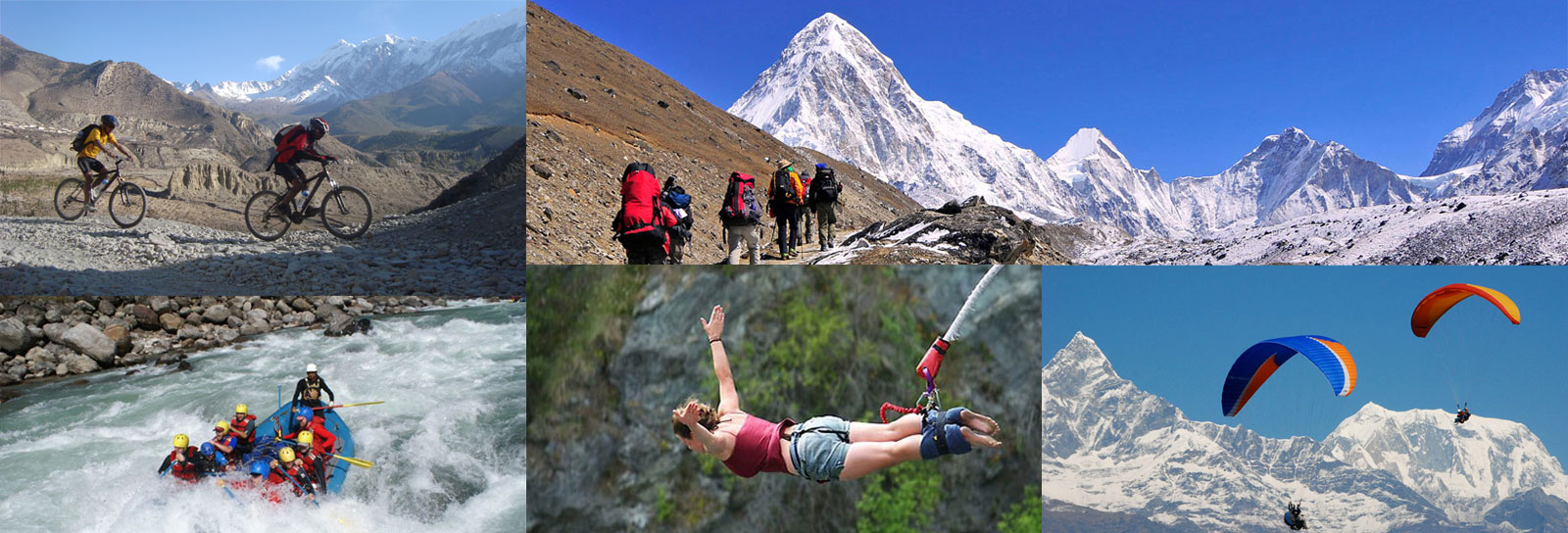
    Wildlife safaris, cultural tours, white-water rafting, paragliding, and mountain biking are all trails and attractions scattered throughout all of Nepal. And then there’s Kathmandu and Pokhara with a bustling market, temple, or café on every corner. Other experiences include enjoy and indulge in wellness retreats or yoga centers. These are other relaxing things from more traditional adventure-type activity!

  • Nar Phu Valley Trek: Nepal’s Remote Tibetan Frontier

    Nar Phu Valley Trek: Nepal’s Remote Tibetan Frontier

    Nar Phu Valley Trek: Nepal’s Remote Tibetan Frontier

    In rural Nepal, far from thronged trekking trails that welcome most foreigners, there exists another universe—Nar Phu Valley, a hidden land where Tibetan tradition, unspoiled Himalayan landscape, and indigenous ways of life are still inaccessible to the crowds of mass tourism. Nested between more popular Annapurna and Manaslu, the trek provides a traveler an alternative insight into life in one of the least accessible areas of the Himalayas.

    The

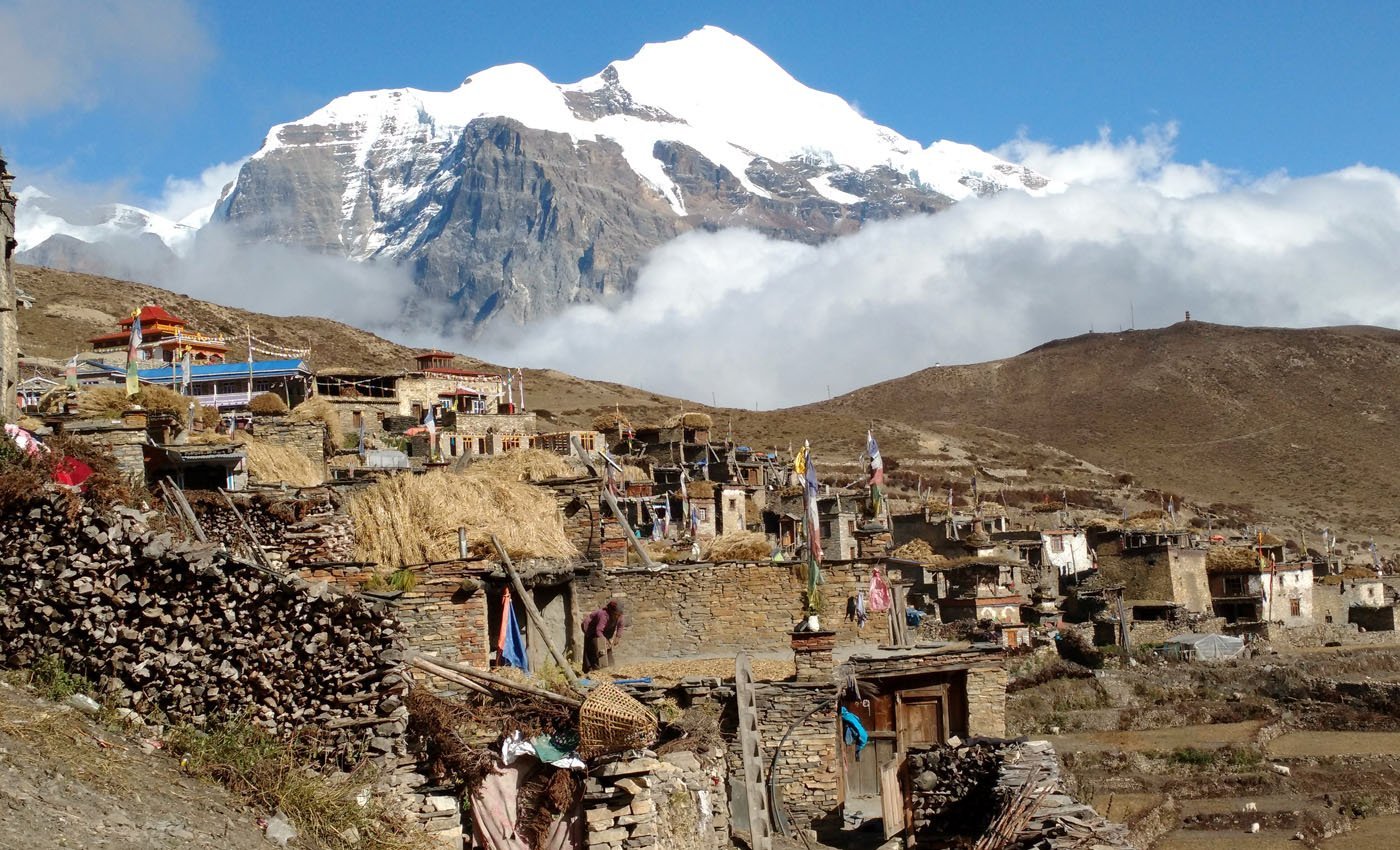
    Nar Village with mountain in the back in Nar Manang
    Nar Village

    Trek was previously closed off to outsiders until 2002 and is a destination crying out for adventure travelers seeking isolation, cultural richness and scenery. A bit more about putting one foot forward in front of the other, it’s an odyssey into the still relatively unvisited Tibetan border and you’ll find stone villages, chortens, prayer flags and ancient monasteries along the ways.

    Why Trek the Nar Phu Valley

    Everest and Annapurna may be the well-trod paths but Nar Phu is a trek for those serious about an original and raw experience with culture in remote locations, high-altitude trekking in wilderness with real Himalayan hospitality that involves no tourists and fancy teahouses, just the real beauty of the mountains.

    The trek features the mythical Kang La Pass (5,320m), medieval Tibetan towns, and ancient gompas (rock-hanging monasteries). Adventure and culture with excellent view of Annapurna II, Gangapurna, Tilicho Peak, etc.

    Trek Overview: What You Can Expect in Nar Phu Valley

    Ghyaru Village & Annapurna 2
    Ghyaru


    1. Duration: 12–15 days

    The Nar Phu Valley Trek is of 12 to 15 days duration. This, like any trek, will depend on your pace, acclimatization, or possibly extension side trips. The length of the trek is the distance of the trek in and out of the trailhead, the time you spend overnight at a higher elevation for multi-days, nights in cultural villages, some multiple high passes to cross over 2 or 3 days, etc. I would say to not rush. . It’s good to have a bold trek, but you also have to remember that there is a real effort to acclimatize; mountains can be a travel extension, but as for trekking, you do need to try to make your trek as safe as, enjoyable, possibly dangerous, and, as much as is reasonably possible and a little bit of adventure, it’s all part of the trek.

    2. Difficulty Level: Moderate to Hard

    This trek is difficult to challenging owing to the altitude, remoteness and rough terrain. You can expect rocky and rough paths, long walking days and very few fixed services/amenities. Prior trekking experience and reasonable fitness level are recommended. It is not technical but the physical and mental endurance and will power are paramount (especially for any difficult rations in the area of the Kang La Pass.

    3. Altitude: Kang La Pass—5,320 m

    The steepest and highest point of the ascent is the Kang La Pass (5,320 m/17,454 ft). Provided one makes it to the summit, one should be treated with panoramic 360-degree vistas of the Annapurna Range and Manaslu Range. The slope is steep (especially from Nar) and will more than likely require stops for acclimatization to deal with the risk of altitude sickness issue.

    4. Timing:

    The best months for traveling on this trek is when it is Spring (March–May) and Fall (September–November). as the weather in general is more stable, skies are usually clear and the temperatures are improving.

    Spring sees a lot of blooming rhododendrons, and alpine flowers that are colourful, while autumn provides crisp air and great visibility of the mountains. Winter and monsoon treks are unfeasible as there are still large snowfalls during the winter, and the conditions are dangerous during the monsoon.

    5. Permits:

    ACAP + RAP There are two permits required to trek Nar Phu Valley.Annapurna Conservation Area Permit (ACAP) – supports the local environment and helps fund community development Restricted Area Permit (RAP) – Since there is cultural sensitivity and the area is near the Tibetan border, you must get a RAP. The permits must be acquired through a registered trekking agency and require that you trek in a group of at least two trekkers, with a licensed guide.

    6. Route Highlights: Starting from Koto

    The trek usually begins from the small village of Koto, near the Annapurna Circuit trailhead, and subsequently diverts off the main trail, along the single gorge of Phu Khola (river). The trek goes through pine forest, gorges, suspension bridges, and finally into the vast stretch of wasteland arid landscape of Nar and Phu. Trek undergoes a drastic alteration in landscapes, varying from rainforests to arid high-altitude desert ranges.

    Major Highlights of the Nar Phu Valley Trek

    1. Phu Village – Ancient Tibetan Settlement

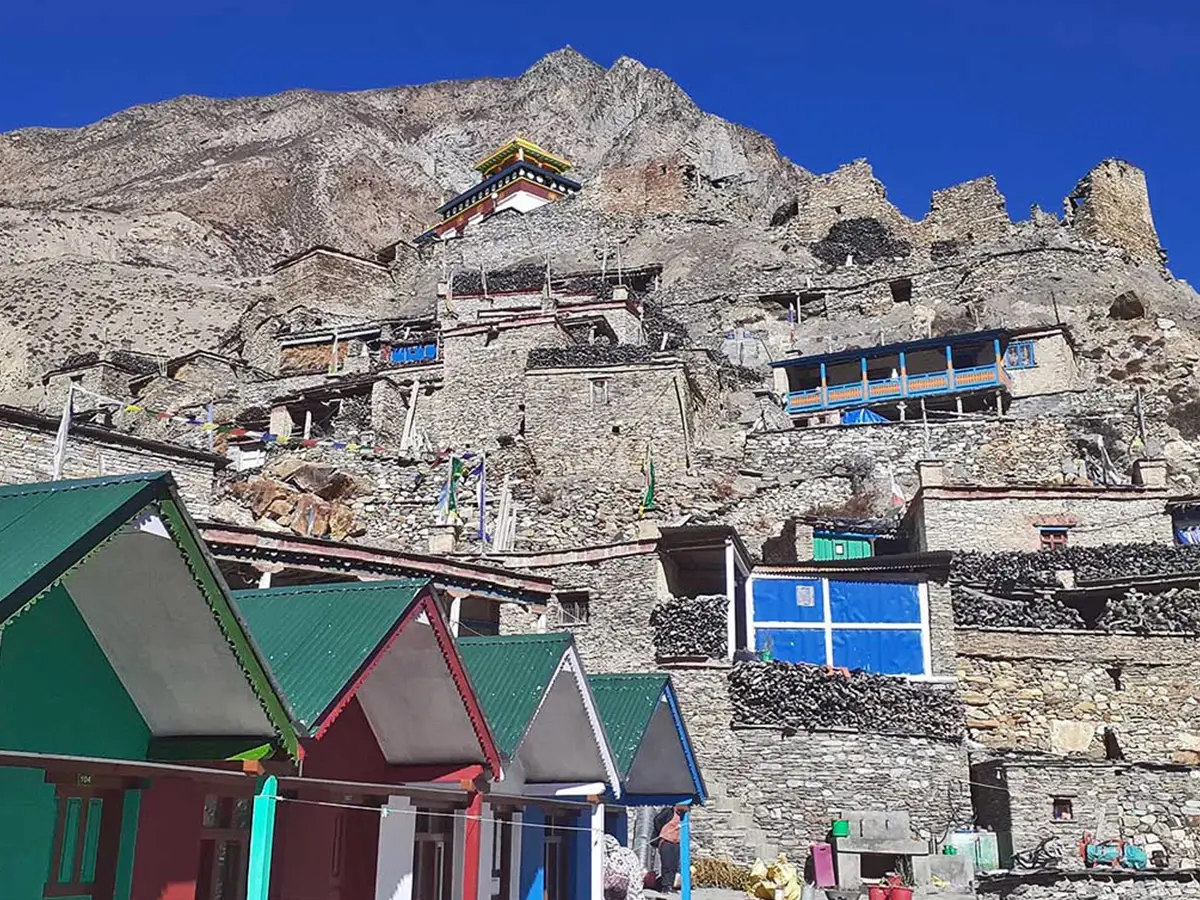
    Attractive and entertaining Phu Village begins at 4,000 meters in the high Manang district, and offers a disturbing sense of time travel. Separated from modernity, Phu is one of the last seat of a living Tibetan fortress village established from stone, windstorm-battered chortens, and dried, rising cliffs that provided a fort-like barrier to a landscape of silence: broken only by the flapping of prayer flags and the occasional low of an indifferent yak. Monastery trekking to the village of Phu is a close spiritual and cultural experience, uniquely rewarding for travelers willing to break from the crowd, and experience the utmost beauty of high-altitude, northern-style simplicity and natural settings.

    Phu-Village with Phu monastry & beautiful ancient traditional houses
    Phu Village

    In Phu, you will feel intimately close to a centuries-old lifestyle of yak herding, seasonal migration and Buddhist rites, in a world where locals live off the land, and are essentially dependent on it for food, shelter, and spirituality. In Phu, the families eat food of the land, provide food and prior arrangements are made for the yak, use yak dung for fuel, glean fuel from the land for shelter and spirituality. The narrow streets and terraced stone lodges, speak volumes about its medievalism. For travelers, Phu Village provides a scenic experience, but is also somewhat like stepping through a portal into a preserved Himalayan cultural world.

    Major Attraction

    • Tashi Lhakhang Monastery: An 8th-century sacred monastery.
    • Ancient Chortens and Mani Wall: Quite incredible stone spots, anywhere along the path and village.
    • Yak-herding Nomadic Culture: Opportunity to view and experience a classic Highland husbandry culture.
    • Stone Construction: Houses of multiple stories constructed into the cliffs, by utilizing ancient methods of centuries ago.
    • Himlung Himal View: Panoramic view of massive glaciers and height ranges.

    Nar Village – Culture, Community & Generosity

    Nar village is a pleasant small village, rather below Phu, having good cultural appreciation; warm people and an inclination to retain Tibetan traditions. It is a bit warmer and open to everyone, whereas Phu is somewhat tougher and exhausted. The villagers are usually religious in nature; actually, if you chanced to be there at the appropriate time of the festival day, it was most likely that you would be asked to join them in rituals or celebration like traditional music and dance. Their life is dedicated to farming, cattle breeding and spiritual practice mostly. You have devotional objects in every household – prayer flags, spinning wheels and butter lamps.

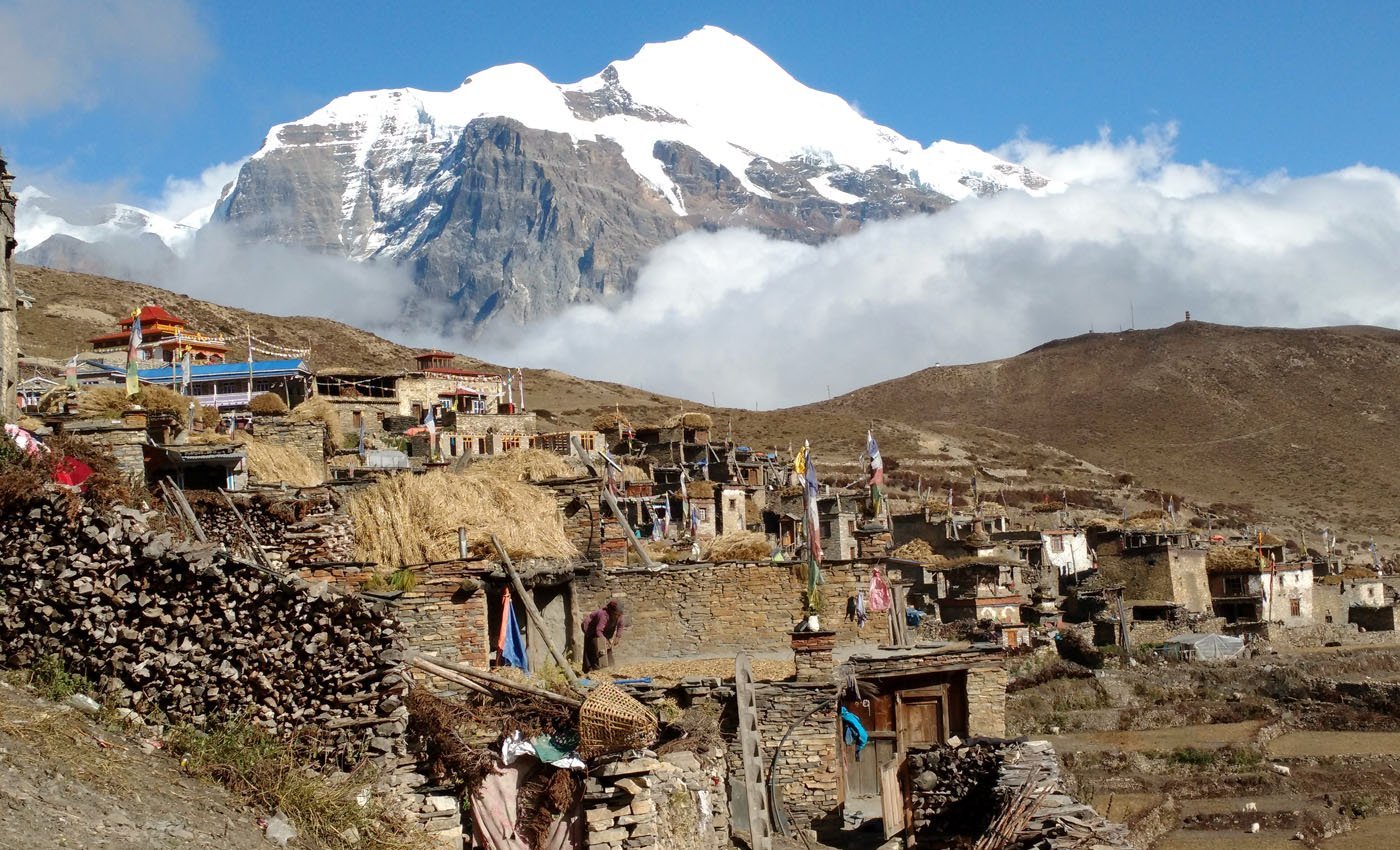
    Nar Village in a distance
    Nar Village

    Nar is slightly more accommodating than Phu, as the lodgings are Tibetan-style lodges, and there is a nice local hospitality aspect. You have the opportunity to engage with villagers who retain their Bonpo and Buddhist beliefs, often represented in painted symbols on homes and prayer stones. hand-weaving, wearing their traditional dress and the delightful smiles of curious children combined to make Nar a very heartwarming cultural aspect of the trek.

    Major Attraction

    • Tibetan-Style Lodges – Local hospitality in a traditional setting.
    • Bonpo and Buddhist beliefs – the coexistence of two ancient spiritual traditions.
    • Hand-Woven Fabrics/Crafts – Watch or purchase textiles and garments produced adjacent to the village.
    • Ornamented Village Homes – the wood patterns of construction as well as the distinctive window-frame designs were artistic features.
    • Meeting for Sunrise Views of Pisang Peak – It was worth getting up to see another spectacular view of such glorious Himalayan mountains!

    3. Kang La Pass – The Challenge and the Reward

    Kang La Pass is located at an altitude of 5320m and is one of the hardest and most exciting parts of the Nar Phu Valley trek. The ascent to the pass is steep and white with snow during the colder months, and the effort and landscape are amazing. If you are acclimatized appropriately the crossing of Kang La will be a highlight, and you will feel excited that after all the effort you have succeeded in crossing the pass. On your way up, you will see expansive views of the Annapurna Massif in every direction, but Tilicho Peak will be prominent on your immediate horizon with Gangapurna and Annapurna II also stretching up into the skies.

    top of Kang La Pass (5,320m) with sign
    Kang La 5320m

    After this hard work, and with all the unbelievably beautiful scenery and tasty culinary options of Manang to contemplate, the descent into the greener trails of the Annapurna Circuit is spectacular. You will feel the change going from the barren stark landscape and the isolated valleys to where the population is more concentrated, where other trekkers have been, and where services in Manang and beyond are more developed. This pass is an amazing link between polarizing landscapes, but it also links cultures—a rare chance for trekkers to connect hidden Tibetan valleys with one of the most well-trekked routes in Nepal.

    Major Attraction

    • Breathtaking Mountain-landscapes: Panoramas of Annapurna II, Tilicho Peak and Gangapurna.
    • Historical Connection with Annapurna Circuit Trail: Down to Ngawal and locate the classic trail.
    • Feeling of Accomplishment: It is well worth the experience and has the benefits of high altitude trekking.
    • Range of Trail Experience: From highly remote wilderness to frequented valleys.
    • Photographic Opportunities: With constantly clear blue skies and ideal topography for excellent photographs and documentation.

    Cultural Preservation and Spiritual Discovery

    It is one of the most attractive features of the Nar Phu Valley region, and a number of others, that cultural authenticity is one of them. The remoteness of the site and limited trekking permits have saved it from the rush of tourism development and given the surrounding villages the chance to maintain their tradition, language, clothing, celebrations, and religious practices, as a vibrant tradition of Tibetan Buddhist culture. Whether you trek as far as you can go, or look about you, always set against centuries of faith and ritual.

    Travelers can explore hundreds of years old monasteries with meditation caves visited by the famed Buddhist saints, chant with monks wearing crimson (red) robes reciting ancient mantras and spinning prayer wheels, and meditate on human existence while following teachings, traditions, and blessings that have been facilitated over centuries. You will notice unique aspects of Bon shamanism such as the sky burials, offerings, and terror-based spirituality, which add further tolerance due to the mystery of the land.

    Major Attraction

    • Buddhist Monasteries: Visit sacred gompas, such as Tashi Lhakhang, and Nar Phedi.
    • Meditation Caves: Specifically, ancient meditation retreats that are carve into mountaintops.
    • Monastery Rituals: Chanting, butter lamps, and a chance for other prayer ceremonies.
    • Bon Traditions: A chance to explore aspects of pre-Buddhist spiritualistic traditions that are still practiced.
    • Cultural Experience: Live and adopt a way of life that has been preserved for hundreds of years.

    Permits and Requirements in Nar Phu Valley

    Nar Valley with the mountain
    Old Nar Village

    Because Nar Phu is classified as a restricted area, a special permit is required:

    Permits and Regulations – What You Need to Know Before You Go

    Because the Nar Phu Valley (the valley between Nar and Phu) and two separate villages of Nar and Phu are right on the Tibetan border and both ecologically sensitive and culturally important, the Nar Phu Valley is consider a restrict trekking area. Additional permits and conditions apply. The most significant permit is the Reserved Area Permit (RAP) to be attached to your Trail Permit. The RAP is approximately USD 100 per person for the first seven days in the area (USD 15 dollars per person a day for each additional day. This permit is absolutely necessary to enter both Nar and Phu villages. You must also obtain the RAP in advance and it can only be obtained from a registered trekking agent/government agency.

    In addition to the RAP, trekkers need to obtain an Annapurna Conservation Area Permit, or ACAP, because Nar Phu is part of the Annapurna Conservation Area. The ACAP already costs NPR 3,000 (approximately USD 25 for foreign registered citizens in Nepal). And don’t forget, solo trekking is prohibited. This means that you must have at least one other trekkers and a licensed trekking guide. This rule is being implemented not only for safety but also to monitor environmental impact and help cultural preservation in this remote area of Nepal.

    Permit Requirements for Nar Phu Valley Trek:

    Restricted Area Permit (RAP): Around USD 100 per person for the first 7 days, set up by use of a registered trekking agency
    Annapurna Conservation Area Permit (ACAP): Approximately USD 25 per person (NPR 3,000)
    Minimum Group Requirement: At least two trekkers minimum – permits are not issue for solo adventurers
    Licensed Guide Requirement: There is a requirement to trek with a guide and only a government registered guide will count.
    Permit Issuance Only from Registered Agencies: Both RAP and ACAP have to be process from register trekking companies in Nepal

    Also, be aware that this trek to Nar Phu Valley also requires reasonable physical fitness, with proper acclimatization to higher altitudes beforehand.

    Accommodation on the Nar Phu Valley Trek

    View from Phu Village from Phu Cottage Hotel
    Phu Village

    1. Basic Teahouses and Homestays

    There are no glamorous hotels or high-end lodges on the Nar Phu Valley trek. Accommodation will be take care of in basic teahouses and homestays operate and construct by local families. These buildings are generally made of either stone or mud; the rooms are small and basic: a bed, a blanket, and perhaps a small table or shelf. To be sure, the accommodation is basic, but they offer a wonderful opportunity to see traditional life in the mountains at first hand!

    2. Bare Facilities

    Since the area is not available, the facilities are bare. There is no heating at all and the rooms get extremely cold in winter months, which is especially true in the evenings. Electricity, when it is there, is usually solar-power, available some of the time during the day or night, and for only a few appliances. They also have the option to charge your camera or phone for a nominal extra fee, or no power at all in certain villages.

    3. Shared Bathrooms

    Although very cozy, sanitation in accommodation is not the norm. Toilets are share in most accommodation, it could be an outside loo, Indian/local type (squat) and usually without running water. Showers do not even happen in most of them, and hot water does not even exist (when there is, it would be possibly from a bucket or a solar-heated tank), and usually for extra money. Bring your own toiletries and wet wipes to remain sanitary.

    4. Friendly and Family-Run

    The teahouses are usually family-own with the family residing there. The families cook, clean, and attend to your room. There is therefore a homely warm atmosphere, and the guests feel like part of the extended family. Although there may be some language barrier, gestures, smiling, and meal sharing together help in better comprehension with a personal touch.

    5. Dazzling Hospitality

    Although the accommodation may well be basic, hospitality is frequently a way of life. You will almost certainly be invite to sit and rest by the kitchen fire after a day’s walking, stay and talk with the owner, or even assist in preparing your meals. Sharing meals makes for bonding moments, and occasionally these are the most memorable moments of the trek, and you receive a genuine cultural experience beyond that which you were originally carrying out.

    Food on the Nar Phu Valley Trek

    Enjoying traditional Lunch in Phu Village
    Meal Time

    1. Plain, Local Cuisine

    The farther away from towns and cities you get, the food will generally consist of what is locally, or transport by mule. Fine dining is not to be expect, but good, simple, home-style food just to keep you going. The majority of the dinner meals will be vegetarian since meat is scarce, and costly to import in this high-altitude nation.

    2. Daily Staples

    The staple food for the day is dal bhat, which is lentil soup, rice, and seasonal veggies, or at least seasonal veggies! Dal bhat is a rich, wholesome food served normally with unlimited servings. Other indulgences are Tibetan Bread (fry flat bread), thukpa (vegie noodle soup, hot), momos (steamed dumplings), and tsampa (roast barley flour with tea or milk as an option).

    3. Drinks

    One of the most unique drinks you will have is yak butter tea, a salty, creamy drink made by mixing yak butter, salt, and tea. You may or may not enjoy it, but it certainly will help keep your body warm and provide hydration at altitude. You’ll also see sweet milk tea (Nepali chiya), black tea, and boiled water for drinking. You may find bottled water in some lodges, but it is expensive, and perhaps not so environmentally friendly.

    4. Extremely Limited Supplies

    Since Nar and Phu are not road-accessible, almost everything except the local food and supplies gets in by flight, mule-borne, or porter-borne. So, don’t look for much menu and sometimes redundant foods. It is nice too to bring some of your own snacks (i.e. protein bars, nuts, chocolate, etc.) to help power some extra energy on your trek.

    5. Shared Mealtime

    Meals are take at a communal kitchen or dining hall where locals and travelers sit and socialize about the hearth. This share space gives the trekkers a sense of belonging, and meals together often are when some tells great stories, some local traditions, and the calmness of the mountains can be share by everyone.

    Tips for Trekking Nar Phu Valley

    Hire a guide and porter – Required for permit and follow on isolated terrain.

    Acclimatize – Spend extra days in Koto or Meta to avoid altitude sickness.

    Pack light but warm – Weather can change fickle at high altitudes.

    Be respectful of the locals – Always ask before taking photos of people and of religiously significant sites.

    Know that the services are limit – No wifi, limit electricity, and basic hygiene in many the more remote areas.

    NarVillage & Mountain
    Nar Village

    Best Time to Visit Nar Phu Valley

    The best times of the year for trekking are spring (March to May) and autumn (September to November). During the spring in the lower section there are blooming rhododendrons, and in the autumn, you have the benefit of crisp skies and views of the mountains.

    Avoid the winter months (December–February) as the passes are block with snow, and the temperatures are freezing, and also avoid the monsoon (June–August) season due to landslides and messy and slippery trails.

    Final Thoughts: An Adventure in Nar Phu Valley

    The Nar Phu Valley Trek is not just a trek; it is an experience. It is the experience of multi-day trekking into the most remote part of the Himalaya, an unknown country where time ceases to exist. Every step into the valley is a step into a world that only a handful of tourists are privilege enough to access. If you have the ability to step away from the tourist path. Nar Phu grants privileged access to Nepal in its genuine, quaint, and majestic form.

    If you want to experience solitude, sincerity, and not just proximity to the Himalayas, permanent immersion then Nar Phu Valley is your 2025 trek! Contact us today at Happy Mountain Nepal, on Facebook, Instagram, or TikTok.

  • Solo Travel in Nepal: Everything You Need to Know in 2025

    Solo Travel in Nepal: Everything You Need to Know in 2025

    Solo Travel in Nepal: Everything You Need to Know in 2025

    If you are looking for an independent traveler’s adventure that is packed with amazing nature, grounded in heritage, and reflective and conclusive self-discovery, then perhaps Nepal awaits you. Running from China to India, Nepal is not only the home of the world’s highest mountains.  It has, a place of calmness, spiritual peace, warm and hospitable people and countless cherished experiences – all in a welcoming and safe environment for a solo traveler to explore.

    solo travel

    In this blog we will explore why you will enjoy not only an experience of safe travel but also a fulfilling and life-changing experience, when travelling as a solo traveler in Nepal. Whether trekking the Himalayas, learning to meditate in old monasteries, exploring ancient cities and temples, or embarking upon your own solo experience in Nepal – every solo adventure in Nepal is special and unique!!

    Why is Nepal a good country for a solo traveler?

    There are many reasons why it is a great Country for a solo traveler but there is a fabulous combination of love and safety for an individual independent traveler:

    1. Low Crime Rate Against Travelers

    Compared to other travel destinations, Nepal has a relatively low crime rate in general, and particularly for travelers. Violent crime against travelers is very rare, and petty theft against travelers is certainly less common than other countries. The police and the local people will also take care of the tourists—especially solo travelers—so you will never be nervous at any time, whether walking the streets of Kathmandu or in a village at altitude. This means that Nepal is an outstanding destination to go to solo as a first-time traveler, or to travel alone if you just want to feel secure while traveling. However, I would not recommend a solo trip to Pokhara Lake.

    2. Well-Travelled and Well-Marked Trekking Routes

    From Everest Base Camp to the Annapurna Circuit, Nepal has some of the most recognised trekking routes in the world and among the best-marked trails in the world. The views are unrivalled, and they have refined their teahouse system with guides, porters, and trekking agencies so that everything is very smooth and easy for solo travellers. You can trek alone, or join a small group, and you will always find it easy to follow some established marked path, have an excellent map, or see like minded travellers going in the same direction as you.

    solo

    3. Rich Culture and History

    Independent travel never shortchanges the experience, and Nepal’s ancient tradition and culture is overflowing with experience. Nepal has it all, from the extremely ancient temples of Bhaktapur and Patan to the environment of Lumbini, the birthplace of the Lord Buddha. The rich, multi-cultured, and complicated sets of festivals, ancient culture, and religious ceremonies offer you depth, sense, and an actual worth-while travel experience as an independent traveler.

    4. Cheap Travel Costs

    Nepal is another low-cost travel destination in Asia. Travelers will have the opportunity to eat in restaurants, stay in guesthouses, and travel via public transportation that will not cost nearly as much as in a western country or even another South Asian travel destination! Therefore solo travelers really get the best bang for their buck in a value sort of way because solo travelers will be able to spend a comparatively small amount but still participate in everything from adventure sports to cultural tours!

    5. Attentive and Friendly Locals

    The people of Nepal will make most solo travelers feel at ease. Since the Nepali local people who are warm, welcoming and helpful for many so every time a traveler has a question for directions, information and generally a nice chat, the Nepali people are willing to help travelers!  Many Nepalis speak broken English, especially in touristy areas which help facilitate interaction and fun interaction! Like their many accusations, and good-naturedness is heartwarming and hypnotic, and a solo journey quickly turns into a heartfelt human experience.

    Regardless of whether you heard the mountains calling you, peace and tranquility in ancient temples, or the playful spirit of finding yourself in a foreign land, Nepal shows you have absolutely everything a solo traveler could want for a safe, friendly, adventurous, affordable and soulful experience!

    Is Solo Travel in Nepal Safe?

    Safety is a major concern for any traveler – solo or not – and rightfully so. Fortunately, Nepal is one of the safest countries for tourists when compared to many other South Asian countries, even solo women travelers.

    Trekking Safety

    Nepal boasts some of the world’s most famous trekkings routes such as Everest base camp, Annapurna circuit, and the Langtang Valley. Trekking without a guide is allowed in Nepal but you should always consider hiring a licensed guide or even a licensed porter especially if it is high altitude or more remote locations. Not only for safety but for cultural experience and community whilst you are trekking.

    Travel Safety Tips for Nepal

    solo travel tips

    1. Don’t Walk Alone at Night, Especially in Low-Lit Areas

    Nepal is relatively safe, but ideally try and not walk alone at night. It would be better to stick to well lit areas in the tourist areas, but in quieter neighborhoods you can be vulnerable to petty theft/could become lost. Ideally you should stick to main roads and think about returning to your accommodation before dark.

    2. Keep Copies of Your Passport and Visa

    Keep photocopies of your passport, visa, and any travel/tourism insurance documents on a reasonably frequent basis. Also, Keep the originals safe in your hotel (with a safe if they have one). If you lose your passport it will be easier to prove who you are if you have the copies of your identification wherever you are on trek, or after being stopped by police.

    3. TIMS card registration for treks

    If you are hiking or trekking, be sure to get a TIMS (Trekkers’ Information Management System) card. It is a simple step that can provide authorities with a log of your route. This will help the authorities locate you in case of any natural disaster or medical emergency. This is just a great, easy precaution for any leisure or solo hikers.

    4. Use registered transport

    While stationed in either Kathmandu of Pokhara, always book registered taxis or use ride sharing apps. You can also call your hotel/guesthouse to arrange transport for you, but do not hail random public transports and get in them – especially at night. This is just to prevent any scams or unsafe situations.

    5. Be Careful with Food and Water

    Street food can be very tempting and is part of the experience of the country you are visiting. Just make sure the food looks hot and clean. Obviously you will not be able to drink tap water, so either carry purification tablets, make sure you have a filtration bottle, or buy bottled water that sells it sealed. This will help you to avoid stomach issues and help you to stay healthy when you travel.

    Top Experiences for Solo Travelers in Nepal

    Trekking is the main reason that many people harness the freedom which comes with solo travel in Nepal. You can enjoy discovering trails which are perfect for your own level of challenge while also meeting other adventurers in this relatively safe country!

    solo trek

    1. Trekking Through the Himalayas

    Everest Base Camp Trek Everest Base Camp Trek is a once in a lifetime spiritual, physical, life and cultural leap. EBC is 5,364 meters (17,598 ft) high and is around the highest mass on earth 8,848.86 m (29,031.7 ft) mountain mass Mount Everest. With every step there lies another step closer to a mythological mountain range, century-old monasteries, hundred year-old villages and a soul-trek experience that you cannot brush off your soul.

      • Rhododendron and pine forest hide Lukla and Phakding villages,
      • Suspension bridges spanning high above glacier-fed rivers,
      • Yaks and alpine grasslands at Dingboche and Lobuche,
      • Rock moraines and snow ridges on the way to Gorak Shep and EBC.
      • Every bend in the trail, a new panorama, a new peak, another rest stop, and just soak it all up.

    2. Annapurna Circuit

    Annapurna Circuit Trek is the world’s most popular and fulfilling trekking trail that provides trekkers with the pleasure of an enchanting mingling of virgin nature, cultural heritage, and a sit-on-the-edge-of-your-seat adventure. Being at the core of the Himalayas, the trek is a trek from start to finish, whereby you would be able to observe the emerald valleys, meadows of alpine forest, and snow-white peak mountains, and also undergo the different traditions of the inhabitants. A seasoned trekker and also an amateur trekker taking it through an adventure trail, there is something for all at the Annapurna Circuit.

    3. Poon Hill

    Poon Hill trek! This is a great and popular trek through the Annapurna region that has a perfect combination of stunning scenery, fascinating villages, vibrant local culture and stunning mountain views over a relatively  short trek time. When compared to some of Nepal’s long arduous treks, the Poon Hill Trek (Ghorepani Ghandruk) is actually quite short.

    • Usually completing in 4 to 6 days, this trek is great for;
    • Novice or first-time trekkers
    • Families or travellers with limited time
    • Anyone wanting a great Himalayan experience that is more leisurely or easier

    4. Langtang Valley

    Langtang Valley Trek  provides a fantastic experience of much of Nepal’s off-the-grid, probably one of the most remote places in Nepal. Leaving the Kathmandu area with its great city surrounded by rural, untouched even in the still of it rural backgrounds, amazing high altitude landscapes, diverse culture, and fantastic serenity of Nepal’s most established treks; hence getting the best of both worlds. For experienced trekkers and beginner trekkers, the Langtang Valley Trek will remain with you.

    Langtang National Park is extremely diversified. You encounter various fauna and flora while trekking, and all of them are endangered species.

    1. Wildlife- Langtang National Park is inhabited by some of the wildlife, in the form of a cozy little family of animals, or at least the Himalayan tahr (mountain goat), the shy but fortunate little family of red pandas, and the Himalayan black bear.
    2. Flora- Flora- It is also beautiful. In addition to the rhododendron woods that you will be walking through, you’ll walk by magnolia trees, juniper, and other vegetation of the alpine variety.
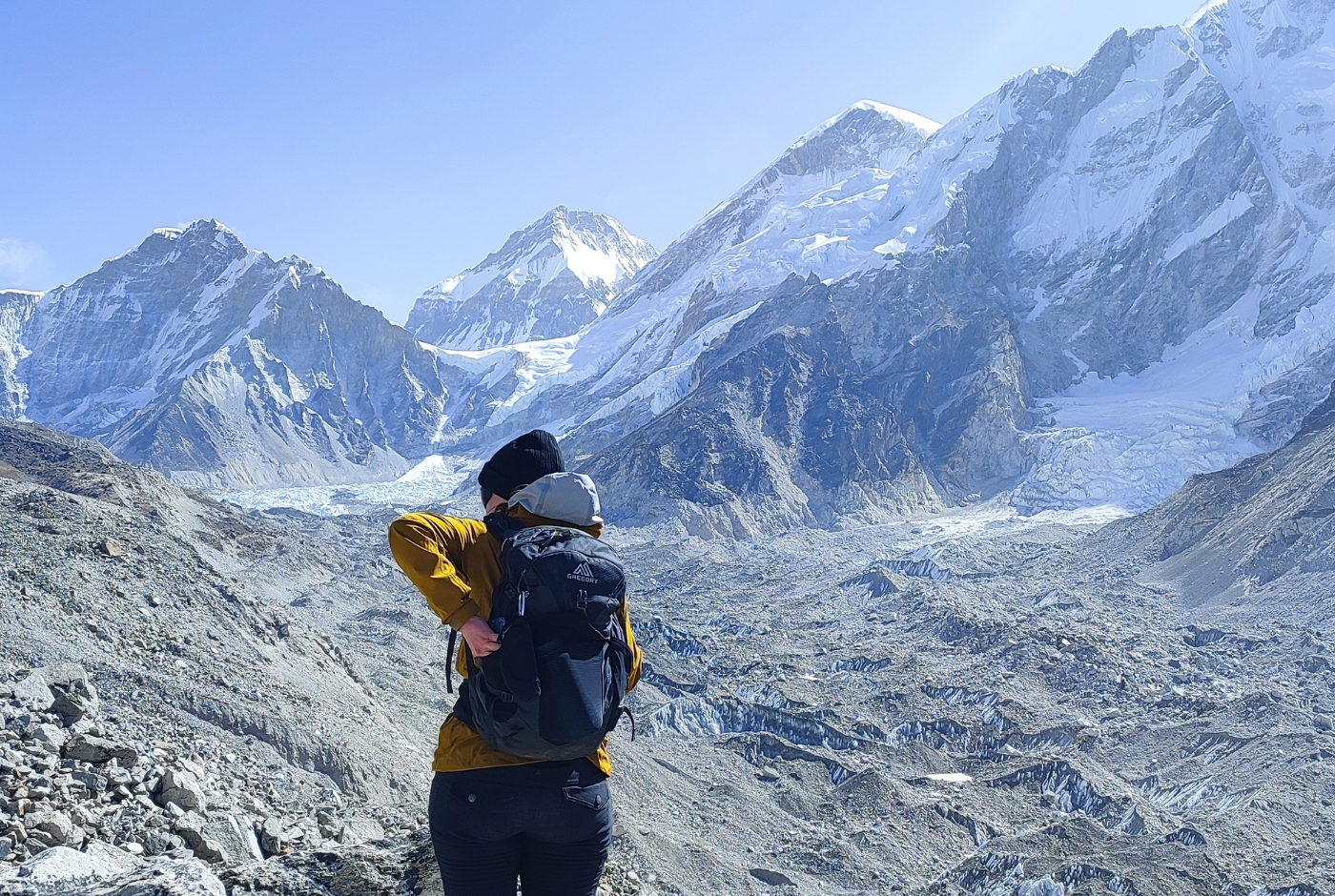
    3. Glaciers and Icefalls- Glaciers and Icefalls – When trekking down from Kyanjin Gompa, you will probably be visualizing and gazing upon sufficient glaciers and icefalls to admire nature in all of her raw beauty.
    4. Solo-ability – You can choose your own pace, take breaks when you want, and decide on situations obligations spontaneously.

    2. Kathmandu Valley Experiences

    To describe Kathmandu as a sensory overload is a compliment; in the most positive sense. You have so many different aspects of the city; the crowding city streets, ancient temples, and artistic traditions. This city is surely unmatched.

    solo kathmandu

    1. Swayambhunath 

    Atop a hill in the northwestern corner of Kathmandu, Nepal, is this most sacred and oldest Malla complex of Hindu and Buddhist devotion. The white middle stupa and all-seeing eyes of the Buddha and the golden finial of enlightenment represent enlightenment. Different clusters of small shrines, chaityas, and temples are scattered here and there on the grounds to represent centuries of human spirituality.

    Key Highlights:

    • Home of one of the earliest stupas of Nepal (over 2,000 years old)
    • The all-seeing eyes of Buddha symbolize awareness.
    • A perfect panoramic range of Kathmandu Valley

    2. Pashupatinath Temple

    With all the sanctity that has been bestowed upon it, Pashupatinath is Nepal’s most sacred Hindu temple on the river Bagmati in Kathmandu. Pashupatinath temple is Lord Shiva’s temple and a massive 500 or even larger temple, monuments, and ashrams. With a golden roof and silver gates being engineering wonders, the temple is only open to Hindus.

    Key Points:

    • Nepal’s most sacred Hindu temple
    • A temple in which Lord Shiva is worshipped
    • Open cremation is performed on the river ghats.
    • Mad crowd during Maha Shivaratri

    3. Boudhanath Stupa

    Boudhanath  is a Tibetan Buddhist sacred site complex (one of five in all of Nepal) just north of the country’s capital, Kathmandu. The stupa’s huge white dome, with a spire and Buddha’s eyes looking back at you would put a sense of calm and mystique into any traveler. Monks and supporters walk in the opposite direction around the stupa while chanting mantras and spinning prayer wheels.

    Highlights:

    • Largest stupa in Nepal
    • Center of Tibetan Buddhist culture
    • Prayer wheels circumambulation path
    • Surrounded by shops and monasteries

    4. Patan and Bhaktapur

    Patan Durbar Square  in the central part of Lalitpur City (Formerly known as Patan) and is famous for it’s preserved dudch (durbar) complex, shrines and temples. Although it was established as a learning and artistic center by the Malla kings. Bhaktapur Durbar Square is Nepal’s most preserved medieval town. 13 km from Nepalese capital city Kathmandu, formerly a kingdom overawing the latter, stands Bhaktapur today. Emerging from such archeological splendors as 55-Window Palace, Golden Gate, and Vatsala Temple, cobble-road thoroughfares, buildings a hundred years old, and colorful town courtyards

    Highlights:

    • Krishna Mandir: constructed all of stone,
    • Patan Museum: with faith paintings,
    • Centre for Newar art and architecture,
    • Golden Gate: finest example of repousse metalwork
    • Lively community of craftspeople

    Solo Perk:  Get lost in the narrow streets, go for a walking tour, or sip some tea and read a fantastic book at a rooftop cafe.

    3. Spiritual and Wellness Retreats

    More than a place for physical adventure, Nepal is also a spiritual place and a destination for all kinds of seekers from all over the world.

    ayurveda


    1. Yoga and Meditation Retreats

    Nepal has a world-wide, noticeable reputation for yoga and meditation retreats in such places as Pokhara, Kathmandu and of course Lumbini, the birthplace of Buddha. Many retreat programs offer schedules with various programs including, different opportunities to participate in yoga asanas (postures), mindfulness and breath control practice, spiritual philosophy, or a combination of programs depending availability. It doesn’t matter what level of experience you may have, in either, yoga, meditation or mindfulness practice the inviting atmosphere of complete tranquility allows you to disconnect from the stressors of everyday life, release, relax, pursue finding peace of mind, learn more about who you are as a person and settle into enjoying the view of the surrounding Himalayan mountains.

    2. Monastery Stays

    For a truly distinct and intense spiritual experience, travelers can stay at Tibetan Buddhist monasteries (the most frequent, Kopan Monastery, is in Kathmandu and has guest accommodations). Staying at a monastery can be an opportunity of a lifetime to immerse yourself in Buddhist philosophy and teachings by the monks who have dedicated their lives to practicing there; you will also have an experience of chanting, meditation and teachings during your stay in a tranquil setting.
    Guests are permitted to participate in some of the rituals/activities of the monastery, as well as have space to themselves to reflect and be immersed in and interact with a foreign culture within a spiritual context.

    3. Sound Healing and Reiki Workshops

    Participation in sound healing and Reiki workshops has grown more in local hotspots of Thamel in Kathmandu and Lakeside in Pkohara. All these holistic therapies are directed towards more body energy alignment in a healthier way by therapeutic sound waves or hands-on energy healing modalities. These are done by well-qualified practitioners. The Phoenix stress relief, relaxation, and emotional healing benefits of Reiki and sound healing, and the wider spiritual and wellness terrains of Nepal, were the ideal fit.
    Solo Perk: Reflect, reconnect, and restart your life, daily yoga and quiet time

    4. National Parks and Animals

    For independent travelers who prefer the nature experience off the mountains, jungle safaris and wildlife sightings of unusual animals in Nepal’s national parks are the draws.

    Elephant riding

    1. Chitwan National Park

    It is Nepal’s first national park and a UNESCO World Heritage site. Wildlife is your coffee and Chitwan’s lowlands are your cup of tea, then Chitwan is a wildlife paradise and will excite you to bits. It shelters endangered animals such as one-horned rhinoceros, Bengal tigers, Asian elephants and more than 500 bird species. Jungle safaris, boat tours, and cultural exchange with indigenous Tharu villagers will offer lots of chances to see one of South Asia’s world-famous wildlife conservation sites.

    2. Bardiya National Park

    If you are looking for a more out of the way and authentic jungle trip, Bardiya National Park in western Nepal has the same wilderness, remoteness, and isolation as other wildlife parks in Nepal but a fraction of the tourists. You would have a better chance of seeing a Bengal tiger here and engaging with wild elephants, gharials, and swamp deer in their own wild habitat. The wilderness in Bardiya National Park is breathtaking and it provides a wonderful option for a traveler in search of an idyllic off-the-beaten-path travel experience, guided jungle trekking, river safari options, and connecting with the many biodiversity of Nepal’s wilderness.

    Solo Perk: Safaris travel groups are readily available and commonly consist of other single travelers.

    5. Pokhara – Solo Traveler’s Paradise

    Pokhara is perhaps Nepal’s most laid-back and picturesque city. Framed by lakes and mountains, it’s the perfect place to relax.

    • Boating at Phewa Lake
    • Hike to World Peace Pagoda
    • Live music and cafes in Lakeside neighborhood
    • Paragliding and zip-lining for adventure-seekers

    Alone Perk: There is serenity around that gives room for journaling, contemplation, and welcoming nice faces across the world.

    Best time to travel in Nepal solo

    Spring (March–May): Warm days, rhododendron flowers in bloom, clear mountain views.

    Autumn (September–November): The peak trekking season, with crisp clear skies, and festivals.

    Winter (December–February): Colder but with less tourists (great time for cultural travel).

    Monsoon (June–August): Lush but slippery trails and rain.

    Tip: If you want better weather and fewer tourists, go in early December or late February.

    How to budget for solo travel in Nepal

    The beauty of traveling in Nepal solo is the budget and comfort level you can achieve and still get the experience you want. Whether you’re looking for a shoestring budget or comfortable mid-range or luxurious trip, there is some level of travel to suit every type of traveler in Nepal.
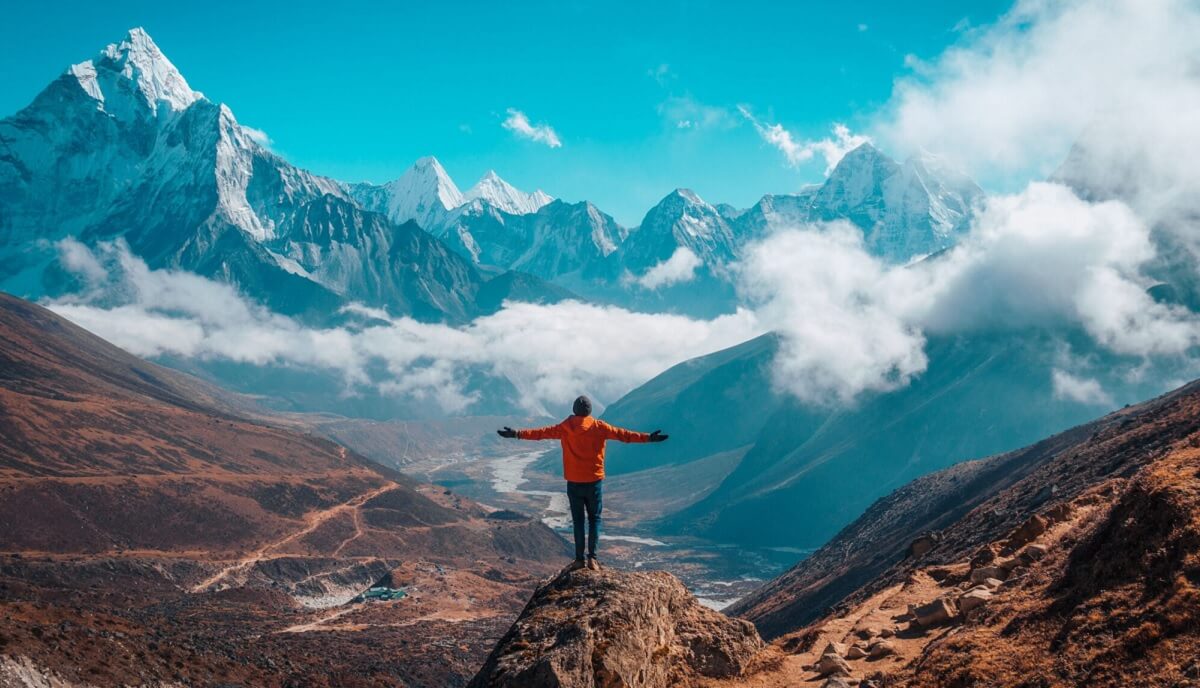
    As a budget traveler, on average expect to spend about $25 – $40 per day, often including accommodation in a shared room in a hostel, local food like dal bhat, and transportation on local buses. Trekking on a budget is easy in Nepal, with low-cost accommodation in teahouses, along with a low-cost trekking permit.
    For basic travelers, budgeting $50–$100 per day means there was some room for flexibility in planning your day. You could have stayed in nice rooms at some quirky boutique hotels or guesthouses, mix of local and western meals, and even domestic flights to places like Pokhara, or Lukla.

    This budget also beat the price of renting a transportation for guided day trips, or entry to cultural sites. If you decide to go luxury experience budget for at least $150 per day, which may include staying at something you might call an up-market resort, chartering a private helicopter ride into the Himalayas, hiring private guides, or eating gourmet meals.

    If travelling solo, you can benefit from long-term stay discounts. Most hostels, guesthouses, and Airbnb hosts offer reduced pricing for staying for the week or the month. In addition, wherever possible, accommodations should be able to help pair solo travelers with guides, porters, or other tourists at half the expense on treks and tours. If you plan ahead, travel in Nepal a solo traveller could be reasonably affordable and still quite rewarding travel experiences. You can get full value from every rupee spent.

    Meeting People as a Solo Traveler in Nepal

    One of the best parts of solo travel in Nepal is that meeting people is easy. Whether you’re hiking the mountains or traversing the busy city streets, Nepal will bring you in contact with a variety of people. Even if you arrive solo, there’s a good chance you will leave with friendships and stories created with other travelers as well as local people.

    Stay in hostels and guesthouses.

    Nepal’s hostels and budget guesthouses, particularly in places like Kathmandu and Pokhara or along the major trekking routes, are commonly filled with solo travelers from every corner of the world. Most of these places have a communal lounge, rooftop café, or even a group tour, which allows solo travelers to easily connect and potentially create travel buddies. It’s common for people to be communicating, organizing options, or making trek plans after a simple breakfast conversation.

    Meeting People on Trekking Trails

    Trekking in Nepal can be a surprisingly social thing to do. Whether you are hiking the Annapurna Circuit or heading to Everest Base Camp, you will pass through tea houses and meet fellow hikers as you travel along the trail. Most of the time meals are served at long communal tables, and evenings at the teahouses can be filled with stories, laughter, and conversations shared over warm cups of tea. You can even meet solo travelers who ultimately walk together as small groups and rely on each other for support along the trail.

    Participate in Workshops and Classes

    There is a plethora of classes and workshops in Nepal to participate in that will bring people together with similar interests. You could take a course in traditional Nepali cooking, attend some yoga or meditation with a monk in a monastery, take thangka painting lessons, or participate in community handicrafts. Each of these activities provides you with a meaningful experience and leads to networking and friendships with fellow travelers or local people.

    Volunteer in Local Communities

    Volunteering in Nepal; whether it is at one of the NGOs, schools, or even rural health posts is a great way to connect with local people and with other international volunteers. You will be part of a team, assisting in encouraging social change and developing a better understanding and appreciation of Nepali culture. Relationship and connection created by volunteering tend to go deeper than small talk, and leave lasting impacts on both sides.

    Stay in Community Homestays

    For a truly authentic and social experience, consider staying in community-run homestays in villages like Panauti, Bandipur, or the hills of Ilam. You’ll live with local families, join them for meals, and learn about their traditions and daily routines. These homestays offer not just accommodation, but heartfelt connections and cultural immersion that’s hard to find elsewhere.

    In Nepal, solo travel doesn’t mean being lonely—it often opens the door to richer, more spontaneous human connections that make your journey even more unforgettable.

    solo traveller

    Advice for Traveling Females Solo in Nepal

    Traveling as a female solo traveler in Nepal can be safe, but it is still smart to take precautions. Here are some tips for traveling wisely:

    • Dress modestly (especially in the countryside or religious places)
    • Avoid isolated areas at night
    • Stay in accommodations that have good reviews
    • Trust your intuition and ask locals when in doubt
    • Look into joining female-led trekking groups or hiring a female guide

    Bonus Tips: Nepal is home to tons of women-centered travel agencies, homestays, and retreats. Many work with local women to empower the already amazing Nepali women. Giving back to them makes your trip more fulfilling.

    Conclusion: Nepal Will Change You—for the Better

    Solo travel in Nepal isn’t just a vacation. It’s a journey of self-discovery, growth, and connection—with nature, people, and yourself. You’ll come for the mountains but stay for the meaning. Whether you’re looking to disconnect from stress or reconnect with purpose, Nepal opens its heart to you.

    From spiritual retreats to thrilling adventures, quiet sunrises to colorful festivals, Nepal offers an experience that is safe, rewarding, and truly life-changing. Contact us today at Happy Mountain Nepal, on Facebook, Instagram, or TikTok.

  • Only in Nepal-You won’t find other places in the world

    Only in Nepal-You won’t find other places in the world

     Only in Nepal-You won’t find other places in the world

    Nepal is a small and broad nation located between India and China. It contains a nature, culture, and spiritual traditions that are unmatched. It is also home to traditional ways and amazing traditions within some of the most magnificent beauty you will ever see; you will notice that even in the same space you will see some of the most subtle, staggering, haunting, exeeding extraordinary beauty that you could ever imagine. The adventures unique to Nepal are extraordinary.

    1. Home to Mount Everest: The Roof of the World

    You will witness the grand skyline of the elevations rise over the horizon. The incredible view from Kala Patthar near Everest to the south face is the best. When you reach Everest Base Camp you will be able to view the Khumbu Icefall, the dangerous zone for climbers heading toward the summit.

    Above the records, there are multiple cultural meanings to Everest in Nepal known as “Sagarmatha” and “Chomolungma” in Tibet. As long as there have been climbers, trekkers, and adventurers, there has been the highest mass of land drawing people to the highest point on earth. Being up close and personal with Everest touches on the humanity of man and the power of nature.

    only in nepal mount everest


    Everest Base Camp Trek will forever be a spiritual, physical, life, and cultural quantum leap in your life. At 5,364 meters (17,598 feet), Everest Base Camp sits around the highest mass on earth, Mount Everest (8,848.86 meters / 29,031.7 feet). Each step closer is trekking on mythological mountain ranges, one hundred-year-old monasteries, old villages from one hundred years ago, and a soul-trek experience that will never leave your memory.

     2. The Living Goddess Kumari

    A Sacred Tradition of Kathmandu valley in Nepal, the country of older religion and spirituality, is also the home of the world’s strangest living ritualthe Kumari goddess, or Living Goddess. The flesh-and-blood embodiment of earth womanhood, the Kumari is an early-teen girl who must endure a stringent ordeal of selection and also be deified in crown ceremonies, celebration, and everyday living.

    kumari- only in nepal

    The everyday life of the living goddess, the Kumari, of Nepal is unsettled by ritual purity, complete isolation, and flawlessly symbolic religious significance. With her selection as early as the age of 2–5 years old, the Kumari says goodbye to the birth home and begins her goddess life at the Kumari Ghar (goddess house), the ritual house in Kathmandu Durbar Square. The Kumari’s role is symbolic in and of itself, as the devotees consider that Taleju (the goddess she incarnates) is present in her body.

    3. Birthplace of Lord Buddha

    Right in the middle of the peaceful plains of southern Nepal,  Lumbini is way more than history-it’s a spiritual thing. Utterly sacred, considered to be the birthplace of Siddhartha Gautama, it calls travelers and pilgrims alike to ponder over his life and teaching. It is also one of the  UNESCO World Heritage Sites 

    Mayadevi temple

    The Mayadevi Temple: Lumbini

    The Mayadevi Temple lies right at the center of Lumbini – a rather modest edifice with great relevance. It shows the very spot where Buddha was born. This temple also enshrines the Marker Stone, considered sacred as it shows the very spot where Siddhartha entered this world.

    Peaceful Meditation

    Lumbini is not a sightseeing place; it’s a place where one has stopped and reflected upon. Meditating in the calm Peace Garden, taking gentle strides along the silent canal crossing inside the complex gleaming white World Peace Pagoda represents harmony and brotherliness.

    4. Diverse Festivals All Year Round

    Dashain, Tihar, Holi, Indra Jatra, and Teej festivals are a few examples from a very long list of colourful festivals celebrating the important festivals of both the religions of Hinduism and Buddhism. An experience that is part of the identity for both individuals and visitors to Nepal.

    A few festivals are mentioned below:

    Dashain

    Dashain the biggest Hindu festival in Nepal, celebrates the annual triumph of Goddess Durga over evil. families gather receiving blessings from each elder relative, and share a celebratory meal. Homes are adorned with jamara (barley grass), and handmade kites fly in the sky!

    Tihar

    Tihar is also called the festival of lights honors crows, dogs, and cows (in that order) on different days. Itis filled with oil lamps illuminating houses and decorative patterns of colours powder (rangoli) creating a beautiful, ceremonial festival culminating Tihar with Bhai Tika marking the love between brothers and sisters is one of the major events.

    Holi

    Holi is the colourful festival that celebrates spring, victory over evil, and the joy of life. It is a very vibrant festival and the festival of colours where, in the spirit of good will, people throw lots of coloured powder as well as water, into it all! There is so much sound and laughter on the street.

    Indra Jatra

    Indra Jatra slowed down in action when it mostly became a festival in the Kathmandu city regions to worship the rain god Indra. It was a blending of tradition dancing, masked dancing, and procession, alongside the living goddess Kumatronck Kumari. It was a great festival of spirit, music, lights, and thousands of people.

    Teej

    Teej is primarily a festival of women, ule, that have been officially married or not, fast and pray for a good husband. After fasting and praying, women wear bright red saris to symbolize the Goddesses, sing religious songs, and dance. It was a testament to devotion, sisterhood, the comidas, and the empowerment of Nepali women.

    5. World-Class Trekking Routes

    Nepal is a trekker’s nirvana. Nepal has stunning scenery, snow-covered mountains, and a huge range of cultural treks. There is a trek for everyone and every need, from a short scenic stroll to a four week trek through undiscovered wilderness.

    Everest_Base_Camp_Trek

    1. Everest Base Camp Trekking

    Everest Base Camp Trek is the king of Nepal treks. The trek begins with a Himalayan flight to Lukla and climbs through picturesque color villages like Namche Bazaar and Tengboche. The trek is a distinctive cultural trek of the Himalayas with overnight stops only in the old monasteries and Buddhist chortens along the trek.

    2. Langtang Valley Trekking

    Langtang Valley Trekking, a day trip to Kathmandu, is a glacial stream alpine gem and genuine mix of Tamang and Tibetan traditions. The trek gradually climbs the banks of the Langtang River, to the dense forests of pine, bamboo and rhododendron, before revealing incredible views of rolling lush alpine grasslands.

    3. Ghorepani Poon Hill Trekking

    Ghorepani Poon Hill Trekking is Ideal and short for the tight budgeter and the first-time trekker. But with plenty of fine scenery. From near Pokhara itself. Just south of Nayapul, it winds its way up through a fine rhododendron forest and the Gurung and Magar villages

    4. Gokyo Lakes Trekking

    A serene day trekking from Everest Base Camp, the Gokyo Lakes Trek is a glacier valley trekking to a chain of blue turquoise lakes beneath some of the world’s highest mountains. The Lukla trek is all that happens in an EBC tour before trekking to Dole and Machhermo.

    5. Mardi Himal Trekking

    Delightful and short trekking to Mardi Himal Base Camp on virgin ridge and forest. After Annapurna Base Camp trek, the trek is less populated by humans and a peaceful and calm trekking experience. The trek runs smoothly with good pace from 1,000 meters well above 4,000 meters

    6. The Chitwan Jungle Safari

    It is the first national park in Nepal established in 1973 . It is located in the hilly geographic region of southern Nepal, in the subtropical lowland, with vast grasslands and woods with rivers interspersed. Chitwan National Park stretches to about 932 sq.km.

    Chitwan National Park: A Wildlife Safari Adventure

    Some of the safari options available in Chitwan include the following:

    Jeep Safaris: This has got the highest popularity as this will help you to explore large areas of the park and watch wildlife in style. Elephant Safaris: Probably one of the most traditional ways of looking for the rhino, tiger, and other animals. These offer a vantage view on how the park looks like but the recent years, people have raised several concerns on the animal rights aspect of these tourism.
    Canoe Rides: It is a gentle chance to spy on the aquatic animals that inhabit the park and these are crocodiles, freshwater dolphins and birds. Nature Walks: Peculiar guided nature walks with the help of specialist offer a wide range of chances of gaining more extended knowledge of flora and fauna which can be observed as the trails are located within the territory of the given forest area.

    7. The Unique Blend of Religions

    In Nepal, Hinduism and Buddhism coexist in a manner which is extraordinary in its peacefulness that permeates the culture of this place and the people – lives – beliefs – and arts. It is extraordinary to see the tranquil coexistence of these two religions, which in conjunction with their shared festivals and intertwined traditions, would appear to have harmony amongst their belief systems and practices.

    It is extraordinary! We can see the way the two religions coexist in practice and belief, even in the case of their mutual merging, from two key sites. This unique fusion produces a culture, that is deeply rooted in the collective identity of Nepal.

    8. Traditional Handicrafts and Art

    Nepal is famous for handicraft and souviners.Nepal’s holy Nepalese culture and Himalayas also hold within them Nepalese crafts heritage’s that of. Nepalese crafts are scripting Nepalese history, the Nepalese tradition, and the Nepalese religion. Hand-painted Thangkas to Pashminas colors, rainbowed colors such as, pomp tastefully created one of each single is scripting a new page in Nepalese art history.


    Thangka Paintings: Sacred Hndicraft Buddhist Art

    Rarely replaceable thangkas are owned by Buddhists and Nepal Tibetans. Devotion and fidelity, rather than beautiful supernatural religious image painting, brush, and decoration. 1,000 years ago would make them beautiful to serve as portable temples by monks and pilgrims. Gods, mandalas, and supernatural mythologies to religion and meditation handbook to meditators in the meditation room, spiritual masters, and thangka rituals.

     The Unexplored Luxury Handicraft of Himalayan Wool

    Nepali Pashmina or “soft gold” is the softest and finest natural yarn on the entire globe. “Pashmina” is awarded as a name of excellence which had been reserved in Persian title “Pashm” or soft wool. Chyangra Himalayan hill goats shed undercoat so that they yield Pashmina fabric.

    Newar Traditional Wood Carving Handicraft Art

    4th-9th century AD Nepali golden Lichhavis’ is wood carvings. Nepali wooden ornamental palace, temple, and house replica model style patterned Nepali is Kathmandu Valley’s fantasy Newars. The Nepali wooden carvings appear not to be useless but there is a reason behind it. The beauty and elegance of the wood carvings can feel by going to nearly all the ancient temples and houses.

    Metal Statues and Handicraft

    Master bronzes contemporaries in Nepal are to be find in India, Tibet, and China. Not the master craftsman who would consent to persuade to sell to him a Buddhist or Hindu god purchased to sell again to Tibetan monasteries. It’s lost-wax from the technological perspective.

    9. Adventure Sports Paradise

    Activities beyond trekking seems like unbelievable.  Nepal is one of the luckiest countries to have world renowned Treks. But these Himalayan gems are not solely for the trekkers and hikers, although they are a hiker’s paradise. Nepal is the gateway to a decade of adventure at any level with incredible landscape and culture and adrenaline

    Paragliding

    While paragliding in Nepal is not something that will just briefly thrill you with the incredible high vantage point of some of the most stunning terrains on the planet from valleys and rivers to majestic mountain ranges. Nepal is truly a fantastic way to appreciate the beauty of the Himalayas from a different angle altogether. It gives the most spectacular scenery:

    Jungle Safari

    From most of the mountain range categorized as part of the Himalayas, south lower grounds are employed in a great density of forests that are infested with wild animals. The jungles are a contrasting experience to the mountain settings in the sense that they provide. Covering about 15,000 square kilometers, Nepal has nine national parks, four wildlife reserves, and three conservation areas.

    Top National Parks for Safari

    • Chitwan National Park: This is a UNESCO World Heritage Site that boasts of Bengal tigers, one-horned rhinos, and a lot more species of birds.
    • Bardia National Park: It is less crowded and more pristine, offering a chance to spot elusive tigers and elephants.

    Rafting 

    Fed by Himalayan glacial meltwaters, Nepal has some of the most beautiful and thrilling-water rivers on earth. Thus, Nepal is an ideal place for white-water rafting.The country has it all, from peaceful floats to raging rapids. The rafting was quite safe for beginners to do with the support of experts and reliable equipment. Rafting is possible year-round, but the best seasons are September to early December and March to early June.

    Ice Climbing

    Nepal offers a wide range of ice climbing challenges to suit beginners and experienced ones. Ice Climbing In Nepal is only possible from around November to March when waterfalls and gorges become hard and tough to be perfect for climbing. The popular spots for ice climbing in Nepal are Mount Everest, Langtang, Rolwaling, and the Annapurna region.

    Ziplining

    You will be able to ride to one of the world’s tallest and longest zip lines (about 600 m high with a distance of 1.8 Km). Zipline is perfect for those people who crave excitement. You could also get to view a panoramic view of mountains and forests. Zipline was first introduced in Pokhara, the lake city.

    Trekking

    Embark on a journey of discovery in Nepal—Trek through the majestic mountains, lush landscapes, charming villages, and serene monasteries. Traverse through the ancient trails, witness awe-inspiring sunrises and sunsets, as well as explore the rich cultural heritage sites. You can discover the hidden waterfalls, lakes, and diverse flora and fauna. Nepal offers an amazing blend of culture, nature, and adventure, making it the perfect destination for trekkers.

    10. The Warmth of Nepali Hospitality

    One of the outstanding things about traveling to Nepal is the true kindness and hospitality of the people. In Nepal the tradition of hospitality is strong and it’s not uncommon for Nepalis to welcome guests into their lives with open hearts and to treat them like a type of divine blessing. This is expressed in the saying “Atithi Devo Bhava” (Guest is God). It doesn’t matter if you stay in a hotel in the heart of a city, or a homestay in a remote village, you will be greeted with warm smiles, tea and real kindness. Often it seems strangers go out of their way to welcome you to Nepal to make you feel safe, respected and appreciated.

    only in nepal

    The kindness and warmth, which is so typical in Nepal, comes from the diverse cultural and religious traditions that have in common, but also appreciate, community, compassion and respect of others. Because of this many aspects of a travelers experience, being shared meals together, or sharing a few stories and invitations into family celebrations, are an ideal opportunity for travelers to participate in the rich culture of Nepal. The kindness and warmth of hospitality will make an impression, and it is not uncommon for first time visitors to Nepal to be friends for life.

    Conclusion: Experience the Uniqueness of Nepal

    Big mountains to little traditions, Nepal is an unparalleled adventure, wherever you are on the Nepal experience you are doing something no place else in the world offers. Maybe you are looking for a spiritual awakening; maybe you are looking for jaw-dropping adventure, perhaps you are out to discover all that would encompass something entirely different. No matter what, Nepal has so much to offer. It is experience; experience of a lifetime, a lifetime that has never and can never be replicated on this earth again. Contact us today at Happy Mountain Nepal, on Facebook, Instagram, or TikTok .


  • Upper Dolpo Trek: Trekking in Raw Land

    Upper Dolpo Trek: Trekking in Raw Land

    Upper Dolpo Trek: Trekking in Raw Land

    If you are looking for a trekking experience in Nepal that is off the beaten path, then the Upper Dolpo Trek is a trek like absolutely no other on Earth! Exploring the far western region of Nepal, this trek takes you into valleys, remote villages, and unspoilt terrain; Dolpo is known for being one of the last true wildernesses left in the world to be trekked into.

    upper dolpo trek

    What makes Upper Dolpo Trek Different

    Some of the most trafficked and highest number of trekkers in Nepal are the Everest and Annapurna; meanwhile, the Upper Dolpo has a significantly low number of trekkers each year due to its special area permit. This means trails stay sustainable, the landscape remains unadulterated, and your cultural experience is as true as it can be. This leaves trails intact, the landscape unspoiled, and your cultural experience as true as possible.

     Highlight of the Upper Dolpo Trek:

    1. Shey Phoksundo Lake

    Shey Phoksundo Lake is often referred to as the crown jewel of Upper Dolpo. It has beautiful turquoise-blue waters that lie silent at approximately 3,611 m and is surrounded by towering cliffs and snow-topped peaks. The colors in the lake refract and reflect as light changes with different heights of the sun to create a unique visual experience for each explorer drawn to its timing.  It is unique among nearly all glacial lakes in that it contains no fish; for those of you with apprehensions about some danger on the lake, without any aquatic life, as well as the stillness of the lake, should definitely create a sense of transparency, as well as a heightened experience of presence. Shey Phoksundo is also a natural wonder, as it has important cultural and spiritual attachments.

    Shey Phoksundo Lake

    Shey Phoksundo Lake is sacred to Bonpos and Tibetan Buddhists. Not only do Herby legends operate here, but ancient myths are also caught and subsequently translated somehow, often with the help of priests for your reading comfort, which aids the mystique associated with the reserve. With Ringmo, the local village near Phoksundo, the opportunity to directly encounter relatively untouched locals establishes the opportunity to connect with local people who have for centuries kept their traditions, values, and manner of living intact despite the relentless advance of modernity.

    2. Shey Gompa Monastery

    It is the “spiritual heart of Upper Dolpo,” situated under Crystal Mountain, which is a chief pilgrim site for Buddhists and Bon practitioners both. Accommodation is found only in very simple teahouses or campsites with the minimum amenities. That does mean tourists to Upper Dolpo will be able to leave the region untouched, but they will need to be self-sufficient and capable of handling minimal living. The monastery is roughly 800 years old and and a role as one of the last bastions of the ancient religion (Bon) and a trove of spiritual history. Pilgrims travel long distances to participate in the kora (a pilgrimage ritual) that circumambulates the Crystal Mountain, spiritually purifying the pilgrimage way by receiving blessings along the way.

    Shey Gompa Monastery

    The entirety of the trip to Shey Gompa is a pilgrimage in itself. The powerful nature vibrates a worthy sense of aloneness and isolation, different from another experience based on significant absence, cloaked in teetering valleys and cliffs. Within the very ghosts of the lightless interior within the monastery, images, relics, and elder scriptures (the past remains their present), remind the people of their bond to their assumed beliefs. Thus, trekkers have come to describe their visits to Shey Gompa as spiritual, for not only can one view a slice of an otherwise quietly functioning local religion, but one at the same time finds the more rarely sought typology of space for inner reflection, in the heart of the Himalayas.

    3. High Passes and Remote Trails

    Trekking Upper Dolpo is obviously an expedition, requiring several high passes including Kang La (5,360m) and Saldang La (5,200m); in one word, the views from those passes don’t disappoint (and the expanse is awe inspiring) because you are in a position to view the rugged mountains meet the great valleys from above.

    The high passes necessitate a good level of fitness and recovery, which is rewarding for trekkers with options for experiences that juxtapose pristine wilderness with snow-capped peaks and isolated alpine countries, together, as most people, by example, do not go there. The seldom-travelled routes to the high passes take trekkers through featureless barren hills, hidden valleys, and ancient footpaths used for trade by Tibetans. This brings a feeling of absolute remoteness; it is conceivable you might go days without seeing another trekker.

    upper dolpo trek

    4. Wildlife Encounters

    Upper Dolpo is an oasis for rare and endangered wildlife, yet, in these more remote locations, diversions of distractible trekkers are the exception rather than the rule. Observe the opportunities to test your keen sight (and take note of whatever you can record) during your adventures. Here, in the realm of the phantom cat of the mountains, snow leopards, blue sheep recline blankly on sheer cliffs that are almost indistinguishable from stone, while dominion in the skies, the Himalayan griffon soars lazily above, and musk deer skulk.

    As long as you can spot those few fragile plus-5,000M ecosystems and find refuge through the ephemeral permanence of heterogeneous distance and absent devout human interaction, you will enjoy the comfort of seeing these extraordinary organisms. It is a rarity to be in a remote valley or high ridge (and have the pleasure of seeing organisms), as the experience changes immeasurably. It is restorative in many ways to find yourself in that emptiness, shed the drone of tiring distractions, and watch wildlife in their natural spaces.

    5. Authentic Tibetan Culture

    Upper Dolpo offers an amazing opportunity to experience an unspoiled living Tibetan Culture, in totality. Dolpo’s culture is Tibetan. The people of Dolpo, their tongue, their culture, and their religions all exist unchanged as they did centuries ago. The stone-built civilizations characterized by flat-roofed houses, which simultaneously function as animal housing, bulging with grain, carrying warning prayer flags, filled with imposing monasteries, are Tibetan and will be Tibetan.

    The Dolpo people engage in an economy driven by religion, agriculture, and trade. The people of Dolpo still lead a traditional Transhumance herding existence on a seasonal basis, utilizing their yaks and sheep. The people of Dolpo continue to perform and observe festivals such as Chaam (masked sacred dances) whose origins in ancient rituals have lasted the test of generations and centuries. Therefore for a trekker’s encounter with the hospitable Dolpo people may not only yield information about Tibetan culture, but also human contact, memories and experiences that will last a lifetime.

    Challenges of the Upper Dolpo Trek:

    upper dolpo trek

    1. Remote Location of Upper Dolpo

    Upper Dolpo’s remoteness means it has not developed the infrastructure of other trekking routes. Accommodation is limited to very basic teahouses or campsites, with the simplest comforts available. This does mean that visitors to Upper Dolpo are able to preserve the pristine nature of the region but will need to be self-reliant and ready for basic living.

    2. Long and Difficult Trekking Days

    Trekkers can expect long days of demanding trekking that will feature walking on very rough terrain. There are various high mountain passes above 5,000 m in the trek, all of which will be demanding endurance and stamina. Lastly, the long trekking day will be demanding a great deal from your mind and body. But the adventurers will be well rewarded for their effort with stunning Himalayan vistas and full immersion in nature. On the other hand, adventurers will be compensated for their hard work with stunning views of the Himalayas and full immersion in nature.

    3. The Dangers of Altitude Sickness

    Since the altitudes are such high, trekkers must watch out for altitude sickness which may include such symptoms as headaches, nausea, and dizziness. Since physical fitness, as well as an awareness of altitude sickness symptoms, can significantly improve one’s enjoyment and safety since proper acclimatization as well as slow climbing is necessary so that altitude sickness does not develop into more serious health issues, it is possible to prepare oneself significantly for such environments.

    4. Limited Medical Access in Upper Dolpo

    In most areas of Dolpo there isn’t any access to medical aid and even if there is, there could be weather or terrain factors that make an emergency rescue impossible. Trekkers ought to carry a comprehensive first-aid kit as well as High high-altitude emergency Evacuation insurance.

    5. Weather Possibilities

    The weather in Upper Dolpo can also be very unpredictable and can change quickly into less than optimal trekker conditions. The winds can blow, the rains can pour suddenly, or snowfall can make the trails challenging or impassable. Trekkers would have to pre-plan well for cold nights, even rain and wet conditions, and for potential storms. Good clothing and flexibility in terms of the intended travel will help alleviate concerns associated with bad weather.

    Infrastructure Limitation in Upper Dolpo

    upper dolpo trek

    Upper Dolpo and its surrounding areas are very remote, and this remoteness makes it incredibly difficult to get food, fuel, supplies, etc. into these areas – especially for trekkers! Porters and pack animals, which are used by trekkers, are incredibly important as the suppliers weigh heavily and the amount of supplies usually results in a significant dollar cost. A trek in Dolpo is a serious planning and organizing proposal, and in order to successfully navigate the logistics, trekkers should work with an established and experienced agency.

    The remote wilderness of Upper Dolpo remains an exceptional destination for people who are willing to overcome its difficulties. The natural splendor of the trek together with its cultural wealth and spiritual importance transforms all obstacles into worthwhile experiences. The Upper Dolpo Trek delivers a deep emotional change and personal accomplishment to physically fit and mentally ready trekkers.

    Best Time to Trek Upper Dolpo

    The most suitable time to trek Upper Dolpo is in spring from April to June and fall from September to November. Spring hues the landscape with flowers and greenery blooming while autumn provides clear blue skies with fresh air and stable weather. The finest sight of Upper Dolpo’s Himalayan landscapes and turquoise lakes and high plateaus is during these times. The summer monsoon rains create dangerous conditions because of heavy rainfall and landslides while the winter season brings severe cold weather which blocks the high passes. Choosing to trek during spring or autumn seasons provides both safety and better enjoyment for your adventure.

    Budget and Cost Breakdown of Upper Dolpo Trek

    Upper Dolpo Trek exists as an isolated journey that requires more funds compared to Annapurna or Mardi Himal because of its limited access and complex logistics. Here’s a complete breakdown:

    1. Permits

    Upper Dolpo requires special permits because it remains a restricted area for trekking. The Restricted Area Permit (RAP) requires a USD 500 payment per person for ten days of trekking in the Upper Dolpo. The Restricted Area Permit (RAP) charges USD 50 for each additional day beyond the initial 10 days of trekking. To obtain the Shey Phoksundo National Park Permit you must pay USD 25 and the TIMS Card costs USD 20. You can obtain all permits through registered trekking agencies or through the Nepal Tourism Board located in Kathmandu. The total cost for permits will reach between USD 600 and 900 because of the duration of your trek.

    2. Accommodation in Upper Dolpo

    The remoteness of Upper Dolpo creates a lodging situation which consists of basic teahouses combined with camping options. The teahouses or homestays in Ringmo and Saldang charge between USD 5 and 10 per night. In many places, especially beyond Shey Phoksundo, camping becomes necessary. The agency will provide you with tents and kitchen staff together. Along with gear which raises your overall costs if you select camping. The total cost for three weeks of teahouse accommodation will reach USD 200–300. Camping will increase your expenses because you need to pay for staff and equipment rental.

    3. Food and Drinks

    The price of food rises as elevation and distance from civilization increase. The typical meals consist of dal bhat alongside noodles and soups with Tibetan bread also being served. You can expect to pay between USD 4 and 6 for breakfast followed by USD 6 to 8 for lunch and USD 7 to 10 for dinner. Hot drinks such as tea or coffee cost USD 1–3 per cup. The full-board meals provided by your trekking agency during camping sections will cause your daily food expenses to be between USD 20 and 30. The food and drink costs of your 20-day trek will reach approximately USD 400–600.

    4. Guide and Porter

    The remote terrain of Upper Dolpo requires trekkers to hire both a guide and a porter. In orderto  help them cope with the trek. The day rate of a government-licensed guide is USD 30 to 40. Daily porter fees range between USD 20 and 25 since they transport 20 kilograms of weight. A guide and porter service for 20 days would cost between USD 1,000 and 1,300. Group travelers have the option to distribute their expenses among members.

    5. Transportation

    Domestic flights start the trek by flying from Kathmandu to Nepalgunj (USD 150–170 one way) before continuing from Nepalgunj to Juphal (USD 130–150 one way). The round-trip ticket price for flights will reach approximately USD 600–650 per individual. Plan extra overnight stays in your budget because weather-related delays happen frequently.

    6. Miscellaneous

    Expenses in Upper Dolpo. Additional expenses in Upper Dolpo include device charging, which costs USD. 1–3 and limited internet access that charges USD 3–5 per session and snacks and bottled water, and occasional souvenirs. Small expenses will add up so plan to spend between USD 50 and 100. When giving tips to guides and porters, it is standard to provide between USD 100 and 200 total based on service quality and group size. Also, consider travel insurance covering high altitude (USD 150–250).

    Total Estimated Cost of Upper Dolpo

    The total expenses for the Upper Dolpo Trek depend on whether you select a complete service or partial self-guided approach. A full-service agency will cost you between USD 3,500–5,500 per person. It includes all permits, guide, porter services, transportation, accommodation. food and miscellaneous expenses. The restricted trek of Upper Dolpo provides one of the most exclusive experiences in Nepal through its spiritual monasteries and pristine nature and unique culture and high-altitude remote setting.

    upper dolpo trek

    What to Keep in Mind for the Upper Dolpo Trek

    • Make sure to bring necessary layers against extreme altitude variations because thermal base layers, together with warm jackets and rain protection, are essential.
    • Bring along water purification tablets or an effective water filter because bottled water remains scarce during the trek. The ascent through Kang La and Saldang La passes requires patient acclimatization because of their demanding nature.
    • Always ask for permission before taking photos of people or monasteries while showing proper respect towards their religious practices.
    • A guide should be hired as a necessity because of the distant location and challenging terrain, and limited trail signage.

    Who Would Enjoy an Upper Dolpo Trek?

    • Experienced trekkers looking to go way off the grid into a remote corner of the Himalayas Cultural trekkers wanting to experience the ancient Tibetan Bon culture with centuries.
    • Old monasteries Wildlife lovers who want to see rare animals like snow leopards or blue sheep. Adventurers who want nothing but the wild, while avoiding crowded trekking routes
    • Enjoying pristine landscapes
    • Trekkers who are in great physical shape, and are ready for long high-altitude days of trekking.

    Conclusion

    The Upper Dolpo Trek offers something that most treks in Nepal. Do not pristine wilderness, ancient spiritual culture, timeless villages, and a total escape from the modern world we live in. Yes, it will cost you more, take more time, and require more physical fitness than most treks. You will get an experience like no other. If you have images of wandering through untouched valleys, crossing lofty high passes, and witnessing ancient cultures. Upper Dolpo is a journey of a lifetime. Contact us today at Happy Mountain Nepal, on Facebook, Instagram, or TikTok .


  • Annapurna for All: The Future of Trekking in Nepal with Cable Cars

    Annapurna for All: The Future of Trekking in Nepal with Cable Cars

    Annapurna for All: The Future of Trekking in Nepal with Cable Cars

    Trekking enthusiasts worldwide have recognized the Annapurna Circuit as one of their most famous routes. Every year thousands of trekkers visit the region because it offers breathtaking Himalayan views and dramatic landscapes and diverse cultural experiences. Cable car systems have been introduced recently which now improves access to the Annapurna region.

    Cable Car

    The Classic Annapurna Circuit

    The traditional length of the Annapurna Circuit varies between 160-230 kilometers based on the selected path. The trek leads people through four distinct natural environments which include subtropical forests and terraced fields and alpine meadows and arid high-altitude landscapes. Key highlights include:

    Thorong La Pass (5,416 m)

    This circuit reaches its highest elevation point here while offering one of the most exciting high-altitude hiking experiences globally.

    At 5,416 meters above sea level Thorong La Pass marks both the highest altitude and the most intense part of the Annapurna Circuit trek. The ascent to the peak begins before dawn because strong winds and unpredictable weather tend to develop later in the day. The hike proves difficult since oxygen levels drop at higher elevation yet the panoramic views from the pass justify every step of the journey. The combination of snow-covered peaks with endless mountain ridges and the feeling of absolute elevation produces an unforgettable surreal experience.

    The achievement of reaching Thorong La produces both physical success and emotional satisfaction for many trekkers. The colorful prayer flags flying in front of the icy mountain backdrop represent both spiritual meaning and personal achievement for pass crossers. After the descent, trekkers are rewarded with a deep sense of accomplishment, having conquered one of the world’s highest and most thrilling mountain passes.

    Manang and Mustang regions: Culturally rich villages with Tibetan influence.

    Trekkers find a captivating introduction to Himalayan culture in the Manang area which exists before Thorong La. The villages here are influenced heavily by Tibetan traditions, reflected in the Buddhist monasteries, prayer wheels, and chortens that line the trails. People who trek there typically dedicate additional days to Manang for proper acclimation before visiting the ancient monasteries and observing yak herding practices while studying the traditional Gurung and Tibetan customs.

    Cable Car:

    The western Mustang region presents trekkers with contrasting landscapes of dry valleys and colorful cliffs and hidden caves. The “Last Forbidden Kingdom” title belongs to Mustang because its Tibetan Buddhist heritage alongside its architectural uniqueness and traditional ways remain untouched by modern development. The trekking regions of Manang and Mustang present visitors with breathtaking natural beauty alongside authentic cultural experiences that showcase high Himalayan traditions.

    Natural hot springs in Tatopani: Perfect for relaxation after days of trekking.

    The natural hot springs of Tatopani provide trekkers with relaxing thermal baths which serve as perfect recovery after long days of hiking. Tourists who visit the hot springs of Tatopani find comfort in its mineral-rich waters while taking in the beautiful views of traditional villages and surrounding hills. The mineral content in the water possesses healing qualities which help people feel better from muscle soreness and joint pain and enhance blood circulation.

    tatopnai

    Tatopani village provides visitors with more than thermal baths because it serves as an excellent location to observe the genuine hospitality shown by local people. Spending a tranquil evening in this village after enduring extended mountain treks through difficult pathways allows trekkers to find physical comfort in the warm pools and achieve mental relaxation under the night sky before continuing their journey.

    Poon Hill: Famous for sunrise views over the Annapurna ranges.

    People from all over the world visit Poon Hill which stands at 3,210 meters above sea level. A large number of trekkers reach the summit before dawn to experience the breathtaking sunrise that lights up the Himalayan peaks. The first rays of sunlight touching the snow-covered peaks of Annapurna, Dhaulagiri, Machhapuchhre (Fishtail), and Nilgiri produce a stunning display of colors that creates one of the most memorable photographic moments during the trek.

    Poon Hill

    Poon Hill provides exceptional views of several Himalayan ranges which makes it a trekking highlight for all visitors including those with brief treks. The easy path leading to Poon Hill welcomes trekkers from different fitness backgrounds so families and new adventurers choose it as their preferred destination. Poon Hill becomes more enchanting because of the colorful rhododendron forests and the welcoming Gurung villages that visitors encounter during their journey.

    This trek requires between 14 and 21 days to complete based on individual speed and altitude adjustment needs.

    The New Cable Car Attraction

    The cable car system operating in the Annapurna region now serves as a transformative development for numerous visitors. The system provides multiple advantages which do not eliminate the trekking journey:

    Cable Car:

    1. Accessibility for All by Cable Car

    The new cable car system in the Annapurna region enables more visitors to experience the breathtaking mountain views which were previously limited to trekkers. The physically demanding multi-day treks prevented many people including those who were older or had health issues or short vacation periods from seeing the spectacular beauty of the Annapurna ranges. Tourists can now reach scenic viewpoints by using the cable car which eliminates the need for physical effort.

    The improved accessibility enables family groups along with senior tourists and people who have disabilities to see views which only experienced trekkers could access before. The cable car provides visitors with a comfortable and safe and efficient method to experience the Annapurna landscapes which results in making the region accessible to various types of visitors. The expanded access to natural beauty allows more people worldwide to experience the wonders of Nepal.

    2. Boost to Local Economy

    The cable car functions as an economic stimulus that produces fresh business opportunities for communities throughout the Annapurna region. The increased number of visitors accessing the cable car has generated higher demand for local villages to provide accommodations and restaurants and souvenir shops and guide services. Local people who previously depended on farming and trekking businesses now generate reliable income through year-round tourism activities.

    The cable car extends tourism advantages to remote locations which would otherwise receive minimal visitor attention. Local communities benefit from new work possibilities in both cable car operations and maintenance alongside hospitality and cultural tourism development which stabilizes their income streams. The increased economic activity from local residents creates advantages for both individual families and the entire regional development process.

    3. Sustainable Tourism

    Sustainable tourism has emerged as an essential concern for protecting the delicate mountain environment of the Annapurna region. The cable car system establishes environmental preservation benefits through proper management of its operations. The cable car system provides a substitute to long vehicle journeys through narrow mountain roads thus protecting the environment from soil erosion and alpine terrain damage caused by heavy traffic while reducing dust pollution.

    The use of fewer vehicles on the roads produces three main benefits: lower carbon emissions, decreased fuel consumption, and diminished chance of landslides which result from road construction or excessive use. The implementation of a single cable car route allows better visitor control and sustainable tourism measures through centralized access management. The correct policies established for the cable car system enable it to provide economic development opportunities while safeguarding the natural beauty of Annapurna for future visitors.

    annapurna

    The current cable car projects most discussed include the following:

    Sarangkot (near Pokhara):

    Sarangkot stands as one of the most visited panoramic locations which you can find near Pokhara in Nepal. The location sits above sea level at 1,600 meters on a ridge which presents a spectacular view of the Annapurna mountain range including Annapurna I and Annapurna South along with Machhapuchhre (Fishtail) and Dhaulagiri. Visitors who go to this spot during clear mornings have the chance to experience a breathtaking sunrise when sunlight first touches the snow-covered peaks forming an enchanting show. Sarangkot presents magnificent mountain scenery while showing extensive views of all Pokhara Valley together with Phewa Lake and tranquil rural areas that contain villages and terraced agricultural fields. The location remains easy to reach from Pokhara thus making it a popular destination among visitors and local people.

    Pokhara_Sarangkot

    Potential Future Plans in Manang and Mustang Regions:

    The Manang and Mustang regions which contain valuable natural beauty and cultural heritage remain under consideration for cable car route expansion through ongoing discussions and feasibility studies. The initiative seeks to provide improved access to tourists who lack the ability to complete demanding treks but wish to view the beautiful Himalayan landscape. The development planners are maintaining strict conservation protocols while they advance tourism growth. The implementation of cable car projects through proper management would decrease the usage of fragile trekking paths and cut down on rough mountain road traffic and protect delicate ecosystems while supporting local economic development. The successful implementation of these projects could both expand tourism possibilities and maintain the untouched nature of these high mountain areas.

    Combining Trekking with Cable Car Rides

    Most travelers who seek adventure and convenience find the combination of traditional trekking with modern cable car rides to be an ideal balance between adventure and comfort. Visitors have the choice to hike specific trail portions while using cable cars to skip sections that present time constraints or physical challenges. The method enables people with different fitness abilities or time restrictions to experience the breathtaking scenery.

    Starting your trek at Besi Sahar you can make your way to Manang through cultural villages before experiencing the mountain scenery and monasteries on the route. The development of cable car routes in this area would provide trekkers with the option to use a cable car to bypass demanding high-altitude climbs especially the steep sections that lead to Thorong La Pass. The journey would become more accessible for everyone while preserving the authentic trekking experience.

    Once your trek comes to an end you have the opportunity to continue your adventure by visiting Pokhara. The Sarangkot cable car delivers its final reward through panoramic views of the Annapurna range along with Pokhara Valley and Phewa Lake which create a perfect ending for your Himalayan journey.

    Why Cable Car Matters for 2025 and Beyond

    Nepal’s ongoing tourism infrastructure development creates new opportunities for people to experience adventure while maintaining accessibility to attract more visitors. The Annapurna Circuit that started as challenging long-distance treks now transforms into a multi-experience destination through its trekking routes and cable car options.

    • The traditional routes remain available for Adventure Seekers who want to experience complete Himalayan trekking through diverse landscapes and remote villages and high mountain passes.
    • The development of cable cars enables visitors with time limitations or trekking limitations to reach some of the region’s best viewpoints which provide breathtaking mountain views without requiring long or difficult hikes.
    • The installation of cable cars allows families and travelers to experience Nepalese mountain beauty by providing an alternative to trekking which they cannot manage physically.
    • The inclusive strategy enables the Annapurna region to expand its visitor base while protecting its natural and cultural heritage for future generations.

    Cable Car:

    Practical Tips for Your Annapurna Cable Car Adventure

    The best time to visit: Spring (March-May) and Autumn (September-November) provide the greatest weather conditions and visibility.

    Permits required: TIMS Card and Annapurna Conservation Area Permit (ACAP).

    Preparation: Even with cable cars, proper acclimatization and fitness are important if you’re trekking high-altitude sections.

    Local guides: Consider hiring local guides for a richer cultural experience and safety.

    Final Thoughts

    The Annapurna Circuit stands as one of the leading trekking destinations around the globe. The introduction of cable cars in Nepal demonstrates their commitment to modernization alongside their dedication to protect their natural and cultural assets. The Annapurna region now has expanded opportunities for visitors to experience its breathtaking landscapes regardless of their trekking experience.

    Start planning your Annapurna Circuit and cable car adventure today to see how traditional elements and modern conveniences coexist perfectly in Nepal’s Himalayan region. Contact us today at Happy Mountain Nepal, on Facebook, Instagram, or TikTok .