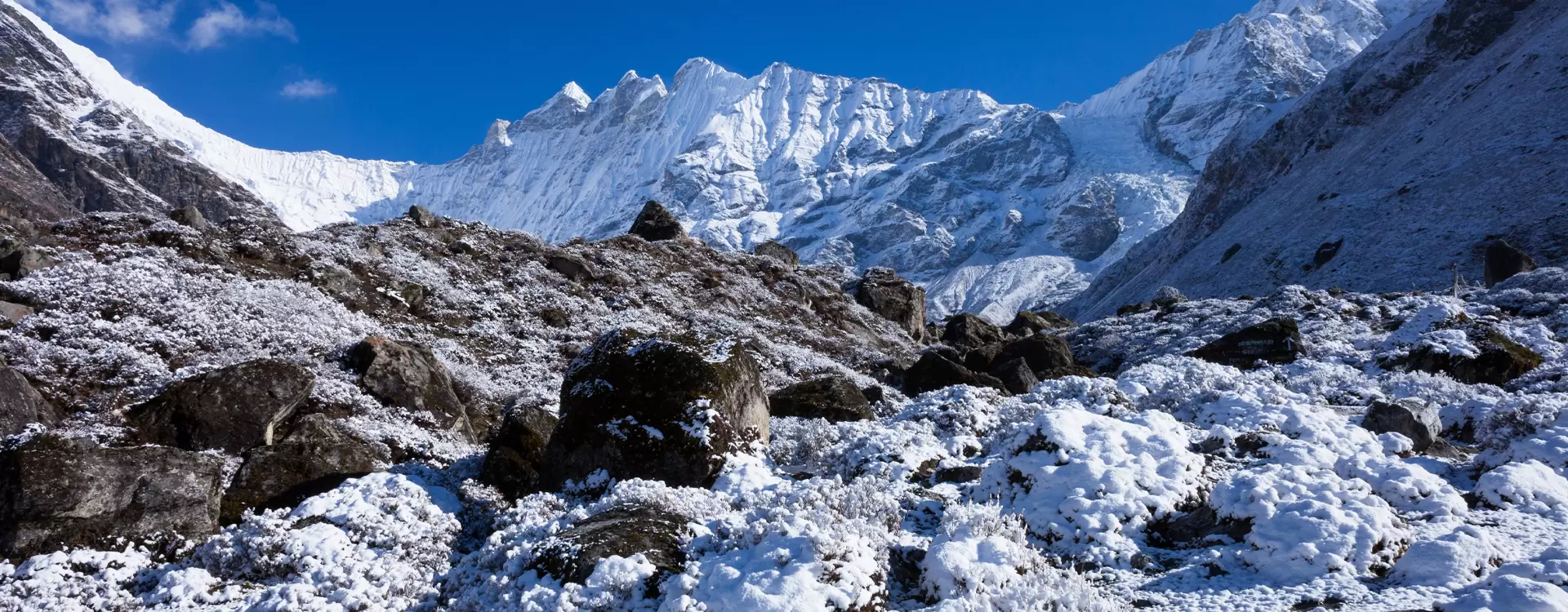
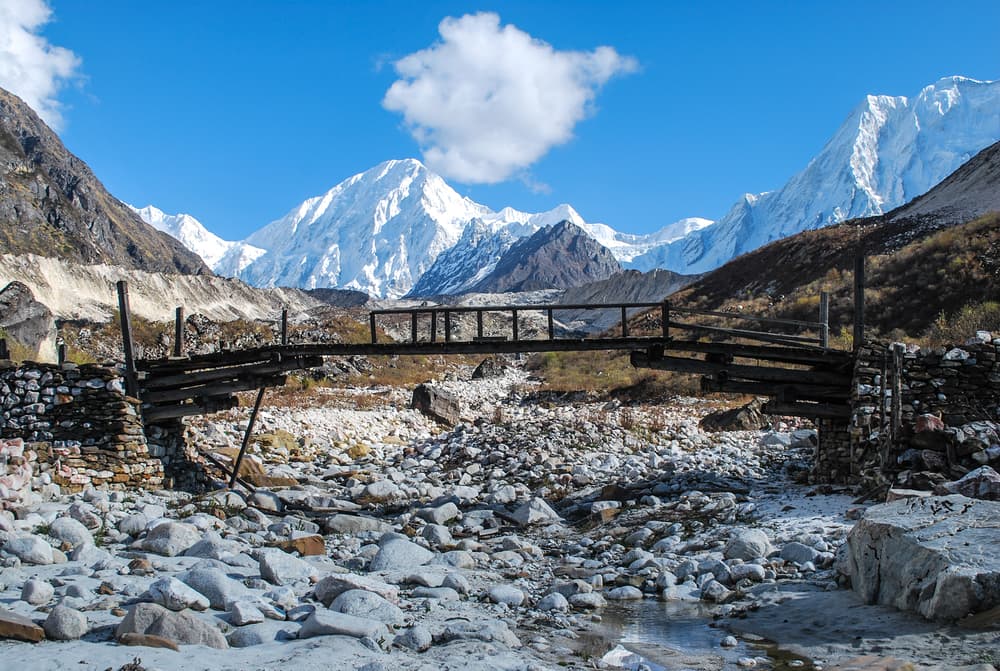
Tag: Annapurna Base Camp Trekking

  • Top 7 Treks in Nepal: From Everest Base Camp to Hidden Gems

    Top 7 Treks in Nepal: From Everest Base Camp to Hidden Gems

    Top 7 Treks in Nepal: From Everest Base Camp to Hidden Gems

    Nepal offers some of the best trekking in the world! With eight of the ten tallest peaks in the world, and trails that go through beautiful valleys, cute villages, incredible forests and stunning mountain passes. So whether you want to do a world renowned trek like Everest Base Camp, or want to get away from the crowds and explore the remoteness of the Himalayas, one thing Nepal is not short of is trekking. In this blog, we are going to discuss the top 10 treks in Nepal, from the more well known treks in the world to the most remote.

    1. Everest Base Camp Trek

    Everest Base Camp Trek is a life-changing experience – a spiritual journey, physical and cultural growth – all in one trek. At an altitude of 5,364 meters and around the tallest mass on earth, Mount Everest, which is 8,848.86 m (29,031.7 ft), you will not be affected much by the altitude sickness. With every step you will be on top of legendary mountains, historically significant monasteries, ancient villages and an experience that will become a soul-trek experience based on the experience, that time will never fade from your memory.
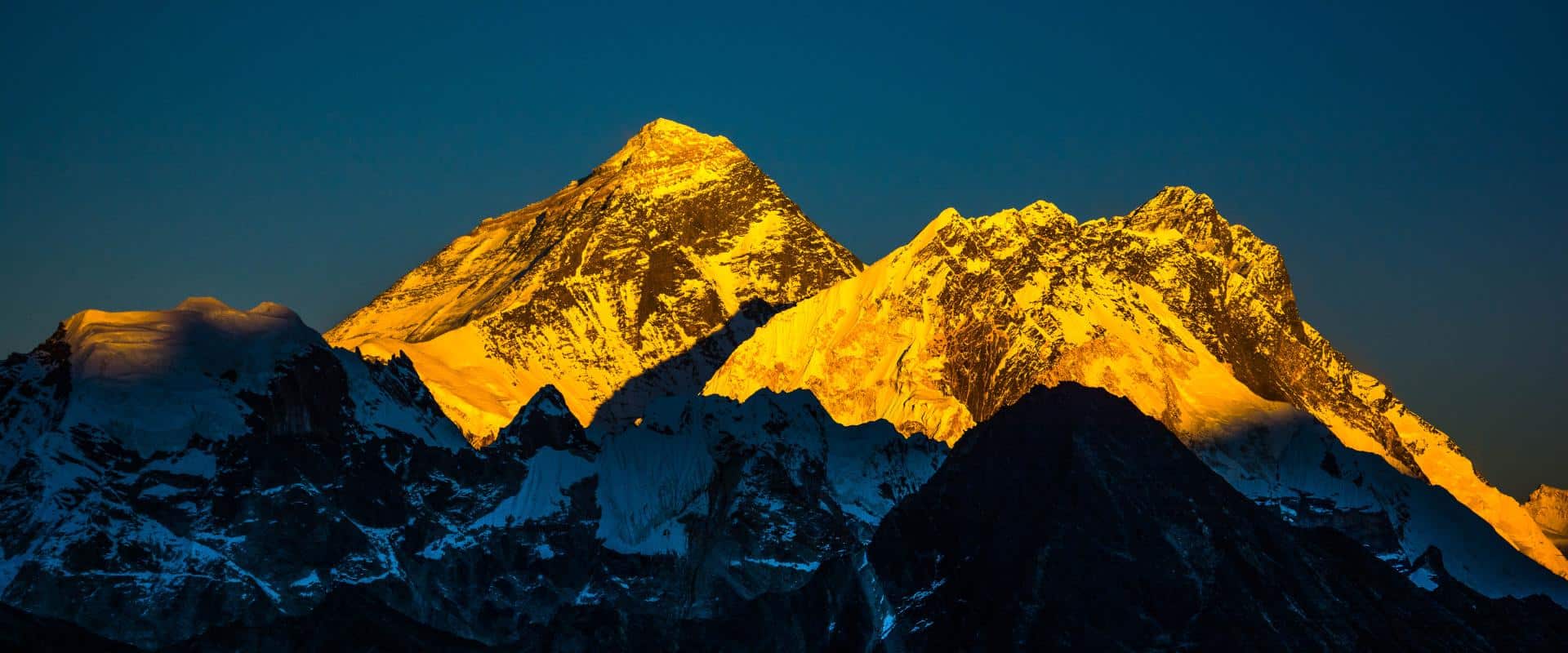
    everest base camp mountain view

    Highlights

    1. Get close to Mount Everest

    Being at EBC is being and standing in the shadow of the world’s highest- a position where you can only dare to have the audacity to assert and check off your bucket list, together with all the other adventure-seeking travelers from across the globe. You’re not on Everest, but where the Everest giants of Mount Everest are, like sunrises on the great ridges, is heavenly. Walking the EBC trail by yourself takes you, by legend, as close as it gets to the Mount Everest summit view and mythic Kala Patthar (5,545 meters), quite possibly the best view of Everest you’ll ever have the good fortune to witness.

    2. Culture and Spiritual Immersion

    You’ll meet villagers of the Khumbu: tough Himalayan folk with highly developed mountaineering prowess, boundless hospitality, and first-rate survival skills. You’ll trek through the villages of Namche Bazaar, the villages of Tengboche, and the villages of Pheriche, all with their multicolored prayer flags flapping in the breeze, all scattered with found along the trails like spinning prayer wheels, all topped on ridges with stupas.

    At Tengboche Monastery (3,867 m), you will pray with chanting monks within sacred walls, and dark Ama Dablam and the other great white giants – a spiritual experience in the true spirit of your trek.

    on the way to everest base camp

    3. Varied and Breathtaking Landscapes

    We trek through varied Himalayan scenery:

    • Rhododendron and pine forest hide Lukla and Phakding villages,
    • Suspension bridges spanning high above glacier-fed rivers,
    • Yaks and alpine grasslands at Dingboche and Lobuche,
    • Rock moraines and snow ridges on the way to Gorak Shep and EBC.

    Every bend in the trail, a new panorama, a new peak, another rest stop, and just soak it all up.

    4. A True Physical and Mental Challenge

    It’s not a holiday- it’s a test. You’ll be trekking 5-7 hours every day, trekking all day, a nd cold and tired all day. But it is in the challenge that we get tough. To even get to Base Camp is such a great feeling and sense of achievement. It’s a test of your endurance, your determination, and your sense of accomplishment.

    2. Annapurna Circuit Trek

    Trekkers have a beautiful experience in knowing they are partaking in an incredible cocktail of untouched nature, cultural diversity and an absolutely belly walloping experience, all at the same time. Being at the core of the Himalayas, the trek is a trek from start to finish, whereby you would be able to observe the emerald valleys, meadows of alpine forest, and snow-white peak mountains, and also undergo the different traditions of the inhabitants. A seasoned trekker and also an amateur trekker taking it through an adventure trail, there is something for all at the Annapurna Circuit.
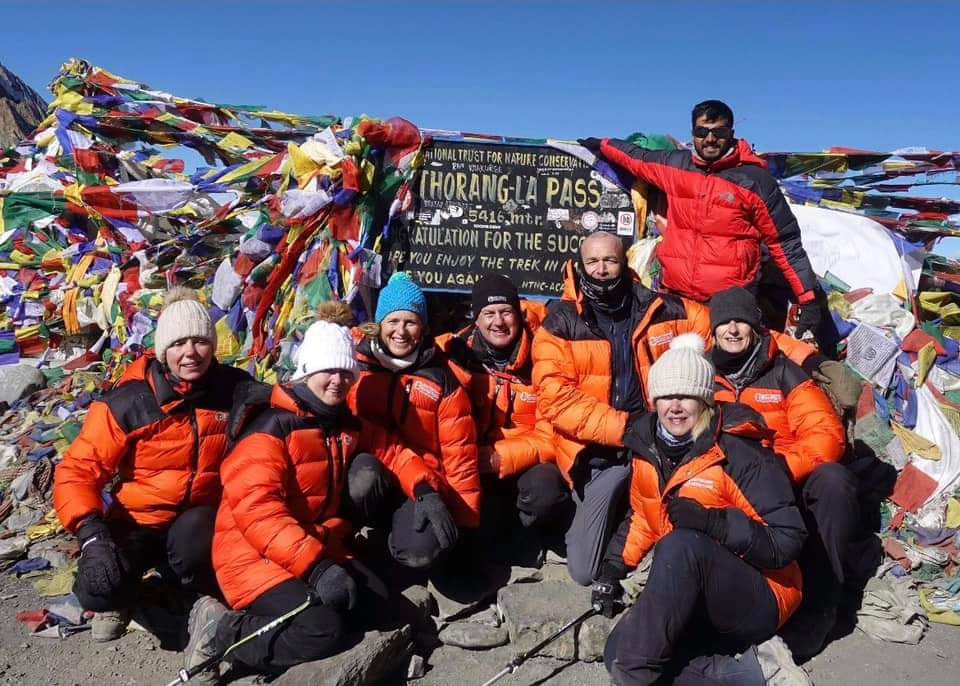
    tpurist at thorang la pass
    Top of Thorang La Pass

    Highlights

    A Varied Landscape Trek

    Annapurna Circuit Trek is a reward-risk, varied landscape trek. Trek begins in middle of the valley at dark green dense subtropical oak and rhododendron forest. With rising altitude, the terrain has been sculpted into extraterrestrial beauty of alpine grassland, glacial brook, and bare boulders. Gradient from low to high altitude is progressive, and trekkers have luxury of acclimatization.

    Immersive Cultural Experience in the Trek

    The natural landscape of the Annapurna Circuit is the most spectacular attraction, yet the experience of culture one gets while trekking there is equally invaluable. Trek leads through a series of villages and hamlets to be passed and meet the inhabitants and experience their life and culture.

    Local Food:

    Local Nepalese food of the region is most accessible by staying within the trek itself. Treks’ teahouses are located within villages where local food is eaten. Dal bhat (lentil soup and rice) is standard fare, then noodle soups, momos (steamed dumplings), and Tibetan bread. Trek food tastes bland but healthy and gives the trekker plenty of vigor for the day’s trek ahead.

    3. Manaslu Circuit Trek

    Manaslu Circuit Trek is one of the most renowned and highly-rated treks in the world. It is located in the north-central part of Nepal’s Gorkha District. The word “Manaslu” is derived from the Sanskrit word Manasa, meaning “soul” or “spirit“; thus, it is named “Mountain of the Spirit.”
    The Himalayas of Everest is about 126 kilometers (78 miles) but in a north west direction from Kathmandu, the capital of Nepal, very close to the border separating Nepal from Tibet, China. The culture and landscape share many similarities with the Tibetan plateau.
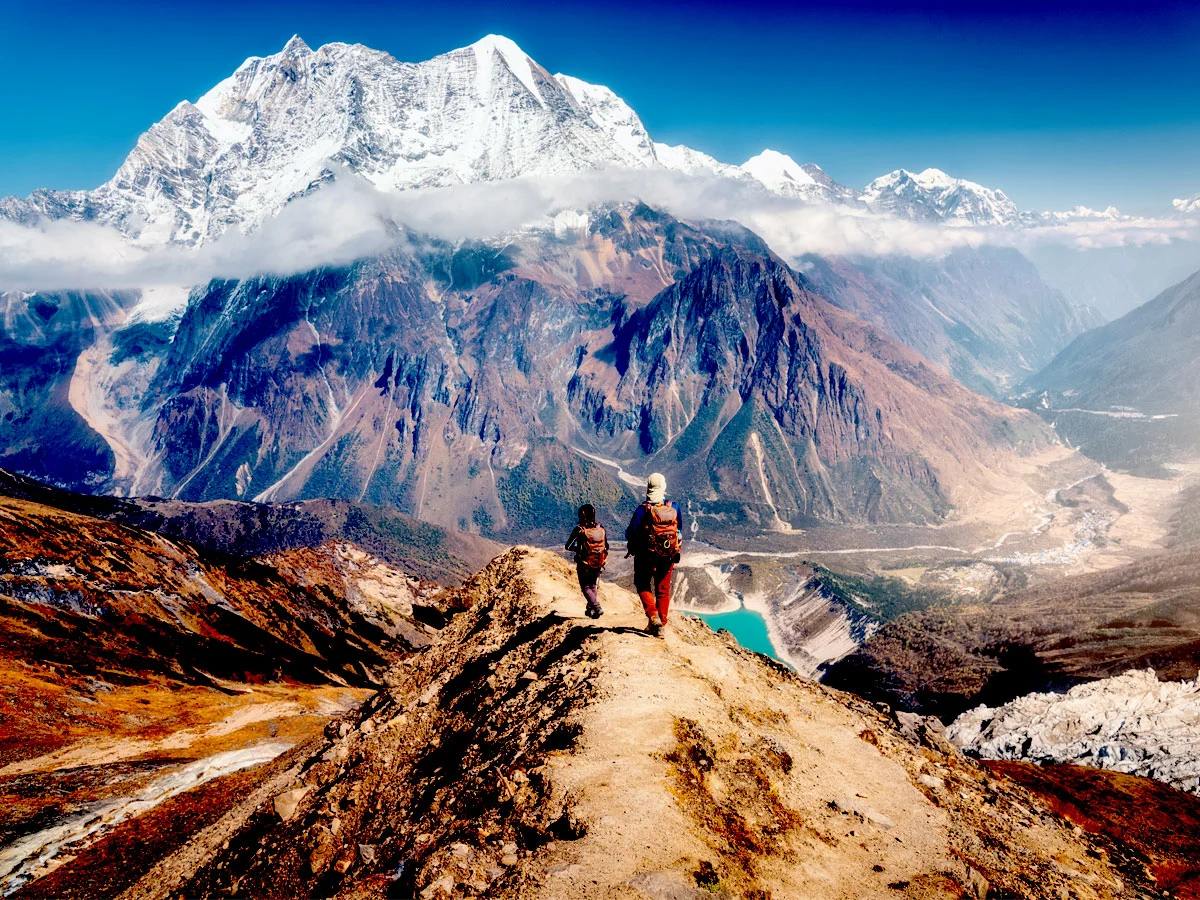
    family on the way to Manaslu Circuit trek

    Highlights

    1. Preserved Ecological Beauty

    The Manaslu stopping area is famous for its pristine untouched subtropical forest, high-alpine altitude national meadow, fascinating villages, and natural beauty all so far away from the bustling city and closeness to nature.
    In the Manaslu region, the Budhi Gandaki River flows, which is an exciting view to watch. This is the exact place where you get to see an ideal cliff and a cascading fall.  You can find one of the most thrilling suspension bridges during your trekking, which makes your tour more adventitious. Manaslu Glasier near Manaslu Base Camps, this big glacier flows down from the glaciated faces of Mount Manaslu. Due to thawing glaciers, the stream of water and ice joins and merges with Budhi Gandaki River, enriching its scenery.

    Stellar Mountain Views

    The trek to the Manaslu Circuit is to visit Mount Manaslu at 8,163 meters (26.781 feet) which is the 8th highest mountain in the world. It also allows trekkers to see some phenomenal views of snow mountain that include snowy peaks in the Himalchuli, Ganesh Himal and Annapurna ranges along the trek. The trek to the Manaslu Circuit gives trekkers many fabulous views of the many high mountains in and around the Manaslu area as well as surrounding mountain ranges.

    • The Himalchuli mountain is so close to Mount Manaslu that it can be seen throughout the trek. The Himalchuli is the second highest peak in the area, and has massive, glacier beaten ridges which is what makes it distinct.
    • Ngadi Chuli is also called Peak 29. It is a very beautiful mountain with steep, rough sides which can be seen from many places along the trail.
    • The Ganesh Himal Mountains flank the Manaslu region to the east. Many of its peaks, including Ganesh I 7,422 m and Ganesh II 7,118 m, are visible during the early parts of the trek.
    • Shringi Himal is small in size compared to other mountains but the beauty of this mountain stands out in the lower Manaslu range, especially from villages like Ghap and Namrung.

    beautiful mountain and monastires on the way toManaslu Circuit Trek Wildlife Trek

    4.Budhi Gandaki Valley

    The various picture-postcard-like villages hosting Budhi Gandaki valley epitomize the faces of culture and ways of life for the locals. Lho, Samagaun, and Jagat are typical villages typical in the Himalayas. Locals here are Gurungs and Tibetans who have maintained their culture in their houses and monasteries and practice it with great zest and zeal.

    During  our trek and stay in Budhi Gandhaki Valley you can find-

    The trekkers can travel across the terraced rice fields, through the lush valley; chances are you’ll notice that much of the area has the mountain terrain that will provide a lively contrast to the terraced fields with vibrant life during planting and harvest season.
    In Budhi Gandhaki Valley, the Tibetan influence of Tibetan Buddhism is abundant. Many of the villages extremely Tibetan, and you will also see many monasteries and prayerwheels throughout the valley

    4. Langtang Valley Trek

    The Langtang Valley trek offers distinctive access to an off the beaten track experience in Nepal. Far from Kathmandu, the trek itself is bright and remote as well as not disrupted by the masses of diversity within communities, beautiful untouched landscapes, and an escape from other trekking routes that are busier and more obvious of trekking choices in Nepal.For experienced trekkers and beginner trekkers, the Langtang Valley Trek will remain with you.

    Highlights

    Scenic Beauty: An Ever-Present Companion

    But another Langtang Valley Treking highlight is size changing landscapes. And also, you’ll be able to trek through size changing placed ecological zones as you ascend, which all differ in beauty and character.
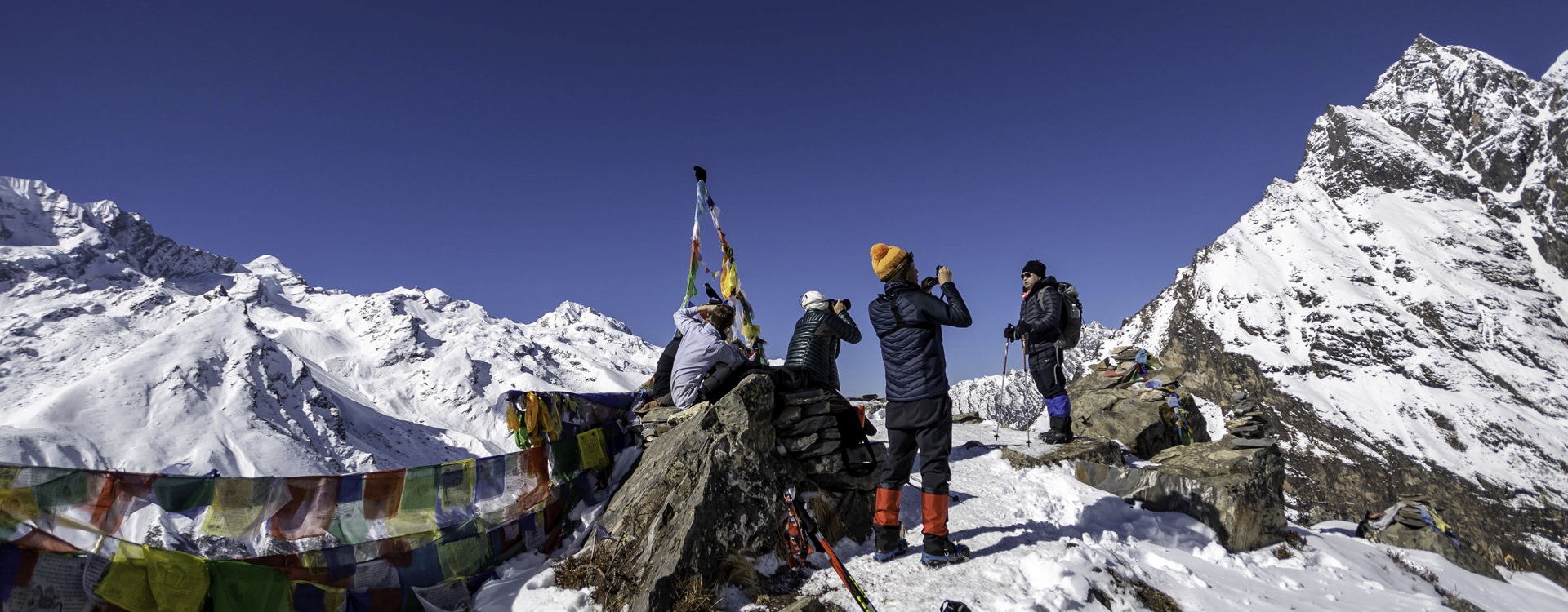
    tourist taking pictures on the way to Langtang Valley in front of mountains

    Rhododendron Forests:

    Thickly covered rhododendron forest dominates the trail at some points, covering it throughout the route at lower altitudes. In the event of the overlap of trekking seasons in springtime (March to May), there are high chances of viewing the trees in bloom in a palette of pinks, reds, and whites covering the country in all its glory.
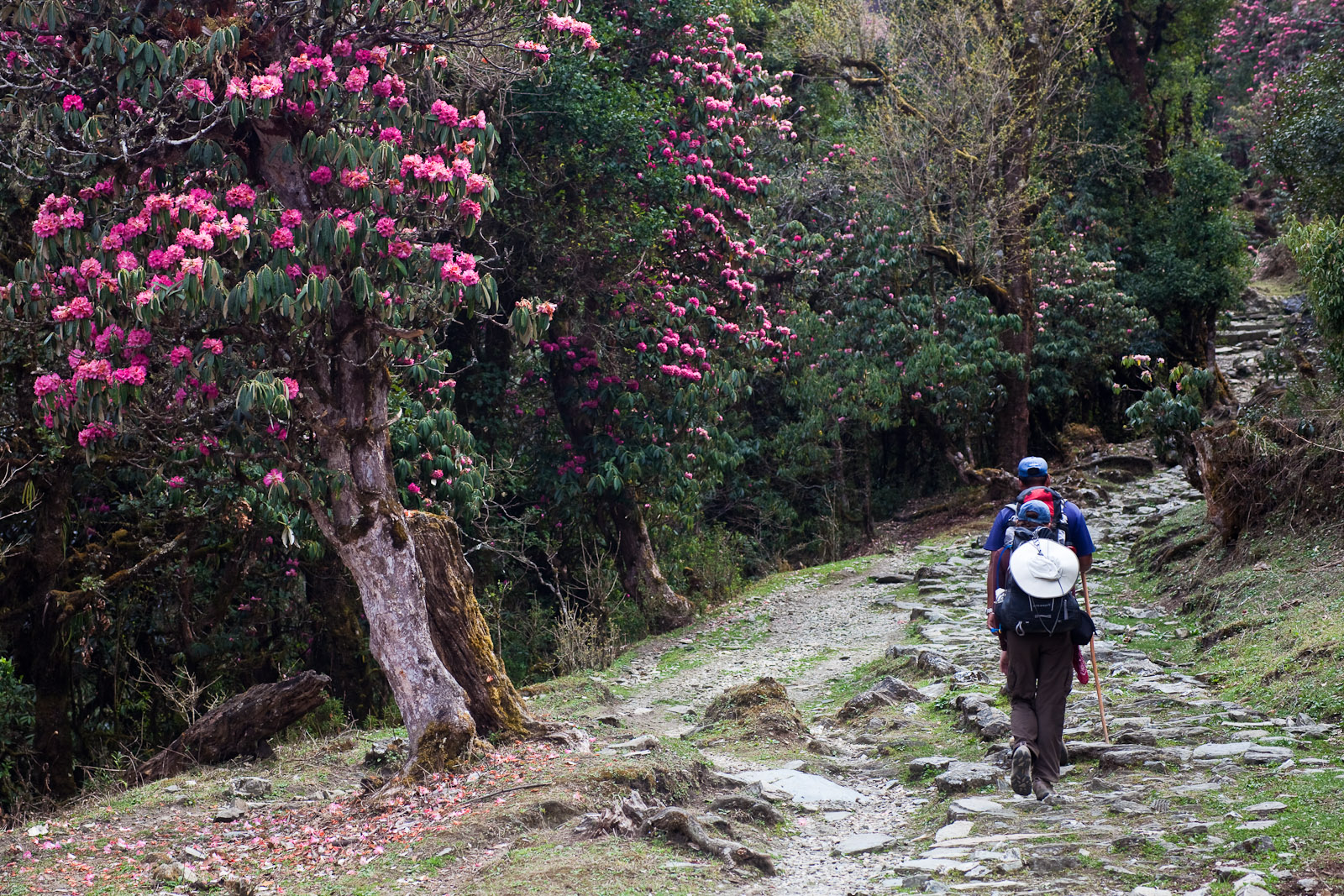
    Rhododendron Forests and trekkers

    Rivers and Waterfalls:

    The trail is largely river-sided, and the rivers are supplied by Langtang range’s melt-down. Cross wood suspension bridges and hear the soft tap of running waters. Whims of falling waterfalls either between or after rains provide the whole scene with a near divine appearance.

    Alpine Meadows:

    Higher still, the land is wider and is made up of alpine meadows and grass slopes with splendid scenery of the gigantic mountains. Yaks and other domesticated animals graze across the meadows, adding to the countryside character of the place even more.

    Mountain View:

    Langtang Valley is surrounded by the loftiest of the range, i.e., Langtang Lirung (7,227 m), Kimshun (6,365 m), and Ganchenpo (6,387 m). These mythic hills surround you and you on the trekking trail and step by step increasingly overshadow you before Kyanjin Gompa. From Kyanjin Ri (a famous viewpoint near Kyanjin Gompa), you gaze at the whole length of Langtang in the far horizon. Something which will make an indelible imprint on your mind.

    5. Ghorepani Poon Hill Trek

    Nepal trekking typically evokes images of demanding treks like the Everest Base Camp trek and Annapurna Circuit trek . But did you ever think that you could be enlightened to the beauty that is the Himalayas in a few short days? For 2025, no trek compares to the incredible short trek of Poon Hill humanly able which is accessible for all trekkers! In this article, we want to do all we can to hook you into having Poon Hill as a prize on your bucket list for this year!
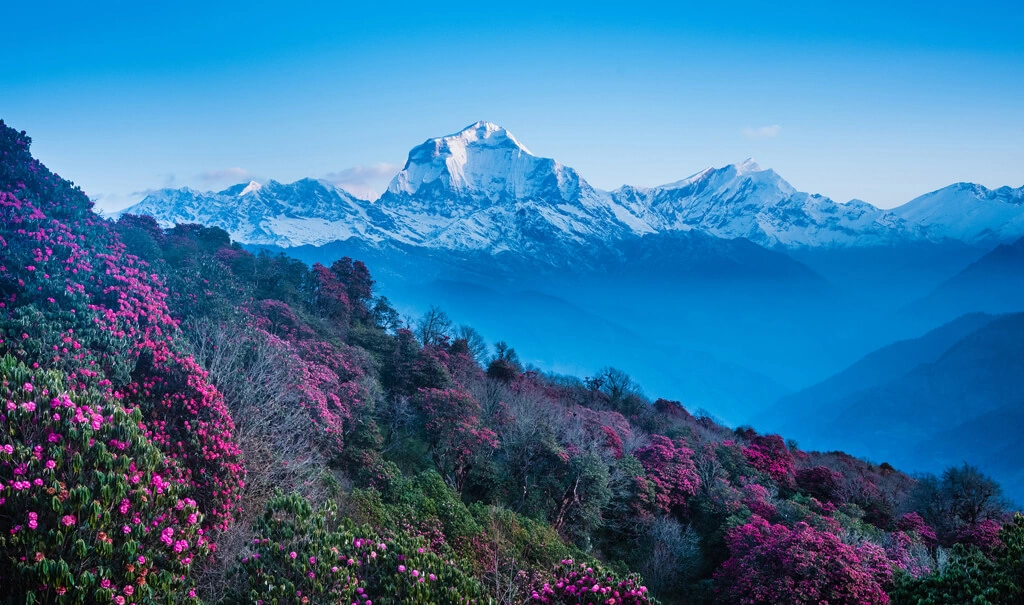
    Poon Hill at rhododendron forst

    Poon Hill Trek Highlights

    1. The Legendary Sunrise from Poon Hill

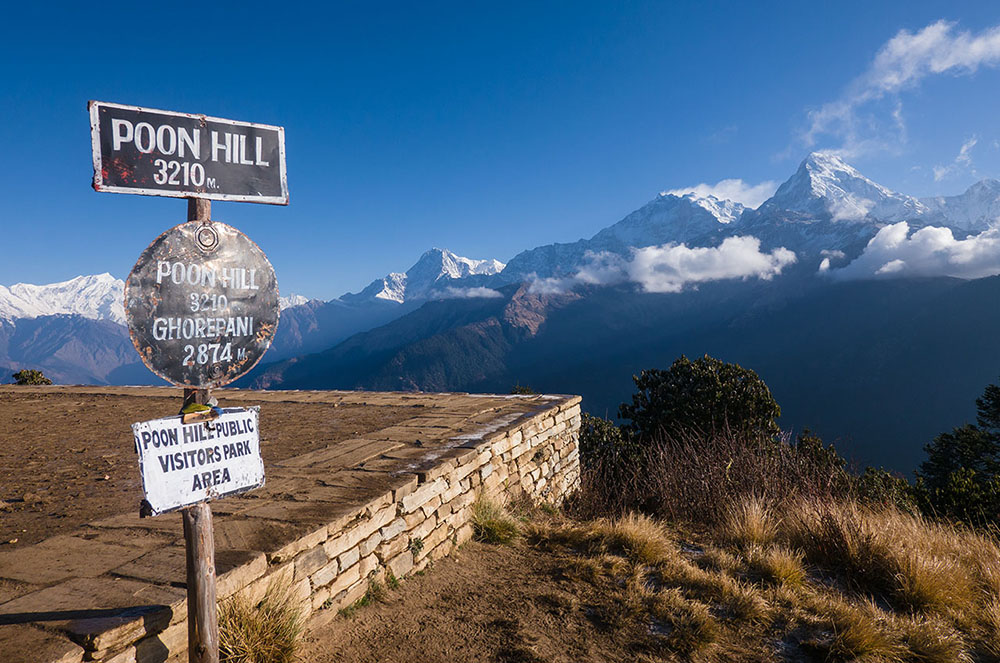
    At 3,210 meters, Poon Hill is very well known for its iconic sunrise view and layover destination on the journey, therefore Poon Hill is one of the most trekked destinations. As the light fills the sky at Poon Hill, the first light of day appears above the world’s famous and snow covered peaks of The Himalayas, Annapurna, Dhaulagiri, Machhapuchhre (Fishtail) and Nilgiri.

    2. A Perfect Short Trek for Busy Schedules

    The Poon Hill trek is a great choice for people traveling to Nepal on a short timescale who are interested in seeing some gorgeous scenery of the Himalayas. The trek can, in total, last 4 to 5 days which means for short holidays, a quick family trip, or just a little add on to be the main focus of a bigger trip in Nepal – Poon Hill is well achievable. In addition, due to the length of the trek, it can also be a good option for you if you are considering your first trek for yourself, especially if you are not quite ready to deal with something longer or bigger.

    Whether you are traveling with family with young children, older grandparents or are traveling solo and on a timeframe, the Poon Hill trek allows you to adjust your trekking pace, whilst still having a taste of the trekking adventure of the Himalaya!

    3. Cultural Experience

    In addition to the stunning vistas, the Poon Hill trek is rich with experiences in culture. The trek itself offers to chance to visit villages, Ghorepani, Tikhedhunga, Ulleri, and Ghandruk, and engage communities who host trekkers. Not only with a meal, but traditional culture, customs, and food. Spending time with the communities allows trekkers to see people preparing for life. The daily routines of the locals, as well as their rituals and most keenly how they continue to carry on the same practices their ancestors had done for hundreds of years.

    When combination of staying in traditional teahouses and participating in local festivals or farming, converts a trek from being just a trek to an intercultural experience. For many trekkers, their experience only becomes richer after spending time with the people they meet along the way, some of which they may remember just as well as the mountains.

    6. Upper Mustang Trek

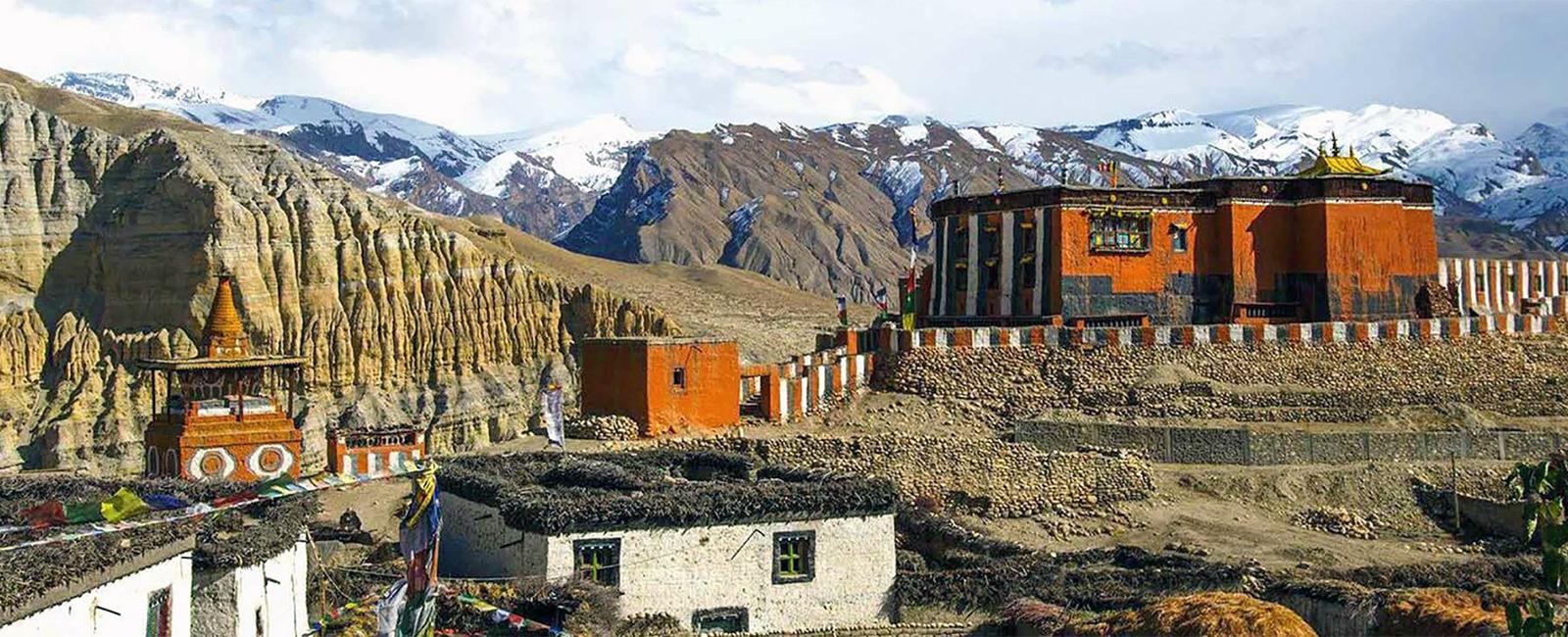
    The Upper Mustang Trek takes one into the “Forbidden Kingdom” of Mustang, a region noted for its unique landscapes and Tibetan-influenced culture. A trek route will take you through barren cliffs, ancient caves, and centuries-old monasteries. Due to its isolated location, the traditions in Lo are so well preserved and, as such, are considered one of the more valuable cultural assets.
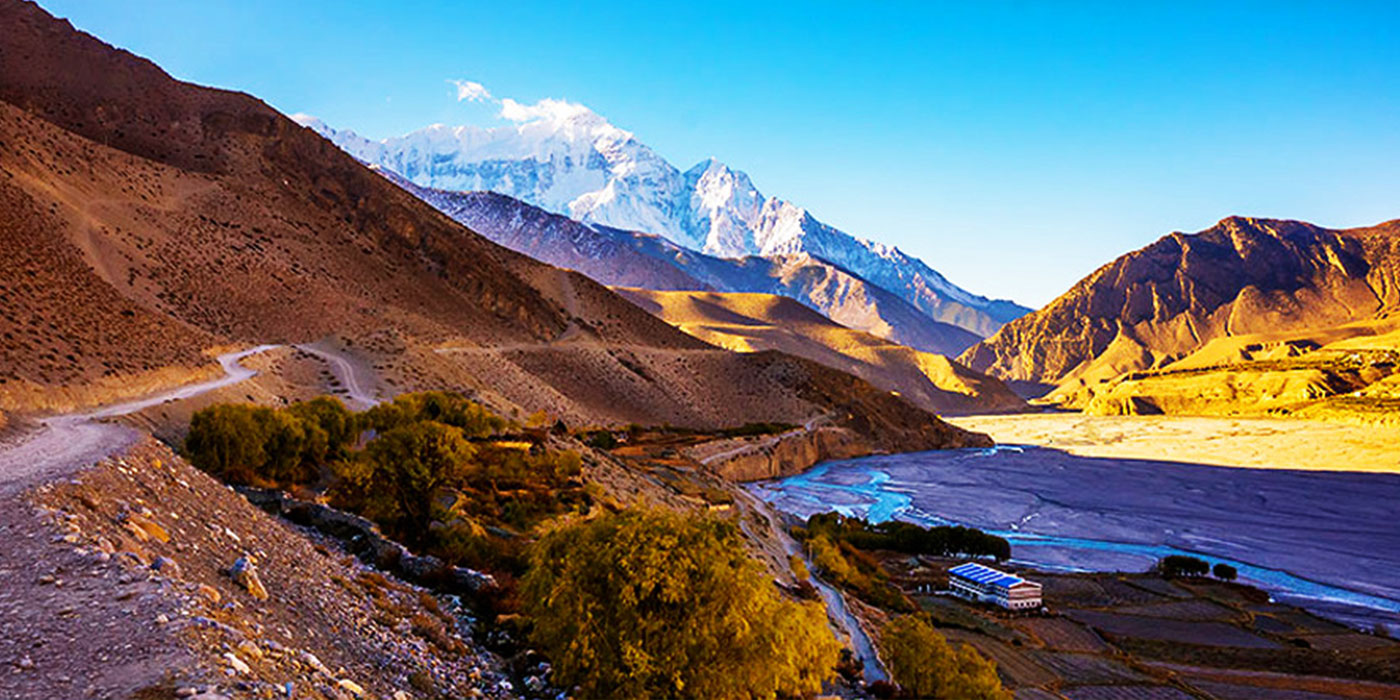
    Upper Mustang  highway for treeking

    Highlights:

    Lo Manthang: Walled city and cultural heart of Upper Mustang

    Lo Manthang is the ancient walled capital of the former Kingdom of Mustang, with a rich cultural identity in northern Nepal’s mighty Himalayas. The medieval feel of Lo Manthang, enhanced with white-washed outer walls, alongside royal palaces, centuries-old monasteries, and skinny hallways with the every growing pool of Tibetan Buddhist mantras strongly correlated with its nomenclature. Certainly, that immunity from modern encroachment created a profound ethos for people who have emerged with customs, language, and practices heavily steeped in Tibetan culture for hundreds of years.

    Chhoser Caves

    Caves of enigma and ingenuity, containing caves for meditation and camping. A short pony trek from Lo Manthang are Chhoser, a fascinating and intricate set of man made caves that appear to have been cut from the front face of an immense tilted sandstone cliff. There are numerous levels of caves and over 40 rooms used for habitation, storage, and sacred meditation.

    Tiji Festival (Seasonal): Vibrant celebration 

    The Tiji Festival is a spectacular three-day celebration of Buddhism that occurs annually in Lo Manthang and represents the triumph of good over evil. It is thought that the Tiji Festival is based on Tibetan Buddhist mythology. The Tiji Festival consists of ritual chants and dances performed by monks of the Sakya order, and involves a series of masked dances. The Tiji Festival usually takes place in May, and displays a vigorous expression of faith, cultural identity, and community in the raw beauty of Upper Mustang, attracting local residents and visitors alike.

    7. Mardi Himal Trek

    Mardi Himal Trek in Nepal’s Annapurna region is a quiet trek but a trek with independent walking on the trail, stunning views of the Annapurna Himalayas, and a feeling like one is completely alone in the hills. Since the Mardi Himal Trek is relatively new for all the trekkers, the view of this trek is stunning. The view includes Mardi Himal (5,587m), Machapuchare (Fishtail), Annapurna South, and Hiunchuli.
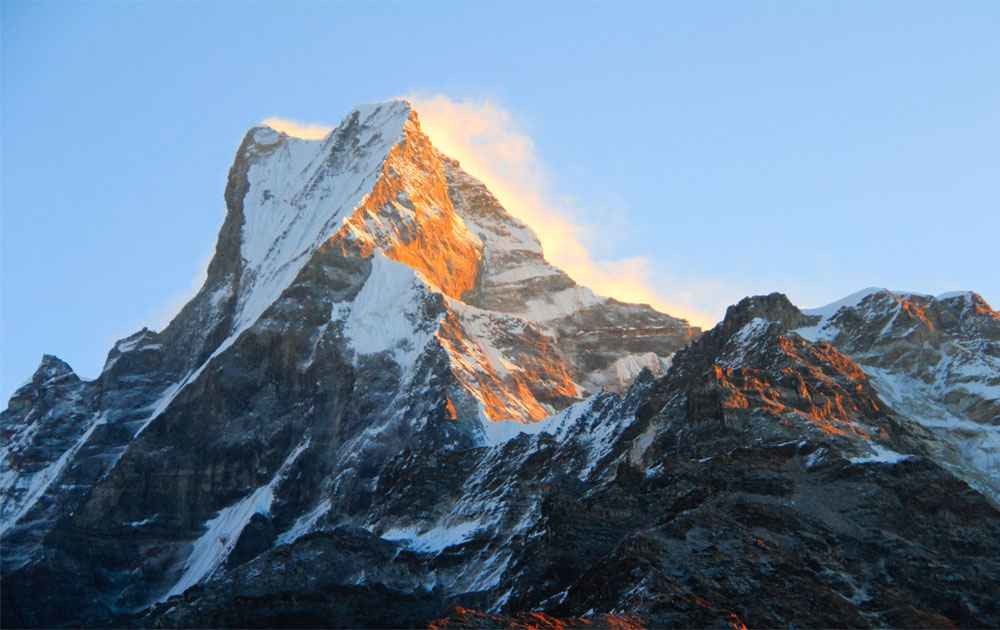
    mardi himal view

    Highlights

    1. Incredible Views of Annapurna and Machapuchare

    A key highlight of the Mardi Himal Trek is the sensational views of the Annapurna range, especially Machapuchare (Fishtail) which is a sacred mountain. With each ascent, the panoramic views of the snow-capped giants like Annapurna South, Hiunchuli, and Mardi Himal itself, unfold as you follow the ridgeline trail. Many other treks are compromised by the busyness of other hikers, however here the level of peace and tranquillity of the route is unrivalled and as a longer route, if there are plan to see ridgeline views there is an immediate climbing into a view that is often a mix of seeking those peaks often in sea of inspiring golds interacting with sun rising and setting that gives one a magical experience.

    2. Off-the-beaten-path Experience

    Mardi Himal is not as well-known as more popular treks like Annapurna Base Camp or Ghorepani. It makes sense: it’s a beautiful trek for anyone who wants to escape the crowds and spend meaningful time in nature. The trail meanders away from other treks through tranquill forests, alpine pastures and Gurung villages. You will encounter fewer other trekkers, allowing for more chances to connect with people living on the trail route, and instead of a standard trekking experience, the connection will be deeper, spiritual even.

    3. Fast Paced Multi- Landform Trekking

    Mardi Himal is a short trek (usually 4–7 days), yet has enough geographical features from rhododendron forests (and moss-covered trails). To high-altitude ridges and rocky ridges barren of trees. So that you will get a full variety of landscapes in a short trek, making each day feel new and adventurous. It is a trek that embraces the scenery associated with Himalayan trekking and also does not require weeks or years of walking!

    Final Thoughts

    Nepal has many trekking trekking routes for all kinds of trekkers from bucket list. Classics like Everest Base Camp to cultural treks like Mustang and cultural Bhote routes in Helambu. For high-altitude trekkers and first time trekkers alike. These seven treks will all be valve on a trip of a lifetime in the lap of the Himalayas. If you are planning to visit Nepal then contact us today at Happy Mountain Nepal, Facebook, Instagram, or TikTok. 


  • Top Trekking Routes in Nepal

    Top Trekking Routes in Nepal

    Top Trekking Routes in Nepal: Your Ultimate Guide to Himalayan Adventure

    Nepal is trekkers’ paradise, where there is outstanding landscape, snowcapped mountains, and culturally rich treks. From a brief, scenic walk to a four-week trek over unspoiled wilderness, Nepal’s varied trekking trails have something for every type of traveler.

    Below are the top 10 treks in Nepal along with descriptions and highlights to plan your next Himalayan trek.

    1. Everest Base Camp Trekking

    Everest Base Camp Trek is the crown of Nepal treks. The trek begins with a Himalayan flight to Lukla and climbs through picturesque color villages like Namche Bazaar and Tengboche. The trek is a distinctive cultural trek of the Himalayas with overnight stops only in the old monasteries and Buddhist chortens along the trek. Higher still, there’s landscape broken into yaks, glacial rivers, and awe-inspiring views of the world’s highest mountains.

    Everest Base Camp hike to the elevation of 5,364 meters is an endurance test both physical and mental. Kala Patthar peak to the elevation of 5,545 meters and a viewpoint famous for the most stunning sunrise panoramic view of Everest, Lhotse, and Nuptse are also included in the trek. The trek although challenging from the altitude point of view, is very well marked with teahouses and medicare centers in between.

    Everest Base Camp Trekking

    Main Attractions:

    • Panorama viewpoint for the best panoramic photograph of Everest,
    • Namche Bazaar a beautiful acclimatization break and Sherpa village,
    • View from below Tengboche Monastery of Ama Dablam,
    • Sailing on rickety suspension bridges over the Dudh Koshi River,
    • Everest Base Camp visit a holy place for pilgrims/tourists.

    2. Annapurna Circuit Trekking

    Annapurna Circuit is the loveliest trek of Nepal, too. It ranges from rice terraces and subtropical forest to alpine meadow and arid desert of Mustang, hugging the Annapurna massif. The trekkers go through a string of ethnic villages- Brahmin, Gurung, Thakali, and Tibetan-influenced villages- with an altering culture and cuisine. Spring’s overall weather for the trek is wildflowers and wildlife, langurs, Himalayan griffons, and flowering rhododendrons.

    Annapurna Circuit Trekking

    The high point of the trek is Thorong La Pass (5,416m), the highest trekking pass in the world. On the other side of the pass is the trek to the world’s longest and deepest gorge, Kali Gandaki Gorge, and on to sacred Muktinath. Sidetrips are also taken to Tilicho Lake and Poon Hill, and the circuit is completed by a string of teahouses with luxury and camaraderie.

    Main Attractions:

    • Trekking highlight with 360° view from Thorong La Pass,
    • Muktinath Temple visit Hindus and Buddhists’ temple,
    • Healing nature in the Tatopani hot springs,
    • Panorama of Annapurna I, Dhaulagiri, and Machapuchare,
    • Viewing the World’s deepest gorge trek Kali Gandaki.

    3. Langtang Valley Trekking

    Langtang Valley Trekking, a day trip to Kathmandu, is a glacial stream alpine gem and genuine mix of Tamang and Tibetan traditions. Trek ascends along Langtang River past dense pine, bamboo, and rhododendron forests to open to sweeping broad vistas of alpine grasslands. Tamangs’ warm welcome and the traditional yak herding of their centuries-old traditions make this earth disproportionately real in nature.

    The region has picked up speed over the years since the earthquake took place in 2015, and hiking to the region makes development on the ground level. Kyanjin Gompa is the last village on the hike with off-the-beaten-path regions like Tserko Ri (4,984m) to hike up for summit views of the surrounding high peaks. Langtang Lirung (7,227 meters) towers away in the distance on the hike.

    Langtang Valley Trekking

    Main Attractions:

    • Kyanjin Gompa religious and cultural hub of the valley,
    • Sunrise over snow-capped mountains at Tserko Ri,
    • Red panda and Himalayan monal habitat within Langtang National Park,
    • Yak grazing and Glacier stream at Langshisha Kharka,
    • Tamang culture and hospitality.

    4. Manaslu Circuit Trekking

    Less Manaslu Circuit Trekking elsewhere. Elsewhere outside, the Manaslu circuit trek crossed (8,163m) is of the rare kind in the rare geography and cultural charm of the world. Hindu mid-hills trek again provides the Buddhist highlands of rock-village villages and medieval monasteries. Guide trek tour guide and permit and natural and cultural integrity preserved.

    Most exciting and interesting part of the trek is Larke Pass (5,160m), Himlung Himal, Cheo Himal, Himal view of Annapurna range. Less treks and less crowd and other alternative of treks, and best for those people who don’t like crowd. Trek is similar to Annapurna circuit trek also and other alternative of treks.

    Manaslu Circuit Trekking

    Main Attractions:

    • Larke Pass, the  high-pass, high-altitude trekking adventure
    • Sama Gaun, starting of Manaslu Base Camp trek,
    • Pungyen Gompa, old monasteries,
    • Nubri Valley ice and waterfalls,
    • Synthesis of Hindu-Tibetan culture.

    5. Ghorepani Poon Hill Trekking

    Ghorepani Poon Hill Trekking is Ideal and short for the tight budgeter and the first-time trekker. But with plenty of fine scenery. From near Pokhara itself. Just south of Nayapul, it winds its way up through a fine rhododendron forest and the Gurung and Magar villages. With its old path and rowed teahouses to the fore, the trek is still Nepal’s easiest.

    The highlight of the trekking tour is the sunrise on Poon Hill (3,210 m), when sun burst and light up the Annapurna and Dhaulagiri ranges with golden light. A photographer’s paradise and a dream for trekkers. The trek can be done all year round and also made into a family trek by re-routing the trek trail.

    Ghorepani Poon Hill Trekking

    Main Attractions:

    • Annapurna range sunrise view from Poon Hill,
    • Ghorepani and Ghandruk traditional villages,
    • Rhododendron forests in bloom (March–April),
    • Panorama of Dhaulagiri and Machapuchare (Fishtail),
    • Cultural interactions with Magar and Gurung villagers.

    6. Upper Mustang Trekking

    The Upper Mustang Trek takes us to Nepal’s arid land that was once an independent Kingdom of Lo. The capital Lo Manthang has palace complexes, Buddhist monasteries, and medieval narrow streets from the time when the modern world had not gained dominance. It is one of the most culturally interesting trekking with Tibetan appearance landscape and Tibetan culture compared to Nepali appearance landscape. Off the beaten and rarely visited except by special permit.

    This country will be so out of this world — Dune landscapes, wind-eroded cliff faces, cave networks. May to October is monsoon season and thus your best option as the country lies in a rain shadow. It’s more hills than a hiking tour of early Himalayan cultural heritage.

    Upper Mustang Trekking

    Major Attraction:

    • Lo Manthang: The fort city, the capital city, the royal tradition city
    • Abode of the Yogis, meditation halls of yore hewn into simple living residential houses,
    • Views from Dhamkar and Ghami Passess,
    • Tibetan gompas and chortens
    • Forbidden Kingdom and its rich culture come alive.

    7. Gokyo Lakes Trekking

    A serene day trekking from Everest Base Camp, the Gokyo Lakes Trek is a glacier valley trekking to a chain of blue turquoise lakes beneath some of the world’s highest mountains. The Lukla trek is all that happens in an EBC tour before trekking to Dole and Machhermo. The reward is Gokyo Ri (5,360m), whose breathtaking 360° panorama includes Everest, Lhotse, Makalu, and Cho Oyu.

    Trekking also walks over huge Ngozumpa Glacier—Nepal’s longest glacier. Off-the-beaten trail, fewer tourist crowds, and rugged terrain of high-altitude lakes all do make this trek a great option for nature lovers looking for Everest view without EBC tourist throngs.

    Gokyo Lakes Trekking


    Major Attraction:

    • Panorama sunrise over the summit from Gokyo Ri
    • Chain of six glacial lakes supplied by blue water
    • Ngozumpa Glacier, Nepal’s longest glacier
    • Way to cross Cho La Pass to approach EBC trek
    • Four 8,000-meter giants visible.

    8. Mardi Himal Trekking

    Delightful and short trekking to Mardi Himal Base Camp on virgin ridge and forest. After Annapurna Base Camp trek, the trek is less populated by humans and a peaceful and calm trekking experience. The trek runs smoothly with good pace from 1,000 meters well above 4,000 meters, and forest becomes alpine ground with boulders scattered.

    We have great views of Machapuchare, Annapurna South, and Hiunchuli during trekking. The highlight is ridge walk from High Camp to Mardi Base Camp with Himalayan scenery both sides.

    Mardi Himal Trekking

    Major Attraction:

    • Panorama of Mardi Himal Base Camp,
    • Less-trodden, less-populated trail with fewer tourists,
    • Rhododendron forest trek,
    • Nice view of Machapuchare (Fishtail Mountain),
    • Ridge walk drama landscape scene at High Camp.

    9. Kanchenjunga Base Camp Trekking

    Third highest in the world and Nepal’s farthest 8,000-meter peak, the Kanchenjunga base camp trekking is Nepal’s shortest and farthest trekking route. The opportunity for the trekker to trek through dense forest, rugged gorge, and distant Limbu and Rai villages exists. The trekking route belongs to one of the parts of the Kanchenjunga conservation area and is biologically richer.

    Remote in altitude, distance, and access but countered by virgin landscapes and remoteness. Panorama view of Kanchenjunga and virgin Himalaya terrain. Special guide and permit required owing to location close to Indian and Tibetan frontiers.

    Mardi Trekking

    Major Attraction:

    • Panorama base camp view of Kanchenjunga and Jannu,
    • Virgin, isolated villages such as Ghunsa and Yamphudin,
    • Virgin alpine woodland with waterfalls.

    10. Helambu Trekking

    Helambu Trekking to the north of Kathmandu is a low altitude acclimatization trekking. The trail goes through Sherpa, Hyolmo and Tamang villages and one gets exposed to Buddhist culture and mountain scenery without requiring high altitude acclimatization. Pine forest, waterfalls, and ridgeline view with occasional glimpse of Langtang Lirung and Dorje Lakpa are products of the trek.

    Far enough from the capital city but rural and off the beaten path, Helambu is within reach, used, near, and well-suited to serve as ideal short trekking stops or cultural experiences for visitors within easy reach of Kathmandu.

    Helambu Trekking

    Main Highlights:

    • Hyolmo and Tamang village people,
    • Buddhist monasteries and prayer walls,
    • Langtang and Ganesh Himal range panorama,
    • Green pine and oak woods,
    • Near to Kathmandu for convenience.

    Best Time To Visit

    1. Spring (March till May)

    It is one of the most favorable times to go for Trekking, it is so because during that time –

    • You can enjoy plead wether. It is warm and sunny during the day but not ice cold in the night.
    • You can enjoy clear mountain views of mountains because there are no monsoon clouds.
    • You will also get a chance to watch various local festivals here during these months, and they can help you learn about other cultures.

    2. Autumn (September to November)

    The autumn season is the perfect time for Trekking since weather is fine here. This is the ideal time to witness trek beauty.

    • You can enjoy unhindered sights of the Himalayas at this moment. Weather is hot during the day but freezing at night but can be withstood using the gears.
    • You can enjoy post-monsoon scenery. Forest and trails are more beautiful than in other months after monsoon rains, with the ideal number of rivers flowing and green trails.
    • It is claimed that during this period, it is possible to spot Himalayas wildlife such as the blue sheep and other animals.

    Essential Tips for the Trekking

    1. Permits: You need to get the Restricted Area Permit, Conservation Area Permit initially.
    2. Guides and Porters: You would be informed in advance that Solo trekking is strictly prohibited on this trek. You would need to employ a registered guide and minimum two trekkers. If you wish for a good guide then you may contact us from our website.
    3. Physical Preparation: A individual must be atletic enough to hike and run. His endurance needs to be in the proper condition because a higher altitude would need to be faced.
    4. Altitude Sickness: In order to minimize the dangers and acclimatize your body to altitude sickness, it is advisable to follow the schedule of guides. Consuming large quantities of water would keep your body hydrated and acclimatize it to the environment.
    5. Money: Don’t forget to have some Nepali money with you during the trekking since you won’t be encountering any ATMs along your way.

    Things you should carry with you during your Trekking.

    While packing for trekking, the most vital thing to carry with you is warm clothes. As the trekking starts, there will be a temperature difference, so we suggest that you –

    • Carry warm jackets, insulated jackets, and water-proof jackets with you. You should carry warm hats, gloves, and thermal socks with you for the cold weather.
    • You need to wear trekking shoes that are comfortable with strong ankles so your feet will not hurt during trekking.
    • Don’t forget to bring your gear like trekking poles, sleeping bags, and handlamps. Always remember to bring a sleeping bag for low altitudes.
    • Take your suncream, lip balm, and sunglasses along at lower altitudes as personal accessories .
    • Take your snacks such as protein bars, and junk foods as appetizers throughout the trekking.
    • Do not forget to bring a first aid kit for critical moments such as painkillers,nims, altitude sickness, purification tablets, etc.

    Conclusion

    Trekking in any place is not just a trekking destination but a journey of learning about the environment, culture, and lifestyle. You will be able to witness the beauty of the landscape to the beauty of the mountain. We bet you this is going to be your once-in-a-lifetime experience. If you want to set off on the adventure of a lifetime, Contact us today at Happy Mountain Nepal, Facebook, Instagram, or TikTok.  We will prepare your package as per your flexibility.

  • Top 5 Trek in Nepal for 2025.

    Top 5 Trek in Nepal for 2025.

    Top 5 Trek in Nepal for 2025.


    Nepal is the land of the Himalayas, a dream destination for trek and adventurers. You may be a seasoned trekker or just beginning; all experience levels will be catered to on the trekking routes within Nepal. It is possible to explore its beauty on a budget because Nepal has to offer several pocket-friendly trekking routes, an array of paths that provide exploration into its majestic landscapes, charming villages, and rich culture.

     A short description of the top 5 treks in Nepal for 2025-:

    1. Ghorepani Poon Hill Trek

    Ghorepani Poon Hill has always been known to be among those finest short treks of Nepal, with excellent views of amazing Annapurna ranges that, too, without exhausting oneself with much length in the distance. On walking, the vistas of Colossal Annapurna and Dhaulagiri are in the front of villages and through the vine bended woods. Really an easy but stunning route whereby tourists easily experience the glimpse of Himalaya in less time.

    Ghorepani Poon Hill Trek

    Major Attractions:

    • Poon Hill Sunrise: A major Nepalese experience whereby, in the morning, one sees Annapurna, Dhaulagiri, and Machapuchar
    •  During the spring, the trek goes through heavy forests where beautiful rhododendron flowers shine bright.
    • On routes like Ghorepani and Tadapani, villages of the Magar and Gurung people remain traditional, allowing you to take a walk through to see how locals live.
    • Annapurna Range: Annapurna Base Camp Trek offers brilliant views of the mountain cluster popularly known as Annapurna, including the peaks of Annapurna South, Machapuchare, and Hiunchuli.


    2. Langtang Valley Trek

    The Langtang Valley trek is closer to Kathmandu and gives an overview of Langtang Mountain and Tibetan culture. It goes through forests up to mountain grasslands and small villages, enabling trekkers to get acquainted with Tamang and Sherpa householders. Langtang National Park protects its rich flora and fauna in the Langtang Valley.

    langtang
    Major Attractions:

    • This trekking offers world-class visibility of Langtang Lirung towering at 7,000 meters and its neighboring mountains Dorje Lakpa.
    • Many Tibetan Buddhist temples and sanctuaries form the base of Langtang’s religious identity in their monasteries and prayer wheels.
    • At 3,749 meters high, Kyanjin Gompa stands as an ancient monastery where trekkers experience Himalayan Buddhism up close and discover stunning mountain scenery.
    • Nature lovers can enjoy spotting red pandas, Himalayan tahr, and many kinds of birds while visiting Langtang National Park.


    3. Manaslu Circuit Trek

    Manaslu Circuit Trekking takes one through the virgin tracks to the views of Manaslu Peaks for a far-flung and peaceful hiking experience. It connects scenic mountain scenery with traditional village experiences since development hasn’t fully reached these villages. Larkya Pass is considered one of the toughest trek challenges that newbies and experts will cherish.

    . Manaslu Circuit Trek

    Major Attractions:

    • You will be able to view Manaslu Mountain.
    • The trek will present magnificent views of the whole mountain range while crossing the Larkya Pass at 5160 meters.
    •  You will come across the local life as you walk through villages named Samagaon and Bhimthang while exploring the peculiar culture of Manaslu on your journey.
    • Buddhist monasteries are found while undertaking this venture: there were plenty of temples and many prayer flags adding some spirituality to their journey. 


    4. Everest View Trek

    Everest View Trek is an easy way for the trekkers to get superior views of Mt. Everest and peaks around including access to the Everest region. This is generally a short trip, normally done by people just to have grand views of Mt. Everest in case one lacks the physical capability to reach it to the Base Camp of Everest or when the people are in a shortage of time. The helicopter ride up will be fitting with households or anyone who plans to and would wish to shorten this time element on traveling

    Everest View Trek


    Major Attractions:

    • This Trek Has Offered Continuous Breathtaking Glimpses of Mt. Everest, Along with Other Khumbu Treks Along the Journey Line.
    • Tengboche Monastery: Situated at 3,867 meters, the Tengboche Buddhist monastery represents the center of spirituality in the Everest area where tranquility meets mountain vistas.
    •  During this trek, trekkers can meet the Sherpas people with their renowned mountaineer past and receive their friendly hospitality.
    •  You will be walking through the main area of the Khumbu region amidst rhododendron forests and traditional Sherpa villages.


    5. Annapurna Base Camp Trek (ABC Trek)

    This is very special because of the given opportunity to the trekkers for observing the natural wonders along with Nepalese villages. You will cross some beautiful villages and foliage routes to reach Annapurna Base Camp, from where you get to see the whole range of full Annapurna mountains.

    Annapurna Base Camp Trek (ABC Trek)

    The Major Attractions:

    • Views of the Annapurna Range from Annapurna Base Camp, you will view all sections of the mountain range of Annapurna: Annapurna I, Machapuchare (Fishtail), and Hiunchuli.
    • During the trek, there are hot springs in Jhinu Danda for the trekkers to soothe their tired muscles.
    • Various villages fall on the way, which gives insight into the Gurung and Magar local culture.
    • You may see Mardi Himal while trekking to Annapurna because of its impressive sight, which shows the overall beauty of that area.

     Conclusion

    Nepal offers its trekking opportunities to every section of the financial status that appeals to all kinds of adventurers. Each of these treks-from a sunrise view at Poon Hill, serene beauty in Langtang Valley, the remote charm of Manaslu Circuit, iconic views of Everest, and the splendor of Annapurna Base Camp-offers something different. Take your backpack and lace up your shoes because that leads to an expedition across the remarkable natural and cultural domains of Nepal.

    FAQs

    1.What is the best time to go for some affordable trekking in Nepal?

    The best time is in the pre-monsoon-March to May, post-monsoon-September to November. These are pretty clear months with clear skies on the whole with pleasant weather.

    2.Do I need a guide or porter for these treks?

    Most guided or solo budget treks in Ghorepani Poon Hill and Langtang Valley provide great experiences and give back to the local economy as well.

    3.What is a Permit Document to go Trekking in Nepal?

    Depending on the trek, there might be needs for a TIMS card or Trekkers’ Information Management System and national park or conservation area permits. Other permits are required for restricted treks such as Manaslu.

     4.What is the average daily budget to trek in Nepal? 

     The average that a trekker spends every day for food, accommodation, and basic permits is US$ 20-30 per day.

    5.Is it possible to make those treks without having any previous experience with trekking?

      Yes, Ghorepani Poon Hill and Langtang Valley treks are for beginners, but all treks require fitness and preparation.

    6.What is the accommodation condition on these treks?

       The main accommodation will be the Tea Houses-basic lodges providing a basic room, common area, and food.

    7.Is the trek good to go in winter as well as in summer?

    Yes, trekking is possible in winter with warmth and in summer with caution for rain and leeches.

    8.How does one get prepared for altitude sickness on these treks?

    Acclimatize gradually and let your body be hydrated, never rush to attain altitude. Even for Treks like Everest View and Annapurna Base Camp more precaution is taken. 

    9.What type of food does the treks provide?

       Basic meals consisting of dal bhat, rice, and lentils, noodles, soups, and Tibetan bread are available in the tea houses. And for vegetarians, there are ample options available.

    10.Is a budget trek safe to travel solo?

    Most treks, like Annapurna Base Camp and Langtang Valley, are safe for solo travel, but share your itinerary and carry key contacts.


  • Annapurna Trek Permits: Everything you need to know

    Annapurna Trek Permits: Everything you need to know

    Annapurna Trek Permits: Everything you need to know

    The Annapurna trek permit is a must for exploring the heart of Nepal. It is considered one of the most attractive trekking destinations globally. It varies from relatively easy trails to high-altitude routes, offering different beauties to many travelers.

    1.Diverse Landscapes

    The trek takes you through various subtropical forests at lower altitudes to alpine meadows and rocky trails near the mountains. Each step you take while trekking unfolds a new layer of beauty-from the beautiful spread of rhododendrons in bloom to serene rivers and breathtaking panoramas of the Annapurna.

    2.Stunning Mountain Views

    This is a range encompassing some of the world’s highest mountain peaks. You will be able to view the beauty of Annapurna I, which rises to a height of 8,091 meters, Dhaulagiri at 8,167 meters tall, and Machhapuchhre, otherwise known as “Fishtail Mountain,” standing tall at 6,993 meters.

    3.Cultural Immersion

    The trail is dotted with traditional Gurung and Magar villages, where locals welcome trekkers with warm smiles and hearty meals. You’ll have the chance to explore Buddhist monasteries, spin prayer wheels, and experience the rhythm of daily life in the Himalayas. The stunning views, diverse landscapes, and cultural experiences make it one of the most sought-after trekking destinations in the world.


    Annapurna Trek

    Source- Google

     However, before setting foot on the trails, it is crucial to understand the Annapurna Trek permit requirements. This blog provides an in-depth guide to ensure your Annapurna trek journey is hassle-free.

    The Annapurna area is one of those rich conservation areas in biodiversity and cultural heritage. It helps in managing the visitors so that safety could be guaranteed inside the region by maintaining the ecological balance. It also serves like an entrance into restricted areas, ensuring the trekkers stick to guidelines as provided to them by local authorities.

    Types of Annapurna Trek Permits

    There are three main permits required for trekking in the Annapurna region:

    1. Annapurna Conservation Area Permit (ACAP)
    2. Trekkers’ Information Management System
    3. . Special Permits for Restricted Areas (if applicable)

    1. Annapurna Conservation Area Permit (ACAP)

    This permit is obliged to be possessed by all trekkers on entering the Conservation Area of the Annapurna Region. The main intentions of issuing the permit are –

    • To protect the natural beauty of the Annapurna Region.
    • To regulate trekking activities and promote eco-friendly tourism.

    Source: Google

    The cost of the Annapurna Trek Area Permit is different for international and (South Asian Association for Regional Cooperation (SAARC) 

    • For International Trekkers:  USD 25 per person (approx. NPR 3,000)
    • For SAARC Nationals: USD 2 per person (approx. NPR 200)

    These fees are valid only for the one-time duration of your trek in the Annapurna Conservation Area.

    Where to get an Annapurna Conservation Trek Permit?

    You can get this permit at the Nepal Tourism Board Office, Kathmandu, and the Nepal Tourism Board Office, Pokhara.

         1. Nepal Tourism Board Office, Kathmandu.

    • Nepal Tourism Board Office is located in Bhrikutimandap, Kathmandu, Nepal.
    • Office opens from 10:00 AM to 5:00 PM every (Monday to Friday) except from public holidays.
    • You can contact them via online or through local tour operators.
    1. Nepal Tourism Board Office, Pokhara
    • Nepal Tourism Board, Pokhara is located in Damside Road, Pokhara, Nepal.
    • Its office time is 10:00 AM to 5:00 PM (Monday to Friday).

    Documents needed for ACAP 

    To apply for the Annapurna Conservation Trek permit, you’ll need:

    1. A valid passport.
    2. Two passport-sized photos.
    3. Cash in Nepali rupees for the permit fee (or equivalent).

    How to Apply

    1. You can visit the Nepal Tourism Board office in Kathmandu or Pokhara.
    2. Fill out the application form provided.
    3. Submit the form along with your passport and photos.
    4. Pay the required fee.
    5. Receive your ACAP permit, which you must carry with you during the trek.

    Without the ACAP, trekkers can’t get into the Annapurna Conservation Area. There are so many checkpoints on the trek where permits are checked. So always remember to carry a permit with you. In the absence of an ACAP one can be taken to book on grounds of fined or not given admittance.

    2. Trekkers’ Information Management System

    The Trekkers’ Information Management System (TIMS) is the type of permit believed indispensable for a trek in the Annapurna region of Nepal because of security reasons relating to the trekkers and keeps records concerning trekking. Its prime purpose is that: –

    • It helps track the trekkers on various routes, which is critical in emergencies such as injuries, natural disasters, or other unforeseen situations.
    • By maintaining a database of trekkers, TIMS helps regulate and manage trekking in Nepal, preventing overcrowding and preserving the trekking trails.
    •  TIMS discourages illegal trekking operations by ensuring trekkers go through registered agencies or hire licensed guides.

    Trekking

    Source- Google

    Cost of TIMS

    The TIMS card cost varies depending on the type of trekker and the mode of trekking:

    • The cost of group trekker is NPR 1,000 (USD $8)
    • The cost of solo trekkers is NPR 2,000(USD $16).

    Where to get a Trekkers’ Information Management System?

    You can apply for the TIMS card at the following locations-

    • Nepal Tourism Board Office, Kathmandu 

     The Nepal Tourism Board office in Kathmandu is located in Pradarshani Marg.

     Office is open from Monday to Friday, 10 AM–4 PM (closed on public holidays)

    • Nepal Tourism Board Office, Pokhara 

    Nepal Tourism Board Office, Pokhara is located on Damside Road, Pokhara Office open from Monday to Friday, 10 AM–4 PM (closed on public holidays)

    • Authorized Trekking Agencies

    If you’re trekking with a registered agency, they can help process your TIMS card for you.

    Needed Documents to apply TIMS

    To apply for a TIMS card, you’ll need:

    • Passport: A valid passport for identification.
    • Photographs: Two passport-sized photographs.
    • Trekking Details: Information about your trekking route, duration, and starting date.

    Process to Obtain the TIMS Card

    •  Go to one of the authorized TIMS card offices in Kathmandu or Pokhara.
    •  Fill out a simple form that includes your details, trekking route, and emergency contact information.
    •  Provide the required documents and pay the applicable fee in Nepali Rupees.
    •  Once the process is complete, you’ll receive your TIMS card, which you must carry with you during the trek.

    3. Special Permits for Restricted Areas (if applicable)

    Other permits are issued to the trekkers who reach the restricted areas of Upper Mustang and Nar Phu Valley. Prices vary for each area and according to the number of days one will trek.

    Important Tips for Obtaining Annapurna Trek Permits

    • Plan: The permit offices can get crowded during peak trekking seasons, so apply early to avoid delays.
    • Carry Cash: Permit fees must be paid in Nepali rupees, so ensure you have enough cash on hand.
    • Double-Check Requirements for Restricted Areas: Verify if additional permits are necessary based on your chosen route.
    • Hire a Guide: Some restricted areas mandate traveling with a licensed guide or porter for safety and navigation. If you are searching for the trustworthy guide, you can contact us.

    Conclusion

     These are the most important things to know about the Annapurna Trek Permit are mentioned herein. First of all, it is very important to state that trekking is not merely a destination but it is, instead, one learning curve from nature, culture, and lifestyle in general. Ranging from landscape beauty to mountain beauty, plan your trekking in the Annapurna region or issues regarding permits for the Annapurna Trek. Feel free to contact us: Happy Mountain Nepal, Facebook, Instagram, or TikTok. 
    FAQS

    1. Do I need permits for all Annapurna treks?

    Yes, regardless of the specific Annapurna trek you choose whether it’s the Annapurna Base Camp Trek, Annapurna Circuit Trek, or any other route, you must obtain the necessary permits, such as ACAP and a TIMS card.

    2. Where can I get the Annapurna permits?

    You can obtain all the necessary permits from the office of the Nepal Tourism Board, Kathmandu, or Pokhara office. Both the ACAP as well as the TIMS card is issued herein.

    3. Can I get permits on the same day I apply?

    Generally, permits are issued only once the forms with due formalities regarding the information on it get filled along with the payment, but in case of peak time for crowded trekking, the same may not be issued.

    4. Are permits required for children and senior citizens?

    Yes, all the trekkers of all ages have to obtain permits to enter the area of Annapurna.

    5. Can I trek in the Annapurna region without a guide?

    Yes, you can go alone in most areas if aptly permitted, while restricted ones, like the Nar Phu Valley, have to be gone with a guide or licensed porter.

    6. What documents are needed to apply for permits?

    You will need:

    • A valid passport
    • Two passport-sized photographs
    • Completed application forms for ACAP and TIMS

    7. Are permits valid for multiple entries?

    The ACAP is usually valid for multiple entries provided it is used within the time frame specified for your trek. TIMS are not allowed for multiple entries.

    8. What happens if I lose my permit during the trek?

    You intimate immediately to the nearest checkpoint or trekking authority regarding a misplaced permit to get the issue sorted. Anyway, we recommend keeping digital copies of your permits as a backup in case of an emergency.

    9. Are there extra permits for extended routes or restricted areas?

    Yes, more permits are required when it deals with longer routes or extra routes-areas, such as restricted regions like Upper Mustang or Nar Phu Valley. All such types of permits’ price and conditions may vary according to the place and length of your trek.

    10. Can I transfer my permit to someone else?

    No, it is not allowed to transfer the permit to others because it is issued under an individual‘s name.


  • Things you need to Know Before Traveling to Nepal

    Things you need to Know Before Traveling to Nepal

    Things you need to Know Before Traveling to Nepal

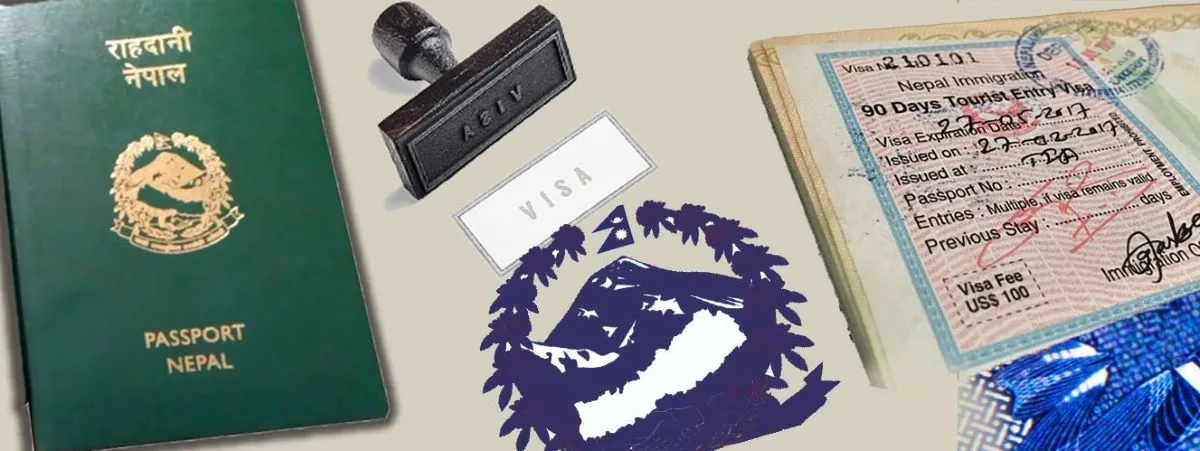
    Visa is one of the most important passports that you need before planning your trip to Nepal. From picturesque geographic views, enchanting people and their land all the way up to thrilling adrenaline pumping adventures, Nepal offers the best and more. Beneath its great mountain or colorful streets in Kathmandu, there is something you need to know about visiting Nepal and that is, the visa.

    If you want to get to know more about the visa process of Nepal and few important tips that will hook your trip then please do read below. Here it is: –

    Visa 

    Entry and Exit to Nepal Visa is important and a major process for almost every foreigner visiting NEPAL . Since Nepalese government has been providing people lots of choices of visas the range starts from tourism visas to business visa for various reasons. The different kinds of visas available: 

    Passport

    Source- Google

    1. Tourist Visa

    Among all the visitors who might enter Nepal, most of the individuals must obtain a tourist visa. As such this category of visa shall be admissible to persons visiting the country for purposes of tourism including sightseeing, trekking or cultural events. You can get Tourist visas for 15 days, 30 days, or 90 days subject to which ever is less, but in case needing an extension there is one possible.

    2. Business Visa

    This applies if your travel is for business reasons such as marketing meetings or attending conferences then you should apply for business visa. Make sure you have the necessary paper documents, including an invitation letter from the Nepalese organization as well.

    3. Gratis Visa

    The Nepal government issues a free/gratis visa to selected travelers, including children below ten years, SAARC nationals, and holders of official UN passports. Check your qualifications before application.

    4. Transit Visa

    If you wish to have a short visit in Nepal and will stay not more than 24 hours you can be provided with a transit visa at the airport. This is advantageous if you have long layover and would wish to briefly sample Nepal.

    How to Apply for a Nepal Visa

    Applying for a visa to go to Nepal is relatively easy. You can apply for an online visa, visa on arrival, or Nepalese embassy visa.

    1. Visa on Arrival

    The VOA facility is easily accessible at the Tribhuvan International Airport and at border security crossing points. To save your valuable precious time, the online application form is available on the official website of Nepal Immigration. Complete it online then take a printout of the confirmation page to be presented to the immigration officials.

    2. Online Application for Visa

    If you have the time, you can apply online as a way of avoiding long queues of people waiting to be served. When you obtain an online application form, you can then upload your photo, make your payment for the fees as required and check your status.

    3. Embassy Application

    You can apply via a Nepalese Embassy or Consulate in your country. This would be ideal for tourists who want to finish all the paperwork before arriving in this country.

    Documents Required to Apply for Nepal Visa

    When applying for a visa, make sure you have the following documents with you: 

    • Valid passport with at least six months of validity
    • Passport-sized photo-digital for online applications
    • Completion of visa application form
    • Fees – may be paid in cash or online, depending on the application method.

    Visa Fees for Nepal

    Visa fees in, different types and time lengths of your stay. The following are the fees for 2024:

    • 15 days: $30
    • 30 days: $50
    • 90 days: $125

    Always check the current fee structure at the time of application as these rates are subject to variation.

    Things to Know Before Traveling to Nepal

    Besides your visa, some other essentials one must know for a successful and enjoyable trip to Nepal are as follows:

         1. Currency and Payment

    • The official currency of Nepal is the Nepalese Rupee (NPR). This is a good place to start to try to get an idea of what all the different denominations are out there.
    • Master and visa cards are widely accepted in hotel, restaurants, and various shops especially those established in the main cities such as; Kathmandu and Pokhara. It must be pointed out, though, that some of these businesses may require a little extra when taking credit cards.
    • In a survey, there will be no credit facilities available in rural places or in villages, therefore one has to carry enough money. Small sellers, traditional stores, and some guesthouses in these areas typically only accept cash payments.
      .Nepali rupees

      2. Vaccinations and Health Precautions

    • Again, advice to take the hepatitis A, typhoid, and tetanus vaccines as these diseases are caused by contaminated food and water or abrasions.
    • Take a small first aid kit which will incoporate band-aids, wet wipes, some analgesics, and any prescribed medication. This is especially crucial when said travel will take the individual deep into a jungle of a country or even another country where the nearest doctor’s office might take hours to reach.
    • It is also recommended that you should contact the travel health clinics or your physician to ask about any other immunizations or health advises for your traveling plan.
      • Vaccination

        3.Weather and Clothing

    • Weather generally varies in the country according to the area and the height from sea level Nepal. The plains extend to the Terai region and this area has characteristics of low altitudes: very hot and humid, certainly during the months of summer.
    • The hill tracts have a moderate climate and the mountainous area are usually cold, especially during the winter time. The higher you go, the colder it gets though it can be surprisingly cold especially at night.
    • As the weather is hot at the lower altitudes wear light and breathable clothing. For mountain roughage, packs warm clothing including thermo, quality jacket, quality gloves plus a quality quality hat for the head.
    • Packing item for trek
    • 4.Trekking Permits

    • In the context of trekking a different permit may be necessary while in Nepal. The TIMS (Trekkers’ Information Management System is required in most trekking zones. It is useful in keeping records of safety and rescue incidents as well as rescue missions whenever they are required.
    • For further, there might be the need to secure park permits for the National Parks or conservation area, Annapurna Conservation Area Permit (ACAP) or Sagarmatha National Park Permit if your trekking area covers so.
    • These permits can normally be purchased in either Kathmandu or Pokhara at the Nepal Tourism Board offices or from licensed trekking companies.
      • Permit
    1. Connectivity
    • To maintain connectivity in Nepal, it is quite easy and inexpensive. Currently mobile SIM cards of Nepal Telecom and Ncell are easily found and can be bought at the airport, in the city or from shops.
    • Both providers have available different data plans which are cheap and provide good network in most of the populated areas.
    • Major connections in cities are constant since three different providers offer reception; however, in the areas distant from cities, in the regions fit for trekking, the signal might be weak or the Internet connection might be slow. 

    Some Tips to Keep Your Visa Hassle-Free. 

    1. Recheck your documents: All forms should be properly and correctly filled out.
    2. Bring extra passport photos: These may be required for extensions on your visa or for trekking permits.
    3. Plan in advance: Reach immigration counters well in advance to avoid delays.
    4. Respect local customs: Being polite and knowledgeable about Nepalese culture will add to your travel experience.

    Conclusion

    For every traveler, it is quite an experience traveling to Nepal, but the ways that lead to a successful trip are securing your visa and understanding the key travel requirements. Whether it is the adventure or the cultural enthusiast, the above steps are certain to help one ensure focus is on exploring the beauty of Nepal. If you are planning a visit Nepal and want to know more about adventure in Nepal, then you can contact us at Happy Mountain Nepal, on Facebook, Instagram, or TikTok.
    FAQs

    1.Do I need a visa to travel to Nepal

    Yes, most travelers need a visa to visit Nepal. The type of visa required depends on the purpose of your visit, whether for tourism, business, or transit.

    2.How can I apply for a Nepal visa?

    You can apply for a visa online, on arrival at Tribhuvan International Airport, or through a Nepalese embassy in your home country. Each method has different requirements and processing times.

    3.What are the different types of visas available for Nepal?

    Nepal offers several types of visas, including tourist, business, gratis (free) visas for certain nationals, and transit visas for short stays.

    4.What documents do I need to apply for a visa to Nepal?

    You will need a valid passport (with at least six months of validity), a passport-sized photo, and a completed visa application form. You may also need to pay the visa fee, depending on the visa type.

    5.How much does a visa for Nepal cost?

    The visa fees for 2024 are: $30 for 15 days, $50 for 30 days, and $125 for 90 days. Fees may vary, so check the current rates before applying.

    6.Can I extend my tourist visa while in Nepal?

    Yes, you can extend your tourist visa for up to 150 days per calendar year. Extensions are available at the Department of Immigration in Kathmandu.

    7.What is a transit visa, and how do I get one?

    A transit visa is for travelers who will stay in Nepal for less than 24 hours. You can obtain it at the airport or at border checkpoints.

    8.What health precautions should I take before traveling to Nepal?

    It’s recommended to get vaccinations for hepatitis A, typhoid, and tetanus. Additionally, carrying a first-aid kit and consulting with a doctor about any specific vaccinations is advisable.

    9.Is it easy to stay connected in Nepal?

    Yes, purchasing a local SIM card from providers like Nepal Telecom or Ncell is simple and affordable. However, internet access in remote areas might be limited or slow.

    10.What should I pack for a trip to Nepal?

    Pack breathable clothing for the lower altitudes and warm layers for higher altitudes. If trekking, ensure you have thermal wear, a jacket, gloves, and a hat.