Tag: Annapurna Circuit

  • Why Annapurna Circuit is Nepal’s Best All-Round Trek

    Why Annapurna Circuit is Nepal’s Best All-Round Trek

    Why Annapurna Circuit is Nepal’s Best All-Round Trek

    The Annapurna Circuit is more than a trek; it is a life-changing experience. It is widely considered one of the world’s most famous treks. The combination of stunning natural beauty, incredible cultural diversity and physical challenge makes it one of the most unique adventures on Earth. With an impressive array of ecosystems and landscapes for many of us, the region takes you on the path of discovery, with every step of the trek, leading to the unique experience of the Annapurna Circuit: a trek of a lifetime. In this trek, you will walk from regal rainforests to bone-dry high dessert, and nothing about it will leave you without something epic to take in and blown away by the beauty of it all.
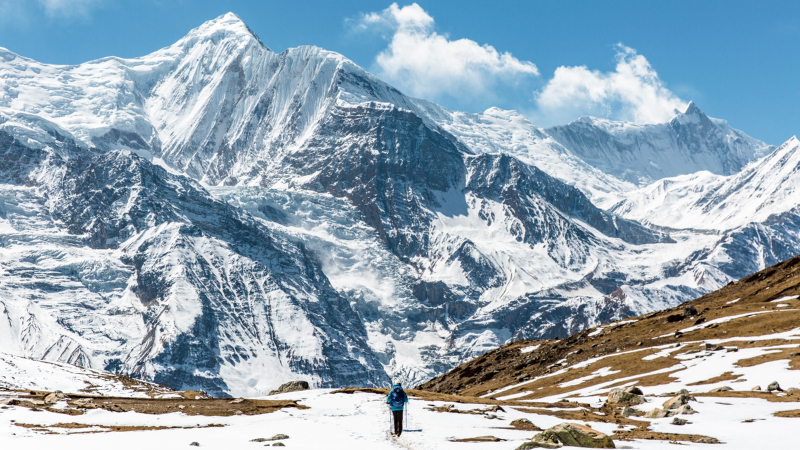
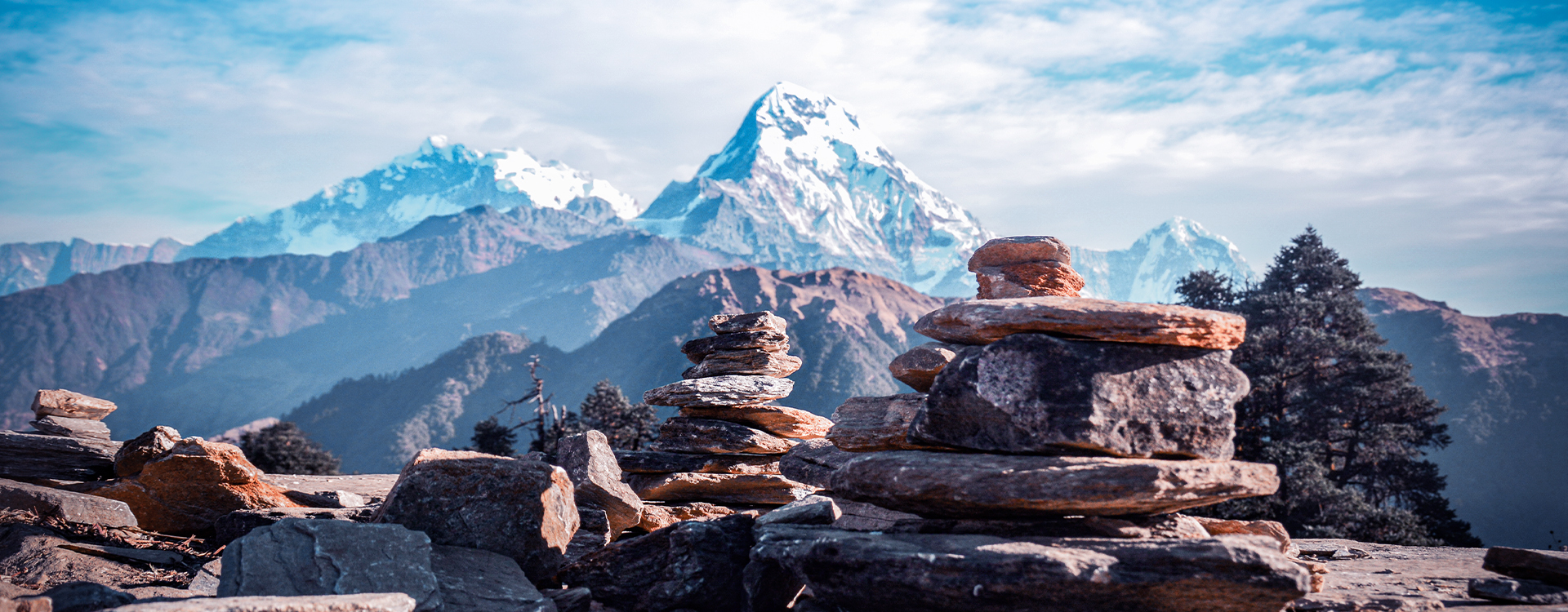
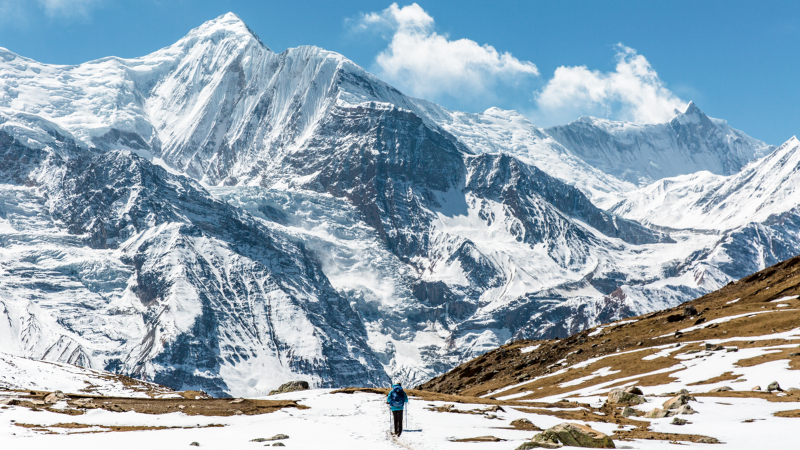
    Annapurna Circuit solitary figure stands on a rocky, snow-dusted path, gazing up at a majestic, towering snow-capped mountain range under a clear sky

    Because of the level of adventure, from a seasoned explorer to a first-time trekker, and accessibility, the Annapurna Circuit is one of the best blends of adventure for all levels of adventurers. The terrific vistas and rich and colourful culture and blend existing infrastructures for a good level of comfort, make it one potentially the best balanced and enjoyable trek for most adventure seekers to have. You have more than enough reason to see why this trek is the included invitation to provide the best overall trekking experience in Nepal.

    1. Unmatched Geographical Diversity

    Since trekkers move through so many ecosystems and climates, the Annapurna Circuit enables trekkers to be in the wilderness and experience an impressive variety of ecosystems and climates… you start trekking from either the low elevations of about 760 meters at Besisahar or Jagat, through terraced fields and dense forest to alpine meadows and snow-covered mountain passes, you continue north from the lush valley below, then trek through the dramatically different terrain of the dry, windy valleys of Upper Mustang that provide trekkers a whole new world. This is fun and beautiful and imagery that lasts a lifetime.

    In an extremely short space of time, trekkers go from one altitude (approximately 760 meters) at the one end of the Annapurna track, to heights over 5,400 meters at Thorong La Pass; therefore, through the process of climbing to this height in a relatively short amount of time tourists have the option to go through an unparalleled number of ecosystems. If trekkers go up slowly, they appreciate the gradual changes to the flora and fauna then the changes in the weather conditions. This natural diversity also makes the Annapurna Circuit a great experience for photographers, a nature lover or simply a person wants to experience different components of the Himalayan ecology.
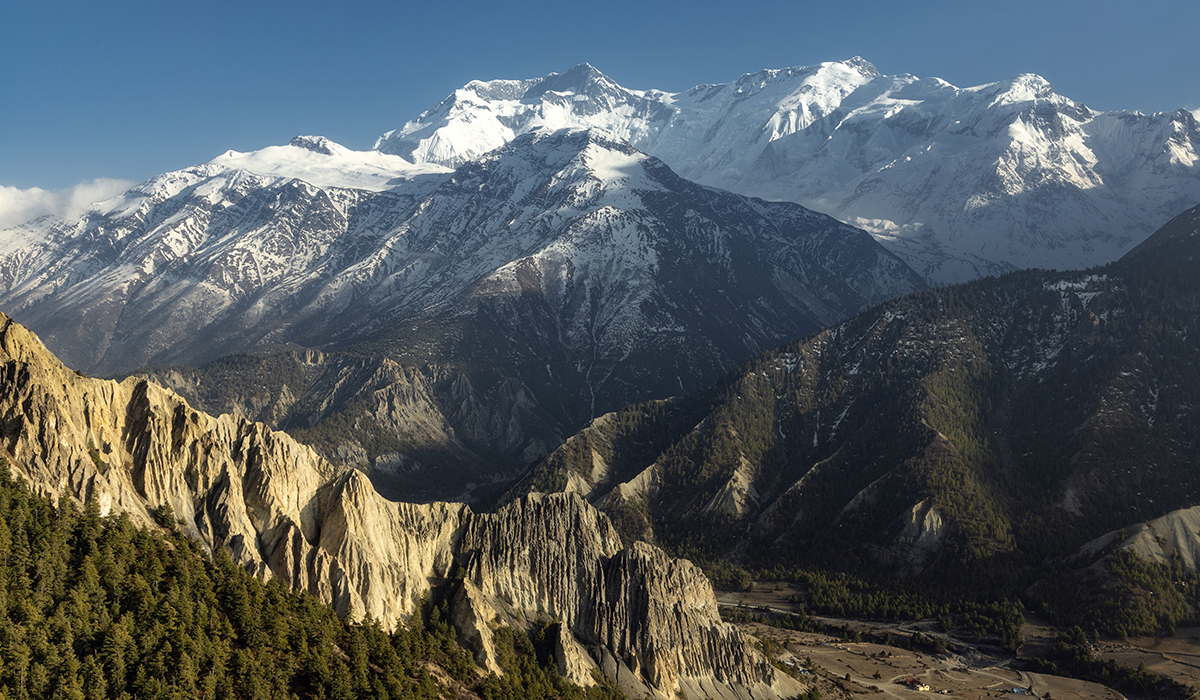
    Annapurna Himalayas seen from Brakha village near Manang
     

    Major Highlights:

    Marshyangdi River Valley: With its terraced rice fields and flowing waterfalls, the lush and vibrant valley provides an ideal warm-up for the trek.

    Pisang: Set in fragrant pine forests, Pisang is a lovely alpine village that offers stunning mountain views and an authentic Himalaya experience.

    Manang Valley: A semi-arid area, Manang provides wide-open views, variety of vegetation unusual to the region, and a great place for acclimatization.

    Thorong La High Pass (5,416m): The highest point on the circuit, where you cross into the Mustang region to continue your trek while surrounded by stunning views in all directions.

    Kali Gandaki Gorge: The deepest gorge in the world, and most dramatic, a canyon that cuts through and the mountains making for an exceptional natural environment along the trail.

    2. Amazing Himalayan Views

    The Annapurna Circuit has a number of great reasons to trekking it, one of the strongest is the consistently breathtaking views of the mountains. You’ll have line of site to some of the most incredible mountain views in the Himalayas, including Annapurna I, Dhaulagiri and Machhapuchhre (Fishtail) while on the trail. The mountains will provide a stunning backdrop that changes in color and depth with the day’s light, but especially at dawn and dusk.
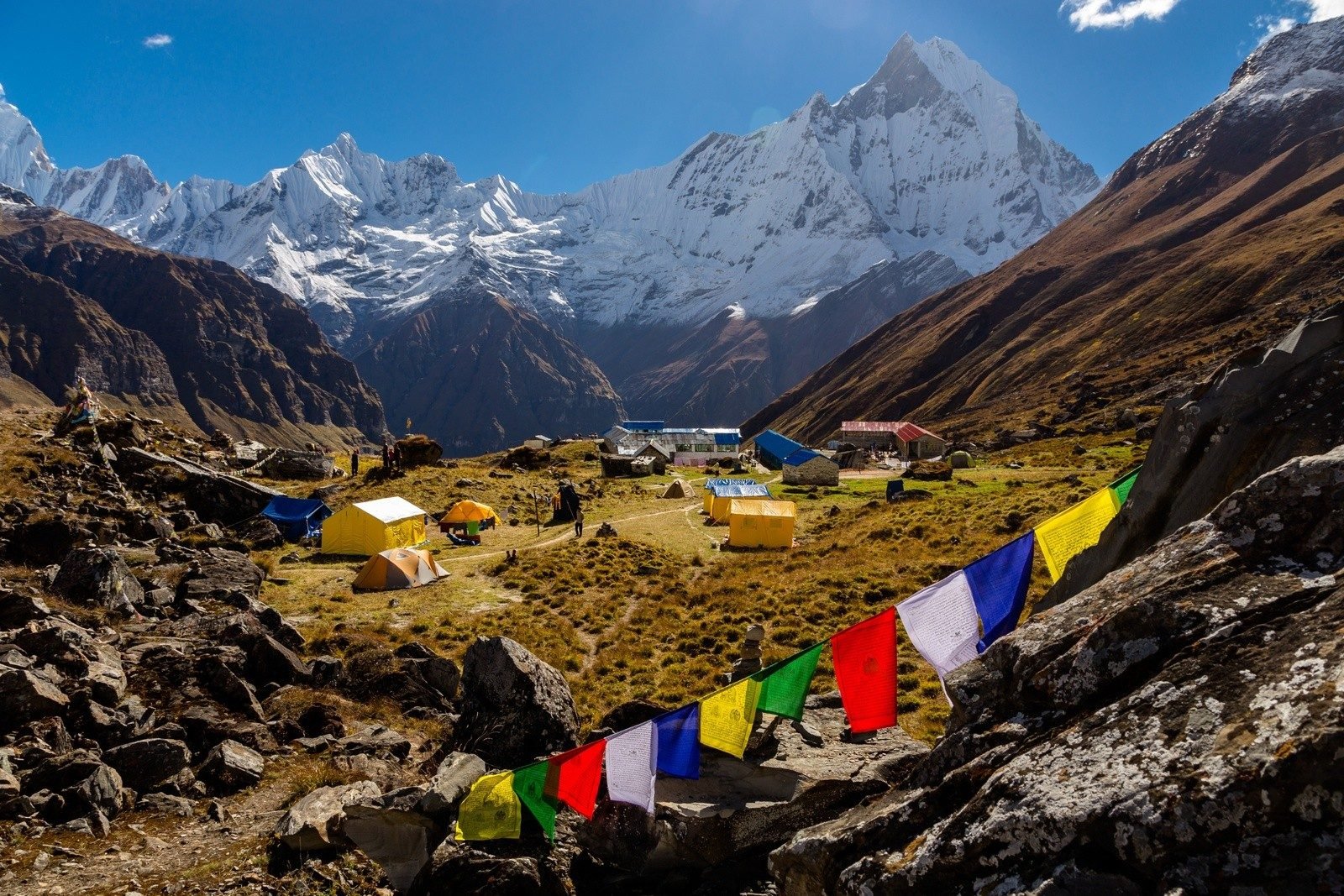
    As you ascent the trail, the sense of sheer scale expands too. When you reach Manang and the surrounding area, you will feel diminutive under the enormous snow capped peaks that create profound feelings of awe and modesty. The 360 degree views create fantastic photo opportunities and shall often stand as the emotional apex of a trek, as they will establish a personal relationship to the raw power, beauty and unrelenting might of the Himalayas.

    Annapurna Base Camp with view of Fishtail & Base Camp itself

    Major Highlights:

    Annapurna II (7,937m): When we arrived at Chame and Upper Pisang, this mountain became the centrepiece, every time we stopped to look at its size and bright beautiful ice ridges would compel us to gaze back again and again.

    Gangapurna + Glacier Dome: This is a bit of an icing smudge on the map. But out of Manang, its placement and the great framing of the glacier that fed the rivers makes it a beautiful view.

    Tilicho Peak: Mentioned because of the side trip to Tilicho Lake, it is a stunning peak that complements the emergence of being on one of the highest lakes in the world.

    Dhaulagiri (8,167m): Muktinath and Jomsom were perfect locations for Dhaulagiri. Being the seventh highest mountain in the world, you will nominate it for ruling the western landscape.

    Machhapuchhre (Fishtail Mountain): When we think about Annapurna region mystique, this is the mountain that usually comes to mind. The sharply pointed profile of this mountain is iconic and probably the first featured in someone’s postcard photo.

    3. Rich Cultural Experience

    The Annapurna Circuit is not just another nature trek; it is a way to appreciate the full extent of the Nepalese culture. Trekkers not only see breathtaking views, but they also see many different ethnic peoples of Mongolian origin, like the Gurung, Magar, Thakali, and others with Tibetan influences in Mustang. Each cultural community is separate, with their own distinct languages, practices, and building styles; this type of variation provides richness, and is a true experience to complement the trekking landscape and even contribute to travelers’ cultural education.

    Trekkers will experience a living culture not only through the breathtaking scenery, but through many things such as if they are lucky enough to engage with members of the community providing tours on “daily solar” community members effortlessly spinning prayer wheels; ancient monasteries that are there for hundreds of years with monks not changed through the decades; village celebrations that are welcoming in the New Year. You will have a chance to stay in teahouses run by local families, where you have a chance to engage with members of the community, hear their stories, experience their food and hospitality, and see the daily lives of the community. These cultural experiences give you an additional highly valued and rewarding layer to your physical trekking adventure.

    Major Highlights:

    Braga Monastery: It is an active Tibetan Buddhist monastery, 500 years old, Situated just outside of Manang a more quiet spiritual destination with murals and ritual,

    Ghyaru and Ngawal: These are legit villages with Tibetan architectural style still in tact, so you can see living traditions of local Himalayan communities.

    Muktinath Temple: It is a sacred pilgrimage site for Hindus and Buddhists famed with their natural springs and natural religious belief.

    Marpha Village: If you visit Marpha known for its apple orchards, and traditional Thakaly culture connect yourself with nature and your heritage.

    Kagbeni: It is called the gateway to Upper Mustang, and is called a medieval village with old fortifications with a nice lovely, timeless feeling.

    4. Balanced Challenge and Accessibility

    The Annapurna Circuit offers a moderate amount of challenge making it an ideal trek for almost everyone. The gradual ascent allows trekkers to naturally acclimatize, clearing the risks of altitude threats for as long as possible. Regardless of the excitement of the climb to Thorong La Pass, it may seem daunting, but can be achieved by anyone who is fit to trek and can put their own pace together. The trek can be be as challenging as it is without anything dangerous.

    The abundance and size of teahouses on the trek allows you to have warm food, a bed and break without dragging the heavy weight of camping gear. When you add in to the fact that many of the camping gear can be rented or hired, the trek is solely because of solo trekkers and guided groups. This balanced contrast between challenge and camaraderie is one of the many aspect of the trek that makes it so popular.
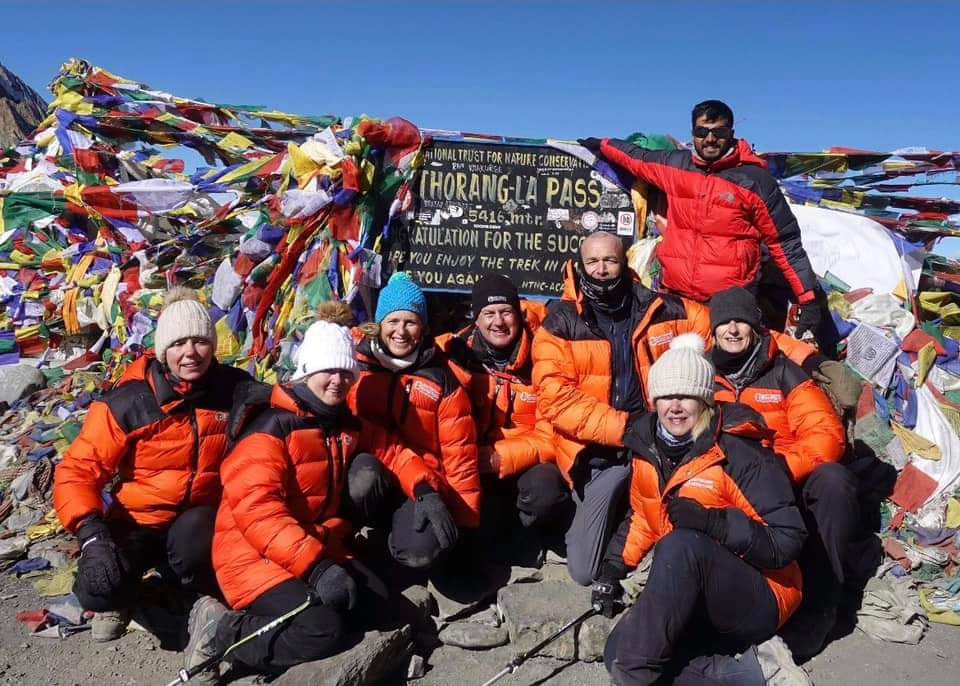
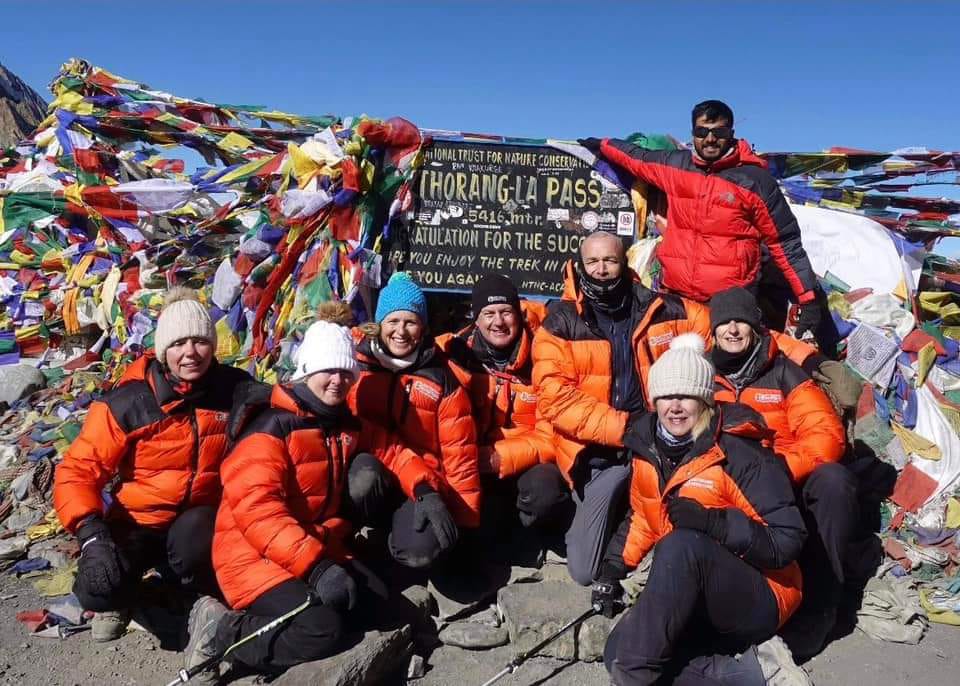
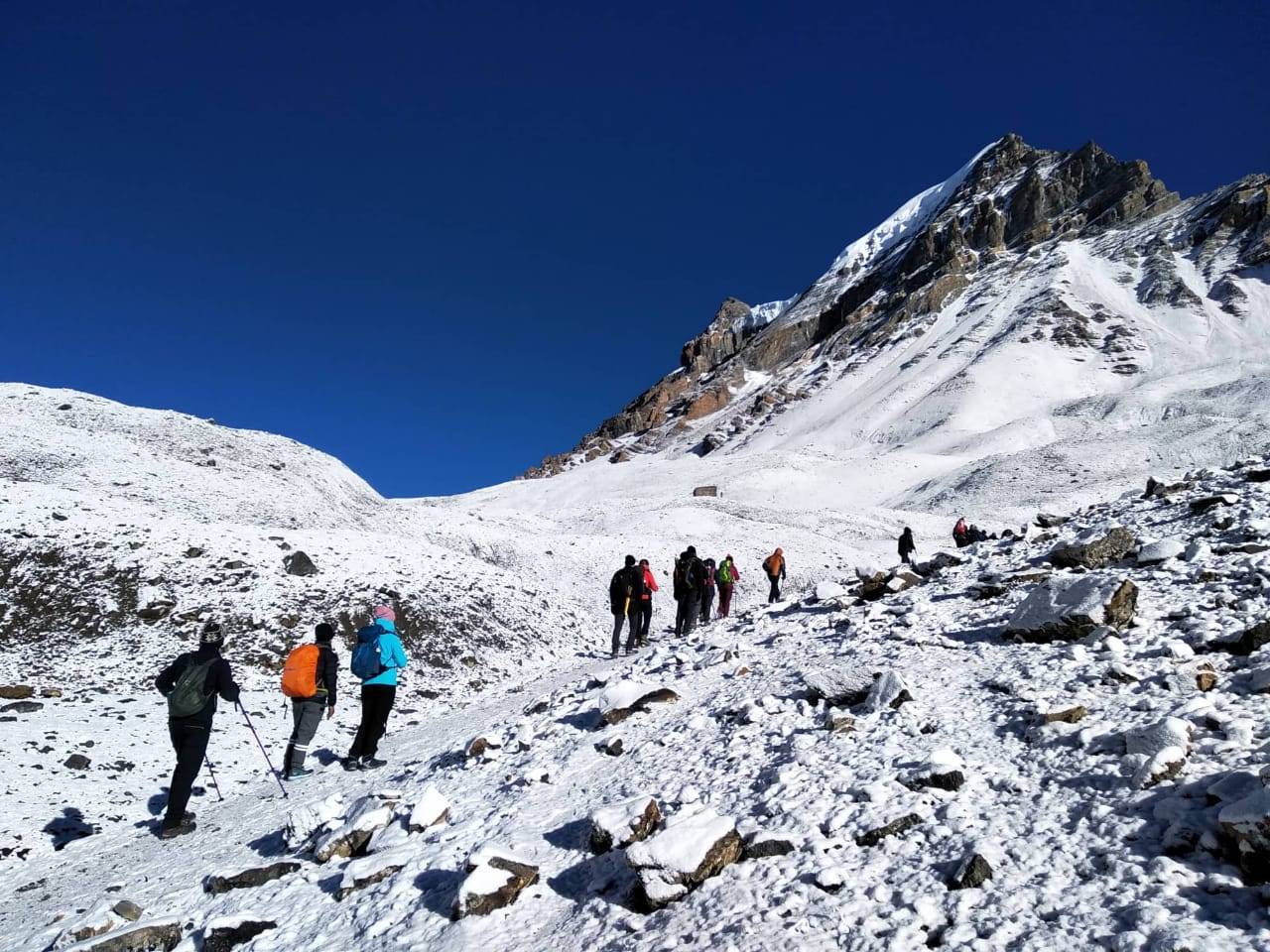
    taking a Group picture at the top of Thorang La 5416m in sunny & cold day

    Major Highlights:

    1. Thorong La Pass (5,416m): This is the highest and most epic part of the circuit, and trekkers can’t help but receive unbelievable views, with a truly unrestricted feeling of having accomplished a great achievement.

    2. Yak Kharka & Thorong Phedi: You will need these breaks. These towns are good places to not only rest before the pass, but they were also rest towns for those acclimatizing and obtaining gear & supplies for the climb/summit.

    3. Tilicho Lake Side Trip: Anonymous optional side trip to a very high elevation for trekkers to arrive at one of the highest alpine lakes in the world.

    4. Pisang to Manang: You are gaining altitude (not too much really) but the views and scenery are beyond amazing and provide a much needed acclimatization break in between a very grueling trek and before the next stressful hike.

    5. Descent from Muktinath: Back to Muktinath after crossing over the Thorong La pass then only one side trip from the town of Muktinath and again this is a steep descent but it feels sort of fun to do and you not only see some varied landscapes, you can see many historical and cultural places of importance to stop and explore.

    5. Excellent Trekking Infrastructure

    The infrastructure supporting the Annapurna Circuit is arguably the strongest aspect of this trek, and overall, it has been designed to support trekkers. Infrastructure is in place to support teahouses, guesthouses, and hotels, so there are places to tend to the needs of trekkers. As a result, trekkers now have more choice over their trip activities knowing that if a trek is remote or dirt cheap, there will always be somewhere for them to rent a room that is clean, eat a hot meal, and get a clean supply of drinking water.

    The trail infrastructure is including many modern conveniences. For example, in villages like Manang and Jomsom (to name a few), trekkers can now find solar-powered showers, Wi-Fi access, bakery’s producing fresh bread, and places to hire mountaineering gear. Trekkers can keep in touch with a cell phone signal and regain peace of mind knowing immediate evacuation services are close by (far enough to avoid compromising the ‘ad-hoc ruggedness’ of the trek). This infrastructure limits distractions and allows you to spend your focus on what your trek is really all about: the adventure.
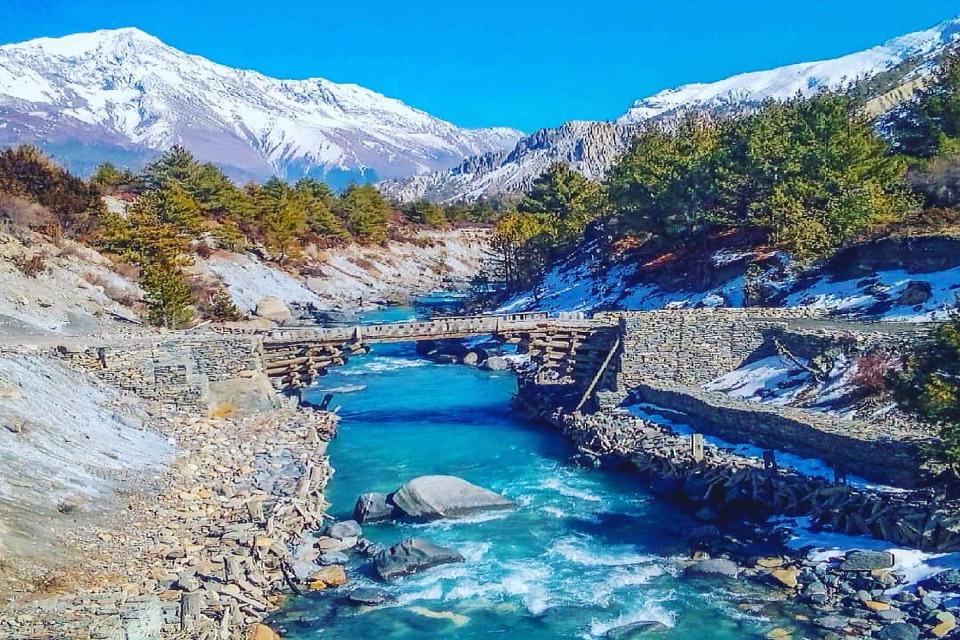
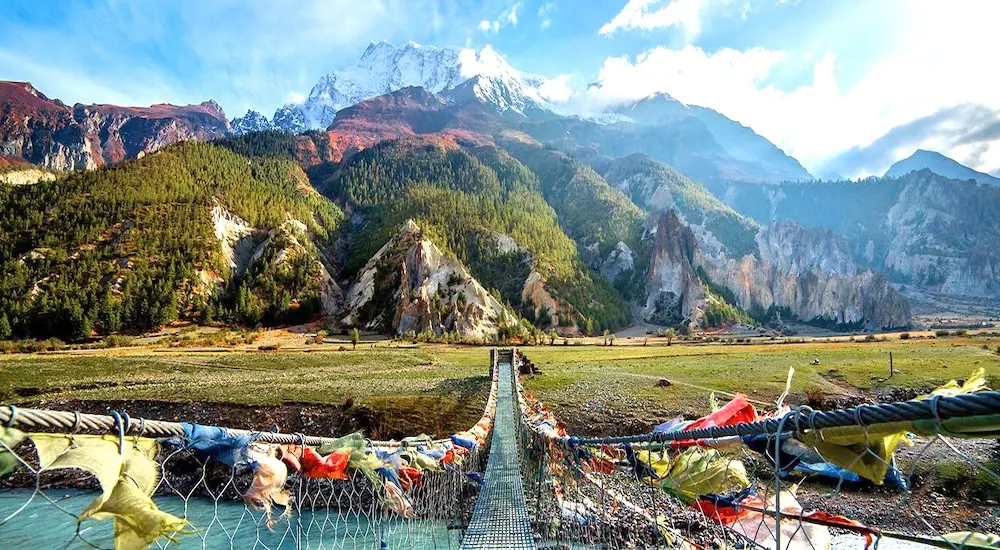
    a bridge on the way to Upper pissang from Dhukurpokhari & shantidada seen in the background
    A Bridge before upper pissang

    Major Highlights:

    Manang: A bustling (for some) trekking destination with bakeries, clinics, guesthouses and gear shops it is a nice stop to refuel and recharge.

    Jomsom: The only place in the entire region with an air port, the transport hub for the region.

    Chame: Chame has many lodges, close to natural hot springs, so a great place to hit a restorative stop early in the trek.

    Tatopani: Famous for the natural hot springs, a great place to heal your sore muscles after all the trekking.

    Thorong Phedi Base Camp Lodge: The last high altitude destination before the high point of the trek, great place to take a rest and acclimatize!

    6. Flexible Route and Side Trips

    The Annapurna Circuit accommodates trekkers’ ability to vary the trek according to the number of days they can be on trek, their fitness level, and personal interests. Whether trekkers complete the circuit, include parts of it, or avoid all parts of the circuit treks, there are a multitude of points where trekkers can beg travel or end travel on a trekking route. Alternative routes, and in some cases jeep road, can even bypass or allow trekkers to travel on an alternative route, which increases trek variety and flexibility.

    For instance, there are many side trips possible, which can eat into a trekker’s time, but may enhance their main trekking experience. A diversion to Tilicho Lake, one of the highest freshwater lakes in the world, will offer good weather trekkers some serene but dramatic alpine scenery. Ice Lake near Manang and the sunrise viewpoint at Poon Hill are popular side trips that serve to enhance the main route. The option to add these side trips into the main trek similarly adds to the appeal of the circuit for trekkers of all types from novice to advanced.

    While nothing may compare to the elite hiking on the Annapurna Circuit, here are reasons that are unique to it:

    Major Highlights:

    1. Tilicho Lake – this most stunning high-altitude lake, at 4,919 meters is definitely an exciting place for any trekker with some adventurous spirit.

    2. Ice Lake – an alpine lake accessed from Manang, it could not be more beautiful or peaceful.

    3. Poon Hill (3,210m) – the most photographed viewing area for sunrise panoramas of Annapurna & Dhaulagiri.

    4. The Upper Pisang Route – This route is not only much less travelled, but it also has far superior scenery than the main lower trail, plus solitude.

    5. Jharkot – a beautiful place that has an intact relevant culture, that is walking distance from Muktinath, a traditional town.

    7. The safest, and natural acclimatization

    In terms of safe, and natural acclimatization, the gradual increase in altitude on the Annapurna Circuit is very well thought out. There are planned rest days, and hikers who will have the chance to acclimatize to thinner air, in important villages like Manang and Yak Kharka will have very restful opportunities. In addition, for hikers on rest days, optional, side hikes that could be completed on their acclimatizing day, for hikers to acclimatize but also to have some memorable experiences.

    Due to the gradual ascent, high level of local and health services support, the circuit is within the reasonable range for a first-time high-altitude trekker to undertake. The route structure and design provide more safety, making it easier for trekkers to enjoy the stunning experience while also learning apart from the day to day trek itself.
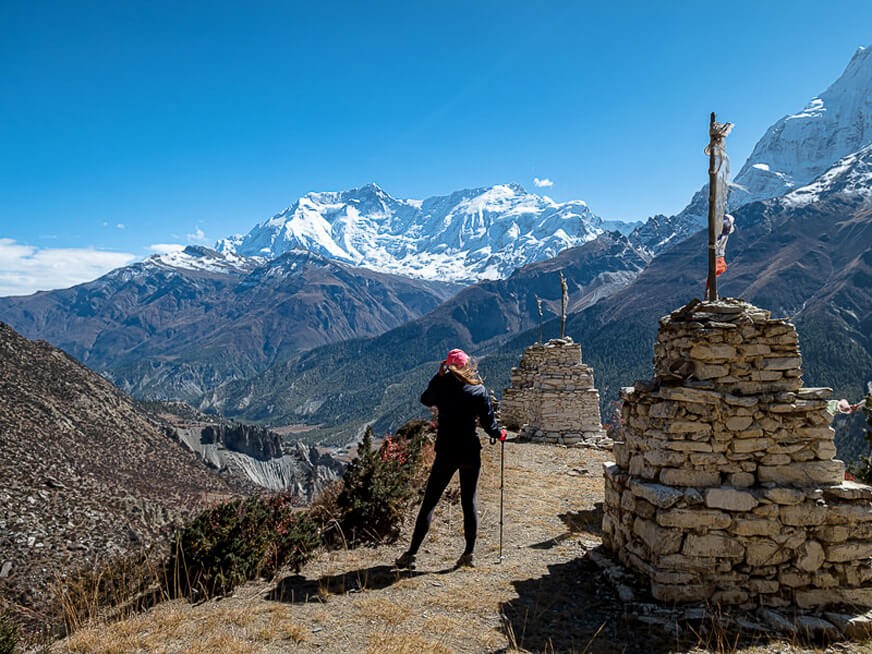
    View of Annapurna 2 & 4 seen from Nagwal village with Humde valley

    Major Highlights:

    Acclimatization day hikes in Manang: It is recommended to experience day hikes to either Ice Lake or Gangapurna Lake. You can acclimatize and enjoy views of some really stunning lakes, and be out in a unique environment.

    Yak Kharka: A quiet little village, it offers a nice, much-needed peaceful and quiet rest stop before continuing up to a higher altitude thorong phedi.

    Thorong Phedi: An important last overnight acclimatization stop before crossing the pass.

    Braga village: A slight climb with a cultural experience at the historic monastery.

    Tilicho base camp: It can be sparked as the last high-altitude stop before the trek to Tilicho lake.

    8. Year-Round Trekking Potential

    Expect best trekking seasons in spring and autumn, but with some careful planning the trail can be trekked any time of the year. The rain shadow effect protects northern regions, such as Mustang, from the monsoon, allowing trekkers into the region while much of Nepal experiences rain. Winter allows trekkers solitude, beautiful clear skies for multiple days, and a view of the mountains from a different perspective.

    Trekkers, with the right knowledge and equipment can experience the magic of the Annapurna Circuit in a multitude of ways. Trekkers should expect coldness and snow-weather preparedness in winter’s approach, but be rewarded with postcard-perfect views with hardly another person in sight. The ability to visit the Circuit is diverse enough in terms of weather conditions, which adds up to endless variety for trekkers from all walks of life, and we hope this benefits a wide array of tourists and travellers, to trek, work, and explore respectively, and at different times of the year.

    Major Highlights:

    Muktinath and Mustang Region: These dry high-altitude places can even be accessed during the monsoons.

    Lower Annapurna Villages: The good weather of winter makes these an ideal trekking option.

    Jomsom Flights: These operate as a regular service, unless the weather conditions, prohibit them. Hence, provide an effective entry to the region.

    Tatopani: A warm relaxing place to experience hot natural springs during the colder months.

    Marpha: A pleasant environment in both low and high seasons, particularly bustling during the apple harvest.

    9. Affordable, but Rewarding

    Compared to many primary international treks around the world, the Annapurna Circuit is a surprisingly affordable option. Your daily expenditure which includes, accommodation, food, and permits plus basic equipment, almost invariably falls between $25 to $50 USD. Even including guides or porters, it remains an affordable trail accessible to a wide range of adventure seekers from students and backpackers.

    For the little expense you incur, the reward is tremendous. Trekkers access some of the most extraordinary views, colourful culture and reasonable physical challenge. The affordability and valuable rewards of the trek are principal reasons for the continuous success of the trek.

    Major Highlights:

    TIMS and ACAP Permits: Inexpensive permits that allow access to protected areas and support conservation.

    Homestays: Inexpensive lodging and cultural exposure, while receiving local hospitality.

    Discounts: Discounts for permits and some lodges, for organized treks.

    Low cost food: A traditional dal bhat meal provides lots of nutrition for minimal cost, available throughout the trail.

    Teahouses: Affordable teahouses in simple rooms to lodges at various price points.

    Conclusion: The Ultimate Himalayan Experience

    The Annapurna Circuit is unrivaled when it comes to trekking in Nepal. It is the best overall trekking experience because of its stunning topography, unique culture, specific challenge, and ample infrastructure. It challenges every aspect of your heart, body, and soul like few other adventures to be taken.

    Whether you are seeking solitude, adventure, or cultural interaction the Annapurna Circuit will provide an unforgettable trek each step of the journey. The trek passes through the snowy heights of Thorong La, and the warm welcomes of mountain villages, which truly epitomizes the spirit of trekking in the Himalayas. It is easy to see why the Annapurna Circuit is still is the best all round trekking experience in Nepal. Contact us today at Happy Mountain Nepal, Facebook, Instagram, or TikTok

  • How to Prepare for a Trek in Nepal: Packing, Fitness & Permits

    How to Prepare for a Trek in Nepal: Packing, Fitness & Permits

    How to Prepare for a Trek in Nepal: Packing, Fitness & Permits

    Introduction

    Nepal is full of treks and is a dream for trekkers from around the world. With the highest mountains in the world to trek around, culturally diverse trails to hike, and amazing biodiversity, it is not surprising that every year thousands of trekkers come to Nepal to trek to Everest Base Camp, the Annapurna Circuit, or to explore Langtang Valley. Even with our dreams of snow-capped peaks and beautiful trails, trekking in Nepal is strenuous on our bodies, with significant preparation required. Physically preparing for your trek is essential, as is laboriously preparing if you are not used to walking up and down hills. It is key to prepare for a trek – and to be physically, mentally, and logistically fit for a safe, competent, and rewarding experience.

    In this guide, we will highlight the three main areas to be prepared in: the packing of appropriate gear you will need to take, how to prepare for your trek, and the needed permits, so you can trek in Nepal with the utmost confidence.

    how to prepare for trekking

    1. Fitness Preparation for Nepal Trekking: Train Your Body and Mind

    On your trek in Nepal, you will be walking between five to eight hours a day, and if you are fit for the trek beforehand, it will be easier and lessen the chances of injury or altitude sickness. Trekkers ideally should begin their physical fitness prep for their trek at least 6 – 8 weeks prior to departure.

    There is much trekking to be done throughout Nepal for 5-8 hours a day, often at high elevation and inside every type of rugged terrain imaginable. A good trek starts with good physical training.

    fitness for trekking

    1. Training

    Prepare and train 6 – 8 weeks prior to departure! Most importantly, don’t wait until your trip to prepare! Trekkers need cardiovascular fitness, leg strength, and endurance in general when trekking at elevation. Therefore, you should start a course of physical fitness well before departing to build your physical fitness level over the weeks and months leading up to your trek!

    2. Cardio Exercises

    First, prepare for your cardiovascular fitness regimen. The heart and lungs can be prepared for the mountains by hiking, brisk walking, jogging, cycling, swimming, and stair climbing. If you can, do your hikes on trails with elevation gain; if you really want to be realistic, pack a backpack with some weight to mimic the authenticity of a hiking experience.

    Hike as often as you can in terrain that has elevation gain: we want to train to prepare you for the nuances of altitude. Trekking, as opposed to typical hiking (or cardio), can “hit” the body differently, so we want to encourage you to hike at elevations above 2,500 meters, but only if you can to prepare for altitude (this may not always be accessible, so educate yourself about altitude sickness (Acute Mountain Sickness or AMS), acquire the knowledge where you can recognize the symptoms (e.g, headache, nausea, dizziness), and then practice how to avoid it. Getting acclimatized, staying hydrated, and accumulating elevation in a timely and gradual approach are all important factors that cannot be taken lightly to stay healthy in the mountains.

    3. Strength Training is Key

    Strength training isn’t any less essential than cardio. Include squats, lunges, step-ups, and planks in your training. That will strengthen the muscles that stabilize your hips and knees required to walk up steep slopes, and to descend quite steeply. And don’t neglect your upper body! By exercising the shoulders and back, you will discover pack is easier in the long term.

    Strength Training
    Fitness training for the Trek

    When you have established strong legs and stable core muscles, actually carrying a long hike backpack will be easier.

    • Leg Exercises: Squats, lunges, step-ups, and wall sits develop the strength of the muscle groups used for trekking.
    • Core Strengthening: Planks, crunches, and mountain climbers establish stability and balance upon uneven trail walking.
    • Exercise with Loaded Pack: Acclimate oneself to walking with a loaded pack of 6-10 kg. Practice your pack on flat ground, slopes, and stairs to mimic the terrain you will be walking.
    • Acclimatization Readiness: Learn to recognize symptoms of altitude illness if you don’t know what it is. It catches anyone regardless of how physically fit you are, so get to know the symptoms & acclimatize at a moderate altitude, if at all possible.

    2. What to Pack for a Trek in Nepal: Smart, Lightweight & Weather-Ready

    Having the right pack is having the whole experience in mind: a cold night, a hot day, wind, storm, or snowstorm, without overloading your pack to have too much weight.

    Trekking Gears for the Adventure
    Gears

    1. Clothing Layers

    Your clothing will be moisture-wicking base layers, insulating mid layers of fleece jacket or down jacket, and a wind- and water-proof outer layer. Pack two or three base layers (long sleeves), one or two mid layers, and one outer jacket if you possess it. Do not forget your trek pants, sun cap, warm woolly hat, windproof gloves, and buff or neck gaiter to prevent the wind from getting to your neck.

    • Base layers: thermal top and leggings to wick sweat off your body for acclimatizing yourself to the heat.
    • Outer layer: Windproof jacket, waterproof snow pants for rain/snow.
    • Mid-layers: Quilted jackets of down or fleece filling for insulation.
    • Extras: wool hat, gloves, buff/scarf, sun hat for daily protection.

    2. Footwear: Comfort Comes First

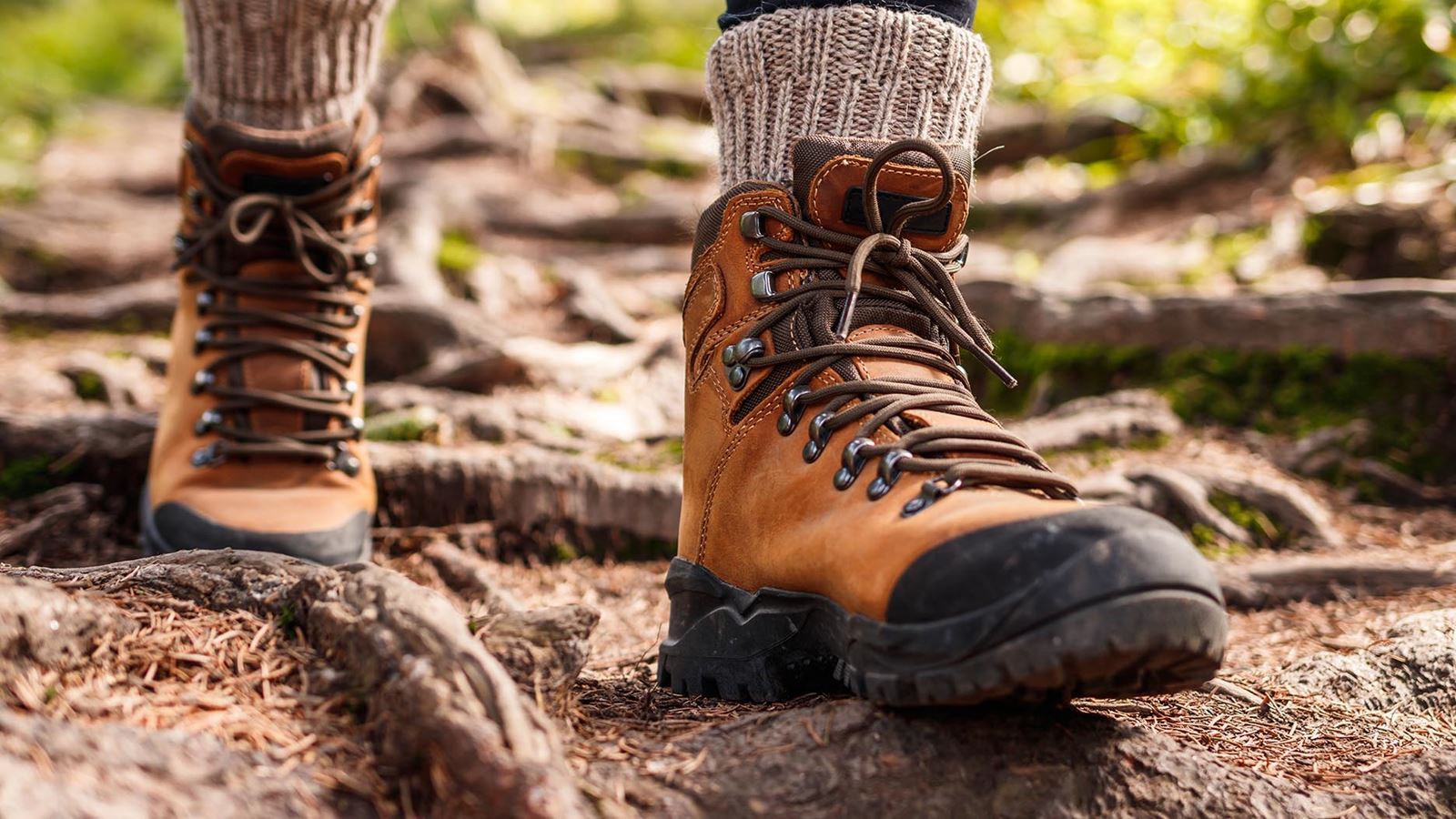
    The most important thing that you will be packing is your footwear. You need to obtain quality, size-appropriate, durable, broken-in trekking boots that support your ankles. DO NOT wear boots that you have never used or are brand new on the trail, because the last thing you want happening on your trek is blisters that will ruin your trip. You should also take lightweight sandals or camp footwear for the evenings. When buying socks, take 3 to 4 pairs of quality trekking socks, which will be merino wool or some sort of moisture-wicking synthetic blend that will minimize moisture build-up and reduce friction.

    Trekking boot is crucial
    Trekking Shoe
    • Trekking boots: Wear comfortable, broken-in, waterproof, ankle-supporting boots.
    • Camp shoes: Lightweight slippers or sandals to wear when you are relaxing in teahouses.
    • Socks: Take 3–4 breathable and moisture-wicking merino wool or synthetic trekking socks.

    3. Trekker’s Gear Essentials

    Another important item is a sleeping bag that is rated to at least -10°C, especially, if you will be trekking over 3,000 meters, take your sleeping bag, and a reasonable day pack (30L – 40L). A couple of trekking poles are useful for reducing strain on knees and keeping stability when you are using them on steep or rocky sections of trail. A headlamp will be useful for early morning starts and if there is a power cut with remote lodges.

    Be sure to pack some water bottles or carry a hydration bladder with purification tablets or a filter, since bottled water can be expensive and adds to the environmental pollution left behind from following in their footsteps in some of these areas.

    Packing item for trek
    Packing Gears
    • Daypack (30L–40L): As a first step, you’ll pack a daypack for carrying water, snacks, a camera, and a rain jacket.
    • Sleeping Bag: Use a down sleeping bag – rated to -10°C, or lower.
    • Trekking Poles: Improves stability and may reduce strain on your knees if you’re traversing, particularly on rocky trails.
    • Headlamp: To help you with early starts, even when you have electricity, it is particularly important in off-grid villages if the power is off, and getting worse if you are trekking on a cloudy day.
    • Water Bottles & Purifier: You can pack up to 2 liters and make use of water purification tablets, or a water filter, to avoid buying so much plastic bottled water.

    4. Toiletries & First Aid

    Packing out your toiletries should be easy – travel size + eco-friendly: Small towel, biodegradable soap, toothbrush/paste, sunscreen, lip balm with SPF, hand sanitizer, toilet paper. Be sure to pack out the feminine hygiene products. Disposal options are limited in the mountains. Lastly, pack a general first aid kit, including medication for altitude sickness.

    • Quick-drying towel, green soap, toothbrush, and toothpaste.
    • Hand sanitizer, toilet roll, and tampons.
    • First aid kit: blister pack, painkillers, antiseptic, band-aids, Diamox for altitude.

    4. Identification and Miscellaneous

    Passport photos and passport.
    Paper copies of your permits and insurance.
    Power bank, charging cable, spare batteries.
    Sunglasses, SPF 30+ sunscreen, SPF 30+ chapstick, and energy bar snacks.

    3. Nepal Trekking Permits: What Permits You’ll Need and How to Obtain Them

    Nepal permit requirements vary depending on the trekking region you utilize. Always obtain the proper documentation before your trek.

    1. TIMS Card (Trekkers’ Information Management System)

    The TIMS card (Trekkers’ Information Management System) is required for most of Nepal’s major trekking areas. The TIMS card was designed with the purpose of helping authorities follow trekkers in the event of an emergency. As an individual trekker, you must complete the TIMS application. Trekkers participating with an individual licensed guide/agency will receive their TIMS card along with their intake package. As of 2025, the TIMS will be retiling at NPR 2000 (approximately $15) for independent trekkers and would incur NPR 1000 (about $8) for agency trekkers.


    2. National Park or Conservation Area Permits

    You’ll also require trekking permits depending on your plans, trekking in the national parks or conservation areas. You’ll require an Annapurna Conservation Area Permit (ACAP) for trekking in the Annapurna zone, or a Sagarmatha National Park Permit for trekking to Everest. The permits cost between NPR 3,000 on average and are obtainable at Nepal Tourism Board offices in Pokhara or Kathmandu.

    3. Restricted Area Permits (RAP)

    There are only a few of Nepal’s trekking destinations that are off bounds. They are Upper Mustang, Manaslu, Nar Phu Valley, and Tsum Valley. You’ll require a Restricted Area Permit (RAP) to trek there. A RAP is only available through a licensed trekking company. Otherwise, you can’t trek to these destinations independently. You would need to have at least two of you, and hire an organized licensed guide through the agency. It is very costly based on where you trek and for how long you trek. Upper Mustang, for instance, will be $500 for 10 days, and Nar Phu is $100/week high season. Prices fluctuate very frequently, so be sure you look at the posted current prices and regulations.

    4. Best Time To Trek in Nepal: By Season

    The best time to trek in Nepal will make or break your entire experience. The best trekking months tend to be spring (March-May) or autumn (September-November), when your weather will be reliable, skies will be clear, and temperatures will be reasonable.

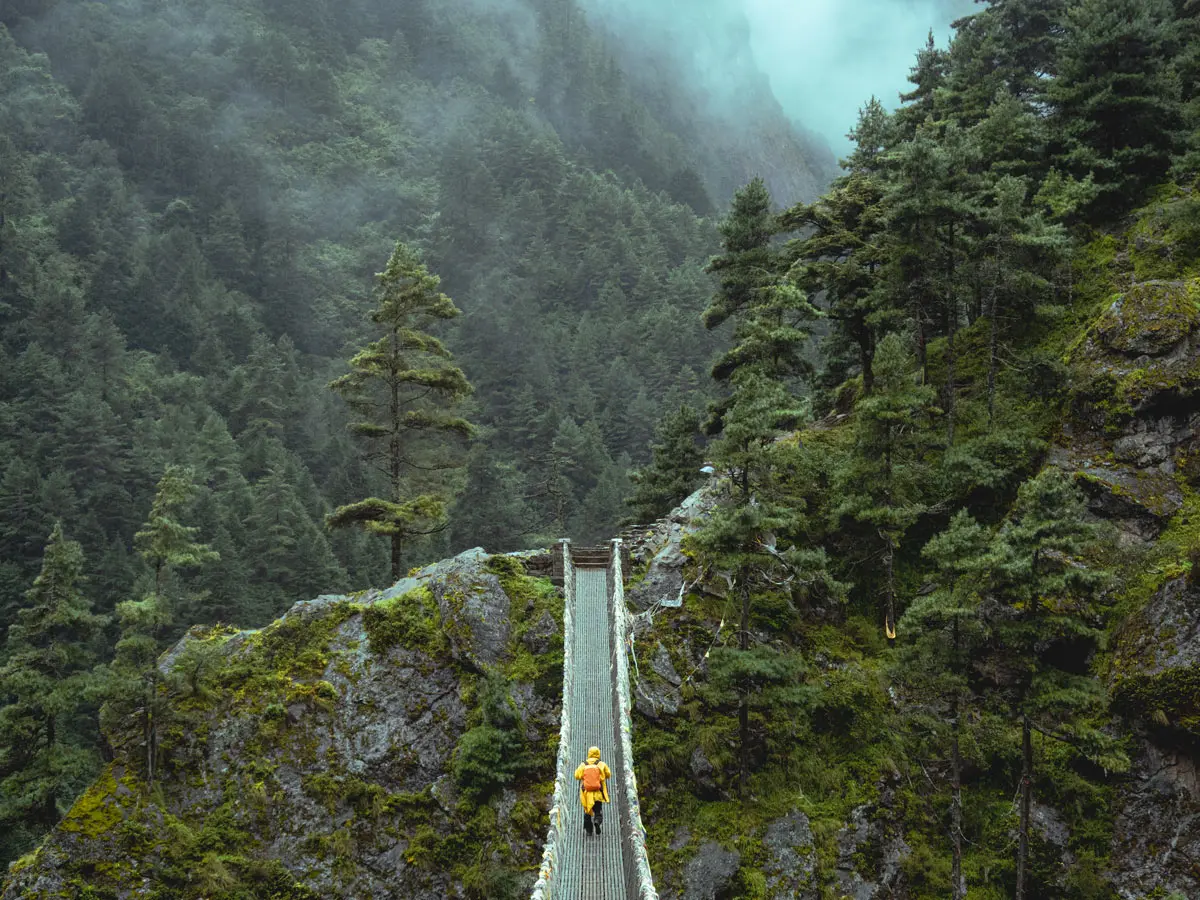
    Hillary Bridge & A lonely monsoon Trekker
    Mansoon Trek

    1. Spring (March to May)

    Spring provides all the greens and flowering rhododendrons, particularly lower down in the Himalayas. The views are usually good, but there will probably be some pre-monsoon rain towards the end of May. Autumn is best, normally colourful with fresh air, blue skies, and grand mountain vistas. The trails and teahouses are busy in October and the first half of November, so book early for rooms and permits.

    2. Winter (December to February)

    Winter (December to February) is cold, particularly at high elevations where it may even snow, and a few of the high passes will be closed. Lower-altitude treks such as Ghorepani–Poon Hill or the Helambu Circuit are available and much less touristy. The monsoon (June to August) is the worst season to trek with heavy rain, slippery trails, leeches, and danger of landslides. But rain-shadow regions such as Upper Mustang or Dolpo are arid, open in the monsoon season, and provide alternative trekking options.

    5. Solo or Guided: What’s Best for Your Trek?

    Most areas in Nepal have independent trekking options, and many solo trekkers have fun and enjoy the freedom of flexibility in their travel. Trekking solo gives autonomy to travel at your own pace, the ability to change plans last minute, and the ability to travel to less popular places at a lower price. Solo routes are generally well marked with plenty of teahouses along the route; popular solo trekking routes include Everest Base Camp, Annapurna Base Camp, and Langtang Valley.

    On the other hand, it can be tough – finding your way in remote areas is tricky even in good conditions and off season tried and the help you might enjoy may not be close if you become ill or injure yourself. Here a guide or a porter will be advantageous. A local guide not just makes things easier – adds extra safety, helps make translating easier and allows you to be more immersed with someone who can help give you cultural and geographical context of where you are. A porter provides knowledge by decreasing weight from your body and allows you greater ease in trekking and overall makes trekking more enjoyable.

    If you are trekking in a restricted area you will already have either hired a trekking guide or taking a guided organized trek. Restricted areas require you to travel with a registered guide and obtain the required area permits through a registered agency. Even if you decide to trek solo or with a guide, it is always valuable to let someone know of your travel route beforehand and to check in for any local updates on weather conditions and trail updates.

    6. Altitude Awareness: Stay Safe and Acclimatize

    Altitude sickness, or Acute Mountain Sickness (AMS) is likely the most dangerous aspect of trekking in Nepal. Anyone above 2,500 meters can develop AMS irrespective of fitness, gender or age. The most effective method to protect against the threat when at altitude is acclimatisation.

    altitude preparation

    Accilimization refers to allowing your body a transition time to acclimatize to thinner air changes by climbing slowly, and featured rest days when you’re not off of climb. A good general rule is don’t climb more than 500 meters a day if you’re above 3,000 meters. Although not altitude sickness specific, trails such as the Everest Base Camp have included acclimatisation days specifically because it’s actually normal and required that trekkers acclimatise at places such as Namche Bizarre or Dingboche.

    Way to Acclimatize

    • Go Slow: Climb slowly, as mentioned above. As a general guideline, sources suggest that you shouldn’t climb more than 500 meters per day.
    • Rest Days: Incorporating acclimatization days into the exercises on the treks (e.g. Namche Bazaar on the Everest trail).
    • Stay Hydrated: Consume 3-4 litres of water per day, and no alcohol or caffeine, only consume whatever water is available in these remote locations.
    • Watch for symptoms: Headache, lethargy, nausea, insomnia, are all signs of impending AMS.
    • Take Medicine: If symptoms worsen, take Diamox but only after speaking with your physician first. Diamox is preventative, not treatment, of AMS.

    If you experience worsening of symptoms or question your symptoms, go down immediately. Altitude sickness kills but is highly preventable with ongoing education!

    7. Budgeting for Your Trek in Nepal

    Nepal offers treks for all budgets, but planning your finances helps avoid surprises.

    1. Solo trekking

    Solo trekking is the lowest cost method of trekking in Nepal and costs $25-$40 per day. You will have the simplest facilities in guesthouses (or teahouses), plain fare such as dal bhat or noodles, and the bare minimum of trekking gear. You will be carrying your pack, deciding your route, and making all the arrangements by yourself. This is ideal for experienced trekkers who do not mind following along tracks and footpacing without a qualified guide. Trekking with a Guide or an Agency

    If you want more assistance you can trek with a guide, or a local agency, and this will generally cost $50-$100 a day.
    It will usually encompass a certified guide, a porter to pack your backpack, all your permits, transport to/from the trailhead, your accommodation, and food. It’s an excellent way of providing the safety, comfort, and cultural experience for first-time trekkers or those trekking in remote areas of Nepal.

    2. Full-Service Trekking Packages

    If you would like full organization anywhere between $800 and up over $2,000 are available for a 10-15 day trek depending on the region and level of service. Full service trekking packages generally are all inclusive, from airport pickup and a hotel in Kathmandu, domestic flights, guide and porter services, permits, meals, accommodation, and sometimes rented gear. It is a low stress option especially for someone that is a first timer to the area or is on a limited timeframe.

    3. Extras to Expect

    While you are provided with the basic essentials on a daily basis, there are extras incurred on trail. For example, hot showers in teahouses are usually in the range of $1-$3 depending on your elevation. There are costs incurred for charging electronics or using wi-fi which is around $2-$5 depending on the place you stay. It is customary to tip guides and porters, budget roughly 10-15% of your total trek cost. Snacks, bottled drinks, and chocolate bars are substantially more hi-priced on trail versus cities, so budget for these as well, in your overall daily expenses.

    8. Respect Local Culture and Environment

    Nepal trekking is not geology only. It is people interaction and place usage too.

    1. Dress Sensitively:

    When trekking by traditional best practice in Nepal, particularly rural or traditional areas, cultural custom needs to be considered. Avoid shorts, crop tops or indeed anything that might be described as revealing, apart from which it will be considered cultural insensitivity and generally disrepectful.

    2. Ask Permission for People, Rituals or Sacred Places:

    In general, always ask permission if you want to photograph people, ceremonies or shrines. Some may regard this as intrusive and even photography is prohibited in some temples and has to be done with respect towards culture and religion.

    3. Reduce Waste

    Do your part to maintain the loveliness of Nepal’s environment with your trash. Bring a refillable water container, bring purification tablets or equipment and try not to use single-use plastics or prepackaged food as much as possible to minimize trash on the trails.

    4. Support Local Business:

    Imagine sleeping in teahouses that belong to the villages and buying fruits and vegetables from villagers and handicrafts from artisans of villagers. In this manner, directly you are investing your money in supporting families and creating sustainability and community-based tourism for Nepal.

    Leave Trace—pack everything that you carry with you, and travel responsibly.

    Trekkers Trekking towards the Peak
    Trekkers

    Final Thoughts: Make Your Trek to Nepal a Life-Changing Adventure

    Nepal trekking is one that will challenge your physique, enrich your soul, and introduce you to nature and culture, something new compared to what you’ve encountered before. But cautioned, such life-altering experiences do not happen by accident – it’s the result of preparation. Whether it is increasing your physical fitness; going through the acclimatization process; deciding what clothes and equipment to take along with you; or what permit to buy, all of that which you decide before taking your first step on the path is a consideration for your hike to the Himalayas.

    With great planning; people, environment, and culture sensitivity; and great positive attitude, Trekking in Nepal can be wonderful, safe, and rewarding. Whatever it is, whether Everest Base Camp trek, Annapurna or a hidden trail, the majesty of the mountains awaits you. With determination and preparation, your Nepal trek will be a rewarding, unforgettable, and life-changing experience. Contact us today at Happy Mountain Nepal, Facebook, Instagram, or TikTok. 

  • Annapurna for All: The Future of Trekking in Nepal with Cable Cars

    Annapurna for All: The Future of Trekking in Nepal with Cable Cars

    Annapurna for All: The Future of Trekking in Nepal with Cable Cars

    Trekking enthusiasts worldwide have recognized the Annapurna Circuit as one of their most famous routes. Every year thousands of trekkers visit the region because it offers breathtaking Himalayan views and dramatic landscapes and diverse cultural experiences. Cable car systems have been introduced recently which now improves access to the Annapurna region.

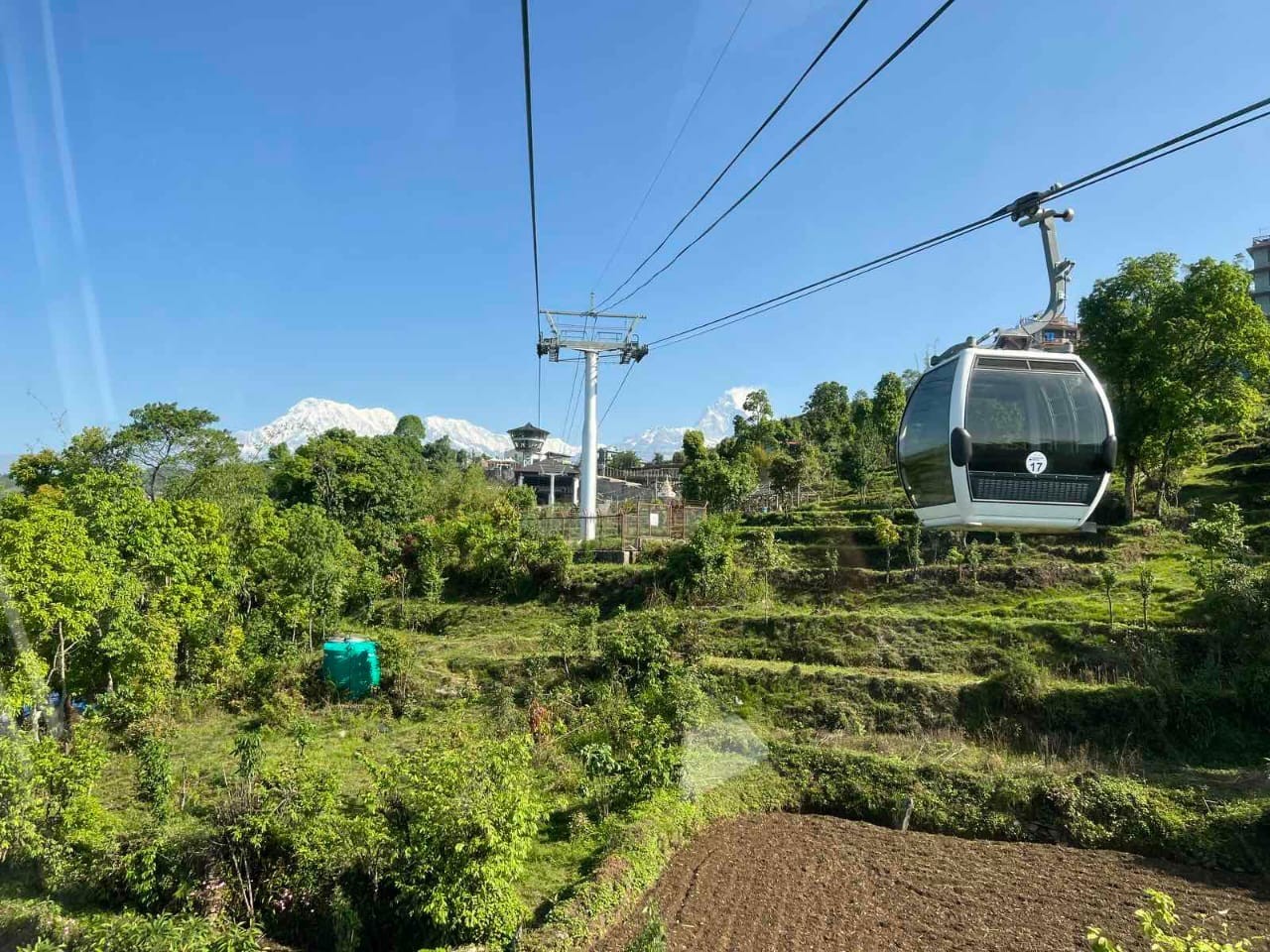
    Cable Car

    The Classic Annapurna Circuit

    The traditional length of the Annapurna Circuit varies between 160-230 kilometers based on the selected path. The trek leads people through four distinct natural environments which include subtropical forests and terraced fields and alpine meadows and arid high-altitude landscapes. Key highlights include:

    Thorong La Pass (5,416 m)

    This circuit reaches its highest elevation point here while offering one of the most exciting high-altitude hiking experiences globally.

    At 5,416 meters above sea level Thorong La Pass marks both the highest altitude and the most intense part of the Annapurna Circuit trek. The ascent to the peak begins before dawn because strong winds and unpredictable weather tend to develop later in the day. The hike proves difficult since oxygen levels drop at higher elevation yet the panoramic views from the pass justify every step of the journey. The combination of snow-covered peaks with endless mountain ridges and the feeling of absolute elevation produces an unforgettable surreal experience.

    The achievement of reaching Thorong La produces both physical success and emotional satisfaction for many trekkers. The colorful prayer flags flying in front of the icy mountain backdrop represent both spiritual meaning and personal achievement for pass crossers. After the descent, trekkers are rewarded with a deep sense of accomplishment, having conquered one of the world’s highest and most thrilling mountain passes.

    Manang and Mustang regions: Culturally rich villages with Tibetan influence.

    Trekkers find a captivating introduction to Himalayan culture in the Manang area which exists before Thorong La. The villages here are influenced heavily by Tibetan traditions, reflected in the Buddhist monasteries, prayer wheels, and chortens that line the trails. People who trek there typically dedicate additional days to Manang for proper acclimation before visiting the ancient monasteries and observing yak herding practices while studying the traditional Gurung and Tibetan customs.

    Cable Car:

    The western Mustang region presents trekkers with contrasting landscapes of dry valleys and colorful cliffs and hidden caves. The “Last Forbidden Kingdom” title belongs to Mustang because its Tibetan Buddhist heritage alongside its architectural uniqueness and traditional ways remain untouched by modern development. The trekking regions of Manang and Mustang present visitors with breathtaking natural beauty alongside authentic cultural experiences that showcase high Himalayan traditions.

    Natural hot springs in Tatopani: Perfect for relaxation after days of trekking.

    The natural hot springs of Tatopani provide trekkers with relaxing thermal baths which serve as perfect recovery after long days of hiking. Tourists who visit the hot springs of Tatopani find comfort in its mineral-rich waters while taking in the beautiful views of traditional villages and surrounding hills. The mineral content in the water possesses healing qualities which help people feel better from muscle soreness and joint pain and enhance blood circulation.

    tatopnai

    Tatopani village provides visitors with more than thermal baths because it serves as an excellent location to observe the genuine hospitality shown by local people. Spending a tranquil evening in this village after enduring extended mountain treks through difficult pathways allows trekkers to find physical comfort in the warm pools and achieve mental relaxation under the night sky before continuing their journey.

    Poon Hill: Famous for sunrise views over the Annapurna ranges.

    People from all over the world visit Poon Hill which stands at 3,210 meters above sea level. A large number of trekkers reach the summit before dawn to experience the breathtaking sunrise that lights up the Himalayan peaks. The first rays of sunlight touching the snow-covered peaks of Annapurna, Dhaulagiri, Machhapuchhre (Fishtail), and Nilgiri produce a stunning display of colors that creates one of the most memorable photographic moments during the trek.

    Poon Hill

    Poon Hill provides exceptional views of several Himalayan ranges which makes it a trekking highlight for all visitors including those with brief treks. The easy path leading to Poon Hill welcomes trekkers from different fitness backgrounds so families and new adventurers choose it as their preferred destination. Poon Hill becomes more enchanting because of the colorful rhododendron forests and the welcoming Gurung villages that visitors encounter during their journey.

    This trek requires between 14 and 21 days to complete based on individual speed and altitude adjustment needs.

    The New Cable Car Attraction

    The cable car system operating in the Annapurna region now serves as a transformative development for numerous visitors. The system provides multiple advantages which do not eliminate the trekking journey:

    Cable Car:

    1. Accessibility for All by Cable Car

    The new cable car system in the Annapurna region enables more visitors to experience the breathtaking mountain views which were previously limited to trekkers. The physically demanding multi-day treks prevented many people including those who were older or had health issues or short vacation periods from seeing the spectacular beauty of the Annapurna ranges. Tourists can now reach scenic viewpoints by using the cable car which eliminates the need for physical effort.

    The improved accessibility enables family groups along with senior tourists and people who have disabilities to see views which only experienced trekkers could access before. The cable car provides visitors with a comfortable and safe and efficient method to experience the Annapurna landscapes which results in making the region accessible to various types of visitors. The expanded access to natural beauty allows more people worldwide to experience the wonders of Nepal.

    2. Boost to Local Economy

    The cable car functions as an economic stimulus that produces fresh business opportunities for communities throughout the Annapurna region. The increased number of visitors accessing the cable car has generated higher demand for local villages to provide accommodations and restaurants and souvenir shops and guide services. Local people who previously depended on farming and trekking businesses now generate reliable income through year-round tourism activities.

    The cable car extends tourism advantages to remote locations which would otherwise receive minimal visitor attention. Local communities benefit from new work possibilities in both cable car operations and maintenance alongside hospitality and cultural tourism development which stabilizes their income streams. The increased economic activity from local residents creates advantages for both individual families and the entire regional development process.

    3. Sustainable Tourism

    Sustainable tourism has emerged as an essential concern for protecting the delicate mountain environment of the Annapurna region. The cable car system establishes environmental preservation benefits through proper management of its operations. The cable car system provides a substitute to long vehicle journeys through narrow mountain roads thus protecting the environment from soil erosion and alpine terrain damage caused by heavy traffic while reducing dust pollution.

    The use of fewer vehicles on the roads produces three main benefits: lower carbon emissions, decreased fuel consumption, and diminished chance of landslides which result from road construction or excessive use. The implementation of a single cable car route allows better visitor control and sustainable tourism measures through centralized access management. The correct policies established for the cable car system enable it to provide economic development opportunities while safeguarding the natural beauty of Annapurna for future visitors.

    annapurna

    The current cable car projects most discussed include the following:

    Sarangkot (near Pokhara):

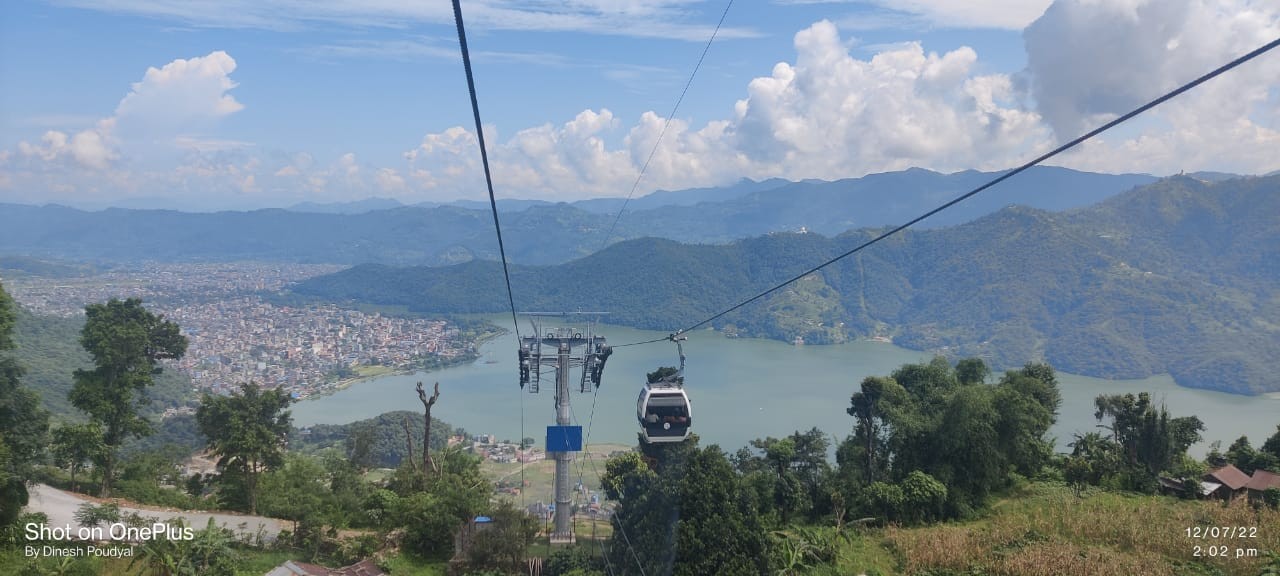
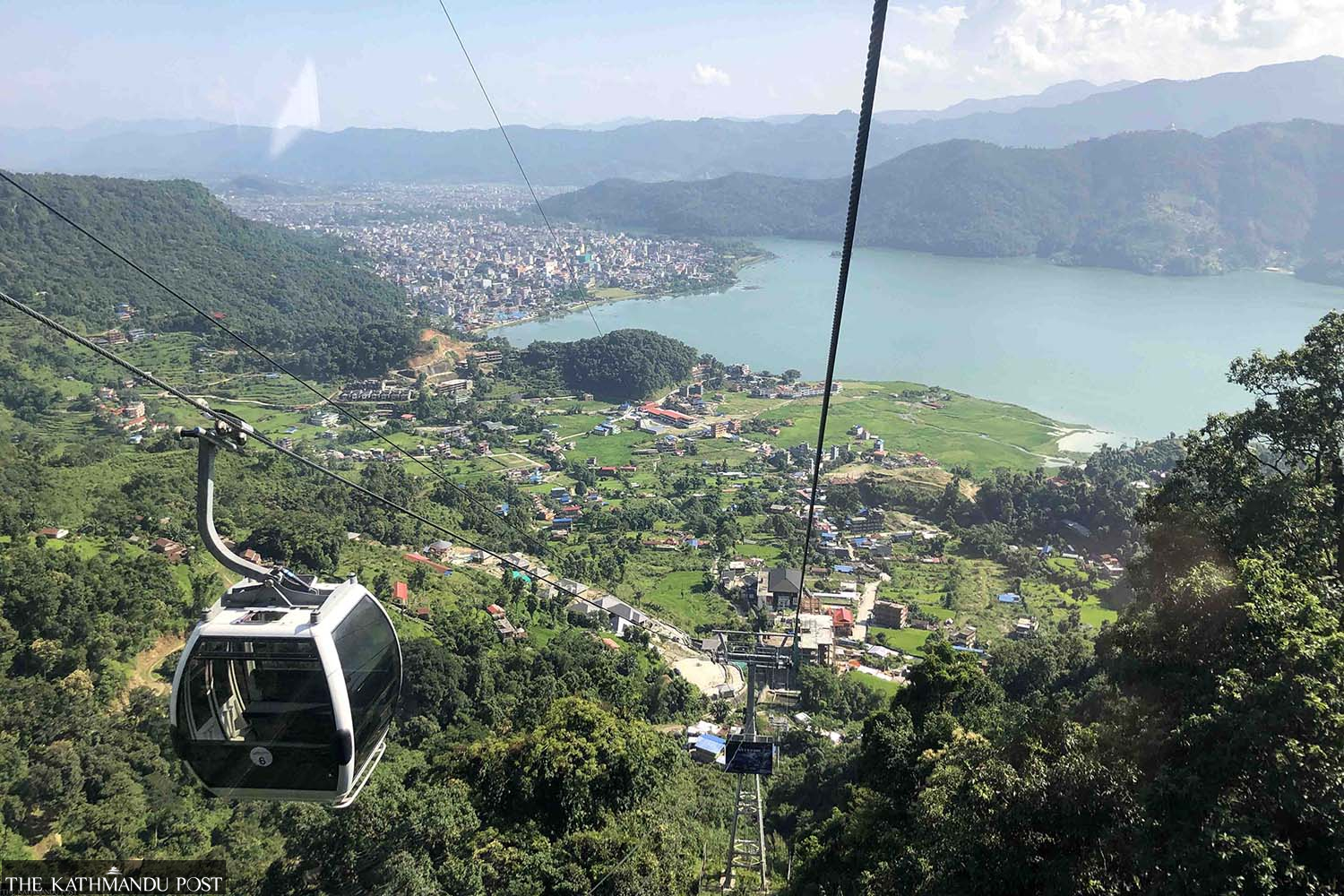
    Sarangkot stands as one of the most visited panoramic locations which you can find near Pokhara in Nepal. The location sits above sea level at 1,600 meters on a ridge which presents a spectacular view of the Annapurna mountain range including Annapurna I and Annapurna South along with Machhapuchhre (Fishtail) and Dhaulagiri. Visitors who go to this spot during clear mornings have the chance to experience a breathtaking sunrise when sunlight first touches the snow-covered peaks forming an enchanting show. Sarangkot presents magnificent mountain scenery while showing extensive views of all Pokhara Valley together with Phewa Lake and tranquil rural areas that contain villages and terraced agricultural fields. The location remains easy to reach from Pokhara thus making it a popular destination among visitors and local people.

    Pokhara_Sarangkot

    Potential Future Plans in Manang and Mustang Regions:

    The Manang and Mustang regions which contain valuable natural beauty and cultural heritage remain under consideration for cable car route expansion through ongoing discussions and feasibility studies. The initiative seeks to provide improved access to tourists who lack the ability to complete demanding treks but wish to view the beautiful Himalayan landscape. The development planners are maintaining strict conservation protocols while they advance tourism growth. The implementation of cable car projects through proper management would decrease the usage of fragile trekking paths and cut down on rough mountain road traffic and protect delicate ecosystems while supporting local economic development. The successful implementation of these projects could both expand tourism possibilities and maintain the untouched nature of these high mountain areas.

    Combining Trekking with Cable Car Rides

    Most travelers who seek adventure and convenience find the combination of traditional trekking with modern cable car rides to be an ideal balance between adventure and comfort. Visitors have the choice to hike specific trail portions while using cable cars to skip sections that present time constraints or physical challenges. The method enables people with different fitness abilities or time restrictions to experience the breathtaking scenery.

    Starting your trek at Besi Sahar you can make your way to Manang through cultural villages before experiencing the mountain scenery and monasteries on the route. The development of cable car routes in this area would provide trekkers with the option to use a cable car to bypass demanding high-altitude climbs especially the steep sections that lead to Thorong La Pass. The journey would become more accessible for everyone while preserving the authentic trekking experience.

    Once your trek comes to an end you have the opportunity to continue your adventure by visiting Pokhara. The Sarangkot cable car delivers its final reward through panoramic views of the Annapurna range along with Pokhara Valley and Phewa Lake which create a perfect ending for your Himalayan journey.

    Why Cable Car Matters for 2025 and Beyond

    Nepal’s ongoing tourism infrastructure development creates new opportunities for people to experience adventure while maintaining accessibility to attract more visitors. The Annapurna Circuit that started as challenging long-distance treks now transforms into a multi-experience destination through its trekking routes and cable car options.

    • The traditional routes remain available for Adventure Seekers who want to experience complete Himalayan trekking through diverse landscapes and remote villages and high mountain passes.
    • The development of cable cars enables visitors with time limitations or trekking limitations to reach some of the region’s best viewpoints which provide breathtaking mountain views without requiring long or difficult hikes.
    • The installation of cable cars allows families and travelers to experience Nepalese mountain beauty by providing an alternative to trekking which they cannot manage physically.
    • The inclusive strategy enables the Annapurna region to expand its visitor base while protecting its natural and cultural heritage for future generations.

    Cable Car:

    Practical Tips for Your Annapurna Cable Car Adventure

    The best time to visit: Spring (March-May) and Autumn (September-November) provide the greatest weather conditions and visibility.

    Permits required: TIMS Card and Annapurna Conservation Area Permit (ACAP).

    Preparation: Even with cable cars, proper acclimatization and fitness are important if you’re trekking high-altitude sections.

    Local guides: Consider hiring local guides for a richer cultural experience and safety.

    Final Thoughts

    The Annapurna Circuit stands as one of the leading trekking destinations around the globe. The introduction of cable cars in Nepal demonstrates their commitment to modernization alongside their dedication to protect their natural and cultural assets. The Annapurna region now has expanded opportunities for visitors to experience its breathtaking landscapes regardless of their trekking experience.

    Start planning your Annapurna Circuit and cable car adventure today to see how traditional elements and modern conveniences coexist perfectly in Nepal’s Himalayan region. Contact us today at Happy Mountain Nepal, on Facebook, Instagram, or TikTok .
  • Nar Phu Valley Trek: 18 Must-See Tibetan Villages, Monasteries

    Nar Phu Valley Trek: 18 Must-See Tibetan Villages, Monasteries

    Nar Phu Valley Trek: 18 Must-See Highlights in Nepal’s Hidden Himalayan Jewel

    Nar Phu Valley Trek is a challenging and exclusive Himalayan trek as it lies in the rain shadow region of Annapurna and Manaslu range. The trek is relatively new to the world compared to other Nepal treks and offers an opportunity to experience virgin Tibetan-style culture, natural landscapes, and medieval monasteries. 

    This Photo was taken on the top of Kangla Pass (5320m) during the Nar Phu Trek with Happy Mountain Nepal Banner!!
    Kang-La Pass (5320m)


    1. Koto: Gateway to Nar Phu

    Koto is a small village in the Manang district and a major tourist destination as the Nar Phu Valley trek begins here. It is a Marsyangdi River village with beautiful views of the surrounding valleys and mountains. Koto is an entry point into inaccessible Nar Phu Valley and therefore the edge of densely populated Annapurna Circuit and Nar Phu since it is out of reach, and culturally significant to the trekking tourist excursion. It is also the spot of last contact prior to the entry of the trekkers into the Nepalese district of Annapurna Circuit, prior to transitioning to some more remote, less traveled, and inhabited region.

    Koto provides a stretch of similarity to the Annapurna in its mixture and transformation from each commerce to peace. There is an otherworldliness quite unlike that among the villages, but trekkers are able to access a few shattered guesthouses and local bars for basic amenities, but it’s so much quieter than tourist treks along the path. Koto still retains the Annapurna connection, as opposed to further along the trail later, as you descend from Nar Phu into more touristy trails.

    Thanchowk village near Koto
    Local Villages Thanchawk


    Key Highlights

    • Small village, beginning of the Nar Phu Valley trek
    • Along the Marsyangdi River, with good views of the riverside and valley countryside
    • Check point entrance to Nar Phu Valley
    • Last touch and feel of the more touristy part of the Annapurna Circuit trek
    • Sparse local shops and guesthouses for basic amenities
    • Spot ideal for acclimatization and preparation for the next trek

    2. Meta Village: High-Altitude Beauty

    Meta Village is at about 3,560 meters, the initial significant ascent of the Nar Phu Valley trek. T Village treats visitors with beautiful snow peak and stone landscape views and invites the trekkers to acquire 360-degree panorama views of the breathtaking high Himalayas around them.The climb to Meta has a scenic change in the hike. When the hikers climb, they will be climbing out of low altitude world and into a region where the cool, fresh air is considerably thinner because of the visual screens of the low alpine clubs having accreted, and mountain scenery again dominates.

    The altitude and weather also make it a good stopping place and acclimatisation point since the body starts to feel the effects of high altitude., It also gives the trekkers a chance to rest and enjoy the serenity of the atmosphere in Meta.

    The remoteness and wilderness levels begin rising very noticeably at Meta, and there are sufficient opportunities here to witness the high-altitude views characteristic of the Nar Phu Valley region.


    Key Highlights

    • Meta lies at an altitude of 3,560 meters, thereby initiating the first high ascent.
    • The panorama continues at Meta as well, now incorporating the snow-covered Himalayan summits.
    • Meta also has real Tibetan chortens that are accessible, which add cultural value to the landscape.
    • The transition from low pine forest to alpine tundra will be observed.
    • It is also a good spot to acclimate to these higher altitudes before hiking up further.

    3. Chyaku Village: A Model Tibetan Village

    Chyaku is a clean, small village along the trek route of Nar Phu Valley. The village exposes one to the life of high-altitude Tibetan village lived long years ago in such a model village. Mani walls, partially religious in nature, farming, craft and farm occupations, and yak grazing are some of the other sources of information available to the trekkers.
    Backed by a picturesque mountain landscape, Chyaku provides trekkers with a peaceful area to relax and open to a lot of culture, history, and nature of living calves and mules. Small village but worth the trekking endeavors if trekkers proceed to another destination to Kyang.

    Traditional mud roof Houses of Phu Village.
    Phu Village

    Key Highlights

    • Ancient traditional Tibetan village with yaks for grazing.
    • Mani walls and areas to observe local culture.
    • Peaceful and quiet place to observe and learn.
    • Symbolizing villagers’ piety and farm life
    • Superbculturale experience offered by the village

    4. Kyang Village

    Kyang is an even more isolated, traditional-type village further up in the Phu Valley. It is famous for its hidden history as the guerrilla base of the Khampa Tibetan warriors. It is blessed by its isolation, which creates atmosphere and aura, and offers also a dash of history to the trekkers. Kyang also allows you to see the new landscape of hills and valleys, and know more about the culture and history of the place. It is just a village, but it allows you to enjoy the past village life so long, long ago far in the distant so many years ago with the nice feeling of remoteness.

    It is also well equipped to spot wildlife across the entire region, with blue sheep or walrus grazing in close proximity. Kyang provides the view of Nepal in all its different sizes from trekking’s easily affordable price tag. Kyang provides the combination of Nar Pehu Valley trekking and heritage.

    Key Highlights

    • A typical village where Khampa resistance guerillas had made camp.
    • Kyang is old and therefore is well to study the Tibetan uprising.
    • It contains Phu valley and hill scenery.
    • Kyang is a village and thus peaceful and silent.
    • Kyang is good for trekking and wildlife.

    5. Chomocho Gufa Village: Cave Colony

    Chomocho Gufa is yet another of the unknown treasures but no less intriguing places on the Nar Phu trek. In Chomocho Gufa, cave homes typical of the region can be seen. The caves are part of the region’s history and culture as far back as to serve as a hideout and training grounds for rituals. Chomocho Gufa village consists of some residential house and is distributed in clusters in the caves. Shelter caves offer the trekker raw unadulterated wilderness of the location.

    Not only will the trekkers be staying in a cave facility, but they also will be exposed to the spiritual aspect of the caves. Experience shows that it is only a few people who even carry out some of the old religious rituals. They are isolated in solitude from other humans. Apart from barren natural scenery, serene place, and devotion, such cave shelters are one of the best-kept secrets of Nar Phu Valley trek that can deliver the true essence of spiritual experience to the divine as well as Himalayan natural scenery.

    Key Highlights

    • Famous for its natural cave shelters to pray and relax.
    • Small village of only houses surrounding the caves.
    • Spiritual and serene.
    • Opportunity to observe this area’s wild nature.
    • Hike ideal for finding solitude and exploration.
    • Gem with sense of religious and cultural significance.

    6. Gho Chorten – Holy Buddhist Shrine of Devotion

    Gho Chorten is significant holy shrine along the way to Nar Village. Rainbow-colored Buddhist mega-statue lies at crest Nar Valley gate and provides spiritual and geographical significance. Wound about with bright red and orange-colored prayer flags, and tightly cropped wooden planks, chorten is consecrated to trekkers as well as pilgrims. Chorten becomes a symbol as much of defense as religion for trekkers who move further up to restricted, out-of-bounds, and distant Nar Phu Valley.

    Other than religious worship, Gho Chorten becomes a resting point for trekkers to take a break, sit quietly and reflect, prior to making it up the way to higher Nar Village. Gho Chorten is more than a beat; it’s a cultural symbol reminding travelers of the spiritual side in the countries they travel through.

    Beautiful Gho Chorten on the wat to Nar village
    Gho Chorten

    Key Highlights

    • Sacred Buddhist shrine that represents the climb up to higher Nar Phu Valley.
    • Inscriptions carvings and prayer flags encircle it.
    • Spiritual shrine for pilgrims and trekkers alike.
    • Symbol of protection and blessings to travelers that tread over.
    • Peaceful place of contemplation and reflection.
    • Cultural symbol amidst the wilderness landscape of Nar Phu Valley.

    7. Phu Village: The Fortified Village

    At 4,250 meters, Phu Village is a small village frozen in time. The village is made up of stone cottages climbing the hillside in a Medieval fortified landscape as pretty as a picture.

    The white mountains give a dramatic backdrop to the landscape. The scenery is so rugged, you will not be trekking without acclimatization first. Phu is also a good place to sit, think, and choose whether to climb or not. Physical manifestations of ‘Tibetan’ effects on cultures left in Phu village are achieved by monasteries in the region, prayer flags, and use by locals is a combination of physical characteristics of nature, shape, and material of cultural heritage.

    View of Phu village from Phu Gate
    Phu Village

    Key Highlights

    •  Villages constructed over a pile of rocks along the hillslope
    •  Panoramas from the top of the hill over the hills
    • Closest to an ancient Buddhist gompa
    • Strong Tibetan cultural influences
    • Best acclimatization location
    • Quiet and tranquil residential location

    8. Tashi Lakhang Gumba, Phu

    Tashi Lakhang Monastery is located above Phu village and is among the best religious locations within the area for the whole Phu district, and one blessed by His Holiness the Dalai Lama, one of the oldest monasteries in the region, and is rich, long, with and full of religious heritage of the region. Trekkers are able to witness the ritual of the monk and the session of prayer and even become familiar with the underside of religion in the area.

    The peace in the air and the sacredness of the location allows the trekkers to lose themselves in the materiality of the trek and enjoy a sense of surrealists concerning the peaceful environs around the Himalayas. It is what gives you the same time-warped feeling as the trekkers have when described the peacefulness around the Himalayas.

    Tashi Lakhang Gumba monastery at Phu
    Phu Monastery

    Key Highlights

    • One of the oldest and most sacred monasteries in the region.
    • Adorned by His Holiness the Dalai Lama.
    • Living monastic complex and performing rituals to a traditional standard of refinement.
    • Panoramic views over Phu valley.
    • Sanctity and peace of the location, conducive for personal meditation.
    • Ancient, rich heritage based upon Tibetan Buddhism.

    9. Old Phu Gumba

    The Old Phu Gumba, as face-oriented towards the direction of Phu Village, is a truer name to utilize when making reference to the religious history of the region. The Old Phu Gumba was built numerous centuries ago and contains religious items and religious material of the utmost importance to local Buddhists. Although the residents thought that it was an ancient cultural landmark, the Old Phu Gumba is still an operational site where the residents continue to perform religious and spiritual rituals.

    Buddhist cultural heritage of the valley is Old Phu Gumba. The old and weathered look speaks volumes about the enormous cultural heritage of the place in the shape of murals and relics. The bygone and sacredness of Phu, its people, can be felt by the trekkers.

    Key Highlights

    • Ancient relics and writings.
    • Ideal place just above Phu Village.
    • Get attuned to the ancient spirituality of primitives.
    • Demolition of the edifice that has seen four centuries of history.
    • Silent site of contemplation.
    • Sense of union with valley Buddhism.

    10. Mt. Himlung Base Camp: Wonder of the Himalayas

    Despite the fact that a trekker may not be a mountaineer but someone eager to try out challenging treks, visiting the Mt. Himlung Base Camp as an add-on trek will prove to be an exciting adventure for trekkers looking to seek it out. Very easy to slot into your itinerary, save time, and highly recommended to slot into the travel calendar. The base camp is 4,900 meters north-east of the mountain with stunning close-up panoramas of Mt. Himlung, a 7,126-meter-high peak. It ascends to the summit base camp with glaciated terrain, a fairy-landscape of awe-inspiring scale in this small range of mountains.

    Mt. Himlung Base Camp is a trekking trail for Mt. Himlung trekkers but not for the adventure junkies for a trek to attain some space travel. The scenic view of Mt. Himlung Base Camp is nothing but something of a photograph, and one of the most isolated areas which are not explored, and also a spot on the map.

    Himlung Base camp with tent of climbers with snow
    Humlung Base Camp

    Key Highlights

    • Panorama of Mt. Himlung at 7,126 meters.
    • Hike glaciated terrain with a close-up panorama of the Himalayas.
    • Side trip through an unconventional and rewarding terrain.
    • Trekkers’ acclimatization trail.
    • The linear beauty of an un-promenaded alpine terrain.

    11. Nar Phedi Monastic Institute

    Nar Phedi is a small but very famous monastery school between Nar and Phu. It is a location and point of encounter of the trekkers where they rest and have hot food for an overnight halt in the remote Nar Phu Valley.

    The physical surroundings of Nar Phedi are as serene as possible. It is a far, quiet spot, between enormous Himalayas; it is where there is a beautiful monastery. Nar Phedi sleeps at night, hikes, and prays at midnight just to be in serene surroundings by itself. It is where trekking is rainy and mapped in contact with religion and human beings that envelop and cover the valley.

    Nar Phedi Monastic Institute where resident Monk
    Nar Phedi Monastery

    Key Highlights

    • Shelter and food for the trekkers.
    • Quiet and peaceful environment.
    • Evening prayer and spiritual life.
    • Unselfish hospitality and warmth of the nuns.
    • Get refuge from inclement weather.
    • A chance to witness the monastic way of life of one of their valleys firsthand.

    12. Nar Village: The Monastery Village

    Nar Village is yet another of Nar Phu Valley’s larger villages. Phu Valley has less gompas (monasteries) and hence Nar “Monastery Village” offers livelier and more vibrant religious town with Tibetan community attraction than Phu Village. It has the older high Buddhist monasteries which even now still function as full prayer centres to see the centuries-old Tibetan Buddhist routines, traditions, and rituals.

    Nar architectural conservation is of international standard with structures a few years old and built under genuine Tibetan architecture. The tradition is depicted in the form of prayer wheels, butter lamps, and holy murals sacred sacred being “sacred” symbolizing another form of magical experience embracing saved structures and praying community in tones of colored shades.
    Also called the “Monastery Village of Nar,” monasteries are filled with sign posts as a witness to thriving Buddhist culture as living itself in any conceivable form.

    Nar Village  & mountain in the background
    Nar Phu Valley Trekking in Nepal

    Key Highlights

    • High concentration of monasteries with deep religious connection.
    • Well-bLENDED Buddhist village with the vibrancy of people.
    • Well-preserved traditional Tibetan architecture in a condensed form.
    • Vibrant centers of lethal traditional ritual and ceremonies.

    13. Nar Village Guru Rinpoche Statue

    The Guru Rinpoche statue, one of the most religiously important places in Nar that is outside of the village, is a symbol of Nar’s Buddhist past. The Guru Rinpoche statue, a figure of Tibetan Buddhism’s religious founder (Padmasambhava) and Nar’s, has a sweeping view over the entire valley and was a beautiful place to sit and pray.

    One of the largest pilgrim places is that of Gurerinpoche’s and where most of the natives take their trip to pay their respect. More religious significance in scenic beauty makes a destination point a destination point tourist attraction when at Nar. That point symbolizes the statue of wisdom, compassion, and information donated by the Tibetan religion of Buddhism, hence having a peaceful site-seeing and contemplation moment when it comes to dimensions of life.

    Tashi Lakhang Gumba, Phu
    Monastery

    Key Highlights

    • Represents the founder of Tibetan Buddhism, Guru Rinpoche.
    • Has a commanding view of Nar Village and the entire valley.
    • Peaceful good place to meditate and contemplate.
    • Good view of mountains in all directions.
    • Sacred place of pilgrimage for locals.
    • Representation of Buddhist philosophy, wisdom, and compassion.

    14. Old Nar Gumba

    Old Nar Gumba is just a short walk away from Nar Village. It is an ancient monastery that survived the test of time. Old Nar Gumba also features a rich presentation of Buddhist paintings and murals, thangkas (holy paintings), and holy remains. Of particular interest here is the fact that nuns and monks reside and operate at Old Nar Gumba up to this moment – monastic standard norms and expertise exchange with trekkers and maintenance by Old Nar Gumba of way of life is offered. Old Nar Gumba’s historical importance and religious importance of the Gumba make the trek worth undertaking for travelers. The contrast between the modern day and ancient customs still being adhered to provide trekkers with a vision of Nar’s history through the religion of Buddhism. The Gumba left an impression that will be worth it to almost every trekker and every visit to Old Nar Gumba that we highly recommend you to undertake.

    Key Highlights

    • Historical monastery with spiritual relics and thangkas.
    • Sneak peek into the monastic culture of the place.
    • Soothing, peaceful ambiance for meditation.
    • Conservation of ancient traditions or sympathy towards Buddhism.
    • Cultural hub for the Nar citizens as well as trekkers that would be an interesting place to loiter for them.
    • Intellectual understanding of the spiritual rituals of the Nar citizens.

    15. Nar Gumba: Spiritual Heart of the Valley

    Nar Village’s second religious complex following above is Nar Gumba. It is an active monastery with peaceful frescoes, prayer wheels, and butter lamps. Nar Gumba is an active monastery where spiritual teachings are taught and in-resident monks and lamas disseminate Tibetan Buddhism.

    The surroundings of Nar Gumba are scenic as well, of the same quality as Nar village between two hills and down in a valley. The spiritual quiet and intent of Nar Gumba would be a memory each time.

    Key Highlights

    • Spiritual heart of valley life.
    • Pictorial frescoes, prayer wheels, and butter lamps.
    • Lively religious hub of ritual and scholarship.
    • Mountain and valley views.
    • Maintains regional religious culture and tradition.
    • Regional religious and spiritual meaning to trekkers and relativistic.

    16. Kang La Pass: Epic Himalayan Crossing

    Kang La Pass, slightly higher, 5,306 m, is relatively tough section of Nar Phu Valley Trek. It provides steep acutes climbs to the trekker. The trekkers have an opportunity to view surrounding mountains: Annapurna II, Gangapurna, and Tilicho Peak on the pass. Beauty is fully worth all the hassle to access.

    The way down from Ngawal, the back of the pass, is the same breathtaking panorama one has just seen but a tiny bit more breathtaking views of the Annapurnas. Kang La Pass is a whole Himalaya experience as much with breathtaking panoramas, savage weather, and breathtaking panoramas. Kang La’s steep climb and Kang La’s steep way down are the highlight of any trek and make the trekker feel wonderful and proud.

    Top of Kang La Pass (5,320m) with the views of surroundings Himalayas & valleys
    Kang La Pass

    Key Highlights

    • Climb the top of high pass at 5,306m or 1,813 ft.
    • Scenic view of Annapurna II, Gangapurna, and Tilicho Peak.
    • Point where Annapurna Circuit of Nar Valley converge.
    • Drive to Ngawal for beautiful Himalaya view.
    • Adventure, difficult trek to provide a real Himalayan experience.
    • Easy, pleasant, and rewarding pass.

    17. Nar-La: Off-the-Beaten-Path Adventure

    Nar-La Pass (5,400m / 17,700ft) may be one of the least-worn and most off-the-beaten-path of the Himalaya passes. Being one of the less-worn passes, it can also bring visitors peace and stillness.
    In comparison to what the other passes, with their trekking tourists numbered in hundreds, like Kang La Pass, are subjected to. It is the only pass that leads the visitors to the Mustang region, which we can turn into an off-the-beaten-track. With other trekkers trekking in Phu Valley, perhaps we would have peace of mind if fortunate. As with the trail itself usually being so demanding, trekking itself provides us with a complete panoramic view of mountains and valleys, nearly up to the top of the pass.

    The pass generally goes through we trek the Nar Phu Valley. The valley is most famous for its harsh, high-altitude conditions and rich heritage. The Nar-La Pass also offers great chances for trekkers to see and experience the rich culture of the Tibetan-influenced villagers, particularly from local monestary buildings, unique community traditions, and the country’s lush vegetation and wildlife.

    Key Highlights

    • Harsh, high-altitude conditions quietness, away from other trekkers
    • Local Himalayas’ ridges and valleys
    • Rich cultural life through the interaction of indigenous Tibetan residents
      far-flung villages, where locals maintain traditional ways of life.

    18. Teri La Pass: Gateway to the Forbidden Kingdom

    Teri La Pass (5,595m) is not only one of the most isolated passes of the Himalaya, but also among the highest passes, situated in the rugged terrain of Upper Mustang. It is highly demanded by Himalayan trekkers due to its remoteness, harshness, and scenery. Teri La Pass has a special crossing permit and logistic support needed since it is not readily accessible. Trekkers passing through Teri La also must admit that the trek is not only physically demanding in the absence of an acceptable trail, but even climatic conditions become risky, and altitude becomes hazardous. Rather than a physical expedition, traversing Teri La Pass can be termed an odyssey to the “Forbidden Kingdom” of Mustang.

    Mustang is a region that appears frozen in time. It is an experience where one gets to catch glimpses of moments of this very cultured and religious region, where Tibetan culture with very ancient traditions dominates The trekkers trek through the Teri La Pass to reach the isolated and peaceful ends of Upper Mustang and discover an unimaginable landscape which is horrific emptiness, gigantic emptiness, peaceful forms of beauty based on ancient Tibetan Buddhism.

    Mustang Valley with Nilgiri mountain

    Key Highlights

    • Home to one of the most isolated and some of the Himalayas
    • Requires a special permit and logistic support to view
    • Unparalleled beauty with snow-capped mountain ranges and boundless horizons.
    • Association as a culturally diverse Upper Mustang Region.

    Conclusion

    Nar Phu Valley Trek is not trekking—it’s a walk on living history, spiritual heritage, and sheer nature’s magic. It’s a trek on the path of ancient monasteries, secret villages, and traditional Himalayan passes, and along every step of history. It’s an adventure for someone who sees beyond mountains—an adventure to the past along a forgotten path. Contact us today at Happy Mountain Nepal, on Facebook, Instagram, or TikTok
  • Annapurna Circuit Trek

    Annapurna Circuit Trek

    Annapurna Circuit Trek is the world’s most popular and fulfilling trekking trail that provides trekkers with the pleasure of an enchanting mingling of virgin nature, cultural heritage, and a sit-on-the-edge-of-your-seat adventure. Being at the core of the Himalayas, the trek is a trek from start to finish, whereby you would be able to observe the emerald valleys, meadows of alpine forest, and snow-white peak mountains, and also undergo the different traditions of the inhabitants. A seasoned trekker and also an amateur trekker taking it through an adventure trail, there is something for all at the Annapurna Circuit.

    Thorang la Pass
    Annapurna Circuit trekking in Nepa;l


    Description of the Annapurna Circuit Trek

    Annapurna Circuit Trek, or simply referred to as the “classic trek,” is approximately 160 to 230 kilometers long, depending on the trek route, and starts at low Annapurna foothills and ascends as high as Thorong La Pass (5,416 meters).

    The hike is around 12-21 days in duration and varies from subtropical jungle through to alpine grass and rough dry land on the other side of the pass. The tourists would have the opportunity to view villages, monasteries, and people leading conventional lives of Gurung, Thakali, and Manangi tribes on their way.

    A Varied Landscape Trek

    Annapurna Circuit Trek is a reward-risk, varied landscape trek. Trek begins in middle of the valley at dark green dense subtropical oak and rhododendron forest. With rising altitude, the terrain has been sculpted into extraterrestrial beauty of alpine grassland, glacial brook, and bare boulders. Gradient from low to high altitude is progressive, and trekkers have luxury of acclimatization.

    Lower Annapurna

    The trekking route begins from Syange and Besisahar villages. Subtropical forests and wildlife make up this region. The trek presents smiling, warm villagers with tended fields and verdure too. Acclimatization for trekking in the Himalayas is offered by the lower part of the trek with a view of Machapuchare and Annapurna ranges in this range.

    Manang Valley

    The climbers continue climbing and climbing, and they arrive at Manang Valley. It is encircled by the Annapurna II, III, and IV mountains themselves and hence it is a resting spot as such. The climbers rest here for two days of acclimatization so that they would not be disturbed by mountain sickness. The local stone houses of the region and the Buddhist monasteries show most of the religiosity and culture of the region.

    annapurna

    Thorong La Pass

    The trekker’s trinity holy, Thorong La Pass itself at 5,416m, is challenging but exhilarating to get to. The view from the top is breathtaking, with he rolling sweep of the immediate Himalayan ridges. Snow-capped Annapurna peaks and the Tibetan Plateau in the distance are the trekker’s Eldorado in pursuit of the pass.

    Jomsom & Muktinath

    Blowing snow, freezing. Trekking to Jomsom and Muktinath through Thorong La Pass. Shelled by ruthless Tibetan soldiers, Buddhist temples, stupas, prayer flags, and monasteries. Buddhists and Hindus have both consecrated Muktinath as a holy place holy place and one single temple was built in memory of Lord Vishnu. Muktinath’s serene religious scene is a serene peak to the Annapurna Circuit Trek.

    Immersive Cultural Experience in the Trek

    The natural landscape of the Annapurna Circuit is the most spectacular attraction, yet the experience of culture one gets while trekking there is equally invaluable. Trek leads through a series of villages and hamlets to be passed and meet the inhabitants and experience their life and culture.

    Ethnic Diversity:

    Annapurna region is ethnically rich with the Gurung, Thakali, and Manangi population. They have a unique language, culture, and way of life. Rural life like Ghandruk with stone houses and wooden ornamental temples that represent Gurung society, but Thakali food is exotic cuisine with fewer reliance on dal bhat and momos.

    Hindu and Buddhist influence:

    Buddhist prayer flags, stupas, and monasteries are scattered along the Annapurna Circuit, with a powerful presence being experienced in Manang and Muktinath. Apart from providing it with its beauty, there is the radiance of the traditional geographic Hindu and Buddhist cultural gems from one location to another. Then there is the Muktinath Temple at Muktinath, a holy pilgrim temple shared by Buddhists and Hindus, where pilgrims are purified by 108 spouts of water as they undergo a purification ritual.

    Local Food:

    Local Nepalese food of the region is most accessible by staying within the trek itself. Treks’ teahouses are located within villages where local food is eaten. Dal bhat (lentil soup and rice) is standard fare, then noodle soups, momos (steamed dumplings), and Tibetan bread. Trek food tastes bland but healthy and gives the trekker plenty of vigor for the day’s trek ahead.

    Adventure and Thrills: Thorong La Pass Crossing

    The crowning glory of the Annapurna Circuit Trek is Thorong La Pass, a pass at high altitude, owing to having notoriously volatile attitude, owing to its legendary climatic conditions. Overcoming the past is an achievement owed to sheer persistence and tenacity.

    The Ascent:

    The Ascent to Thorong La Pass is a most exhausting, lengthy exercise, either from the High Camp or from the Yak Kharka region. The most dangerous part of trekking people try to complete it in the morning so that they don’t have to run the risk of being blown up by gusts in the afternoons, and also have enough time to return.

    The Descent:

    Downhill descent to Muktinath is achieved after trekkers have reached the top once and for all, and steep and rocky in some places slopes slope downwards. Steep descent becomes possible from higher altitudes, and relief of trekkers is felt mainly after lower altitudes are reached.

    Acclimatization and Altitude:

    Acclimatization is essential to avoid altitude sickness. Trekkers must allow for additional days of acclimatization at a higher altitude before ascending to Thorong La. Ascent based on altitude and rest days will make the trek safer and more enjoyable.

    Optimum Trekking Time to Annapurna Circuit

    The trek to Annapurna Circuit can be accomplished throughout the year, though the best time for arranging this trek is either during the spring season from March to May or the fall from September to November. They are the times for guaranteed weather, blue sky, and an excellent view of the mountains. Rhododendron forests laden with pink-blossomed flowers make a bonus trip feature in the spring. In fall, one is offered fair weather, with a nice cool climate perfect for the trek.

    Total Cost Breakdown

    1. Permits

    You will also have to carry two significant permits with you while you walk along the Annapurna Circuit: the Annapurna Conservation Area Permit (ACAP) and the Trekkers’ Information Management System (TIMS) card. The ACAP will cost approximately NPR 3,000 (or USD 25) and goes towards the conservation of the Annapurna area. The TIMS card, which is compulsory for every trekker, costs approximately NPR 1,000 (USD 8) and is utilize for the trekkers’ records in the area for administrative and safety purposes. The cards can be bought at Pokhara or Kathmandu and are compulsory for any trek in the Annapurna area. The cards cost approximately NPR 4,000 (USD 33), a minor but unavoidable cost of the trek.

    2. Transport

    It is a good idea to also arrange transport from and to the Annapurna area. Your trek starts in Kathmandu, and you travel to Pokhara by tourist bus. Bus prices are NPR 1,000–1,500 (USD 8–12) depending on the agency and class. From Pokhara, you travel by bus or jeep to Besisah, where your trek starts. The price will be NPR 200–300 (USD 2–3). For extra comfort or in case of limited time, private transport services, i.e., jeep, can be rent at NPR 5,000–10,000 (USD 40–80) per day. Part of air travel from Pokhara to Jomsom is also utilize for trekking and can be rented for one way at NPR 4,000–6,000 (USD 35–50). Transport cost on average will vary by mode of transport from NPR 5,000 to 15,000 (USD 40–120).

    3. Accommodation

    The accommodation along the Annapurna Circuit is typically in tea houses or guesthouses. On the lower-altitude parts like Besisahar and Syange, the guesthouse accommodation will be between NPR 300 to 700 (USD 3–6) per night. The higher one climbs to places like Manang and Thorong Phedi, the price rises to NPR 500 to 1,000 (USD 4–9) per night because of fewer facilities. Tea houses are very basic in terms of accommodation, i.e., a bed, boarding, and food, but more expensive at high altitudes as logistics are complicate. Accommodation for a 14–21-day trek usually costs NPR 5,000–15,000 (USD 40–120), depending on how many days you trek and what standard of accommodation you use.

    annapurna

    4. Food

    Food is provide by the tea houses during the Annapurna Circuit, which is include in the trekking package. The most common foods are breakfast, lunch, and dinner in the price of total trekkers’ cost. The breakfast is usually NPR 300 to NPR 500 (USD 3–4) and includes foods like porridge, eggs, and bread. Lunch and dinner are also affordable at NPR 400 to NPR 800 (USD 4–7) per session. Where the altitude is higher, i.e., Manang and Thorong Phedi, there is less added cost since locals are distant and there is more operating cost on tea houses. You would be charge NPR 10,000–20,000 (USD 85–170) for food for a 14 to 21-day trek, depending on what one eats for lunch and dinner, and how many snacks and drinks are consume.

    5. Guide and Porter (Optional but Highly Recommended)

    One can hike solo without a guide and a porter, but one should hire one since there are several benefits, including navigating along the trail, carrying heavy backpacks, and receiving geographical and cultural insights. Guide fee would be NPR 2,500–4,500 (USD 20–40) daily, and porter fee would be NPR 2,000–3,500 (USD 17–30) daily. To have a guide and porter is convenient during trekking without weariness and, secondly, for safety, particularly during remote trekking or high-altitude treks. Guide and porter can cost between NPR 63,000-120,000 (USD 540-1,020) for a 1a 4 21-day trek, depending on the duration of trekking and the services included.

    6. Equipment and Gear

    You will need the right equipment to undertake the Annapurna Circuit, i.e., the right trekking shoes, good clothes, a good sleeping bag, a daypack, etc. New equipment can be bought for NPR 5,000 to NPR 15,000 (USD 40–130) based on quality and brand. Or one could opt for rentals if buying equipment is not an option. Day hire of trekking gear such as jackets and sleeping bags is NPR 200 to NPR 500 (USD 2–5) per day. Equipment purchase or hire varies from NPR 5,000 to NPR 20,000 (USD 40–170) depending on preference and duration of the trek.

    7. Miscellaneous Expenses

    You will have to spend some extra miscellaneous expenses on hot showers, gadget recharging, and internet. Hot showers and bath facilities will be provided in tea houses for NPR 100 to 500 (USD 1–4), mostly at higher elevations. Mobile phone, camera, or equipment charging is usually provided for NPR 100 to 500 per hour (USD 1–4). Internet facility is also provided in some tea houses for NPR 200 to 500 per hour (USD 2–5). Tea and coffee are also available on the trek at NPR 100 to NPR 400 (USD 1–4) per unit. The rest adds up, and the trekkers would pay NPR 5,000 to NPR 10,000 (USD 40–85) for the trekking services.

    8. Contingencies and Miscellaneous Expense

    Disasters do not occur, but the unthinkable also has to be consider. Emergency helicopter evacuation, in case of need, would be NPR 30,000 to NPR 100,000 (USD 250–850) depending on gravity and location. Additionally, insurance of NPR 5,000 to NPR 10,000 (USD 40–85) in a bundled package covering normal insurance for medical, evacuation, and delayed baggage is recommend.

     What to Expect: Tips from the Trekkers

    Physical Condition

    Whether the majority of the trekkers are physically fit enough to complete the Annapurna Circuit Trek or not, it will always be in one’s best interest to stay fit. Keeping fitness at a peak level by doing day-to-day exercises like cardio and strength exercises will get you accustom to physical stress.

    Permits

    Trekkers will need an Annapurna Conservation Area Permit (ACAP) and a Trekker’s Information Management System (TIMS) card to trek there. Permits are easily available in Pokhara or Kathmandu.

    Gear

    Proper trekking gear ensures the trek is comfortable and safe. Warm dressing (and in summer too), good treks, reasonable sleeping bags, and a daypack are require. Don’t miss additional clothing for climatic changes from the lowland heat to the high Himalaya cold.

    Porters and Guides

    You don’t necessarily have to trek the Annapurna Circuit with a guide or a porter, but it would be more fulfilling if you have one. Guides can provide some useful information on the geology and culture of the region, and porters can carry your large pack so that you’ll trek more easily.

    Conclusion

    Embark on the Annapurna Circuit Trek for an adventure that will challenge, inspire, and leave you with memories that last a lifetime. Annapurna — peaks that have drawn generations of explorers and mountaineers but it’s more than that. Nepal’s less touristy vacation spots are not choices they are, in the best possible way, true Nepal.

    If you do it differently, you’re spending the tourist dollar, you’re supporting the local culture and you have a better holiday. Contact us today at Happy Mountain Nepal, on Facebook, Instagram, or TikTok

    FAQs

    1. How long does it take to do the Annapurna Circuit Trek?

    The trek would last around 12 to 21 days depending on the route, pace, and acclimatization days. Others cut short by jeep or by half flying the trail.

    2. When is the Annapurna Circuit highest?

    The highest is Thorong La Pass, 5,416 meters (17,769 ft). It is among the highest trekking passes on the planet and one of the high points of the trek.

    3. Do I need a permit to complete the Annapurna Circuit Trek?

    Yes, two permits are need:

    Annapurna Conservation Area Permit (ACAP) – NPR 3,000

    Trekkers’ Information Management System (TIMS) Card – NPR 1,000
    Both can be purchase in Kathmandu or Pokhara.

    4. When to undertake the Annapurna Circuit Trek?

    Best seasons:

    Spring (March to May) – Pleasant weather, rhododendron flowers.

    Autumn (September to November) – Stable weather, best scenery.

    5. Is the trek difficult?

    Moderate to difficult, mainly due to altitude. Proper acclimatization, physical fitness, and preparation are require for a safe and successful trek.

    6. Can beginner trekkers undertake the Annapurna Circuit Trek?

    Yes, even foreigners are allow to do the trek if they are fit, have enough acclimatization days. Even engage the services of a guide or porter to join them.

    7. What kind of facilities?

    Facilities are in guesthouses or teahouses with twin beds and simple rooms, and shared toilets. The more primitive the facilities are, the nearer you are to a higher altitude.

    8. What kind of food do you serve on the trek?

    You’ll find Nepali, Tibetan, and straight Western cuisine, with dal bhat, noodle soup, momos, and Tibetan bread the norm. Food is simple but energy-rich and vegetarian-centered.

    9. Can I trek on my own?

    Independent trekking is permit, but strongly suggested that you contract the services of a trained guide and/or porter for safety reasons, particularly at high altitudes and in secluded areas.

    10. What do I take along on the trek?

    The fundamentals are:

    Hiking boots, insulated coats, windbreakers that won’t let rain in

    Backpack, sleeping bag, water purification tablets

    First aid kit, energy bars, headlamp, and sunscreen
    Good light, weather-resistant packing for all conditions is the key.