
Only in Nepal-You won’t find other places in the world
Nepal is a small and broad nation located between India and China. It contains a nature, culture, and spiritual traditions that are unmatched. It is also home to traditional ways and amazing traditions within some of the most magnificent beauty you will ever see; you will notice that even in the same space you will see some of the most subtle, staggering, haunting, exeeding extraordinary beauty that you could ever imagine. The adventures unique to Nepal are extraordinary.
1. Home to Mount Everest: The Roof of the World
You will witness the grand skyline of the elevations rise over the horizon. The incredible view from Kala Patthar near Everest to the south face is the best. When you reach Everest Base Camp you will be able to view the Khumbu Icefall, the dangerous zone for climbers heading toward the summit.
Above the records, there are multiple cultural meanings to Everest in Nepal known as “Sagarmatha” and “Chomolungma” in Tibet. As long as there have been climbers, trekkers, and adventurers, there has been the highest mass of land drawing people to the highest point on earth. Being up close and personal with Everest touches on the humanity of man and the power of nature.
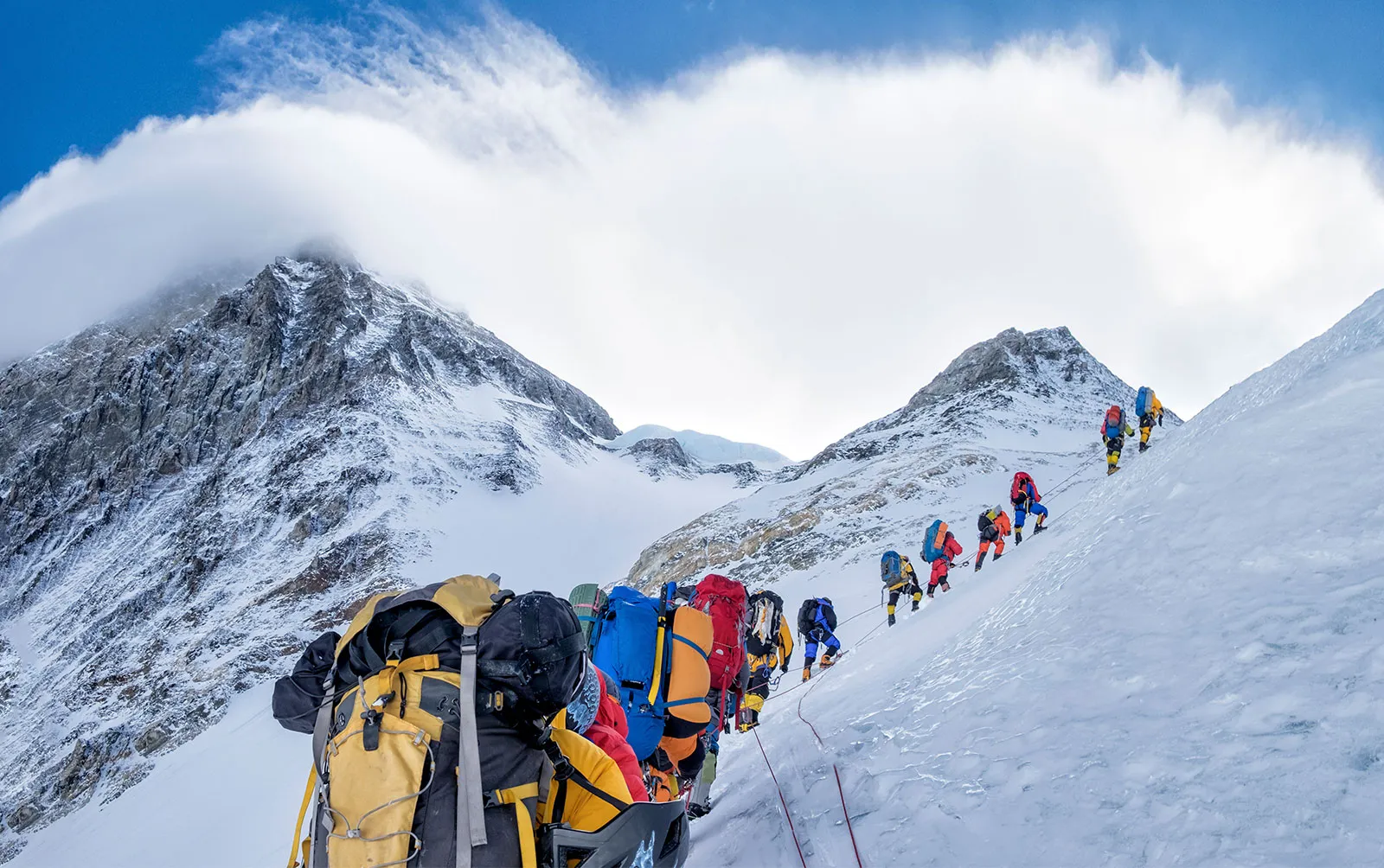
Everest Base Camp Trek will forever be a spiritual, physical, life, and cultural quantum leap in your life. At 5,364 meters (17,598 feet), Everest Base Camp sits around the highest mass on earth, Mount Everest (8,848.86 meters / 29,031.7 feet). Each step closer is trekking on mythological mountain ranges, one hundred-year-old monasteries, old villages from one hundred years ago, and a soul-trek experience that will never leave your memory.
2. The Living Goddess Kumari
A Sacred Tradition of Kathmandu valley in Nepal, the country of older religion and spirituality, is also the home of the world’s strangest living ritualthe Kumari goddess, or Living Goddess. The flesh-and-blood embodiment of earth womanhood, the Kumari is an early-teen girl who must endure a stringent ordeal of selection and also be deified in crown ceremonies, celebration, and everyday living.
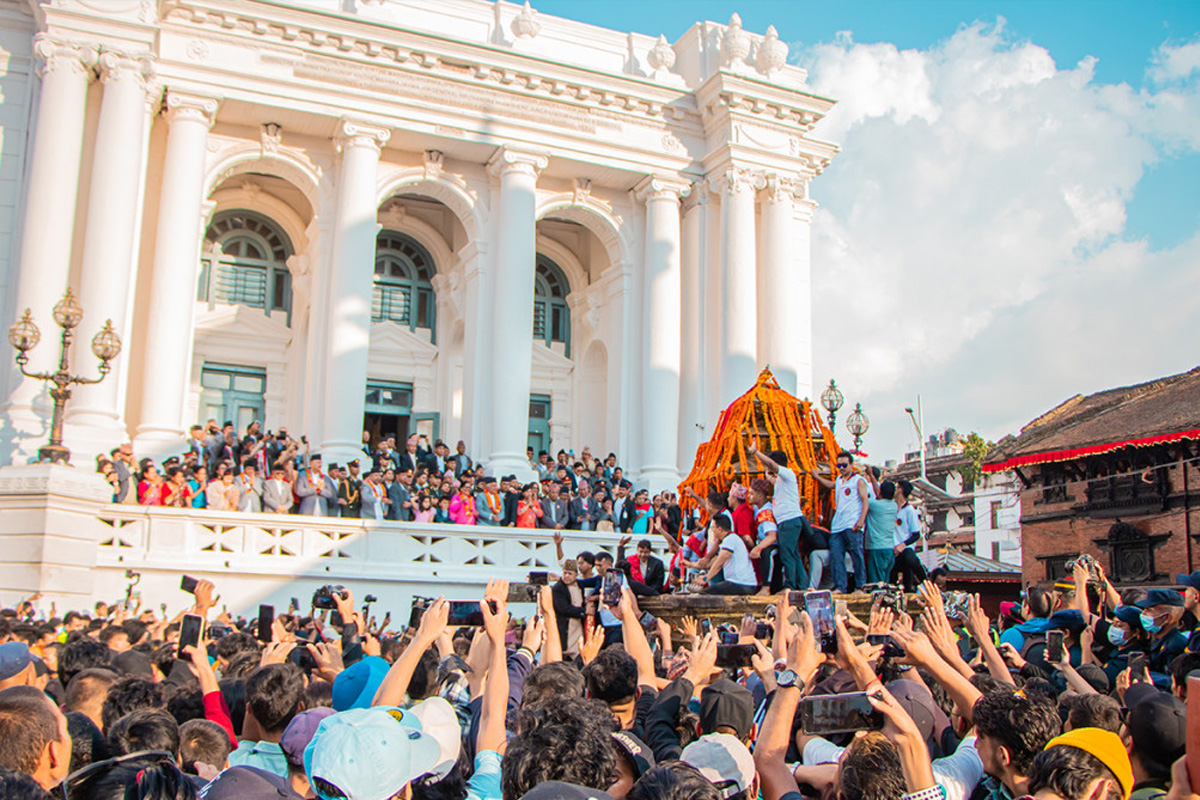
The everyday life of the living goddess, the Kumari, of Nepal is unsettled by ritual purity, complete isolation, and flawlessly symbolic religious significance. With her selection as early as the age of 2–5 years old, the Kumari says goodbye to the birth home and begins her goddess life at the Kumari Ghar (goddess house), the ritual house in Kathmandu Durbar Square. The Kumari’s role is symbolic in and of itself, as the devotees consider that Taleju (the goddess she incarnates) is present in her body.
3. Birthplace of Lord Buddha
Right in the middle of the peaceful plains of southern Nepal, Lumbini is way more than history-it’s a spiritual thing. Utterly sacred, considered to be the birthplace of Siddhartha Gautama, it calls travelers and pilgrims alike to ponder over his life and teaching. It is also one of the UNESCO World Heritage Sites

The Mayadevi Temple: Lumbini
The Mayadevi Temple lies right at the center of Lumbini – a rather modest edifice with great relevance. It shows the very spot where Buddha was born. This temple also enshrines the Marker Stone, considered sacred as it shows the very spot where Siddhartha entered this world.
Peaceful Meditation
Lumbini is not a sightseeing place; it’s a place where one has stopped and reflected upon. Meditating in the calm Peace Garden, taking gentle strides along the silent canal crossing inside the complex gleaming white World Peace Pagoda represents harmony and brotherliness.
4. Diverse Festivals All Year Round
Dashain, Tihar, Holi, Indra Jatra, and Teej festivals are a few examples from a very long list of colourful festivals celebrating the important festivals of both the religions of Hinduism and Buddhism. An experience that is part of the identity for both individuals and visitors to Nepal.
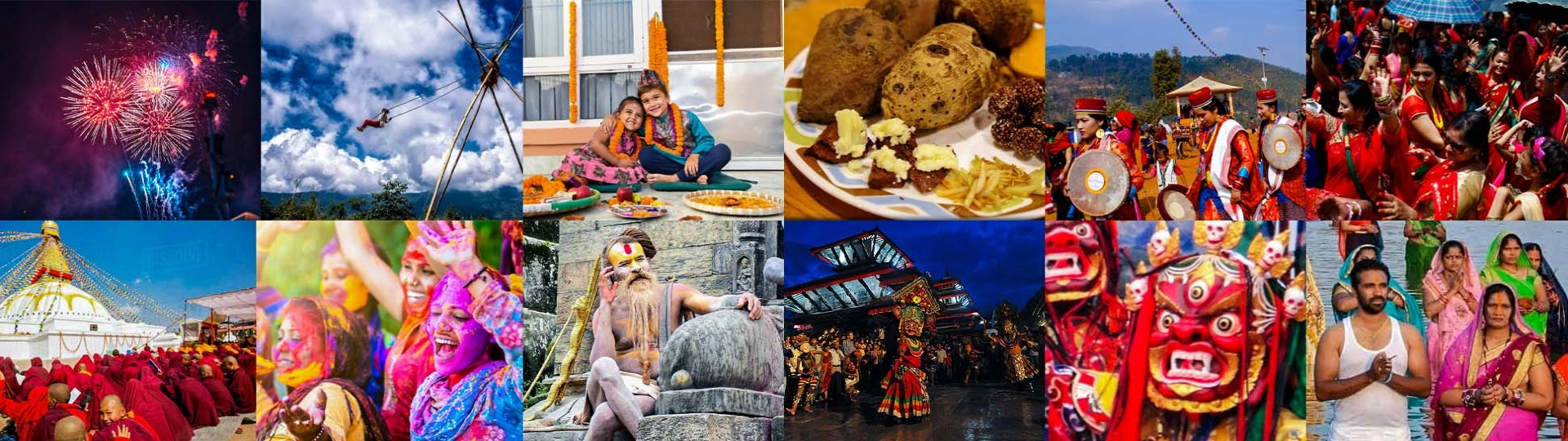
A few festivals are mentioned below:
Dashain
Dashain the biggest Hindu festival in Nepal, celebrates the annual triumph of Goddess Durga over evil. families gather receiving blessings from each elder relative, and share a celebratory meal. Homes are adorned with jamara (barley grass), and handmade kites fly in the sky!
Tihar
Tihar is also called the festival of lights honors crows, dogs, and cows (in that order) on different days. Itis filled with oil lamps illuminating houses and decorative patterns of colours powder (rangoli) creating a beautiful, ceremonial festival culminating Tihar with Bhai Tika marking the love between brothers and sisters is one of the major events.
Holi
Holi is the colourful festival that celebrates spring, victory over evil, and the joy of life. It is a very vibrant festival and the festival of colours where, in the spirit of good will, people throw lots of coloured powder as well as water, into it all! There is so much sound and laughter on the street.
Indra Jatra
Indra Jatra slowed down in action when it mostly became a festival in the Kathmandu city regions to worship the rain god Indra. It was a blending of tradition dancing, masked dancing, and procession, alongside the living goddess Kumatronck Kumari. It was a great festival of spirit, music, lights, and thousands of people.
Teej
Teej is primarily a festival of women, ule, that have been officially married or not, fast and pray for a good husband. After fasting and praying, women wear bright red saris to symbolize the Goddesses, sing religious songs, and dance. It was a testament to devotion, sisterhood, the comidas, and the empowerment of Nepali women.
5. World-Class Trekking Routes
Nepal is a trekker’s nirvana. Nepal has stunning scenery, snow-covered mountains, and a huge range of cultural treks. There is a trek for everyone and every need, from a short scenic stroll to a four week trek through undiscovered wilderness.

1. Everest Base Camp Trekking
Everest Base Camp Trek is the king of Nepal treks. The trek begins with a Himalayan flight to Lukla and climbs through picturesque color villages like Namche Bazaar and Tengboche. The trek is a distinctive cultural trek of the Himalayas with overnight stops only in the old monasteries and Buddhist chortens along the trek.
2. Langtang Valley Trekking
Langtang Valley Trekking, a day trip to Kathmandu, is a glacial stream alpine gem and genuine mix of Tamang and Tibetan traditions. The trek gradually climbs the banks of the Langtang River, to the dense forests of pine, bamboo and rhododendron, before revealing incredible views of rolling lush alpine grasslands.
3. Ghorepani Poon Hill Trekking
Ghorepani Poon Hill Trekking is Ideal and short for the tight budgeter and the first-time trekker. But with plenty of fine scenery. From near Pokhara itself. Just south of Nayapul, it winds its way up through a fine rhododendron forest and the Gurung and Magar villages
4. Gokyo Lakes Trekking
A serene day trekking from Everest Base Camp, the Gokyo Lakes Trek is a glacier valley trekking to a chain of blue turquoise lakes beneath some of the world’s highest mountains. The Lukla trek is all that happens in an EBC tour before trekking to Dole and Machhermo.
5. Mardi Himal Trekking
Delightful and short trekking to Mardi Himal Base Camp on virgin ridge and forest. After Annapurna Base Camp trek, the trek is less populated by humans and a peaceful and calm trekking experience. The trek runs smoothly with good pace from 1,000 meters well above 4,000 meters
6. The Chitwan Jungle Safari
It is the first national park in Nepal established in 1973 . It is located in the hilly geographic region of southern Nepal, in the subtropical lowland, with vast grasslands and woods with rivers interspersed. Chitwan National Park stretches to about 932 sq.km.

Some of the safari options available in Chitwan include the following:
Jeep Safaris: This has got the highest popularity as this will help you to explore large areas of the park and watch wildlife in style. Elephant Safaris: Probably one of the most traditional ways of looking for the rhino, tiger, and other animals. These offer a vantage view on how the park looks like but the recent years, people have raised several concerns on the animal rights aspect of these tourism.
Canoe Rides: It is a gentle chance to spy on the aquatic animals that inhabit the park and these are crocodiles, freshwater dolphins and birds. Nature Walks: Peculiar guided nature walks with the help of specialist offer a wide range of chances of gaining more extended knowledge of flora and fauna which can be observed as the trails are located within the territory of the given forest area.
7. The Unique Blend of Religions
In Nepal, Hinduism and Buddhism coexist in a manner which is extraordinary in its peacefulness that permeates the culture of this place and the people – lives – beliefs – and arts. It is extraordinary to see the tranquil coexistence of these two religions, which in conjunction with their shared festivals and intertwined traditions, would appear to have harmony amongst their belief systems and practices.
It is extraordinary! We can see the way the two religions coexist in practice and belief, even in the case of their mutual merging, from two key sites. This unique fusion produces a culture, that is deeply rooted in the collective identity of Nepal.
8. Traditional Handicrafts and Art
Nepal is famous for handicraft and souviners.Nepal’s holy Nepalese culture and Himalayas also hold within them Nepalese crafts heritage’s that of. Nepalese crafts are scripting Nepalese history, the Nepalese tradition, and the Nepalese religion. Hand-painted Thangkas to Pashminas colors, rainbowed colors such as, pomp tastefully created one of each single is scripting a new page in Nepalese art history.
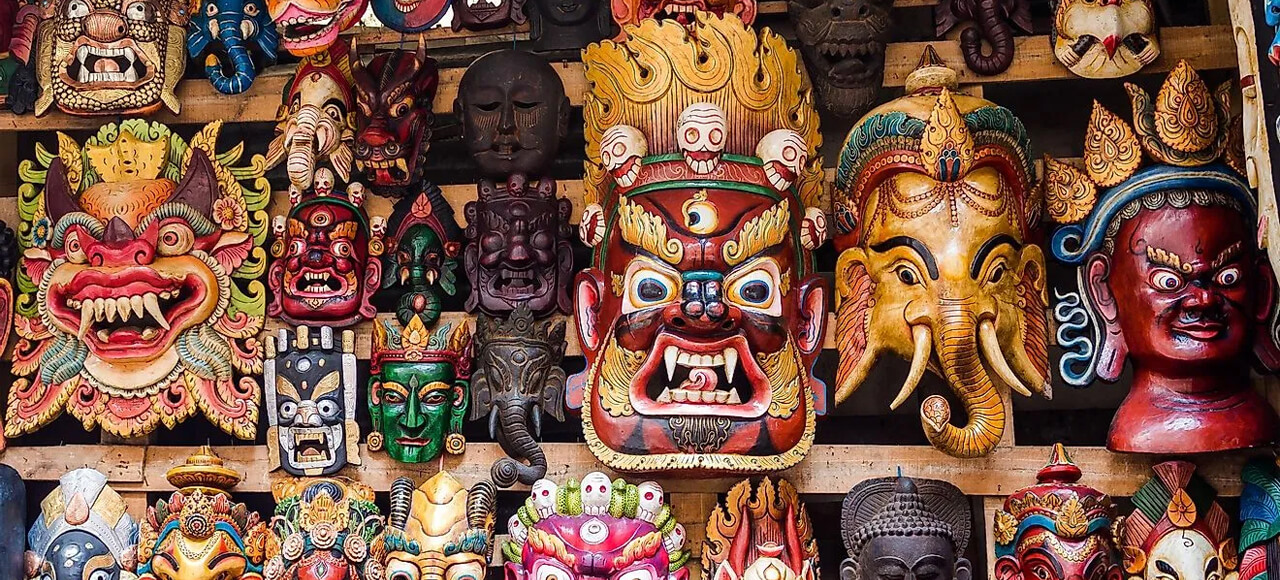
Thangka Paintings: Sacred Hndicraft Buddhist Art
Rarely replaceable thangkas are owned by Buddhists and Nepal Tibetans. Devotion and fidelity, rather than beautiful supernatural religious image painting, brush, and decoration. 1,000 years ago would make them beautiful to serve as portable temples by monks and pilgrims. Gods, mandalas, and supernatural mythologies to religion and meditation handbook to meditators in the meditation room, spiritual masters, and thangka rituals.
The Unexplored Luxury Handicraft of Himalayan Wool
Nepali Pashmina or “soft gold” is the softest and finest natural yarn on the entire globe. “Pashmina” is awarded as a name of excellence which had been reserved in Persian title “Pashm” or soft wool. Chyangra Himalayan hill goats shed undercoat so that they yield Pashmina fabric.
Newar Traditional Wood Carving Handicraft Art
4th-9th century AD Nepali golden Lichhavis’ is wood carvings. Nepali wooden ornamental palace, temple, and house replica model style patterned Nepali is Kathmandu Valley’s fantasy Newars. The Nepali wooden carvings appear not to be useless but there is a reason behind it. The beauty and elegance of the wood carvings can feel by going to nearly all the ancient temples and houses.
Metal Statues and Handicraft
Master bronzes contemporaries in Nepal are to be find in India, Tibet, and China. Not the master craftsman who would consent to persuade to sell to him a Buddhist or Hindu god purchased to sell again to Tibetan monasteries. It’s lost-wax from the technological perspective.
9. Adventure Sports Paradise
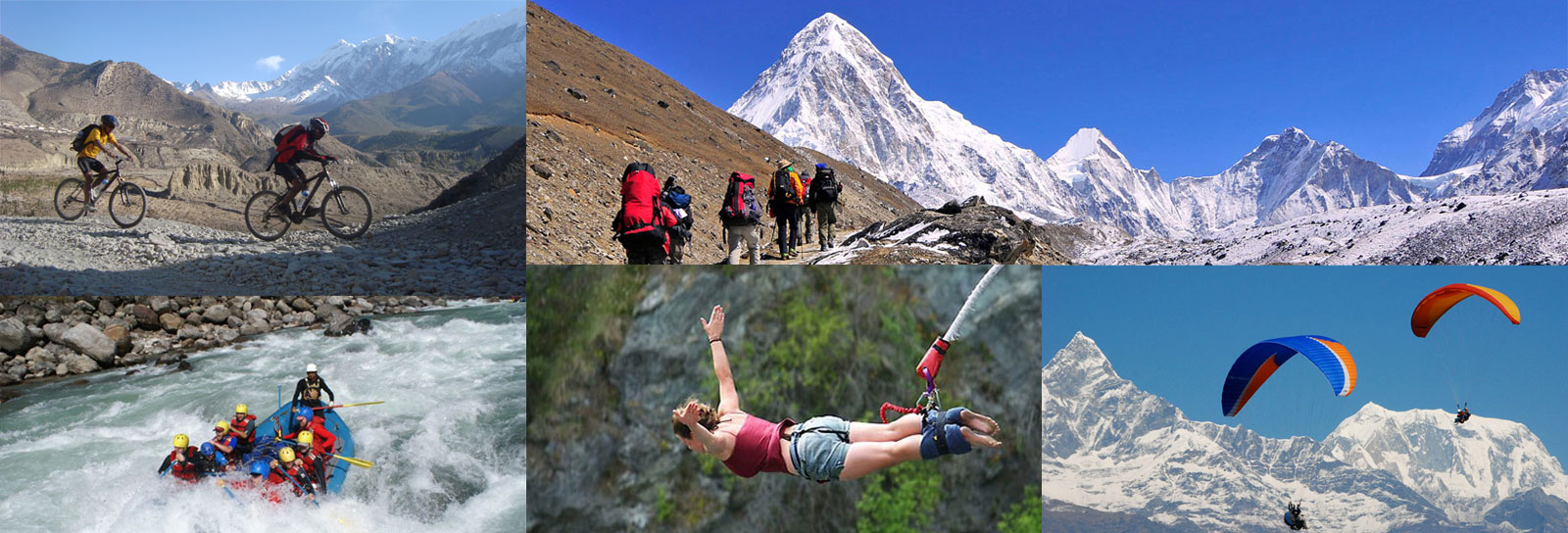
Activities beyond trekking seems like unbelievable. Nepal is one of the luckiest countries to have world renowned Treks. But these Himalayan gems are not solely for the trekkers and hikers, although they are a hiker’s paradise. Nepal is the gateway to a decade of adventure at any level with incredible landscape and culture and adrenaline
Paragliding
While paragliding in Nepal is not something that will just briefly thrill you with the incredible high vantage point of some of the most stunning terrains on the planet from valleys and rivers to majestic mountain ranges. Nepal is truly a fantastic way to appreciate the beauty of the Himalayas from a different angle altogether. It gives the most spectacular scenery:
Jungle Safari
From most of the mountain range categorized as part of the Himalayas, south lower grounds are employed in a great density of forests that are infested with wild animals. The jungles are a contrasting experience to the mountain settings in the sense that they provide. Covering about 15,000 square kilometers, Nepal has nine national parks, four wildlife reserves, and three conservation areas.
Top National Parks for Safari
- Chitwan National Park: This is a UNESCO World Heritage Site that boasts of Bengal tigers, one-horned rhinos, and a lot more species of birds.
- Bardia National Park: It is less crowded and more pristine, offering a chance to spot elusive tigers and elephants.
Rafting
Fed by Himalayan glacial meltwaters, Nepal has some of the most beautiful and thrilling-water rivers on earth. Thus, Nepal is an ideal place for white-water rafting.The country has it all, from peaceful floats to raging rapids. The rafting was quite safe for beginners to do with the support of experts and reliable equipment. Rafting is possible year-round, but the best seasons are September to early December and March to early June.
Ice Climbing
Nepal offers a wide range of ice climbing challenges to suit beginners and experienced ones. Ice Climbing In Nepal is only possible from around November to March when waterfalls and gorges become hard and tough to be perfect for climbing. The popular spots for ice climbing in Nepal are Mount Everest, Langtang, Rolwaling, and the Annapurna region.
Ziplining
You will be able to ride to one of the world’s tallest and longest zip lines (about 600 m high with a distance of 1.8 Km). Zipline is perfect for those people who crave excitement. You could also get to view a panoramic view of mountains and forests. Zipline was first introduced in Pokhara, the lake city.
Trekking
Embark on a journey of discovery in Nepal—Trek through the majestic mountains, lush landscapes, charming villages, and serene monasteries. Traverse through the ancient trails, witness awe-inspiring sunrises and sunsets, as well as explore the rich cultural heritage sites. You can discover the hidden waterfalls, lakes, and diverse flora and fauna. Nepal offers an amazing blend of culture, nature, and adventure, making it the perfect destination for trekkers.
10. The Warmth of Nepali Hospitality
One of the outstanding things about traveling to Nepal is the true kindness and hospitality of the people. In Nepal the tradition of hospitality is strong and it’s not uncommon for Nepalis to welcome guests into their lives with open hearts and to treat them like a type of divine blessing. This is expressed in the saying “Atithi Devo Bhava” (Guest is God). It doesn’t matter if you stay in a hotel in the heart of a city, or a homestay in a remote village, you will be greeted with warm smiles, tea and real kindness. Often it seems strangers go out of their way to welcome you to Nepal to make you feel safe, respected and appreciated.
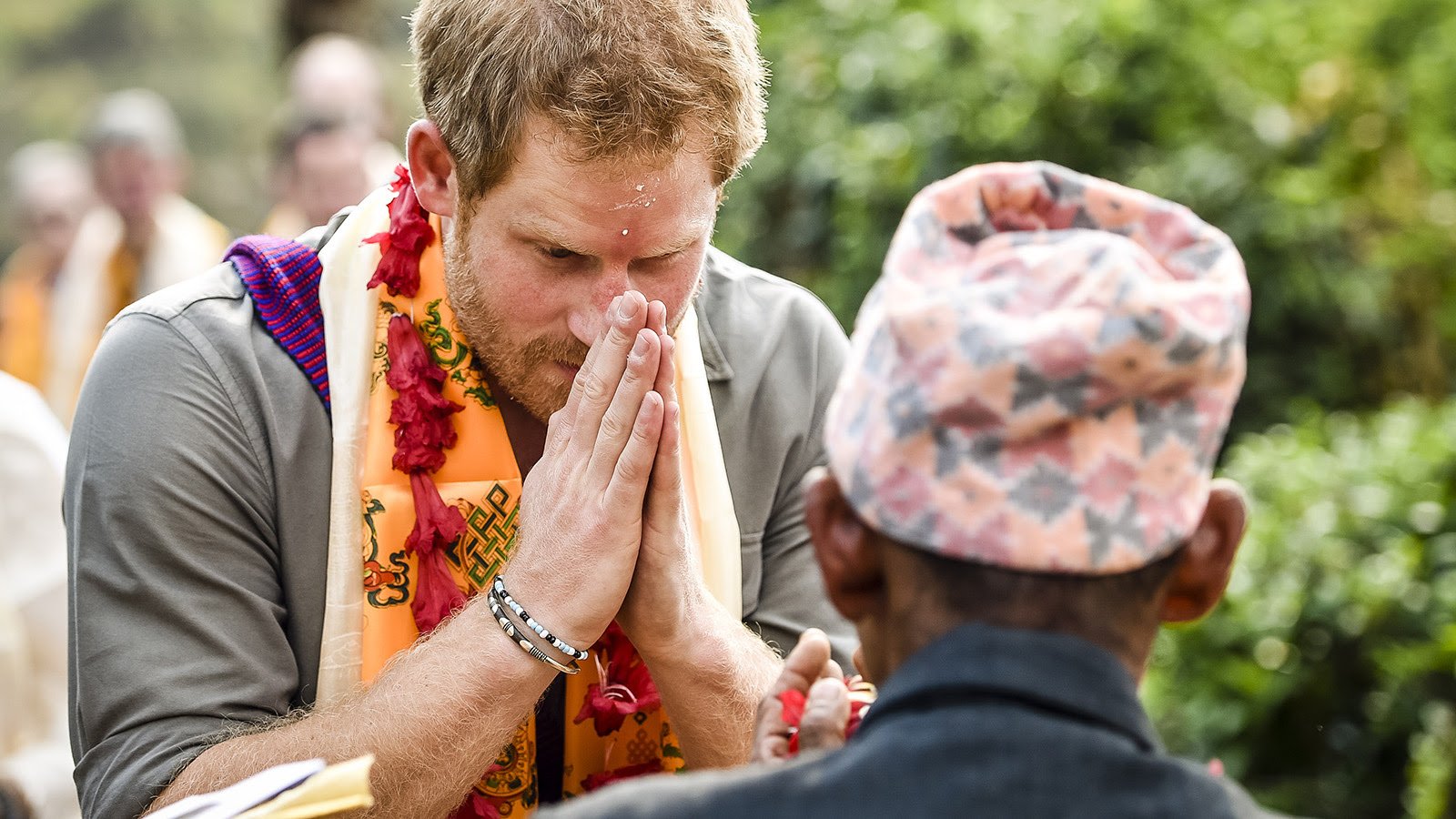
The kindness and warmth, which is so typical in Nepal, comes from the diverse cultural and religious traditions that have in common, but also appreciate, community, compassion and respect of others. Because of this many aspects of a travelers experience, being shared meals together, or sharing a few stories and invitations into family celebrations, are an ideal opportunity for travelers to participate in the rich culture of Nepal. The kindness and warmth of hospitality will make an impression, and it is not uncommon for first time visitors to Nepal to be friends for life.
Conclusion: Experience the Uniqueness of Nepal
Big mountains to little traditions, Nepal is an unparalleled adventure, wherever you are on the Nepal experience you are doing something no place else in the world offers. Maybe you are looking for a spiritual awakening; maybe you are looking for jaw-dropping adventure, perhaps you are out to discover all that would encompass something entirely different. No matter what, Nepal has so much to offer. It is experience; experience of a lifetime, a lifetime that has never and can never be replicated on this earth again. Contact us today at Happy Mountain Nepal, on Facebook, Instagram, or TikTok .


