Tag: Buddhism

  • Namobuddha Balthali Hiking : A Day Trip To Nature
    Namobuddha Balthali Hiking : A Day Trip To Nature

    Namobuddha Balthali Hiking : A Day Trip To Nature

    Namobuddha–Balthali trek is the richest treks to Kathmandu Valley in nature, religion, culture, and village life. Lacking only the rim of Kathmandu in Kavrepalanchok district, the trek is most retreat to nature and culture and within city reach. Nature lover, a culture lover, or a spirituality lover, the trek will be a puzzle.

    Here is the full Namobuddha and Balthali hiking guide, including its nature, trail facts, culture, and fun facts.

    Namobuddha: Buddhist Sacred Temple

    Historical and Spiritual Significance

    The pilgrimage begins at the Namobuddha, a Buddhist monastery. 42 km or 1.5 car hours west of the city of Kathmandu. The most spiritually intense of the sites, where a prince, a Bodhisattva in his final life, gave up his own flesh to feed a starving tigress and two cubs. The peak of this Buddhist piety, an act of charity and selflessness.

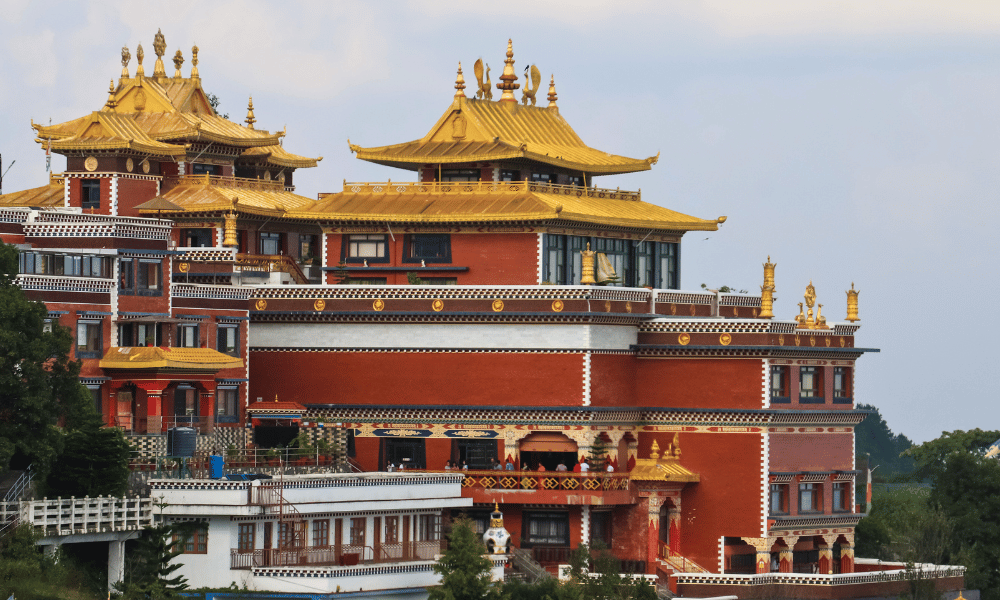
    Thrangu Tashi Yangtse Monastery: You have a glimpse of the Thrangu Tashi Yangtse Monastery, that gold stupa in so many words, where and with what such a charming view of the outer hill. The monastery grounds are serene and serene, there are prayer wheels, stupas, and prayer in the atmosphere. You are able to meditate here, join in on the prayer ritual, or merely sit back and soak up the serene atmosphere. The panoramic view of the Himalayas from the monastery adds an additional layer of peace and tranquility on top.

    namobudhha hiking

    What You’ll Experience at Namobuddha

    • A visit to the Namobuddha Stupa and Monastery provides an immersive spiritual experience.
    • You’ll get to witness Buddhist monks going about their daily routines, adding a deeper cultural element to your visit.
    • Namobuddha village itself is a green grassy village, and there are hiking to the surrounding forest too, which are most appropriate to trek around the open areas before your Balthali hiking.

    Namobuddha to Balthali Hike: Village Trekking to Scenic Villages

    You start the trek from Namobuddha to Balthali Village. The trek is one hour, and nature and culture.Beloww is what you get on this tour segment:

    Natural Beauty and Country Life

    You are on a peaceful journey across hills, fields, and villages from the monastery. The path is not harsh and is thus available to any capacity, and pilgrims and villagers have gone ahead of you. You journey through:

    • Orange groves: The trees are loaded at season and splinter warm color about.
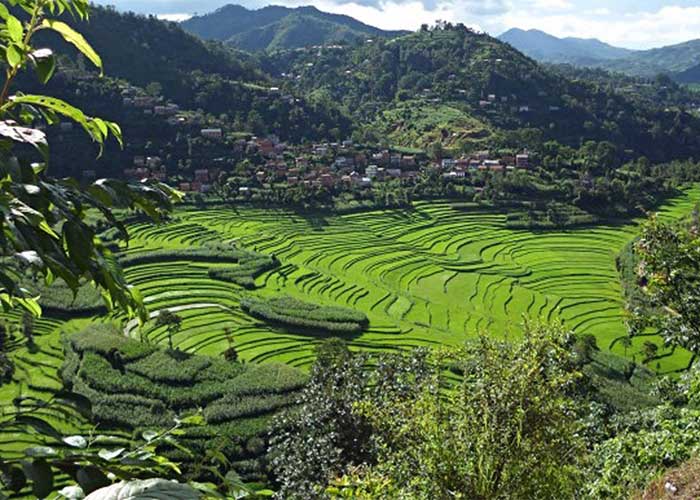
    • Terraced farm lands: Green fields of potato, wheat, and rice crops at various times of the year. One observes the Nepalese countryside in all its rural charm by seeing farmers ploughing the field in the traditional way.
    • Villages and Local Houses: The local houses include mud and stone houses with tiled or thatched roofs. On traveling, one is able to see such tiny villages and villagers plowing the field or herding cattle.
    balthali hiking

    Cultural Immersion in Balthali

    It is as if one leaves the world behind to arrive at Balthali Village. The village is not so newly discovered by the tourists and has a real picture of Nepali village life. The rural landscape is charming, with the panoramic Himalayan chain of mountains.

    Homestay Experience: If that is feasible, then you can go for the finest experience of Balthali via an overnight stay at any one of the homestays that exist between the native inhabitants. There are not many of the home stays here managed by the natives themselves, where you can have the possibility of interaction with locals on a regular basis. You also have the opportunity to attempt to eat Newari local cuisine, gain knowledge of aspects of instructing one on how to store vegetables and grow crops, and even celebrate if you are fortunate enough to slip while participating in one of their ritual celebration ceremonies.

    Rural Charm: The village itself is not nearly as flash as the rest of the more touristy locations, and it’s not hard to get acquainted with the villagers, famous for being so friendly. One experiences a taste of a bit of authentic Nepali rural existence, away from city crowds.

    Why is the Namobuddha Balthali Panauti Hiking special?

    Let us understand why the trek is unique. The trek is not unique by the natural beauty along which it passes its way, but by virtue of spirituality and enhancement because of the culture that it promises to you. An inside perspective as to why the hiking is unique is as follows:

    1. Religious Significance: A Ramble Through Buddhist and Hindu Heritage

    It is also one of the Namobuddha–Balthali–Panauti trek miracles that there on the way there is an unproblematic piece of coexistence between Buddhist and Hindu religious heritage.

    Namobuddha itself is an endless resting place. It’s a Buddhist pilgrim rest whethe re the ancient Buddha, once-in-a-lifetime as a prince, supposedly offered flesh to a starving tigress and tiger cubs. Its lesser apparent metaphysical purpose, and the Thrangu Tashi Yangtse Monastery—its tranquil oratories, stupa, and Himalayan scenery—is an unimaginably contemplative day out. You’re not backdrops to fly-bys; you are walking through centuries of Buddhism and history.
    As you approach Panauti and Balthali, the tour proceeds with Hindu shrines like Indreshwar Mahadev Temple of Panauti. Since Buddhist and Hindu religious complexes are built in a common complex, you remain in the vicinity of the surrounding religious and cultural setting, where you are exposed to the religious diversity of Nepalese culture.

    2. Cultural Fusion: Rural Newar Villages and Traditions

    The walk is also made richer by the luxury of enjoying the additional comfort of being able to live amidst Newar traditional life. Newars are native ethnic residents of the Kathmandu Valley and have very well developed cultural tradition in language, architecture, plastic arts, and festivals.

    Balthali is the epitome of the village in terms of the generosity of the Newars. The villages consist of village houses, and the residents are very polite and welcoming. Kathmandu is tourist-loaded as humanly possible naturally, yet Balthali provides the country’s uncomplicated lifestyle in its own and natural form, never commercialized to any extent whatsoever. Overnight homestaying, you are a part of the daily life of locals—assisting during mealtime, listening to their farming techniques, and intermingling with locals. Panauti, or its cosmopolitan Newari inhabitants, is leading the way. There is nothing that was ever done that has not been done by this town, and even on the most cramped roads, you are hemmed in by monuments of the past in the form of old wooden window frames, pagodas, and temples.

    You can very safely assume that you’re entering an open museum as you walk into Panauti Durbar Square. It contains history of this location and art and architecture within itself. Its pervasiveness, no less in the temples than in the drabness of non-clerical human secular existence, is a challenge to explanations of society’s close interrelatedness of art, religion, and society.

    3. A Walk-Through Time: Connecting Points of Interest

    The second feature of the walk that is equally fascinating is linking points of interest that are stages of time. Namobuddha is holy ground to Buddhists, whereas Panauti Durbar Square and Indreshwar Temple are nothing but remnants of the medieval Newar state. So exquisitely restored are the buildings that you can imagine a walk through time.

    Panauti is also famous for medieval Newar architecture. Although old has surrendered to new elsewhere in Nepalese towns, Panauti has preserved its past in the shape of awe-inspiringly well-preserved ancient buildings and an unaltered old street just as it existed ages and ages ago in its heydays. It’s a town full of traces of medieval temples, cobblestone roads, and ruins, all of which treat us to medieval Nepal, an insight into Nepal’s very affluent Newar culture.
    hiking

    4. Scenic Natural Beauty: Variety of Landscapes in One Hiking

    Apart from the politeness and hospitality, Namobuddha-Balthali-Panauti trek excels because of the diversity of natural landscape. You experience such varied landscape within walking distance of hours, ranging from Buddhist monasteries holy amidst a forest of hills, rice fields rolling hills in steps, river walks, to colorfully vibrant village life. You experience five different worlds in this trek.

    The remote village of Balthali paddy compels a natural appreciation of white-tipped summits—a jarring dissonant upon your path. Terrain still alters at every gait from greens, through potato, paddy, and wheat in color, and they are all in a heaven of facile photography. Space to observe contrast between wildness of ringless nature and the wildness of unexplored country life.

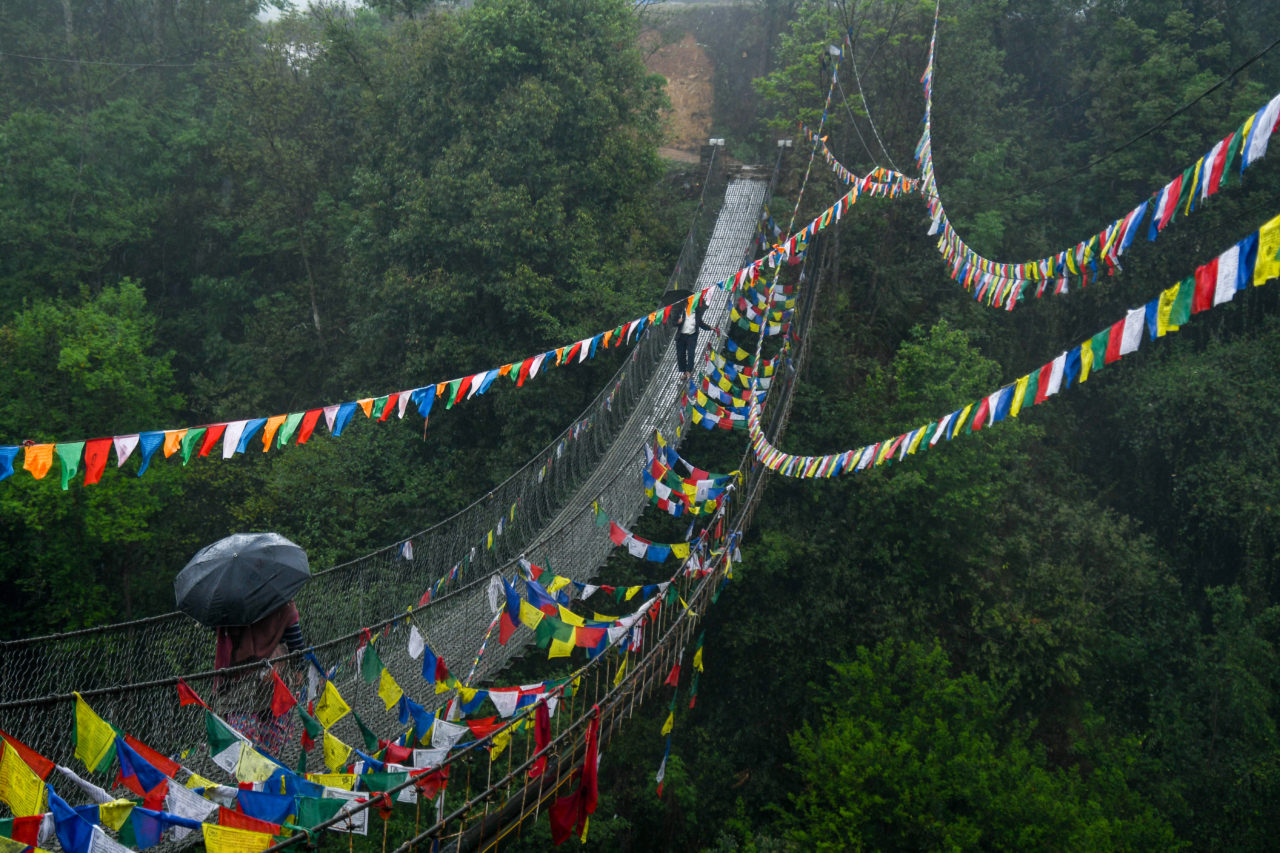
    Halfway along your stroll across the River Roshi that you need to cross, there is a suspect-looking, dark-coloured aluminium bridge to traverse. It’s lovely with the gentle gurgle of the river as white noise and is a nice part of the stroll as far as relaxing you as you stroll You can also attest to the mix of trees and vegetation throughout the trek that is so characteristic of the surrounding ecosystem that the trek is nearly a nature enthusiast’s outing as well.

    5. A Complete Himalayan Experience

    One of the attractions of this hike over some of the more linear hikes of the bigger picture of the longer Himalayan hike is accessibility – a simple day hike for a busy hiker who cannot work in the time and energy involved in buckling oneself into a harness on one of the longer, notorious treks of the Himalaya.

    While the trekking is not trekking per se as we are accustomed to, the adventure it offers is no less arduous, with equally powerful returns and Nepal proper as one of its more difficult, longer treks. It’s basically a city tour of the Kathmandu, so good day trip. This is 1.5 hours out of the city and such a good option to get a day out in the countryside without having to spend an excessive amount of time on the transport or altitude.

    It’s not only perfect for the novice, but for the individual who wishes to partake in a day trip comprising of cultural, spiritual, and self-discovery activities all mixed together.

    The Route in Detail: Namobuddha to Balthali to Panauti

    1. Base Camp: Namobuddha (1,750m)

    It takes a 1.5-hour (42 km) vehicle ride from Kathmandu to Namobuddha, Nepal’s most sacred Buddhist pilgrimage place. It was on this hill that Prince Mahasattva (one of the Buddha’s past lives) gave his body as food to a starving tigress and her cubs. Today, the Thrangu Tashi Yangtse Monastery is an excellent example of self-giving and generosity. See the monastery and nearby stupas before starting the trek.

    2. Hike to Balthali Village

    Lazy descent from Namobuddha, the trail passes through quiet villages and irrigated fields. An hour’s hike brings you to the Roshi River which is crossed by a firm aluminum bridge. From here on trail you are hiking along a wide enough trail to take you through orange groves and seasonal vegetables: spring potatoes, summer rice, and winter wheat.

    And as you climb the hill from the river, you will enjoy a relaxed stroll through beautiful fields that are perfect photo opportunities. The houses on both sides mark the boundaries of the land, safeguarding mostly their crops.

    Then comes Balthali, a world apart. Village cottages, lush landscapes, and the Himalayas seem to imbue timelessness. A Buddhist-Hindu fusion of warm hospitality provides engaging peeks into culture. Overnight is better, although day trekking is standard, if possible, in a Balthali homestay in Newari and Tamang warmth.

    3. Trek to Khopasi and Panauti

    An hour’s scenic walk from Balthali is Khopasi, a trekking site. Drive here for 15 minutes and you’ll find medieval town Panauti—another of Nepal’s off-the-beaten-path cultural treasures that few tourists see.

    Located at the junction of the Roshi Khola and Pungamati Khola, Panauti is a predominantly Hindu religious site. Observe the Panauti Durbar Square, Indreshwar Mahadev Temple, and Triveni Ghat, used even to this day for religious ritual by pilgrims. The Panauti Museum gives a glimpse of Newari history and art. Panauti was also preserved traditionally near Kathmandu and was a good distraction before preparing your vision again for the capital.


    Main Attractions

    Cultural Mosaic: get introduced to the rich culture of Buddhism and Hinduism

    Buddhist Stupas and Hindu Shrines: Drive around the old bustling Hindu and Buddhist stupas and temple with endless shrines of devotees doing parikrama.

    Diverse Landscape: From the jungle to the rivers, orange, fields, and the Himalayan mountains.

    Village Life: Interact with the villagers as they practice traditional farming.

    Photography: From the stone steps of the school to the fields, dotted with prayer flags, village houses, and more.

    Historical Significance: The intact architecture and rituals of Panauti.
    Ideal Period for Hiking:

    It is possible at any time of the year, but the ideal period would be:

    Spring: March to May – Shedding of winter wildflowers, obliterated tree coverage, and ideal weather

    Autumn: September to November – Weather and underwater visuals of mountains are magnificent and matched with crisp clear skies.

    If you are someone who prefers dry trails and clear views then best not visit during the monsoon season of June, July, and August.

    Practical Advice for a Good Day Out

    Footwear: Comfortable, reliable walking shoes or boots with a grip.

    Clothing: Loose-fitting, loose clothes, and an extra layer as a raincoat

    Water and Refreshments: Own water and at least 2 litres, and refreshments

    Camera: Remember to take photos of scenery and village views.

    Respect: Be quiet and respectful where prayers are being read, take off your shoes, and be quiet.

    Overnight stay at Balthali if possible.

    Conclusion: A Whole Experience in a Day

    Namobuddha–Balthali–Panauti trek is a hill trek and something more, a journey to the soul of Nepal. There is something here for everyone, a moment in the Buddhist ethos of hospitality, a moment in the poetic asceticism of an off-the-beaten-path village existence, and the richness of a medieval newari town culture.

    If you are an inexperienced trekker or an experienced trekker eager to accomplish a short trekking experience near Kathmandu, the present trekking tour will make you excited and enthusiastic. contact us today at Happy Mountain Nepal, on Facebook, Instagram, or TikTok.

    FAQs

    1.  How long is Namobuddha–Balthali–Panauti hiking?

    4–6 hours of walking duration, depending upon your walking speed and resting frequencies. It’s a Namobuddha to Balthali trek, followed by Khopasi and Panauti.

    2.  I s this hiking in for starter or not?

    Yes. A straightforward and uncomplicated starter hike with regular trails, negligible height gain, and regular resting stations.

    3. How do I get to Namobuddha from Kathmandu?

    Namobuddha is about 42 km (1.5 hours’ drive) from Kathmandu. Drive your car, taxi, or local transportation via Dhulikhel.

    4. What are the best times to do this hiking?

    Spring (Mar–May) and autumn (Sep–Nov) are ideal with fine weather, moderate temperature, and lush vegetation.

    5. Is it possible to do the trek on a day hike from Kathmandu?

    Yes. It’s a great day hike. Overnights at Balthali are more of a cultural experience and have better views of sunrise, though.

    6. Is there lodging at Balthali?

    Yes. A few homestays and guesthouses in Balthali village are run by local Newar or Tamang families.

    7. What should I bring on the hiking?

    Hiking boots, hat, sunscreen, rain jacket (seasonal), water, and snacks, topped off with a camera.

    Layers get washed away when it rains.

    8. Should I hire a guide to attempt this hiking?

    Although the trail is well marked, using a local guide will make the experience better because they will tell you about culture and ensure that you don’t miss the peaceful spots.

    9. What are the cultural highlights of the trek?

    The trek includes Namobuddha Monastery, Tamang and Newari villages, and Durbar Square and old Hindu temples of Panauti, Buddhist and Hindu heritage.

    10. Is this hiking child-friendly ?

    Yes, the easy track and culture exposure render the journey a great family trek to which children aged 6+ years who have an interest in walking and watching nature can join.

  • Popular Places to Explore in Nepal

    Popular Places to Explore in Nepal

    Popular Places to Explore in Nepal

    Nepal is a land of stunning diversity. From soaring mountains to lush jungles, from ancient heritage sites to remote Himalayan valleys—this country offers a wealth of experiences for every type of traveler. In this guide, we explore 15 of the most popular places to visit in Nepal, each offering something unique and unforgettable.

    1. Kathmandu Valley- Amazing places of Nepal

    The cultural and historical nucleus of Nepal, the Kathmandu Valley is. It all comes under the folds of Kathmandu City and palaces, temples, and Newari architectural wonders of Bhaktapur’s and Patan’s. Walk down city streets, have a tour, and one finds oneself in a time capsule, undoubtedly. Woodwork window ledges, carved stone statues, and holy shrines at each turn are legacies of medieval Newari mastercraft.

    Kathmandu itself is holy too, with magnificent Hindu and Buddhist pilgrim destinations such as Pashupatinath Temple and Boudhanath Stupa. With UNESCO World Heritage Sites dotted all over the valley, days can be spent strolling comfortably through Durbar Squares, bazaars, and peaceful courtyards. Culture lovers, art critics, and historians will have a good idea of Nepal in the valley.

    Kathmandu Durbar Square places

    Key Highlights:

    • Swayambhunath (Monkey Temple)
    • Boudhanath Stupa
    • Pashupatinath Temple
    • Patan & Bhaktapur Durbar Squares
    • Garden of Dreams

    2. Pokhara- Most beautiful places of Nepal

    Pokhara is Nepal’s holiday center. On peaceful Phewa Lake and ringed by snow-covered mountains, it is the ultimate relaxation and sporting adventure paradise. Machhapuchhre and Annapurna range’s reflection in Phewa Lake during early morning hours is unforgettable during early morning hours. Nature’s peace, lakefront restaurants, and city life are a vacationer’s heaven.

    Aside from its view, Pokhara is also the starting point to Annapurna Base Camp and Poon Hill treks. Adrenaline junkies paraglide off Sarangkot, zip-line and mountain-bike, and spiritual enthusiasts bathe at World Peace Pagoda or Devi’s Falls. Something for every adrenaline or chill, whatever your vibe, there’s something for everyone in Pokhara.

    pokhara places

    Key Highlights:

    • Boating in Phewa Lake
    • Sunrise from Sarangkot
    • World Peace Pagoda
    • Davis Falls and Gupteshwor Cave
    • Paragliding and Annapurna treks

    3. Chitwan National Park

    First nature tourism destination of the nation is the UNESCO World Heritage Site ranked, southern Nepal’s Chitwan National Park. The endangered species inhabit the ecosystems such as one-horned rhino, Royal Bengal tiger, sloth bear, and gharial crocodile. Forest, grassland, and rivers surrounding Chitwan National Park cover more than 900 square kilometers.

    Tourists can jeep safari, trek, or canoe with guides in the jungle. Bird-watching is also excellent all year round, with over 500 species recorded. The surrounding Tharu villages also provide tourists with a taste of indigenous local culture, like cultural homestays, local cuisine, and traditional dances.

    luxury chitwan places

    Key Highlights:

    • Jungle safari (jeep/elephant)
    • Canoe ride on the Rapti River
    • Tharu cultural shows
    • Bird-watching tours
    • Elephant breeding center

    4. Lumbini- Peacful Places

    Lumbini is where Siddhartha Gautama, the Buddha, was born. This sacred site, marked by the Maya Devi Temple, is a highly-holy Buddhist pilgrimage site in the whole world. The peaceful setting and religious ambiance of Lumbini welcome pilgrims from the whole world.

    Lumbini Development Zone consists of monasteries built by every Buddhist nation around the world, in national style. Meditation halls and museums like Ashoka Pillar, 249 BCE, also consist of the site seeing point. Lumbini is suitable for the tourists seeking spirituality and peace.

    Lumbini places

    Key Highlights:

    • Maya Devi Temple
    • Sacred Garden and Ashoka Pillar
    • International Monastic Zone
    • Lumbini Museum
    • Eternal Peace Flame

    5. Everest Base Camp- Must vitie Places

    Everest Base Camp (EBC) is among the world’s most visited routes. The trek to Lukla goes along Sherpa villages and suspension bridges and is at an altitude of 5,364 meters. The tourists are blessed with a stunning view of mountains like Ama Dablam, Lhotse, and Mount Everest, etc.

    This challenging high-altitude hike is as much culture and place as it is adventure. Tea houses, Namche Bazaar, and the Tengboche Monastery lie in wait to introduce us to Himalayan existence. The hike is physically challenging but visually and spiritually enriching.

    Everest Base Camp Trek

    Key Highlights:

    • Trek to Base Camp
    • Namche Bazaar
    • viewpoint Kala Patthar
    • Tengboche Monastery
    • Sagarmatha National Park

    6. Bandipur

    Bandipur is a distinguished, ancient hill town of Newari design and Himalayan setting. Located mid-way between Pokhara and Kathmandu, Bandipur is a peaceful respite from more cosmopolitan Nepalese towns. Wandering in Bandipur is to stroll in a museum outdoors, down wooden-trammelled windowsills, stone-paved thoroughfares, and bas-reliefs above temples.

    This is the ideal village for slow travelers to see local culture without mass tourism. Day excursions to nearby sites, caves, and villages are arranged. Sunrise and sunset over Annapurna range is stunning from here.

    bandipur places

    Key Highlights:

    • Viewpoint at Tundikhel
    • Siddha Cave
    • Newari architectural style
    • Bindabasini Temple
    • Homestays with locals

    7. Gosaikunda

    Gosaikunda is a holy alpine lake at an elevation of 4,380 meters in Langtang National Park. Hindus and Buddhists worship there as a pilgrims’ shrine, and pilgrims in thousands flock there annually to celebrate Janai Purnima festival in August. Quasi-mythical in nature is the glacial lake lying in the midst of craggy mountains and glacial valleys.

    Gosaikunda trek passes through beautiful rhododendron forests, Tamang ethnic villages, and high-altitude environments. An excellent choice to avoid more touristy routes and experience magnificent scenery with spiritual significance.

    Gosaikunda Lake Trek:

    Key Highlights of places:

    • Gosaikunda Lake
    • Lauribina Pass
    • Langtang National Park
    • Janai Purnima pilgrimage
    • Tamang culture

    8. Tansen (Palpa)

    Tansen is a scenic hill town of western Nepal. Cobblestone streets, multicolored houses, and Newar-Magar culture make Tansen a ideal retreat for nature and culture lovers. Handloom Dhaka cloth, famous throughout Nepal, is produced in Tansen and used in Nepali traditional caps and attires.

    Next to it stands Rani Mahal (the locals fondly refer to it as Nepal’s Taj Mahal) on the Kali Gandaki River, with colonial buildings and landscape around it. Tansen has not been disrupted by tourism in large numbers, and rural Nepal at its best can be seen here.


    Key Highlights of the places:

    • Rani Mahal
    • Shreenagar Hill
    • Tansen Durbar
    • Dhaka fabric workshops
    • Buddhist and Hindu temples

    9. Ilam

    There is in eastern Nepal Ilam, i.e., tea city of Nepal. The rolling green hills with neat tea gardens cover the area and it is a serene and green location. Its fresh air and soft climate make the location an ideal location for nature lovers and peace seekers both.

    Apart from tea gardens, Ilam is also famously known for sunrise spots, places of religion, and biological resources as well. Antu Danda offers sunrise views in the morning, whereas Maipokhari is a religious wetland with sufficient flora and fauna.

    Key Highlights of the places:

    • Tea gardens
    • Antu Danda sunrise
    • Maipokhari wetlands
    • Local people’s homestays
    • Cheese and fruits of the place

    10. Rara Lake

    Far away at the farthest extremity of the country’s hillside where heights over 2,900 meters run along the at a far northwestern corner of the country, Rara Lake Its blue from glacial snow the whitest summit of nearby Rara National Park. Instead, you see, now and then, human life in Nature, in Nature unblemished, all in a serene setting.

    A day’s trek (or two) or an hour’s flight to Talcha or Jumla to get to Rara. An excellent thought, anyway. Trekkers can opt to walk, camp and soak in local culture where there is no horde of humans.

    Rara lake

    Key Highlights of the places:

    • Rara Lake
    • Rara National Park wildlife
    • Trekking and boating
    • Forage Local culture and remote villages
    • Alpine grassland and forest

    11. Dhulikhel

    Dhulikhel is a picturesque village located 30 kilometers from Kathmandu City. It is also famous for the view of Himalayas and the best weekend-break and meditation-tourist destination. The village itself is equipped with its own ancient town of small Newari traditional houses, pagoda temples, and serene courtyards.

    Dhulikhel day treks bring you to the finest Buddhist Monastery, the Namobuddha Monastery, and villages for a village life experience. Dhulikhel offers good co-mingling of nature and culture with climate and temperature, sunrise view for the mountains, and distance from the capital.

    Key Highlights places:

    • Sunrise view of the mountains
    • Tippus and Thrissur Vadakkunathan Temple
    • Old Newari town center
    • Day walks and village walks
    • Serene setting inthe Kathmandu region

    12. Bardia National Park

    Way, way northwestern Nepal boasts another off the grid but no less stunning national park: Bardia National Park The park that blankets more than 900 square kilometers and holds wild elephants, tigers, one-horned rhino, swamp deer and over 400 birds. It is in its obscurity where it oozes charm with an added dash of fewer tourists.

    The tourists create activities such as jungle safaris, village tours, and canoeing on the Karnali River. Village tours to Tharu villages provide tourists with an insight into the culture in terms of food, dance, and music. Bardia is simply perfect for nature lovers and also for those who want to stay at least for some time close to nature.

    Elephant riding

    Key Highlights:

    • Jeep safaris and jungle treks
    • Canoeing on the Karnali River
    • Royal Bengal Tiger spots
    • Homestays and Tharu culture
    • Birding destinations

    13. Janakpur

    Janakpur is Nepal’s and the country’s most important religious town and Nepal’s Maithili cultural hub. It’s an important birthplace of Sita, wife of Lord Rama, and an important Hindu pilgrim town. The center of the city is dominated by the 19th-century marble palace-type temple, the Janaki Mandir.

    Janakpur is shown in colorful bazaars, Mithila folk paintings, and devotional colors. Janakpur is a lovely city as well as a sacred city and thus a maiden spiritual and cultural pilgrim site.

    Janakpur: Birthplace of Goddess Sita

    Key Highlights of places:

    • Janaki Mandir
    • Mithila painting and wall painting
    • Wedding temple Vivaha Mandap
    • Ram Navami and other Hindu rituals
    • Maithali culture and language

    14. Upper Mustang

    Upper Mustang is a remote area that used to be part of the old Kingdom of Lo. It lies in the rain shadow of the Himalayas and shares the same Tibetan-influenced culture, desert, and cave monasteries. It is limited by access, and special permission is needed to go there so as not to interfere with its ancient culture and ambiance.

    Lo Manthang, the capital town, is a walled palace town of monasteries, royal palaces, and inhabitants. Tiji festival, a fine culture festival, is observed here annually. Upper Mustang is ideal for history and culture enthusiasts of remote Himalaya.

    Mustang's

    Key Highlights of the places:

    • Walled city of Lo Manthang
    • Tibetan Buddhist monasteries
    • Himalayan desert landscape
    • Cave houses in Chhoser
    • Tiji Festival

    15. Langtang Valley

    Langtang Valley lies to the north of Kathmandu, Nepal’s most accessible trekking region places. The location, as it was before the earthquake occurred in 2015, has been tallied up by a series of steps again and still provides its beautiful trails to be walked. Langtang has snow-white mountains, leaf-green forests, and ice-glacial streams.

    Tamang villages along the trek are friendly and hospitable and provide a glimpse of Himalayan culture. Trekking teams like to arrive at Kyanjin Gompa where the aroma of old monasteries and yak cheese greets you. Langtang is a culture and nature lover’s trekker’s paradise location close to the capital city.

    Langtang National Park Wildlife Trek

    Key Highlights:

    • Kyanjin Gompa and cheese factory
    • Langtang Lirung and surrounding peaks
    • Rhododendron forest and yak grassland
    • Tamang villages and Tamang culture
    • Short but scenic trekking trails

    Conclusion

    Nepal is not just a trekking destination—there’s a universe of extremes, geographic extremes, old culture, and profound spirituality places. If you want to view UNESCO World Heritage Sites, trek to Everest Base Camp, relax by the lake shore, or track rare wildlife, Nepal awaits. All 15 of these sites are activities that showcase the diversity of the country.

    Plan, travel responsibly, and be speechless. Nepal isn’t something to look at—you get to experience it.contact us today at Happy Mountain Nepal, on Facebook, Instagram, or TikTok.

    FAQs

    1. When do I go to Nepal?

    The spring (March-May) and autumn (September-November) are the best times to go to Nepal. There is good weather, nice temperature, and best trekking conditions at this time.

    2. Do I need a visa to go to Nepal?

    Yes, most travelers need a tourist visa to travel to Nepal. You can obtain it on arrival at Tribhuvan International Airport or can obtain it earlier online.

    3. Is Nepal’s places safe for tourists?

    Nepal’s places is generally safe for tourists. Tourists, though, need to exercise their common sense, especially when trekking or going to isolated areas.

    4. Can beginners trek in places of Nepal?

    Yes, there are some trek olaces  for beginners in Nepal such as Poon Hill, Langtang Valley, and Gosaikunda. They are fine and quite tough.

    5. What are the top UNESCO World Heritage places of Nepal?

    The key places of UNESCO are Kathmandu Durbar Square, Patan Durbar Square, Bhaktapur Durbar Square, Pashupatinath Temple, Swayambhunath, Boudhanath, Chitwan National Park, and Lumbini.

    6. Must I employ a guide for trekking places?

    Though some of the places treks are possible without a guide, it is advisable to employ a licensed guide for security, cultural insight, and navigation—especially in remote places like Upper Mustang or Everest Base Camp.

    7. How do I get around Nepal’s places?

    You can go by tourist buses, local buses, taxis, or domestic flights. Flight with treks is the general policy for distant places like Rara Lake or Jumla.

    8. What is food like in Nepal?

    Nepalese food includes a mix of rice and lentils (bhat and dal), momos, Newari food, and Thakali cuisine. International cuisine is found in places frequented by tourists like Pokhara and Kathmandu.

    9. Is transport in Nepal costly?

    Nepal is cheap too. Hotel accommodation, dining out, and getting around are all laid-back, apart from the fact that off-trekking fees or air flights (i.e., to Lukla or Jomsom) are costly.

    10. What do I take on a Nepal trip?

    Take clothing layer by layer by season and region. Must-haves are clothing layers, boots, good backpack, sun lotion, refillable water bottle, and medication for altitude or stomach illness.

  • Tracing Mustang’s Historical Journey: From Isolation to Tourism

    Tracing Mustang’s Historical Journey: From Isolation to Tourism

    Tracing Mustang’s Historical Journey: From Isolation to Tourism

    Introduction: The Hidden Kingdom in the Himalayas

    Mustang’s , Nepal’s arid and desolate northwest, was the most enigmatic of all the regions define by the Himalayas. It was isolated and severed behind the ranges and was not connected for more than three centuries to the rest of the world. Mustang cultivated its own past and culture beneath the permissive canopy of Tibetan Buddhism. Geography of remoteness was the domain of religion, of tradition and morality in turn, inheritance from an earlier prehistory. Lo Manthang old city was unbroken, its palaces, its monasteries, and all the walls – continuity of the past.

    But that was before the 20th and 21st centuries. Remote antiquity for the area has given way to the presence and accessibility of more modern history. It has gone farther, and tourism has grown, and brought in new Mustang to preservation vs. development conflict.

    Mustang's

    This blog chronicles the transition of Mustang, from mythological ancient kingdom to top tourist destination, and the struggle to make sustainable tourism and conservation happen.

    The Rise of the Kingdom of Lo: A Strategic Trade Hub

    Mustang, Lo Kingdom of yester years, is full of its rich heritage. It was among the most prominent cross-cultural as well as trade centers of the early 14th century. Mustang was formerly a crossing point of a trans-Himalayan salt route. There was s very vital link in communication between Tibet and Indian subcontinent. Earlier,  cross-border traders was done in the form of salt trade, wool, and spices through Mustang. The economy of Mustang placed the Mustang people in the world but not out of their own Tibetan culture. The capital city of Mustang was a flourishing city with developed social and political life. This city was previously known as Lo Manthang. The city, enclosed in a wall to protect it from expected invasions. It was home to Buddhist learning, art, and architecture and housed scholars and mystics of all descriptions.

    Their rajas or kings were wise rulers, and they were governing the nations. They were maintaining peace and stability for centuries. Even during the unification of Nepal in the 18th century, Mustang was not entirely autonomous. They had cultural and economic ties with Tibet until centuries-old commercial traditions of the area were ruined due to China’s conquest of Nepal in 1950.

    The Era of Isolation: Political and Cultural Barriers

    Mustang’s geographic remoteness also coincided with political motivations in the repression of foreign influence during most of the 20th century. Nepal defended Mustang after the invasion of Tibet as a barrier to foreign influence. The Nepalese state was able to seal off outside contact in 1960 and shield the district from exporting modernity to the remainder of Nepal. Cold War geopolitics were also involved because Mustang was an open border region.

    The isolation of the country had its negative and positive effects. It preserved Mustang’s distinctive culture, traditions, and very ancient monasteries from outside influence. But it also deprived them of the entry and influx of economic development and restricted all the locals to animal husbandry and subsistence farming. While the rest of human history continued to progress, Mustang was not progressing.  Its medieval towns filled with ancient life and centuries of Buddhist history were so to so great an extent.

    The Gradual Opening: Mustang’s Tourism and Controlled Accessibility

    It was during the 1990s that Mustang was saved with the opening by Nepal of Upper Mustang to limited tourism in 1992. The government introduced a special permit regime attempting to manage tourists and preserve the fragile environment, as much as the cultural landscape. The levy itself opened up to ambitious trekkers and researchers but not masses of tourists and helped conserve and develop among the inhabitants.

    This open but limited access opened up new economic possibilities. Mustang’s middle-aged monasteries, untouched land, and native cultural heritage drew trekkers, historians, and pilgrimage tourism. Chhoser caves, ancient; Thubchen and Jampa monasteries; and Lo Manthang’s wall city were sites to visit. Trekking tour excursion holiday packages, lodges, and selling hand-made souvenirs, signs that Mustang was part of Nepal’s tourist economy, were run from village-level enterprises.

    The Road to Modernization: Mustang’s Infrastructure and Connectivity

    Apart from tourism, Mustang itself was under infrastructural development that was poorly documented, it got more and more modernized into what it was not: A remote, off-the-tourist-grid destination. Road construction between Lo Manthang and Jomsom graded the Kali Gandaki and changed the face of transportation. The seven-day trek is shortened to a speedy jeep or motorbike ride, funneling tourists for two weeks a month into Mustang.

    As more access had facilitate economic growth, rural Mustang was threaten. Access brought in building innovation and cultural contact and disappearance of the centuries-old patterns of living to which official culture change can be owed. While some thought that modernization would shatter Mustang’s life, others thought that it would enhance life and economic well-being. The challenge was loving Mustang and planning it.

    Tourism’s Dual Impact: Economic Growth vs. Cultural Erosion

    Tourism has brought economic stability in business and employment to tourists in Mustang. It was struck by a tourism boom and flourish with trekking agencies, restaurants, and hotels for more tourists. Sheep herding and grazing were survival means in the past, and they have been survival means among members of the old generation. It has gained a new point of interest for members of the old generation and offers health education through tourism.

    Mass tourism also affects nature and culture. The mud-brick houses are being substitute by long-term deracinating building plans, and that is altering the physical landscape to which Mustang villages have become so well accustomed. The youth desire to abandon the old and gain city graces, and replace the tradition and beauty of the past. Motor traffic and tourist litter are some other ecological dangers, polluting Mustang’s peaceful environment and delicate ecosystem.

    Preserving Mustang’s Heritage: Conservation Efforts

    Few organisations such as the Annapurna Conservation Area Project (ACAP) and local non-governmental organisations (NGOs) have started a programme to conserve Mustang’s heritage. Preservation of old Monasteries is preservation of holy caves and conservation of historic setting. These organisations wish that Mustang’s natural and cultural resources would not be provided to the economy at the expense of sustainable tourism, so that people could benefit in the future.


    Community tourism is another growing way of cooperating with indigenous populations. It focuses people’s interest to experience true cultures and landscapes to the benefit of prospective and existing cultural practice rather than intrusive penetration. Homestays and cultural tours and treks tours with eco tour in building more base in fewer overall that the curse of so doing tourism. Material content regulation and esthetics assist in maintaining village nature and ancient purity of Mustang.

    Conclusion

    Mustang’s transformation from an isolated Himalayan kingdom to an overcrowded tourist resort says a lot about its tenacity and grit. Modernization and tourism are blessings but behemoth issues to be solve out sensibly. There has to be a trade-off between economic development, cultural heritage, and conservation of nature so that Mustang has its unique flavour.

    For visitors, Mustang is not a destination but an experience of nature, religion, and history. Traveling to Mustang is an experience that one gets to see a culture that has not changed anything in two centuries. As the development is being carriy out in Mustang the future will be conscious development and sustainable tourism in order to preserve the years to come. Contact us today at Happy Mountain Nepal, Facebook, Instagram, or TikTok. 

    FAQs

    1. Why was Mustang isolated for so long?

    Geographical isolation of Mustang, along with political isolation from Nepal in the 20th century, continued to keep Mustang secluded from the rest of the world.

    2. What was Mustang’s significance in ancient trade?

    Mustang was one of the prominent centers of trans-Himalayan salt trade between the Indian subcontinent and Tibet.

    3. How did Mustang maintained its culture?

    Because of its isolation and dominance of Tibetan Buddhist society, Mustang has been able to retain ancient traditions, monasteries, and culture.

    4. When did Upper Mustang open to tourists?

    Upper Mustang was opened to controlled tourism by Nepal in 1992 through the special permit system.

    5.Where are the main attractions of Mustang?

    Lo Manthang, Thubchen and Jampa monasteries, Chhoser caves, and Kali Gandaki Gorge are some of them.

    6. In what ways did tourism affect Mustang’s economy?

    Tourism has created employment, stimulated local enterprise, and ensured economic stability to the area.

    7. What are the negative effect of tourism in Mustang?

    The negative effects of tourism in Mustang are:

    • Increased tourism has resulted in cultural loss,
    • urbanization, and
    • pollution problems.

    8. What are the effects of infrastructure development in Mustang?

    Improved roads and accessibility have facilitated increased freedom of movement but disturbed traditional ways of life.

    9. What organization exist for conservation for Mustang?

    These organizations and ACAP-type and other local NGOs are preserving Mustang’s pristine natural and cultural heritage.

    10.What is the future of tourism in Mustang now?

    Its development on plans and ecotourism for economic growth or culture preservation.

  • Top Monasteries for a Spiritual Experience in Nepal.

    Top Monasteries for a Spiritual Experience in Nepal.

    Top Monasteries for a Spiritual Experience in Nepal.

    Nepal, the spiritual and highest nation of the entire world, is a abode for humans for mental peace and spirituality. Nepalese monasteries are not just spiritual monasteries but study monasteries, meditation halls, and reflection halls. Nepalese monasteries welcome humans to live at their complex except at a few places so that they can live the life of a monastic, study Buddhism, and wake up to the real world.

    Some of the top-rated monasteries where you can stay in residence on your spiritual retreat are listed below:

    1. Kopan Monastery – Kathmandu

    Kopan Monastery is one of the extremely gorgeous hill overshadowing valley below, was founded in the 1960s by Lama Thubten Yeshe and Lama Zopa Rinpoche and now it is a most celebrated Buddhist study and meditation centre. It’s a Gelug school of Tibetan Buddhism with barely any monks and nuns. The serene atmosphere, disrupted only during daytime, is paradise for the hunter of soul.

    Kopan is famous for one-month meditation retreats in which one can study full Buddhist philosophy, mindfulness, and self-development. There are peaceful gardens, prayer halls, and a library of books of Buddhist teachings. One has a chance to opt for morning meditation, witnessing the monks, and immersion into the Buddhist way of life. There are simple meals in the mess hall. Here, there is a culture of peaceful contemplation and refuge from the stress of modern existence.

    Kopan Monastery – Kathmandu

    Source- Google

    Things to Do at Kopan Monastery:

    1. One-month retreat stay: Experience a unique practice of Buddhist philosophy and meditation, i.e., karma, compassion, and mindfulness in everyday life.
    2. Early morning prayer and chanting ceremony: See real religious practice of monks praying together in congregation from sacred Tibetan scriptures in huge assembly halls.
    3. Garden meditation: Meditate in peaceful, well-manicured gardens with panoramic view of Kathmandu Valley and remain calm from inner core.
    4. Prayer and chanting session: Pray and learn the fundamentals of Buddhist philosophy from inner experts who are trained and learn how to implement that in everyday life as well.
    5. Visit the monastery library: Study Buddhism and become acquainted with monks and study Buddhist philosophy in depth.

    2. Neydo Tashi Choeling Monastery – Pharping

    Neydo Tashi Choeling Monastery is found in Pharping village town, a rural town, and a perfect location for a retreat and meditation holiday.

    It is a Neydo Kagyu Tibetan Buddhist monastery and houses about 200 monks. This is one of the very few monastries that has a guesthouse accomodation. The guesthouse monastic income is used for feeding and the education of the monks. The peaceful environment, combined with officially approved meditational hours spent within the monastery, made it good for introspection. Pharping, sacred caves of which and where meditation was done by Guru Rinpoche, lies close by to stimulate the religious fervor. The monastery also has a peaceful prayer hall with paintings and photographs which stimulate the peaceful ambiance. Guided meditation, Buddhist debate, and veg lunch cooked by monks are also being arranged here.

    Neydo Tashi Choeling Monastery – Pharping

    Source- Google

    Things to do in Neydo Monastery:

    • Teaching practice of meditation: Gain the experience of meditational breathing and presence meditation from experienced monks.
    • Visit to the sacred cave: Have the opportunity to visit the Asura Cave where Guru Rinpoche meditated and feel the sacrosanctity of the cave yourself.
    • Contemplation silence later on: Get the opportunity to be close to the monastic community’s peace and sit and reflect in silence on life.
    • Learn Buddhist philosophy: Resident monks can learn the deep philosophy and teaching of Tibetan Buddhism.
    • Stay in the monastery guesthouse: Be a heart-mind monk but support monastery school programs.

    3. Thrangu Tashi Yangtse Monastery – Namo Buddha

    Thrangu Tashi Yangtse Monastery is located at Namo Buddha, Nepal’s most sacred Buddhist pilgrim destination. It is here that the former life Buddha gave his own flesh body to a hungry tigress and two cubs as an example of unexcelled compassion.

    Thrangu Rinpoche’s monastery is on the hill where village stretches in all directions. It is a meditation retreat monastery and study center where Buddhist monks and Buddhist order pilgrims from around the globe are shelter. The monastery majestically constructed with gold-plated apex, beautifully completed wall murals, and a huge spacious prayer hall. Stay there would be something spiritual more with a facility to organize meditation retreats, question-and-answer with the monks, and studying Tibetan Buddhist way of life. The peaceful atmosphere, combine with the majestic sunrise and sunset view, also offer the best relaxation and meditation space.

    Thrangu Tashi Yangtse Monastery – Namo Buddha

    Source- Google

    Activities at Thrangu Tashi Yangtse Monastery:

    • Sit at sacred spot: Make offerings by offering something at the sacred spot where Buddha gave his body to a starving tigress.
    • Hidden seminars: Study in true seclusion within secret retreats by very senior monks.
    • Monastery remains and murals: Uncover stunning Buddhist murals and very ancient holy remains within the monastery.
    • Panoramic hikes: Stroll along nearby trails with Himalayan sceneries and peaceful atmosphere.
    • Buddhist chanting: Listen or take part in daily intensive monk chanting practices.

    4. Tergar Osel Ling Monastery – Kathmandu

    Tergar Osel Ling Monastery is at peaceful Nagarjun hills of Kathmandu which is suitable for worshipful meditation practice.

    World-famous celebrity Buddhist guru Mingyur Rinpoche runs Tergar Osel Ling Monastery under awareness and consciousness of training with a dash of humor. Even though one would effectively learn, well, elsewhere also at other monasteries similarly, silent retreat practicum of Osel Ling meditation retreat precedes solemn ordaining of practitioners to be world-free. Among greens, so among quiet and silence of mind too. Meditations are to be respected, the wisdom of the ancient meditators is to be followed, and prayer can be substituted. Thinking space and being space are luxury of simple monastic life of the monk. For others too, who would like to explore more into meditation, Tergar Osel Ling will take care.

    Tergar Osel Ling Monastery – Kathmandu

    Source- Google

    What to do at Tergar Osel Ling Monastery:

    • Silent retreats: Have silent days, become and form your awareness.
    • Mindfulness meditation: Learn the day’s secret meditation by Buddhist monks that is best to practice every day.
    • Morning prayers: Take classes to be accompanied by monastic chant and initiate the seasonal change.
    • Nature walks: Enjoy a quiet walk in the calm forest that towers over the monastery and best for walking meditation.
    • Dharma lessons audio: Listen to Buddhist instructors reciting Dharma lessons on various subjects such as impermanence, loving kindness, and calm mind.

    5. Shechen Monastery – Boudhanath

    Shechen Monastery, residence of Nyingma Tradition of Tibetan Buddhism, is situated close to the famous Boudhanath Stupa. It was establish by Dilgo Khyentse Rinpoche, Buddhist university. You can experience meditation retreat, and repository of Buddhist art here.

    It is famous for heavenly painting sacred art, mythological murals, and beautiful frescoes. The Monastery Guesthouse provides the guest with accommodation if the guest is interest in learning the philosophy of Buddhism. Shechen Monastery monks’ quarters provide the daily prayer schedule, mind studies, and chanting. Some of the rituals are physical and even allowed to participate in some of them during religion classes. Moreover, it’s not very far from Boudhanath Stupa, one of the best Nepalese Buddhist pilgrims’ places, a monk is invited to either of them without any limit.

    Things to Do at Shechen Monastery:

    • Join and chant along with them: Become hypnotized by chanted rhythmic syllable of the sacred word in peaceful surroundings.
    • Watch monastery painting: See orthodox Buddhist murals and frescoes.
    • Spend a night in a guesthouse: Spend one dormitory night under monastic discipline with monks themselves.
    • Tour the grounds around the Boudhanath Stupa: Circumambulate one of Nepal’s most sacred Buddhist pilgrimages, pray, and spin wheels of good karma.
    • Learn Buddhist philosophy: Learn Buddhist philosophy from expert professors.

    Benefits of Spiritual Retreats

    1. Mental Clarity and Stress Reduction

    Spiritual retreat is where the mind is made capable to free itself from distraction by something in the world. Awareness, inner peace, and contemplation are freedom for the rightful not to be concerned, not to be gloomy, and be inner peace in self. Inner peace and inner psychic space to heal so that they can provide to nourish the mind in wholeness’ stability, openness, and inner peace.

    2. Self-Discovery and Personal Growth

    Self-realization and self-actualization may be achieved but at global mud withdrawal boundaries. There, imagination had to do it by wishes and feeling. However, it has been constrained to personal development where potential life, values, and objectives were dreamed up through the decision process.

    3. Improved Physical Health

    Their training also involves yoga and walk training. Conventional therapy of detoxification and diet restriction management body composition of gut, sleep cycle, and energy levels. All above factors when imposed are accountable for body wellness as well as mind wellness in the long term.

    4. Stronger Emotional Resilience

    Spiritual retreats are the ways through which he or she is purified through trial and trial and wherein he or she triumphs and overcomes in life with humility and mercy. Moreover, consciousness, forgiveness, and gratitude sentimentalize a human being and make him or her tension-free, change his or her past life, and fill his or her life with hope.

    5. Renewed Perspective on Life

    When solution and problem of life is harmonize by one, then he/she becomes single life as intellectual and physical recharger. He/she achieves clear-mindedness and tranquil mind, and thereafter complete human being gets new state of mind, fresh mind, and consciousness. Spiritual retreat

    Conclusion

    Nepalese monasteries are the untainted spiritual renewal, hard-core meditation, and contemplation.  Nepalese monasteries are a trip from need to study Buddhist scriptures or need to flee twentieth-first-century reality from some grim place of nothingness. Each of the monasteries is precious in its own way, whether Neydo’s sacred grottos, Kopan’s mountain, or Tergar Osel Ling’s teaching. If you want to get your head around the perception-shifting work of attention, then Nepal monastery retreat, please contact us today at Happy Mountain Nepal, Facebook, Instagram, or TikTok. 

    FAQS

    1. Can everyone live in a Nepalese monastery?

      • Yes, most monasteries provide retreat, meditation, and study to visitors, some of which do not provide staying.
    2. Do I need to be Buddhist to live in a monastery?

      • No, monasteries receive visitors of any religion who wish to develop inwardly, become peaceful and wise.
    3. What is life there?

      • Life is simple rural with dorm-bedroom type accommodation, hardly any beds at all, and veg food.
    4. Is there any rule to follow?

      • Yes, there are few rules to be followed while residing in the monastery, i.e., silence during meditation, simple dress, and day routine following.
    5. How long can I stay in a monastery?

      • Stay can be for a few days to a week or two depending on programs and guest policy of the monastery.
    6. What activities are include in the stay?

      • They include meditation, prayer group, Buddhist philosophy classes, silent retreats, and community services.
    7. Are monastery stays free?

      • Most monasteries charge little for the things like  meal charge and accommodation charge in the majority of monasteries but donation monasteries are also present.
    8. Do I need to be an experienced meditator to go to monasteries?

      • No, they also welcome beginners and the majority of monasteries also provide beginner courses for meditation and mindfulness.
    9. Can I take phone and internet to the monastery?

      • There is not even a center or facility of the minimum use of the internet in most of the monasteries, and even digital immersion and detox there.
    10. How do I book a stay at a monastery?

    • You can contact the monastery directly through their website, email, or phone or book via Nepal spiritual retreat planners.
  • Lumbini: Trail of the Buddha

    Lumbini: Trail of the Buddha

    Lumbini: Trail of the Buddha

    Right in the middle of the peaceful plains of southern Nepal,  Lumbini is way more than history-it’s a spiritual thing. Utterly sacred, considered to be the birthplace of Siddhartha Gautama, it calls travelers and pilgrims alike to ponder over his life and teaching. It is a UNESCO World Heritage Site that exudes peace and timeless wisdom, hence coming out as a haven for those seeking insight and tranquility.

    Lumbini

    Source- Google

    The Birth Story of Buddha

    More than 2,500 years ago, Queen Mayadevi, while on her way to her parental home, had stopped in the beautiful gardens of Lumbini. Under a Sal tree, she gave birth to a son, Siddhartha. Perennial traditions had it that the newborn took seven steps, and from beneath each step came a blooming lotus flower. This tranquil garden would be the birthplace of a spiritual movement to change the world.

    The Mayadevi Temple: Lumbini

    The Mayadevi Temple lies right at the center of Lumbini – a rather modest edifice with great relevance. It shows the very spot where Buddha was born. This temple also enshrines the Marker Stone, considered sacred as it shows the very spot where Siddhartha entered this world.

    All-sided, the ancient stupas and centuries-old monasteries guard it. Not far away is holy Puskarini Pond, believed to be the bathing spot of Queen Mayadevi before giving birth and where the baby Siddhartha had his first ritual bath.

    Mayadevi temple

    The Ashokan Pillar: Lumbini

    This is one of the oldest and grandest monuments around Lumbini built by Emperor Ashoka. After he had lived a lifetime of conquests, he reverted to Buddhism. The 249 BCE pillar rises into the sky to proclaim, with an inscription, Lumbini to be Buddha’s birthplace – an ancient relic bearing testimony to homage by the emperor, historic veracity of the site.

    Ashoka pillar

    Source- Google

    A Global Reflection of Buddhism

    Lumbini is something more than just one monument, but a hotbed for world Buddhist traditions. The sprawl of Monastic Zone will split into two: one will be Theravada, the other Mahayana and Vajrayana.

    The various monasteries constructed by the natives of Thailand, Japan, Germany, and Cambodia depict other aspects and different dimensions of Buddhist Art and Architecture. Every monastery will depict many different sensitivities regarding the Buddha culture-from gilded spire of monastery of Thailand to plain-and-classy-elgance Japan’s temple.

    Meditation and Peace

    Lumbini is not a sightseeing place; it’s a place where one has stopped and reflected upon. Meditating in the calm Peace Garden, taking gentle strides along the silent canal crossing inside the complex-a gleaming white World Peace Pagoda represents harmony and brotherliness.

    Planning Your Visit Lumbini

    1. Best Time to Go: It is best to visit during the months of October to March as the weather is cool, hence ideal, for sightseeing.
    2. Clothing: One best dress decently and modestly out of respect for the sanctity of the site.
    3. Guides: Services from an knowledgeable and good local guide will do a lot good to get to know more and in detail with Lumbini from both the historic and the spiritual points .
    4. How to Get There: The nearest point for foreigners arriving by road–the Bhairahawa town-on the birth place of the Buddha via the Gautam Buddha International Airport.

    Conclusion

    Lumbini is far more than a Buddhist destination; it‘s a place where any sane and inquiring man draws inspiration. The serene ambiance, dipped in history, surely does allow one to relate with values of compassion, mindfulness, and harmony.
    It is on this site-so sacred that the walker feels the unmistakable touch-albeit not with Buddha
     but also with the universal search by humans to understand and be enlightened.

    FAQs

    1. Where is Lumbini located?
    Lumbini lies in the southern plains of Nepal near the border to India, within the district of Rupandehi.

    2. Why is Lumbini important?
    Lumbini is the birthplace of Siddhartha Gautama, who became Buddha. It is also a UNESCO World Heritage Site, a place of spiritual interests for both Buddhists and non-Buddhists where they go to seek peace and understanding.

    3. What is the Mayadevi Temple?
    The Mayadevi Temple marks the exact spot where Queen Mayadevi gave birth to Siddhartha Gautama. It houses the Marker Stone and is surrounded by ancient stupas and monasteries.

    4. What is the significance of the Ashokan Pillar in Lumbini?
    The Ashokan Pillar, erected by Emperor Ashoka in 249 BCE, confirms Lumbini as Buddha’s birthplace. It bears inscriptions and is one of the oldest monuments in the area.

    5. What can visitors experience in the Monastic Zone?
    The Monastic Zone features monasteries built by countries worldwide, showcasing diverse Buddhist art and architecture, including Theravada, Mahayana, and Vajrayana traditions.

    6. What is the World Peace Pagoda?
    The World Peace Pagoda is a white structure that speaks in the languages of universal brotherhood and harmony. It is a peaceful place to spend time for meditation or deep introspection into life.

    7. When is the best time to visit Lumbini?
    The best time to visit Lumbini lies between October and March when the weather remains cool and apt for sightseeing and exploration.

    8. How can visitors reach Lumbini?
    Lumbini can be accessed via Gautam Buddha International Airport in Bhairahawa, Nepal, and by road connections from major cities in Nepal and India.

    9. What activities can visitors do in Lumbini?
    Visitors can explore sacred sites like the Mayadevi Temple and Ashokan Pillar, meditate in the Peace Garden, stroll along the tranquil canal, and visit monasteries to learn about Buddhist traditions.

    10. What should visitors wear in Lumbini?
    Visitors should wear modest and respectful clothing to honor the sanctity of this spiritual site. Comfortable attire suitable for walking is also recommended.