Tag: Culture

  • Cultural Immersion in Nepal

    Cultural Immersion in Nepal

    Cultural Immersion in Nepal: What I Experienced and What You Should Not Miss

    Experiencing Nepal is as if you stepped into a dynamic book. Every temple is a prayer, every mountain is an older story than time, and every smile is a warmth to your heart much like the sun. When I think of Nepal, I always carry the amazing mountains and lakes. But greater than that, are the people, the traditions, the spirituality and the love that every hour and every day is. My experience in Nepal wasn’t about sights and being part of a culture. My experience restored soft reminder of possibility. I recall the time I landed in Nepal, certainly with some thought of what I would be arriving to see.

    A group of people, including five tourists and several local guides, stands together outside a small shop with colorful prayer flags and goods hanging overhead. The tourists are wearing hiking gear and holding trekking poles. The group is holding a white banner that reads "HAPPY MOUNTAIN NEPAL" with a purple logo.

    To me, my experience was not simply seeing sights of Nepal connecting with this culture. I felt a sense of relief about the endlessness of possibility. When I first arrived in Nepal, I had some sense of what I was going to see. Temples and stupas and treks. But I did not expect how it was going to touch my heart. Every day meant something; it was a ritual that had softened over generations. The act of kindness from strangers made me feel like family. The festival that infused an entire town with life. Nepal is a place that creates relationships that last forever and never leave you after. 

    First, my first impressions of Kathmandu moved from the poetic beauty of Patan, to the feeling of being in the medieval age in Lumbini. And to the epic space of views in Pokhara, and the wonderful feeling in Bandipur

    These are places that do more than show you Nepal, they take you there.

    The center of Nepal, Kathmandu

    Kathmandu is a city full of contrast next to busy traffic. And ancient temples are located right next to cafes. It can be loud, religious, colorful, and simply fantastic all at once. Each day, I could enjoy narrow back streets. And allow myself to be taken in by the sights and sounds of colorful prayer flags in the wind. The sound of a street vendor negotiating a price on a small token. And in the background, bells are ringing from somewhere far away. Many of the times when caught up by this cloud of smell was floating in from a group of tea drinkers enjoying the masala tea. 

    To begin my journey, I visited the Swayambhunath Stupa, which obviously strives to make its way into heaven. At a high elevation overlooking the valley below, proudly displaying its presence on the skyline. As I slowly made my way up the long steep stairway. I could hear prayer wheels spinning and monks chanting serious prayers. At last, I reached the top, and I could see the domed stupa structure, white, and oval-shaped. With the eyes of Buddha looking in 4 different directions.

    Golden skies, Kal Bhairab statue at Kathmandu Durbar Square

    The sun was starting to rise and as it was breaking the horizon to begin the day. It was wrapping her arms around the city of Kathmandu. In the morning cool, the prayer flags were flying in the air. Something here touched me and gave a feeling of peace and grounding in that beautiful and fragile lives are cherished as human beings. I started my trip at Swayambhunath Stupa, which clearly tries to rise up into heaven. 

    So simple, yet so powerful. Later that same evening, I attended Pashupatinath Hindu temples in Nepal. As night fell, priests were observing the ‘aarti’ night service on the Bagmati River. Around the priests were thousands of devotees, holding lamps, singing and dancing. It is an incredible sight to see people surrender everything they believe in. 

    Up high, it looks down upon the valley below and is proud of being within the skyline. After walking for a bit up the very long steep steps, I could hear prayer wheels, and monks chanting very serious prayers.Tears rolling down their chins. They prepared to raise their necks to view and to pray with joined palms. Faith here was not simply a type of expression; faith is a type of living.

    The following day, I explored Kathmandu Durbar Square. It is the old royal palace and pagoda temples still reveal the architectural beauty of Nepal. Children ran around the grounds chasing pigeons while other sat on wooden steps. Discussing politics, religion, and family. When you are in Kathmandu, there is always some form of movement. However, there is a sort of rhythm behind the noise. 

    Things to do in Kathmandu

    • Get up early and go to Swayambhunath Stupa for sunrise
    • Experience the calm of early morning prayers
    • Attend the aarti at Pashupatinath in the evening – it will be amazing
    • Visit Kathmandu Durbar Square and try local Newari food; preferably Bara and Samay Baji

    Patan: The City of Art and Soul 

    Just a short ride from Kathmandu took me to Patan, which has a feeling of being an open gallery. Known as Lalitpur, “City of Beauty,”. Patan possesses a magic with fine arts, graceful temples, and warm people. Here, tradition and creativity go hand in hand. As one can see in the images below of temples and intricate designs.

    I spent some time at Patan Durbar Square watching. The Krishna Mandir stood in the middle, surrounded by beautifully carved windows and clay-red courtyards. Every carving, every angle, is full of history. 

    Inside the Patan Museum, I sat in front of sculptures of ancient people or metal statues carved from copper made over centuries with patience and spiritual love. Each work in the museum rang with the idea of nothing being made for gain. The silence allowed me to be connected to the creators generations before me who devoted their lives to bring pieces of art to life. Not for fame, but for God. 
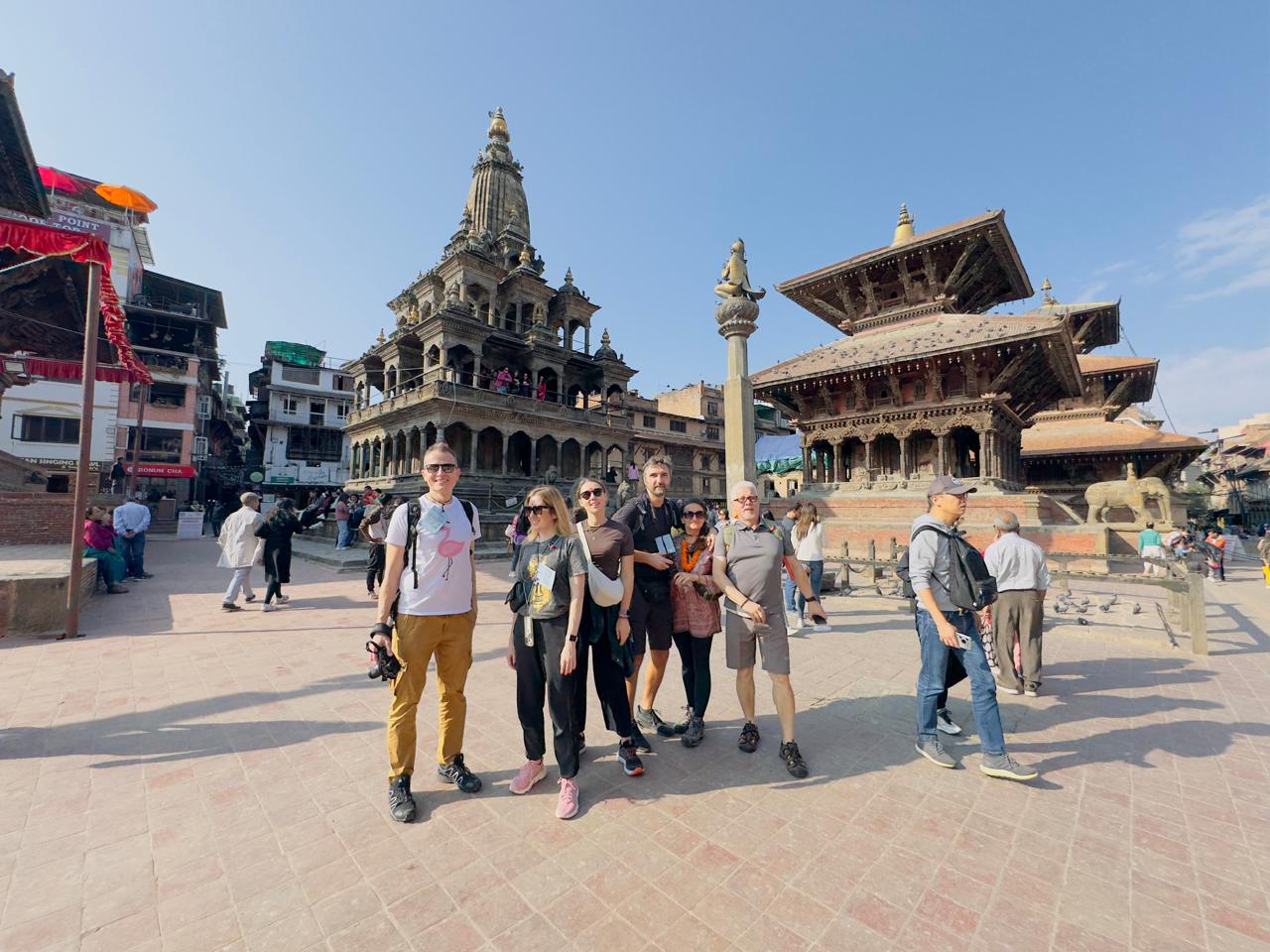
    Sightseeing Around Patan Durbar Square with krishna temple in the background

    As I traveled deeper into the chaos of the city. I met an older gentleman working with metal outside of a small workshop that seemed to be home. His hands were rough from kneading bronze and copper like butter into different shapes and symbols. When I hesitatingly asked him what inspires his art, he smiled kindly and said, ‘In Patan, we do not make art to sell.” We do it because it keeps our ancestors alive.” This phrase communicated the slightly more literal nature of Nepalese culture; art, mindfulness, and heritage are virtually interchangeable terms. 

    Things to do in Patan

    • The Golden Temple (known as Hiranya Varna Mahavihar) will give you insight into their (often collective) Buddhist customs and their astonishing abilities. 
    • During the golden hour, the Pata Museum and the nearby sacred temples will take on a golden shade. 
    • Speak with some artisans, and they will warmly greet you with tales and smiles. 

    A True Time Travel, Bhaktapur

    If you wish to see what life looked like in Nepal 100 years ago. Bhaktapur is your best place for you. As soon as I walked over the walls, time seemed to slow down. The atmosphere felt different. It felt slow, and brick lined the external walls of brick lined the streets with their old, dusty courtyard spaces. Bhaktapur is a museum of Newari culture and a city of old robes.

    As I walked around Bhaktapur Durbar Square. I couldn’t help but gaze at the height of the Nyatapola Temple. The carved stone guardians, the carvings of each carving. And the vertical awe of this square transported me into another dimension. It is one of those places that makes you feel and breathe history into the surrounding air. 

    I continued my way past pottery, where a new cast of feminine and masculine genders was sculpting the earthen pots with their craft. The earthy smell filled the area, as many earthen pots were sitting in drying stages in the afternoon sun. 
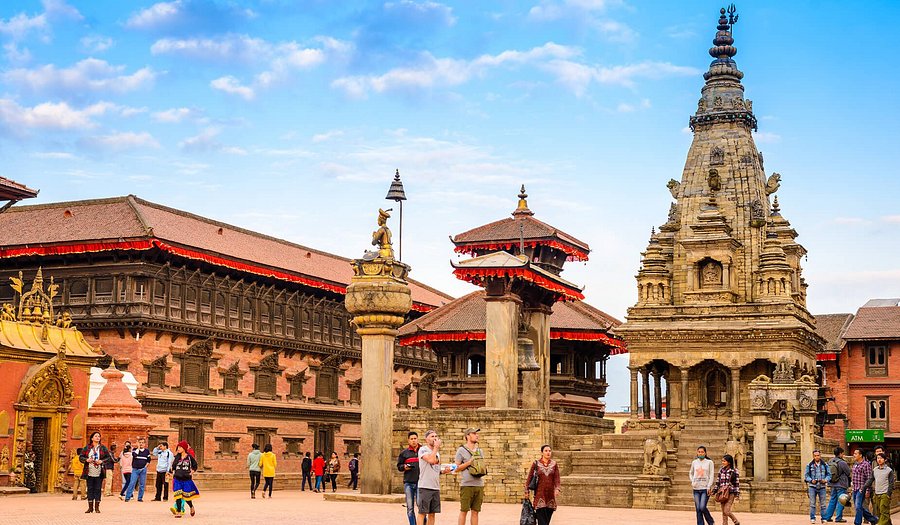
    Temples around Bhaktapur Durbar Square

    I stopped at a small shop to sample Juju Dhau. The iconic “King Curd” of Bhaktapur is served in a small clay bowl, and it was sweet, thick, and creamy (some of the best yogurt I have ever tasted!). The shopkeeper couldn’t contain his pride when he said, “Our family has made yogurt for five generations.” I could sense even the food in Bhaktapur takes on a heritage. 

    I happened to stop in another area, noticed all of the people gathering to pray. The warm dim lit glow from the oil lamps danced for life in the window. It is in moments like this that I thought, yes, while this country and even this world is undergoing modernization, there will always be places like Bhaktapur where these traditions remain, quietly revered and cherished. 

    Things to do in Bhaktapur

    • If you can, experience Bisket Jatra. It is bright colors, music, and emotion.
    • Try some Juju Dhau and explore Durbar Square at night, when the lamps illuminate both temples and streets. 
    • If possible, watch the potters at work, or try your own hand at shaping clay in Pottery Square. 

    A Place of Peace,Lumbini 

    After spending a few days in the mountains, and a few more in the countryside, I found myself at the site of Lumbini. Lumbini is known as the birthplace of the Lord Buddha. From the moment I arrived to be welcomed, I felt the stillness set in. The town’s noice settled to a sound stage of peacefulness. The wind revolve around the leaves of the trees at one end of the property. While I attended to the muted yet gentle vocal chanting from the furthest reaches of the area. The soft, tinkling tones and blooming of what must have been many. Many temple bells started as wrap melodic ornaments and jungles.

    The Maya Devi Temple identifies the location where the Maya Devi gave birth to Siddhartha Gautama. It is such a humbling thought to actually stand in a place like this. Monks from many places on the globe, each wrapped in their glowing orange sacred robes. They  were sitting in silence, not only in the sun but in stillness and meditation. I reflected on the scene, watching the prayer flags spinning around beside the temple. 

    Before making my way to the temple itself. I didn’t feel rushed, nor distracted  just peaceful. I spent the day wandering everywhere in the Monastic Zone. Seeing what international monastic architecture expressions of Buddhist worship look like. As the evening approached, I walked in the Garden along ancient trees and distant chants from other monasteries. In some places, you just feel better being there. Lumbini showed me that peace is not something we need to seek; it already exists within us. 

    Things to do in Lumbini

    – Make sure you visit Maya Devi Temple early in the morning when it is still quiet.

    – Enjoy looking at the international monasteries and see the different types of architectural styles.

    – Meditate under the Bodhi Tree, to even more significantly try to slow down your thoughts even more significantly.

    The City of Lake, Pokhara

    Commonly called the “city of lakes,” for me it was the “city of reflections”. Both in the water and spirit. It is situated at the foot of the Annapurna range with some of both the sacred and scenic beauty of the land.  Every morning, I  would walk down to Phewa Lake and charm in the perfectly still water with the mountains perfectly now in it. The locals, too, came to the lake for a prayer, or a fish, or just to sit, sometimes silently. There was something soothing about this simplicity in its approach.

    One of the most enjoyable experiences I had while we were there was time spent at Bindhyabasini Temple, the oldest temple in Pokhara. I arrived just in time for morning puja, as I remember the flowers filled the air with sweetness. And women in saris prayed with their offerings, bells ringing with an ethereal rhythm which somehow felt organically connected to something innocent, not fear.
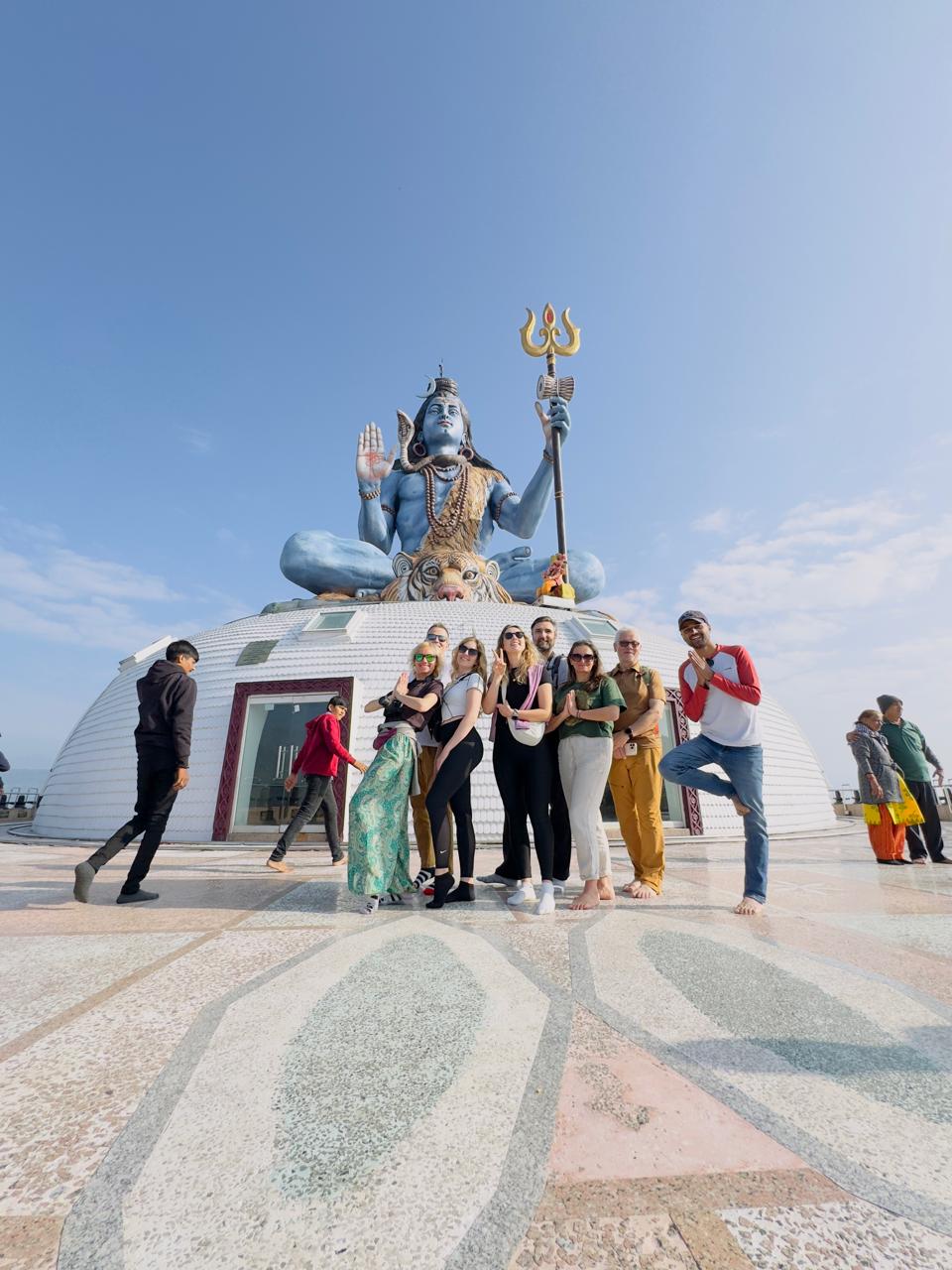
    Group of Happy Mountain clint taking pictures at Pumdikot shiva statue

    In the evening, we joined local community members and lit little oil lamps to place in Phewa Lake.They floated lazily on top of the water like stars falling from the sky. The lights floated on the surface of the water, like stars falling from the sky. It was a moment to think about large charmily as there were countless lights floating along. Some display peace, others hope, and even some gratitude. 

    Pokhara offers one more view of the diversity of culture in Nepal. When I was in the area. I visited the Gurkha Memorial Museum, which reminded me of how pride and honor.

    Things to do in Pokhara

    • Start your day with an early boat excursion on Phewa Lake and then complete a day trip to Tal Barahi Temple. 
    • It is also worth mentioning that you have to experience the sunrise from Sarangkot since bathing in the golden light with spectacular views of the textures of the Himalaya.
    • After that, t you will probably want to navigate around Old Bazaar, and if it remains possible, there are no complete experiences without stopping at the sacred Nakshasat Temple. 

    A Community Frozen in Time, Bandipur 

    Located proudly on a hill between Kathmandu and Pokhara, Bandipur will invite you to sit and take all it in with a full breath. The town is calming and beautiful. It gives some nostalgic novel feel. Newari homes hug alleyways, woodstove smoke drifts and throws itself about, and the sweet smell lentils require a reserved stomach for aware pleasure.

    I had the good fortune of staying at a small homestay run by an extremely nice family. They assumed I was one of their own. I was treated to wonderful hospitality. Every evening we all sat out on the balcony, looking into misty valleys, while sipping milk tea, and discussing life. The grandmother talked about all the ways the town celebrates the festivals of Dashain and Tihar with music, lights, and laughter. “Our joy is simple. We celebrate together, and that is it.”

    Children played traditional games, women prepared food for the festival. And men exchanged viewpoints on local issues in front of local shops. I felt in little Bandipur, that I entered an experience where community matters.

    old traditional structure in Bandipur

    I was lucky enough to see two of the most scenic sunsets during a trip in Bandipur. The dusk sky was painted with pink and golden colors. There were no signs of people, cars, or noise other than the wind rustling and temple bells ringing from time to time. Meanwhile, the Himalayas slowly receded into the background. 

    Things to Do in Bandipur 

    • Walk the main bazaar one evening around sunset and enjoy the tranquility. 
    • Homestay with a local family, and away from tourists. 
    • Try a piece of Sel Roti and Yomari, which folks make for their festivals. 

    What I Learned from a Cultural Experience in Nepal 

    The main thing, I learned from Nepal was that culture is not a building, or an event. It is in the people and the sharing and generosity.The person you just encountered who offers you tea, the child who looks down shyly smiling to you a namaste. The family of people who gather every night to pray and sing and share their lives together. My time in Nepali culture changed my view of the world. I learned to be happy without ownership, to be at peace by finding simplicity, and to express beauty in the most common of times. I felt a sense of connectedness in all things. From chanting in the temples in Kathmandu, to feeling a sense of peace in Lumbini, to finding beauty in the art of Patan, to laughing in Bandipur. All were experiences of community that reflects language and faith.

    When leaving Nepal, I took more than just a few souvenirs. I took the melody of the temple bells that were ringing in my heart. And the beautifully slow release of incenses in my pocket, to feeling the sweet creamy, empty taste of the curd on my tongue. As well as wearing the warm-fuzzy feeling of being advised by strangers together as a family. More than a memory, it was a new lens of viewing life.

    Conclusion

    In Nepal, the experience of cultural immersion is not a hurried activity. It signals you to slow down, listen, observe, and open your heart. The country does not accept you as a tourist, but rather as a friend who wants to endlessly share its ancient wisdom and joy of living daily.

    If you ever come to Nepal, do not just see it feel it. Walk through the old squares, talk to the artisans, eat with the locals, and let the rhythm of life guide you. Because in Nepal, the most meaningful experiences are not found on maps; they are found in moments that touch your soul.

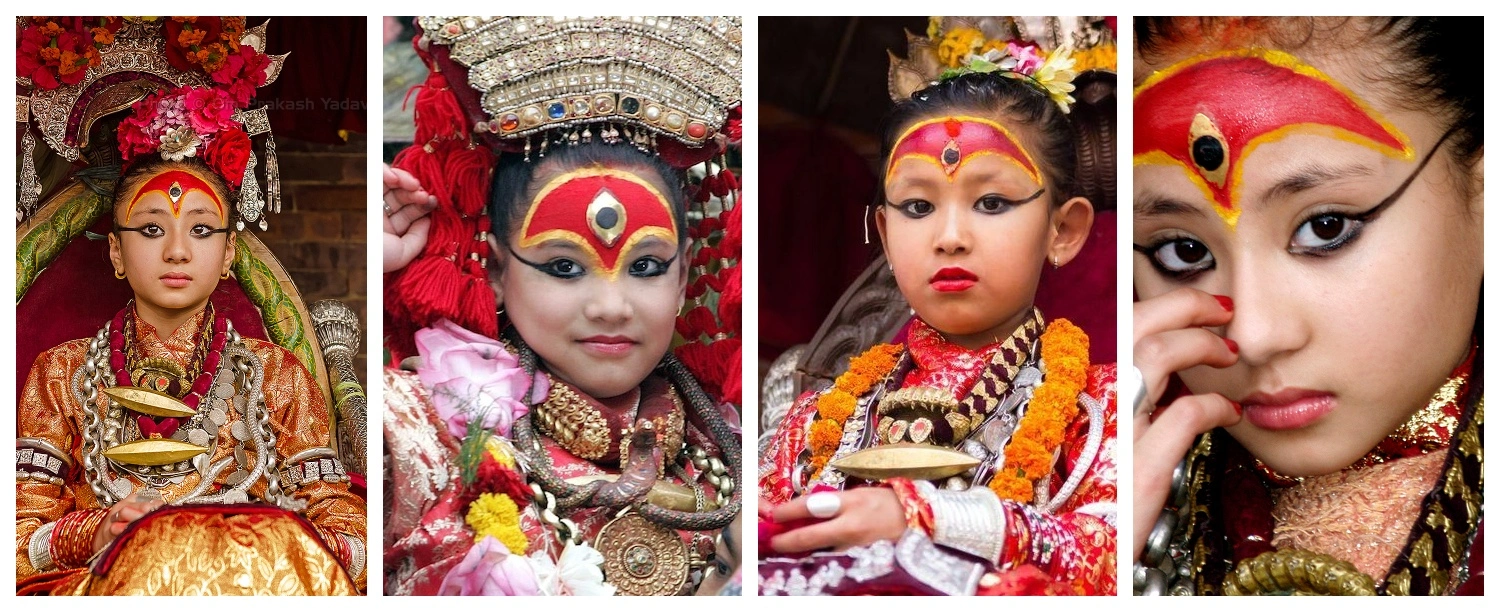
     

  • Kumari Culture : A Sacred Tradition of Kathmandu valley in Nepal

    Kumari Culture : A Sacred Tradition of Kathmandu valley in Nepal

    Kumari Culture : A Sacred Tradition of Kathmandu valley in Nepal, the country of older religion and spirituality, is also the home of the world’s strangest living ritualthe Kumari goddess, or Living Goddess. The flesh-and-blood embodiment of earth womanhood, the Kumari is an early-teen girl who must endure a stringent ordeal of selection and also be deified in crown ceremonies, celebration, and everyday living.

    Not only has this magical tradition attracted cultural tourists, but also anthropologists. But under the sacred image lies a more profound, at times chilling, reality—one that challenges deep questions concerning children’s rights; children’s shaping and social resocialization; tradition and modernity conflict.

    Here in this blog we sketch out the Kumari culture of Nepal fairly broadly: its origins; rituals; festivals; tourist participation; and some of the ethical issues it raises. If you are planning a cultural tour of Kathmandu or if you simply wish to be aware, you may wish to refer to this as a handbook to one of the last cultures on earth of live goddesses.

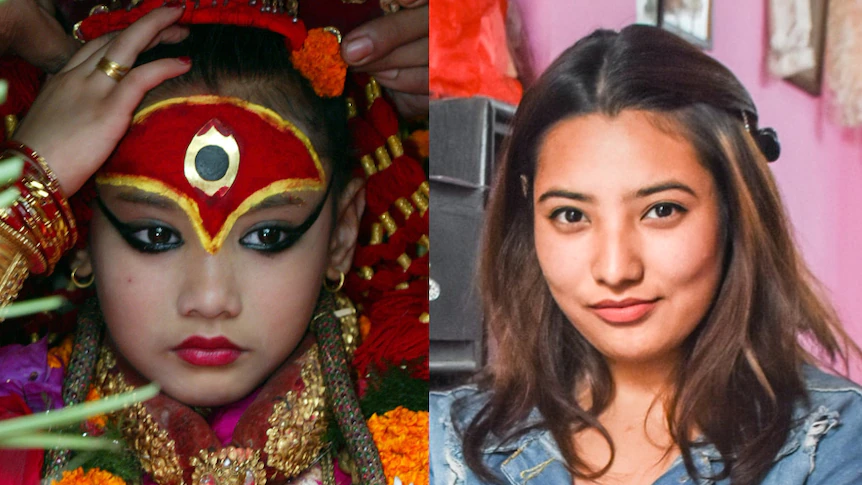
    Different Ex Kumari From Kumari Ghar
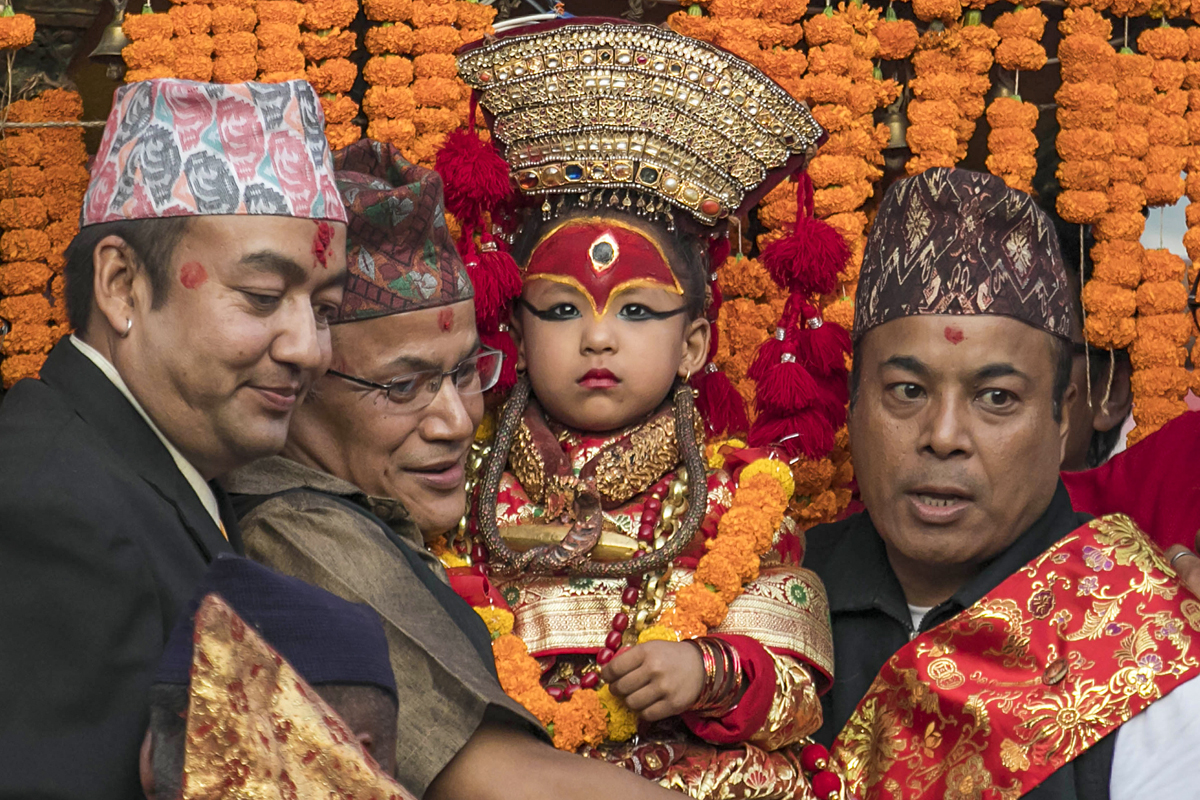
    Kumari The Living Goddess in Nepal

    The Origins of the Kumari Culture

    Kumari tradition has its roots very deep into the past, to even the initial part of the 17th century, when it was the era of the Malla dynasty. Among all Hindu and Buddhist religions, the Kumari began from the cult of Taleju Bhawani and the Tantric goddess. It is said to trace back a very long way after it is said once upon a time that King Jayaprakash Malla lost a game of chance to Taleju in bed.

    When this was made known, Taleju took an oath of revenge to the King that she would only come back as a girl child of the Shakya or Bajracharya caste, the Kathmandu Newar Buddhists. This resulted in a trend toward the cult of adoration of a girl of a very young age as the true incarnation of Taleju. Kumari culture, developed over centuries, is a blend of religious devotion, royalty, and Newar culture within an ascending spiritual experience.

    How a Living Goddess is Chosen

    Being a Kumari is not an ordinary job; it is an occult and spirituality-laden hiring process, and involves astrologers, priests, and royal advisors.


    The selection is ideal; the bride-to-be must be of the Shakya or Bajracharya caste, have a virgin body, and also must have some of the goddess like qualities of the “32 perfections of a goddess.” They have such physical characteristics as “eye,” “deer’s legs,” and “lion-like chest.” The last step in the selection process is a spine-chilling initiation ceremony called the Kal ratri test, in which the candidates are taken to a black room packed with animal skulls and ritual blood, and the girl who never shuts her eyes is thought to have Taleju’s innocent soul.

    After the selection, Kumari is removed from the world to live at the Kumari Ghar, goddess palace in Kathmandu Durbar Square, and becomes adjusted to goddess life.

    The Daily Life of the Living Goddess

    The everyday life of the living goddess, the Kumari, of Nepal is unsettled by ritual purity, complete isolation, and flawlessly symbolic religious significance. With her selection as early as the age of 2–5 years old, the Kumari says goodbye to the birth home and begins her goddess life at the Kumari Ghar (goddess house), the ritual house in Kathmandu Durbar Square. The Kumari’s role is symbolic in and of itself, as the devotees consider that Taleju (the goddess she incarnates) is present in her body.

    Ritual Purity and Elemental Prohibitions

    The Kumari is regarded as a pure vessel of divine energy. For each desire uttered to her, the utmost precautions are taken to ensure her purity:

    Never touch the ground: Outside palace grounds, she never gets to touch the ground with her feet. She is handled by her servants/her servants will carry her, or carried in a palanquin, especially if there are celebrations. This is possibly because touching the ground would get in the way of her life as a goddess.

    None but the elect can touch her: her personal servants, nursemaids, and priests can approach to invoke ritual. Anyone who touches her in a presumptuous manner or without proper means and ritual purity is presumptuous towards the goddess.

    Outer appearances count: She appears every day in ritual red attire with ritual cosmetics such as agni chakchuu (the eye of fire) on her forehead and golden traditional ornaments. These are not adornments, but to remind us of the goddess every day.

    She’s worshipped daily and offered:

    The Kumari is revered and offered puja nearly daily by priests, caretakers, and visitors. There is a daily morning ceremony at the Kumari Palace.

    She is first attended to by her caretakers (Chitaidar and the other assistants) to bathe, dress, and eat (vegetarian and offered with full ritual cleanliness).

    On her birthday, pilgrims who visit the Kumari palace visit daily and pray and give offerings. She silently sits on her throne for the day as groups of people half-bow and give offerings or make other offerings to her, quietly looking in her direction. People believe that she can foretell the future by gazing at her or rid them of evil fortune.

    In sheer devotion of worship and respect, priests come to her every day to recite mantras and perform religious rituals on her behalf, and as other divine blessings to her, ordaining the Kumari as sacred.

    Kumari is Taken out to the Palace for Royal ceremony
    Kumari Getting ready for the possession

    Public Activities: Festivals and Chariot Processions

    The Kumari has comparatively little public activity. The most visible public activity is during Indra Jatra, one of the biggest festivals in Kathmandu:

    • Indra Jatra’s Kumari is brought out in a high, elaborately decorated wooden chariot and paraded before Kathmandu’s streets.
    • She blesses the King (by tradition), government officials, and thousands of ordinary people who have come for a glimpse of her.
    • The people gaze with keen eyes at her behavior at such processions, and if she is lucky enough to be quiet and calm it is a very auspicious sign for the year.
    • Dashain, Kumaripuja, and Navaratri are some of the significant occasions. The Kumari can visit such festivals in a bid to become involved in special rites, to bathe Tika, and/or to receive state visits.

    Education, Loneliness, and Emotional Consequences

    In the best of all worlds a goddess, her most basic human needs are assail time and again: “Education, Loneliness, and Emotional Consequences”

    Education: Her education has been restricting according to the traditional norms. She has been educated with restricted education in the palace without any possibility of attending normal schools. The Nepalese government and NGOs have attempted their best during the recent past to provide home schooling such as reading, writing, mathematics, and social studies for Kumaris.

    Social life: She is not permitting a normal social life, i.e., play or play sport, or indulge in childhood joys. Even going out twice or thrice to meet relations is not permitted, and her “friends” are orderlies and some, old Kumaris if they happen to drop in.

    Psychological impacts: While there are accounts of earlier Kumaris of the psychological misery they experience as isolate, identity-crisis-stricken, and realizing that they would then have to learn new coping mechanisms no longer goddess, effortless healthy emotional transition from goddess to mere girl hurts and confounds without professional psychological support.

    Though deified, worshipped, and symbolically invested in culture, Kumari exists in a life tightly circumscribed, segregated, and predetermined. A god or goddess, the child remains human child who will be forced to exist in impossible expectation and limitations.

    For all such excursions into equilibrium to Kumari life, in the form of additional education, health breaks from time to time, and more family time for the Kumari, Kumari life is rich tapestry of restraint, ritual, and respect.

    Life After Retirement: Mortal Rather Than Goddess

    • A Kumari retires upon blood being pushed into circulation by coincidence or menstruation. She is then nothing but an ordinary citizen – at least on paper if not in fact.
    • The majority of the ex-Kumaris are emotionally traumatized, stunned, and identity-crisis-ridden. Even marriage with an ex-Kumari was a sorrowful wedding, thus their alienation as Kumari. Although that is receding now its psychological impact cannot be erased.
    • A couple of the former Kumari have spoken out, most recently suggesting better education, better mental health and transition arrangements at retirement.
    When she was Kumari & Now
    Then & Now

    Tourist Experience: How to Gaze Respectfully Experience Kumari Culture

    Thoughtful travelers will discover that a meeting with the Kumari will be one of those magical once-in-a-lifetime experiences. Kumari Ghar in Kathmandu Durbar Square is open, and the goddess can be seen by anyone at some points during the day.

    Some ethical encounter tips are:

    • Respect: Soft clothes, no flash, and muted.
    • Don’t make her a spectacle: Attend the meeting as you would any sacred ritual/tradition.
    •  Responsible tourism: Support considerate guides/agencies/friends in adjusting to cultural rituals.
    • Timing is everything: Remember Indra Jatra (September) is the optimal time to spot Kumari in public.

    Major Events Where you will catch a glimpse of Kumari

    1. Indra Jatra

    Her most public manifestation is Indra Jatra. Indra Jatra is the Hindu celebration of god Indra. Kumari is street borne on Kathmandu streets by golden carriage, and pilgrims who are thousands stand in line to be blessed by her.

    2. Dashain

    The Kumari is not part of general, everyday Dashain rituals but her devotees do fill the Kumari in dress during Dashain and feel that they can receive her blessings.

    3. Kartik Nach and other local jatras

    In addition to Dashain and Indra Jatra, there are numerous small festivals in and surrounding the Kathmandu Valley where one sees performance of the Kumari demonstrate how much a part of Newar daily life Kumari is.

    The Dark Side: Psychological and Ethical Issues of Kumari

    Despite Kumari culture being very much a part of Nepal’s culture, there are certain issues raise by some psychologists and certain human rights groups. Some of the major issues are explain below.

    Yes. Below are the detailed descriptions of each of the darker side elements of the Kumari tradition, two paragraphs each about each side regarding creating more awareness and cultural sensitivity.

    1. Loss of Childhood

    While the Kumari is revered, her life is otherwise describe as a loss of childhood. Once she is select, according to age, she is taken from school, from a typical child life, to be adopt at Kumari Ghar and live there in extremely disciplined religious living; she won’t have a chance to play, not the type most kids are allowed to play, she won’t have the opportunity to have regular school (once more, whatever Kumari Ghar that might be) and she won’t even be allow to mingle with children just the same.

    Her existence is dominated by religious ceremonies, rituals, and disciplining of her soul every day. Although she would be worshiped devoutly and with reverence, her life and self would be cult devotion-oriented instead of being hers. This detachment from everyday social life denies Kumaris valuable developmental experiences. In the lack of peer attachment, play, and informal learning settings, the Kumari is denied basic social and emotional learning.

    Even with education reforms which have allowed Kumaris to receive some private tutoring more and more, these are additions to an end education and social curriculum. What became of childhood as a little girl, with fantasy, discovery and innocence, to be replace by exclusion and seriousness in a package, to say nothing of God-ordained standards of perfection.

    2. Psychological Consequences for Kumari

    Divinity in childhood’s early years may lead to sudden identity change. Kumaris are never refer to as anything but a goddess by the adults that surround them, treat like doll children by adults and shield from the customary contact of people. Their attain role is strip from them when they enter menopause. Goddess to zero role reversal could be disastrous. All of the Kumaris have also declare that they have been depress, bewilder, and left behind in attempting to re-acclimate back (re-enter back) into a completely new world that previously was completely absorb in what it means to be a Kumari but now looks at them from a distance. Human rights defenders and psychologists think that such a broad closure without retaining the mental health center in their jurisdiction. It would subject children to psychological traumas, which would take centuries to be forget.

    The very same young woman who formerly reigned in the genuine adoration. For instance, five hundred a day on an altar (i.e., not scraped off a pail) might now be compell to hustle to be a friend, learning in a schoolroom, or even talking with and participating with individuals other than on her altar; i.e., people without a pedestal. The confusion created by idealizing worldly and vice versa without therapeutic working through or effort towards correcting the individual later in life actually soils their adulthood. This is only one instance of religious worship and devotion in the journey to psychological development. Tension yet to be smooth out of Nepalese culture neatly.

    3. Gender and Social-Relations of Kumari

    The Kumari tradition bestows divinity, and the accompanying taboos, only on prepubescent girls. The status works to create girls as vessels of divine innocence, provided. They are not disturbing by bodily maturation (i.e., menstruation.) Teenage girls, carrying the stigma of bodily maturation, are not fit to vessels for the goddess and need to be expell forthwith.

    That is, Kumari practice preserves the cultural notion of menstruation as unclean, and a culturally constructed assumption that girls are useful because they can complete a restricted biological equation.

    And lastly, the scrutiny required in the “32 perfections” a Kumari needs to possess (for instance, clean complexion, smooth face, and straight body lines). It adds another frightening layer of gender messaging. The ideology that parts of a girl’s body need to be cultivate transmits wider social messages of beauty ideal and expectation unfairly placed upon women. The Kumari is worth it for an instant, but she is something to cuddle in one’s arms. Her value in her appearance, her chastity, and her silence. And then there is also the problem of how valuable a girl is not only in a practice, but in Nepal society.

    4. Choice and Consent of Kumari

    One of one of the bigger ethical problems with the Kumari practice is the problem of consent.

    The children to be Kumari are usually below the age of five and are usually not in a position to be capable of understanding. To ascribe agency to the role that they are to assume. Parents, astrologers, and older male religious officials usually have the privilege of deciding themselves. Usually on the basis of religious merit, or social status.

    Though occasionally in research this much privilege can be for a family. This child herself is not consult over whether she wants to be a living goddess or not. This removal of her agency has permanent repercussions. Whilst Kumari’s life is guard and respect, it is also govern. She has to be able to walk under guard, be able to wear clothes as desired or decide as desired. Kumari’s status of living god has been establish by other people’s whims and fancies. It is of moral importance in terms of autonomy and human rights. In the context of ongoing controversy about individual freedom and child protection. In order to establish such status-altering identification on a child against her wishes is questionable in itself. It is done under the guise of religious law which renders the fact acceptable.

    5. Ethical vs. Cultural Tourism Conflict

    Most visitors who visit to gawk and stare at the Kumari are amaze by the experience. But they’re also conflict: is it appropriate to “stare” at a child in a highly symbolic context. But without being aware that she might be losing her psychological well-being and agency to the experience? Tourists, of course, will view the Kumari as part of a photo opportunity or cultural curiosity and not as a sacred one or child in an exploitative manner.

    The tourist industry can add to the Kumari site only another level of tourist mystique. Generally provides little background, sensationalizes, and insensitive to controversy of experience. The more Nepal opens up via travel, the only thing that “authentic experience” demand will drown out the concern of cultural appropriation or ethical tourism. For responsible tourism, mere presence is not enough. Responsible tourism calls for awareness, sensitivity, empathy, and reflective enactment of practice toward an understanding of participants’ respect and dignity, above all children.

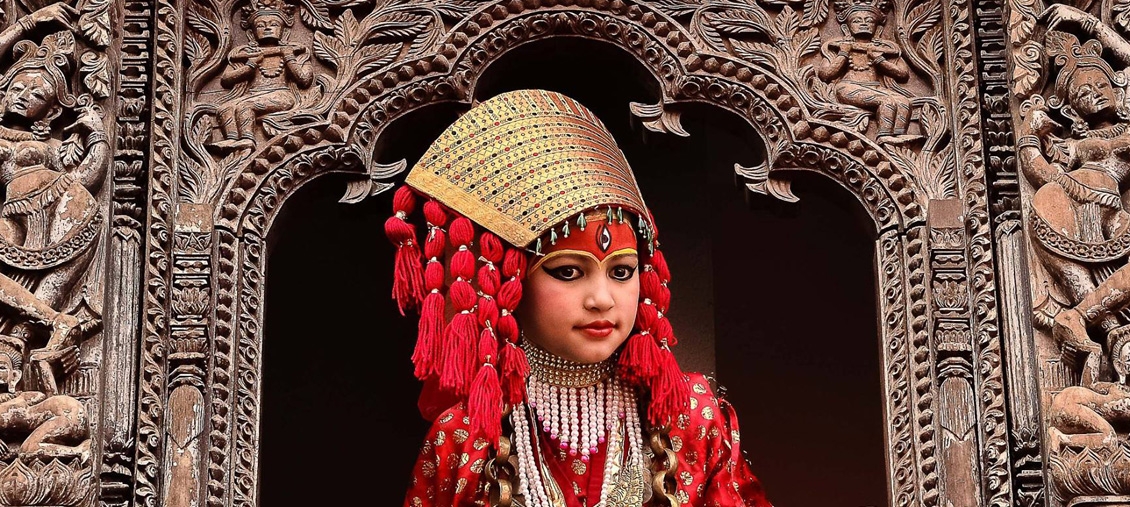
    living goddess kumari giving blessing from window
    Nepal’s living goddess, Kumari

    Voices of Change: Changing from Within For Kumari

    Following criticisms, the government of Nepal and Kumari guardians have started co-opting changes:

    Education: Kumaris are now taught privately and most of them pursue further studies (post-retirement) under government scholarship.
    Legal Rights: Kumaris will also receive scholarships from the state and legal rights under Nepalese law.
    Advocacy: Former Kumaris such as Rashmila Shakya are penning memoirs today. They do public talks to advocate for change on the basis of it being a tradition practice.

    It’s slow, but change and its middle path solution to preserving heritage for the good of humankind.

    Taking a Summary stand in favor of Ethical Travelers

    Nepal’s Kumari practice is progressive religion, of royal blood, and dynamic. It is with scandals and controversies, but you are part of the process of communicating royal interactions. Raising royal questions, and in continuing the tradition to evolve and mature as a living institution to relate to humanity.

    Tips for a Quick Trip:

    • Go September to September to witness Indra Jatra.
    • Visit Kumari Ghar at Kathmandu.
    • Employ cultural studies professionals.
    • Do not commodify the Kumari as spectacle.
    • Get locals involve and ask them how they are doing education reform.

    Conclusion

    The Kumari practice is one wonderful window into the religious life of Nepal, thus combining old royalty, religion, and ritual. But it is a new era and so should be our way of thinking about worshipping, guarding, and idolizing.

    For considerate visitors, seeing Kumari is not just a cultural ceremony. But a reflective process with the meeting point of religion, identity, and change. If you are planning to visit Nepal or visit kumari, Contact us today at Happy Mountain Nepal, on Facebook, Instagram, or TikTok

  • UNESCO World Heritage Sites: Highest Density in the World

    UNESCO World Heritage Sites: Highest Density in the World

    UNESCO World Heritage Sites: Highest Density in the World

    And if everything in nature is in balance, then culture and history itself is in balance, and there simply are some countries more precious than others. Is not Nepal one of them with the highest UNESCO World Heritage sites in the world? Himajan beauty gives the nearest estimation to the most concentrated dose of such beauty with so-called ultimate respect to all of the human mankind to be good and close to one another.

    We will explain in this blog why are the UNESCO World Heritage Sites unique, why is Nepal unique, and more about those incredible sites.

    Mountain city & jungle view
    Langtang, Bouddha & Chitwan

    What Is a UNESCO World Heritage Site?

    There are some locations on our planet that have been marked by UNESCO, one of the United Nations Educational, Scientific and Cultural Organizations, as World Heritage Sites. This can be monuments or cultural, scientific, historical, or natural sites of significance. They are not for use or enjoyment today, but for preservation for generations in the future.

    They fall into three categories:

    • Culture: Historic structures, cities, buildings, or traditions.
    • Nature: Geography, geology, or environment.
    • Mixed: Both culture and nature.

    Why Nepal ranks second with highest number of UNESCO Sites in the world

    Nepal is a small country, but inside the small country there’s amazing diversity. It has ancient cities, sacred temples, and high-altitude mountain parks, so Nepal is an open museum. Nepal has ten World Heritage Sites in the UNESCO list, and eight of them are within 60 kilometers of the Kathmandu Valley. There’s one of the most densely populated cultural areas of.

    The 10 UNESCO World Heritage Sites of Nepal

    1. Kathmandu Durbar Square

    Palaces of Shah kings and subsequently Malla kings, Kathmandu Durbar Square or Hanuman Dhoka Palace Complex is right in the center of olden Kathmandu. Containing only a palace complex, temples, courtyards, and statues, the square is an architectural marvel with Newar architecture in the form of latticework windows, wood carvings adorned with decoration, and tiered pagodas. Politically and culturally as well, Kathmandu Valley seat of government, coronation and celebration were here.

    Even though this complex has also been affected by the 2015 earthquake, there is no single damaged building or, worse even, a single casualty in this complex. Kumari Ghar (Palace of Living Goddess), Hanuman Dhoka Museum, and Taleju Temple are some of the world-famous places within this complex. This complex is also decorated with Hindu as well as Buddhist elements, so not only an ancient complex, an ever-lasting culture center too.

    Golden sky with Kal Bhairav statue & Kathmandu Durbar Square
    Kathmandu Durbar Square

    Key Points:

    • Palace of Shah and Malla monarchs,
    • House of Living Goddess Kumari,
    • Newar style of construction similar to woodcarvings,
    • Has traditional festivals such as Indra Jatra,
    • Is located in the center of Kathmandu.

    2. Patan Durbar Square

    Patan Durbar Square is located in the middle of Lalitpur city, previously known as Patan. It is renowned for having extremely well-preserved palace complexes, temples, and shrines. Although it was established as a learning and artistic center by the Malla kings, it is decorated with plenty of carvings, metal, and stone carvings. Among them, the most popular one is Krishna Mandir, which had been constructed completely of stone in Shikhara style.

    The square is also home to the Patan Museum, South Asia’s premier Hindu and Buddhist art museum. It’s a city of artisans, and artisans make handicrafts in family workshops where ancient crafts still exist. The city isn’t modernized yet, though, and still has a clean eternal sort of quality timeless past and timeless present.

    Patan Durbar Square view with temples
    Patan Durbar Square

    Highlights:

    • Krishna Mandir: constructed all of stone,
    • Patan Museum: with faith paintings,
    • Centre for Newar art and architecture,
    • Some pagoda and Shikhara-type temples,
    • Fewer tourists than Kathmandu.

    3. Bhaktapur Durbar Square

    Bhaktapur Durbar Square is Nepal’s most preserved medieval town. 13 km from Nepalese capital city Kathmandu, formerly a kingdom overawing the latter, stands Bhaktapur today. Emerging from such archeological splendors as 55-Window Palace, Golden Gate, and Vatsala Temple, cobble-road thoroughfares, buildings a hundred years old, and colorful town courtyards preserve within themselves an ever-eternal-world glory that whisks you back in the 15th century.

    Bhaktapur is renowned for its weaving and pottery, and traditional practice remains retained till date. Reconstruction of buildings even post-2015’s earthquake was undertaken to provide the city with an identical old look. Bhaktapur is distinctive not just due to monuments but also due to heritage.

    night view of Pyatapola at Bhaktapur Durbar Square
    Nyatapola Temple


    Major Points:

    • 55-Window Palace with façade decoration
    • Golden Gate: finest example of repousse metalwork
    • Lively community of craftspeople
    • Medieval Newar urban planning
    • Organizes the big composite festivals such as Bisket Jatra.

    4. Swayambhunath Stupa (Monkey Temple)

    Atop a hill in the northwestern corner of Kathmandu, Nepal, is this most sacred and oldest Malla complex of Hindu and Buddhist devotion. The white middle stupa and all-seeing eyes of the Buddha and the golden finial of enlightenment represent enlightenment. Different clusters of small shrines, chaityas, and temples are scattered here and there on the grounds to represent centuries of human spirituality.

    The hilltop gives a bird’s eye view of the Kathmandu Valley, and the complex is everyone’s delight, both for the tourists and the locals. Smell-running monkeys are the delight of the complex. The combination of Swayambhunath architecture and spirituality is proof of Nepalese diversity.

    Swyambhu & Harati Ajima seen in Swyambhunath temple
    Swyambhunath

    Key Highlights:

    • One of the earliest stupas of Nepal, more than 2,000 years old)
    • All-knowing eyes of the Buddha reflect awareness.
    • Panoramic view of Kathmandu Valley
    • Sacred to Hindus and Buddhists
    • Nickname because ofthe resident monkey colony

    5. Boudhanath Stupa

    Boudhanath is the largest and most significant stupa on the planet. It’s a Tibetan Buddhist sacred spiritual complex, located north of the capital city of Kathmandu. The gigantic white dome, surmounted by a gold spire and Buddha eyes that seem to be staring back at you, exudes an aura of serenity and mysticism. Monks and pilgrims walk the other direction around the stupa, chanting mantras and spinning prayer wheels.

    It’s surrounded by Tibetan monasteries and bazaars, and the area is mostly Tibetan. It’s especially crowded during Buddhist holidays like Buddha Jayanti and Losar. Boudhanath is a vibrant spiritual community and shrine, and is full daily with thousands of pilgrims.

    Bouddhanath Stupa
    Bouddha Stupa

    Highlights:

    • Largest stupa in Nepal
    • Center of Tibetan Buddhist culture
    • Prayer wheels circumambulation path
    • Surrounded by shops and monasteries
    • Hollow, but is a center of meditation quietly

    6. Pashupatinath Temple

    With all the sanctity that has been bestowed upon it, Pashupatinath is Nepal’s most sacred Hindu temple on the river Bagmati in Kathmandu. Pashupatinath temple is Lord Shiva’s temple and a massive 500 or even larger temple, monuments, and ashrams. With a golden roof and silver gates being engineering wonders, the temple is only open to Hindus.

    It is also one of the humongous cremation grounds where open funeral ritual takes place every day. All of this in accordance with Hindu cycle of birth and death. Thousands throng there during Maha Shivaratri and one of the largest celebrations of the country.

    Pashupatinath Temple view from bagmati ghat
    Pashupatinath

    Key Points:

    • Nepal’s most sacred Hindu temple
    • A temple in which Lord Shiva is worshipped
    • Open cremation is performed on the river ghats.
    • Mad crowd during Maha Shivaratri
    • Green blend of art, ritual, and religion.

    7. Changu Narayan Temple

    Changu Narayan temple is Nepal’s oldest extant Hindu temple, located on the hillside which hangs over Bhaktapur. The temple is itself a temple to Vishnu and was constructed during the 4th century. The temple precinct includes some of the carvings from wood and stone which are some of the best of the remaining Nepalese artwork from an early period. Though the temple is very ancient, it is an active center for worship.

    The village that is nearby also provides a first-hand Newar village experience. As it is not as touristy as some of the other heritage sites, the site is a wonderful one for those who require some peace contemplation. It also provides lovely views over the greens and valley.

    oldest Changunarayan temple
    Changunarayan


    Key Highlights:

    • Oldest surviving Hindu temple in Nepal
    • Votive temple of Vishnu (as Narayan)
    • Well-carved and inscribed fine stones
    • Quiet village atmosphere
    • Good view of Kathmandu Valley

    8. Birth place of Lord Buddha in Lumbini

    Original Buddha birthplace is situated in Nepali plains, southern region. Real birthplace it is, but holy pond, Ashoka Pillar are available rather the real birthplace being tranquil Maya Devi Temple and hence the sense of spiritual experience.

    It is appears to be divided into East (Theravada) and West (Mahayana) with overseas monasteries. Pilgrims come to meditate, study, and bask in silent reflection. Lumbini is not only an ancient site; it’s a throne of peace and divine non-violence.

    Mayadevi Temple in Lumbini
    Lumbini

    Highlights:

    • Birthplace of Buddha (623 BCE)
    • Maya Devi Temple and sacred pond
    • Ashoka Pillar with historical visit record inscription
    • International monastic zone
    • Declared world pilgrimage site

    9. Sagarmatha National Park

    Sagarmatha National Park borders Nepal in the east and includes Mount Everest, or Sagarmatha as the locals call it. It is 1,148 square kilometers of rugged mountains, gorges, glaciers, and backcountry. It is a UNESCO natural heritage site because it includes huge diversity and cultural landscape.

    The. Sherpa people, the park. is dotted with monasteries, prayer flags, and Everest. trails. Snow leopards and Himalayan tahrs give way to wild forest dwellers. Nature beauty and religious warmth are the charm of trekking here.

    visitors at Everest Base Camp
    Everest Base Camp

    Main Features:

    • It is one of the home of Mount Everest.
    • Rare Himalayan flora and fauna species
    • Sherpa people and Buddhist monasteries
    • Evergreen trekking landscape
    • UNESCO Natural World Heritage Site

    10. Chitwan National Park

    The Chitwan National Park is Nepal’s initial subtropical lowland national park. It is best known for being wonderfully varied and containing threatened species such as the one-horned rhinoceros, Bengal tiger, and gharial crocodile. Rivers, grasslands, and sal forest infested with population comprise the park.

    Jeep safari, canoeing, and bird watching facilities are available among others. Cultural tours within and beyond the region are also available in Tharu village community locations in the region on community-based tourism conditions. An eco and wildlife success story.

    safari activities in green chitwan national park
    Safari at Chitwan National Park

    Key points

    • Green one-horned rhino and Bengal tiger
    • Nepal’s first and only national park since 1973
    • Jungle safaris and canoeing trips are run
    • A UNESCO Natural World Heritage Site
    • Abundant in the culture of the indigenous Tharu people

    Travel Tips for Visiting UNESCO Sites in Nepal

    1. Plan

    Nepal’s UNESCO sites are one after the other and just a few minutes’ drive from each other, so if you can plan your days in this manner, you can cover Kathmandu Durbar Square, Patan Durbar Square, Bhaktapur Durbar Square, Swayambhunath, Boudhanath, Pashupatinath, and Changu Narayan within two or three days.

    2. Dress modestly

    Dress modestly when visiting religious and spiritual centers such as temples and stupas, i.e.: cover shoulders, chest, and legs. The exposing of one’s body is not appropriate in these cultures and results in unintended offense. Visitors generally remove shoes when walking around temple complexes, while avoiding some areas off-limits to non-Hindus and photography.

    3. Employ a local guide

    A local guide whom you employ in the destination where you will be visiting is able to bring depth of insight to your cultural and historical knowledge of the sites. You cannot gain the insight from viewing the sites yourself that a guide can provide from an explanation of symbolic temple imagery, local myth, and heritage. A local guide will also help the local economy and can make your experience in your travel better.

    4. Be Responsible

    Ecotourism will help maintain Nepal’s heritage for the generations to come. Do not throw litter, use a water bottle and refill wherever and whenever possible, and wherever possible, travel with locals. Be considerate of local religious customs, request permission before photographing a person, and purchase handicrafts to generate income for the locals.

    Conclusion

    Nepal is compact and a World Heritage tapestry like nowhere else. Icy Everest peaks, serene Lumbini plains, each site relates a story of human heritage, spiritual enlightenment, and oneness with the universe.

    Being a cross-cultural, authentic, and discovery-focused traveler, the World Heritage Sites of Nepal offer something you won’t find elsewhere—a complete package in a compact, tight bundle. Contact us today at Happy Mountain Nepal, on Facebook, Instagram, or TikTok


  • Popular Places to Explore in Nepal

    Popular Places to Explore in Nepal

    Popular Places to Explore in Nepal

    Nepal is a land of stunning diversity. From soaring mountains to lush jungles, from ancient heritage sites to remote Himalayan valleys—this country offers a wealth of experiences for every type of traveler. In this guide, we explore 15 of the most popular places to visit in Nepal, each offering something unique and unforgettable.

    1. Kathmandu Valley- Amazing places of Nepal

    The cultural and historical nucleus of Nepal, the Kathmandu Valley is. It all comes under the folds of Kathmandu City and palaces, temples, and Newari architectural wonders of Bhaktapur’s and Patan’s. Walk down city streets, have a tour, and one finds oneself in a time capsule, undoubtedly. Woodwork window ledges, carved stone statues, and holy shrines at each turn are legacies of medieval Newari mastercraft.

    Kathmandu itself is holy too, with magnificent Hindu and Buddhist pilgrim destinations such as Pashupatinath Temple and Boudhanath Stupa. With UNESCO World Heritage Sites dotted all over the valley, days can be spent strolling comfortably through Durbar Squares, bazaars, and peaceful courtyards. Culture lovers, art critics, and historians will have a good idea of Nepal in the valley.

    Kathmandu Durbar Square places

    Key Highlights:

    • Swayambhunath (Monkey Temple)
    • Boudhanath Stupa
    • Pashupatinath Temple
    • Patan & Bhaktapur Durbar Squares
    • Garden of Dreams

    2. Pokhara- Most beautiful places of Nepal

    Pokhara is Nepal’s holiday center. On peaceful Phewa Lake and ringed by snow-covered mountains, it is the ultimate relaxation and sporting adventure paradise. Machhapuchhre and Annapurna range’s reflection in Phewa Lake during early morning hours is unforgettable during early morning hours. Nature’s peace, lakefront restaurants, and city life are a vacationer’s heaven.

    Aside from its view, Pokhara is also the starting point to Annapurna Base Camp and Poon Hill treks. Adrenaline junkies paraglide off Sarangkot, zip-line and mountain-bike, and spiritual enthusiasts bathe at World Peace Pagoda or Devi’s Falls. Something for every adrenaline or chill, whatever your vibe, there’s something for everyone in Pokhara.

    pokhara places

    Key Highlights:

    • Boating in Phewa Lake
    • Sunrise from Sarangkot
    • World Peace Pagoda
    • Davis Falls and Gupteshwor Cave
    • Paragliding and Annapurna treks

    3. Chitwan National Park

    First nature tourism destination of the nation is the UNESCO World Heritage Site ranked, southern Nepal’s Chitwan National Park. The endangered species inhabit the ecosystems such as one-horned rhino, Royal Bengal tiger, sloth bear, and gharial crocodile. Forest, grassland, and rivers surrounding Chitwan National Park cover more than 900 square kilometers.

    Tourists can jeep safari, trek, or canoe with guides in the jungle. Bird-watching is also excellent all year round, with over 500 species recorded. The surrounding Tharu villages also provide tourists with a taste of indigenous local culture, like cultural homestays, local cuisine, and traditional dances.

    luxury chitwan places

    Key Highlights:

    • Jungle safari (jeep/elephant)
    • Canoe ride on the Rapti River
    • Tharu cultural shows
    • Bird-watching tours
    • Elephant breeding center

    4. Lumbini- Peacful Places

    Lumbini is where Siddhartha Gautama, the Buddha, was born. This sacred site, marked by the Maya Devi Temple, is a highly-holy Buddhist pilgrimage site in the whole world. The peaceful setting and religious ambiance of Lumbini welcome pilgrims from the whole world.

    Lumbini Development Zone consists of monasteries built by every Buddhist nation around the world, in national style. Meditation halls and museums like Ashoka Pillar, 249 BCE, also consist of the site seeing point. Lumbini is suitable for the tourists seeking spirituality and peace.

    Lumbini places

    Key Highlights:

    • Maya Devi Temple
    • Sacred Garden and Ashoka Pillar
    • International Monastic Zone
    • Lumbini Museum
    • Eternal Peace Flame

    5. Everest Base Camp- Must vitie Places

    Everest Base Camp (EBC) is among the world’s most visited routes. The trek to Lukla goes along Sherpa villages and suspension bridges and is at an altitude of 5,364 meters. The tourists are blessed with a stunning view of mountains like Ama Dablam, Lhotse, and Mount Everest, etc.

    This challenging high-altitude hike is as much culture and place as it is adventure. Tea houses, Namche Bazaar, and the Tengboche Monastery lie in wait to introduce us to Himalayan existence. The hike is physically challenging but visually and spiritually enriching.

    Everest Base Camp Trek

    Key Highlights:

    • Trek to Base Camp
    • Namche Bazaar
    • viewpoint Kala Patthar
    • Tengboche Monastery
    • Sagarmatha National Park

    6. Bandipur

    Bandipur is a distinguished, ancient hill town of Newari design and Himalayan setting. Located mid-way between Pokhara and Kathmandu, Bandipur is a peaceful respite from more cosmopolitan Nepalese towns. Wandering in Bandipur is to stroll in a museum outdoors, down wooden-trammelled windowsills, stone-paved thoroughfares, and bas-reliefs above temples.

    This is the ideal village for slow travelers to see local culture without mass tourism. Day excursions to nearby sites, caves, and villages are arranged. Sunrise and sunset over Annapurna range is stunning from here.

    bandipur places

    Key Highlights:

    • Viewpoint at Tundikhel
    • Siddha Cave
    • Newari architectural style
    • Bindabasini Temple
    • Homestays with locals

    7. Gosaikunda

    Gosaikunda is a holy alpine lake at an elevation of 4,380 meters in Langtang National Park. Hindus and Buddhists worship there as a pilgrims’ shrine, and pilgrims in thousands flock there annually to celebrate Janai Purnima festival in August. Quasi-mythical in nature is the glacial lake lying in the midst of craggy mountains and glacial valleys.

    Gosaikunda trek passes through beautiful rhododendron forests, Tamang ethnic villages, and high-altitude environments. An excellent choice to avoid more touristy routes and experience magnificent scenery with spiritual significance.

    Gosaikunda Lake Trek:

    Key Highlights of places:

    • Gosaikunda Lake
    • Lauribina Pass
    • Langtang National Park
    • Janai Purnima pilgrimage
    • Tamang culture

    8. Tansen (Palpa)

    Tansen is a scenic hill town of western Nepal. Cobblestone streets, multicolored houses, and Newar-Magar culture make Tansen a ideal retreat for nature and culture lovers. Handloom Dhaka cloth, famous throughout Nepal, is produced in Tansen and used in Nepali traditional caps and attires.

    Next to it stands Rani Mahal (the locals fondly refer to it as Nepal’s Taj Mahal) on the Kali Gandaki River, with colonial buildings and landscape around it. Tansen has not been disrupted by tourism in large numbers, and rural Nepal at its best can be seen here.


    Key Highlights of the places:

    • Rani Mahal
    • Shreenagar Hill
    • Tansen Durbar
    • Dhaka fabric workshops
    • Buddhist and Hindu temples

    9. Ilam

    There is in eastern Nepal Ilam, i.e., tea city of Nepal. The rolling green hills with neat tea gardens cover the area and it is a serene and green location. Its fresh air and soft climate make the location an ideal location for nature lovers and peace seekers both.

    Apart from tea gardens, Ilam is also famously known for sunrise spots, places of religion, and biological resources as well. Antu Danda offers sunrise views in the morning, whereas Maipokhari is a religious wetland with sufficient flora and fauna.

    Key Highlights of the places:

    • Tea gardens
    • Antu Danda sunrise
    • Maipokhari wetlands
    • Local people’s homestays
    • Cheese and fruits of the place

    10. Rara Lake

    Far away at the farthest extremity of the country’s hillside where heights over 2,900 meters run along the at a far northwestern corner of the country, Rara Lake Its blue from glacial snow the whitest summit of nearby Rara National Park. Instead, you see, now and then, human life in Nature, in Nature unblemished, all in a serene setting.

    A day’s trek (or two) or an hour’s flight to Talcha or Jumla to get to Rara. An excellent thought, anyway. Trekkers can opt to walk, camp and soak in local culture where there is no horde of humans.

    Rara lake

    Key Highlights of the places:

    • Rara Lake
    • Rara National Park wildlife
    • Trekking and boating
    • Forage Local culture and remote villages
    • Alpine grassland and forest

    11. Dhulikhel

    Dhulikhel is a picturesque village located 30 kilometers from Kathmandu City. It is also famous for the view of Himalayas and the best weekend-break and meditation-tourist destination. The village itself is equipped with its own ancient town of small Newari traditional houses, pagoda temples, and serene courtyards.

    Dhulikhel day treks bring you to the finest Buddhist Monastery, the Namobuddha Monastery, and villages for a village life experience. Dhulikhel offers good co-mingling of nature and culture with climate and temperature, sunrise view for the mountains, and distance from the capital.

    Key Highlights places:

    • Sunrise view of the mountains
    • Tippus and Thrissur Vadakkunathan Temple
    • Old Newari town center
    • Day walks and village walks
    • Serene setting inthe Kathmandu region

    12. Bardia National Park

    Way, way northwestern Nepal boasts another off the grid but no less stunning national park: Bardia National Park The park that blankets more than 900 square kilometers and holds wild elephants, tigers, one-horned rhino, swamp deer and over 400 birds. It is in its obscurity where it oozes charm with an added dash of fewer tourists.

    The tourists create activities such as jungle safaris, village tours, and canoeing on the Karnali River. Village tours to Tharu villages provide tourists with an insight into the culture in terms of food, dance, and music. Bardia is simply perfect for nature lovers and also for those who want to stay at least for some time close to nature.

    Elephant riding

    Key Highlights:

    • Jeep safaris and jungle treks
    • Canoeing on the Karnali River
    • Royal Bengal Tiger spots
    • Homestays and Tharu culture
    • Birding destinations

    13. Janakpur

    Janakpur is Nepal’s and the country’s most important religious town and Nepal’s Maithili cultural hub. It’s an important birthplace of Sita, wife of Lord Rama, and an important Hindu pilgrim town. The center of the city is dominated by the 19th-century marble palace-type temple, the Janaki Mandir.

    Janakpur is shown in colorful bazaars, Mithila folk paintings, and devotional colors. Janakpur is a lovely city as well as a sacred city and thus a maiden spiritual and cultural pilgrim site.

    Janakpur: Birthplace of Goddess Sita

    Key Highlights of places:

    • Janaki Mandir
    • Mithila painting and wall painting
    • Wedding temple Vivaha Mandap
    • Ram Navami and other Hindu rituals
    • Maithali culture and language

    14. Upper Mustang

    Upper Mustang is a remote area that used to be part of the old Kingdom of Lo. It lies in the rain shadow of the Himalayas and shares the same Tibetan-influenced culture, desert, and cave monasteries. It is limited by access, and special permission is needed to go there so as not to interfere with its ancient culture and ambiance.

    Lo Manthang, the capital town, is a walled palace town of monasteries, royal palaces, and inhabitants. Tiji festival, a fine culture festival, is observed here annually. Upper Mustang is ideal for history and culture enthusiasts of remote Himalaya.

    Mustang's

    Key Highlights of the places:

    • Walled city of Lo Manthang
    • Tibetan Buddhist monasteries
    • Himalayan desert landscape
    • Cave houses in Chhoser
    • Tiji Festival

    15. Langtang Valley

    Langtang Valley lies to the north of Kathmandu, Nepal’s most accessible trekking region places. The location, as it was before the earthquake occurred in 2015, has been tallied up by a series of steps again and still provides its beautiful trails to be walked. Langtang has snow-white mountains, leaf-green forests, and ice-glacial streams.

    Tamang villages along the trek are friendly and hospitable and provide a glimpse of Himalayan culture. Trekking teams like to arrive at Kyanjin Gompa where the aroma of old monasteries and yak cheese greets you. Langtang is a culture and nature lover’s trekker’s paradise location close to the capital city.

    Langtang National Park Wildlife Trek

    Key Highlights:

    • Kyanjin Gompa and cheese factory
    • Langtang Lirung and surrounding peaks
    • Rhododendron forest and yak grassland
    • Tamang villages and Tamang culture
    • Short but scenic trekking trails

    Conclusion

    Nepal is not just a trekking destination—there’s a universe of extremes, geographic extremes, old culture, and profound spirituality places. If you want to view UNESCO World Heritage Sites, trek to Everest Base Camp, relax by the lake shore, or track rare wildlife, Nepal awaits. All 15 of these sites are activities that showcase the diversity of the country.

    Plan, travel responsibly, and be speechless. Nepal isn’t something to look at—you get to experience it.contact us today at Happy Mountain Nepal, on Facebook, Instagram, or TikTok.

    FAQs

    1. When do I go to Nepal?

    The spring (March-May) and autumn (September-November) are the best times to go to Nepal. There is good weather, nice temperature, and best trekking conditions at this time.

    2. Do I need a visa to go to Nepal?

    Yes, most travelers need a tourist visa to travel to Nepal. You can obtain it on arrival at Tribhuvan International Airport or can obtain it earlier online.

    3. Is Nepal’s places safe for tourists?

    Nepal’s places is generally safe for tourists. Tourists, though, need to exercise their common sense, especially when trekking or going to isolated areas.

    4. Can beginners trek in places of Nepal?

    Yes, there are some trek olaces  for beginners in Nepal such as Poon Hill, Langtang Valley, and Gosaikunda. They are fine and quite tough.

    5. What are the top UNESCO World Heritage places of Nepal?

    The key places of UNESCO are Kathmandu Durbar Square, Patan Durbar Square, Bhaktapur Durbar Square, Pashupatinath Temple, Swayambhunath, Boudhanath, Chitwan National Park, and Lumbini.

    6. Must I employ a guide for trekking places?

    Though some of the places treks are possible without a guide, it is advisable to employ a licensed guide for security, cultural insight, and navigation—especially in remote places like Upper Mustang or Everest Base Camp.

    7. How do I get around Nepal’s places?

    You can go by tourist buses, local buses, taxis, or domestic flights. Flight with treks is the general policy for distant places like Rara Lake or Jumla.

    8. What is food like in Nepal?

    Nepalese food includes a mix of rice and lentils (bhat and dal), momos, Newari food, and Thakali cuisine. International cuisine is found in places frequented by tourists like Pokhara and Kathmandu.

    9. Is transport in Nepal costly?

    Nepal is cheap too. Hotel accommodation, dining out, and getting around are all laid-back, apart from the fact that off-trekking fees or air flights (i.e., to Lukla or Jomsom) are costly.

    10. What do I take on a Nepal trip?

    Take clothing layer by layer by season and region. Must-haves are clothing layers, boots, good backpack, sun lotion, refillable water bottle, and medication for altitude or stomach illness.