Tag: EBC Trek

  • How to Prevent Altitude Based Sickness When Trekking EBC

    How to Prevent Altitude Based Sickness When Trekking EBC

    How to Prevent Altitude Based Sickness When Trekking Everest Base Camp

    No matter where you are in the world, trekking to Everest Base Camp is an incredible journey to experience. Walking among the shadows of the tallest peaks in the world, experiencing the villages, and viewing landscapes that appear they are out of dream are experiences that are rare, if not impossible, to have elsewhere. But all of that beauty and wonder brings with it one of the worst parts of trekking, sickness from altitude. 

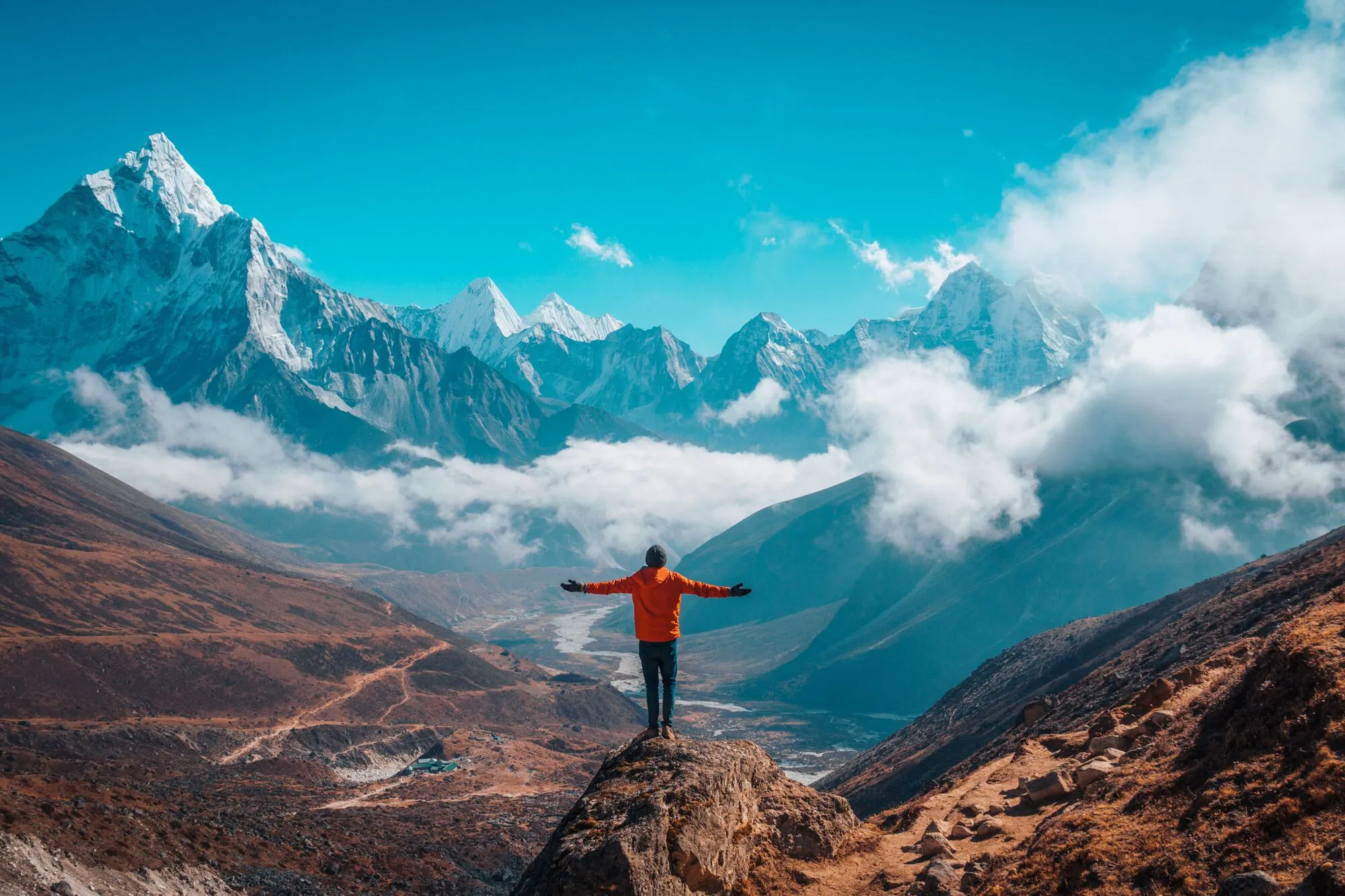
    majestic view of snow-covered mountains, likely from the Karakoram range

    Altitude sickness or Acute Mountain Sickness (AMS) if we want to be more formal, can be common for trekkers traveling to Everest Base Camp, as this trek can take you to altitudes over 5,000 meters. If you are walking about the atmosphere at an altitude above 3,000 meters with thin air, reduced levels of oxygen, and more variable altitudes, your body will have a frightening and sometimes fatal response to this. 

    Fortunately, it turns out that just about all trekkers can take steps necessary to counter altitude based sickness, and can complete this world famous trek with little issue. 

    In this blog, I will try to provide a thoughtful plan on how to reduce the risk of altitude based sickness when trekking to Everest Base Camp, including practical steps you can take, recommendations to acclimatize the body before the trek, and health based aspects of life that one should consider when trekking.

    Understand What Altitude Sickness Is

    The first important thing to do to prevent altitude sickness is simply to know and understand what altitude sickness is. Altitude sickness occurs when your body reacts to the lesser oxygen level associated with elevation change, and is unable to acclimate quickly enough. At sea level, the level of saturation is approximately 21 percent oxygen, but as you go higher, especially above 3,000 meters, the oxygen saturation goes down and subsequently your lungs and body have to work harder to circulate enough oxygen to your blood and brain. 

    The signs and symptoms you may notice from altitude sickness can be mild signs with headache, dizziness, nausea, fatigue, and shortness of breath or can escalate to fluid build-up in the lungs or in the brain.  Tidier escalation symptoms are termed High Altitude Pulmonary Edema (HAPE) or High Altitude Cerebral Edema (HACE; these symptoms can even be life-threatening if unmediated.

    Once you understand this clearly, hopefully, it is easy to know how important the concept of prevention actually is.  You don’t wait until you get sick to take action, you have all these preventive interventions that you do ahead of time and during the trek to give your body gradual time to acclimatize.

    Ascend Slowly and Give Your Body Time

    The most important factor to minimize altitude sickness as you are trekking to Everest Base Camp is to ascend slowly. Your body needs time to adjust to the thinner air. If you rush your trek you will almost certainly increase your chances of developing altitude mountain sickness (AMS). A majority of standard itineraries will enable the Trek to occur over the 12 – 14 day duration, allowing for acclimatization and rest days. 

    For example, you fly into Lukla, which is at 2860 m, and the first day (which is the first day of the trek) trekkers generally walk to Phakding (which actually is almost a little below Lukla) on the first day of the trekking. Walking to a little lower altitude helps acclimatize your body to your trek. Following the Phakding part of trek, the trail typically goes upwards but a good plan also allows for acclimatization days in Namche Bazaar and Dingboche. Rest days are key days really since they allow your body to acclimatize to the altitude instead of just climbing.

    Group selfie on the way back to Lukla From Monjo
    Group Selfie with Kusum Kangaroo

    Remember: the trek to Everest Base Camp is not a race. Many that push the distance too fast, end up sick and/or unable to continue. Walking more slowly is good for your health, but more importantly, helps you to take the unbelievable scenery and experience the Sherpas’ intriguing culture.

    Acclimatization Days are Necessary

    Trek participants often ask why days of acclimatization are included if the plan is just get to Everest Base Camp. The reason is simple: acclimatization makes it possible for your body to function at high altitudes where there is less oxygen. The acclimatization days are not lost days; they are essential to completing the trek for the vast majority of trekkers.

    With Namche Bazaar (3,440 meters) as a base, you will spend two nights, rest on the second day hike, and return to sleep at Namche. The beautiful fixture of sleeping at a lower altitude is from a higher hike that day, called “climb high sleep low”. This method promotes a person’s acclimatization so that they can continue their trek, but they recover inflammation and oxygen deficiency from their body and recover at a lower elevation.

    Trekkers tend to stay at Dingboche (4,410 m) for one or two extra nights, also taking an acclimatization day hike up to Nagarjun Hill or Chhukung Ri. Despite these hike sounding difficult, they are extremely important for acclimatization to the high elevations you will very soon experience in Gorak Shep and Everest Base Camp.

    Too many trekkers simply skipped the acclimatization days. They are convinced that this will rob them of “valuable” time and will put them at an even greater risk of altitude sickness that could potentially disrupt their trek altogether. 

    Stay Hydrated

    Hydration is one of the best and simplest ways to prevent altitude sickness. At elevation, your body, when high altitudes increases respiratory rates and causes increased urination, is losing fluids. Dehydration can slow the body’s acclimatization process to low oxygen greatly increases the likelihood of developing headaches, feelings of fatigue, and symptoms of nausea.

    Hikers should drink AT LEAST three to four liters of water daily while hiking. This does not only mean water, but soup, tea, rehydration salts, etc. to supplement hydration and electrolytes. Many hikers also prefer to have reuseable water bottles or hydration bladders to sip water, rather than wait until their body is thirsty to drink enough fluids.

    Finally, hikers also should be mindful of their caffeine and alcohol intake while hiking. A small cup of tea or coffee is fine, however, it is important to be mindful of total amounts of caffeine consumed, since caffeine will dehydrate your body. Alcohol should be avoided all together, since it effects your hydration, as well as, your acclimatization. Being mindful of what is consumed, can help you avoid altitude related issues.

    Group photo at Phakding Before leaving for Namche Nazar
    Group Photo Taken at Phakding Hotel

    Feed Yourself Nutritiously and Balanced

    Food influences how your body adapts better to a greater altitude. Trekking burns lots of calories, and thus eating well allows your body to have enough energy to adapt and stay well. What you also regularly consume should be accounted for as well as what the quantity of food you eat.

    Meals that are high in carbohydrates are desirable because they are easily digested and will give you energy in every meal while your body is digesting food at altitude. Most treks you will see trekkers eating dal bhat, a local dish made of rice, lentils, and vegetables that is found throughout Nepal. This is a nutritious and filling meal that will provide good energy for the trek. 

    Heavy foods, such as oily greasy foods, are what you want to avoid; as you travel and eat at altitude it will be harder for your body to digest them. Instead, stick to soups, pasta dishes, rice dishes or vegetables. You also want to eat smaller portions compared to larger sizes, and not make your stomach work hard to digest a larger meal. If you eat a diet with balance it will generally keep your energy levels better and assist your bodies in minimizing food and energy to work effectively with the strain altitude brings.

    Recognizing Symptoms Early

    In this grand prevention of altitude sickness puzzle, one of the most important pieces is understanding how to recognize the symptoms early. Too many trekkers will brush off what they think are minor symptoms, like a very minimal headache, or a small amount of shortness of breath, telling themselves that these are acceptable and part of a normal acclimatization pattern. These symptoms are not — this is your system telling you that it is starting to struggle to acclimatize.

    Some common symptoms of altitude sickness are headaches, dizziness, nausea, loss of appetite, disturbed sleep, and general fatigue. If you feel any of these signs of altitude sickness you should not ignore them. Take the needed time to rest and hydrate. Do not go higher in altitude until you feel better. Continuing on with symptoms getting worse thinking that you are okay may lead to serious altitude sickness conditions, such as, HAPE and HACE.

    It also is important for trekkers to monitor each other. Sometimes you do not realize the changes in your own mood, behavior, or speech, however your trekking companions will. Always articulate how you are feeling with your group and your guide. Taking initiative to recognize symptoms of altitude sickness can be the difference between finishing a safe trek and finding yourself in a medical emergency.

    Use Preventive Medication Wisely

    Some trekkers find preventive medicines useful in reducing altitude sickness. Diamox (Acetazolamide), for example, may not have a direct fixing effect as much as it serves to improve your body acclimatization process. Many doctors recommend taking it the day before you reach altitude and continue taking it until acclimatization is complete. That said, medications should never be a substitute for normative acclimatization or tapering ascent while trekking. It is merely a supplemental aid. Nevertheless, consult your doctor for a visit before the trek to see if Diamox or any other preventative medicines are suitable for you. Of course, these medicines are all imperfect and have potential side effects.

    Many trekkers also use things like garlic soup or ginger tea and other herbal remedies, which are found and popular through the Everest region, to assist them with altitude acclimatization. The scientific evidence is limited, but these natural remedies could be helpful comfort measures and supportive in boosting hydration, which may indirectly assist or supplement acclimatization at altitude. 

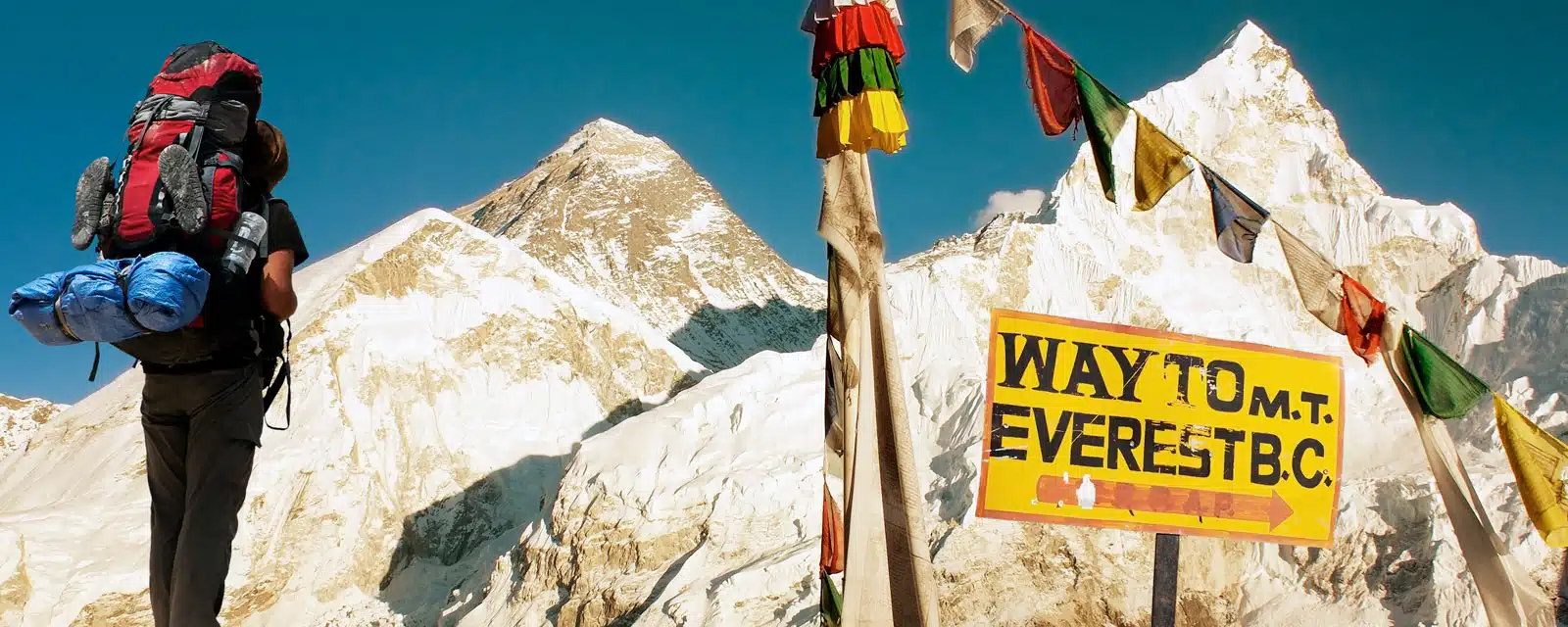
    a sign for the Way to Mount Everest Base Camp (EBC) in the Himalayas of Nepal.

    Sleep Well and Rest Properly

    Sleep is one of the most valuable recovery tools the human body has, unfortunately, at altitude trekkers could have some trouble with sleep and may wake up throughout the night due to the thin air. Less sleep can lead to an increase in fatigue and increase your chances of altitude sickness. 

    To maximize your sleep, especially on an acclimatization night. Try to sleep early and give yourself plenty of time to sleep. Have a good quality sleeping bag, the warm you are at night the better your sleep will be, as being cold can break your sleep cycle. Avoid eating a heavy meal and anything with caffeine, including alcohol right before bed. Breathing exercises and herbal teas can also be a good way to unwind before bed. 

    Rest days are equally important. Even if you feel like you have energy, it is still important to give the body time to recover on a day of acclimatization. Or don’t overexert yourself on a long acclimatization day. Climbing at altitude requires the body to put in work. And it will take a little more rest for the body to recuperate to tackle the next climbing day.

    Listen to Your Body and Know When to Turn Back

    The mountains will always be there, but the most important thing is your health. One of the hardest choices a trekker can make is the decision to turn back when you have obvious symptoms of altitude sickness. However, usually this is the most important decision you will make. If your headache becomes debilitating. Or if you have been dizzy since you first walked into camp. If you find yourself confused, or short of breath, these are clear signs that you should descend as quickly as possible! When in doubt, consider the following. If you have headaches or dizziness that’s getting worse you should descend. If it’s anything worse than this, you *must* descend!

    Guides and porters are trained to recognize many of the symptoms of altitude sickness from previous expeditions. And although they may not say anything to you, it doesn’t mean they aren’t concerned. Trust their instincts and experience when they share with you when to descend.

    Sometimes descending even a couple hundred meters will make a huge difference in how you feel. Once your symptoms subside and you are feeling better, only then can you consider whether you can continue. Remember, the summit or the trek is never worth going without your health or your life!

    Train and Prepare Before the Trek

    An additional important aspect related to reducing the risk of altitude sickness. To be in shape prior to your arrival in Nepal. Being fit does not guarantee health. But it should help your body to more easily accomplish.

    You should begin preparing yourself (as long as it is months in advance of your trek). By doing short bursts of cardio, or weight workouts, regularly. This could be running, hiking, swimming, or cycling. You might also want to begin some strength training for your core and legs. Because that will aide you in long uphill hikes. If at all feasible, practice hiking with a pack loaded to the way you will hike on yourEverest Base Camp trek.

    This image is a digital illustration depicting a woman in activewear performing a yoga pose

    Again, as I have stated in my former writings. You will want to condition your mind for your hike. High altitude trekking is about patience, stamina, and flexibility. If you condition your body and your mind. You will give yourself the best chance of acclimatizing. And if you do this, you will have the best chance of enjoying the experience when it is required.

    Final thoughts

    EBC is a bucket list hike for so many people, and height sickness. It should never be a reason why you do not fulfill your dream. As long as you respect the potential dangers. Ascend slowly, take acclimatization seriously, drink plenty of water, eat good food, and listen to your body. You will mitigate anything related to altitude sickness.

    Remember while trekking – it is better to prevent than to treat altitude sickness. Respect the mountain, your body, and your health more than speed. You will succeed in getting up to Everest Base Camp. And enjoy making your way through one of the most incredible landscapes in the world. 


  • Why is the Everest Base Camp Trek So Popular?

    Why is the Everest Base Camp Trek So Popular?

    Why is the Everest Base Camp Trek So Popular?

    Few adventures can rival the Everest Base Camp trek in the world today. For nearly every traveler or adventure-seeking trekker, standing at the base of the world’s highest mountain is a lifelong dream. Every year, thousands of individuals from all over the globe travel to Nepal to accomplish this arduous and rewarding journey. But what has caused the trek to Everest Base Camp to be so exceedingly popular right around the world?

    In part, it is enough to describe a combination of spectacular beauty, cultural richness, historical value, aspects of adventure, and, of course, achievement on the personal level. In thisblog, we will give you many reasons for the world-renowned trek.

    1. The Awe of Mount Everest: The Highest Mountain on Earth

    At 8,848.86 meters (29,031.7 feet), Mount Everest has always captivated the human race, and merely the idea of trekking to Base Camp at 5,364 meters (17,598 feet) and witnessing the immensity of the Great Himalayas generates electricity.

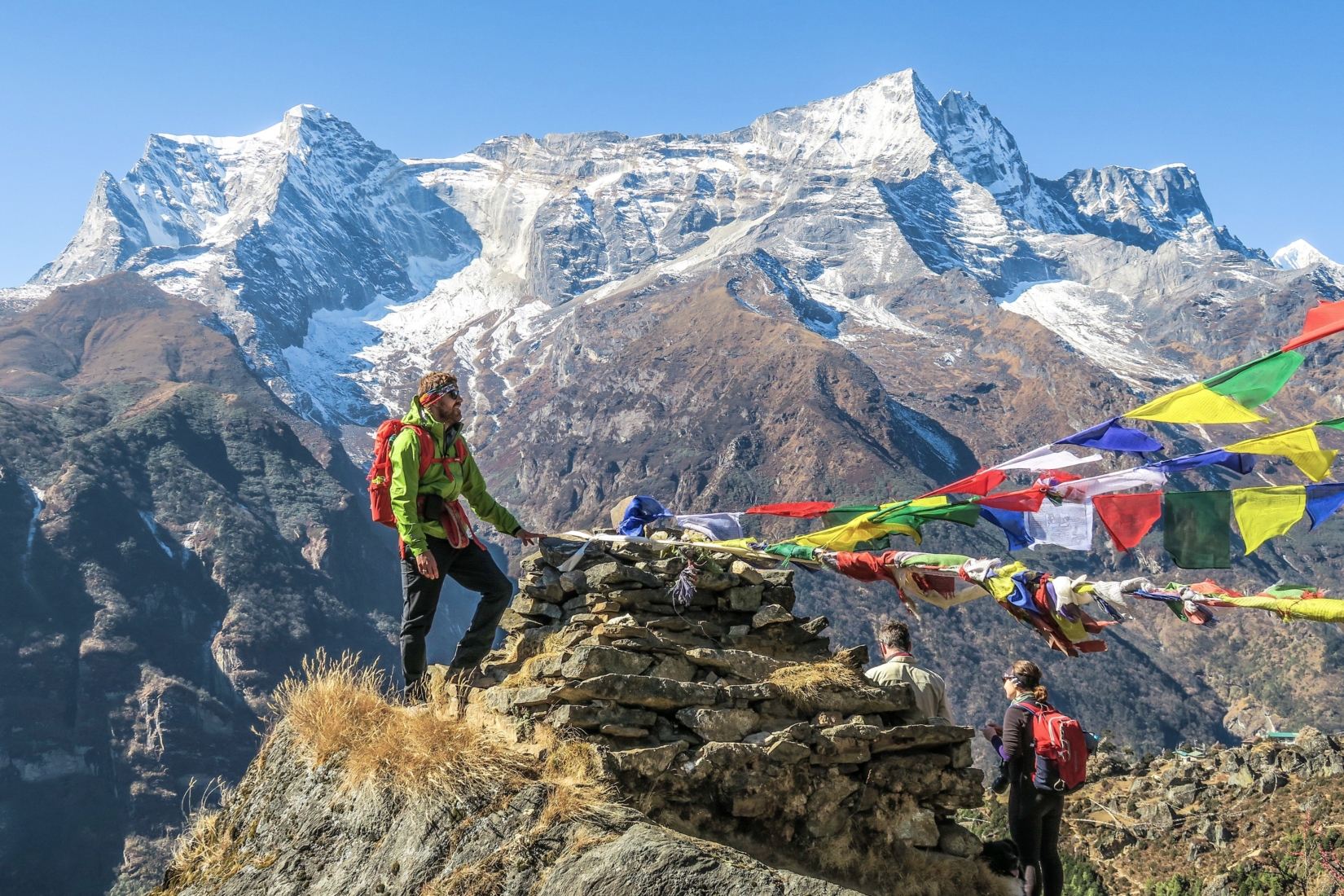
    Everest Base Camp trek is popular for its spectacular, ever-changing mountain scenery, including views of Mount Everest and other towering peaks

    Compared to summiting Everest, which requires the absolute maximum of skills, training, and resources available, simply getting to Base Camp is possible for all trekking adventure enthusiasts while experiencing an adventure in endurance and discovery that takes you steps away from the highest point on Earth. Many are telling us that once they arrived at the Base Camp and first laid eyes on Everest, the experience would never be erased from their confused memory forever. The whole undertaking is truly phenomenal and worth the effort.

    2. An alternative journey

    The journey to Everest Base Camp is more than just a mountain walk or hike. It is a test of endurance, exploration, and self-increasing personal growth. The undertaking to Base Camp and back will be a physical exam of you as a person, including stamina, patience, and spirit. The beautiful views and experiences cannot be present anywhere on the planet.

    As you make your way through the trail, you will keep being greeted by snow-covered mountains, glacial fields, rushing rivers, a nd crossing high altitude suspension bridges and stairs as you follow this historic pilgrim’s route to Base Camp for climbers, and local people, for many hundreds of years. The mixture of excitement and the beauty of hiking above the clouds is evidence that this is a once-in-a-lifetime trek to do on this planet. 

    3. Spectacular Himalaya Scenery 

    This hike provides spectacular vistas of the Himalayas. Every step that gets you closer to Everest Base Camp, hikers will be surrounded by the spectacular peaks of Lhotse, Nuptse, Ama Dablam, Thamserku, and Pumori, and of course, the spectacular Everest. Hikers will see every new day waking up to awaking, and no longer trekking through the forest trails, rhododendron, and pine, to glacier moraines, and eventually to an utterly spectacular view from above the Moraines of Base Camp.

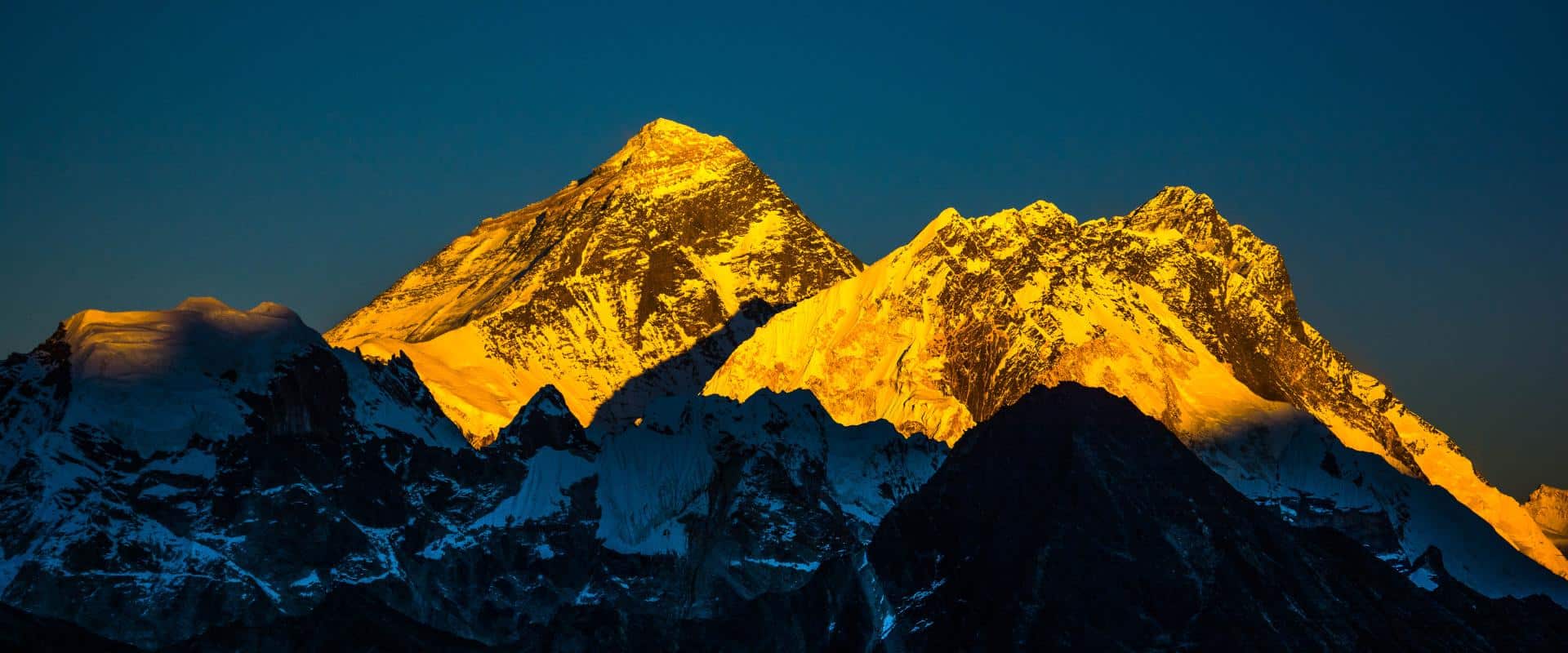
    mountaineers climbing a snow-covered mountain in a high-altitude, rugged environment, likely in the Himalayas. The visual search results suggest it might be Mount Everest

    The trekking journey brings you so close to these colossal peaks of the Himalayas that few other treks, anywhere in the world, would deliver that experience, while still being somewhat accommodating as a trek. It is important to have a range of terrains because it makes the trek appealing, dynamic, and engaging. You will be fortunate to experience a sunrise over the snow-capped ridges, starry skies at night, and the sweeping dramas of the mountains – all wonderful opportunities for special photographs and appreciated highlights of your excursion.

    4. Rich Sherpa Culture and Hospitality

    The Trek is also very popular because of the insight into the Sherpa culture. The Sherpa community has inhabited the larger Everest region for hundreds of years and has adapted to the harsh mountain conditions. The hospitality, resilience, and spiritual presence in the mountains are great elements of the trek experience in Nepal.

    As trekkers walk along the trail, they will experience pages of the Sherpa way of life in towns such as Namche Bazaar, Tengboche, Pangboche, and Dingboche, where traditional ways of life based on farming and yak herding coexist with the trekking life. The amazing ancient monasteries, and the whole area filled with fluttering prayer flags, prayer wheels spinning, and the chants of a Buddhist monk, bring a spiritual aspect to the trek. Enjoying a shared cup of tea or listening to the experience of one who has summited Everest from a Sherpa will stick with a trekker for a lifetime.

    5. Historical and Mountaineering Significance

    From a historical perspective, the trek to Everest Base Camp almost exactly follows the same climbing route climbers – including Sir Edmund Hillary and Tenzing Norgay Sherpa – followed to reach the summit of Everest in 1953. For many, this opportunity to walk in their footsteps feels as real as “walking through time”. Trekkers will see memorials to climbers who died on the high mountains of Everest and partake in a moment of reflection and gratitude for their efforts. There is a certain fame associated with Base Camp – having been at Base Camp while climbers are preparing for their summit really gives the impression that you have been part of something iconic and historic.

    6. Accessible and Globally Famous 

    Even though you are hiking to Everest Base Camp at an altitude, it is rather uncomplicated. For a breathtaking short flight, you will likely fly into Lukla Airport, informally known as the most thrilling airstrip in the world. After that, you will walk on well-established paths, with lodging and tea houses during the trek up to Everest Base Camp.


    Since it is a prominent trekking destination, you can expect a fairly safe, well-marked trail, along with experienced Guides and Porters along the way. Once you are at Base Camp, the trek is usually somewhat easier than other treks to less developed areas, and this is particularly because it is generally safe and accessible for thousands of trekkers of all ages and fitness levels. 

    7. Tea House Trek

    In addition to the trek itself, a notable experience in Nepal trekking, particularly in the Everest region, is the “Teahouse Culture.” Here you will stay at small family-owned lodges or teahouses that provide sleeping and food, and warmth along the way. While teahouses add some comfort for trekkers, they also serve as a gathering place for culture and connection. Trekkers from near and far gather around the warmth of the hearth, trading stories, laughing, and forming strong bonds that may last a lifetime.

    Group photo at Phakding Before leaving for Namche Nazar
    Group Photo Taken at Phakding Hotel

    Food – dal bhat (lentil soup and rice), stew, and Tibetan bread. Only adds an aspect of teahouse culture and connection. The lifestyle and simplicity of teahouses in contrast to the two-dimensional scale and spectacle of the towering mountains will only enhance a pleasurable cultural experience for all trekkers.

    8.  Risk and Reward

    One of the noteworthy aspects of trekking to Everest Base Camp is the risk that way. The try of walking at high altitudes is considerable. The oxygen level is low, and the trekker experiences nighttime cold, fatigue, and steep inclines. Achievement comes with reaching Base Camp after experiencing all of the elements above.

    For most trekkers, the trek is not just physical, but an experience in self-education. Exceeding limits, learning patience, and persevering through discomfort are lessons in life that trekkers take home with them. At Base Camp, looking across the Valley at Everest, it is as if they have conquered some personal fears and abilities that they can take anywhere with them.

    9. Abundant Flora and Fauna

    The trail to Everest Base Camp is within Sagarmatha National Park, a World Heritage Site. Sagarmatha National Park conserves a diverse biological & ecological reality and educational value, and luxury to your experience of trekking.T he landscape and terrain vary as you continue along the trek to Base Camp; at base, at low altitude, it is an area of desirable lush forest with rhododendrons, junipers, and magnolias, and as you ascend, we walk through areas of alpine vegetation, witnessing rare species in the most extreme geography and climate conditions.

    As for wildlife viewing while you are away, a few species to be seen along the route are Himalayan tahr, musk deer, snow pigeons, and potentially, if you are fortunate enough, the infamous snow leopard. The unique combination of ecosystems will make this trek a lifetime experience with the unique experience of culture, adventure, and nature.

    10. An International Community of Trekkers

    One reason that the trek is so popular is its international nature. Trekkers from all over the globe incorporate the trek to Everest Base Camp , which creates a very international community of trekkers on the trail. In the teahouses, trekkers reconnect and “theros” are formed as trekkers share their suffering, play cards, and drink hot tea. Occasionall,y these even go on to form friendships that last years beyond. The trek by sharing that amazing chapter of their lives. The journey of the trek is as much about the connections shared with your fellow co-travelles, as it is about the mountains. Trekkers leave the trek with memories of the mimalayas and of new friends from around the world.  

    11. A Bucket List Dream

    For many, the Everest Base Camp trek is often an aspirational trip. To stand in the shadow of Everest is to be an explorer, to be courageous, and to have adventure. The media on Everest, with books, movies and documentaries fuels the dream for many to have this experience. 

    It becomes a personal accomplishment, a moment in time to reflect back on for a traveler, when looked back upon, they will say”I trekked to Everest Base Camp.” It is more than just “a trek,” it is an experience that separates them from all the people at home. 

    12. Year-Round Adventure

    Spring (March – May) and Fall (September – November) are typical trekking seasons for Everest Base Camp. However, this trek can be done for much of the year yet each season will taste different. Spring will have the blooms of rhododendrons and blue skies, Fall will have cool mountain views, and the winter will have empty hiking trails and summer monsoons have beauty of their own and drama. 

    The trail offers the versatility of people trekking any time of year, and the parking lot is a desired spot for people traveling from all over the world.

    Group selfie on the way back to Lukla From Monjo
    Group Selfie with Kusum Kangaroo

    13. Well-Organized Trekking Infrastructure

    For decades, the Everest Base Camp trail has formed a strong trekking framework. From well trained guides and porters, to solid rescue services and communication systems, trekkers feel at ease. The existence of bakeries in Namche Bazaar, gear shops, wi-fi zones. And even hot showers at select spots along the trail create comfort without shifting away from the adventures. The aforementioned build a bridge for the first-time trekkers and those who like to balance rugged to comfort. 

    14. Spiritual and Emotional Journey 

     Beyond the physical element of the trek, it is a spiritual journey many describe it as. The Buddhist aspect in this section, amidst large mountains, encourages much deep reflection. Many speak of it becoming a better version of themselves, away from electronic stimulation, and daily stress.

    The sounds of prayer flags flapping in the wind, the chanting of the monasteries, and the impressive features of towering mountains create an atmosphere of tranquility and deep self-reflection. This emotional connection can, in turn, add to the trek’s popularity. 

    15. Global Media Exposure

    The trek to Everest Base Camp has appeared in many documentaries, travel shows, and written accounts. All of which have lent a very credible input to its global exposure, keeping it on the front end of the conversation. As one of the greatest trekking routes in the world. Images of trekkers standing with Everest in the background have become well recognized and influence. Future trekkers and other travellers to follow in their footsteps. 

    As social media emerged, the EBC trek has now had Instagram posts and Youtube vlogs. It have continued its popularity to the point it has spread as a trend to the travelling community.

    Conclusion

    The Everest Base Camp Trek enchants us, not only because it offers the opportunity to physically travel somewhere. But the trekker can feel the experience, culture, beauty of nature, history, and to develop personally as they explore. It attracts almost everyone from the adventurer of the outdoors to the person merely wanting to taste the experience of trekking at a high altitude.

    The experience of standing at the base of Mount Everest beneath the prayer flags blowing in the cold wind. Khumbu Icefall in the background is a memory that will live on until your last breath. That is the experience we have of people returning year after year and millions of travelers to Nepal each year. For the experience of a lifetime.


  • Everest Base Camp Trek: Lifetime Experience

    Everest Base Camp Trek: Lifetime Experience

    Everest Base Camp Trek: Lifetime Experience

    Everest Base Camp Trek is a once-in-a-lifetime spiritual, physical, life, and cultural quantum leap. EBC is 5,364 meters (17,598 ft) high and is located around the highest mass on earth, Mount Everest (8,848.86 m / 29,031.7 ft). With each step, you are closer to trekking on top of mythological mountain ranges, century-old monasteries, hundred-year-old Sherpa villages, and a soul-trek experience that you cannot wipe away from your memory.

    everest base camp

    Why Everest Base Camp Trek Is a Lifetime Experience

    1. Get close to Mount Everest

    Being at EBC is being and standing in the shadow of the world’s highest- a position where you can only dare to have the audacity to assert and check off your bucket list, together with all the other adventure-seeking travelers from across the globe. You’re not on Everest, but where the Everest giants of Mount Everest are, like sunrises on the great ridges, is heavenly. Walking the EBC trail by yourself takes you, by legend, as close as it gets to the Mount Everest summit view and mythic Kala Patthar (5,545 meters), quite possibly the best view of Everest you’ll ever have the good fortune to witness.

    2. Sherpa Culture and Spiritual Immersion

    You’ll meet Sherpa villagers of the Khumbu: tough Himalayan folk with highly developed mountaineering prowess, boundless hospitality, and first-rate survival skills. You’ll trek through the villages of Namche Bazaar, the villages of Tengboche, and the villages of Pheriche, all with their multicolored prayer flags flapping in the breeze, all scattered with found along the trails like spinning prayer wheels, all topped on ridges with stupas.

    At Tengboche Monastery (3,867 m), you will pray with chanting monks within sacred walls, and dark Ama Dablam and the other great white giants – a spiritual experience in the true spirit of your trek.

    3. Varied and Breathtaking Landscapes

    We trek through varied Himalayan scenery:

    • Rhododendron and pine forest hide Lukla and Phakding villages,
    • Suspension bridges spanning high above glacier-fed rivers,
    • Yaks and alpine grasslands at Dingboche and Lobuche,
    • Rock moraines and snow ridges on the way to Gorak Shep and EBC.

    Every bend in the trail, a new panorama, a new peak, another rest stop, and just soak it all up.

    4. A True Physical and Mental Challenge

    It’s not a holiday- it’s a test. You’ll be trekking 5-7 hours every day, trekking all day, a nd cold and tired all day. But it is in the challenge that we get tough. To even get to Base Camp is such a great feeling and sense of achievement. It’s a test of your endurance, your determination, and your sense of accomplishment.

    Everest Base Camp trek route

    Day 1: Fly to Lukla and Trek to Phakding

    It starts with a pounding mountain flight to Lukla, a small cliff airport that is perched at a height of 2,840 meters. It’s a 30-40-minute roller coaster ride, and you don’t even get the sensation that you’re flying over the Himalayas. The trek starts here, and you walk from the pine forest and small Sherpa villages step by step. You further trek to Phakding at an altitude of 2,610 meters. You see many stone chortens, stupas, and prayer flags waving in the wind along the path.

    Day 2: Namche Bazaar to Phakding

    A different evening sees you once again on the trail side of the banks of Dudh Kosi.
    You trek on suspension bridges, mega suspension bridges, such as some of the following: the Hillary Suspension Bridge, which has the questionable honor of having had a string of accidents, including a helicopter crash landing.

    You enter the Sagarmatha National Park at Monjo, where they check your trekking permit. The path climbs but it’s the final two hours of tough and steep walking to the wealthy Sherpa town, Namche Bazaar, at 3,440m. If the day is clear, you get your first view of Mount Everest. There are shops, bakeries, equipment stores, and mountain views to be had at Namche.

    Day 3: Acclimatization Day at Namche Bazaar

    To avoid high altitude sickness, you will take an entire day’s rest in Namche.
    Not idling about, but a quick walk around so that your body is conditioned and taking the most scenic trek to Everest View Hotel (3,880 meters) with sunrise over Everest, Lhotse and Ama Dablam, or the walk to Khunde and Khumjung village home of the Hillary School and monastery which contains a Yeti scalp preserved.

    You can stroll around the Namche evening bazaars, visit the Sherpa museum, or just sit and have tea and look across the valley.

    Day 4: Trek Tengboche to Namche Bazaar.

    The mountain trail starts after departing Namche because from here, one has a good view of Everest, Nuptse, and beautiful Ama Dablam.

    This is a tuning pair of hours of valley and mountain, then steeply downwards to the Dudh Kosi River and upwards again sharply through pine and rhododendron forest to Tengboche (3,867 meters).
    This quaint, spiritual village contains the famous Tengboche Monastery, the biggest monastery in the Khumbu valley.

    It lies on massive slopes, a sacred and serene place where you become a part of a prayer ceremony and achieve some peace of mind.

    Day 5: Tengboche to Dingboche trek

    Descend from Tengboche along the forest to Debuche and further down to Imja Khola on a rickety bridge and then to Pangboche, which is the highest permanent settlement in the area. Further, a more Alpine and open country with wider valleys towards Dingboche (4,410m), a windy town with white tops of mountains in the distance. And Dingboche is fine too, “post summer valley,” and it’s beautiful, and a pleasant rest to acclimatize.

    Day 6: Acclimatization Day at Dingboche

    Having a day of full acclimatization allows your body time to adapt to the altitude.

    Most trekkers visit Nagarjun Hill (5,100m), an exhausting but well worth the climb with really stunning views of Makalu, Island Peak, and the valleys below. An alternate is a side trip to Chhukung and glacier sightseeing, and a climbing path. Dingboche is a pleasant spot, few sun-dried teahouses and ga good location between the massive peaks of Ama Dablam and Lhotse. Dingboche is a relief.

    Day 7: Lobuche trek from Dingboche

    You will gradual ascent up the Imja Valley. The rocky path continues upwards, ascending, ascending through dry but breathtaking alpine desert. When we traverse over to the other side of Dughla (Thukla), the path steepens even more, and we will be along the ridge with memorials to the climbers who didn’t return from Mt. Everest. The squalor of this path is made worthwhile by the sight. We ascend the rocky path to Lobuche (4,940 meters), a small glacial town at the foot of giants Nuptse and Pumori.

    Day 8: Gorak Shep to Everest Base Camp

    The last day will likely be the most exciting day of the trek.

    Take a brief hike to Gorak Shep (5,164m), the final village on your trek to Base Camp, and abandon your loads in order to hike upstream along the lateral moraine of the Khumbu Glacier.

    The path is rocky and slippery with boulders and snow to overcome. A grinding willpower will finally reward Everest Base Camp (5,364 meters), an unearthly emotional peak. The base camp is encircled by prayer flags, tents (during season), and the huge Khumbu Icefall. Stop and take in the view for a while, then go down again to Gorak Shep for the night.

    Day 9: Ascending Kala Patthar and back to Pheriche.

    Early morning ascent to the summit of Kala Patthar (5,545 meters) for sunrise. The summit offers the best and unobstructed view of Everest, Lhotse, Nuptse, and Pumori. Golden early morning sunbeams on the high mountains are breathtaking. Then to Gorak Shep for breakfast and begin a return journey, a trek down to Pheriche (4,280 meters). Heaven is a lower elevation, and the trek is not so draining, even with tired legs.

    Day 10: Trek from Pheriche to Namche Bazaar

    The hike continues to Pangboche and Tengboche village, which are very welcoming ones, but now you’re moving in the opposite direction to them, so you have an added bonus to view them on the other side. You continue your walk through the woodlands and streams and view the Himalayan flora and fauna. You take an easy hour-and-a-half-long walk or walk-and-a-half and indulge yourself at the Namche Bazaar, where you pamper yourself with a hot shower as well as a steaming cup of coffee.

    Day 11: Lukla, downhill trek from Namche Bazaar

    The knee-jolting downhill trek on the last day from Namche to Lukla through Monjo and Phakding needs downhill and long-distance tires. Party time at Lukla. Rather than turning it into a party time, trekkers celebrate their trek by enjoying the farewell traditional dinner with guides and porters, food and local drink, and spreading smiles and laughter.

    Day 12: Flight on the way back from Lukla to Kathmandu.

    You return on the last day on a morning flight from Pokhara to Kathmandu. The return flight, also, is picturesque with birds’ eye views of the trek trail behind you. You’re free the rest of the day to relax, reflect, or bask in the hospitality and coffee culture of city life in the capital. The trek is over, er but memories linger.

    When to Trek to Everest Base Camp?

    Spring (March – May)-: Ideal time of the year for reliable weather, clear sunshine, blooming rhododendrons, and a crystal-clear view of the high mountains.

    Autumn (September – November) -: Blue sky after monsoon, and dry trails with spectacular views.

    Winter (December – February)-: Near-white snowy trails, and below-zero temperature. Only for the experienced trekkers, who are not shy to trek alone.

    Fitness and Training

    Here it is, a step by step run through of the fitness training guide for the Everest Base Camp Trek, suitable for beginner and intermediate trekkers.

    Train Minimum 2 – 3 Months Prior

    1. Begin training at least 8 – 12 weeks.

    Pre-trek. If you are not fit, there is a good chance that you will need to start earlier. The aim is to build and bank endurance and strength, topped up in growing quantities. By establishing a routine and consistent exercise regimen, you will physically condition your body for stresses and reduce injury on the trek.

    2. Cardio

    No matter what cardio you perform, it will strengthen your heart and lungs so that your body will be better at using oxygen, which at high altitude is a major factor.

    • Running builds legs and leg muscles.
    • Cycling is low-impact but great for endurance.
    • Swimming builds lung capacity and is non-impact.

    Do 3–4 times a week and build up time and intensity as your fitness level builds. Attempt to do it in steady-state cardio but also attempt to fit in some hill repeats if possible.

    3. Heavy Pack Backpacking

    This is not merely walking on the treadmill with a heavy pack! Your hips, back, and shoulders will adapt to bear the load for hours: 5–10 kg.

    Practice wearing a pack, or with water packed in. Add weight and duration walking gradually. Practice uphill and downhill walking, such as on actual walking trails.

    4. Leg and Core Strengthening Exercises

    You’ll be ascending steep rocky paths when you hike. Your legs must be conditioned. Squats, lunges, step-ups, and calf raises will all condition climbing muscles up and down.

    You require a strong core (lower back, abs, glutes, obliques) to assist in supporting your posture and balance while backpacking. Do planks, bridges, and twists 2-3 times a week.

    This will not only prepare your upper body to bear your pack but also ease the pressure off your back and give stability when walking on rocky ground

    Permits Required

    1. Sagarmatha National Park Entrance Permit

    Cost: NPR 3,000 (foreigners), NPR 1,500 (SAARC nationals)

    2. Khumbu Pasang Lhamu Rural Municipality Permit

    Cost: NPR 2,000 (all nationalities)

    Packing List

    Packing item for trek

    1. Clothing:

    • Moisture-wicking base layers
    • Fleece and insulated jacket
    • Waterproof shell jacket and trousers
    • Warm hat, gloves, buff/scarf
    • Thermal socks and high-quality hiking boots

    2. Gear:

    • Backpack (50–65L)
    • Sleeping bag (-10°C or warmer)
    • Headlamp and spare batteries
    • Trekking poles
    • Sunglasses (UV)
    • Water bottles/hydration system
    • Water purification tablets

    3. Miscellaneous:

    • Sunscreen, lip balm
    • First aid kit
    • Snacks and energy bars
    • Power bank
    • Travel insurance at high altitudes

    Cost Breakdown (Mid-Range Estimate)

    1. Flights (Lukla–Kathmandu) $300-$400

    The largest part of the cost of Everest Base Camp trek logistics is the flight from Lukla to Kathmandu. It’s a short but essential flight because Lukla is where the Everest region access begins. Return airfare will be $300 to $400. Flights also change with the season with higher months to trek, October and November being peak seasons. Flight duration is approximately 30 minutes but depends on weather and therefore can be delayed or even canceled. Since it’s a long flight and possibilities of interruptions are extremely high, it is better to stay an extra day in Kathmandu in case of a delay.

    2. Permits $50–$60

    You will require a series of permits to trek in the Everest region, which are obligatory.

    They are two of the bigger ones, and they are Sagarmatha National Park Permit and TIMS card. They are the guarantee of monitored and secure access to trekking paths. The Sagarmatha National Park Permit is around $30, and the TIMS card is around $10 to $20. The two passes total around $50 to $60. These passes can be readily purchased before the trek in Kathmandu, or at the first settlements along the trail. It’s just part of having had your trek arranged and being regulation-friendly required.

    3. Guide and Porter $300–$500

    Although not obligatory, most visitors find it well worth the expense to have a guide and/or porter to help make the trekking experience all the more worth the while.

    A guide costs $20-$30 a day and a porter costs $10-$20 a day, agency and season based. Guide and porter for 12–14-day trek will cost $300-$500. A guide who knows the trail, knows the culture, and is sensitive to altitude is worth every penny. Porter service will pack up your bags, removing some of the physical effort of the hike from your shoulders, especially where there is climbing or descending to reach it. These services are typically well worth the extra convenience and security.

    Everest Base Camp Trek

    4. Accommodation (12–14 days) $150–$250

    The accommodation on Everest Base Camp trek is usually in teahouses and the rooms are plain but clean. The accommodation for a 12–14 day trek is usually between $150 and $250. It is lower towards the lower section of the trek and the higher you ascend where accommodations are scarce. The rooms in teahouses are plain but with shared toilets and hot and dry. Additional privacy is provided by en-suite bathroom rooms at additional cost. The same accommodation in Kathmandu is the same price, but if you would like more comfort at the start and end of the trekking, more costly accommodation is possible.

    5. Food and Drink $200–$300

    Trail food and drinks are also a considerable cost. You will be consuming at least three meals—dinner, lunch, and breakfast—and snacks and drinks to get you through on the trail. Lower-grade trail food costs $5–$7 a meal, but the higher up you climb, the more expensive it is since there is a logistical problem with food transport up to higher elevation. 12–14 days’ worth of food and fluids costs $200–$300.

    Oatmeal or bread makes up most of breakfast, and lunch and dinner consist mostly of local food such as dal bhat, noodle, or momo. Tea, bottled water, and snacks are expensive, especially having to eat at higher elevations.

    6. Miscellaneous (Wi-Fi, Showers) $50–$100

    Aside from the outrageous trekking fee, there are a couple others you will be paying along the way on the trek. They do have Wi-Fi in a few of the teahouses, but it’s extremely slow and it will be $2 to $5 per hour. Even a shower that’s hot will cost you money and will typically cost you $2 to $5 per shower.

    All of these will be costly on the way while trekking and will usually cost you $50 to $100. Other trekkers also purchase other foodstuffs, drinks, or souvenirs on the way while trekking, so it is always better to carry some money with you. The need for these little luxuries is one of the reasons why the total cost of the trekking but can be what will make it worthwhile.

    Conclusion

    The Everest Base Camp Trek is not just about the destination—it’s about the transformation along the way. It’s about pushing your limits, connecting with the mountains, and immersing yourself in one of the world’s most spiritually rich and naturally stunning landscapes.

    Whether you’re seeking a personal milestone, a cultural journey, or the adventure of a lifetime, the Everest Base Camp Trek delivers an experience that lingers in your soul forever. Contact us today at Happy Mountain Nepal, on Facebook, Instagram, or TikTok.


  • Why Everest Base Camp Short Trekking is Getting So Popular

    Why Everest Base Camp Short Trekking is Getting So Popular

    Why Everest Base Camp(EBC) Short Trekking is Getting So Popular

    The most popular trek among international tourists is the Everest Base Camp (EBC) trek. A 12-14 days trek as planned over the last few years, now people have requested a shorter version of the trek – the Everest Base Camp Short Trek. With the same breathtaking Himalayan scenery, this shorter version of trekking offers a taste of the viewing of Everest’s majesty and its wonders but in less time.

    trekking

    The reasons below constitute at least 10 aspects of why EBC Short Trek is cooler and the gist of this incredible experience.

    1. Time Efficiency Trekking

    Time is the biggest advantage of Everest Base Camp Short Trek. The total trekking would be 12 to 14 daysusally but the short trek is 8 to 10 days. Within that short span of time, the traveler has space to fit in lots of adventure. EBC short trek fits into a tight schedule without devoting large amounts of time in office time or otherwise. You can enjoy the breathtaking views and beauty of Everest Base Camp.

    2. Less Physically Exhausting Trekking

    The whole Everest Base Camp trek is exhausting, particularly the hill climbs and trekking days. The short trek is less exhausting, and the groups of trekkers can enjoy the scenery without exhaustion. It is therefore an ideal choice for the one who does not desire to go through the humongous amount of body exhaustion that comes with the whole trek.

    3. More Accessible for Beginners

    Most of the trekkers would like to trek to Everest Base Camp but are deterred by the exhausting trek of the standard trek. The short one is a lesser demanding newbie equivalent, especially for newbies. That the short one has fewer mileage and slower crazed speed is why EBC Short Trek is an ideal introduction to high-altitude treks.

    4. Less Scope for Altitude Sickness

    Altitude sickness is one of the issues of the trekkers in high-altitude trekking areas, especially in long treks like the whole EBC trek. High altitude is not that much in the short trek and therefore the trekkers are properly adapted and therefore the risk of altitude sickness is nil. You do cross critical acclimatization points like Namche Bazaar and Dingboche, but thereby it is a risk-free trek.

    5. Budget Option Trek

    Short treks are less expensive. You save money on accommodation, food, and other long trekking expenses by undertaking a short trek. The EBC Short Trek would, therefore, be cheaper if you have to go to the Everest area, but you do not necessarily have to undertake the complete trek.

    6. Incredible Views of Peaks in EBC

    The second most beautiful thing about the Everest Base Camp Short Trek is viewing Mt. Everest, Lhotse, Makalu, and other Himalayan giants. The world’s best view does not always need the entire trek. Silliest trekking experience in the form of viewing panorama panoramas from view points like Kala Patthar, something that one is left memories of for the rest of one’s life.

    7. Cultural Immersion of EBC

    Everest region is not only famous for its geography, but also for Sherpa culture. Trekkers go through Sherpa settlements such as Namche Bazaar and Tengboche, where the trekkers will get an opportunity to enjoy local cuisine, local culture, and Sherpa hospitality. Cultural experience can be enjoyed more by EBC Short Trek with short day packages, where the trekkers will have an opportunity to experience the local tradition and interaction.

    8. Easier Access to EBC

    Everest Base Camp is a trekking pilgrims’ paradise. The EBC Short Trek brings you to the threshold of the best-balanced trekking plan, there in easy time, without wasting too much time. Even with comparatively fewer trekking hours, you are just as much at mythological Everest Base Camp, basking in the magnificence of the world’s highest peak from a safe distance.

    9. Faster Recovery Time

    Fewer recovery days are also the aftereffects of the shorter hike of the EBC Short Trek. The trek is of shorter distance and less strenuous, so the trekkers will not need to work from home, taking days off to recover from their trek. The trek is suited for those who need a less strenuous trek but still need the experience of high-altitude trekking of the Everest region.

    10. Increased Popularity of Quick Adventure Trekking

    As more people seek quick yet thrilling travel experiences, short trekking options have seen a surge in popularity. Because of the high number of travelers who are going for short but adventure-filled holiday experience, short trek holidays are very in vogue. Everest Base Camp Short Trek is no exception either since it is a great way through which one is able to enjoy Himalayan trek adventure in precious time.

    EBC Trekking

    Major Highlights of the EBC Short Trek

    Though shorter, Everest Base Camp Short Trek has all the attractions of the longer trek that has made the longer trek so renowned:

    1. Scenic Flight to Lukla: Start with a flight into Lukla on a Kathmandu flight world-renowned as the world’s most scenic airport landing.

    2. Namche Bazaar: Picturesque Sherpa town at 3,440m, Namche Bazaar is trekking village and acclimatization headquarters. Provides fine views of Everest and surrounding peaks too.

    3. Tengboche Monastery: Trek to Tengboche Monastery, one of the oldest and best-known of its type in the region, a cultural and spiritual highlight.

    4. Kala Patthar: Short trekkers at Everest Base Camp go here. Trekkers can see Mount Everest and Lhotse in front of their eyes from Kala Patthar clearly.

    5. Everest Base Camp: Summit of trek experience, the highest mountain top of the world Everest Base Camp presents itself directly to the trekkers. A lifetime and memorable experience for the trekkers.

    Conclusion

    Everest Base Camp Short Trek is the best of both worlds – seeing the grandeur of Mount Everest and yet the grandeur of the surrounding Himalayas, but without so much physical exertion and time taken as the whole trek. With its comparative ease, affordability, and lower risk factor involved, no wonder EBC Short Trek is becoming increasingly popular among trekkers across the globe. No matter if one happens to be a seasoned climber or a newbie who would rather enjoy the journey to the Himalayas, the Everest Base Camp Short Trek is something that one simply cannot miss. Contact us today at Happy Mountain Nepal, Facebook, Instagram, or TikTok. 

    FAQs

    1. How long does the Everest Base Camp Short Trek take?

    8 to 10 days, shorter than the classic 12-14 day trek.

    2. Is the Everest Base Camp Short Trek challenging?

    Moderately challenging but less physically demanding than the classic trek and therefore perfect for first-timers who are in good physical condition.

    3. What is the highlight of the trek?

    Best position for view of Kala Patthar summit at 5,545m and views of Mount Everest.

    4. Do I have prior experience of trekking prior to doing the short EBC trek?

    No, good health, but pre-training acclimatises to altitude and additional time daily walking.

    5. Is there chance of altitude sickness on the short trek?

    Though truncated by shorter program, optimum acclimatization at Namche Bazaar still needs to be attained.

    6. How and when can I visit Everest Base Camp Short Trek?

    September to November (after monsoon) and March to May (before monsoon) are best time for optimum weather and blue clear blue sky.

    7. How to reach the trekking starting point?

    You have a flight from Kathmandu to Lukla, and it is the gateway of the Everest region.

    8. What permits should I acquire for the EBC Short Trek?

    You need the Sagarmatha National Park Permit and the Khumbu Pasang Lhamu Rural Municipality Permit.

    9. Do I travel alone or with a guide?

    You can travel alone, but it is preferable and convenient if you travel with a guide.

    10. What do I bring along on Everest Base Camp Short Trek?

    Things that you may need to take with other equipment are trekking shoes, clothing for cold temperatures, sleeping bag, shades, and a medicament for mountain sickness.

  • Mountains To See On The Way To Everest Base Camp Trek

    Mountains To See On The Way To Everest Base Camp Trek

    Mountains To See On The Way To Everest Base Camp Trek.

    The Everest Base Camp (EBC) trek is a dream for many adventurers, offering breathtaking views of some of the world’s tallest mountain. As you hike through the Khumbu region, you’ll pass through picturesque villages, cross thrilling suspension bridges, and witness towering peaks that define the Himalayas. Here are the must-see mountains along the way:

    1. Mount Everest (8,848.86m)

    The world’s highest mountain, Mount Everest, is the crowning glory of the trekker. Although not seen from lower parts of the trail, the first glimpse is close to Namche Bazaar. Ascending, the huge form of the mountain is seen on the horizon. The most breathtaking panorama is from Kala Patthar, a vantage point that provides a close view of Everest’s south face. Standing at Everest Base Camp itself, you’ll see the Khumbu Icefall, the treacherous gateway for climbers heading to the summit.

    Though of record stature, Everest holds immense cultural significance in Nepal, whose name is “Sagarmatha” and “Chomolungma” in Tibet. Mountaineers, trekkerers, and adventurers have been drawn to the summit for centuries. A view of Everest from close proximity is a sight humbling, an insight into man’s determination and nature’s might.

    Mount Everest

    Key Points:

    • Kala Patthar (5,545m) view is enhanced.
    • Experience Everest Base Camp and Khumbu Icefall.
    • Learn sherpa cultures’ cultural values.

    2. Lhotse Mountain (8,516m)

    The fourth tallest mountain in the world, Lhotse, follows the same route as Everest but diverges to its own distinct summit. Lhotse lies within the Everest Massif, and the massive south face is seen from most trekking vantage points. Trekkers initially get a real view of Lhotse at Tengboche, and it only becomes increasingly more beautiful as they climb higher to Lobuche and Gorak Shep.

    Lhotse is renowned for its icy, steep ascent, particularly its gigantic south face, the most difficult climb in the world. Lhotse, although lower than Everest, is a giant itself, and its beautiful ridges and glaciers are part of the region’s breathtaking views.

    Lhotse Mountain

    Key Points:

    • The south face of Lhotse is the most difficult climb in the world of mountaineering.
    • Everest and Lhotse share the same route ascending to Camp 3
    • Tengboche and above are the most favored spots for the view.

    3. Nuptse Mountain (7,861m)

    Nuptse, a subsidiary of the Everest Massif, is a high ridge on the face of Everest and Lhotse. Although smaller than its neighbors, its rugged ridges and cliff faces are a breathtaking sight and more so as viewed from Everest Base Camp. From here, the sunset is an out-of-this-world sight that takes your breath away.

    Nuptse” is “West Peak” in Tibetan, and it was given this name because of its proximity to Everest. Nuptse is hardly ever climbed because it consists of icy and steep ridges but forms part of the classic Everest view from Base Camp.

    Nuptse Mountain

    Key Features:

    • Dramatic ridge of the Everest Massif.
    • The Everest Base Camp view at sunset is great.
    • Hardly ever climbed because it consists of icy and steep ridges.

    4. Ama Dablam Mountain (6,812m)

    The prettiest of the summits visible on the Everest Base Camp trek, Ama Dablam was named so because it resembles a mother (ama) cradling a child, with ridges of glaciers forming a necklace. So pretty a summit is visible early in the trek with some of the best views being from Namche Bazaar and Tengboche.

    Ama Dablam is as photogenic a view; it’s a prized climb peak to boot. The rocky, exposed ridges give a technical climb, and veteran mountaineers from around the globe come a-knockin’. Its pyramid summit stands radiant high on the dark blue Himalayan horizon, and it’s the most snapped peak in the area.

    Ama Dablam Mountain

    Key Highlights:

    • It is called as “Matterhorn of the Himalayas”.
    • One of the most photographed and photogenic summits
    • Optimum views from Namche Bazaar and Tengboche.

    5. Thamserku Mountain (6,608m)

    Thamserku appears first of the grand mountains on the skyline as trekkers ascend to Namche Bazaar. The harsh ridges and tapering summits offer a traditional backdrop to the Sherpa town. Less showy than Everest or Ama Dablam, the summit is a classic feature of the Khumbu region.

    While standing relatively shorter in height than other mountains in the district, Thamserku is by no means an easy climb. The almost vertical ice face of the mountain makes it possible for a technical climb, and so it is mostly confined to experienced mountaineers. The mountain is even scenic when the sun breaks out on its snow face.

    Thamserku Mountain

    Key Highlights:

    • Scenic sight of Namche Bazaar
    • Best viewed on Phakding to Namche trail
    • Less crowded but challenging peak to climb

    6. Kangtega Mountain (6,782m)

    Kangtega, spoken alongside Thamserku, is a scenic mountain that graces the EBC trek. It has also been referred to as “Snow Saddle” because it looks like the saddle of a peak. It is visible from Namche Bazaar and distance, one of the beautiful Himalayan range.

    Kangtega is never climbed due to its technically difficult routes but is one of the most scenic mountains of the area. It appears extremely beautiful in the morning when sun rays hit its white ridges.

    Kangtega Mountain

    Key Highlights:

    • Otherwise also known as the “Snow Saddle” mountain.
    • Most viewed from Namche Bazaar and Tengboche.
    • Rarely climbed due to its technicity.

    7. Pumori Mountain (7,161m)

    Pumori is perhaps one of the most recognizable mountains in view from Everest Base Camp and Kala Patthar. Its Sherpa title, “Unmarried Daughter,” gives off an atmosphere of romance. Its pyramid summit under the terminus of the Khumbu Glacier is any photographer’s pleasure and trekker’s delight.

    Pumori is also a testing peak for mountaineers, and even a training ground for the Everest climbers. Its long ridges and ice face form the harsh but grand vista of the area.

    Pumori Mountain

    Key Highlights:

    • Best view point of Kala Patthar.
    • Scenic attraction of the Everest Base Camp landscape.
    • Popular for Everest trainee climber.

    8. Khumbutse Mountain (6,665m)

    Khumbutse is the first visible peak on the Nepal-Tibet border and can be seen from Everest Base Camp. It is among the great scenery of the Khumbu Glacier and adds to the scene of mountains near the base camp.

    Khumbutse Mountain

    Key Highlights:

    • First visible peak on the Nepal-Tibet border
    • Best enjoyed scenery from Everest Base Camp
    • Adds to the beautiful scene of the Khumbu Glacier

    9. Tawoche Mountain (6,495m)

    Tawoche’s sudden, cliff-like attitude is the most spectacular of mountains on the trek. It is best seen from Dingboche, where its serrated ridges make a photographic silhouette on the horizon.

    Tawoche Mountain

    Key Highlights:

    • Best viewed from Dingboche
    • Famous for rock and sheer faces
    • Less visited but imposing presence on the trek

    10. Cholatse Mountain (6,440m)

    Cholatse is breathtaking with its knife-edged sawtooth ridges and pointed profile. It is a summit technically but a prominent mountain on the eastern and western horizon east and west of Gokyo and Lobuche for mountaineer.

    Key Highlights:

    • Most impressive views from Dingboche and Gokyo.
    • One of the region’s technically most difficult summits to climb.
    • Beautiful reflection in the glacial lakes of Gokyo.

    Conclusion

    The Everest Base Camp trek is as much a test of physical stamina as of being able to witness some of the most breathtaking mountain scenery in the world. From the towering bulk of Mount Everest itself to the behemoth of a mountain Lhotse, Ama Dablam, and Pumori peaks, the trek provides the chance to behold the Himalayas in all their glory at close range. Each mountain we climb, each new individual and challenge, adds to the richness of the trek’s diversity. Serious climber or serious trekker, the sight of stunning beauty, the cultural experience, and the dynamics between trekkers interacting all combine to make the trek a lifelong memorable experience. Contact us today at Happy Mountain Nepal, Facebook, Instagram, or TikTok. 

    FAQs

    1. When is the best time to trek to Everest Base Camp?

    Pre-monsoon (spring) season, late March to early May, and post-monsoon (autumn) season, late September to early November, are the best times to complete the Everest Base Camp trek. It is good weather and blue sky time.

    2. How challenging is the Everest Base Camp trek?

    Everest Base Camp trek is of moderate level of difficulty. The trek involves steep slopes, high altitude, and extensive walking hours but within the reach of any individual in good physical shape without any mountaineering.

    3. What is the highest altitude of the trek?

    The highest altitude of the trek is Kala Patthar at an altitude of 5,545 meters (18,192 feet) with panoramic view of Mount Everest and mountains.

    4. How do I trek to Everest Base Camp?

    Trek is 12-14 days with rest days acclimatizing to prevent illness.

    5. Do I have a guide and porter for trekking?

    Trekking on your own is out of style, but a guide and/or porter is highly recommended.
    For your safety, orientation, and to carry packs. A guide also makes your trip easier by educating you on local things.

    6. What is the accommodation like on the trek?

    Accommodation during trekking is usually in teahouses with basic rooms and food. Facilities decline as you go higher.

    7. Is Everest Base Camp trek safe?

    It is extremely safe if you are taking proper precautions, such as acclimatizing well, being well hydrated by drinking lots of water, and being serious about altitude sickness. Trek always with a responsible guide or group.

    8. What do I pack for the Everest Base Camp trek?

    The necessities are good treks, warm clothing, sleeping bag, trekking poles, first aid kit, headlamp, sun protection, and a decent camera.

    9. Do I need trekking experience if I do the Everest Base Camp trek?

    You don’t need trekking experience but it’s always preferable. Anyone can make the trek if he/she goes at his/her own pace and acclimatizes.

    10. How do I prevent altitude sickness when trekking?

    Avoid altitude sickness with gradual ascent, well hydrated, with fuel and rest days trying to acclimatise. In critical case if altitude sickness is triggered, then descend to lower altitudes as soon as possible.

  • Everest Base Camp Trek – Trail and Distance Overview

    Everest Base Camp Trek – Trail and Distance Overview

    Everest Base Camp Trek – Trail and Distance Overview

    Everest Base Camp trek, World Famous Trek. Trekking to Everest Base Camp — the most famous adventure is giving you the opportunity to stay insider the Khumbu region of Nepal at the feet of to world’s top-highest mountain peak Mount Everest. Part of the bucket-list for adventure-seekers and activity-seekers, outdoor lovers, social enthusiasts, in-fenced nature lovers, culture and croft glory. What not to expect on Everest region trek feel the trek might be the best perfect percentage. The ideal percentage of flawless trek planning This trek base camp is every trekkers dream trek and all the trekker will desire to plan everything according to needs, so read this blog to know about everything about Everest Base Camp trek distance, what you can expect in a day mile, trekking stages and some tips to plan Everest Base Camp trek.

    everest base camp

    The Everest Base Camp Trek in Short

    The Everest Base Camp trek is a 130 kilometers (80 miles) round trip from Lukla and passes Sherpa villages, dense jungle, suspension bridges, monasteries and ice walls. Depending on how quick you adapt as well as your acclimatization routine, completing the trek will take anything from 12-14 days. You ascend slowly so your body can acclimatize to the increasing altitudes consistently, so it’s physical labor but a really rewarding experience.

    The hike is designed to take you as close to Everest Base Camp (EBC) as you can get to — at 5,364 meters (17,598 ft). From the base camp, you see Mount Everest, Lhotse, Nuptse and other surrounding hills surrounded in 360 degree views. You also get to experience a dose of Sherpa culture because the hike winds through Sherpa monasteries and villages such as Tengboche Monastery.

    Practical Tips for Base Camp Life

    Everest Base Camp Trek is one of the most exciting but also, the most strenuous trek of the world However, with proper planning and preparation, it is not only just the reality which it is, but triumph! Some things to note:

    1. Physical Preparations

    • Cardio & Endurance Exercise: Heavy object running, cycling and climbing prepares you to react.
    • Strength-training: (Shoulders, core and legs are strength-trained and so capable of enduring long rises and falls.

    2. Permits & Documents

    • Sagarmatha National Park entry permit (pick up in Kathmandu)
    • Khumbu Pasang Lhamu Rural Municipality Permit (to be obtained in Lukla or in Kathmandu)
    • You will need a TIMS Card.
    • Copy passport and permits.

    3. Best Time to Trek

    • Spring (March-May): Weather turns stable and view clears up.
    • AUTUMN (SEPTEMBER–NOVEMBER): Good visibility, good weather, dry trails
    • Avoid traveling in rains (June-August) as there are some chances of landslide; and not in winters (Dec-Feb) as they get freeze.

    4. What to be careful of:

    • Headache, nausea, giddiness and breathlessness.
    • Carry Diamox (Acetazolamide) (On the advise of doctor)
    • Drink minimum 3–4 litres of water per day.

    5. Packing Essentials

    • Clothing: The doozy — begin with moisture-wicking base layers, add some insulated mid-layers, then top with waterproof outer layers.
    • Shoes: Stiff, waterproof walking boots.
    • Sleeping bag (-10°C to -20°C)
    • Hiking pole (takes weight off knees)
    • Sunscreen and ultraviolet protective sun lenses
    • Headlamp with spare batteries
    • Lightweight pack (rain cover is optional)
    • Emergency Supplies: First-aid center (with altitude sickness treatment)—water purification tablets

    6. Food and Water Safety

    • Do not dehydrate with alcohol and caffeine.
    • Only purification tablets Watershed. bottle filter make.

    7. Budgeting & Expenditure

    • Costs $35–50 per day (it gets more expensive at higher altitude)
    •  No ATMs after Namche Bazaar. Bring a lot of Nepali Rupees.
    • So extra: Wi-Fi, battery charging, hot shower and snacks are highly costly at altitude.

    8. Guide or Porter Hire

    • Guides: $25–35 per person per day; assistance with navigation, permits and safety.
    • Porters — $20-$30 per day; weight limit of 15-20 kg
    • Solo Trekking : Allowed but best with a Guide

    9. Emergency Situations

    • You have acclimatization on data till October 2023 Helicopter Rescue: Rescue Policy has to be run at 6000m
    • Health Posts: Namche, Pheriche & Dingboche (altitude sickness adequate)
    • Communication: Local SIM Card (NCELL) for communication (outside of Kathmandu) Everest Link Wi-Fi in teahouses.

    However, we found out that if you do your homework before you go, the Everest Base Camp trekking adventure is a physical and mental challenge, and then it transforms your life! Go ahead and expend your acclimatization, hydration, and shielding and enjoy that heavenly Himalayan perspective in the middle!

    everest base camp

    Trail and Distance Overview

    Day 1: Lukla to Kathmandu (Everest Base Camp trek:2860m/9383ft), Phakding (Everest Base Camp trek:2610m/8563ft)

    This trek starts with a breathtaking flight from Kathmandu to Lukla, which is famous for being one of the shortest and most challenging runways in the world. The flight itself is also an exciting experience because it offers beautiful views of the Himalayas, especially when you are about to start your adventure.

    You trek from Lukla to Phakding, About 3-4 hours, 8km (5 miles). The trail is mainly descending and passes through small villages and areas full of pine and rhododendron trees. The trail follows the Dudh Kosi River and you will have to cross several suspension bridges; one of the most famous bridges on the trek is

    Day 2: Phakding to Namche Bazaar (3,440 meters / 11,286 feet)

    On day two, you will trek to Namche Bazaar, the gateway to the Khumbu region. It is one of the most famous and most significant stops on the Everest Base Camp Trek. The trek usually takes 6 to 7 hours and covers about 10 km (6 miles) to reach Pengbochen.

    The gradient is more gradual than the previous day’s walk and the route passes through forests, waterfalls and small villages. The steep ascent just before arriving at Namche Bazaar is one of the most notable sections of the trail – a Sherpa town, famous for its vibrant markets, lodges, and beautiful views of Everest and other surrounding peaks.

    Day 3: Acclimatization Day at Namche Bazaar

    It is a steep ascent so proper acclimatization is needed to avoid altitude sickness. You will overnight at Namche Bazaar on the third day to acclimatize so that you can acclimatize to the height and also spend some time thereabouts. Have fun trekking to the Everest View Hotel to have a panaromic view of Everest, Lhotse and other surrounding peaks.

    It is an upward incline throughout and will be 2-3 hours’ climbing where you will be rewarded with some great panoramic vistas of the remaining peaks. Today is a good day for your body to adjust to the entire elevation.

    Day 4: Namche Bazaar to Tengboche (3,860 meters / 12,664 feet)

    You will start on the fourth day towards Tengboche village, which consists of one of the most renowned monasteries in the Khumbu valley, Tengboche Monastery. It would be 5–6 hours by 10 kilometers (6 miles) of walking.

    Everest, Lhotse and Ama Dablam can be seen beautifully from the trek. You’ll be trekking through alpine forests, and across a couple of suspension bridges. You’ll be trekking through small Sherpa villages as well. As you ascend near Tengboche, the nice view of its monastery, covered with the altitude of 3,860 meters, hypnotizes you with itself. The Tengboche Monastery is a spiritual source for Sherpas and contains very peaceful environment and good scenery.

    Day 5: Tengboche to Dingboche (4,410 meters / 14,468 feet)

    It is about 5-6 hours hike from Tengboche to Dingboche, i.e., 11 km (7 mi). At higher altitudes in the mountains the landscape is bare and rockier.

    You will be hiking through tiny villages such as Pangboche, where you can stop to view ancient monasteries, before climbing up to Dingboche. Climbing is difficult reaching higher altitudes, but it is worth your trouble with a view of Everest, Lhotse, and Ama Dablam.

    Day 6: Acclimatization Day at Dingboche

    We spend our second acclimatization day at Dingboche. Peaceful and serene village perfect for rest and acclimatization. Trek short distances to nearby Nangkar Tshang Peak (5,000 meters / 16,404 feet) for close-up views of surrounding peaks today.

    Just like the previous acclimatization day, getting this phase right is well worth the effort to avoid altitude sickness and to let your body acclimatize before undertaking the route through.

    Day 7: Dingboche to Lobuche (4,940 meters / 16,210 feet)

    You will trek from Dingboche to Lobuche, around 8 kilometers (5 miles). It takes 5-6 hours of trekking, and the higher you trek, the rockier and drier the ground around you gets.

    You notice memorials for climbers who have perished climbing along the trail, such as the famous Everest Memorial, to honor climbers who have perished attempting to climb to the summit of Everest. Lobuche is a small resting village along the Everest Base Camp trail.

    Day 8: Lobuche to Gorak Shep (5,170 meters / 16,961 feet)

    From Lobuche, trek to Gorak Shep, a village and the last destination before Everest Base Camp. The trek is 3-4 hours and 4-5km (2.5-3 miles) long. The trail is near the lateral moraine of the Khumbu Glacier and there are good views of the surrounding mountains.

    Gorak Shep is at high altitude, and you would like to rest and drink water as soon as you get there because altitude will tire you out. All the trekkers camp at Gorak Shep and head to Everest Base Camp the next day.

    Day 9: Gorak Shep to Everest Base Camp (5,364 meters / 17,598 feet)

    The last part of the trek takes you to Everest Base Camp. The climax of the entire trek is here where you will actually camp in front of the highest mountain in the world. It’s 3-4 hours walk from the starting point to Everest Base Camp, and it’s 4-5 km (2.5-3 miles).

    The landscape is rocky and uneven, so you’ll be going very slowly not to develop a case of altitude sickness.” You’ll have some pretty good scenery when you ascend to Base Camp, and then you’ll even see a view of the Khumbu Icefall and those mountains that go around them. For other trekking tourists, getting to the Everest Base Camp is the highlight of the trek, and it’s considered an achievement not to be exceeded.

    Day 10: Return to Gorak Shep and Pheriche

    Then after a couple of days at Everest Base Camp you return to Gorak Shep, then climb again to Pheriche, where you spend the night. It is therefore not so tiring to return home from low altitudes either.

    Days 11-13: Trek Back to Lukla

    You will return from Pheriche the way you came, through Dingboche and Tengboche and Namche Bazaar once more before returning to Lukla. The return trek tends to take 3-4 days depending on your pace. The return trek is slightly easier since you are descending to lower altitudes, but you still need to take care of yourself on the steeper parts.

    Tips for Trekking to Everest Base Camp

    1. Food Supply: You need to bring sufficient food for your trek. Don’t hurry the trek.
    2. Physical Preparation: The Everest Base Camp Trek is not a technical trek, but you should be in decent physical shape. You should focus on conditioning, cardio, endurance, strength training.
    3. Weather and Gear:Weather in the hills can be unpredictable. Bring layers, good sleeping bags and good trek boots.
    4. Drink plenty of water: You should also bring some water purifier tablets and drop one in the water after regular time intervals while on the trek.

    Conclusion

    The Everest Base Camp Trek is one of the most rewarding treks in the world. Life at the Everest Base Camp differs in that the basic life blends with sophisticated systems to support man’s survival in extreme altitudes. Basic and not always up to city standards of conditions of accommodation and food developed such a system which keeps nourishing human bodies with intensive and variable intake for high demanding altitude trekking or climbing. If you are planning for Everest Base Camp, book your package from Happy Mountain Nepal for a hassle-free travel.

    FAQs

    1. What type of accommodation can I expect on the Everest Base Camp trek?

    You can expect to stay in teahouses or expedition tents. Teahouses are basic guesthouses along the route, while expedition tents are used by climbers at higher altitudes.

    2. What are the facilities like in teahouses?

    Teahouses have a dining area, shared bedrooms with minimal bedding, common toilets, and limited electricity. Some may charge extra for device charging.

    3. Are there vegetarian or vegan food options?

    Yes, vegetarian and vegan options are available at teahouses. However, it’s advisable to pre-order special diets to ensure availability, especially at higher altitudes.

    4. How long is the Everest Base Camp trek?

    The return trek to Everest Base Camp (EBC) is approximately 130 km (80 miles from EBC to Lukla and return). With acclimatization days, it will take 12-14 days on average.

    5. How difficult is the Everest Base Camp trek?

    The trek is classified as moderate to difficult. Mountaineering experience is not required, but the altitude, a number of daily climbs (5-7 hours on average) and cold weather make it a physically demanding trek.

    6. What is the trek’s main highlight?

    Kala Patthar (5,545m / 18,192 ft), the summit, has a direct view of Everest. Everest Base Camp is at 5,364m (17,598 ft).

    7. How many kilometers was the average daily trekking distance?

    Trekking visitors typically do 8-15 km (5-9 miles) per day depending on how much they go up and down. The most long, arduous day tends to be Lobuche to Everest Base Camp and back to Gorak Shep.

    8. What are the permits to get there?

    Trekkers need two permits:

    • Sagarmatha National Park Entry Permit (KTM/Monjo)
    • Khumbu Pasang Lhamu Rural Municipality Permit (collected in Lukla or Monjo)

    9. What do I bring on the trek?

    The essentials are:

    • Warm layers & Down jackets for cold weather
    • Good boots (well-broken, waterproof)
    • Slouch bag (rated -10°C to -20°C)
    • Trekking poles (useful on steep parts)
    • Water purification tablets

    10. How do I travel to Lukla?

    The standard is to take a flight from Kathmandu to Lukla on a 30–40 minute flight. Flights go through Ramechhap in peak season, which is an extra 4–5 hour drive from Kathmandu.

  • Accommodation and Food During Everest Base Camp.

    Accommodation and Food During Everest Base Camp.

    Accommodation and Food During Everest Base Camp.

    For most trekkers and mountaineers, Everest Base Camp is considered the ultimate fulfillment of a lifetime of desires; however, even though reaching this spot at 5,364 meters or 17,598 feet is an accomplishment in itself, one should always realize what awaits him or her in terms of accommodation and food for those going on this EBC adventure. This comprehensive guide takes you through everything from where you will sleep to what you will eat at Everest Base Camp.

    everest base camp

    Accommodation at Everest Base Camp

    Before discussing Base Camp itself, it’s worth noting that most trekkers experience a variety of accommodations at Everest Base Camp. These basic but comfortable lodges serve as important acclimatization stops and offer insights into what to expect higher up.

    1.Tea House

    Teahouses are the small guesthouses offering primary facilities along the route to the trekkers. These are also referred to as “lodge accommodations.” The main building, in most places, is usually consisted of the dining room, kitchen, and a common area. In addition to this, teahouses have rooms for sleeping. Teahouses vary from place to place based on comfort and different altitude and locations of the trail.

    Tea House Features:

    • Dining area: This is, in fact, the hub of the tea house, where trekkers usually get hot meals, snacks, and drinks. This is also a time to socialize with other trekkers, share experiences, and at times catch up on news.
    • Accommodation: The rooms are small, with two to three beds that you often have to share with your co-trekkers. It contains a minimalist bedding facility, generally having one blanket; for trekking to the higher altitude, however, travelers are recommended to take a sleeping bag to ensure their personal comfort levels.
    • Toilets: Bathroom and showers generally have a common basis. Especially concerning altitudes, a hot shower isn’t guaranteed because hotels don’t necessarily facilitate the related supplies towards the height’s increase.
    • Electricity & Charging: Most of the teahouses have electricity, but usually it is available only for limited time in a day and is mostly harnessed through solar panel or small generator. Charging the devices may be possible although it comes along with an extra price.

    Advantages of Staying in Tea Houses:

    • In the tea houses, there is ample opportunity to meet other fellow trekkers and share stories and experiences.
    • The accommodation in tea houses means exposure to the culture of the locals, Sherpa, because most of them are managed by Sherpa families themselves.
    •  Tea houses dot the route of EBC and, as such, can be accessed rather easily even in places quite far away from the nearest urban towns. They provide a place of safe rest.
    • A day of exhaustive trek, the only source of food, warm, and a teahouse act as shelter amidst a cold, hard environment.

    2. Expedition Tents:

    Expedition tents are specialty design and high-performance tents for mountaineering and trekking at extreme altitudes. They bear all kinds of hardships that the mountain may throw-including fighting strong winds, extremely low temperatures, and snowfall-with the purpose of assuring climbers and trekkers a good night during their expedition.

    Features of Expedition Tents:

    •  The tents are designed to hold up very strongly against very poor weather conditions linked with high-altitude expeditions. This involves durable and weather-resistant fabrics that can resist high winds and snow load, and reinforced poles for added stability.
    • The tents are able to retain the insulated body heat inside the tent as much as possible. In this category, some expedition tents are designed with multiple layers to create an air gap that can insulate from extreme cold.
    •  Although they are insulated, they have ventilation so that air could pass inside the tent for lesser condensation. 
    • Most expedition tents are small; they normally fit two to four people. Larger ones for base camps are available that accommodate groups of climbers or trekkers.

    Advantages of Expedition Tents:

    • Tents allow the trekkers to be much more mobile and independent than the teahouses do, which in turn enables the campers to enjoy the place that no one else would have visited.
    •  Tent camping is usually a lot more private compared to teahouses, for the reason that you may even share rooms in the teahouses with other trekkers as well.
    •  The expedition tent allows using of equipment being taken along actually. It permits self-sufficiency but needs additional preparation and exhaustion.

    Food and Nutrition at Base Camp

    Basic factors such as food and nutrition are quite important on this hike, as these are essential in helping an individual retain back energy and stamina, including general health during the process of ascending to the highest altitude. Here, the kind of food available on the way, mostly from teahouses to base camp, helps your body respond to the demands of trekking and altitude challenges.

    More about nutrition on the Everest Base Camp-

    1. Food Along the Everest Base Camp Trek – The Teahouses

    Teahouses line your route offering all kinds of food that is targeted at giving the trekkers calories, water and all the important nutrients that are necessary to maintain energy for the long hours of walking.
    Common Foods Available in Tea Houses:

    1.Dal Bhat (Lentil Soup and Rice):

    It is basically taken for lunch or dinner, one of the staple foods in Nepal. Dal consists of lentil soup, boiled with spices, and is always served with rice, also called bhat. It is full of proteins and carbohydrates, which provide endurance during trekking.

    2. Momos-Dumplings:

    Momos are one of the popular snacks or light meals consisting of a dumpling wrapper with the filling of vegetables, meat, or cheese inside. Steaming and frying have different effects, though both have their nutritious value in pretty amount as carbohydrates, fats, and proteins. Momos are high-calorie food and are easily digestible hence they are very good for trekkers who require quick snacks.

    3.Tibetan Bread:

    This round, fried bread is generally taken as breakfast. It is served with butter, jam or cheese. Its rich in carbohydrates and gives instant energy.
    Tibetan bread helps replace energy stores, particularly in the morning when trekkers need fuel for the day ahead.

    4.Pasta, Noodles, and Fried Rice:

    These provide high-energy carbohydrates and are sometimes served with vegetables, meats, or eggs. These are filling and easy to digest.
    Pasta and noodles: These are great sources of quick energy; hence, very suitable for long trekking days.

    5. Omelets and Porridge:

    Omelets made from eggs, vegetables, and cheese are a great source of proteins and healthy fats, while porridge is warm and easily digestible carbohydrate.
    Both are good for breakfast because they would give energy throughout the morning.

    6. Soups:

    Soups are prepared from vegetables, noodles, or meat and are comfortably taken during cold weather; such soups are a ready form of carbohydrates, proteins, and vitamins in no time. The soup will rehydrate the body, warm up the body.

    7. Snacks:

    It is very common to find energy bars, nuts, dried fruits, and chocolate in the teahouses; these will enable the consumption of a huge number of calories and micronutrients from just one small package, which is important to reinvest during the trek.

    8. Hydration: 

    The most offered drinks are tea, coffee, hot chocolate, and sometimes herbal teas to start the processes of hydrating and warming up the trekkers.

    2. Food at Everest Base Camp

    Accommodation turns out super basic while reaching to the base camp, and so is the food, basically prepared in the expedition tents or temporary dining tents erected by climb teams. Food commonly available in base camp:

    • High-Calorie, Protein-Rich Foods: The extreme conditions in base camp require high-calorie meals for maintenance. Food is similar to those in teahouses but with more emphasis on protein and carbohydrates to fuel the body for both the trek and the high-altitude environment.
    • Hot Meals: The route for the trek should provide hot, heavy meals to keep one warm and adequately energized to walk. A normal meal could include dal bhat, pasta, and stews.
    • Energy Snacks: Along with your main meals, energy bars, chocolates, nuts, and dried fruits will also be provided as energizers to keep your energy level up throughout the intervals of your meal uptakes.
    • Hydration: At the base camp, hydration is necessary as the dry air dehydrates you in amazingly short intervals. Hot tea, coffee, and electrolyte drinks are allowed. Boiled water is provided, but most trekkers use water purification tablets just to make sure it can be drunk.

    3. Special Diets and Preferences

    The menus mostly cater to vegetarian, vegan, and gluten-free needs at the tea houses and the base camp kitchen. This may not be possible at higher altitudes. Therefore, pre-ordering of such special diets before is important, whereby the teahouse owners will in turn make such plans since certain individuals trek with them for special reasons related to health conditions or allergy reactions.

    Practical Tips for Base Camp Life

    1. Personal Food Recommendations

    Some of the recommendation for trekkers to bring along are:

    • Energy gels and bars,
    • Electrolyte powder,
    • Vitamin supplements,
    • Comfort foods for difficult days.

    2. Accommodation Tips

    Tips to make your accommodation more comfortable and cozier:

    • Bring a quality sleeping bag rated for extreme cold,
    • For extra warmth you can bring a sleeping bag liner,
    • Pack a good quality sleeping pad,
    • Consider bringing a small pillow,
    • Keep electronics in sleeping bag at night to preserve batteries.

    3. Cultural Considerations

    It is essential for the trekkers to understand the local customs and tradition. It allows for meaningful and deeper connection with the people and their culture. So,

    • Respect mealtimes,
    • Follow camp protocols,
    • Participate in community activities,
    • Learn basic Nepali phrases,
    • Show appreciation to kitchen staff.

    4. Waste Management

    Base Camp follows strict environmental principles to minimize its impact on the environment. These principles include:

    • Pack-in, pack-out policies
    • Waste segregation
    • Composting when possible
    • Regular cleanup initiatives
    • Cooperation between expeditions for waste removal

    5. Sustainable Practices

    Modern base camps increasingly emphasize sustainability and comfort. These camps are designed to minimize their environmental impact while providing a comfortable and functional space for climbers and trekkers. Some of the key features of modern base camps include:

    • Solar power usage
    • Minimal packaging
    • Local food sourcing where possible
    • Water conservation
    • Leave No Trace principles

    everest base camp

    Conclusion

    Life at the Everest Base Camp differs in that the basic life blends with sophisticated systems to support man’s survival in extreme altitudes. Basic and not always up to city standards of conditions of accommodation and food developed such a system which keeps nourishing human bodies with intensive and variable intake for high demanding altitude trekking or climbing. If you are planning for Everest Base Camp, book your package from Happy Mountain Nepal for a hassle-free travel.

    FAQs

    1. What type of accommodation can I expect on the Everest Base Camp trek?

    You can expect to stay in teahouses or expedition tents. Teahouses are basic guesthouses along the route, while expedition tents are used by climbers at higher altitudes.

    2. What are the facilities like in teahouses?

    Teahouses have a dining area, shared bedrooms with minimal bedding, common toilets, and limited electricity. Some may charge extra for device charging.

    3. Can I expect hot showers?

    Hot showers are not always available, especially at higher altitudes. Some teahouses may provide hot showers, but they might be limited due to water heating difficulties at high altitudes.

    4. What kind of food is available along the Everest Base Camp trek?

    The teahouses offer a variety of foods like dal bhat (lentil soup with rice), momos (dumplings), Tibetan bread, noodles, pasta, omelets, and soups. They provide energy-dense foods to support the strenuous trek.

    5. Are there vegetarian or vegan food options?

    Yes, vegetarian and vegan options are available at teahouses. However, it’s advisable to pre-order special diets to ensure availability, especially at higher altitudes.

    6. What should I bring for food?

    Consider bringing energy gels, bars, electrolyte powders, and vitamins for extra energy and hydration during the trek.