Tag: Everest Base Camp Trek

  • Reasons for Choosing Kongde Instead of Everest Base Camp

    Reasons for Choosing Kongde Instead of Everest Base Camp

    Reasons for Choosing Kongde Instead of the Classic Everest Base Camp Trek

    For most people, when one doctor refers to the trek in Nepal the full on and famous Everest Base Camp (EBC) trek. With good reason, the trek to Everest Base Camp was featured in the movie, “The Summit,” and provides great scenery and takes you to the base of the highest mountain on the planet. 

    Enter the Kongde Route

    Most people would call the Kongde trek the “hidden gem” of the Khumbu region. The Kongde trek is lower in altitude than EBC, quieter than EBC. It has more views than EBC, and provides a more luxurious experience than EBC. The Kongde trek as the name suggests is a stunning and spectacular trek for trekkers looking for an alternative to Everest Base Camp with great Himalayan scenery and culture. It is simply a beautiful trek if you are looking for an alternative trek to Everest Base Camp with a different view of the majestic Himalayan scenery and culture. Real elevation exhaustion and far too many fellow trekkers is part of the classic trek at Everest Base Camp.
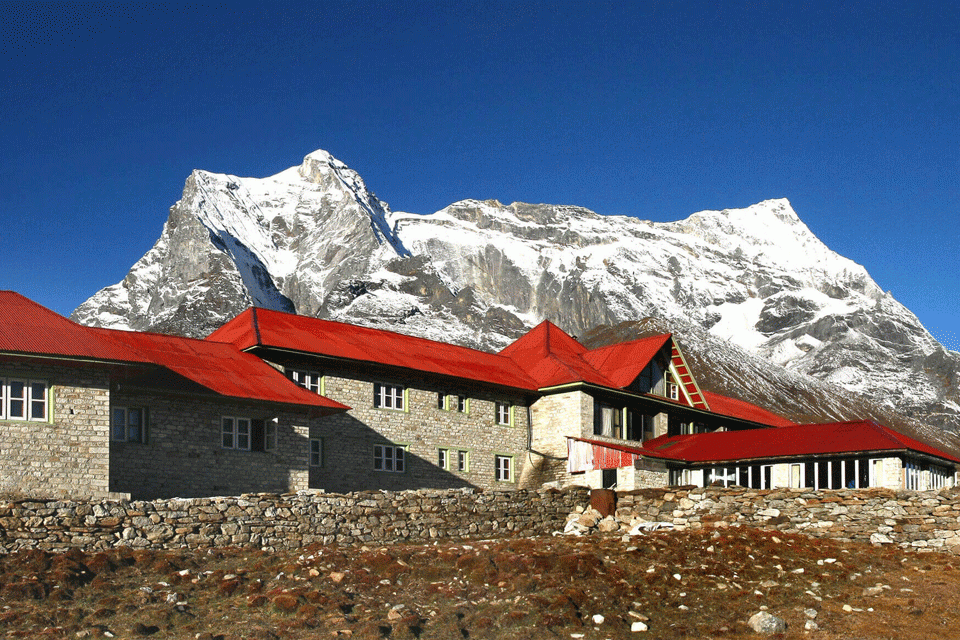
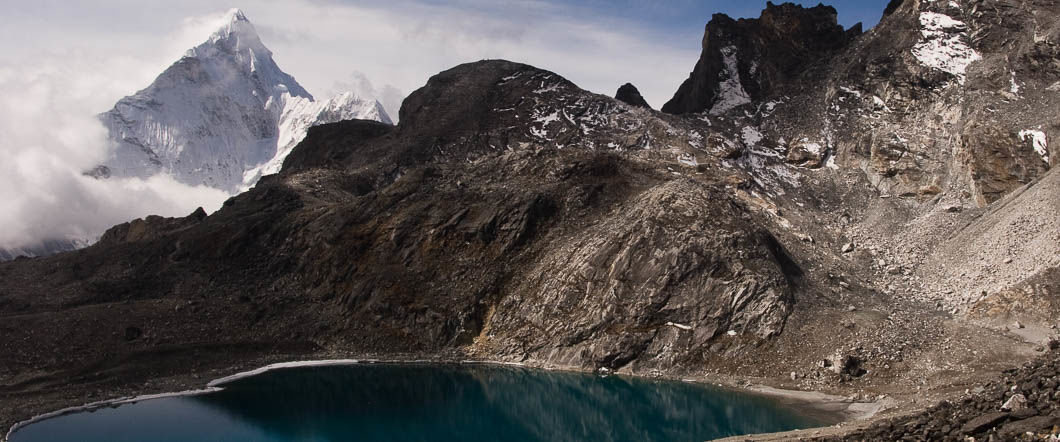
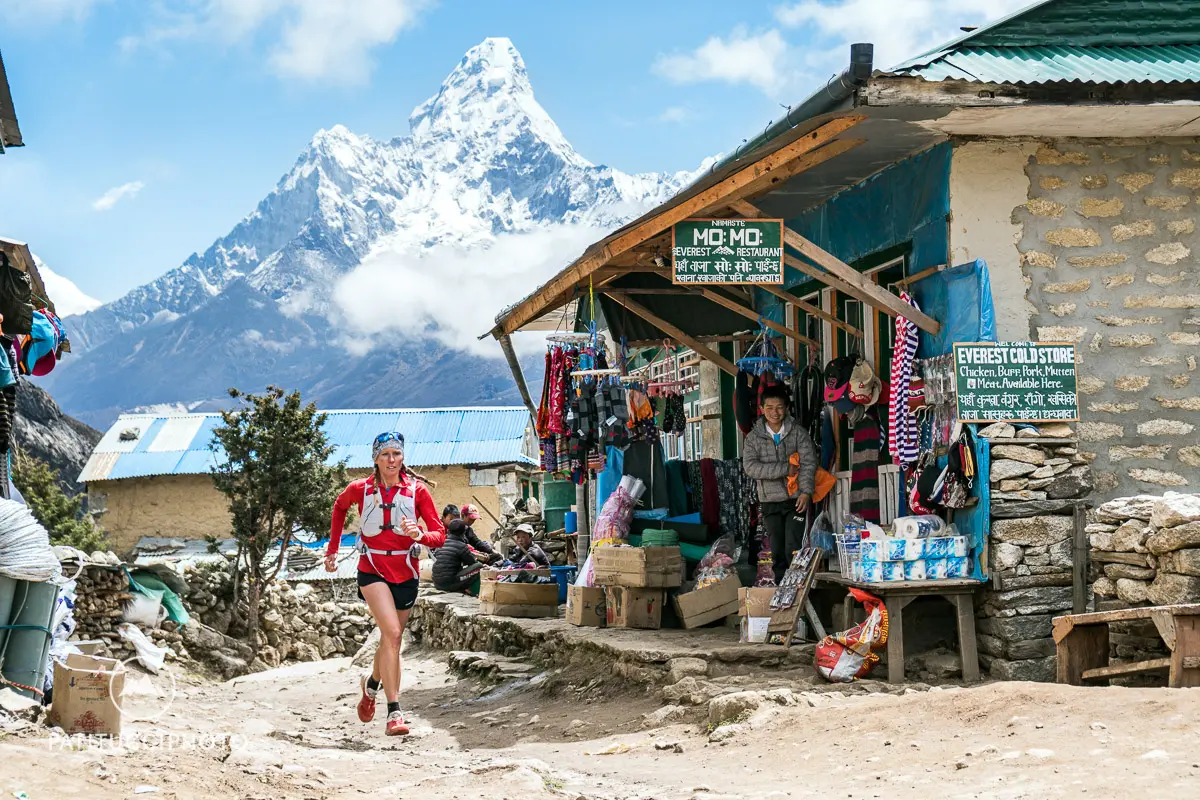
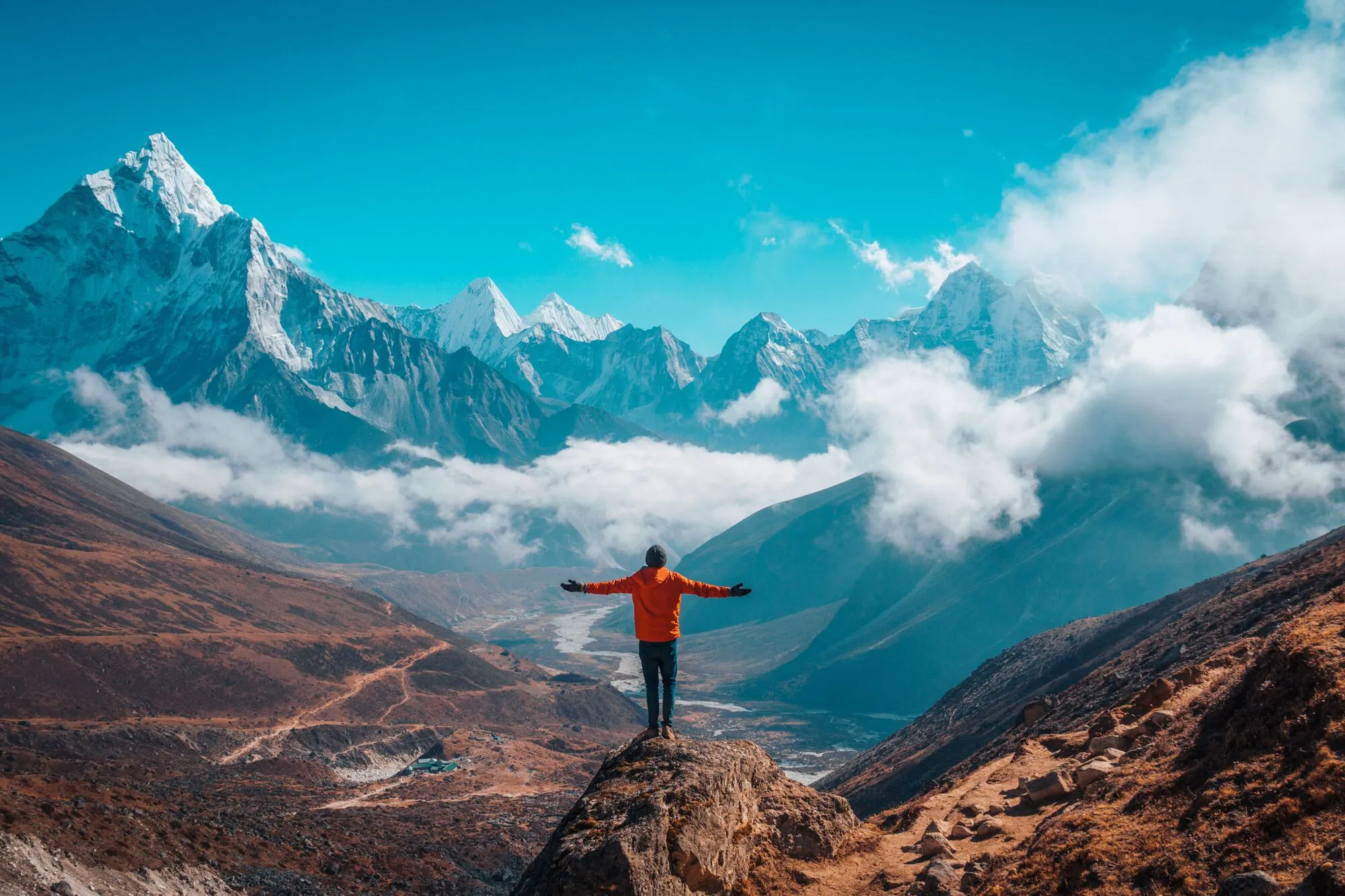
    a stone building, likely a tea house or lodge, in a high-altitude, mountainous region, typical of the kongde trek. The visible snow-capped peak suggests an altitude of several thousand meters above sea level.

     In this lengthy and detailed multi-pageblog, we will unpack why the Kongde Route is worth a high rank on your Nepal trekking to-do list, while also comparing elements of both the Kongde Route and Everest Base Camp landscape, cultural experience, comfort, sustainability, and overall trip experience.

    1. All View Over the Everest Range 

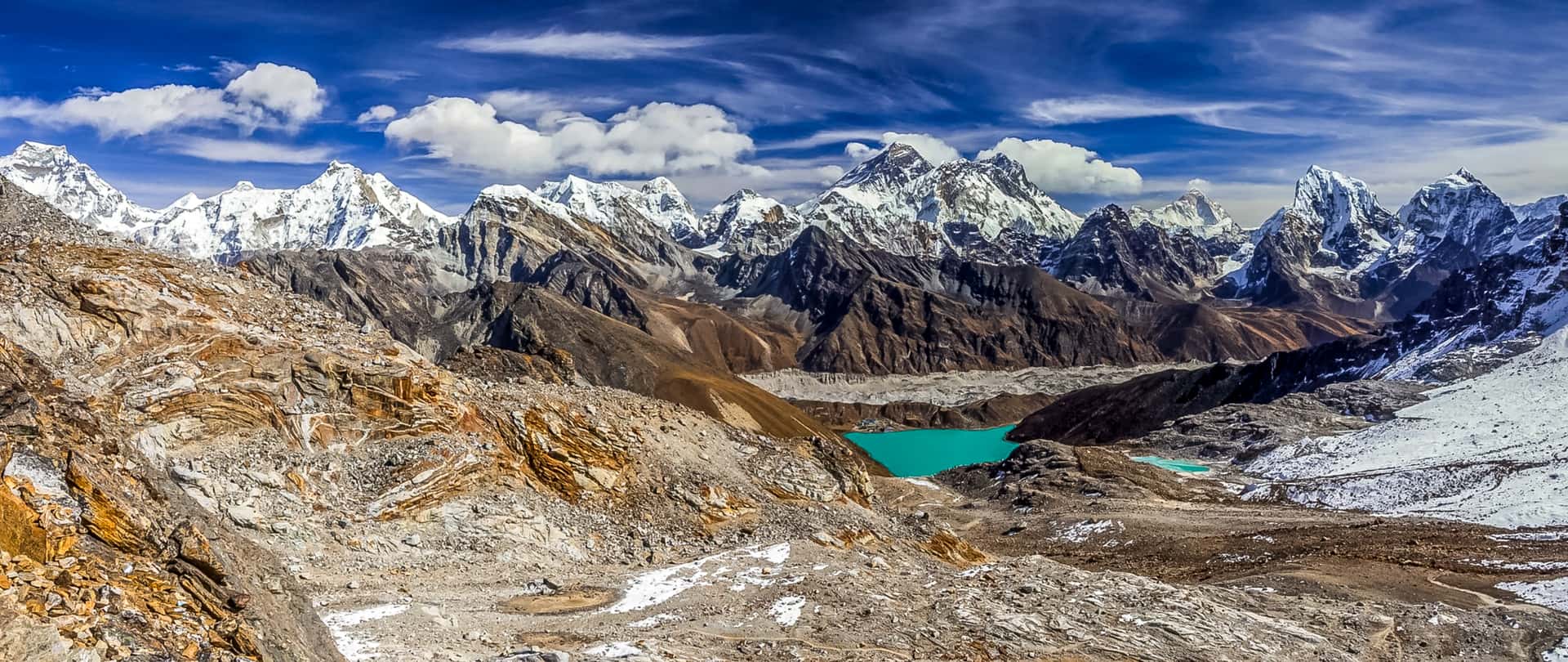
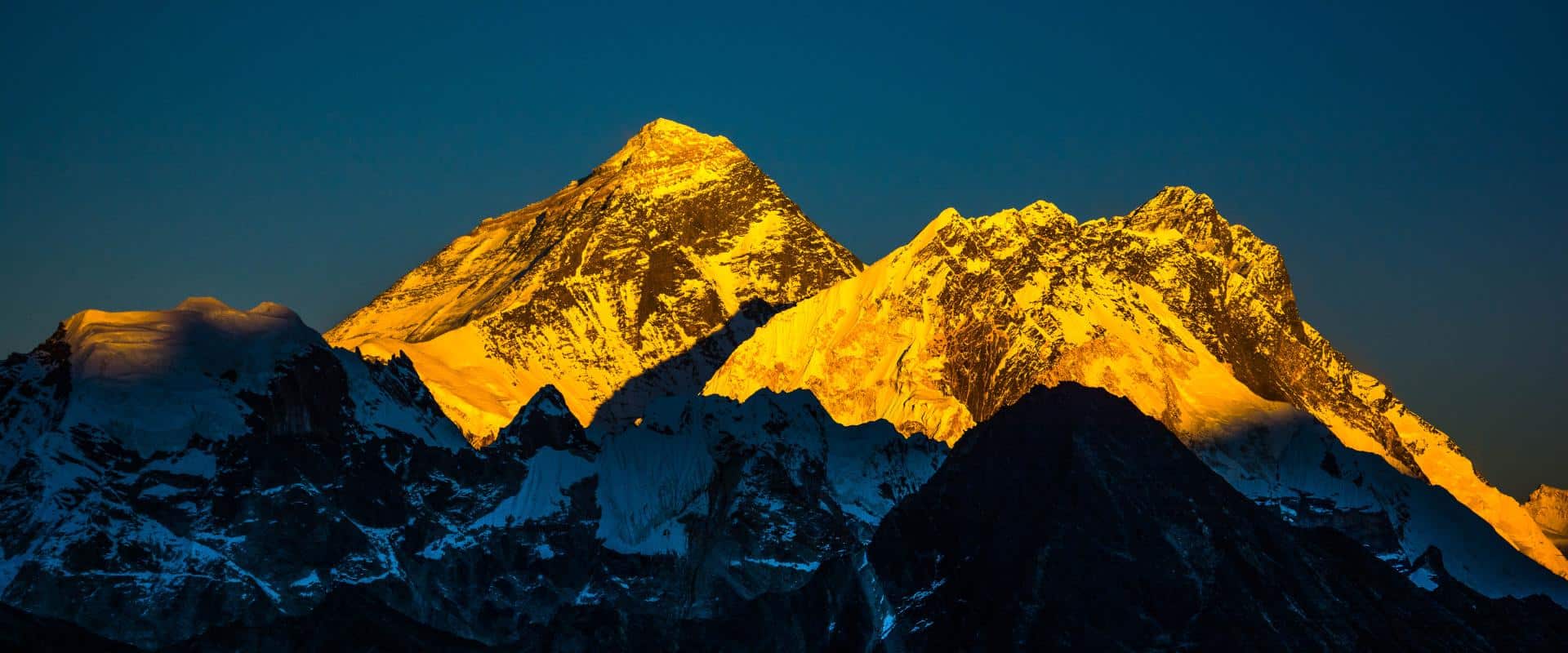
    The Kongde renaissance route has one thing your Everest Base Camp trek will not have:  the 360-degree all-machine view of Everest range at the Kongde Ri viewpoint (4,250 meters). Trekkers in this area of elevation with lofty views could see Everest (8,848m), Lhotse (8,516m), Ama Dablam (6,812m), Thamserku, Makalu (8,481m), and Cho Oyu (8,201m) all in the same view. While EBC trek takes you closer to the base of Everest, many have told me that the peak is often hidden by ridges and weather conditions. However, “Kongde” has the clearance of many remarkable -far better than expected. The mountains are organized side by side and on the morning or any sunset the mountains. It can be seen glowing gold while the sky behind is a deep blue!

    For photographers or landscape lovers, Kongde has arguably the best possible viewpoint in the Himalayas and in Nepal as well. It has allure as a natural observation deck that many do not get to see!

     2. Quiet Trails, Less people

    The classic Everest Base Camp trek receives a minimum of thousands of trekkers from every point of the globe at least once a year. Whether in the peak season (March – June and September – October), or in the shoulder season. EBC would look into penalizing in a fit back in 2023 again fall in shortage when company you will never be short of trekkers to camp for a minute.

    From Lukla to Namche Bazzer and beyond the foot traffic may be well over a couple hundred in a given day with trekkers, porters and yaks everywhere you turn. There are those who may call this part of the charm of a iconic trek, but, after walking from the trekker lodges and considerably above base elevation, there were simply too many people for too long, to consider you were on a peaceful quiet time on the trail. 

    The Kongde Route has a radically different vibe. Each year, few trekkers venture out and head towards Kongde. So you will likely have the trek largely to yourself. The forests will be quieter, the villages more authentic and you will see uninterrupted views. 

    The wonderful level of seclusion you will enjoy, provides a bond with nature. You will hear the prayer flags flapping, the leaves of the rhododendron, and the roaring Dudh Koshi River in the distance, without a hundred other trekkers as background noise. If you want solitude, mindfulness, and immersion, Kongde is the trek. 

    3. Shorter, Easier Yet Just as Rewarding.

    One of the best things about the Kongde trek is the fact that just about anyone can do it in a short amount of time. The classic trek to Everest Base Camp is an average of 12 – 14 days, which entails moving high up into altitude. With long days of trekking, those on this trek will be tested even on the most seasoned trekkers. 

    Another option is the Kongde route, which in your timeline can be done in a time frame of 6-8 days. Although it won’t be as lengthy as about 10 days, that is equivalent to experiences, with Sherpas families living in their villages, hiking alpine forests, and the magnificent mountains, with opportunities to partake. The trek will usually proceed with an exhilarating flight from Kathmandu to Lukla, then you hike from Phakding to Namche Bazaar, then to Thame, and Kongde.

    On this route you will trek below 4300 m, which should provide some comfort in terms of altitude sickness. While you trek you can absolutely relax and enjoy the comforts of the magical Himalayas all around you. If this is your first time to Nepal, you will find this great trip. If you don’t have much time, or if you just wanted a short moderate trek with the best value and satisfaction. 
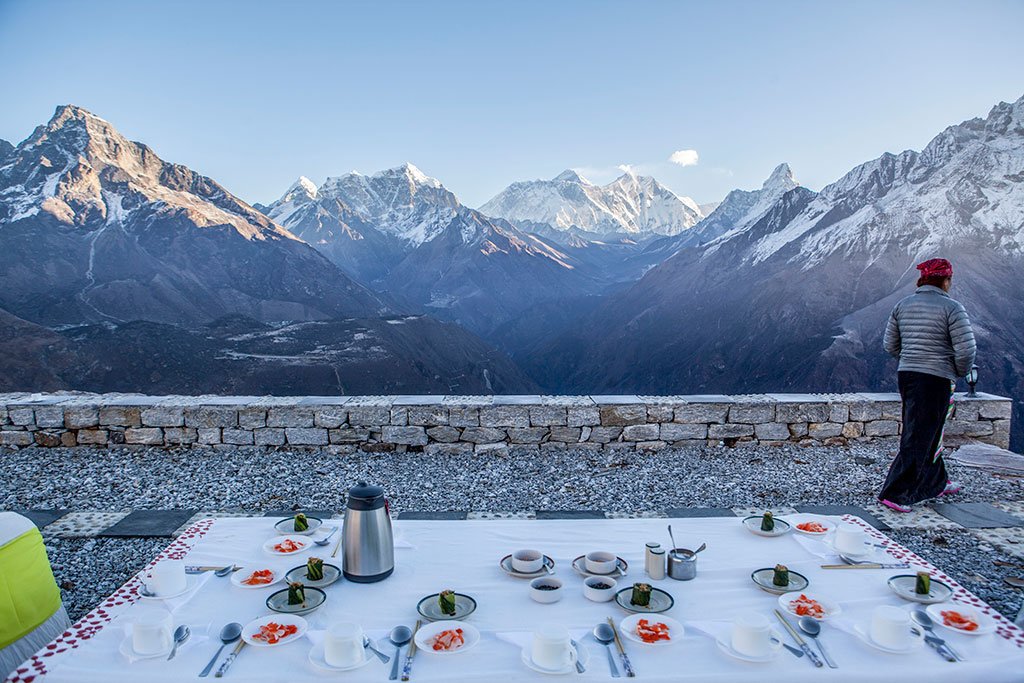
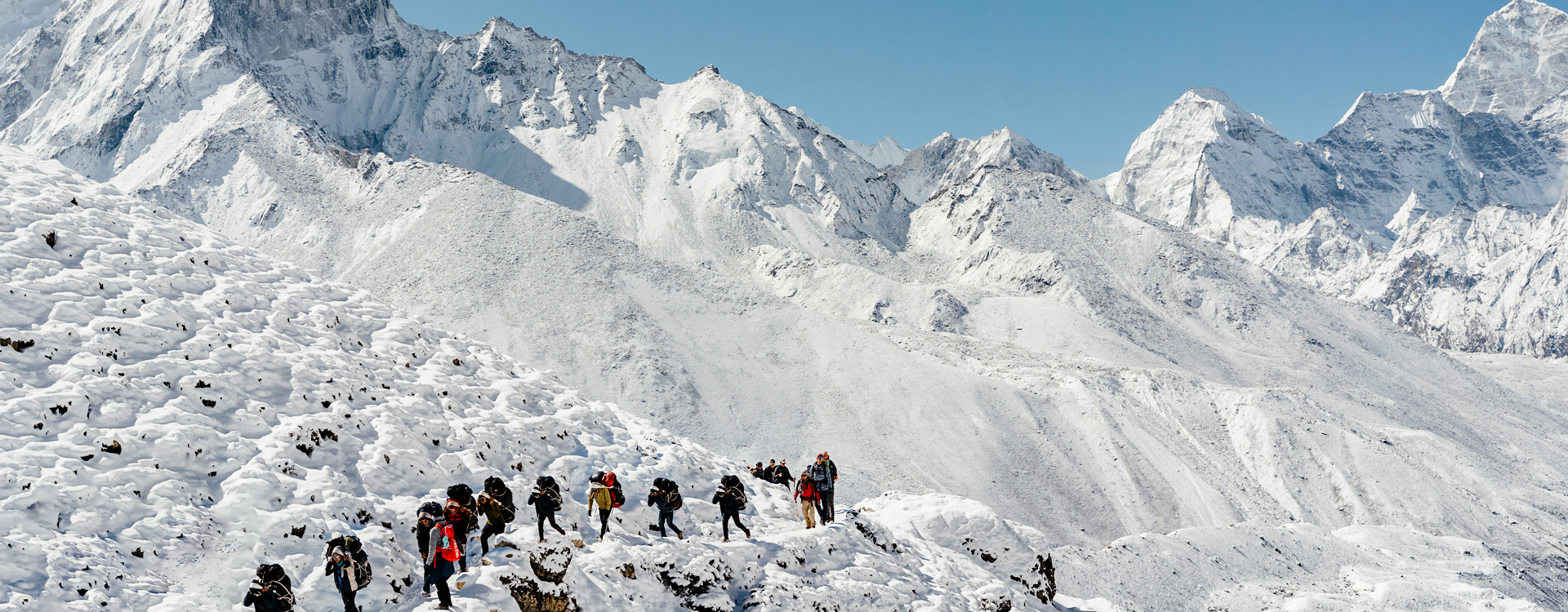
    Breakfast table in the foreground and majestic, snow-capped kondge mountains in the background, is visually similar to locations found in the Himalayas, specifically around areas like the Annapurna Base Camp, Ladakh, and Uttarakhand.

    4. Luxury deep in the Himalayas

    Although the EBC has teahouses that are comfortable to basic, most of the time they are rustic, functional, and not luxury. Though at some places, such as the Kongde region, we have Yeti Mountain Home Kongde, which is one of the best high-end lodges in the Everest region!

    Nestled deep in the Dudh Koshi Valley, the Yeti Mountain Home offers modern conveniences at over 4,000 meters, with stunning views. Each room has its own private balcony and view of Everest, comfortable interiors, and conveniences up to Western standards. Iced coffee, or a meal sourcing from the area, while you can see the rays of sunshine touching the top of Everest from the dining room of a comfortable, cozy lodge in the Himalayas–it isn’t so bad, right?! This is the combination of convenience and adventure we love about the Kongde trek. A classic trek, designed for the nature enthusiast who can’t wait to sleep in a bed at the end of the day, ogie that wants to return to the comforts of home.

    5. Authentic Sherpa Culture

    A notable aspect of trekking in the Everest region is the way of life of the Sherpa peoples. The main trekking route will take travelers through the main Sherpa villages of Namche Bazaar, Tengboche, and Dingboche. All of which have been affected by tourism commercially, and all of which have cafes, bakeries, and shops for tourists to buy souvenirs. The Kongde Route takes trekkers around less commercially influenced Sherpa communities, including Thame, Toktok and Kongde village itself.

    You can witness unrefined traditions and lifestyles in Khumbu. You will see people farming in the fields. Hear the sounds of the ancient monasteries having their monks chant throughout the day. Visit local tea in the late afternoon with Sherpa families, who have grown up in Khumbu for generations, if not hundreds of years.

    If you want to, you can stop by Thame, and stop by Thame Monastery. One of the oldest monasteries in the Khumbu and an important monastery established for over 300 years. Thame has produced several well-known climbers, including Apa Sherpa, who holds the most summits of Everest record of all time. On the Kongde route, you will experience the most authentic way of living for the Sherpas, that has not been commercialized along the typical trek of the Khumbu. 

    6. Less Altitude Stress – More Comfort (more pleasure) 

    A reason that trekkers take the Kongde Route, is the extra altitude gain than to Everest base camp trek.To compare the Kongde trek against the Everest base camp trek, the maximum height for Kongde is about 4250 meters, while the Everest base camp maximum is 5364 meters (not including the 5545 meters). 

    Offering more than 1000 meters of altitude difference minimizes some of the risk of Acute Mountain Sickness. You will be able to hike at ease, enjoy the views, and have peaceful nights with stunning mountain range views.

    Thus, the Kongde Route works well for:

    •  Families with teenagers or older family members.
    •  First-time trekkers who want to trek longer in the Himalayas, safely.
    •  People who don’t want to trek at very high altitudes.
    •  This will allow you to enjoy the spirit of the Everest experience, while making it much easier for you to avoid the complication of both high altitude trekking and the complication of acclimatizing.
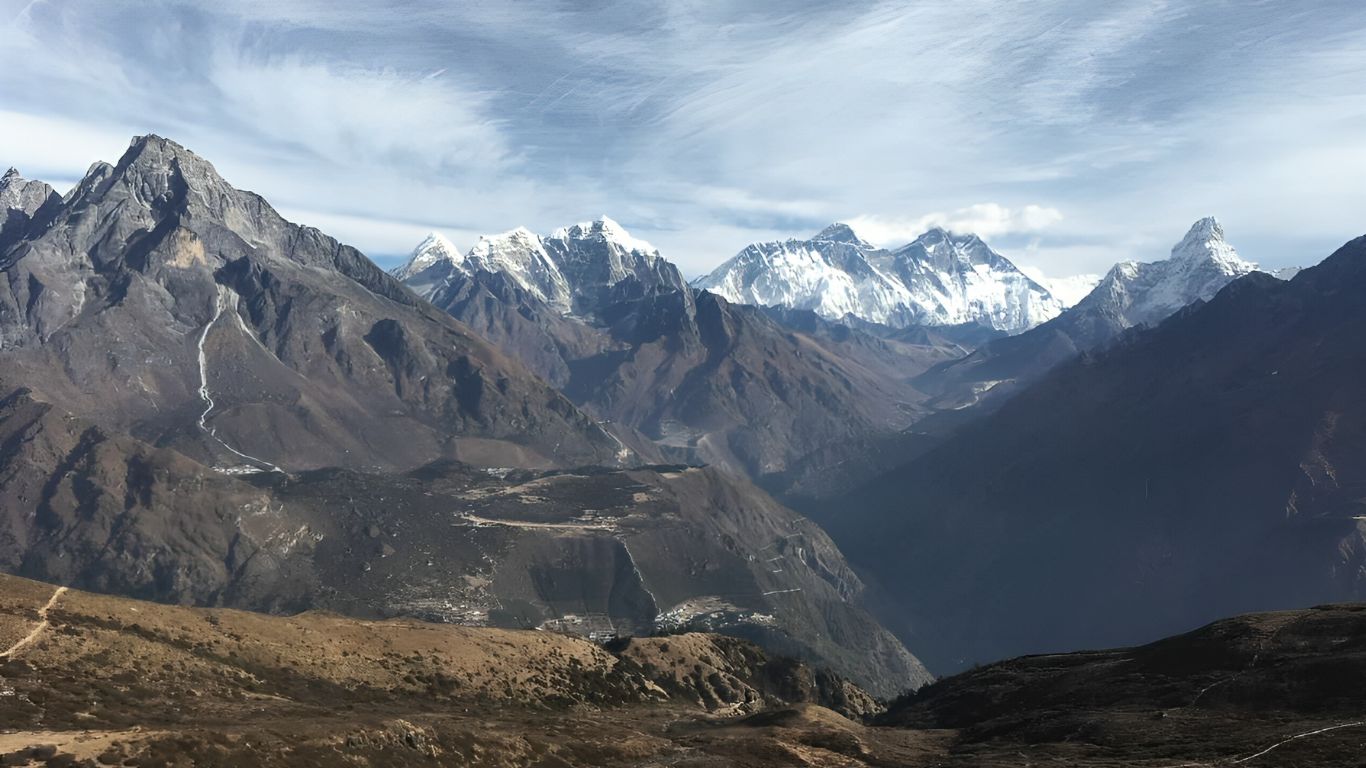
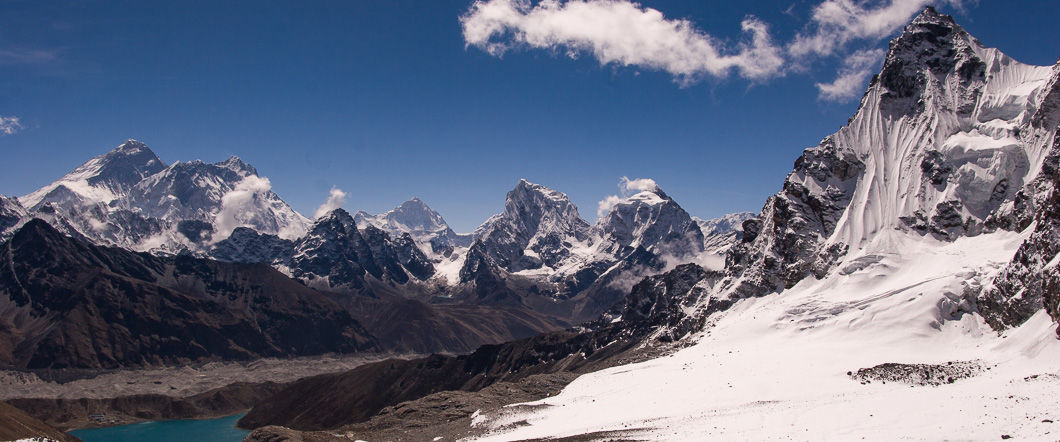
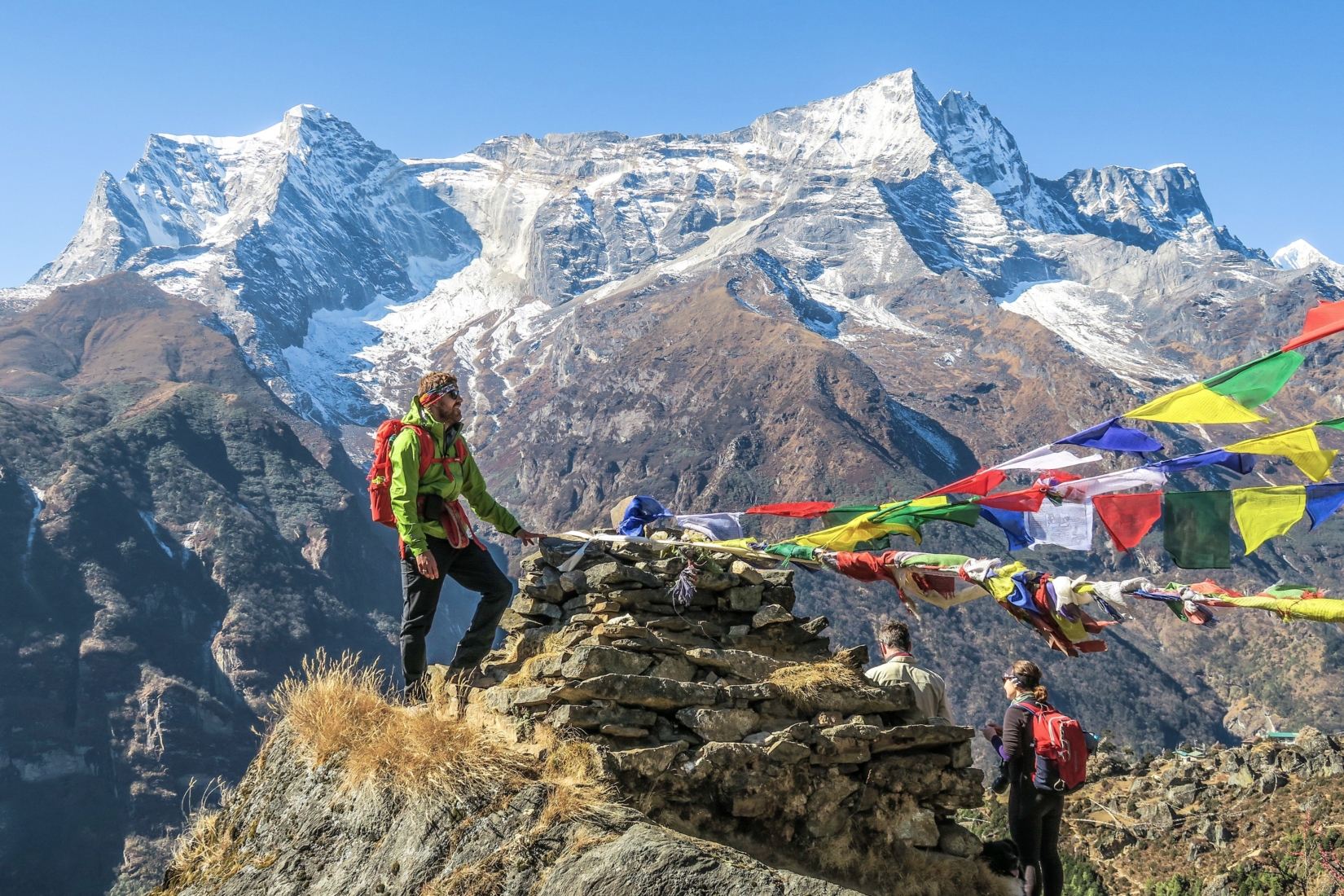
    The Kongde Ri (also known as Kwangde Ri) mountain in the Himalayas of eastern Nepal is a technically challenging peak to climb, but offers spectacular panoramic views of surrounding mountains including Mount Everest, Lhotse, Makalu, and Ama Dablam.

    7. Photographically Unparalleled Scenery

    The Kongde Route is a photographer’s dream. From the view point at Kongde Ri, you get sweeping and uninterrupted views of Everest and all of the peaks along the way. You will see nowhere else.

    In contrast to EBC, you can see Everest, but only at the view point and surrounding ridges obstruct your view since your are in a valley at Kongde you will see beautiful unobstructed views of the peaks.

    In the morning golden and orange hues cover the peaks, and in the evening crimson and violet colors sweep across the rugged mountain range. You’ll have crisp air with dramatic light and no shortage of opportunnities for unique falsely view perspectives photo perspectives.

    You’ll also be able to capture:   

    • Stone wall traditional Sherpa houses with prayer flags. 
    • Forest trails with gorgeous rhododendron blossoms (in the spring).
    • The turquoise Dudh Koshi River lazily flows below. 
    • Night skies full of stars with the Milky Way slightly eclipsing Everest.
    • Whether you are a professional photographer, or just a casual-shutterbug, Kongde will offer shots/images that will remain in your heart and intuition for life. 

    8. Ideal for the Off-the-Beaten-Path Adventurer

    The Kongde Route is intended for those who would choose exploration over the mainstream.It is not whether there is a popular route or not. It is about finding a new hidden beauty of the Himalayas.

    Along the way, you can take short side trips. Such as visiting the Thame monastery, checking out the local yak pastures, or hiking up to nearby viewpoints to gain different perspectives on the Everest range.  

    You may even see climbers practicing for their expeditions because Thame and the surrounding areas are famous for Sherpa climbers. It is in these locations that you will hear about Everest ascents and experience the region’s spirit, culture, and faith.  If you have already trekked the classic EBC, the Kongde route will provide you a unique and newer path to the same legendary mountains you trekked on the EBC.

    9. Environmental Sustainability and responsible trekking.

    Tourism is one of the major keystones of the Khumbu economy. However, the density of visitors on the Everest Base Camp (EBC) trek is beginning to have scientific impacts in terms of waste disposal, trail erosion, and deforestation.The Kongde Route, being a considerably lesser-traveled trek, gives trekkers an option for a more sustainable trek in that its hostels, such as Yeti Mountain Home, strive for sustainability in:

    – Solar heated and lit accommodations

    – Waste recycling

    – Eating based on local food and materials

    By trekking to Kongde, trekkers are engaging in responsible tourism that preserves the sensitive ecosystem of the Himalayan environment by minimizing their impact on the environment, and positively contributing to the local community members who rely on the small scale sustainable tourism experience.

    10. Balanced Itinerary of Adventure, Culture and Comfort

    Undoubtedly the Kongde trek gives you a best-of-both-worlds experience. You have the adventure of being up in the altitude, learning a new culture, and your accommodation will be comfortable each evening. Each day you wake up on the trek you will experience something new and different- swinging bridges over roaring rivers, walking through woods of pine trees, visiting monasteries and then back to the lodge for hot meals while looking at the mountains in the evening sky.

    The trek is adventurous enough that you feel an accomplishment but easy going enough that you can take in every second without worries.  A trek that is adventurous but still easy going opens up to levels of experience from the very experienced to the lay person wanting a trek into the Himalayas that was simple but memorable. 

    When is the ideal time to hike the Kongde trail? 

    Spring (March to May) or Autumn (September to November) provides the best opportunity to trek the Kongde trail in Nepal in its prime trekking season. 

    Each of the trekking seasons has its own beauty and offers a different experience, while other months can very much add beauty, strife, or serenity depending on whether you want something unique to trek. 

    Spring (March to May)

    In spring, the hills come alive with bright reddish blooms of rhododendrons, magnolias, and alpine flowers along the trails making it perfect for photographers and it is stunning. The temperature ranges from a relatively mild 10 degrees C to 20 degrees C at low altitude and there are clear skies, often featuring the best views of peaks including Everest, Ama Dablam, Thamserku, and others. If you want warm days, busy trails and incredible scenery among all the different shades of green – then Spring is for you. 

    Autumn (September to November) 

    There are many people who argue that Autumn is the best hiking season in and around the Kongde Trail in the Everest region of Nepal. After the monsoon rain, it will be fresh air, cool temperature and no dust!Visibility is at incredible prospects, and the weather is fairly stable except for normal atmospheric conditions. Days can have very pleasant warm temperatures with nights being cool and refreshing. While great weather will bring many more fellow hikers on the Kongde Trail, the mountain views and golden landscape are worth the extra hikers.

    Given the changing of the seasons, and the implied notion of adventure, if you are looking for an off-the-beaten-path experience, an option for you would be to travel in the winter months if your schedule allows. The winter season will provide you with an opportunity to travel on a calmer and generally opportune hike.
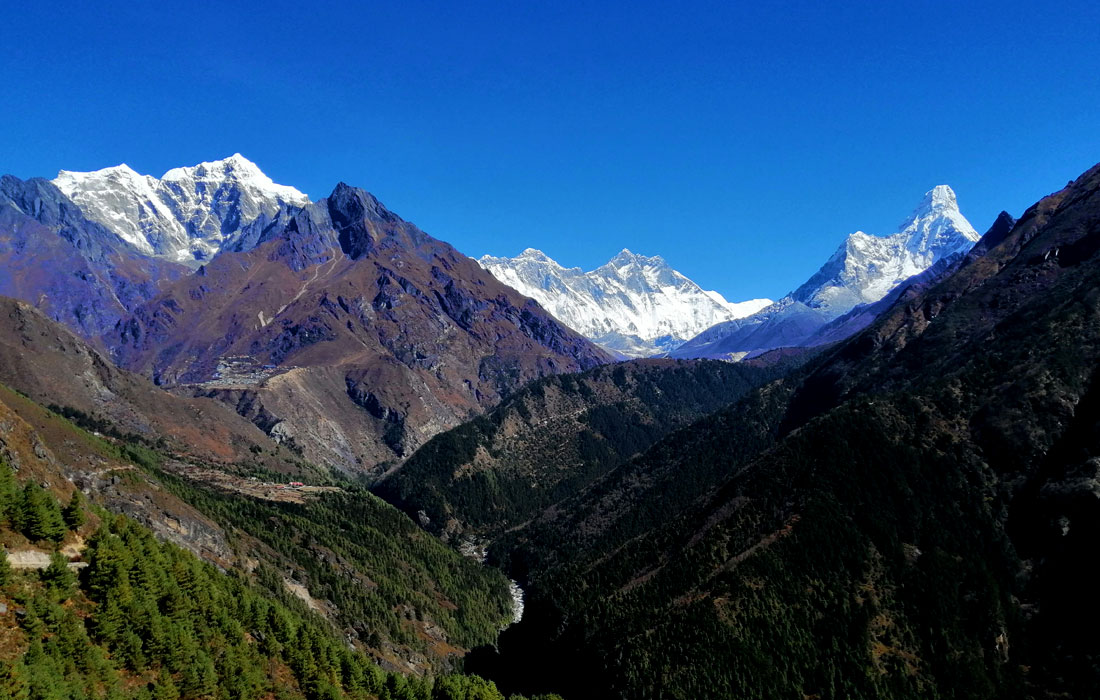
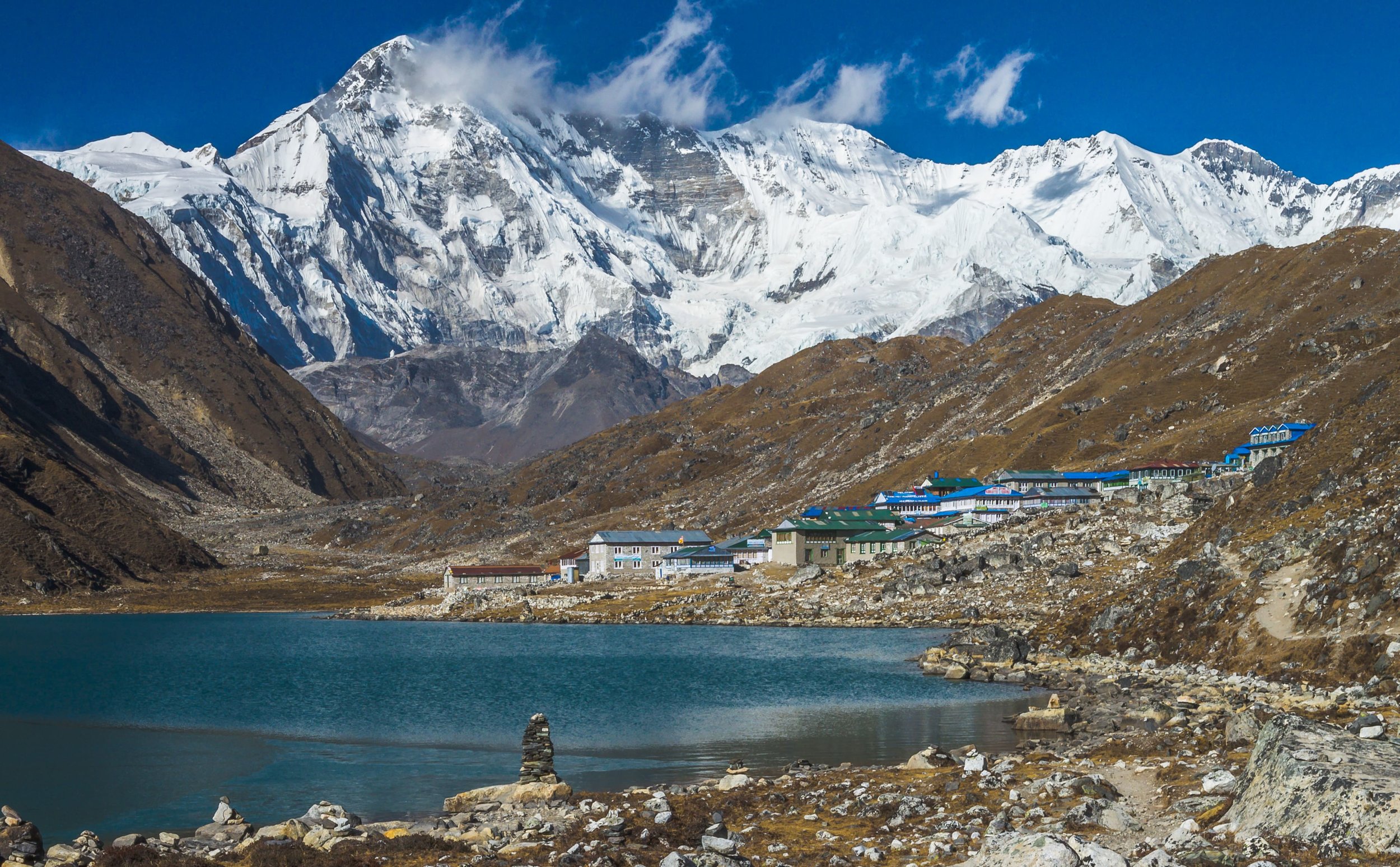
    The image on the screen is likely a photograph of the Kongde Ri mountain and surrounding peaks in the Himalayas of eastern Nepal.

    Winter months (December to February) 

    Winter travel is a completely different, but equally satisfying venture. Little to no trekkers on the trail, breathtaking scenery with sunny skies, and a quietness you cannot find at other times of the year. Just know that at night when the cold snap can dip below freezing temperatures especially high above the ground at the 3000 meters mark (10,000 feet). If you want peace and quiet you will have a phenomenal opportunity to see the beauty of the stillness of the mountains!

    Monsoon Months (June to August) – Best Not to Trek

    The heavy rains that accompany summer monsoon season will create slippery and muddy trails, blocked views as the mountains will be covered in low clouds, and an issue of leeches in some of the lower forested region of the trek. Flights to and from Lukla or flights into Tenzing–Hillary Airport will be delayed due to poor visibility. Unless you are an experienced trekker who is flexible with travel, do not attempt to trek the Kongde Route in the monsoon months.

    Permits needed to Trek the Kongde Trek

    To trek in the Kongde region, which is a part of the Everest region, you will need two permits as outlined below:

    Sagarmatha National Park Entry Permit

    This permit allows you to enter the national park and the protected area around Mt. Everest.

    You can obtain this permit in Kathmandu (Tourism Board Office, Bhrikutimandap) or at the entrance gate of the park in Monjo.

    Cost: NPR 3,000 per person for foreigners; NPR 1,500 for SAARC nationals.

    Khumbu Pasang Lhamu Rural Municipality Entry Permit

    This is a local government permit and replaces the older TIMS card for the Everest area.

    You can obtain this permit at the Municipality Office in Lukla or at the entry checkpoint in Monjo.

    Cost: NPR 2,000 per person.

    Be sure that you take both permits, as checkpoints can be seen along the route.

    Conclusion

    The Everest Base Camp trek can be called a classic as an adventurer’s rite of passage all over the world. But Kongde is something really special: a quiet, panoramic, cultural experience, epitomising the Himalayas, without the rush, the crowds or the altitude. It’s ideal for trekkers who want to escape the bustle, photographers who want amazing views, and visitors who want an authentic experience, with comfort and style.

     The Kongde trek is one of the best alternatives to Everest with shorter timelines, lower difficulty levels and amazing scenery. 

    So, if you are going to plan your next trip in the Himalayas, avoid the crowds and let Kongde’s near empty trails, and golden peaks, redefine what adventure and trekking in the Everest region means.

  • Three Passes in Everest: Ideal for Adventure Photography

    Three Passes in Everest: Ideal for Adventure Photography

    Three Passes in Everest: Ideal for Adventure Photography

    Nepal’s Three Passes Everest trek is an experience of a lifetime for dedicated trekkers and photographers and offers some of the world’s most breathtaking scenery in the highest mountain range on earth, unspoiled beauty, alpine severity, and living cultures. Whether you’re an adventurer looking for your next high or photographer looking for real awe-inspiring landscapes, the Three Passes trek is one you’ll never forget.

    Here, in this blog, we will be discussing why the Three Passes trek is a non-typical adventure photography experience compared to the rest of the treks of the region, why the trek is unique, how and when to do it as much as best time and, tips on how to make it happen for you along the way.

    Three Passes Trek

    What is the Three Passes Trek?

    Three Passes trek is a high altitude trekking tour in Nepal with three high mountain pass crossings of the Everest region, i.e., Kongma La (5,535m / 18,159ft), Cho La (5,420m / 17,782ft) and Renjo La (5,340m / 17,520ft). The trek is one of the most satisfying but challenging treks of the country, apart from providing the trekkers with stunning views of Mount Everest, Lhotse, Makalu and other peaks, also provides pristine landscape of the Khumbu valley.

    It is longer and more challenging than the standard camp (EBC) trek and requires greater physical conditioning and technical expertise. It is of 18-22 days depending on the route followed and is marked by trekking on challenging trails such as glaciers, rocky ridges, and snow passes.

    Below is a very brief overview of each of the three passes of the Three Passes trek:

    1. Kongma La (5,535 m / 18,159 ft)

    The Kongma La is the highest trekking pass and provides one of the most challenging but gratifying experiences for trekking adventure seekers. It is a steep and rocky pass situated between the Lobuche and Chhukung valleys and demands physical stamina as well as technical know-how, particularly in winter or spring when snowfall accumulation renders the route even more challenging to climb. Kongma La ascent is walking on rock trails, loose scree, and snow, but once the top is achieved, the scenery is ispicture-perfectlyy stunning. Panoramic vistas of Everest, Lhotse, Nuptse, and other neighboring peaks from the summit are a photographer’s delight to capture outstanding high-altitude photographs. Climbing the summit of Kongma La is tiring, but the thrill of doing this pass is indescribable. The trek to the pass is a great trek and one of the most stunning mountain views on the entire trek.

    1. Kongma La (5,535 m / 18,159 ft)

    The climb down from the pass to the other side to Chhukung is half a day and has great photographic opportunities of eroded Khumbu landscape, its snowy peaks, and alpine landscape. As the pass is very high, the trek itself also provides very good photography opportunities of glaciers, saw-tooth ridges, and glacial valleys off the beaten track in the lower and tourist areas of the nation.

    2. Cho La (5,420 meters / 17,782 feet).

    The second of the Three Passes trek, Cho La, is also possibly the most challenging trek physically, as it involves steep slopes, rock faces, and ice plateaus. It is not far from Gokyo and Dzongla, and Cho La serves as a crucial connector between the region of the Everest Base Camp and Gokyo Valley. The route to Cho La is dangerous, especially in spring or winter when the trail can be covered with snow and therefore even more risky to walk on. The way down is also dangerous, with some of it done by ice walking and loose scree handled very carefully.But for those who make it through the Cho La, some of the most breathtaking scenery in the Everest Region awaits.

    Cho La (5,420 meters / 17,782 feet).

    Cho La has some very dramatic moments of theatre to be filmed on celluloid. Climbers are transported over the pass on alpine-sized ice, rock face, and lakes, with occasional glimpses of Everest, Lhotse, and other grand ridges in the vicinity. The second half of the day provides an open landscape that is ideal for wider shots, where you can capture not only the summit of the mountain but also an unbroken wilderness view below. Blue-green lakes and the tranquility of the Gokyo Valley are even more awe-inspiring after having struggled to cross the pass. Landscape and isolation of Cho La are two of the most rewarding passes to capture on this whole trek.

    3. Renjo La (5,340m / 17,520ft)

    The last of the last of the Three Passes trek, Renjo La, lies between Thame and Gokyo. The shortest of the three, but perilous in itself by virtue of how high it is and the awful weather. The walk to Renjo La provides stunning panorama shots of Everest, Makalu, Lhotse, and Cho Oyu, and the chance to capture the Gokyo Lakes, which mirror the snow-topped peaks surrounding them. The path to the pass is half rock-studded and steep, but also the least crowded of the three passes, so a less crowded, more personal trekking experience.

    Renjo La (5,340m / 17,520ft)

    Renjo La contains some of the finest photographs on trek, particularly of Gokyo Valley and Gokyo Lakes. The pass itself offers a great view with a panorama out over the Khumbu countryside. On a good day, you can take a photo of the entire grandeur of Everest and the surrounding peaks from Renjo La, and it is a photographer’s paradise. Renjo La is also beautiful with views of surrounding valleys and hills, and less people conditions than on the more crowded trails near Namche Bazaar and Everest Base Camp. Renjo La is therefore a perfect spot to capture high-altitude landscape shots with fewer trekkers in the scene, which a very coveted by nature and adventure photographers.

    They provide a wonderful impression of each pass, terrain, obstruction, and photo stop it offers.

    Three Passes Trek perfect for Adventure Photography

    Three Passes Trek

    1. Breathtaking Mountain Sceneries

    As you go through the passes, you are treated to unparalleled scenery of the world’s highest mountains. Mt Everest, Lhotse, Makalu, and Cho Oyu provide the background for some of the finest landscape photography opportunities in the world. Rock peaks, snow-capped glaciers, valleys, and alpine forests provide you with more than enough subjects to photograph.

    Best Photo Spots: Show Everest’s size, Lhotse’s ominous ridges, and Makalu’s appealing uniqueness from a wealth of diverse perspectives on the hike. Sunrise and sunset on these giants are magnificent in the warm light.

    2. High-Altitude Lakes and Glaciers

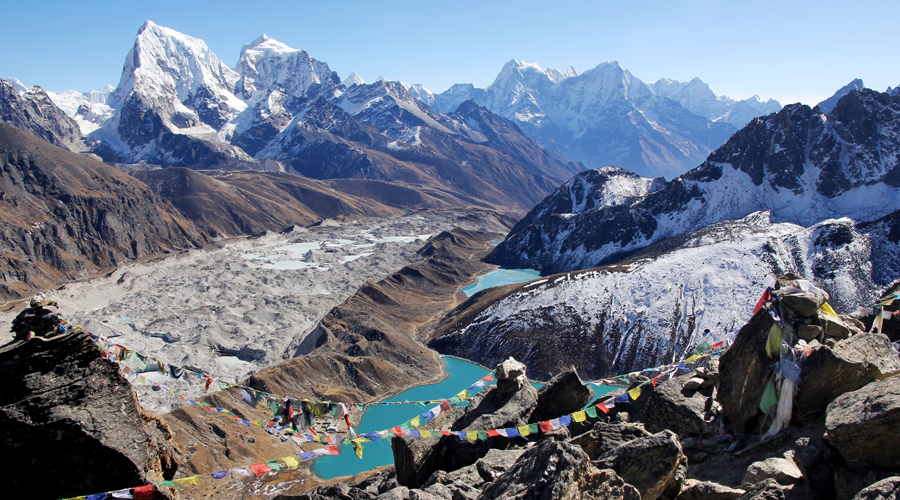
    Your walk comes across a series of high-altitude lakes like the Gokyo Lakes reflected by white capped mountains lining them in glittering crystal clear shine. Mirror calm lakes are ideal for pan photography to bracket a reflection shot with sky and even mountains. Ngozumpa Glacier-longest glacier of Khumba valley is another location to try and freeze peaceful nature.
    Best Camera Moments: morning photo of Gokyo Lakes if there won’t be any ripples on the lakes’ water, and reflection of about peaks can’t be evaded. Even the glacier has still another unique job to accomplish, it provides a good view of ice and a good landscape!

    3. Sherpa culture and Villages, something special

    You will be required to trek through remote Sherpa villages like Namche Bazaar, Dingboche, and Lobuche, where you might want to capture Sherpa culture and Sherpa life experiences in your camera. Villages are made up of reddish-brick-colored villages, Buddhist monasteries, and reddish-brick-colored prayer flags, with the appearance of blowing and billowing over hills’ slopes.
    Best photography scenes: Sherpa villagers dressed in their traditional attire, later used prayer wheels, and monks in local monasteries. Rich culture and hostile high-altitude environments: great photogenic dramas.

    Three Passes Trek

    4. Challenging and Diverse Terrain

    The Three Passes trek is so varied that there will never be room enough to cover it all. Mountain ridge and climbs, glacial lakes, grassy meadows, rhododendron forest – at every turn on the trek we were constantly discovering new ways of composing a photo! The ice trails/suspension bridge walk just enhances the drama of the photos.

    Best Shots: Position the trekkers in front of such titans, small suspension bridges over giant canyons, and small ridges on a monolith, a ridgeline sequence of mountains.

    5. Flora and Fauna

    Khumbu is also full of Fauna and Flora, such as the Himalayan Tahr species, snow leopard, vultures, pheasants, musk deer, etc. Flora is in large numbers, grazing over the alpine grassland, junipers, and rhododendron bushes, all of which are plentiful, having more than enough wildflowers during spring and filling your picture with more than enough colors.

    Three Passes Trek

    Best Time to Visit the Three Passes Trek for Photography

    The most favorable time of the year to visit for the Three Passes trek photoshoot is pre-monsoon (spring) and post-monsoon (autumn):

    Spring (March to May): Weather is ideal to capture the colorful flowers of the region. There are flowers in bloom, and the air is fresh with expansive hill views. Spring is very hot, and the trek is full of trekkers.
    Autumn (September to November): Blue sky and fresh air, great light, and visibility for perfect photography. Fewer rains are also experience during autumn, so it is less probable that your mountain photos will get clouded.

    Equipment for Adventure Trekking Photography of the Three Passes

    You need good equipment in order to capture the grandeur of the Everest landscape. Some of the must-have equipment to carry along is explain below:

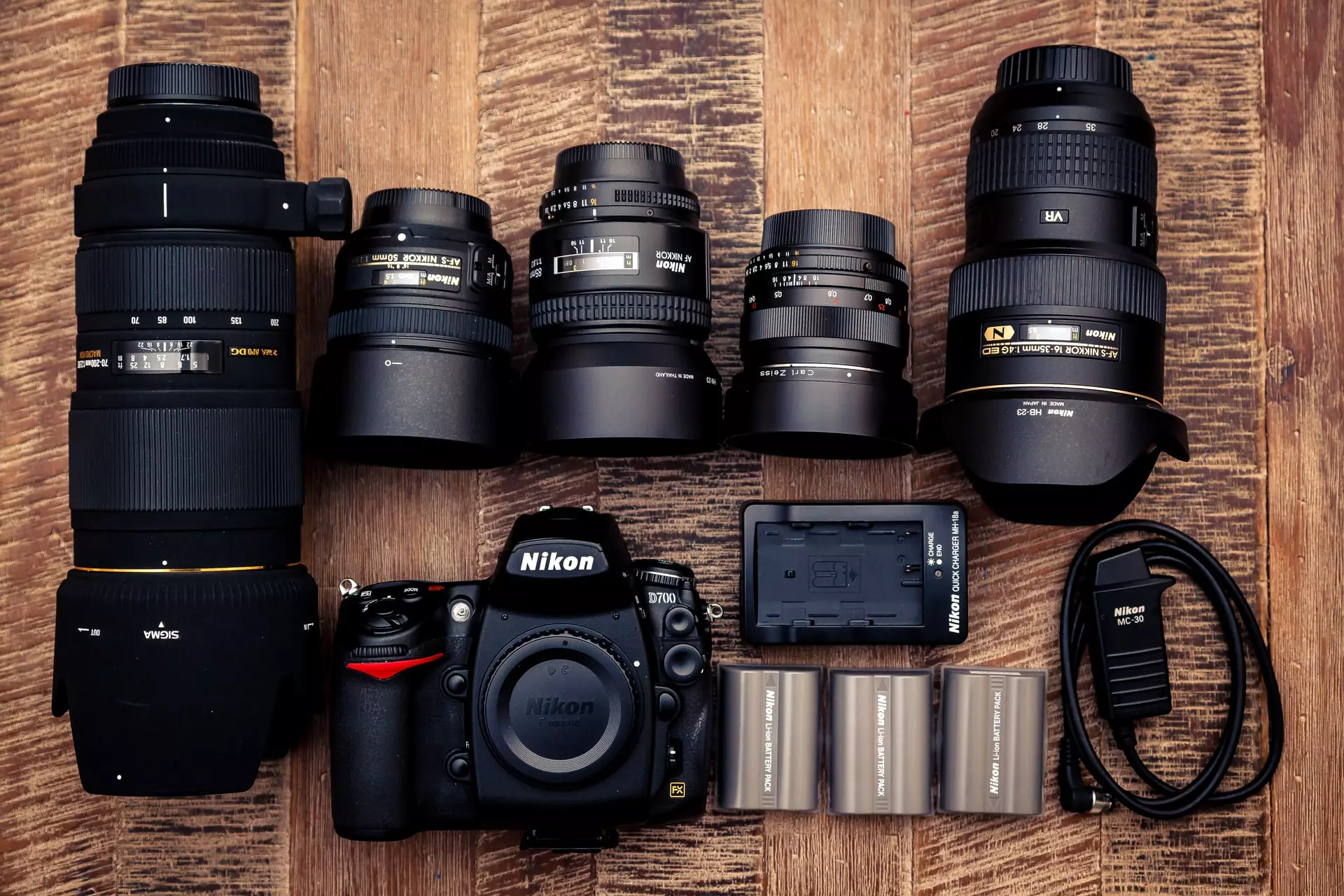
    1. Camera Equipment

    • DSLR or Mirrorless Camera: Offers higher quality images and more flexibility per shot type.
    • Wide-Angle Lens (16-35mm or 24-70mm): Excellent for capturing sweeping wide scenes, mountain landscapes, and panos.
    • Telephoto Lens (70-200mm or 100-400mm): Excellent for capturing distant wildlife shots or for flying around distant summits.
    • Tripod: A travel tripod will help in capturing long-exposure shots during dawn and dusk.
    • Extra Batteries and Memory Cards: Cold batteries drain quickly, so carry plenty of spares. Carry as many memory cards as it will take to hold all your photos.

    Camera Equipment

    2. Protective Camera Gear

    Camera Rain Cover: Dry and snow-free glacier hiking or brief snowstorms.
    Lens Cleaning Kit: Dust and moisture accumulate quickly in the Himalayan environment, and so a clean lens equals tack-sharp photography.

    3. Drones (Optional)

    The drone can capture the scenery of great mountains and valleys from a higher altitude, having unobstructed vision of the area. Make sure to take note of what is regulate locally, provided it is about operating drones, and adhere to all of them.

    Photography Tips for the Three Passes Trek

    Three Passes Trek

    Photograph At Golden Hours

    Soft warm light at dawn and sunset—the golden hours—add depth, contrast, and a touch of magic to mountain landscapes. Golden hours in the Everest range give the ideal light to capture white peaks golden and pink against dark dark blue sky. Dawnlight also gives bluer heavens and less haze, ideal to put Everest and his friends in top condition.

    Use a Polarizer Filter

    Polarizing filter is a great piece of equipment for serious photography, particularly when outdoors in snowy or reflective weather like in the Himalayas. Not only does it stop glare on water, snow, and wet rock but improves the color of your landscape photo’s color so that it looks more vivid. Darkens the sky and contrasts the sky so your photos result in lighter and darker in color without needing post-processing.

    Watch the Details.

    Other than panoramas, detail tells your travel story. Tightly cropped rock and ice, whirligig prayer wheels, or snow prints are all details so small, butthey provide variety and credibility to your video. Close-ups are what make the intimacy as well as the respite from the grandeur of wide shots.

    Be Patient and Attentive

    Light in Everestland changes, and your moment-in-time shot is already there waiting to be snap. Clouds will shroud a summit for a brief instant and lift once more; shafts of light will transform an uninteresting second otherwise into that of magic. Having the location provides one with the leeway to wait and react to the moments that exist briefly to allow one to present them as spontaneous and real.

    Be Respectful of Local Culture

    Local people and the people of the Everest region must be respect and photographed politely. First, permission must be ask before photographing a person, and, by all means, must not go inside anyone’s home or religious places. Sherpa culture is respectful and polite, and being respectful is a guaranteed method of gaining trust and authenticity in images.

    Three Passes Trek

    Conclusion

    The Three Passes trek not only requires a lot from the trekkers, but also is heaven for adventure photographers. Its highest points at high altitudes, its high-altitude lake, its Sherpa village, and the diversity of landscapes transform the Everest region into a treasure house full of endless possibilities for photographers to have the best. And if you visited there at its right time of year, bag in hand and gear, and if you sat patiently out waiting for some good photographs, then you would have been able to imagine its magnificence and beauty.

    Take your kit bag, fill your camera, and go capture some photos of the most beautiful landscapes of the world! Contact us today at Happy Mountain Nepal, on Facebook, Instagram, or TikTok

  • Everest Base Camp Trek: Lifetime Experience

    Everest Base Camp Trek: Lifetime Experience

    Everest Base Camp Trek: Lifetime Experience

    Everest Base Camp Trek is a once-in-a-lifetime spiritual, physical, life, and cultural quantum leap. EBC is 5,364 meters (17,598 ft) high and is located around the highest mass on earth, Mount Everest (8,848.86 m / 29,031.7 ft). With each step, you are closer to trekking on top of mythological mountain ranges, century-old monasteries, hundred-year-old Sherpa villages, and a soul-trek experience that you cannot wipe away from your memory.

    everest base camp

    Why Everest Base Camp Trek Is a Lifetime Experience

    1. Get close to Mount Everest

    Being at EBC is being and standing in the shadow of the world’s highest- a position where you can only dare to have the audacity to assert and check off your bucket list, together with all the other adventure-seeking travelers from across the globe. You’re not on Everest, but where the Everest giants of Mount Everest are, like sunrises on the great ridges, is heavenly. Walking the EBC trail by yourself takes you, by legend, as close as it gets to the Mount Everest summit view and mythic Kala Patthar (5,545 meters), quite possibly the best view of Everest you’ll ever have the good fortune to witness.

    2. Sherpa Culture and Spiritual Immersion

    You’ll meet Sherpa villagers of the Khumbu: tough Himalayan folk with highly developed mountaineering prowess, boundless hospitality, and first-rate survival skills. You’ll trek through the villages of Namche Bazaar, the villages of Tengboche, and the villages of Pheriche, all with their multicolored prayer flags flapping in the breeze, all scattered with found along the trails like spinning prayer wheels, all topped on ridges with stupas.

    At Tengboche Monastery (3,867 m), you will pray with chanting monks within sacred walls, and dark Ama Dablam and the other great white giants – a spiritual experience in the true spirit of your trek.

    3. Varied and Breathtaking Landscapes

    We trek through varied Himalayan scenery:

    • Rhododendron and pine forest hide Lukla and Phakding villages,
    • Suspension bridges spanning high above glacier-fed rivers,
    • Yaks and alpine grasslands at Dingboche and Lobuche,
    • Rock moraines and snow ridges on the way to Gorak Shep and EBC.

    Every bend in the trail, a new panorama, a new peak, another rest stop, and just soak it all up.

    4. A True Physical and Mental Challenge

    It’s not a holiday- it’s a test. You’ll be trekking 5-7 hours every day, trekking all day, a nd cold and tired all day. But it is in the challenge that we get tough. To even get to Base Camp is such a great feeling and sense of achievement. It’s a test of your endurance, your determination, and your sense of accomplishment.

    Everest Base Camp trek route

    Day 1: Fly to Lukla and Trek to Phakding

    It starts with a pounding mountain flight to Lukla, a small cliff airport that is perched at a height of 2,840 meters. It’s a 30-40-minute roller coaster ride, and you don’t even get the sensation that you’re flying over the Himalayas. The trek starts here, and you walk from the pine forest and small Sherpa villages step by step. You further trek to Phakding at an altitude of 2,610 meters. You see many stone chortens, stupas, and prayer flags waving in the wind along the path.

    Day 2: Namche Bazaar to Phakding

    A different evening sees you once again on the trail side of the banks of Dudh Kosi.
    You trek on suspension bridges, mega suspension bridges, such as some of the following: the Hillary Suspension Bridge, which has the questionable honor of having had a string of accidents, including a helicopter crash landing.

    You enter the Sagarmatha National Park at Monjo, where they check your trekking permit. The path climbs but it’s the final two hours of tough and steep walking to the wealthy Sherpa town, Namche Bazaar, at 3,440m. If the day is clear, you get your first view of Mount Everest. There are shops, bakeries, equipment stores, and mountain views to be had at Namche.

    Day 3: Acclimatization Day at Namche Bazaar

    To avoid high altitude sickness, you will take an entire day’s rest in Namche.
    Not idling about, but a quick walk around so that your body is conditioned and taking the most scenic trek to Everest View Hotel (3,880 meters) with sunrise over Everest, Lhotse and Ama Dablam, or the walk to Khunde and Khumjung village home of the Hillary School and monastery which contains a Yeti scalp preserved.

    You can stroll around the Namche evening bazaars, visit the Sherpa museum, or just sit and have tea and look across the valley.

    Day 4: Trek Tengboche to Namche Bazaar.

    The mountain trail starts after departing Namche because from here, one has a good view of Everest, Nuptse, and beautiful Ama Dablam.

    This is a tuning pair of hours of valley and mountain, then steeply downwards to the Dudh Kosi River and upwards again sharply through pine and rhododendron forest to Tengboche (3,867 meters).
    This quaint, spiritual village contains the famous Tengboche Monastery, the biggest monastery in the Khumbu valley.

    It lies on massive slopes, a sacred and serene place where you become a part of a prayer ceremony and achieve some peace of mind.

    Day 5: Tengboche to Dingboche trek

    Descend from Tengboche along the forest to Debuche and further down to Imja Khola on a rickety bridge and then to Pangboche, which is the highest permanent settlement in the area. Further, a more Alpine and open country with wider valleys towards Dingboche (4,410m), a windy town with white tops of mountains in the distance. And Dingboche is fine too, “post summer valley,” and it’s beautiful, and a pleasant rest to acclimatize.

    Day 6: Acclimatization Day at Dingboche

    Having a day of full acclimatization allows your body time to adapt to the altitude.

    Most trekkers visit Nagarjun Hill (5,100m), an exhausting but well worth the climb with really stunning views of Makalu, Island Peak, and the valleys below. An alternate is a side trip to Chhukung and glacier sightseeing, and a climbing path. Dingboche is a pleasant spot, few sun-dried teahouses and ga good location between the massive peaks of Ama Dablam and Lhotse. Dingboche is a relief.

    Day 7: Lobuche trek from Dingboche

    You will gradual ascent up the Imja Valley. The rocky path continues upwards, ascending, ascending through dry but breathtaking alpine desert. When we traverse over to the other side of Dughla (Thukla), the path steepens even more, and we will be along the ridge with memorials to the climbers who didn’t return from Mt. Everest. The squalor of this path is made worthwhile by the sight. We ascend the rocky path to Lobuche (4,940 meters), a small glacial town at the foot of giants Nuptse and Pumori.

    Day 8: Gorak Shep to Everest Base Camp

    The last day will likely be the most exciting day of the trek.

    Take a brief hike to Gorak Shep (5,164m), the final village on your trek to Base Camp, and abandon your loads in order to hike upstream along the lateral moraine of the Khumbu Glacier.

    The path is rocky and slippery with boulders and snow to overcome. A grinding willpower will finally reward Everest Base Camp (5,364 meters), an unearthly emotional peak. The base camp is encircled by prayer flags, tents (during season), and the huge Khumbu Icefall. Stop and take in the view for a while, then go down again to Gorak Shep for the night.

    Day 9: Ascending Kala Patthar and back to Pheriche.

    Early morning ascent to the summit of Kala Patthar (5,545 meters) for sunrise. The summit offers the best and unobstructed view of Everest, Lhotse, Nuptse, and Pumori. Golden early morning sunbeams on the high mountains are breathtaking. Then to Gorak Shep for breakfast and begin a return journey, a trek down to Pheriche (4,280 meters). Heaven is a lower elevation, and the trek is not so draining, even with tired legs.

    Day 10: Trek from Pheriche to Namche Bazaar

    The hike continues to Pangboche and Tengboche village, which are very welcoming ones, but now you’re moving in the opposite direction to them, so you have an added bonus to view them on the other side. You continue your walk through the woodlands and streams and view the Himalayan flora and fauna. You take an easy hour-and-a-half-long walk or walk-and-a-half and indulge yourself at the Namche Bazaar, where you pamper yourself with a hot shower as well as a steaming cup of coffee.

    Day 11: Lukla, downhill trek from Namche Bazaar

    The knee-jolting downhill trek on the last day from Namche to Lukla through Monjo and Phakding needs downhill and long-distance tires. Party time at Lukla. Rather than turning it into a party time, trekkers celebrate their trek by enjoying the farewell traditional dinner with guides and porters, food and local drink, and spreading smiles and laughter.

    Day 12: Flight on the way back from Lukla to Kathmandu.

    You return on the last day on a morning flight from Pokhara to Kathmandu. The return flight, also, is picturesque with birds’ eye views of the trek trail behind you. You’re free the rest of the day to relax, reflect, or bask in the hospitality and coffee culture of city life in the capital. The trek is over, er but memories linger.

    When to Trek to Everest Base Camp?

    Spring (March – May)-: Ideal time of the year for reliable weather, clear sunshine, blooming rhododendrons, and a crystal-clear view of the high mountains.

    Autumn (September – November) -: Blue sky after monsoon, and dry trails with spectacular views.

    Winter (December – February)-: Near-white snowy trails, and below-zero temperature. Only for the experienced trekkers, who are not shy to trek alone.

    Fitness and Training

    Here it is, a step by step run through of the fitness training guide for the Everest Base Camp Trek, suitable for beginner and intermediate trekkers.

    Train Minimum 2 – 3 Months Prior

    1. Begin training at least 8 – 12 weeks.

    Pre-trek. If you are not fit, there is a good chance that you will need to start earlier. The aim is to build and bank endurance and strength, topped up in growing quantities. By establishing a routine and consistent exercise regimen, you will physically condition your body for stresses and reduce injury on the trek.

    2. Cardio

    No matter what cardio you perform, it will strengthen your heart and lungs so that your body will be better at using oxygen, which at high altitude is a major factor.

    • Running builds legs and leg muscles.
    • Cycling is low-impact but great for endurance.
    • Swimming builds lung capacity and is non-impact.

    Do 3–4 times a week and build up time and intensity as your fitness level builds. Attempt to do it in steady-state cardio but also attempt to fit in some hill repeats if possible.

    3. Heavy Pack Backpacking

    This is not merely walking on the treadmill with a heavy pack! Your hips, back, and shoulders will adapt to bear the load for hours: 5–10 kg.

    Practice wearing a pack, or with water packed in. Add weight and duration walking gradually. Practice uphill and downhill walking, such as on actual walking trails.

    4. Leg and Core Strengthening Exercises

    You’ll be ascending steep rocky paths when you hike. Your legs must be conditioned. Squats, lunges, step-ups, and calf raises will all condition climbing muscles up and down.

    You require a strong core (lower back, abs, glutes, obliques) to assist in supporting your posture and balance while backpacking. Do planks, bridges, and twists 2-3 times a week.

    This will not only prepare your upper body to bear your pack but also ease the pressure off your back and give stability when walking on rocky ground

    Permits Required

    1. Sagarmatha National Park Entrance Permit

    Cost: NPR 3,000 (foreigners), NPR 1,500 (SAARC nationals)

    2. Khumbu Pasang Lhamu Rural Municipality Permit

    Cost: NPR 2,000 (all nationalities)

    Packing List

    Packing item for trek

    1. Clothing:

    • Moisture-wicking base layers
    • Fleece and insulated jacket
    • Waterproof shell jacket and trousers
    • Warm hat, gloves, buff/scarf
    • Thermal socks and high-quality hiking boots

    2. Gear:

    • Backpack (50–65L)
    • Sleeping bag (-10°C or warmer)
    • Headlamp and spare batteries
    • Trekking poles
    • Sunglasses (UV)
    • Water bottles/hydration system
    • Water purification tablets

    3. Miscellaneous:

    • Sunscreen, lip balm
    • First aid kit
    • Snacks and energy bars
    • Power bank
    • Travel insurance at high altitudes

    Cost Breakdown (Mid-Range Estimate)

    1. Flights (Lukla–Kathmandu) $300-$400

    The largest part of the cost of Everest Base Camp trek logistics is the flight from Lukla to Kathmandu. It’s a short but essential flight because Lukla is where the Everest region access begins. Return airfare will be $300 to $400. Flights also change with the season with higher months to trek, October and November being peak seasons. Flight duration is approximately 30 minutes but depends on weather and therefore can be delayed or even canceled. Since it’s a long flight and possibilities of interruptions are extremely high, it is better to stay an extra day in Kathmandu in case of a delay.

    2. Permits $50–$60

    You will require a series of permits to trek in the Everest region, which are obligatory.

    They are two of the bigger ones, and they are Sagarmatha National Park Permit and TIMS card. They are the guarantee of monitored and secure access to trekking paths. The Sagarmatha National Park Permit is around $30, and the TIMS card is around $10 to $20. The two passes total around $50 to $60. These passes can be readily purchased before the trek in Kathmandu, or at the first settlements along the trail. It’s just part of having had your trek arranged and being regulation-friendly required.

    3. Guide and Porter $300–$500

    Although not obligatory, most visitors find it well worth the expense to have a guide and/or porter to help make the trekking experience all the more worth the while.

    A guide costs $20-$30 a day and a porter costs $10-$20 a day, agency and season based. Guide and porter for 12–14-day trek will cost $300-$500. A guide who knows the trail, knows the culture, and is sensitive to altitude is worth every penny. Porter service will pack up your bags, removing some of the physical effort of the hike from your shoulders, especially where there is climbing or descending to reach it. These services are typically well worth the extra convenience and security.

    Everest Base Camp Trek

    4. Accommodation (12–14 days) $150–$250

    The accommodation on Everest Base Camp trek is usually in teahouses and the rooms are plain but clean. The accommodation for a 12–14 day trek is usually between $150 and $250. It is lower towards the lower section of the trek and the higher you ascend where accommodations are scarce. The rooms in teahouses are plain but with shared toilets and hot and dry. Additional privacy is provided by en-suite bathroom rooms at additional cost. The same accommodation in Kathmandu is the same price, but if you would like more comfort at the start and end of the trekking, more costly accommodation is possible.

    5. Food and Drink $200–$300

    Trail food and drinks are also a considerable cost. You will be consuming at least three meals—dinner, lunch, and breakfast—and snacks and drinks to get you through on the trail. Lower-grade trail food costs $5–$7 a meal, but the higher up you climb, the more expensive it is since there is a logistical problem with food transport up to higher elevation. 12–14 days’ worth of food and fluids costs $200–$300.

    Oatmeal or bread makes up most of breakfast, and lunch and dinner consist mostly of local food such as dal bhat, noodle, or momo. Tea, bottled water, and snacks are expensive, especially having to eat at higher elevations.

    6. Miscellaneous (Wi-Fi, Showers) $50–$100

    Aside from the outrageous trekking fee, there are a couple others you will be paying along the way on the trek. They do have Wi-Fi in a few of the teahouses, but it’s extremely slow and it will be $2 to $5 per hour. Even a shower that’s hot will cost you money and will typically cost you $2 to $5 per shower.

    All of these will be costly on the way while trekking and will usually cost you $50 to $100. Other trekkers also purchase other foodstuffs, drinks, or souvenirs on the way while trekking, so it is always better to carry some money with you. The need for these little luxuries is one of the reasons why the total cost of the trekking but can be what will make it worthwhile.

    Conclusion

    The Everest Base Camp Trek is not just about the destination—it’s about the transformation along the way. It’s about pushing your limits, connecting with the mountains, and immersing yourself in one of the world’s most spiritually rich and naturally stunning landscapes.

    Whether you’re seeking a personal milestone, a cultural journey, or the adventure of a lifetime, the Everest Base Camp Trek delivers an experience that lingers in your soul forever. Contact us today at Happy Mountain Nepal, on Facebook, Instagram, or TikTok.


  • Lobuche Peak: Training Tips and Gear Essentials

    Lobuche Peak: Training Tips and Gear Essentials

    Lobuche Peak: Training Tips and Gear Essentials

    Lobuche Peak (6119 m / 20075 ft) in the Everest region is one of the simpler trekking peaks in Nepal and provides climber tourists with a difficult experience and a lifelong experience. Situated very close to the famous Everest Base Camp, technical climbing skills besides high-level physical fitness and advanced psychological strength are required. The trekkers should be physically strong and professionally trained for climbing so high as Lobuche. Here in this article, we will let you know about the training needs and equipment recommendations of Lobuche Peak climbing so that you will be well prepared with all these in advance while heading towards this fantastic adventure.

    Lobcuhe

    Understanding the Lobuche Peak Expedition

    It’s helpful to know some — of the nature of Lobuche Peak climbing — in anticipation of making plans on the equipment and experience needed. There are both technical and nontechnical paths to the top also: ridge walking, scrambling, and steep — steep snow and ice pitches. Lobuche Peak is not a mountaineering-type peak but is not a walk-up and does demand high alpine levels of experience, higher physical condition, and utmost mental fortitude.

    Practice and training on the Lobuche Peak will be conducted to prioritize these issues so that the straightforward Trek is also guaranteed.

    Why You Should Take Lobuche Peak Training

    Lobuche Peak Climbing Profile is not a one-day hike. After all the weather, rocks, and bad weather, the person finally gets to the summit – with the proper pre-training. Training yourself properly will allow you a better chance to reach its summit and help you cope with altitude sickness and fatigue. However, a fine course will make you tough, hardened, versatile and tough in the head too but all these would come in use while working with all those difficulties that is strikingly guaranteed to come in your methods towards Lobuche peak summit. Lobuche Peak Training:

    Key Areas of Training Focus

    When preparing for Lobuche peak, your training should include all of the basics: aerobic conditioning, strength, endurance, flexibility, and technical climbing. Now let us go through each category followed by each of their respective tips.

    1. Aerobic Conditioning

    It’s an aerobic climbing exercise climber need because it builds up your lungs and heart and physically prepares you to sustained long climb in high altitude. Mass trekkers must have healthy lung and healthy heart to go for high-altitude trekking since air at high altitude is thin.

    Progressive Pack Load Walking: For pack load walking progressively larger pack loads at a time. Begin with 10-15 kg (22-33 lbs) and build up.

    Interval Training: Incorporate high-intensity interval training (HIIT) to stimulate your cardiovascular system. Interspersed recovery break intervals on a run or cycle to develop speed and endurance

    Stair Climbing: Perform a stair climb for leg strength and cardio, conditioning. When doing steps, climb some slow, but at a steady, progressive, building reps ladder.

    2. Strength Training

    It requires an extremely intense upper and lower body strength to climb the Lobuche peak. Climbing requires stout legs and a strong torso to hold in place with crampons and ice axes, not to mention strong arms.

    The two most inseparable words are strength and weight loss.

    Leg Exercises: For strong legs, squats, lunges, step-ups, and deadlifts are some of the best and should be added to your workout. They help re-create climbing motion that provides power and stability.

    Core Body Wrorkout: Your muscles will flop over almost at the idea of the holding and supporting and climbing you. Planks, Russian twists and leg raises would condition and prepare those and the muscles of lower abs and back to perform well.

    Upper Body Strength: The shoulders and arms movement should be technical. Upper body… overhead presses, push-ups and pull-ups. Stair climb or TRX: You can get functional strength training with a climber’s trainer or TRX system.

    3. Endurance Training for Lobuche Trek

    Straight-up climbing for hours on end, with that endurance training. Climbing Lobuche Peak is climbing long days and this kind of training makes you stronger with your lifting over periods of time, particularly in the area of fatigue.

    Endurance Training Tips: Long, Steady Climb: Train on long stretches of horrible, bumpy, uneven tree roots to replicate the drawup of the altitude hike trail. Less is more, higher distance and grade.

    Back-to-Back Training: Train on Saturdays and Sundays for 2 successive weekends. This will stop the endurnace level thing from making it too hard and now the being will start to unlearn ignoring the fatigue in the first place.

    Train in the highest altitude: Train in the highest altitude available with the hypoxic training mask to regulate the oxygen level.

    4. Flexibility and Mobility for Lobuche Trek

    Understand how to stay loose and move to reduce your risk of injury while maximizing range of motion. When you are not stiff you keep on moving forward with cambering and stretching exercise.

    Flexibility And Mobility Training: How To Train

    Movements: Muscle training or warm-ups all dynamic stretches for the body, prepare to move. Stretch for hamstring, calf, hip flexor and shoulder.

    Yoga: Yoga is conditioning which toughens and strengthening body and brings flexibility with concentrated focus on functional regions of a climber including on the shoulders, hips, and thighs.

    Foam Rolling: Getting rid of muscle stiffness, increasing flexibility, and avoiding over training.

    5. Technical Climbing Skills for Lobuche Trek

    Lobuche Peak needs technical skills of climbing, usually in the higher altitude where you get to feel ice and snows. Items like crampon, rope work and climbing wall is necessary for the proper successful and safe trekking.

    Training Tips for Technical Climbing Skills:

    •  Ice Axe Practice: Learn to use these tools which is very necessary for the climbing techniques.
    • Rope Work: Learn about rope work, how to know, belay during emergency rescues. These are one of the most important skills for climbing.
    • Climbing Walls: You need to work on climbing in order to improve your footwork, balance and body function. If you don’t have glaciers nearby you can learn by climbing walls.

    6. High Altitude Training

    Your body needs to learn regarding adjust in lower oxygen levels.  Lobuche Peak is not the highest mountain, yet it lies in high- altitude above 3,000-meter elevation.

    Training Tips for High Altitude:

    • Altitude Simulators: Make sure to kearn hypoxic treining that helps in low level oxygen environment.
    • Acclimatization: Before starting your journery to Lobuche Peak, try at similar kind of high altitude.So, that you won’t have to face risk of alitiyude sickness.

    Gear Essentials for Lobuche Peak

    Having the right gear is essential for your safety and comfort during the Lobuche Peak expedition. Below is a comprehensive list of gear essentials you should carry for the climb.

    1.Clothing for Lobuche Trek

    • Base Layer :The first line of defense you have against cold, if it is the enemy you are fighting, has to be the base layer. It’s made from moisture-wicking fabric such as merino wool or synthetic material, and it’ll pull sweat away from your skin to dry out and heat you up. Because you’ll be sweating during the climb, a dry base layer won’t make you overcool, and you’ll do fine with the high exertion. Otherwise you’re sweating and susceptible to hypothermia.
    • Mid-layer: This is going to be your insulation layer. For Lobuche Peak 4420m, the weather can be very cold with high altitude. The fleece or down jacket allows you to keep insulated and warm without getting hot and sweating. As you move about, the layer will change, according to the warmth that your body is creating, so it doesn’t get too sweaty, or too chilly that you tremble.
    • Outer Layer: You have to pick the outer layer considering rain, snow and wind arid all other such comparative sort of conditions really normal here in the area of Everest. A wind and water-proof jacket and pant, for instance, would protect you from rain or snow moisture and even save you from the dreadful effect of wind that lowers your body temperature otherwise. This will get you warm and keep your extremities out of the line of fire for frostbite or cold-damage.
    • Gloves and Hat: Gloves on hands you need to play around your climbing gear and style this climbing up. Summit day is cold and you will get frostbite without quality gloves. A warm wool hat to keep in body heat — a very high percentage of body heat is lost through the head, particularly at high altitude.

    2. Footwear for Lobuche Trek

    • Climbing Shoes: Climbing shoes are the single most important piece of climbing gear. They are expertly crafted to be warm, helpful, and protective in the deadliest of terrains. For Lobuche Peak, you’ll want some rigid shoes that’ll accommodate crampons, spiked shoes that’ll help on ice and snow, and insulated shoes to keep your foot warm in subzero temperatures. Well-fitting, premium boots kept frostbite, blisters and pain at bay on long ascents.
    • Gaiters: Your climbing boots are the center of your climbing gear. They must be warm, caring and protective, on hybrid ground. They need to be hard enough to use with crampons — spiked boots worn to gain traction in ice and snow — and insulated enough to keep your feet warm in cold weather for Lobuche Peak ascent. Well-fitting, good-quality boots also prevent frostbite, blisters and pain on long climbs.

    3. Climbing Equipment

    • Crampons: To provide traction on icy surfaces.
    • Ice Axe: For safety on steep snow climbs.
    • Rope: A dynamic rope for self-belaying on technical terrain.
    • Harness and Carabiners: For rope work and safety.

    4. Camping Equipment for Lobuche Trek

    • Sleeping bag: Your entire collection of mountaineering boots climbing gear hung in mid-air over mountaineering boots. They carry you from awful earthclimb to comfort and warmth, shock of your feet and impact shock protection. It will have to be sturdy boots and crampon compatible (spike device used on snow, soft snow and ice to climb in shoes to provide footing) and insulated so toes won’t freeze in extremely low temperatures. You will need a well-fitting boot to avoid blisters, misery, chafing and frostbite — all of which will develop in a day’s hill climbing.
    • Tent: Your tent should be wind abuse proof to withstand blizzards or gale force winds. You can’t muffle the sound of the wind within your tent while climbing Lobuche Peak; you’ll need to change directions in a flash. You need a water proof and strong tent to stay warm, dry and safe with a good foam bed in the higher camps.
    • Cooking Utensils: You must be kept healthy and fit.Proper nutrition is essential during the climb to keep your energy levels high. A lightweight stove and cookware allow you to prepare warm meals in the high-altitude environment, Hot food and boiling water will keep you hopefully fed and hydrated, and are essential to physical acclimatization and performance.

    5. Miscellaneous Gear

    • Water Bottles: Insulated bottles that prevent freezing in cold temperatures.
    • Headlamp: Useful during nights and in emergency.
    • Sunglasses: To protect yourself from harmful rays.

    Conclusion

    Lobuche Peak training is an advanced level method of achieving strength, endurance, technical ability, and mental strength. With planned training schedule and correct equipment, you can improve your success ratio on this lovely peak in the Himalayas. You are an inexperienced climber or seasoned mountaineer, whatever training you have received will get you prepared to tackle any Lobuche Peak challenge better. Watch your step, watch your health, and put your back into it, and the summit of Lobuche Peak belongs to you. Contact us today at Happy Mountain Nepal, Facebook, Instagram, or TikTok. 

    FAQs

    1. How hard is Lobuche Peak to climb?

    Lobuche Peak – A Tough Nepalese Climbing Peak While not as technical as most of the other high Himalaya climbs, some prior mountaineering experience and more fitness and/or more altitude experience is needed.

    2. Do I need climbing experience for Lobuche Peak?

    Absolutely minimum mountaineering experience required, ie, crampon, ice axe and rope. Ideally also trekking experience at elevations above 5000m (16400 ft).

    3. What is the optimum time to climb to the summit of Lobuche Peak?

    Spring (March to May) and autumn (September to November) are ideal seasons, with stable weather and blue skies dominating, and comparatively moderate temperature.

    4. How much time is required for climbing on Lobuche Peak?

    It will take 16 to 20 days of hike up and acclimatization, big trek to the Everest Base Camp (EBC) and climb. Summit climb would be for around 10-12 hours from high camp and back.

    5. Do you need any kind of training to summit Lobuche Peak?

    There has to be a mix of cardiovascular conditioning, strength, flexibility, and technical climbing skill instruction. Training for an expedition begins 3–6 months before the climb, with a focus on accumulating time with a loaded rucksack, stair walking and altitude acclimatization.

    6. What are the risks of climbing Lobuche Peak?

    The greatest risks are altitude sickness, bad weather, frostbite and technical climbing risks like falling off balance on ice. Hydration, acclimatization, and experienced guides minimize these risks.)

    7. Do I require a permit to climb the Lobuche Peak?

    Yes, you require a Lobuche Peak Climbing Permit of the Nepal Mountaineering Association (NMA), Sagarmatha National Park Entry Permit, and Khumbu Pasang Lhamu Rural Municipality Permit.

    8. What climbing equipment do I require?

    The gear list includes mountaineering boots, crampons, ice axe, climbing harness, helmet, down jacket, layering clothing, gloves, and a high-altitude sleeping bag. All of these are mentioned in the article.

    9. Do you require a guide or can you climb Lobuche Peak on your own?

    Although solo climbing is permitted, you are strongly advised to join the guide or an expedition. Weather, altitude, and terrain don’t suit novice climbers to venture out alone.


  • Lobuche Peak vs. Everest Base Camp Trek

    Lobuche Peak vs. Everest Base Camp Trek

    Lobuche Peak vs. Everest Base Camp Trek

    There are a chain of adventure trekking games in Himalayas; out of all the adventures, Everest Base Camp trekking and Lobuche Peak climbing are the two most favorite adventures. Both the adventures provide the best chain of types of challenges, benefits, and drawbacks. If you trek the top of the world or climb a Himalayan peak, this article will lead you to the appropriate adventure.

    Overview of Lobuche Peak and Everest Base Camp Trek

    Lobuche Peak Climb

    lobuche trek


    Lobuche Peak 6,119m/20,075ft is a highly sought Himalayan peak with technical exposure to climb. The mountain is a trekking peak but comprises mountaineering up to the point where most of the ice axe work, crampon, and rope systems are employed. Climbers will be at high altitudes and inadequate weather.

    Lobuche Peak climbing begins at Lukla as part of the normal Everest Base Camp trek and rises to Lobuche village. Ice and snow ridge climbing is close to vertical, and this takes into account the technical ability of the climber with the help of endurance. Trekkers catch a view of the magnificence of Everest, Lhotse, Nuptse, and Ama Dablam on the approach to the beautiful climb.

    The ascent is also an acclimatization day as well as a training day in which the mountaineers have freedom to do whatever they please and an ice climbing as well as a rope climbing practice. A climb is therefore a steady ascent climb, and the ascent should be so in case the ascent is to go on successfully and very safely. Such a climb is in expert climbing where the mountaineers might wish to do more.

    • Difficulty: Challenging (requires prior trekking and basic mountaineering skills)
    • Duration: 18–20 days (including acclimatization and training)
    • Highest Elevation: 6,119m (Lobuche East Summit)
    • Technical Requirements: Crampons, harness, ropes, and ice axe skills
    • Best Season: Spring (March–May) & Autumn (September–November)

    Everest Base Camp Trek

    everest base camp trek

    Everest Base Camp Trek is a highly popular trekking route. You trek through beautiful Sherpa villages, wasteland, and jungle to finally arrive at the base of Mount Everest at 5,364m (17,598ft). It does not involve any mountaineering skills unlike Lobuche Peak.

    The hike also brings the visitor to Sherpa trading village of Namche Bazaar and back to such broad country views like Tengboche Monastery and Dingboche to base camp. The trekker passes through stunning glacial landscape, suspension bridge hike, and Khumbu culture. Everest, Pumori, and Thamserku views are included in the hike with Himalayan experience and without climbing experience.

    While not a climb like the ascent of Lobuche Peak, Ethe BC trek is something that can be done by relatively experienced novices, and acute mountain sickness is a factor that applies to everyone and so acclimatization days have been incorporated into most of the itineraries as well so that there is ample time provided for acclimatization for the trekkers.

    • Difficulty: Moderate to strenuous (good physical fitness but no mountaineering experience)
    • Duration: 12–14 days
    • Highest Elevation: 5,364m (Everest Base Camp)
    • Technical Requirements: None
    • Best Season: Spring (March–May) & Autumn (September–November)

    Key Differences Between Lobuche Peak and Everest Base Camp Trek

    The Himalayas offer countless adventures, but two of the most sought-after experiences are the Lobuche Peak climb and the Everest Base Camp (EBC) trek. Each journey presents unique challenges, rewards, and levels of difficulty. Whether you’re looking to trek through the world’s highest trails or summit a Himalayan peak, this guide will help you choose the right adventure.

    1. Skill and Experience Required

    Lobuche Peak requires pre-requisite high-altitude trekking experience and sub-minimum mountaineering skills, i.e., use of rope and ice axe. Everest Base Camp technically is not a climb to climb to ascend to reach but there is the requirement of mountaineering skills, hence a relatively less demanding alternative option for physically capable mountaineers to invest in high-altitude bid.

    2. Physical and Mental Challenge

    Lobuche Peak is more difficult with high-altitude mountaineering, mountain and steep country, and technical climb with a combination of strength and endurance demand. Though physically demanding like Everest Base Camp trekking, no climbing expertise is required and this is attempted by the tourists who do not wish for so strenuous an alternative.

    3. Altitude and Acclimatization

    Since Lobuche Peak is higher than Everest Base Camp, mountain climbers require extra days of acclimatization to make sure that they will not be at a disadvantage due to altitude sickness. Acclimatization for trekking to Everest Base Camp is also required but less, and thus the mountain climbers can acclimatize on the high ground without necessarily requiring specialist technical expertise.

    4. Trekking vs. Climbing

    Everest Base Camp trek is a gentle trekking tour on trails but Lobuche Peak is mountaineering with technical ice and snow climb ascents. Climbers on Lobuche Peak therefore require glacier travel techniques and anchoring ropes, while EBC trekkers don’t or lack hiking skills.

    5. Equipment Needed

    Lobuche Peak ascenders require mountaineering gear such as crampons, harnesses, ropes, ice axes, and minimum trekking gear. Everest Base Camp trekkers require minimum trekking gear such as layer clothing, trekking poles, and mountain boots, hence a less demanding expedition for acclimatization.

    6. Duration and Itinerary

    Lobuche Peak climb will typically 18–20 days with technical support and further acclimatization. The Everest Base Camp trek is short and can be completed in 12–14 days and is the time-constrained favorite of the short-on-time tourist who still wants to gain a fulfilling Himalayan experience.

    7. Cost Comparison

    Lobuche Peak is one of the most expensive ones to get in terms of climbing charges, mountaineering gear, and expert mountain guides. Everest Base Camp is cheaper because it can be had at normal trekking permits as opposed to the additional cost of mountaineering gear and arrangement.

    8. Technical Guidance and Support

    Lobuche Peak Climb uses qualified mountaineering guides and can provide rope skills and high-altitude climbing. Everest Base Camp trekkers trek with or without a guide and are less formalistic about their organizational setup when dealing with the trek.

    9. Scenic Rewards and Views

    Both treks have Himalayan views, but 360-degree Himalayan views are provided by Lobuche Peak to the summit. Everest Base Camp provides close-up glimpses of Everest and the infamous Khumbu Icefall but no feeling of climbing to a Himalayan summit.

    10. Overall Experience

    Lobuche Peak is mountaineer’s experience that gives the experience of being at the summit peak top for the mountaineers. Everest Base Camp is trekking and cultural experience, giving the experience of Sherpa culture and mountain scenery without the technical ascent.

    Which Adventure is Right for You?

    • Choose Lobuche Peak if you require technical mountaineering experience and previous high-altitude trekking experience. Your trekking option is where you require Himalayan peak climbing and technical climb experience as well.

    Choose Everest Base Camp Trek if you require the Himalayas but technical climb experience at all not. Scenery trekking is fine on cultural experience, solo trek exposure without using mountaineering experience.

    Both the treks are photographer’s paradise, surrounded by mountains, and once in a lifetime Himalayan experience. Summit trek or base trek of world’s highest mountain peak, your trek is once in a lifetime experience.

    Start Planning Your Himalayan Adventure

    If climbing Lobuche Peak or hiking to Everest Base Camp is your desire, book the trek in advance with a reliable trekking company. The Himalayas will fire up a next-time Himalayan trek in your veins.

    Which Adventure Is for You?

    • You would prefer some mountaineering experience and some high-altitude trekking experience? Then hike directly up to Lobuche Peak.
    • Avoid technical climbs but still want to be amidst the Himalayas? Visit Everest Base Camp.

    Both are stunningly gorgeous and heavenly Himalayan scenery. Get a feel of leaves of future days if you are such a person who is insanely crazy about top or bottom of world’s tallest.

    Conclusion

    Plan Your Himalayan Adventure! If you want to ascend Mount Lobuche Peak or hike to Mount Everest Base Camp, go to a commercial trekking agency to fulfill your dream. The Himalayas call you!Contact us today at Happy Mountain Nepal, Facebook, Instagram, or TikTok. 

    FAQs

    1. Is trek to Everest Base Camp or Lobuche Peak tougher?

    Yes, Lobuche Peak is much tougher since technical mountaineering skills are required for it, while trek to Everest Base Camp is a non-technical trek and could have been done by the trekkers with good physical health.

    2. Do I need climbing experience for Lobuche Peak?

    Yes, there is some mountaineering experience like crampons, ropes, and ice axe use involved in Lobuche Peak. Not for Everest Base Camp trekking.

    3. What are the permits required for each trek?

    For Lobuche Peak, you need a climbing permit, Sagarmatha National Park permit, and Khumbu Pasang Lhamu Rural Municipality permit. For Everest Base Camp, you need only the Sagarmatha National Park permit and Khumbu Pasang Lhamu permit.

    4. How long are the treks?

    Lobuche Peak climb: 18–20 days (training and acclimatization included)
    Everest Base Camp trek: 12–14 days.

    5. What time of the year is best for these treks?

    Spring (March–May) and Autumn (September–November) is the best time of the year to take each trek because it’s settled weather and best view.

    6. How high does the summit point on each trek go?

    The summit pount goes-:

    Lobuche Peak: 6,119m (20,075ft)
    Everest Base Camp: 5,364m (17,598ft)

    7. Is altitude sickness a concern?

    Yes, both are prone to altitude sickness. The risk is greater on Lobuche Peak as it is of higher elevation. Rest days in the itinerary acclimatizing against this.

    8. What is their accommodation like?

    There are teahouses along the trek for both the treks. Overnight at high-altitude camps on summit bid night is availed by climbers on Lobuche Peak.

    9. How costly is each trek?

    Lobuche Peak is pricier with climbing permits, technical guides, and hiring equipment at the cost of $3,000–$5,000. Everest Base Camp trek is at the price of $1,200–$2,500 depending on your requirement.

    10. Which trek to undertake?

    Choose Lobuche Peak if you would like to tackle a technical climb and already possess some high-altitude trek experience.
    Choose Everest Base Camp if you would like a gorgeous trekking experience without any technical climb.

  • Camping Under the Stars: Best Camping Spots in Nepal.

    Camping Under the Stars: Best Camping Spots in Nepal.

    Camping Under the Stars: Best Camping Spots in Nepal.

    Nepal’s diverse landscape offers some of the best camping experiences in the world. Camping in Nepal offers breathtaking landscapes, from the towering Himalayas to lush green forests and serene lakes. Whether you’re looking for an adventurous trek or a peaceful retreat under the stars, Nepal has it all.

    Here are some of the best camping spots in Nepal that you shouldn’t miss.

    1. Annapurna Base Camp

    Annapurna Base Camp (ABC) is camper’s and trekkers’ paradise and is 4,130 meters above sea level. ABC is Nepal’s finest camp and fine view of Annapurna massif. ABC trekking is adventure-cum-cultural tourism with rhododendron jungle trekking experience, Gurung village trekking experience, and beautiful valley trekking experience. It is country’s hill country and therefore the fairy-tale country in the sunset. Night sky starriness constellatory evening sky available for sale is also ideal for a stargaze. Not for the faint heart hike but worth the climb, and by professional as well as amateur trekkers.

    Trekkers enjoy the natural ones’ hot springs at Jhinu Danda along the way, an oasis of welcome warmth relief after a few hours of trek. The most picturesque of all is ABC sunrise with golden light on top tips.

    Annapurna Base Camp Camping

    Why Camp Here?

    • Camp site offers 360-degree panorama view of Annapurna, Machhapuchhre, and Hiunchuli, and life-time panorama view of mountain.
    • Trek acquaints tourists with dense forest, nearby village, and green valley, and thus makes trek experiential.
    • Jhinu Danda offers natural hot springs as warm welcome to exhausting trek, where tourists take bath in hot water.
    • It is the best place for stargazing, and clear view mountain has one of Nepal’s best night skies.

    Best Time to Camp:

    March to May and September to November for clear skies and moderate temperatures.

    2. Rara Lake

    Rara Lake, Nepal’s deepest and largest lake, is a hidden paradise waiting to be discovered by trekkers and is situated in the distant Karnali district at 2,990 meters. It is bordered by white snowy mountains and green forests and is graded as one of Nepal’s prettiest campsites. The inaccessibility of Rara National Park is a paradise for nature lovers and photographers. Camping here offers the chance to experience the resplendent beauty of stars on the peaceful surface of the lake. The seclusion of the site offers absolute peace of mind and solitude from urban dwellers. Pine and juniper trees at the site also create a serene atmosphere, a beautiful escape to nature.

    Rough hills and short treks through serene villages define the experience of Rara Lake touring, with adventure and culture hand in hand where they belong. Multi-diversity of wildlife such as red panda, musk deer, and Himalayan black bears also find the ground.

    rara lake camping

    Why Camp Here?

    • It is a scenic, off-beat campsite with ideal solitude and virgin nature for a leisure vacation.
    • The serene lake waters mirror the surrounding mountains in mirror-like reflections, and also provide landscape to photographers.
    • Lake is also full of flora and fauna, and a nature lover’s and bird watcher’s heaven.
    • This trek is also a cultural trek since it passes through traditional Thakuri villages.

    Best Time to Camp:

    September to November and April to June for pleasant weather and clear skies.

    3. Poon Hill

    Poon Hill, 3,210 meters elevation is the most common trek and camp point in Nepal and very renowned by sunrise sight with view to panorama. You can have beautiful sight of the Annapurna and Dhaulagiri range and will be sure to be the most picturesque point camp site. The trekker passes through stunning rhododendron forest, small Magar villages, and countryside en route. The rhododendrons on hill slopes in the spring season are a stunning display of pink and red.

    The early morning sunrise walk to the viewpoint is one of Nepal’s top spots to watch the sunrise as the golden light gradually spreads across the Himalayas. This camping is a chance to live near nature without subjecting travelers to congested teahouse lodges. The peaceful atmosphere and hill weather are a refreshing getaway.

    Why Camp Here?

    • It is probably the simplest trekking spot and thus most appropriate for young and older travelers, old hands or newcomers.
    • Sunrise from the viewing spot is really stunning, where golden light gradually unrolls on Annapurna and Dhaulagiri mountain giants.
    • This trekking is undertaken through serene rhododendron forest, which in spring seasons is covered with wildflowers, patchwork of color and scenery view to scenery.
    • Camping offers visitors nature environments beyond tourist limits, serene excitement and economy adventure.

    Best Time to Camp:

    October to December and March to May for clear skies and comfortable weather.

    4. Shivapuri National Park

    Shivapuri National Park is closest camping tour from Kathmandu for those who would like to indulge. The park is distant from the capital city but limited in forest cover, nice waterfalls, and nice biodiversity. Shivapuri Peak trek at an elevation of 2,732 meters provides a nice view of Kathmandu Valley and surrounding hills. It can be made a weekend package tour without having to travel too far. Deer, leopards, and birds are the park’s wildlife. It is also a wonderful holiday resort for wildlife tours. The peaceful atmosphere of the park provides an apt place for the cultivation of yoga and meditation, and the tourist is provided with the opportunity of living close to nature. 

    Certain parts of the park trekking path take one to viewpoints, ancient monasteries, and holy water spouts like Baghdwar, the source of Bagmati River. It is a quite beautiful place, without a doubt. Overnight at forest park because it is nature alone in a tranquil setting only.

    Why Camp Here?

    • It is an in-city residential camp centre very close to Kathmandu and therefore a very convenient place for a week-end nature outing.
    • The park is of global standard in terms of diversity in wildlife within a free bird and ground mammal-free environment with outstanding scenery and photoshoot situations within nature.
    • The serene atmosphere and fresh mountain air are sufficient to stay in meditation, practice yoga, and avoid city life.
    • Very few of the paths in the park lead to picturesque locations and to extremely old monasteries, with a little religion and culture included for good measure.

    Best Time to Camp:

    March to June and September to November for mild weather and blooming flowers.

    5. Shey Phoksundo Lake

    Shey Phoksundo Lake 3,611 meters in the Dolpa district is a remote but larger part of Nepal’s camp. It is a world-renowned cobalt blue lake scenery on a widescreen landscape. It is situated at the inner area of Shey Phoksundo National Park. This is the “Himalayan Hidden Valley” and has such remote and inaccessible Tibetan villages, ancient monasteries, villages, and even secret Buddhist homes. This is camping and trekking friendly, and they are making a warm Nepal’s best view shadow towards white mount and cliff land view reflected at the glass-like mirror-like surface of the lake.

    Buddha and Bon pilgrim trekkers also show the same religiosity and spirituality near the lake and show traces of patronage wherever there is spirituality whenever one the trek, has been bestowed. Moreover, this trek is one of such treks that travelers undertake in canyons, waterfalls, and gigantesque Alpine grasslands.

    Why Camp Here?

    • You can find Nepal’s blue-turquoise crystal water lake and similarly colored Himalayan landscape.
    • This is situated in between the densest culture of representative and dispersed villages, ancient Buddhist monasteries, and the culture of the Tibet civilization.
    • It is blessed religiously even by pilgrims of Bon. Furthermore, it is the religiously blessed journey by pilgrims and even trekkers. They undertake this holy journey with religious faithfulness and devotion.
    •  Moreover, the trek is renowned for its group alpine plateaus, cliff, forest, and huge panoramic waterfalls landscape.

    Best Time to Camp:

    May to October, avoiding harsh winter conditions.

    6.Makalu Base Camp

    Makalu Base Camp is 4,870 meters sea level adventure trekkers’ and nature enthusiast’s wishful destination point to wait and wait and to observe unique camp site.

    Park location is Makalu Barun National Park and park itself is Nepal’s best-view low-density dry park. This trek is significantly off-the-beaten-track than others and the real trek is one of the newest backcountries trekking treks. Trekkers are finally rewarded with virgin valley climb, alpine plateaus, rhododendron-flowered grasslands, and glacial terrain. Trek amidst the beautiful Base Camp landscape of World’s fifth highest Mount Makalu, Everest, Lhotse, and Baruntse as a backdrop. The beautiful wonder of the starry night sky with ideal spot for stargazing. Dignity and serenity take it out of tourist reality. Grateful no more for clever hi-tech forgery by red pandas, snow leopards, and Himalayan wolves.

    Why Camp Here?

    • This trek is off-the-beaten-path and tough trekking camping trek and therefore perfect for solo experience trekkers, who can trek and make his path.
    • Trekking base camp is a trekking vacation in varied landscapes of dense rhododendron forest, low gorges, grassland, to glacier.
    • Panoramic view of world’s fifth-highest mountain Everest and scenery of stunning panorama of Everest, Lhotse, and Baruntse.
    • Makalu scenery is made up of untouched desert and hence a process of acclimatizing the visitor to Nepal’s beauty of untainted Nepal.

    Best Time to Camp:

    September to November and March to May for clear skies and comfortable trekking conditions.

    7. Gosaikunda Lake

    Gosaikunda is a holy alpine lake at 4,380 meters in Langtang National Park. This is a spot which has Buddhist and Hindu devotees go to great trouble to visit the site, especially on the occasion of the festival of Janai Purnima, because the lake is sacred. As well as said to have been created by Lord Shiva and it is a site of colossal religious importance. It is a winter camp of white mountains and white lakes and is a fairytale scenery. It is a tough hike to Gosaikunda through boulder fields, jungle, and waterfalls which is an experience in itself. Starry night sky at Gosaikunda and photographer’s paradise as an astrophotography location.

    The lake freezes in winter and gives the landscape fairy-tale beauty of divine proportions. The trekkers can go ahead to Lauribina Pass for even more breathtaking panoramic views of surrounding Himalayas.

    Why Camp Here?

    • This Lake is sacred and visited by thousands of pilgrims and travelers annually for spiritual and adventure tourism.
    • The trek is across diverse terrain of forest, waterfalls, and boulder-field mountain trail for exposure to real nature.
    • The night sky is absolutely clear and thus ideal for night sky gazing and astrophotography with minimal or no light pollution.
    • lake freezes winter-hard into a sheet of ice hard as rock, and a nature ice monument totally phenomenally beautiful that contributes to the mythos of the place.

    Best Time to Camp:

    October to November and April to June for stable weather conditions.

    Final Thoughts

    Camping in Nepal is more than just an outdoor experience—it’s a journey through some of the most breathtaking landscapes on Earth.

    If you’re looking for adventure, solitude, or a spiritual escape, these camping spots in Nepal offer something special. Pack your gear, embrace the wilderness, and let the mountains be your guide.Contact us today at Happy Mountain Nepal, Facebook, Instagram, or TikTok.

    FAQs

    1. When is the best season to camp in Nepal?

    The best season to camp in Nepal is spring (March to May) and autumn (September to November). However, these are best time for good weather, best temperature, and best view of mountains.

    2. Do I need a permit for camping in Nepal?

    Yes,  TIMS (Trekkers’ Information Management System) card permit and conservation area entry permit and national park entry permit.

    1. What do I take to a Nepal camp?

    There are several things which are including essentials such as warm sleeping bag, tent, warm clothes, good shoes, first-aid kit, flash light, and sufficient quantity of food and water.

    4. Are camping organize officially in Nepal?

    Yes, camping is organize officially in Nepal however you have to always check in advance before camping.

    5. Is it safe to camp in Nepal?

    Yes, generally, but use your heads. Take care with weather, wildlife, and altitude sickness. A guide will also guard you, along with providing some semblance of guidance.

    6. Can I camp independently, or do I have to hire a guide?

    You can camp wherever you want alone, however in very remote and high areas you will have to have a guide because of logistic and direction problems.

    7.  Does camping cause altitude sickness?

    Yes, acclimatization is necessary while trekking to places like Annapurna Base Camp or Gosaikunda Lake indeed climb slowly, consume plenty of water, and watch for the onset of headache and giddiness.

    8. What are some of the most popular campsites in Nepal?

    Some of the most popular camp sites are Annapurna Base Camp, Rara Lake, Gosaikunda Lake, Poon Hill, Shivapuri National Park, Shey Phoksundo Lake, and Makalu Base Camp.

    9. How expensive is camping in Nepal?

    Camping is free cost wise similarly, budget camping is inexpensive, but guide, porter, and equipment rental is expensive. Camping cost also varies by destination and trip duration.

    10.  Is it possible to have a campfire while camping in Nepal?

    Campfires are prohibited inmost areas to protect forests and wildlife. Consequently, cooking stoves, and Additionally Leave No Trace methods need to be employed to preserve nature.

  • Everest Base Camp Trek in December

    Everest Base Camp Trek in December

    Everest Base Camp Trek in December

    The Everest Base Camp trek is a world-renowned adventure that takes you through the heart of the Khumbu region in Nepal. This iconic journey offers breathtaking views of Mount Everest and other towering peaks, immersing you in the awe-inspiring beauty of the Himalayas. You would get to experience the serene atmosphere in the Everest Base Camp in the winter. 

    everest-base_camp_in_winter

    Weather in Winter for EBC Trek

    The weather and temperature can be quite a challenge to withstand in the Everest region. The peak winter season in Nepal is usually December, January, and February. If you are well-prepared and follow proper precautions, the weather won’t affect you and the trek will be a unique experience and rewarding.

    The temperature during the daytime can be durable but the morning and night temperatures can be extremely cold and harsh. At lower elevations such as Lukla, and Namche Bazaar, the daytime temperature may range from 5 to 15°C and can be warmer but the nighttime temperatures are moderately cold and chilly. At higher elevations like Kala Patthar, EBC, the daytime temperature can be warm and moderate but the nighttime temperatures can be freezing and can lower to -20°C or even lower.

    Location Day Temperature Night Temperature
    Lukla 8°C to 12°C -5°C to 0°C
    Namche Bazaar 3°C to 8°C -8°C to 3°C
    Tengboche 2°C to 6°C -10°C to -4°C
    Dingboche -2°C to 2°C -15°C to -8°C
    Gorak Shep -6°C to 0°C -20°C to -13°C
    Everest Base Camp -3°C to -1°C -18°C to -10°C
    Kala Patthar -10°C to -5°C -26°C to 15°C

    However, Don’t think the base camp is not accessible in the winter season. With proper preparation and precaution, the Everest Base Camp trek in winter can be an amazing experience.

    Risks for trekking the EBC in Winter

    You should consider several risks that you should consider before planning your trek to Everest Base Camp during the winter season. Here are a few of the risks you should consider before your trek:

    1. Intense Cold

    One of the major concerns faced by the trekkers during winter trek is the extreme cold. The weather and temperature can be icy and harsh. Due to the extreme temperature, you may face various conditions such as frostbite and hypothermia. There is also the risk of snowstorms which makes it difficult to navigate the trail.

    2. Less availability of resources

    During the winter season, the weather conditions can make it challenging for the local people to operate lodges and treehouses at higher altitudes. Some of the teahouses may be inaccessible during the winter months due to snow and ice. So, there is less availability of accommodation. 

    3. Unpredictable climate conditions

    The Himalayan region is really unpredictable in terms of weather conditions. A pre-idea about that should be built and the weather forecast should be checked from time to time.

    4. Limited Services

    Many teahouses and lodges operate with reduced services or close completely. Due to the  cold temperature, the locals of the region descend down in the winter season:

    • Fewer accommodation options
    • Limited menu selections
    • Possible sharing of rooms with other trekkers
    • Basic heating facilities (if any)

    5. Cold-Related Health Risks

    There are several health risks that you may face due to the freezing temperature. Here are a few risk that you should be cautious about during your EBC trek in winter:

    • Frostbite risk, especially on extremities
    • Hypothermia danger during rest breaks
    • Increased respiratory issues from cold, dry air
    • Greater challenge maintaining proper hydration

    6. Extreme Temperatures

    Temperatures at higher altitudes can drop to -15°C (5°F) during the day and below -20°C (-4°F) at night. Often, the chill in the wind can make it feel much colder, especially at the more exposed points of the trail. Proper layering now becomes a survival necessity rather than one of comfort.

    7. Limited Daylight

    Winter days are significantly shorter, with only 6-7 hours of reliable daylight for trekking. This means:

    • Earlier start times are necessary
    • Less flexibility in daily schedules
    • Reduced time for photography and rest breaks
    • More time spent in cold, dark conditions

    8. Altitude sickness

    Altitude sickness is one of the major risks that every trekker can face while trying to climb high-altitude peaks. High altitude, freezing temperature, and demanding trail increase the possibility of getting this condition. In the Himalayas, as you go higher above sea level, oxygen levels decrease which might lead to altitude sickness.

    Symptoms that you may face

    • Headache
    • Fatigue
    • Trouble in Sleeping
    • Difficulty in breathing
    • Nausea
    • Loss of appetite
    • Swelling
    • Vomiting

    Precaution that you should follow 

    • Drink plenty of warm fluids and drinks
    • Take time to acclimate your body
    • Eat energy-giving and nutritious foods 
    • Avoid alcoholic drinks, smoking and caffeine
    • If you experience any kind of symptoms, descend to a lower altitude or immediately inform your guide.

    Advantages of EBC journey in Winter

    Although winter trekking can be more difficult, there are several special features and attractions. The following are some benefits of trekking during the winter:

    1. Magnificent vistas: Trekking in the winter offers breathtaking vistas of the snow-covered Himalayas, making it an incredible experience. A magical scene is created by the snow-capped peaks, glaciers, frozen lakes, snow-covered pathways, and icy waterfalls.
    2. Empty/less crowded trails: In Nepal, the winter months are regarded as the off-season for all treks. Therefore, there are less trekkers visiting the Himalayan. In the winter, there will be fewer visitors or perhaps empty trails. It also indicates that you have more time to explore freely.
    3. Better Accommodations: Since it’s the low season, there is less crowd. Hence, the chances of getting an appropriate lodging alternative will be greater.

    everest

    What to bring during the EBC trek in Winter?

    Wintertime, from December to February, might be more prepared for trekking to Everest Base Camp because of the low temperature, snowfall, and other conditions. Here are the things you may need for a safe and comfortable trek:

    1. Clothing (Layering System)

    Base Layer Moisture-Wicking & Insulating

    – Thermal top and bottom-merino wool or synthetic
    – Fleece or wool sweater


    Mid Layer
    Insulation for Warmth

    – Down or synthetic insulated jacket
    – Fleece jacket/pullovers
    – Insulated trekking pants

    Outer Layer (Windproof & Waterproof)

    – Hard-shell jacket: Gore-Tex or similar,

    – waterproof trekking pants

    Other Essentials

    – Lightweight trekking shirt and pant for lower altitudes
    – Down jacket, warm (-10°C to -20°C rating)

    2. Footwear

    • Insulated trekking boots: waterproof & warm,
    • Warm woolen socks: at least 4-5 pairs,
    • Gaiters: to avoid snow entry in boots,
    • Camp shoes for evenings at tea houses.

    3. Headwear & Handwear

    • Thermal Woolen Beanie or Fleece Hat,
    • Balaclava or Buff: to cover your face,
    • UV-protection sunglasses – to avoid snow blindness,
    • Warm gloves – inner liner and waterproof insulated gloves

    4. Personal Items

    • Sunscreen and lip balm having high SPF,
    • Moisturiser- to not let your skin get dry in the cold,
    • First aid kit with high altitude sicknesses pills, pain killers etc,
    • Water Bottles: insulated or hydration bladder,
    • Water Purification tablets or filter,
    • Energy Bars, nuts and Chocolates,
    • Wet wipes & toilet paper – as water will freeze

    5. Miscellaneous

    • Power bank – cold drains battery fast,
    • Extra camera batteries – cold drains battery fast,
    • Trekking map & guidebook,
    • Travel insurance that covers high-altitude trekking


    Is it possible to climb the Everest Base Camp in Winter?

    Yes, EBC climbing is very much possible during winter conditions, with several challenges and risks. You can go only on a climb of the EBC journey when you are well prepared under good supervision and healthy enough.

    It will be rewarding, though you can find plenty of difficulties. The freezing temperature, strong winds, and heavy snowfall will make climbing difficult at the peak. This can be considered as the best time of year to trek EBC if one wants to push through the icy tails, snowy weather, less busy routes, and lodges.

    everest base camp

    Conclusion

    Everest Base Camp Trek in Winter is exciting, incomparable, and full of unforgettable events. The landscape will be a realm of snowy terrain, icy pathways, serene environment, snow-carpeted paths-a pure paradise to imagine and venture into. Remember, winter trekking hence requires more attention in regard to pre-preparation and experience.

    While the rewards are amazing, the risks too are just as significant. Thereby, selection of a reputed trekking agent becomes an absolute necessity.Therefore, Book your trip from Happy Mountain Nepal because we will make your trip more enjoyable and hassle-free.

    FAQs

    1. Is it possible to trek to Everest Base Camp in December?

    EBC in December is doable to trek but not without the right preparation. The trekking is much colder, with more frequency in snowing times. Also, services aren’t that capable and aware as it was in its best peak of the time, although the transparency in skies due to lesser amount of trekkers gives special ambiance.

    2. How cold does it get during the EBC trek in December?

    It starts from -3°C to 8°C in lower altitude during daytime, while during nighttime the temperature may even reach below -20°C and even further lower in high-altitude villages like Gorak Shep and Kala Patthar. The chill factor of the winds will add several degrees to it.

    3. What are the biggest challenges of trekking to EBC in December?

    It gets extremely cold, especially at night. Snow-covered trails make trekking very challenging, and fewer teahouses open with limited services. Be wary of altitude sickness and frostbite. There is less daylight, allowing for only 6 to 7 hours of trekking each day.

    4. Is altitude sickness a bigger risk in winter?

    It is not dependent upon any seasons but in extreme cold or when the trekkers get exhausted; this chance of problem while acclimatization couldn’t be overlooked. Acclimatization, Hydration and gradual ascent to height

    5. Do teahouses remain open in December?

    Most teahouses remain open in big villages, though some at altitude may open depending on the weather and fewer trekkers. It’s always best to inquire about opening in advance and make inquiries to book a place whenever possible.

    6. What gear should I pack for an EBC trek in winter?

    Following winter gear essentials:

    • Clothing: thermal base layers, fleece, down jacket,
    • Trekking boots insulated and warm socks,
    • High-quality sleeping bag (-15°C to -20°C rating),
    • Waterproof gloves, hats, face protection,
    • Trekking poles for stability on icy trails

    7. Is a guide or porter necessary for the winter trek?

    While not mandatory, hiring a guide and porter is highly recommended. Guides ensure safety in harsh conditions, help navigate snowy trails, and assist with altitude sickness. Porters reduce your load, making trekking easier.

    8. What permits are required for the EBC trek?

    • Sagarmatha National Park Entry Permit-for entrance into the Everest region,
    • Khumbu Pasang Lhamu Rural Municipality Permit-replacing the TIMS card, which is a must.

    These permits can be obtained in Kathmandu or Lukla.

    9. Are flights to Lukla affected in winter?

    Yes, flights to and from Lukla become very apt to delays and cancellations with bad weather conditions, snows, and fogs. The better option, in this case, would have extra buffer days in your itinerary

    10. Why choose to trek EBC in December instead of peak seasons?

    Fewer trekkers: relatively noiseless experience. Some brilliant clear views with blue skies Unique winter landscapes with snow-clad peaks Easy availability of accommodations and personalized service to attends

  • Accommodation and Food During Everest Base Camp.

    Accommodation and Food During Everest Base Camp.

    Accommodation and Food During Everest Base Camp.

    For most trekkers and mountaineers, Everest Base Camp is considered the ultimate fulfillment of a lifetime of desires; however, even though reaching this spot at 5,364 meters or 17,598 feet is an accomplishment in itself, one should always realize what awaits him or her in terms of accommodation and food for those going on this EBC adventure. This comprehensive guide takes you through everything from where you will sleep to what you will eat at Everest Base Camp.

    everest base camp

    Accommodation at Everest Base Camp

    Before discussing Base Camp itself, it’s worth noting that most trekkers experience a variety of accommodations at Everest Base Camp. These basic but comfortable lodges serve as important acclimatization stops and offer insights into what to expect higher up.

    1.Tea House

    Teahouses are the small guesthouses offering primary facilities along the route to the trekkers. These are also referred to as “lodge accommodations.” The main building, in most places, is usually consisted of the dining room, kitchen, and a common area. In addition to this, teahouses have rooms for sleeping. Teahouses vary from place to place based on comfort and different altitude and locations of the trail.

    Tea House Features:

    • Dining area: This is, in fact, the hub of the tea house, where trekkers usually get hot meals, snacks, and drinks. This is also a time to socialize with other trekkers, share experiences, and at times catch up on news.
    • Accommodation: The rooms are small, with two to three beds that you often have to share with your co-trekkers. It contains a minimalist bedding facility, generally having one blanket; for trekking to the higher altitude, however, travelers are recommended to take a sleeping bag to ensure their personal comfort levels.
    • Toilets: Bathroom and showers generally have a common basis. Especially concerning altitudes, a hot shower isn’t guaranteed because hotels don’t necessarily facilitate the related supplies towards the height’s increase.
    • Electricity & Charging: Most of the teahouses have electricity, but usually it is available only for limited time in a day and is mostly harnessed through solar panel or small generator. Charging the devices may be possible although it comes along with an extra price.

    Advantages of Staying in Tea Houses:

    • In the tea houses, there is ample opportunity to meet other fellow trekkers and share stories and experiences.
    • The accommodation in tea houses means exposure to the culture of the locals, Sherpa, because most of them are managed by Sherpa families themselves.
    •  Tea houses dot the route of EBC and, as such, can be accessed rather easily even in places quite far away from the nearest urban towns. They provide a place of safe rest.
    • A day of exhaustive trek, the only source of food, warm, and a teahouse act as shelter amidst a cold, hard environment.

    2. Expedition Tents:

    Expedition tents are specialty design and high-performance tents for mountaineering and trekking at extreme altitudes. They bear all kinds of hardships that the mountain may throw-including fighting strong winds, extremely low temperatures, and snowfall-with the purpose of assuring climbers and trekkers a good night during their expedition.

    Features of Expedition Tents:

    •  The tents are designed to hold up very strongly against very poor weather conditions linked with high-altitude expeditions. This involves durable and weather-resistant fabrics that can resist high winds and snow load, and reinforced poles for added stability.
    • The tents are able to retain the insulated body heat inside the tent as much as possible. In this category, some expedition tents are designed with multiple layers to create an air gap that can insulate from extreme cold.
    •  Although they are insulated, they have ventilation so that air could pass inside the tent for lesser condensation. 
    • Most expedition tents are small; they normally fit two to four people. Larger ones for base camps are available that accommodate groups of climbers or trekkers.

    Advantages of Expedition Tents:

    • Tents allow the trekkers to be much more mobile and independent than the teahouses do, which in turn enables the campers to enjoy the place that no one else would have visited.
    •  Tent camping is usually a lot more private compared to teahouses, for the reason that you may even share rooms in the teahouses with other trekkers as well.
    •  The expedition tent allows using of equipment being taken along actually. It permits self-sufficiency but needs additional preparation and exhaustion.

    Food and Nutrition at Base Camp

    Basic factors such as food and nutrition are quite important on this hike, as these are essential in helping an individual retain back energy and stamina, including general health during the process of ascending to the highest altitude. Here, the kind of food available on the way, mostly from teahouses to base camp, helps your body respond to the demands of trekking and altitude challenges.

    More about nutrition on the Everest Base Camp-

    1. Food Along the Everest Base Camp Trek – The Teahouses

    Teahouses line your route offering all kinds of food that is targeted at giving the trekkers calories, water and all the important nutrients that are necessary to maintain energy for the long hours of walking.
    Common Foods Available in Tea Houses:

    1.Dal Bhat (Lentil Soup and Rice):

    It is basically taken for lunch or dinner, one of the staple foods in Nepal. Dal consists of lentil soup, boiled with spices, and is always served with rice, also called bhat. It is full of proteins and carbohydrates, which provide endurance during trekking.

    2. Momos-Dumplings:

    Momos are one of the popular snacks or light meals consisting of a dumpling wrapper with the filling of vegetables, meat, or cheese inside. Steaming and frying have different effects, though both have their nutritious value in pretty amount as carbohydrates, fats, and proteins. Momos are high-calorie food and are easily digestible hence they are very good for trekkers who require quick snacks.

    3.Tibetan Bread:

    This round, fried bread is generally taken as breakfast. It is served with butter, jam or cheese. Its rich in carbohydrates and gives instant energy.
    Tibetan bread helps replace energy stores, particularly in the morning when trekkers need fuel for the day ahead.

    4.Pasta, Noodles, and Fried Rice:

    These provide high-energy carbohydrates and are sometimes served with vegetables, meats, or eggs. These are filling and easy to digest.
    Pasta and noodles: These are great sources of quick energy; hence, very suitable for long trekking days.

    5. Omelets and Porridge:

    Omelets made from eggs, vegetables, and cheese are a great source of proteins and healthy fats, while porridge is warm and easily digestible carbohydrate.
    Both are good for breakfast because they would give energy throughout the morning.

    6. Soups:

    Soups are prepared from vegetables, noodles, or meat and are comfortably taken during cold weather; such soups are a ready form of carbohydrates, proteins, and vitamins in no time. The soup will rehydrate the body, warm up the body.

    7. Snacks:

    It is very common to find energy bars, nuts, dried fruits, and chocolate in the teahouses; these will enable the consumption of a huge number of calories and micronutrients from just one small package, which is important to reinvest during the trek.

    8. Hydration: 

    The most offered drinks are tea, coffee, hot chocolate, and sometimes herbal teas to start the processes of hydrating and warming up the trekkers.

    2. Food at Everest Base Camp

    Accommodation turns out super basic while reaching to the base camp, and so is the food, basically prepared in the expedition tents or temporary dining tents erected by climb teams. Food commonly available in base camp:

    • High-Calorie, Protein-Rich Foods: The extreme conditions in base camp require high-calorie meals for maintenance. Food is similar to those in teahouses but with more emphasis on protein and carbohydrates to fuel the body for both the trek and the high-altitude environment.
    • Hot Meals: The route for the trek should provide hot, heavy meals to keep one warm and adequately energized to walk. A normal meal could include dal bhat, pasta, and stews.
    • Energy Snacks: Along with your main meals, energy bars, chocolates, nuts, and dried fruits will also be provided as energizers to keep your energy level up throughout the intervals of your meal uptakes.
    • Hydration: At the base camp, hydration is necessary as the dry air dehydrates you in amazingly short intervals. Hot tea, coffee, and electrolyte drinks are allowed. Boiled water is provided, but most trekkers use water purification tablets just to make sure it can be drunk.

    3. Special Diets and Preferences

    The menus mostly cater to vegetarian, vegan, and gluten-free needs at the tea houses and the base camp kitchen. This may not be possible at higher altitudes. Therefore, pre-ordering of such special diets before is important, whereby the teahouse owners will in turn make such plans since certain individuals trek with them for special reasons related to health conditions or allergy reactions.

    Practical Tips for Base Camp Life

    1. Personal Food Recommendations

    Some of the recommendation for trekkers to bring along are:

    • Energy gels and bars,
    • Electrolyte powder,
    • Vitamin supplements,
    • Comfort foods for difficult days.

    2. Accommodation Tips

    Tips to make your accommodation more comfortable and cozier:

    • Bring a quality sleeping bag rated for extreme cold,
    • For extra warmth you can bring a sleeping bag liner,
    • Pack a good quality sleeping pad,
    • Consider bringing a small pillow,
    • Keep electronics in sleeping bag at night to preserve batteries.

    3. Cultural Considerations

    It is essential for the trekkers to understand the local customs and tradition. It allows for meaningful and deeper connection with the people and their culture. So,

    • Respect mealtimes,
    • Follow camp protocols,
    • Participate in community activities,
    • Learn basic Nepali phrases,
    • Show appreciation to kitchen staff.

    4. Waste Management

    Base Camp follows strict environmental principles to minimize its impact on the environment. These principles include:

    • Pack-in, pack-out policies
    • Waste segregation
    • Composting when possible
    • Regular cleanup initiatives
    • Cooperation between expeditions for waste removal

    5. Sustainable Practices

    Modern base camps increasingly emphasize sustainability and comfort. These camps are designed to minimize their environmental impact while providing a comfortable and functional space for climbers and trekkers. Some of the key features of modern base camps include:

    • Solar power usage
    • Minimal packaging
    • Local food sourcing where possible
    • Water conservation
    • Leave No Trace principles

    everest base camp

    Conclusion

    Life at the Everest Base Camp differs in that the basic life blends with sophisticated systems to support man’s survival in extreme altitudes. Basic and not always up to city standards of conditions of accommodation and food developed such a system which keeps nourishing human bodies with intensive and variable intake for high demanding altitude trekking or climbing. If you are planning for Everest Base Camp, book your package from Happy Mountain Nepal for a hassle-free travel.

    FAQs

    1. What type of accommodation can I expect on the Everest Base Camp trek?

    You can expect to stay in teahouses or expedition tents. Teahouses are basic guesthouses along the route, while expedition tents are used by climbers at higher altitudes.

    2. What are the facilities like in teahouses?

    Teahouses have a dining area, shared bedrooms with minimal bedding, common toilets, and limited electricity. Some may charge extra for device charging.

    3. Can I expect hot showers?

    Hot showers are not always available, especially at higher altitudes. Some teahouses may provide hot showers, but they might be limited due to water heating difficulties at high altitudes.

    4. What kind of food is available along the Everest Base Camp trek?

    The teahouses offer a variety of foods like dal bhat (lentil soup with rice), momos (dumplings), Tibetan bread, noodles, pasta, omelets, and soups. They provide energy-dense foods to support the strenuous trek.

    5. Are there vegetarian or vegan food options?

    Yes, vegetarian and vegan options are available at teahouses. However, it’s advisable to pre-order special diets to ensure availability, especially at higher altitudes.

    6. What should I bring for food?

    Consider bringing energy gels, bars, electrolyte powders, and vitamins for extra energy and hydration during the trek.


  • Things you need to Know Before Traveling to Nepal

    Things you need to Know Before Traveling to Nepal

    Things you need to Know Before Traveling to Nepal

    Visa is one of the most important passports that you need before planning your trip to Nepal. From picturesque geographic views, enchanting people and their land all the way up to thrilling adrenaline pumping adventures, Nepal offers the best and more. Beneath its great mountain or colorful streets in Kathmandu, there is something you need to know about visiting Nepal and that is, the visa.

    If you want to get to know more about the visa process of Nepal and few important tips that will hook your trip then please do read below. Here it is: –

    Visa 

    Entry and Exit to Nepal Visa is important and a major process for almost every foreigner visiting NEPAL . Since Nepalese government has been providing people lots of choices of visas the range starts from tourism visas to business visa for various reasons. The different kinds of visas available: 

    Passport

    Source- Google

    1. Tourist Visa

    Among all the visitors who might enter Nepal, most of the individuals must obtain a tourist visa. As such this category of visa shall be admissible to persons visiting the country for purposes of tourism including sightseeing, trekking or cultural events. You can get Tourist visas for 15 days, 30 days, or 90 days subject to which ever is less, but in case needing an extension there is one possible.

    2. Business Visa

    This applies if your travel is for business reasons such as marketing meetings or attending conferences then you should apply for business visa. Make sure you have the necessary paper documents, including an invitation letter from the Nepalese organization as well.

    3. Gratis Visa

    The Nepal government issues a free/gratis visa to selected travelers, including children below ten years, SAARC nationals, and holders of official UN passports. Check your qualifications before application.

    4. Transit Visa

    If you wish to have a short visit in Nepal and will stay not more than 24 hours you can be provided with a transit visa at the airport. This is advantageous if you have long layover and would wish to briefly sample Nepal.

    How to Apply for a Nepal Visa

    Applying for a visa to go to Nepal is relatively easy. You can apply for an online visa, visa on arrival, or Nepalese embassy visa.

    1. Visa on Arrival

    The VOA facility is easily accessible at the Tribhuvan International Airport and at border security crossing points. To save your valuable precious time, the online application form is available on the official website of Nepal Immigration. Complete it online then take a printout of the confirmation page to be presented to the immigration officials.

    2. Online Application for Visa

    If you have the time, you can apply online as a way of avoiding long queues of people waiting to be served. When you obtain an online application form, you can then upload your photo, make your payment for the fees as required and check your status.

    3. Embassy Application

    You can apply via a Nepalese Embassy or Consulate in your country. This would be ideal for tourists who want to finish all the paperwork before arriving in this country.

    Documents Required to Apply for Nepal Visa

    When applying for a visa, make sure you have the following documents with you: 

    • Valid passport with at least six months of validity
    • Passport-sized photo-digital for online applications
    • Completion of visa application form
    • Fees – may be paid in cash or online, depending on the application method.

    Visa Fees for Nepal

    Visa fees in, different types and time lengths of your stay. The following are the fees for 2024:

    • 15 days: $30
    • 30 days: $50
    • 90 days: $125

    Always check the current fee structure at the time of application as these rates are subject to variation.

    Things to Know Before Traveling to Nepal

    Besides your visa, some other essentials one must know for a successful and enjoyable trip to Nepal are as follows:

         1. Currency and Payment

    • The official currency of Nepal is the Nepalese Rupee (NPR). This is a good place to start to try to get an idea of what all the different denominations are out there.
    • Master and visa cards are widely accepted in hotel, restaurants, and various shops especially those established in the main cities such as; Kathmandu and Pokhara. It must be pointed out, though, that some of these businesses may require a little extra when taking credit cards.
    • In a survey, there will be no credit facilities available in rural places or in villages, therefore one has to carry enough money. Small sellers, traditional stores, and some guesthouses in these areas typically only accept cash payments.
      .Nepali rupees

      2. Vaccinations and Health Precautions

    • Again, advice to take the hepatitis A, typhoid, and tetanus vaccines as these diseases are caused by contaminated food and water or abrasions.
    • Take a small first aid kit which will incoporate band-aids, wet wipes, some analgesics, and any prescribed medication. This is especially crucial when said travel will take the individual deep into a jungle of a country or even another country where the nearest doctor’s office might take hours to reach.
    • It is also recommended that you should contact the travel health clinics or your physician to ask about any other immunizations or health advises for your traveling plan.
      • Vaccination

        3.Weather and Clothing

    • Weather generally varies in the country according to the area and the height from sea level Nepal. The plains extend to the Terai region and this area has characteristics of low altitudes: very hot and humid, certainly during the months of summer.
    • The hill tracts have a moderate climate and the mountainous area are usually cold, especially during the winter time. The higher you go, the colder it gets though it can be surprisingly cold especially at night.
    • As the weather is hot at the lower altitudes wear light and breathable clothing. For mountain roughage, packs warm clothing including thermo, quality jacket, quality gloves plus a quality quality hat for the head.
    • Packing item for trek
    • 4.Trekking Permits

    • In the context of trekking a different permit may be necessary while in Nepal. The TIMS (Trekkers’ Information Management System is required in most trekking zones. It is useful in keeping records of safety and rescue incidents as well as rescue missions whenever they are required.
    • For further, there might be the need to secure park permits for the National Parks or conservation area, Annapurna Conservation Area Permit (ACAP) or Sagarmatha National Park Permit if your trekking area covers so.
    • These permits can normally be purchased in either Kathmandu or Pokhara at the Nepal Tourism Board offices or from licensed trekking companies.
      • Permit
    1. Connectivity
    • To maintain connectivity in Nepal, it is quite easy and inexpensive. Currently mobile SIM cards of Nepal Telecom and Ncell are easily found and can be bought at the airport, in the city or from shops.
    • Both providers have available different data plans which are cheap and provide good network in most of the populated areas.
    • Major connections in cities are constant since three different providers offer reception; however, in the areas distant from cities, in the regions fit for trekking, the signal might be weak or the Internet connection might be slow. 

    Some Tips to Keep Your Visa Hassle-Free. 

    1. Recheck your documents: All forms should be properly and correctly filled out.
    2. Bring extra passport photos: These may be required for extensions on your visa or for trekking permits.
    3. Plan in advance: Reach immigration counters well in advance to avoid delays.
    4. Respect local customs: Being polite and knowledgeable about Nepalese culture will add to your travel experience.

    Conclusion

    For every traveler, it is quite an experience traveling to Nepal, but the ways that lead to a successful trip are securing your visa and understanding the key travel requirements. Whether it is the adventure or the cultural enthusiast, the above steps are certain to help one ensure focus is on exploring the beauty of Nepal. If you are planning a visit Nepal and want to know more about adventure in Nepal, then you can contact us at Happy Mountain Nepal, on Facebook, Instagram, or TikTok.

    FAQs

    1.Do I need a visa to travel to Nepal

    Yes, most travelers need a visa to visit Nepal. The type of visa required depends on the purpose of your visit, whether for tourism, business, or transit.

    2.How can I apply for a Nepal visa?

    You can apply for a visa online, on arrival at Tribhuvan International Airport, or through a Nepalese embassy in your home country. Each method has different requirements and processing times.

    3.What are the different types of visas available for Nepal?

    Nepal offers several types of visas, including tourist, business, gratis (free) visas for certain nationals, and transit visas for short stays.

    4.What documents do I need to apply for a visa to Nepal?

    You will need a valid passport (with at least six months of validity), a passport-sized photo, and a completed visa application form. You may also need to pay the visa fee, depending on the visa type.

    5.How much does a visa for Nepal cost?

    The visa fees for 2024 are: $30 for 15 days, $50 for 30 days, and $125 for 90 days. Fees may vary, so check the current rates before applying.

    6.Can I extend my tourist visa while in Nepal?

    Yes, you can extend your tourist visa for up to 150 days per calendar year. Extensions are available at the Department of Immigration in Kathmandu.

    7.What is a transit visa, and how do I get one?

    A transit visa is for travelers who will stay in Nepal for less than 24 hours. You can obtain it at the airport or at border checkpoints.

    8.What health precautions should I take before traveling to Nepal?

    It’s recommended to get vaccinations for hepatitis A, typhoid, and tetanus. Additionally, carrying a first-aid kit and consulting with a doctor about any specific vaccinations is advisable.

    9.Is it easy to stay connected in Nepal?

    Yes, purchasing a local SIM card from providers like Nepal Telecom or Ncell is simple and affordable. However, internet access in remote areas might be limited or slow.

    10.What should I pack for a trip to Nepal?

    Pack breathable clothing for the lower altitudes and warm layers for higher altitudes. If trekking, ensure you have thermal wear, a jacket, gloves, and a hat.