Tag: Everest Base Camp Trekking

  • Everest Base Camp Trek: Lifetime Experience

    Everest Base Camp Trek: Lifetime Experience

    Everest Base Camp Trek: Lifetime Experience

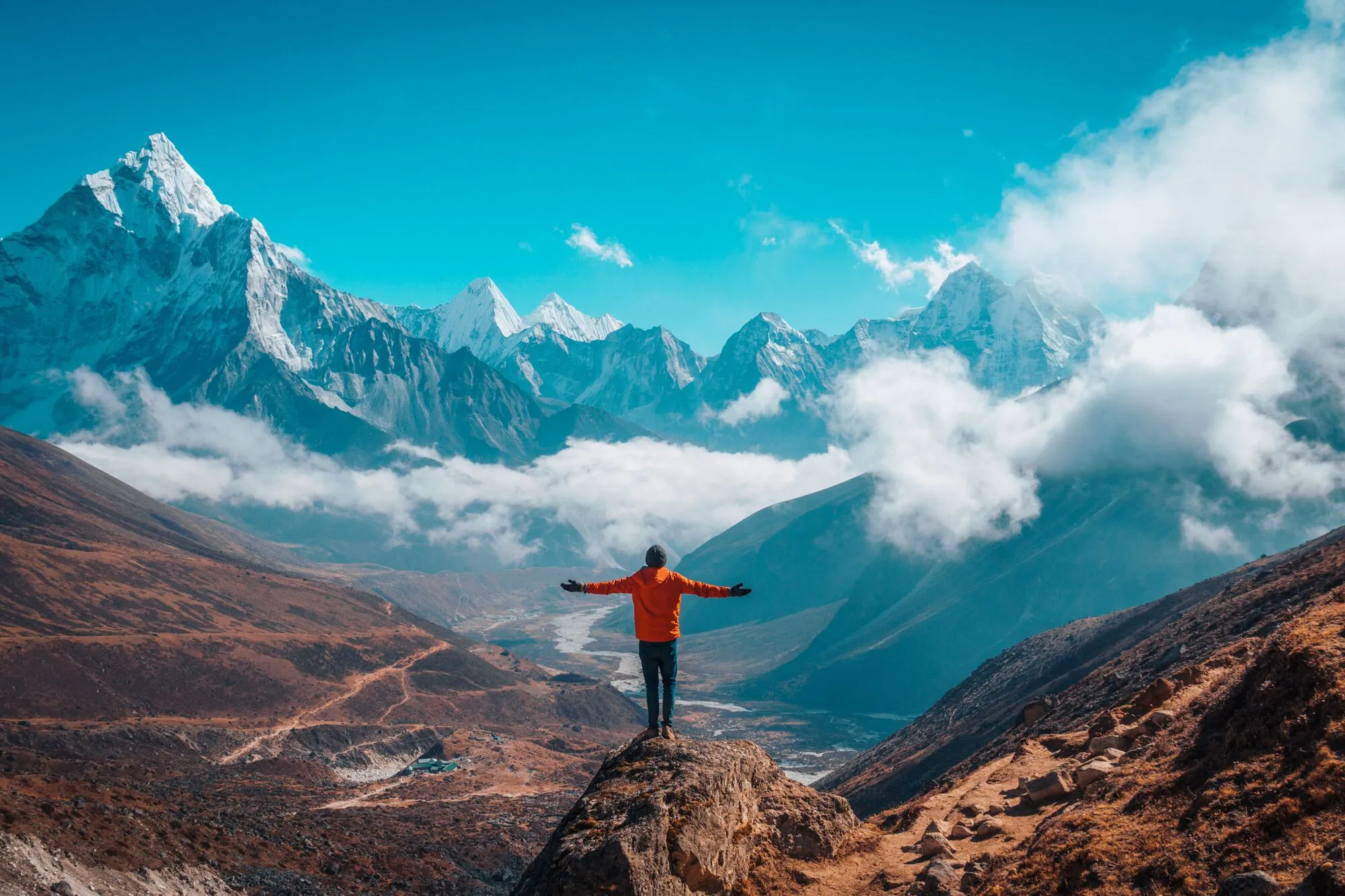
    Everest Base Camp Trek is a once-in-a-lifetime spiritual, physical, life, and cultural quantum leap. EBC is 5,364 meters (17,598 ft) high and is located around the highest mass on earth, Mount Everest (8,848.86 m / 29,031.7 ft). With each step, you are closer to trekking on top of mythological mountain ranges, century-old monasteries, hundred-year-old Sherpa villages, and a soul-trek experience that you cannot wipe away from your memory.
    everest base camp

    Why Everest Base Camp Trek Is a Lifetime Experience

    1. Get close to Mount Everest

    Being at EBC is being and standing in the shadow of the world’s highest- a position where you can only dare to have the audacity to assert and check off your bucket list, together with all the other adventure-seeking travelers from across the globe. You’re not on Everest, but where the Everest giants of Mount Everest are, like sunrises on the great ridges, is heavenly. Walking the EBC trail by yourself takes you, by legend, as close as it gets to the Mount Everest summit view and mythic Kala Patthar (5,545 meters), quite possibly the best view of Everest you’ll ever have the good fortune to witness.

    2. Sherpa Culture and Spiritual Immersion

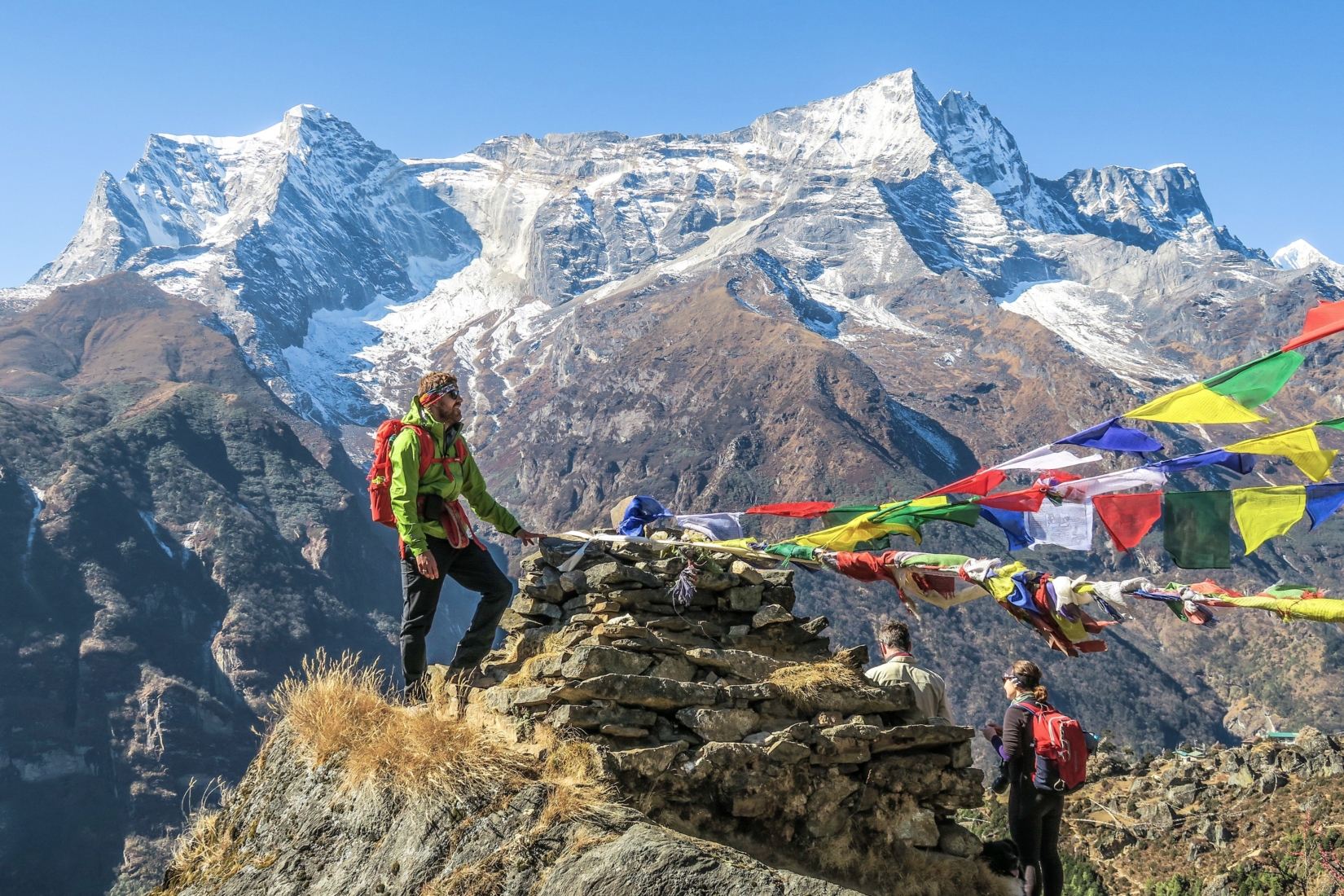
    You’ll meet Sherpa villagers of the Khumbu: tough Himalayan folk with highly developed mountaineering prowess, boundless hospitality, and first-rate survival skills. You’ll trek through the villages of Namche Bazaar, the villages of Tengboche, and the villages of Pheriche, all with their multicolored prayer flags flapping in the breeze, all scattered with found along the trails like spinning prayer wheels, all topped on ridges with stupas.

    At Tengboche Monastery (3,867 m), you will pray with chanting monks within sacred walls, and dark Ama Dablam and the other great white giants – a spiritual experience in the true spirit of your trek.

    3. Varied and Breathtaking Landscapes

    We trek through varied Himalayan scenery:

    • Rhododendron and pine forest hide Lukla and Phakding villages,
    • Suspension bridges spanning high above glacier-fed rivers,
    • Yaks and alpine grasslands at Dingboche and Lobuche,
    • Rock moraines and snow ridges on the way to Gorak Shep and EBC.

    Every bend in the trail, a new panorama, a new peak, another rest stop, and just soak it all up.

    4. A True Physical and Mental Challenge

    It’s not a holiday- it’s a test. You’ll be trekking 5-7 hours every day, trekking all day, a nd cold and tired all day. But it is in the challenge that we get tough. To even get to Base Camp is such a great feeling and sense of achievement. It’s a test of your endurance, your determination, and your sense of accomplishment.

    Everest Base Camp trek route
    Day 1: Fly to Lukla and Trek to Phakding

    It starts with a pounding mountain flight to Lukla, a small cliff airport that is perched at a height of 2,840 meters. It’s a 30-40-minute roller coaster ride, and you don’t even get the sensation that you’re flying over the Himalayas. The trek starts here, and you walk from the pine forest and small Sherpa villages step by step. You further trek to Phakding at an altitude of 2,610 meters. You see many stone chortens, stupas, and prayer flags waving in the wind along the path.

    Day 2: Namche Bazaar to Phakding

    A different evening sees you once again on the trail side of the banks of Dudh Kosi.
    You trek on suspension bridges, mega suspension bridges, such as some of the following: the Hillary Suspension Bridge, which has the questionable honor of having had a string of accidents, including a helicopter crash landing.

    You enter the Sagarmatha National Park at Monjo, where they check your trekking permit. The path climbs but it’s the final two hours of tough and steep walking to the wealthy Sherpa town, Namche Bazaar, at 3,440m. If the day is clear, you get your first view of Mount Everest. There are shops, bakeries, equipment stores, and mountain views to be had at Namche.

    Day 3: Acclimatization Day at Namche Bazaar

    To avoid high altitude sickness, you will take an entire day’s rest in Namche.
    Not idling about, but a quick walk around so that your body is conditioned and taking the most scenic trek to Everest View Hotel (3,880 meters) with sunrise over Everest, Lhotse and Ama Dablam, or the walk to Khunde and Khumjung village home of the Hillary School and monastery which contains a Yeti scalp preserved.

    You can stroll around the Namche evening bazaars, visit the Sherpa museum, or just sit and have tea and look across the valley.

    Day 4: Trek Tengboche to Namche Bazaar.

    The mountain trail starts after departing Namche because from here, one has a good view of Everest, Nuptse, and beautiful Ama Dablam.

    This is a tuning pair of hours of valley and mountain, then steeply downwards to the Dudh Kosi River and upwards again sharply through pine and rhododendron forest to Tengboche (3,867 meters).
    This quaint, spiritual village contains the famous Tengboche Monastery, the biggest monastery in the Khumbu valley.

    It lies on massive slopes, a sacred and serene place where you become a part of a prayer ceremony and achieve some peace of mind.

    Day 5: Tengboche to Dingboche trek

    Descend from Tengboche along the forest to Debuche and further down to Imja Khola on a rickety bridge and then to Pangboche, which is the highest permanent settlement in the area. Further, a more Alpine and open country with wider valleys towards Dingboche (4,410m), a windy town with white tops of mountains in the distance. And Dingboche is fine too, “post summer valley,” and it’s beautiful, and a pleasant rest to acclimatize.

    Day 6: Acclimatization Day at Dingboche

    Having a day of full acclimatization allows your body time to adapt to the altitude.

    Most trekkers visit Nagarjun Hill (5,100m), an exhausting but well worth the climb with really stunning views of Makalu, Island Peak, and the valleys below. An alternate is a side trip to Chhukung and glacier sightseeing, and a climbing path. Dingboche is a pleasant spot, few sun-dried teahouses and ga good location between the massive peaks of Ama Dablam and Lhotse. Dingboche is a relief.

    Day 7: Lobuche trek from Dingboche

    You will gradual ascent up the Imja Valley. The rocky path continues upwards, ascending, ascending through dry but breathtaking alpine desert. When we traverse over to the other side of Dughla (Thukla), the path steepens even more, and we will be along the ridge with memorials to the climbers who didn’t return from Mt. Everest. The squalor of this path is made worthwhile by the sight. We ascend the rocky path to Lobuche (4,940 meters), a small glacial town at the foot of giants Nuptse and Pumori.

    Day 8: Gorak Shep to Everest Base Camp

    The last day will likely be the most exciting day of the trek.

    Take a brief hike to Gorak Shep (5,164m), the final village on your trek to Base Camp, and abandon your loads in order to hike upstream along the lateral moraine of the Khumbu Glacier.

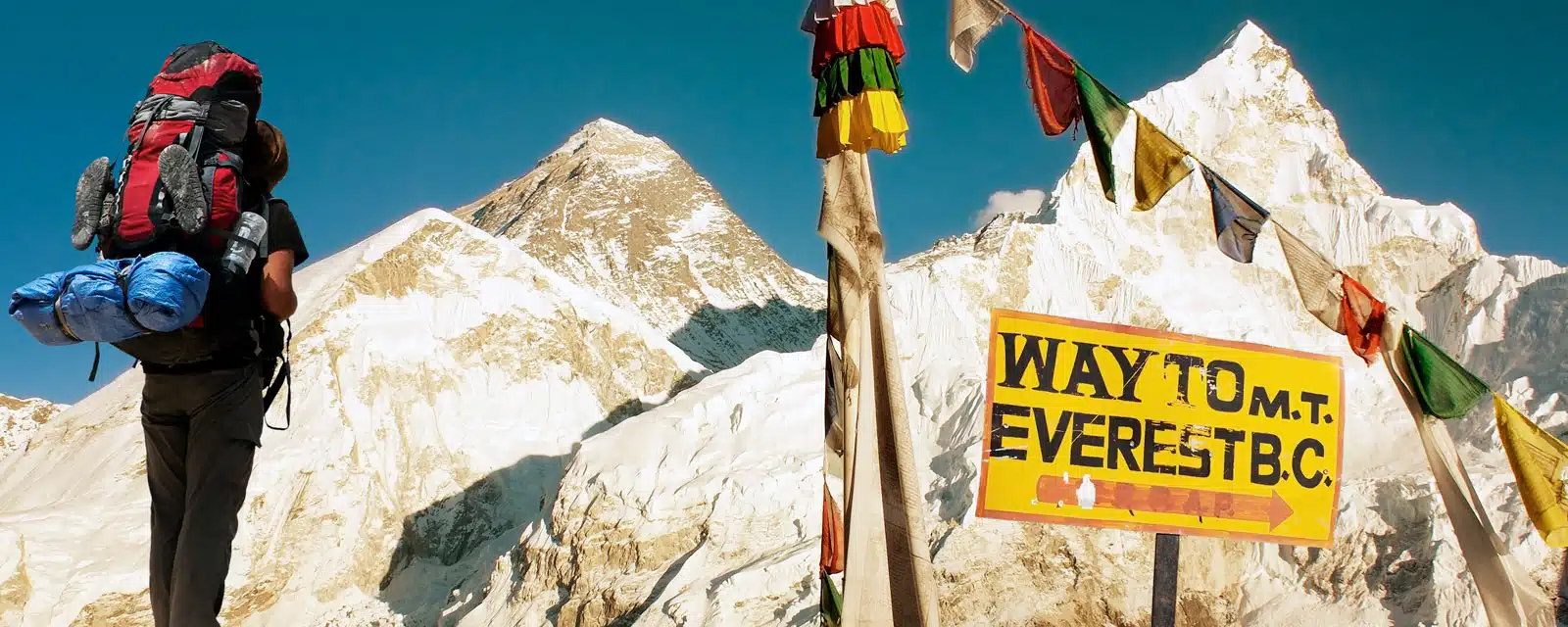
    The path is rocky and slippery with boulders and snow to overcome. A grinding willpower will finally reward Everest Base Camp (5,364 meters), an unearthly emotional peak. The base camp is encircled by prayer flags, tents (during season), and the huge Khumbu Icefall. Stop and take in the view for a while, then go down again to Gorak Shep for the night.
    Day 9: Ascending Kala Patthar and back to Pheriche.

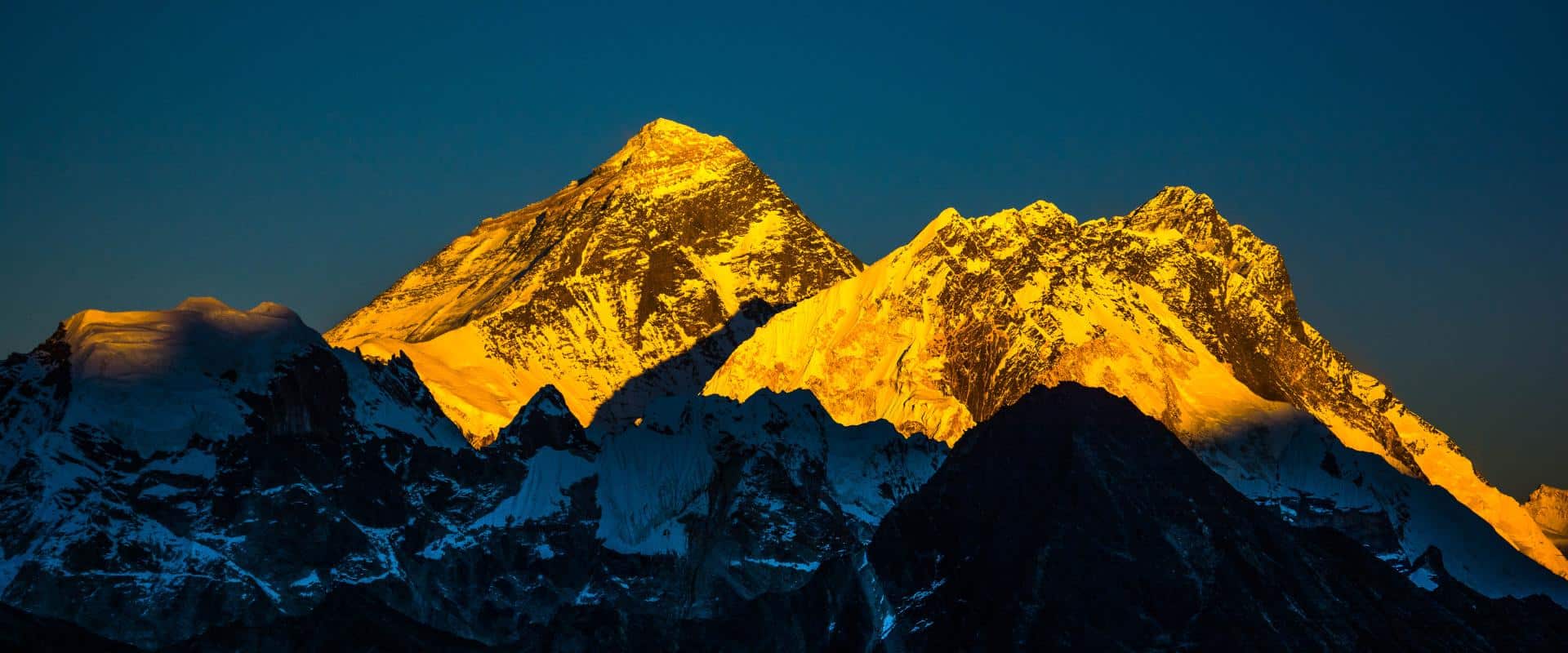
    Early morning ascent to the summit of Kala Patthar (5,545 meters) for sunrise. The summit offers the best and unobstructed view of Everest, Lhotse, Nuptse, and Pumori. Golden early morning sunbeams on the high mountains are breathtaking. Then to Gorak Shep for breakfast and begin a return journey, a trek down to Pheriche (4,280 meters). Heaven is a lower elevation, and the trek is not so draining, even with tired legs.

    Day 10: Trek from Pheriche to Namche Bazaar

    The hike continues to Pangboche and Tengboche village, which are very welcoming ones, but now you’re moving in the opposite direction to them, so you have an added bonus to view them on the other side. You continue your walk through the woodlands and streams and view the Himalayan flora and fauna. You take an easy hour-and-a-half-long walk or walk-and-a-half and indulge yourself at the Namche Bazaar, where you pamper yourself with a hot shower as well as a steaming cup of coffee.

    Day 11: Lukla, downhill trek from Namche Bazaar

    The knee-jolting downhill trek on the last day from Namche to Lukla through Monjo and Phakding needs downhill and long-distance tires. Party time at Lukla. Rather than turning it into a party time, trekkers celebrate their trek by enjoying the farewell traditional dinner with guides and porters, food and local drink, and spreading smiles and laughter.

    Day 12: Flight on the way back from Lukla to Kathmandu.

    You return on the last day on a morning flight from Pokhara to Kathmandu. The return flight, also, is picturesque with birds’ eye views of the trek trail behind you. You’re free the rest of the day to relax, reflect, or bask in the hospitality and coffee culture of city life in the capital. The trek is over, er but memories linger.

    When to Trek to Everest Base Camp?

    Spring (March – May)-: Ideal time of the year for reliable weather, clear sunshine, blooming rhododendrons, and a crystal-clear view of the high mountains.

    Autumn (September – November) -: Blue sky after monsoon, and dry trails with spectacular views.

    Winter (December – February)-: Near-white snowy trails, and below-zero temperature. Only for the experienced trekkers, who are not shy to trek alone.
    Fitness and Training

    Here it is, a step by step run through of the fitness training guide for the Everest Base Camp Trek, suitable for beginner and intermediate trekkers.

    Train Minimum 2 – 3 Months Prior

    1. Begin training at least 8 – 12 weeks.

    Pre-trek. If you are not fit, there is a good chance that you will need to start earlier. The aim is to build and bank endurance and strength, topped up in growing quantities. By establishing a routine and consistent exercise regimen, you will physically condition your body for stresses and reduce injury on the trek.

    2. Cardio

    No matter what cardio you perform, it will strengthen your heart and lungs so that your body will be better at using oxygen, which at high altitude is a major factor.

    • Running builds legs and leg muscles.
    • Cycling is low-impact but great for endurance.
    • Swimming builds lung capacity and is non-impact.

    Do 3–4 times a week and build up time and intensity as your fitness level builds. Attempt to do it in steady-state cardio but also attempt to fit in some hill repeats if possible.

    3. Heavy Pack Backpacking

    This is not merely walking on the treadmill with a heavy pack! Your hips, back, and shoulders will adapt to bear the load for hours: 5–10 kg.

    Practice wearing a pack, or with water packed in. Add weight and duration walking gradually. Practice uphill and downhill walking, such as on actual walking trails.

    4. Leg and Core Strengthening Exercises

    You’ll be ascending steep rocky paths when you hike. Your legs must be conditioned. Squats, lunges, step-ups, and calf raises will all condition climbing muscles up and down.

    You require a strong core (lower back, abs, glutes, obliques) to assist in supporting your posture and balance while backpacking. Do planks, bridges, and twists 2-3 times a week.

    This will not only prepare your upper body to bear your pack but also ease the pressure off your back and give stability when walking on rocky ground

    Permits Required

    1. Sagarmatha National Park Entrance Permit

    Cost: NPR 3,000 (foreigners), NPR 1,500 (SAARC nationals)

    2. Khumbu Pasang Lhamu Rural Municipality Permit

    Cost: NPR 2,000 (all nationalities)

    Packing List

    Packing item for trek

    1. Clothing:

    • Moisture-wicking base layers
    • Fleece and insulated jacket
    • Waterproof shell jacket and trousers
    • Warm hat, gloves, buff/scarf
    • Thermal socks and high-quality hiking boots

    2. Gear:

    • Backpack (50–65L)
    • Sleeping bag (-10°C or warmer)
    • Headlamp and spare batteries
    • Trekking poles
    • Sunglasses (UV)
    • Water bottles/hydration system
    • Water purification tablets

    3. Miscellaneous:

    • Sunscreen, lip balm
    • First aid kit
    • Snacks and energy bars
    • Power bank
    • Travel insurance at high altitudes

    Cost Breakdown (Mid-Range Estimate)

    1. Flights (Lukla–Kathmandu) $300-$400

    The largest part of the cost of Everest Base Camp trek logistics is the flight from Lukla to Kathmandu. It’s a short but essential flight because Lukla is where the Everest region access begins. Return airfare will be $300 to $400. Flights also change with the season with higher months to trek, October and November being peak seasons. Flight duration is approximately 30 minutes but depends on weather and therefore can be delayed or even canceled. Since it’s a long flight and possibilities of interruptions are extremely high, it is better to stay an extra day in Kathmandu in case of a delay.

    2. Permits $50–$60

    You will require a series of permits to trek in the Everest region, which are obligatory.

    They are two of the bigger ones, and they are Sagarmatha National Park Permit and TIMS card. They are the guarantee of monitored and secure access to trekking paths. The Sagarmatha National Park Permit is around $30, and the TIMS card is around $10 to $20. The two passes total around $50 to $60. These passes can be readily purchased before the trek in Kathmandu, or at the first settlements along the trail. It’s just part of having had your trek arranged and being regulation-friendly required.

    3. Guide and Porter $300–$500

    Although not obligatory, most visitors find it well worth the expense to have a guide and/or porter to help make the trekking experience all the more worth the while.

    A guide costs $20-$30 a day and a porter costs $10-$20 a day, agency and season based. Guide and porter for 12–14-day trek will cost $300-$500. A guide who knows the trail, knows the culture, and is sensitive to altitude is worth every penny. Porter service will pack up your bags, removing some of the physical effort of the hike from your shoulders, especially where there is climbing or descending to reach it. These services are typically well worth the extra convenience and security.

    Everest Base Camp Trek

    4. Accommodation (12–14 days) $150–$250

    The accommodation on Everest Base Camp trek is usually in teahouses and the rooms are plain but clean. The accommodation for a 12–14 day trek is usually between $150 and $250. It is lower towards the lower section of the trek and the higher you ascend where accommodations are scarce. The rooms in teahouses are plain but with shared toilets and hot and dry. Additional privacy is provided by en-suite bathroom rooms at additional cost. The same accommodation in Kathmandu is the same price, but if you would like more comfort at the start and end of the trekking, more costly accommodation is possible.

    5. Food and Drink $200–$300

    Trail food and drinks are also a considerable cost. You will be consuming at least three meals—dinner, lunch, and breakfast—and snacks and drinks to get you through on the trail. Lower-grade trail food costs $5–$7 a meal, but the higher up you climb, the more expensive it is since there is a logistical problem with food transport up to higher elevation. 12–14 days’ worth of food and fluids costs $200–$300.

    Oatmeal or bread makes up most of breakfast, and lunch and dinner consist mostly of local food such as dal bhat, noodle, or momo. Tea, bottled water, and snacks are expensive, especially having to eat at higher elevations.

    6. Miscellaneous (Wi-Fi, Showers) $50–$100

    Aside from the outrageous trekking fee, there are a couple others you will be paying along the way on the trek. They do have Wi-Fi in a few of the teahouses, but it’s extremely slow and it will be $2 to $5 per hour. Even a shower that’s hot will cost you money and will typically cost you $2 to $5 per shower.

    All of these will be costly on the way while trekking and will usually cost you $50 to $100. Other trekkers also purchase other foodstuffs, drinks, or souvenirs on the way while trekking, so it is always better to carry some money with you. The need for these little luxuries is one of the reasons why the total cost of the trekking but can be what will make it worthwhile.

    Conclusion

    The Everest Base Camp Trek is not just about the destination—it’s about the transformation along the way. It’s about pushing your limits, connecting with the mountains, and immersing yourself in one of the world’s most spiritually rich and naturally stunning landscapes.

    Whether you’re seeking a personal milestone, a cultural journey, or the adventure of a lifetime, the Everest Base Camp Trek delivers an experience that lingers in your soul forever. Contact us today at Happy Mountain Nepal, on Facebook, Instagram, or TikTok.


  • Top Trekking Routes in Nepal

    Top Trekking Routes in Nepal

    Top Trekking Routes in Nepal: Your Ultimate Guide to Himalayan Adventure

    Nepal is trekkers’ paradise, where there is outstanding landscape, snowcapped mountains, and culturally rich treks. From a brief, scenic walk to a four-week trek over unspoiled wilderness, Nepal’s varied trekking trails have something for every type of traveler.

    Below are the top 10 treks in Nepal along with descriptions and highlights to plan your next Himalayan trek.

    1. Everest Base Camp Trekking

    Everest Base Camp Trek is the crown of Nepal treks. The trek begins with a Himalayan flight to Lukla and climbs through picturesque color villages like Namche Bazaar and Tengboche. The trek is a distinctive cultural trek of the Himalayas with overnight stops only in the old monasteries and Buddhist chortens along the trek. Higher still, there’s landscape broken into yaks, glacial rivers, and awe-inspiring views of the world’s highest mountains.

    Everest Base Camp hike to the elevation of 5,364 meters is an endurance test both physical and mental. Kala Patthar peak to the elevation of 5,545 meters and a viewpoint famous for the most stunning sunrise panoramic view of Everest, Lhotse, and Nuptse are also included in the trek. The trek although challenging from the altitude point of view, is very well marked with teahouses and medicare centers in between.

    Everest Base Camp Trekking

    Main Attractions:

    • Panorama viewpoint for the best panoramic photograph of Everest,
    • Namche Bazaar a beautiful acclimatization break and Sherpa village,
    • View from below Tengboche Monastery of Ama Dablam,
    • Sailing on rickety suspension bridges over the Dudh Koshi River,
    • Everest Base Camp visit a holy place for pilgrims/tourists.

    2. Annapurna Circuit Trekking

    Annapurna Circuit is the loveliest trek of Nepal, too. It ranges from rice terraces and subtropical forest to alpine meadow and arid desert of Mustang, hugging the Annapurna massif. The trekkers go through a string of ethnic villages- Brahmin, Gurung, Thakali, and Tibetan-influenced villages- with an altering culture and cuisine. Spring’s overall weather for the trek is wildflowers and wildlife, langurs, Himalayan griffons, and flowering rhododendrons.

    Annapurna Circuit Trekking

    The high point of the trek is Thorong La Pass (5,416m), the highest trekking pass in the world. On the other side of the pass is the trek to the world’s longest and deepest gorge, Kali Gandaki Gorge, and on to sacred Muktinath. Sidetrips are also taken to Tilicho Lake and Poon Hill, and the circuit is completed by a string of teahouses with luxury and camaraderie.

    Main Attractions:

    • Trekking highlight with 360° view from Thorong La Pass,
    • Muktinath Temple visit Hindus and Buddhists’ temple,
    • Healing nature in the Tatopani hot springs,
    • Panorama of Annapurna I, Dhaulagiri, and Machapuchare,
    • Viewing the World’s deepest gorge trek Kali Gandaki.

    3. Langtang Valley Trekking

    Langtang Valley Trekking, a day trip to Kathmandu, is a glacial stream alpine gem and genuine mix of Tamang and Tibetan traditions. Trek ascends along Langtang River past dense pine, bamboo, and rhododendron forests to open to sweeping broad vistas of alpine grasslands. Tamangs’ warm welcome and the traditional yak herding of their centuries-old traditions make this earth disproportionately real in nature.

    The region has picked up speed over the years since the earthquake took place in 2015, and hiking to the region makes development on the ground level. Kyanjin Gompa is the last village on the hike with off-the-beaten-path regions like Tserko Ri (4,984m) to hike up for summit views of the surrounding high peaks. Langtang Lirung (7,227 meters) towers away in the distance on the hike.

    Langtang Valley Trekking

    Main Attractions:

    • Kyanjin Gompa religious and cultural hub of the valley,
    • Sunrise over snow-capped mountains at Tserko Ri,
    • Red panda and Himalayan monal habitat within Langtang National Park,
    • Yak grazing and Glacier stream at Langshisha Kharka,
    • Tamang culture and hospitality.

    4. Manaslu Circuit Trekking

    Less Manaslu Circuit Trekking elsewhere. Elsewhere outside, the Manaslu circuit trek crossed (8,163m) is of the rare kind in the rare geography and cultural charm of the world. Hindu mid-hills trek again provides the Buddhist highlands of rock-village villages and medieval monasteries. Guide trek tour guide and permit and natural and cultural integrity preserved.

    Most exciting and interesting part of the trek is Larke Pass (5,160m), Himlung Himal, Cheo Himal, Himal view of Annapurna range. Less treks and less crowd and other alternative of treks, and best for those people who don’t like crowd. Trek is similar to Annapurna circuit trek also and other alternative of treks.

    Manaslu Circuit Trekking

    Main Attractions:

    • Larke Pass, the  high-pass, high-altitude trekking adventure
    • Sama Gaun, starting of Manaslu Base Camp trek,
    • Pungyen Gompa, old monasteries,
    • Nubri Valley ice and waterfalls,
    • Synthesis of Hindu-Tibetan culture.

    5. Ghorepani Poon Hill Trekking

    Ghorepani Poon Hill Trekking is Ideal and short for the tight budgeter and the first-time trekker. But with plenty of fine scenery. From near Pokhara itself. Just south of Nayapul, it winds its way up through a fine rhododendron forest and the Gurung and Magar villages. With its old path and rowed teahouses to the fore, the trek is still Nepal’s easiest.

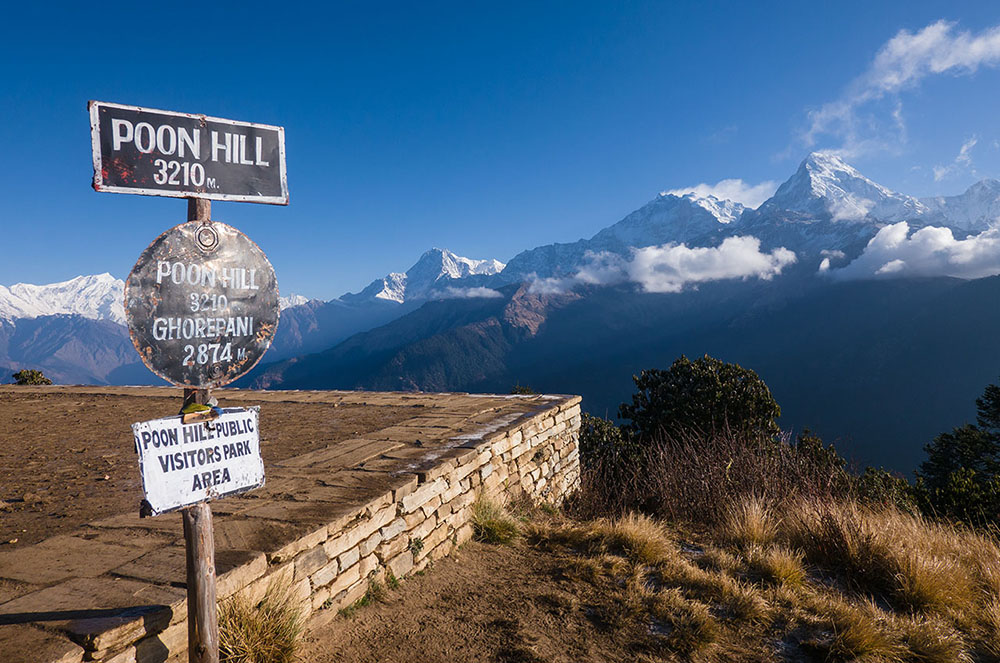
    The highlight of the trekking tour is the sunrise on Poon Hill (3,210 m), when sun burst and light up the Annapurna and Dhaulagiri ranges with golden light. A photographer’s paradise and a dream for trekkers. The trek can be done all year round and also made into a family trek by re-routing the trek trail.

    Ghorepani Poon Hill Trekking

    Main Attractions:

    • Annapurna range sunrise view from Poon Hill,
    • Ghorepani and Ghandruk traditional villages,
    • Rhododendron forests in bloom (March–April),
    • Panorama of Dhaulagiri and Machapuchare (Fishtail),
    • Cultural interactions with Magar and Gurung villagers.

    6. Upper Mustang Trekking

    The Upper Mustang Trek takes us to Nepal’s arid land that was once an independent Kingdom of Lo. The capital Lo Manthang has palace complexes, Buddhist monasteries, and medieval narrow streets from the time when the modern world had not gained dominance. It is one of the most culturally interesting trekking with Tibetan appearance landscape and Tibetan culture compared to Nepali appearance landscape. Off the beaten and rarely visited except by special permit.

    This country will be so out of this world — Dune landscapes, wind-eroded cliff faces, cave networks. May to October is monsoon season and thus your best option as the country lies in a rain shadow. It’s more hills than a hiking tour of early Himalayan cultural heritage.

    Upper Mustang Trekking

    Major Attraction:

    • Lo Manthang: The fort city, the capital city, the royal tradition city
    • Abode of the Yogis, meditation halls of yore hewn into simple living residential houses,
    • Views from Dhamkar and Ghami Passess,
    • Tibetan gompas and chortens
    • Forbidden Kingdom and its rich culture come alive.

    7. Gokyo Lakes Trekking

    A serene day trekking from Everest Base Camp, the Gokyo Lakes Trek is a glacier valley trekking to a chain of blue turquoise lakes beneath some of the world’s highest mountains. The Lukla trek is all that happens in an EBC tour before trekking to Dole and Machhermo. The reward is Gokyo Ri (5,360m), whose breathtaking 360° panorama includes Everest, Lhotse, Makalu, and Cho Oyu.

    Trekking also walks over huge Ngozumpa Glacier—Nepal’s longest glacier. Off-the-beaten trail, fewer tourist crowds, and rugged terrain of high-altitude lakes all do make this trek a great option for nature lovers looking for Everest view without EBC tourist throngs.

    Gokyo Lakes Trekking


    Major Attraction:

    • Panorama sunrise over the summit from Gokyo Ri
    • Chain of six glacial lakes supplied by blue water
    • Ngozumpa Glacier, Nepal’s longest glacier
    • Way to cross Cho La Pass to approach EBC trek
    • Four 8,000-meter giants visible.

    8. Mardi Himal Trekking

    Delightful and short trekking to Mardi Himal Base Camp on virgin ridge and forest. After Annapurna Base Camp trek, the trek is less populated by humans and a peaceful and calm trekking experience. The trek runs smoothly with good pace from 1,000 meters well above 4,000 meters, and forest becomes alpine ground with boulders scattered.

    We have great views of Machapuchare, Annapurna South, and Hiunchuli during trekking. The highlight is ridge walk from High Camp to Mardi Base Camp with Himalayan scenery both sides.

    Mardi Himal Trekking

    Major Attraction:

    • Panorama of Mardi Himal Base Camp,
    • Less-trodden, less-populated trail with fewer tourists,
    • Rhododendron forest trek,
    • Nice view of Machapuchare (Fishtail Mountain),
    • Ridge walk drama landscape scene at High Camp.

    9. Kanchenjunga Base Camp Trekking

    Third highest in the world and Nepal’s farthest 8,000-meter peak, the Kanchenjunga base camp trekking is Nepal’s shortest and farthest trekking route. The opportunity for the trekker to trek through dense forest, rugged gorge, and distant Limbu and Rai villages exists. The trekking route belongs to one of the parts of the Kanchenjunga conservation area and is biologically richer.

    Remote in altitude, distance, and access but countered by virgin landscapes and remoteness. Panorama view of Kanchenjunga and virgin Himalaya terrain. Special guide and permit required owing to location close to Indian and Tibetan frontiers.

    Mardi Trekking

    Major Attraction:

    • Panorama base camp view of Kanchenjunga and Jannu,
    • Virgin, isolated villages such as Ghunsa and Yamphudin,
    • Virgin alpine woodland with waterfalls.

    10. Helambu Trekking

    Helambu Trekking to the north of Kathmandu is a low altitude acclimatization trekking. The trail goes through Sherpa, Hyolmo and Tamang villages and one gets exposed to Buddhist culture and mountain scenery without requiring high altitude acclimatization. Pine forest, waterfalls, and ridgeline view with occasional glimpse of Langtang Lirung and Dorje Lakpa are products of the trek.

    Far enough from the capital city but rural and off the beaten path, Helambu is within reach, used, near, and well-suited to serve as ideal short trekking stops or cultural experiences for visitors within easy reach of Kathmandu.

    Helambu Trekking

    Main Highlights:

    • Hyolmo and Tamang village people,
    • Buddhist monasteries and prayer walls,
    • Langtang and Ganesh Himal range panorama,
    • Green pine and oak woods,
    • Near to Kathmandu for convenience.

    Best Time To Visit

    1. Spring (March till May)

    It is one of the most favorable times to go for Trekking, it is so because during that time –

    • You can enjoy plead wether. It is warm and sunny during the day but not ice cold in the night.
    • You can enjoy clear mountain views of mountains because there are no monsoon clouds.
    • You will also get a chance to watch various local festivals here during these months, and they can help you learn about other cultures.

    2. Autumn (September to November)

    The autumn season is the perfect time for Trekking since weather is fine here. This is the ideal time to witness trek beauty.

    • You can enjoy unhindered sights of the Himalayas at this moment. Weather is hot during the day but freezing at night but can be withstood using the gears.
    • You can enjoy post-monsoon scenery. Forest and trails are more beautiful than in other months after monsoon rains, with the ideal number of rivers flowing and green trails.
    • It is claimed that during this period, it is possible to spot Himalayas wildlife such as the blue sheep and other animals.

    Essential Tips for the Trekking

    1. Permits: You need to get the Restricted Area Permit, Conservation Area Permit initially.
    2. Guides and Porters: You would be informed in advance that Solo trekking is strictly prohibited on this trek. You would need to employ a registered guide and minimum two trekkers. If you wish for a good guide then you may contact us from our website.
    3. Physical Preparation: A individual must be atletic enough to hike and run. His endurance needs to be in the proper condition because a higher altitude would need to be faced.
    4. Altitude Sickness: In order to minimize the dangers and acclimatize your body to altitude sickness, it is advisable to follow the schedule of guides. Consuming large quantities of water would keep your body hydrated and acclimatize it to the environment.
    5. Money: Don’t forget to have some Nepali money with you during the trekking since you won’t be encountering any ATMs along your way.

    Things you should carry with you during your Trekking.

    While packing for trekking, the most vital thing to carry with you is warm clothes. As the trekking starts, there will be a temperature difference, so we suggest that you –

    • Carry warm jackets, insulated jackets, and water-proof jackets with you. You should carry warm hats, gloves, and thermal socks with you for the cold weather.
    • You need to wear trekking shoes that are comfortable with strong ankles so your feet will not hurt during trekking.
    • Don’t forget to bring your gear like trekking poles, sleeping bags, and handlamps. Always remember to bring a sleeping bag for low altitudes.
    • Take your suncream, lip balm, and sunglasses along at lower altitudes as personal accessories .
    • Take your snacks such as protein bars, and junk foods as appetizers throughout the trekking.
    • Do not forget to bring a first aid kit for critical moments such as painkillers,nims, altitude sickness, purification tablets, etc.

    Conclusion

    Trekking in any place is not just a trekking destination but a journey of learning about the environment, culture, and lifestyle. You will be able to witness the beauty of the landscape to the beauty of the mountain. We bet you this is going to be your once-in-a-lifetime experience. If you want to set off on the adventure of a lifetime, Contact us today at Happy Mountain Nepal, Facebook, Instagram, or TikTok.  We will prepare your package as per your flexibility.
  • Everest Base Camp Trek – Trail and Distance Overview

    Everest Base Camp Trek – Trail and Distance Overview

    Everest Base Camp Trek – Trail and Distance Overview

    Everest Base Camp trek, World Famous Trek. Trekking to Everest Base Camp — the most famous adventure is giving you the opportunity to stay insider the Khumbu region of Nepal at the feet of to world’s top-highest mountain peak Mount Everest. Part of the bucket-list for adventure-seekers and activity-seekers, outdoor lovers, social enthusiasts, in-fenced nature lovers, culture and croft glory. What not to expect on Everest region trek feel the trek might be the best perfect percentage. The ideal percentage of flawless trek planning This trek base camp is every trekkers dream trek and all the trekker will desire to plan everything according to needs, so read this blog to know about everything about Everest Base Camp trek distance, what you can expect in a day mile, trekking stages and some tips to plan Everest Base Camp trek.

    everest base camp

    The Everest Base Camp Trek in Short

    The Everest Base Camp trek is a 130 kilometers (80 miles) round trip from Lukla and passes Sherpa villages, dense jungle, suspension bridges, monasteries and ice walls. Depending on how quick you adapt as well as your acclimatization routine, completing the trek will take anything from 12-14 days. You ascend slowly so your body can acclimatize to the increasing altitudes consistently, so it’s physical labor but a really rewarding experience.

    The hike is designed to take you as close to Everest Base Camp (EBC) as you can get to — at 5,364 meters (17,598 ft). From the base camp, you see Mount Everest, Lhotse, Nuptse and other surrounding hills surrounded in 360 degree views. You also get to experience a dose of Sherpa culture because the hike winds through Sherpa monasteries and villages such as Tengboche Monastery.

    Practical Tips for Base Camp Life

    Everest Base Camp Trek is one of the most exciting but also, the most strenuous trek of the world However, with proper planning and preparation, it is not only just the reality which it is, but triumph! Some things to note:

    1. Physical Preparations

    • Cardio & Endurance Exercise: Heavy object running, cycling and climbing prepares you to react.
    • Strength-training: (Shoulders, core and legs are strength-trained and so capable of enduring long rises and falls.

    2. Permits & Documents

    • Sagarmatha National Park entry permit (pick up in Kathmandu)
    • Khumbu Pasang Lhamu Rural Municipality Permit (to be obtained in Lukla or in Kathmandu)
    • You will need a TIMS Card.
    • Copy passport and permits.

    3. Best Time to Trek

    • Spring (March-May): Weather turns stable and view clears up.
    • AUTUMN (SEPTEMBER–NOVEMBER): Good visibility, good weather, dry trails
    • Avoid traveling in rains (June-August) as there are some chances of landslide; and not in winters (Dec-Feb) as they get freeze.

    4. What to be careful of:

    • Headache, nausea, giddiness and breathlessness.
    • Carry Diamox (Acetazolamide) (On the advise of doctor)
    • Drink minimum 3–4 litres of water per day.

    5. Packing Essentials

    • Clothing: The doozy — begin with moisture-wicking base layers, add some insulated mid-layers, then top with waterproof outer layers.
    • Shoes: Stiff, waterproof walking boots.
    • Sleeping bag (-10°C to -20°C)
    • Hiking pole (takes weight off knees)
    • Sunscreen and ultraviolet protective sun lenses
    • Headlamp with spare batteries
    • Lightweight pack (rain cover is optional)
    • Emergency Supplies: First-aid center (with altitude sickness treatment)—water purification tablets

    6. Food and Water Safety

    • Do not dehydrate with alcohol and caffeine.
    • Only purification tablets Watershed. bottle filter make.

    7. Budgeting & Expenditure

    • Costs $35–50 per day (it gets more expensive at higher altitude)
    •  No ATMs after Namche Bazaar. Bring a lot of Nepali Rupees.
    • So extra: Wi-Fi, battery charging, hot shower and snacks are highly costly at altitude.

    8. Guide or Porter Hire

    • Guides: $25–35 per person per day; assistance with navigation, permits and safety.
    • Porters — $20-$30 per day; weight limit of 15-20 kg
    • Solo Trekking : Allowed but best with a Guide

    9. Emergency Situations

    • You have acclimatization on data till October 2023 Helicopter Rescue: Rescue Policy has to be run at 6000m
    • Health Posts: Namche, Pheriche & Dingboche (altitude sickness adequate)
    • Communication: Local SIM Card (NCELL) for communication (outside of Kathmandu) Everest Link Wi-Fi in teahouses.

    However, we found out that if you do your homework before you go, the Everest Base Camp trekking adventure is a physical and mental challenge, and then it transforms your life! Go ahead and expend your acclimatization, hydration, and shielding and enjoy that heavenly Himalayan perspective in the middle!

    everest base camp

    Trail and Distance Overview

    Day 1: Lukla to Kathmandu (Everest Base Camp trek:2860m/9383ft), Phakding (Everest Base Camp trek:2610m/8563ft)

    This trek starts with a breathtaking flight from Kathmandu to Lukla, which is famous for being one of the shortest and most challenging runways in the world. The flight itself is also an exciting experience because it offers beautiful views of the Himalayas, especially when you are about to start your adventure.

    You trek from Lukla to Phakding, About 3-4 hours, 8km (5 miles). The trail is mainly descending and passes through small villages and areas full of pine and rhododendron trees. The trail follows the Dudh Kosi River and you will have to cross several suspension bridges; one of the most famous bridges on the trek is

    Day 2: Phakding to Namche Bazaar (3,440 meters / 11,286 feet)

    On day two, you will trek to Namche Bazaar, the gateway to the Khumbu region. It is one of the most famous and most significant stops on the Everest Base Camp Trek. The trek usually takes 6 to 7 hours and covers about 10 km (6 miles) to reach Pengbochen.

    The gradient is more gradual than the previous day’s walk and the route passes through forests, waterfalls and small villages. The steep ascent just before arriving at Namche Bazaar is one of the most notable sections of the trail – a Sherpa town, famous for its vibrant markets, lodges, and beautiful views of Everest and other surrounding peaks.

    Day 3: Acclimatization Day at Namche Bazaar

    It is a steep ascent so proper acclimatization is needed to avoid altitude sickness. You will overnight at Namche Bazaar on the third day to acclimatize so that you can acclimatize to the height and also spend some time thereabouts. Have fun trekking to the Everest View Hotel to have a panaromic view of Everest, Lhotse and other surrounding peaks.

    It is an upward incline throughout and will be 2-3 hours’ climbing where you will be rewarded with some great panoramic vistas of the remaining peaks. Today is a good day for your body to adjust to the entire elevation.

    Day 4: Namche Bazaar to Tengboche (3,860 meters / 12,664 feet)

    You will start on the fourth day towards Tengboche village, which consists of one of the most renowned monasteries in the Khumbu valley, Tengboche Monastery. It would be 5–6 hours by 10 kilometers (6 miles) of walking.

    Everest, Lhotse and Ama Dablam can be seen beautifully from the trek. You’ll be trekking through alpine forests, and across a couple of suspension bridges. You’ll be trekking through small Sherpa villages as well. As you ascend near Tengboche, the nice view of its monastery, covered with the altitude of 3,860 meters, hypnotizes you with itself. The Tengboche Monastery is a spiritual source for Sherpas and contains very peaceful environment and good scenery.

    Day 5: Tengboche to Dingboche (4,410 meters / 14,468 feet)

    It is about 5-6 hours hike from Tengboche to Dingboche, i.e., 11 km (7 mi). At higher altitudes in the mountains the landscape is bare and rockier.

    You will be hiking through tiny villages such as Pangboche, where you can stop to view ancient monasteries, before climbing up to Dingboche. Climbing is difficult reaching higher altitudes, but it is worth your trouble with a view of Everest, Lhotse, and Ama Dablam.

    Day 6: Acclimatization Day at Dingboche

    We spend our second acclimatization day at Dingboche. Peaceful and serene village perfect for rest and acclimatization. Trek short distances to nearby Nangkar Tshang Peak (5,000 meters / 16,404 feet) for close-up views of surrounding peaks today.

    Just like the previous acclimatization day, getting this phase right is well worth the effort to avoid altitude sickness and to let your body acclimatize before undertaking the route through.

    Day 7: Dingboche to Lobuche (4,940 meters / 16,210 feet)

    You will trek from Dingboche to Lobuche, around 8 kilometers (5 miles). It takes 5-6 hours of trekking, and the higher you trek, the rockier and drier the ground around you gets.

    You notice memorials for climbers who have perished climbing along the trail, such as the famous Everest Memorial, to honor climbers who have perished attempting to climb to the summit of Everest. Lobuche is a small resting village along the Everest Base Camp trail.

    Day 8: Lobuche to Gorak Shep (5,170 meters / 16,961 feet)

    From Lobuche, trek to Gorak Shep, a village and the last destination before Everest Base Camp. The trek is 3-4 hours and 4-5km (2.5-3 miles) long. The trail is near the lateral moraine of the Khumbu Glacier and there are good views of the surrounding mountains.

    Gorak Shep is at high altitude, and you would like to rest and drink water as soon as you get there because altitude will tire you out. All the trekkers camp at Gorak Shep and head to Everest Base Camp the next day.

    Day 9: Gorak Shep to Everest Base Camp (5,364 meters / 17,598 feet)

    The last part of the trek takes you to Everest Base Camp. The climax of the entire trek is here where you will actually camp in front of the highest mountain in the world. It’s 3-4 hours walk from the starting point to Everest Base Camp, and it’s 4-5 km (2.5-3 miles).

    The landscape is rocky and uneven, so you’ll be going very slowly not to develop a case of altitude sickness.” You’ll have some pretty good scenery when you ascend to Base Camp, and then you’ll even see a view of the Khumbu Icefall and those mountains that go around them. For other trekking tourists, getting to the Everest Base Camp is the highlight of the trek, and it’s considered an achievement not to be exceeded.

    Day 10: Return to Gorak Shep and Pheriche

    Then after a couple of days at Everest Base Camp you return to Gorak Shep, then climb again to Pheriche, where you spend the night. It is therefore not so tiring to return home from low altitudes either.

    Days 11-13: Trek Back to Lukla

    You will return from Pheriche the way you came, through Dingboche and Tengboche and Namche Bazaar once more before returning to Lukla. The return trek tends to take 3-4 days depending on your pace. The return trek is slightly easier since you are descending to lower altitudes, but you still need to take care of yourself on the steeper parts.

    Tips for Trekking to Everest Base Camp

    1. Food Supply: You need to bring sufficient food for your trek. Don’t hurry the trek.
    2. Physical Preparation: The Everest Base Camp Trek is not a technical trek, but you should be in decent physical shape. You should focus on conditioning, cardio, endurance, strength training.
    3. Weather and Gear:Weather in the hills can be unpredictable. Bring layers, good sleeping bags and good trek boots.
    4. Drink plenty of water: You should also bring some water purifier tablets and drop one in the water after regular time intervals while on the trek.

    Conclusion

    The Everest Base Camp Trek is one of the most rewarding treks in the world. Life at the Everest Base Camp differs in that the basic life blends with sophisticated systems to support man’s survival in extreme altitudes. Basic and not always up to city standards of conditions of accommodation and food developed such a system which keeps nourishing human bodies with intensive and variable intake for high demanding altitude trekking or climbing. If you are planning for Everest Base Camp, book your package from Happy Mountain Nepal for a hassle-free travel.

    FAQs

    1. What type of accommodation can I expect on the Everest Base Camp trek?

    You can expect to stay in teahouses or expedition tents. Teahouses are basic guesthouses along the route, while expedition tents are used by climbers at higher altitudes.

    2. What are the facilities like in teahouses?

    Teahouses have a dining area, shared bedrooms with minimal bedding, common toilets, and limited electricity. Some may charge extra for device charging.

    3. Are there vegetarian or vegan food options?

    Yes, vegetarian and vegan options are available at teahouses. However, it’s advisable to pre-order special diets to ensure availability, especially at higher altitudes.

    4. How long is the Everest Base Camp trek?

    The return trek to Everest Base Camp (EBC) is approximately 130 km (80 miles from EBC to Lukla and return). With acclimatization days, it will take 12-14 days on average.

    5. How difficult is the Everest Base Camp trek?

    The trek is classified as moderate to difficult. Mountaineering experience is not required, but the altitude, a number of daily climbs (5-7 hours on average) and cold weather make it a physically demanding trek.

    6. What is the trek’s main highlight?

    Kala Patthar (5,545m / 18,192 ft), the summit, has a direct view of Everest. Everest Base Camp is at 5,364m (17,598 ft).

    7. How many kilometers was the average daily trekking distance?

    Trekking visitors typically do 8-15 km (5-9 miles) per day depending on how much they go up and down. The most long, arduous day tends to be Lobuche to Everest Base Camp and back to Gorak Shep.

    8. What are the permits to get there?

    Trekkers need two permits:

    • Sagarmatha National Park Entry Permit (KTM/Monjo)
    • Khumbu Pasang Lhamu Rural Municipality Permit (collected in Lukla or Monjo)

    9. What do I bring on the trek?

    The essentials are:

    • Warm layers & Down jackets for cold weather
    • Good boots (well-broken, waterproof)
    • Slouch bag (rated -10°C to -20°C)
    • Trekking poles (useful on steep parts)
    • Water purification tablets

    10. How do I travel to Lukla?

    The standard is to take a flight from Kathmandu to Lukla on a 30–40 minute flight. Flights go through Ramechhap in peak season, which is an extra 4–5 hour drive from Kathmandu.

  • Why Autumn is the Best Time to Visit Nepal: A Complete Guide

    Why Autumn is the Best Time to Visit Nepal: A Complete Guide

    Why Autumn is the Best Time to Visit Nepal: A Complete Guide.

    Nepal attracts the largest number of tourists from all over the world, with towering Himalayan mountains, amazing landscape, and ancient culture. The best time to visit Nepal is at the very beginning of autumn, from September to November. During autumn, you can see crystal blue skies and fantastic conditions, a time for the best cultural festival. Usually, the time outlines the stage for when the trekking condition virtually becomes magical.

    autumn

    Source- Google

    This blog explains why autumn could be believed to be the correct time of the year to visit Nepal.

    1. Perfect Weather for Exploration

    This actually is the most stable and comfortable time of the year as the monsoon rains clean up everything quite well and offer crisp, fresh air with crystal clear skies. Kathmandu, Pokhara, and Chitwan may show temperatures that range from 15-25°C or 59-77° F during the daytime and are hence suitable for sightseeing, trekking, and all outdoor activities.

    More than anything, however, this means uninterrupted Himalaya views-be it languidly sunbathing, lazily in the Kathmandu Valley, chilling out and hanging around at the lake of Pokhara, or just right into a trek within these mountains. The snow-clad summits of Everest, Annapurna, and Langtang brightly full, molested not in their bright wholeness-a dream for every photographer and each one in love with the beauty of nature.

    2. Ideal Conditions for Trekking

    Autumn is considered the best time to go trekking because the dust is all washed away with the rain, giving way to fresh and clean trails. The dry seasonal trails aren’t too muddy either, as there’s barely any probability for landslides. A few prominent treks worth undertaking at this time are the Everest Base Camp Trek, the Annapurna Circuit, and Langtang Valley Trek.

    Besides, the temperatures are always temperate at heights, the seasons cool, and the nights very pleasant. Further, the crystal-clear skies promise a breathtaking view of the range so that every step in your journey is memorable.

    3. Vibrant Festivals and Cultural Experiences

    Two major festivals occur during autumn from which the traveler can get chances to indulge in Nepalese culture and customs during this time period.

    Dashin:

    tihar

    It is the largest Hindu festival, which usually falls during the month of October. Irrespective, the month is of incessant rituals that it lasts for continuous 15 days uninterruptedly. Homes clean up, the temples start to get filled up with pilgrimages as the home starts congregations. Rituals, feasting, and kites flying make a mark to the victory of good over the evil.

    Tihar:

    tihar


    It falls within a week or so from Dashain. The name goes with the Festival of Lights whereby, for continuous five days, the people lighten oil lamps inside their homes and colored rangoli in the street to worship the animals like crows, dogs, and cows. It ends up with the ceremony of Bhai Tika where the brother-sister bonding takes place.

    All this variety portrays the rich vision of Nepalese culture developing closeness in people

    4. Lush Landscapes and Scenic Beauty

    Receiving heavy monsoon rains for a few months, Nepal covers its landscape with the most dynamic look. The hills and valleys get fully covered with greenery, and the rivers and waterfalls receive full water and start flowing. During autumn, it is the great time of roaming through nature where you can enjoy the beauty of nature.

    It offers a golden period to view multiple types of wildlife on greeneries during after-monsoon, while at the same time these months Chitwan and Bardia national park give best sightseeing to get jungle safari and bird watching programmes. During Autumn, reflection striking view of the Annapurna range including lakeside city Pokhara falls in Silent water of the Phewa Lake.

    5. Adventure Activities at Their Best

    This is, therefore, a very good time for adventure sports to be experienced in Nepal. That much for stable weather time and hence plenty of adventure programs could be offered across the nation in paragliding, zip lining, white water rafting, and mountain biking besides a few more. The city of Pokhara hosts an overwhelming event: it is well known as an adventure sports capital at the backdrop of the mighty view of the mountains.

    Other adventure sports other than the hot air balloon for sightseeing over Kathmandu Valley, which takes one right up for catching a glimpse of Mount Everest face to face, is once in a lifetime experience.

    6. Warm Hospitality and Local Interactions

    Generally, Nepalese are always known for their good hospitality. Autumn is not an exception to other seasons in sharing with the locals. It is a harvesting season, hence the countryside is really busy-you get to see traditional farming and rural life in action. Some of the tea houses and homestays along the trek routes can also be more welcoming during this time of year and offer real Nepalese hospitality.

    7. Great for Photography

    If a photography enthusiast were to dream, then autumn time in Nepal, with crystal clear skies and golden rays of the sun, provides ideal conditions to take great shoots-from the Himalaya to bustling festivals and serene monasteries, autumn opens all options for breathtaking image views.

    Tips for Visiting Nepal During Autumn

    • Book in advance: It is peak time; hence flights and hotels, or permit booking, if needed, should be done in advance.
    • Pack in layers: Generally, during festivals, days get hot, but during nighttime the weather chills out; hence, keep packing an extra garment ON.
    • Respect the customs and culture- all these festivals and traditions generated are from customs; hence respectful representation should be reflected at the time of the celebration of those festivals.
    • Hydrate: The dryness is so dehydrating, especially on treks. Bring along a reusable water bottle and hydrate.

    Conclusion

    Autumn begins from September. It is usually the peak time for travelling around Nepal. During this time you can enjoy the breathtaking views ,cultures and overall beauty of Nepal. From trekking in the Himalayas to visits to ancient temples, part of vibrant festivals at this time of the year, it might become a lifetime experience. Get set with your baggage, chalk out the tour program, and mesmerize falling in love with the magic of Nepal in its most pristine avatar. If you are planning to visit Nepal then contact us today at Happy Mountain Nepal, Facebook, Instagram, or TikTok. 
     FAQs

    1. Why is autumn considered the best season to visit Nepal?

    Autumn falls in the months between September and November. During this time, weather usually stays with stable skies and landscapes filled with lush greenery, and hence it is considered appropriate for trekking and sightseeing among others.

    2. Which routes are best for autumn season trekking?

    It comprises some of the well-known treks such as Everest Base Camp, Annapurna Circuit, Langtang Valley, and Manaslu Circuit. The routes are comfortable to trek, and the views are good.

    3. Does that mean the flight and hotel are expensive, traveling in autumn?

    Well, yes, it is peak tourist time, and flights and hotels are a bit costlier and sell out quite rapidly. Better pre-book them accordingly.

    4. Which festivals am I able to experience in Nepal during autumn?

    So these two major ones are Dashain and Tihar, which cover the culture of Nepalese and traditions in their big and grand celebrations in this autumn season.

    5. Is trekking good and safe in the autumn season of Nepal?

    Yes, really this is much a safe season for trekking. It has stable weather: dry, well-marked and quite visible trails. Obviously one can never avoid appropriate preparation and proper acclimatization.

    6. What should I take with me to Nepal in autumn?

    Pack layered clothing for warm days and cool nights, a good pair of trekking shoes, a rain jacket, and essential trekking gear.

    7. Can Everest be viewed without trekking?

    There is an option for the Everest Scenic flight from Kathmandu, and there are other available viewpoints of Nagarkot and Sarangkot to gaze at far-distance views of the Himalayas.

    8. Does that trekking require some special permit?

    Yes, depending upon your trek, you’ll be needing the following permits: TIMS card or Trekkers’ Information Management Systems, and national park permits.


  • Top 5 Trek in Nepal for 2025.

    Top 5 Trek in Nepal for 2025.

    Top 5 Trek in Nepal for 2025.


    Nepal is the land of the Himalayas, a dream destination for trek and adventurers. You may be a seasoned trekker or just beginning; all experience levels will be catered to on the trekking routes within Nepal. It is possible to explore its beauty on a budget because Nepal has to offer several pocket-friendly trekking routes, an array of paths that provide exploration into its majestic landscapes, charming villages, and rich culture.

     A short description of the top 5 treks in Nepal for 2025-:

    1. Ghorepani Poon Hill Trek

    Ghorepani Poon Hill has always been known to be among those finest short treks of Nepal, with excellent views of amazing Annapurna ranges that, too, without exhausting oneself with much length in the distance. On walking, the vistas of Colossal Annapurna and Dhaulagiri are in the front of villages and through the vine bended woods. Really an easy but stunning route whereby tourists easily experience the glimpse of Himalaya in less time.

    Ghorepani Poon Hill Trek

    Major Attractions:

    • Poon Hill Sunrise: A major Nepalese experience whereby, in the morning, one sees Annapurna, Dhaulagiri, and Machapuchar
    •  During the spring, the trek goes through heavy forests where beautiful rhododendron flowers shine bright.
    • On routes like Ghorepani and Tadapani, villages of the Magar and Gurung people remain traditional, allowing you to take a walk through to see how locals live.
    • Annapurna Range: Annapurna Base Camp Trek offers brilliant views of the mountain cluster popularly known as Annapurna, including the peaks of Annapurna South, Machapuchare, and Hiunchuli.


    2. Langtang Valley Trek

    The Langtang Valley trek is closer to Kathmandu and gives an overview of Langtang Mountain and Tibetan culture. It goes through forests up to mountain grasslands and small villages, enabling trekkers to get acquainted with Tamang and Sherpa householders. Langtang National Park protects its rich flora and fauna in the Langtang Valley.

    langtang
    Major Attractions:

    • This trekking offers world-class visibility of Langtang Lirung towering at 7,000 meters and its neighboring mountains Dorje Lakpa.
    • Many Tibetan Buddhist temples and sanctuaries form the base of Langtang’s religious identity in their monasteries and prayer wheels.
    • At 3,749 meters high, Kyanjin Gompa stands as an ancient monastery where trekkers experience Himalayan Buddhism up close and discover stunning mountain scenery.
    • Nature lovers can enjoy spotting red pandas, Himalayan tahr, and many kinds of birds while visiting Langtang National Park.


    3. Manaslu Circuit Trek

    Manaslu Circuit Trekking takes one through the virgin tracks to the views of Manaslu Peaks for a far-flung and peaceful hiking experience. It connects scenic mountain scenery with traditional village experiences since development hasn’t fully reached these villages. Larkya Pass is considered one of the toughest trek challenges that newbies and experts will cherish.

    . Manaslu Circuit Trek

    Major Attractions:

    • You will be able to view Manaslu Mountain.
    • The trek will present magnificent views of the whole mountain range while crossing the Larkya Pass at 5160 meters.
    •  You will come across the local life as you walk through villages named Samagaon and Bhimthang while exploring the peculiar culture of Manaslu on your journey.
    • Buddhist monasteries are found while undertaking this venture: there were plenty of temples and many prayer flags adding some spirituality to their journey. 


    4. Everest View Trek

    Everest View Trek is an easy way for the trekkers to get superior views of Mt. Everest and peaks around including access to the Everest region. This is generally a short trip, normally done by people just to have grand views of Mt. Everest in case one lacks the physical capability to reach it to the Base Camp of Everest or when the people are in a shortage of time. The helicopter ride up will be fitting with households or anyone who plans to and would wish to shorten this time element on traveling

    Everest View Trek


    Major Attractions:

    • This Trek Has Offered Continuous Breathtaking Glimpses of Mt. Everest, Along with Other Khumbu Treks Along the Journey Line.
    • Tengboche Monastery: Situated at 3,867 meters, the Tengboche Buddhist monastery represents the center of spirituality in the Everest area where tranquility meets mountain vistas.
    •  During this trek, trekkers can meet the Sherpas people with their renowned mountaineer past and receive their friendly hospitality.
    •  You will be walking through the main area of the Khumbu region amidst rhododendron forests and traditional Sherpa villages.


    5. Annapurna Base Camp Trek (ABC Trek)

    This is very special because of the given opportunity to the trekkers for observing the natural wonders along with Nepalese villages. You will cross some beautiful villages and foliage routes to reach Annapurna Base Camp, from where you get to see the whole range of full Annapurna mountains.

    Annapurna Base Camp Trek (ABC Trek)

    The Major Attractions:

    • Views of the Annapurna Range from Annapurna Base Camp, you will view all sections of the mountain range of Annapurna: Annapurna I, Machapuchare (Fishtail), and Hiunchuli.
    • During the trek, there are hot springs in Jhinu Danda for the trekkers to soothe their tired muscles.
    • Various villages fall on the way, which gives insight into the Gurung and Magar local culture.
    • You may see Mardi Himal while trekking to Annapurna because of its impressive sight, which shows the overall beauty of that area.

     Conclusion

    Nepal offers its trekking opportunities to every section of the financial status that appeals to all kinds of adventurers. Each of these treks-from a sunrise view at Poon Hill, serene beauty in Langtang Valley, the remote charm of Manaslu Circuit, iconic views of Everest, and the splendor of Annapurna Base Camp-offers something different. Take your backpack and lace up your shoes because that leads to an expedition across the remarkable natural and cultural domains of Nepal.

    FAQs

    1.What is the best time to go for some affordable trekking in Nepal?

    The best time is in the pre-monsoon-March to May, post-monsoon-September to November. These are pretty clear months with clear skies on the whole with pleasant weather.

    2.Do I need a guide or porter for these treks?

    Most guided or solo budget treks in Ghorepani Poon Hill and Langtang Valley provide great experiences and give back to the local economy as well.

    3.What is a Permit Document to go Trekking in Nepal?

    Depending on the trek, there might be needs for a TIMS card or Trekkers’ Information Management System and national park or conservation area permits. Other permits are required for restricted treks such as Manaslu.

     4.What is the average daily budget to trek in Nepal? 

     The average that a trekker spends every day for food, accommodation, and basic permits is US$ 20-30 per day.

    5.Is it possible to make those treks without having any previous experience with trekking?

      Yes, Ghorepani Poon Hill and Langtang Valley treks are for beginners, but all treks require fitness and preparation.

    6.What is the accommodation condition on these treks?

       The main accommodation will be the Tea Houses-basic lodges providing a basic room, common area, and food.

    7.Is the trek good to go in winter as well as in summer?

    Yes, trekking is possible in winter with warmth and in summer with caution for rain and leeches.

    8.How does one get prepared for altitude sickness on these treks?

    Acclimatize gradually and let your body be hydrated, never rush to attain altitude. Even for Treks like Everest View and Annapurna Base Camp more precaution is taken. 

    9.What type of food does the treks provide?

       Basic meals consisting of dal bhat, rice, and lentils, noodles, soups, and Tibetan bread are available in the tea houses. And for vegetarians, there are ample options available.

    10.Is a budget trek safe to travel solo?

    Most treks, like Annapurna Base Camp and Langtang Valley, are safe for solo travel, but share your itinerary and carry key contacts.


  • Hidden Gems: Off-the-Beaten-Path Trek in Nepal

    Hidden Gems: Off-the-Beaten-Path Trek in Nepal

    Hidden Gems: Off-the-Beaten-Path Treks in Nepal

    Trek in Nepal that is popularly known as a paradise on earth and between seventh heaven and the most inspiring trekking world. From the Everest Base Camp to Annapurna Circuit these trekking trails are some of the most popular and visited each year. But the off beaten paths of similar pitches are four times longer and as beautiful and serene as the known paths.

    Here are some off-beat destinations for travel in Nepal for those who wish to enjoy both the natural beauty and its culture in their own special, undiscovered ways.

    1. Rara Lake Trek

    Rara Lake is the largest lake in Nepal and it is situated in the most unreachable part of the Northwestern Himalayas. This trekking is of Rara Lake which again provide a feeling of unexplored nature with some of the forests and water of the lake. The walk is tiring, but the finish line is worth it as there is a clean lake and around it snow capped mountains. When on the traditional villages, there will be displays of the lives of the peoples living in those areas even the native peoples living in the region.

    Rara Lake

    Source- Google

    2. Tsum Valley Trek

    Tsum Valley lies in the southern part of the Tibet Himal at the foothills of the Manaslu Himal. It also  links spirituality with a world of natural wonders. This trail actually guides you through old Buddhist monasteries, shrines and some beautiful villages. It has own cultural flavor and taste and similar to Tibetan people can see the touch in architecture and cuisine. The trek is of moderate level of difficulty therefore it is ideal to those seeking cultural experience than having to face high altitude challenges.

    Tsum Valley Trek

    Source- Google

    3. Makalu Base Camp Trek

    Makalu base camp trekking is one of the most off beat trekking destination in Nepal with very low human interface in the region. The trail help you explore through the stands of forests, green meadows and scrubs and bounding rocks up to the base where you will be rewarded with the view of Makalu- the fifth highest peak of the world. This type of a trek is designed for those who prefer to be alone, away from other people and the beauty of the unspoilt nature as well as those who fancy a little fight.

    Makalu Base Camp Trek

    Source- Google

    4. Dolpo Trek

    The region of Dolpo is called the ‘Hidden Valley as this trekking destination is situated in the mid western part of Nepal This trekking journey takes one through more of the great Nepalese nature and the old monastery and early Tibetan style of living. The extreme terrains, lakes and high snowy mountains provide great views for photo lovers and make Dolpo a dream trekking destination. It is a relatively bare and arduous trail which must be covered with a special permit though it gives a real original experience.

    Dolpo Trek

    Source- Google

    5. Kanchenjunga Base Camp Trek

    The Kanchenjunga Base Camp Trek guides you to the base of the third largest mountain Kanchenjunga of the world. This I know is long and arduous, however the scenery one gets to enjoy is unique. Kanchenjunga is incredibly biodiverse boasting Rhododendron forest, alpine meadows among others that are extremely beautiful. The most special fact about this trek is that is very isolated. It give trekkers a chance to explore untouched Nepal territory which is not crowded by many tourist as it is with other trails.

    Kanchenjunga Base Camp Trek

    Source- Google

    6. Sikles Trek

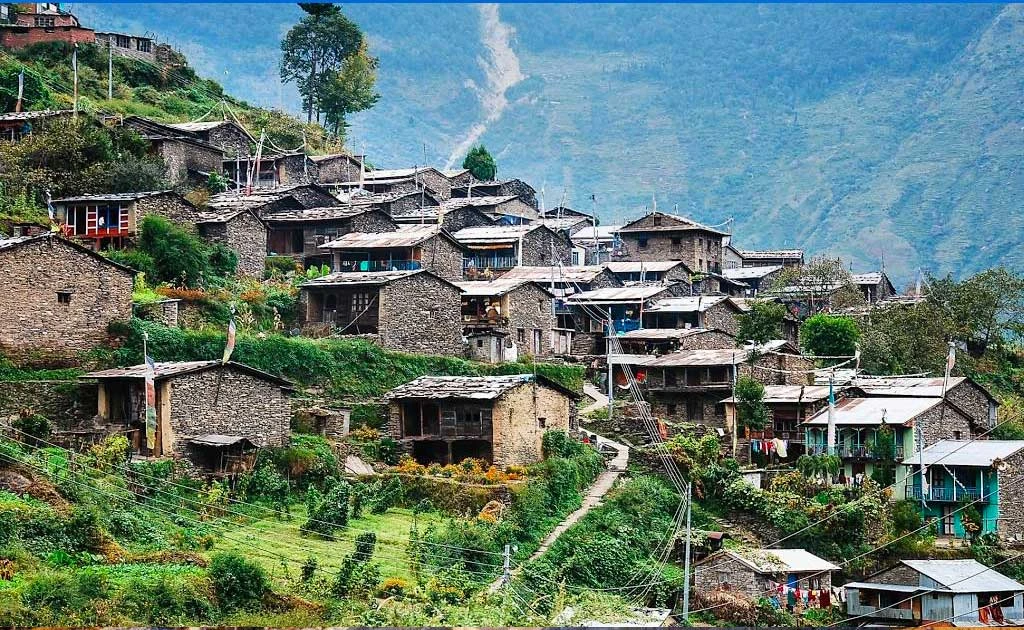
    Sikles is a beautiful village in the Annapurna region with an easy trek in contrast to what gives a glimpse into traditional Nepali lifestyle. It covers through the hills, forested areas, cultivated lands, and typical Gurung tribal settlements, providing exposures to their culture. The treks across the Annapurna and the Machapuchare peaks enhance the beauty of the trek making it suitable for short treks, especially for those who are short of time.

    Why Choose Off-the-Beaten-Path Treks in Nepal?

    Solitude and Serenity: These treks are very similar to the well-known Paths, but they offer an opportunity to hike in the Himalayas without meeting a large number of tourists.
    Authentic Experiences: Travel through traditional homes, meet people in their natural environment, and be amazed at the unspoiled landscapes of aural areas in Nepal.
    Challenging Adventures: For these treks are much more challenging, but they allow for self-development and travelling through the real wilds.

    Conclusion

    If you are into seeking for awakening trek experience along with cultural, social and geographical interest, here is a listing of some less explored treasures of Nepal you can contact us today at Happy Mountain Nepal, Facebook, Instagram, or TikTok. Take the road less traveled, and discover the magic of Nepal’s off-the-beaten-path trekking routes.
    FAQs

    1. What makes off-the-beaten-path treks in Nepal unique?
      These treks provide solitude, untouched natural beauty, and authentic cultural experiences, unlike the crowded popular routes.
    2. Are these treks suitable for beginners?
      While some treks like the Sikles Trek are beginner-friendly, others like the Kanchenjunga Base Camp or Dolpo Trek are more challenging and require prior trekking experience.
    3. Do I need special permits for these treks?
      Yes, certain treks, like the Dolpo and Kanchenjunga Base Camp, require special permits due to their remote and restricted regions.
    4. What is the best time to explore these treks?
      The best seasons are spring (March-May) and autumn (September-November), offering stable weather and clear views.
    5. How physically demanding are these treks?
      The difficulty varies. Treks like Tsum Valley and Sikles are moderate, while Makalu Base Camp and Dolpo are more physically demanding.
    6. What kind of accommodations are available on these routes?
      Accommodations range from tea houses and lodges in less remote areas to camping in more isolated regions.
    7. Is it safe to trek off-the-beaten-path in Nepal?
      Yes, but hiring an experienced guide is recommended for navigation, safety, and cultural insights.
    8. Can I trek solo in these regions?
      Solo trekking is possible but not advisable in remote and restricted areas due to safety and logistical challenges.
    9. What should I pack for these treks?
      Essentials include sturdy trekking gear, layered clothing, a sleeping bag, water purification tablets, and basic medical supplies.
    10. What cultural experiences can I expect on these treks?
      You’ll encounter traditional villages, Buddhist monasteries, local festivals, and unique customs influenced by Tibetan and Nepali heritage.