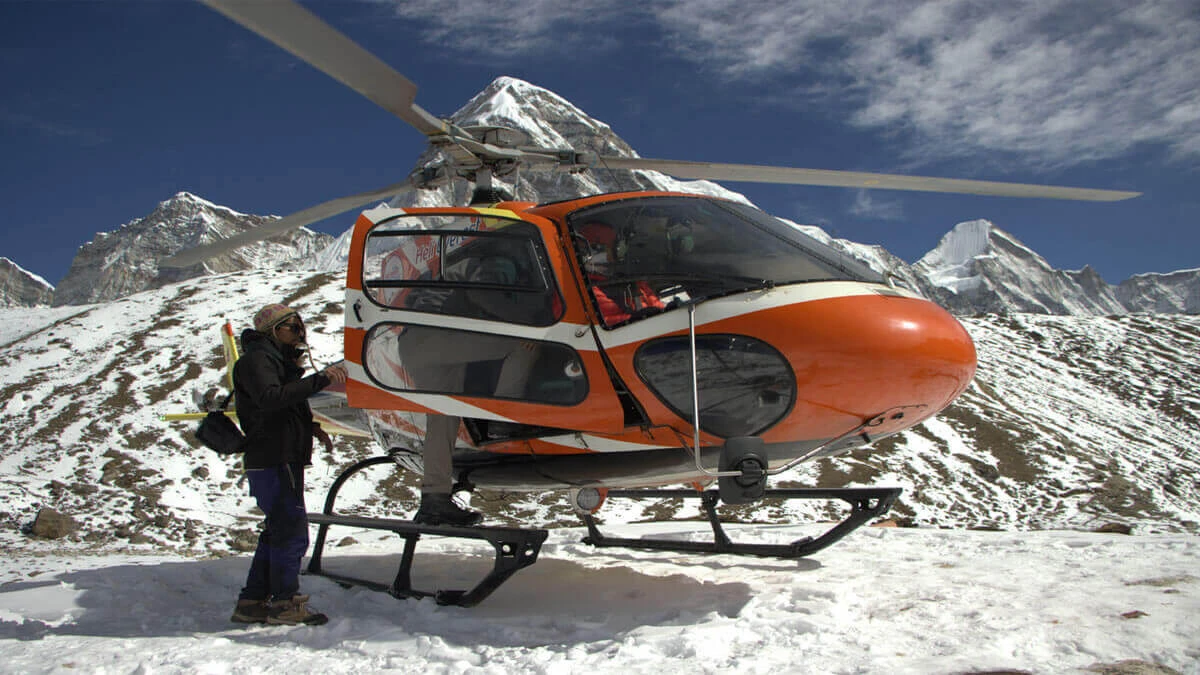
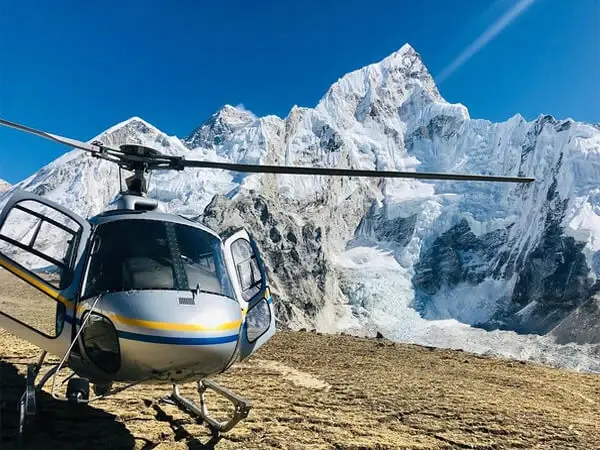
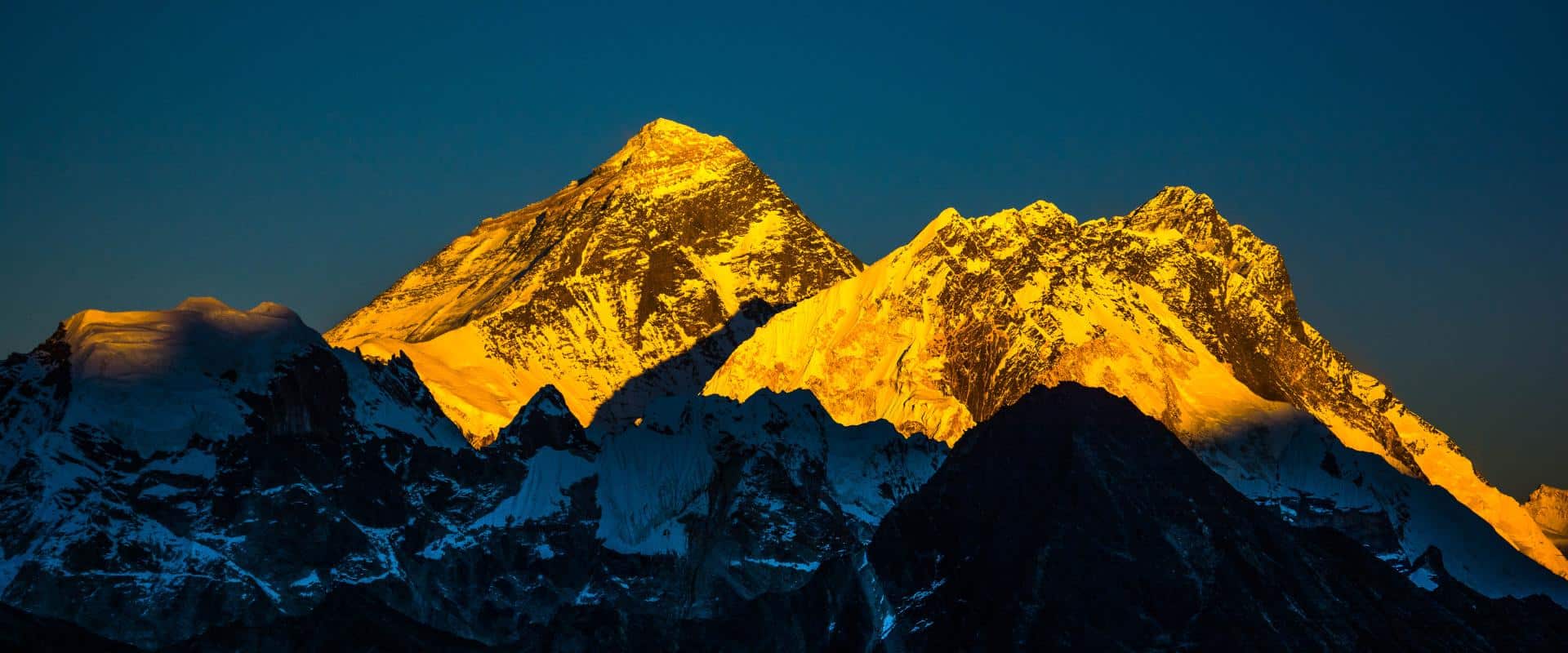
Mount Everest is the highest mountain at 8848 mt (29032 ft), and it makes one wonder: can a helicopter fly to the top? Can a helicopter fly to the summit? Yes, under some special circumstances. Didier Delsalle (a French pilot) proved this was possible in 2005; however, with a number of factors at play at these extreme altitudes and thin air, engines also lose power (which is slightly problematic). When flying until landing, winds are also very predictable, which makes it much easier than trying to land in a space with winds that can change rapidly. This is why overall there is not a substantial amount of helicopter flights upside of Mount Everest Base Camp since most tourism is at the Base Camp facility, and also those rescues and supply drops that are done in the region. Ultimately, flying to the summit (and actually landing on the summit) is definitely an extremely special event, and not part and parcel to flying.
FAQs
1. Have any helicopters successfully landed on top of Everest?
Yes, Didier Delsalle successfully flew the Eurocopter AS350 to the summit of Mount Everest, and he is the only helicopter to the summit of Mount Everest in 2005.
2. What is the problem with flying to the summit?
There is very thin air with lower levels of oxygen, and also, engine performance is very poor.
3. What is the highest altitude a helicopter can fly to?
A helicopter typically can reach an approximate peak altitude of about 7000m (under normal conditions). The summit of Everest is 1848 m higher than the base camp altitude.
4. Do helicopters rescue climbers on Everest?
Yes, they rescue climbers from Base Camp, and page, where they have a viable route to fly safely.
5. Do helicopters take climbers to the summit?
No, that is not possible due to weight and also because of the very informed base load of 2005, with Delsalle.
6. What helicopter landed on Everest?
A Eurocopter AS350 B3, which was modified for the occasion.
7. Do helicopters medically assist climbers?
Yes, in most situations, helicopters rescue climbers from camps or from valley floors below the death zone.
Top 7 Treks in Nepal: From Everest Base Camp to Hidden Gems
Nepal offers some of the best trekking in the world! With eight of the ten tallest peaks in the world, and trails that go through beautiful valleys, cute villages, incredible forests and stunning mountain passes. So whether you want to do a world renowned trek like Everest Base Camp, or want to get away from the crowds and explore the remoteness of the Himalayas, one thing Nepal is not short of is trekking. In this blog, we are going to discuss the top 10 treks in Nepal, from the more well known treks in the world to the most remote.
1. Everest Base Camp Trek
Everest Base Camp Trek is a life-changing experience – a spiritual journey, physical and cultural growth – all in one trek. At an altitude of 5,364 meters and around the tallest mass on earth, Mount Everest, which is 8,848.86 m (29,031.7 ft), you will not be affected much by the altitude sickness. With every step you will be on top of legendary mountains, historically significant monasteries, ancient villages and an experience that will become a soul-trek experience based on the experience, that time will never fade from your memory.
Highlights
1. Get close to Mount Everest
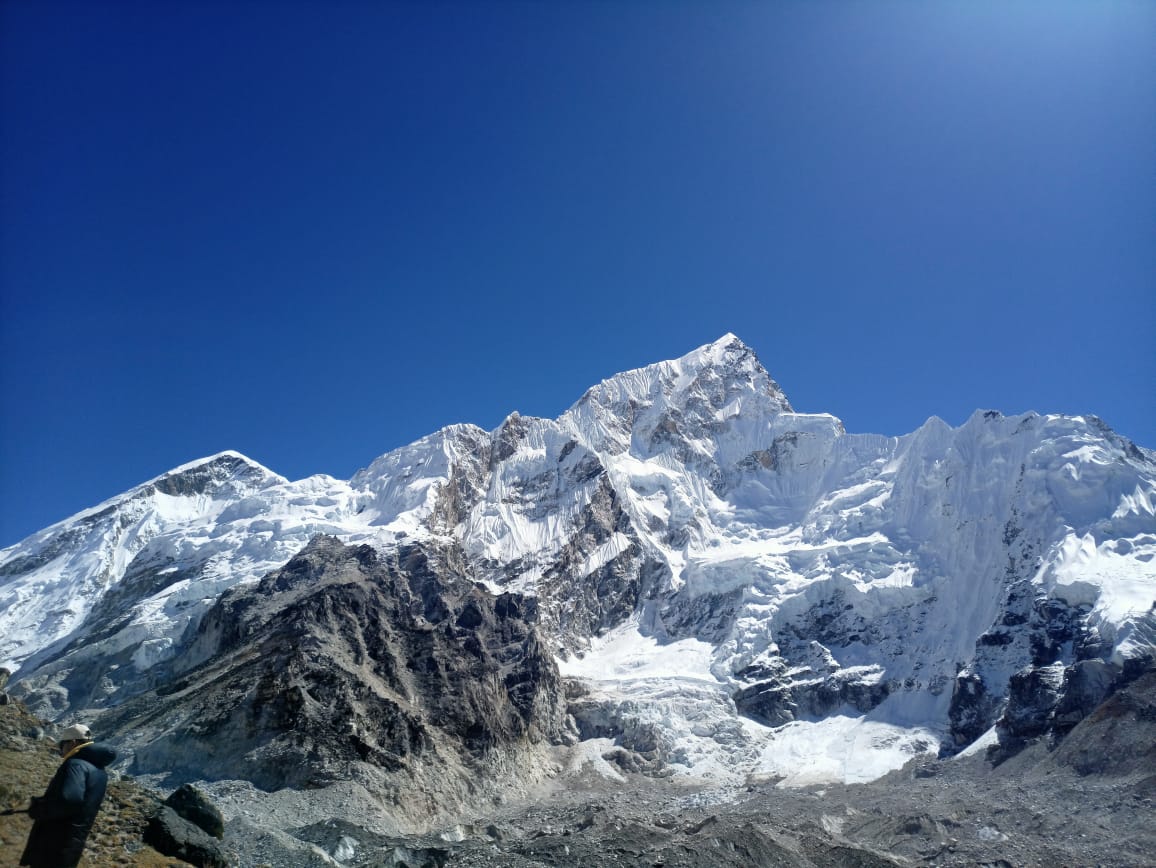
Being at EBC is being and standing in the shadow of the world’s highest- a position where you can only dare to have the audacity to assert and check off your bucket list, together with all the other adventure-seeking travelers from across the globe. You’re not on Everest, but where the Everest giants of Mount Everest are, like sunrises on the great ridges, is heavenly. Walking the EBC trail by yourself takes you, by legend, as close as it gets to the Mount Everest summit view and mythic Kala Patthar (5,545 meters), quite possibly the best view of Everest you’ll ever have the good fortune to witness.
2. Culture and Spiritual Immersion
You’ll meet villagers of the Khumbu: tough Himalayan folk with highly developed mountaineering prowess, boundless hospitality, and first-rate survival skills. You’ll trek through the villages of Namche Bazaar, the villages of Tengboche, and the villages of Pheriche, all with their multicolored prayer flags flapping in the breeze, all scattered with found along the trails like spinning prayer wheels, all topped on ridges with stupas.
At Tengboche Monastery (3,867 m), you will pray with chanting monks within sacred walls, and dark Ama Dablam and the other great white giants – a spiritual experience in the true spirit of your trek.
3. Varied and Breathtaking Landscapes
We trek through varied Himalayan scenery:
Rhododendron and pine forest hide Lukla and Phakding villages,
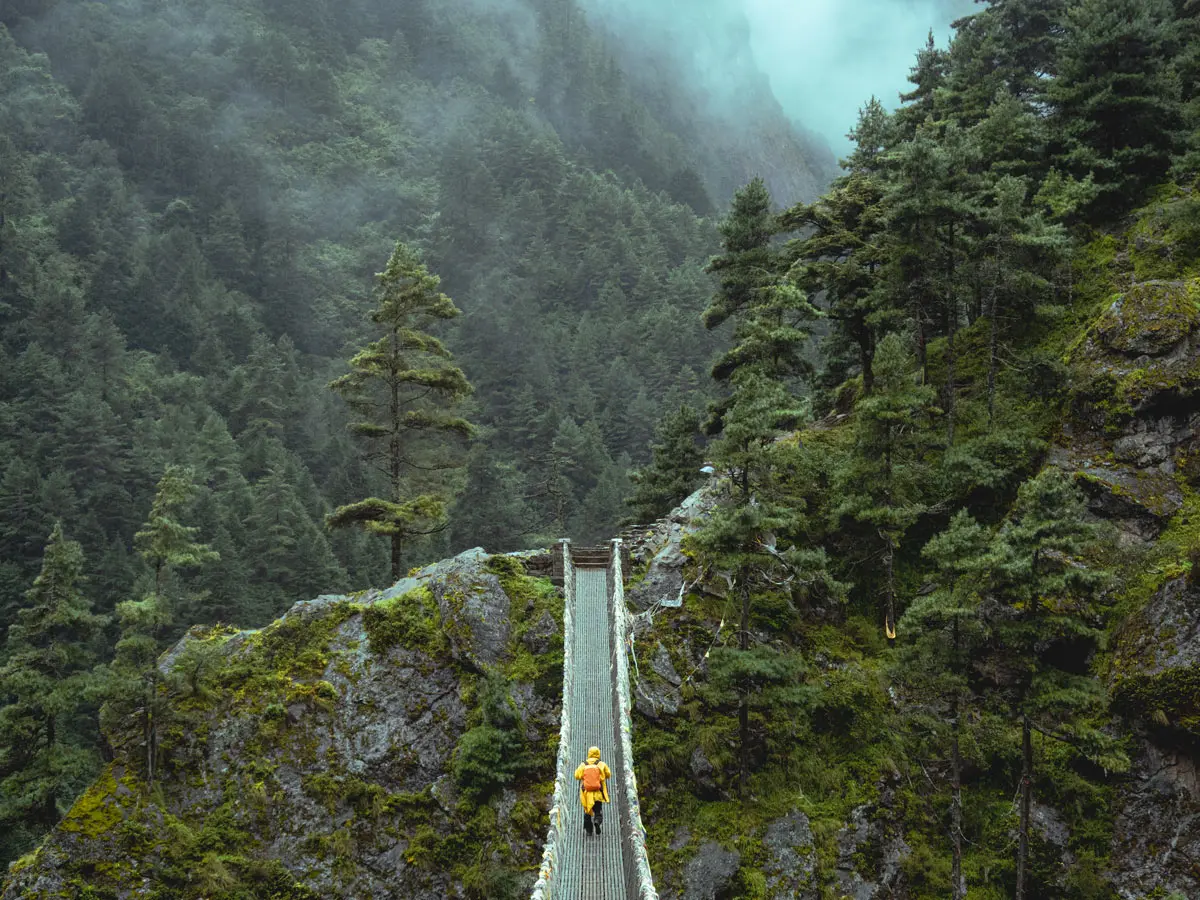
Suspension bridges spanning high above glacier-fed rivers,
Yaks and alpine grasslands at Dingboche and Lobuche,
Rock moraines and snow ridges on the way to Gorak Shep and EBC.
Every bend in the trail, a new panorama, a new peak, another rest stop, and just soak it all up.
4. A True Physical and Mental Challenge
It’s not a holiday- it’s a test. You’ll be trekking 5-7 hours every day, trekking all day, a nd cold and tired all day. But it is in the challenge that we get tough. To even get to Base Camp is such a great feeling and sense of achievement. It’s a test of your endurance, your determination, and your sense of accomplishment.
2. Annapurna Circuit Trek
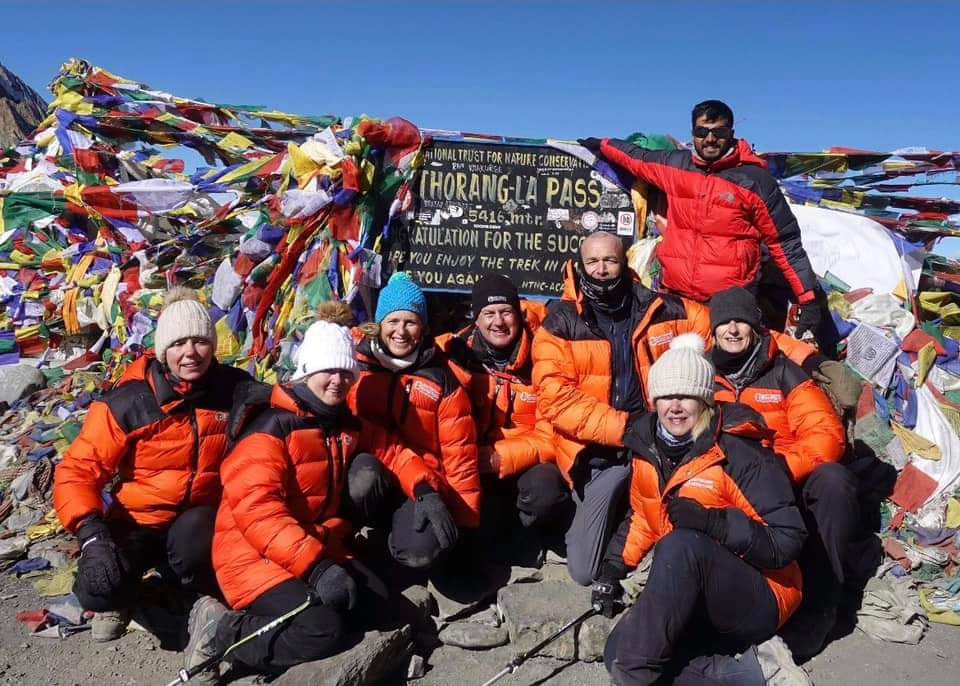
Trekkers have a beautiful experience in knowing they are partaking in an incredible cocktail of untouched nature, cultural diversity and an absolutely belly walloping experience, all at the same time. Being at the core of the Himalayas, the trek is a trek from start to finish, whereby you would be able to observe the emerald valleys, meadows of alpine forest, and snow-white peak mountains, and also undergo the different traditions of the inhabitants. A seasoned trekker and also an amateur trekker taking it through an adventure trail, there is something for all at the Annapurna Circuit.
Top of Thorang La Pass
Highlights
A Varied Landscape Trek
Annapurna Circuit Trek is a reward-risk, varied landscape trek. Trek begins in middle of the valley at dark green dense subtropical oak and rhododendron forest. With rising altitude, the terrain has been sculpted into extraterrestrial beauty of alpine grassland, glacial brook, and bare boulders. Gradient from low to high altitude is progressive, and trekkers have luxury of acclimatization.
Immersive Cultural Experience in the Trek
The natural landscape of the Annapurna Circuit is the most spectacular attraction, yet the experience of culture one gets while trekking there is equally invaluable. Trek leads through a series of villages and hamlets to be passed and meet the inhabitants and experience their life and culture.
Local Food:
Local Nepalese food of the region is most accessible by staying within the trek itself. Treks’ teahouses are located within villages where local food is eaten. Dal bhat (lentil soup and rice) is standard fare, then noodle soups, momos (steamed dumplings), and Tibetan bread. Trek food tastes bland but healthy and gives the trekker plenty of vigor for the day’s trek ahead.
3. Manaslu Circuit Trek
Manaslu Circuit Trek is one of the most renowned and highly-rated treks in the world. It is located in the north-central part of Nepal’s Gorkha District. The word “Manaslu” is derived from the Sanskrit word Manasa, meaning“soul” or “spirit“;thus, it is named “Mountain of the Spirit.”
TheHimalayasofEverest is about 126 kilometers (78 miles) but in a north west direction from Kathmandu, the capital of Nepal, very close to the border separating Nepal from Tibet, China.Thecultureandlandscapesharemanysimilarities with the Tibetan plateau.
Highlights
1. Preserved Ecological Beauty
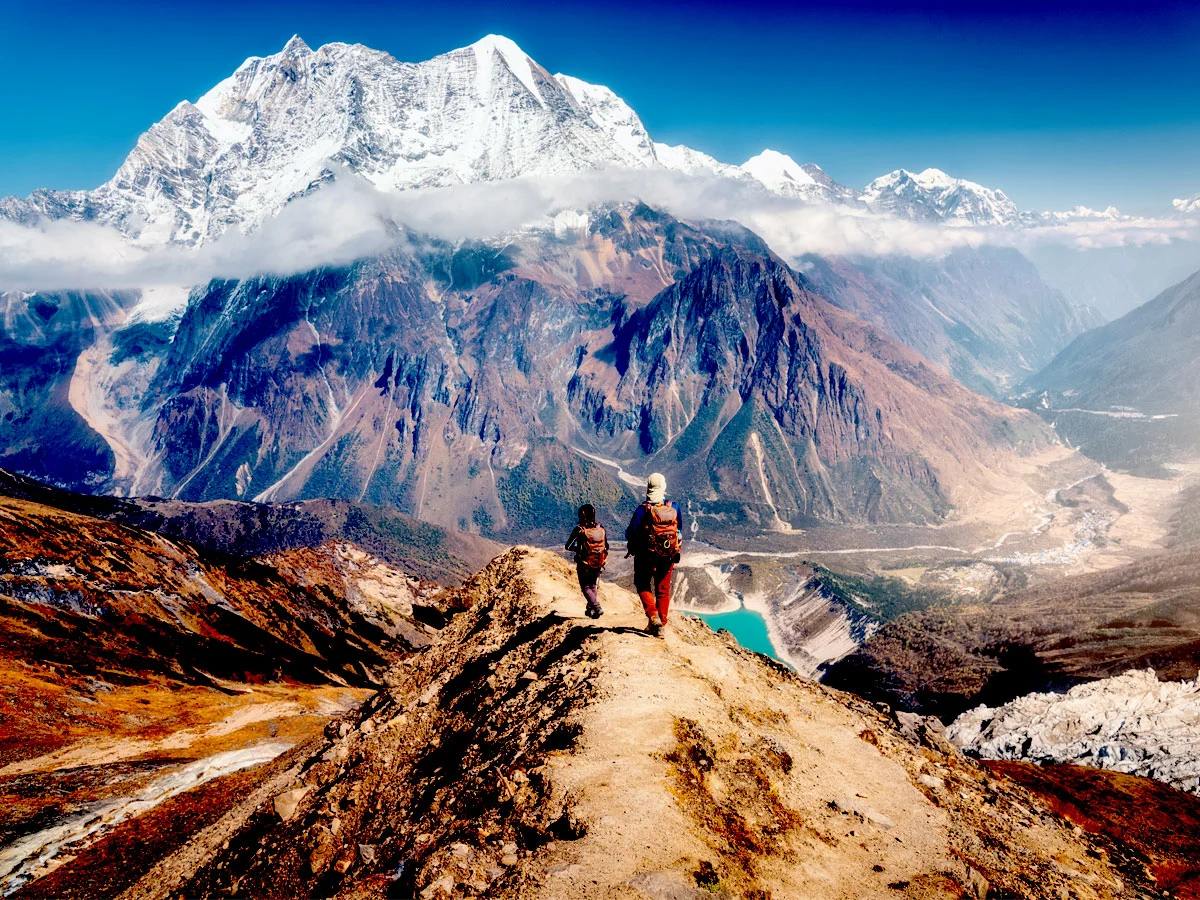
The Manaslu stoppingarea is famous for its pristineuntouched subtropical forest, high-alpine altitude national meadow, fascinating villages, and natural beauty allsofar away from the bustling city andclosenesstonature.
In the Manaslu region, the Budhi Gandaki River flows, which is an exciting view to watch. This is the exact place where you get to see an ideal cliff and a cascading fall. You can find one of the most thrilling suspension bridges during your trekking, which makes your tour more adventitious. Manaslu Glasier near Manaslu Base Camps, this big glacier flows down from the glaciated faces of Mount Manaslu. Due to thawing glaciers, the stream of water and ice joins and merges with Budhi Gandaki River, enriching its scenery.
Stellar Mountain Views
The trek to the Manaslu Circuit is to visit Mount Manaslu at 8,163 meters (26.781 feet) which is the 8th highest mountain in the world. It also allows trekkers to see some phenomenal views of snow mountain that include snowy peaks in the Himalchuli, Ganesh Himal and Annapurna ranges along the trek. The trek to the Manaslu Circuit gives trekkers many fabulous views of the many high mountains in and around the Manaslu area as well as surrounding mountain ranges.
The Himalchuli mountain is so close to Mount Manaslu that it can be seen throughout the trek. The Himalchuli is the second highest peak in the area, and has massive, glacier beaten ridges which is what makes it distinct.
Ngadi Chuli is also called Peak 29. It is a very beautiful mountain with steep, rough sides which can be seen from many places along the trail.
The Ganesh Himal Mountains flank the Manaslu region to the east. Many of its peaks, including Ganesh I 7,422 m and Ganesh II 7,118 m, are visible during the early parts of the trek.
Shringi Himal is small in size compared to other mountains but the beauty of this mountain stands out in the lower Manaslu range, especially from villages like Ghap and Namrung.
4.Budhi Gandaki Valley
The various picture-postcard-like villages hosting Budhi Gandaki valley epitomize the faces of culture and ways of life for the locals. Lho, Samagaun, and Jagat are typical villages typical in the Himalayas. Locals here are Gurungs and Tibetans who have maintained their culture in their houses and monasteries and practice it with great zest and zeal.
During our trek and stay in Budhi Gandhaki Valley you can find-
The trekkers can travel across the terraced rice fields, through the lush valley; chances are you’ll notice that much of the area has the mountain terrain that will provide a lively contrast to the terraced fields with vibrant life during planting and harvest season.
In Budhi Gandhaki Valley, the Tibetan influence of Tibetan Buddhism is abundant. Many of the villages extremely Tibetan, and you will also see many monasteries and prayerwheels throughout the valley
4. Langtang Valley Trek
The Langtang Valley trek offers distinctive access to an off the beaten track experience in Nepal. Far from Kathmandu, the trek itself is bright and remote as well as not disrupted by the masses of diversity within communities, beautiful untouched landscapes, and an escape from other trekking routes that are busier and more obvious of trekking choices in Nepal.For experienced trekkers and beginner trekkers, the Langtang Valley Trek will remain with you.
Highlights
Scenic Beauty: An Ever-Present Companion
But another Langtang Valley Treking highlight is size changing landscapes. And also, you’ll be able to trek through size changing placed ecological zones as you ascend, which all differ in beauty and character.
Rhododendron Forests:
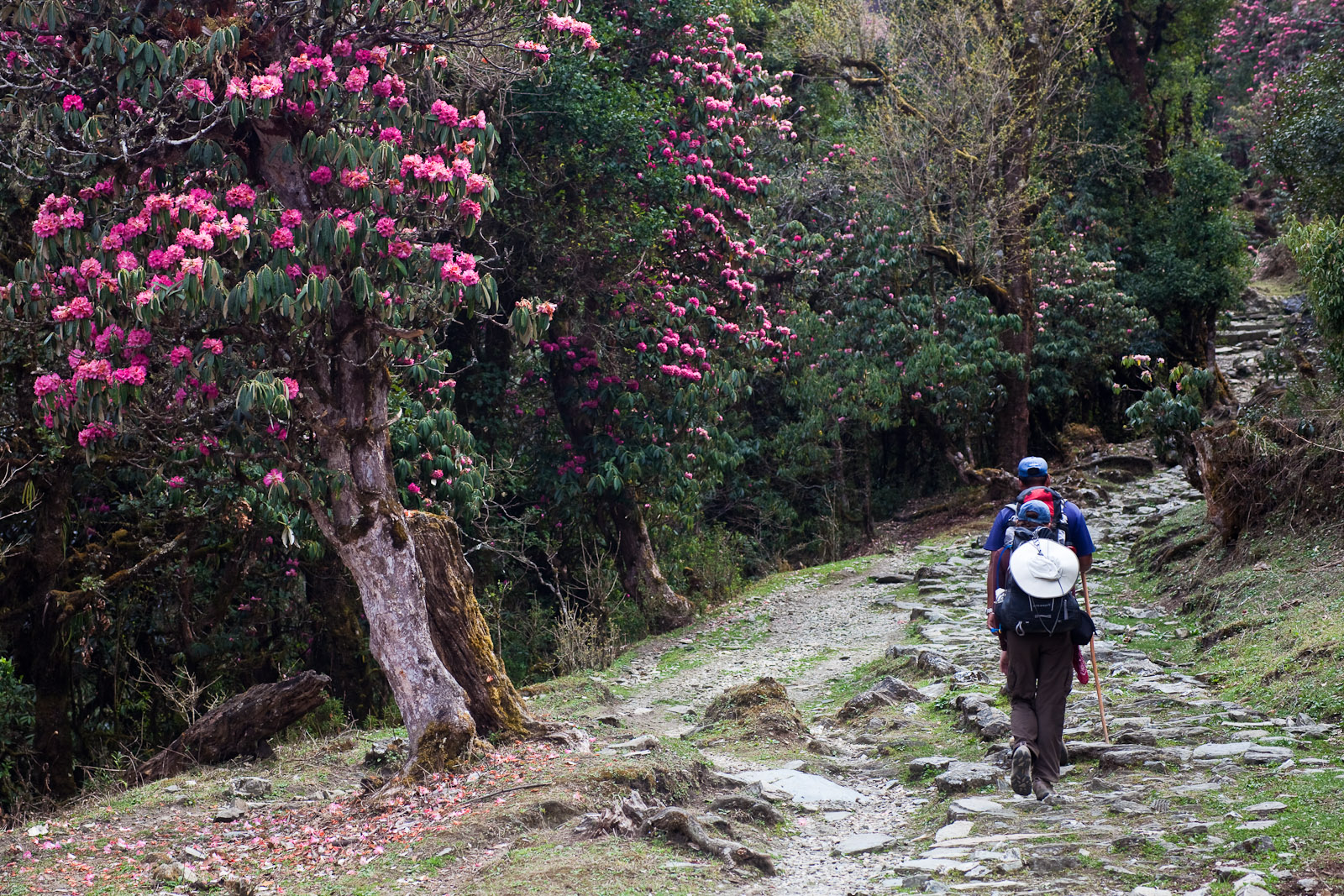
Thickly covered rhododendron forest dominates the trail at some points, covering it throughout the route at lower altitudes. In the event of the overlap of trekking seasons in springtime (March to May), there are high chances of viewing the trees in bloom in a palette of pinks, reds, and whites covering the country in all its glory.
Rivers and Waterfalls:
The trail is largely river-sided, and the rivers are supplied by Langtang range’s melt-down. Cross wood suspension bridges and hear the soft tap of running waters. Whims of falling waterfalls either between or after rains provide the whole scene with a near divine appearance.
Alpine Meadows:
Higher still, the land is wider and is made up of alpine meadows and grass slopes with splendid scenery of the gigantic mountains. Yaks and other domesticated animals graze across the meadows, adding to the countryside character of the place even more.
Mountain View:
Langtang Valley is surrounded by the loftiest of the range, i.e., Langtang Lirung (7,227 m), Kimshun (6,365 m), and Ganchenpo (6,387 m). These mythic hills surround you and you on the trekking trail and step by step increasingly overshadow you before Kyanjin Gompa. From Kyanjin Ri (a famous viewpoint near Kyanjin Gompa), you gaze at the whole length of Langtang in the far horizon. Something which will make an indelible imprint on your mind.
5. Ghorepani Poon Hill Trek
Nepal trekking typically evokes images of demanding treks like the Everest Base Camp trek and Annapurna Circuit trek . But did you ever think that you could be enlightened to the beauty that is the Himalayas in a few short days? For 2025, no trek compares to the incredible short trek of Poon Hill humanly able which is accessible for all trekkers! In this article, we want to do all we can to hook you into having Poon Hill as a prize on your bucket list for this year!
Poon Hill Trek Highlights
1. The Legendary Sunrise from Poon Hill
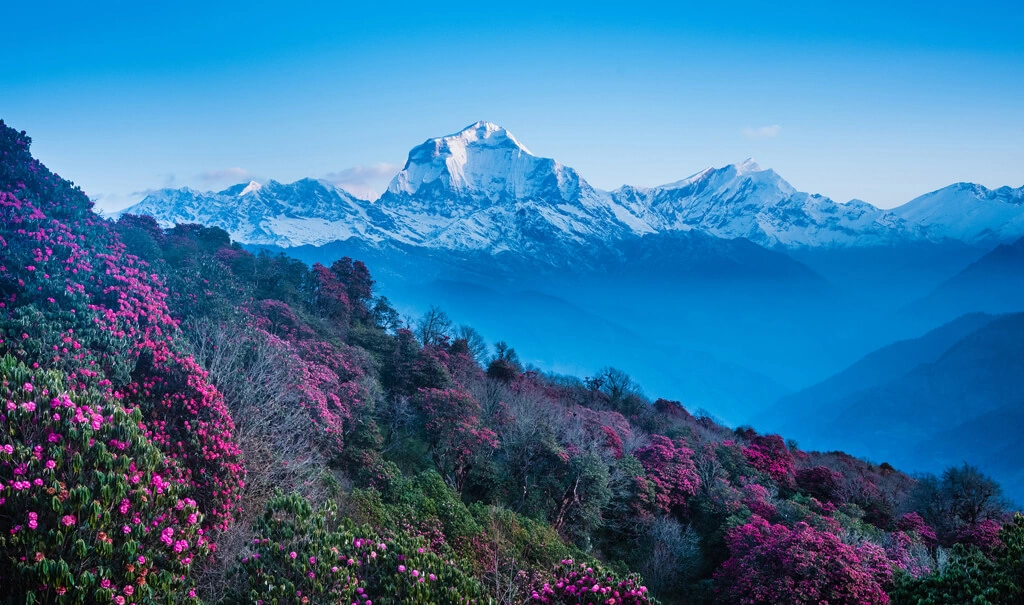
At 3,210 meters, Poon Hill is very well known for its iconic sunrise view and layover destination on the journey, therefore Poon Hill is one of the most trekked destinations. As the light fills the sky at Poon Hill, the first light of day appears above the world’s famous and snow covered peaks of The Himalayas, Annapurna, Dhaulagiri, Machhapuchhre (Fishtail) and Nilgiri.
2. A Perfect Short Trek for Busy Schedules
The Poon Hill trek is a great choice for people traveling to Nepal on a short timescale who are interested in seeing some gorgeous scenery of the Himalayas. The trek can, in total, last 4 to 5 days which means for short holidays, a quick family trip, or just a little add on to be the main focus of a bigger trip in Nepal – Poon Hill is well achievable. In addition, due to the length of the trek, it can also be a good option for you if you are considering your first trek for yourself, especially if you are not quite ready to deal with something longer or bigger.
Whether you aretravelingwith family with young children, older grandparents or are traveling solo and on a timeframe, the Poon Hill trek allows you toadjust your trekking pace,whilststillhaving a taste of the trekking adventure of the Himalaya!
3. Cultural Experience
In addition to the stunning vistas, the Poon Hill trek is rich with experiences in culture. The trek itself offers to chance to visit villages, Ghorepani, Tikhedhunga, Ulleri, and Ghandruk, and engage communities who host trekkers. Not only with a meal, but traditional culture, customs, and food. Spending time with the communities allows trekkers to see people preparing for life. The daily routines of the locals, as well as their rituals and most keenly how they continue to carry on the same practices their ancestors had done for hundreds of years.
When combination of staying in traditional teahouses and participating in local festivals or farming, converts a trek from being just a trek to an intercultural experience. For many trekkers, their experience only becomes richer after spending time with the people they meet along the way, some of which they may remember just as well as the mountains.
6. Upper Mustang Trek
The Upper Mustang Trek takes one into the “Forbidden Kingdom” of Mustang, a region noted for its unique landscapes and Tibetan-influenced culture. A trek route will take you through barren cliffs, ancient caves, and centuries-old monasteries. Due to its isolated location, the traditions in Lo are so well preserved and, as such, are considered one of the more valuable cultural assets.
Highlights:
Lo Manthang: Walled city and cultural heart of Upper Mustang
Lo Manthang is the ancient walled capital of the former Kingdom of Mustang, with a rich cultural identity in northern Nepal’s mighty Himalayas. The medieval feel of Lo Manthang, enhanced with white-washed outer walls, alongside royal palaces, centuries-old monasteries, and skinny hallways with the every growing pool of Tibetan Buddhist mantras strongly correlated with its nomenclature. Certainly, that immunity from modern encroachment created a profound ethos for people who have emerged with customs, language, and practices heavily steeped in Tibetan culture for hundreds of years.
Chhoser Caves
Caves of enigma and ingenuity, containing caves for meditation and camping. A short pony trek from Lo Manthang are Chhoser, a fascinating and intricate set of man made caves that appear to have been cut from the front face of an immense tilted sandstone cliff. There are numerous levels of caves and over 40 rooms used for habitation, storage, and sacred meditation.
Tiji Festival (Seasonal): Vibrant celebration
The Tiji Festival is a spectacular three-day celebration ofBuddhism that occursannuallyinLoManthang and represents the triumph of good over evil. ItisthoughtthattheTijiFestivalis based on Tibetan Buddhist mythology.The Tiji Festival consists of ritual chants anddances performed by monks of the Sakya order,andinvolvesaseriesofmaskeddances.TheTijiFestivalusuallytakesplaceinMay,anddisplaysavigorousexpression of faith, cultural identity, and community in the raw beauty of Upper Mustang,attractinglocalresidentsandvisitorsalike.
7. Mardi Himal Trek
Mardi Himal Trek in Nepal’s Annapurna region is a quiet trek but a trek with independent walking on the trail, stunning views of the Annapurna Himalayas, and a feeling like one is completely alone in the hills. Since the Mardi Himal Trek is relatively new for all the trekkers, the view of this trek is stunning. The view includes Mardi Himal (5,587m), Machapuchare (Fishtail), Annapurna South, and Hiunchuli.
Highlights
1. Incredible Views of Annapurna and Machapuchare
A key highlight of the Mardi Himal Trek is the sensational views of the Annapurna range, especially Machapuchare (Fishtail) which is a sacred mountain. With each ascent, the panoramic views of the snow-capped giants like Annapurna South, Hiunchuli, and Mardi Himal itself, unfold asyoufollow the ridgeline trail. Many other treks are compromisedbythebusynessofother hikers, howeverherethelevelof peace and tranquillityoftherouteisunrivalledand as alongerroute,ifthereareplantoseeridgelineviewsthereisanimmediateclimbing into a viewthatisoftenamixofseekingthose peaks often in sea of inspiring golds interactingwith sun risingandsettingthatgivesone a magical experience.
2. Off-the-beaten-path Experience
Mardi Himal is not as well-known as more popular treks like Annapurna Base Camp or Ghorepani. It makes sense: it’s a beautiful trek for anyone who wants to escape the crowds and spend meaningful time in nature. The trail meanders away from other treks through tranquill forests, alpine pastures and Gurung villages. You will encounter fewer other trekkers, allowing for more chances to connect with people living on the trail route, and instead of a standard trekking experience, the connection will be deeper, spiritual even.
3. Fast Paced Multi- Landform Trekking
Mardi Himal is a short trek (usually 4–7 days), yet has enough geographical features from rhododendron forests (and moss-covered trails). To high-altitude ridges and rocky ridges barren of trees. So that you will get a full variety of landscapes in a short trek, making each day feel new and adventurous. It is a trek that embraces the scenery associated with Himalayan trekking and also does not require weeks or years of walking!
Final Thoughts
Nepal has many trekking trekking routes for all kinds of trekkers from bucket list. Classics like Everest Base Camp to cultural treks like Mustang and cultural Bhote routes in Helambu. For high-altitude trekkers and first time trekkers alike. These seven treks will all be valve on a trip of a lifetime in the lap of the Himalayas. If you are planning to visit Nepal then contact us today at Happy Mountain Nepal, Facebook, Instagram, or TikTok.
Everest Base Camp Trek: What You Need to Know Before You Go
The trip to Everest Base Camp (EBC) is not just any travel opportunity; it will be an epic journey of a life time. You will experience the trek as you live the adventure of Tenzing Norgay and Sir Edmund Hillary as they experienced the culture, traditions, and incredible views of Khumbu region of Nepal. Whether this is your first trek to altitude or you are just in the process of ticking EBC trail off as an adventure, it is useful to know what to expect and how to prepare.
The trek will test your endurance, patience and all round ability to adapt to the adventures that the trails present. You will be trekking for approximately 12 to 14 days and each day will be at least 13 – 15 km round trip. From climbing altitude sickness to travel at the right time of year, this guide is intended to provide you ideas on a few of the challenging but great things about the trip, and hopefully help your journey be a life changing experience along the way.
Why Geared is for Everest Base Camp:
One of the more popular trek destinations, Everest Base Camp offers plenty of trails with an assortment of travelers, wildlife lovers, travel photographers, and those who enjoy the travel ignite culture and transparency. It is a series of events that you will, hopefully, get to walk away bearing the weight of Mount Everest (8848.86 m) and view the tallest peaks of the Himalayas.
1. A Physical and Mental Challenge
The trek will test your endurance, patience and allroundabilitytoadapttotheadventuresthatthetrailspresent. You will be trekking for approximately 12 to 14 days and each day will be at least 13 – 15 km round trip. And each day you will hike farther and higher than the previous day while living off limited resources and in cold temperatures for at least 10 hours per day. This trek will take you out of your zone of comfort – but that is the fun of it!
2. Amazing Natural Beauty
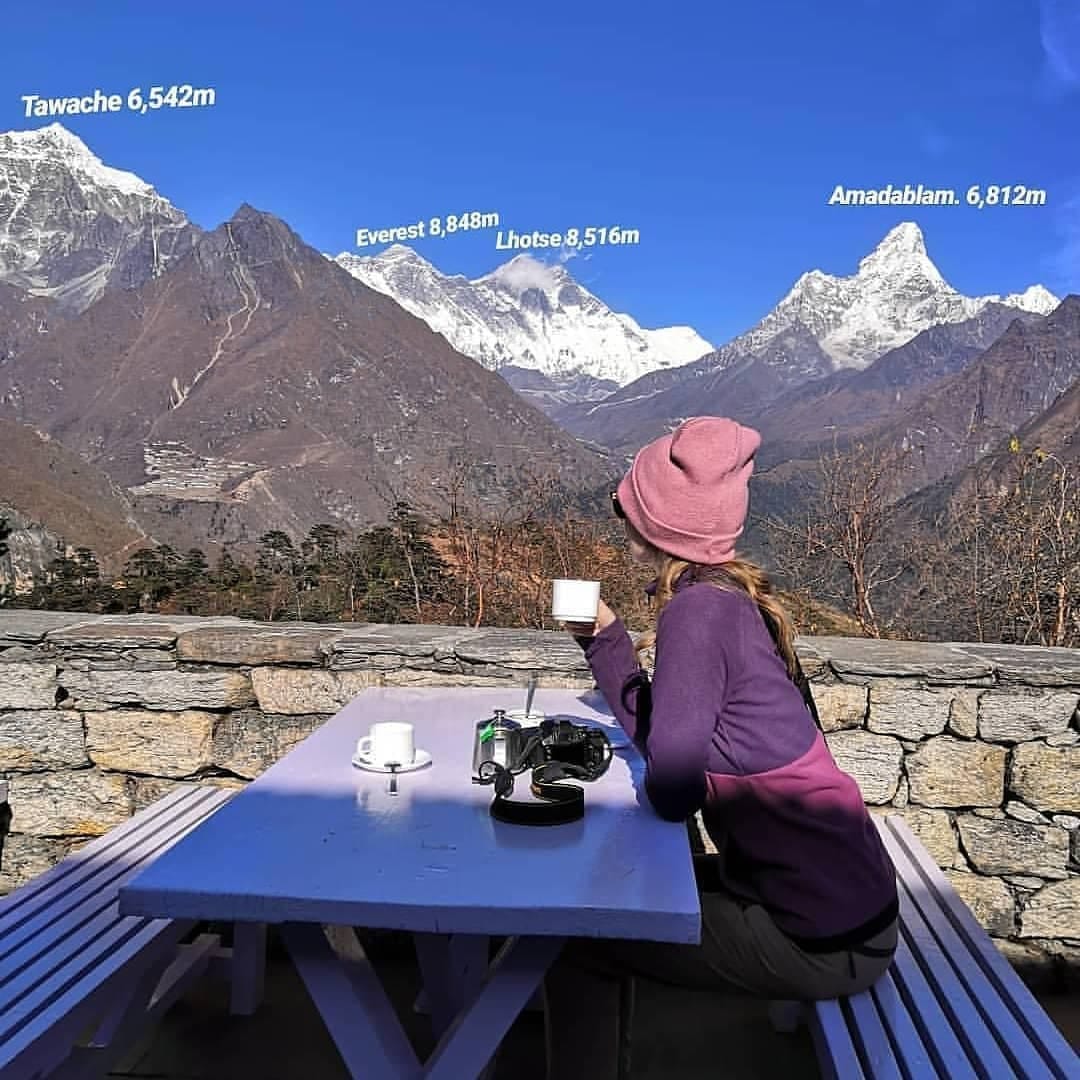
Thick pine forests, frozen rivers, and wind-blown moraine at the base camp – each day of this trek will present you and your group with breathtaking views of the landscape. Each day of the trek you will have the opportunity to see the peaks of Ama Dablam, Lhotse, Nuptse, and Thamserku (and depending on your trek route) views of Everest peeking through at some point as well.
3. Culture and Spiritual Heritage
You will get to experience historic villages such as Namche Bazaar, Pangboche, and Tengboche – all villages that has become known for their incredible mountaineering characteristics and guardians of Buddhist culture and traditions. You will not only get to visit monasteries, spin prayer wheels, and walk around mani stones with Tibetan inscriptions and prayers.
Best Time to Trek to Everest Base Camp
The region is notorious for unpredictable weather patterns, therefore deciding on which season to travel has an important consideration in terms of if your trekking adventure will be successful or not.
Spring (March – May):
Spring is listed as one of the best trekking seasons of the year, and weather conditions are mild. During the daytime, the temperature will be a nice 10°C to 20°C at the lower altitudes. The lower altitude area you trek during the spring will have an explosion of colour, when the rhododendrons bloom. In general, you’ll usually have excellent visibility, which translates into lots of great picture taking opportunities and splendid mountain views.
Autumn (September – November):
The autumn season begins after the end of the monsoon. The autumn season has the weather conditions for trekking in best and clearest skies. Even if it might be a little chilly, you will enjoy the view of the mountains, which will be breath-taking! And the timing will be culturally relevant to be in Nepal as you will see some local cultural practices and immerse yourself in some local celebrations (Dashain and Tihar) that will surely enrich your experience.
Winter (December – February):
If you are thinking about trekking in the winter months, this can be a wonderful time of year to have a quieter trek you’ll encounter limited or no crowds. Depending on your trek and ascent that first day, social distancing it can snow enough to eliminate areas of your trek.
Based on the possible elevation you will be walking, you can expect a few days where temperature will be below -20 °C.
Monsoon Season (June to August):
Monsoon season is the only season where most people can pretty successfully avoid since this is the muck and the rain, and visibility can be an issue. However, for those tired of winter, lower elevation areas like the lower Solu area are green and stunning.
Fitness and Physical Preparation:
Do I need to be Super Fit? No! The EBC trek is not technical and does not require any mountaineer experience, however some level of physical endurance and resilience isrequired.
Overall moderate fitness is sufficient for 99% of the population, but if you pace yourself, and acclimatize alittlemoregradually you should be well.
Cardiovascular Training: Running, brisk walking, swimming (also a great no-impact conditioning activity), and stationary cycling are all great ways to build up your endurance.
Stair Climbing: Great to build up the legs and simulate mountain terrain.
Hiking Practice: Go on trips in your local area, carrying a loaded backpack to replicate the real conditions on trail.
Strength Training: Focused primarily on Legs (squats and lunges), your core (planks) and shoulders (this is particularly important for carrying a daypak).
Flexibility: Add in some yoga or stretching. This will also help with the risk of injury.
Altitude and Acclimatization
On the trek to Everest Base Camp, you will go above 5,000m which will mean the oxygen levels will be at, or less than half, of what you would normally experience at sea-level. Acute mountain sickness (AMS) is serious and you should never ignore symptoms of AMS.
Common symptoms of AMS:
a headache that won’t go away
nausea and/or vomiting
no appetite
your head feeling fuzzy or dizzy
disturbed sleep
Treatment and tips to prevent or lessen AMS:
Take it easy: your itinerary should have planned accommodation for rests and acclimatization days.
Hydration: drink 3-4 liters of water a day
Don’t drink alcohol! alcohol dehydrates you,
Know your limits: if you start to feel like you have AMS, you need to descend immediately.
Medications: medications such as Diamox will be helpful but always check with your doctor before using medications.
There are two acclimatization stops, one being Namche Bazaar (3,440m) and Dingboche (4,410m). Those acclimatization stops ; during acclimatization in July, we will rest for two days then hike higher to acclimatize, we will want to sleep in Namche & Dingboche and hike lower alt
Permits You Will Need
If you are trekking to Everest Base Camp you will need to obtain the below listed permits:
1. Khumbu Pasang Lhamu Rural Municipality Permit
Cost: NPR 2000 – 2500
Available to be picked up in either Lukla or Monjo
2. Sagarmatha National Park Entrance Permit
Costs: NPR 3000 (foreigners)
Available to be picked up in Kathmandu or Monjo
3. TIMS Card (This can be optional in some cases)
TIMS (Trekkers’ Information Management System) will also help with safety tracking.
Usually ruled out on package and guided treks in the Everest region.
Don’t forget to provide your passport and copies for verification and check-points.**
Guided Trek and Independent Trek
Guided Trek:
For beginners, or people who prefer a little less stress. Majority of packages tend to have:
-Experienced guide
-Porter ( Up to 15-20 kg)
-Accommodation
-Permits and domestic flights
You can benefit from local knowledge, language, and cultural education. Guides also can spot early signs of AMS and help in emergencies on the trail.
Independent Trekking:
This route requires more planning on your part for routes, lodges and permits.
More affordable on budget but more risk if you are inexperienced.
There is a new permit regulation in Nepal (2023 on) in which solo trekkers are required to hire a guide in instances throughout the trekking area, including the whole of Everest.
Everest Base Camp Trek Packing List
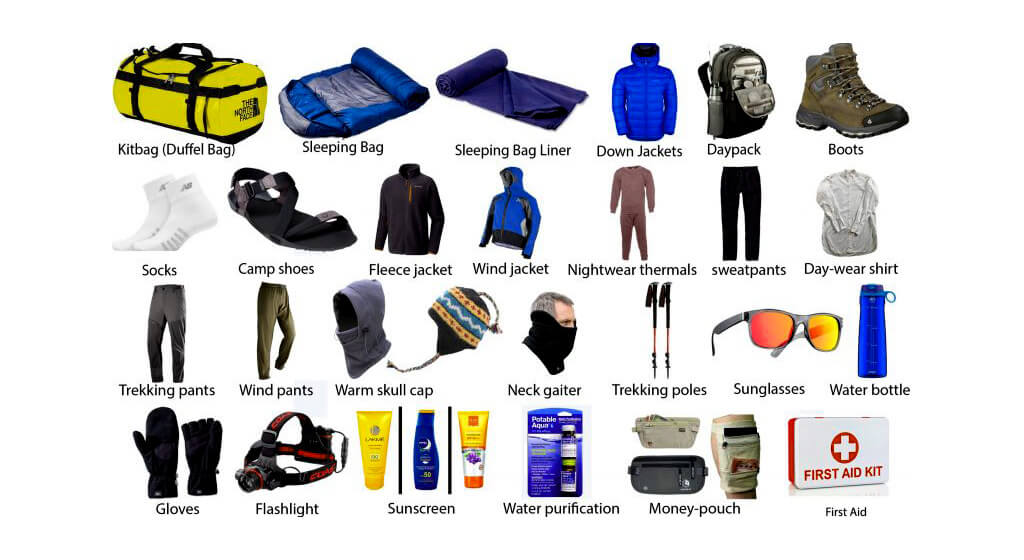
You’re probably going to be on the lighter side of packing! Expect to go through weather that includes snow and/or rain, and/or high winds. Unless you do some/all of the trek with a porter, you will carry your own gear.
The list below is a general list to help with your packing.
Clothing
Base-layers ( tops and bottoms, thermal)
Mid-layer insulation (fleece)
Down or synthetic puffy
Waterproof shell and/or windbreak shell
Trekking pants ( 2 pair)
Gloves (inner and outer)
Warm hat and sun hat
Hiking socks (4-5 pair)
Gaiters (for snow/mud optional)
Equipment
Hiking boots (waterproof but broken in; not new)
Sleeping bag( -10 Celsius rated or less)
Trekking poles
Daypack – ( 25-35 litre)
Hydration system(bottles/ bladder)
Headlamp
Sunglasses (UV protection)
Miscellaneous
Sunscreen (SPF 30+)
SPF lip balm
Bathroom kit and personal items
Quick drying light towel
Snacks while trekking ( energy bars , nuts)
Power bank to recharge
Basic first aid kit
Photocopy of you passport, permits and travel insurance.
Sample Itinerary: 12–14 Days
Here’s a popular itinerary:
Day 1: Fly to Lukla (2,840m), trek to Phakding (2,610m)
Your adventure begins as you board the flight from Kathmandu to Lukla – the most iconic mountain airport in the world – and you’re off on the plane on the golden sky runway. The trek from Lukla starts with lots of downhill walking to Phakding village, the first day is mostly a ease into down hill so your body slowly understands the mountain environment.
Day 2: Trek to Namche Bazaar (3,440m)
To day’s ascent will be fairly gradual, with some significant elevation, as you start to climb up through the Rhododendron forests and crossing suspension bridges, as well as continuing to hurry forward because you are now finally on the trail you may feel like you have gone back in time to the capital market cities that are alive with vibrant markets, restaurants and pubs, and full of trekkers. The trek to Namche Bazaar is well received by hikers, and will be the overnight acclimatization point and for that most trekkers will acclimatize here, before their onward journey up the Khumbu.
Day 3: Acclimatization day (hike to Everest View Hotel or Khumjung)
Rest and acclimatize with a short hike to Everest View Hotel, or the traditional village Khumjung. While you will climb some relatively steep elevation again to assist with acclimatization, the critical highlight will be the view of the vast mountain range that surrounds you with the magnificent Everest and her neighboring giants. This trek is probably the most scenic of the trek.
Day 4: Trek to Tengboche (3860m)
The trail gets steeper as we go through forests and fields toward Tengboche that is famous for its monastery. Tengboche has a strong spiritual energy to it and the views at this location are unbelievable with Everest and Ama Dablam and the other surrounding peaks. Again, if you want to immerse yourself into culture, I can see this as a great spot to have some quiet time and reflection.
Day 5: Trek to Dingboche (4410m)
The trek through dry valleys to Dingboche is different with many stone bridges to cross. By this stage you can see the difference in how high we have gone as well, this scenery is rugged with dry valleys. Dingboche is a good break in the climb, you will feel like you are in a higher mountain region and should be getting the feel of acclimatizing to the high mountains.
Day 6: Acclimatization hike to Nagarjun Hill (5100m)
The hike up to Nagarjun Hill, should be a good, hard day in which you will all be aided in the acclimatization. The views are worth the effort, it is amazing to see the mountains and to see the glaciers, and the overall surrounding area. On return to Dingboche, you will have time to rest and recover before we buildbackupwithour next elevation after the mellow namcheplace.
Day 7: Trek to Lobuche (4,940m)
The trek over rocky pathways and glacial moraines,crossingmountain terrain, will lead you to Lobuche,withdesolation in stark faceandthepeakssignallingyour arrival to Everest. Thelodges here aren‘tmuch but theyare livable, and you willbegladforthem,asyouwillberesting for the climb ahead.
Day 8: Trek to Gorak Shep, hike to Everest Base Camp (5,364m)
Youwillwalk to Gorak Shep, having the last conveniences before heading to Everest Base Camp and themostfamousBaseCamp.Youwillgetanexcitementstanding at the base of Everest, and the peaks and glaciers will make the thrill more. After quite a bit of exploring you return to Gorak Shep for an overnight.
Day 9: Climb Kala Patthar (5,545m), descend to Pheriche
Climb to Kala Patthar (5,544 m) and descend to Pheriche.
The early morning climb of Kala Patthar, has the best panorama for the sun rise that includes Everest and the Himalaya. So absorb the view and the experience and after the full and tiring day walk you descend to a lower altitude forthenightin Pheriche village,whereitwillbetimeto rest and recovery. This day isamixtureof sightseeing and recovery.
Days 10-12: Return to Lukla
The return journey is the same trail down hill from Namche bazaar and Phakding back to Lukla.The descent is much quicker (but don’t get complacent because your legs are tired). The return gives you an opportunity to reflect on your trek over the last few days as well as experience the changes of the landscape while descending.
Day 13: Fly back to Kathmandu
The flight back to Kathmandu offers some great views of the mountains as you descend back into the city completing your trek. There is also a possibility of having lots of fun in this lively atmosphere to celebrate and commemorate your trek. This would also be a great opportunity for you to do some sightseeing or resting after a long trek.
Accommodation and Food
You’ll stay in teahouses, which are basic mountain lodges. Expect:
Accommodation
It will be teahouse accommodation provided on the Everest Base Camp trek, that is a basic mountain lodge, managed by a local family. The lodges will generally include twin-share rooms with thin mattresses and basic bedding. The rooms are quite basic, and heating is generally absent so a sleeping bag is essential. The facilities are variable in terms of conditions in accordance to the location. Higher up you go, less comfortable and more basic the lodge will be.
Toilet Facilities
There will be toilet facilities, normally shared toilets; you may see squat toilets or western toilets depend on the location. Hot water is often limited or may be an extra charge especially at the higher altitude. Some lodges will provide solar showers, while others will use a gas heating systems. It would be wise to carry biodegradable toilet paper and hand sanitizer as they may be hard to come by. Hygiene standards can also highly variable so being prepare will create less discomfort.
Like many teahouses across the Himalayas, all teahouses have a communal dining space. Trekkers will come to areas where they will sit, and possibly spend their evenings, in communal dining spaces featuring either wood-based or yak-dung based stoves to provide heat to the room, or just general warmth in the cold evenings or high altitude trekkers. Such warmth in the dining areas of teahouses create intimate parts of a trek, which can help facilitate reminiscence of the trek; shared experiences; friendship; and warmth by the fire place. However, in some places where trekking is done at a high altitude, heating may not always be available, and wearing warm clothing in the evening may be important. The dining or communal areas in teahouses typically have WiFi, so this is an area of social, food service and most insulated service.
Food
The most common and staple food on the trail is generally called Dal Bhat; a mixture of steamed rice, lentil soup or dhal, and vegetable curry. This food source is nutritionally low-energy and protein efficient. Other common foods include noodle dishes, fried rice, porridge, egg dishes (like omelets or any kind of fried egg), basic soup, and everything else variants of these. Much of the food on the trail is vegetarian; although some teahouse owners will accompany lentils and rice with meat when meat is available. Food is generally prepared freshly every day, and it is recommended to have an open mind, be culturally appropriate, and that trekkers should think about food as simple and hearty, not gourmet. Snacks through things like energy bars usually add a little more fuel.
Costs and Extras
Prices for lodging and meals tend to go up with altitude because of the difficulty associated with moving goods uphill. Wi-Fi, hot showers, the ability to charge your devices, etc. are all things you most likely will have to pay for, which can range from a few hundred if you’re lucky, to over a thousand Nepalese rupees. Carrying enough cash is important as the likelihood of digital payments is lower the higher you go past Namche Bazaar. It is a good idea to budget for these extras to have an enjoyable trekking experience.
Connectivity and Electricity
Electricity is available in most villages, but you’ll have to pay anywhere from NPR 200–500 to charge your devices.
Some teahouses have Wi-Fi, but expect it to be slow. You can purchase Everest Link cards in some shops.
SIM Cards: Ncell has the best coverage in the Khumbu, but expect spotty service.
Travel Insurance: Essential!
Always have travel insurance that includes high altitude travel. Your travel insurance needs to include:
Coverage to 6,000m elevation
Most standard travel insurance policies exclude high altitude trekking so be sure your plan has coverage that specifies elevations to at least 6,000 meters. Mount Everest Base Camp sits at an elevation of 5,364m but there are side hikes like Kala Patthar that go up even higher. You want to make sure you have this clause otherwise any potential claim related to altitude travel will likely be denied. Read the policy before you buy.
Emergency helicopter evacuation.
In case of altitudes sickness, injury, or severe illness, helicopter evacuation may be the quickest way to get down from the mountain. In these situations, helicopter evacuation may also be the only way to get down from the mountain safely. Emergency helicopter flights can start at several thousand dollars and, if you are uninsured, must be paid in advance before they will fly you off the mountain. If you have the correct insurance, it can ensure you are quickly taken to a hospital without worrying about the financial burden. It is an absolute must for travels in the Himalayas.
Medical costs
You will encounter health threats with trekking in remote areas, whether they are altitude, food-, or injury-related. Your insurance should provide coverage for a hospital stay, doctors, medication, and any treatment required in Nepal and back home when back home. Even a minimum level of treatment could turn into a hefty bill if you are without insurance. Ensure they cover emergency medical treatment without limitations.
Trip interruption/delay
It’s very common with flights to and from Lukla that they are delayed and/or cancelled due to bad weather when traveling to Lukla. You could get stuck in Lukla for days! Travel insurance that covers interruption/ delay provides you with the ability to claim extra costs incurred (due to lodging, meals, and connections missed). It also covers if your trek ends sooner than planned due to unexpected illness or emergencies. In this case, this insurance offers you the peace of mind in knowing your investment made for the trip is not a complete loss.
Baggage loss
It’s unfortunate to lose your bags; such as your checked luggage, trekking gear, or your important travel documents, as it can derail your plans. Insurance that covers baggage loss or theft can help you negate the fact you have to replace the essentials you lost like boots, jackets, sleeping bags; and in Kathmandu you can do that. Most baggage insurance policies also cover delayed baggage, and that’s a good deal because you can buy the temporary replacements, for example, it’s possible to travel with rental gear in Nepal – which is one way to reduce your overall pack weight. If you are being informed that your bags – and travel itinerary is delayed, be sure to file a report with the airline or lodge.
Respect Local Culture
While trekking in the Khumbu area, it is important that you observe culture and Buddhism. When greeting people you will say”Namaste” and slightly bow your head, as this is a culturally appropriate way to show you respect. You will go around stupas, chortens, and mani walls in the clockwise direction. You will be asked to take off your shoes when entering a monastery, or local home. Full consent to take photographs of a person or monk and photographs during a religious event is always preferred in order to be respectful. All of this shows cultural sensibility and consideration for local customs.
Final Tips Before You Go
Book flights to Lukla
In advance, especially if everyone is traveling during the busy seasons. Lukla is one of the busiest mountain airports in Nepal, and flights fill quickly during the spring and autumn draw the biggest crowds. I recommend booking early (to a guarantee your travel dates). It is also not uncommon for flights to be delayed or canceled, so be ready to confirm your tickets in advance.
Bring some Nepali rupees
there are no ATMs after Namche Bazaar. Once you leave Namche, there are no working ATMs or banking services along the trek so every expense (tea-houses, food, Wi-Fi, charging, etc.) must be paid in cash. Bring enough Nepali rupees to cover your trek and extras, as well.
Have a plan for flex time in case one of the trips is disrupted.
All of the flights to and from Lukla are totally dependent on weather and weather can change in moments. Many trekkers find themselves with unplanned delays in Lukla (or Kathmandu) so build in 1-2 extra buffer days into your trip – just so you don’t risk missing an international flight or other important plans.
Get in the mindset of “slow and steady.”
This is not a race and speeding things up could present dangers.
If you speed things up you could get altitude sickness which could be more severe and life threatening. If your trip itinerary has acclimatisation days built into your plan please stick to and take it seriously.
Be flexible and open
Your plan may change depending on the weather, your body or the trail.
There could be unexpected snow, illness or the trail conditions may result in a change in timelines. Being flexible and having a positive mindset will serve you well on the mountain. Remember getting to base camp is the journey but remember to appreciate every moment along the journey!
Conclusion
The Everest Base Camp trek combines challenge, beauty, and spirituality, which produce a never-before experienced, unique adventure. It is easy to experience the trek as a box-ticking endeavor, it is so much more than a box-ticking exercise. It’s about connecting at a deeper level to this natural world, to yourself, and to the people you will encounter along the way, in the Himalayas. If you prepare properly and have the right mindset, you will return to your home refreshed, humbled, and with a pack full of stories to share for the rest of your life. Contact us today at Happy Mountain Nepal, on Facebook, Instagram, or TikTok.
How to Prepare for a Trek in Nepal: Packing, Fitness & Permits
Introduction
Nepal is full of treks and is a dream for trekkers from around the world. With the highest mountains in the world to trek around, culturally diverse trails to hike, and amazing biodiversity, it is not surprising that every year thousands of trekkers come to Nepal to trek to Everest Base Camp, the Annapurna Circuit, or to explore Langtang Valley. Even with our dreams of snow-capped peaks and beautiful trails, trekking in Nepal is strenuous on our bodies, with significant preparation required. Physically preparing for your trek is essential, as is laboriously preparing if you are not used to walking up and down hills. It is key to prepare for a trek – and to be physically, mentally, and logistically fit for a safe, competent, and rewarding experience.
In this guide, we will highlight the three main areas to be prepared in: the packing of appropriate gear you will need to take, how to prepare for your trek, and the needed permits, so you can trek in Nepal with the utmost confidence.
1. Fitness Preparation for Nepal Trekking: Train Your Body and Mind
On your trek in Nepal, you will be walking between five to eight hours a day, and if you are fit for the trek beforehand, it will be easier and lessen the chances of injury or altitude sickness. Trekkers ideally should begin their physical fitness prep for their trek at least 6 – 8 weeks prior to departure.
There is much trekking to be done throughout Nepal for 5-8 hours a day, often at high elevation and inside every type of rugged terrain imaginable. A good trek starts with good physical training.
1. Training
Prepare and train 6 – 8 weeks prior to departure! Most importantly, don’t wait until your trip to prepare! Trekkers need cardiovascular fitness, leg strength, and endurance in general when trekking at elevation. Therefore, you should start a course of physical fitness well before departing to build your physical fitness level over the weeks and months leading up to your trek!
2. Cardio Exercises
First, prepare for your cardiovascular fitness regimen. The heart and lungs can be prepared for the mountains by hiking, brisk walking, jogging, cycling, swimming, and stair climbing. If you can, do your hikes on trails with elevation gain; if you really want to be realistic, pack a backpack with some weight to mimic the authenticity of a hiking experience.
Hike as often as you can in terrain that has elevation gain: we want to train to prepare you for the nuances of altitude. Trekking, as opposed to typical hiking (or cardio), can “hit” the body differently, so we want to encourage you to hike at elevations above 2,500 meters, but only if you can to prepare for altitude (this may not always be accessible, so educate yourself about altitude sickness (Acute Mountain Sickness or AMS), acquire the knowledge where you can recognize the symptoms (e.g, headache, nausea, dizziness), and then practice how to avoid it. Getting acclimatized, staying hydrated, and accumulating elevation in a timely and gradual approach are all important factors that cannot be taken lightly to stay healthy in the mountains.
3. Strength Training is Key
Strength training isn’t any less essential than cardio. Include squats, lunges, step-ups, and planks in your training. That will strengthen the muscles that stabilize your hips and knees required to walk up steep slopes, and to descend quite steeply. And don’t neglect your upper body! By exercising the shoulders and back, you will discover pack is easier in the long term.
Fitness training for the Trek
When you have established strong legs and stable core muscles, actually carrying a long hike backpack will be easier.
Leg Exercises: Squats, lunges, step-ups, and wall sits develop the strength of the muscle groups used for trekking.
Core Strengthening: Planks, crunches, and mountain climbers establish stability and balance upon uneven trail walking.
Exercise with Loaded Pack: Acclimate oneself to walking with a loaded pack of 6-10 kg. Practice your pack on flat ground, slopes, and stairs to mimic the terrain you will be walking.
Acclimatization Readiness: Learn to recognize symptoms of altitude illness if you don’t know what it is. It catches anyone regardless of how physically fit you are, so get to know the symptoms & acclimatize at a moderate altitude, if at all possible.
2. What to Pack for a Trek in Nepal: Smart, Lightweight & Weather-Ready
Having the right pack is having the whole experience in mind: a cold night, a hot day, wind, storm, or snowstorm, without overloading your pack to have too much weight.
Gears
1. Clothing Layers
Your clothing will be moisture-wicking base layers, insulating mid layers of fleece jacket or down jacket, and a wind- and water-proof outer layer. Pack two or three base layers (long sleeves), one or two mid layers, and one outer jacket if you possess it. Do not forget your trek pants, sun cap, warm woolly hat, windproof gloves, and buff or neck gaiter to prevent the wind from getting to your neck.
Base layers: thermal top and leggings to wick sweat off your body for acclimatizing yourself to the heat.
Outer layer: Windproof jacket, waterproof snow pants for rain/snow.
Mid-layers: Quilted jackets of down or fleece filling for insulation.
Extras: wool hat, gloves, buff/scarf, sun hat for daily protection.
2. Footwear: Comfort Comes First
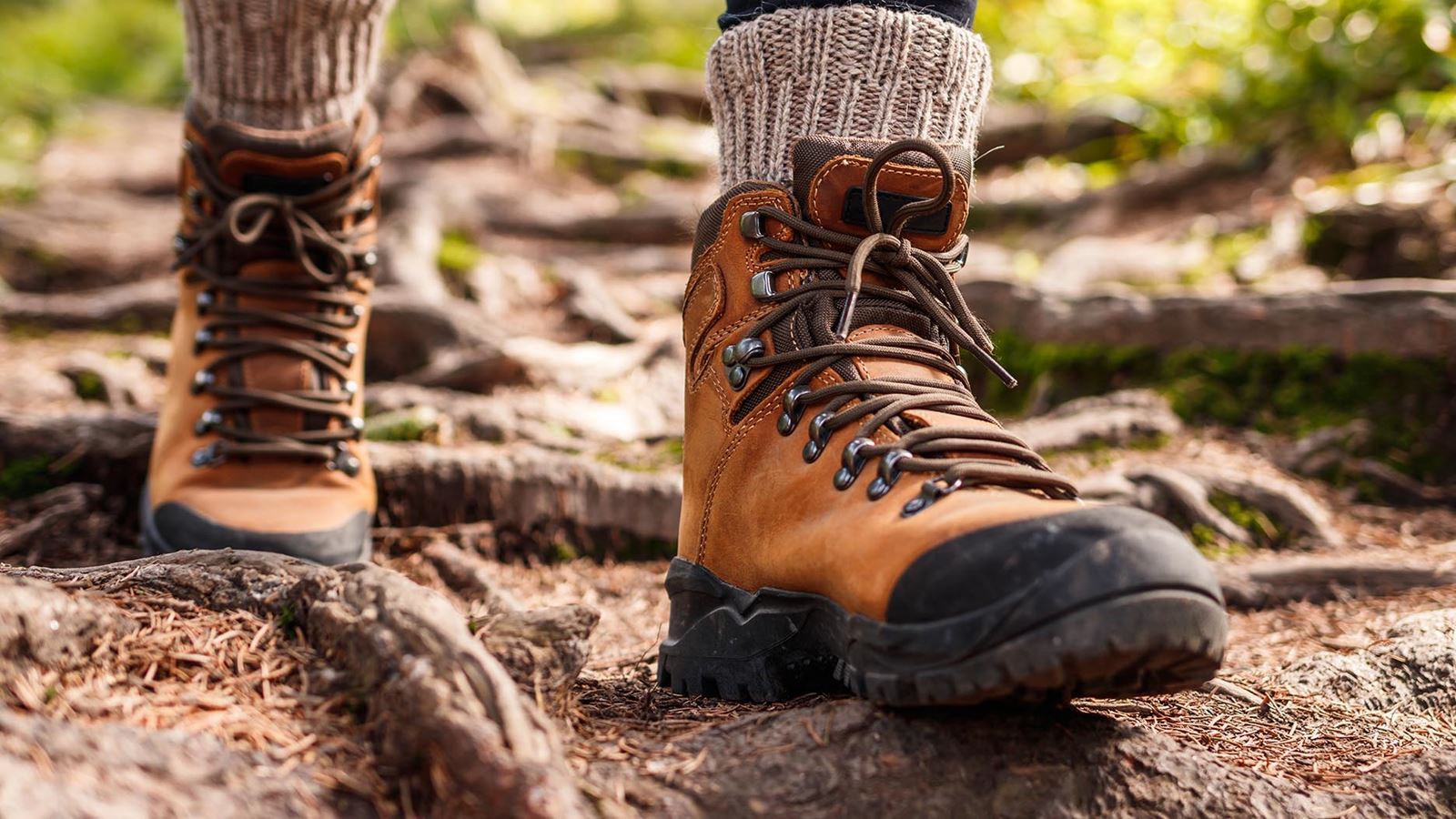
The most important thing that you will be packing is your footwear. You need to obtain quality, size-appropriate, durable, broken-in trekking boots that support your ankles. DO NOT wear boots that you have never used or are brand new on the trail, because the last thing you want happening on your trek is blisters that will ruin your trip. You should also take lightweight sandals or camp footwear for the evenings. When buying socks, take 3 to 4 pairs of quality trekking socks, which will be merino wool or some sort of moisture-wicking synthetic blend that will minimize moisture build-up and reduce friction.
Camp shoes: Lightweight slippers or sandals to wear when you are relaxing in teahouses.
Socks: Take 3–4 breathable and moisture-wicking merino wool or synthetic trekking socks.
3. Trekker’s Gear Essentials
Another important item is a sleeping bag that is rated to at least -10°C, especially, if you will be trekking over 3,000 meters, take your sleeping bag, and a reasonable day pack (30L – 40L). A couple of trekking poles are useful for reducing strain on knees and keeping stability when you are using them on steep or rocky sections of trail. A headlamp will be useful for early morning starts and if there is a power cut with remote lodges.
Be sure to pack some water bottles or carry a hydration bladder with purification tablets or a filter, since bottled water can be expensive and adds to the environmental pollution left behind from following in their footsteps in some of these areas.
Packing Gears
Daypack (30L–40L): As a first step, you’ll pack a daypack for carrying water, snacks, a camera, and a rain jacket.
Sleeping Bag: Use a down sleeping bag – rated to -10°C, or lower.
Trekking Poles: Improves stability and may reduce strain on your knees if you’re traversing, particularly on rocky trails.
Headlamp: To help you with early starts, even when you have electricity, it is particularly important in off-grid villages if the power is off, and getting worse if you are trekking on a cloudy day.
Water Bottles & Purifier: You can pack up to 2 liters and make use of water purification tablets, or a water filter, to avoid buying so much plastic bottled water.
4. Toiletries & First Aid
Packing out your toiletries should be easy – travel size + eco-friendly: Small towel, biodegradable soap, toothbrush/paste, sunscreen, lip balm with SPF, hand sanitizer, toilet paper. Be sure to pack out the feminine hygiene products. Disposal options are limited in the mountains. Lastly, pack a general first aid kit, including medication for altitude sickness.
Quick-drying towel, green soap, toothbrush, and toothpaste.
Hand sanitizer, toilet roll, and tampons.
First aid kit: blister pack, painkillers, antiseptic, band-aids, Diamox for altitude.
4. Identification and Miscellaneous
Passport photos and passport.
Paper copies of your permits and insurance.
Power bank, charging cable, spare batteries.
Sunglasses, SPF 30+ sunscreen, SPF 30+ chapstick, and energy bar snacks.
3. Nepal Trekking Permits: What Permits You’ll Need and How to Obtain Them
Nepal permit requirements vary depending on the trekking region you utilize. Always obtain the proper documentation before your trek.
1. TIMS Card (Trekkers’ Information Management System)
The TIMS card (Trekkers’ Information Management System) is required for most of Nepal’s major trekking areas. The TIMS card was designed with the purpose of helping authorities follow trekkers in the event of an emergency. As an individual trekker, you must complete the TIMS application. Trekkers participating with an individual licensed guide/agency will receive their TIMS card along with their intake package. As of 2025, the TIMS will be retiling at NPR 2000 (approximately $15) for independent trekkers and would incur NPR 1000 (about $8) for agency trekkers.
2. National Park or Conservation Area Permits
You’ll also require trekking permits depending on your plans, trekking in the national parks or conservation areas. You’ll require an Annapurna Conservation Area Permit (ACAP) for trekking in the Annapurna zone, or a Sagarmatha National Park Permit for trekking to Everest. The permits cost between NPR 3,000 on average and are obtainable at Nepal Tourism Board offices in Pokhara or Kathmandu.
3. Restricted Area Permits (RAP)
There are only a few of Nepal’s trekking destinations that are off bounds. They are Upper Mustang, Manaslu, Nar Phu Valley, and Tsum Valley. You’ll require a Restricted Area Permit (RAP) to trek there. A RAP is only available through a licensed trekking company. Otherwise, you can’t trek to these destinations independently. You would need to have at least two of you, and hire an organized licensed guide through the agency. It is very costly based on where you trek and for how long you trek. Upper Mustang, for instance, will be $500 for 10 days, and Nar Phu is $100/week high season. Prices fluctuate very frequently, so be sure you look at the posted current prices and regulations.
4. Best Time To Trek in Nepal: By Season
The best time to trek in Nepal will make or break your entire experience. The best trekking months tend to be spring (March-May) or autumn (September-November), when your weather will be reliable, skies will be clear, and temperatures will be reasonable.
Mansoon Trek
1. Spring (March to May)
Spring provides all the greens and flowering rhododendrons, particularly lower down in the Himalayas. The views are usually good, but there will probably be some pre-monsoon rain towards the end of May. Autumn is best, normally colourful with fresh air, blue skies, and grand mountain vistas. The trails and teahouses are busy in October and the first half of November, so book early for rooms and permits.
2. Winter (December to February)
Winter (December to February) is cold, particularly at high elevations where it may even snow, and a few of the high passes will be closed. Lower-altitude treks such as Ghorepani–Poon Hill or the Helambu Circuit are available and much less touristy. The monsoon (June to August) is the worst season to trek with heavy rain, slippery trails, leeches, and danger of landslides. But rain-shadow regions such as Upper Mustang or Dolpo are arid, open in the monsoon season, and provide alternative trekking options.
5. Solo or Guided: What’s Best for Your Trek?
Most areas in Nepal have independent trekking options, and many solo trekkers have fun and enjoy the freedom of flexibility in their travel. Trekking solo gives autonomy to travel at your own pace, the ability to change plans last minute, and the ability to travel to less popular places at a lower price. Solo routes are generally well marked with plenty of teahouses along the route; popular solo trekking routes include Everest Base Camp, Annapurna Base Camp, and Langtang Valley.
On the other hand, it can be tough – finding your way in remote areas is tricky even in good conditions and off season tried and the help you might enjoy may not be close if you become ill or injure yourself. Here a guide or a porter will be advantageous. A local guide not just makes things easier – adds extra safety, helps make translating easier and allows you to be more immersed with someone who can help give you cultural and geographical context of where you are. A porter provides knowledge by decreasing weight from your body and allows you greater ease in trekking and overall makes trekking more enjoyable.
If you are trekking in a restricted area you will already have either hired a trekking guide or taking a guided organized trek. Restricted areas require you to travel with a registered guide and obtain the required area permits through a registered agency. Even if you decide to trek solo or with a guide, it is always valuable to let someone know of your travel route beforehand and to check in for any local updates on weather conditions and trail updates.
6. Altitude Awareness: Stay Safe and Acclimatize
Altitude sickness, or Acute Mountain Sickness (AMS) is likely the most dangerous aspect of trekking in Nepal. Anyone above 2,500 meters can develop AMS irrespective of fitness, gender or age. The most effective method to protect against the threat when at altitude is acclimatisation.
Accilimization refers to allowing your body a transition time to acclimatize to thinner air changes by climbing slowly, and featured rest days when you’re not off of climb. A good general rule is don’t climb more than 500 meters a day if you’re above 3,000 meters. Although not altitude sickness specific, trails such as the Everest Base Camp have included acclimatisation days specifically because it’s actually normal and required that trekkers acclimatise at places such as Namche Bizarre or Dingboche.
Way to Acclimatize
Go Slow: Climb slowly, as mentioned above. As a general guideline, sources suggest that you shouldn’t climb more than 500 meters per day.
Rest Days: Incorporating acclimatization days into the exercises on the treks (e.g. Namche Bazaar on the Everest trail).
Stay Hydrated: Consume 3-4 litres of water per day, and no alcohol or caffeine, only consume whatever water is available in these remote locations.
Watch for symptoms: Headache, lethargy, nausea, insomnia, are all signs of impending AMS.
Take Medicine: If symptoms worsen, take Diamox but only after speaking with your physician first. Diamox is preventative, not treatment, of AMS.
If you experience worsening of symptoms or question your symptoms, go down immediately. Altitude sickness kills but is highly preventable with ongoing education!
7. Budgeting for Your Trek in Nepal
Nepal offers treks for all budgets, but planning your finances helps avoid surprises.
1. Solo trekking
Solo trekking is the lowest cost method of trekking in Nepal and costs $25-$40 per day. You will have the simplest facilities in guesthouses (or teahouses), plain fare such as dal bhat or noodles, and the bare minimum of trekking gear. You will be carrying your pack, deciding your route, and making all the arrangements by yourself. This is ideal for experienced trekkers who do not mind following along tracks and footpacing without a qualified guide. Trekking with a Guide or an Agency
If you want more assistance you can trek with a guide, or a local agency, and this will generally cost $50-$100 a day.
It will usually encompass a certified guide, a porter to pack your backpack, all your permits, transport to/from the trailhead, your accommodation, and food. It’s an excellent way of providing the safety, comfort, and cultural experience for first-time trekkers or those trekking in remote areas of Nepal.
2. Full-Service Trekking Packages
If you would like full organization anywhere between $800 and up over $2,000 are available for a 10-15 day trek depending on the region and level of service. Full service trekking packages generally are all inclusive, from airport pickup and a hotel in Kathmandu, domestic flights, guide and porter services, permits, meals, accommodation, and sometimes rented gear. It is a low stress option especially for someone that is a first timer to the area or is on a limited timeframe.
3. Extras to Expect
While you are provided with the basic essentials on a daily basis, there are extras incurred on trail. For example, hot showers in teahouses are usually in the range of $1-$3 depending on your elevation. There are costs incurred for charging electronics or using wi-fi which is around $2-$5 depending on the place you stay. It is customary to tip guides and porters, budget roughly 10-15% of your total trek cost. Snacks, bottled drinks, and chocolate bars are substantially more hi-priced on trail versus cities, so budget for these as well, in your overall daily expenses.
8. Respect Local Culture and Environment
Nepal trekking is not geology only. It is people interaction and place usage too.
1. Dress Sensitively:
When trekking by traditional best practice in Nepal, particularly rural or traditional areas, cultural custom needs to be considered. Avoid shorts, crop tops or indeed anything that might be described as revealing, apart from which it will be considered cultural insensitivity and generally disrepectful.
2. Ask Permission for People, Rituals or Sacred Places:
In general, always ask permission if you want to photograph people, ceremonies or shrines. Some may regard this as intrusive and even photography is prohibited in some temples and has to be done with respect towards culture and religion.
3. Reduce Waste
Do your part to maintain the loveliness of Nepal’s environment with your trash. Bring a refillable water container, bring purification tablets or equipment and try not to use single-use plastics or prepackaged food as much as possible to minimize trash on the trails.
4. Support Local Business:
Imagine sleeping in teahouses that belong to the villages and buying fruits and vegetables from villagers and handicrafts from artisans of villagers. In this manner, directly you are investing your money in supporting families and creating sustainability and community-based tourism for Nepal.
Leave Trace—pack everything that you carry with you, and travel responsibly.
Trekkers
Final Thoughts: Make Your Trek to Nepal a Life-Changing Adventure
Nepal trekking is one that will challenge your physique, enrich your soul, and introduce you to nature and culture, something new compared to what you’ve encountered before. But cautioned, such life-altering experiences do not happen by accident – it’s the result of preparation. Whether it is increasing your physical fitness; going through the acclimatization process; deciding what clothes and equipment to take along with you; or what permit to buy, all of that which you decide before taking your first step on the path is a consideration for your hike to the Himalayas.
With great planning; people, environment, and culture sensitivity; and great positive attitude, Trekking in Nepal can be wonderful, safe, and rewarding. Whatever it is, whether Everest Base Camp trek, Annapurna or a hidden trail, the majesty of the mountains awaits you. With determination and preparation, your Nepal trek will be a rewarding, unforgettable, and life-changing experience. Contact us today at Happy Mountain Nepal, Facebook, Instagram, or TikTok.
Nepal’s, the home of the world’s highest peaks, has been a haven for adventurers for centuries. From Modern Day Trekking Mania to Ancient Trade Routes, the Nepalese trails have traveled a long way to be trekkers’ heaven. But where and how did it all start? Trekking in Nepa.
In this blog, we will discuss how trekking started in Nepal and evolved from the ancient methods of traversing over mountains to modern-day trekking.
The Origin of the Word “Trek”.
The term “trek” has its derived position in the vocabulary from Boar language which means, tiresome and difficult travel as per spoken by Dutch colonists of South Africa. It was adopted from the Dutch term “trekken” to pull or haul. The very essence of trekking aligns in the lap of the Nepalese Himalayas, where every traveler has a challenge to encounter to have the drizzle of the Himalayan almighty.
Ancient Trails and Trade Routes.
Even two or three generations back, decades back, long before trekking had ever been thought of as a sport, they were major trade routes in Nepal. Himalaya treks linked Tibet, India, and Nepal throughthetrade of salt, gold, and clothing. For centuries local traders and caravan travelers trekked the dangerous routes, cutting trails that would laterbecome the trekking trails we use today, walked by thousands of trekkers.
Along these very same highways, the pilgrims traveled, to such sacred shrines as Muktinath, Gosainkuda and the Everest monasteries. It wasn’ttourism initially, however, but religion, commerce, and survival, mankind’s sourceof travel in Nepal’s range.
The Opening of Nepal’s Trekking to the World (1949 – 1950s)
Nepal’s frontieropened only in 1949 when trekking and climbingwerefeasible. In eight years‘time they ascended ten of the 14 peaks above 8,000 meters in elevation. First to be climbed in 1950 was Annapurna (8,091m), followed by Everest (8,848m) and Nanga Parbat (8,125m) in 1953.
All 14 peaks above 8,000 meters were ascended by 1964, the finalone being Shisha Pangma (8,046m) climbed by Chinese.These ascents were rapidly eclipsed by Nepal’s climbing history. First foreigner known to trek in Nepal was British explorer Bill Tilman, whose permission had been securedby King himself in 1949. He was trekking in Helambu and Everest, Kali Gandaki districts.
Maurice Herzog was another of the colossal handful of early travelersand his 1950 ascent of Annapurna in France. Trekking gradually cameintovogue with initialefforts at the foot of Mount Everest, an American expedition in 1950, and the British expedition in 1951.
The Birth of Modern Trekking (1960s – 1970s)
Colonel Jimmy Roberts is regarded by most as the father of trekking in Nepal as a planned activity. He was a retired British Gurkha officer who was a Military Attaché to the British Embassy in Kathmandu. He was already trekking the Nepalese hills for years. After he introduced Tilman on his first trek, he believed that trekking could turn tourism into a money earner for the adventure seekers.
Roberts established Mountain Travel, Nepal’s first trekking company, in 1964, and commercial trekking came into being. His dream of tented treks with Sherpas and cooks brought the foreigner to the Nepalese mountains. His first guests, a group of American women whom he described as “a sporting trio of enthusiasts,” arrived in early spring 1965.
Roberts later worked Mountain Travel with Mike Cheney and Dawa Norbu Sherpa. United States’ Barry Bishop and Allen Steck and Warwick Deacock of “Ausventure” in Australia were his first foreign business partners. They made sure to have individuals from their own country on their trips all the time, and they established Mountain Travel and encouraged other people to set up their own adventure and trekking company.
And that was the era when treks like the Annapurna Circuit and the Everest Base Camp trekking trail were the most sought after. And then came that hippie culture, free-spirited travelers in quest of spirituality flocking to Nepal’s hilly terrain.
The Trekking Boom Nepal’s Trekking. (1980s – 2000s)
Trekking in Nepal had become a commercial enterprise by the 1980s. There were tea houses and lodges on established trails as well, and trekking was made convenient. The Nepalese government utilized national park legislation to conserve the environment as well as control tourism. In 1986, there was established the Annapurna Conservation Area, a giant step towards sustainable trekking.
By the 1990s and early 2000s, trekkermen tourism flourished in Nepal. Stimulated by road infrastructure investment, improved road links and worldwide demand for adventure tourism. Trails among grew highly popular with trekking visitors who sought challenge through varied terrain and cultural experience were scarce around Langtang Valley, around Manaslu and Upper Mustang.
Modern Nepal’s Trekking and Sustainable Tourism.
(2010s – Present)
Nepal trekking is still a relaxed exercise for contemporary travelers with trekkers from all over the world showing up to take a stroll. Over-tourism, deforestation & climate change has led to the government & residents to implement sustainable tourism.
Eco-lodges, proper waste disposal and walking on the busiest trails reduce trekkers’ impact on this sensitive region in Nepal. Trekking has also been made easier for more people by glamping and luxury trekking.
And technology innovation — GPS, mobile phone coverage and an internet system for geology-based trek permits — has made it convenient and safer to trek. Nepal trekking experience is the same in exchange of all, an experience one never forgets in a life time one, trekking in the midst of the natural beauty and rich culture of Nepal.
Benefits of Nepal’s Trekking.
From the traveler’s and from the the Nepalese economy and citizens’ point of view, there’s a long list of advantages of trekking in Nepal:
Health and Wellness – Trek is an excellent way to exercise, improving cardiovascular health, stamina and mental well-being.
Cultural Exchange – Trekkers get a chance to enjoy Nepal’s multicultural cultures and also learn about Nepali and also local citizens and spend some time living in the Himalaya regarding acclimatization.
Biodiversity trekking – The trekkers are usually able to catch glimpses of a whole lot of plants and animals in an area seemingly covered with Rhododendron and red pandas and snow leopards patrolling the edgescapes.
Big Adventure and self-expansion types — The demanding climate tested adventurers to test their mettle, toughening their characters more resourceful and self-conscious.
Economic Impact of Nepal’s Trekking.
Trekkers earn millions of dollars and local employment in:
Employment – Dozens of people are finding work in the trekking business like porters, guides, hoteliers (lodge owners), and travel agents (tour operators).
Income to Local Communities – Trekkers are respectful guests to the locals’ economy (tea houses, transport operators, and handicraft sellers).
Foreign Exchange Receipts – Treks are accountable for attracting numerous foreign travelers to Nepal which are the source of foreign exchange in the form of hard currency to the Nepalese economy.
Better Infrastructure – Due to increased tourism new roads, telecom cables, & health centres have reached rural parts of Nepal.
We prefer sustainable tourism policy and responsible practice in the perspective of keeping Nepalese nature and culture intact for future generations along with preferable living since there is economically but also there is economic gain.
Conclusion in Nepal trekking.
After all, Nepal’s trails have had time to develop, too, from the ancient trade routes to more recent successful treks. Trekking is a lifestyle in Nepal, and Nepal’s geography has history, nature and adventure all jumbled together. Trekking is easier on the body than climbing and involves something more than the mere thrill of adventure and because of this trekkers are superior to climbers in Nepal nowadays.
Sir Edmund Hillary has quoted, “Nepal is the only country in the world, which is, in my view, half-way between the world trekking oases and besides it is indeed an awe-inspiring trekking country in the world.” From the merchant’s cart of old to the modern-day conqueror, trekking in Nepal is an indeed a distinctive experience. Contact us today at Happy Mountain Nepal, Facebook, Instagram, or TikTok.
FAQs
1. What is the history of trekking ?
Trekking was incorporated as a business enterprise in the 1960s when the very first Nepali trekking business, Mountain Travel, was initiated by Colonel Jimmy Roberts. However, even in the early centuries, there existed pilgrims, merchants, and tourists who trekked over the trails of Nepal.
2. Who was the earliest foreigner to trek Nepal?
It was in 1949 that the British climber Bill Tilman first foreigner to enter Nepal. He trekked to places like Helambu and Everest after obtaining permission from the king of Nepal.
3. Why the significance of trade routes in trekking history?
The traditional trade routes joined Nepal to India and Tibet, and salt, gold and cloth were exchange on the routes. The same routes were subsequently used by present day trekkers as trekking trails.
4. What was the earliest company in Nepal trekking?
Mountain Travel was the earliest trek company in Nepal, founded by Colonel Jimmy Roberts in 1964. It was the earliest to market porters, Sherpas, and tented camping as led treks.
5. How did trek become popular in Nepal?
The conquest of Everest and other Himalayas in 1953 put the rest of the world on Nepal’s trail. The 1960s counterculture and adventure travel in the 1980s boosted trekking tourism.
6. What are the most popular trekking trails of Nepal?
Most popular trails are: Everest Base Camp Trek, Annapurna Circuit, Langtang Valley Trek, Manaslu Circuit and Upper Mustang Trek.
7. How has trekking affected Nepal’s economy?
Trekking is also one of the nation’s biggest earners, with guide, porter, and lodge work all tracking directly back to it keeping Nepal’s tourism economy going.
8. What are the threats in Nepalese trek?
Some of the likely threats to Nepal’s trekk routes through environmental degradation are climate change, over-tourism, deforestation, litter and trash pollution. Among them is the Annapurna Conservation Area Project (ACAP) that prevents them from doing so.
9. How has technology revolutionized in Nepal trekking?
This is the way technology has revolutionized Nepal trek:
GPS, mobile network connectivity, and internet-based permit systems enable the new trek.
10. The future of Nepal trekking: What next?
Planning of green tourism, ecotourism lodging, and policy-based trek to conserve Nepal’s natural and cultural resources.
Why Everest Base Camp(EBC) Short Trekking is Getting So Popular
The most popular trek among international tourists is the Everest Base Camp (EBC) trek. A 12-14 days trek as planned over the last few years, now people have requested a shorter version of the trek – the Everest Base Camp Short Trek. With the same breathtaking Himalayan scenery, this shorter version of trekking offers a taste of the viewing of Everest’s majesty and its wonders but in less time.
The reasons below constitute at least 10 aspects of why EBC Short Trek is cooler and the gist of this incredible experience.
1. Time Efficiency Trekking
Time is the biggest advantage of Everest Base Camp Short Trek. The total trekking would be 12 to 14 daysusally but the short trek is 8 to 10 days. Within that short span of time, the traveler has space to fit in lots of adventure. EBC short trek fits into a tight schedule without devoting large amounts of time in office time or otherwise. You can enjoy the breathtaking views and beauty of Everest Base Camp.
2. Less Physically Exhausting Trekking
The whole Everest Base Camp trek is exhausting, particularly the hill climbs and trekking days. The short trek is less exhausting, and the groups of trekkers can enjoy the scenery without exhaustion. It is therefore an ideal choice for the one who does not desire to go through the humongous amount of body exhaustion that comes with the whole trek.
3. More Accessible for Beginners
Most of the trekkers would like to trek to Everest Base Camp but are deterred by the exhausting trek of the standard trek. The short one is a lesser demanding newbie equivalent, especially for newbies. That the short one has fewer mileage and slower crazed speed is why EBC Short Trek is an ideal introduction to high-altitude treks.
4. Less Scope for Altitude Sickness
Altitude sickness is one of the issues of the trekkers in high-altitude trekking areas, especially in long treks like the whole EBC trek. High altitude is not that much in the short trek and therefore the trekkers are properly adapted and therefore the risk of altitude sickness is nil. You do cross critical acclimatization points like Namche Bazaar and Dingboche, but thereby it is a risk-free trek.
5. Budget Option Trek
Short treks are less expensive. You save money on accommodation, food, and other long trekking expenses by undertaking a short trek. The EBC Short Trek would, therefore, be cheaper if you have to go to the Everest area, but you do not necessarily have to undertake the complete trek.
6. Incredible Views of Peaks in EBC
The second most beautiful thing about the Everest Base Camp Short Trek is viewing Mt. Everest, Lhotse, Makalu, and other Himalayan giants. The world’s best view does not always need the entire trek. Silliest trekking experience in the form of viewing panorama panoramas from view points like Kala Patthar, something that one is left memories of for the rest of one’s life.
7. Cultural Immersion of EBC
Everest region is not only famous for its geography, but also for Sherpa culture. Trekkers go through Sherpa settlements such as Namche Bazaar and Tengboche, where the trekkers will get an opportunity to enjoy local cuisine, local culture, and Sherpa hospitality. Cultural experience can be enjoyed more by EBC Short Trek with short day packages, where the trekkers will have an opportunity to experience the local tradition and interaction.
8. Easier Access to EBC
Everest Base Camp is a trekking pilgrims’ paradise. The EBC Short Trek brings you to the threshold of the best-balanced trekking plan, there in easy time, without wasting too much time. Even with comparatively fewer trekking hours, you are just as much at mythological Everest Base Camp, basking in the magnificence of the world’s highest peak from a safe distance.
9. Faster Recovery Time
Fewer recovery days are also the aftereffects of the shorter hike of the EBC Short Trek. The trek is of shorter distance and less strenuous, so the trekkers will not need to work from home, taking days off to recover from their trek. The trek is suited for those who need a less strenuous trek but still need the experience of high-altitude trekking of the Everest region.
10. Increased Popularity of Quick Adventure Trekking
As more people seek quick yet thrilling travel experiences, short trekking options have seen a surge in popularity. Because of the high number of travelers who are going for short but adventure-filled holiday experience, short trek holidays are very in vogue. Everest Base Camp Short Trek is no exception either since it is a great way through which one is able to enjoy Himalayan trek adventure in precious time.
Major Highlights of the EBC Short Trek
Though shorter, Everest Base Camp Short Trek has all the attractions of the longer trek that has made the longer trek so renowned:
1. Scenic Flight to Lukla: Start with a flight into Lukla on a Kathmandu flight world-renowned as the world’s most scenic airport landing.
2. Namche Bazaar: Picturesque Sherpa town at 3,440m, Namche Bazaar is trekking village and acclimatization headquarters. Provides fine views of Everest and surrounding peaks too.
3. Tengboche Monastery: Trek to Tengboche Monastery, one of the oldest and best-known of its type in the region, a cultural and spiritual highlight.
4. Kala Patthar: Short trekkers at Everest Base Camp go here. Trekkers can see Mount Everest and Lhotse in front of their eyes from Kala Patthar clearly.
5. Everest Base Camp: Summit of trek experience, the highest mountain top of the world Everest Base Camp presents itself directly to the trekkers. A lifetime and memorable experience for the trekkers.
Conclusion
Everest Base Camp Short Trek is the best of both worlds – seeing the grandeur of Mount Everest and yet the grandeur of the surrounding Himalayas, but without so much physical exertion and time taken as the whole trek. With its comparative ease, affordability, and lower risk factor involved, no wonder EBC Short Trek is becoming increasingly popular among trekkers across the globe. No matter if one happens to be a seasoned climber or a newbie who would rather enjoy the journey to the Himalayas, the Everest Base Camp Short Trek is something that one simply cannot miss. Contact us today at Happy Mountain Nepal, Facebook, Instagram, or TikTok.
FAQs
1. How long does the Everest Base Camp Short Trek take?
8 to 10 days, shorter than the classic 12-14 day trek.
2. Is the Everest Base Camp Short Trek challenging?
Moderately challenging but less physically demanding than the classic trek and therefore perfect for first-timers who are in good physical condition.
3. What is the highlight of the trek?
Best position for view of Kala Patthar summit at 5,545m and views of Mount Everest.
4. Do I have prior experience of trekking prior to doing the short EBC trek?
No, good health, but pre-training acclimatises to altitude and additional time daily walking.
5. Is there chance of altitude sickness on the short trek?
Though truncated by shorter program, optimum acclimatization at Namche Bazaar still needs to be attained.
6. How and when can I visit Everest Base Camp Short Trek?
September to November (after monsoon) and March to May (before monsoon) are best time for optimum weather and blue clear blue sky.
7. How to reach the trekking starting point?
You have a flight from Kathmandu to Lukla, and it is the gateway of the Everest region.
8. What permits should I acquire for the EBC Short Trek?
You need the Sagarmatha National Park Permit and the Khumbu Pasang Lhamu Rural Municipality Permit.
9. Do I travel alone or with a guide?
You can travel alone, but it is preferable and convenient if you travel with a guide.
10. What do I bring along on Everest Base Camp Short Trek?
Things that you may need to take with other equipment are trekking shoes, clothing for cold temperatures, sleeping bag, shades, and a medicament for mountain sickness.
Mountains To See On The Way To Everest Base Camp Trek.
The Everest Base Camp (EBC) trek is a dream for many adventurers, offering breathtaking views of some of the world’s tallest mountain. As you hike through the Khumbu region, you’ll pass through picturesque villages, cross thrilling suspension bridges, and witness towering peaks that define the Himalayas. Here are the must-see mountains along the way:
1. Mount Everest (8,848.86m)
The world’s highest mountain, Mount Everest, is the crowning glory of the trekker. Although not seen from lower parts of the trail, the first glimpse is close to Namche Bazaar. Ascending, the huge form of the mountain is seen on the horizon. The most breathtaking panorama is from Kala Patthar, a vantage point that provides a close view of Everest’s south face. Standing at Everest Base Camp itself, you’ll see the Khumbu Icefall, the treacherous gateway for climbers heading to the summit.
Though of record stature, Everest holds immense cultural significance in Nepal, whose name is “Sagarmatha” and “Chomolungma” in Tibet. Mountaineers, trekkerers, and adventurers have been drawn to the summit for centuries. A view of Everest from close proximity is a sight humbling, an insight into man’s determination and nature’s might.
Key Points:
Kala Patthar (5,545m) view is enhanced.
Experience Everest Base Camp and Khumbu Icefall.
Learn sherpa cultures’ cultural values.
2. Lhotse Mountain (8,516m)
The fourth tallest mountain in the world, Lhotse, follows the same route as Everest but diverges to its own distinct summit. Lhotse lies within the Everest Massif, and the massive south face is seen from most trekking vantage points. Trekkers initially get a real view of Lhotse at Tengboche, and it only becomes increasingly more beautiful as they climb higher to Lobuche and Gorak Shep.
Lhotse is renowned for its icy, steep ascent, particularly its gigantic south face, the most difficult climb in the world. Lhotse, although lower than Everest, is a giant itself, and its beautiful ridges and glaciers are part of the region’s breathtaking views.
Key Points:
The south face of Lhotse is the most difficult climb in the world of mountaineering.
Everest and Lhotse share the same route ascending to Camp 3
Tengboche and above are the most favored spots for the view.
3. Nuptse Mountain (7,861m)
Nuptse, a subsidiary of the Everest Massif, is a high ridge on the face of Everest and Lhotse. Although smaller than its neighbors, its rugged ridges and cliff faces are a breathtaking sight and more so as viewed from Everest Base Camp. From here, the sunset is an out-of-this-world sight that takes your breath away.
Nuptse” is “West Peak” in Tibetan, and it was given this name because of its proximity to Everest. Nuptse is hardly ever climbed because it consists of icy and steep ridges but forms part of the classic Everest view from Base Camp.
Key Features:
Dramatic ridge of the Everest Massif.
The Everest Base Camp view at sunset is great.
Hardly ever climbed because it consists of icy and steep ridges.
4. Ama Dablam Mountain (6,812m)
The prettiest of the summits visible on the Everest Base Camp trek, Ama Dablam was named so because it resembles a mother (ama) cradling a child, with ridges of glaciers forming a necklace. So pretty a summit is visible early in the trek with some of the best views being from Namche Bazaar and Tengboche.
Ama Dablam is as photogenic a view; it’s a prized climb peak to boot. The rocky, exposed ridges give a technical climb, and veteran mountaineers from around the globe come a-knockin’. Its pyramid summit stands radiant high on the dark blue Himalayan horizon, and it’s the most snapped peak in the area.
Key Highlights:
It is called as “Matterhorn of the Himalayas”.
One of the most photographed and photogenic summits
Optimum views from Namche Bazaar and Tengboche.
5. Thamserku Mountain (6,608m)
Thamserku appears first of the grand mountains on the skyline as trekkers ascend to Namche Bazaar. The harsh ridges and tapering summits offer a traditional backdrop to the Sherpa town. Less showy than Everest or Ama Dablam, the summit is a classic feature of the Khumbu region.
While standing relatively shorter in height than other mountains in the district, Thamserku is by no means an easy climb. The almost vertical ice face of the mountain makes it possible for a technical climb, and so it is mostly confined to experienced mountaineers. The mountain is even scenic when the sun breaks out on its snow face.
Key Highlights:
Scenic sight of Namche Bazaar
Best viewed on Phakding to Namche trail
Less crowded but challenging peak to climb
6. Kangtega Mountain (6,782m)
Kangtega, spoken alongside Thamserku, is a scenic mountain that graces the EBC trek. It has also been referred to as “Snow Saddle” because it looks like the saddle of a peak. It is visible from Namche Bazaar and distance, one of the beautiful Himalayan range.
Kangtega is never climbed due to its technically difficult routes but is one of the most scenic mountains of the area. It appears extremely beautiful in the morning when sun rays hit its white ridges.
Key Highlights:
Otherwise also known as the “Snow Saddle” mountain.
Most viewed from Namche Bazaar and Tengboche.
Rarely climbed due to its technicity.
7. Pumori Mountain (7,161m)
Pumori is perhaps one of the most recognizable mountains in view from Everest Base Camp and Kala Patthar. Its Sherpa title, “Unmarried Daughter,” gives off an atmosphere of romance. Its pyramid summit under the terminus of the Khumbu Glacier is any photographer’s pleasure and trekker’s delight.
Pumori is also a testing peak for mountaineers, and even a training ground for the Everest climbers. Its long ridges and ice face form the harsh but grand vista of the area.
Key Highlights:
Best view point of Kala Patthar.
Scenic attraction of the Everest Base Camp landscape.
Popular for Everest trainee climber.
8. Khumbutse Mountain (6,665m)
Khumbutse is the first visible peak on the Nepal-Tibet border and can be seen from Everest Base Camp. It is among the great scenery of the Khumbu Glacier and adds to the scene of mountains near the base camp.
Key Highlights:
First visible peak on the Nepal-Tibet border
Best enjoyed scenery from Everest Base Camp
Adds to the beautiful scene of the Khumbu Glacier
9. Tawoche Mountain (6,495m)
Tawoche’s sudden, cliff-like attitude is the most spectacular of mountains on the trek. It is best seen from Dingboche, where its serrated ridges make a photographic silhouette on the horizon.
Key Highlights:
Best viewed from Dingboche
Famous for rock and sheer faces
Less visited but imposing presence on the trek
10. Cholatse Mountain (6,440m)
Cholatse is breathtaking with its knife-edged sawtooth ridges and pointed profile. It is a summit technically but a prominent mountain on the eastern and western horizon east and west of Gokyo and Lobuche for mountaineer.
Key Highlights:
Most impressive views from Dingboche and Gokyo.
One of the region’s technically most difficult summits to climb.
Beautiful reflection in the glacial lakes of Gokyo.
Conclusion
The Everest Base Camp trek is as much a test of physical stamina as of being able to witness some of the most breathtaking mountain scenery in the world. From the towering bulk of Mount Everest itself to the behemoth of a mountain Lhotse, Ama Dablam, and Pumori peaks, the trek provides the chance to behold the Himalayas in all their glory at close range. Each mountain we climb, each new individual and challenge, adds to the richness of the trek’s diversity. Serious climber or serious trekker, the sight of stunning beauty, the cultural experience, and the dynamics between trekkers interacting all combine to make the trek a lifelong memorable experience. Contact us today at Happy Mountain Nepal, Facebook, Instagram, or TikTok.
FAQs
1. When is the best time to trek to Everest Base Camp?
Pre-monsoon (spring) season, late March to early May, and post-monsoon (autumn) season, late September to early November, are the best times to complete the Everest Base Camp trek. It is good weather and blue sky time.
2. How challenging is the Everest Base Camp trek?
Everest Base Camp trek is of moderate level of difficulty. The trek involves steep slopes, high altitude, and extensive walking hours but within the reach of any individual in good physical shape without any mountaineering.
3. What is the highest altitude of the trek?
The highest altitude of the trek is Kala Patthar at an altitude of 5,545 meters (18,192 feet) with panoramic view of Mount Everest and mountains.
4. How do I trek to Everest Base Camp?
Trek is 12-14 days with rest days acclimatizing to prevent illness.
5. Do I have a guide and porter for trekking?
Trekking on your own is out of style, but a guide and/or porter is highly recommended.
For your safety, orientation, and to carry packs. A guide also makes your trip easier by educating you on local things.
6. What is the accommodation like on the trek?
Accommodation during trekking is usually in teahouses with basic rooms and food. Facilities decline as you go higher.
7. Is Everest Base Camp trek safe?
It is extremely safe if you are taking proper precautions, such as acclimatizing well, being well hydrated by drinking lots of water, and being serious about altitude sickness. Trek always with a responsible guide or group.
8. What do I pack for the Everest Base Camp trek?
The necessities are good treks, warm clothing, sleeping bag, trekking poles, first aid kit, headlamp, sun protection, and a decent camera.
9. Do I need trekking experience if I do the Everest Base Camp trek?
You don’t need trekking experience but it’s always preferable. Anyone can make the trek if he/she goes at his/her own pace and acclimatizes.
10. How do I prevent altitude sickness when trekking?
Avoid altitude sickness with gradual ascent, well hydrated, with fuel and rest days trying to acclimatise. In critical case if altitude sickness is triggered, then descend to lower altitudes as soon as possible.