Tag: Festival Tours

  • Festivals in Nepal: When to Visit for Cultural Experiences

    Festivals in Nepal: When to Visit for Cultural Experiences

     Festivals in Nepal: When to Visit for Cultural Experiences

    Nepal is a wonderfully diverse country with authentic traditions, and spiritual vitality that permeates the entire country, but it is also a country with hundreds of vibrant festivals that illustrate the spiritual and cultural diversity of Nepal. Between energetic forms of ancient Hindu worship and similarly energetic celebrations of the return of buddahood in Tibetan Buddhism, there is something wildly something going on every month of the year in Nepal. Therefore the best way to identify your next travels is to base your trip around the main festivals within Nepal. Thus, the best way to identify your next travels is to organize your trip around the major festivals within Nepal.
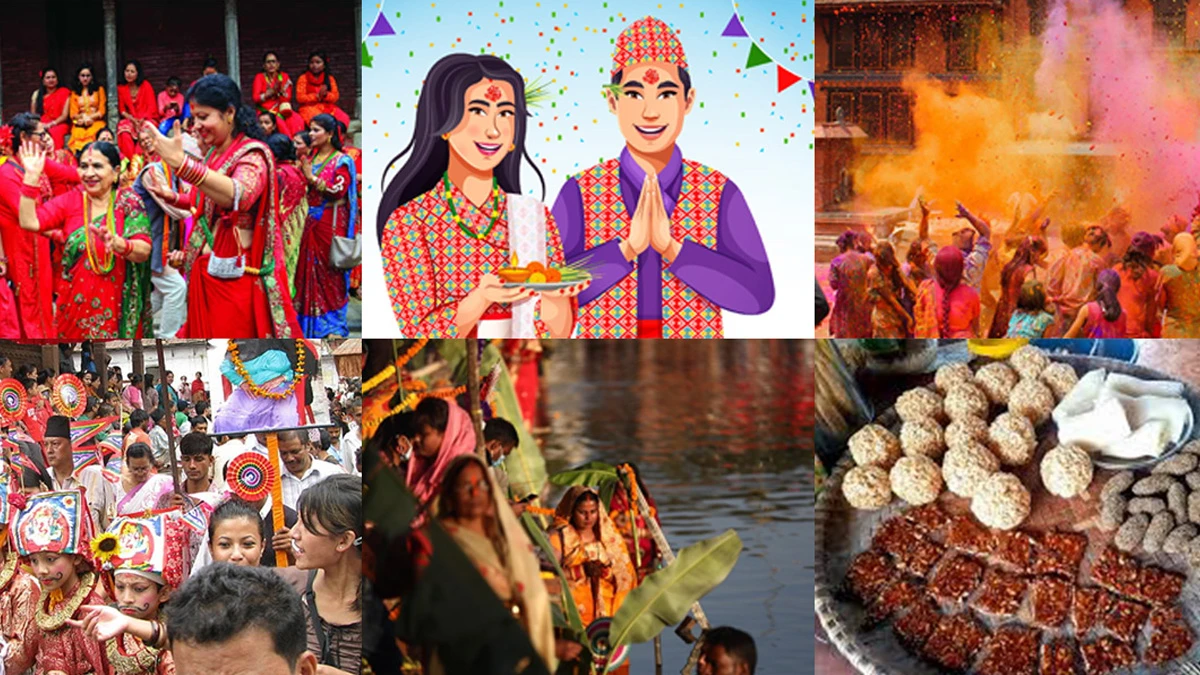
    people celebrating festival like teej, dashin, holi, mage sangrati in a grid

    In this blog, we will assist you in identifying what the major festivals in Nepal are and when they happen, what they entail, and how to put together a trip to be part of them.

     What Is It Like To Travel To Nepal In The Midst Of Festival Season?

    Being in a festival in Nepal is not simply being in a ‘parade’ or ‘temple ritual’, but being part of it. Being shoulder to shoulder and walking in rhythm with the locals, experiencing the crush of the events, tasting local sweets during Tihar Festival, these experiences connect you to the culture, the heritage and the hospitality of Nepal.

    Key reasons to visit during festivals:
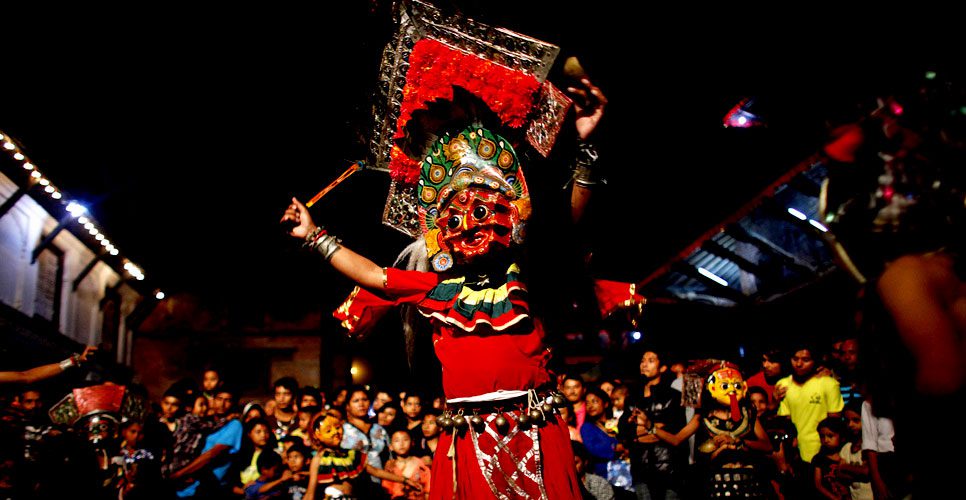
    People cebrating gaijatra in bhaktapur

    Authentic community involvement

    Festivals provide an authentic opportunity to appreciate what Neplai people do day to day, and the practices that inform everyday life. You will witness practices and rituals that are several hundred and thousands of years old, being done with customary pride. Festivals also afford you the chance to involve yourself with local folks when they are actively jubilant and most enthusiastic. The breadth of experience you will achieve from a festival is not comparable to tours which typically have a sightseeing-oriented agenda.

    Incredible visuals

    In addition to socially and culturally immersing yourself in a festival, there are also visual spectacles provided in the form of the amazing architecture, bespoke costuming, and fantastic parades. There are incredible visuals to capture in every direction whether it be the masked dancers of Indra Jatra or candlelit temples during Tihar. These experiences generate dynamic, unique, and culturally relevant visuals. For photographers or content creators, you will find an infinite heap of rich visual and experiential inspiration.

    Traditional food, music, and dance

    During festivals, there are special foods that you normally do not get to eat on an everyday basis – sel roti during Tihar or yomari during Yomari Punhi. There is music and dancing in the streets: folk drumming, dancing, and traditional Newari music. These are sensory events that deepen your knowledge of different ethnic cultures of Nepal. It is a feast for not only your stomach but also your spirit.

    Local and traditional festivals

    A hands-on opportunity to learn about Hinduism and Buddhism Festivals are religious traditions with their roots in the spiritual context of Nepal. A festival provides a chance to understand rituals, deities, legends, and sacred practices of both Hinduism and Buddhism. When you see puja, prayer, and symbolic practices, you can understand how those practices embody those beliefs. Festivals are a cultural learning experience disguised as celebration and participation.

    More colorful and exciting in towns and cities

    The color and energy generated by festivals comes alive in towns and villages and even remote mountain villages. There is huge presence of colorful lights, flowers, and mandalas! Amidst it all, people are all wearing traditional ethnic clothing. There are millions of collective identities in expressions of happiness and celebration wherever you find yourself adding color to every location!

    Major Festivals in Nepal

    1. Dashain (September–October) – the biggest Hindu festival in Nepal!

    Dashain is the longest and most important festival to celebrate in Nepal representing the victory of good over evil. Itis a 15 day festival with significance each day, culminating the festival on the tenth day (purnima) with Elders applying tika and blessed jamara to younger members of their families. The Dashain holiday is dedicated to worshipping Goddess Durga, who is also recognized as Goddess of power and protection, cleaning the home, and purchasing new clothes and gifts in order to reassemble with family on this special occasion!

    There are fairs in all public squares, you will see traditional bamboo swings built in many villages. People fly kites wherever they are in the country to enhance the celebrations! Animal sacrifices are still held at a few temples to maintain historical customs; a remarkable opportunity to experience the honest rituals and demonstrate family closeness is presented as most of the population shuts down for Dashain!
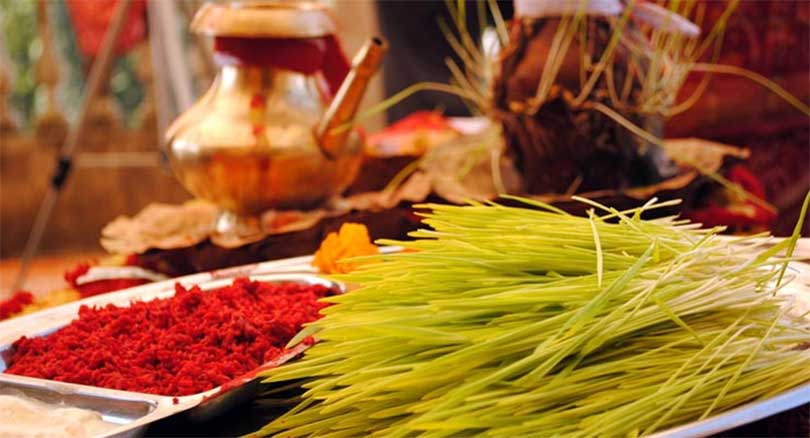
    Tika and jamara during dashin

    Key Takeaways:

    • Festivals in Kathmandu and the surrounding areas of Nepal,
    • Are massive festivals and celebrations,
    • with kites, swings, and feasting!
    • Best Experience in: Kathmandu, Bhaktapur, or in rural villages for the traditional experience.

    2. Tihar (October-November) – Festival of Lights and Animals.

    Tihar is a colorful festival that pairs the spiritual with the visual, and is hard to miss with all that defines the five days. Every day has a different being that is honored: crows, dogs, cows, oxen, and ends with brothers. Houses are adorned with special decorations of oil lamps, candles, and rangolis (colored pattern made with flour, rice, colored sand, or flower) to Laxmi, goddess of wealth, at her Laxmi Puja.

    The final day we celebrate Bhai Tika, the love between siblings, where sisters put the tika and blessings garland on the brothers. Children sing Deusi-Bhailo folk songs to their neighborhoods, and everyone adorns their houses joyously with gaiety and song in appreciation of the season. With the lamps and sound of song in the air…Tihar is undoubtedly one of the most popular holidays in Nepal.
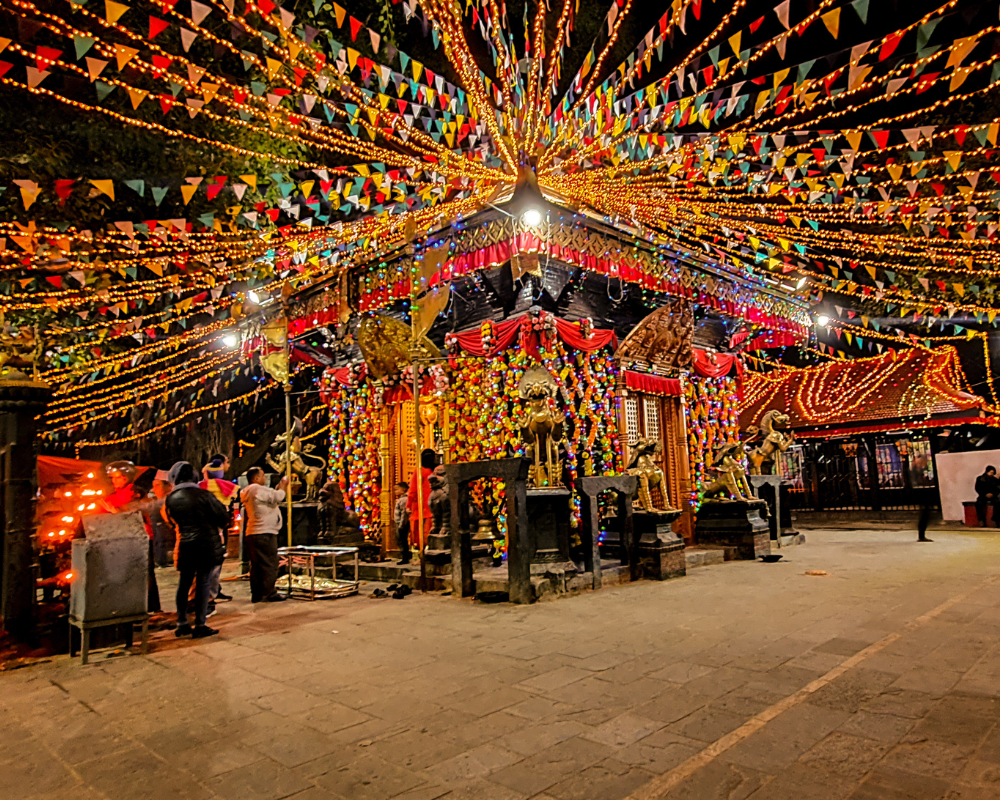
    Maitidevi temple decorated with lights and flowers during tihar

    Main Attractions:

    • Entire towns lit up in lights
    • Laxmi Puja rites
    • Traditional Deusi Bhailo singing and dancing
    • Best Place to Experience: Kathmandu, Pokhara, and minor towns for authentic home celebrations

    3. Holi (March) – Festival of Colors

    Holi is a chaotic outpouring of color and energy which celebrates the end of winter and the arrival of spring. Initially a Hindu festival recognized with the tales of Lord Krishna and His relationship with Prahlad, it has turned into a happy public holiday since. People will splash each other with colored powder and water, dance in the streets, and blast loud music.

    Its a weeklong opportunity for togetherness, where social hierarchies collapse into a big party atmosphere. There are many friendly/welcoming open spaces where tourists can access to take part in Holi, particularly in Basantapur in Kathmandu or Lakeside in Pokhara. Although it is mostly a fun time, there also is a spiritual message of love, forgiveness, and new beginnings.
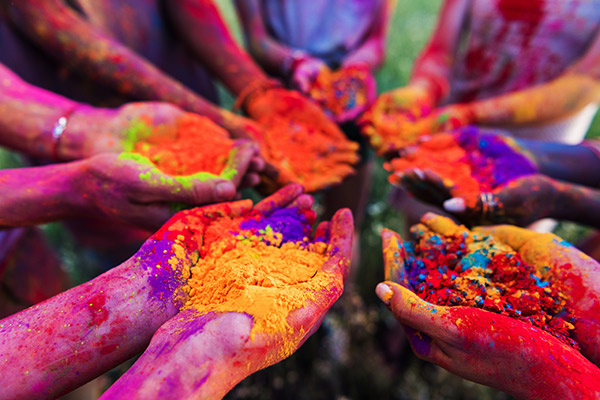
    People's hand full oof different colour during holi

    Key Highlights:

    • Colorful Powder Splashing and Water Balloon Fighting
    • Singing, Dancing and Street Processions – Public Parade
    • Inclusive – For Tourists Too!
    • Best Place to Enjoy: Kathmandu (next to Basantapur), Pokhara, and Terai Regions.

    4. Indra Jatra (August–September) – Kathmandu’s Most Vibrant Street Festival

    Indra Jatra is a vibrant eight-day festival of the Newar people and occurs mostly in and around Kathmandu. It is a celebration of Indra the King of Heaven and Rain God and is an opportunity to experience a taste of the culture of this region. The festivities start with the raising of a ceremonial wooden pole (Yosin) and continue with performances of masked dancers such as Majipa Lakhey that represent the guardian dieties.

    Perhaps the most popular event of the festival is the chariot procession of the Living Goddess Kumari through the ancient streets of Kathmandu Durbar Square. From stone spouts there is a steady supply of local beer, crowds of many thousands gather to watch, and there is a atmosphere of complete celebration and religious devotion that makes it an unforgettably rich experience.
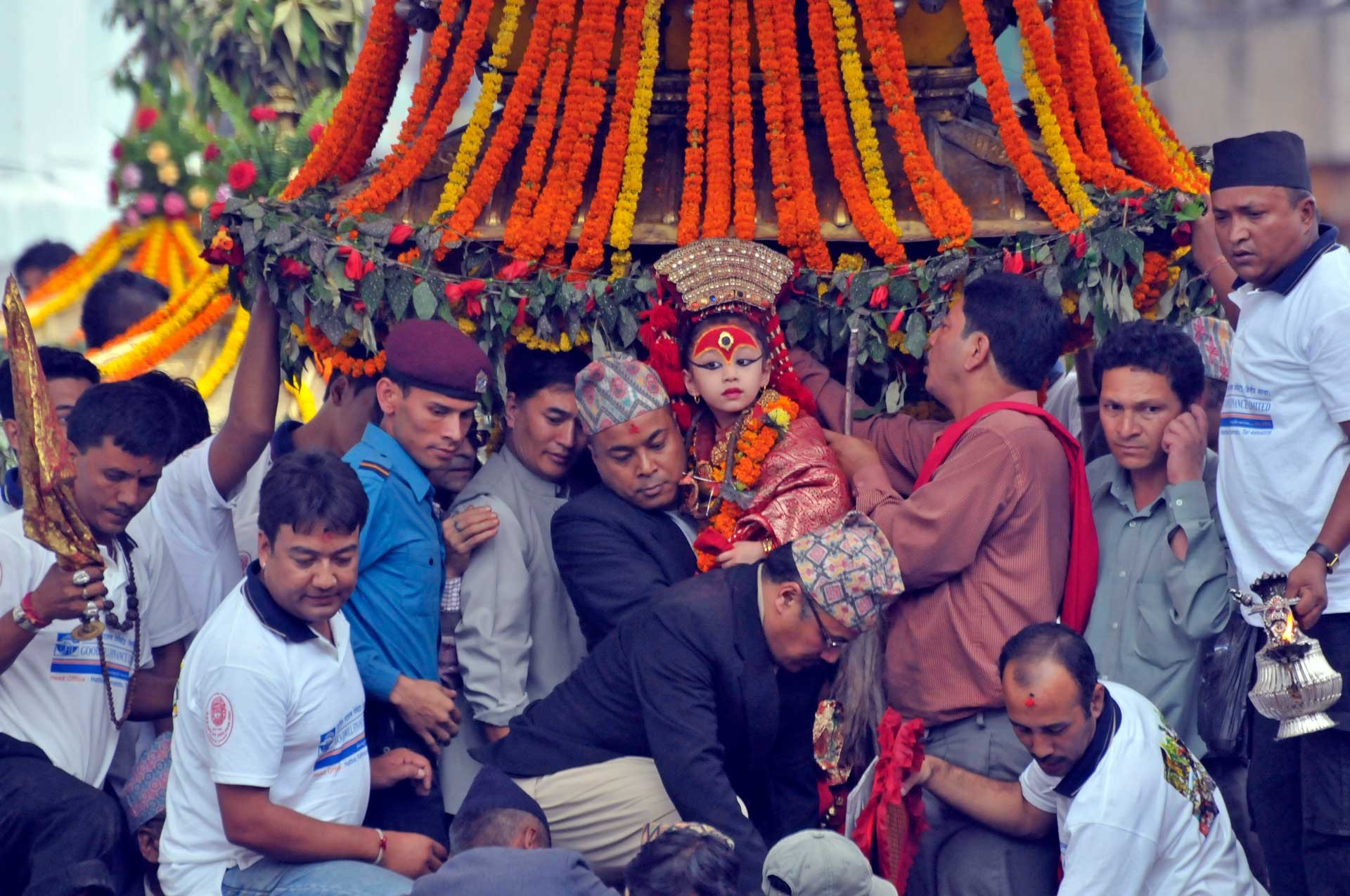
    Kumari during indrajatra

    Top Highlights:

    • The Mijpa Lakhey and all other mask dances
    • The Kumari’s chariot procession
    • The beer flowing from traditional spouts in Basantapur
    • Artistic Attraction: Kathmandu Durbar Square

    5. Buddha Jayanti (April–May) – Celebrating the Birth of Lord Buddha

    Buddha Jayanti is a quiet, relaxed and somewhat spiritual event. It marks the birth, enlightenment and nirvana of Lord Buddha. It is a day largely for Buddhist communities, and it is a day of remembrance, characterized by peaceful prayer, offerings and experiencing perhaps the most meditative of rambles with monks chanting their sacred texts, or devotees lighting butter lamps at temples and stupas.

    Buddhists from near and far journey to sacred Buddhist sites, whether it is in Lumbini (Buddha’s birthplace), or locally in Kathmandu at Swayambhunath or Boudhanath. The atmosphere is some-what solemn, reverent and peaceful – it an ideal opportunity to get a glimpse into a little sliver of Nepal’s Buddhist culture, whilst learning about Buddha’s message of peace and compassion.
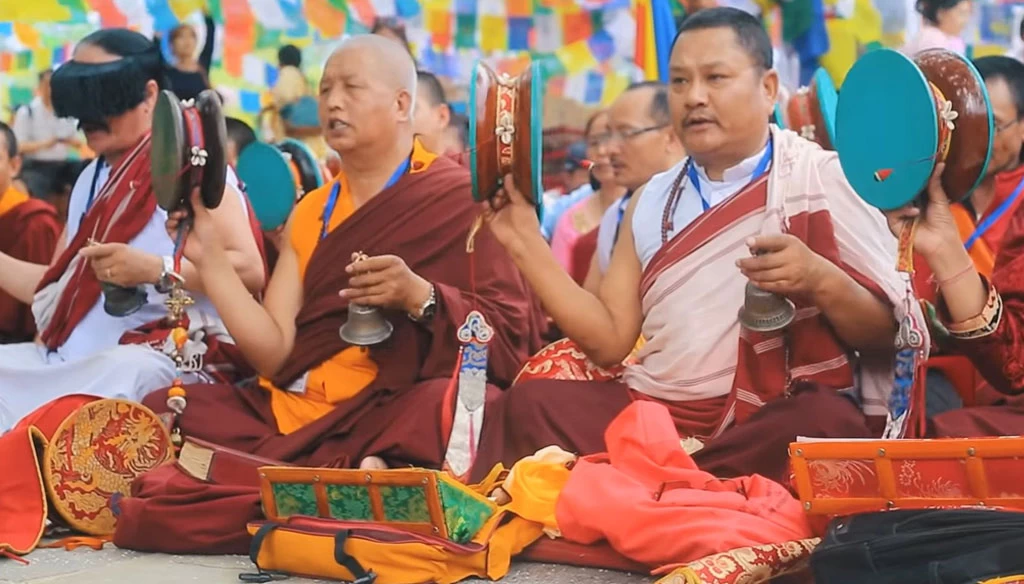
    Monk chanting during Buddha Jayanti

    Key Highlights Include:

    • Prayer ceremonies and offerings of butter lamps
    • Chanting of Buddhist scriptures
    • Pilgrimages to sacred places of Buddhism
    • Best Places: Lumbini, Swayambhunath (monkey temple), Boudhanath Stupa

    6. Teej (August-September)- Fasting and Dancing Women´s Festival

    Teej is a large festival for women which is a marriage homage to devoted women and woman power. Nepali women wear long spacey red saris, and in many cases, congregate at a temple like Pashupatinath and sing devotional prayers. Most women attending the festival will be fasting for the day to pray for auspiciousness and marital happiness for those that are married or a prayer for a future husband to enjoy good health.

    Women will have a Dars or a special ceremonial meal before they begin their fast. Throughout the festival of Teej the temple courtyards are full of singing and traditional praying/dancing from all parts of Nepal. It is a colourful expression of sisterhood and love and the most photogenic and happiest festival you can experience in all of Nepal.
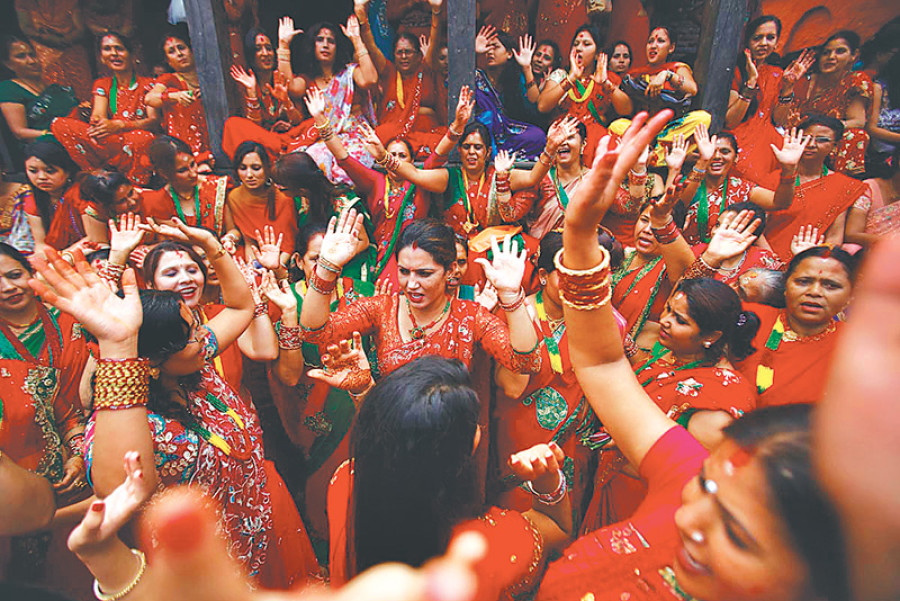
    Women dancing during teej celebration

    Main Highlights:

    • A female driven procession and dance party
    • Pashupatinath Temple packed with women
    • Cycling unique feast (Dar) and rituals
    • Place to celebrate: Pashupatinath Temple Kathmandu

    7. Maghe Sankranti (January) – Harvest – Solstice Festival

    Traditional Maghe Sankranti definitions center around the sun moving to the northern hemisphere for longer, warmer days. Families wake up very early to bathe in holly rivers. Then they gather and eat seasonally available sweet food: sesame sweets (til ko ladoo) with molasses, yams, and ghee.

    Daily trips happened to sacred confluences, like Devghat, and many will bathe to worship gods maximum health and wellbeing. The nature of Maghe Sankranti is the end point of relative renewal and calming reflection – especially compared to the very loud, riotously large festivals in Nepal.
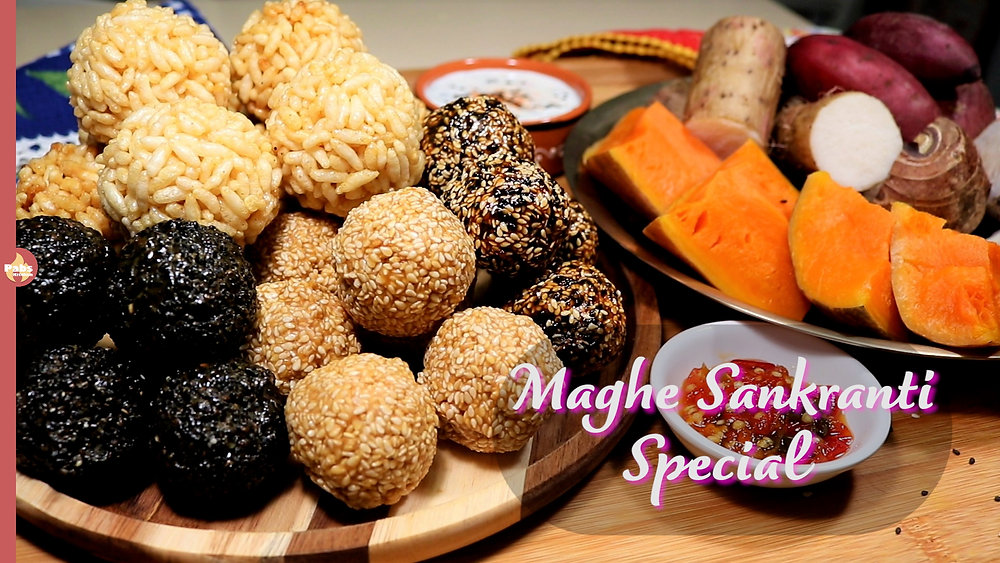
    Til ko ladoo and sweet potato as a main dish for celebrating maghrsagrati

    Main Attractions:

    • Pilgrimages to river confluences (Devghat, etc.)
    • Sacred bathing Homemade traditional foods
    • Best Place to Experience: Devghat, Chitwan, or village locally

    8. Gai Jatra (August)

    Festival of Cows and Laughter Gai Jatra, or the “festival of cows and laughter”, is one of Nepal’s most distinctive festivals as it combines the concept of memory and humour. Families who have lost loved ones in the past year join the parade by leading a cow, or young child dressed as a cow, and guide the soul onward. It is a healing tradition that transforms grief into a celebration. The streets of Bhaktapur, Patan, and Kathmandu are filled with comedic sketches, parody raps, and traditional instruments. This festival physically illustrates joy and togetherness through laughter-based celebrations with lively entertainment. Gai Jatra plays a significant role in helping the community express sadness through humour and community support, which makes it very emotional, and incredibly funny and uniquely cultural.
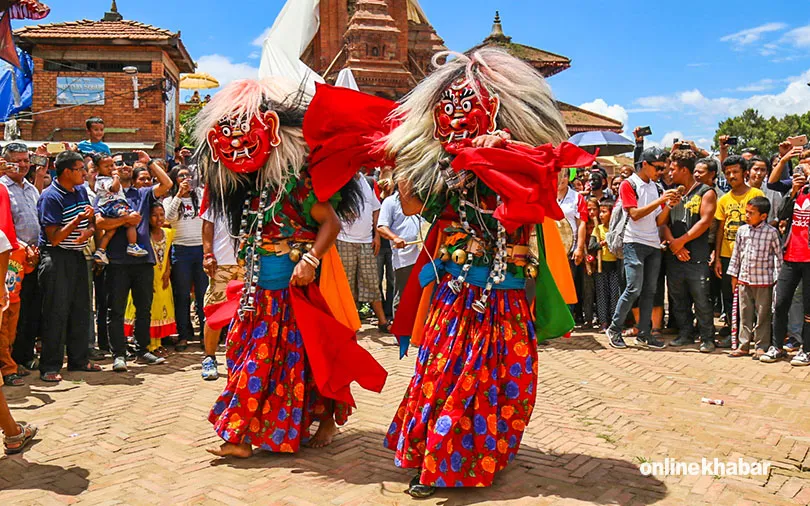
    Mask Dancer dancing Gaijatra

    Main Attractions:

    • Street parades with traditional acts and hilarious sketches
    • Processions of cows (or children in cow costumes)
    • Satirical performances with laughter
    • Best Viewing Places: Bhaktapur, Patan and Kathmandu

    Advice for Festivals in Nepal

    • Book early: Flights and hotels are booked quickly for the blockbuster festivals of Dashian and Tihar
    • Dress appropriately: Dress conservatively, remove your shoes or sandals in temples
    • Ask first: Always ask before taking pictures especially for sacred rituals or family occasions
    • Be respectful: Be respectful when you participate and follow local etiquette
    • Stay longer: Nepal is huge and has usually lots of rituals on many days of the festival

    Festival Calendar Summary (Quick Reference)

    Month Festival
    January Maghe Sankranti
    March Holi
    April – May Buddha Jayanti
    August Gai Jatra,
    September Dashain
    October Tihar
    August Teej
    August Indra Jatra

    Final Thoughts: The Best Times to Visit Nepal for Cultural Festivals

    Although Nepal is a unique destination at all times, August to November is the best time to visit for cultural festivals, so you are going to be in for an Awesome experience! There is a festival literally every week during these three months and the clear skies and onset of the trekking season could not be better!

    Whatever your preference; whether you are attracted to the spiritual vibe of Buddha Jayanti or the explosion of colours and energy of Holi, being able to participate and witness at least one festival in Nepal will allow for a much greater understanding of Nepal’s heart and soul. Therefore, time your visit to fall within one of these extraordinary occasions, and walk away with experiences and memories to last a lifetime.If you are planning to visit Nepal then contact us today at Happy Mountain Nepal, Facebook, Instagram, or TikTok. 

  • Best Time to Visit Nepal: Season-by-Season Breakdown

    Best Time to Visit Nepal: Season-by-Season Breakdown

    Best Time to Visit Nepal: Season-by-Season Breakdown

    Nepal is also geographically and climatically diverse. From the Indian border Terai woodland to the eastern Tibetan Plateau highlands, Nepal is highly diversified in its changing weather throughout the year. This amazing difference in elevation makes there to be three different seasons, each conducive to travelers. You may intend to hike and scale the world’s highest mountains, tour old temples, observe wildlife in rainforests, or coincide with the extensive range of seasonal festivals, and a knowledge of Nepal’s seasonally oriented cycles will go a long way to enable the stipulation of when it would be best to visit you, according to what draws you.

    Looking at the best time to visit Nepal, it will really depend on what you are going to do and where you are headed (the plains or the higher Himalayas). There are vibrant, festival-filled autumns, peaceful, cold winters, and green monsoons, and they each put their own special shade of color on Nepal. This guidebook shall capture the four significant seasons – autumn, winter, spring, and monsoon – in a quick rundown of some of the key events occurring and related weather, festivals, best time, and travel-oriented information on what to expect for your visit to Nepal.

    1. Autumn (Late September to November): The Peak Season for Trekking and Festivals

    In the fall months of October and November, when the majority of tourists come to Nepal, the rains that precede them have lifted and elevated the air and things are clean, green, and fresh. The weather is warm, the sky is blue, and we are scented with good quality smells, and ambient air wraps around us similar to an easter egg color. This would mean the fall season is the best time for trekking, sightseeing, and to witness some of Nepal’s biggest and most recognized festivals.

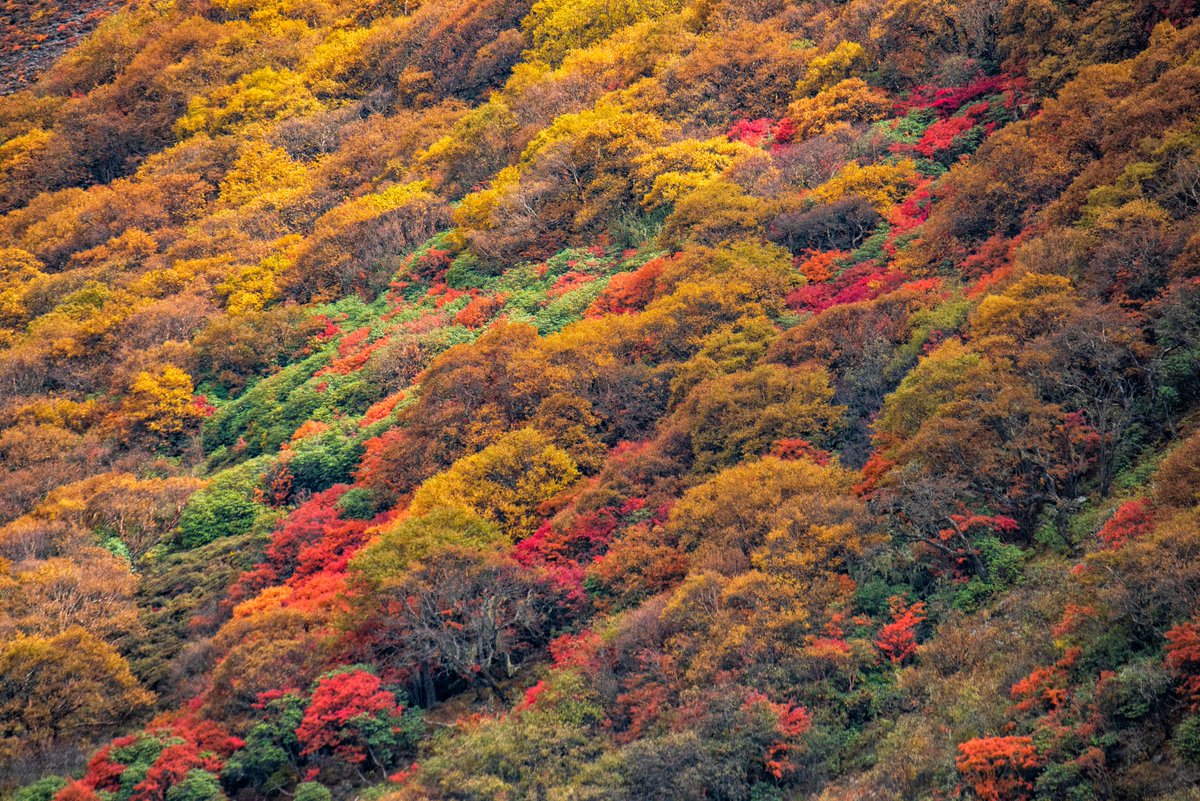
    Best time in nepal-Autumn season

    The mountains will have their best visuals, and visitors will have great views of Everest, Annapurna, and Langtang, the quickest and most spectacular snow-covered terrain, and some of the world’s most picturesque set of md global industry weirdos among the Himalayas.
    Most of the hiking trails and areas are busy with hikers from around the world, featured and advertised for trekking, and adventure and trekking tourism is a very popular thing to do. There are options to trek, multi-day trek, lodge accommodation, and volunteer tourism. The majority of Nepalis are also busy with their most important festivals at this time of year, so roads and streets in most towns and cities will be filled with activity for these ideal festivals and friendly activity.

    Major Highlights of Autumn

    lush forest in autumn

    1. Optimum trekking climate:

    Dry trails, comfortable daytime temperatures, and open blue skies are the optimum trekking climate for popular routes such as Everest Base Camp and Annapurna Circuit.

    2. Breathtaking mountain scenery

    Post-monsoon clear conditions give Himalayan summit views in all directions, offering photographers and nature enthusiasts breathtaking views while trekking into the wilderness.

    3. Cultural celebrations

    Dashain and Tihar—Nepal’s two largest and most significant festivals—are the times when communities and families gather to celebrate, feast, and worship for days, offering the richness of Nepal’s multi-hued culture.

    4. Adventure activities

    Swollen and uplifted by the monsoon months, the Philippines’ rivers provide ideal conditions for white-water rafting and kayaking reservations. Paragliding and all aerial pursuits take advantage of the delightful temperatures and gentle breeze during this period.

    5. City buzz:

    Festival time puts its mark on cities such as Kathmandu and Pokhara with its trimmings, flower-bedecked bazaars, and vibrant social agendas; an explosion of summer’s urban activity.

    Fall Festivals

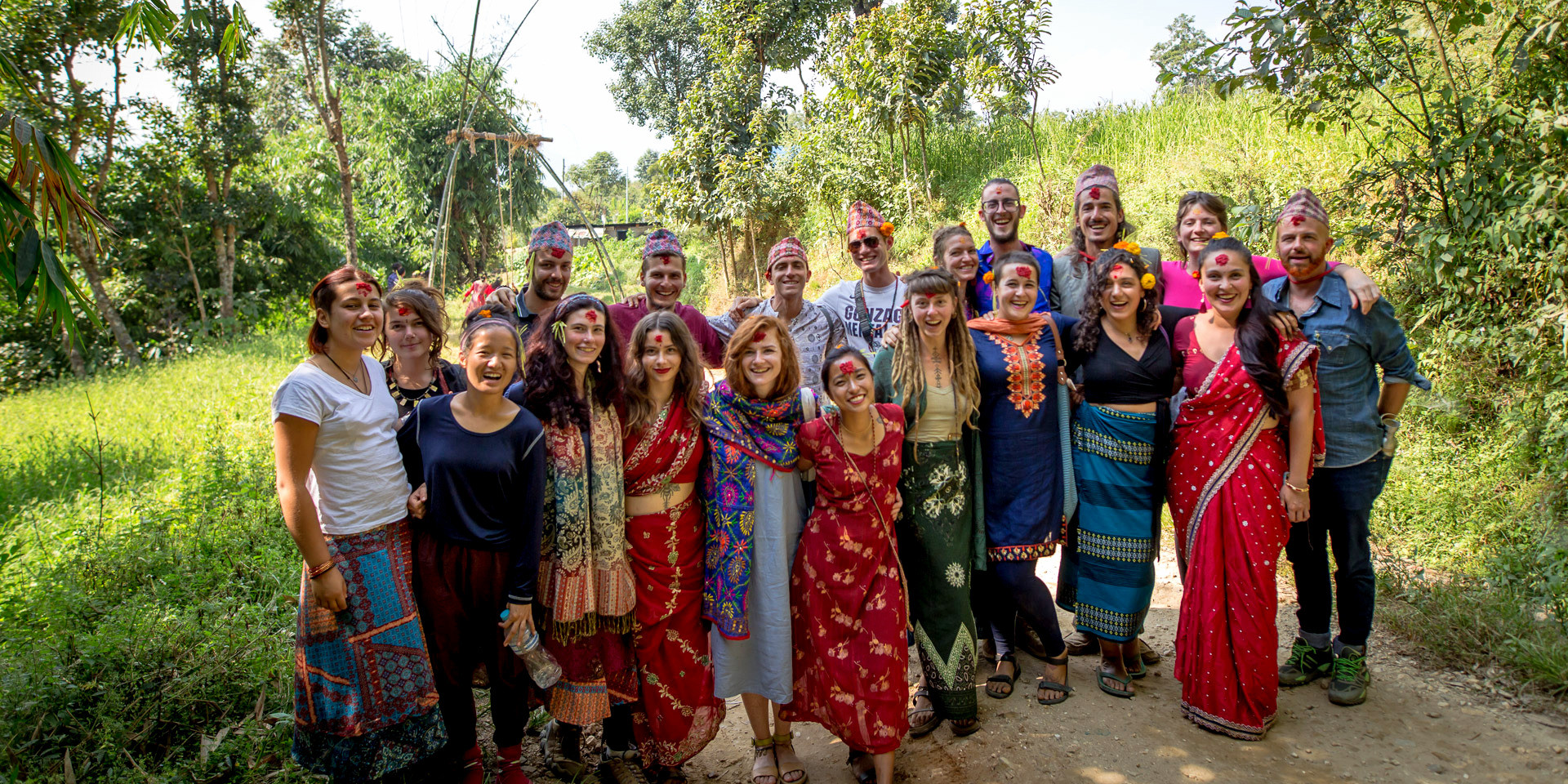
    foreigners enjoying celebrating Dashin festival in Nepal
    Dashain Celebration

    Dashain: Dashain is Nepal’s longest and most eagerly awaited festival. Dashain commemorates the triumph of good over evil through pujas and offerings to goddess Durga, family reunions, and other festivities.

    Tihar: This light festival is also a celebration of diverse life forms of animals—dogs, cows, crows, to mention a few—and ends with a celebration of brothers by sisters. Candles, lanterns, and whirling patterns of colored rangoli light up homes and streets.

    Winter (December to February): Quiet, Clear, and Affordable

    In Nepal, winter is completely the opposite of the busy fall months. The cold has settled in the high mountains, where the cold air has provided the right conditions for blocking snow at high passes. In the low valleys, it is mild sunny days and cold nights, the air is clear, bright, and crisp, providing a good opportunity for visibility- look for the sensational views of the mountains in the morning (and evening), when skies are moments when they can take your breath away!

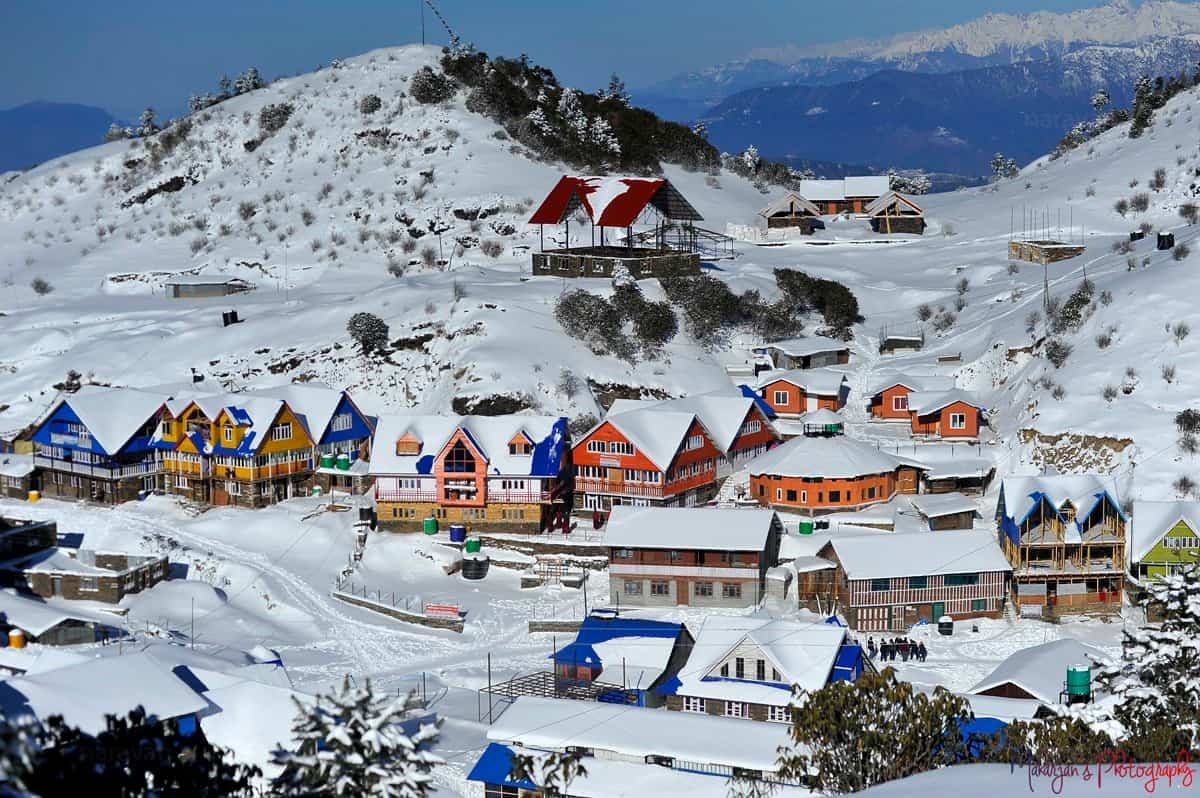
    Snowfall in Kuri Village during winter season
    Kuri Village

    This is a time of year that is normally considered “off-season” for tourists; which is great- usually, this means less tourists; lower plane fares, lower on accommodation and lower on tours; it is a good time of year to travel for those, who find that they enjoy secluded experiences, or if you’re traveling for the low costs, or if you’re also traveling for plenty of wildlife sightings! If you enjoy wildlife sightings, it is prime time right now in the Terai national parks, such as Chitwan and Bardia. Chitwan and Bardia are great for wildlife viewings right now because the elephant grassy areas have been trimmed from the monsoons, providing greater sightings of wildlife with little to no obstruction.

    Major Highlights of Winter

    snowfall in Namche Bazar during winter in nepal
    Namche Bazar

    1. Clear skies

    There is not much haze or pollution in the air, creating optimal visibility for pictures, sightseeing, beautiful sunrises, and sunsets.

    2. Treks within low elevation

    Low-elevation treks such as Ghorepani Poon Hill, Nagarkot, and Ghandruk can be made an enjoyable and rewarding experience for trekkers with proper gear.

    3. Best viewing places for wild animals

    Terai national parks, south Nepal’s dry-deciduous and tropical forests of mixed type, rhino, tiger, and bird-watching centers, are only for the best viewing after grass-cutting in January.

    4. Economical low-season travel:

    You are off-season with winter, so the entire air travel, hotel stay, and tours will cost less for those who want to save money but have their winters in Nepal.

    5. Comfortable City Weather

    Kathmandu and Pokhara have clear sunny days and cool evenings, ideal for touring cultural attractions, bazaars, restaurants, bakeries, and rooftops at night for evening meals and sunset.

    Spring (March-May): Blooming Beauty & Cultural Splendor

    Spring has become Nepal’s second peak season since in most of the nation, temperatures start to rise, and rhododendrons bloom in their full vigor throughout the country, with weather typically favorable for climbs and treks. Glorious red, pink, and purple rhododendron blooms burning intensely along trekking trails and routes highlight the bounty offered by Nepal’s geography and mountains in general.

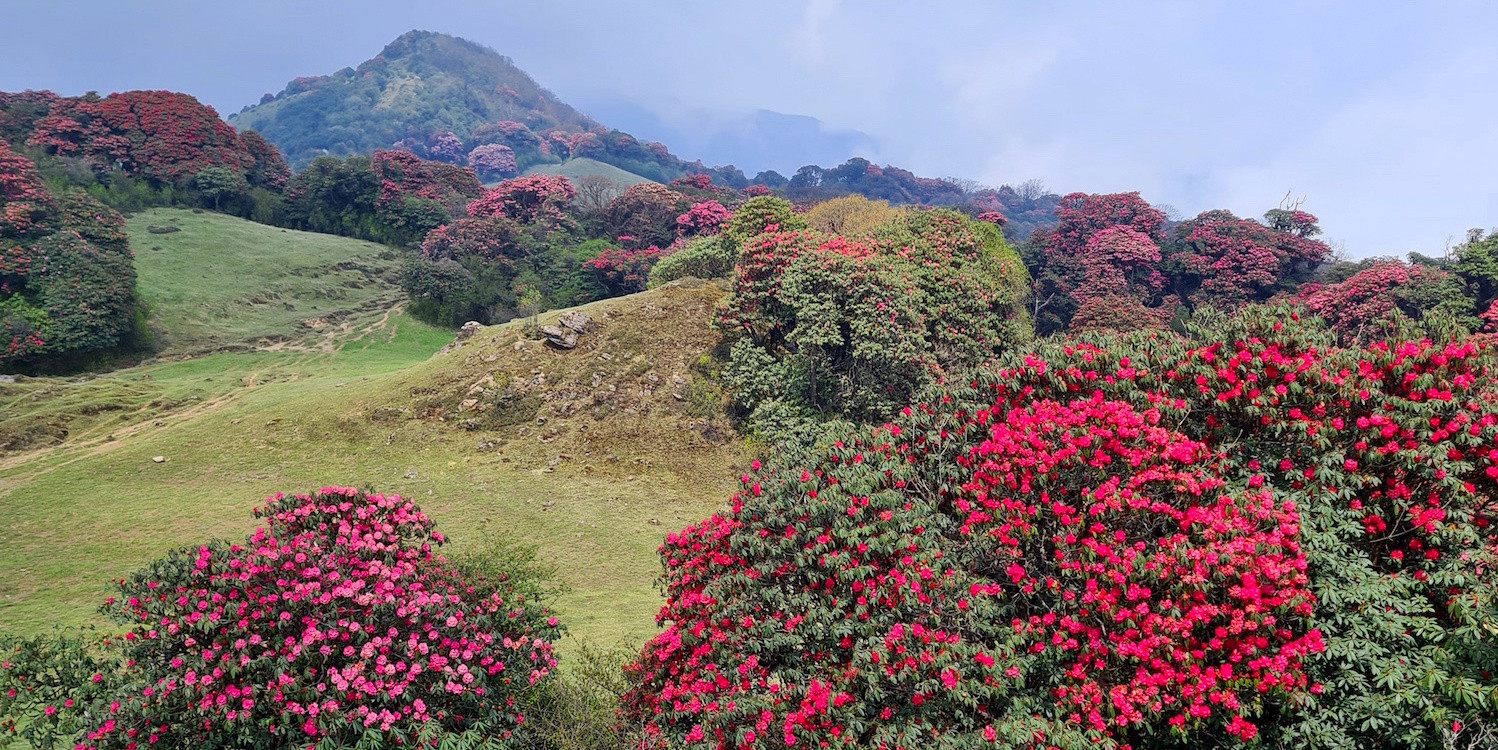
    Full of Rhododendrons during spring in Nepal
    Rhododendrons in Spring

    Spring is also the best time for mountaineering season, the favorite season of climbers attempting to finish their Everest or other Himalayan giants because of the milder temperatures and relatively less changeable weather. Spring has many colorful festivals that provide tourists with a rich cultural experience. But in recent years, intensifying mass forest fires have contributed to the traditionally high pollution of Kathmandu, degrading air quality, and rapidly decreasing air quality and visibility.

    Major Highlights of Spring

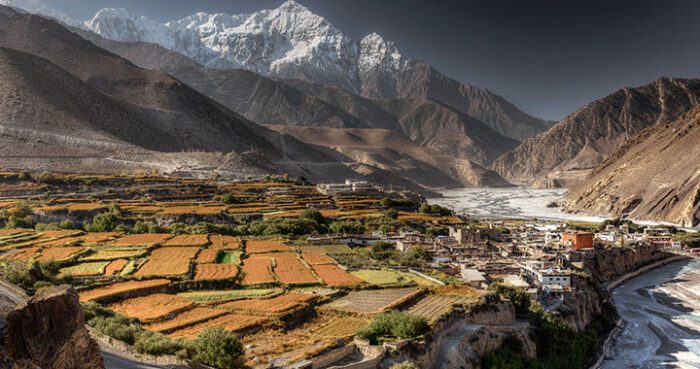
    Kagbeni Village, Farms & Nilgiri mountain in the Background
    Kagbeni

    1. Gorgeous rhododendron flowers

    A hiker will certainly appreciate the brilliant woods and scented pathways in places such as Langtang and Annapurna.

    2. Great time to climb

    Climbers prefer spring because of the comparatively stable weather and milder temperatures.

    3. Festival season

    The Holi, Shivaratri, and Rato Machhendranath festivities add color, music, and tradition to Nepal’s cities and towns.

    4. Rising wildfire problems

    Fire danger is also increasing because the weather is dry, and climate change is making dry fire-related fires more in number. Wildfires will make the air unclean and create a hindrance to visibility in the mountains.

    5. Tourist numbers are moderate

    You can anticipate that the number of tourists will be steady, fewer individuals than during the autumn season, but there will be slightly more tourists on the main routes.

    Spring Festivals

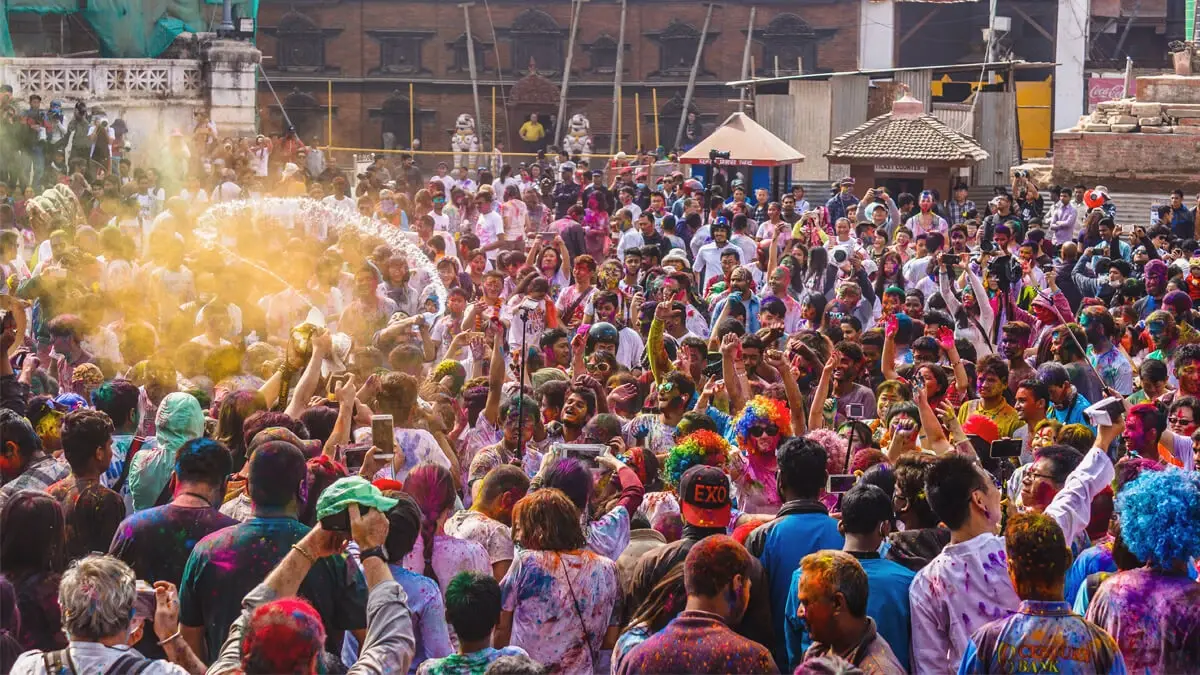
    holi celebration in Basantapur Nepal
    Holi in Nepal


    Holi: Colorful festive celebration with missile powders, music, and street partying; to herald the arrival of spring.

    Shivaratri: A Spiritual festival to celebrate Lord Shiva, fasting and vigils on nights, and worship at temples.

    Rato Machhendranath: The Chariot festival, centuries old, in Patan, to rain god for fertility or prosperity.

    Monsoon (June to August): Green and Peaceful, but challenging

    The monsoon will shower Nepal’s heaviest rains of the year, turning it into a green paradise. The rain, arriving unexpectedly, gives new life to crops, rivers, and forests, but the trip is hazardous with muddy roads, landslides, and halted transportation. A majority of the monsoon there is dense cloud cover, hiding the mountains. Trekkers and tourists will experience a little less diversity of things to do.

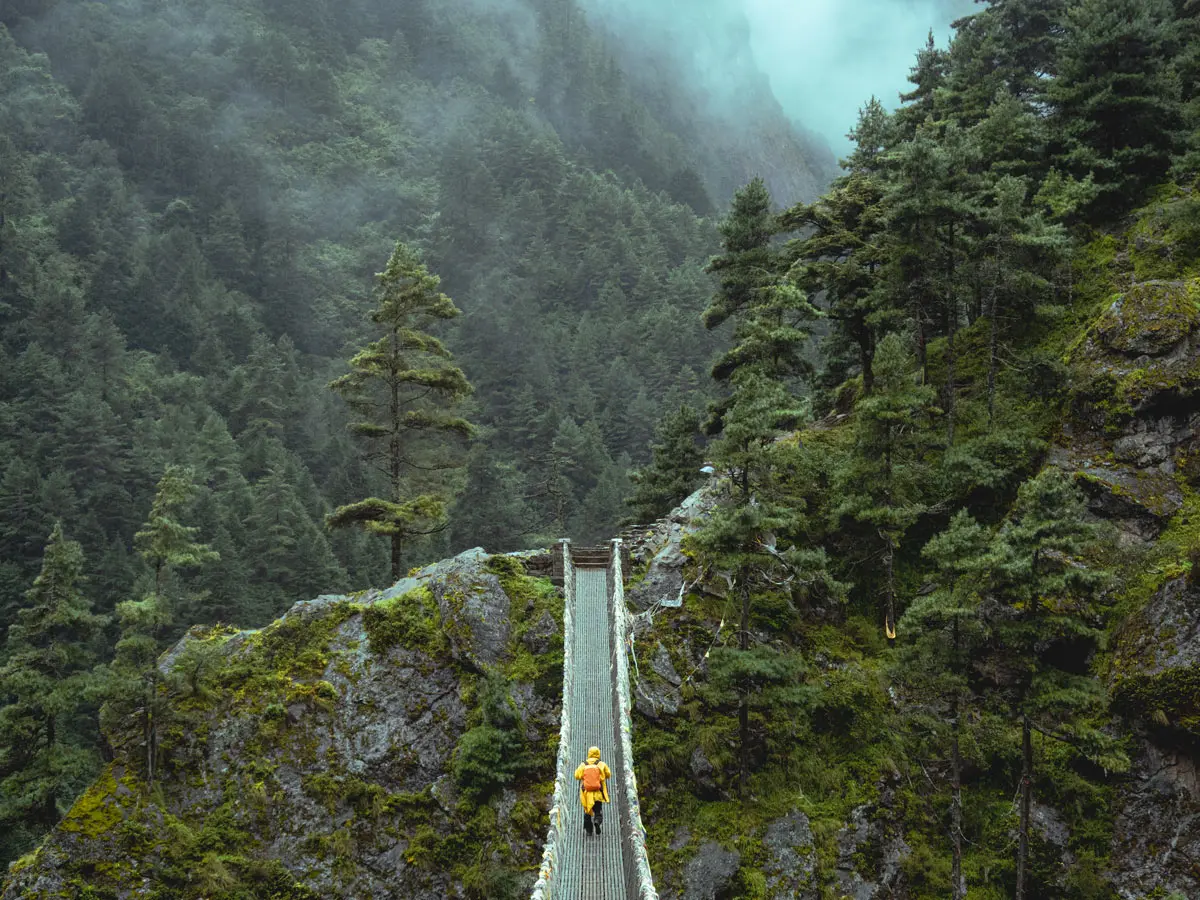
    a lonely trekker Monsoon trekking in nepal
    Monsoon Trek

    Monsoon is not the best time of year for most visitors to visit Nepal, but it can be excellent for budget travel, and least touristy. Tranquil and unsuspected moments of cultural and spiritual recesses are available, museums, or going to the drier rain-shadow areas and being off the beaten path. Those not fussed about putting up with a bit of rain can view the country’s adrenaline-charged green and get many fewer travelers.

    Major Highlights of Monsoon

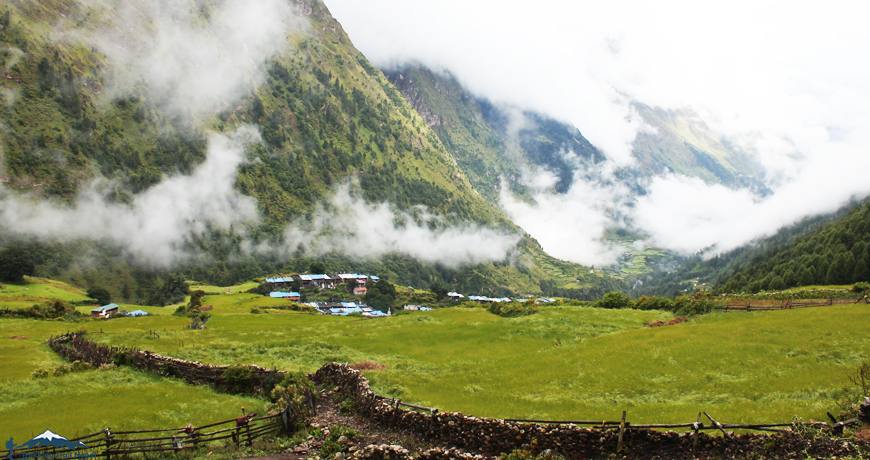
    Monsoon in nepal
    Mansoon in Nepal

    1. Breathtaking landscapes

    The forests and fields are filled with the breathtaking, rejuvenating rain, low/mid-hill districts’ mind-blowing beauty.

    2. Tourist restrictions and lower prices

    Monsoon is off-season for Nepal, with air fare, tours, and hotels offered at lower prices.

    3. Challenging and risky trekking

    Slippery paths, muddy paths, and regular landslides make many trekking trails risky or even impossible.

    4. Rain-shadow treks:

    Since Upper Mustang, Dolpo, and a part of the Annapurna region fall in the rain-shadow, these places receive very little rain and therefore are dry trekking routes.

    5. Cultural and health retreats:

    Monsoon is ideal for yoga and meditation, or cultural pursuits out of rain and tourists.

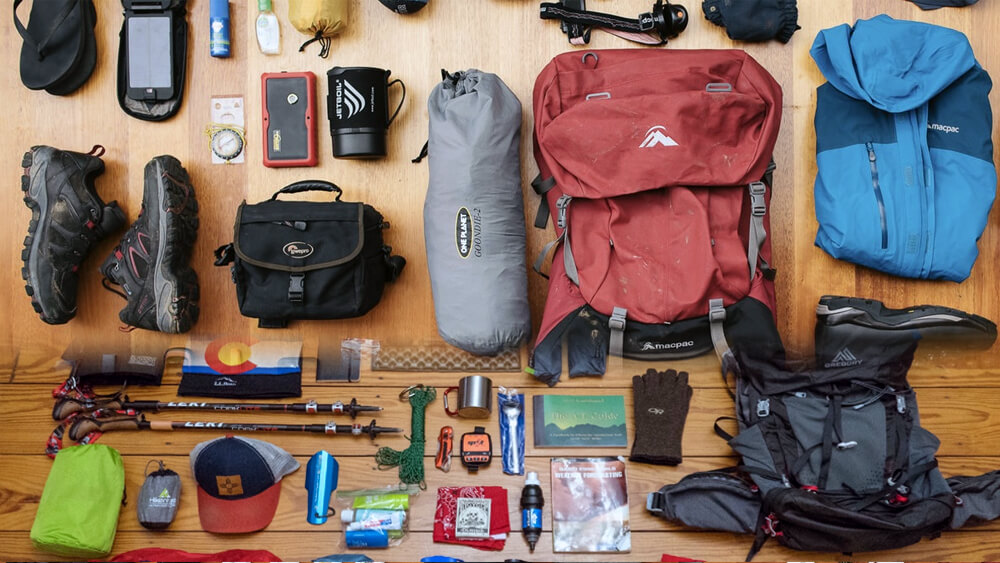
    Things to Carry on Your Trip to Nepal.

    Gears to Carry on Your Trip to Nepal.
    Gears

    1. Layered clothing

    Temperature is highly unpredictable in Nepal. Nearly solely due to high elevation and the many microclimates in extremely proximity. Layered clothing is easy to adjust to changing weather, warming you on a cold morning and cooling you in the afternoon sun.

    2. Appropriate hiking boots

    Ensure that you put on good solid waterproof hiking shoes with a good grip to stabilize your feet when walking in the steep, slippery, at times muddy ground or walking the roadside and town too.

    3. Rain gear

    Lightweight rain pants and a waterproof rain jacket are essential if you are trekking in the Monsoon or shoulder season. It’ll keep you dry in those torrential rain downpours!

    4. Sun Protection

    The sun at high altitudes can kill you! Bring sunglasses with UV protection, a sun hat, and high SPF sunscreen so you don’t get burned by the blazing sun!

    5. Water purification

    You’ll need drinking water in Nepal. Bring along a portable water filter or purification tablets so that you’ll have water that you can safely drink (very important when trekking or in rural areas).

    6. Trekking Poles

    A trekking pole adds more comfort to your knees and aids balance on rough terrain when trekking. It can remove the grunt out of trekking long days.

    7. First-Aid Kit

    There are plenty of things that you can add to your first aid kit, including:

    • Band-aids
    • Antiseptic cream
    • Pain killers
    • Personal medications
      A first aid kit enables you to repair minor injuries or illnesses away from home!

    8. Power Bank & Universal Adapter

    In far-flung locations, the electricity might not be stable. A power bank will enable you to recharge your equipment at any time or place, and a universal adapter is also advisable.

    Conclusion

    Nepal is experiencing mixed fortunes at various best times of the year based on its seasons. Autumn is experiencing favorable climate for trekking and celebration, winter is experiencing serene views with lower accommodation expense, spring is experiencing blossoms of flowers and celebrations, and monsoon is experiencing greenery and tranquility.

    No matter which mode you want to undertake to reach Nepal in spring, summer, autumn, or winter, you will optimize Nepal as far as usefulness by seasonally planning and deciding upon choosing places to see. Contact us today at Happy Mountain Nepal, on Facebook, Instagram, or TikTok.

    FAQs

    1. When should you visit Nepal for trekking?

    Nepal’s ideal trekking seasons are spring (late March to May) and autumn (late September to November). You will experience consistent weather, blue skies, and pleasant temperatures. Autumn months are quite touristy, yet spring has sufficient flowering rhododendrons.

    2. Is it acceptable to travel during monsoons to Nepal?

    In general, it is possible but not advisable to travel in Nepal in the monsoon months (June-August). Rainy tracks get slippery, landslides occur normally, and a barren mountain landscape is created with ample rains. For adventure-seekers who can tolerate the quantity of rain, just be careful, remain in the rain shadow belt, and experience fewer tourists and lower rates.

    3. What do I encounter at Nepal’s festival

    Dashain and Tihar in autumn cannot be skipped, as they are Nepal’s best festivities with colours, rituals, and celebrations. Spring festivities like Holi, Shivaratri, and Rato Machhendranath also comprise such colourful cultural festivities and cannot be skipped.

    4. What should I bring to Nepal?

    Layering clothing, comfortable hiking boots, rain gear, sun gear. It would be wise also to bring along some water purification equipment; a standard first aid kit if doing a trek, Extra power banks They are handy particularly when recharging electronic goods in areas that are far from the sockets, and any type of power adapters that can fit universally a device into an outlet.

    5. Do I have any wildlife to view in Nepal during winter?

    Yes! Winter (December to February) can be some of the finest wildlife viewing in Terai national parks (Chitwan National Park, patch Bardia National Park). Wildlife viewing can get better after January when the grass is being cut, providing you with a good chance to view a rhino, tiger, and lots of birds.

    6. Do trekking permits in Nepal ever have to be obtained?

    Yes, a few of the most popular trekking routes require permits (a TIMS card and at least 1 entry permit into the conservation area (Annapurna or Everest region), and there are completely restricted areas (Upper Mustang, for example) that require special permits. It would be wise to find out all of this in advance of your trip.

    7. Is there a great cost in traveling in Nepal during the peak season?

    Nepal is quite inexpensive, but flights, lodges, and guides all pay more for high seasons, such as autumn. Book early and save your pennies, it’s always worth it! But you’ll get it cheaper going off-season, but possibly have to endure the weather.

    8. What health precautions should I have in mind when trekking in Nepal?

    Drink lots of water, walk in the pace to acclimatize and not be affected by altitude sickness, and eat clean cooked food. It is advisable that you carry a small first-aid kit and consult your doctor prior to the trip if you are suffering from any pre-existing medical condition. If you want to drink tap water, use a method of purification.

    9. Is solo travel in Nepal safe?

    Nepal is safe to travel solo, in fact, we learned that it can be the friendliest and the safest nation on the planet! Pune locals are warm like a local tip of appreciation, something you get from locals and nowhere else! Check out the general traveling tips. Group travel or traveling with a trekking guide offers security in any individual trail.

    10. What else can one do in Nepal aside from trekking?

    Wildlife safaris, cultural tours, white-water rafting, paragliding, and mountain biking are all trails and attractions scattered throughout all of Nepal. And then there’s Kathmandu and Pokhara with a bustling market, temple, or café on every corner. Other experiences include enjoy and indulge in wellness retreats or yoga centers. These are other relaxing things from more traditional adventure-type activity!

  • Bisket Jatra: A Spring Festival

    Bisket Jatra: A Spring Festival

    Bisket Jatra: A Spring Festival

    Nepals holiest and most cherished festival is royal, adventurous Bisket fest. A magnificent festival is celebrated every year in Bhaktapur, medieval city of Kathmandu Valley, as Nepals New Year. By showing Nepal glorious culture and tradition with Nepalis people enthusiasm. Wild and adventurous chariot processions are regular attractions making Bisket Jatra a religious, colorful and proud festival. It is one of Bhaktapurs most popular festivals, which welcomes numerous locals and visitors.

    bisket jatra

    What is Bisket Jatra?

    Bisket Jatra is the great Nepalese New Year festival (normally observe in April). It is highly popular in Bhaktapur, and it symbolizes the advent of spring, which, in this time, signifies thriving, fertility, and rebirth. The Festival fully appropriates the city religious culture, the components of the chariot pull, ritual, and syntheses of religious, and traditional popular uses.

    It is a carnival of respect and a festival. The carnival because it involves everyone. The festival is one of the means through which the citizens of Bhaktapur are able to reclaim their very ancient tradition and renegotiate their connections with their goddesses and gods. The festival, this so civilized and so brutal festival, is proof of people’s passion, joy, and continuation.

    Origins and History of Bisket Jatra

    Bisket Jatra is not lacking in its own myth and legend. There are myths regarding how the festival was initially celebrate during the 15th-century reign of King Jagat Jyoti Malla, the most prevalent among all of them. The king initially introduced the festival as religious worship of gods and Hindus (Hindu gods) and, secondly, for a good harvest next year, as per the legend.
    >
    Another myth claims the festival was being celebrated for goddess Bhadrakali and god Bhairab, two of Bhaktapur’s most important religion gods. “Bisket” is said to have come from the Nepali word “Biska” meaning “to pull”. Chariot pulling, the prime responsibility of the festival. The spiritual and cultural origins of the festival are centuries old, but the festival over the centuries has evolved into a wild, drunk fest.

    Bisket Jatra Major Highlights

    1. Chariot Procession

    The most thrilling aspect of Bisket Jatra is the gigantic wooden chariots of certain gods or goddesses. The chariots are very large and well designed with nicely crafted, paint, and flag. The gods like Bhairab, Bhadrakali, and other gods that the people of Bhaktapur believe in are mounted on the chariots.

    bisket jatra

    Chariot 

    Construction and Architecture

    These Chariots are HUGE work with wooden wheels up to 20 feet in Diameter. They also have metal reinforcement inside, so they are very heavy and cumbersome. These chariots are decorated with carvings and even woodwork ornamentation with very delicate designs upon them, with sometimes flags and shiny embellishments above them. One of the chariots is drawn by an enormously large number of men with very strong ropes.

    The Tug-of-War

     The most rousing of all festival sports events is a tug-of-war competition where athletes try to pull the chariots to some point. Those committed to Bhairab and Bhadrakali and to the representative party groups of all four quarters in Bhaktapur are those largely held dear. The tug-of-war is far from pacifistic; one likes teams invoking menacing hymns and mantras while rehearsing chants to intimidate rivals. The task is not so much one of brawn, but of strategy and co-ordination.

    2.Ceremonial and Ritualistic Events

    To pray for the protection and success of the procession, a series of religious rituals are performed just before the chariot is dragged. The priests chant mantras, pay obeisance to gods and call them people’s blessings. Lighting ritual lights (diyas), obeisance with sacred offerings (fruits and flowers) and chanting of mantras are among some of the rituals traditionally performed. These are reminders of religious about the religious aspect of the festival and its relation with Nepalese Hinduism.

    Sacrificial Rituals: 

    Sacrifices are made at times to pacify the gods so that one can bestow blessings. And if Bhairab, tantrum-throwing scared god. Animal sacrifice, i.e. goats or chickens, as per the ritual as per the belief that the people can be protect by the gods.

    Cultural Performances:

     Apart from the rituals, the Bhaktapur streets are filled with music, song, and dance performances of folk nature. Traditional attire with vibrant colors is worn by the people, and drums, flutes, and other musical instruments are heard. The “Khil,” a traditional folk dance performed at Bisket Jatra, is one of the most popular traditional dances you can see where dancers dance in rhythm in circles.

    3. The Role of Community and Rivalry

    The biggest strength of Bisket Jatra is that it instills a sense of community during the festival. The neighbors and the families, even those distant relatives, all converge to assist in celebrating the festival. Each neighborhood, or rather each community, in a community setting owns one of the chariots, and each has a competition which is tough but at its core friendly.

    Pulling is a game and the teams will do anything to pull their team to the front position. There are teams that use mastered skills in attempting to outsmart the opposing team, while others use brute strength and endurance in attempting to pull heavy wagons through the narrow alleys. During pulling events, there is such pushing, yelling and even pulling in the opposite direction that this event would break up competing teams. It is truly worth watching.

    4. The Role of Bhaktapur’s Architecture and Landscape

    The festival is concentrated in Bhaktapur, in the old Durbar Square and narrow surrounding streets, which are lined with centuries-old temples, statues and palaces. The winding and narrow roads and the century-old buildings would give the festival a new dimension. The chariots are moving on the road, and there are accidents that can occur, but even that is part of the surprise element of the festival. The geometry and architecture of Bhaktapur give the perfect setting to the festival, and there‘s even a cultural element to it.

    5. The Energy and Excitement

    Bisket Jatra is a festival unto itself — uninhibited, crazy, mad. The roads are filled with onlookers as well as those taking part in it, and it’s a time of passion and excitement. The euphoria post the worship ritual is a ritualistic structure along with the celebratory function itself, wherein the devotees congregate not only to worship their gods and goddesses but even for the sake of company.

    The festivities stretch on for days and vary by town: Everyone has their day to party. The clinking sound of movement, the bitterness of the mob, the eyelid–searing brashness of the carriages are an assault on the senses, Bisket Jatra. It is a vortex of energy that sweeps over all who are in its vicinity who are lucky enough to be close to it, from pounding drums to screams of the crowds.

    6.The Impact on Tourism

    With time, Bisket Jatra has provedto be one of the interesting tourism arts and the tourists from aroundthe world start coming to the city. Bhaktapur itselfisapopular tourist destination among tourists who understandarchitecture and history, but Bisket Jatra provides an opportunity fortouriststoexperience the city‘sheritage in its mostprimitiveway. The procession of the chariot, the rituals, and the insanenessbut thrilling experience of it is somuch a part that tourists never miss seeing it.
    >
    Tourists 
    come to Bhaktapur forseeing the festival but for the historic temples, the pottery squares, and the Newari architecture of the town too. The local economy is sustainedtoa large extent by the tourists, and restaurants, hotels, and shops receive good business.

    Importance of Bisket Jatra for Newari People

    Cultural Significance

    Bisket Jatra holds immense cultural importance for the Newar community in Nepal, especially in the town of Bhaktapur and the surrounding regions. It marks the Nepali New Year and is celebrate with great enthusiasm and devotion.

    Social Unity and Community Bonding

    The festival fosters a sense of unity among the Newar people. It is a time when families, friends, and neighbors come together to celebrate. The preparation for the Jatra, including making the chariots and organizing the event, encourages teamwork and strengthens social bonds.

    Traditional Practices and Rituals

    Bisket Jatra is famous for its lively and spirited chariot races, where massive wooden chariots, drawn by enthusiastic crowds, race through the streets. The event involves various traditional rituals, including the worship of the deities, singing of devotional songs, and performing dances.

    Economic Impact

    While the religious and cultural significance is central, Bisket Jatra also has an economic impact, especially in tourism. It attracts thousands of domestic and international visitors, boosting local businesses, markets, and hospitality services.

    Preservation of Heritage

    For the Newar people, Bisket Jatra is more than just a celebration; it’s a means of preserving their heritage. The event allows the community to showcase traditional Newar craftsmanship, clothing, music, and cuisine.

    Conclusion

    Bisket Jatra is a unique celebration that offers a glimpse into the heart of Bhaktapur’s rich cultural heritage. From the spectacular chariot processions to the religious rituals and the community-centered spirit, the festival exemplifies. Nepal’s rich history, vibrant traditions, and deep spirituality. For those who witness it, Bisket Jatra is an unforgettable experience that underscores the resilience, unity, and joy of the people of Bhaktapur. Whether as a local or a tourist, participating in the festival’s excitement is a chance to immerse oneself in the living culture of Nepal. Contact us today at Happy Mountain Nepal, Facebook, Instagram, or TikTok. 
    FAQs

    1.When does Bisket Jatra falls?

    Bisket Jatra is mid-May every year on Nepali New Year.

    2. Where is Bisket Jatra celebrate?

    It is observe all over Bhaktapur, a UNESCO World Heritage City, in the Kathmandu Valley.

    3. What does the chariot represent?

    A chariot symbolizes the divine and belongs to either a goddess or god, i.e., Bhairab or Bhadrakali.

    4. Can tourists help pull the chariots?

    Tourist onlookers are the only ones, perhaps, who can observe, and participating in the ritual pulling of the chariots is otherwise reserve for locals.

    5. Are they performing rituals during the festival?

    Yes, religious offerings, prayers, and sacrifices are offer prior to pulling the chariots.

    6.For how many days is Bisket Jatra celebrate?

    Bisket Jatra is celebrat for a number of days with different communities celebrating on different days.

    7. What do you need to know before you attend Bisket Jatra?

    You need to be ready to roar and throng and kick up dust during the time of the festival. It is advise not to go close to the chariot processions.

    8. Is Bisket Jatra a religious origin?

    Yes, the festival has strong connections with Hindu religious orthodoxy, and piety and ritual are the very essence of the social festival.

    9. What to eat while shopping at Bisket Jatra?

    Cheap Nepali food like Newari specialty momo, sel roti and sukumari can be enjoy on the street during the festival.


  • Holi: Nepal’s Festival of Colours

    Holi: Nepal’s Festival of Colours

    Holi: Nepal’s Festival of Colours

    The freest and most colorful Nepalese festival Holi welcomes the spring with fraternity, festivity, and freshness. A festival in which men and women cross their social and cultural boundaries and become close to each other by binding themselves and enjoying the frenzy of colored water, music, and dance. Holi festival ignores the festival of brotherhood with a sense of belongingness and invites the whole world to ecstasy and time-eternal friendship.

    holi

    History and Significance of Holi

    Holi is a mythological Hindu festival and victory of good over evil. The two most popularly known Holi stories exist, and those are Prahlad and Holika. Prahlad was one of the disciples of Vishnu and brother to demon king Hiranyakashipu, who he wanted to be adore. He never committed his evil acts, when his fire-immortal aunt Holika attempted to burn him alive by casting him into the fire. He remained unharmed by all the piety and burned Holika in the fire. This is the triumph of good over evil, which has been kept in mind during the celebration of Holi.

    It was not only a religious celebration but a welcome celebration because the spring season since there was prosperity and hope. It was harvesting season for the farmer and therefore the fertility of nature. During holi color time  one can witness the colored face of the fertility of nature.

    Holi is being celebrated in all of Nepal but here, everywhere, hill and Terai have not been differentiated in celebrating. It has two days duration and hill towns like Pokhara and Kathmandu are celebrating the first day of Holi while celebration of the second day is underway in the Terai towns.

    holi

    Holi in Hill Region

    Amidst the busy city of Kathmandu, Basantapur Durbar Square is painted as well. Residents and international visitors observe the day get paint by color paint, traditional music, and dance festivals. Tourist destination Thamel is celebrate by the Holi festival in music and dance colors until midnight.

    Pokhara, one-star lake, and Holi is celebrate differently. Phewa Lake Festival and lake festival, live show, and celebration are being celebrated. Adventure enthusiasts celebrate Holi paragliding, which is a memory to cherish for a lifetime.

    Holi in Terai Region

    Terai Holi is longer and more than in the hills. Nepalgunj, Janakpur, and Birgunj are centers of music, dance, and culture. Even water is wasted more in Terai where others get bucketfuls and water pistols. It is a ritual culture where traditional dance is danced.

    Tourism and Holi

    The festival of Holi in Nepal is the welcome of the peak tourists, and tourists from all over the world come to the destination.

    The tourists organize the tour in such a way that they consider the festival so that they will be able to enjoy the festival in some or the other form. Even tourist locations like Basantapur, Thamel, and Lakeside Pokhara also celebrate Holi independently so that the tourists who are here may play and enjoy without any restrictions. As the villages are rural villages and traditional ones, even homestay is arrange under which the tourists have a chance to stay in a village and local fairs.

    The best part of Holi is the unfiltered joy and unity it brings. Unlike other festivals with formal rituals, Holi is about breaking barriers—social, religious, and generational. The color play, the music and dance, and the carefree spirit make it unique.

    holi

    Best Parts of Holi 

    1. Playing with Colors

    • They are shower with Gulal (color powder) and people spray painted colors of water among friends.
    • Pichkaris (water guns) and balloons leaving a rainbow shiny red color on the roads are party starter items.
    • Playing around, running around, playing colors literally party day.

    2. Music, Dance & Celebrations

    • Croaking of Bollywood Holi songs is on thudding loudspeakers and dhol (drums) is the beat.
    • They sit sideways in thousands and paint one another, their faces radiating beaming smiles.
    • Special events with DJs and live music attract crowds in cities.

    3. Food & Beverages at Holi

    • Gujiya (sweet dumpling), thandai (saffron flavored, saffron-cardamom-clove flavored, cardamom clove-flavored milkshake without or with shot of bhang), and the rest of all the other traditional old sweets cannot be the same without them.
    • Spicy-hot street food like kachoris, samosas, jalebis come in on food stalls.

    4. Smashing Barriers & Strengthening Ties

    • Holi is a day when differences dissolve—strangers hug, old feuds are forgotten, and everyone is equal under a layer of color.
    • Elders bless the younger generation, and communities come together.

    5. Evening Gatherings

    • Humans tidy up from the day’s gang war bash, doll up in new attire, and socialize with kin and friends.
    • Sweet nights and snuggly conversation are the order of the day.

    The best part of it is its spontaneity and inclusiveness—whether you’re a child, an elder, a local, or a tourist, you get swept up in its joy.

    Traditional Food and Drinks

    Even the cuisine is casual in Holi. Relatives make sweets and snacks to eat. The most common sweets are:

    – Gujiya: sweet bread filled with sweet khoya (milk solids) in flaky form and fruits.

    – Puri and Malpuwa: Fried sugar syrup-coated bread, fried pancake sugar syrup-coated.

    – Sel-roti: Nepalese ring sweet rice bread.

    – Bhang: Cannabis drink, which is taken in very small amounts as festive.

    Safety Precautions

    Holi is a festival and would thus have to do so with caution. The following would make the celebration of the festival safe:

    • Wearing old clothes or colored clothes so stains would just not have been an issue.
    • Anoint one’s body and hair so that colors can easily be wash out.
    • Employ plant or herbal dyes so that one’s skin is not injure.
    • Take lots of water and less of bhang or liquor.
    • Dance in the open with close friends in such a way that one becomes secure.

    Conclusion

    Nepali Holi is neither a festival but, in fact, acceptance of society, culture, and life, and a rejection of life too. In the peaceful streets of Kathmandu, the peaceful lakes of Pokhara, or Terai town city cities, Holi gets loving people together and connect by love. Holi is a Nepali and a foreigner’s celebration beyond any ray of doubt objectionable and foreign. It’s one tradition that is an effective Nepali cultural heritage.

    If you wish to witnessed this experience please do not hesitate to contact us at Happy Mountain Nepal Pvt Ltd