
Top Day Hikes Around Pokhara with Epic Mountain Views
Often referred to as the “gateway to the Annapurna region,” Pokhara is more than a launch site for multi-day treks; it is a day-tripper’s dream destination to get the best of Himalayan views with a minimal commitment (well relatively speaking if you think of 5-6 hour day hike as minimal!). If you do not have time for such an adventure, or prefer not to commit to not a multi-day trek but you are in Pokhara, want to hike in a day with amazing mountain views while enjoying some cultural interaction and beautiful hiking trails, this is it!
Below are my recommendations for day-hikes near and around Pokhara where you can enjoy amazing snow capped peaks of the Annapurna and Dhaulagiri range without too far from Pokhara city.
1. Sarangkot Sunrise Hike
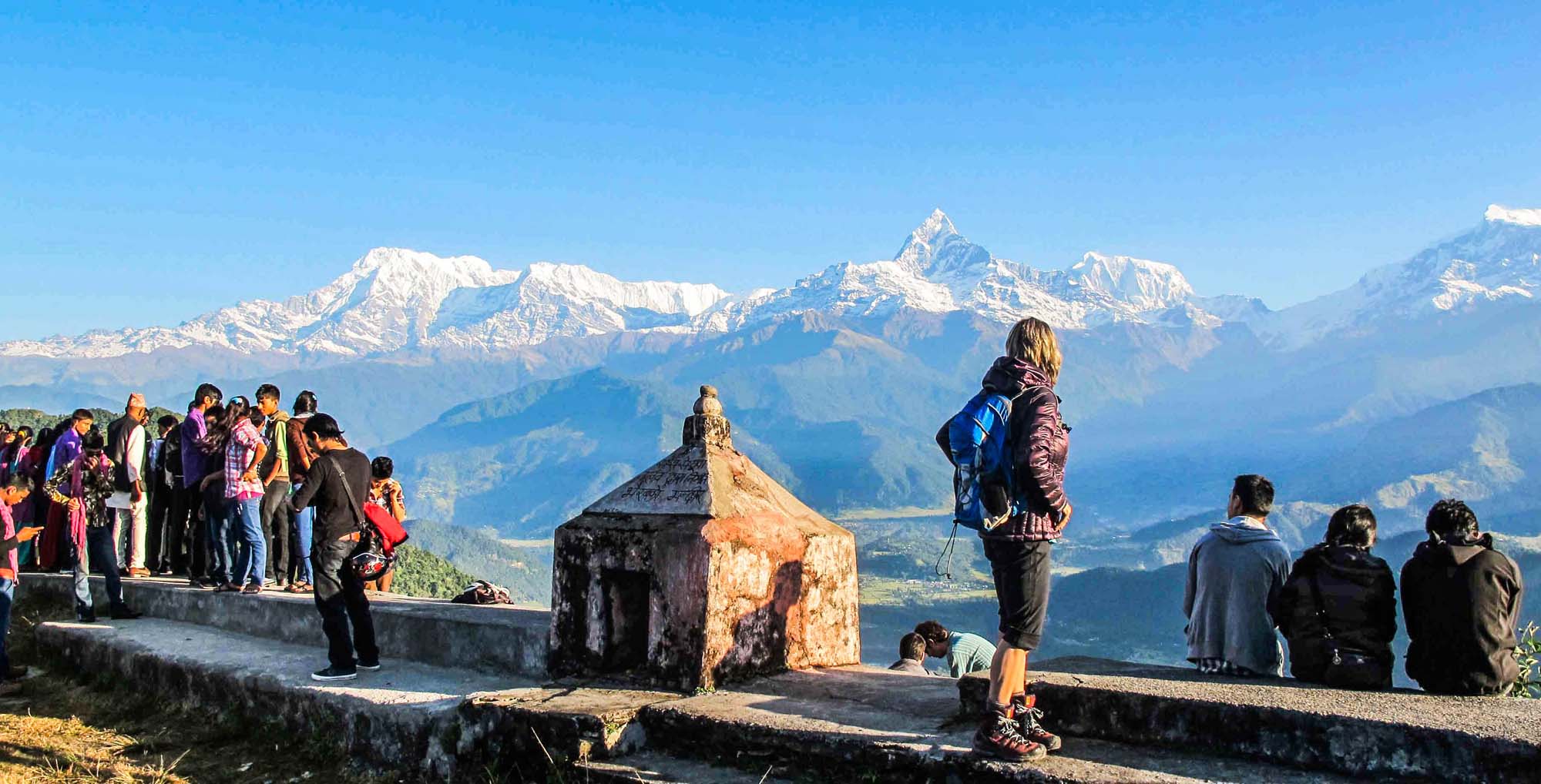
Sarangkot is widely known as one of the most famous sunrise viewpoint in Nepal, which is no surprise because the sunrise hike to Sarankot has amazing view of the Annapurna and Dhauligiri ranges. The hike begins a short drivable distance from Lakeside Pokhara, and is a uphill hiking experience from Gurung villages through terraced fields and beautiful hiking trail through rural landscapes. People who wake early get a magical sunrise, repainting the snow-clad ridges of Machapuchare, Annapurna South and Dhaulagiri in warm golden colours.
Tadapani to Poon Hill is a moderately easy walk without any technical climbing required done by able agents. Lots of people when their sunrise experiences are over walk down the mountain along a different side, through forests and unspoiled villages. Thus, it would be a great half day trip combining natural beauty, culture and mountain vistas without much time spent away from the city.
Highlights:
Close to Lakeside
The hike begins with a taxi or local bus ride of only 20-30 mins from central Pokhara, it’s very convenient especially if you are trying to catch a sunrise trail and you need to stay on schedule. You can walk to the top and return down in time for breakfast. No long travel, no permits, just an early start and you are on your way.
Gurung village trails
On the trail, you walk through friendly Gurung villages. Be sure to take your camera to capture the stunning houses of stone, and the daily lives of warm-hearted people in beautiful rural settings. Moments with children waving hello, and local Gurung’s sweating in the fields provided genuine interactions even if they were brief. This was a great way to immerse yourself into trekking and the local community.
Terraced farmland views
The trail wanders across a wonderful, lush steppe farming hillside. The terraced farmland views are an amazing foreground for your Himalaya photos. You will certainly reflect on how the farmland changed color depending on the season – brilliant green in the growing season, and then shades of gold in the harvest season. This is such a classic image of a Nepali landscape, and will stick with you for a long time.
Loop-back forest hike
After sunrise, lots of hikers take the loop-back forest route to return. The loop back trail allows a different kind of descent in a forest, less people, while having shade that is sometimes completely in the shade. Depending on which direction you approached Phewa Lake from, you will have gotten to see things, like bird species, butterflies, or taken a beautiful pine scented forest-downhill path. It sums the experience nicely as a full circle, rather than another loop, and it gives your hike some variety.
2. World Peace Pagoda hike
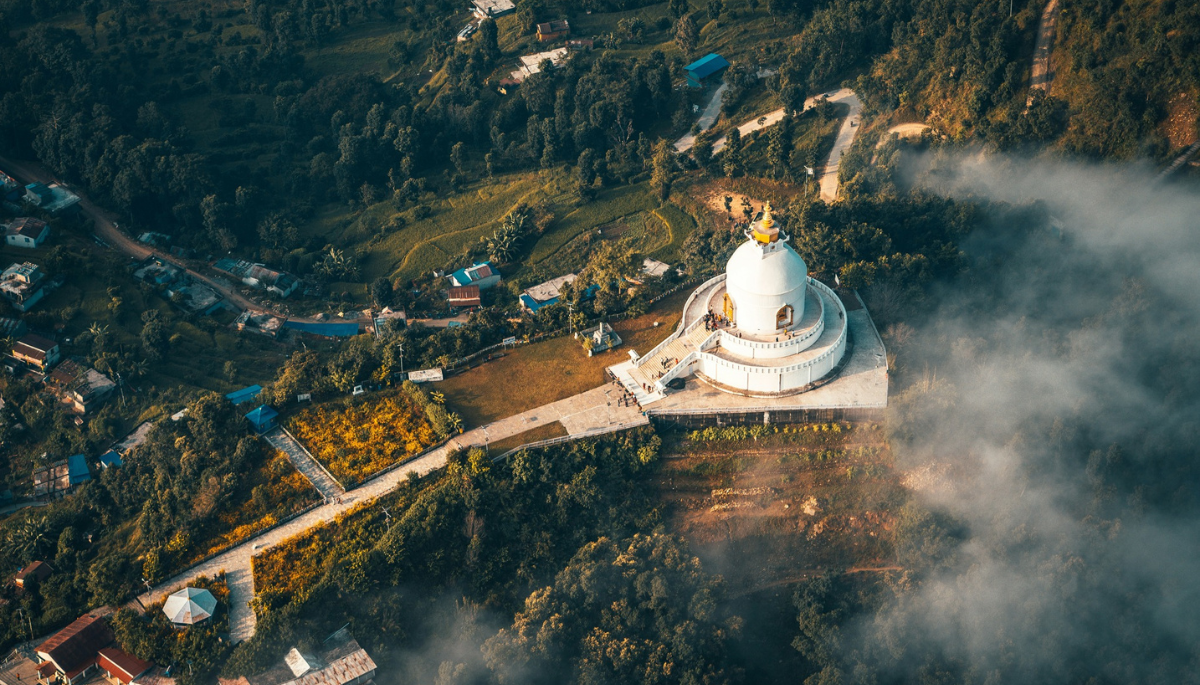
The World Peace Pagoda hike covers lake cruising, forest hiking trail, and hilltop views into one of the most scenic bundles where it all begins with an easy boat ride on Phewa Lake. You boat in one way, then after looping the other side of the lake this should be an easy climb, as you go up the hill trail where you hike through shaded forest paths and make moderate climbs while observing monkeys and birds seeing small shrines between trees. Once at the top, the brilliant white stupa emerged announcing its amazing views of Pokhara Valley swooping down to Phewa Lake and the Annapurna range, of course.
The surrounding is serene and calming and it was easy to feel the symbolism of a Buddhist shrine added to the hilltop’s spiritual experience, making it as much a spiritual journey as a beautiful scenic. You can either turn back and hike down the same way you approached or make the World Peace Pagoda hike extended as a loop, by continued to descend toward Pumdi village for a longer hike.
Highlights:
Viewpoint of Pokhara Valley
Being at the remarkable viewpoint takes in the view of Pokhara city, Phewa Lake, and the distant snow-capped mountains above. This raised location gives you a complete view in every direction. It is to be one of the best areas to appreciate Pokhara’s geography. The view at sunrise or sunset can be especially magical.
Boat ride across Phewa Lake.
The hike commences with a paddle or rowing trip across Pokhara’s iconic lake. You will row past Tal Barahi Temple and beautiful waters reflecting the vast blue sky above. It is certainly a calming and beautiful prelude to your hike. Many people often say this was the highlight of their day, before beginning the trail.
Lush forest trail with wildlife.
The path winds up from the lake, and ascends at a steady pace through lush forest, filled with birds, butterflies, monkeys. The shade from the trees and the company of chattering birds makes this hike relatively cool and quite meditative. Occasionally, you may encounter stone steps or shrines which add a cultural component to the trail.
Peaceful spiritual setting at the stupa
The World Peace Pagoda is a Buddhist structure meant to promote world peace. It is a serene area for contemplation, prayer, and quiet views. Buddhist flags wave in the wind, providing color and an atmosphere of peace.
Optional Extension to Pumdi village
Adventurous hikers may want to hike from the pagoda on the extension to Pumdi village, creating a longer loop traversal. In doing so, you can enrich the hike with more rural, fewer people, tranquillity.
You’ll see local homes, farm animals, and natural landscapes.
3. Dhampus Village Hike
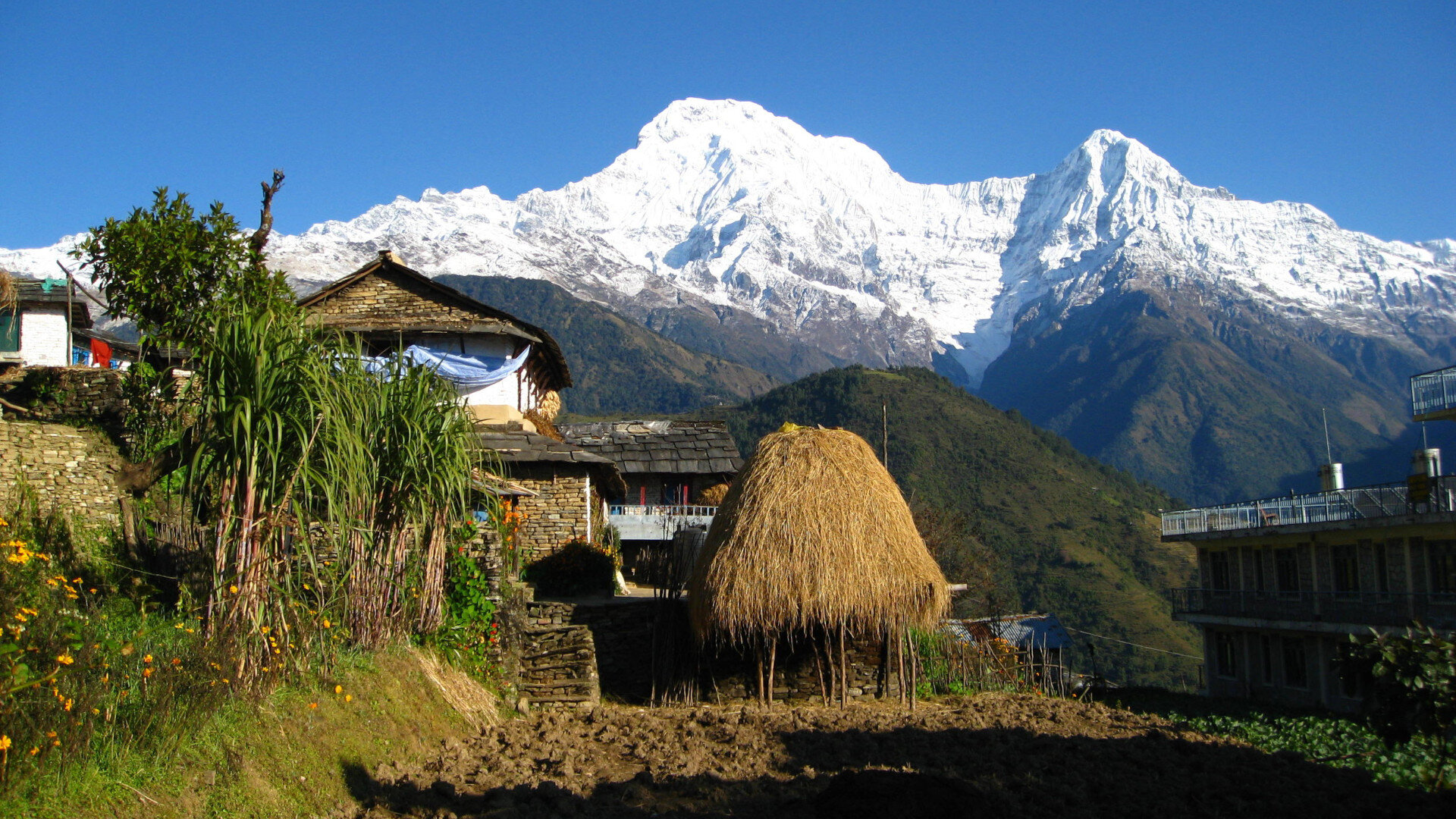
Dhampus is a picturesque Gurung village set at 1,750 meters and provides one of the most accessible access points to the Annapurna area. The trek begins in Phedi (a short drive from Pokhara) follows trails through forest, ascends stone staircases, and passes terraced farming area. Throughout the trek while you gain elevation be prepared to be constantly blown away with amazing views of Machapuchare (Fishtail), Annapurna South, and Hiunchuli that join together and provide a stunning Himalayan backdrop whilst you are walking.
This trail is good for new trekkers or trekkers short on time, who want to experience a little taste of real mountain village life. The village consists of the typical collection of stone houses, nest in cultivated fields, and is teeming with happy locals going about their daily lives. Many trekkers will simply arrive and enjoy a few calming hours in the village before retracing their steps, others will continue onto Australian (or Guarai) Camp for a day hike, or stay the night at an open air lodge in Dhampus.
Highlights:
Gurung cultural experience
Dhampus offers insight into the daily life of the Gurung people—one of Nepal’s most welcoming ethnics group. Along the trail and within the village, you will see traditional houses, women weaving, and children playing on hillside trails. The genuineness of the village’s friendliness provides a huge depth to the trek.
Panorama mountain views
The view of the sunrise and sunset from Dhampus is extraordinary, with the views of the entire Annapurna range glowing in pastel colors in the morning and evening. It is so nice that you could just sit and appreciate the view for hours as the clouds slowly rise and fall below the peaks.
Terraced landscape and forest trail
The trail takes you through beautiful subtropical forests and layered terraces of millet, rice, vegetables and more. The different patterns of farmland with their changing crops in the seasons added to the color and texture of the journey.
4. Australian Camp Hike
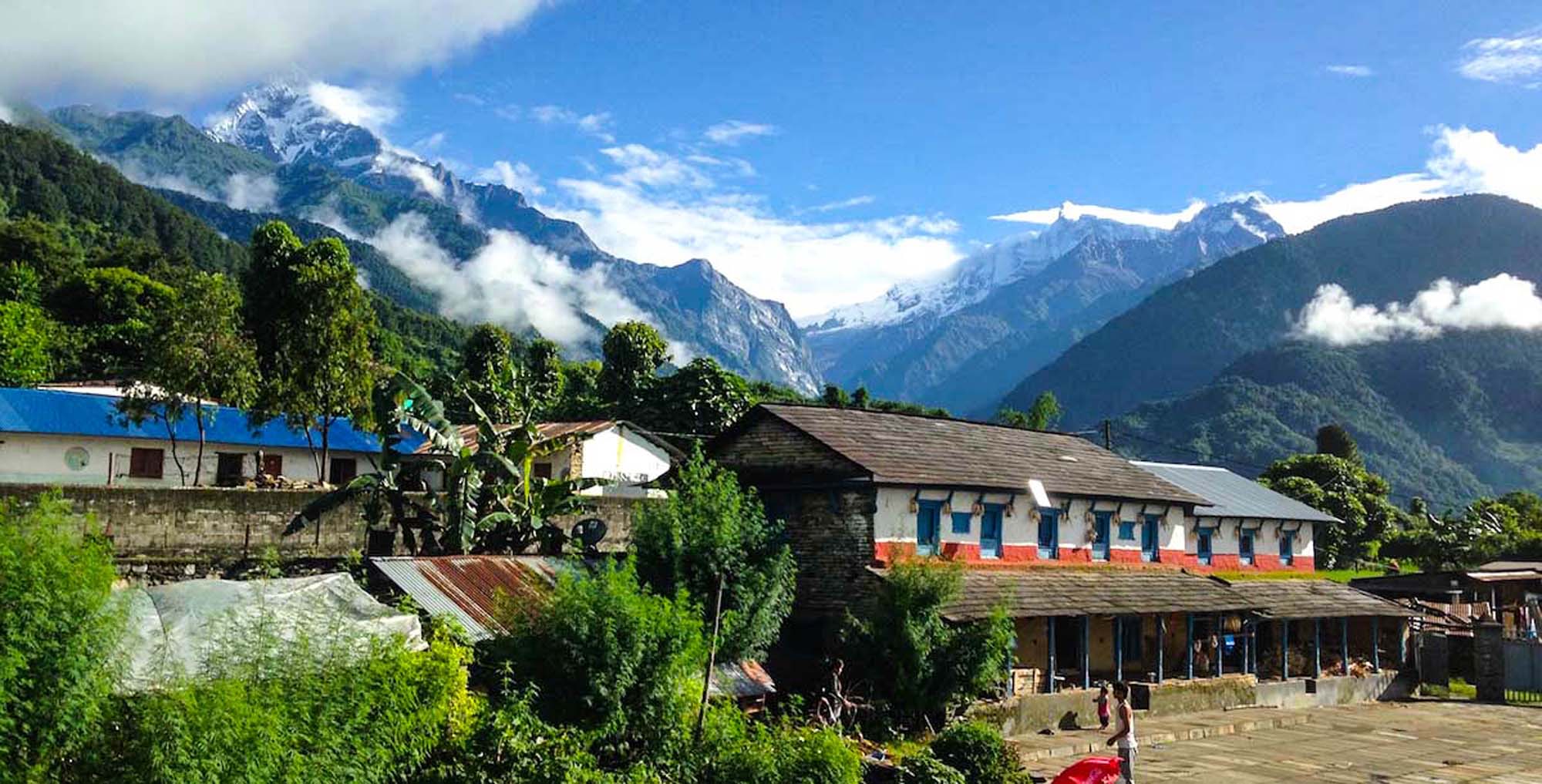
Australia Camp (2,100m) lies on a grassy hilltop looking over the Pokhara Valley. From Australia Camp you can see the Three Ranges: Annapurna, Machapuchare, and Lamjung Himal – weather permitting. The usual Australian Camp trek starts from Kande (1 hour by taxi from the Pokhara), where it climbs steadily through rhododendron forests and through some steep winding stone steps to the grassy hills of “Australia Camp” where you’ll stumble across a beautiful and open grassland.
After making it to this amazing hilltop you’ll experience some of the best and stunning 360′ views of Himalayan skyline as well as some beautiful valleys at your feet. The open grassland will allow you to stop and rest, walk, meditate, have a packed lunch, or stay overnight in one of its few nice and comfortable lodges in the backdrop of the Himalayas. It is a great destination for kids, couples, and single travelers to explore and disconnect into nature.
Highlights:
Easy forest hike from Kande
The hike is short and easy, suitable for beginners. The shady forest trail is lovely on warmer days and come spring, with rhododendrons in bloom, this trail is in full color.
Grassy hilltop with 360 views
Australian Camp feels like a natural amphitheater to see the Himalayas. On a clear day, an exhilarating panorama greets you as the Annapurna Massif unveils itself before your eyes. The soft grass underfoot makes it ideal to lounge about or take pictures.
Wonderful for sunset or overnight
Well, if your schedule allows you to, I recommend staying the night to experience the sunset and sunrise – simply enchanting! I will never forget the vibrant orange and buttery yellow shades coloring the sky above the mountains, and the peaceful embrace of the stars, from this magical hilltop.
Tips for Day Hiking Around Pokhara
1. Go Early: The best time mountain views are in the early morning
The best time of day to begin your hike is in the morning. Early in the morning, specifically just after sunrise is ideal. Technically, the skies are often clearest in the morning in the Himalayas, and that’s when the views will be of Mt. Machapuchare, Annapurna, and Dhaulagiri are best. In the afternoon, skies and clouds will engulf the mountains and great views, and sometimes great photography opportunities are lost. Further, going early will often help you avoid both high temperatures from the sun in the middle of the day, and the congesting of the afternoon traffic with other hikers that you may not want to share a trail with. Enjoying a peaceful, rewarding hike on your own or with just your hiking partners will more than not just be more rewarding.
2. Go Light: Water, snacks, sunscreen, hat, and light jacket
These hikes are planned in single day outdoor experiences “day hikes”, so neither of us needs to carry heavy “internal pockets” of sleeping bags, tents, and cooking gear, but you do need to bring along some essentials for proper hiking. Please plan to carry not less than 1 liter of your own drinking water. You will want to have fruits, dired fruits, nuts, and/or granola bars to eat for energy.
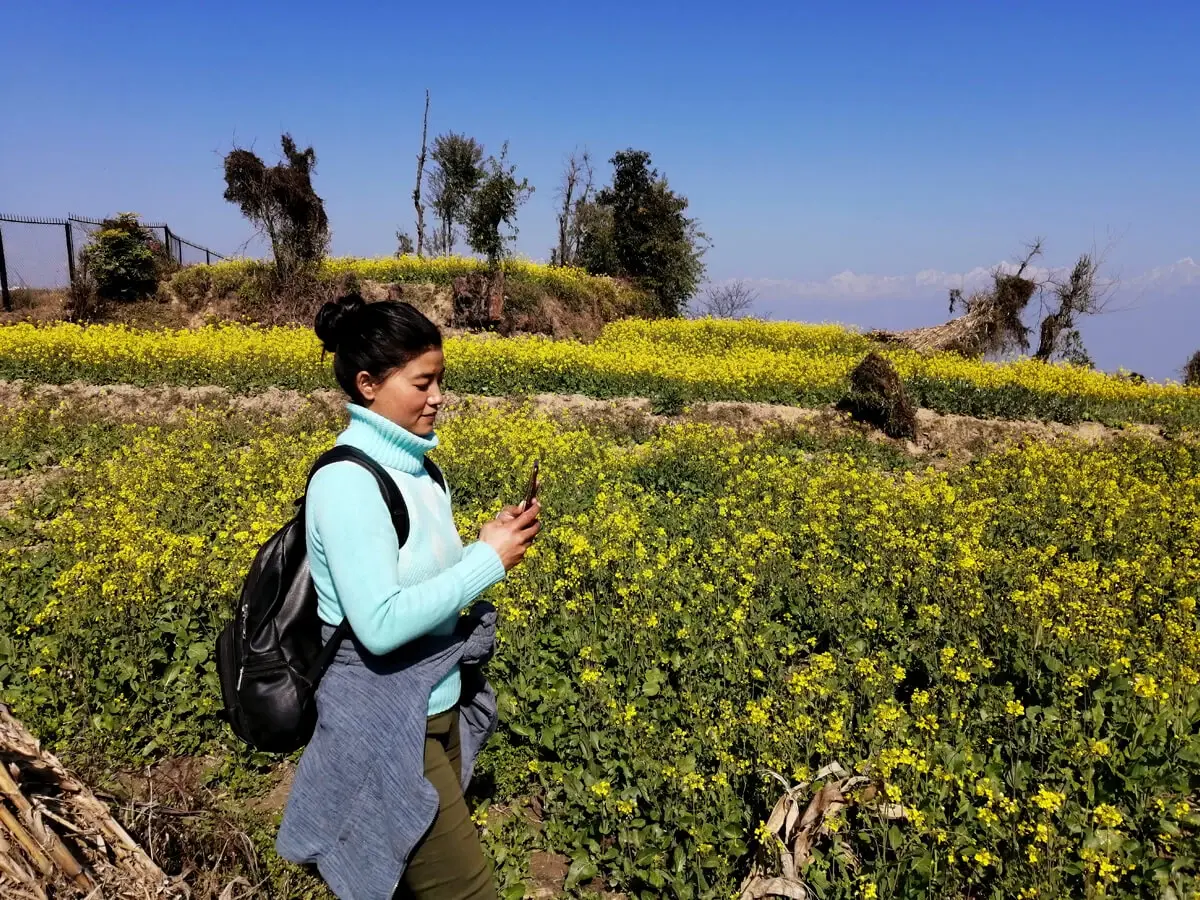
3. Footwear
Proper footwear is very important for both comfort and safety – it can be slippery on the trails Good footwear is an important component for comfort and safety especially for a hike. The trails around Pokhara can be rocky with rough stone steps or dirt path and/or wooded sections that can be muddy or slick especially during monsoons or rain. Because of this, you should wear boot type footwear with good ankle stability and midi tread soles to avoid slipping and use less energy. Light weight boots or trail runner shoes will serve you well for short to moderate hikes.
4. Local guide (optional)
Hiring a local guide is helping the local community and can contribute to having a cultural experience. While most day hikes around Pokhara are likely walkable independently, hiring a local guide can enhance your experience. A local guide will not only provide definitive wayfinding, but can give the context of local culture, plants/habitat, temples/religious sites, and the villages you walk through, which you might miss otherwise. In hiring a local guide you also provide direct income to the local economy, and support responsible tourism. This is a way to have deeper connections to the people and place you will encounter.
5. Weather Check: Always check the weather forecast before you go
Make it a habit to check the local weather conditions before heading out on your hike. Even on very short hikes, weather can change quickly and rain, wind or fog has the potential to degrade visibility, trail conditions, and your enjoyment of the hike. Obviously, it’s not wise to hike in the rain or during thunderstorms – especially in densely wooded areas or when hiking in very steep areas where you could experience landslides or have to contend with leeches. The weather creates enough uncertainty in your hike, so it is always advisable to check to be better prepared when you go out; whether to take rain gear or to shelve the hike until a sunnier day.
Why do day hikes around Pokhara make the most sense?
Pokhara is a unique place where the peace of nature, richness of the culture is well-balanced and highly accessible, making this one of the best locations in Nepal for scenic day hikes. Surrounded by gentle hills, beautiful panoramic ridgelines, and traditional villages, Pokhara has so many of these hikes which not only feel manageable but also very rewarding. Unlike multi doing multi-day treks where you typically need permits and porters and have complex logistics to navigate, these hikes can be done on a whim – with nothing more than a decent pair of shoes, water bottle and three or four hours of your free time.

These day hikes are an excellent option for busy travelers, or travelers who may not have a lot of time, but would still like a taste of the amazing Himalayan views of Nepal. The hikes in Sarangkot, World Peace Pagoda, and the Australian Camp surround you with the views of amazing snow capped giants, the Machapuchare and Annapurna that you will be staring at within only a few hours of hiking, and not far from Pokhara. Whether it is just you, you and your kids, or you and your partner, these hikes have options, require little gear, and most importantly allow you matake part in adventure and variety and all without exhausting you.
Great fit for different styles of travel:
For the Time Limited Traveler
Not all travelers do not have the luxury of spending days trekking, and that is what makes Pokhara’s day hikes so appealing. Not only can you experience a Himalayan sunrise over Pokhara, you can see temples and local villages and it only requires you to walk 2-6 hours from your accommodation. This is a good compromise to satisfy your desires to sightsee and spend time in the outdoors.
Light Adventure Seeker
Do you love nature but don’t want to have the experience of enduring and suffering? Day hikes can take you naturally and can be full or challenging without the excessive cardiovascular. For the most part, the elevation changes around 400m which is gradual and consistent, and trails are clearly marked so you can certainly have an element of exploration and challenge your self to the money without any consideration for your level of fitness.
Cultural Explorer
Most of our hikes will take you through Gurung and Magar Villages so most likely you will encounter a handful of nice locals typically happy to say hello and welcome you to their village or possibly even share a story or two. Just be prepared to see literally hundreds of prayer flags, hillside farm sprinkling, and Buddhist shrines and tons of tea houses – all of which will provide insight of people’s living traditions in an isolated rural region of Nepal.
Nature/photography
You may just notice the varietal colourful birds, butterflies, and wildflowers in and amongst the forests, rice terraces, and tall ridgelines. You may end up taking some fun pictures with marginally distant snow capped peaks (when they are visible) at sunset or sunrise.
For Peace and Calmness
These walks typically have plenty of room and quiet, and won’t be flooded with tourists in the same capacity that you may experience at every turn in Lakeside. You will find quiet places to meditate, grassy places to picnic, temples that foster quietude, all steps away from the busy Lakeside.
Final Thoughts
Pokhara is not just a playground for long and multi-day treks, but terrain for day hikes with unrivalled scenery. It’s almost like a day hike giving you the essence of the Himalayas without weeks of planning and acclimatizing, or different levels of trekking permits. With the sheer volume of mountains, and pristine trekking just outside the city, don’t think twice, put on your boots, grab your camera and get out there! You will be simply amazed at the mountain magic you can achieve in just one day. Contact us today at Happy Mountain Nepal, Facebook, Instagram, or TikTok.


