Tag: Hiking

  • Common Mistakes Every Beginner Hikers Make

    Common Mistakes Every Beginner Hikers Make


    Quick Summary

    Common beginner hikers make a lot of simple mistakes:

    • Wearing inappropriate footwear (e.g., Crocs or sneakers) leads to discomfort and injury.
    • Not checking the weather forecast can leave you unprepared for rain or other conditions.
    • Underestimating the trail, some paths get narrow, slippery, or bushy unexpectedly.
    • Not packing enough water or snacks can result in dehydration or fatigue.
    • Ignoring basic gear like raincoats, proper clothing, or leech protection makes hikes miserable.
    • Lack of preparation turns manageable trails into exhausting experiences.

    Common Mistakes Every Beginner Hikers Make

    Backpacking with a buddy is no different in terms of the hike itself; it is not about the destination, it’s about the memorable and laughable journey, the pain, and the little things you share. Our hike to Tarevir started like a good dream, lush and fresh and beautiful; it felt like Mother Nature was smiling down on us. One of our friends was wearing Crocs instead of an actual hiking boot, and of course, we laughed and poked fun at him while he had a just learned perspective into the next few miles of agony caused by his opening footwear choice. Everything was a smooth zone at this point, and we had just barely started up the first steep hill and trail to Tarevir. After about half an hour, we took our first break.

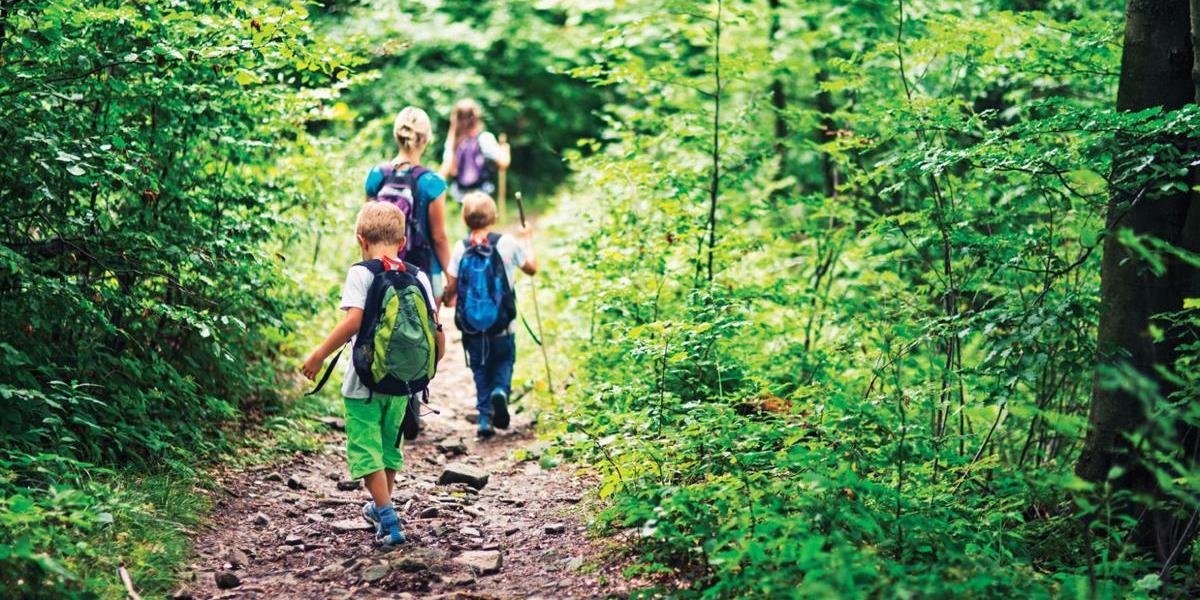
    A group of people, including several children and a dog, are hiking on a narrow dirt trail through a dense, green forest.

    We stopped right by the trail on the side, produced one of our packs, shared our bananas and chips between us (as we were years later loving, gossiping, and laughing), and during that time, we felt more warmth in our friendship than we did in our tiredness from the hike. Even as we straggled on, the greater adventure was just beginning, no stores anywhere to be found, and plenty of food with us to continue on!

     Before too long, the wide trail turned into a bushy track that could only accommodate one foot, and grass was brushing against our legs. After what felt like fifty minutes, joking, tired, sometimes out of breath, and basically feeling like we were on Man vs Wild, we finally emerged from the bushy trail into the slippery portion of the trek.

    When we finally hit a wider road, our happiness at that moment was beyond description. We took photos, stretched, and dashed towards our destination, the peaceful Ghumba, a bit more removed from the noise of city life. Just as we arrived, we were hit with heavy rain. We climbed up the slippery trail and made it to the Ghumba, where a small shop was suddenly a godsend. Chilled and soaked from the rain, we hunkered down indoors to order roti with aloo ko tarkari and hot and steaming cups of milk tea. 

    It was nice to hold the mug of tea hot in our hands, and to watch the smoke mix away into the cold. We started to talk about life while we were waiting for the food, sharing funny stories and silly dreams, and mortifying struggles that we hadn’t shared before. The rain made it better because it lengthened the time we were able to drink tea.  When the food eventually came, every morsel of roti and tarkari after a long hike uphill made it worthwhile.

    We hit the rain on the way back. Fortunately, this part of the experience, we had been a bit more prepared with raincoats and umbrellas. And again, we properly placed our steps on the slippery trail. We would all sing, laugh, hold hands, and focus on each other for each of the muddy steps.

    The ground was muddy, watery, and heavy, almost like it was a small brook trying to compete with us. The feeling underfoot was unbalanced, but we held onto each other just enough to help steady ourselves and help each other not slip, and we were laughing about how silly we must have looked. At one point, we even stopped to check our shoes for leeches, creeping up half terrified and half laughing about it. The trail may have been wet and difficult, but I think the obstacles made the memories far sweeter.

    That day was a really good learning experience for me about hiking with friends. But also some mistakes for beginners. To avoid checking the forecast in advance can actually make a trail less difficult. Not wearing appropriate footwear, such as sneakers or Crocs, can ruin a hike and make it miserable, as hiking becomes slippery and unmanageable. Not packing enough water or snacks makes you very far away from what may feel like an oasis, but may be a sign of dehydration, eventually literally burning out if you don’t drink water, or ignoring feasting meal leeches.

    hiking on a narrow dirt trail through a dense, green forest.

    Even though there could be difficulty (and certainly no instant pleasure) in being on a wet trail. At least you can temporarily escape the reality that you could not take in the vista and enjoy. The beauty of the outdoors because you have concentrated on simply walking. However, there could be a range of things you could do, in addition to the above. To enhance your experience, like wearing a raincoat, footwear that you are confident in, planning for food and water, checking the weather, avoiding slippery trails, and leeches as potential factors. In the end, you have allowed you and your hiking companions a safer, and in all likelihood, more enjoyable experience. 

    Hiking in Tarevir was more than hiking in green hills; it was laughter, it was rain, it was muddy boots. It was food to fill our bellies, and it was meaningful conversations that created bonds. The hike was a further reminder that hiking is less about the destination. It’s about the experience, the people you are experiencing with while hiking, the small complications experienced along the way, and the shared memories.

  • Namobuddha Balthali Hiking : A Day Trip To Nature

    Namobuddha Balthali Hiking : A Day Trip To Nature

    Namobuddha Balthali Hiking : A Day Trip To Nature

    Namobuddha–Balthali trek is the richest treks to Kathmandu Valley in nature, religion, culture, and village life. Lacking only the rim of Kathmandu in Kavrepalanchok district, the trek is most retreat to nature and culture and within city reach. Nature lover, a culture lover, or a spirituality lover, the trek will be a puzzle.

    Here is the full Namobuddha and Balthali hiking guide, including its nature, trail facts, culture, and fun facts.

    Namobuddha: Buddhist Sacred Temple

    Historical and Spiritual Significance

    The pilgrimage begins at the Namobuddha, a Buddhist monastery. 42 km or 1.5 car hours west of the city of Kathmandu. The most spiritually intense of the sites, where a prince, a Bodhisattva in his final life, gave up his own flesh to feed a starving tigress and two cubs. The peak of this Buddhist piety, an act of charity and selflessness.

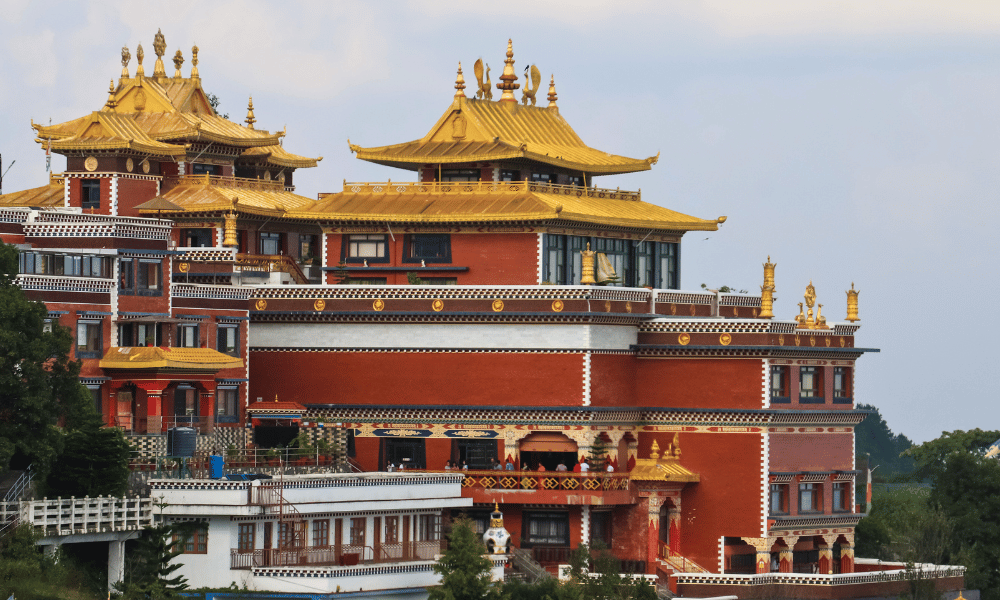
    Thrangu Tashi Yangtse Monastery: You have a glimpse of the Thrangu Tashi Yangtse Monastery, that gold stupa in so many words, where and with what such a charming view of the outer hill. The monastery grounds are serene and serene, there are prayer wheels, stupas, and prayer in the atmosphere. You are able to meditate here, join in on the prayer ritual, or merely sit back and soak up the serene atmosphere. The panoramic view of the Himalayas from the monastery adds an additional layer of peace and tranquility on top.

    namobudhha hiking

    What You’ll Experience at Namobuddha

    • A visit to the Namobuddha Stupa and Monastery provides an immersive spiritual experience.
    • You’ll get to witness Buddhist monks going about their daily routines, adding a deeper cultural element to your visit.
    • Namobuddha village itself is a green grassy village, and there are hiking to the surrounding forest too, which are most appropriate to trek around the open areas before your Balthali hiking.

    Namobuddha to Balthali Hike: Village Trekking to Scenic Villages

    You start the trek from Namobuddha to Balthali Village. The trek is one hour, and nature and culture.Beloww is what you get on this tour segment:

    Natural Beauty and Country Life

    You are on a peaceful journey across hills, fields, and villages from the monastery. The path is not harsh and is thus available to any capacity, and pilgrims and villagers have gone ahead of you. You journey through:

    • Orange groves: The trees are loaded at season and splinter warm color about.
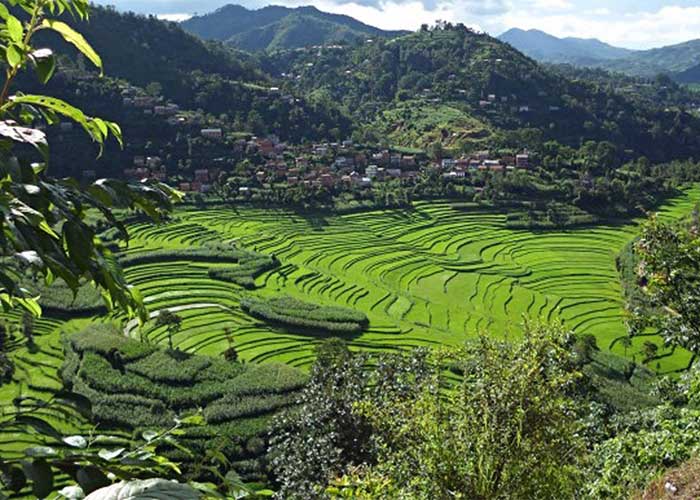
    • Terraced farm lands: Green fields of potato, wheat, and rice crops at various times of the year. One observes the Nepalese countryside in all its rural charm by seeing farmers ploughing the field in the traditional way.
    • Villages and Local Houses: The local houses include mud and stone houses with tiled or thatched roofs. On traveling, one is able to see such tiny villages and villagers plowing the field or herding cattle.
    balthali hiking

    Cultural Immersion in Balthali

    It is as if one leaves the world behind to arrive at Balthali Village. The village is not so newly discovered by the tourists and has a real picture of Nepali village life. The rural landscape is charming, with the panoramic Himalayan chain of mountains.

    Homestay Experience: If that is feasible, then you can go for the finest experience of Balthali via an overnight stay at any one of the homestays that exist between the native inhabitants. There are not many of the home stays here managed by the natives themselves, where you can have the possibility of interaction with locals on a regular basis. You also have the opportunity to attempt to eat Newari local cuisine, gain knowledge of aspects of instructing one on how to store vegetables and grow crops, and even celebrate if you are fortunate enough to slip while participating in one of their ritual celebration ceremonies.

    Rural Charm: The village itself is not nearly as flash as the rest of the more touristy locations, and it’s not hard to get acquainted with the villagers, famous for being so friendly. One experiences a taste of a bit of authentic Nepali rural existence, away from city crowds.

    Why is the Namobuddha Balthali Panauti Hiking special?

    Let us understand why the trek is unique. The trek is not unique by the natural beauty along which it passes its way, but by virtue of spirituality and enhancement because of the culture that it promises to you. An inside perspective as to why the hiking is unique is as follows:

    1. Religious Significance: A Ramble Through Buddhist and Hindu Heritage

    It is also one of the Namobuddha–Balthali–Panauti trek miracles that there on the way there is an unproblematic piece of coexistence between Buddhist and Hindu religious heritage.

    Namobuddha itself is an endless resting place. It’s a Buddhist pilgrim rest whethe re the ancient Buddha, once-in-a-lifetime as a prince, supposedly offered flesh to a starving tigress and tiger cubs. Its lesser apparent metaphysical purpose, and the Thrangu Tashi Yangtse Monastery—its tranquil oratories, stupa, and Himalayan scenery—is an unimaginably contemplative day out. You’re not backdrops to fly-bys; you are walking through centuries of Buddhism and history.
    As you approach Panauti and Balthali, the tour proceeds with Hindu shrines like Indreshwar Mahadev Temple of Panauti. Since Buddhist and Hindu religious complexes are built in a common complex, you remain in the vicinity of the surrounding religious and cultural setting, where you are exposed to the religious diversity of Nepalese culture.

    2. Cultural Fusion: Rural Newar Villages and Traditions

    The walk is also made richer by the luxury of enjoying the additional comfort of being able to live amidst Newar traditional life. Newars are native ethnic residents of the Kathmandu Valley and have very well developed cultural tradition in language, architecture, plastic arts, and festivals.

    Balthali is the epitome of the village in terms of the generosity of the Newars. The villages consist of village houses, and the residents are very polite and welcoming. Kathmandu is tourist-loaded as humanly possible naturally, yet Balthali provides the country’s uncomplicated lifestyle in its own and natural form, never commercialized to any extent whatsoever. Overnight homestaying, you are a part of the daily life of locals—assisting during mealtime, listening to their farming techniques, and intermingling with locals. Panauti, or its cosmopolitan Newari inhabitants, is leading the way. There is nothing that was ever done that has not been done by this town, and even on the most cramped roads, you are hemmed in by monuments of the past in the form of old wooden window frames, pagodas, and temples.

    You can very safely assume that you’re entering an open museum as you walk into Panauti Durbar Square. It contains history of this location and art and architecture within itself. Its pervasiveness, no less in the temples than in the drabness of non-clerical human secular existence, is a challenge to explanations of society’s close interrelatedness of art, religion, and society.

    3. A Walk-Through Time: Connecting Points of Interest

    The second feature of the walk that is equally fascinating is linking points of interest that are stages of time. Namobuddha is holy ground to Buddhists, whereas Panauti Durbar Square and Indreshwar Temple are nothing but remnants of the medieval Newar state. So exquisitely restored are the buildings that you can imagine a walk through time.

    Panauti is also famous for medieval Newar architecture. Although old has surrendered to new elsewhere in Nepalese towns, Panauti has preserved its past in the shape of awe-inspiringly well-preserved ancient buildings and an unaltered old street just as it existed ages and ages ago in its heydays. It’s a town full of traces of medieval temples, cobblestone roads, and ruins, all of which treat us to medieval Nepal, an insight into Nepal’s very affluent Newar culture.
    hiking

    4. Scenic Natural Beauty: Variety of Landscapes in One Hiking

    Apart from the politeness and hospitality, Namobuddha-Balthali-Panauti trek excels because of the diversity of natural landscape. You experience such varied landscape within walking distance of hours, ranging from Buddhist monasteries holy amidst a forest of hills, rice fields rolling hills in steps, river walks, to colorfully vibrant village life. You experience five different worlds in this trek.

    The remote village of Balthali paddy compels a natural appreciation of white-tipped summits—a jarring dissonant upon your path. Terrain still alters at every gait from greens, through potato, paddy, and wheat in color, and they are all in a heaven of facile photography. Space to observe contrast between wildness of ringless nature and the wildness of unexplored country life.

    Halfway along your stroll across the River Roshi that you need to cross, there is a suspect-looking, dark-coloured aluminium bridge to traverse. It’s lovely with the gentle gurgle of the river as white noise and is a nice part of the stroll as far as relaxing you as you stroll You can also attest to the mix of trees and vegetation throughout the trek that is so characteristic of the surrounding ecosystem that the trek is nearly a nature enthusiast’s outing as well.

    5. A Complete Himalayan Experience

    One of the attractions of this hike over some of the more linear hikes of the bigger picture of the longer Himalayan hike is accessibility – a simple day hike for a busy hiker who cannot work in the time and energy involved in buckling oneself into a harness on one of the longer, notorious treks of the Himalaya.

    While the trekking is not trekking per se as we are accustomed to, the adventure it offers is no less arduous, with equally powerful returns and Nepal proper as one of its more difficult, longer treks. It’s basically a city tour of the Kathmandu, so good day trip. This is 1.5 hours out of the city and such a good option to get a day out in the countryside without having to spend an excessive amount of time on the transport or altitude.

    It’s not only perfect for the novice, but for the individual who wishes to partake in a day trip comprising of cultural, spiritual, and self-discovery activities all mixed together.

    The Route in Detail: Namobuddha to Balthali to Panauti

    1. Base Camp: Namobuddha (1,750m)

    It takes a 1.5-hour (42 km) vehicle ride from Kathmandu to Namobuddha, Nepal’s most sacred Buddhist pilgrimage place. It was on this hill that Prince Mahasattva (one of the Buddha’s past lives) gave his body as food to a starving tigress and her cubs. Today, the Thrangu Tashi Yangtse Monastery is an excellent example of self-giving and generosity. See the monastery and nearby stupas before starting the trek.

    2. Hike to Balthali Village

    Lazy descent from Namobuddha, the trail passes through quiet villages and irrigated fields. An hour’s hike brings you to the Roshi River which is crossed by a firm aluminum bridge. From here on trail you are hiking along a wide enough trail to take you through orange groves and seasonal vegetables: spring potatoes, summer rice, and winter wheat.

    And as you climb the hill from the river, you will enjoy a relaxed stroll through beautiful fields that are perfect photo opportunities. The houses on both sides mark the boundaries of the land, safeguarding mostly their crops.

    Then comes Balthali, a world apart. Village cottages, lush landscapes, and the Himalayas seem to imbue timelessness. A Buddhist-Hindu fusion of warm hospitality provides engaging peeks into culture. Overnight is better, although day trekking is standard, if possible, in a Balthali homestay in Newari and Tamang warmth.

    3. Trek to Khopasi and Panauti

    An hour’s scenic walk from Balthali is Khopasi, a trekking site. Drive here for 15 minutes and you’ll find medieval town Panauti—another of Nepal’s off-the-beaten-path cultural treasures that few tourists see.

    Located at the junction of the Roshi Khola and Pungamati Khola, Panauti is a predominantly Hindu religious site. Observe the Panauti Durbar Square, Indreshwar Mahadev Temple, and Triveni Ghat, used even to this day for religious ritual by pilgrims. The Panauti Museum gives a glimpse of Newari history and art. Panauti was also preserved traditionally near Kathmandu and was a good distraction before preparing your vision again for the capital.


    Main Attractions

    Cultural Mosaic: get introduced to the rich culture of Buddhism and Hinduism

    Buddhist Stupas and Hindu Shrines: Drive around the old bustling Hindu and Buddhist stupas and temple with endless shrines of devotees doing parikrama.

    Diverse Landscape: From the jungle to the rivers, orange, fields, and the Himalayan mountains.

    Village Life: Interact with the villagers as they practice traditional farming.

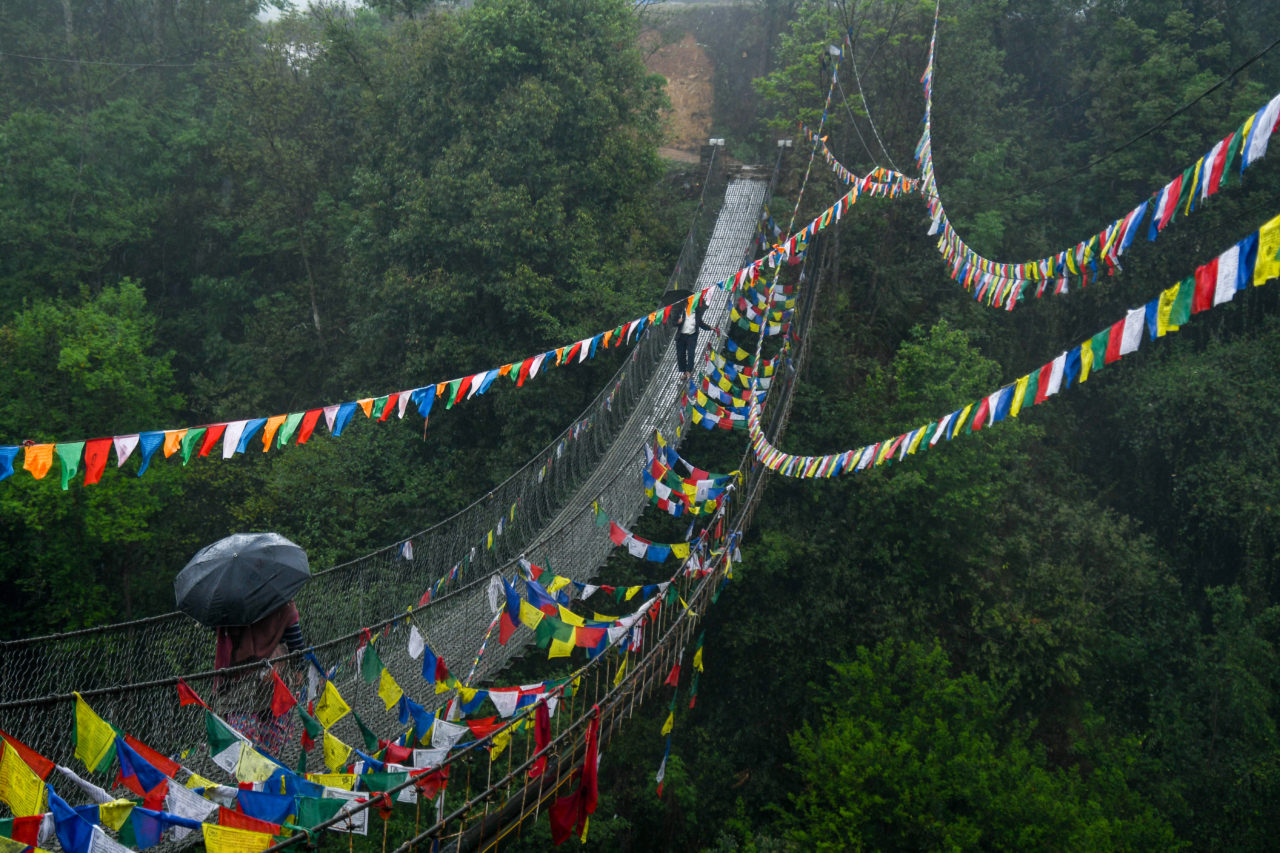
    Photography: From the stone steps of the school to the fields, dotted with prayer flags, village houses, and more.

    Historical Significance: The intact architecture and rituals of Panauti.
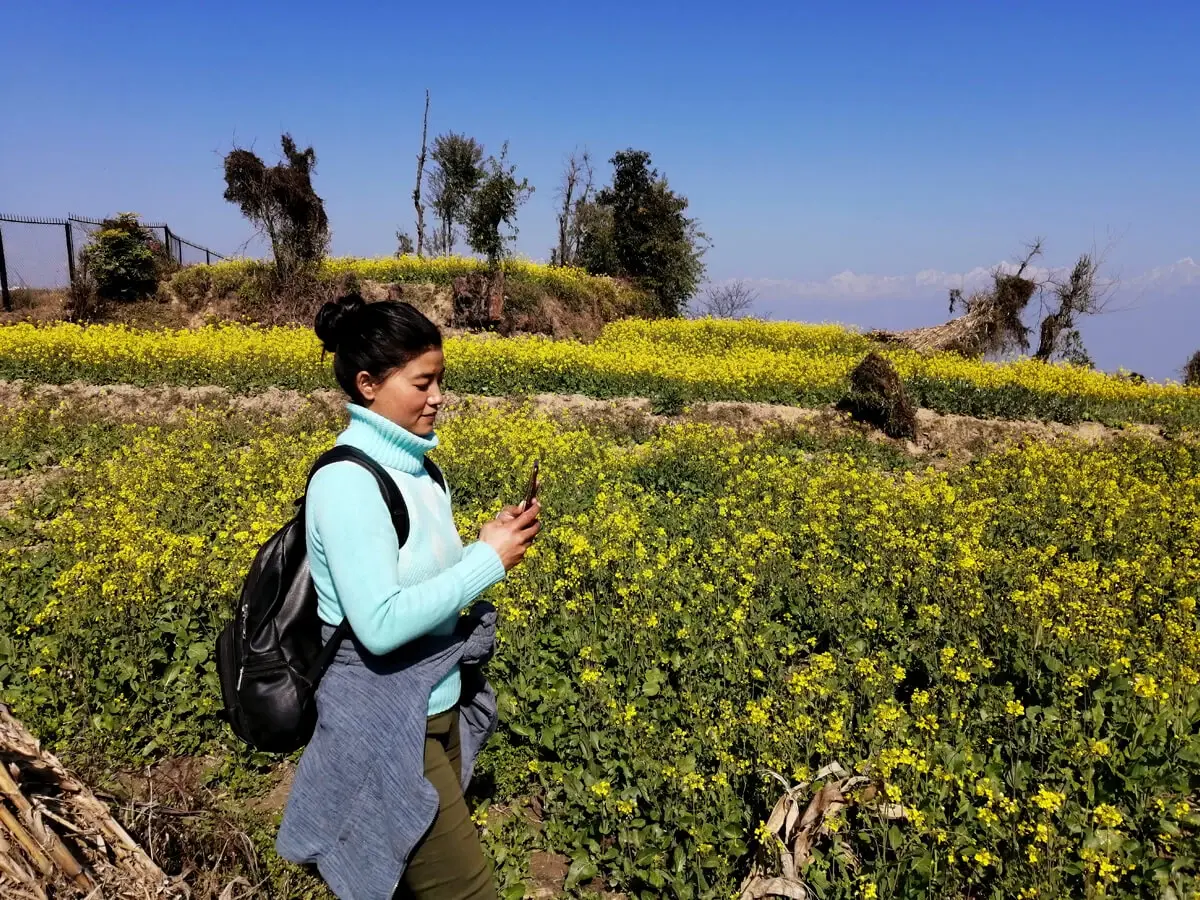
    Ideal Period for Hiking:

    It is possible at any time of the year, but the ideal period would be:

    Spring: March to May – Shedding of winter wildflowers, obliterated tree coverage, and ideal weather

    Autumn: September to November – Weather and underwater visuals of mountains are magnificent and matched with crisp clear skies.

    If you are someone who prefers dry trails and clear views then best not visit during the monsoon season of June, July, and August.

    Practical Advice for a Good Day Out

    Footwear: Comfortable, reliable walking shoes or boots with a grip.

    Clothing: Loose-fitting, loose clothes, and an extra layer as a raincoat

    Water and Refreshments: Own water and at least 2 litres, and refreshments

    Camera: Remember to take photos of scenery and village views.

    Respect: Be quiet and respectful where prayers are being read, take off your shoes, and be quiet.

    Overnight stay at Balthali if possible.

    Conclusion: A Whole Experience in a Day

    Namobuddha–Balthali–Panauti trek is a hill trek and something more, a journey to the soul of Nepal. There is something here for everyone, a moment in the Buddhist ethos of hospitality, a moment in the poetic asceticism of an off-the-beaten-path village existence, and the richness of a medieval newari town culture.

    If you are an inexperienced trekker or an experienced trekker eager to accomplish a short trekking experience near Kathmandu, the present trekking tour will make you excited and enthusiastic. contact us today at Happy Mountain Nepal, on Facebook, Instagram, or TikTok.

    FAQs

    1.  How long is Namobuddha–Balthali–Panauti hiking?

    4–6 hours of walking duration, depending upon your walking speed and resting frequencies. It’s a Namobuddha to Balthali trek, followed by Khopasi and Panauti.

    2.  I s this hiking in for starter or not?

    Yes. A straightforward and uncomplicated starter hike with regular trails, negligible height gain, and regular resting stations.

    3. How do I get to Namobuddha from Kathmandu?

    Namobuddha is about 42 km (1.5 hours’ drive) from Kathmandu. Drive your car, taxi, or local transportation via Dhulikhel.

    4. What are the best times to do this hiking?

    Spring (Mar–May) and autumn (Sep–Nov) are ideal with fine weather, moderate temperature, and lush vegetation.

    5. Is it possible to do the trek on a day hike from Kathmandu?

    Yes. It’s a great day hike. Overnights at Balthali are more of a cultural experience and have better views of sunrise, though.

    6. Is there lodging at Balthali?

    Yes. A few homestays and guesthouses in Balthali village are run by local Newar or Tamang families.

    7. What should I bring on the hiking?

    Hiking boots, hat, sunscreen, rain jacket (seasonal), water, and snacks, topped off with a camera.

    Layers get washed away when it rains.

    8. Should I hire a guide to attempt this hiking?

    Although the trail is well marked, using a local guide will make the experience better because they will tell you about culture and ensure that you don’t miss the peaceful spots.

    9. What are the cultural highlights of the trek?

    The trek includes Namobuddha Monastery, Tamang and Newari villages, and Durbar Square and old Hindu temples of Panauti, Buddhist and Hindu heritage.

    10. Is this hiking child-friendly ?

    Yes, the easy track and culture exposure render the journey a great family trek to which children aged 6+ years who have an interest in walking and watching nature can join.

  • Top 5 places to hike near Kathmandu.

    Top 5 places to hike near Kathmandu.

    Top 5 places to hike near Kathmandu.

    Kathmandu is the city located in the heart of Himalayan kingdom is a dream come true for every hiker. Being next to rising peaks and greenery, the city provides numerous trails for different category of hikers. From beautiful nature walks, easy walks through hilly terrains to climbs up steep rocky terrains to reach vantage points, there is hiking for everyone in Kathmandu. Heading forward, this blog shall present the top 5 hike near Kathmandu.

    Apart from learning culture and touring, trekking is arguably the best substitute to hiking. Some of the best hiking trails with beautiful terrains and wonderful view of mountain are around Kathmandu. If you feel trekking is challenging, hiking could be a perfect means of enjoying the best of Nepal. Here are the hiking spots near Kathmandu valley:

    1.Nagarjuna Hill Hike
    Nagarjuna hill hike

    Difficulty: Moderate

    Duration: 3-4 hours

    Kathmandu – the city located in the heart of Himalayan kingdom is a dream come true for every hiker. Being next to rising peaks and greenery, the city provides numerous trails for different category of hikers. From beautiful nature walks, easy walks through hilly terrains to climbs up steep rocky terrains to reach vantage points, there is hiking for everyone in Kathmandu. Heading forward, this blog shall present the top 5 hike near Kathmandu.

    Apart from learning culture and touring, trekking is arguably the best substitute to hiking. Some of the best hiking trails with beautiful terrains and wonderful view of mountain are around Kathmandu. If you feel trekking is challenging, hiking could be a perfect means of enjoying the best of Nepal. Here are the hiking spots near Kathmandu valley:

    Highlights of Nagarjuna Hill Hike

    • Hike in Nagarjun National Park.
    • Visit Jamacho Monastery.
    • Hiking through dense forests with diverse flora & fauna.
    • Rewarding view of Kathmandu valley, Himalayas & its surroundings.
    • Visit the historical Buddhist Gompa, Jamacho Gompa.
    • Explore the ancient Nagarjuna Shanti Cave.

    Some of the tips for Nagarjuna Hill Hiker:

    • Bring sufficient drinks and snacks,
    • Wear comfortable hiking attire and boots,
    • Maintain a comfortable pace,
    • Respect the environment and avoid littering.

    2. Kakani Hike
    Kakani hike
    Difficulty: Moderate

    Duration: 3-4 hours

    Kakani is one of the most favoured tourist hot spot to both domestic and international travelers. It is also one of the best places for a picnic. It is a great place to take a tour and get a beautiful view of the valley and mountain range. You might be privilege to view some world’s highest peak such as Mt Manaslu,Kathmandu gaurishankal, langtang and Ganesh Himal etc.

    Kakani Hike begins with a drive to Sundarijal from Kathmandu which is about 13 km. Next, we will go on a four-hour hike in the beautiful woods and stunning landscapes of the region. During the climb, there are several beautiful villages through which hiker shall pass through. Some are you can meet several locals and can communicate with them.

    Highlights of Kakani Hike:

    • View the majestic vistas of Langtang, Manaslu, and Annapurna range.
    • Popular picnic spot among the local people.
    • Enjoy and relax in the peaceful atmosphere of Kakani.
    • Known best for Strawberry farm.
    • Interact with the local people and local culture.
    • Visit the surrounding monastery.

    Some of the tips for Kakani Hiker:

    • Check the weather forecast,
    • Avoid throwing litter in the surrounding,
    • Drink plenty of water throughout the hike,
    • Wear comfortable hiking shoes.

    3.  Shivapuri Hike

    shivapuri hike

    Difficulty: Moderate

    Duration: 4-5 hours

    Shivapuri National Park is one of the shortest national parks and day hike from Kathmandu. The hiking trail is perfect for hiker enthusiasts both within and outside the country. Shivapuri is at a height of 2732 metres. When you are on your Shivapuri Hike, there are numerous types of plants and animals that you will come across. It provides a relaxing environment and untouched environment for trekking and other related activities.

    Shivapuri Hike starts at Budhanilkantha the religious Temple location. Following a visit to the Hindu temple, one can begin the trek through the forest of sal, oak, and rhododendrons up to Nagi Gompa, the Buddhist retreat. The Nagi Gompa is situated on the hill top of the village. From here, you can have a wonderful view at the mountains and the valley. You can watch in the monastery and also practice meditation.

    Highlights of Shivapuri Hike

    • Hike in Shivapuri National Park.
    • Enjoy diverse flora and fauna.
    • Visit the holy Hindu temple, Budhanilkantha Temple.
    • Explore the Buddhist site, Nagi Gumba.
    • Travel over the wilderness and rhododendron forests.
    • Enjoy the breathtaking views of the Kathmandu Valley.

    Here are some of the tips for the Shivapuri Hiker:

    • Begin your hike early in the morning to avoid crowds,
    • Follow Leave No Trace principles to minimize your impact on the environment,
    • Use insect repellent to ward off mosquitoes and other insects,
    • Pay the required entrance fee.

    4.  Phulchowki Hike:

    pulchowki hike

    Difficulty: Moderate

    Duration: 4-5 hours

    Phulchowki is the highest hill station situated within the Kathmandu valley. Phulchowki is one of the best hiking trails where natural scenery, cultural history, and panoramic views are awaited you. You may visit the significant Hindu pilgrimage place Phuchowki Mai temple at the peak. You can also visit Godawari Botanical Garden which has a number of plants, trees, birds, and animals.

    The Phulchowki Hike is 30 minutes of drive to Godawari from Kathmandu. To get on to the hill, we will take a physically challenging trail through a fine forest with lots of flora. You will be provided with marvelous sightseeing of giant mountains and the Kathmandu valley. On the way up, we will cross through several picturesque villages and meet locals. On the top you will be rewarded with breathtaking views of the Himalayas including the world’s highest peak Mount Everest. As mentioned earlier the Godawari Botanical Garden located at the base of the Phulchowki is worth a visit for witnessing the diversifying plants and bird and butterfly brains for the hiker.

    Highlights of Phulchowki Hike:

    • View the majestic view of the Annapurna range and Mt. Gaurishankar.
    • Breathtaking vistas of Kathmandu Valley.
    • Explore the Phulchowki cave, a natural limestone formation with interesting rock formation.
    • Enjoy the majestic sights of Annapurna, Gaurishankar, Manaslu, and many others.
    • Visit the botanical garden of Godawari.
    • Visit the Phulchowki Mai temple, an important Hindu pilgrimage site.

    Some of the tips for Phulchowki hike:

    • Wear comfortable hiking shoes with good ankle support,
    • Bring plenty of water and snacks,
    • Protect yourself from the sun with sunscreen and a hat,
    • Be mindful of wildlife and follow trail etiquette.

    5. Champadevi Hill Hike:

    champadevi hike

    Difficulty: Easy

    Duration: 3-4 hours

    Champadevi is an easy day trekking area located close to Kathmandu city area. Enchanting and captivating breathtaking sights of the Kathmandu Valley and the Himalayas are what you will be provided with. It is situated on a mean elevation of 2249 meters above sea level. This Chamapadevi Hike presents opportunities to viewing mountain such as Mt.Everest and many more.

    Hiking trails begins from Pharping itself. After that a trip to Champadevi Peak will be made on foot. In the course of this journey, you will visit few monasteries including Pharping Monastery. Champadevi is one of the beginners’ friendly, easy and peaceful hiking destination. You will meet some of the endemic plant and animal species of the region few of which are mentioned below.

    Highlights of Champadevi Hill Hiker:

    • Visit the Holy temple, Champadevi.
    • Amazing vistas of the Kathmandu Valley and the landscapes.
    • Majestic views of Langtang and Gaurishankar.
    • Explore the Padmasambhava Cave.
    • Visit the nearby monasteries and Buddhist stupas.
    • Relax in the serene environment of Chamapdevi.

    Here are some of the tips for the Champadevi Hill Hike:

    • Avoid rushing and take your time to enjoy the scenery,
    • Leave no trace. Avoid littering and disturbing wildlife,
    • Begin your hike in the morning to avoid the afternoon heat and crowds,
    • Ensure you’re in good physical condition, as the hike involves a steady uphill climb.

    Conclusion

    In conclusion, Kathmandu offers a diverse range of hiking trails for all levels of experience and interests. From the breathtaking panoramic views of Champadevi and Phulchowki to the serene natural beauty of Shivapuri National Parks, there’s something for everyone to enjoy. Each hike offers unique experiences, from cultural exploration to wildlife sightings and stunning vistas. Whether you’re a seasoned hiker or a beginner, Happy Mountain Nepal will make sure to find a trail that suits your interests and fitness level.

    FAQs

    1. What is the best time to go hiking near Kathmandu?

      • The best time for hiking in the Kathmandu Valley is during the spring (March to May) and autumn (September to November) months. The weather is generally clear and pleasant, offering the best views of the mountains.
    2. Are the hikes in Kathmandu suitable for beginners?

      • Yes, several hikes around Kathmandu, like the Nagarjuna Hill and Champadevi Hill, are beginner-friendly with moderate difficulty levels, making them perfect for those new to hiking.
    3. Do I need a guide for hiking around Kathmandu?

      • While some trails are easy to navigate, hiring a guide can enhance your experience by providing insights into the local culture, wildlife, and history. For more challenging hikes, a guide is recommended for safety and navigation.
    4. What should I bring for a hike in Kathmandu?

      • Essentials include comfortable hiking shoes, a hat, sunscreen, water, snacks, a camera, and a jacket (as temperatures can vary). For longer hikes, consider bringing a first aid kit and insect repellent.
    5. How difficult are the hikes around Kathmandu?

      • Hikes range from easy to moderate difficulty. Trails like Nagarjuna Hill and Champadevi Hill are suitable for beginners, while hikes like Phulchowki and Shivapuri may require a bit more stamina and effort.
    6. Can I visit temples during my hikes?

      • Yes, several hiking routes around Kathmandu pass by important temples and monasteries. For example, the Shivapuri hike takes you past the Budhanilkantha Temple, and the Champadevi hike includes the Champadevi Temple.
    7. Is it safe to hike in Kathmandu?

      • Hiking in Kathmandu is generally safe, especially on well-traveled trails. However, it’s important to follow local guidelines, stay on marked paths, and be cautious of wildlife. It’s also advisable to hike with a group or guide.
    8. Are there accommodations near hiking trails in Kathmandu?

      • Yes, there are several guesthouses and hotels near popular hiking trails. For instance, areas around Shivapuri National Park, Phulchowki, and Nagarjuna Hill have basic lodging facilities.
    9. What wildlife can I expect to see while hiking?

      • Depending on the trail, you may encounter diverse flora and fauna, including monkeys, deer, various bird species, and butterflies. Nagarjuna Hill and Shivapuri National Park, in particular, are known for their wildlife.
    10. Do I need a permit to hike around Kathmandu?

    • Most of the popular hiking spots near Kathmandu, like Nagarjuna Hill, Champadevi, and Phulchowki, do not require a special permit. However, some areas, particularly those that are part of national parks or conservation areas, may require a permit. Always check in advance.