Tag: kathmandu

  • Cultural Immersion in Nepal

    Cultural Immersion in Nepal

    Cultural Immersion in Nepal: What I Experienced and What You Should Not Miss

    Experiencing Nepal is as if you stepped into a dynamic book. Every temple is a prayer, every mountain is an older story than time, and every smile is a warmth to your heart much like the sun. When I think of Nepal, I always carry the amazing mountains and lakes. But greater than that, are the people, the traditions, the spirituality and the love that every hour and every day is. My experience in Nepal wasn’t about sights and being part of a culture. My experience restored soft reminder of possibility. I recall the time I landed in Nepal, certainly with some thought of what I would be arriving to see.

    A group of people, including five tourists and several local guides, stands together outside a small shop with colorful prayer flags and goods hanging overhead. The tourists are wearing hiking gear and holding trekking poles. The group is holding a white banner that reads "HAPPY MOUNTAIN NEPAL" with a purple logo.

    To me, my experience was not simply seeing sights of Nepal connecting with this culture. I felt a sense of relief about the endlessness of possibility. When I first arrived in Nepal, I had some sense of what I was going to see. Temples and stupas and treks. But I did not expect how it was going to touch my heart. Every day meant something; it was a ritual that had softened over generations. The act of kindness from strangers made me feel like family. The festival that infused an entire town with life. Nepal is a place that creates relationships that last forever and never leave you after. 

    First, my first impressions of Kathmandu moved from the poetic beauty of Patan, to the feeling of being in the medieval age in Lumbini. And to the epic space of views in Pokhara, and the wonderful feeling in Bandipur

    These are places that do more than show you Nepal, they take you there.

    The center of Nepal, Kathmandu

    Kathmandu is a city full of contrast next to busy traffic. And ancient temples are located right next to cafes. It can be loud, religious, colorful, and simply fantastic all at once. Each day, I could enjoy narrow back streets. And allow myself to be taken in by the sights and sounds of colorful prayer flags in the wind. The sound of a street vendor negotiating a price on a small token. And in the background, bells are ringing from somewhere far away. Many of the times when caught up by this cloud of smell was floating in from a group of tea drinkers enjoying the masala tea. 

    To begin my journey, I visited the Swayambhunath Stupa, which obviously strives to make its way into heaven. At a high elevation overlooking the valley below, proudly displaying its presence on the skyline. As I slowly made my way up the long steep stairway. I could hear prayer wheels spinning and monks chanting serious prayers. At last, I reached the top, and I could see the domed stupa structure, white, and oval-shaped. With the eyes of Buddha looking in 4 different directions.

    Golden skies, Kal Bhairab statue at Kathmandu Durbar Square

    The sun was starting to rise and as it was breaking the horizon to begin the day. It was wrapping her arms around the city of Kathmandu. In the morning cool, the prayer flags were flying in the air. Something here touched me and gave a feeling of peace and grounding in that beautiful and fragile lives are cherished as human beings. I started my trip at Swayambhunath Stupa, which clearly tries to rise up into heaven. 

    So simple, yet so powerful. Later that same evening, I attended Pashupatinath Hindu temples in Nepal. As night fell, priests were observing the ‘aarti’ night service on the Bagmati River. Around the priests were thousands of devotees, holding lamps, singing and dancing. It is an incredible sight to see people surrender everything they believe in. 

    Up high, it looks down upon the valley below and is proud of being within the skyline. After walking for a bit up the very long steep steps, I could hear prayer wheels, and monks chanting very serious prayers.Tears rolling down their chins. They prepared to raise their necks to view and to pray with joined palms. Faith here was not simply a type of expression; faith is a type of living.

    The following day, I explored Kathmandu Durbar Square. It is the old royal palace and pagoda temples still reveal the architectural beauty of Nepal. Children ran around the grounds chasing pigeons while other sat on wooden steps. Discussing politics, religion, and family. When you are in Kathmandu, there is always some form of movement. However, there is a sort of rhythm behind the noise. 

    Things to do in Kathmandu

    • Get up early and go to Swayambhunath Stupa for sunrise
    • Experience the calm of early morning prayers
    • Attend the aarti at Pashupatinath in the evening – it will be amazing
    • Visit Kathmandu Durbar Square and try local Newari food; preferably Bara and Samay Baji

    Patan: The City of Art and Soul 

    Just a short ride from Kathmandu took me to Patan, which has a feeling of being an open gallery. Known as Lalitpur, “City of Beauty,”. Patan possesses a magic with fine arts, graceful temples, and warm people. Here, tradition and creativity go hand in hand. As one can see in the images below of temples and intricate designs.

    I spent some time at Patan Durbar Square watching. The Krishna Mandir stood in the middle, surrounded by beautifully carved windows and clay-red courtyards. Every carving, every angle, is full of history. 

    Inside the Patan Museum, I sat in front of sculptures of ancient people or metal statues carved from copper made over centuries with patience and spiritual love. Each work in the museum rang with the idea of nothing being made for gain. The silence allowed me to be connected to the creators generations before me who devoted their lives to bring pieces of art to life. Not for fame, but for God. 
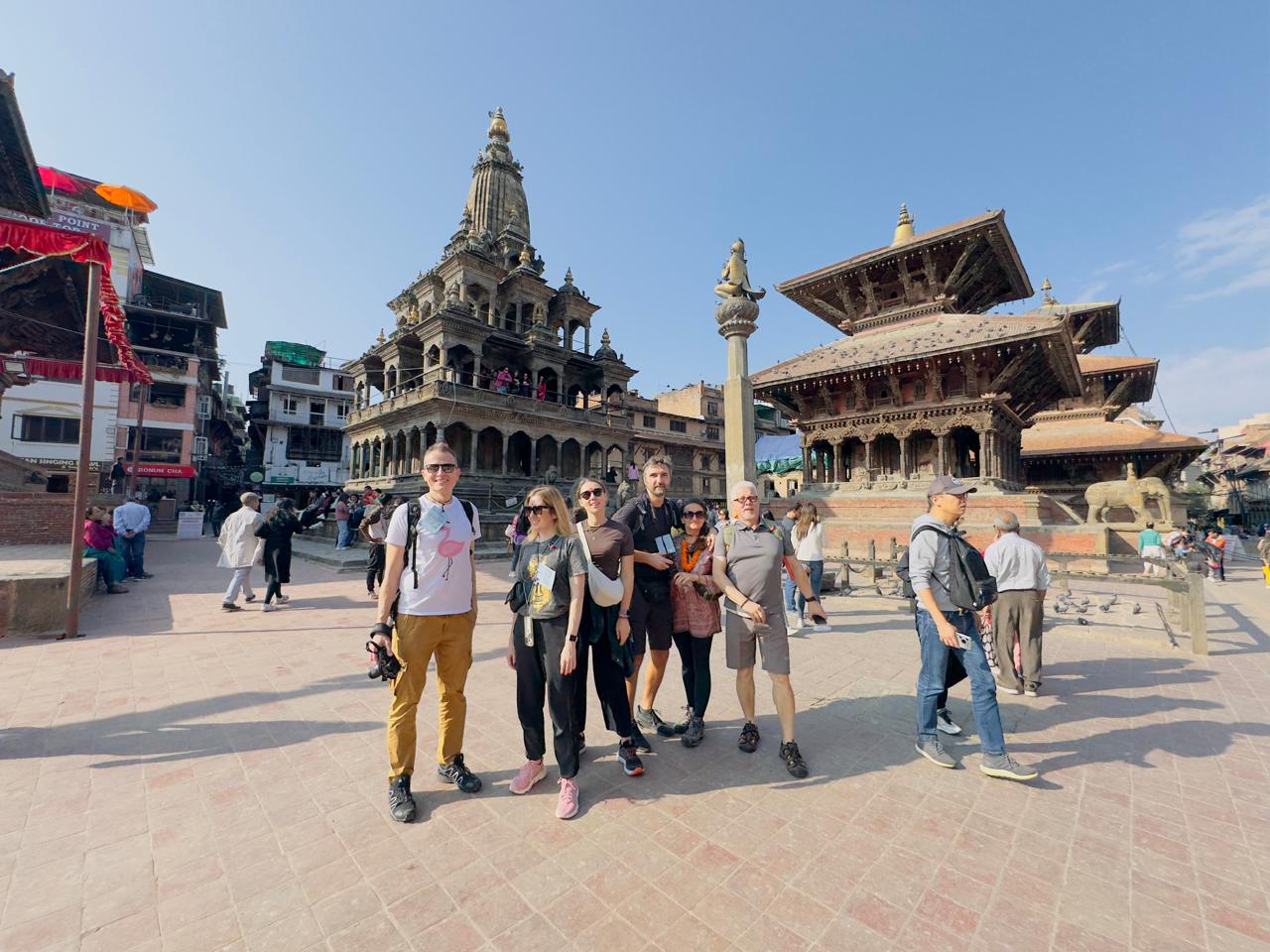
    Sightseeing Around Patan Durbar Square with krishna temple in the background

    As I traveled deeper into the chaos of the city. I met an older gentleman working with metal outside of a small workshop that seemed to be home. His hands were rough from kneading bronze and copper like butter into different shapes and symbols. When I hesitatingly asked him what inspires his art, he smiled kindly and said, ‘In Patan, we do not make art to sell.” We do it because it keeps our ancestors alive.” This phrase communicated the slightly more literal nature of Nepalese culture; art, mindfulness, and heritage are virtually interchangeable terms. 

    Things to do in Patan

    • The Golden Temple (known as Hiranya Varna Mahavihar) will give you insight into their (often collective) Buddhist customs and their astonishing abilities. 
    • During the golden hour, the Pata Museum and the nearby sacred temples will take on a golden shade. 
    • Speak with some artisans, and they will warmly greet you with tales and smiles. 

    A True Time Travel, Bhaktapur

    If you wish to see what life looked like in Nepal 100 years ago. Bhaktapur is your best place for you. As soon as I walked over the walls, time seemed to slow down. The atmosphere felt different. It felt slow, and brick lined the external walls of brick lined the streets with their old, dusty courtyard spaces. Bhaktapur is a museum of Newari culture and a city of old robes.

    As I walked around Bhaktapur Durbar Square. I couldn’t help but gaze at the height of the Nyatapola Temple. The carved stone guardians, the carvings of each carving. And the vertical awe of this square transported me into another dimension. It is one of those places that makes you feel and breathe history into the surrounding air. 

    I continued my way past pottery, where a new cast of feminine and masculine genders was sculpting the earthen pots with their craft. The earthy smell filled the area, as many earthen pots were sitting in drying stages in the afternoon sun. 
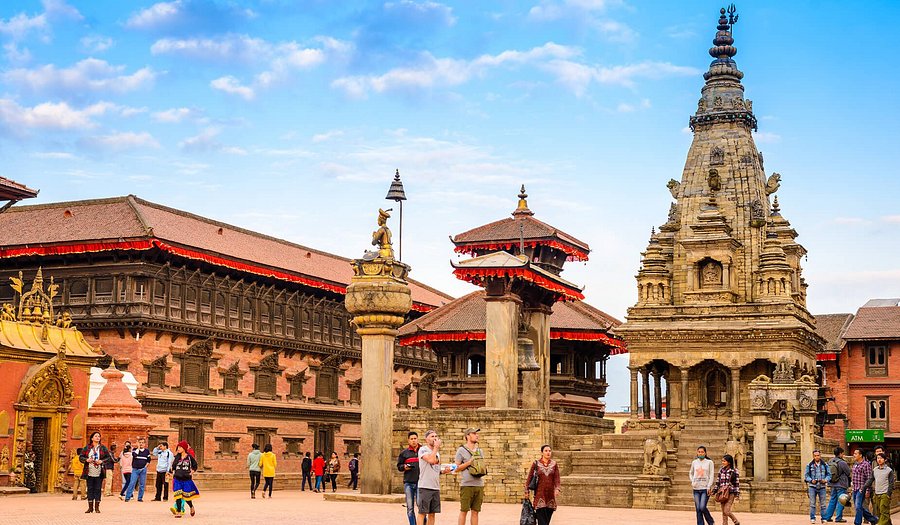
    Temples around Bhaktapur Durbar Square

    I stopped at a small shop to sample Juju Dhau. The iconic “King Curd” of Bhaktapur is served in a small clay bowl, and it was sweet, thick, and creamy (some of the best yogurt I have ever tasted!). The shopkeeper couldn’t contain his pride when he said, “Our family has made yogurt for five generations.” I could sense even the food in Bhaktapur takes on a heritage. 

    I happened to stop in another area, noticed all of the people gathering to pray. The warm dim lit glow from the oil lamps danced for life in the window. It is in moments like this that I thought, yes, while this country and even this world is undergoing modernization, there will always be places like Bhaktapur where these traditions remain, quietly revered and cherished. 

    Things to do in Bhaktapur

    • If you can, experience Bisket Jatra. It is bright colors, music, and emotion.
    • Try some Juju Dhau and explore Durbar Square at night, when the lamps illuminate both temples and streets. 
    • If possible, watch the potters at work, or try your own hand at shaping clay in Pottery Square. 

    A Place of Peace,Lumbini 

    After spending a few days in the mountains, and a few more in the countryside, I found myself at the site of Lumbini. Lumbini is known as the birthplace of the Lord Buddha. From the moment I arrived to be welcomed, I felt the stillness set in. The town’s noice settled to a sound stage of peacefulness. The wind revolve around the leaves of the trees at one end of the property. While I attended to the muted yet gentle vocal chanting from the furthest reaches of the area. The soft, tinkling tones and blooming of what must have been many. Many temple bells started as wrap melodic ornaments and jungles.

    The Maya Devi Temple identifies the location where the Maya Devi gave birth to Siddhartha Gautama. It is such a humbling thought to actually stand in a place like this. Monks from many places on the globe, each wrapped in their glowing orange sacred robes. They  were sitting in silence, not only in the sun but in stillness and meditation. I reflected on the scene, watching the prayer flags spinning around beside the temple. 

    Before making my way to the temple itself. I didn’t feel rushed, nor distracted  just peaceful. I spent the day wandering everywhere in the Monastic Zone. Seeing what international monastic architecture expressions of Buddhist worship look like. As the evening approached, I walked in the Garden along ancient trees and distant chants from other monasteries. In some places, you just feel better being there. Lumbini showed me that peace is not something we need to seek; it already exists within us. 

    Things to do in Lumbini

    – Make sure you visit Maya Devi Temple early in the morning when it is still quiet.

    – Enjoy looking at the international monasteries and see the different types of architectural styles.

    – Meditate under the Bodhi Tree, to even more significantly try to slow down your thoughts even more significantly.

    The City of Lake, Pokhara

    Commonly called the “city of lakes,” for me it was the “city of reflections”. Both in the water and spirit. It is situated at the foot of the Annapurna range with some of both the sacred and scenic beauty of the land.  Every morning, I  would walk down to Phewa Lake and charm in the perfectly still water with the mountains perfectly now in it. The locals, too, came to the lake for a prayer, or a fish, or just to sit, sometimes silently. There was something soothing about this simplicity in its approach.

    One of the most enjoyable experiences I had while we were there was time spent at Bindhyabasini Temple, the oldest temple in Pokhara. I arrived just in time for morning puja, as I remember the flowers filled the air with sweetness. And women in saris prayed with their offerings, bells ringing with an ethereal rhythm which somehow felt organically connected to something innocent, not fear.
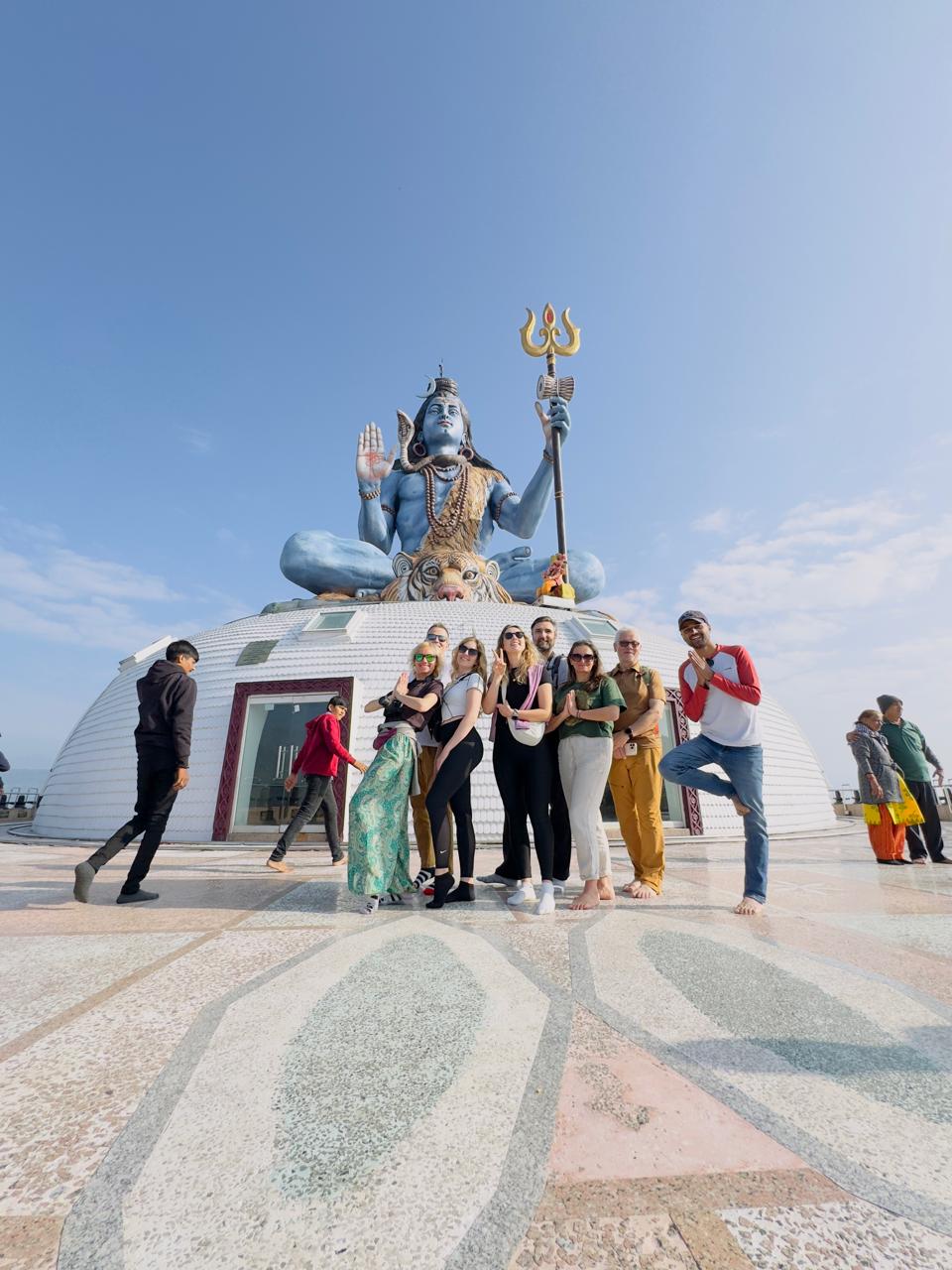
    Group of Happy Mountain clint taking pictures at Pumdikot shiva statue

    In the evening, we joined local community members and lit little oil lamps to place in Phewa Lake.They floated lazily on top of the water like stars falling from the sky. The lights floated on the surface of the water, like stars falling from the sky. It was a moment to think about large charmily as there were countless lights floating along. Some display peace, others hope, and even some gratitude. 

    Pokhara offers one more view of the diversity of culture in Nepal. When I was in the area. I visited the Gurkha Memorial Museum, which reminded me of how pride and honor.

    Things to do in Pokhara

    • Start your day with an early boat excursion on Phewa Lake and then complete a day trip to Tal Barahi Temple. 
    • It is also worth mentioning that you have to experience the sunrise from Sarangkot since bathing in the golden light with spectacular views of the textures of the Himalaya.
    • After that, t you will probably want to navigate around Old Bazaar, and if it remains possible, there are no complete experiences without stopping at the sacred Nakshasat Temple. 

    A Community Frozen in Time, Bandipur 

    Located proudly on a hill between Kathmandu and Pokhara, Bandipur will invite you to sit and take all it in with a full breath. The town is calming and beautiful. It gives some nostalgic novel feel. Newari homes hug alleyways, woodstove smoke drifts and throws itself about, and the sweet smell lentils require a reserved stomach for aware pleasure.

    I had the good fortune of staying at a small homestay run by an extremely nice family. They assumed I was one of their own. I was treated to wonderful hospitality. Every evening we all sat out on the balcony, looking into misty valleys, while sipping milk tea, and discussing life. The grandmother talked about all the ways the town celebrates the festivals of Dashain and Tihar with music, lights, and laughter. “Our joy is simple. We celebrate together, and that is it.”

    Children played traditional games, women prepared food for the festival. And men exchanged viewpoints on local issues in front of local shops. I felt in little Bandipur, that I entered an experience where community matters.

    old traditional structure in Bandipur

    I was lucky enough to see two of the most scenic sunsets during a trip in Bandipur. The dusk sky was painted with pink and golden colors. There were no signs of people, cars, or noise other than the wind rustling and temple bells ringing from time to time. Meanwhile, the Himalayas slowly receded into the background. 

    Things to Do in Bandipur 

    • Walk the main bazaar one evening around sunset and enjoy the tranquility. 
    • Homestay with a local family, and away from tourists. 
    • Try a piece of Sel Roti and Yomari, which folks make for their festivals. 

    What I Learned from a Cultural Experience in Nepal 

    The main thing, I learned from Nepal was that culture is not a building, or an event. It is in the people and the sharing and generosity.The person you just encountered who offers you tea, the child who looks down shyly smiling to you a namaste. The family of people who gather every night to pray and sing and share their lives together. My time in Nepali culture changed my view of the world. I learned to be happy without ownership, to be at peace by finding simplicity, and to express beauty in the most common of times. I felt a sense of connectedness in all things. From chanting in the temples in Kathmandu, to feeling a sense of peace in Lumbini, to finding beauty in the art of Patan, to laughing in Bandipur. All were experiences of community that reflects language and faith.

    When leaving Nepal, I took more than just a few souvenirs. I took the melody of the temple bells that were ringing in my heart. And the beautifully slow release of incenses in my pocket, to feeling the sweet creamy, empty taste of the curd on my tongue. As well as wearing the warm-fuzzy feeling of being advised by strangers together as a family. More than a memory, it was a new lens of viewing life.

    Conclusion

    In Nepal, the experience of cultural immersion is not a hurried activity. It signals you to slow down, listen, observe, and open your heart. The country does not accept you as a tourist, but rather as a friend who wants to endlessly share its ancient wisdom and joy of living daily.

    If you ever come to Nepal, do not just see it feel it. Walk through the old squares, talk to the artisans, eat with the locals, and let the rhythm of life guide you. Because in Nepal, the most meaningful experiences are not found on maps; they are found in moments that touch your soul.


  • Places to Visit to Experience Nepal in 7 Days

    Places to Visit to Experience Nepal in 7 Days

    Places to Visit to Experience Nepal in 7 Days

    If you have a week to travel in Nepal, you might be asking yourself: Is it enough time to really discover this wonderful land? The great thing about this country is that there is expected to be much more to find out than time will allow. Still, if you have a well-planned week-long trip, you will have a wonderful time. And a memorable first-hand introduction to everything about its culture, mountains, spirituality, and visual beauty. You will be able to discover ancient temples and a city with chilling lakes to relax, and incredible views of the Himalayas.  Nepal has a way of surprising you over and over again! 

    Below you will find the best guide to seeing Nepal in 7 days in the best way.

    Day 1: Core of Heritage and Culture in Nepal, Kathmandu 

    Your journey begins through the busy streets of Kathmandu. Kathmandu possesses a certain vitality that was present long before the arrival of tourists. If you visit temples, particularly the extremely impressive and extremely notable UNESCO Heritage Sites of the Kathmandu Valley. Like Swayambhunath, which is sometimes referred to as the “monkey temple”. Beyond these stupas, it also has magnificent 360-degree views of mountain ranges above, which is the epitome of the old world sharing of religion. 

    Golden skies, Kal Bhairab statue at Kathmandu Durbar Square

    Deriving from Swayambhunath, you will tour the Pashupatinath Temple, the holiest temple on the planet for Lord Shiva’s worship! These rituals of the Pashupatinath temple, as you witness them being carried out at the crematorium by the banks of the Bagmati, will be calming, but more enchanting to believe and feel to unite with the temple spirituality. As we continue to follow the remainder of the rituals, we take you now to the next destination of the Boudhanath Stupa, heralded as the largest stupa of the South Asian subcontinent, the center of Buddhism, and where monks still spin their prayer wheels at the bottom of the stupa!! We conclude our tour back in Kathmandu Durbar Square, or home to the old Kathmandu city, where there are some palaces and squares left to see, and the living goddess Kumari. 

    Day 2: The Living Museum of Nepal, Bhaktapur 

    On our second day, we would move on to Bhaktapur, which was a little bit out of Kathmandu. Bhaktapur is an ancient city and is actually an open-air museum as well, just purely with its perfect preservation in form and beauty, it seems like it has a history beginning eons ago. 

    You will walk around Bhaktapur Durbar Square, and observe fine carved wood sculptures, stone sculptures. And many old and beautiful phagonda-style temples touch history and awe of its grandeur.

    Temples around Bhaktapur Durbar Square
    Bhaktapur Durbar Square

    Be sure to check out Nyatapola Temple. The five-story structure is the largest pagoda temple in all of Nepal. Walk to Pottery Square, where local pottery makers turn clay into eye-catching vases and bowls that they have honed through generational family methods and ideas. You will feel like you are traveling back in time with its narrow streets, red-brick houses, and artistic disposition of the city. To finish the evening, don’t forget to try local tortures, including Juju Dhau, the infamous King Curd of Bhaktapur (a desert to die for). 

    Day 3: City of Fine Arts, Patan 

    Next in the journey of the ancient royal cities in and around the Kathmandu Valley is Patan (Lalitpur). Known for its fine art, sculpture, and architecture, Patan is known as the “City of Beauty”. Start the adventure in Patan Durbar Square, a stunning complex of exquisite temples, courtyards, and the ancient palace of the Malla kings. The Krishna Mandir is completely stone. You will agree it is a remarkable work of craftsmanship and devotion.

    Sightseeing Around Patan Durbar Square with krishna temple in the background

    Stop by the Patan Museum in where you can observe ancient sculptures and artifacts which represent Nepal’s religious and artistic life throughout centuries of civilization. You can stroll around the narrow streets to see artisans and metal craftsmen who are still in operation. Patan is also well known for its delightful monasteries, complexes, and ancient Newari-style homes. Wrap the day up at one of the rooftop restaurants looking down on the square with the sunset of shades and tones against the mountains and temples glowing in all their golden glory.

    Day 4: City of Lakes, Pokhara 

    After roaming around Kathmandu Valley, you can take on the short 30-minute flight or drive to enter the lake culture and live with foothill views of the mountain experience. Pokhara, regarded as the ‘Gateway to Annapurna’. 

    On your first morning, take your time and spring on a boat over Phewa Lake for view of the mighty Annapurna range. After reaching the Tal Barahi Temple on the lake’s island, head over to World Peace Pagoda by hiking or driving. The mountains and scenery of Pokhara valley and the lake are really picturesque. And with a discerning eye and being at the right angle, the spectacular snow-capped Himalayas even show themselves in the distance! 

    Group of Happy Mountain clint taking pictures at Pumdikot shiva statue

    Day 5: Sarangot

    For those who wake up early in the morning. I encourage you to wake up and take in one of the most inspiring places to witness a sunrise setting above the sublime landscape of Pokhara valley. It is known as Sarangot hill , you can have a thrilling experience being able to see the sun rise above the far hills of the snowy ranges of both Annapurna, Dhaulagiri and Machhapuchhre. 

    When the early morning sun rises above the light-filled valleys of the gorgeous land of Nepal. You can even witness streams of rays of golden sunlight reflecting off the snowy mountains in range below! In looking back on this part of your life, I can only imagine that you will be saying to yourself. “That was a one in a million experience!” If you happen to be an adventurous outdoor person, or just happen to love nature, I feel perfectly confident in saying!

    If you wanted to make adventure day more adventurous. You will have the opportunity to experience paragliding, hopefully! As you’ve already discovered, you will take off from Sarangkot hill, flying over the Pokhara valley. Coordination experience will be required, as all you need to do is hang glide! The best thing you will ever experience in your lifetime will include hang gliding, as you hang glide over lakes, with stunning mountains of the Himalayas in the background.

    In the afternoon, have breakfast and then enjoy the rest of the morning and afternoon exploring the Lakeside of Pokhara with delicious Nepali food. And check out to the International Mountain Museum to learn more about the country and the mountainous activities. 

    Day 6: The Newari Village, Bandipur 

    Visit Bandipur, a hilltop village between Pokhara and Kathmandu, now a secret gem of Newari architecture, culture, and the landscape of the surrounding hills. Bandipur is often called a living museum due to its beautifully preserved buildings as well as its stone-paved roads free from the movement of motorized traffic.

    old traditional structure in Bandipur

    Walk through the middle bazaar, admiring the intricately carved wood windows and doors and Newari crafts. Visit the Thani Mai Temple to have the light on the Himalaya mountains at sunrise or sunset, and to see some nearby caves, such as Siddha Gufa, one of the largest caves in Nepal. Bandipur may be quite more laid-back in tempo as you heal and relax, interact with villagers, and have very real village life.

    Day 7: The Ideal Departure View, Nagarkot 

    If you want to end your week-long visit to Nepal in style, we recommend spending your last night at Nagarkot. A hill station that tourists enjoy for fabulous daybreak or sunset views of the Himalayas! 

    You might even be lucky enough to see Mount Everest on a sunny day while at Nagarkot . This is reason enough to go! Nagarkot is the perfect last stop before heading back to the city, filled with recapturing mountain air, quiet walks, and calmness. 

    Thus, be sure to enjoy the fresh morning air in Nagarkot, and walk around the beautiful paths around terraced farmland and surrounding villages below. Nagarkot is the best place for those who seek peace. It will be their last minutes of appreciating the beauty and magic of Nepal once more.

    Conclusion

    There are seven days of experiences in Nepal that may be the most satisfying week of your life. With cities steeped in culture and history like the Kathmandu Valley, stunning lakes and landscape in Pokhara, the creative vibe of Patan, and the view from Sarangkot and Nagarkot. It is everything you would want to feel connected to culture, spirituality, and nature in one place. You will leave with stories about this incredible place, whether you seek gratitude, adventure or culture with memories. In just seven days, traveling deep into the heart of the Himalaya, you will reach that special feeling of coming home. 

    Nepal is a land of endless surprises. In addition to the spectacular landscape, the smiles on the faces around you, and the smell of food that radiates light and laughter in all directions, there is no place like Nepal. From serene walks along Shivapuri to the rush of the nutty Everest Base Camp trek, each trek provides the opportunity to hear the stories yet untold. Within seven days, Nepal forces you to look at, perceive, and own a place that will never be out of your heart.


  • Enjoying the Street Foods of Kathmandu: What Street Food You Must Try

    Enjoying the Street Foods of Kathmandu: What Street Food You Must Try

    Enjoying the Street Foods of Kathmandu: What Street Food You Must Try

    I still remember the first time I walked through the busy alleys of Kathmandu’s Asan Bazaar. The air was filled with a mix of spices, the chatter of shopkeepers, and the sizzle of food being fried right in front of me. Kathmandu’s street food is not just about eating—it’s an experience that connects you to the city’s culture, history, and everyday life. Whether you are wandering through Thamel, exploring Patan Durbar Square, or weaving through Indra Chowk, every corner of Kathmandu seems to have something delicious waiting for you.

    The First Bite: Momos on the Streets

    No street food experience in Kathmandu is complete without momos. These juicy dumplings, stuffed with minced meat or vegetables, are steamed and served with a fiery chutney that wakes up your taste buds. I had my first plate from a small roadside stall in Thamel. The vendor handed me a steel plate of steaming hot momos, and I dipped one into the red achar—it was love at first bite. The combination of soft wrapper, flavorful filling, and spicy sauce was unforgettable. Street momos have their own charm—simple, affordable, and bursting with flavor.

    Local momo

    Chatpate: The Crunchy Chaos

    If you hear the sound of someone mixing ingredients in a steel bowl with lightning speed, chances are you’ve found a chatpate seller. Made with puffed rice, boiled potatoes, diced onions, coriander, chili, lemon juice, and secret masalas, chatpate is Kathmandu’s answer to an afternoon snack. I tried it first in Patan Durbar Square, where a vendor handed me a paper cone full of the spicy, tangy mixture. Every bite was a mix of crunch, heat, and sourness—it felt like a festival inside my mouth. Chatpate is addictive; one cone is never enough.

    Sel Roti with Achar: A Festival Flavor Anytime

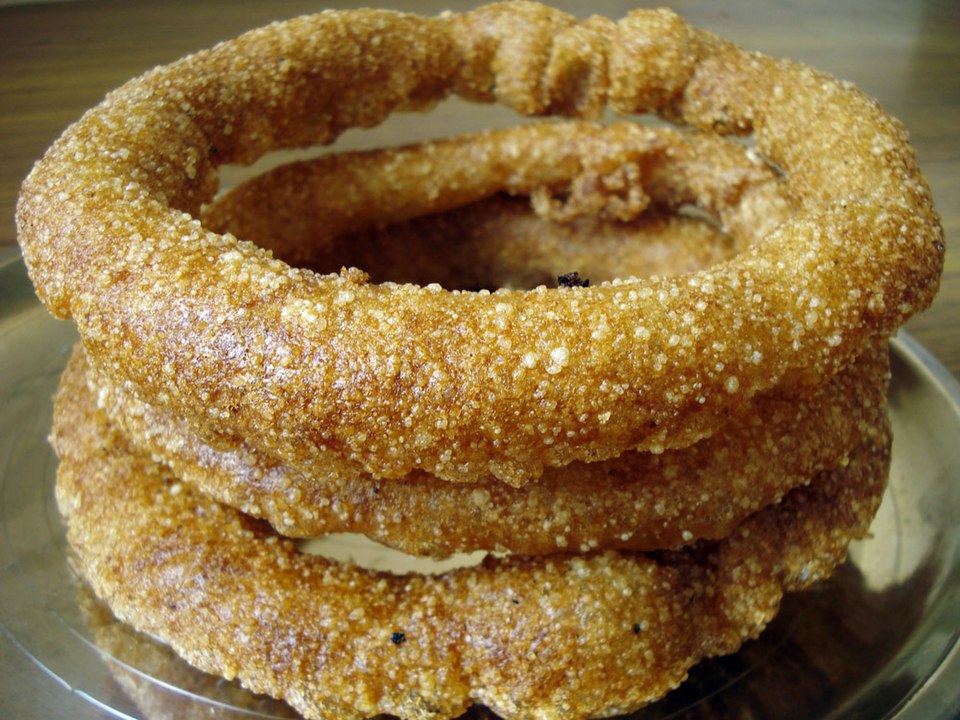
    Sel roti is usually made during festivals like Tihar, but in Kathmandu, you’ll find vendors frying these golden rice-bread rings on the street. I stopped by one such stall near Pashupatinath. The warm, crispy sel roti paired with spicy achar was comforting, almost like tasting home in a bite. Sweet yet savory, crunchy yet soft, sel roti is one of those foods that makes you feel connected to Nepal’s traditions.

    sel roti

    Laphing: A Tibetan Treat in Kathmandu

    Kathmandu is home to many Tibetan communities, and with that comes Tibetan street food. Laphing is a must-try. Cold, slippery mung bean noodles served with soy sauce, vinegar, chili, and garlic—it’s not just food; it’s a sensation. I had laphing in Boudha, sitting on a plastic stool as monks and tourists passed by. The heat of the chili combined with the cool noodles was unlike anything I had ever tasted before. If you love bold flavors, laphing will not disappoint.

    Pani Puri: Small Bites, Big Flavors

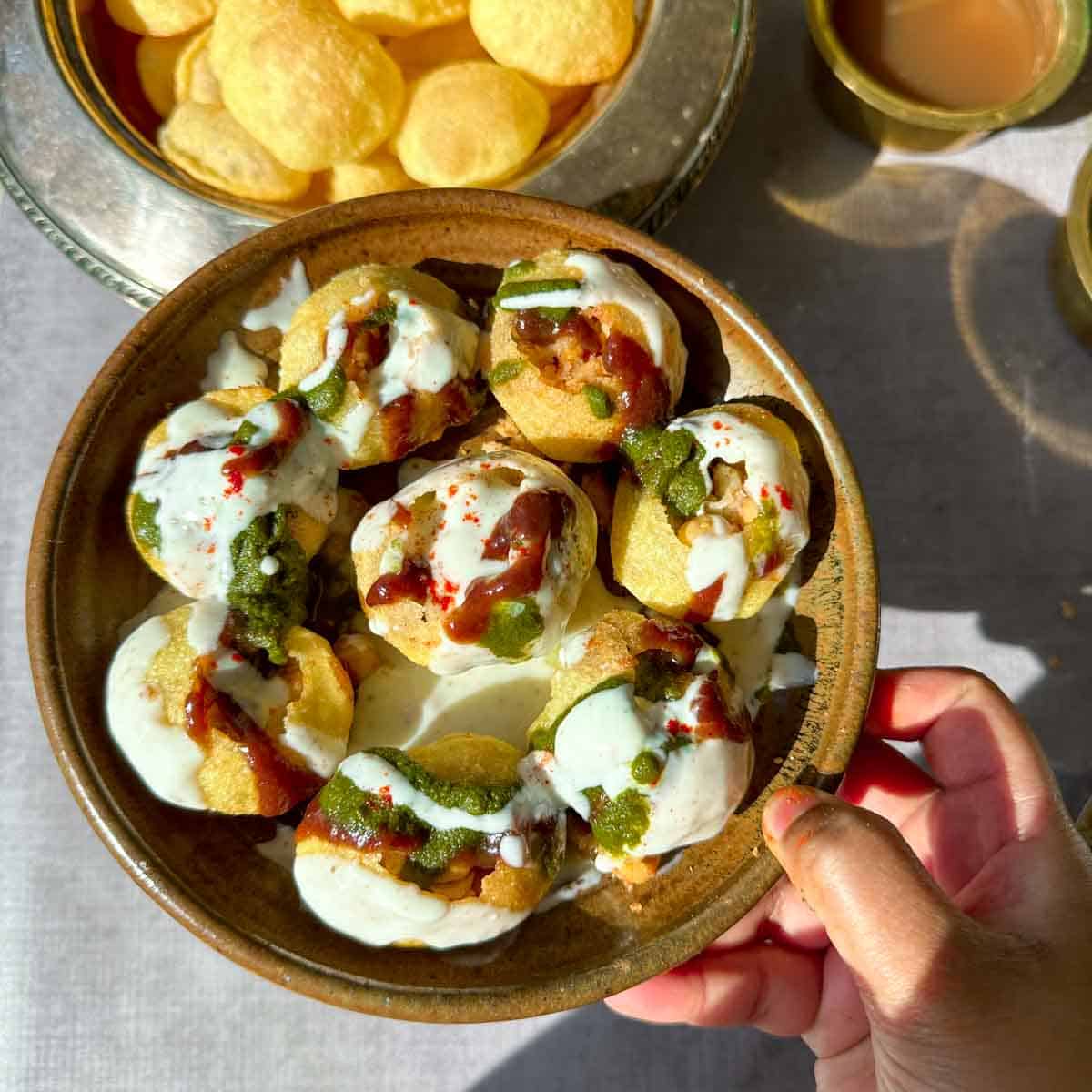
    One of the most fun street foods to eat in Kathmandu is pani puri. Small hollow puris are filled with spiced potato and dipped in tangy, flavored water before being popped whole into your mouth. I tried mine at a stall in Durbar Marg. The vendor laughed as he watched my surprised reaction to the explosion of flavors—spicy, sour, and refreshing all at once. Eating pani puri on the street is a communal experience; you stand in a circle with strangers, waiting for the vendor to hand you your next puri, one by one.

    Dahi Puri consists of crispy, hollow puri shells filled with a mixture of boiled potatoes and chickpeas, and then generously topped with sweetened yogurt (dahi), various chutneys (like sweet tamarind chutney and spicy green chutney), and garnished with sev (crispy fried gram flour noodles), and sometimes chopped onions, tomatoes, or pomegranate seeds.

    Samay Baji: A Newari Classic

    Walking through the narrow lanes of Bhaktapur, I came across a local vendor selling samay baji—a traditional Newari platter. Even though it is more commonly served in festivals and gatherings, some vendors prepare a street-style version. Beaten rice, black soybeans, spicy buffalo meat, fried eggs, and pickles—all in one plate. Each bite felt like a story of the Newars, Kathmandu’s indigenous community, passed down through generations.

    Why Kathmandu’s Street Food is Special

    What makes eating street food in Kathmandu so unique is not just the taste—it’s the atmosphere. You stand in crowded squares, share a laugh with the vendor, and watch daily life pass by. Street food here is affordable, accessible, and deeply rooted in culture. It is the city’s heartbeat, a way of connecting with locals without needing words.

    Street Foods You Must Try in Kathmandu

    • Momos – the ultimate Nepali dumpling experience
    • Chatpate – spicy puffed rice snack with a tangy twist
    • Sel Roti with Achar – festival bread you can enjoy year-round
    • Laphing – Tibetan-style chili noodles, perfect for spice lovers
    • Pani Puri – crunchy bites with a burst of flavored water
    • Samay Baji – a traditional Newari food adventure

    If you ever find yourself in Kathmandu, let your stomach guide you through the streets. Forget fancy restaurant. Sometimes the best flavors are found in a paper plate, a steel bowl, or a paper cone passed to you with a smile.

  • Kathmandu Heritage Tour Without Any Cash

    Kathmandu Heritage Tour Without Any Cash

    Kathmandu Heritage Tour Without Any Cash: A Real Traveler’s Guide

    Every time you visit Kathmandu, it feels like visiting a living museum. The city is dotted with temples, palaces, shrines, and courtyards that are centuries old and impart stories about kings, artisans, and deities. But what if you were interested in experiencing the heritage wonders of Kathmandu without spending a single rupee? Well, good news, you can do just that. While many UNESCO-listed heritage sites have entrance fees, the streets, alleys, and squares of Kathmandu are filled with free history, culture and living traditions. In this blog post, I’m going to explain how you can experience the heritage of Kathmandu without having to carry cash, but still experience the full magic of Kathmandu.

    Start with the Open Squares and Old Streets

    While Simrik for Kathmandu’s Durbar Square is recognized across the world, so are other neighborhoods like Indrachowk, Ason, or Thamel nearby, all of which offer similar if not better experiences of culture–for free. You don’t have to spend money to wander and admire the Newar architecture, walk around ancient chowks (courts), or observe some of the daily rituals that take place at small shrines that occupy a corner of an alley.

    A vibrant image of a Hindu temple or shrine, possibly in Nepal, showcasing intricate carvings and statues, with warm orange and red banners or decorations and a dramatic sky at sunset or sunriseIf you stroll through Ason Bazaar, you’ll find yourself among trade routes dating back centuries, spice shops and temples, such as Annapurna Ajima and Akash Bhairav. Street performances, pujas, and a variety of local gatherings animate the city in forms that are hard to put a value on – what can you pay to experience the miracles that take place in the streets? The best part is, walking through these streets won’t cost anything, however the culture and value are worth much more than an entrance fee.

    Temples to Enter for Free

    While certain major temples of the city, such as Swayambhunath or Pashupatinath, have charges present for foreigners to enter, there are countless temples disperse throughout Kathmandu that welcome all people through their premises, free of charge. Examples of temples that you are able to see without charge include the Seto Machindranath Temple in Jana Bahal, the Ashok Binayak Temple located near Durbar Square, and literally thousands of smaller neighbor shrines. You can simply walk into these temples and light an oil lamp, while taking in the atmosphere of spirituality. 

    Each temple has its own stories – some are part of the mythology surrounding the arrival of Kathmandu, while others you may see visited once a year during festivals, such as Indra Jatra or during the festival of Rato Machindranath. To visit and take in the temples costs nothing, save for your relevance and curiosity. If you are fortunate enough to get to any of the temples early in the morning you may see in reality people arriving with flowers to offer, or engaged in presenting their prayers to the deities as you catch a glimpse of the spirituality that is represented throughout the culture of daily life.

    Heritage Walks in the Alleys

    Walking is the best way to get to know Kathmandu. Strolling through alleyways like Kilagal, Thahiti, or Naradevi, you’ll come upon ancient stone water spouts (hiti), traditional Newar houses with wooden carvings, and flap your way through hidden courtyards where locals live as their ancestors. This heritage walking is absolutely free and arguably richer than a paid tour, because it shows how culture continues outside of monuments we preserve.

    Patan Durbar Square sightseeing by tourist

    One of the best free heritage trails starts in Thamel, winds its way through Kaldahra, crosses into Ason and ends at Indrachowk. You’ll pass stupas, hidden shrines to gods, traditional markets and resting houses (patis). Just be sure you are wearing sensible shoes and have an open heart.

    Festivals: Free Cultural Experiences

    If you organize your itinerary well, you will experience the energy of the festivals in Kathmandu, while spending nothing. All the festivals bring some part of heritage on the street, with traditional chariot processions, mask dances, and lights. It is remarkable to see the Living Goddess Kumari be carry along with her palanquin through Kathmandu Durbar Square in the Indra Jatra Festival. Even by paying nothing, it will be a welcome addition to your experience. 

    Regionally, local jatras (street processions) can give you a front-row seat to music, dance, and traditions that have manifested throughout the history of Kathmandu, with dancing and singing tolerating even the worst of winter. The festivals in Kathmandu turn the entire city into an impressive, living stage, offering heritage and culture in the most lively and festive form – living and free.

    prominent mountains are visible under a bright sky, suggesting a location with significant elevation. The scene captures a vibrant cultural or historical site, potentially a marketplace or a religious gathering.

    Free Views and Sacred Atmospheres

    There are no ticket fees to experience the panoramic views of the Kathmandu Valley either. You can get great perspectives of the temples and some urban life in places like Naghal and Itumbahal or by heading to the terraced courtyards right next to Hanuman Dhoka. You might even find viewpoints of the stupa by slightly walking uphill towards the direction of Swoyambhunath without passing the ticket counter.

    To take in the vibe, the best times would be either at sunrise or sunset, as you will feel the atmosphere of bells ringing, chanting, and temples drumming—and all without a single rupee in your pocket.

    Practical Tips for Visiting the Heritage Site of Kathmandu without Spending Cash

    Walk! Heritage is around every corner of Kathmandu, and walking is a good substitute for not spending as much cash—in addition, you also get something deeper.

    Also, if you want to not spend any cash, bring some snacks and drink water—bring your own reusable bottle.

    Honor the local traditions: There are numerous free temples and courtyards that are place of worship. When you are taking photos, and partaking in rituals, be respectful and take stock.

    Educate yourself about a little history: You could go on a tour with a guide and pay extra for the experience, or you could do a bit of homework online, or even talk to locals. More often than not, they are happy to share stories or their version of events at the time in question.

    Conclusion:

    By all means, a Kathmandu heritage tour needn’t cost a fortune, or cost you anything at all. The city itself is a museum, and culture exists everywhere for to observe, in the streets, in temples and everyday life. Walking through busy squares, going into shrines in neighborhoods, or simply observing processions can allow you to experience what it is like the live in Kathmandu without money.


  • 3 Most Visited Places in Nepal and My Travel Experience

    3 Most Visited Places in Nepal and My Travel Experience

    3 Most Visited Places in Nepal and My Travel Experience

    The first impressions of my long adventure to Nepal could not have been better. I had just completed customs and my heavy travels and emerged from the airport. As soon as I walked outside, I was greeted with a rush of air, a cool breeze, oh, how refreshing! I took a moment and reflected on how I must have looked so different, light and fresh, after having a little bit of earth and incense inhaled. The gentle breeze passing over my body, like soft air blowing off the Himalayas, was like no other. That was the moment I just knew and felt like I was going on the best adventure of my life!

    Kathmandu

    Kathmandu Durbar Square places

    My travel began in Nepal’s heritage and cultural capital of Kathmandu. The sights and sounds of that bouncing, buzzing city soothed my spirits and put me in a cheerful, happy anticipation in motion. Each element was perfectly place, establishing its own rhythm that welcome me in Kathmandu, and said, “Let’s go explore!”

    I started my travels in Kathmandu body and spirit with a visit to Swayambhunath Stupa (more popularly known, for comedic relief, as the Monkey Temple). The winds were whipping, and the prayer flags were being vigorously waved. I was in a seemingly extreme level of inner being.

    I was stir wake at Pashupatinath Temple by the holy chanting. And felt the resonance process across the Bagmati River and could feel the sound vibrations giving me an awesome chill to go up and down my spine. I also found all of my experiences during my time in Kathmandu to be stunning. Boudhanath Stupa was simply mesmerizing. And to watch the Monks spin prayer wheels in peaceful mindfulness changed time itself for each moment. I loved wandering the streets at night through the masses of bustling Thamel, particularly all of the light-dependent open performers, and tourists at the cafes bursting with excitement. The aroma of a range of authentic Nepali foods and chiya, all for you to enjoy while you wait! 

    Pokhara

    Phewa lake, colorful boats & great evening vibes
    Phewa Lake

    The next day, I woke up even earlier, got going for Sarangkot to witness one of the most magical sunrises of my life. When I was standing there at the bottom of the hill, that was just as the first orange rays of sunlight touched the snow-capped peaks of the mountains. And I could feel the crisp air on my cheek; it was blissful. Standing in front of me now was the Annapurna range in all its grandness, which took my breath away.

    I arrived at the World Peace Pagoda, a structure that sits on top of the hill. It stands with silence except for the wind and birds in the distance. I paraglided over the valley, and while hovering there in the air, I could feel the wind catch my shoulders and cheeks. All at once, I had the pure experience of it all. I was given the true feeling of freedom and flying like some eagle in the Himalayas. 

    Chitwan

    Chitwan National Park: people enjoying Wildlife Safari Adventure

    Finally, I ascended to Chitwan, where I could revel in the lush jungle conditions and wild experiences. The moment I enter Chitwan National Park. I was envelop in the earthiness of wet grass. However, I felt like it sounded as though I was surrounded by birds, prompting a delay to their distant evening rest. As the jungle safari proceeded. I felt a brief warmth of breeze across my back and overlaying a stillness. To the thrill from the wildlife murmuring through the trees surrounding me

    I had an incredibly amazing experience. A first and only experience. I felt very lucky to see a one-horned rhinoceros chomping away and a few endangered birds flying up into the trees. After this, I arrived back at the Tharu cultural village, where I had learned so much about their exotic culture. I think what will be the best memory for me is sitting on the banks of the Rapti River while the sun was setting. With a cool breeze on my skin, elephants bathing behind me. And the sun turning from orange to purple in the sky. 

    When I think back to my time in Nepal especially  Kathmandu, Pokhara, and Chitwan. I now realise it was pure magic for me. The temples of temples and their rich histories. The beautiful lakes and intriguing jungles were a magic and beauty I have never experienced in my life. Being amongst the cool winds coming down from the Himalayas, and the intangible flowing air, I felt on my body. The wonderful energy of this beautiful country is something that I will carry with me forever.

    If you are considering going to Nepal, then make sure that you try to fit in these three most popular destinations. And I can guarantee that every moment, or should I say, every second will be poetry in the wind.