Tag: Kongma-La Pass

  • Why Is Kongde View Point Nepal’s Best Trekking Route?

    Why Is Kongde View Point Nepal’s Best Trekking Route?

    Why Is Kongde View Point Nepal’s Best Trekking Route?

    Nepal is famous for its numerous and unique trekking lines including the famously publish Everest Base Camp (EBC) route It is possibly the most famous trekking route of them all And the stunning Annapurna Circuit, perhaps the most beautiful trek anywhere. It is settled away from the famous routes and is a little-known secret in the far reaches of the Himalayas. That is starting to gain popularity amongst advenced trekkers, photographers and the adventure, the Kongde View Point Trek.

     Kongde lies at a breathtaking altitude of 4,250 meters, and offers arguably the most panoramic And all of the mighty Khumbu region of Nepal in a singular view that classic treks like EBC cannot.  Despite being somewhat close to Lukla, Kongde View Point is still a hidden gem of a trek. It is whereone experiences the opportunity to take in the best views of not just Everest But also Lhotse, Nuptse, Ama Dablam, Thamserku, Khumbila, and the entire Dudh Koshi Valley, without bumping shoulders with other trekkers encountered on classic trekking routes. The Kongde View Point Trek is likely where you will discover peace and incredible, unspoiled Himalayan beauty. With every step, you may converse with the mountains. 
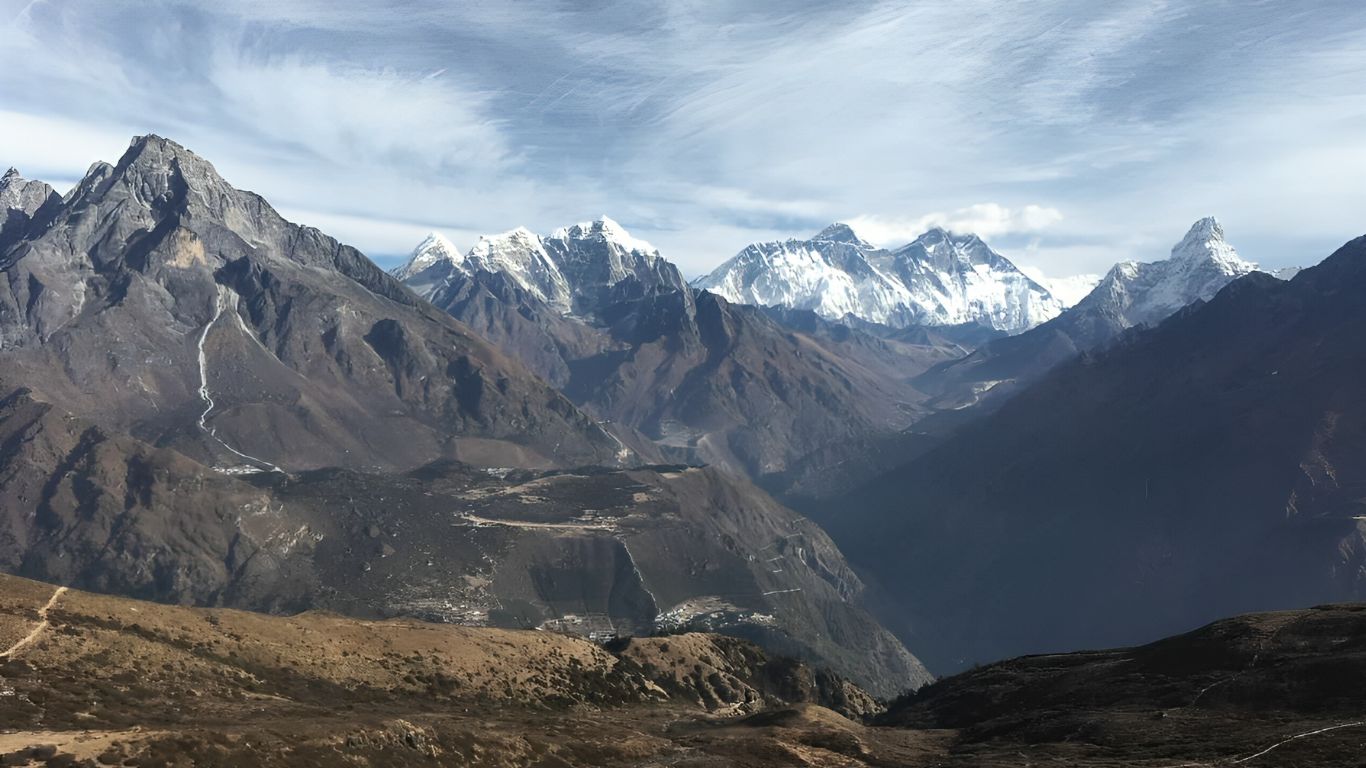
    The Kongde Ri (also known as Kwangde Ri) mountain in the Himalayas of eastern Nepal is a technically challenging peak to climb, but offers spectacular panoramic views of surrounding mountains including Mount Everest, Lhotse, Makalu, and Ama Dablam.

    In this blog, we will explore in detail why Kongde View Point Trek is becoming Nepal’s walking route, and a trek you will definitely remember if you are seeking something out of the ordinary.

    A View You Can’t Find Anywhere in the Everest Region 

    When it comes to trekking routes in the Everest region, there are many options that offer some view of the tallest mountains. But none can compare to the Kongde View Point which boasts the most impressive unobstructed view and provides a gem of a bird’s-eye view. As if each of the major peaks convened just for you. EBC for example has trekkers taking multiple days to walk to simply see a glimpse of the mountains compared to Kongde View Point which grants the entire 180 degree Himalayan view and gets right to work on both angles without a lot of effort to see it. 

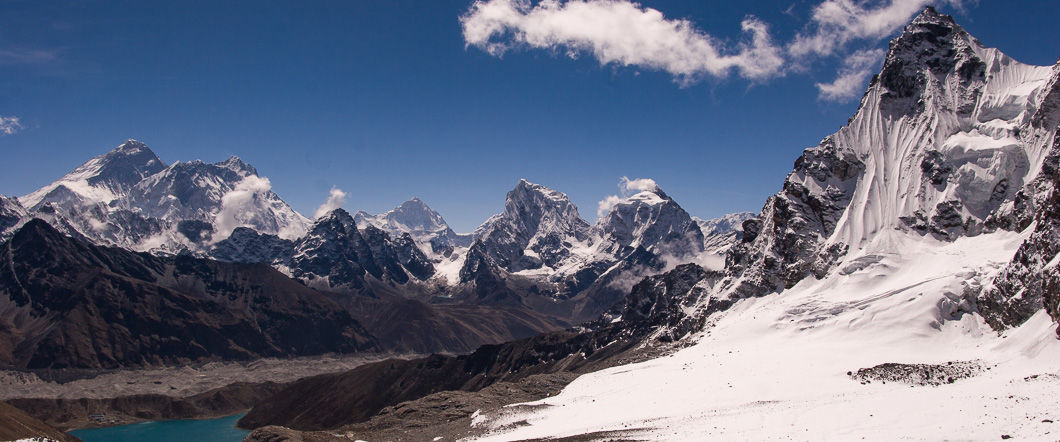
    From the view point, Everest speaks looks mesmerizing while Lhotse and Nuptse looks the iconic three-peak horizon of the Khumbu landscape.To the east is Ama Dablam also dubbed the peak of the Himalayas. 

    A Short Yet Highly Rewarding Trek

    One reason so many trekkers choose Kongde is in the least time, it offers the best rewards. While many of the high-altitude treks in the Everest region last 10-14 days, depending on your pace. You can complete the trek to the Kongde View Point in 4-6 days.  This trek to Kongde is a perfect choice for those with a limited schedule or just wishing for a lighter trip to trek. Additionally, the trek to Kongde starts in Lukla, which is a common way into Everest, but the trail is a different path that sees far less foot traffic than the classic EBC trek. 

    Since this trek takes less time to complete, it’s just a better trek for those trekkers who are just starting out that are looking to experience the glory of the Himalayas, without a long multi-week adventure. Even with the less time commitment that these shorter treks require, it does still reward you with the hard work of trekking, and the steep ascent to Kongde. This combination of some accessibility, with physical exertion is where the true magic lies. 
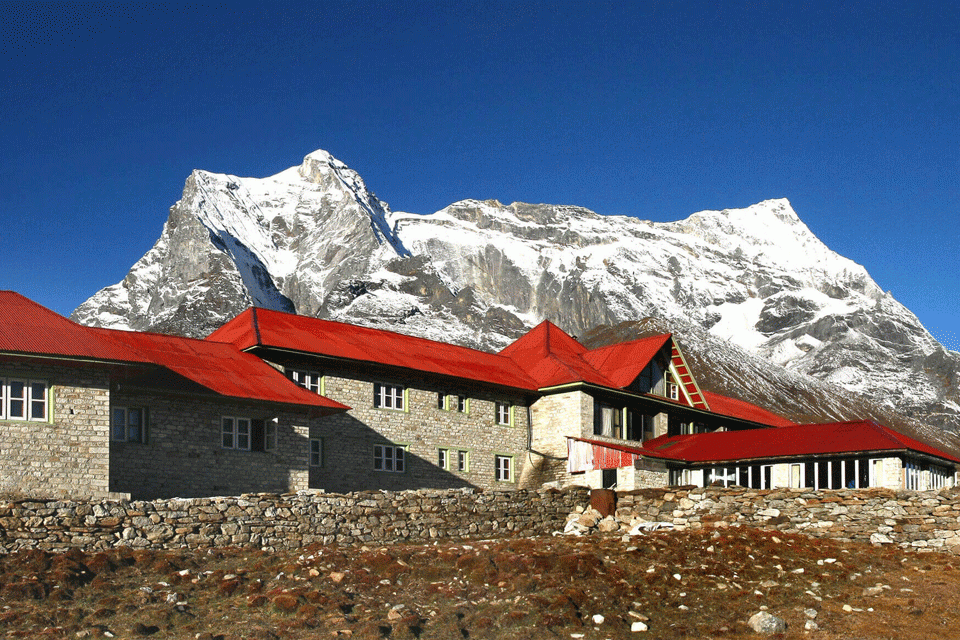
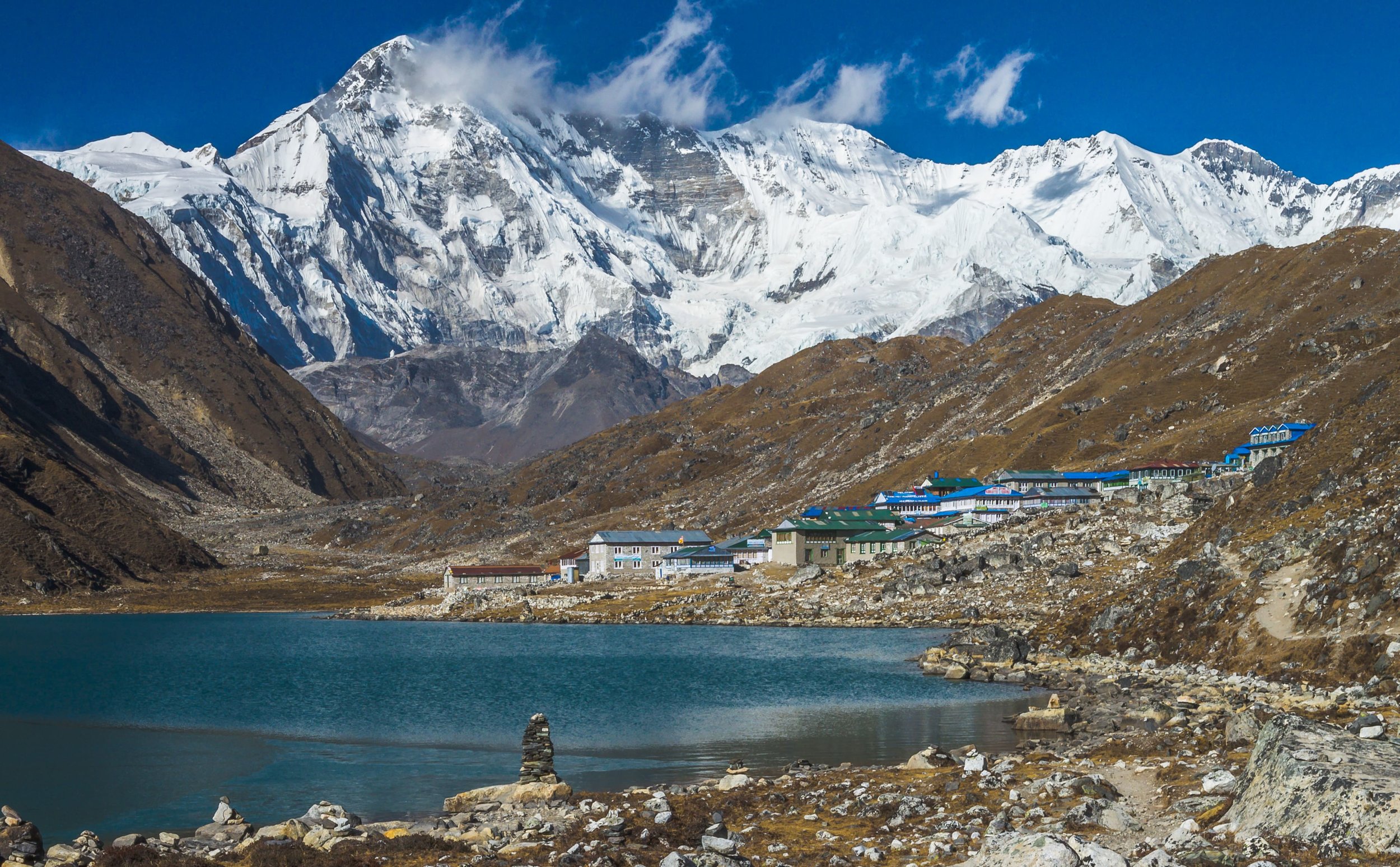
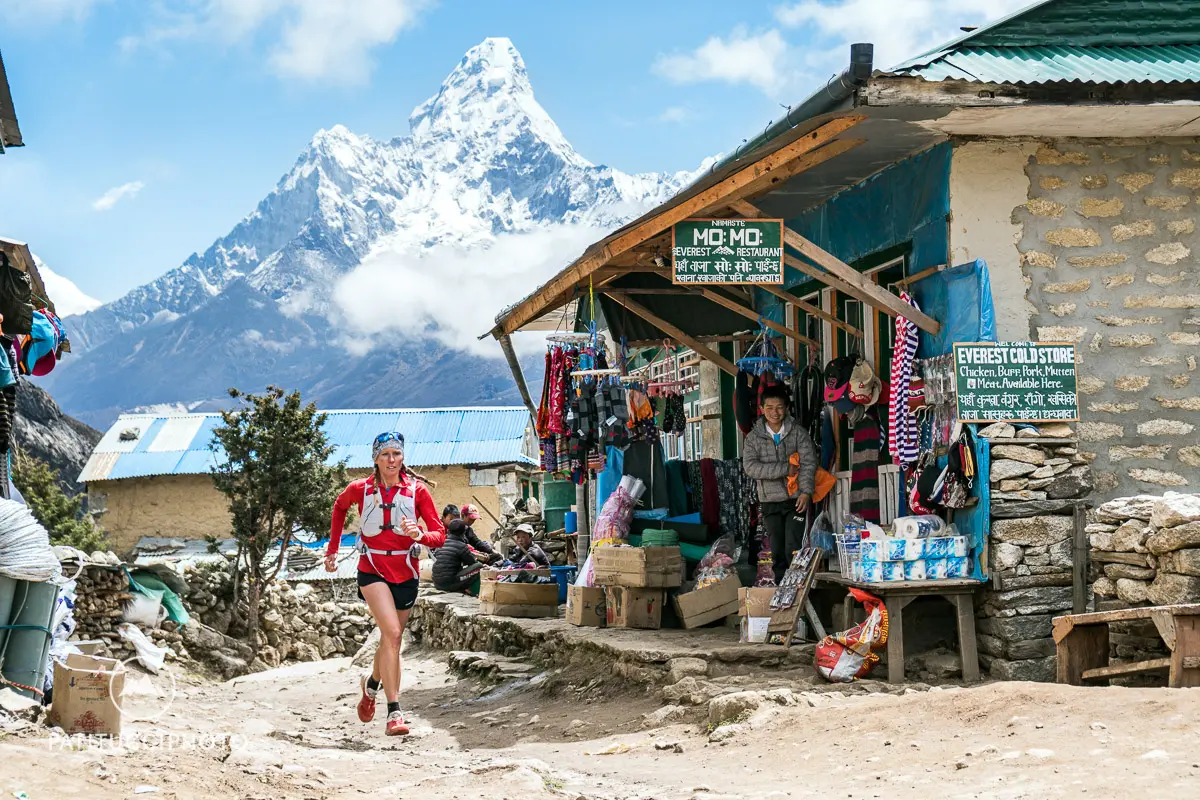
    a stone building, likely a tea house or lodge, in a high-altitude, mountainous region, typical of the kongde trek. The visible snow-capped peak suggests an altitude of several thousand meters above sea level.

    Less Tourists, Less Crowded Way

    The EBC trail is probably the busiest trek you will ever go on at peak action times. With trails filled with trekkers moving at a snail’s pace. The yak’s heavy load, and a full tea house stop it will feel more like a social gathering than a relaxing adventure. While for many trekkers this is part of the adventure; for trekkers in search of quiet, solitude, and a keen sense of connection to nature, Kongde is paradise.

    Even after your arrival, you will continue to find customs that were part of the everyday lives of the local peoples for many generations prior to your arrival. In this way, the trekker will witness and experience Sherpa resilience, as well as Sherpa connection to the mountains and climbing history of the Himalayas.It is a unique remoteness that adds to the beauty, and it allows you to fully experience nature.

    The remoteness of Kongde is one of the primary reasons why adventurers consider Nepal’s best hidden trekking route.

    The Ideal Fusion of Nature, Adventure, and Sherpa Culture 

    The Kongde region is also close to many historic villages allowing trekkers to have the real cultural experience. Phakding, Toktok, Rimijung, Thame, and Monjo villages are full of culture, tradition, spirituality, and the spiritual welcoming nature of the Khumbu.

    You can visit monasteries and turn prayer wheels attached to the mountainside on your trek. Along these trails we will walk through diverse trees and shrubbery- rhododendron trees, pine and juniper, birch, and many others. As we trek, we will have opportunities to glimpse some ‘pieces of the pie’ of musk deer, Himalayan monals, yaks, or blue sheep at different points along our way. We will also find ourselves in more open scenery going from forest, to alpine pastures, to ultimately breathtaking views over the rocky ridgeline of the Khumbu as we begin to climb higher.

    In the end it is this blend of nature, adventure, and culture that make the Kongde area so special.
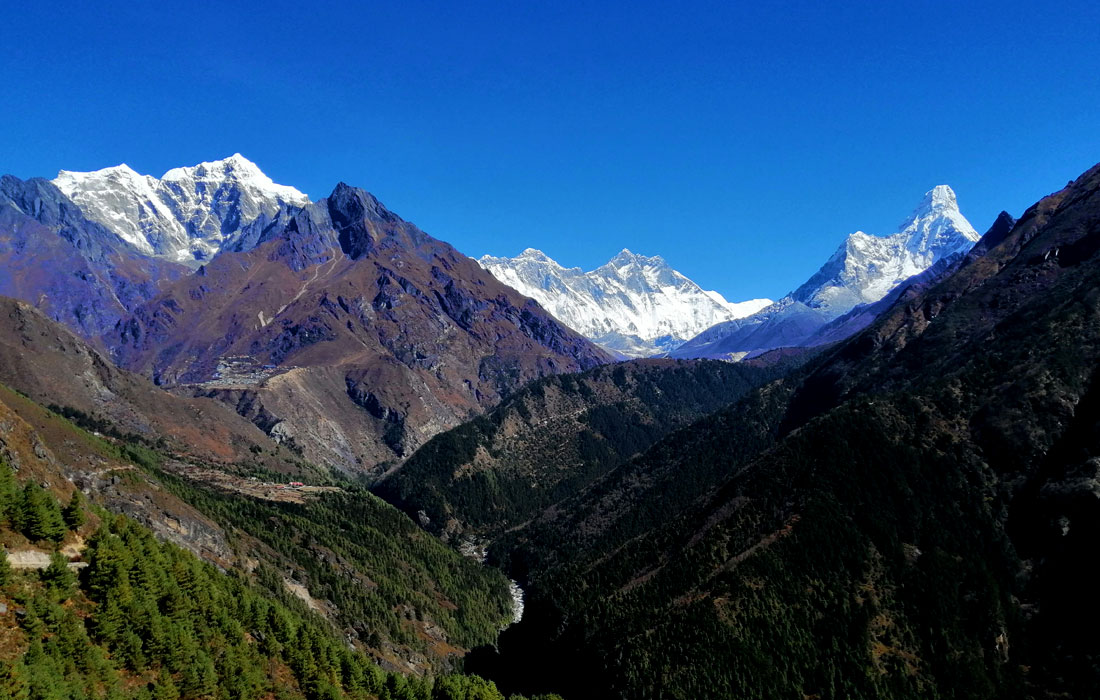
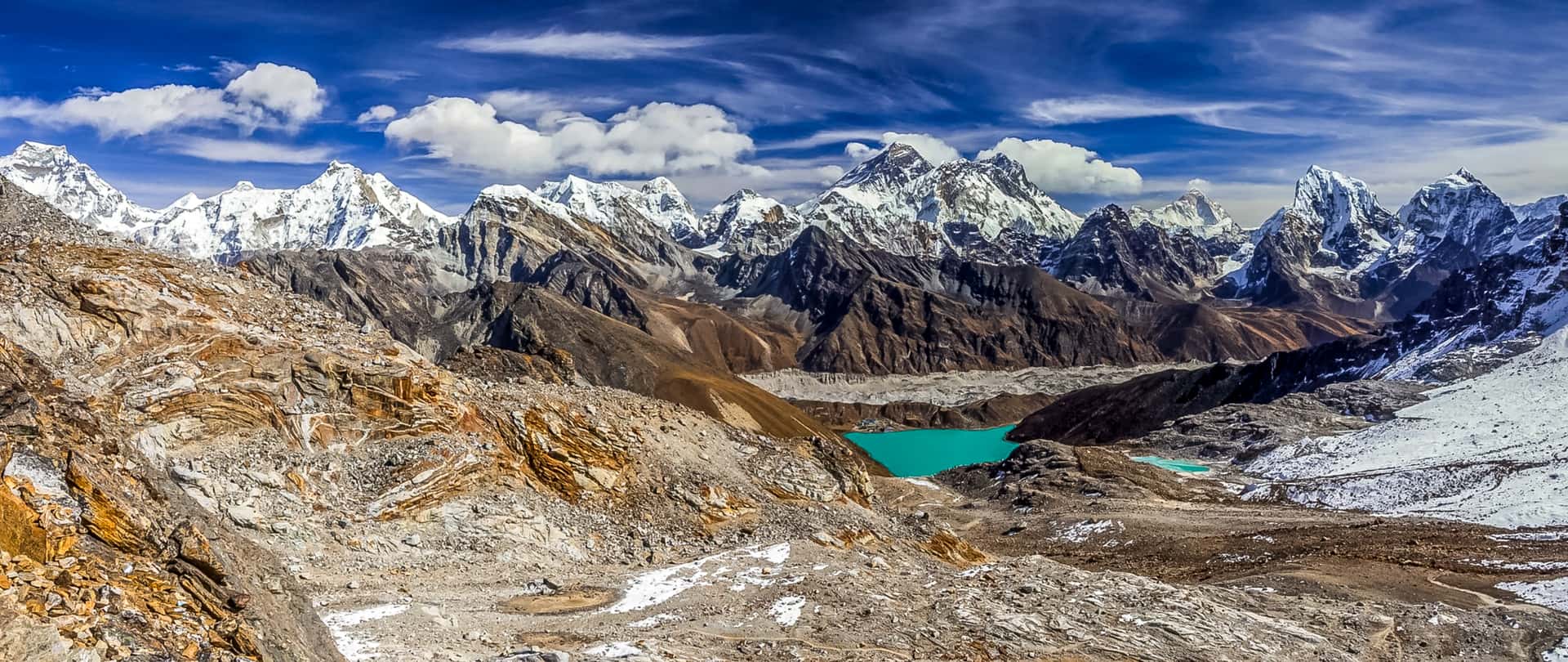
    The image on the screen is likely a photograph of the Kongde Ri mountain and surrounding peaks in the Himalayas of eastern Nepal.

    One of the Best Sunrises and Sunsets in Nepal

    The sunrise at Kongde View Point is magical. Witnessing the sun rise, each mountain begins to fill with light and glow one by one. First, the sharp edges of Ama Dablam are kissed with sunlight and glow orange. Soon thereafter, Everest rises and reveals itself in golden splendor. The snow capped spires begin to take on a surreal aspect as the morning sky shifts from light pink, to bright red, to clear blue.

    The sunsets are equally magnificent in another way. As they illuminate the mountains making them glow with deep golden light behind the shadow stretching along the Dudh Koshi valley as the sun sinks below higher peaks.Many photographers suggest Kongde is one of the best locations in the entire Everest region for golden hour due to its high location and relatively flat horizon. For photographers, the sunrise alone is worth the trek to Kongde. 

    The Chance to stay at One of the Highest Luxury Lodges 

    The Yeti Mountain Home Kongde is around 4,250 meters. In addition, it is one of the highest luxury lodges in Nepal. Staying here is like being in paradise. With panoramic windows, warm rooms, wonderful food, and an incredible view of Everest from the dining room. Trekkers that stay a night here often say one of the most surreal experiences of their lives is sipping tea while giant clouds float in between the serrated peaks of the epic high Himalaya. Because the lodge is right at the ridge you do not have to walk much to get to the view, so it is very easy for photographers to get up at sunrise, a bench for setting up photographer gear is only 15 or 20 meters away. 

    There are basic teahouses along the trail for trekking, but Kongde’s luxury has its spin on the adventure.

    A Physically Challenging Yet Achievable Trek

    Kongde is a less lengthy trek than EBC, but as is the case with any trek. It should not be a stroll in the woods. The ascent from Toktok to Kongde is steep and will take effort. Trekkers of general fitness may find it difficult, but doable. In fact, it is the effort that makes it more rewarding, as every step upward brings you closer to view the Himalayas.

    Because this trek takes trekkers up to over 4130 meters (13,548 feet) in altitude, altitude considerations are important. If you walk slowly, drink decent water, and hike at the pace of the guide. Then you can be rewarded with a trek while keeping safe. The other great part of this trek is that you do not have to suffer for this reward as long as you will get to the view points much quicker than treks like EBC/Gokyo.

    It is a nice balance of difficulty and rewards that makes it so products like the trek to Kongde are appropriate to most levels of trekkers.

    The Kongde Ri (also known as Kwangde Ri) mountain in the Himalayas of eastern Nepal is a technically challenging peak to climb, but offers spectacular panoramic views of surrounding mountains including Mount Everest, Lhotse, Makalu, and Ama Dablam.

    A Route for Beginners, Covers Photography Travel

    Kongde, has become popular with photographers, travel film makers and content creators. The ridge provides dramatic angles of views, unlimited valleys, and lighting conditions can be stunning throughout the day.

    However, beginners like the trek’s walkability. As it allows for time to enjoy high-altitude trekking without having to commit to over a week of travelling or wildly unpredictable weather. The track is easily accessible to teahouses, has secure paths, and has short distances between stops.

    Whether you are an adventure photographer, a social media traveler, or other first-time hikers in the Himalayas, Kongde surpasses expectations. 

    A Hidden Gem of Himalayan Trekking

    What makes Kongde the best trekking route in Nepal is its specific ability to feel the essence of an Everest-region experience. It is a peaceful, and unbelievably visually stunning experience. The trek has it all: mountain views, cultural richness, adventure of trekking, forests, wildness, rivers, and loving hospitality from the locals All without the crowds or multiple weeks of travel. 

    Trekking visitors state that their Kongde experience was “Everest Base Camp in fast forward, but with even better views.” The isolation, sense of solitude on the trails, and breathtaking panoramic views all add together to create a different kind of profound and life-affirming adventure.

    Kongde still exists as a haven in a world where tourism is expandingly popular and the iconic trails and vistas are more crowded every year. Kongde is a place you can stop in silence and truly hear the heart of the Himalayas. 

    Conclusion

    Kongde View Point is not simply a destination; it is a full sensory and emotional experience. Kongde reinvents what it can feel like to trek in the Everest region. It  offers a a trek that is raw, tranquil, visually spectacular and has profound meaning. Whether your trek is for adventure, photography, relaxing, culture or simply for fun, Kongde offers it all. 

    If you are searching for a trekking route that offers spectacular views for the shortest time with fewer people, greater authenticity, built-in meaning and most importantly maximum emotional impact, then the Kongde View Point trail is the best trekking route in Nepal for 2025/ 2026 and years to come.

  • Three Passes in Everest: Ideal for Adventure Photography

    Three Passes in Everest: Ideal for Adventure Photography

    Three Passes in Everest: Ideal for Adventure Photography

    Nepal’s Three Passes Everest trek is an experience of a lifetime for dedicated trekkers and photographers and offers some of the world’s most breathtaking scenery in the highest mountain range on earth, unspoiled beauty, alpine severity, and living cultures. Whether you’re an adventurer looking for your next high or photographer looking for real awe-inspiring landscapes, the Three Passes trek is one you’ll never forget.

    Here, in this blog, we will be discussing why the Three Passes trek is a non-typical adventure photography experience compared to the rest of the treks of the region, why the trek is unique, how and when to do it as much as best time and, tips on how to make it happen for you along the way.

    Three Passes Trek

    What is the Three Passes Trek?

    Three Passes trek is a high altitude trekking tour in Nepal with three high mountain pass crossings of the Everest region, i.e., Kongma La (5,535m / 18,159ft), Cho La (5,420m / 17,782ft) and Renjo La (5,340m / 17,520ft). The trek is one of the most satisfying but challenging treks of the country, apart from providing the trekkers with stunning views of Mount Everest, Lhotse, Makalu and other peaks, also provides pristine landscape of the Khumbu valley.

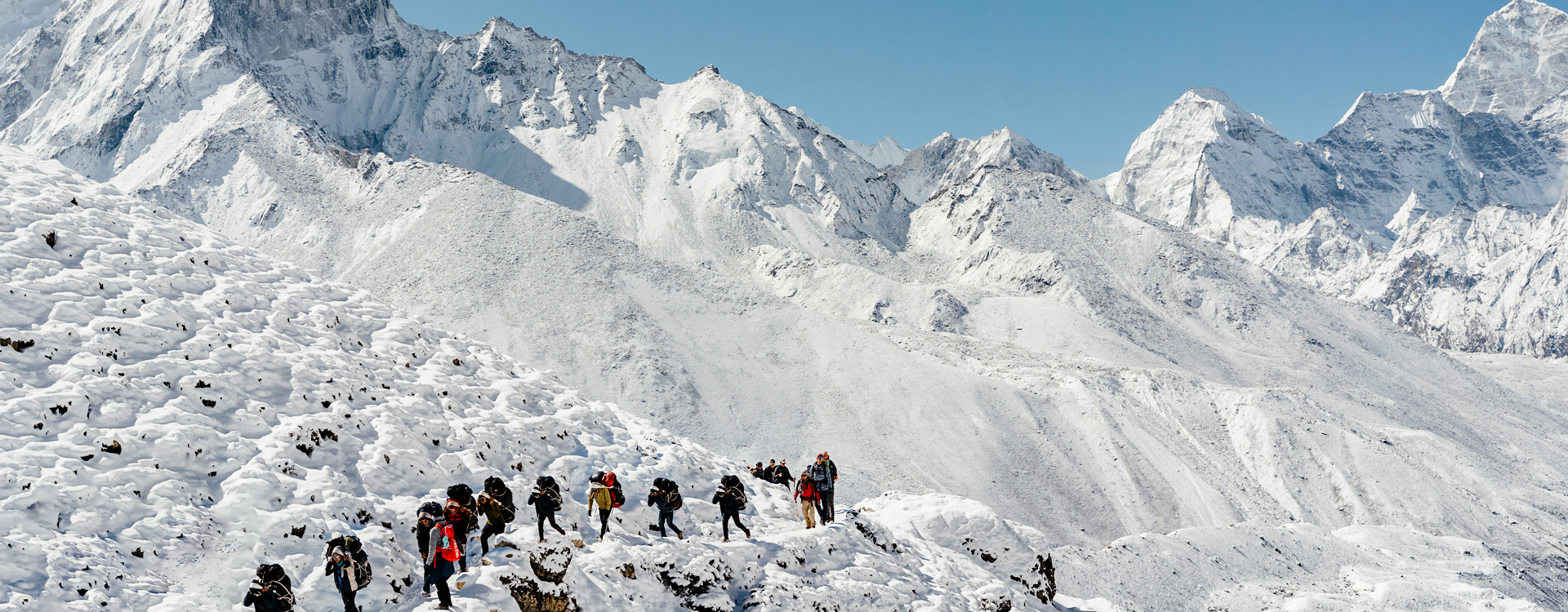
    It is longer and more challenging than the standard camp (EBC) trek and requires greater physical conditioning and technical expertise. It is of 18-22 days depending on the route followed and is marked by trekking on challenging trails such as glaciers, rocky ridges, and snow passes.

    Below is a very brief overview of each of the three passes of the Three Passes trek:

    1. Kongma La (5,535 m / 18,159 ft)

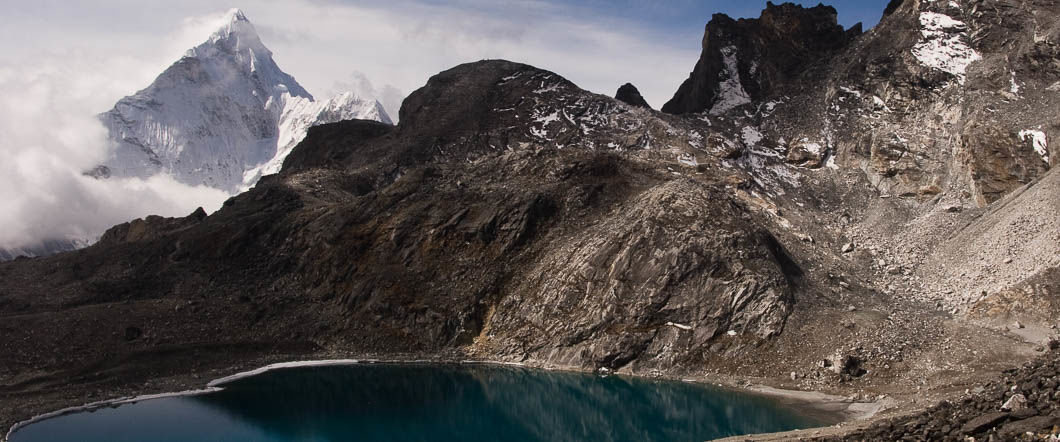
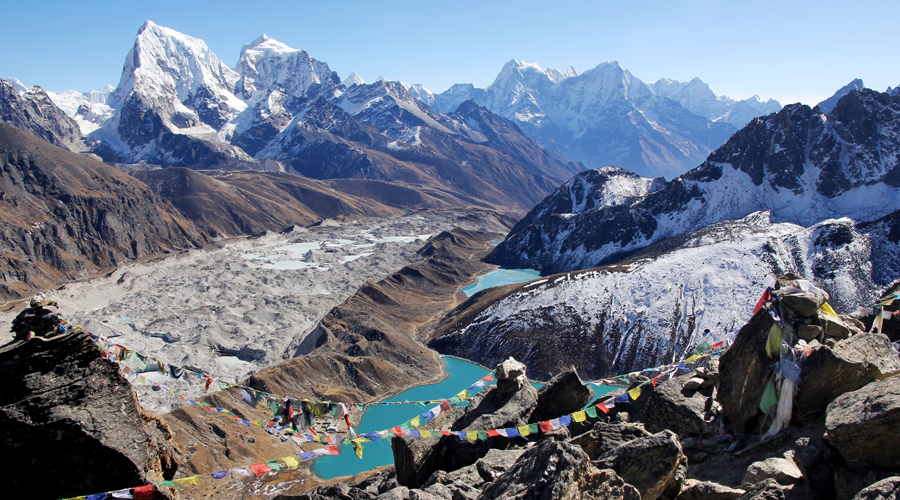
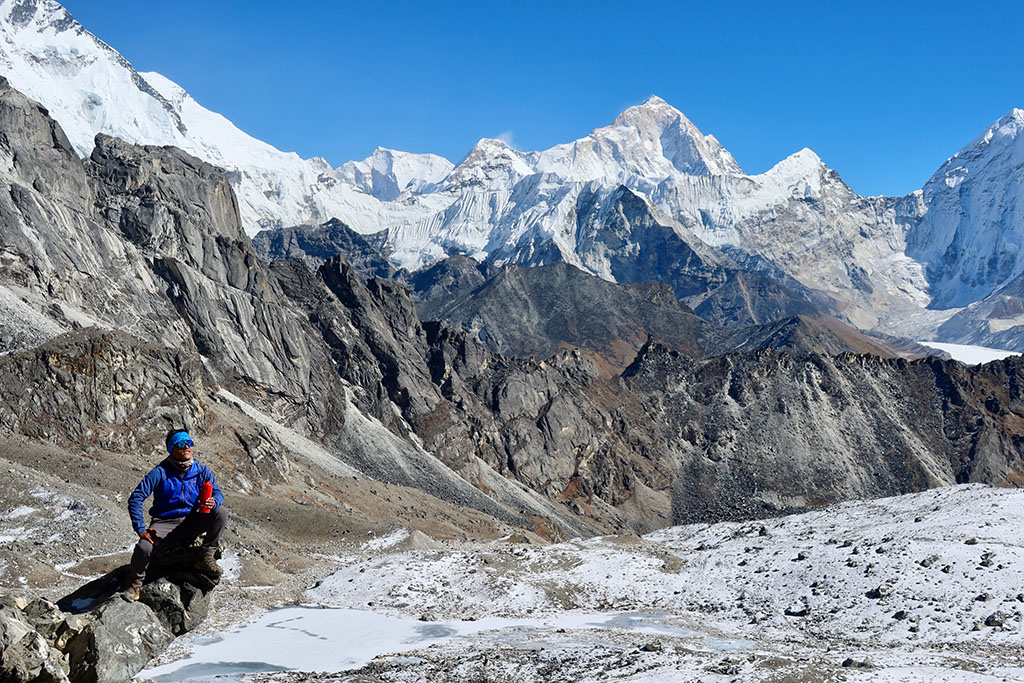
    The Kongma La is the highest trekking pass and provides one of the most challenging but gratifying experiences for trekking adventure seekers. It is a steep and rocky pass situated between the Lobuche and Chhukung valleys and demands physical stamina as well as technical know-how, particularly in winter or spring when snowfall accumulation renders the route even more challenging to climb. Kongma La ascent is walking on rock trails, loose scree, and snow, but once the top is achieved, the scenery is ispicture-perfectlyy stunning. Panoramic vistas of Everest, Lhotse, Nuptse, and other neighboring peaks from the summit are a photographer’s delight to capture outstanding high-altitude photographs. Climbing the summit of Kongma La is tiring, but the thrill of doing this pass is indescribable. The trek to the pass is a great trek and one of the most stunning mountain views on the entire trek.

    1. Kongma La (5,535 m / 18,159 ft)

    The climb down from the pass to the other side to Chhukung is half a day and has great photographic opportunities of eroded Khumbu landscape, its snowy peaks, and alpine landscape. As the pass is very high, the trek itself also provides very good photography opportunities of glaciers, saw-tooth ridges, and glacial valleys off the beaten track in the lower and tourist areas of the nation.

    2. Cho La (5,420 meters / 17,782 feet).

    The second of the Three Passes trek, Cho La, is also possibly the most challenging trek physically, as it involves steep slopes, rock faces, and ice plateaus. It is not far from Gokyo and Dzongla, and Cho La serves as a crucial connector between the region of the Everest Base Camp and Gokyo Valley. The route to Cho La is dangerous, especially in spring or winter when the trail can be covered with snow and therefore even more risky to walk on. The way down is also dangerous, with some of it done by ice walking and loose scree handled very carefully.But for those who make it through the Cho La, some of the most breathtaking scenery in the Everest Region awaits.

    Cho La (5,420 meters / 17,782 feet).

    Cho La has some very dramatic moments of theatre to be filmed on celluloid. Climbers are transported over the pass on alpine-sized ice, rock face, and lakes, with occasional glimpses of Everest, Lhotse, and other grand ridges in the vicinity. The second half of the day provides an open landscape that is ideal for wider shots, where you can capture not only the summit of the mountain but also an unbroken wilderness view below. Blue-green lakes and the tranquility of the Gokyo Valley are even more awe-inspiring after having struggled to cross the pass. Landscape and isolation of Cho La are two of the most rewarding passes to capture on this whole trek.

    3. Renjo La (5,340m / 17,520ft)

    The last of the last of the Three Passes trek, Renjo La, lies between Thame and Gokyo. The shortest of the three, but perilous in itself by virtue of how high it is and the awful weather. The walk to Renjo La provides stunning panorama shots of Everest, Makalu, Lhotse, and Cho Oyu, and the chance to capture the Gokyo Lakes, which mirror the snow-topped peaks surrounding them. The path to the pass is half rock-studded and steep, but also the least crowded of the three passes, so a less crowded, more personal trekking experience.

    Renjo La (5,340m / 17,520ft)

    Renjo La contains some of the finest photographs on trek, particularly of Gokyo Valley and Gokyo Lakes. The pass itself offers a great view with a panorama out over the Khumbu countryside. On a good day, you can take a photo of the entire grandeur of Everest and the surrounding peaks from Renjo La, and it is a photographer’s paradise. Renjo La is also beautiful with views of surrounding valleys and hills, and less people conditions than on the more crowded trails near Namche Bazaar and Everest Base Camp. Renjo La is therefore a perfect spot to capture high-altitude landscape shots with fewer trekkers in the scene, which a very coveted by nature and adventure photographers.

    They provide a wonderful impression of each pass, terrain, obstruction, and photo stop it offers.

    Three Passes Trek perfect for Adventure Photography

    Three Passes Trek

    1. Breathtaking Mountain Sceneries

    As you go through the passes, you are treated to unparalleled scenery of the world’s highest mountains. Mt Everest, Lhotse, Makalu, and Cho Oyu provide the background for some of the finest landscape photography opportunities in the world. Rock peaks, snow-capped glaciers, valleys, and alpine forests provide you with more than enough subjects to photograph.

    Best Photo Spots: Show Everest’s size, Lhotse’s ominous ridges, and Makalu’s appealing uniqueness from a wealth of diverse perspectives on the hike. Sunrise and sunset on these giants are magnificent in the warm light.

    2. High-Altitude Lakes and Glaciers

    Your walk comes across a series of high-altitude lakes like the Gokyo Lakes reflected by white capped mountains lining them in glittering crystal clear shine. Mirror calm lakes are ideal for pan photography to bracket a reflection shot with sky and even mountains. Ngozumpa Glacier-longest glacier of Khumba valley is another location to try and freeze peaceful nature.
    Best Camera Moments: morning photo of Gokyo Lakes if there won’t be any ripples on the lakes’ water, and reflection of about peaks can’t be evaded. Even the glacier has still another unique job to accomplish, it provides a good view of ice and a good landscape!

    3. Sherpa culture and Villages, something special

    You will be required to trek through remote Sherpa villages like Namche Bazaar, Dingboche, and Lobuche, where you might want to capture Sherpa culture and Sherpa life experiences in your camera. Villages are made up of reddish-brick-colored villages, Buddhist monasteries, and reddish-brick-colored prayer flags, with the appearance of blowing and billowing over hills’ slopes.
    Best photography scenes: Sherpa villagers dressed in their traditional attire, later used prayer wheels, and monks in local monasteries. Rich culture and hostile high-altitude environments: great photogenic dramas.

    Three Passes Trek

    4. Challenging and Diverse Terrain

    The Three Passes trek is so varied that there will never be room enough to cover it all. Mountain ridge and climbs, glacial lakes, grassy meadows, rhododendron forest – at every turn on the trek we were constantly discovering new ways of composing a photo! The ice trails/suspension bridge walk just enhances the drama of the photos.

    Best Shots: Position the trekkers in front of such titans, small suspension bridges over giant canyons, and small ridges on a monolith, a ridgeline sequence of mountains.

    5. Flora and Fauna

    Khumbu is also full of Fauna and Flora, such as the Himalayan Tahr species, snow leopard, vultures, pheasants, musk deer, etc. Flora is in large numbers, grazing over the alpine grassland, junipers, and rhododendron bushes, all of which are plentiful, having more than enough wildflowers during spring and filling your picture with more than enough colors.

    Three Passes Trek

    Best Time to Visit the Three Passes Trek for Photography

    The most favorable time of the year to visit for the Three Passes trek photoshoot is pre-monsoon (spring) and post-monsoon (autumn):

    Spring (March to May): Weather is ideal to capture the colorful flowers of the region. There are flowers in bloom, and the air is fresh with expansive hill views. Spring is very hot, and the trek is full of trekkers.
    Autumn (September to November): Blue sky and fresh air, great light, and visibility for perfect photography. Fewer rains are also experience during autumn, so it is less probable that your mountain photos will get clouded.

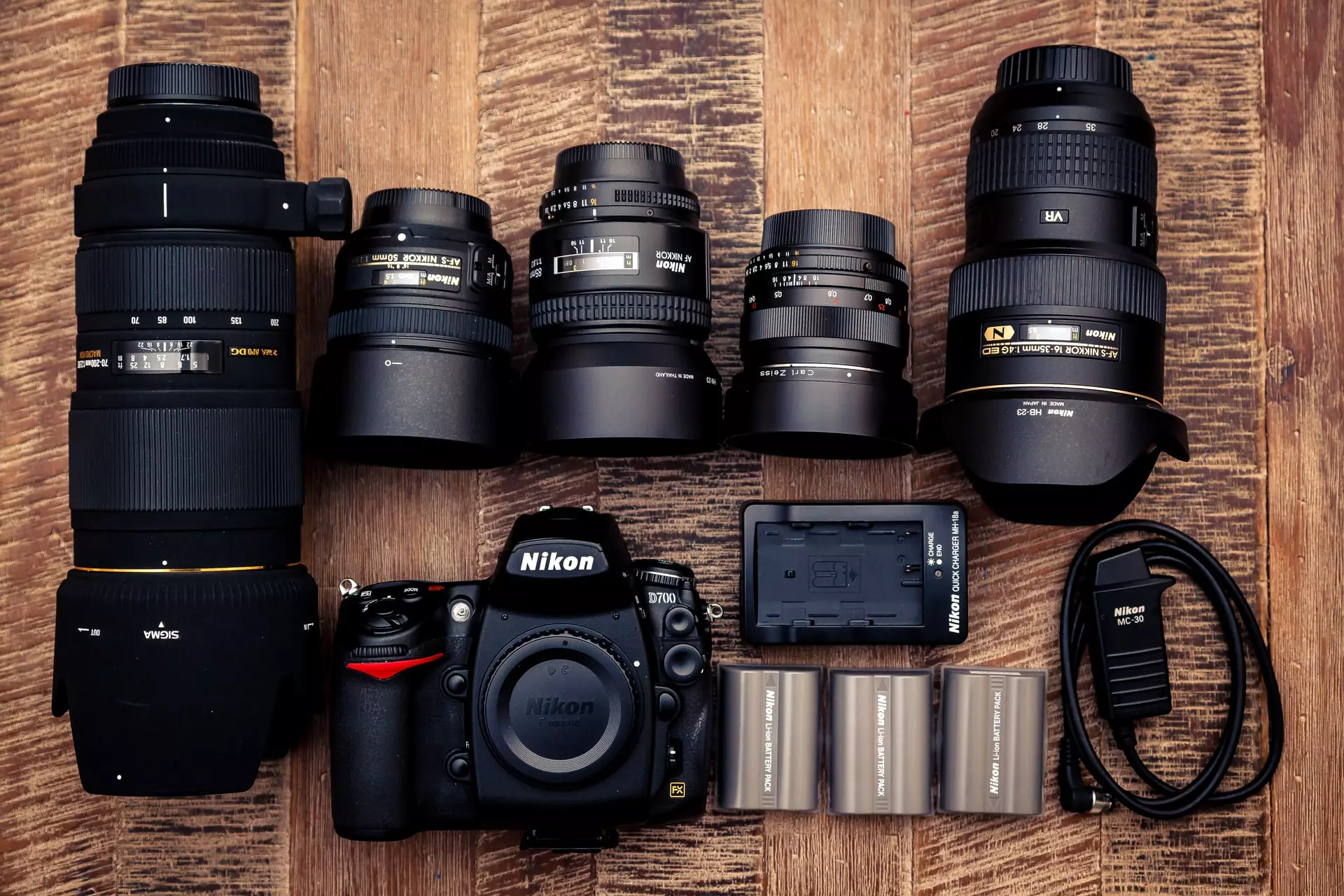
    Equipment for Adventure Trekking Photography of the Three Passes

    You need good equipment in order to capture the grandeur of the Everest landscape. Some of the must-have equipment to carry along is explain below:

    1. Camera Equipment

    • DSLR or Mirrorless Camera: Offers higher quality images and more flexibility per shot type.
    • Wide-Angle Lens (16-35mm or 24-70mm): Excellent for capturing sweeping wide scenes, mountain landscapes, and panos.
    • Telephoto Lens (70-200mm or 100-400mm): Excellent for capturing distant wildlife shots or for flying around distant summits.
    • Tripod: A travel tripod will help in capturing long-exposure shots during dawn and dusk.
    • Extra Batteries and Memory Cards: Cold batteries drain quickly, so carry plenty of spares. Carry as many memory cards as it will take to hold all your photos.

    Camera Equipment

    2. Protective Camera Gear

    Camera Rain Cover: Dry and snow-free glacier hiking or brief snowstorms.
    Lens Cleaning Kit: Dust and moisture accumulate quickly in the Himalayan environment, and so a clean lens equals tack-sharp photography.

    3. Drones (Optional)

    The drone can capture the scenery of great mountains and valleys from a higher altitude, having unobstructed vision of the area. Make sure to take note of what is regulate locally, provided it is about operating drones, and adhere to all of them.

    Photography Tips for the Three Passes Trek

    Three Passes Trek

    Photograph At Golden Hours

    Soft warm light at dawn and sunset—the golden hours—add depth, contrast, and a touch of magic to mountain landscapes. Golden hours in the Everest range give the ideal light to capture white peaks golden and pink against dark dark blue sky. Dawnlight also gives bluer heavens and less haze, ideal to put Everest and his friends in top condition.

    Use a Polarizer Filter

    Polarizing filter is a great piece of equipment for serious photography, particularly when outdoors in snowy or reflective weather like in the Himalayas. Not only does it stop glare on water, snow, and wet rock but improves the color of your landscape photo’s color so that it looks more vivid. Darkens the sky and contrasts the sky so your photos result in lighter and darker in color without needing post-processing.

    Watch the Details.

    Other than panoramas, detail tells your travel story. Tightly cropped rock and ice, whirligig prayer wheels, or snow prints are all details so small, butthey provide variety and credibility to your video. Close-ups are what make the intimacy as well as the respite from the grandeur of wide shots.

    Be Patient and Attentive

    Light in Everestland changes, and your moment-in-time shot is already there waiting to be snap. Clouds will shroud a summit for a brief instant and lift once more; shafts of light will transform an uninteresting second otherwise into that of magic. Having the location provides one with the leeway to wait and react to the moments that exist briefly to allow one to present them as spontaneous and real.

    Be Respectful of Local Culture

    Local people and the people of the Everest region must be respect and photographed politely. First, permission must be ask before photographing a person, and, by all means, must not go inside anyone’s home or religious places. Sherpa culture is respectful and polite, and being respectful is a guaranteed method of gaining trust and authenticity in images.

    Three Passes Trek

    Conclusion

    The Three Passes trek not only requires a lot from the trekkers, but also is heaven for adventure photographers. Its highest points at high altitudes, its high-altitude lake, its Sherpa village, and the diversity of landscapes transform the Everest region into a treasure house full of endless possibilities for photographers to have the best. And if you visited there at its right time of year, bag in hand and gear, and if you sat patiently out waiting for some good photographs, then you would have been able to imagine its magnificence and beauty.

    Take your kit bag, fill your camera, and go capture some photos of the most beautiful landscapes of the world! Contact us today at Happy Mountain Nepal, on Facebook, Instagram, or TikTok