Tag: Nagarkot For Sunrise

  • Nagarkot Changu Day Hiking: A Scenic Day Hike Near Kathmandu

    Nagarkot Changu Day Hiking: A Scenic Day Hike Near Kathmandu

    Nagarkot Changu Day Hiking: A Scenic Day Hike Near Kathmandu

    If you want to get a serene break from the hustle of Kathmandu and do not feel like going too far, then Nagarkot Changu Day Hiking is a great day hike. Honestly speaking, I have done lots of hikes here, but Nagarkot Changu hiking trail provides good Himalayan scenery, plants, typical Nepali village, and cultural experience in a day hike. It can also balance exercise and exploration irrespective of who you are as an individual, either nature, culture, or the thrill of thrills.
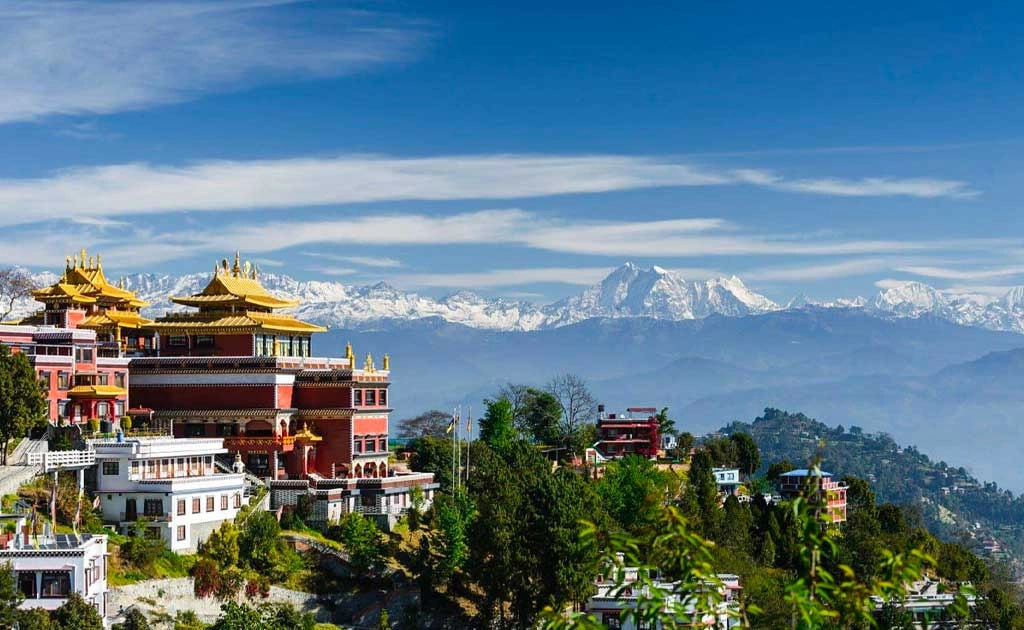
    Himalayas Seen from Nagarkot with clear Skies

    Source- Google

    Why Choose Nagarkot Changu Day Hiking?

    Nagarkot Changu hike is a moderate day hike, and it is appropriate for all fitness levels from beginner to experienced trekkers.

    You shoot some of your finest sunrise Himalayan vistas, hike some of your finest on peaceful forest roads, and gaze out over a UNESCO World Heritage skyline in one day. The trek runs along the rim of the Kathmandu Valley with stunning views of snow–covered peaks, green rice fields, and tiny and charming local villages.

    Highlights of the Nagarkot Changu Day Hike:

    Langtang Lirung seen from Nagarkot Village
    Langtang Himalayas from Nagarkot Village

    Source- Google

    1. Stunning Himalayan views (if you start early)

    The most common experience on the Nagarkot Changu trek is witnessing the sunrise from Nagarkot. If you get up early morning, you can witness the sunrise at the viewpoint, to see the first light of the sun, casting over the white Himalayas and lighting back in hues of pink and gold. You get to see a vast landscape, i.e., Mount Everest and some sleeping giants.

    While it is a divine experience to witness the break of dawn with naked eyes, if you wake up early and proceed towards Nagarkot, you have serene solitude too for photography or sitting, or meditation before the trek starts.

    2. Peaceful forest and ridge-line walking

    Nagarkot to Changu Narayan trek takes you on a piece of pure peaceful walking of gliding along rhododendron, pine and evergreen forests at high altitudes and rolling ridges. Quiet walking amidst the virtual quietness of the din of blackbirds’ calls, leaves falling off trees in the wind, or hearing leaves dropping in the forest is relief from city noise. You will also have unobstructed views of one green valley on one side, and of the Himalayan mountains on the other, along the ridge line. Treking over long stretches along the ridge line surely is an experience which not only gets etched in the mind but is quite contemplative. It wasn’t a difficult path to ascend since it is well-marked, not too steep, and you get to enjoy the path as much as possible.

    3. Insight into rural Nepalese life and traditional farming

    The more you move on the path of Nagarkot and head to the countryside villages, the more you observe the actual rural Nepalese traditional life. You get to see the farmers plowing the fields on irrigated fields, children going to school, and tiny mud-built houses. You can form an actual picture of how villagers are clean and eco-friendly. The trail follows down through small Newari and Tamang settlements, where farming is still the focus of the people’s lives. To see villagers ploughing their fields or harvesting their crops with the very same old tools as they do is to have a genuine cultural appreciation of your trekking experience.
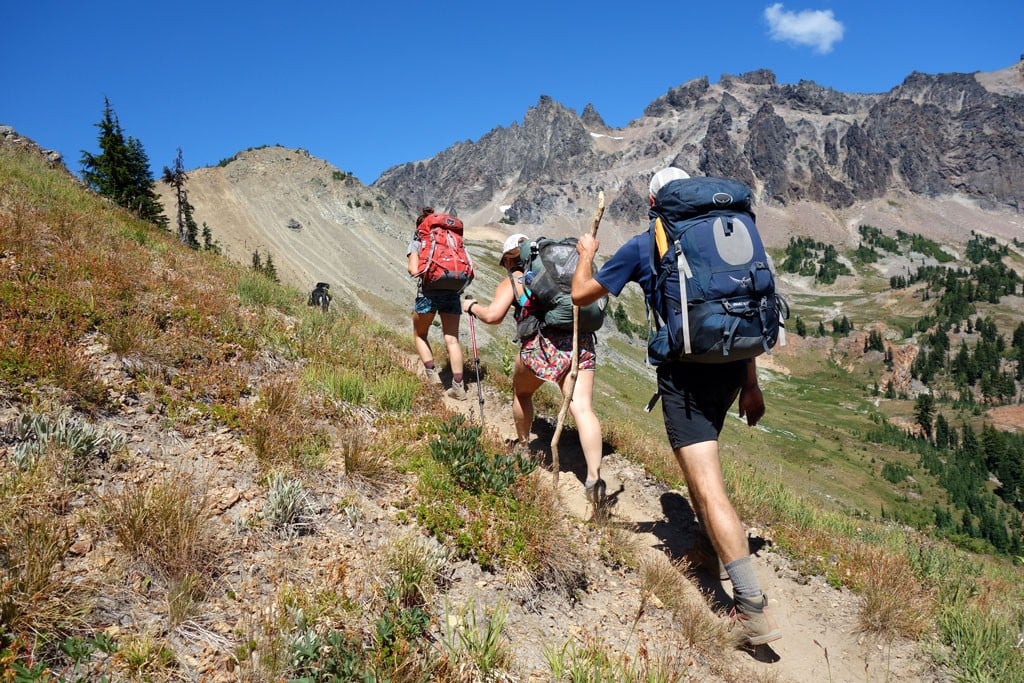
    Trekkers
    Trekking in Nepal

    4. Visit to Changu Narayan Temple – Kathmandu Valley’s oldest Hindu temple

    The trekking end and reach the destination, stands the Changu Narayan Temple, the old beauty which rests peacefully on a hill. This temple complex is the oldest existing Hindu temple in Nepal that is still being use, dating back to around the 4th century. The temple is of Lord Vishnu and has exquisite gold and stone paint, wood and stone writings, and traditional Newari architecture.

    Changu Narayan Temple is a world heritage site, along with a regular pilgrimage site of Nepalese citizens and foreign visitors as well. Walking across the temple campus is a humble experience and testimony to Nepal’s religious history and culture.

    5. Spectacular views of Mount Everest, Langtang, Ganesh Himal, and more

    There are scenic views of the mountains during the trek. There are views of frequent peaks of the area—Everest, Langtang Lirung, Ganesh Himal, Dorje Lakpa, Gauri Shanker, etc.—on a clear day while trekking. On a ridge top and trekking, there are views of mountains surrounding with wide ranges in sight along the trek. The combination of alpine vistas and rolling hills, and the field terraces, also makes the trek a scenic and panoramic one to gaze at in photos. Panoramic views of Taruch, because of elevation, are not a commonplace, unfortunately.

    6. Changu Narayan Temple

    The final destination of visit on the trek is the Changu Narayan Temple. UNESCO’s World Heritage and Kathmandu Valley’s oldest Hindu temple, Changu Narayan Temple (4th century), is renowned for exquisite carvings made on stone, ancient inscriptions, and beautiful wood architecture as the epitome of the very beautiful Licchavi style period. The temple complex is ringed by a quaint countryside town that provides it with a serene atmosphere that carries some of the remaining vestiges of Nepal’s religious and cultural heritage. Changu Narayan is trekking through the past, and it is culturally a rewarding conclusion to the day’s trek.

    Starting Point: Sunrise in Nagarkot

    Your day starts with a morning drive early morning from Kathmandu to Nagarkot. It is a 1.5-hour drive at an altitude of 2,175m. Nagarkot is the highest survey ridge of Nepal to see the Himalayan range. If you arrive at Nagarkot early morning, then it will be wonderful because there can never be anything more beautiful than to see the first light of the sun on the white-painted mountains and mythological hills like Mount Everest, Langtang Lirung, Dorje Lakpa, Gauri Shankar, and on the count of three dozen more.

    Nagarkot sunrise is a fairy tale and pea perfect start to your trekking adventure. Then treat yourself to a warm breakfast at the hilltop hotel or resort to ready you for your second day trek. Breakfast and morning, you start downhill trekking from Nagarkot and trek via the village and forest to the ancient Changu Narayan Temple.

    Beautiful sunrise over cloud ocean & Himalayas
    Sunrise from Nagarkot

    The Hike: From Hilltops to Heritage

    Nagarkot to Changu Narayan trekking

    The distance is 12 km (7.5 miles), and for optimal good times, it may be expected to be completed within 4-5 hours of uninterrupted walking with hardly any room left for including the sometimes-necessary resting break and photo-stop along the way on the trek. From an adequately elevated point of Nagarkot (2,175 meters), the trek then goes down using forest ridges, which decide the route of a valley. The trail scene provides one with the scenic open sight of greens, white cap hill tops, and scenery along the entire trail path.

    The trail starts with sloping down pine and rhododendron forests that in normal flowers pinks and reds during the spring season. It is fresh, cool bird-song filled air on its gentle way along the trail, opening nicely, too, the gradient thermometer inches slowly along the ridge line, pausing to glance halfway at white Himalayan giants such as Langtang, Ganesh Himal, and of course, Mount Everest in sight. The trail is weather permitting. There are some parts of the trail that provide some relief and room for fantastic photographs, also wooded parts with cover provide relief.
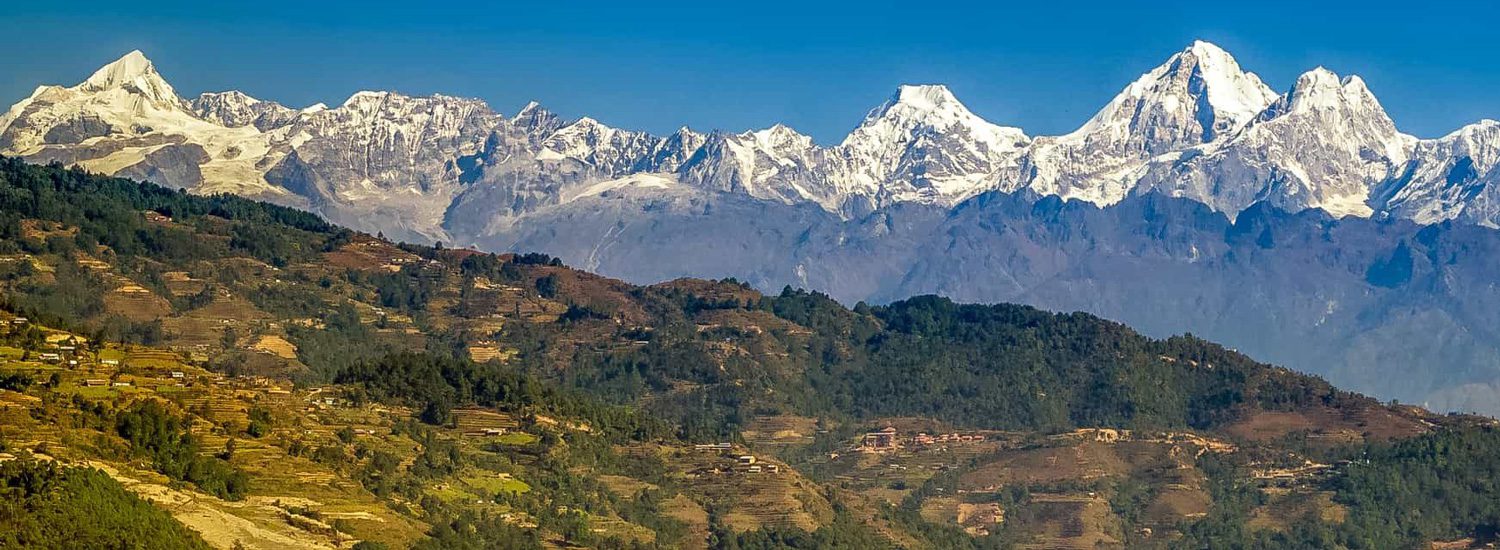
    Closed up view of Langtang Himalayas from Nagarkot Village
    Langtang Himalayas

    Tamang and Newari villages

    There are Tamang and Newari villages with a peaceful and slow flow of time among them. You behold tile-roofed mud houses with tiles over-plastered, fluttering prayer flags, and the villagers with the day’s toil of grazing cattle, weaving, or agriculture. To be able to witness such routine glimpses of Nepal village life makes the trek an experience rather than a nature walk; it makes the journey warm and friendly with actual village life.

    The highway broadens, and you get a glimpse of cultivation fields on sloping land cultivated in an aesthetically beautiful way. The cultivation fields are sown with seasonally suitable crops such as maize, mustard, potatoes, and rice. You also get a glimpse of oxen-based cultivation by peasants, old women collecting, and children playing in open fields. There are moments when there is a tea stall or tea shop somewhere down the corner, and one has to pull over, drive there and sit back a bit, and drink a Nepali tea or snack on something, and look out into the landscape below.

    The trail is downdownhilll gradient or flat and has typical small hills, not so twisty one tires, but no legendary hill gradient where so much effort must be expend. The trail runs the entire gamut – mud path, rock stairs, puffing village trail – but no more than to a fairly reasonable fitness trekker’.

    The trek terminates at Changu Narayan Temple. The ancient temple lies on a very steep hill, and the hill gazes over the eastern edge of Kathmandu Valley. In the second half of the trek, you’d have the feeling of living in different times when you reached the old structure and peaceful village with lovely traditional stone carvings that run along the same. The final destination of your nature trek amidst sheer spirituality and culture.

    Destination: Changu Narayan Temple

    Changunarayan temple Nepals oldest capital
    Changunarayan Temple

    Source- Google

    The journey ends at the location of the old temple of Changu Narayan Temple. The Temple lies on the edge of the valley of the eastern rim and was built in the background of praying to Lord Vishnu. The Temple is the nation’s oldest surviving Hindu temple, of the 4th century.

    It is also a UNESCO World Heritage Site and is stud with stone carvings, inscriptions, and ancient Newari structures such as the Cham Shahreng Monument. It is a peaceful and spiritually invigorating culmination to the trek.

    What to Pack for the Ngarkot Day Hike


    While this is a day hike, it’s best to come prepared. Here’s a quick checklist:

    1. Good Hiking Shoes
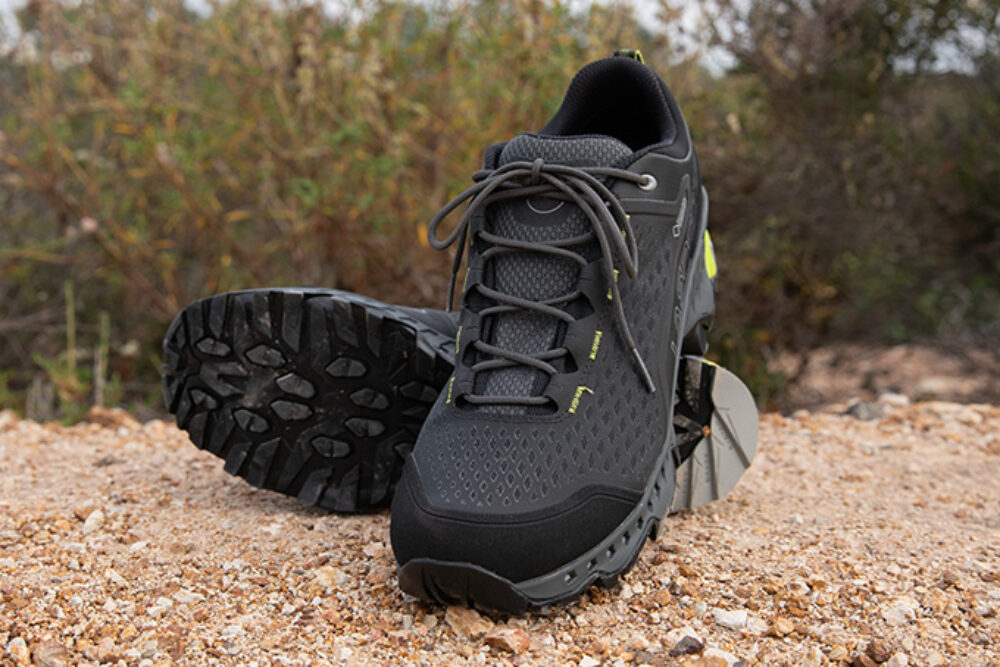
    Hiking Gear

    Good hiking shoes are something that must be well looked after when planning a trek from Nagarkot to Changu Narayan. The trek involves muddy roads, limestone tracks, and village roads, and hence, shoes that provide good grip as well as ankle support are highly recommended. Good trail shoes not only allow one to travel farther before merely becoming tired, but also eliminate the potential for blistering and sprained ankles. You’ll be hiking back wearing other people’s shoes, even if you’re an old pro at trail hiking or even a novice, and be thankful the good shoes weren’t wasted on it – it’s safer and you’ll have fun too.

    2. Water bottle and Snacks

    One thing to remember when trekking in the first place, and when you’re trekking for 4 or 5 hours, is hydration. Try to bring a refillable bottle and refill it as much as possible, but of course, water on the trail will be limited.
    Bring light snacks such as energy bars, trail mix, or even fruits to munch on while trekking. All those little things can give you the energy with not-so-time-consuming foods. All those little things sum up can be the difference between being tired and not-rested or calm and refreshed for the rest of the day.

    3. Hat, Sunscreen, and Sunglasses.

    Sun rays will be direct at the upper levels, as air temperature is misleading. A wide, broad-brimmed hat will cast a shadow over the face and neck from the sun’s radiation. Use also high SPF sun block to prevent sunburns (exposed trail skin is most susceptible). Add a good pair of shades for eye protection from sun radiation and dust to ensure comfort and protection!

    4. Light Fleece or Jacket (mornings can be cool).

    Hiking Upper Body gear

    Mornings in Nagarkot are windy and cold during spring and fall. The initial part of the trek would be easily handle by wearing a fleece or thin jacket. You would perhaps want to carry it halfway up as the warming air temperature increases. You would like to carry something light but with good ventilation for air flow due to the heat, because they aren’t heavy to carry!

    5. Rain equipment (especially for the monsoon season)

    If you are trekking in Nepal during monsoon months (June-August), bring rain gear with you. Hill weather is extremely unpredictable, and a quick shower will catch up with you in no time. A rain jacket or poncho will dry and warm you up if you are catch in a rain shower. A rain cover for your daypack would be a great item to bring if you wish your gear to remain dry.

    6. Camera or telephone

    You will be keen to record your trip in photos, from the stunning Himalayan vistas to the rustic feel of arrival in Dalit and other villages.

    You can bring a camera or a phone with a camera as a reminder for the hike. And charge your gear fully for the hike, in case you wish to take lots of photos, bring a power bank. You’ll have to leave the experience behind and the memories that you will make in your mind.

    7. Small daypack

    The most comfortable method of carrying your hiking gear is in a lightweight, comfortable daypack. Choose one with shoulder pads and, if you like, pockets to stash things in. Your pack should be spacious enough to carry your water bottle, snacks, change of clothes, rain gear, and personal items, but not so loaded down with equipment that you wear yourself out carrying it. Having your hands free to hike also makes it easier to balance and enhances hiking enjoyment in general.

    Best Time to Go Nagarkot Changunarayan Temple

    Autumn (Sept to Nov) or Spring (Mar to May) is best time to go for the Nagarkot Changu trek. The seasons are sufficient with good weather, mild temperature, and scenic views. Even the winter season (Dec to Feb) is best suit for trekking, but mornings will be extremely cold.

    The worst season is the monsoon (Jun to Aug) because it will be wet and muddy. Otherwise, it would be fantastic, but then the view will also be luscious and richly green if mud trails do not deter you.
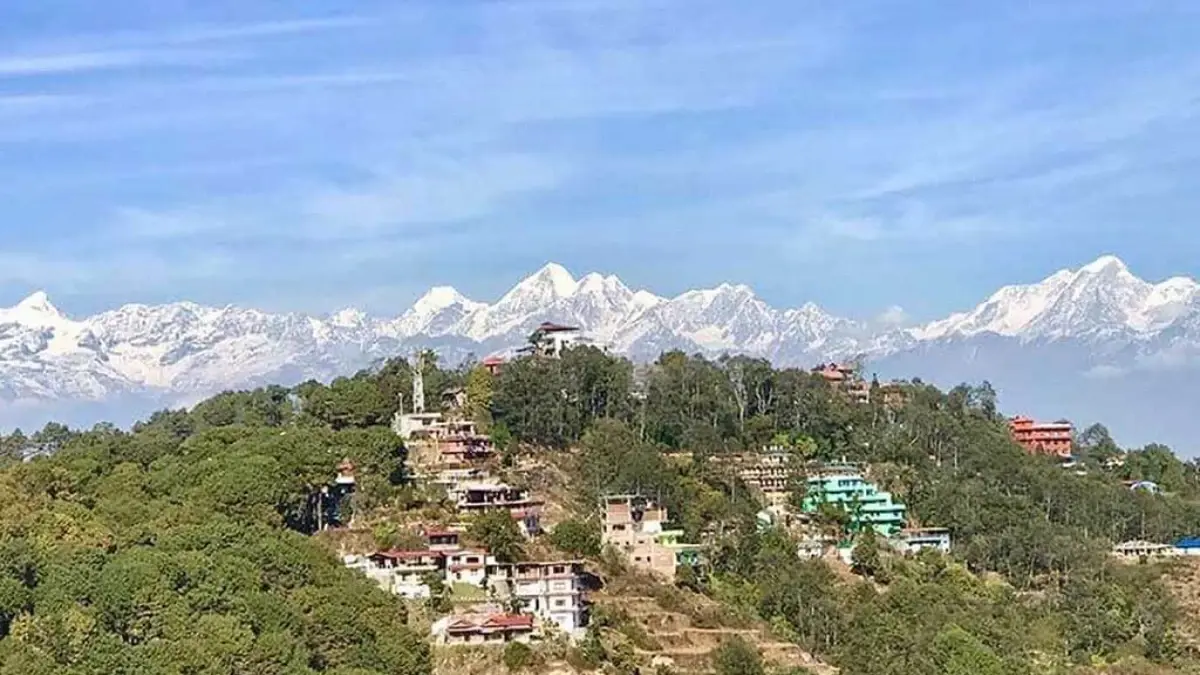
    Himalayas & Nagarkot Village
    Himalayas & Nagarkot Village

    How to Book the Nagarkot Hike

    You can rent this trek from a local trekking agency, hire the service of a guide or do it yourself with a map or GPS. But if you are a first-time trekker in Nepal or you wish to know about the local history and culture, then we would recommend hiring the service of a guide.

    Nagarkot Changu Day Hike package tours can be procure from tour operators in Kathmandu that cover transport, breakfast, guide, and entrance fees.

    Conclusion

    Nagarkot Changu Day Trek is a trek with Himalayan scenery and Nepali culture and centuries of history. Perfect day outing for the traveler who does not desire something from the usual Kathmandu city tour. Scenic beauty, serene paths, and historic site at Changu Narayan, the trek is one of Nepal’s best kept secrets.

    Whether time-pressed or simply looking for a day off from the wilderness, this hike will have you pining for whatever amount of magic Nepal has to offer. contact us today at Happy Mountain Nepal, on Facebook, Instagram, or TikTok.

  • Nagarkot: Place for Sunset, Sunrise & View of Himalayas

    Nagarkot: Place for Sunset, Sunrise & View of Himalayas

    Nagarkot: Place for Sunset, Sunrise & View of Himalayas

    Situated on a ridge line only 32 kilometers from the capital city, Nagarkot has some of Nepal’s best Himalayan views. Situated at an altitude of 2,175 meters above sea level, the panoramic town creeps onto wide sweeps of snow-white draped mountains, emerald rolling hills, and far-off Kathmandu Valley. For the early riser who gets up with the sun or for photographers who stay up to the golden hour, Nagarkot has some of Nepal’s best natural beauty to return to.

    One of the closest weekend excursions from Kathmandu and the perfect weekend excursion for one who wishes to inhale a lungful of mountain air and obstruction-free panoramas of Mount Everest, Annapurna, Langtang, etc. It’s a serene town with the vintage, old-world charm that remains untainted by commercialization. It is most suitable for families, singles, couples, and others who require just a few minutes to unwind in an easy and safe arrangement and be near nature.

    nagarkot

    A Sunrise Worth Waking Up For

    Nagarkot sunrise is not a sunrise — it’s a sunrise to behold. Sunrise is early, and dawn clouds are streaked in hues of breaking, deep blue and yet orange-golds and pinks. Himalayan ranges slowly emerge from behind this obscurity, above this dramatic landscape. Autumn and spring, it is sheer beauty when the glass-like air is as sweet as a rose, and the horizon is miles away. In life, everyone else is an early riser prior to the 5:00 a.m. alarm, recalling the job where will is traded and sleep forgotten.

    The sunrises of all the hotels are available at alarm calls with open rooftop spaces or open balconies to watch the sun rise. At the moment that the rising sun lights up the Everest, Langtang, and Ganesh Himal peaks, the gasps and clicks of camera shutters may be heard. That short, pathetic melodrama gives you half the scenery and peace of the Himalayan agents you will ever get elsewhere.

    Sunset that Stops Time

    Even at sunset, Nagarkot dresses up again — this time for sunsets. Sunset was timed between long ranch waving shadows down the valley’s length, and snow mountains hung the last light in pink and amber. Such a subtle transformation to crepuscular darkness from brassy daylight over an apparently endless Himalayan ocean of horizon that one would lie out in ecstasy and watch nature’s beauty.

    The closest place, if one desires to watch the sunset at Nagarkot, is the Nagarkot View Tower, and one can drive or walk from town. There are some restaurants and hotels, and they also face west with open decks. In this otherwise screaming world of the place, one finds it just beautiful—one hears no horn, or roadlight, but just sunset, whistling wind, and endless view going on without a break forever. For those individuals who are happy to stay awake until early evening, the sky will generally come alive with deep blues and purples from the moment that the stars first start to twinkle.

    Unparalleled Views of the Himalayas

    Nagarkot would also welcome you to the same feast of a 270-degree view of the Himalayas. Eight Himalayan ranges can be viewed on a clear day: Everest, Annapurna, Manaslu, Ganesh Himal, Langtang, Jugal, Rolwaling, and Numbur. With such a point so perfectly positioned in hand, the line of sight is breathtaking. In Nagarkot, you can laze about, wake up, and gaze out at a mountain.

    The landscape itself is “alive” since light and weather never cease to change quickly and brutally. Clouds materialize and vanish, the snow line seasonally; every other second, the slightest tilt of your head angle makes mountains change drastically. Varied terrain always surprises you and generates unlimited juice for photography. You will be left amazed at the Himalayas at Nagarkot with a lens, even with your bare eyes.

    Nagarkot

    Easy Accessibility from Kathmandu

    Its closest major tourist destination to Kathmandu is one of Nagarkot’s greatest strengths and one of the largest reasons that it’s an ideal day trip or weekend getaway. It’s only 1.5 to 2 hours from the capital, depending on traffic and road conditions. The highway, actually, bends in some parts, but the highway itself is lovely and gives one a glimpse into Nepalese countryside life, with patchy woodlands and hillside farms, and villages on the way.

    To another Himalayan landscape walk, trekking permit, and a couple of days’ walking distance away, Nagarkot is not far or inaccessible. Public transport buses, taxis, and private cars travel this road. For the convenience-minded person or for those who are time-minded, this indulgence makes Nagarkot an acceptable alternative. You don’t have to deal with either view or fresh air just because you are located near the city.

    Hiking & Outdoor Activities

    Nagarkot is not just looking out over scenery, though — it does allow room for promenades or rides out into countryside scenery, as well. A half-day trip of 2 to 3 hours, even for an inexperienced traveler, that passes through pine woods, village villas, and hillside farm terraces of slopes breaking here and there into mountain view, is a good way to get in some exercise without tiring out. It is a wonderful experience to stretch one’s legs and take some fresh mountain air without having worked up to that spot to do so.

    The Nagarkot to Changunarayan Trek is a good one if you want a relaxing trek. It is a 4-hour downhill trek from village farms to the Changunarayan Temple, a UNESCO World Heritage site and one of the oldest Hindu temples in Nepal. It is therefore an experience not to be missed with nature and culture. Mountain roads invite adventure-biking visitors, and bird-watching visitors will be able to spot Himalayan birds like the steppe eagle, kalij pheasant, and hoopoe.

    Best Time to Visit Nagarkot

    The ideal months to see the mountains from Nagarkot are the Spring (March-April) and Autumn (October-December) months. The months need to be clear, with good weather and the actual possibility of seeing the entire stretch of the Himalayas. The monsoon clouds would have cleared, and the air would need to be cool, so the visibility distance is perfect. There are wildflowers and rhododendrons in blossom in the forests in the spring.

    Winter (December to February) is the season for chilly mornings and nights, but the cold is swapped for fresh, crisp scenery. Nagarkot is typically covered in a layer of snow that lends an ethereal quality to the surroundings. Summer and monsoon (June to September) are the least frequented months due to clouds and rain, but they offer green landscapes and fewer people. No matter the time of the year, it is always preferable to check the weather conditions before going out to see the sunrise or sunset.

    Where to Stay in Nagarkot

    From honeymooner resorts to simple hillside resorts, Nagarkot has resorts of all kinds. All kinds of resorts are hill/mountain facing, and thus the same view can be seen from the bedroom or balcony.

    There are quite a good number of them as luxury hotels; some of the most popular among them are-

    Luxury & Mid-Range Hotels in Nagarkot.

    1. Hotel Country Villa

    Hotel Country Villa, a luxury Himalayan view hotel in Nagarkot. Offers a mountain view in every room, and thus, a sunrise can be seen from the bed or private balcony. Offers a rooftop restaurant, a big garden, and hotel facilities. Ideal for honeymoon couples, couples, and families looking for comfort and privacy.

    2. Club Himalaya by ACE Hotels

    Club Himalaya Luxury resort hotel is set on a dominant hilltop location, and thus, the location just cannot get any better. Luxury in-resort spa, sauna, indoor heated pool, and multi-cuisine restaurant facility. Same-size-as-the-average-bedroom balcony came with all rooms, and among the finest wake-up and wind-down views available. It is a decent hotel to come back to for some peace and uninterrupted Himalayan views.

    3. Peaceful Cottage & Café du Mont

    Peaceful Cottage is a low-budget hotel near Nagarkot’s peak, a minute’s walk from the peak. It is well managed, well-kept, and has a good in-house restaurant with good fare at reasonable prices. Visitors do themselves a favor by taking advantage of the peaceful atmosphere and good roof deck, sea view, and sunrise. Good price-to-location-to-service ratio for low-budget travelers.

    4. The Fort Resort

    Fort Resort Nature Getaway amidst Serene Pine Groves and Nature Trails. The resort offers natural food and sufficient accommodation, but raw experience and atmosphere. The resort is constructed in the traditional Nepali building style.

    Nagarkot

    Budget-Friendly Guesthouses in Nagarkot.

    1. Hotel at the End of the Universe

    This is the guest house version of a haunt where the independent traveler and backpacker hang out in this seedy building with its sloth-out atmosphere. It’s on a private ridge, and there’s a garden lounge bedroom, a log fire lounge bedroom, and a sloth-out café. Bedrooms are spick and clean, and viewing does not necessitate breaking a limb. This is where one comes to gain new friends and enjoy a sloth-out hill holiday.

    2. Nagarkot Bed & Breakfast

    Nagarkot Bed & Breakfast is a very basic but very clean, budget-friendly accommodation. My parents welcome all individuals like family and provide homemade food and things. “This one is quiet, with a view of the mountain from the top; there’s nothing to block the view in between. Budget travelers and couples seeking peace, off-the-beaten-path, too-good-to-be-true adventure without breaking the bank will have a blast.

    3. Everest Manla Resort

    Even in a peaceful environment, Everest Manla Resort is a mix of luxury residences and facilities in a state of pure modernization. A few of the facilities are spotlessly clean rooms, local dinner restaurants, a glimpse of the Himalayas from the top, and so on. It’s secluded from the town’s girls’ giddy center of the real, it’s the ideal place to live, a charming to relaxed location. It’s for individuals who have acclimatized themselves to the relaxed climate with a spoonful of culture.

    Local Cuisine and Hospitality in Nagarkot.

    Nagarkot food offers light, nutritious cuisine with a blend of Nepali, Tibetan, and continental tastes. In-house hot breakfast is served daily in all the hotels:

    1. Dal Bhat (Lentil Soup with Rice)

    Dal Bhat is the National Nepali dish. The rich lentil soup with rice and vegetable curries, pickles, and the occasional bit of meat. Twice-daily consumed as the local daily staple food, restaurants present this rich, filling food with perfection, with the organically grown, valley-fresh ingredients.

    2. Gundruk and Dhido

    Other cultural food preparations continue to be made the traditional way in town eateries, such as Gundruk, fermented sour leafy green boiled or cooked, and Dhido, millet or buckwheat porridge found in hill countries. Both are gluten-free in essence. They have maintained their rural hill flavor generation after generation.

    3. Momo (Dumplings)

    But another favorite street food, Momos, offers steamed or pan-fried stuffed dumplings of meat or vegetables, usually served with a dipping chutney of spicy tomato sauce. Some even offer momo-making courses with fresh hand-teared wrappings in guest houses and tea houses.

    4. Local Chicken Curry

    Braised free-range locally raised chicken in ginger, garlic, and robust spices into coconut-filled curry is much better than factory-produced ones and a holiday staple on traditional tables. Serve it with flatbread or rice for a very satisfying meal.

    5. Homemade Pickles (Achar)

    Spicy or sweet radish, sesame, and chili home-made achar or home pickles exist in small-scale domestic production relying on recipes as old as centuries. Served with nearly every meal, the achar creates vivid splashes of color at meals. Achars produced by communities are laden with ideas about ornamentation when prepared.

    6. Organic Ingredients

    The eco-retreats grow greens and herbs in the kitchen, which are harvested fresh daily, thus providing food with fresh seasonal flavor directly from the ground. The farm-to-table theme is among the attractions to the actual meal experience, and each bite tastes like dirt.

    Local Hospitality Experience in Nagarkot.

    Warm and Welcoming Hosts

    The people of Nagarkot are true to heart and mild-mannered. Hotels or homestays, you’re mostly treated like family. Staff go out of their way to learn your little preferences and offer assistance without needing to be asked. The hospitality is genuine, not obligatory. It provides a homey atmosphere for travelers.

    Cultural Exchange

    Lives at Nagarkot is living with the locals literally and taking literally an appreciation of their life. You are invited to dinner, or a celebration, or tea, and you listen to what they have to say. You experience their village life amongst the Himalayas. It is with experiences like these that we shape your experience. It is not sightseeing — it is being there.

    Personalized Service

    Even the guest houses and Nagarkot mini-hotels will have to be highly personally managed. They do a lot of small things, they do one notch better than someone else — waking up before dawn, organizing customized treks or guides. They’ll customize your day to your mood and to the weather. They’ll even provide the local gossip the visitor wouldn’t otherwise receive. You’ve got a block buddy in your back pocket.

    Home-Cooked Meals

    A couple of the guesthouses and B&Bs have proper kitchens where they cook. They’re prepared over wood fires or gas ranges, with fresh veggies and herbs from the garden, chopped. You can tell the difference — rich, honest, heaven-sent. Some of your hosts will even get you sitting down or assisting in the kitchen. Yes, the genuine cooking experience.

    Eco-Friendly Practices

    Nagarkot hotels follow ecotourism. We here use solar hot water, organic farming, rainwater harvesting, and minimal use of plastic. They minimize your impact on nature, and hence, your experience is great. You can relax without a dirty footprint. So, most tourists here get the opportunity to live a green life.

    Quiet Surroundings

    To inhale the freshness of nature and air, spend two days in Nagarkot. Peaceful ambiance is developed by the peaceful ambiance, fresh air, and peaceful evenings. Away from the city noise, you can unwind so easily — read, meditate, or have tea. It includes warm communication with the host family in order to develop comfort. It is a peaceful retreat for the soul.

    Nagarkot Tour Guide

    It is prudent to spend the night and sleep at Nagarkot so that you have a sunset view and a sunrise view. During October to March, when the mercury at night falls below zero, you would have to wear winter clothing. Both of them have an inscription: Early morning, brum even on summer afternoons. If you are a photographer, buy a tripod and a zoom lens so that you can click distant peaks with a clear click.

    And a good thing to do, too, is to bring some money with you, since the small hotels and small shops do not take credit cards. Binoculars, also, will be money well spent for the view of the mountains, and a headlamp or torch comes in handy if one gets up early one morning and stomps up to the look-out tower. And keep an eye on the weather, too, plays a trick with the eye. It will transform the whole scene, but that’s Nagarkot’s charm — no longer.

    Conclusion

    Nagarkot remains Nepal’s best and easiest view, breathtaking Himalayan panorama, quiet nature walks, and an air of serenity that eludes elsewhere. A nature paradise from dawn-golden moments to quiet shut-down at day’s end. Choreographed tour or laid-back tourists, this mountain station town is memories that linger.

    In a day or two, you would understand why Nepal is special—a pinnacle of a hill, beautiful Nepalis, and a far-off feeling of peace. For any visitor would also wants to relax, turn around, and enjoy the sheer beauty of nature, Nagarkot is rather an experience of the soul than a place. contact us today at Happy Mountain Nepal, on Facebook, Instagram, or TikTok.