Tag: Nar Phu Valley Trekking in Nepal

  • How Not to Enjoy Nar Phu Trekking

    How Not to Enjoy Nar Phu Trekking

    How Not to Enjoy Nar Phu Trekking: A Detailed Guide to the Mistakes You Should Avoid

    Nar Phu Valley is an untouched and inaccessible part of Nepal’s Annapurna, bordering Tibet. It had no visits by trekkers until 2002, but it presents a virgin Himalaya scene, ultra-rich Tibetan heritage, and medieval villages that remain suspended in animation. Nepal’s Nar Phu Valley trekking is an incredible way to find ancient Himalayan culture and treks through landscapes that appear to be blessed naturally.

     Everest and Annapurna may be the well-trod paths but Nar Phu is a trek for those serious about an original and raw experience with culture in remote locations, high-altitude trekking in wilderness with real Himalayan hospitality that involves no tourists and fancy teahouses, just the real beauty of the mountains.
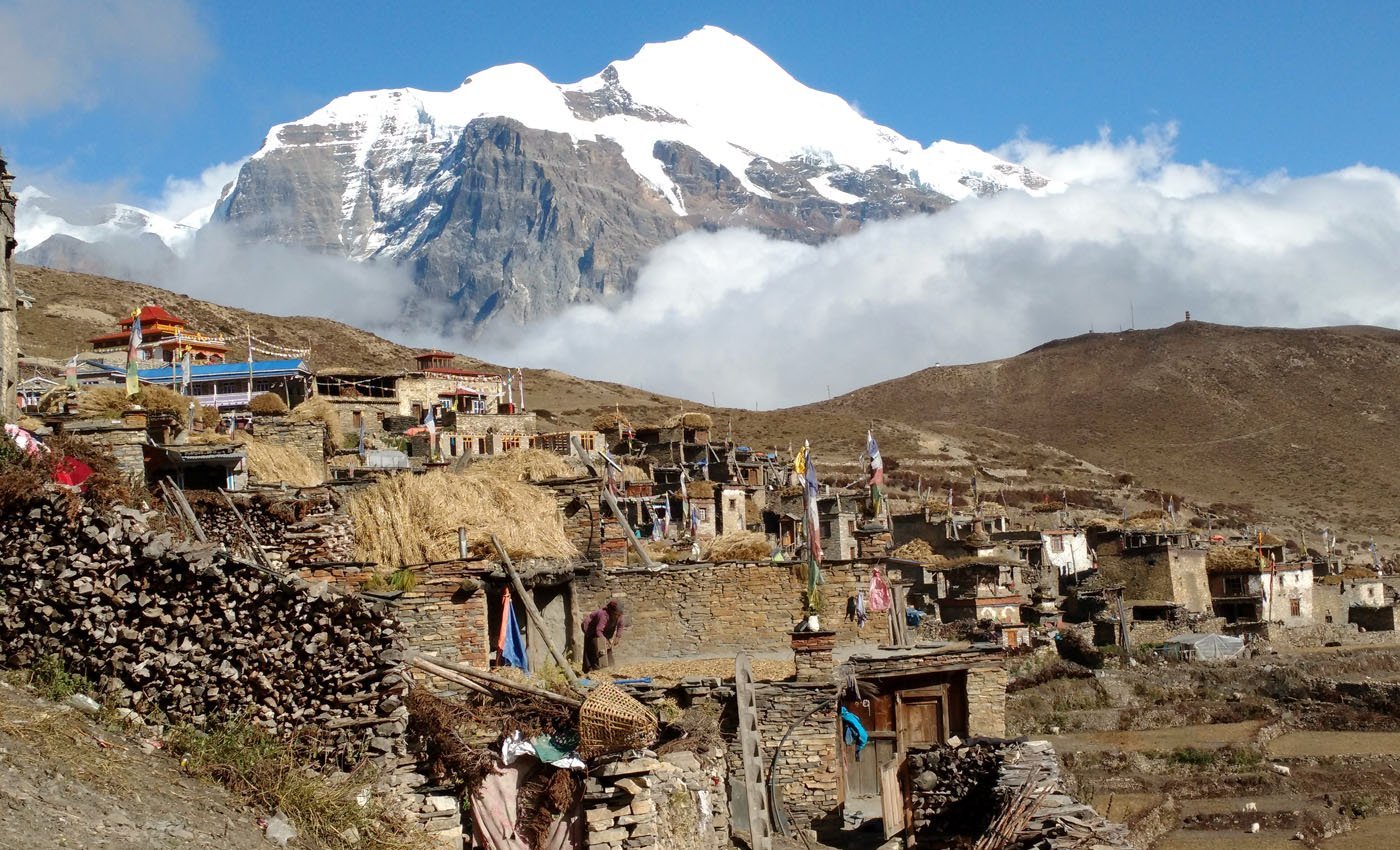
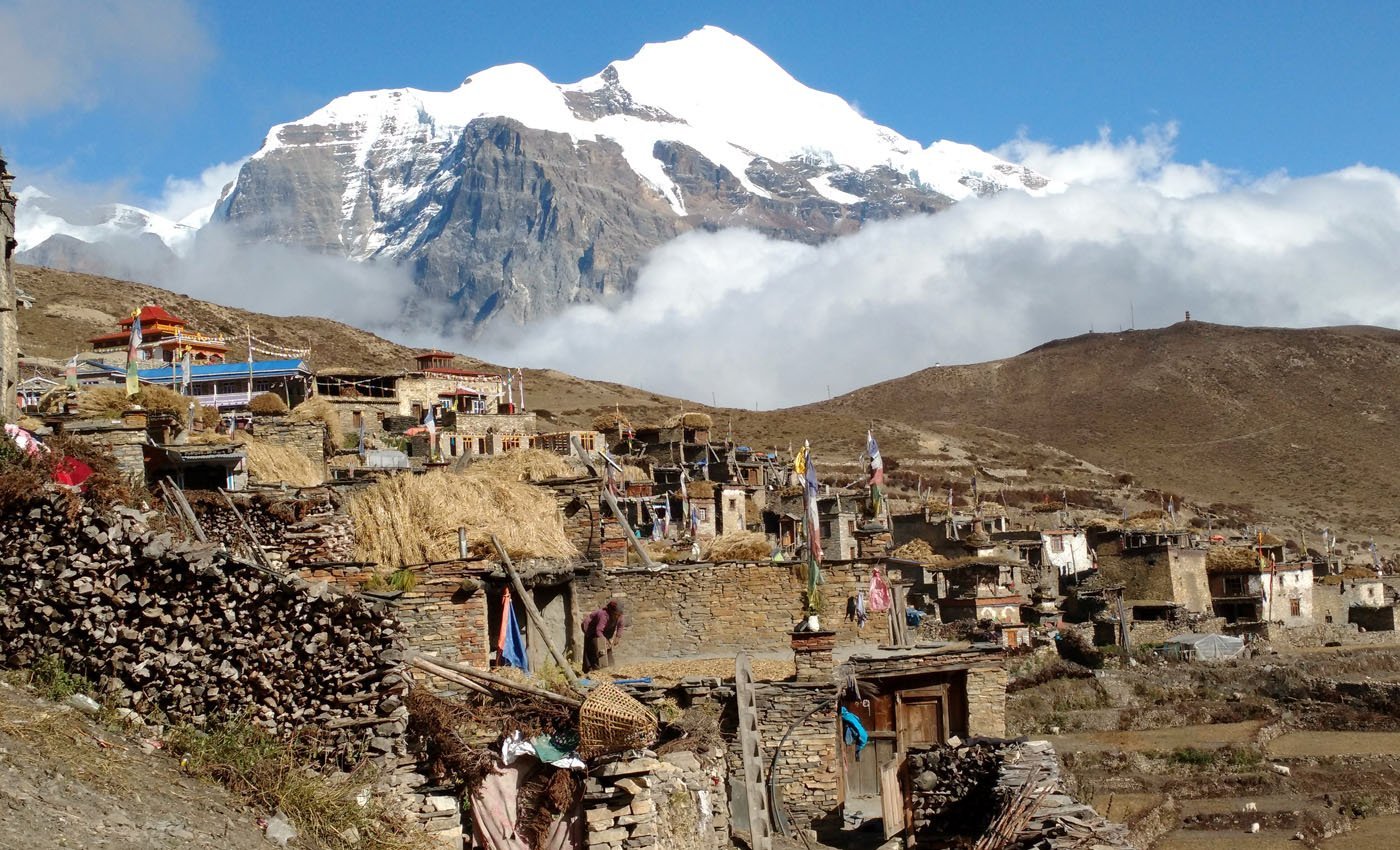
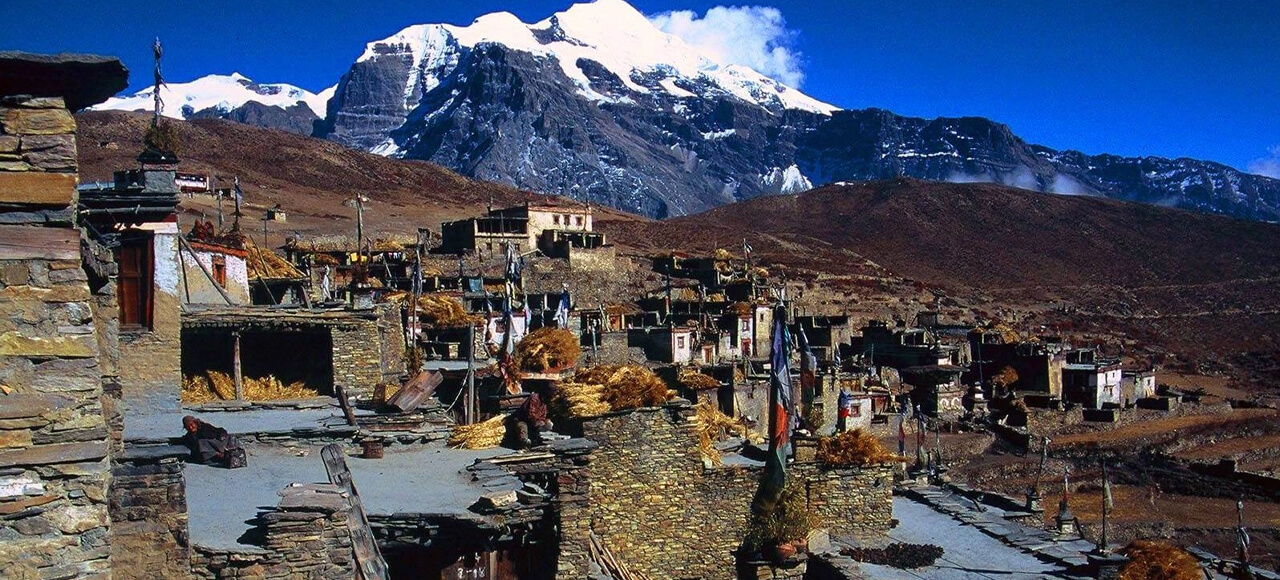
    Nar Village & Mountain in the Background

    The trek features the mythical Kang La Pass (5,320m), medieval Tibetan towns, and ancient gompas (rock-hanging monasteries). Adventure and culture with excellent view of Annapurna II, Gangapurna, Tilicho Peak, etc.

    The Nar Phu Valley Trek is of 12 to 15 days duration. The length of the trek is the distance of the trek in and out of the trailhead, the time you spend overnight at a higher elevation for multi-days, nights in cultural villages, some multiple high passes to cross over 2 or 3 days, etc. I would say to not rush. 

    To have a successful trek. In this blog,  we will try to explain, some of the major thing to avoid during Nar Phu Valley trek:

    1. Underestimating the Remote Terrain

    If you go into this area mentally prepared for the tough terrain and expect to see smooth trails and have plenty of resting points or tea houses along the way. You are in for a surprise at how quickly your emotions will change to frustration. Many individuals who trek to Nar Phu are often unprepared for the remoteness of the area and can easily be overwhelmed and panic when they find out there isn’t much infrastructure in the Himalayas. To support their needs and instead end up spending the majority of their time trying to maintain some level of mental stability while navigating through what should have been a relaxing getaway from the stresses of everyday living in the Himalayas.

    If you are not physically fit and trained to acclimate your body to elevations above 4,000m. It can ruin your experience while trekking in Nar Phu. The terrain goes from approximately 2,500m to above 4,000m very quickly and thus requires some level of physical fitness. In order to endure the high altitude terrain while maintaining a steady pace and a controlled method of acclimatizing to the altitude conditions. If you start the trek thinking altitude sickness is something that doesn’t happen often and that your body will magically acclimatize to the conditions with little to no effort on your part you will likely suffer from some combination of headaches, nausea, breathlessness, or possibly an emergency evacuation due to altitude sickness.

    If you’re competing against your body while hiking, instead of enjoying the beautiful views along the way. The experience becomes more of a “survival mission” rather than an experience you can immerse yourself in. Not preparing your legs, lungs, and endurance level will certainly make each step feel more difficult, and be a longer time (for you) between stops.

    2. Going Trekking at the Wrong times and Experiencing Severe Weather

    Usually when you go on a trekking trip to Nar Phu during a time that is not the best time of the year for a trek. You are likely to deal with unpredictable weather conditions such as snow storms, muddy and slippery trails, landslides, or very cold and uncomfortable nights. The Monsoon season also has its share of leeches, muddy and slippery trails, and hazy views. Winter is also a time of year in this region, and thus, many of the higher mountain passes are going to be covered with deadly snow or ice (making them unsafe to cross).


    If you don’t do your due research on the potential forecast before going on your trek during these particular months or seasons, your experience will probably have been terrible. Due to extreme discomfort, as well as the additional risk factors associated with this.

    Nar Village with the Happy Mountain Nepal Team
    Nar Phu Valley Trekking in Nepal

    3. Ignoring the Cultural Sensitivity of Nar and Phu Villages

    The Nar Phu area is culturally Tibetan, and is very spiritual and traditional. One way to ruin your trek in this area is to go against the traditions and local customs. If you’re going to walk into a monastery without having permission, take pictures of the locals without asking them first, or not following the local dress code.You are going to be an outcast in this close-knit community. If you don’t take the time to understand the cultural differences between trekkers and local peoples, the connection that you should have there. And the ability to create warm memories will be replaced with awkward and/or hostile experiences.

     The culture of a region can be experienced through the people, their customs and traditions, as well as their ways of living. If you do not appreciate these aspects, then your experience will not be complete to the fullest extent.

    3. Carrying the Wrong Gear 

    The clothing/gear you select has the largest effect on the amount of pleasure/suffering (and endurance).You will encounter on your trek through Nar Phu. For example, if your shoes are too small. If you only bring a very lightweight jacket to use at night because the temperatures in the Himalayas drop well below freezing, or if you forget critical pieces of gear such as gloves, trekking poles or waterproof jackets. You are going to have a rather unpleasant experience on your trek through this region.

    Using cheap or lower-quality outdoor equipment will usually result in various forms of discomfort for trekkers including: becoming cold at night; losing your grip on rugged trails; developing blisters that make moving difficult; etc. When comfort is sacrifice in a trek turns into an artificial struggle. And it takes away from the overall enjoyment factor of the adventure.

    Usually, mistakes related to equipment are small decisions, which can lead to very large degrees of discomfort through the Nar Phu valley, making it seem much worse than it actually is.

    4. Not Hiring a Guide and Getting Lost or Confused

    Additionally, because Nar Phu is not as clearly marked as many of the more popular trekking areas. There are times when trekkers may find that they have lost their way due not only to lack of proper signage or information. But also due to the fact there are no reputable guides available to provide assistance to them should they require assistance in navigating safely through this very remote area of Nepal. As many just assume that they can navigate their way through the Nar Phu area without having any prior knowledge prior to embarking on the trek. 

    This Photo was taken on the top of Kangla Pass (5320m) during the Nar Phu Trekking in las November. you can clearly see the sign of Kangla, Beautiful Landscape with Happy Mountain Nepal Banner!!
    Kang-La Pass (5320m)

    They generally will fail to see the opportunities to gain cultural knowledge; the history of the monasteries; pacing their physical limitations with respect to altitude, etc. Those who do decide to trek alone and encounter issues are confronted with the stark reality of being totally isolated from others and not having any means to obtain help if they do require assistance. A recommendation I would strongly suggest is to use a professional guide for the Nar Phu trek. It would be the single best way to avoid turning an amazing trip into a nightmare.

    5. Expecting Luxury and Modern Comforts

    The Nar-Phu region is not a luxurious trekking destination. The tea houses are typically very simple, the food is not gourmet, and it can get quite chilly at night. If you are going on this trek for the hot showers every night, heating in your room, Wi-Fi and/or an abundance of Western cuisine choices, you will be disappoint. 

    When you trek through the Himalayan valleys (Nar Phu Valley, for example), you’ll likely do so in a rush, distracting you from experiencing everything that this beautiful new landscape has to offer (and how truly unique it is), as well as depleting your energy when you’re trying to navigate these mountains. If you’re unable to properly adjust your body/mind to the pace of this area, your entire experience could feel overwhelming.

    6. Not Being Mentally Ready for Silence

    If you love nature and solitude, Nar Phu is perfect for you. The trails are peaceful, the villages are small and there is no sign of civilization (if that’s important to you). There will be no tourists, active nightlife nor regular social interaction while traveling through this area; as such, if you expect to have these experiences, you will feel lonely and anxious throughout the entirety of your trip. 
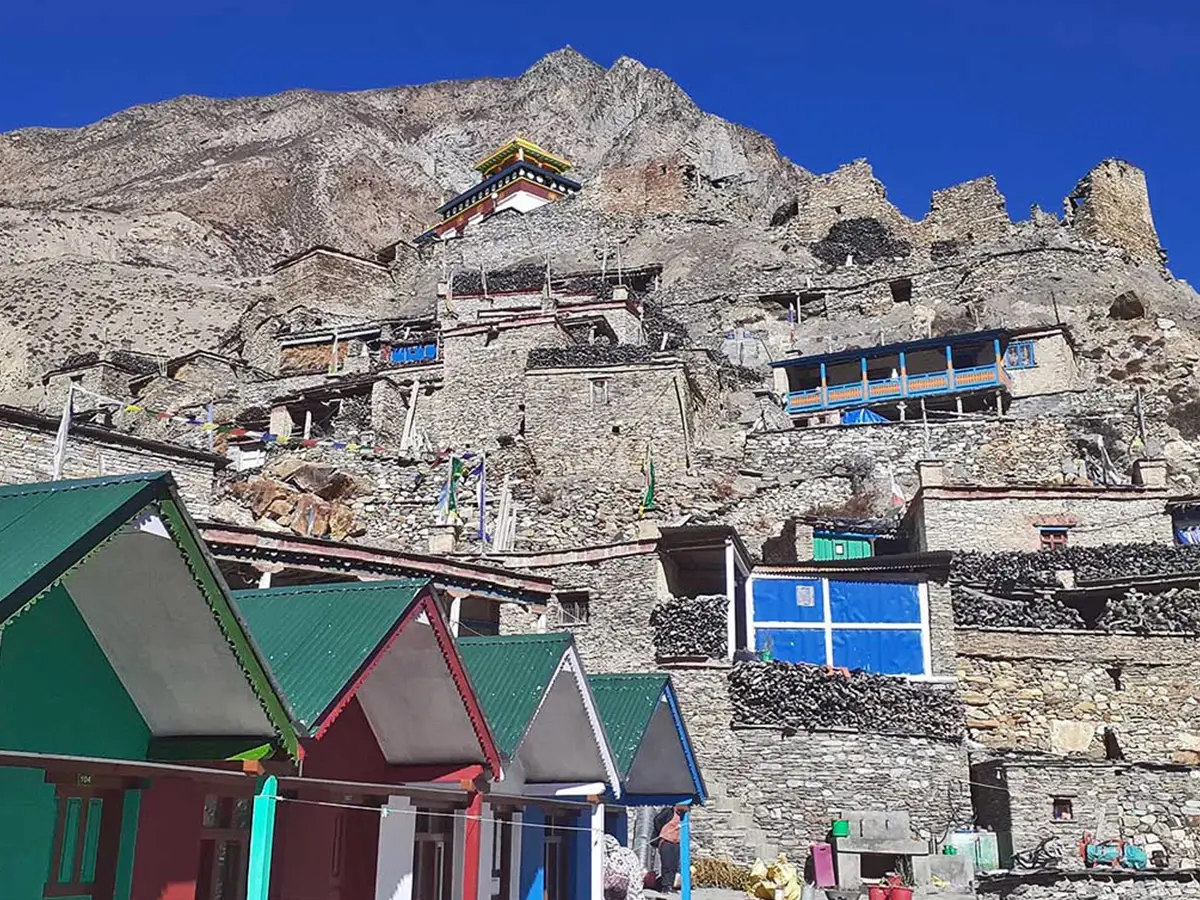
    Phu Village: The Fortified Village

    Most people underestimate just how remote feeling Nar Phu can be the long periods of time spend between villages can create an overwhelming sense of isolation without a proper mental preparation for the trip. If your mind is not prepare for silence, it will become uncomfortable instead of comforting. As a result, if you are not mentally prepare. Your mind may interpret silence to be an empty feeling rather than a calming, relaxing experience, making your journey very draining, instead of invigorating.

    Conclusion

    Nar Phu Valley is certainly one of the premier trekking destinations within Nepal, but it does call for diligent preparation along with respect, time and the right mindset. Knowing how not to enjoy your trek, gives you a clear path as to what not to do on your journey. Thereby allowing you to approach this experience with realistic expectations, and preparation that are prepare and think with mindfulness.

    Understanding the region’s terrain, weather, culture, and rhythm can help ensure that you’ll have some of the best experiences trekking in the Himalayas on the Nar Phu Trek. Serous trekkers should avoid the errors outlined in this guide, and make their way through Nar Phu as a memorable adventure, not one that is more difficult than it needs to be.


  • Nar Phu Valley Trek: Nepal’s Remote Tibetan Frontier

    Nar Phu Valley Trek: Nepal’s Remote Tibetan Frontier

    Nar Phu Valley Trek: Nepal’s Remote Tibetan Frontier

    In rural Nepal, far from thronged trekking trails that welcome most foreigners, there exists another universe—Nar Phu Valley, a hidden land where Tibetan tradition, unspoiled Himalayan landscape, and indigenous ways of life are still inaccessible to the crowds of mass tourism. Nested between more popular Annapurna and Manaslu, the trek provides a traveler an alternative insight into life in one of the least accessible areas of the Himalayas.

    The

    Nar Village with mountain in the back in Nar Manang
    Nar Village

    Trek was previously closed off to outsiders until 2002 and is a destination crying out for adventure travelers seeking isolation, cultural richness and scenery. A bit more about putting one foot forward in front of the other, it’s an odyssey into the still relatively unvisited Tibetan border and you’ll find stone villages, chortens, prayer flags and ancient monasteries along the ways.

    Why Trek the Nar Phu Valley

    Everest and Annapurna may be the well-trod paths but Nar Phu is a trek for those serious about an original and raw experience with culture in remote locations, high-altitude trekking in wilderness with real Himalayan hospitality that involves no tourists and fancy teahouses, just the real beauty of the mountains.

    The trek features the mythical Kang La Pass (5,320m), medieval Tibetan towns, and ancient gompas (rock-hanging monasteries). Adventure and culture with excellent view of Annapurna II, Gangapurna, Tilicho Peak, etc.

    Trek Overview: What You Can Expect in Nar Phu Valley

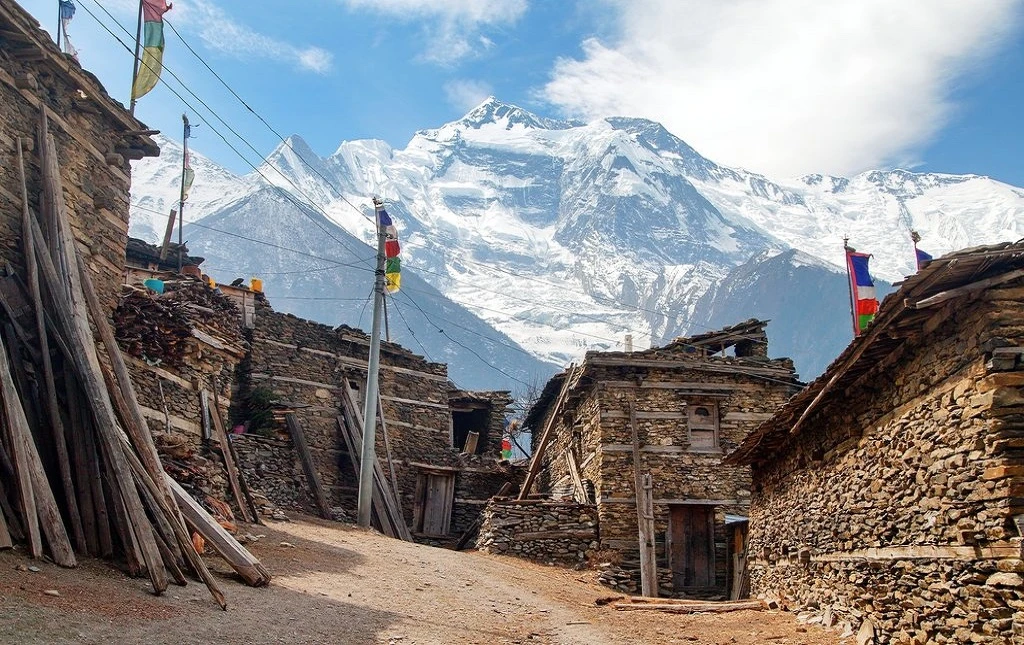
    Ghyaru Village & Annapurna 2
    Ghyaru


    1. Duration: 12–15 days

    The Nar Phu Valley Trek is of 12 to 15 days duration. This, like any trek, will depend on your pace, acclimatization, or possibly extension side trips. The length of the trek is the distance of the trek in and out of the trailhead, the time you spend overnight at a higher elevation for multi-days, nights in cultural villages, some multiple high passes to cross over 2 or 3 days, etc. I would say to not rush. . It’s good to have a bold trek, but you also have to remember that there is a real effort to acclimatize; mountains can be a travel extension, but as for trekking, you do need to try to make your trek as safe as, enjoyable, possibly dangerous, and, as much as is reasonably possible and a little bit of adventure, it’s all part of the trek.

    2. Difficulty Level: Moderate to Hard

    This trek is difficult to challenging owing to the altitude, remoteness and rough terrain. You can expect rocky and rough paths, long walking days and very few fixed services/amenities. Prior trekking experience and reasonable fitness level are recommended. It is not technical but the physical and mental endurance and will power are paramount (especially for any difficult rations in the area of the Kang La Pass.

    3. Altitude: Kang La Pass—5,320 m

    The steepest and highest point of the ascent is the Kang La Pass (5,320 m/17,454 ft). Provided one makes it to the summit, one should be treated with panoramic 360-degree vistas of the Annapurna Range and Manaslu Range. The slope is steep (especially from Nar) and will more than likely require stops for acclimatization to deal with the risk of altitude sickness issue.

    4. Timing:

    The best months for traveling on this trek is when it is Spring (March–May) and Fall (September–November). as the weather in general is more stable, skies are usually clear and the temperatures are improving.

    Spring sees a lot of blooming rhododendrons, and alpine flowers that are colourful, while autumn provides crisp air and great visibility of the mountains. Winter and monsoon treks are unfeasible as there are still large snowfalls during the winter, and the conditions are dangerous during the monsoon.

    5. Permits:

    ACAP + RAP There are two permits required to trek Nar Phu Valley.Annapurna Conservation Area Permit (ACAP) – supports the local environment and helps fund community development Restricted Area Permit (RAP) – Since there is cultural sensitivity and the area is near the Tibetan border, you must get a RAP. The permits must be acquired through a registered trekking agency and require that you trek in a group of at least two trekkers, with a licensed guide.

    6. Route Highlights: Starting from Koto

    The trek usually begins from the small village of Koto, near the Annapurna Circuit trailhead, and subsequently diverts off the main trail, along the single gorge of Phu Khola (river). The trek goes through pine forest, gorges, suspension bridges, and finally into the vast stretch of wasteland arid landscape of Nar and Phu. Trek undergoes a drastic alteration in landscapes, varying from rainforests to arid high-altitude desert ranges.

    Major Highlights of the Nar Phu Valley Trek

    1. Phu Village – Ancient Tibetan Settlement

    Attractive and entertaining Phu Village begins at 4,000 meters in the high Manang district, and offers a disturbing sense of time travel. Separated from modernity, Phu is one of the last seat of a living Tibetan fortress village established from stone, windstorm-battered chortens, and dried, rising cliffs that provided a fort-like barrier to a landscape of silence: broken only by the flapping of prayer flags and the occasional low of an indifferent yak. Monastery trekking to the village of Phu is a close spiritual and cultural experience, uniquely rewarding for travelers willing to break from the crowd, and experience the utmost beauty of high-altitude, northern-style simplicity and natural settings.

    Phu-Village with Phu monastry & beautiful ancient traditional houses
    Phu Village

    In Phu, you will feel intimately close to a centuries-old lifestyle of yak herding, seasonal migration and Buddhist rites, in a world where locals live off the land, and are essentially dependent on it for food, shelter, and spirituality. In Phu, the families eat food of the land, provide food and prior arrangements are made for the yak, use yak dung for fuel, glean fuel from the land for shelter and spirituality. The narrow streets and terraced stone lodges, speak volumes about its medievalism. For travelers, Phu Village provides a scenic experience, but is also somewhat like stepping through a portal into a preserved Himalayan cultural world.

    Major Attraction

    • Tashi Lhakhang Monastery: An 8th-century sacred monastery.
    • Ancient Chortens and Mani Wall: Quite incredible stone spots, anywhere along the path and village.
    • Yak-herding Nomadic Culture: Opportunity to view and experience a classic Highland husbandry culture.
    • Stone Construction: Houses of multiple stories constructed into the cliffs, by utilizing ancient methods of centuries ago.
    • Himlung Himal View: Panoramic view of massive glaciers and height ranges.

    Nar Village – Culture, Community & Generosity

    Nar village is a pleasant small village, rather below Phu, having good cultural appreciation; warm people and an inclination to retain Tibetan traditions. It is a bit warmer and open to everyone, whereas Phu is somewhat tougher and exhausted. The villagers are usually religious in nature; actually, if you chanced to be there at the appropriate time of the festival day, it was most likely that you would be asked to join them in rituals or celebration like traditional music and dance. Their life is dedicated to farming, cattle breeding and spiritual practice mostly. You have devotional objects in every household – prayer flags, spinning wheels and butter lamps.

    Nar Village in a distance
    Nar Village

    Nar is slightly more accommodating than Phu, as the lodgings are Tibetan-style lodges, and there is a nice local hospitality aspect. You have the opportunity to engage with villagers who retain their Bonpo and Buddhist beliefs, often represented in painted symbols on homes and prayer stones. hand-weaving, wearing their traditional dress and the delightful smiles of curious children combined to make Nar a very heartwarming cultural aspect of the trek.

    Major Attraction

    • Tibetan-Style Lodges – Local hospitality in a traditional setting.
    • Bonpo and Buddhist beliefs – the coexistence of two ancient spiritual traditions.
    • Hand-Woven Fabrics/Crafts – Watch or purchase textiles and garments produced adjacent to the village.
    • Ornamented Village Homes – the wood patterns of construction as well as the distinctive window-frame designs were artistic features.
    • Meeting for Sunrise Views of Pisang Peak – It was worth getting up to see another spectacular view of such glorious Himalayan mountains!

    3. Kang La Pass – The Challenge and the Reward

    Kang La Pass is located at an altitude of 5320m and is one of the hardest and most exciting parts of the Nar Phu Valley trek. The ascent to the pass is steep and white with snow during the colder months, and the effort and landscape are amazing. If you are acclimatized appropriately the crossing of Kang La will be a highlight, and you will feel excited that after all the effort you have succeeded in crossing the pass. On your way up, you will see expansive views of the Annapurna Massif in every direction, but Tilicho Peak will be prominent on your immediate horizon with Gangapurna and Annapurna II also stretching up into the skies.

    top of Kang La Pass (5,320m) with sign
    Kang La 5320m

    After this hard work, and with all the unbelievably beautiful scenery and tasty culinary options of Manang to contemplate, the descent into the greener trails of the Annapurna Circuit is spectacular. You will feel the change going from the barren stark landscape and the isolated valleys to where the population is more concentrated, where other trekkers have been, and where services in Manang and beyond are more developed. This pass is an amazing link between polarizing landscapes, but it also links cultures—a rare chance for trekkers to connect hidden Tibetan valleys with one of the most well-trekked routes in Nepal.

    Major Attraction

    • Breathtaking Mountain-landscapes: Panoramas of Annapurna II, Tilicho Peak and Gangapurna.
    • Historical Connection with Annapurna Circuit Trail: Down to Ngawal and locate the classic trail.
    • Feeling of Accomplishment: It is well worth the experience and has the benefits of high altitude trekking.
    • Range of Trail Experience: From highly remote wilderness to frequented valleys.
    • Photographic Opportunities: With constantly clear blue skies and ideal topography for excellent photographs and documentation.

    Cultural Preservation and Spiritual Discovery

    It is one of the most attractive features of the Nar Phu Valley region, and a number of others, that cultural authenticity is one of them. The remoteness of the site and limited trekking permits have saved it from the rush of tourism development and given the surrounding villages the chance to maintain their tradition, language, clothing, celebrations, and religious practices, as a vibrant tradition of Tibetan Buddhist culture. Whether you trek as far as you can go, or look about you, always set against centuries of faith and ritual.

    Travelers can explore hundreds of years old monasteries with meditation caves visited by the famed Buddhist saints, chant with monks wearing crimson (red) robes reciting ancient mantras and spinning prayer wheels, and meditate on human existence while following teachings, traditions, and blessings that have been facilitated over centuries. You will notice unique aspects of Bon shamanism such as the sky burials, offerings, and terror-based spirituality, which add further tolerance due to the mystery of the land.

    Major Attraction

    • Buddhist Monasteries: Visit sacred gompas, such as Tashi Lhakhang, and Nar Phedi.
    • Meditation Caves: Specifically, ancient meditation retreats that are carve into mountaintops.
    • Monastery Rituals: Chanting, butter lamps, and a chance for other prayer ceremonies.
    • Bon Traditions: A chance to explore aspects of pre-Buddhist spiritualistic traditions that are still practiced.
    • Cultural Experience: Live and adopt a way of life that has been preserved for hundreds of years.

    Permits and Requirements in Nar Phu Valley

    Nar Valley with the mountain
    Old Nar Village

    Because Nar Phu is classified as a restricted area, a special permit is required:

    Permits and Regulations – What You Need to Know Before You Go

    Because the Nar Phu Valley (the valley between Nar and Phu) and two separate villages of Nar and Phu are right on the Tibetan border and both ecologically sensitive and culturally important, the Nar Phu Valley is consider a restrict trekking area. Additional permits and conditions apply. The most significant permit is the Reserved Area Permit (RAP) to be attached to your Trail Permit. The RAP is approximately USD 100 per person for the first seven days in the area (USD 15 dollars per person a day for each additional day. This permit is absolutely necessary to enter both Nar and Phu villages. You must also obtain the RAP in advance and it can only be obtained from a registered trekking agent/government agency.

    In addition to the RAP, trekkers need to obtain an Annapurna Conservation Area Permit, or ACAP, because Nar Phu is part of the Annapurna Conservation Area. The ACAP already costs NPR 3,000 (approximately USD 25 for foreign registered citizens in Nepal). And don’t forget, solo trekking is prohibited. This means that you must have at least one other trekkers and a licensed trekking guide. This rule is being implemented not only for safety but also to monitor environmental impact and help cultural preservation in this remote area of Nepal.

    Permit Requirements for Nar Phu Valley Trek:

    Restricted Area Permit (RAP): Around USD 100 per person for the first 7 days, set up by use of a registered trekking agency
    Annapurna Conservation Area Permit (ACAP): Approximately USD 25 per person (NPR 3,000)
    Minimum Group Requirement: At least two trekkers minimum – permits are not issue for solo adventurers
    Licensed Guide Requirement: There is a requirement to trek with a guide and only a government registered guide will count.
    Permit Issuance Only from Registered Agencies: Both RAP and ACAP have to be process from register trekking companies in Nepal

    Also, be aware that this trek to Nar Phu Valley also requires reasonable physical fitness, with proper acclimatization to higher altitudes beforehand.

    Accommodation on the Nar Phu Valley Trek

    View from Phu Village from Phu Cottage Hotel
    Phu Village

    1. Basic Teahouses and Homestays

    There are no glamorous hotels or high-end lodges on the Nar Phu Valley trek. Accommodation will be take care of in basic teahouses and homestays operate and construct by local families. These buildings are generally made of either stone or mud; the rooms are small and basic: a bed, a blanket, and perhaps a small table or shelf. To be sure, the accommodation is basic, but they offer a wonderful opportunity to see traditional life in the mountains at first hand!

    2. Bare Facilities

    Since the area is not available, the facilities are bare. There is no heating at all and the rooms get extremely cold in winter months, which is especially true in the evenings. Electricity, when it is there, is usually solar-power, available some of the time during the day or night, and for only a few appliances. They also have the option to charge your camera or phone for a nominal extra fee, or no power at all in certain villages.

    3. Shared Bathrooms

    Although very cozy, sanitation in accommodation is not the norm. Toilets are share in most accommodation, it could be an outside loo, Indian/local type (squat) and usually without running water. Showers do not even happen in most of them, and hot water does not even exist (when there is, it would be possibly from a bucket or a solar-heated tank), and usually for extra money. Bring your own toiletries and wet wipes to remain sanitary.

    4. Friendly and Family-Run

    The teahouses are usually family-own with the family residing there. The families cook, clean, and attend to your room. There is therefore a homely warm atmosphere, and the guests feel like part of the extended family. Although there may be some language barrier, gestures, smiling, and meal sharing together help in better comprehension with a personal touch.

    5. Dazzling Hospitality

    Although the accommodation may well be basic, hospitality is frequently a way of life. You will almost certainly be invite to sit and rest by the kitchen fire after a day’s walking, stay and talk with the owner, or even assist in preparing your meals. Sharing meals makes for bonding moments, and occasionally these are the most memorable moments of the trek, and you receive a genuine cultural experience beyond that which you were originally carrying out.

    Food on the Nar Phu Valley Trek

    Enjoying traditional Lunch in Phu Village
    Meal Time

    1. Plain, Local Cuisine

    The farther away from towns and cities you get, the food will generally consist of what is locally, or transport by mule. Fine dining is not to be expect, but good, simple, home-style food just to keep you going. The majority of the dinner meals will be vegetarian since meat is scarce, and costly to import in this high-altitude nation.

    2. Daily Staples

    The staple food for the day is dal bhat, which is lentil soup, rice, and seasonal veggies, or at least seasonal veggies! Dal bhat is a rich, wholesome food served normally with unlimited servings. Other indulgences are Tibetan Bread (fry flat bread), thukpa (vegie noodle soup, hot), momos (steamed dumplings), and tsampa (roast barley flour with tea or milk as an option).

    3. Drinks

    One of the most unique drinks you will have is yak butter tea, a salty, creamy drink made by mixing yak butter, salt, and tea. You may or may not enjoy it, but it certainly will help keep your body warm and provide hydration at altitude. You’ll also see sweet milk tea (Nepali chiya), black tea, and boiled water for drinking. You may find bottled water in some lodges, but it is expensive, and perhaps not so environmentally friendly.

    4. Extremely Limited Supplies

    Since Nar and Phu are not road-accessible, almost everything except the local food and supplies gets in by flight, mule-borne, or porter-borne. So, don’t look for much menu and sometimes redundant foods. It is nice too to bring some of your own snacks (i.e. protein bars, nuts, chocolate, etc.) to help power some extra energy on your trek.

    5. Shared Mealtime

    Meals are take at a communal kitchen or dining hall where locals and travelers sit and socialize about the hearth. This share space gives the trekkers a sense of belonging, and meals together often are when some tells great stories, some local traditions, and the calmness of the mountains can be share by everyone.

    Tips for Trekking Nar Phu Valley

    Hire a guide and porter – Required for permit and follow on isolated terrain.

    Acclimatize – Spend extra days in Koto or Meta to avoid altitude sickness.

    Pack light but warm – Weather can change fickle at high altitudes.

    Be respectful of the locals – Always ask before taking photos of people and of religiously significant sites.

    Know that the services are limit – No wifi, limit electricity, and basic hygiene in many the more remote areas.

    NarVillage & Mountain
    Nar Village

    Best Time to Visit Nar Phu Valley

    The best times of the year for trekking are spring (March to May) and autumn (September to November). During the spring in the lower section there are blooming rhododendrons, and in the autumn, you have the benefit of crisp skies and views of the mountains.

    Avoid the winter months (December–February) as the passes are block with snow, and the temperatures are freezing, and also avoid the monsoon (June–August) season due to landslides and messy and slippery trails.

    Final Thoughts: An Adventure in Nar Phu Valley

    The Nar Phu Valley Trek is not just a trek; it is an experience. It is the experience of multi-day trekking into the most remote part of the Himalaya, an unknown country where time ceases to exist. Every step into the valley is a step into a world that only a handful of tourists are privilege enough to access. If you have the ability to step away from the tourist path. Nar Phu grants privileged access to Nepal in its genuine, quaint, and majestic form.

    If you want to experience solitude, sincerity, and not just proximity to the Himalayas, permanent immersion then Nar Phu Valley is your 2025 trek! Contact us today at Happy Mountain Nepal, on Facebook, Instagram, or TikTok.

  • Nar Phu Valley Trek: A Hidden Himalayan Gem in Nepal

    Nar Phu Valley Trek: A Hidden Himalayan Gem in Nepal

    Nar Phu Valley Trek: A Hidden Himalayan Gem in Nepal

    Nar Phu Valley is an untouched and inaccessible part of Nepal’s Annapurna, bordering on Tibet. It had no visits by trekkers until 2002, but it presents a virgin Himalaya scene, ultra-rich Tibetan heritage, and medieval villages that remain suspended in animation. Nar Phu Valley was named after the two largest villages, Nar and Phu, which have a strong Buddhist history in the shape of stunning old monasteries, prayer walls, and chortens amidst a stunning high alpine landscape. The trek to Nar Phu Valley is an off-the-beaten-path trek far from the more touristy trails. It zigzags and turns up through steep canyons, mountain forest, and high passes like the strenuous Kang La Pass (5,320 m).

    Nar Village & beautiful mountain in the background
    Nar Village

    Why Nar Phu Valley Trek special?

    Nar Phu Valley Trek is a combination of high-altitude trekking and cultural trekking. It was forbidden for foreign trekkers until 200,3 and therefore it was virgin and daily culture. The main reasons that this trek must be included as a must-do trek are as follows:

    1. Tibetan Culture

    Residents of Phu and Nar live in a culturally isolated area, and the old Tara Nagar Tibetan culture has been preserved there for some time now. The villagers were isolated from the world for centuries, and while it might not be possible to be exclusive again after 2002, culture can be exempted from the brutalities of mass tourism. The villagers in Phu and Nar are ethnic Tibetans, and their existence is based on agriculture, cattle, and Buddhism. You can witness remnants of Tibetan ways of life in the villages through which you pass in the hills – remnants from earlier centuries of Tibetans living ways of life that reflect their religion, culture, daily way of living, and even communities through architecture. You might see a few of the same things.

    Gho Chorten near Nar Village on the way to nar from nar phedi
    Gho Chorten

    Tattered prayer flags on a prayer pole waving in the breeze; Buddhist prayers inscribed on mani walls painted along trails; the villagers wearing their traditional clothing, following a cultural ritual.
    Prayer and monks and nuns living here in monasteries; yak and yak herding; grinding tsampa or butter tea are something you would notice, but not something you would experience or witness anywhere else.

    This action is not performed for the purpose of showing it to visitors—it is real and lived. The culturally aware tourist will have open to him a landscape which is a window on the historic and religious dimensions of life in the Tibetan Himalaya.

    2. Nar and Phu Villages

    Phu Village is a picturesque village in the area, being a walled medieval village.It is placed higher up above the valley on a shelf and built into the side of our cliff which consists of stone.

    Phu, with fewer than 300 residents, has a quality of timelessness. It has stone and mud houses, thin pathways, rice terracing paddies, and ancient chortens. Phu has many monasteries, among which the sacred Tashi Lhakhang Gompa is said to have been consecrated by Guru Rinpoche. It gives you a realistic impression of an uncluttered, simple Himalayan highlander way of life, it gives you a real quality.

    Nar Village lies in a larger, more open valley. It is easier to access, it is sunny, warmer, and open compared to Phu. The people of Nar built their houses keeping hospitality in mind; they are actually famous for being hospitable. There are monasteries and gompas there too, but at Nar, because it is an open plot of land, the weather isn’t the same, there’s more sunlight, and distant views over some mountains.

    Nar and Phu together show us two aspects of Himalayan existence—ecclesiastic and sequestered on one hand, and agrarian and open on the other.

    Nar Villages & mountain view
    Nar Village

    3. Kang La Pass (5,320m)

    Icing on the trek—the Kang La Pass—literally and metaphorically. Physical and technical challenges to ascend to the height of the 5,320m pass. The pass links the isolated Nar Valley to the Annapurna circuit, and voila, stunning views of some of Nepal’s most mythically sparkling mountains. Over Annapurna II, it glows yellow or dissolves into whirlpool vapors along with Tilicho Peak, Gangapurna, and thousands of other high domes depending on the hour.

    Always an early-morning trip to the Kang La, and one to arrive in town with snowshoes on backs to packs we’d cached between greasy and bare streets. It was worth it, for a flavor involuntarily, the creative ritual of another kind, conquest, and solitude. Tours to Kang La as initiation for the tour—and it Gondá, far from trekking, off the maps Nar Phu valley totaled more touristed areas of Manang, and the Annapurna. Time to travel light and be humble.

     Kang La Pass (5,320m) sign & surrounding mountains
    Kang-La pass 5320m

    4. Himlung Himal Base Camp

    For those with a little more than one day or even two to spare to allow them to finish their itineraries and those who would want some raw adventure in between, then the Himlung Himal Base Camp trek would be well worth the trouble. At about. 4,900 meters below, beneath the 7,126-meter summit top of Himlung Himal, one of the less-climbed and less-used summit tops of the Peri Himal massif, lies the base camp. You are embarking on your trekking experience from Phu, and your trek passes through rising and rising glacial and rocky terrain.

    It is a modest trail and will find you utterly alone. You will be walking on alpine meadows, moraines, and snow creeks with hardly, or nobody around. You get a sense of scale. The ginormous mountains, glaciated ridges, and serenity of high country vistas will give you an experience that’s intimate and unspoiled. It is the photographer’s dreamland, nature lovers’ heaven, or a choice for those who are prepared to earn their respect with their endurance at heights.

    Himlung Himal Base Camp tents & snow fall
    Himlung Base Camp

    5. Monasteries of Nar Phu Valley

    The throbbing heart of spirituality of the Nar Phu Valley is the monasteries. The extremely ancient buildings, temples of faith and repositories of centuries of spirituality, art and religious self-control. Among them most ancient and sacred is the Tashi Lhakhang Gompa near Phu. A peaceful, contemplative shrine where candles somehow burn low across statues, butter lamps aglow and the eternal hum of chant resonating out.

    You catch a glimpse of the Tibetan Buddhist lifestyle and how it extends to everyday life upon visiting them. They are visited by the monks, usually from nearby villages, who are practicing such on special Buddhist holidays. Trekkers may be asked to join in the rituals or sit and observe. The peace and quiet of such monasteries offer the best antidote to the violence of the trek along the trail and to rest and relearn the spiritual interiority of the adventure.

    Beautiful Monastery at Nar Phedi
    Nar Phedi Monastery

    6. Varied Landscapes of Nar Phu Valley

    The crown jewel of the trek is the stunning diversity of landscapes that you get to witness. Off you go on forest paths, along stony thunder brooks; then it runs along dusty alpine with walls of bare rock, giant valleys and scree hiking and to finally top up the snowfields and glacial ridges under big open wide skies.

    As this topography shift goes on, the phases and elements remain fascinating. You may be trekking through pine woods with rhododendron in parts and wind-lashed desert plateaux with scrub so low-growing, it’s nearly short-grass in places. To witness these green and brown, wet and dry, white and treeless all together is to exercise the rhythm of the physical and mental aspects of the trek—a gradient of challenge, wonder and understanding.

    Manang Village from hundred lama cave


    7. Hidden Gems: The Remoteness of Nar Phu Valley

    Nar Phu Valley is one of the last of Nepal’s virgin and off-the-beaten-path trekking areas. Because it was the last to have been closed and reopened to trekkers, the valley has remained free from its cultural and environmental truth being eroded. You will not find large tea houses, Wi-Fi, and souvenir shops. You will find a place where humans are fewer than yaks and stars still twinkle unfazed by man-made light.

    This solitude demands solitude from you, and the payoff is enormous. It’s a journey through silence, solitude, and self-discovery. There’s a sense of discovery with every twist on the trail. There are secret waterfalls, unexpected wildlife sightings (blue sheep and Himalayan griffons, to mention a few), and isolated villages outside of time. For the travelers who want something new from Nepal’s more popular and beaten-up treks, this trek offers something unexplored and transformative.

    Nar Phu Valley Trekking Itinerary (15 Days)

    traditional village at Phu village
    Phu Village

    Here’s a standard 15-day itinerary that ensures proper acclimatization and a complete experience of the region.

    Day 1: Arrive Kathmandu (1,400m)

    You will reach Tribhuvan International Airport, Kathmandu, and there you will be met by your representative who will welcome you and drop you to your hotel. You check in the hotel or you stroll along the pleasant backroad of Thamel which is the trekker’s paradise. Subject to time, Swayambhunath (Monkey Temple) or Kathmandu Durbar Square is not far on walking distance from there. Orientation in the evening – trekking routine.

    Day 2: Besisahar to Koto (2,600m) – 8-9 hour mountain road drive

    The day begins on the long drive tours with the beginnings on a bananaskin and picturesque road and concluding on off road drive. Where one rests is Besisahar which marks the beginning of your Annapurna Circuit trek. The jeep ride has bumps to it as it’s another scenery ride on villaged and hills; and there’s the bumpy but scenery ride on Marsyangdi River gorge. We ride from Besisahar to Koto through pine forest lined with village and cliff-covered, the start of the Nar Phu Valley trek.

    Day 3: Koto to Meta (3,560m) – 7 hours

    You will have to cross permit barriers at the police check point on entry to the Nar Phu closed valley. You will walk through dense pine and rhododendron forests, suspension bridges, river-carved boulder fields in the Naar Khola basin, and steep rock faces. The trek is easy and without steep slopes and boulders. You will reach Meta, a hidden Tibetan village, and see sweeping views and ancient chortens.

    Day 4: Meta to Phu Gaon (4,080m) – 7 hours

    Here you get to see beautiful canyon walls, and the canyon wall on either side has been engulfed, and in between are scattered Tibetan villages. You trek through Kyang and Junam – last season grazing grounds, and climb slowly towards Phu village. As you reach the Phu village, you will be able to observe the chortens and mani walls rising high above the mystic rim of the valley like the valley’s ancient sentinels. Phu Gaon is located on a ridge with great views and an always-dominant atmosphere.

    Day 5: Acclimatization Day at Phu Gaon

    Rest and acclimatization day at high altitude. Day excursion a Tashi Lhakhang Monastery blessed by Guru Rinpoche. Half-day trek to a view hill for bird’s-eye view of the village, yaks and cliffs surrounding the village. Visit to the villagers will provide insight into their hard Tibetan life – spiritual and conservative.

    Day 6: Phu to Nar Phedi (3,490m) – 5 hours

    The return route is half way down the valley. Over suspension bridges you walk and step on to single chortens to arrive at Nar Phedi where yet another experience you’ll be discussing for years to come—you’re sleeping in a modest nunnery monastery. It’s a good place to go slack, little luxuries but warm warm heart.

    Day 7: Nar Phedi to Nar Village (4,110m) – 3 hours

    A serene, short trek to that beautiful Nar village. A lot of prayer flags and colored rocks along the way to observe and distinguish is not impossible. Phu less in population but Nar larger in size and population of the rock villages and fields and monasteries’ center. More people and crops here.

    Day 8: Exploring Nar and Acclimatizing.

    Spend the day experiencing the local lifestyle. You may check out some local gompas, have traditional yak butter tea, and check out the nearby viewpoints for amazing views of some of the Himalaya. This extra day is also important because it gives your body some time to adjust to the altitude before we cross the Kang La Pass, you can also hike to the high yak pastures for a relaxing nature walk.

    Day 9: Cross the Kang La Pass (5,320m) and Trek to Ngawal (3,660m) – 8-9 Hours.

    The longest and most challenging day begins with an early start before dawn. You will gradually ascend on rocky trails toward the snow-covered Kang La Pass. After getting to the top, you will be rewarded with magnificent views of Annapurna II, the Tilicho Peak, and Gangapurna. After crossing the pass, you will descend down to Ngawal, where you will make a steep descent down scree and meadows. Ngawal is a traditional village with guesthouses, warmer conditions, and a chance for a slightly more relaxing day.

    Day 10: From Ngawal to Manang (3,540m) – 4 hours

    You’ll descend lightly along the Marsyangdi River, enjoying views of the Annapurna range and forested hills, passing ancient caves and monasteries. Manang is a lively town with a lot of trekkers, featuring bakeries, cafes, and a Himalayan Rescue Association clinic offering a professional service. It is a good place to charge your batteries.

    Day 11: From Manang to Yak Kharka (4,050m) – 4 hours

    You will leave behind the forested areas and the trail will take you into some alpine landscape where you may encounter grazing yaks and larger herds of blue sheep. The walk is mostly gradual with the exception of a couple of steep areas. Yak Kharka, your stop for the night, is a small, windswept outpost set against a backdrop of incredible mountain scenery. Yak Kharka is the perfect stop for a night as you acclimatize before heading toward the final pass.

    Day 12: From Yak Kharka to Thorong Phedi (4,450m) – 3-4 hours

    This is a short but essential day for rest before your longest ascent. You will need to cross small wooden bridges and sections of landslide, reaching your last overnight stop before the Thorong La. Thorong Phedi (the base camp) has the basic comforts you need and you will need an early sleep in anticipation of your climb tomorrow.

    Day 13:Trek to to Muktinath via High pass (Thorang La xa)

    This is the hardest, but the moment you’ve all been waiting for. The trek starts very early, generally at 4:00 AM, so that you can reach the summit of the trek as soon as possible, before the weather has time to snap and before the winds that have kept you warm through your first couple of weeks of trekking kick up again. The route is a steep ascent from your last high camp or lodge, and begins to traverse the final ridge or hill, but it will consistently climb in height as you walk to the Thorong La Pass at 5416 (17769 ft) meters.

    Day 14: Drive to Muktinath to Maroha via kagbeni

    After a night of sleeping in Muktinath, we will drive to Marpha, through a lovely village in the Lower Mustang region, without proceeding likewise in Kagbeni (the village is open to some wind – it is the intersection of the Jhong and Kali Gandaki Rivers).

    Day 15: Drive to Pokhara

    You will be in Pokhara at your lake-front hotel well ahead of the time when you can unwind and watch the tranquil beauty of Phewa Lake, cafes, or indulge in an optional massage after some hard days of trekking. All good things must end!


    Permits and Requirements for Nar Phu Valley

    As Nar Phu is a restricted area, the following permits are required:

    Trekker has to pass through a registered agency and in a group of two or more individuals with a licensed guide.

    Best time to trek the Nar Phu Valley

    The best months to trek in the Nar Phu Valley are:

    Spring in the Nar Phu Valley: March to May when wildflowers begin to bloom and the sky is usually clear.

    Autumn in the Nar Phu Valley: September to November, when stable weather conditions enhance mountain visibility.

    Avoid monsoon (June – August) and severe winter (December – February) months since you would either be trekking in rains or crossing passes that had just been closed for winters.

    What to Bring on the Nar Phu Trek

    You will need:

    • Warm clothes in layers (base, mid, and outer layer)
    • Good quality Wellington hiking shoes/boots
    • Sleeping bag (-10degreese Celsius bag would be suitable)
    • Sunglasses, sun block, and lip balm
    • Reusable water bottle and water purification tablets
    • First-aid kit with altitude medication
    • Headlamp and spare batteries
    • Snacks and energy bars


    Conclusion

    The Nar Phu Valley Trek is an experience unlike any other and will open your eyes to unspoiled beauty, isolation, and cultural wealth. Whatever and whoever you are, seasoned trekker or another tourist seeking something real and worthwhile, the trek will render one of the real highlights of Nepal and the Himalayas. With a bit of planning and a dash of good luck, you’ll take away memories and experiences that will last a lifetime, and a sense of Nepal’s untouched spirit. Contact us today at Happy Mountain Nepal, on Facebook, Instagram, or TikTok

    FAQs

    1. Do I need a special permit for the Nar Phu Valley Trek?

    Nar Phu Valley is a restricted area of Nepal. Restricted Area Permit (RAP), and Annapurna Conservation Area Permit (ACAP) is needed. They can be purchased through a registered trekking agency, and the group should be at least two trekkers.

    2. How challenging is the Nar Phu Valley Trek?

    The trek is challenging to strenuous. There are long days of trekking, remote landscape, and high altitude (highest point 5,320m at Kang La Pass). It is strongly advised to have good physical fitness and prior trekking experience.

    3. What is the best season to undertake the Nar Phu Valley Trek?

    The best season is spring (Mar.-May) and autumn (Sept-Nov). Blue sky and clear weather, pleasant climatic conditions, and breathtaking mountain views. Extremely cold in winter, and the pass gets closed due to snowfall; monsoon is non-stop rain and wet trails.

    4. How long does the trek take?

    The normal time is 15 days, including acclimatization and side trips such as Himlung Himal Base Camp. It may be extended if done as a part of the Annapurna Circuit.

    5. Is there teahousing or must I camp?

    There are village teahouses and lodges in each village: Koto, Meta, Phu, Nar, and Ngawal. Simple, lodging is still available, and particularly at Phu and Nar. Camping equipment is not necessary, bbut it ill be useful if lodges are shut down or full.

    6. Is there a mobile network or Wi-Fi on the trail?

    Cell phone reception is poor and patchy in most of the valley. No Wi-Fi and few spots like Manang, or Koto. Expect to do a digital detox and carry a satellite phone if you need it.

    7. What wildlife can I expect to see?

    Blue sheep, Himalayan griffons, lammergeiers, and snow leopards (sometimes) inhabit the cold climate. Alpine flora and common birds inhabit the high-altitude region. Domesticated animals and yaks inhabit the spot very often.

    8. How cold is it?

    Night temperatures lower than -10°C are found at high altitude, for instance, at Phu, Nar, or Kang La Pass. Weather is usually sunny and good, however. Weather gets really awful without warning. Fleece and warmer clothes are a must.

    9. Is the Nar Phu Valley Trek for starters?

    This is not a beginner’s trek because it is inapproachable, at high elevation, and physically demanding. The trekkers must be seasoned to some degree at high elevation and must have some elementary understanding of survival skills in the mountains.

    10. Is altitude sickness a concern?

    Yes. It’s more than a 5,000-meter walk, so altitude sickness is a definite possibility. The days have been scheduled to reduce as much of that as possible by adding acclimatization days but be sure to monitor also for symptoms. Trip insurance with evacuation is strongly recommended.

  • Personalized Luxury Travel in Nepal

    Personalized Luxury Travel in Nepal

    Personalized Luxury Travel in Nepal: How We Create Exclusive Experiences

    Nepal, the land of highland, history and culture and mind-boggling scenery has a lot more to discover outside of trekking. Nepal off-the-beaten-path luxury is where Nepal is your own personal travel haven, designed around you, bespoke luxury adventure vacations, luxury cultural tours, and luxury getaways all designed around you! We create one-of-a-kind experiences to your own personal style and taste so each journey is custom-fit and handcrafted especially for you.

    1. Exclusive Luxury Accommodations

    Some of the world’s best top few of the world’s most luxurious highest resorts in Nepal, varying from millionaire heritage boutique hotels and hilltop lodges at higher altitudes to jungle ecotourism resorts. Whether from a royally owned palace in Kathmandu, Himalayan hideaway or an interior jungle wildlife sanctuary, these handpicked luxury hotels offer convenience, accessibility and moderate quality service.

    Some of the brief overview of each of the luxury resorts and something offered in your blog:

    1. Dwarika’s Hotel, Kathmandu

    Dwarika’s Hotel is a stunning heritage hotel that blends Nepali traditional architecture with upscale modernity. Located in the center of Kathmandu, the hotel features quaint wood carvings, ancient statues and quaint courtyards.

    Rooms are designed in such a way that guests can enjoy real Nepali atmosphere with handcompleting fine finish and cutting-edge gadgets. Spas, quality dining restaurants and conducted tours to nearby heritage sites are provided by the hotel. Perfect for visitors who desire to experience the full depth of Kathmandu culture in luxury, it‘s a perfect home away from home for tourists.

    2. Tiger Tops Tharu Lodge, Chitwan

    Tiger Tops Tharu Lodge, Chitwan National Park Tiger Tops Tharu Lodge is an eco-luxury lodge within Chitwan National Park, blending the actual jungle environment with high-tech amenities. The lodge is situated at the boundary of the park so that the visitors are able to view the wildlife of Nepal in their natural habitats. Jeep safari, bird watching and nature walks are a few of the only exclusive safari programs for the close encounter of the local wildlife. Tharu Lodge luxury resort based on the theme of Tharu architecture is nothing but the proper mixture of luxuries and wildlife.

    3. Yeti Mountain Home, Everest Region

    Yeti Mountain Home is a luxury hotel within the Everest zone with comfort, as well as Himalayan view.Structured from natural sources that give hot and cozy inside, they maintain world-class equipment with trekker can step high altitude track without any need to compromise even a bit regarding the luxury side.

    Strategically located in the path of the Everest Base Camp trek, the lodges offer home away from home luxury comfort and safety and peace of safety and peace of the traveling persons. Relaxing at night trekking with all the guests under the roof of their residence in peace, gourmet cuisine, and stunning views of the peaks.

    4. Hyatt Regency Kathmandu

    Hyatt Regency Kathmandu is the five-star luxury hotel that boasts the world-class extra  experience in the heart of Nepal’s capital. Its state-of-the  art service, intimate room filled to the rafters and location near some of the nation‘s most impressive cultural icons, including Boudhanath Stupa and Pashupatinath Temple, place the hotel in a very elite class. It possesses ginormous room sizes, dining salons that are more than one storey in height, spa and manicured gardens. Its quiet atmosphere amid city noise which renders this hotel as a cozy haven from the urban chaos for two hours for businessmen such as itself and tourists who would be seeking refuge from the urban chaos for two hours.

    5. Kathmandu Marriott Hotel

    Marriott Hotel Kathmandu Blends Luxury with Nepal’s Heritage and Culture. Good food, a huge gym, and peaceful spa and in city center. Offering peaceful stay, rooms are mixed with touch of style and facilities mode. Perfect blend of good travels to Durbar Square and Thamel-type places and fair culture with fair service to offer, the perfect location makes the hotel a virtual resort for almost all classes and enjoyment.

    6. Gokarna Forest Resort

    Gokarna Forest Resort is the peaceful retreat off Kathmandu within 500 acres of forest estate. The resort is the natural and mystical retreat with unspoiled luxury for golf, spa and all outdoor pursuits one ever dreamed of. The room is cozy with all the luxury amenities one can even think of. The guests relax with nature walk, yoga or peaceful picnic within the serene surroundings.

    7. Lemon Tree Premier Kathmandu

    Lemon Tree premier Kathmandu is a recent and contemporary hotel, located in the very center of Kathmandu. The fashionable hotel features a new structure of contemporary style with some chic and comfortable spaces with the best luxurious facilities. Facilities are international and domestic food in the hotel’s in-house restaurants, and relaxation during the spa treatment or splash at the rooftop pool city view It is located in the middle of city so it is easy to reach nearby places with interest like Thamel and Durbar Square is convenient.

    8. Annapurna Hotel

    Located in the heart of Kathmandu, Annapurna Hotel is a luxury luxury with boards, gourmet restaurants, and international standard services. It is surrounded by a huge garden and swimming pool complex to unwind after a day‘s sightseeing. The choice of gourmet dining rooms, from simple Nepalese to an easily reached distance to some of the city‘s best touristic sight-seeing attractions, the hotel provides the optimal balance of luxury and convenience for tourists.

    9. The Dwarika Hotel, Kathmandu

    Dwarika‘s Hotel is a gem for visitors who want to be enveloped in Nepal‘s history and five-star luxury. With a hugely traditional Nepali look although, the hotel is renowned for its outdated class as well as modern-day sophistication. The hotel boasts luxury rooms, high-end dining as well as intimate ambiance that bear witness a lot about Nepali artisanship. It truly is where one has to go when wanting to branch out and see the culture capital of Kathmandu in the finest offerings in service.

    2. Luxury Private Helicopter Tours & Scenic Flights

    Experience VVIP helicopter tour flights and bird’s eye view of Nepal with panoramic views of the Himalayas, Everest Base Camp, Annapurna and Lumbini Travel has never been better with AMW Group. Skip long trekking routes and Take a Hurtling Adventure and get VVIP Access to unseen Gems of Nepal and experience the most peaceful and most picturesque View of Scenic Landscapes.

    helicoptor ride

    1. Everest Base Camp & Kalapatthar Landing

    Mount Everest is the highest in the world, and its height can be experienced at the top from Everest base camp and Kalapatthar helicopter tour. Experience the giant Himalayan range at the top, landing at Kalapatthar, the flat highest point with a panoramic view of Everest. Panoramic scenic vistas of spires, glaciers, and mythological Base Camp surrounding them are included in the flight. It’s a gulp, whole–body drink of Everest air with none of the trek grime.” Reminder pleasure of adrenaline junkies and time-poor travelers.”

    2. Annapurna Base Camp Heli Tour

    Annapurna Base Camp helicopter flight provides a bird’s eye view of the Annapurna range of mountains with breathtaking mountain views of Machapuchare, Dhaulagiri, and Annapurna I. This trekking takes you to Annapurna Base Camp in order to have an eyeful of the unspoiled Himalayas at very near distance. This is the most possible way that the visitors can feel the majesty of Annapurna without having to climb it. It’s ideal for tourists who would like something short but spectacular in the mountains.

    3. Lumbini Helicopter Tour

    Lumbini helicopter tour is helicopter flight over south plains of Nepal with bird’s eye views of Lumbini which is Lord Buddha’s birthplace. The helicopter tour allows the tourists to see the extensive patch of irrigated land and rolling hills around this UNESCO World Heritage site. Your broad-scenic view of the Lumbini Garden and Maya Devi Temple and other holy buildings. It’s a peaceful, spiritual trek with panoramic views and plenty of exposure to Nepalese religious and cultural existence. Moreover, it’s perfect for the person wanting the spiritual adventure, but in luxury and sophistication.

    3. Luxury Trekking with Helicopter Return

    One of the most likely options for adventure travelers who would simply love to have an experience of trekking but would never compromise on convenience is luxury treks where you are helicoptered in and helicoptered out. Such as coming back in style on a private helicopter for hassle- and convenience-free Himalayan trekking experience. Additionally, indulge in a luxury trekking holiday with all the frills, fabulous lodges, great food and expert guides.

    1.Everest Base Camp Luxury Trek with Heli Return

    Everest Base Camp Luxury Trek with Heli Return provides the best trekking experience to the most renowned view on Planet Earth. Stay longer than ever in luxury at luxury tea houses, indulged in fine food and guided by top guides. Having reached Everest Base Camp, helicopter back to Kathmandu with the stunning views of the Himalayas from above without the long downhill hike.

    2. Annapurna Luxury Trek

    Annapurna Luxury Trek is the best combination of adventure and luxury with the best of both worlds. It is accompanied by excellent adventure with five-star luxury. Treat yourself to marvelous Himalayan beauty and five-star luxury. Explore lovely villages and peaceful forests and sleep in five-star lodges with gourmet foods and luxurious service. Additionally, trek is the epitome of luxurious experience with mix of adventure and the best choice for any tourist who wishes to visit the region of Annapurna with style.

    3. Upper Mustang Luxury Trek

    Upper Mustang Luxury Trek is luxury Adventure In Nepal’s “Forbidden Kingdom” Trek in style of luxury with guides who know this area better than anybody else and at luxury lodges. The trek combines luxury and rich heritage of culture and history of the area.

    4. Manaslu Trek with Heli Return

    Manaslu treks in standard lodges are a long trek, so the helipad return option was taken. Trek through picturesque scenery and villages, and return by helicopter flight to Kathmandu with Himalayan mountain views from the air. This trek offers the luxury and comfort of experiencing the pristine Manaslu region.

    5. Langtang Trek with Heli Return

    One of these treks is Langtang Trek with Helicopter Return, which goes through rocky glaciers, tiny villages and woodland. Enjoy your nights in luxury lodges, with the best facilities on the trek. Complete your trek with helicopter return to see the langtang valley, and the surrounding peaks in serene but desolate ballad.

    4. Luxury Private Cultural & Heritage Tours

    The rich cultural heritage of the country, private escorted tours, private access to the world of UNSECO-world heritage monuments, ancient temples, royal palaces, and local craftsman workshops. You will be entertained and highly valued with rich presentation of culture, spiritual experiences with monks. In fact you can connect with charming historic lessons to feel the part of Nepalese rich traditions.

    Kathmandu Durbar Square – You will stroll through Nepal’s medieval palace of the Malla Kings, observing ancient palaces, wooden temple complexes and historic courtyards.

    Patan & Bhaktapur – Observe charming, well-preserved medieval towns renowned for overbearing monuments and old-fashioned potteries and handicraft factories.

    Pashupatinath & Boudhanath – In fact, you can immerse yourself in Nepal’s religious heritage with a guided visit to the holy Hindu temple of Pashupatinath, where cremations are carried out along the sacred Bagmati River, and Boudhanath — the globe’s largest stupa and among the most influential pilgrimage centers for Tibetan Buddhists.

    5. Luxury Wildlife Safari Experiences

    A few of Nepal’s national parks offer you luxury safari in Bardia or Chitwan National Parks, where you can see endangered rhinos, Bengal tigers, and threatened birds in their natural habitats. Treat your luxury with private jeep safaris, dune sun set cruises, and elephant interacting courses with a vision towards responsible handling in best jungle resort with international standard facilities.

    Chitwan National Park: A Wildlife Safari Adventure luxury

    • Private Jeep Safaris – and a soupiness and actual safari experience with top-level naturalists who will give you the best of the safari with no type of hassle.
    • Luxury Jungle Lodges – if indulging yourself is not your business with excellent service & tasty food & the in-this-world hole service then reward yourself to nature’s version of NEPAL’s forest oases at ecologically-restored hideaways.
    • Entice and Meet the Elephants: personal profile with the elephants, stoll safaris and conservation bathtime demonstration by trained master edifiers.
    • Birdwatching Tours – See the most beautiful national parks of Nepal, exotic and rare birds.
    • Sunset River Boat Cruises – private sunset river boat cruise onto The Rapti River at Chitwan, ideal wildlife viewing and some special rural countryside.
    • Night safari tours — Spend a night out with private guides and uncover concealed nocturnal life in the bush.

    6. High-End Adventure Activities

    The mystical mid-world mountain nation of Nepal has it all — treks laced with indulgences, best-in-class adventure sport nicely designed to pamper, Himalayan heli-skiing and parahawking in private guides, mode-tinged white-water rafting and skydiving over Everest. All vacations in luxury, each one of them has both worlds’ bliss — and tumbles over the edge of a mountain, a river or yes, even the sky.

    • Private Paragliding in Pokhara – Relax in tandem with a seasoned pilot.
    • White-water Rafting – Experience paddling the best white-water rapids of Nepal with quality equipment, expert river.
    • Private Hot Air Balloon Flights – Soar over peaceful Pokhara during the dawn hour, and then champagne breakfast.
    • Sky diving over Himalayas– Adrenalin rush with a tandem skydive over Everest range.
    • Luxury Bungee Jumping- Bungee jump in ultimate style at one of the highest bungee jumping spots in Nepal.

    Experience Nepal in Ultimate Luxury

    Happy Mountain Nepal is all about creating the experience extraordinary, without having to rely on stereotypical sightseeing. It is all about organizing your trip according to your terms, to your desires, interest, and convenience. Whether luxury tours to the highest possible standards, tailor-made cultural interactions, or even tranquil experience with nature, we construct your Nepal vacation beyond expectation.

    Get ready to begin planning your customized luxury holidays in Nepal? Get in touch with us today, and let’s build an experience for a lifetime just for you. Contact us today at Happy Mountain Nepal, Facebook, Instagram, or TikTok. 

    FAQs 

    1.What makes Nepal’s luxury tourism so unique?

    It is the marriage of adventure with luxury as well as true cultural experience. Helicopter ride over the Himalayas, five-star hotel accommodation, personalized guided holidays, personalized safari and all as per your will.

    2. What are the best tips for luxury experiences in Nepal?

    The finest luxury experience in Nepal is private charter helicopter excursions to Everest Base Camp. Additionally, luxury lodge treks guided expert cultural heritage tours and customized wildlife safari tours to Chitwan and Bardia National Parks.

    3. Can I have a customized luxury tour in Nepal as well?

    Yes! Luxury Holidays Nepal experts are professionally well-qualified to create a personalized-program based on your interest, time, and comfort level.

    4. Are there luxury treks in Nepal?

    Yes, we do organize luxury trekking holidays like Everest Base Camp Trek with Helicopter Return, Upper Mustang Luxury Trek and Annapurna. Luxury Trek where you have days of relaxation in luxury guesthouses with best facilities.

    5. What is the best time to travel in Nepal for luxury?

    Luxury travelers must travel in spring (March-May) and autumn (September-November) when super clear view and less foggy.

    6. Can luxury holidays be customized?

    Yes, the luxury holidays are trouble-free and customized experience by offering customized guides, personal concierge and off-the-beaten-path experiences in between.

    7. What kind of accommodation can we get?

    Accommodations hotels ranging from heritage hotels, luxury resorts, boutique guesthouses. In fact you can get luxury safari camps and comfort and chic thrown into the mix as well.

     8.How do I book a customized luxury holiday?

    You can get in touch with us directly Happy Mountains Nepal through our site, mail or phone. Our experts will be glad to make your destination of holiday a dream holiday.

    9. What are the luxury tour facilities you find in Nepal?

    Luxury tourists can indulge include airport pickup by private means, private travel concierges. Furthermore, you can have VIP access to cultural places, private meals and helicopter tours to second-class resorts.

    10. Is Nepalese luxury tourism family-style type?

    Actually, Nepal luxury travel is already family type already.


  • Why Autumn is the Best Time to Visit Nepal: A Complete Guide

    Why Autumn is the Best Time to Visit Nepal: A Complete Guide

    Why Autumn is the Best Time to Visit Nepal: A Complete Guide.

    Nepal attracts the largest number of tourists from all over the world, with towering Himalayan mountains, amazing landscape, and ancient culture. The best time to visit Nepal is at the very beginning of autumn, from September to November. During autumn, you can see crystal blue skies and fantastic conditions, a time for the best cultural festival. Usually, the time outlines the stage for when the trekking condition virtually becomes magical.

    autumn

    Source- Google

    This blog explains why autumn could be believed to be the correct time of the year to visit Nepal.

    1. Perfect Weather for Exploration

    This actually is the most stable and comfortable time of the year as the monsoon rains clean up everything quite well and offer crisp, fresh air with crystal clear skies. Kathmandu, Pokhara, and Chitwan may show temperatures that range from 15-25°C or 59-77° F during the daytime and are hence suitable for sightseeing, trekking, and all outdoor activities.

    More than anything, however, this means uninterrupted Himalaya views-be it languidly sunbathing, lazily in the Kathmandu Valley, chilling out and hanging around at the lake of Pokhara, or just right into a trek within these mountains. The snow-clad summits of Everest, Annapurna, and Langtang brightly full, molested not in their bright wholeness-a dream for every photographer and each one in love with the beauty of nature.

    2. Ideal Conditions for Trekking

    Autumn is considered the best time to go trekking because the dust is all washed away with the rain, giving way to fresh and clean trails. The dry seasonal trails aren’t too muddy either, as there’s barely any probability for landslides. A few prominent treks worth undertaking at this time are the Everest Base Camp Trek, the Annapurna Circuit, and Langtang Valley Trek.

    Besides, the temperatures are always temperate at heights, the seasons cool, and the nights very pleasant. Further, the crystal-clear skies promise a breathtaking view of the range so that every step in your journey is memorable.

    3. Vibrant Festivals and Cultural Experiences

    Two major festivals occur during autumn from which the traveler can get chances to indulge in Nepalese culture and customs during this time period.

    Dashin:

    tihar

    It is the largest Hindu festival, which usually falls during the month of October. Irrespective, the month is of incessant rituals that it lasts for continuous 15 days uninterruptedly. Homes clean up, the temples start to get filled up with pilgrimages as the home starts congregations. Rituals, feasting, and kites flying make a mark to the victory of good over the evil.

    Tihar:

    tihar


    It falls within a week or so from Dashain. The name goes with the Festival of Lights whereby, for continuous five days, the people lighten oil lamps inside their homes and colored rangoli in the street to worship the animals like crows, dogs, and cows. It ends up with the ceremony of Bhai Tika where the brother-sister bonding takes place.

    All this variety portrays the rich vision of Nepalese culture developing closeness in people

    4. Lush Landscapes and Scenic Beauty

    Receiving heavy monsoon rains for a few months, Nepal covers its landscape with the most dynamic look. The hills and valleys get fully covered with greenery, and the rivers and waterfalls receive full water and start flowing. During autumn, it is the great time of roaming through nature where you can enjoy the beauty of nature.

    It offers a golden period to view multiple types of wildlife on greeneries during after-monsoon, while at the same time these months Chitwan and Bardia national park give best sightseeing to get jungle safari and bird watching programmes. During Autumn, reflection striking view of the Annapurna range including lakeside city Pokhara falls in Silent water of the Phewa Lake.

    5. Adventure Activities at Their Best

    This is, therefore, a very good time for adventure sports to be experienced in Nepal. That much for stable weather time and hence plenty of adventure programs could be offered across the nation in paragliding, zip lining, white water rafting, and mountain biking besides a few more. The city of Pokhara hosts an overwhelming event: it is well known as an adventure sports capital at the backdrop of the mighty view of the mountains.

    Other adventure sports other than the hot air balloon for sightseeing over Kathmandu Valley, which takes one right up for catching a glimpse of Mount Everest face to face, is once in a lifetime experience.

    6. Warm Hospitality and Local Interactions

    Generally, Nepalese are always known for their good hospitality. Autumn is not an exception to other seasons in sharing with the locals. It is a harvesting season, hence the countryside is really busy-you get to see traditional farming and rural life in action. Some of the tea houses and homestays along the trek routes can also be more welcoming during this time of year and offer real Nepalese hospitality.

    7. Great for Photography

    If a photography enthusiast were to dream, then autumn time in Nepal, with crystal clear skies and golden rays of the sun, provides ideal conditions to take great shoots-from the Himalaya to bustling festivals and serene monasteries, autumn opens all options for breathtaking image views.

    Tips for Visiting Nepal During Autumn

    • Book in advance: It is peak time; hence flights and hotels, or permit booking, if needed, should be done in advance.
    • Pack in layers: Generally, during festivals, days get hot, but during nighttime the weather chills out; hence, keep packing an extra garment ON.
    • Respect the customs and culture- all these festivals and traditions generated are from customs; hence respectful representation should be reflected at the time of the celebration of those festivals.
    • Hydrate: The dryness is so dehydrating, especially on treks. Bring along a reusable water bottle and hydrate.

    Conclusion

    Autumn begins from September. It is usually the peak time for travelling around Nepal. During this time you can enjoy the breathtaking views ,cultures and overall beauty of Nepal. From trekking in the Himalayas to visits to ancient temples, part of vibrant festivals at this time of the year, it might become a lifetime experience. Get set with your baggage, chalk out the tour program, and mesmerize falling in love with the magic of Nepal in its most pristine avatar. If you are planning to visit Nepal then contact us today at Happy Mountain Nepal, Facebook, Instagram, or TikTok. 

     FAQs

    1. Why is autumn considered the best season to visit Nepal?

    Autumn falls in the months between September and November. During this time, weather usually stays with stable skies and landscapes filled with lush greenery, and hence it is considered appropriate for trekking and sightseeing among others.

    2. Which routes are best for autumn season trekking?

    It comprises some of the well-known treks such as Everest Base Camp, Annapurna Circuit, Langtang Valley, and Manaslu Circuit. The routes are comfortable to trek, and the views are good.

    3. Does that mean the flight and hotel are expensive, traveling in autumn?

    Well, yes, it is peak tourist time, and flights and hotels are a bit costlier and sell out quite rapidly. Better pre-book them accordingly.

    4. Which festivals am I able to experience in Nepal during autumn?

    So these two major ones are Dashain and Tihar, which cover the culture of Nepalese and traditions in their big and grand celebrations in this autumn season.

    5. Is trekking good and safe in the autumn season of Nepal?

    Yes, really this is much a safe season for trekking. It has stable weather: dry, well-marked and quite visible trails. Obviously one can never avoid appropriate preparation and proper acclimatization.

    6. What should I take with me to Nepal in autumn?

    Pack layered clothing for warm days and cool nights, a good pair of trekking shoes, a rain jacket, and essential trekking gear.

    7. Can Everest be viewed without trekking?

    There is an option for the Everest Scenic flight from Kathmandu, and there are other available viewpoints of Nagarkot and Sarangkot to gaze at far-distance views of the Himalayas.

    8. Does that trekking require some special permit?

    Yes, depending upon your trek, you’ll be needing the following permits: TIMS card or Trekkers’ Information Management Systems, and national park permits.