18 Must-Try Cuisine in Nepal for Every Foodie
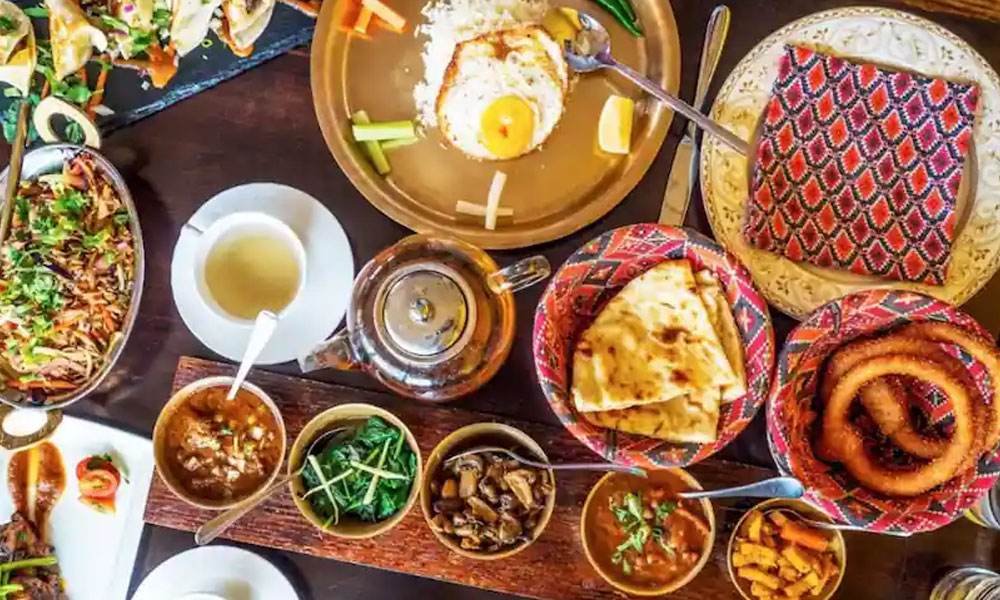
If you are a cuisine lover (like us), you will soon discover that while Nepal may be famous for its once-in-a-lifetime mountains, ancient customs, and spiritual culture; in actuality, it is a hidden gem for cuisine lovers. Nepal is surrounded by India and China with a food system influenced by neighbouring countries but it has its own distinct tastes, ingredients & style of preparation. Furthermore, with 120 ethnicities and everything from the towering heights of the Himalayas to the fertile plains of the Terai, every area has its own standard tastes, and spices and Cuisine Culture.
In the end, whether you are slurping up hot thukpa in a tea-house in the mountains, enjoying spicy choila at a Newari feast or snatching a few momos from a street vendor in Kathmandu, your experience with Nepali cuisine will not be forgotten, they are full of depth, flavour, variety and warm heartedness. You will not be disappointed. It is comforting tasty food, that has culture & tradition embedded into it, and truthfully an true adventure and experience, all wrapped up in a single meal.
Below are 18 items (that we think) food-fanatics must eat!
1. Dal Bhat (Lentil Soup with Rice)
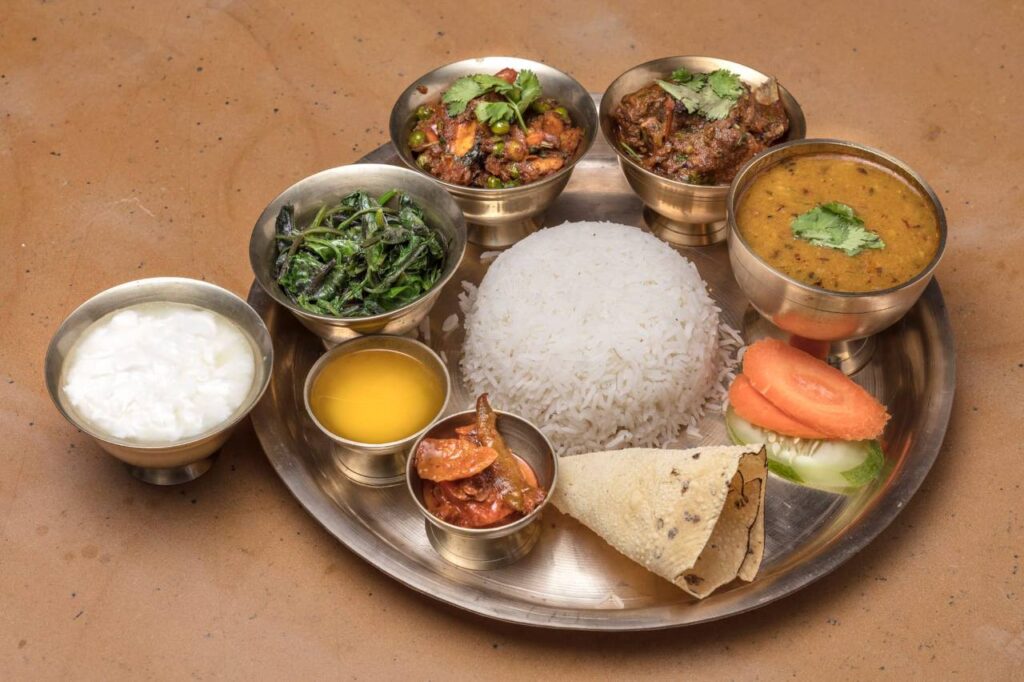
Dal Bhat is more than just a cuisine , if your holding onto to culture, traditions and lifestyle, its a lifestyle in Nepal. It is a simple , hearty, and balanced meal. Dal is served over a huge mound of bhat with seasonal vegetable curries (tarkari), a spicy flavorful pickle (achar) that should accompany the meal, sautéed greens (sometimes with a serving of meat curry, chicken or mutton usually).
It is a national cuisine eaten in every household across Nepal and is made in all sorts of homes from the humblest to trekking lodges and eateries high in the Himalayas.
Dal Bhat is nice because it is filling and comforting and is thought to be eaten by many in Nepal at least twice a day. Dal bhat is also a good meal because it offers a satisfying combination of carbohydrates, protein, and fiber. For trekkers hiking on unyielding trails, it is the perfect energy meal. The best part about Dal Bhat is that it is simple yet has infinite variations, (with every home, place, or family giving it its own idiosyncratic twist of flavors).
2. Momo (Nepali Dumplings)
No one dish captures the hearts of people quite like momo. Juicy dumplings are by far the most adored street food in Nepal, showcasing a culinary DNA of cultural fusion. The flavor typically, albeit surprising quite often distinct Nepali flavor, often has Tibetan and Chinese.

Momos are often stuffed with minced chicken, or buffalo (buff) or spiced veggies usually made with garlic, ginger, cabbage, and onion. The fillings can either be steamed into puffed pillowy puffs, or be deep-fried to a crisp package for eating hot with a spicy dipping sauce (achar) like you would your favorite hot sauce with junk cuisine.
You can find momo stalls in every city nook and cranny in Kathmandu, as well as some of the most remote mountain villages. Along with convenient preparation of momos, you’ll find a plethora of momos to eat; including jhol (soup) momo and open momo, or chili momo as well as cheese or chocolate momos! For so many, eating momos is not just snacking, it is a social ritual, shared with friends, laughter, and hot sauce!
3. Sel Roti
Sel Roti is a type of doughnut from Nepal. It’s crunchy, golden, and very sweet. Sel Roti is made from fermente batter from ground rice combine with sugar and milk. It may also contain a touch of cardamom or a hint of banana. Once made, Sel Roti is deep fry in the shape of a ring. The food is homemade, and is use for no other purpose than enjoyment during significant Hindu holidays such as Dashain and Tihar. During these festivals, houses and streets throughout Nepal are filled with the smell of Sel Roti in the air.
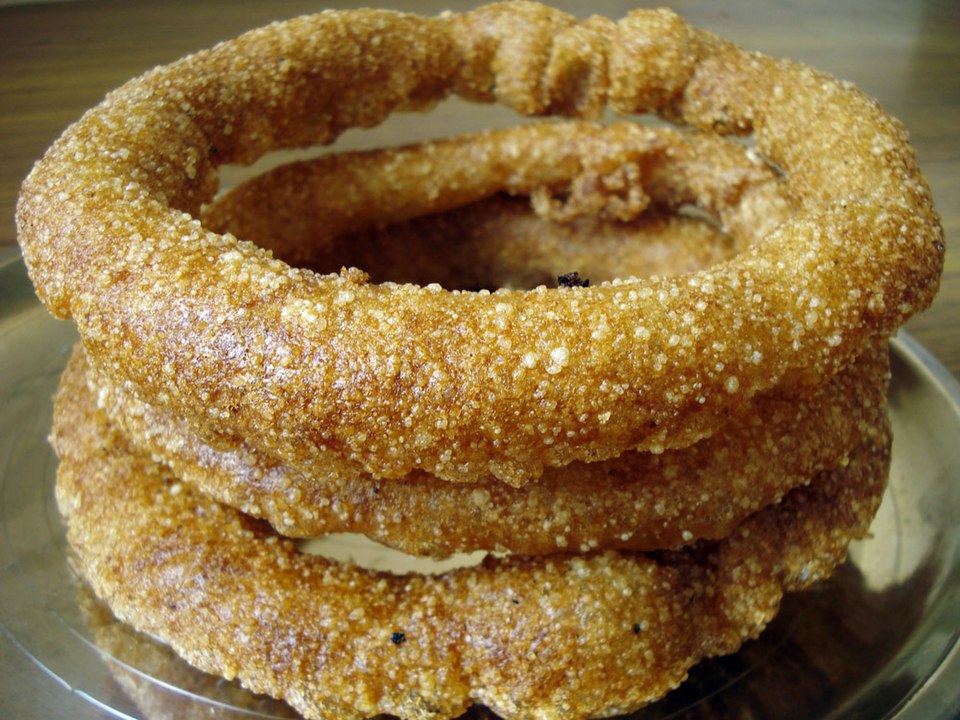
While it may be on the sweet side, Sel Roti is fantastic with spicy sides and goes well with potato curry or even just plain yogurt. You can’t go wrong with the crunchy outside and chewy inside combination; it is a taste you are not used to, but most cuisine will be able to enjoy it, regardless of their level of experience with the culture.
4. Chatamari
Chatamari, or better known as “Nepali Pizza”, is a traditional Newari dish that is simple and flavorful. It is a rice flour pancake (or base) topped with minced meat (a typical choice is buffalo or chicken), and corn onions, tomatoes and green chilies, and eggs , and is baked to a crisp fragrant dish!
5. Thukpa
Thukpa is the best comfort food from the Himalayas – it is a warm bowl of noodle soup that will warm you up inside and outside! Derived from Tibet and popular in mountain regions of Nepal, Thukpa generally has a base of wheat noodles swimming in broth and some seasonal vegetables and your choice of meat (chicken, buff, yak) flavored with garlic, ginger, and local spices. Often see it devoured the most in places like Mustang, Manang, and in the winter months in Kathmandu!

Thukpa, for many reasons, is more than a soup; it’s a substantial meal, in Himalayan culture, that brings warmth to the body and soul with every slurp.
6. Gundruk
Gundruk is a long-standing traditional Nepalese cuisine that is made from fermented leafy greens, usually mustard, radish, or cauliflower leaves, which are subsequently dried then kept stored for months. It’s primarily used in two ways: it most commonly becomes a bright tangy soup called Gundruk ko jhol, or it’s used in your regular salad or mixed in with pickles (achar) which provide a memorable sour and earthy flavor.

This humble fare is not only delicious, but also an excellent source of nutrition. Gundruk is very high fiber and has natural probiotics from the fermentation. Gundruk is helpful for gut health and digestion and is extremely popular in rural and hilly areas of Nepal, Gundruk is a wonderful representation of Nepal’s creativity, resourceful cuisine culture and preserving food.
7. Bara (Lentil Patties)
Bara, or wo, is a classic Newari dish that the Newar’s makes look simple, but wow it packs a punch when it comes to taste, texture, taste and experience. It is made from ground black lentils (urad dal), spiced, then pan-fried into round, golden, crispy, tasty discs. It can be eaten as is, or upgraded with toppings such as fried egg, minced meat, or even an entire sunny side-up egg on top. Bara is also often offered at Newari festivals and during Newari rituals, often served with pickles or served as a meal that comes with spiced potato curry.
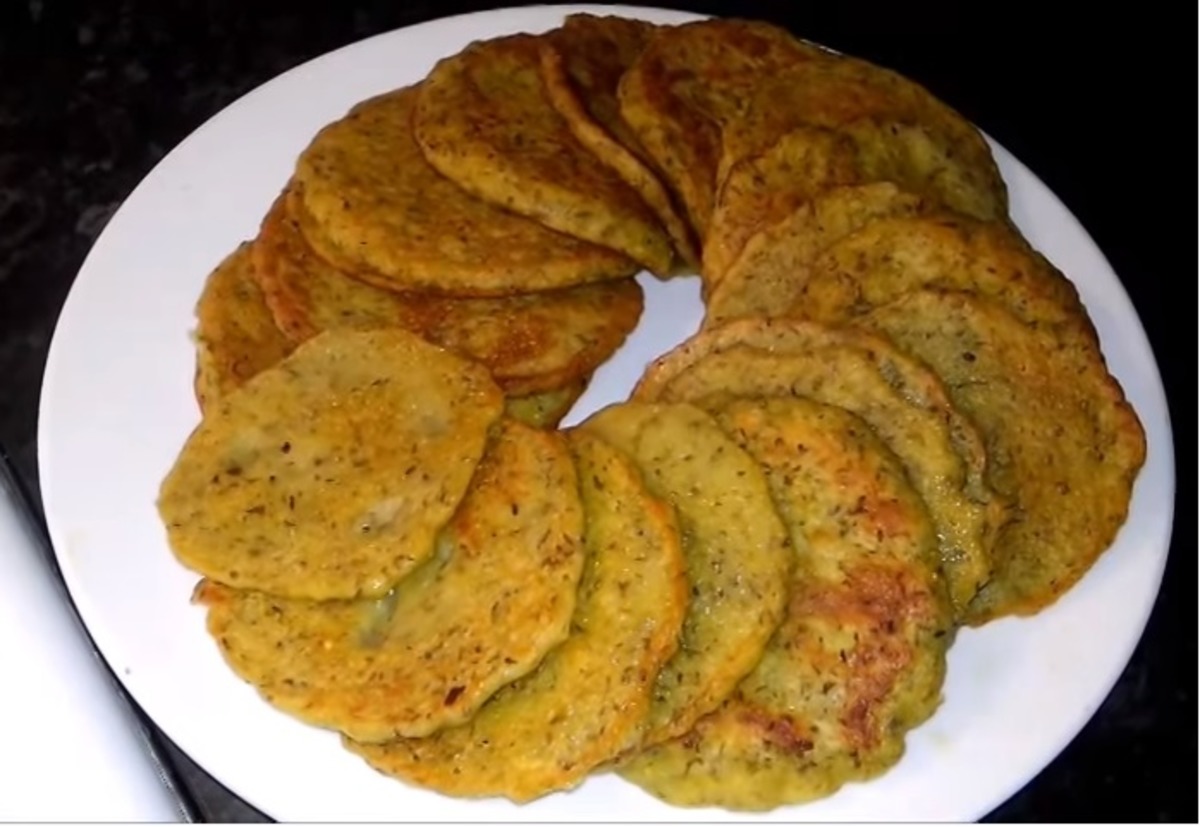
It is also high in protein, gluten-free, serves as a great nourishing snack, and is a cultural cuisine .
8. Yomari
Yomari is a tasty sweet dumpling that is both delicious and ceremonial. It is shaped like an elongated triangle, reminiscent of a fish or fig, and is eaten during Yomari Punhi on a Newari winter holiday which aims to honor the full moon, and which marks the holiday’s celebratory customs. The Yomari is significant heraldically as it represents profit and a good harvest (Yomari are often filled with vegetables or Daal) .
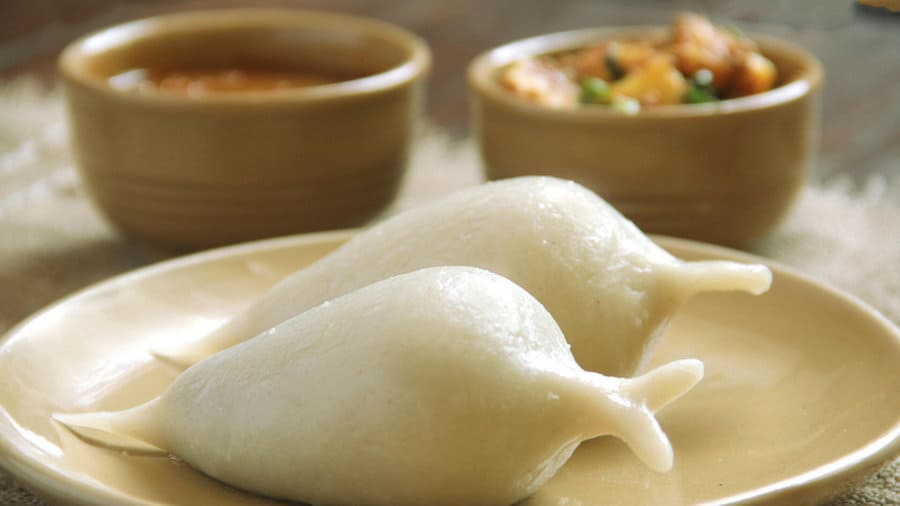
The outer shell is make from steamed rice flour (as mentioned chew and delicious), while the inside is filled with melt jaggery (molasses) along with roast sesame seeds. As you would imagine, it is sweet, comforting and a favourite food for vegetarians unabashed simile, which is of particular significance to the Newar people and their traditions. For anyone who loves eating sweet cuisine , then Yomari is a taste of a Nepali festival that you will not add as a pop up on Instagram.
9. Sukuti (Dry Meat)
Sukuti- Nepal’s jerkey, spicy, smoky, develop, in flavor is make by what they call smoking or sun-drying strips of buffalo, goat or lamb meat, then roasting or sautéing with garlic, dried chili, and cumin to highlight the chewy and deep flavor and texture. The spice and depth of flavor makes it a go to pairing with chhyang or raksi (local alcohol), especially by the Gurung, Magar, and Rai community. It can be enjoyed as a side dish with rice, or eaten by itself as a spicy achar (pickling-style chutney).
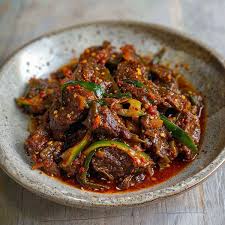
Whether you enjoy the dish on a cold night in the mountains, or with friends and family in a festive gathering, Sukuti is a rustic, protein dense snack that captures the proud spirit of Nepal and preference for preserved hearty flavors.
10. Aloo Tama
Aloo Tama is a tangy, spiced curry made with soft potatoes (aloo) and fermented bamboo shoots (tama), with the addition of black-eyed peas in some recipes. The bamboo shoots provide a sour taste with a crunchiness that work quite nicely with the starchiness of the potatoes and bold Nepali spices such as turmeric, chili, and fenugreek.
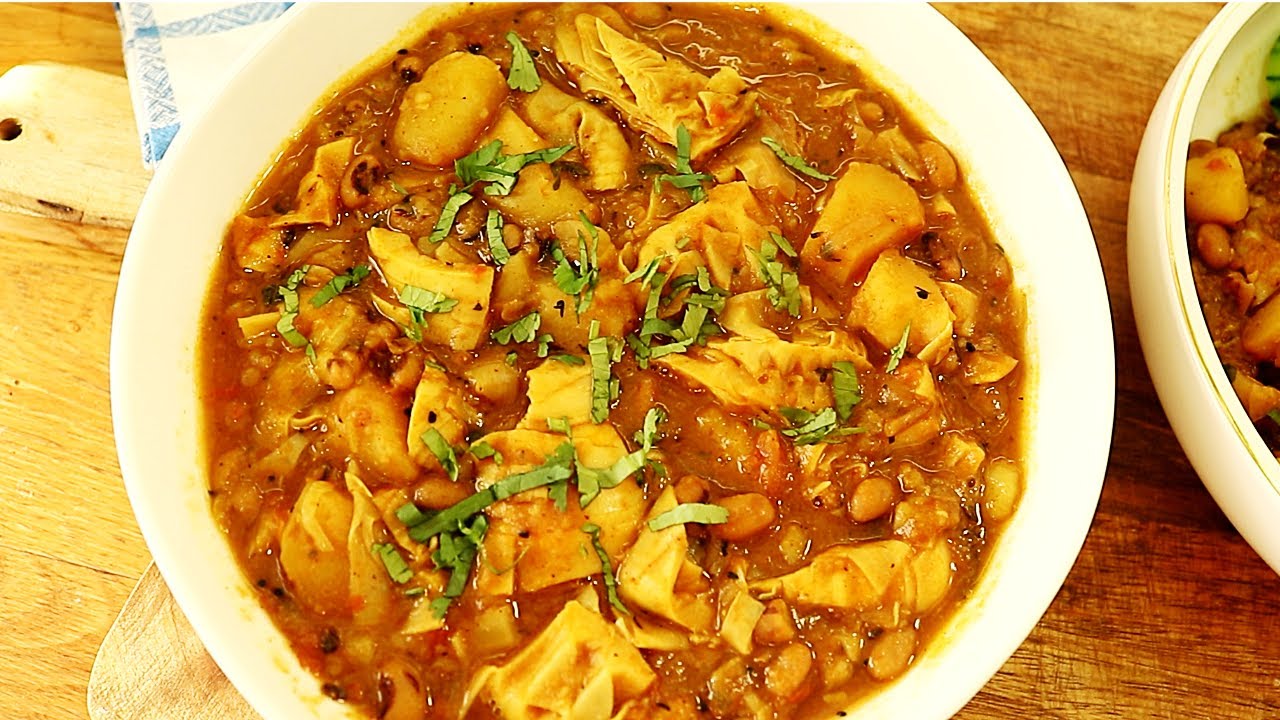
It’s that good old-fashioned flavorful, aromatic, and soul satisfying food served with plain rice or roti. If you’re looking for something spicy and memorable, Aloo Tama, especially if you can enjoy it in a home setting, would be incredible.
11. Dhido
Dhido is a simple Nepali staple consisting of stirring buckwheat, millet or corn flour into boiling water until you have a thick dough-like consistency with it. It is usally hot, often with some ghee on top and, hot. It is pinch off with your fingers and dipped into sides like gundruk, curry, or lentil soup.

Gluten-free and a source of fiber, Dhido is beyond food – it is part of Nepali identity and history especially in the peripheries of rural, high-altitude places in Nepal may not have even rice. It is hearty, wholesome and exact flavors of the historical direction of food in the country.
12. Samay Baji
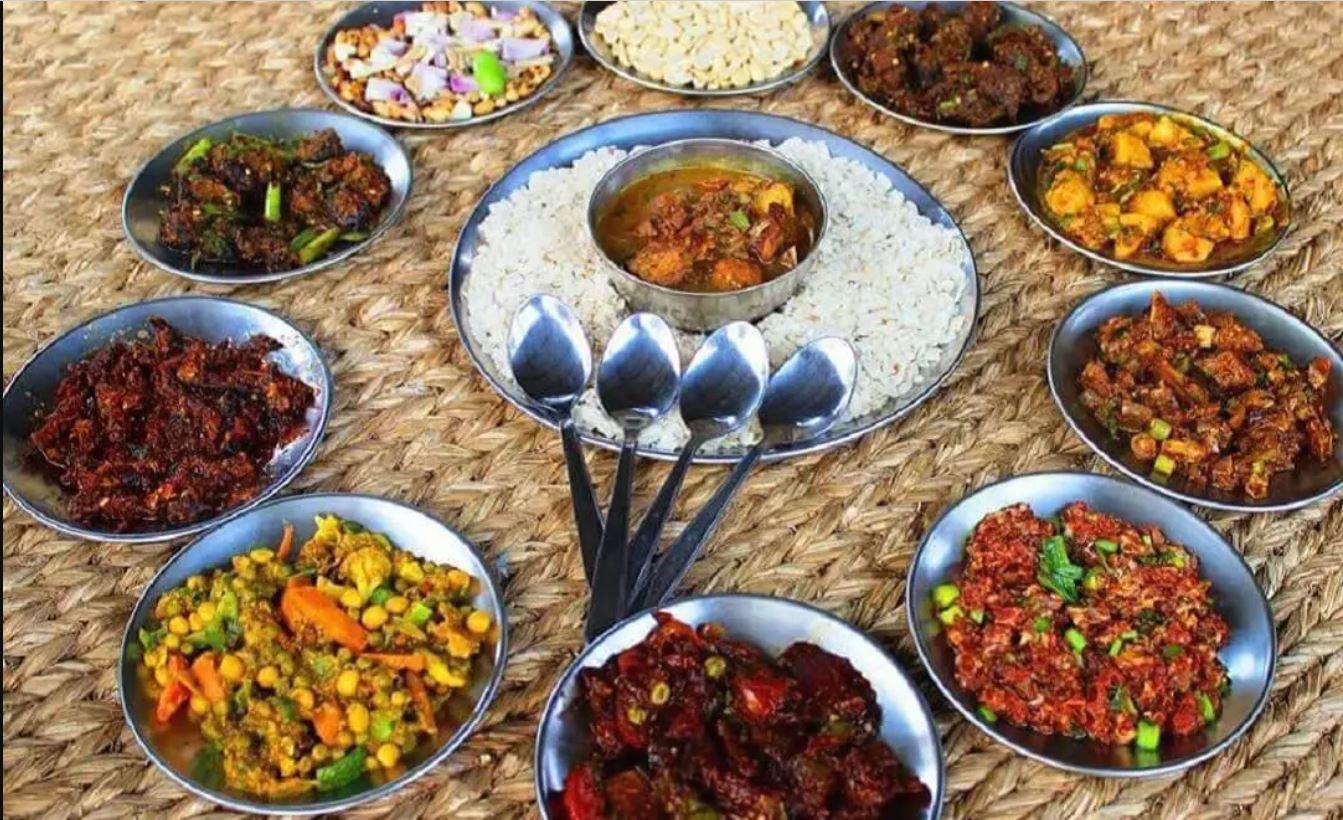
Samay Baji is more than food – it is, essential, a ceremonial Newari feast on a platter. It is traditionally a platter of beaten rice (or chiura), boiled egg, sukuti (dried meat), spiced black beans (bhatmas), pickles, slices of ginger, and sometimes with buffalo meat curry, or fried fish. Each element on the tray has its own little story, and links to their nutritional value and use.

It is popular in religious ceremonies, family gatherings, and in Newar celebrations like Indra Jatra or on Mha Puja. One of the best parts to dining on samay baji is that you get multiple textures to eat (crispy, chewy, soft, spicy) on one tray. If you want the full experience of culture and food, this is the cuisine!
13. Juju Dhau (King Yogurt)
Often referred to as “the King of Yogurt,” Juju Dhau comes from the historic city of Bhaktapur. It has become a delicious dessert in Nepali cuisine. Juju Dhau is made from boil buffalo milk, and lightly sweetened. The magic of Juju Dhau is in the fermentation with traditional clay pots. It gives the yogurt a yummy tang, earthy aroma, and rich creaminess.
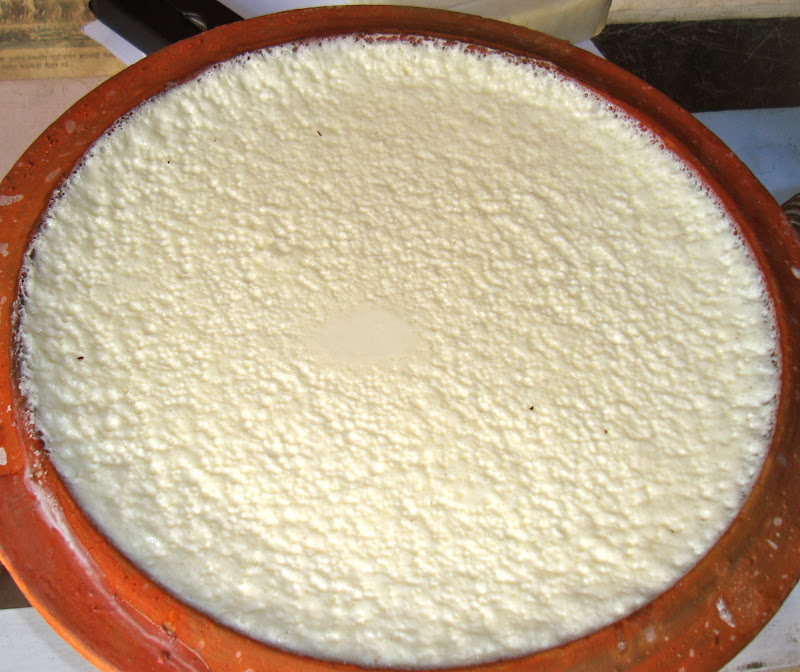
With its thicker, creamy consistency, and burnt caramel top, Juju Dhau resembles a dessert more than some serious yogurt. Juju Dhau is typically serve at weddings or festivals, or it can be given as gifts to guests. It makes a point of pride for the people of Bhaktapur. After you taste Juju Dhau, hopefully you’ll understand why!
15. Laphing
Laphing is Nepali spicy street food and it’s especially love by teenagers and city youth. Although Laphing originated from Tibetan cuisine. It has turned into a very popular cold noodle salad or both made from mung bean or potato starch. Laphing noodles are cut into long slippery strips. They are super spicy blend of soy sauce, chili oil, garlic water, vinegar and Sichuan pepper.
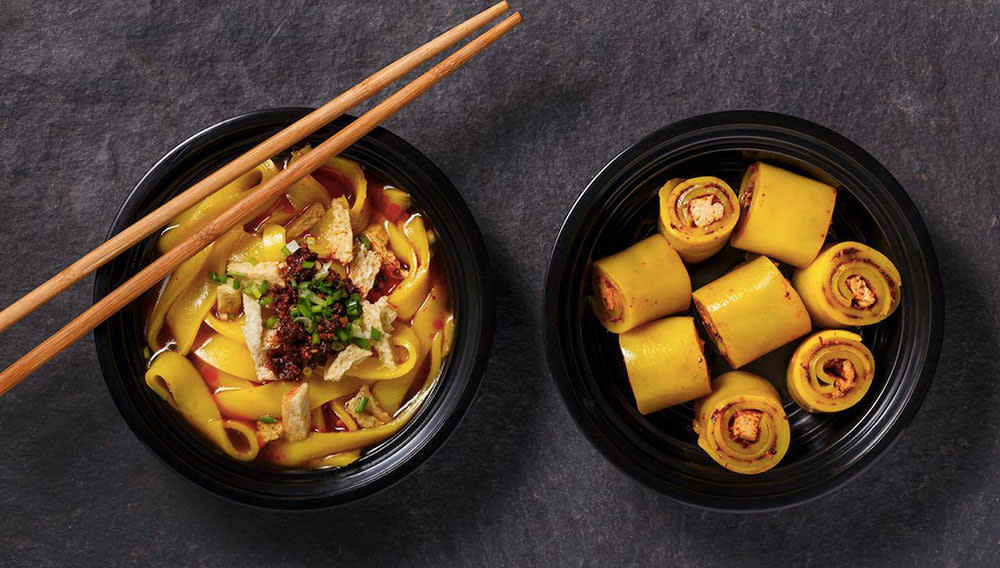
Whether it is stuff with spice soy rolls or served plain, laphing is a complete rollercoaster of spice and texture . Chewy, cold, tangy, and tingly. It is daring, completely addictive, and so shareable on Instagram, found around Boudha and Swayambhu in Kathmandu.
15. Choila
Choila has all the characteristics of bold and spicy Newari meat. Traditionally it is make with buffalo meat (although chicken and duck varieties are widespread these days). Choila is simply grill or smoke meat marinate in mustard oil, ginger, garlic, chilies, cumin, and fenugreek seeds.
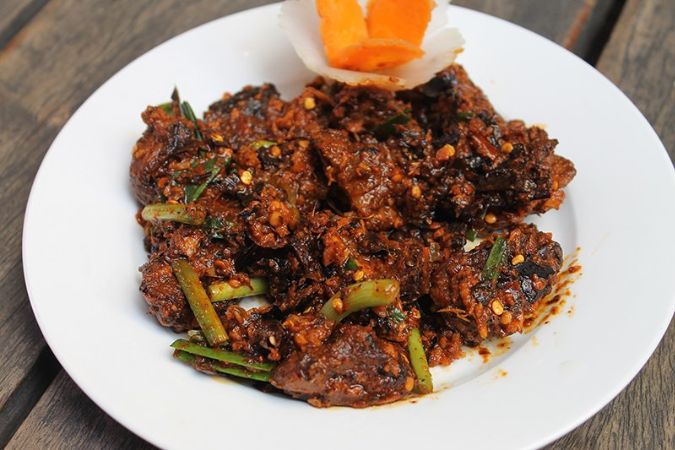
It is serve cold with beaten rice, called chiura, and is both spicy and flavor. Being a traditional dish, choila has celebratory status. It serve at gatherings and events. Choila often falls under the Samay Baji package. It is the ultimate contact food combination for meat lovers. Who want flavour, spice, and massive amounts at a time.
16. Kheer (Rice Pudding)
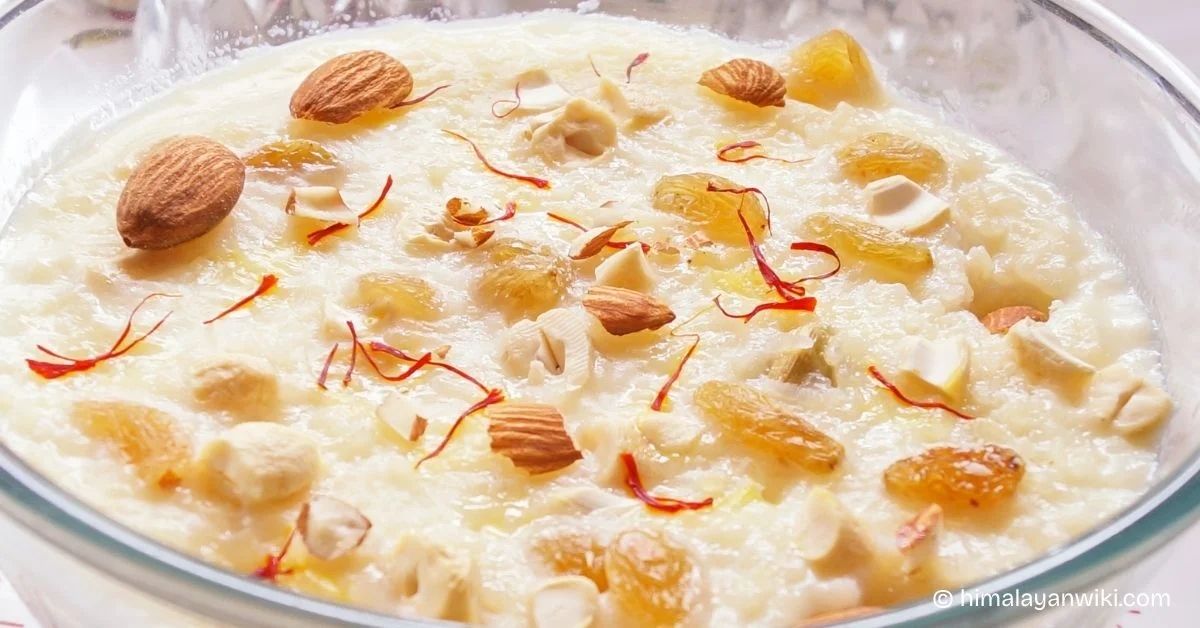
Kheer is a warm contribution for festive occasions, unlike any rice pudding you have ever had. Rice is boiled into a creamy richness of a liquid milk with sugar, cardamom, and ghee. It will often take on a delicate custard-like consistency rich in flavor. The slight sweetness from toppings of nuts and raisins (among others, depending on recipe). Traditionally, kheer is share during any number of occasions. Such as religious festivals or family gatherings. In a Hindu religious sense in a process called prasada .
Kheer can be eat warm, or chilled. It is nice to add a hint of sweetness to the end of a meal in traditional Nepali cuisine, and is enjoyed by all ages. Kheer is comfort food that is simple to make, soothing, and is representative of a celebration. If you love dessert, kheer is worth the try.
17. Pani Puri / Chatpate
Street food is one of the biggest cuisine systems in Nepal. One of the best representations of its fiery hot birth is Pani Puri and Chatpate.
Pani Puri is whole small, round, hollow, crispy balls, containing spiced mashed potatoes. With tamarind water, and a paste with green chilies as a dunking agent.
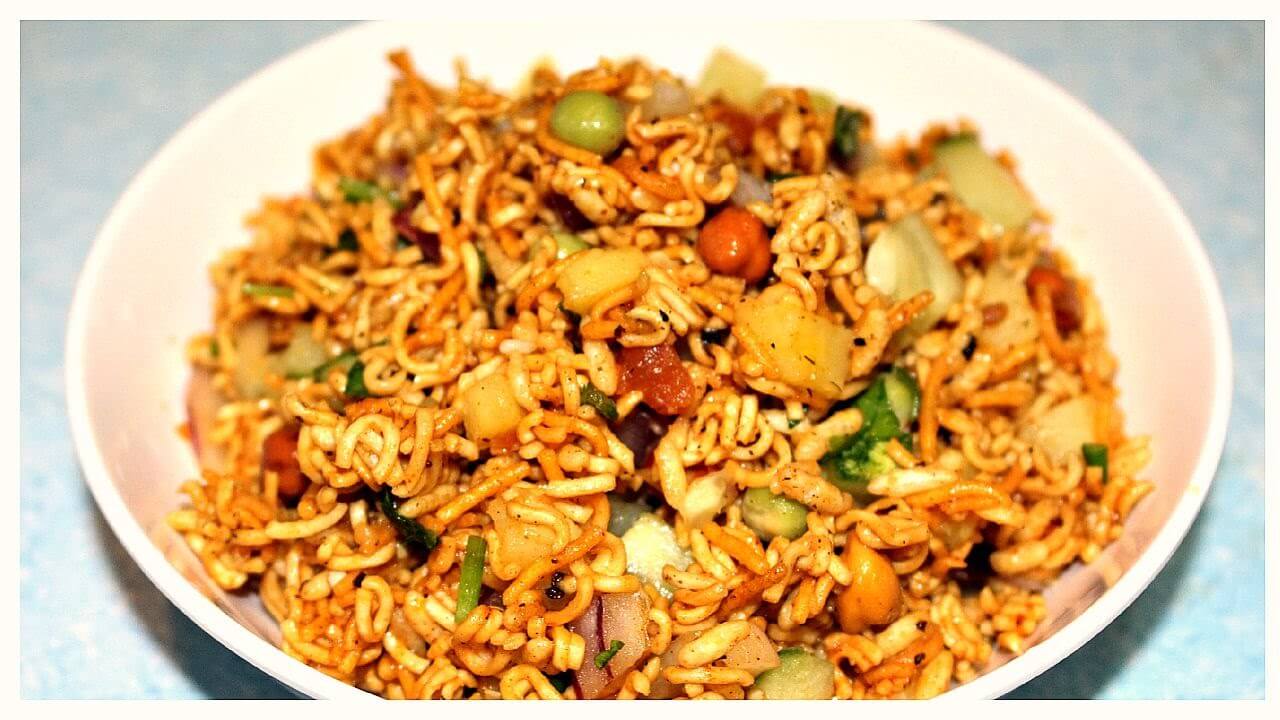
Chatpate is a drier version of Pani Puri: a spicy, tangy, crunchy mélange of puffed rice. It consist cut onions, tomato, green chili, coriander leaves, and a lot of splashes of mustard oil and sauces. Chatpate is generally make fresh, with just the right amount of heat, crunch and zing. It is very popular among both teens and office-goers. Therefore it is certainly what Nepalis want when they are at the street-side.
18. Buff Chow Mein
It is a beloved take on the Chinese stir-fried-noodle dish. Buff Chow Mein uses thin wheat noodles, strips of marinated buffalo. Seasonal vegetables (e.g., cabbage, carrots, green onions), and spices, and pan fried. Until anything and everything is crispy, (mostly) greasy and spicy.
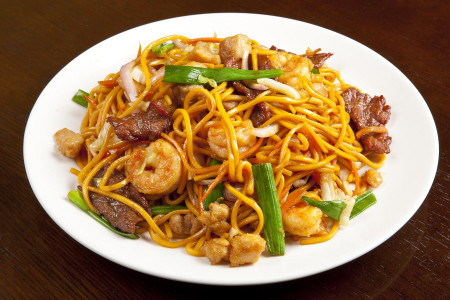
It can virtually be find upon any type of eatery (e.g., street cart; bars and restaurants; school canteen). Often with a fried egg on top, and/or a splash of ketchup and/or chili sauce on the side. Cheap, fills you up, and delicious. Buff Chow Mein is the comfort food of many Nepalis, who are seen ordering it over and over again!
Final Thoughts
Whether you’re breaking bread in a family kitchen in a remote village in the Himalayas or walking in the Kathmandu. Ordering Nepali food is a stereo experience. There are layers of flavour connect to a deep source of food culture in the Himalayas. Influence from neighbouring India, Tibet and China.
The experience of sharing comforting homely Dal Bhat, the burn and spice of a Chatpate or festival. Sweets like Yomari is much more than just the taste of the food. It connects culture, community and a love for food. Be hungry and explore all the ways you can take in. Nepal is waiting with your appetite. Contact us today at Happy Mountain Nepal, on Facebook, Instagram, or TikTok .