Beyond Trekking: Rafting, Paragliding & Bungee Jumping in Nepal
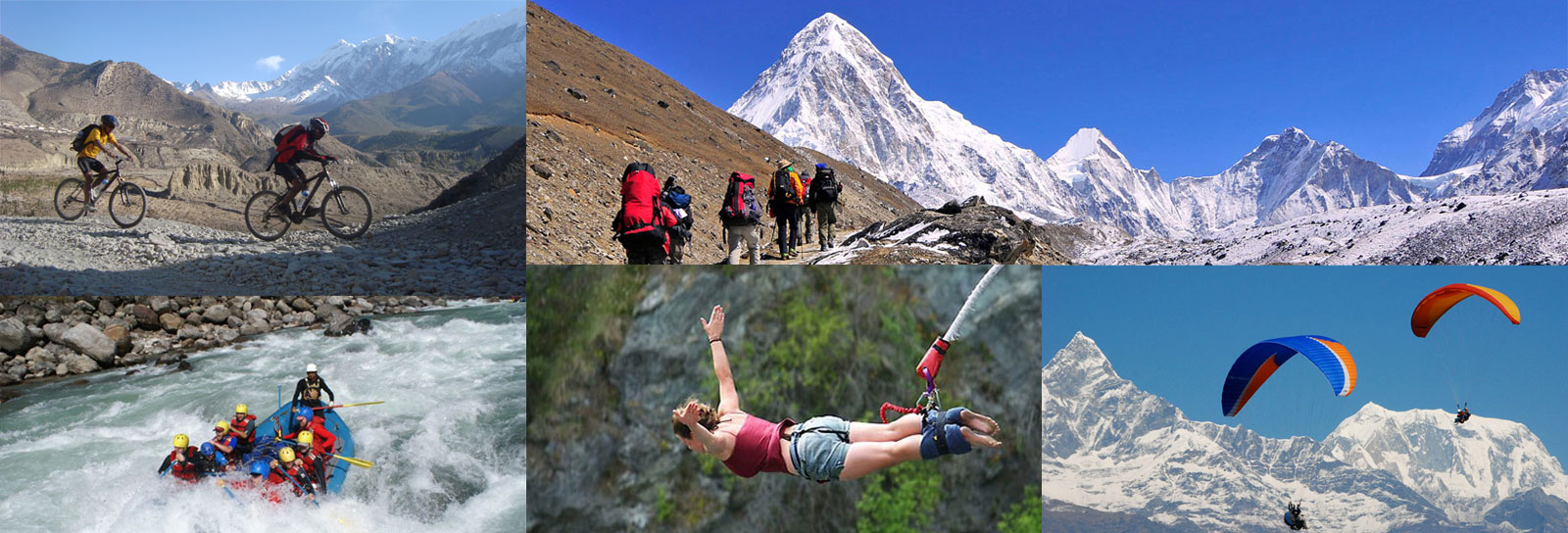
Nepal is famous for its extraordinary trekking routes – Everest Base Camp, Annapurna Circuit, Langtang Valley – with snowcapped mountains, prayer flags, and rugged trails offer a picturesque experience of adventure in peace. But amidst the altitude and mountain passes, Nepal is also an absolute heavyweight of high-adrenaline experiences, second to none. For the modern thrill-seeker, this Himalayan paradise transcends a single trekking destination; it is an extreme sports paradise that combined the rawness of nature with pure enjoyment.
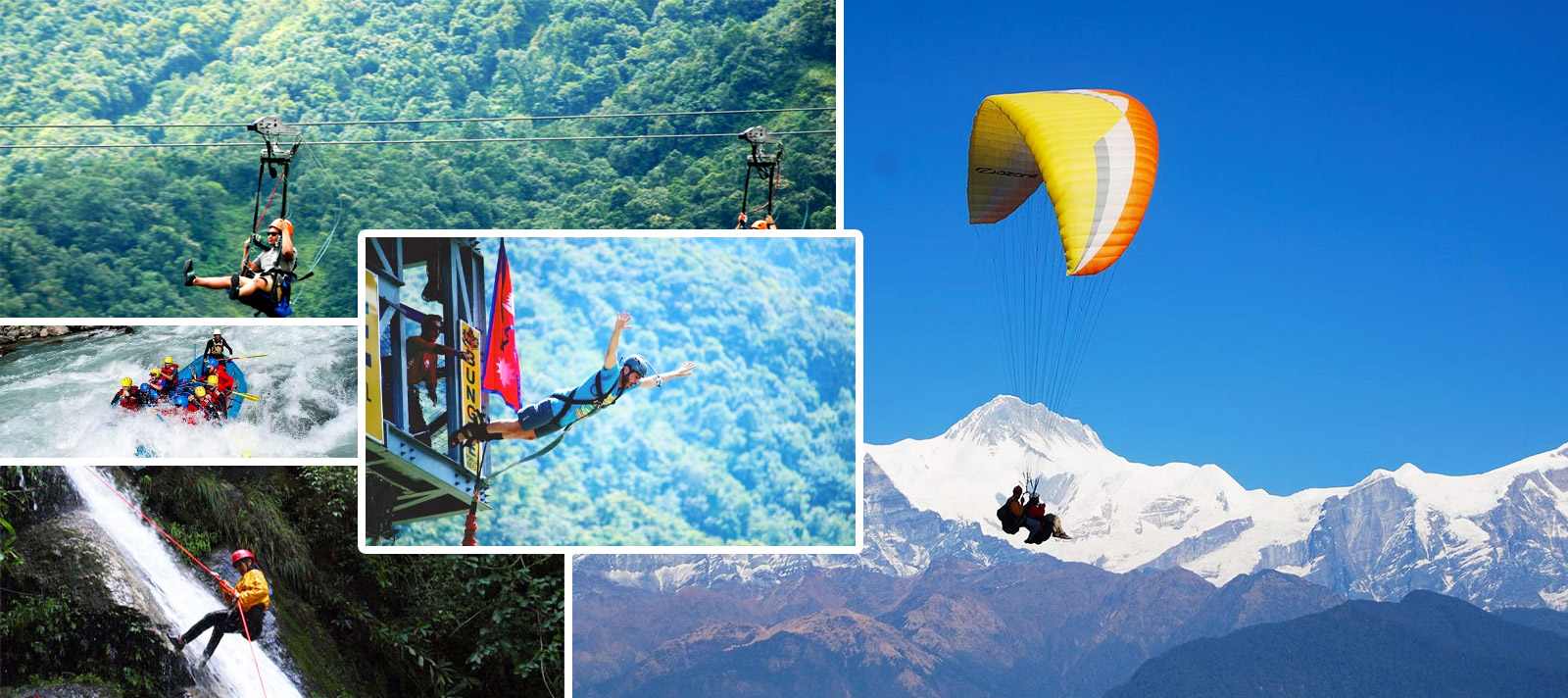
These are not simply sports – these are specialized adventures that give a completely new perspective of the intriguing landscape of Nepal. Today, we will discuss three heart-pounding epic adventure sports in Nepal – white water rafting, paragliding and bungee jumping. No matter if you have done similar excursions in the past or have always wanted to test your upper limits, we hope that these excursions, will inspire you to experience your time in Nepal at new heights!
1. White Water Rafting: Ride the Himalayan Rapids
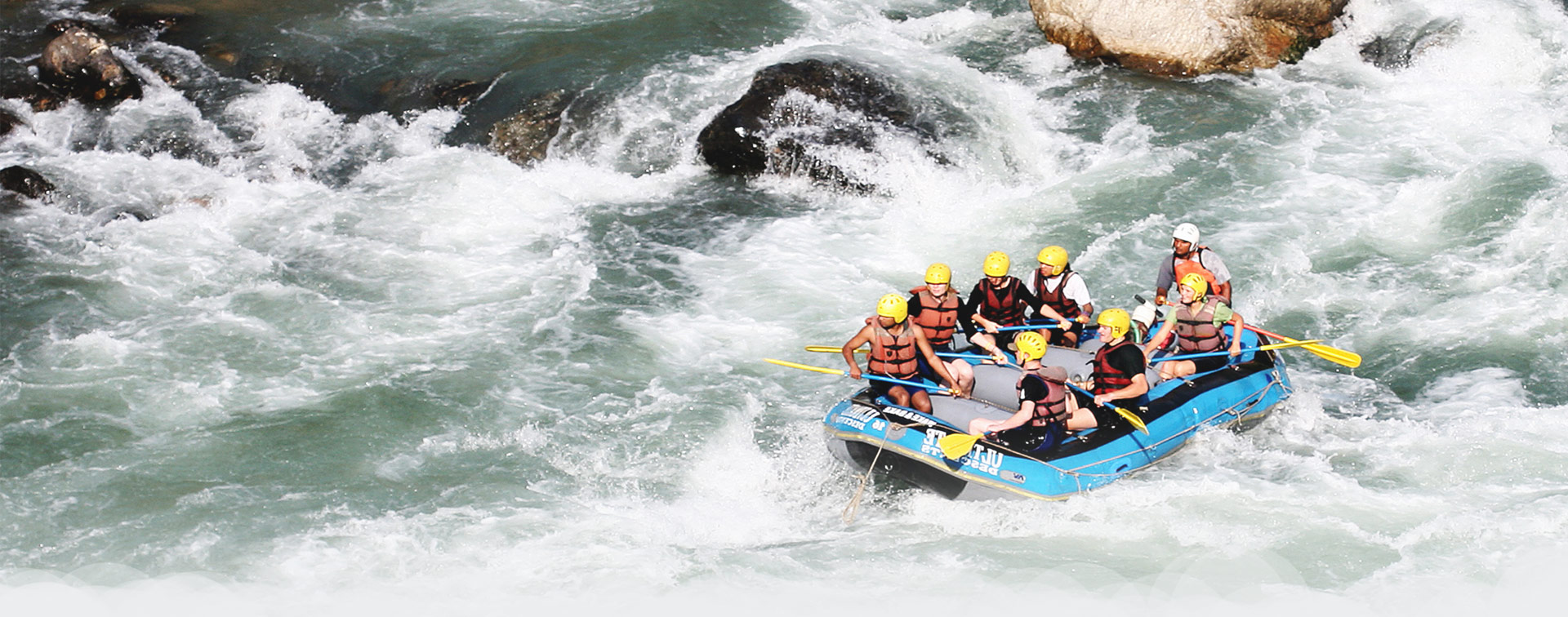
Getting out on the water in Nepal is a uniquely spectacular means of enjoying everything in that wonderful country.Besting even white water rafting in Colorado (yes, we said it!), the robust rivers of Nepal, fueled by the melting snow of the mighty Himalayas, provide some of the most exhilarating white water rafting experiences on Earth. Wave upon wave of white water crashing and twisting through deep gorges, dense forests, and tucked-away remote villages is essentially nature’s own rollercoaster for adventure sport lovers. Nepal offers all kinds of river experiences from mellow Class II ever-expanding waves to wild Class V unpredictable torrents. Nepal offers experiences for everyone from the first-time paddler looking for an adventure to veterans of white water who just want to have some fun. Understanding the force of the Himalayan waters and thrilling scenery makes it a test of courage and sensory extravaganza!
What makes the rafting in Nepal unique is the combination of raw adrenaline and the experience of unspoiled nature. As you fly through wild rapids the view is of stunning landscapes with terraced hillsides, picturesque waterfalls, sandy banks and communities that appear to be from a bygone era. After the exciting moments of steep drops, there will be plenty of time to float and appreciate the surrounding scenery and the wild nature of Nepal. Of course, it is exhilarating, but you are also fortunate enough to be rafting on one of the last remaining unspoiled river systems in the world.
Best rafting rivers in Nepal for Adventure:
Trishuli River – A great river for both beginners and intermediates and easy to get to from Kathmandu or Pokhara.
Bhote Koshi River – Short and sweet, for the adrenaline junkies.
Kali Gandaki River – An incredible expedition rafts the remote and scenic stretch of river between Annapurna and Dhaulagiri.
Seti River – A gentle and calming river perfect for families and beginners.
Sun Koshi River – Calling itself the “River of Gold” it’s a multi-day rafting experience & one of the top ten rafting rivers in the world.
What to Expect
Rafting in Nepal offers the excitement of crashing through waves with the unique experience of floating past wonderful lush hills, tiny villages, and deep gorges. In addition, while you are rafting you can camp, start a fire on the banks of the river at night, and swap stories with fellow rafters. The preferred rafting seasons are after the monsoon, (September through to the beginning of December) or before the monsoon (March through to May).
2. Paragliding in Pokhara: Fly like a Bird
Paragliding in Pokhara is heart-pounding adventure, giving you the experience of being able to fly. You fly when you take off from the green hills of Sarangkot, as your feet slowly leave the ground and you find yourself drifting further and further into nothingness into the sky.
Phewa Lake lies calm and shimmering below us, while in the blue distance, the Annapurna and Machapuchare (Fishtail) mountains rise like clouds. It is at once calming, and exhilarating: one moment, you’re gliding effortlessly with the wind; the next, you’re grabbing thermal currents and going higher, to a panoramic view like nothing you’ve ever experienced.
Pokhara is unlike any other world class paragliding destination due to its geography and weather stability. The city is located in a high seating in a natural amphitheater surrounded by hills and mountains, which access the updrafts to fly smoothly, and beauty to track. Whether your tandem flight was as a tandem flier, or you yourself represented a plandard diligence with a goal of increasing altitude, Pokhara unquestionably provided an unforgettable ride in the air. The flight over the city often lasts 20 – 30 minutes, and with a slow descent, there will be appropriate time to absorb the glorious land-sprawl and marijuana, and memories of landing a few meters of land maxed out. This is not simply an adrenaline rush; this is mystical and magical way to enjoy a birds eye view of Nepal’s natural beauty.
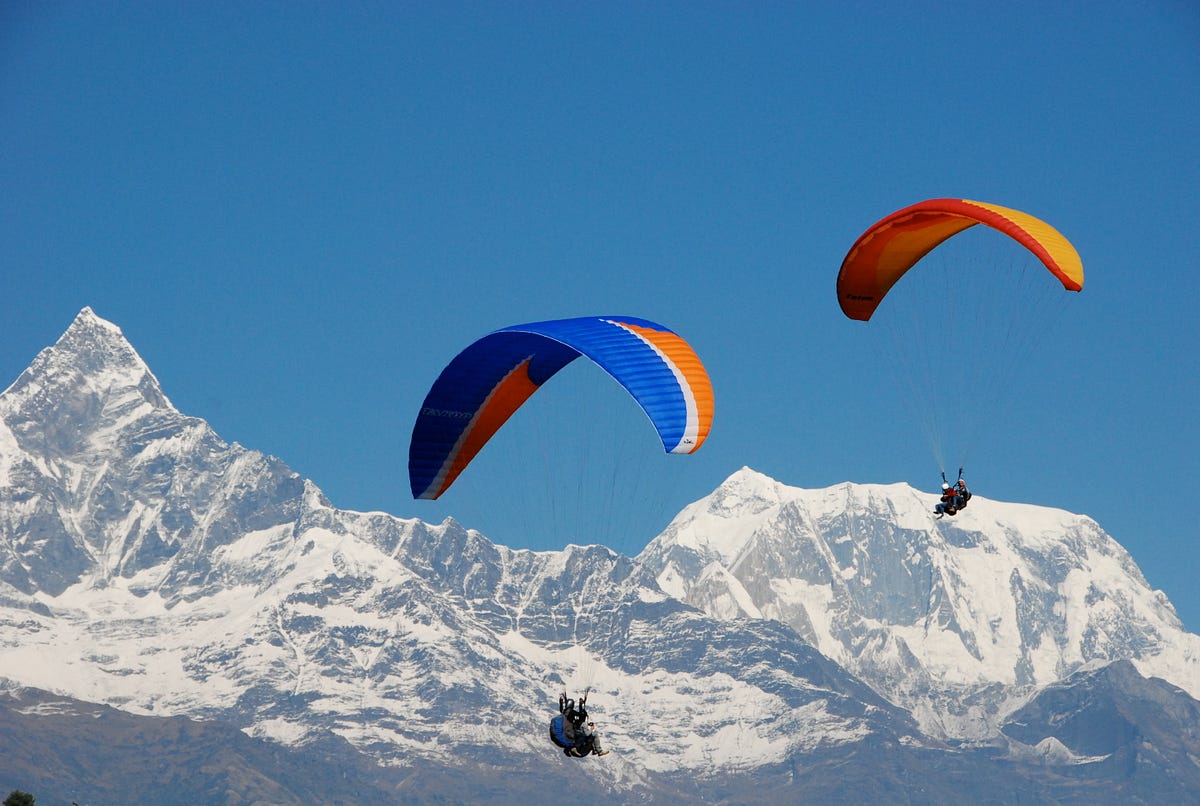
The Greatness of Paragliding in Pokhara
There is nothing like it: Besides the actual flying, there is nothing like the birds eye view of Phewa Lake, the Annapurna range, Machapuchare (Fishtail Mountain), and green hills.
Favorable Flying Conditions: Pokhara has unique microclimatic features that allow us to fly with consistent and stable lift.
Tandem: No Experience, No Problem! Our professional pilots do the tandem flying and all you have to do is sit back and enjoy the flight!
Types of Flights
Tandem flight: 20-30 minutes – for first time flyers,
Cross country flight: 30-90 minutes – for those travelers who want to stay longer in the air and go further.
Acrobatic flight : for those adventurous travelers who want to experience turns, spirals and wing overs.
Best Time to Go: The best time of year to go paragliding in Pokhara is September to November and March to May when the thermal conditions are stable and air is clear.
3. Bungee Jumping: Leap into Himalayan Adventure
Nepal bungee jumping is an incomparable experience for thrill seekers. One of the sites that has recorded the highest jumps is located at The Last Resort on the Nepal-Tibet border. Each jump is from a 160-metre high suspension bridge hanging over the wild waters of the Bhote Koshi River. For those two seconds that you leave the platform, you have no concept of space or time—it is just you and the air plummeting into the spectacular Himalayan gorge, green forest just above the gorge and to either side, the thunderous roar of water below, boulder cliffs hugging either side of this exceptional experience.
You experience just a little fear and just enough adrenaline to make that free fall gut-wrenching! What makes bungee jumping in Nepal different from the jump experience for the areas with more populous areas is that the location is both incredible to look at (which almost everyone in the world can appreciate), it is also a fantastic place to look at the stunning Himalayas.
This extreme sport, along with the pristine environment that accompanies it, makes an event about more than just falling, it is an experience – an adventure to get to a remote place, the hideous trek over a narrow suspension bridge, the buildup that makes the blood pulse and the hatred rise for what you’re about to do as you stand on the edge, you are invited to jump. If you are looking to put a memorable and brave experience in your Nepal itinerary then the bungee jump will offer you the perfect mixture of grandeur and adrenaline.
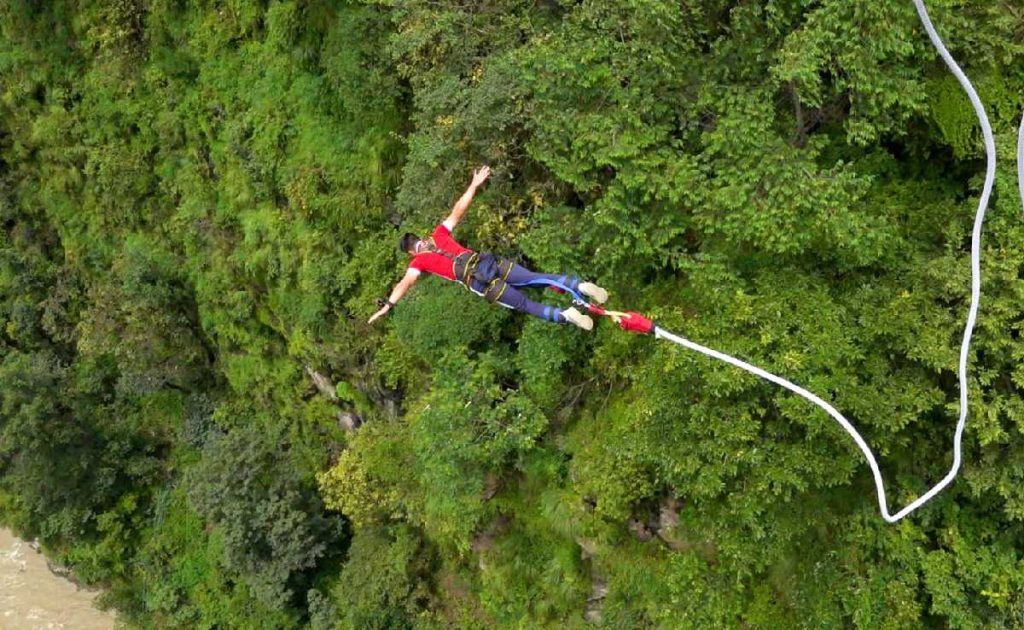
Where To Go Bungee Jumping in Nepal
The Last Resort (Bhote Koshi Gorge) – The original, and the more famous jump in Nepal, is just a stone’s throw from the border of Tibet and Nepal. The bungee jumps at 160 metres and it is nearly completely vertical, it is recognized as one of the highest registrations in the world.
Kushma Bungee (Kaligandaki River) – This is the second highest bungee jump in the world, at 228m, which is located between two districts of – Baglung and Parbat.
Pokhara Bungee – This bungee jump is relatively lower at 70 metres, but will be the easiest jump to access and has some exceptional views.
What Is It
Bungee Jumping in Nepal is not just free-falling it is jumping into the beauty of nature. Standing on a suspension bridge over a raging Himalayan river that’s gushing below me, with my heart pounding, was both terrifying and exhilarating.
Safety First
All bungee jumping sites in Nepal have regulations and international standards to follow within safety. The staff is very professional and will make sure every jumper is briefed and harnessed properly.
Why Nepal For Adventure Sports?
Nepal is not only about trekking; it is also ranked as one of the adventure sports capitals of the world. Here’s why people come to Nepal for extreme sports, everyone from thrill-seeking adventure lovers to families:
1. Picturesque Natural Backdrops
If you have seen the beauty of Nepal, we hope you can appreciate the untouched natural beauty of this kingdom. The enormous peaks, lush emerald green valleys, glaciers that you normally only see in magazines, world-class rivers, awesome gorges, and stunning lakes. You cannot spend too much time in Nepal and not experience the incredible beauty. Simply being there is a wonderful addition to the experience of adventure. From the sheer thrill, anticipation, and build up to race down the white-water rapids of the Sun Koshi. Or, gliding above Pokhara paragliding with the Annapurna range in the background. The landscape and experience take your adventure experience to an extraordinary level and makes your time, thrilling instead of just exciting.
2. One-of-a-kind adventure options
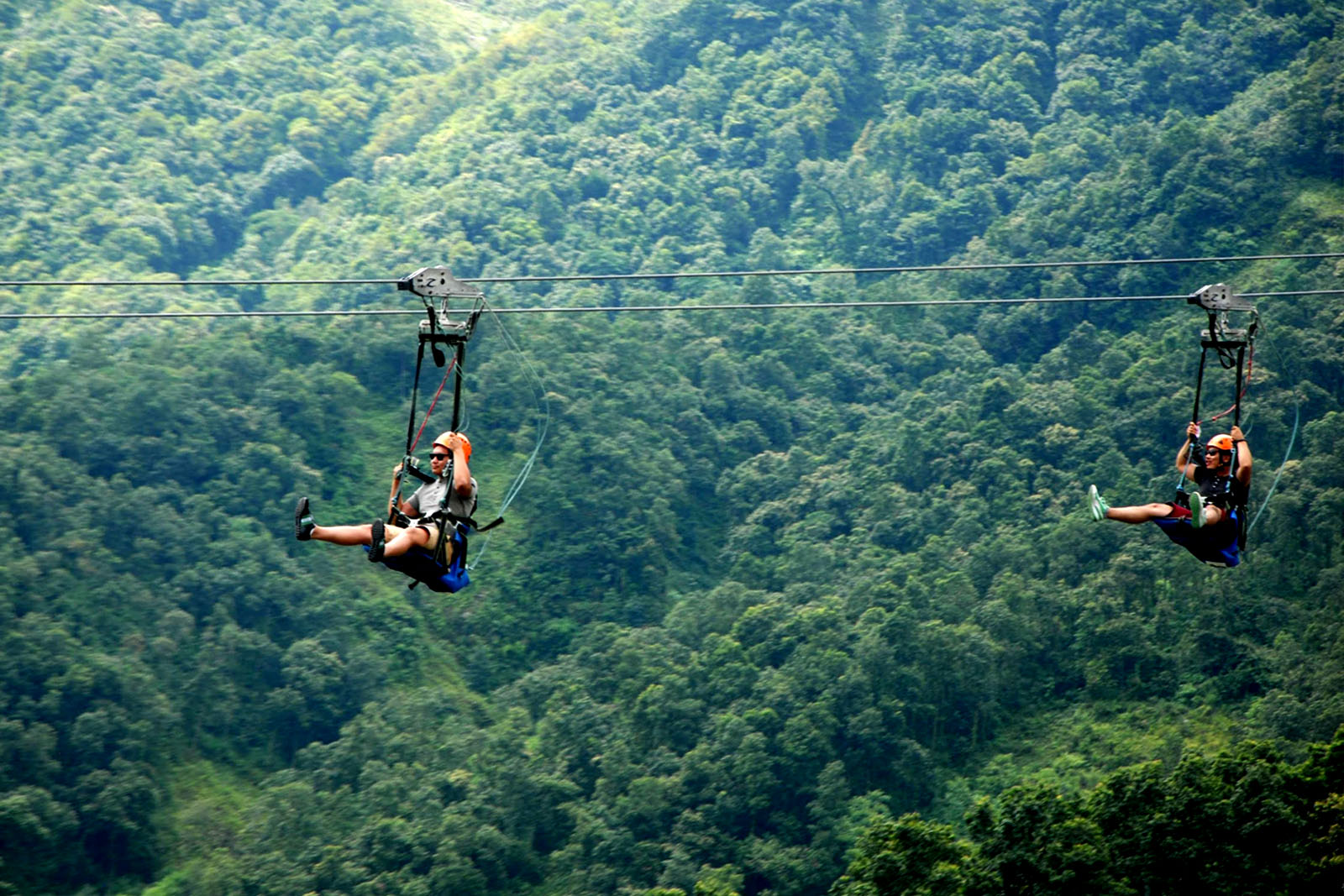
Nepal gives you endless adventure options: from white water rafting to paragliding; bungeeing to canyoning; rock climbing to mountain biking; zip-lining to sky diving. No other country in the world has such limitless options with all of these extreme sports. It doesn’t matter if you are an adventure novice, or a thrill-seeker getting ready to tug on a pair of shoes again; there is always something else for you to try.
3. Cheap adventure tourism
A significant advantage of choosing Nepal is actually the cost! You can have world-class adventures in Nepal for a small fraction of what you might pay in Switzerland, New Zealand, or the U.S. Nepal has budget tours, inexpensive accommodation, and cheap food – making it easy to enjoy to many different adventures on a small budget.
4. Internationally recognized safety levels
So, just because you are on a budget doesn’t mean that you compromise on safety. There are many adventure operators with high safety standards. Their equipment meets international safety standards, they have registered guides, and they employ guides with international certification. No matter if you are bungee jumping or white-water rafting, you will receive full safety briefings, have support from-trained professionals, and safety practices will adhere to the best practices globally.
5. Skilled and Reliable Operators
During the course of its 40 year tradition of adventure tourism, Nepal has created a strong legacy, and the providers have years of experience to draw upon. Whether it is logistics, maintenance, guiding, or emergency procedures, you will find experienced service providers that know what they are doing (and how to do it safely and effectively and fun) to make sure you have an amazing adventure experience.
6. Perfect Climate and Geography
Nepal’s geography (deep gorges, fast-flows, high-altitude lakes and thermal valley systems) is ideal for outdoor recreation; and, generally, the weather will be dry, clear, calm and pleasant during the best adventure season. This sort of pleasant and relatively stable weather is especially helpful for flying-type outdoor sports such as paragliding and sky diving.
7. Cultural Encounter with Adventure
Nepal is the only place where extreme sports come packaged with cultural encounters. Wherever your adventure in Nepal takes place, you will often find a Buddhist stupa (while paragliding), a remote village to float past (the rafting), or ancient temple site near where you could camp. These encounters provide the depth and context to your adventure in Nepal, making it more than just a thrill ride.
8. Possibilities for Multi-Sport Adventures
With Nepal’s compact size, it is certainly possible to fit all of your adventure experiences into your trip. In a few days you can bungee, paraglide over Phewa Lake, white-water raft the Trishuli and go canyoneering just down the road from lovely waterfalls – all without significant travel distance or expensive transfers.
9. People and Hospitality
The people of Nepal are noted for their friendliness and hospitality. Regardless of who you are meeting – the lodge you are staying at, your raft crew, your paragliding pilot, you will feel a level of warmth and hospitality upon your arrival in the country, which is particularly noticeable as a visitor, will welcome you into your adventure experience, which is more personal, more inclusive and leaves you feeling a little more rich to take home.
10. Developing Eco-Adventure Culture
Nepal is also developing an eco-tourism and sustainable culture. Many adventure companies (your operator may or may not be included) are growing their eco-consciousness and have adapted their operating standards to lessen their impact on the environment, conservation initiatives to protect the environment, benefit the local community by employing local people, and sustainable practices which help to strengthen the eco-tourism ethos of Nepal, so when you come to Nepal for adventure you are having fun while also doing your small part to help protect the environment.
In short
Nepal offers rare combinations of untouched natural areas, high-speed thrills, true culture and traditions, professional safety, and affordability. Whether you are looking for the heart-beating pace of action or a deeper appreciation of nature, and authentic tradition in the background, Nepal is your only destination for an adventure sports holiday.
Tips for Adventure Seekers in Nepal
1. Book All Adventure with Licensed Companies
Any time you are preparing an adventure – in particular rafting, paragliding or bungee jumping – ensure that you are using licensed and certified adventure operators. A reputable adventure operator is committed to ensuring your safety through out their activities. Always check several reviews, ratings and certifications before you confirm your trip. So you have done what you can to ensure your trip is as safe-to-the-best-of-resources, enjoyable, and as instructed.
2. Choose the Right Time of Year
The best time for adventure sports in Nepal is during the pre-monsoon (March–May) and the post monsoon (September–November) months. Weather is a significant consideration for safety and enjoyment – a clear day is best to paragliding, water-levels will affect the difficulty of rivers being rafted. If you plan your trip during these peak times you will reduce the chance of cancellations and receive an guaranteed adventure out of your experience!
3. Pack sensibly
Appropriate packing can really help you maximise your enjoyment of this adventure instead of a nightmare. Wear nothing but fast-dry and moisture-wicking clothing, have good sturdy footwear, sunscreen, a hat, and a waterproof bag for your valuables! An action camera for capturing your adventure and obviously travel insurance which would set you in good stead in covering you for adventure sports incase anything happens unexpectedly.
4. Respect Nature and the Local Culture
Nepal is a beautiful part of the world and also a country with rich cultural diversity and spiritual depth. Be responsible when out trekking and have some environmental ethics by keeping your rubbish with you, following allowed paths and be a good citizen by following Leave No Trace guidelines. Develop respect for the local customs. By dressing improperly in temples or villages, and positively engage with the locals with a sense of warm curiosity.
5. Combining Activities
If you’d like to enjoy as many activities as you can in your limited amount of time in Nepal, look for combo packages. There are many operators that combine activities into itineraries that allow you to raft, bungee jump, and paragliding and can be accomplished in a few days-time. This will save you both time and money while providing your trip loads of adventure. Combining adventure activities is a great way to maximise all the adrenaline in one itinerary.
In Conclusion
While trekking is what brings many people to Nepal it tends to be these adventure tales that people remember the most when they reflect on their trip. Interacting with the elements either ignorantly flying over snow capped peaks and valleys, flipping upside down and hurtling through river rapids, or free falling into a deep gorge can provide narratives that are no less impressive to their travel history.
The next time you are planning your trip to Nepal, don’t just think trekking. Swim, fly, and jump into another world that is as stunning as the one you are about to see – literally! Contact us today at Happy Mountain Nepal, Facebook, Instagram, or TikTok.
FAQs
1. Do I need any experience beforehand?
No experience is required of you. All activities such as white water rafting, paragliding or bungee jumping will be guided by an experienced professional. You will be a beginner and take part safely using the entry level forms.
2. Are these activities safe in Nepal?
Yes, they are generally safe when utilised through reputable operators. Most operations follow internationally accepted safety standards, use quality equipment, and adhere to a code of conduct in terms of using licensed and certified guides.
3. Can I experience all three activities on the one trip?
Yes! Most of the leading adventure based operators can put together multi-day packages from Kathmandu or Pokhara, you have access to these adventure sports in both locations.
4. When is the best time of year for adventure sports in Nepal?
Spring (March to May) and autumn (September to November) are great seasons for adventure sports in Nepal. During spring and autumn the weather, by elevation, will have stable weather conditions, mild temperatures, terrific kite flying weather with clear skies for paragliding, rafting, etc.
5. Are these activities physically demanding?
Some activities may require moderate physical ability (e.g., rafting or bungee jumping), most would only require moderate fitness abilities. The operators will run through a description of each activity with you and make modifications to the detailed specifics depending on your fitness capability.
6. What should I bring for these activities?
You should pack quick-dry beach-type clothing, proper walking shoes, sunscreen, sun glasses, a hat, a waterproof/freezing safety bag to keep your personal items safe, an action camera to film some of the highlight moments if you wish. Lastly make sure you confirm you have travel insurance with an accentuation on adventure based activities.
7. Is adventure sports for the whole family?
There is family rafting on beginner routes like the Trishuli River which has easy rapids. But if we are talking about bungee jumping or paragliding usually there are no applicable age, weight limits or rails for the young ones to follow.
8. Is advanced booking necessary?
Most adventure sports should be advanced booked, particularly at the height of the tourist season. So you know you have a seat reserved on the transfer that you have committed to any assured activity. Any last minute reservations can often be done through a provider who is reputable in Pokhara or Kathmandu.
9. What language do guides and operators communicate in?
Most guides and instructors will speak fluent English, particularly within the main tourist hubs of the country. Communication shouldn’t pose a problem in bigger tourist hubs. However knowing a few basic words of Nepali would improve the experience.
10. Can I do adventure sports and do cultural tours?
Absolutely. The outdoor adventure destinations in Nepal are usually close to cultural and historic destinations. Many packages offered include some sort of cultural sightings which may include temple visits, monasteries, or a traditional village visit to create a full travel experience.