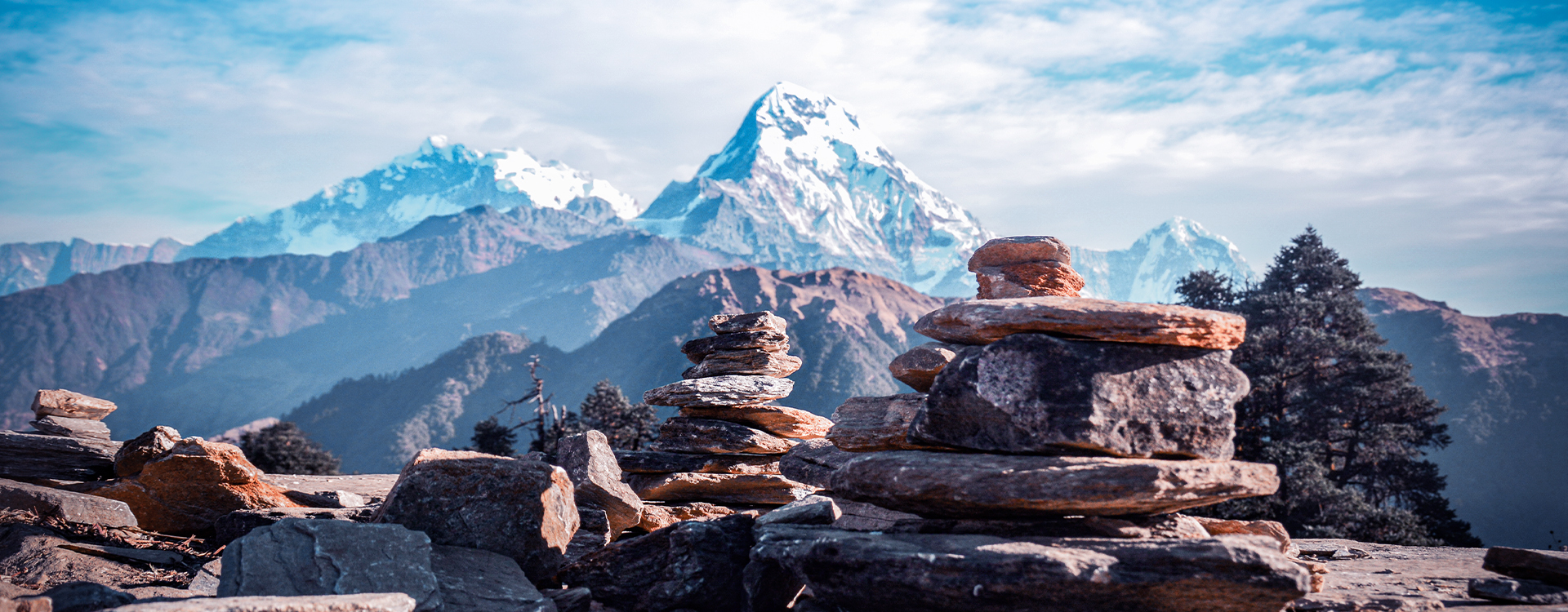
Tag: poon hill

  • Top 7 Treks in Nepal: From Everest Base Camp to Hidden Gems

    Top 7 Treks in Nepal: From Everest Base Camp to Hidden Gems

    Top 7 Treks in Nepal: From Everest Base Camp to Hidden Gems

    Nepal offers some of the best trekking in the world! With eight of the ten tallest peaks in the world, and trails that go through beautiful valleys, cute villages, incredible forests and stunning mountain passes. So whether you want to do a world renowned trek like Everest Base Camp, or want to get away from the crowds and explore the remoteness of the Himalayas, one thing Nepal is not short of is trekking. In this blog, we are going to discuss the top 10 treks in Nepal, from the more well known treks in the world to the most remote.

    1. Everest Base Camp Trek

    Everest Base Camp Trek is a life-changing experience – a spiritual journey, physical and cultural growth – all in one trek. At an altitude of 5,364 meters and around the tallest mass on earth, Mount Everest, which is 8,848.86 m (29,031.7 ft), you will not be affected much by the altitude sickness. With every step you will be on top of legendary mountains, historically significant monasteries, ancient villages and an experience that will become a soul-trek experience based on the experience, that time will never fade from your memory.
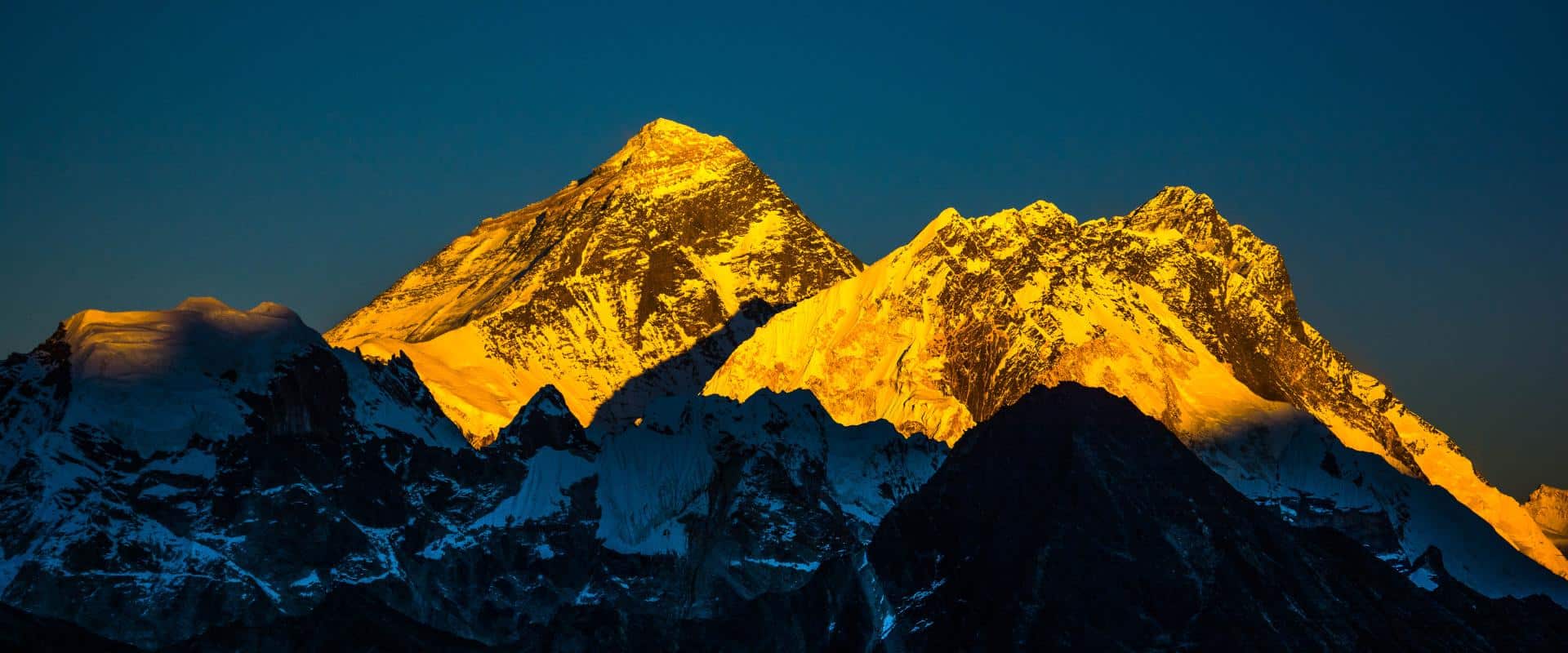
    everest base camp mountain view

    Highlights

    1. Get close to Mount Everest

    Being at EBC is being and standing in the shadow of the world’s highest- a position where you can only dare to have the audacity to assert and check off your bucket list, together with all the other adventure-seeking travelers from across the globe. You’re not on Everest, but where the Everest giants of Mount Everest are, like sunrises on the great ridges, is heavenly. Walking the EBC trail by yourself takes you, by legend, as close as it gets to the Mount Everest summit view and mythic Kala Patthar (5,545 meters), quite possibly the best view of Everest you’ll ever have the good fortune to witness.

    2. Culture and Spiritual Immersion

    You’ll meet villagers of the Khumbu: tough Himalayan folk with highly developed mountaineering prowess, boundless hospitality, and first-rate survival skills. You’ll trek through the villages of Namche Bazaar, the villages of Tengboche, and the villages of Pheriche, all with their multicolored prayer flags flapping in the breeze, all scattered with found along the trails like spinning prayer wheels, all topped on ridges with stupas.

    At Tengboche Monastery (3,867 m), you will pray with chanting monks within sacred walls, and dark Ama Dablam and the other great white giants – a spiritual experience in the true spirit of your trek.

    on the way to everest base camp

    3. Varied and Breathtaking Landscapes

    We trek through varied Himalayan scenery:

    • Rhododendron and pine forest hide Lukla and Phakding villages,
    • Suspension bridges spanning high above glacier-fed rivers,
    • Yaks and alpine grasslands at Dingboche and Lobuche,
    • Rock moraines and snow ridges on the way to Gorak Shep and EBC.

    Every bend in the trail, a new panorama, a new peak, another rest stop, and just soak it all up.

    4. A True Physical and Mental Challenge

    It’s not a holiday- it’s a test. You’ll be trekking 5-7 hours every day, trekking all day, a nd cold and tired all day. But it is in the challenge that we get tough. To even get to Base Camp is such a great feeling and sense of achievement. It’s a test of your endurance, your determination, and your sense of accomplishment.

    2. Annapurna Circuit Trek

    Trekkers have a beautiful experience in knowing they are partaking in an incredible cocktail of untouched nature, cultural diversity and an absolutely belly walloping experience, all at the same time. Being at the core of the Himalayas, the trek is a trek from start to finish, whereby you would be able to observe the emerald valleys, meadows of alpine forest, and snow-white peak mountains, and also undergo the different traditions of the inhabitants. A seasoned trekker and also an amateur trekker taking it through an adventure trail, there is something for all at the Annapurna Circuit.
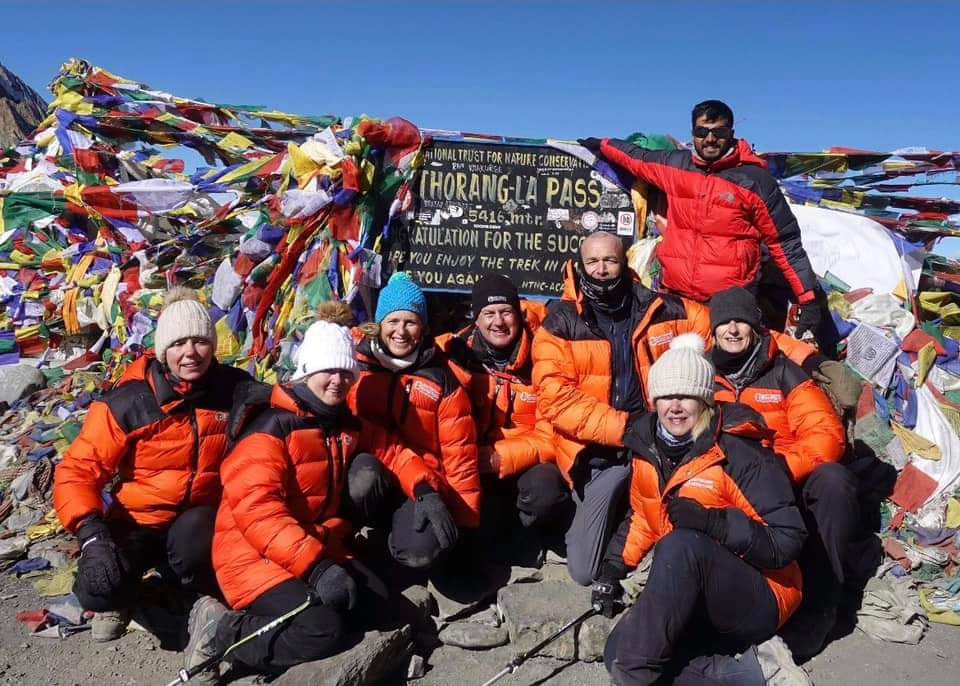
    tpurist at thorang la pass
    Top of Thorang La Pass

    Highlights

    A Varied Landscape Trek

    Annapurna Circuit Trek is a reward-risk, varied landscape trek. Trek begins in middle of the valley at dark green dense subtropical oak and rhododendron forest. With rising altitude, the terrain has been sculpted into extraterrestrial beauty of alpine grassland, glacial brook, and bare boulders. Gradient from low to high altitude is progressive, and trekkers have luxury of acclimatization.

    Immersive Cultural Experience in the Trek

    The natural landscape of the Annapurna Circuit is the most spectacular attraction, yet the experience of culture one gets while trekking there is equally invaluable. Trek leads through a series of villages and hamlets to be passed and meet the inhabitants and experience their life and culture.

    Local Food:

    Local Nepalese food of the region is most accessible by staying within the trek itself. Treks’ teahouses are located within villages where local food is eaten. Dal bhat (lentil soup and rice) is standard fare, then noodle soups, momos (steamed dumplings), and Tibetan bread. Trek food tastes bland but healthy and gives the trekker plenty of vigor for the day’s trek ahead.

    3. Manaslu Circuit Trek

    Manaslu Circuit Trek is one of the most renowned and highly-rated treks in the world. It is located in the north-central part of Nepal’s Gorkha District. The word “Manaslu” is derived from the Sanskrit word Manasa, meaning “soul” or “spirit“; thus, it is named “Mountain of the Spirit.”
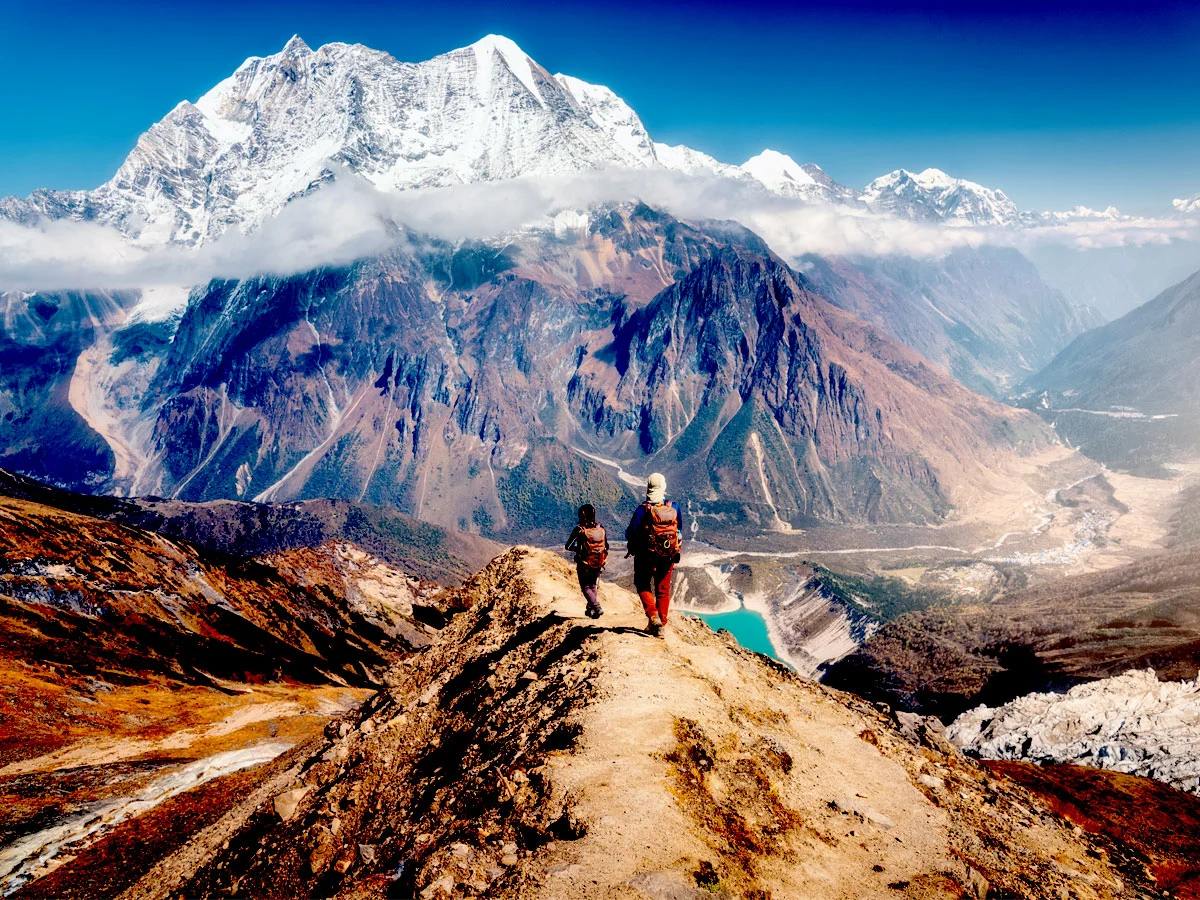
    The Himalayas of Everest is about 126 kilometers (78 miles) but in a north west direction from Kathmandu, the capital of Nepal, very close to the border separating Nepal from Tibet, China. The culture and landscape share many similarities with the Tibetan plateau.
    family on the way to Manaslu Circuit trek

    Highlights

    1. Preserved Ecological Beauty

    The Manaslu stopping area is famous for its pristine untouched subtropical forest, high-alpine altitude national meadow, fascinating villages, and natural beauty all so far away from the bustling city and closeness to nature.
    In the Manaslu region, the Budhi Gandaki River flows, which is an exciting view to watch. This is the exact place where you get to see an ideal cliff and a cascading fall.  You can find one of the most thrilling suspension bridges during your trekking, which makes your tour more adventitious. Manaslu Glasier near Manaslu Base Camps, this big glacier flows down from the glaciated faces of Mount Manaslu. Due to thawing glaciers, the stream of water and ice joins and merges with Budhi Gandaki River, enriching its scenery.

    Stellar Mountain Views

    The trek to the Manaslu Circuit is to visit Mount Manaslu at 8,163 meters (26.781 feet) which is the 8th highest mountain in the world. It also allows trekkers to see some phenomenal views of snow mountain that include snowy peaks in the Himalchuli, Ganesh Himal and Annapurna ranges along the trek. The trek to the Manaslu Circuit gives trekkers many fabulous views of the many high mountains in and around the Manaslu area as well as surrounding mountain ranges.

    • The Himalchuli mountain is so close to Mount Manaslu that it can be seen throughout the trek. The Himalchuli is the second highest peak in the area, and has massive, glacier beaten ridges which is what makes it distinct.
    • Ngadi Chuli is also called Peak 29. It is a very beautiful mountain with steep, rough sides which can be seen from many places along the trail.
    • The Ganesh Himal Mountains flank the Manaslu region to the east. Many of its peaks, including Ganesh I 7,422 m and Ganesh II 7,118 m, are visible during the early parts of the trek.
    • Shringi Himal is small in size compared to other mountains but the beauty of this mountain stands out in the lower Manaslu range, especially from villages like Ghap and Namrung.

    beautiful mountain and monastires on the way toManaslu Circuit Trek Wildlife Trek

    4.Budhi Gandaki Valley

    The various picture-postcard-like villages hosting Budhi Gandaki valley epitomize the faces of culture and ways of life for the locals. Lho, Samagaun, and Jagat are typical villages typical in the Himalayas. Locals here are Gurungs and Tibetans who have maintained their culture in their houses and monasteries and practice it with great zest and zeal.

    During  our trek and stay in Budhi Gandhaki Valley you can find-

    The trekkers can travel across the terraced rice fields, through the lush valley; chances are you’ll notice that much of the area has the mountain terrain that will provide a lively contrast to the terraced fields with vibrant life during planting and harvest season.
    In Budhi Gandhaki Valley, the Tibetan influence of Tibetan Buddhism is abundant. Many of the villages extremely Tibetan, and you will also see many monasteries and prayerwheels throughout the valley

    4. Langtang Valley Trek

    The Langtang Valley trek offers distinctive access to an off the beaten track experience in Nepal. Far from Kathmandu, the trek itself is bright and remote as well as not disrupted by the masses of diversity within communities, beautiful untouched landscapes, and an escape from other trekking routes that are busier and more obvious of trekking choices in Nepal.For experienced trekkers and beginner trekkers, the Langtang Valley Trek will remain with you.

    Highlights

    Scenic Beauty: An Ever-Present Companion

    But another Langtang Valley Treking highlight is size changing landscapes. And also, you’ll be able to trek through size changing placed ecological zones as you ascend, which all differ in beauty and character.
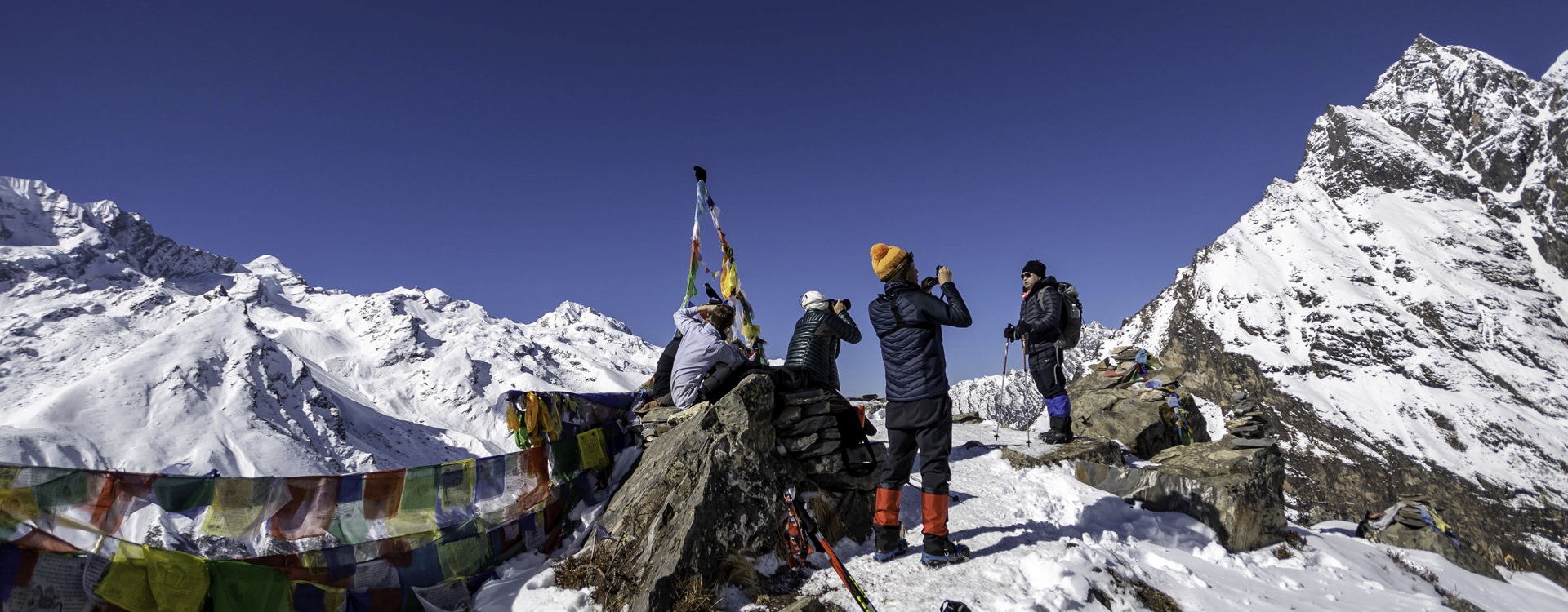
    tourist taking pictures on the way to Langtang Valley in front of mountains

    Rhododendron Forests:

    Thickly covered rhododendron forest dominates the trail at some points, covering it throughout the route at lower altitudes. In the event of the overlap of trekking seasons in springtime (March to May), there are high chances of viewing the trees in bloom in a palette of pinks, reds, and whites covering the country in all its glory.
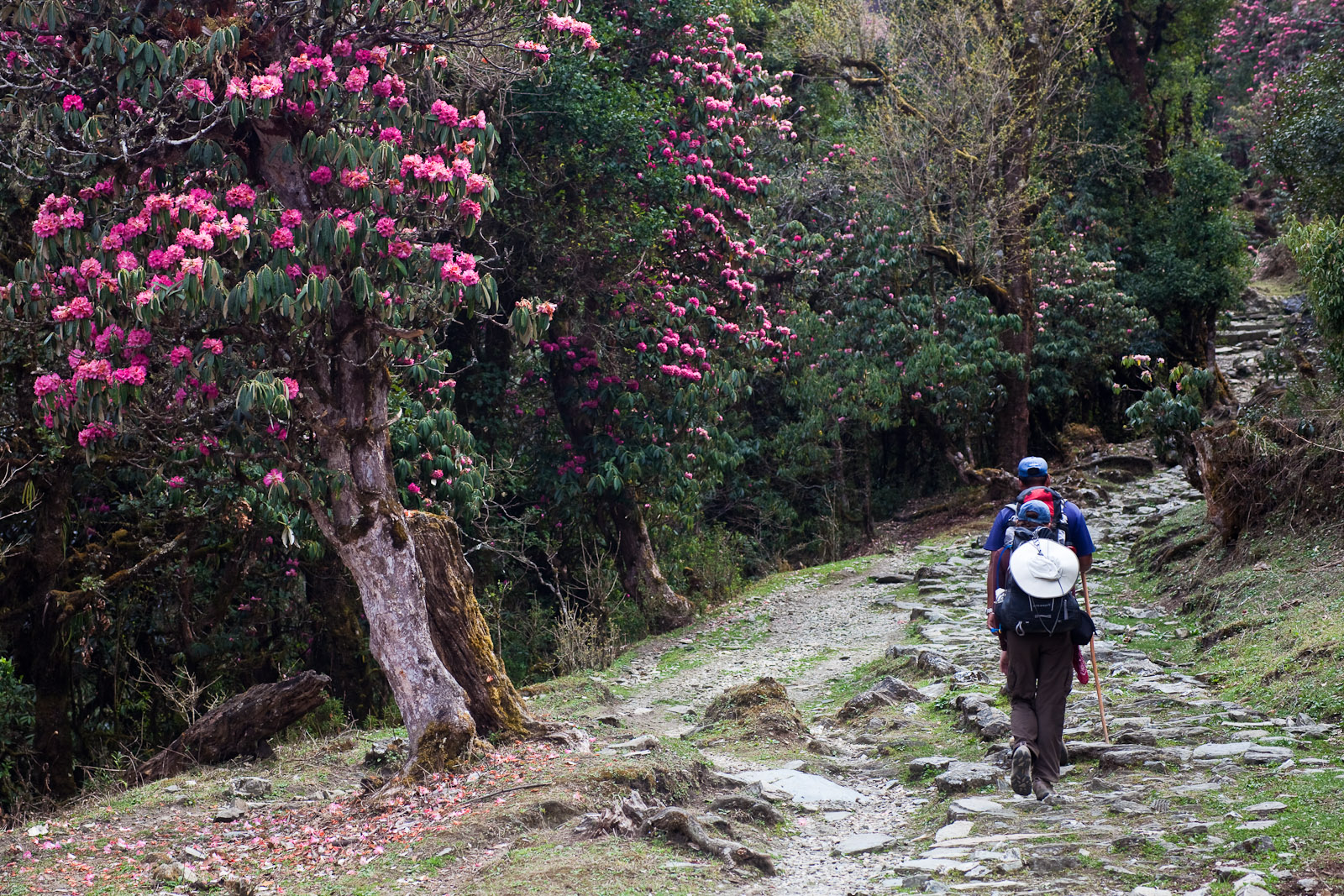
    Rhododendron Forests and trekkers

    Rivers and Waterfalls:

    The trail is largely river-sided, and the rivers are supplied by Langtang range’s melt-down. Cross wood suspension bridges and hear the soft tap of running waters. Whims of falling waterfalls either between or after rains provide the whole scene with a near divine appearance.

    Alpine Meadows:

    Higher still, the land is wider and is made up of alpine meadows and grass slopes with splendid scenery of the gigantic mountains. Yaks and other domesticated animals graze across the meadows, adding to the countryside character of the place even more.

    Mountain View:

    Langtang Valley is surrounded by the loftiest of the range, i.e., Langtang Lirung (7,227 m), Kimshun (6,365 m), and Ganchenpo (6,387 m). These mythic hills surround you and you on the trekking trail and step by step increasingly overshadow you before Kyanjin Gompa. From Kyanjin Ri (a famous viewpoint near Kyanjin Gompa), you gaze at the whole length of Langtang in the far horizon. Something which will make an indelible imprint on your mind.

    5. Ghorepani Poon Hill Trek

    Nepal trekking typically evokes images of demanding treks like the Everest Base Camp trek and Annapurna Circuit trek . But did you ever think that you could be enlightened to the beauty that is the Himalayas in a few short days? For 2025, no trek compares to the incredible short trek of Poon Hill humanly able which is accessible for all trekkers! In this article, we want to do all we can to hook you into having Poon Hill as a prize on your bucket list for this year!
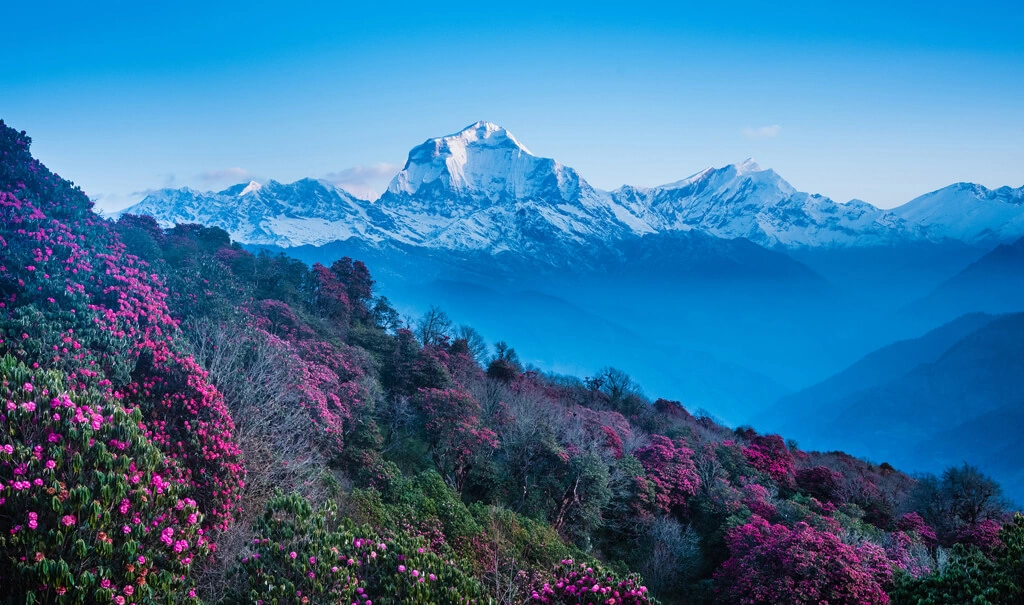
    Poon Hill at rhododendron forst

    Poon Hill Trek Highlights

    1. The Legendary Sunrise from Poon Hill

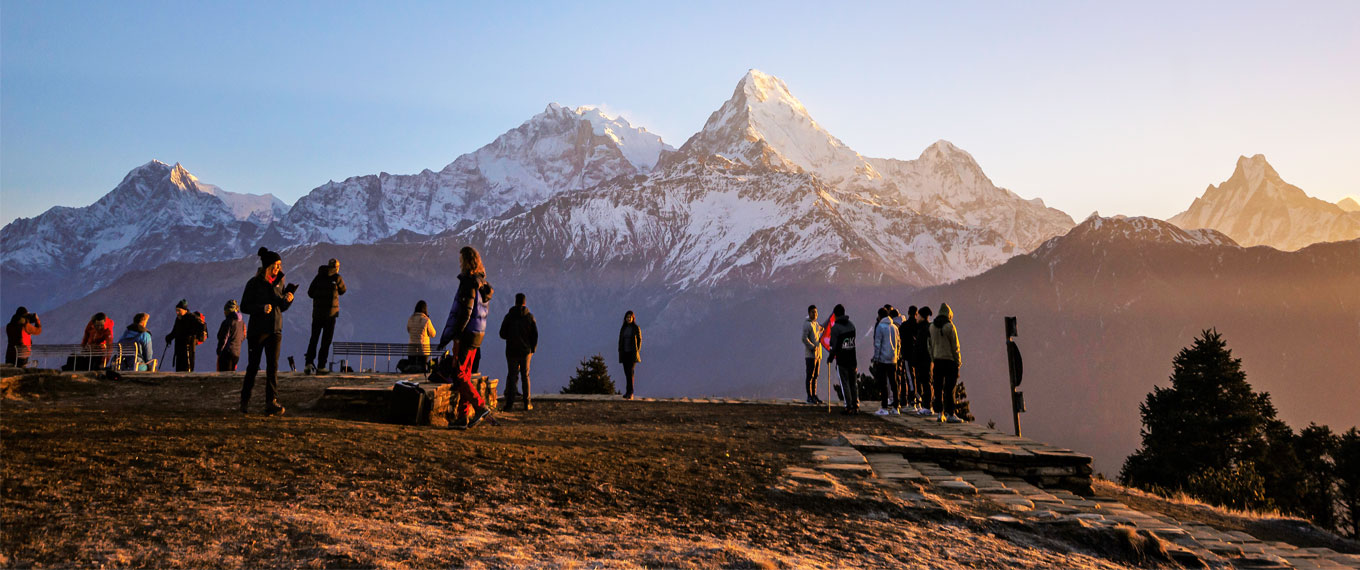
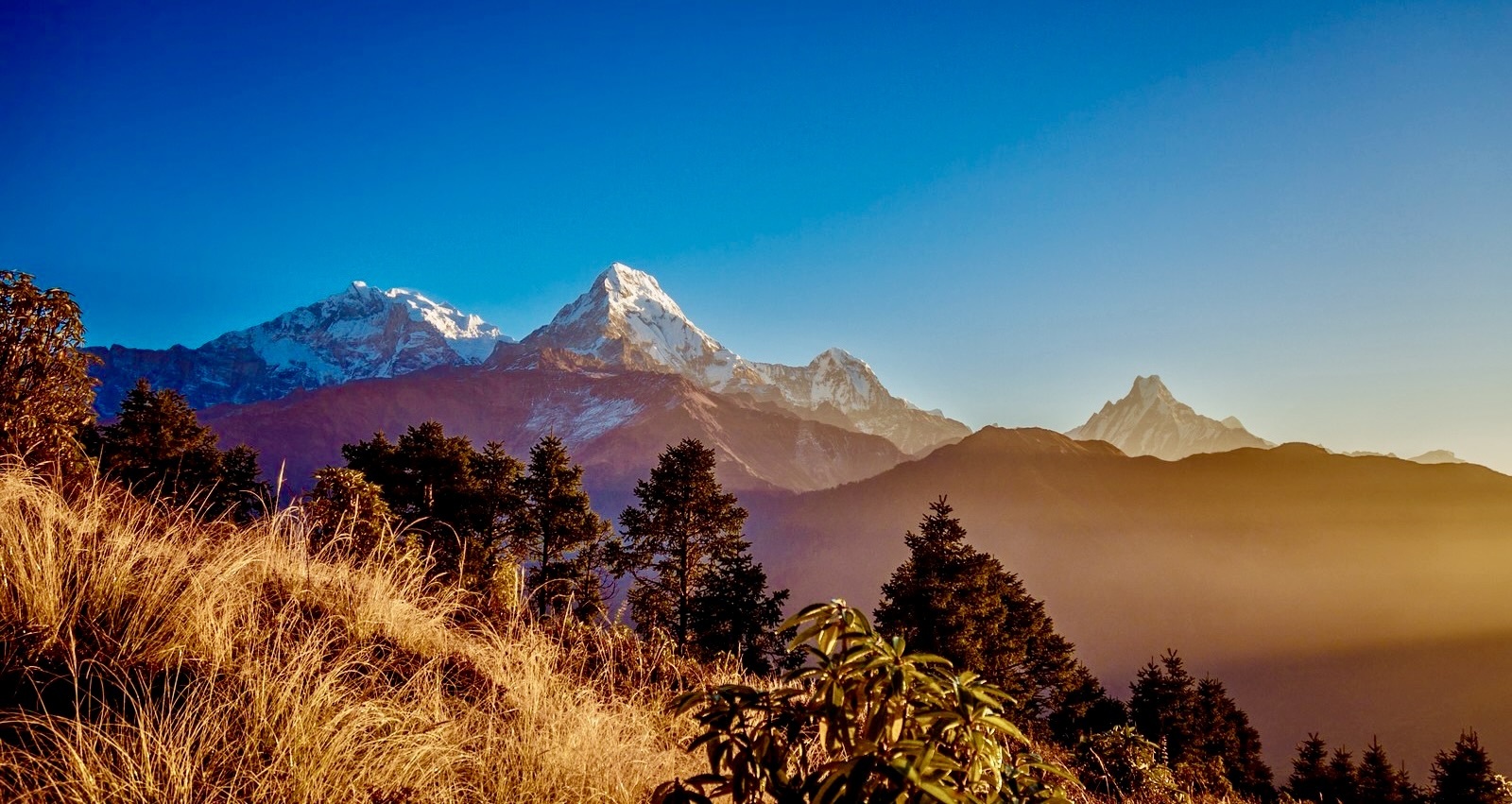
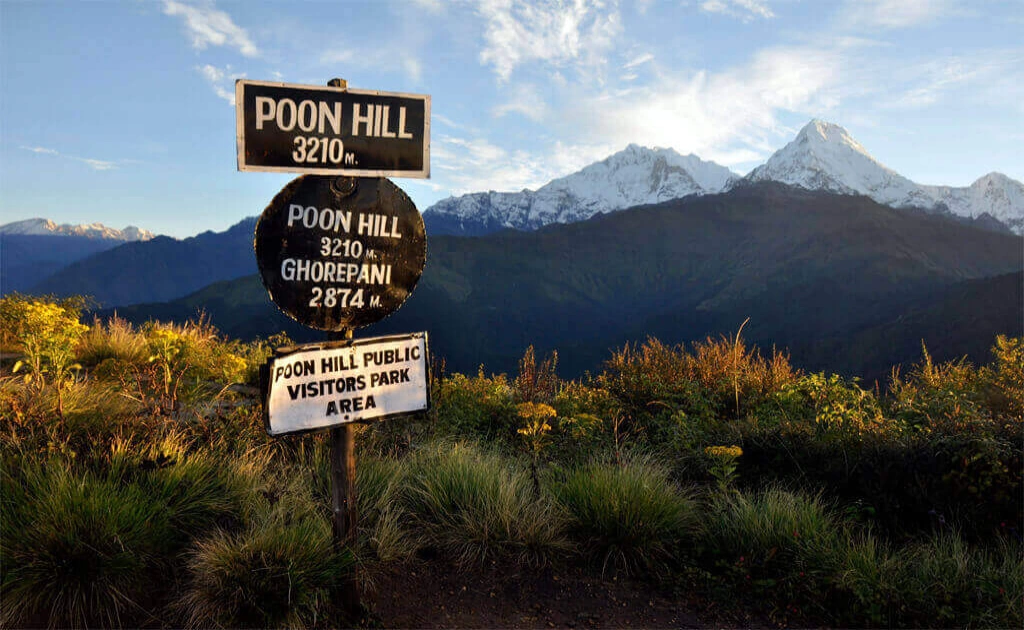
    At 3,210 meters, Poon Hill is very well known for its iconic sunrise view and layover destination on the journey, therefore Poon Hill is one of the most trekked destinations. As the light fills the sky at Poon Hill, the first light of day appears above the world’s famous and snow covered peaks of The Himalayas, Annapurna, Dhaulagiri, Machhapuchhre (Fishtail) and Nilgiri.

    2. A Perfect Short Trek for Busy Schedules

    The Poon Hill trek is a great choice for people traveling to Nepal on a short timescale who are interested in seeing some gorgeous scenery of the Himalayas. The trek can, in total, last 4 to 5 days which means for short holidays, a quick family trip, or just a little add on to be the main focus of a bigger trip in Nepal – Poon Hill is well achievable. In addition, due to the length of the trek, it can also be a good option for you if you are considering your first trek for yourself, especially if you are not quite ready to deal with something longer or bigger.

    Whether you are traveling with family with young children, older grandparents or are traveling solo and on a timeframe, the Poon Hill trek allows you to adjust your trekking pace, whilst still having a taste of the trekking adventure of the Himalaya!

    3. Cultural Experience

    In addition to the stunning vistas, the Poon Hill trek is rich with experiences in culture. The trek itself offers to chance to visit villages, Ghorepani, Tikhedhunga, Ulleri, and Ghandruk, and engage communities who host trekkers. Not only with a meal, but traditional culture, customs, and food. Spending time with the communities allows trekkers to see people preparing for life. The daily routines of the locals, as well as their rituals and most keenly how they continue to carry on the same practices their ancestors had done for hundreds of years.

    When combination of staying in traditional teahouses and participating in local festivals or farming, converts a trek from being just a trek to an intercultural experience. For many trekkers, their experience only becomes richer after spending time with the people they meet along the way, some of which they may remember just as well as the mountains.

    6. Upper Mustang Trek

    The Upper Mustang Trek takes one into the “Forbidden Kingdom” of Mustang, a region noted for its unique landscapes and Tibetan-influenced culture. A trek route will take you through barren cliffs, ancient caves, and centuries-old monasteries. Due to its isolated location, the traditions in Lo are so well preserved and, as such, are considered one of the more valuable cultural assets.
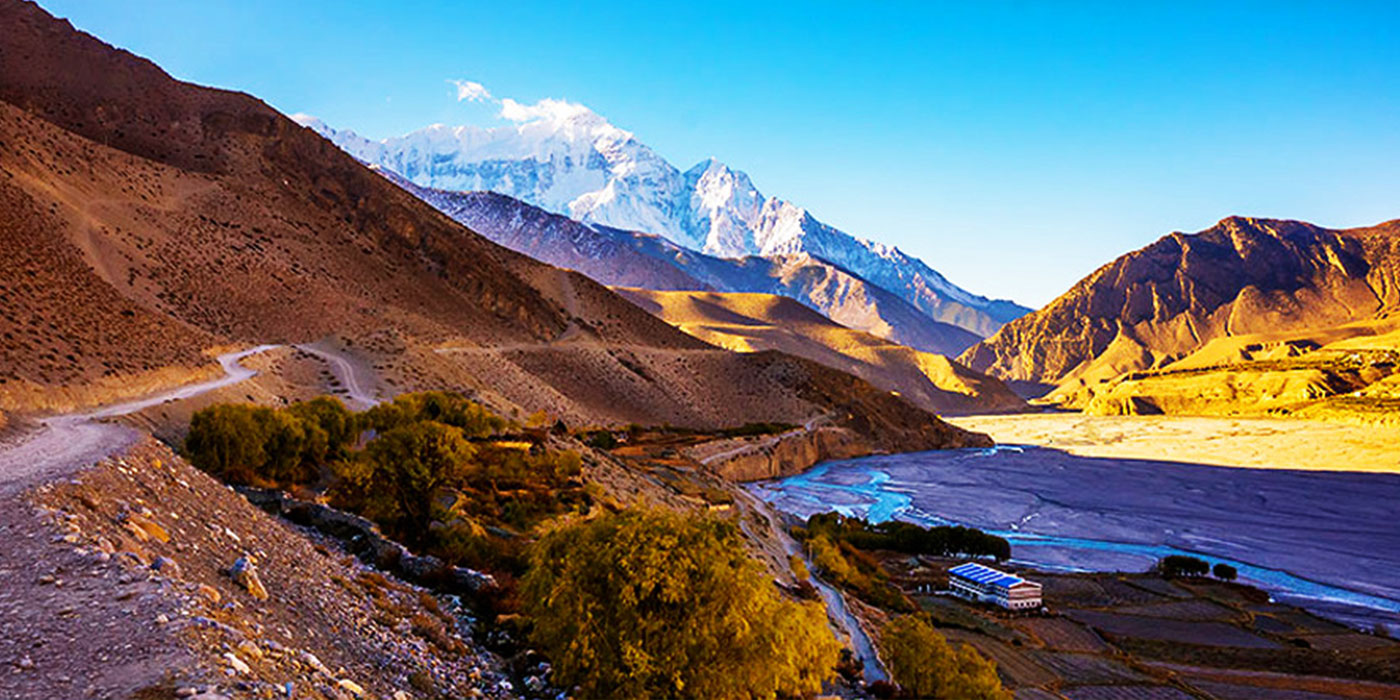
    Upper Mustang  highway for treeking

    Highlights:

    Lo Manthang: Walled city and cultural heart of Upper Mustang

    Lo Manthang is the ancient walled capital of the former Kingdom of Mustang, with a rich cultural identity in northern Nepal’s mighty Himalayas. The medieval feel of Lo Manthang, enhanced with white-washed outer walls, alongside royal palaces, centuries-old monasteries, and skinny hallways with the every growing pool of Tibetan Buddhist mantras strongly correlated with its nomenclature. Certainly, that immunity from modern encroachment created a profound ethos for people who have emerged with customs, language, and practices heavily steeped in Tibetan culture for hundreds of years.

    Chhoser Caves

    Caves of enigma and ingenuity, containing caves for meditation and camping. A short pony trek from Lo Manthang are Chhoser, a fascinating and intricate set of man made caves that appear to have been cut from the front face of an immense tilted sandstone cliff. There are numerous levels of caves and over 40 rooms used for habitation, storage, and sacred meditation.

    Tiji Festival (Seasonal): Vibrant celebration 

    The Tiji Festival is a spectacular three-day celebration of Buddhism that occurs annually in Lo Manthang and represents the triumph of good over evil. It is thought that the Tiji Festival is based on Tibetan Buddhist mythology. The Tiji Festival consists of ritual chants and dances performed by monks of the Sakya order, and involves a series of masked dances. The Tiji Festival usually takes place in May, and displays a vigorous expression of faith, cultural identity, and community in the raw beauty of Upper Mustang, attracting local residents and visitors alike.

    7. Mardi Himal Trek

    Mardi Himal Trek in Nepal’s Annapurna region is a quiet trek but a trek with independent walking on the trail, stunning views of the Annapurna Himalayas, and a feeling like one is completely alone in the hills. Since the Mardi Himal Trek is relatively new for all the trekkers, the view of this trek is stunning. The view includes Mardi Himal (5,587m), Machapuchare (Fishtail), Annapurna South, and Hiunchuli.
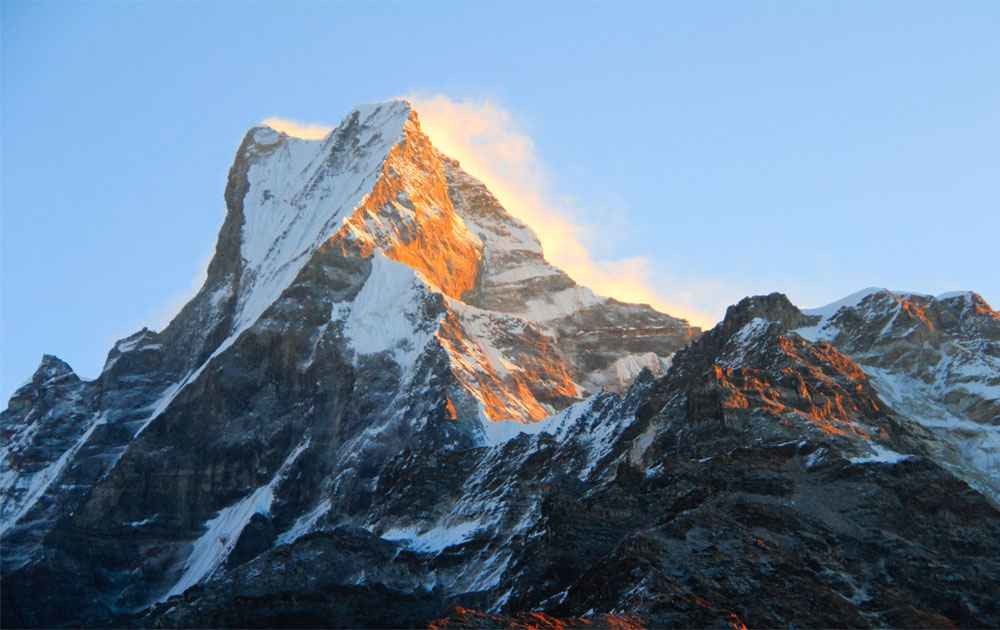
    mardi himal view

    Highlights

    1. Incredible Views of Annapurna and Machapuchare

    A key highlight of the Mardi Himal Trek is the sensational views of the Annapurna range, especially Machapuchare (Fishtail) which is a sacred mountain. With each ascent, the panoramic views of the snow-capped giants like Annapurna South, Hiunchuli, and Mardi Himal itself, unfold as you follow the ridgeline trail. Many other treks are compromised by the busyness of other hikers, however here the level of peace and tranquillity of the route is unrivalled and as a longer route, if there are plan to see ridgeline views there is an immediate climbing into a view that is often a mix of seeking those peaks often in sea of inspiring golds interacting with sun rising and setting that gives one a magical experience.

    2. Off-the-beaten-path Experience

    Mardi Himal is not as well-known as more popular treks like Annapurna Base Camp or Ghorepani. It makes sense: it’s a beautiful trek for anyone who wants to escape the crowds and spend meaningful time in nature. The trail meanders away from other treks through tranquill forests, alpine pastures and Gurung villages. You will encounter fewer other trekkers, allowing for more chances to connect with people living on the trail route, and instead of a standard trekking experience, the connection will be deeper, spiritual even.

    3. Fast Paced Multi- Landform Trekking

    Mardi Himal is a short trek (usually 4–7 days), yet has enough geographical features from rhododendron forests (and moss-covered trails). To high-altitude ridges and rocky ridges barren of trees. So that you will get a full variety of landscapes in a short trek, making each day feel new and adventurous. It is a trek that embraces the scenery associated with Himalayan trekking and also does not require weeks or years of walking!

    Final Thoughts

    Nepal has many trekking trekking routes for all kinds of trekkers from bucket list. Classics like Everest Base Camp to cultural treks like Mustang and cultural Bhote routes in Helambu. For high-altitude trekkers and first time trekkers alike. These seven treks will all be valve on a trip of a lifetime in the lap of the Himalayas. If you are planning to visit Nepal then contact us today at Happy Mountain Nepal, Facebook, Instagram, or TikTok. 


  • Best Short Trek in Nepal

    Best Short Trek in Nepal

    Best Short Trek in Nepal

    Nepal is a land of beautiful sights with magnificent Himalayan peaks. So many different types of treks go well with the families traveling with small kids in this area. The Nepal has numbers of short and soft trek ideal for those families who travel to Nepal with their little children. Mostly these offer wonderful views along with local culture and tracks.

    Some of the family-friendly treks include:

    1. Ghorepani Poon Hill Trek

    Ghorepani Poon Hill has been known as the soft and friendly hike in Nepal. It begins in Nayapul, through plush forests of rhododendrons to charming villages of Gurungs, and Magar besides well-laid stone staircases. So it’s quite a developed trail with pretty comfy teahouses which could quite well manage children. Amongst all its wonders, the best-known is probably Poon Hill at an altitude of 3,210 meters, with an altogether breathtaking sunrise over both Annapurna and Dhaulagiri.

    A panoramic view of prayer flags strung across a mountain landscape, with snow-capped peaks in the background under a clear sky
    Source- Google

    Attractions:

    • The sunrise view with peaks like Annapurna and Dhaulagiri in brilliant panoramic way,
    • Easy well-maintained trail along with the rise in altitude,  
    • Cultural experience amongst traditional villages of Gurung and Magar tribes, 
    • Brilliant forest of Rhododendom during Spring,
    • Comfortable and family-friendly teahouses. 

    2. Australian Camp Trek

    The Australian Camp Trek is a rather short rewarding trek close to Pokhara and great for families with kids. Contoured through forests and small villages from Kande, the route leads to Australian Camp 2,100m with spectacular views of Annapurna, Machhapuchhre, and Dhaulagiri. It’s rather soft, well-marked, and only a few hours in, hence quite suitable for kids who are new to trekking.

    mountainous landscape, possibly in like Nepal or the Himalayan foothills, given the presence of snow-capped peaks in the background

    Source- Google

    Attractions:

    • Panoramic view of Mt. Annapurna and Mt. Machhapuchhre,
    • Good easy trails that are perfect for first timers and children,
    • Quiet and peaceful, with comfortable lodges,
    • Birdwatching and nature walk.

    3. Nagarkot to Changu Narayan Trek

    A short and easy trek near Kathmandu where families get the best treks. From the beautiful hill resort of Nagarkot, which stands high at an altitude of 2,175m affording super views of sunrise over the Himalayas, it goes down to the famous Changunarayan Temple, a UNESCO-declared World Heritage Site via thick forests and small villages. This is a short, beautiful, and culturally rich walk.

    A panoramic view of a vast mountainous landscape with lush green and brown valleys in the foreground, leading to towering, snow-capped peaks under a clear blue sky.

    Source- Google

    Attractions:

    • Excellent view of sunrise on the Everest and Langtang ranges,
    • Beautiful easy gradual downhill trek with spectacular views,
    • Historic Changunarayan Temple, 
    • Easily accessible to get access, especially for families with kids from Kathmandu.

    4. Ghandruk Trek

    The Ghandruk Trek is one of the best options for short, easy family trekking tours to Nepal. It begins either from Nayapul or from Kimche and reaches the beautiful Gurung village of Ghandruk, standing 2,012 meters high with breathtaking views of the Annapurna South, Machhapuchhre, and Hiunchuli. It was very easy, with most of the walking tracing along well-maintained stone paths that even kids can keep up with.

    Ghandruk village house made it in grey color in a traditional style

    Source- Google

    Attractions:

    • Scenic views of Annapurna, Machhapuchhre,
    • Cultural experience amid Gurung culture and hospitality,
    • Visits to the Gurung Museum and other local monasteries,
    • Scenic trails with comfortable lodges.

    5. Dhulikhel to Namobuddha Trek

    For the families that did not want to travel too far and just wanted to spend some time with nature, Namobuddha is a lot closer to Kathmandu and, therefore, one of the better options. The Shivapuri trek from Budhanilkantha goes uphill through thick forests full of flora and fauna of all kinds. Hike up to Nagi Gompa-a Buddhist monastery or as far up as Shivapuri Peak at 2,732 meters. The walk is soft and gentle hence ideal for children.

    Attractions:

    • Visit Namobuddha, one of the most holy places of Buddha,
    • Easy and peaceful trail with beautiful views,
    • Cultural interaction with locals and monks,
    • Beautiful sunrise and sunset views from Dhulikhel. 

    6. Shivapuri National Park Trek

    The best option for those families who want to spend time in nature without having to travel very far, it’s pretty close to Kathmandu. Shivapuri Trek from Budhanilkantha goes through thick forests full of all kinds of flora and fauna. Hike up to Nagi Gompa, a Buddhist monastery, or as far up as Shivapuri Peak at 2,732 meters. The trail is shady and refreshingly cool apart from the city.

    Attractions:

    • Unspoilt beautiful forests for wildlife viewing and birds,  
    • Short and relatively shady treks, well suitable for children,
    • Visit Nagi Gompa, very tranquil Buddhist Monastery,
    • Ideal for a one-day trek.

    Trekking Checklist for Families with Young Children

    1. Trekking Shoes

     Comfortable, fitted shoes with good traction will be of great importance in order to keep kids and adults steady on uneven trails. Wearing appropriate trekking shoes keeps the feet blister-free and wipes out fatigue after a long walk.

    2. Warm Jacket

    As it is at an altitude, it will be quite cool early in the mornings and late evening apart from windproof clothes; he needs to carry some light and warm jackets as that saves the human body from any unwanted fall in the body’s temperature.

    3. Quick-Dry Clothing 

    The breathing, wicking shirts and pants will definitely help the body to dry out and cool down on a trek. These dry up sooner hence making less discomfort when one is badly sweating, or rain suddenly occurs.

    4. Rain Jacket/Poncho

    Whether the mountain condition is unpredictable, hence carrying water-resistant rain jacket or poncho becomes highly necessary in order to save the body at times if suddenly rain arrives.

    5. Hat & Gloves

     A warm hat and gloves help in keeping off cold particularly during the early morning and late evenings. Best insulation derived by using wool or fleece material. Water proof gloves would be handy at times when wet terrain is a part that one has to walk on.

    6. Extra Socks & Undergarments 

    A spare sock and extra undergarments will maintain personal hygiene and comfort on treks extending to many days. Wool or moisture-wicking socks avoid blisters, keep feet warm.

    7. Child-Friendly Backpack

    This requires a light, small and adjustable back so that the kids can get used to feeling comfortable carrying stuff.

    8. Water Bottle or Hydration Pack 

    Staying hydrated very important. Carry refillable water bottle or hydration pack would enable them to take sips of water even while walking.

    9. Snacks & Energy Bars

    Dry fruits and nuts go well along with healthy and power-packed snack bars and energy bars.

    10. First Aid Kit

    First-aid shall be completely packed with band-aids, antiseptic wipes, killers, and regular medicines. First aid is important in case one experiences an injury, blistered feet, and stomach pain amongst others.

    11. Sanitizer and toilet paper

    Hygiene on a trek is quite a challenge, but wet wipes and hand sanitizer do help in cleaning the hands, especially after meals and usage of a public toilet facility. This will come in very helpful at any stoppage for bathroom breaks and at any place where surrounding facilities may not be scanty.

    12. Headlamp or Flashlight 

    A headlamp or flashlight is handy for treks in low light or at the start of an early morning. It provides good visibility and safety when there is no electricity around.

    13. Whistle for Kids

    A whistle is a rather simple but efficient safety tool when a child happens to get lost or needs some urgent help. Teaching kids how to use it in an emergency gives parents additional peace of mind.

    14. Basic Medications

    Carry essential medicines such as motion sickness pills, altitude sickness medicine, and fever reducers. Consult with the doctor before going for the trek as to which medicine for which condition.

    15. Notebook & Pencils

    A small notebook and pencil empower the children to write about the experience, draw something, or simply jot down about nature. It keeps the trek interesting and allows them to remember the memory as long as it stays.

    Conclusion

    Our Happy Mountain Nepal Trekking Company offers a number of family trekking activities in Nepal that can be highly rewarding and enriching for the interested families in wilderness and culture. These are short, easy, attractive, and reachable treks offering excellent views and exciting adventure. Be it the kingly sunrise from Poon Hill, the serenity at Namobuddha, or the cultural appeal of Ghandruk, each trek has something different to offer and is friendly to families in its own particular way. Contact us today at Happy Mountain Nepal, Facebook, Instagram, or TikTok. 

    FAQs

    1. Are short treks in Nepal safe to embark upon with small children?
    Yes, take them for trekking in Nepal since most treks include fairly gentle slopes in an easy range, and usually have comfortable lodge stay at somewhat relatively low elevations. During trekking ensure hydration, not getting too cool and rest to prevent over working

    2. From what age should the kids trek in Nepal?
    Children between 5-6 years can begin with easy trek such as Nagarkot to Changu Narayan or Australian Camp. Children above 8 years can enjoy longer or relatively harder treks such as Ghorepani Poon Hill or Ghandruk.

    3. What should I pack for a short trek with kids?

    Some of the items things you need to include are-:

    • Warm clothes and rain cover,
    • Sunscreen, hat, and sunglasses,
    • Snacks and water in the hydration packs,
    • First-aid kit and general medicines,
    • Light back pack only with basic things.

    4. Which trek best for first time family trekkers?

    Australian Camp Trek offers some nice easy trekking and spectacular views in a rather short period of time this is recommendable for beginners.

    5. Are decent accommodations easily available on the treks that are recommended to families?

    Yes, most of the options above offer a family room, hot food, and basic facility teahouses or lodges, and at some places, even small hotels with an attached bathroom.

    6. Do we need a guide for short treks with kids?
    Though the short treks can be done without guides also, one local guide or guide helper will not only help to explore better but also about the culture of the place besides helping during the time of need.

    7. What is the best time for family-friendly treks in Nepal?

    Some of the best time for family- friendly treks are-:

    • Spring(March–May): Clear weather, Rhododendrons in bloom
      Autumn: Crystal clear skies, warm temperature
    • Winter (December–February): Possible though it gets cold in the high altitude
    • Monsoon (June–August): Not recommended as it rains heavily and leeches appear

    8. Can babies and toddlers accompany on these treks?

    Yes, but it would be much better if parents can bring a baby carrier or arrange for one porter to assist them. Nagarkot to Changu Narayan or Dhulikhel to Namobuddha treks would be best for families with very young kids.

    9. Do these short treks require a trekking permit?

    While some treks such as Ghorepani Poon Hill and Ghandruk require both ACAP and TIMS card others, like Nagarkot to Changu Narayan require no either.

    10. What is the major problem in trekking with kids?

    Some of the major issues are-:

    • Change in altitude,
    • Tiredness, they might want to stop frequently,
    • Alteration in the weather condition.


  • 2025: A Short Trek to Poon Hill — The Perfect Himalayan Adventur

    2025: A Short Trek to Poon Hill — The Perfect Himalayan Adventur

    2025: A Short Trek to Poon Hill — The Perfect Himalayan Adventure

    Nepal trekking typically evokes images of demanding treks like the Everest Base Camp trek and Annapurna Circuit trek . But did you ever think that you could be enlightened to the beauty that is the Himalayas in a few short days? For 2025, no trek compares to the incredible short trek of Poon Hill humanly able which is accessible for all trekkers! In this article, we want to do all we can to hook you into having Poon Hill as a prize on your bucket list for this year!

    Poon Hill

    Why the Poon Hill Trek this year?

    Referred to as the best short trek in Nepal, The Poon Hill Trek is located in the Annapurna region and has to offer:

    • Spectacular sunrises over the Annapurna & Dhaulagiri ranges
    • Easy access out of Pokhara
    • Easy but mild level of difficulty, making a great trek for novices and families
    • Cultural experiences with the Gurung and Magar communities
    • Great rhododendron forests and wildlife

    For 2025, while the trails, accommodation and accurate weather forecasts of the Poon Hill Trek have all improved, it’s increasingly safer and more pleasant.

    Poon Hill Trek Highlights

    1. The Legendary Sunrise from Poon Hill

    At 3,210 meters, Poon Hill is very well known for its iconic sunrise view and layover destination on the journey, therefore Poon Hill is one of the most trekked destinations. As the light fills the sky at Poon Hill, the first light of day appears above the world’s famous and snow covered peaks of The Himalayas, Annapurna, Dhaulagiri, Machhapuchhre (Fishtail) and Nilgiri.

    The sunrise golden hour of stunning snow capped mountains is a wonderful experience, indefinable when your eyes perceive it, to heighten your inspirations, guaranteed to be memorable for any photographer or nature lover.

    Combine the stunning views, the morning calmness of sunrise, cool dew freshness in the air, and the excitement of other trekkers (the trekker network), and this creates a somewhat magical experience.

    2. A Perfect Short Trek for Busy Schedules

    The Poon Hill trek is a great choice for people traveling to Nepal on a short timescale who are interested in seeing some gorgeous scenery of the Himalayas. The trek can, in total, last 4 to 5 days which means for short holidays, a quick family trip, or just a little add on to be the main focus of a bigger trip in Nepal – Poon Hill is well achievable. In addition, due to the length of the trek, it can also be a good option for you if you are considering your first trek for yourself, especially if you are not quite ready to deal with something longer or bigger.

    Whether you are traveling with family with young children, older grandparents or are traveling solo and on a timeframe, the Poon Hill trek allows you to adjust your trekking pace, whilst still having a taste of the trekking adventure of the Himalaya!

    3. Cultural Experience

    In addition to the stunning vistas, the Poon Hill trek is rich with experiences in culture because the trek itself offers to chance to visit villages, Ghorepani, Tikhedhunga, Ulleri, and Ghandruk, and otherwise engage with the Gurung and Magar communities who host trekkers – not only with a meal, but traditional culture, customs, and food. Spending time with the communities allows trekkers to see people preparing for life; the daily routines of the locals, as well as their rituals and most keenly how they continue to carry on the same practices their ancestors had done for hundreds of years.

    When combination of staying in traditional teahouses and participating in local festivals or farming, converts a trek from being just a trek to an intercultural experience. For many trekkers, their experience only becomes richer after spending time with the people they meet along the way, some of which they may remember just as well as the mountains.

    Poon Hill

    4. Lush Forests and Rhododendron Blooms

    Undoubtably, the Poon Hill trek is one of the joyful treks on the planet especially in the Spring of 2025 when the fields are sure to be brimmed filled with colorful blooms of rhododendrons; Nepal’s national flower. The country of Nepal has taken the rhododendron as its national flower, and you can see why as your eyes drink in hillsides of vivid red, pink and white blooms fill your wide view pushing you into their bright, wondrous dun forests. As you are surrounded by a spectacular forest of colorful fragrances, you begin to feel like you’ve been dropped into a fairy tale country. With so many little pieces of perfect for that selfie or moments for you to close your eyes appreciate being enveloped into such an incredible moment, it will be a trip of a lifetime.

    Not only will you witness pure natural beauty of rhododendron forests, but also, impressive flora and fauna in the beautiful biodiverse Annapurna Conservation Area rainforest forests. For birds and wildlife lovers, this proud group of inhabitants will love living in this biodiversity area whilst appreciating witnessing such pristine environments depicted here. These living aspects of natural world, not only shape the environmental beauty of trek but towards also remind you of how important it is to conservation efforts and the preservation of similar unique ecosystems!

    Updating Trail Conditions for 2025

    In the past couple of years trekking agencies and local authorities have worked hard together to improve trail conditions, improve lodge facilities and accommodations, and improve waste management. In 2025, expect:

    • Trails that receive improved maintenance,
    • Lodges (teahouses) that are more comfortable and better suited for trekkers,
    • Connectivity to reliable Wi-Fi and mobile networks in most villages,
    • A simpler permit application process through TIMS (Trekkers’ Information Management System) and the Annapurna Conservation Area Permit (ACAP) processes.

    Poon Hill

    Best Period to Trek to Poon Hill in 2025

    The best months to trek to Poon Hill in 2025 are considered to be the spring (March until May), and autumn (September until November).

    • Spring (March to May) and autumn (September to November) will be the best months to trek in 2025 to Poon Hill. Spring brings technicolor with blooming rhododendrons – you can see the world waking up to the hues of greens and warmth. The weather is also typically milder. Covering the trails is fairly simple, and you will enjoy the pleasant temperatures of the days, and potentially the least amounts of cloudy/cloudy days.
    • Autumn while being considerably cooler than spring, is idyllic for trekking, and the weather conditions are considerably more stable than the spring. These are the months following the monsoon season, and the air becomes crisp and clean. This will typically be some of the clearest days to see a mountain view in a mountain region, particularly if you are trekking up to a mountain viewpoint.
    • We can consider both periods of spring and autumn as excellent conditions for trekking in 2025, with excellent scenic conditions and weather for trekking. These will certainly be the best months for any Poon Hill trekkers.

    How to Prepare for Your Poon Hill Trek in 2025

    Poon Hill may be a relatively short trek, but preparation is important-:

    • Moderate fitness is enough
    • Comfortable trekking boots and different layers for temperature
    • Light pack
    • Trekking poles for trekking
    • Insurance that covers high altitude travel trekking

    Why  to Choose Poon Hill Trek in 2025?

    Poon Hill

    1. Perfect for All Types of Trekkers

    The Poon Hill Trek is one of the few Himalayan adventures which actually discourages trekkers based on age, experience or physical condition. Most high altitude treks only allow trekkers who have undergone strenuous physical training, in addition to weeks of preparation and careful acclimatization before even thinking about trekking into the high mountains. Poon Hill is an ideal trek, lasting 4 to 5 days and never exceeding 40 kilometers (25 miles) round trip, at a maximum elevation of 3,210 meters at the summit of Poon Hill. Most trekkers can cover this distance without suffering from debilitating effects of altitude poisoning or other high altitude related illnesses, making it the ideal trek for families with children, first time trekkers, or even busy professionals looking for a five day distraction from their routine.

    In 2025, this access is still more attractive. Families can introduce children to the adventure of trekking in a safe environment and singles and groups can experience an extremely social, well-supported trek. The complementarity of dramatic scenery, comfortable teahouse lodging, and low-risk circumstances has an open-door policy for everyone. Beginner trekkers get their spurs, veteran climbers the benefits of the trekking landscape without physical wear of more demanding Himalayan treks. Poon Hill is a good example of how the Himalayan experience need not be hard core endurance.

    2. Majestic Sunrise Scenery Over the Annapurnas

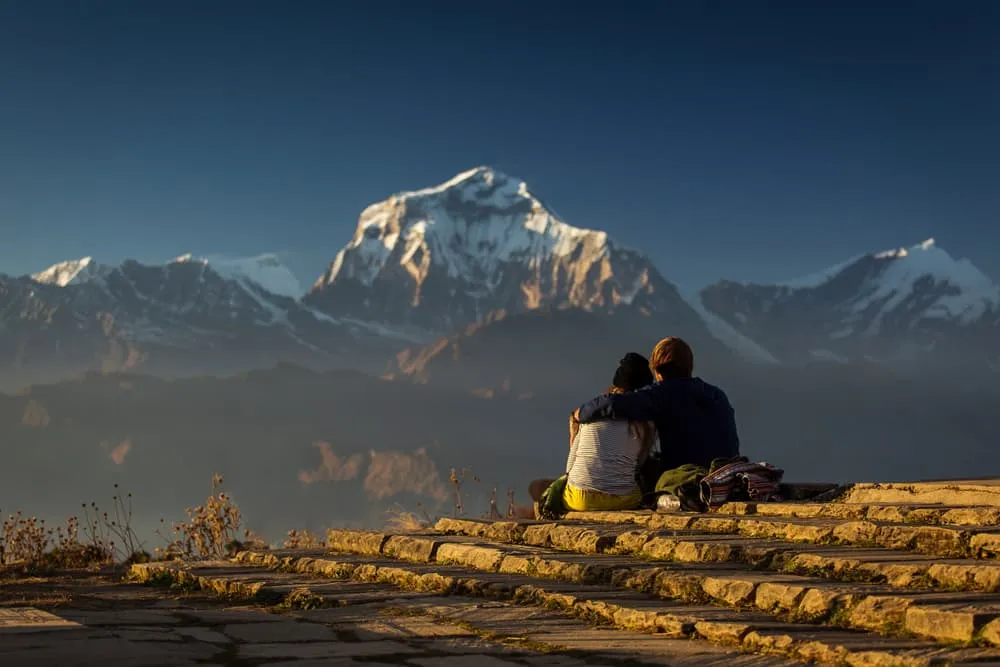
    Poon Hill sunrise is trekkers’ lore these days, and it should be. Poon Hill provides stunning 360-degree views of some of the highest peaks in the world, and just above the village Ghorepani. When the first light of the morning sun creeps over the snow monsters – Annapurna South, Dhaulagiri, Machhapuchhre (Fishtail), Nilgiri and Hiunchuli – the mountains glow as rosy spires and golden orange faces. The sunrise views of the Himalayas from here are so spectacular that trekkers will never forget to list them as some of the most beautiful sights that they have ever seen in the world.

    It’s pure magic for photographers, nature lovers, and pilgrim travelers. With advanced weather forecast and better trekking facilities in 2025, more and more trekkers are reaching Poon Hill successfully to witness this once-in-a-lifetime sunrise phenomenon. Morning hike is just one hour away from Ghorepani, and thus even if you are a beginner trekker, it’s definitely within reach. Hiking to the top with all your fellow hikers, and the only sounds sounds of wonder, you understand why Poon Hill sunrise remains near and dear to hearts of people all around the world.

    3. Easy Accessibility from Pokhara

    One of the big advantages of Poon Hill is its ease of access, with, particularly in 2025, better and relatively safer access to the site. The trek can begin from Nayapul or Hile and both locations are conveniently located 1.5 to 2 hours drive from Pokhara. Pokhara is also as close to paradise for tourists, a quiet lakeside town at the foot of the Annapurna mountains. Pokhara developed into a world tourist destination in the decades of international flight connections, luxury resorts, eco-resorts, and vibrant café society and is hence a great starting point for Himalaya trekkers.

    More frequent regular direct flights from Delhi, Bangkok, and Kuala Lumpur cities in 2025 have made it easier and quicker than ever to access Pokhara. Later, the local transportation services can take you to the trek beginning point very conveniently. The facility thus provides the chance to even those with tight time schedules to experience the Poon Hill. Within 24 hours of your arrival in Nepal, you are already in the midst of the Annapurna Conservation Area’s lush forests and high mountains — something which is not common for high-altitude trekking.Poon Hill


    4. Rich Cultural Immersion

    Trekking along Poon Hill provides an experience of more than impressive scenery because it offers an adventurer a cultural experience which links the traveler to the mountain areas that make Nepal unique. Trekkers walking through Ghorepani and Tikhedhunga to Ulleri and Ghandruk reveal Gurung and Magar‘s people everyday life. The people have retained their cultural identity through keeping alive their languages and ancestral traditions and customs for many generations. The Gurungs hold special recognition for their historical service with the British Gurkha regiment while the Magars continue to bring their traditional indigenous practices to life through music and dance during village festivals.

    In some cases, local teahouses with seasonal offerings in operation in 2025 are beneficial as cultural landmarks, promoting a millennia of cultural and community hospitality, which presents trekkers as gracious guests, where first hand experience of local customs can occur. Home cooked meals made from local ingredients, and prepared from their local produce will allow for an authentic Nepali tasting experience. Visitors to Poon Hill find their most meaningful experience in their interactions with welcoming communities which demonstrates Nepal’s true beauty beyond its mountains.

    5. Dashing Flora and Fauna

    The Poon Hill Trek provides magnificent opportunities to view the mind-boggling variety of fauna and flora in the Annapurna Conservation Area, which is one of Nepal’s largest protected zones. The trek allows you to move into the lush forests of high-rhododendron trees (the rhododendron in Nepal’s national flower) that will blossom in March-May during the springtime. The trail moves through oak and bamboo groves where delicate orchids dangle from tree branches to form a magical natural path which appears to belong to another realm.

    The region hosts a wonderful array of wildlife species. During their journey trekkers frequently observe langurs which move through the trees by swinging while Himalayan Thar deer appear on rocky ledges. People who love birds will find great satisfaction from observing pheasants along with vibrant sunbirds and the Himalayan Monal which stands as the national bird of Nepal. The ongoing conservation initiatives in 2025 have successfully defended and rehabilitated substantial portions of local biodiversity which enables trekkers to discover a flourishing Himalayan ecosystem.

    For nature lovers, there will be plenty of motivation here in the ecological diversity contributing to the magnificence of the scenery, thus, every aspect during the complete route of the Poon Hill Trek is a visual and olfactory pleasure.

    Poon Hill

    Conclusion

    The Poon Hill Trek is the best short trek experience in Nepal in 2025, – with breathtaking scenery and cultural experiences! A breathtaking mountain panorama, friendly and helpful people, and wonderful memories to treasure for a lifetime in just a few days.

    Plan your Poon Hill adventure starting now because 2025 marks the ideal opportunity to discover Annapurna magic.Contact us today at Happy Mountain Nepal, on Facebook, Instagram, or TikTok

    FAQs

    Do I need a guide for the Poon Hill Trek?

    The trekking experience reaches new heights through licensed guides who provide safety measures especially for beginners although trail markers show the path.

    How hard is the Poon Hill Trek?

    The trek is of a moderate challenge to various levels of fitness, however, it does have a few significant climbs.

    Is the trek busy?

    The number of trekkers spikes during peak seasons yet proper scheduling or selecting less crowded periods allows for a tranquil trekking experience.