Tag: spiritual sife of nepal

  • A Cultural Walk Through Patan and Bhaktapur

    A Cultural Walk Through Patan and Bhaktapur

    A Cultural Walk Through Patan and Bhaktapur: Timeless Cities of Art

    Introduction: Timeless Cities in the Heart of the Himalayas

    While Nepal is renowned for its breathtaking mountains, the mountains may not always be representative of Nepal. What may be representative of Nepal are its valleys, and without a doubt, the essence of Nepal is the Kathmandu valley where there are actual civilizations that still exist, and great art that still exists. In the Kathmandu valley, we recently came to discover two living art cities, Patan and Bhaktapur. These cities are unlike any other city in Nepal today because they represent another time, and they also fully embrace, value, and promote the forms and functions of art/culture that we cremate in the urban life, and the extent to which art can operate: hints of earlier cultures and civilizations.

    Strolling culturally through Patan and Bhaktapur will be as close to traveling in time as we can arrive at, because all around, you will see beautifully carved temples, durbars, courtyards, artisan villages, and food culture that integrates all of it from pockets of the past, some gone, but some are still vibrant, lively and most importantly, dispersed through the fluvial history of art of the Kathmandu Valley. This blog will take you on an exhaustive journey through the roads, historical gems, the art over time in Patan and Bhaktapur.

    Part I: Patan – The Artistic Jewel of the Valley

    1. A Brief Historical Overview of Patan

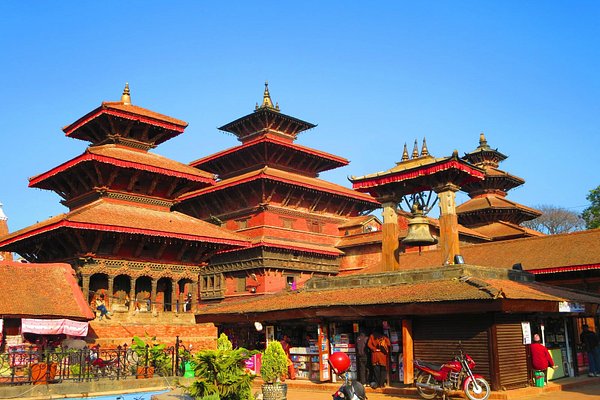
    Patan is also called Lalitpur and is one of the oldest continuously inhabited cities on Earth. It was first established sometime in the 3rd century B.C.E. Patan became very important during the Malla period and was established as an independent kingdom noted for its very high level of artistic sophistication. The Malla kings devoted a lot of time, effort, and resources to building temples, town planning and had a great interest in fostering conflict resolution between the Hindu and Buddhist faiths. The dynamic relationship between both faiths would become the heart and soul of Patan as evidenced by the multiplicity of chaityas, vihars, and temples in the city.
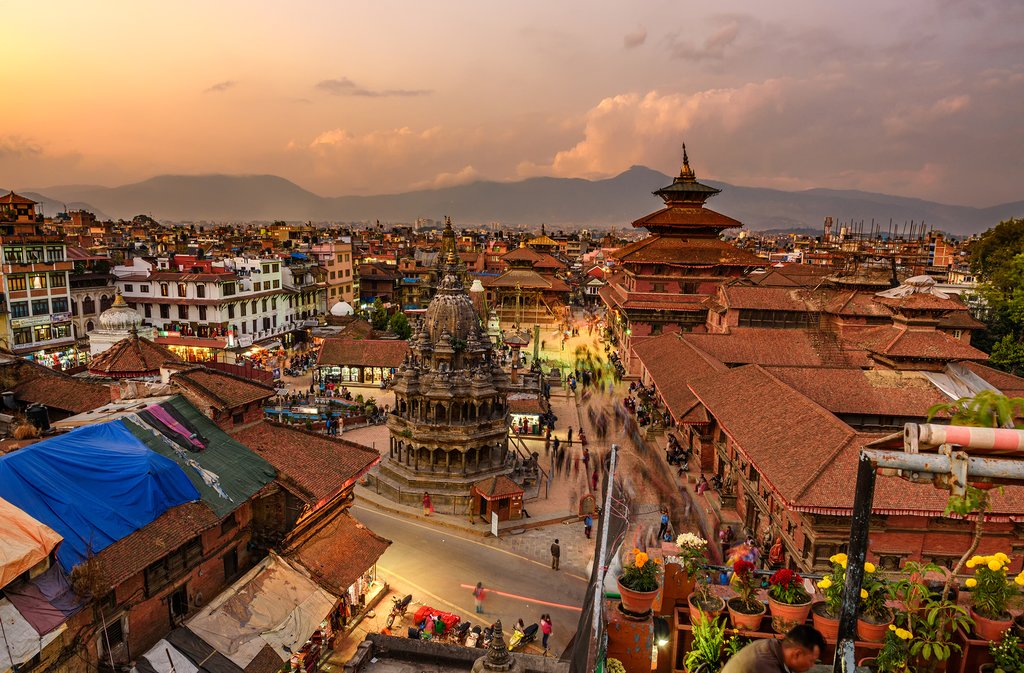
    patan durbar square

    Patan is planned as a Buddhist mandala. Mandalas are sacred and civic space combined into a single spiritual and geometrical expression. The spiritual plan of the city of Patan fully exists to the present day and orchids of stupas dating to Emperor Ashoka exist in each of the four cardinal directions of the ancient city. Urbanism and the city’s population has moved expand and thrive, yet Patan has not lost its original animus; it is not a defunct relic of the past but a vibrant museum of cultural continuity, cultural survival of traditional culture, and cultural resiliency.

    Things to Know:

    • Historically, Patan was named “City of Beauty” as well as Lalitpur,
    • It was one of three of the major Malla kingdoms in Kathmandu Valley.
    • It is laid out as a Buddhist Mandala city.
    • The architectural legacy of Patan is credited to King Siddhi Narsingh Malla
    • Strikes a perfect balance between Hinduism and Buddhism.

    2. Patan Durbar Square:

    The Sculpted Heritage of Nepal Patan Durbar Square is a veritable goldmine of Newar architecture and urban design. It is a UNESCO World Heritage Site and it contains aggregation of tightly packed clusters of temples, shrines and palaces that exemplify Nepal’s architectural heritage. The Royal Palace is the core of this chain of masterpieces. It is where the Malla kings of Patan ruled, and converts itself as a museum in modern times. The Krishna Mandir, which is a remarkable carved-stone temple built in Shikhara-style (found in India but not Nepal), contains sculpted divine scenes on its struts and pillars.

    What distinguishes Patan Durbar Square as such an extraordinary experience is the way it still connects with the pulse of everyday life. Locals gather to socialize, worship, and celebrate festivals in the square, which arguably makes it more than a static monument but rather an active cultural one. The square could not be more exciting with activities taking place. The Krishna Mandir is a breathtaking monument which is dedicate to the god of commerce, trade, and merchants and serves as a lotus in the center. The Vishwanath Temple, a Shiva temple, has stone elephants that guard the temple . Each building signifies a great history and is not in and of itself a cold relic, but a living part of a continuing and incredibly vivid religious and cultural tradition.
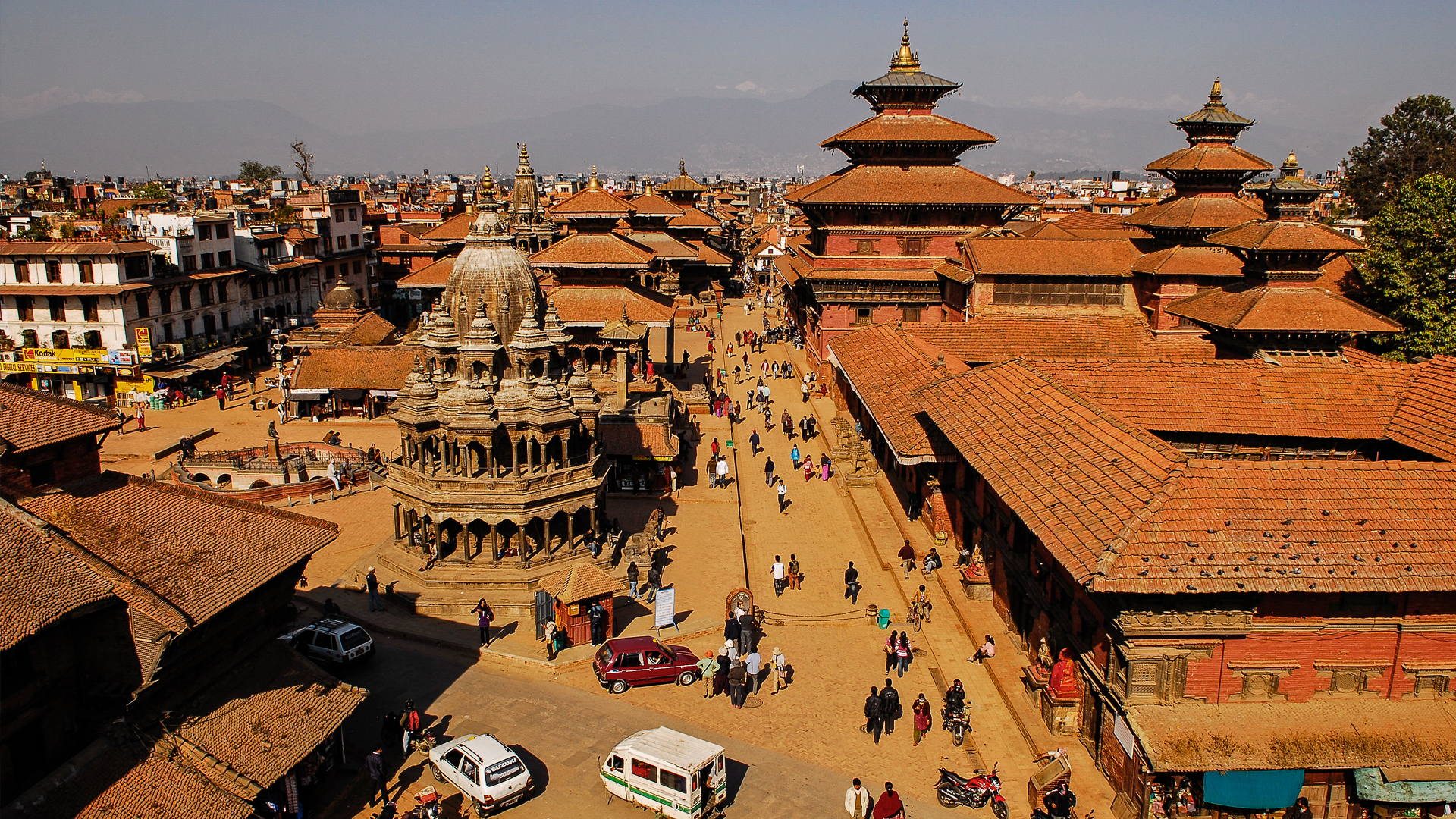
    patan

    Things to Know:

    • It is a UNESCO World Heritage Historical Site, with a dense amount of architectural wonders.
    • The Krishna Mandir is the only place where a few on site monuments were fully and only built in stone.
    • The square has temples for Bhimsen, Vishwanath, and Taleju as well.
    • The Royal Palace was the royal seat of the Malla kings.
    • The square is still actively used for social purposes, thus making it a living heritage.

    3. Hiranya Varna Mahavihar (Golden Temple): Hidden Buddhist Gem

    Hiranya Varna Mahavihar (The Golden Temple) is one of the most important Mahayana Buddhist monasteries in Nepal and nestled in the narrow and winding streets of Patan. Dating to the 12th century, the temple is shining and gilt on the outside, highly decorated with intricate wood and metal carvings and it has two lions (a resting lion and a standing lion because he wants to have one more chance to kill). The temple is an active sacred space for spirituality and pujas and rituals when it is open as a functioning monastery.
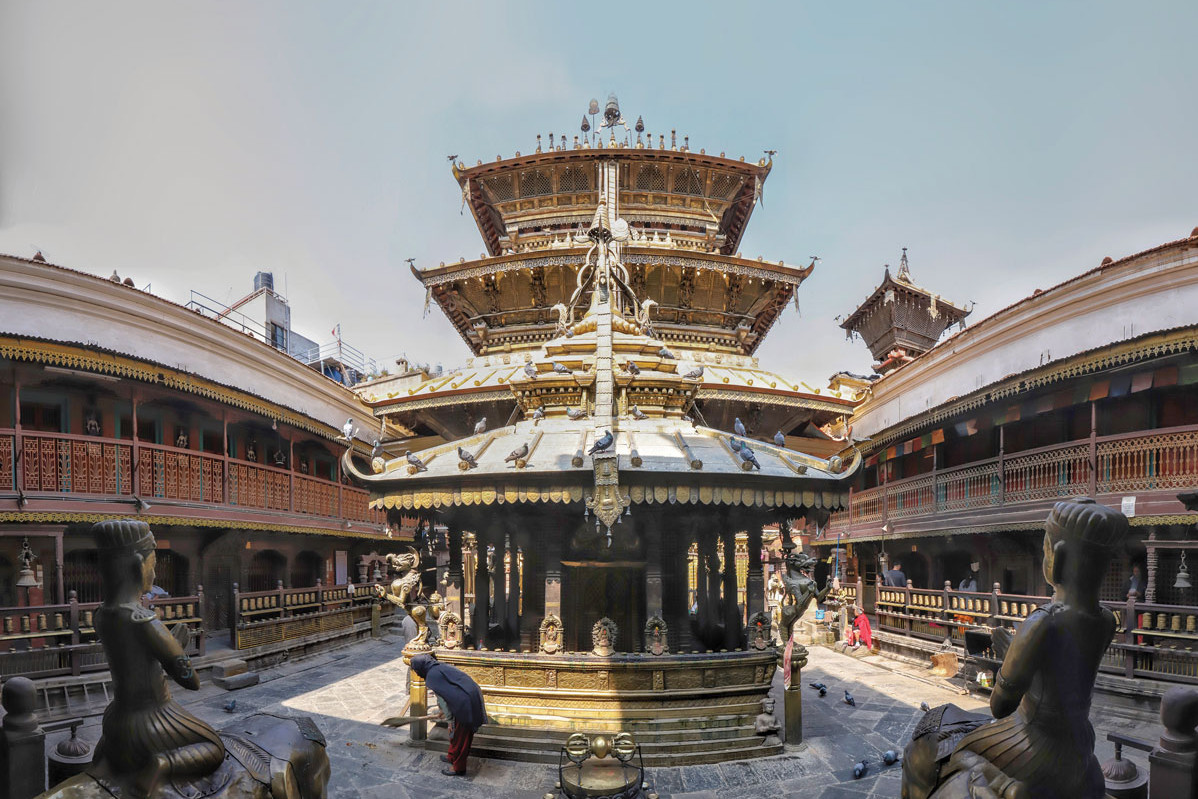
    Golden temple

    Rituals occur every morning performed by the young boys, Bapachas, who will go on to serve infrequently in the priestly vocation. All around heated butter lamps burn and flicker along the gilded walls and murmurings of prayers echo within the courtyard. The leadership of Hiranya Varna Mahavihar show the monastic life of that in Patan, forever courted but always upholding the unimaginable tradition of Tibetan Buddhism. The temple is almost a hidden refuge from the unknowing common; this furtiveness is only just a short distance away (5 minutes walking) from a bustling square in Patan.

    Things to Know:

    •  Mahayana Buddhist monastery built in 12th century.
    •  Remarkable giltwork and gilded yard.
    •  Still functional and regularly performs prayers and rituals.
    •  Rituals performed by Bapacha boys, a distinctive practice.
    •  An oasis of calm and spirituality in the middle of the city.

    4. Patan Museum: A Class of its Own in Newar Art

    The Patan Museum is set in the former royal palace complex of Patan, and is an impressive entry point to exploring Nepal’s artistic and spiritual heritage. The Patan Museum houses finely curated collection of bronze icons, wood carvings and saced art pertaining to both the Hindu and Buddhist traditions. Established through the collaboration of Nepali and Austrian practitioners, the Patan Museum was magnificent restored and preserved to balance the architectural heritage of the site, whilst being an inspiring interactive learning opportunity.
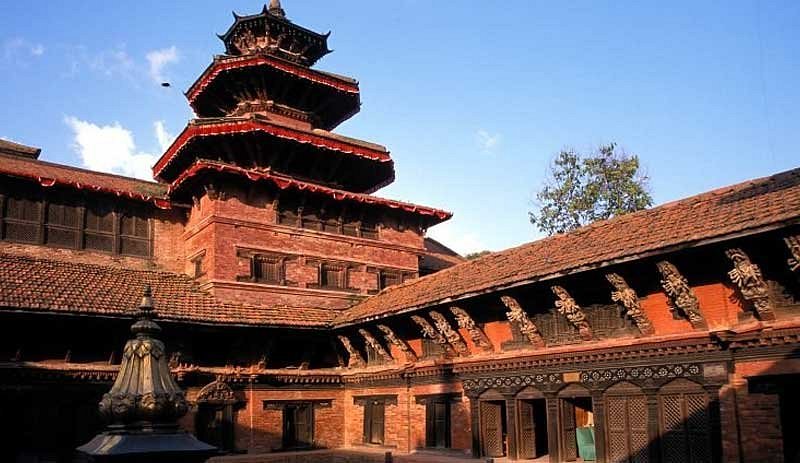
    Patan Meuseum

    Unlike typical museums that showcase objects, this museum takes a thematic approach and provides an education to visitors regarding the meaning of the objects symbolized, the religious context, and the traditional techniques of the objects, particularly significance to Newar bronze casting. In addition to the exhibitions it offers a relaxing environment in its courtyard and rooftop café that will allow visitors to reflect and appreciate art and history around them.

    Things to Know:

    • Located in the Patan Royal Palace.
    • Has one of the finest collections of Newar art in South Asia.
    • Provides exposure to Hindu and Buddhist iconography.
    • Provides an exposition of traditional, lost-wax bronze casting techniques.
    • Has a restful courtyard and café for its visitors.

    5. Community Courtyards: Patan’s Hidden Treasures

    The most delightful aspect of Patan are its bahals—traditional community courtyard spaces that capture the spiritual and community life of Patan’s neighborhoods. Bahals can contain small stupas (mound-like structure containing Buddhist relics), prayer halls and/or often a public water source (hiti). Rather than being remnants of architecture, the bahals are vibrant social spaces where people come in daily, prayer in the morning, who could meet and socialize as a community, and remember the dead.

    Some examples of excellent intact bahals are Nag Bahal, Kwa Bahal and Sundhara; to find and witness a courtyard like these that spatially communicate how urbanism made possible a way of being that nurtured community, spirituality, and social life is a rare find. bahals like these demonstrate the Newar way of being communal, where architecture included the social, and spiritual life without impediment. Furthermore, in these bahals we can see, although admittedly slower, a livelier, visceral urban life still pulsing.

    Things to Know:

    • Bahals are traditional courtyards that focus on Newar community civic life.
    • A long Bahal often has a stupa, water spout, and prayer space.
    • Nag Bahal and Kwa Bahal are in excellent condition and are used for communal activities.
    • Bahals can be functional spaces for communal rituals, play, and socializing.
    • Demonstrate the ways in which Patan is unique in the combination of architecture with community-life.

    6. Artisan workshops and modern art spaces

    Patan remains the artistic core of Nepal, where traditional craft methods permeate the thrumming, artisan workshops located in packed backstreets. Metalworkers fashion elaborate deities out of liquid metals using the lost-wax process, woodworkers create elaborate doorways, while thangka painters create divine details. In Patan, many families have retained these techniques through the generations, encompassing the artisanal spirit of Nepal and maintaining the artistic traditions based either knowledge or devotion.
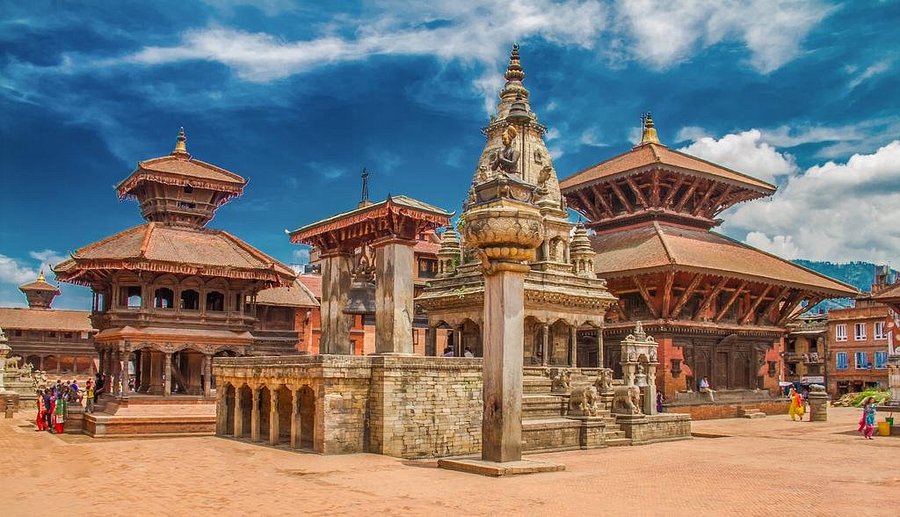
    Krishna Temple , Patan

    Patan also welcomes newness, with galleries such as Yala Mandala, Mcube, and Sattya providing a way for contemporary artists engaged with issues today in methods from the past. Through exhibitions, artist residencies, and studios these galleries provide dynamic spaces where history drives newness. In Patan tradition and creative expression do not compete, they speak to one another and grow. Patan provides expansive possibilities.

    Things to Know:

    • Patan is the craft capital of Nepal with master craftspeople.
    • Premium quality metalwork, wood carving and thangka paintings.
    • Lost-wax casting of statues is local specialty.
    • Modern gallery spaces, to showcase new work such as Yala Mandala and Mcube.
    • Patan is a mash-up of centuries old mastery of craft and contemporary.

    Part II: Bhaktapur – A Medieval Marvel Frozen in Time

    1. The Spirit of Bhaktapur

    Bhaktapur, Khwopa in the Newar language, is often called Nepal’s “cultural jewel.” Only 13 kilometers away from Kathmandu, Bhaktapur is timeless and unspoiled by the frenetic natural and unnatural chaos of other urban centers. Once the capital of the Kathmandu Valley, Bhaktapur is still regal, with beautiful streets full of heritage and sacredness, and the inhabitate are traditional people. the city has the same brick houses, courtyards, and narrow alleyways, but lost in the centuries of the past History in the Making and both craftsmanship.
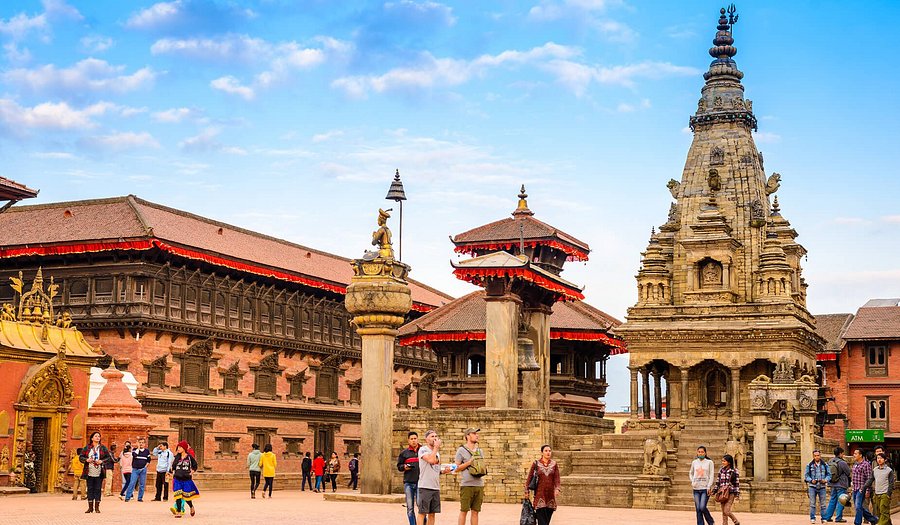
    Bhaktapur

    There is no other place in the valley like Bhaktapur that still move in time with the cadence of medieval days. Festivals, music, and arts joint the daily lives of the inhabitants as a part of their lives; not a display of ceremony. The city is one giant museum where the movements are literally at the pace of a glacier by the centuries of ritual tied to the sacred past, that are still in practice. In the courtyards grains are being dry by farmers, in the village square pottery is being form by artisans, and on the sun-dry stairs of temples old men are discussing the events of their day. While you do not physically witnesses the experience of Bhaktapur from what you see, you do experience Bhaktapur.

    Things to Know:

    • Bhaktapur is the most intact medieval city in the valley
    • Used to be the capital of the whole Kathmandu Valley.
    • Is Khwopa in the native Newar language.
    • Is part of everyday life with architecture, rituals and traditions.
    • It is like walking into a live history museum.

    2. Bhaktapur Durbar Square: The Artistic Hub of the City.

    In the heart of the city is Bhaktapur Durbar Square, a UNESCO World Heritage site, and the spiritual and political heart of the previous kingdom. The 55-Window Palace is the focal point of the square, lasting woodcarving that can only be matched with the artisanship used by Newar artisans. Next to the palace is the Vatsala Temple, made of Stone is for Vatsala Devi followed by a statue of King Bhupatindra Malla showing a gesture of Devotion.

    Bhaktapur Durbar Square

    Unlike the Durbar Squares at Patan and Kathmandu, which are confined public areas, the Bhaktapur Durbar Square is a relatively bigger and more open public space. However, this is not a point of history, which you are likely to visit once, in a time before. Bhaktapur Durbar Square works as a public square through which people pass, leave offerings, clean the temple plinths, and perform cultural rituals. The sacred and civic are intimately linked within the square, and it still remains the best place in Nepal to experience both.

    Things to Know:

    • Home of the 55-Window Palace, the iconic symbol of craftsmanship in wood;
    • Home of Vatsala Temple and statue of King Bhupatindra Malla;
    • A UNESCO World Heritage site still used for living practices;
    • Bigger and more open than the other two squares in the valley;
    • Varied public festivals or cultural rituals still taking place throughout the year.

    3. Nyatapola Temple: Towering Over the Valley

    Nyatapola Temple dominates Taumadhi Square and is the tallest pagoda type temple in Nepal at five stories high. Built in 1702 by King Bhupatindra Malla, there is both structural genius and one can see power at two levels, the architectural and spiritual levels. The temple has survived several significant earthquakes, possibly in part, because of the broader base and tiered design, further engineered to resist earthquake impacts.
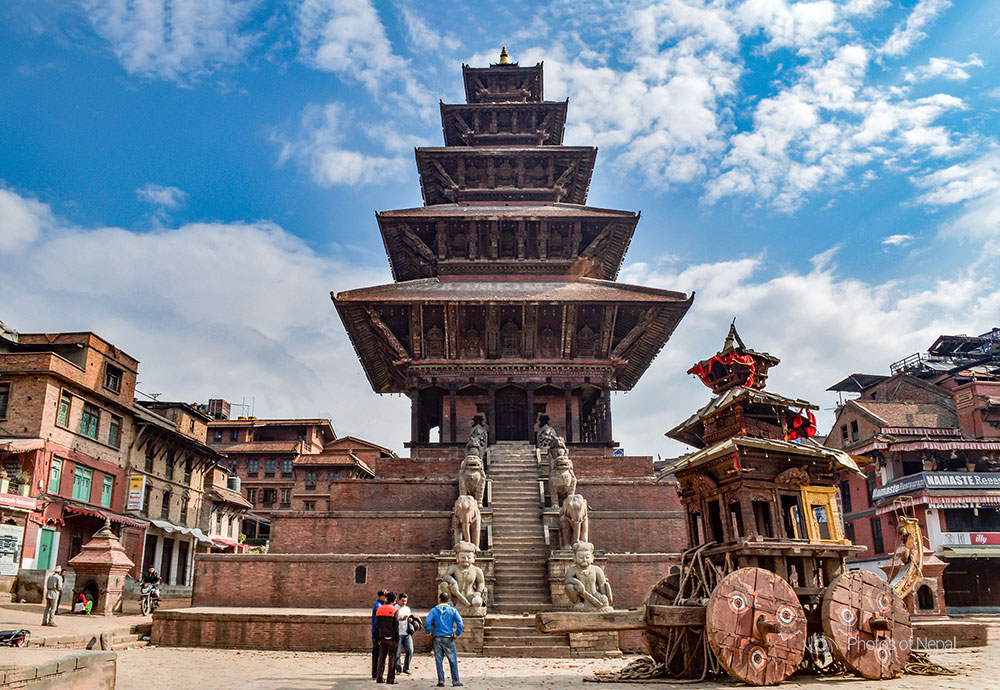
    Nyatapola Temple

    The stairway to the temple has groups of mythological figures representing double the strength of the previous figure way leads to the kalasa above the sanctum of Siddhi Lakshmi, a Tantric deity. Each level tells the story of two groups of figures; while the temple’s highest level represents an ascent in spiritual strength. The temple is simultaneously a physical journey upward as well as a metaphysically journey onward.

    Things to Know:

    • You will witness the tallest pagoda temple in Nepal, built in 1702.
    • The temple is dedicated to the potent Tantric goddess Siddhi Lakshmi.
    • The shape of the temple is designed to endure massive earthquakes.
    • The temple is protect by symbolic stone guardians on either side of the stairs.
    • Every level is a higher level of spiritual power.

    Dattatreya Square and the Peacock Window

    Dattatreya Square is at the far eastern end of Bhaktapur. It takes it’s name from the Dattatreya Temple, which was also thought to be built from one tree. This square feels more like a residential area (and artisan) and is much quieter than the central square but again just as stunning, and with the same amount of spirituality and craftsmanship at every turn. The Dattatreya Temple is in the middle of the square with its odd three headed deity which is a combination of Brahma, Vishnu, and Shiva.
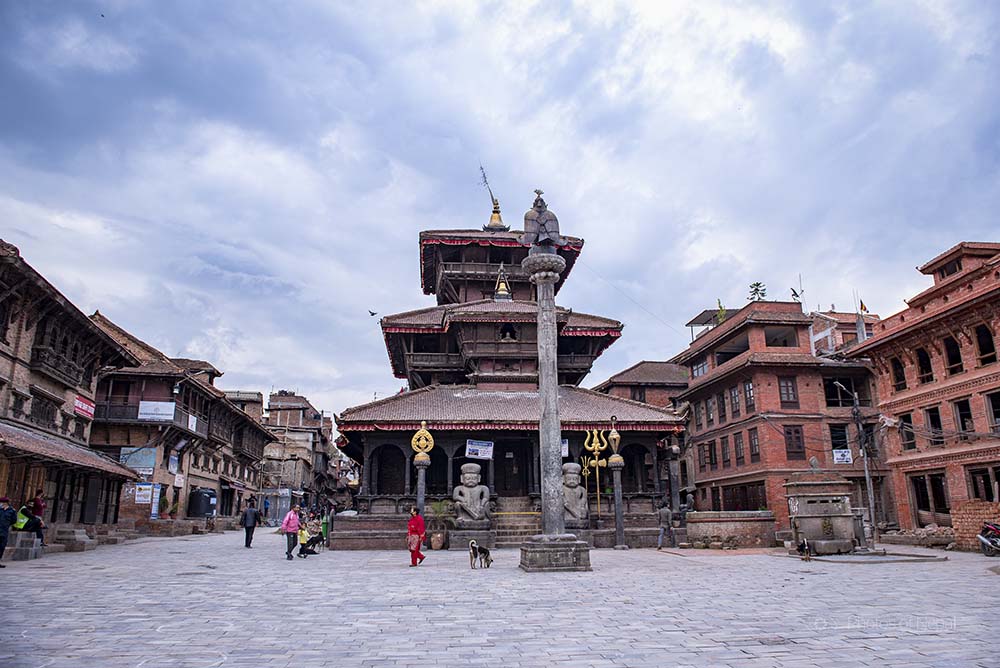
    Dattatreya Square

    Art enthusiasts flock to this square to see the Peacock Window – referred to as the “Mona Lisa of Nepalese woodcarving”. This square also contains two fantastic museums; the Woodcarving Museum and the Brass & Bronze Museum. Both museums are located in a traditional building that reflects and help preserve Bhaktapur’s artisan structures.

    Things to Know:

    • Dattatreya Temple is said to be carved from one tree.
    • The Peacock Window contains exquisite woodcarving.
    • A beautiful synthesis of spirituality and tradition.
    • Is the home to the Woodcarving and Brass & Bronze museums.
    • A quieter square, more intimate and rich in history and artistry.

    5. Pottery Square: The Rhythm of Clay

    Often referred to as Talako Tole, Pottery Square is one of the most enlivened enclaves in Bhaktapur where you will find this community shaping pots as part of daily life. Craftsmen will sit lateral at a wheel, giving clay a squeezing motion, continuously removing the clay from the wheel until they have shaped a bowl, piggy bank, water jar, or traditional lamp. After the potters have shaped all of their pieces, they will place them in rows on the ground to let the sun dry them as they prepare to home-fire the pieces in traditional kilns.
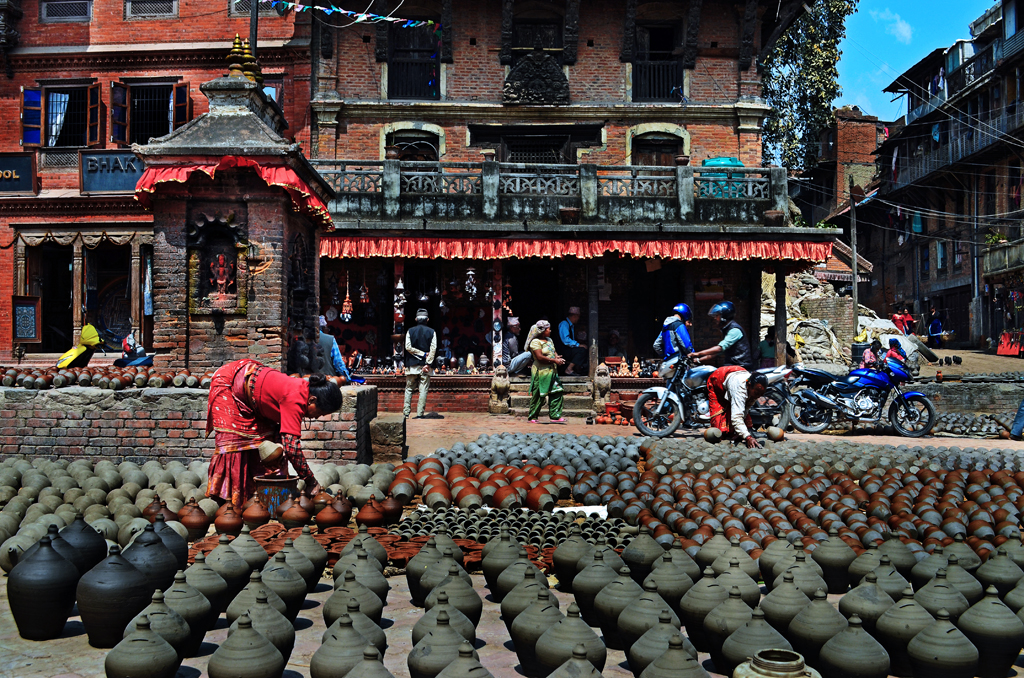
    Pottery Square:

    The pottery makers have demonstrated an unbreakable line of practice and the act of watching, their motions and the clay and wheel, the smell of earth, and the quiet contemplation, gives viewers a tangible and immersive experience. In Bhaktapur pottery is more than craft, it is the pride of ancestral wisdom and collective local identity.

    Things to Know:

    • Pottery Square is the world’s only place for traditional clay works.
    • Artisans shape and sun dry their pots with no walls during the whole process.
    • Firing still happens in traditional kiln.
    • Generational learning secures its future.
    • It provides the tourists chance to try pottery, creating engagement.

    6. Bhaktapur’s Food Culture: Juju Dhau and more.

    As there was the history and craft of Bhaktapur to the stomach, there were not insignificant moments of gluttony, particularly for the taste buds. The traditional delicacy of Bhaktapur is Juju Dhau, which translates to “King Curd”. Juju Dhau is a rich sweet yogurt made with buffalo milk and is housed in small clay pots. Juju Dhau has a creamy texture that holds its shape and is typically consume during festivals and rituals or simply indulge for the joy of eating on a hot day.

    Bhaktapur's Food Culture

    Food is also deeply influence by custom in Bhaktapur and food is strongly tie to their heritage. Juju Dhau, the “king of curd,” richness of cream, is only available in Bhaktapur. Chatamari is a rice flour pancake, normally eggs or minced meat, commonly referenced as “Newari pizza”. Bara is fry lentil patties that may be eat plain or fortifie with meat. Samay Baji is a ceremonial dish, served only at festivals, served in a round platter. It consists of beaten rice, boiled egg, fried meat, black soybeans, and ginger; a complete meal in balance of all textures and flavours; with the historical meal at its core. In this sense food is not just food, but heritage served to you on a plate.

    Things to Know:

    • Juju Dhau; the “king of curd,” cream-rich, comes from Bhaktapur
    • Newari traditional dishes include Chatamari & Bara
    • Samay Baji is a ceremonial food that is symbolic of festivals being ceremonial, Samay Baji is sympathetic of historical dinner— ceremonial meal
    • Food and culture is important what signifies identity of Bhaktapur.

    Shared Legacy: Patan and Bhaktapur as Twin Pillars of Culture

    Although Patan and Bhaktapur became two distinct Malla states, their cultural roots are still very much within a Newar context. The Newars, Kathmandu Valley’s original inhabitants, indelibly stamped both patan and Bhaktapur with a Newar culture that permeates all aspects of life, including language (Nepal Bhasa), festivals, rituals, arts, architecture, etc. The walking experience of any pavement (which is brick) in either city has a commonality of Newar environment, whether in sculpture or architecture, such as elaborately carved woodwork, tiered temples, vivid courtyards, and hybrid architectural forms that blend function and form and create historical identity. The Indra Jatra, Machhindranath Jatra, and Bisket Jatra are festivals that are not simply social fodder, but they contain resonant meanings of our collective memories of ancestral survival, identity, and spirituality; while full of masked dances, chariot processions, sacred rituals, etc., these festivals are temporal and spatial bridges between cities and generations.
    patan

    In addition to cultural festivities, Patan and Bhaktapur are the epitome of Hindu-Buddhist syncretism’ an enduring feature of Nepal’s religious landscape. In both instances you can find a Mahayana Buddhist monastery next to a Hindu temple for Shiva or Vishnu. Rituals are interchangeable and places are interchangeable; Buddhist’s worship in Hindu temples and the reverse is true as well, and this is the rule, not the exception. This is not just an intercultural space; it is an intercultural celebration as portray by Patan and Bhaktapur together as twin guardians of a world view where own faith is not demarcate from another, reinforcing the idea of spiritual tolerance that transcends institutional religion. Together Patan and Bhaktapur are protectors of a rich legacy and model of practice of ‘on faith’ that permeates Nepal’s ability to appreciate diversity while maintaining a sense of community.

    Things to Know:

    • Both cities are on a primordial Newar foundation and civilization.
    • Both cities would share the same language, rituals, art, and architectural experiences.
    • Major festivals as part the Newar socio-cultural festival calendar such as Indra Jatra, Machhindranath Jatra, and Bisket Jatra.
    • Patan and Bhaktapur represent Hindu-Buddhist syncretism.
    • Their cultural and religious harmony are the definers of the Kathmandu Valley.

    How to Get There

    Patan is easily and quickly available to get to from Kathmandu. The taxi drive will take about 20 to 30 minutes depending on traffic, so it’s a great place to go after the morning, or make a half-day trip, or even a full day. You can take a taxi, go with a ride-share service, or take any of the local buses from parking areas like Ratna Park or Lagankhel. Once you arrive in Patan, particularly near Durbar Square, you can walk to about 95% of the places you will want to visit and none of them are far enough to need additional transportation.

    Bhaktapur is really not that much further from Kathmandu; it just takes a bit longer to get to Bhaktapur. A taxi driver should take between 45 and 60 minutes, as it takes a taxi ride out of Kathmandu. Once you are outside of Kathmandu, if you take any of the local buses at Ratna Park or either Bagbazar or Gongabu Bus Park, you will be on your way. The view is beautiful that I’ll let you to see for yourself with the terraced hills, and small towns along the drive to the medieval gates of Bhaktapur.

    Successful tours of Bhaktapur may take some time. Because Bhaktapur is more extensive than Patan, if you visit the popular tourist attractions (e.g., Durbar Square in Bhaktapur, Taumadhi Square, Pottery Square, etc.) all these attractions are still either walking distance away near the limited number of places you didn’t need a taxi or public bus to visit.

    Entrance Fees

    Each city has established entrance fees for foreign tourists. The fees are levied to help protect and preserve the management of their cultural heritage. The Patan Durbar Square entrance fee is NPR 1,000 and the Bhaktapur Durbar Square fee is somewhere between NPR 1,500 and NPR 1,800, depending on the entry point and fee generated from the pamphlet or brochure. Entrance fees are never insignificant, but for the amount and quality of the architecture and artifacts, the entrance fees are completely reasonable.

    Some entrances have been arrange for multiple entry, or there is a time period of validity from date-stamped entry, so make sure to keep both in mind when purchasing your entrance ticket(s). Many foreign tourists build in several days’ worth of visits to either city, so if you are going to be in Patan or Bhaktapur more than once, hold on to your ticket and ask the staff at the entrance gate about re-entry. Students with a valid form of identification from their school may also be entitle to discounted rates at attractions.

    Best Time to Visit

    The ideal time to visit Patan and Bhaktapur is in the autumn (October to December) and in the spring (March-May). In the autumn, not only do you have the experience of blue skies and the weather is good, but the festivals of Dashain and Tihar are a time where there are lights and flowers and celebrations all over the cities. In the spring, the air is clean, the plants are flowering, and in Patan there is the wild festival of the chariot festival “Machhindranath Jatra” where there are streams of people following the chariot.

    It is easy to escape the crowds, and take advantage of the best light for your photographs, by planning your visit in the early morning, or in the late afternoon. In your quiet space at that time of day, you can enter your inner peace and quiet and think quietly about what the local people are doing. Where were they, as they started their day or finished their day. And, just as the sun started to set you were about to walk into the setting light; and in those moments, you could paint your thoughts with whatever thoughts were on your mind, hopefully about the days beauty and
    how the light rested on the bricks of the temples, the wood carvings, and the open space of the squares.

    Local Etiquette

    Be conscious of the local customs and traditions while strolling through a city world-renowned for its unusual cultural riches. Always remove your shoes before entering temples, parts of certain courtyards, or even traditional home buildings. It is always nice to see how much modesty you can express to local people. Since you are in Nepal, it is always nice to see your shoulders and knees covered. Appropriate clothing helps show your respect for the culture especially in religious locations or during festivals.

    Most areas allow photography; ask permission however for close-up photos of locals, artisans, monks, or during rituals. Most people will gladly offer up their stories and crafts to willing participants once asked about their experience.

    Hiring Guides

    Hiring a guide can move your visit from one that is purely sightseeing, to one which is a cultural experience that is engaging & enriching when you visit Patan or Bhaktapur. Most local guides speak a range of languages, have a good understanding of history, mythology, and architectural history that will help enrich your visit, and often they can explain their understandings of hidden symbolism that relates to certain statues, carvings, and the layout of the temples. It is also likely that they are aware of less-frequented courtyard’s and are familiar with some lesser-known legends and secret alleys that tourists miss.

    A printed brochure or audio guide may do the trick when you want a brief glimpse of history; however, a human storyteller who walks you through the history and heritage of these ancient centres can bring stories to life. Guides obviously enhance the experience & richness of your visit; and they help to support the local economy.

    Conclusion: Walking Through Legacy

    Patan and Bhaktapur are not relics of the past, they are currently live and vibrant cities, and history must be alive in order to be remembered. They have endured tremors, modernization, and economics, so the tradition that serves as a strong root of their culture is inescapable.

    While many in the modern world are emphasizing speed and doing things using technology, Patan and Bhaktapur allow us to slow down, look, and connect. Walking through Patan and Bhaktapur, is not visual sightseeing it is an artistic and spiritual exploration. You don’t just leave with a fingerprints of memory, you leave with an awareness of a way to be, thoughtfully in harmony with beauty, tradition, and faith.

  • Exploring Nepal’s Spiritual Side: Stupas, Temples, and Inner Peace

    Exploring Nepal’s Spiritual Side: Stupas, Temples, and Inner Peace

    Exploring Nepal’s Spiritual Side: Stupas, Temples, and Inner Peace

    More than just outdoor adventure or amazing mountain scenery, Nepal has an aspect of spiritual heritage in its stupas, temples and monasteries. There are infinite ways for people to connect to a higher purpose in Nepal whether you are on a religious pilgrimage, a waypoint traveler, or even simply looking for some peace of mind. There exists a unique mixed aspect of Hinduism and Buddhism; Nepal is so spiritually rich that there is not a place like it on the planet.

    This guide will explore Nepal’s spirituality through the stupas, temples and retreat type places to reconnect, reflect and renew.

    1. Stupas – Symbols of Enlightenment

    In Nepal, stupas are much more than stupendous architecture; they are also sacred places, attributes of which hum with spiritual energy and spiritual heritage. Built to contain relics for a purpose of peace, stupas are constructed with sacramental elements and blend into the prayer wheels, incense, and monks chanting or praying. It is the ultimate peaceful place to reflect and meditate.

    5 Major Stupa Attractions in Nepal:

    1. Boudhanath Stupa (Kathmandu)

    Boudhanath is one of the great spiritual centers of Nepal and is a major center of Tibetan Buddhism anywhere outside of Tibet. You will not forget the massive white dome with gilded stupa, nor the eyes of the Buddha gazing down in four directions!! The original stupa was constructed in the 14th century, and it has been a pilgrimage site for many monks and seekers from all over the globe. There is something about doing the ritual of walking around the stupa in a clockwise direction (the kora) and simultaneously spinning the prayer wheels, chanting mantras, or simply just meditating, that induces sublime calm and peacefulness.

    boudhanath spiritual heritage

    Beyond the stupa, there are 100s of Tibetan monasteries, the stores selling prayer flags and singing bowls made by artisans, and several cafes with rooftop terraces where you can have a cup of Tibetan tea with stunning views of the stupa at sunrise and sunset. I recommend spending more than just a day in the complex, as there are many small alleys, back streets and corners to really take in the stupa and to absorb the atmosphere.

    The air is infused with the fragrance of incense and distant sounds of chanting as we enter a peaceful haven in all the chaos of Kathmandu. Boudhanath is more than a monument – it is a living, breathing spiritual ecosphere that continues to sustain the faith and culture of the Himalayan peoples.

    Maor Highlights:

    • Engagement with the massive white brittle dome topped by a gilded spire with the all seeing eyes of Buddha
    • Engagement with the Kora with prayer wheels and butter lamps
    • Surrounding Tibetan monasteries – Shechen, Ka-Nying Shedrub Ling
    • Thangka paintings, malas, and shopfronts with spiritual items.

    2. Swayambhunath Stupa (Kathmandu)

    Significantly perched over a forested hill west of Kathmandu, Swayabhunath is one of the oldest and most loved spiritual heritage and religious sites in Nepal. It is also called the Monkey Temple because of the playful rhesus monkeys inhabiting the temple precincts. Swayambhunath is a mix of Buddhist and Hindu iconography. Legend has it that the stupa arose spontaneously from a lotus from a lake in a time when Kathmandu Valley was one body of water. The golden stupa and white dome symbolize purity and enlightenment. Swayambhunath is a 365-step ascent which is a mini-pilgrimage unto itself.
    Swayanbhunath Stupa spiritual heritage

    People who visit Swayambhunath will have almost unlimited views into the Kathmandu Valley, with a living, ancient spirituality that is rich and profound. The stupas, texts, shrines, temples, statues and collection of prayer wheels at Swayambhunath are layers of worship practices that represent centuries of variations, interpretations and beliefs that have grown and developed.

    Major Attractions:

    • The stupa with the eyes of Buddha, and the scenic view of Kathmandu
    • Distant Hindu shrines to the periphery, and dozens of smaller stupas scattered throughout
    • Monkey families on the wooded hill
    • The 365-stairway filled with prayer flags and stone carvings

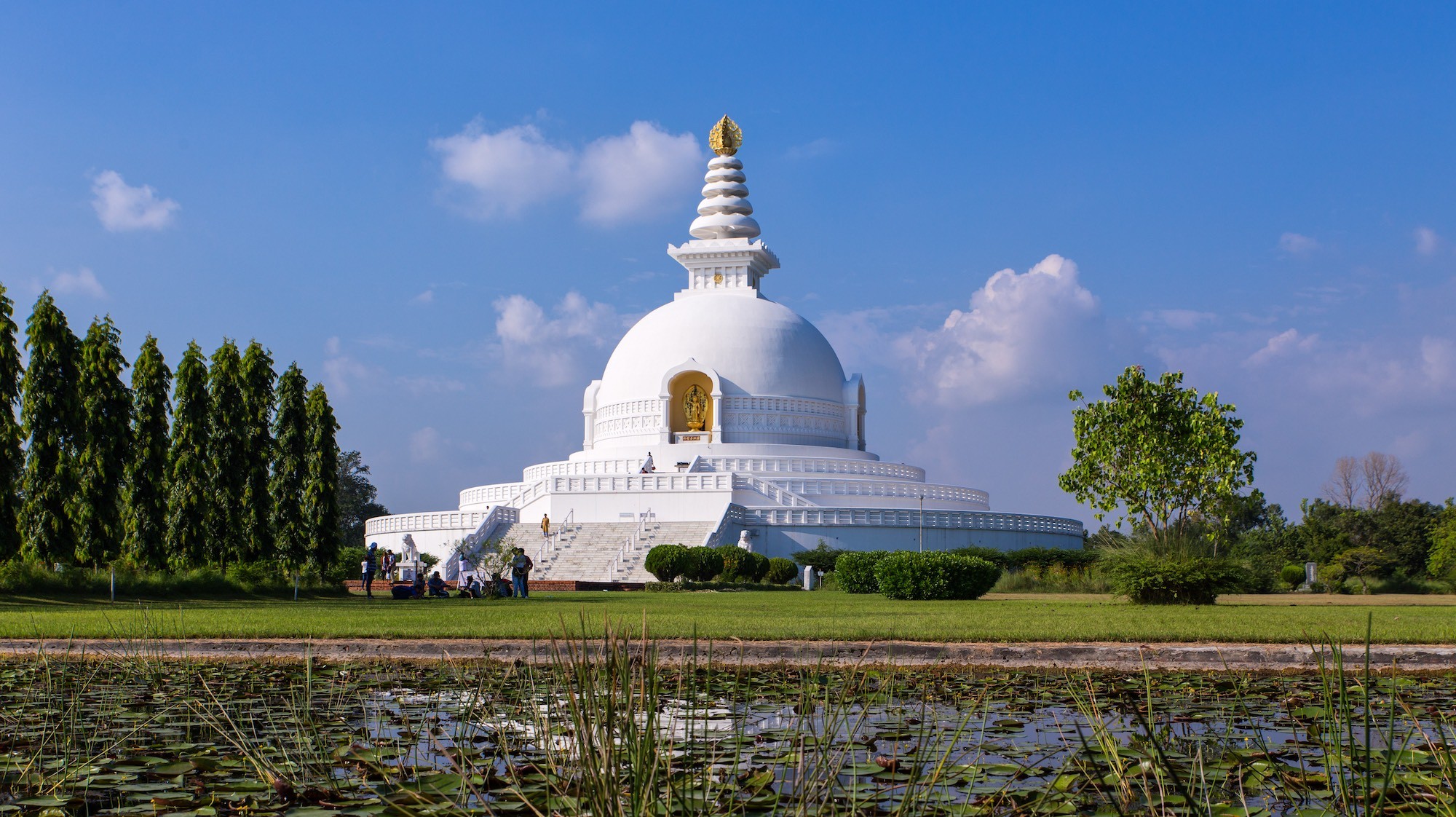
    3. World Peace Pagoda (Pokhara)

    World Peace Pagoda (Shanti Stupa) is white monument, which was built with beautiful form in part by Japanese Buddhist monks, also represents a legitimate global Peace Pagoda and spiritual heritage initiative, which states that the stupa represents action and non-violence, and thus promotes global peace. The stupa and grounds around it, as well as the fact that it provides moments of tranquility for individuals seeking peace and respite from human action, are very beautiful areas with lush green hills in the backdrop of the majestic peaks of the Himalayas. Unlike many popular locations, the World Peace Pagoda Stupa is a coveted place to visit for tourists and spiritual tourists to seek out and quiet and reflective space with nature.
    world peace pagoda

    Accessing the pagoda means taking a boat across Phewa Lake and walking through some forests and then walking a short distance or driving and walking. The views from the top of the Annapurnas, the Pokhara valley, and Phewa Lake below will all assist you in contemplating the stupa. Many visitors spend some time lounging or just contemplating the stupa and consume some time establishing a sacred space, a place for rest or spiritual pause or contemplation. The experience begins with getting prepared to take some photographs in and then awoke around this sacred site, this space.

    Major Highlight

    • The sparkling white stupa with four large statues of Buddha on each of its sides illustrating significant events in his life
    • The views of the surrounding peaks of the Annapurna Himalayas, Pokhara down below, and Phewa Lake
    • The opportunity to walk slowly in solitude along trails to and around the stupa and through the surrounding forests.
    • The meditation spa and benches for quiet prayer.

    4. Namobuddha Stupa (Kavre District)

    Namobuddha is one of the most important spiritual location for Buddhists in Nepal. It is believed this is the place, in a forest, where the Buddha offered(later) his flesh to a starving tigress and her cubs, out of compassion in a previous life as a prince. The stupa itself and nearby monasteries in Namobuddha symbolize such selflessness, which is also magnetized by a regular throng of pilgrims and visitors who wish to meditate and reflect on the Buddha’s words. The peace and altitude, above a wall of undulating hills and fragments of pine, also contribute to a spiritual ambiance.
    Namobuddha Stupa

    Today, the property further accommodates the Thrangu Tashi Yangtse Monastery that forms a Tibetan-style monastic village and receives visitors for anything ranging from a day visit, meditation, or courses. To the tourists who walk from either Panauti or Dhulikhel to Namobuddha, is presented with stunning country views and insight into rural Nepalese daily life. For visitors who want to run away from the city mayhem or noise of city life so that they could meditate or just unwind in a divine area, this spot is ideal.

    Major Highlight

    • The Namobuddha Stupa for the Buddha’s compassion in memory
    • The Thrangu Tashi Yangtse Monastery (new Tibetan-style monastery) where there is daily Tibetan prayer performed daily
    • Scenes of rolling foothills and snow capped mountains to the north, with the 8th highest peak in the world, Manaslu.
    • Dhulikhel-Panauti to Namobuddha trek.

    5. Ramagrama Stupa (Nawalparasi)

    Ramagrama Stupa is a special place in the Buddhist world. It is the only stupa that is believed to have the spiritual heritage original relics of Lord Buddha intact. Ramagaram Stupa has never been opened or otherwise disturbed. It was built about 2500 years ago and the last time anyone attempted to excavate this wonderful (unstudied) stupa, the local people protected and hid it. The stupa remains untouched and imbued with the deepest degree of sanctity and authenticity. It is less traveled than other stupas, so join the pilgrimage to Ramagrama Stupa as a hidden spiritual treasure, and experience peace and sacredness in an extraordinary atmosphere.

    Ramagrama is situated in a beautiful valley located in a quiet town in western Nepal. Fast-growing vegetation encapsulates the traditional farming villages of Ramagrama. Pilgrims from all over the world visit this simple place, and it is not recognized for being famous, it is not glorious, and it is not overbearing – Ramagrama is simply a spiritually charged atmosphere of somberness and deep sensation. Ramagrama is a site of true devotion and, at the moment, also away from mass tourism and is one of only a few locations where you can have an active connection to the living history of Buddha.

    Major Highlight

    • The original, complete stupa with Buddha’s remains.
    • Pristine rural & wilderness uninterrupted landscapes
    • No crowds. very good for a private prayer or mediation
    • Historically and spiritually relevant for the [Buddhist] Pilgrim.

    2. Temples are timeless: pathways to the divine

    The Temples of Kathmandu are symbols of devotion and spiritual heritage. Regardless of what deity they read, Hindu or Buddhist, whether the traveler is [seeking] Tika, Mata or any images, travelers were determining where many humankinds on so many occasions, directed their devotion to perform ceremony and celebration and to something greater than themselves as one.

    5 temples in Nepal that should not be missed in your wandering:

    1. Pashupatinath Temple (Kathmandu)

    Pashupatinath Temple is Nepal’s holiest Hindu temple and arguably one of the most important temples in the world of Lord Shiva (if not the most important), it is located beside the sacred Bagmati River. The Temple complex is from 5 centuries ago, and is many centuries old, is and UNESCO World Heritage site.

    To enter the main temple, with its gold roof and silver doors, visitors must be Hindu; however, the temple precincts and ghats (cremation platforms) are open to everyone. While visiting, many people experience a profound sense of the spiritual heft of place where rituals of cremation occur, with the river playing a central role, and where life clearly intersects with death.

    pashupatinath temple

    The spiritual energy of Pashupatinath is strongest during the evening aarti, which is basically chanting, music, and the breathtaking sight of fire offerings to Lord Shiva. The typical surroundings of Pashupatinath take on an incredibly vast liveliness on a day like Maha Shivaratri, when thousands upon thousands of pilgrims, including ash-covered sadhus (holy men) , gather in joy and unity at the temple. Pashupatinath temple is an awakening rather than a visit, and with its presence, religious diversity, and cultural depth, it ushers you out of your enclosed world and into the wider universe.

    Major Attractions:

    • Main Shiva Temple with pagoda design and relaxes intricately carved wooden rafters.
    • Evening Bagmati Aarti – spiritual fire and chant ceremony taking place at the temple ghats.
    • Aryaghat Cremation Site – Hindu cremation rituals that are deeply spiritual.
    • Guhyeshwari Temple – nearby Shakti Peeth honoring Goddess Parvati.

    2. Muktinath Temple (Mustang)

    At 3,800 meters above sea level and in the remote Mustang region, is one of the most sacred destination, also for Buddhists, in Muktinath (meaning liberating). The high altitude makes Muktinath feel particularly special because it is said to liberate one from the cycle of being born and dying. Here, Hindus worship Lord Vishnu as Buddhists are accepting the site. Though the air condition may be thin, the spiritual condition will make one flush with life’s promise, and there are vast views of the Himalayas next to a sacred river, the Kali Gandaki, where the opportunity for feeling the body and soul as a vessel for sacredness thrives.

    muktinath spiritual temple

    The temple complex is famous for its ‘ever-burning flame’ (Jwala Mai) and 108 stone water spouts for pilgrims to cleanse sins. The trekking or off-road jeep ride to and through the high-desert splendor of Annapurna country to Muktinath is a rigorous pilgrimage founded on spiritual experience. Not only does it combine spiritual tranquillity, naturally beautiful scenery, and cultural experience, Muktinath is a unique place to visit.

    Major Highlight

    • Muktinath Temple – holy for Hindus (Vishnu) and Buddhists.
    • 108 water spouts – holy bath for cleansing Eternal Flame Shrine.
    • (Jwala Mai) – natural fire burning on water.
    • Thorong-La Pass Viewpoint – one of the highest trekking passes in the world

    3. Dakshinkali Temple (Pharping)

    Dakshinkali Temple, located around 22 kilometers from Kathmandu, is in honor of the Kali, a destructive Hindu deity. Depicted as a destruction god and a goddess of transformation, the temple of hers is famous for sacrificial animals of numerous forms of beasts and more specifically roosters and goats offered by devoted pilgrims present in the temple in search of her blessings. Saturdays, and also the Dashain festival, see the temple full of ritualistic involvement, hordes of people, din, and unadulterated spiritual energy. This world practice might come as a shock to some visitors, but animal sacrifice is an age-old and widespread practice in most societies.
    Dakshinkali Temple: Goddess of Power

    The temple is situated in a serene, wooded spiritual heritage location just outside of Pharping, which area is a Tibetan Buddhist location full of monasteries, and caves. You got surrounded by the epic nature of Dakshinkali, so many fresh green hills and rivers which create a clean and sacred space which is great for performing quiet contemplation. There is such a stark contrast of fierce devotion to the Kali goddess, with the peaceful hilly forest for a spiritual attraction which is not found anywhere else.

    Main Attractions:

    • Dakshinkali Shrine- Goddess Kali gives power and divinity
    • Animal Sacrifice Ritual – Traditional animal sacrifices are performed throughout the day in offering unto goddess Kali, related to making and receiving blessings, blessings for prosperity.
    • Pharping Monasteries- A Community of Tibetan Buddhism and spiritually valuable places.
    • Asura Cave – meditation cave

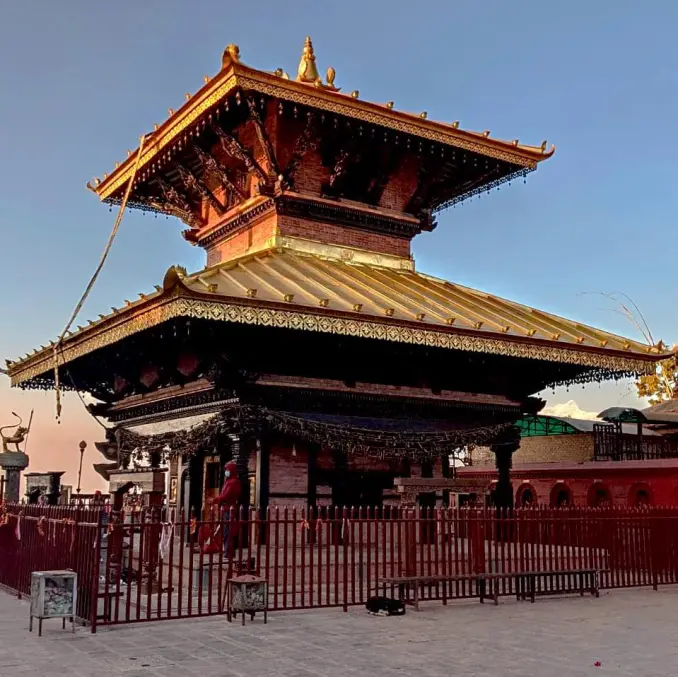
    4. Manakamana Temple (Gorkha)

    Manakamana Temple is also part of the wish granting goddess pilgrimage and spiritual heritage site, and has a lot of pilgrims come to this sacred site in Nepal. This is a temple of Goddess Bhagwati, a form of Durga that is on a ridge in Gorkha. Pilgrims and worshippers can request blessings from Manakamana on behalf of another living being. The blessings requested can cover anything that affects people in their day to day life; children, health and good fortune.

    Manakamana Temple


    Historically pilgrims would walk long distances, often for many hours, to get to Manakamana, and now with the advent of cable cars it is not only much easier, but often a more scenic trip. Anyone who rides in a cable car will immediately enjoy the experience of gazing out over the thick, lush, wooded lands, the Trishuli River below and on clear days, the Himalayan snowcapped mountains.Kathmandu has temperate weather and less humid conditions that give travelers and cultural pilgrims a perspective of travel motivations in all seasons, and the temple draws even a bigger crowd during the busy major Hindu religious festivals, such as Dashain and Navaratri no matter how individual and multi-denominational listeners regard spirituality.

    Major Attractions:

    • Manakaman Temple – shrine of the wish-giving goddess.
    • Cable Car Ride – Bird’s eye view while climbing.
    • All Ritual Offerings & Puja – colorful religious ceremonies.
    • Himalayan View Points – mountain sceneries from the roof tops of the world

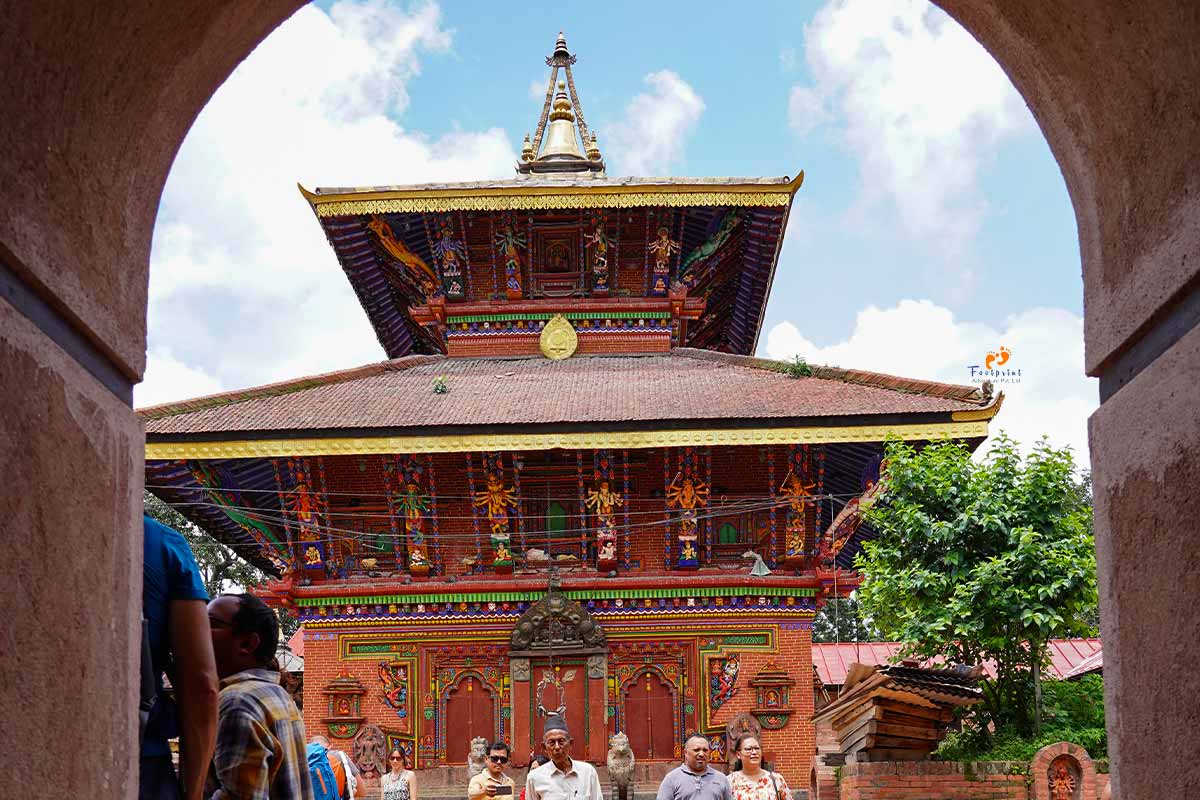
    5. Changu Narayan Temple (Bhaktapur)

    Changu Narayan Temple is the oldest active Hindu temple in Nepal at more than 1500 years old. Located near Bhaktapur, it is technically just past the urban development; hilltop temple dedicated to the god Lord Vishnu, in his Narayan form. The UNESCO area is famous for its amazing wood and stone carvings of many avatars of Vishnu, mythological creatures, and epic stories, and the calmness of the little villages in all that greenery create a very nice cultural and spiritual vibe.
    changunarayan

    If you are a history, art, and/or religion buff, then this temple could be a hidden gem. There is a little museum nearby that has some ancient items and the walk through Chang village is a small glimpse into Newari daily life, culture, and food. Being less busy than the more famous temples in Kathmandu makes this temple a place for calmness, reflection, and the chance to reconnect spiritually.

    Major Highlight

    • The Main Temple of Narayan – the ancient architecture and sacred worship
    • Stone & Wood carvings – decorative and intricate carvings on doors, pillars, and idols
    • Changu Museum – view ancient relics and inscriptions.
    • Hilltop views and village walks – peaceful place nestled behind Bhaktapur

    3. Paths to Inner Peace – Meditation, Monasteries, & Mindfulness

    In addition to beautiful buildings Nepal also has a path to peace within. The variety of meditation retreat locations, yoga centres, and monastery short stays gives you a way to unplug, reconnect, and participate in the many different spiritual heritage of Buddhist and yogic cultures.

    5 Places to Experience Inner Peace in Nepal:

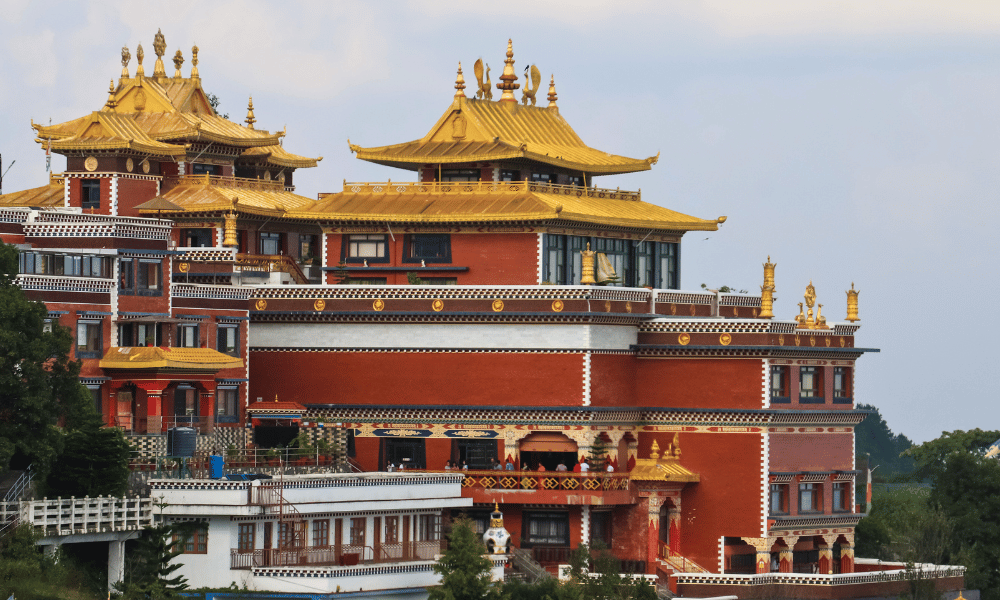
    1. Kopan Monastery (Kathmandu)

    Kopan Monastery sits on top of a mostly sloping hill overlooking the Kathmandu Valley. It is a genuine place for eager audiences who want to experience spiritual heritage insight and deep inner contemplation. Kopan Monastery began in the 1970s by Lama Yeshe and Lama Zopa Rinpoche and is a notable Tibetan Buddhist monastery in the Gelug tradition, well known for its meditative courses on coping and learning to meditate. The introduction to meditation courses of 10 days, Kopan Monastery has been the launch pad for discovery, joy, and the true experience of meditating for hundreds of people per year. Beginning as a Tibetan Monastery it is important to its significance as well as the international dialogue of Tibetan Buddhism.

    Kopan Monastery – Kathmandu

    The convergence of the monastic experience, gardens, and unforgettable surroundings in general, was an executive council on a calming environment for self-reflection. Instructors/staff were good at using daily rituals, chanting, structured meditation practices, etc. You could see how kind all the staff and instructors were, with all the audience comments and testimonials over and over provided ways to make connections with aspects of understanding Buddhist wisdom, and ways to cultivate forgiveness, compassion, and inner peace.

    Also, you will meet resident monks, who are very approachable and partially responsible for offering classes. The monks interact with participants when giving teachings, or when you share a meal. Kopan encourages silence, mindfulness and compassion during your stay, whether it’s a few days or extended retreat.

    Major Highlight

    • 10-day introductory meditation courses 
    • Panoramic views of the Kathmandu Valley
    • Tibetan Buddhist teachings and philosophy classes 
    • Library/bookstore on Buddhism and mindfulness

    2. Osho Tapoban (Nagarjun Forest, Kathmandu)

    Osho Tapoban, a peaceful spiritual heritage retreat center in the forest of Nagarjun is a fascinating place that introduces nature, silence, movement and dynamic meditation together. It was find out by Osho to promote the principles of Osho who so beautifully combined Eastern mysticism with Western philosophical thought. Osho introduce many concepts of meditation as movement and nor the traditional forms of meditation that most of us may be familiar with. Osho places emphasis on movement and breathing exercises that help to release blocked and stored emotions and thoughts so that they do not continue to cloud judgment and interfere with clarity.

    Osho Tapoban

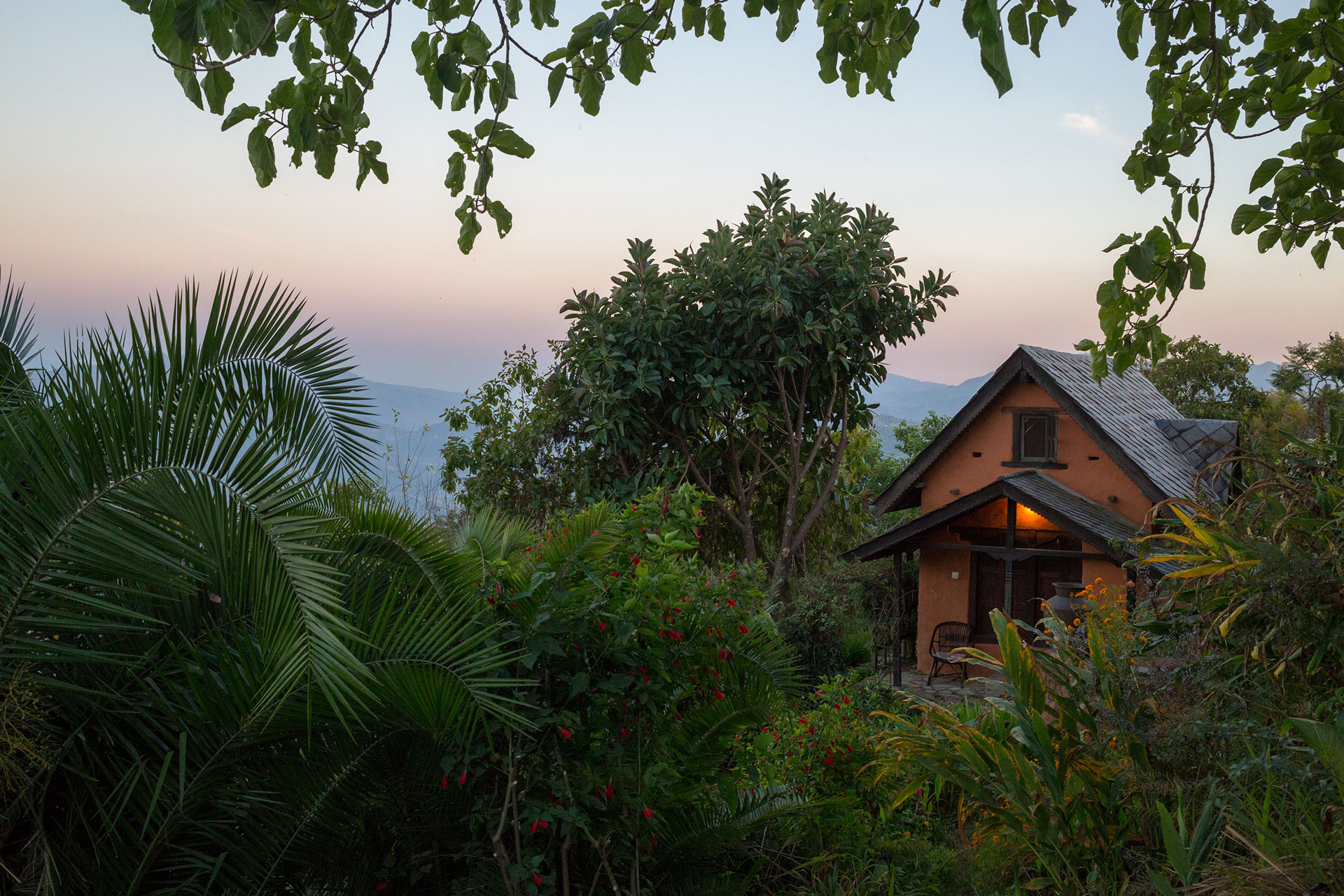
    The forest provides a beautiful context, that allows meditation to be gentle, organic and grounding. The center has simple accommodation options through to environmentally conscious and beautiful cottages. The meals are simple but healthy, nourishing and wholesome. The ashram offers a daily timetable of meditations, Africa discourses, and workshops and sessions on conscious living. Osho Tapoban is an ideal place for those individuals wishing to break free from a rigid and mundane daily practice/routine to find time and space for decompression and inner exploration, we can get create some freedom and joy; the beautiful context of Osho Tapoban compliments this process.

    Major Attractions:

    • Dynamic and Kundalini Meditation Groups

    • Daily Discourses and Satsang led by Osho

    • Nature walks and Jungle Trails

    • Silent retreats and Emotional Healing Workshops

    3. Lumbini – Birthplace of the Buddha

    Lumbini is a pilgrimage spiritual heritage site in the Terai region of Nepal. This is the very place where Siddhartha Gautama (the Lord Buddha) was born in approximately 563 BCE. It doesn’t spark the same level of busy-ness as other populated towns of Katmandu or Pokhara. Lumbini is a beautifully real and meaningful place, a peaceful yet meaningful place, but of great historical-spiritual significance. The focus at Lumbini is the Maya Devi Temple, dueling the actual spot, where the Queen gave Birth to her son, the Buddha.

    Mayadevi temple

    Besides the heritage buildings at Lumbini, there is a much larger monastic zone which has been divide into East (Theravada) and West (Mahayana and Vajrayana area) which includes some spectacular temples that have been build by Thailand, Japan, Myanmar, Germany, and many more. Walking though these amazing and peaceful monasteries was definitely to be cherish. I felt that the much-needed peace and meditative energy in these new, large and impressive, well constructed monasteries – in the monastic precinct of Lumbini – helped cleanse me from past and present issues and reclaim spiritual power. The Sacred Garden, Ashoka Pillar, and Ancient Ruins (a UNESCO World Heritage site) profess to have been soak in historical energies. It is most particularly spiritual energies.

    Major Attractions:

    • Maya Devi Temple and Sacred Birth place
    • International Monastic Zone, World Buddhist Design
    • Ashoka Pillar (3rd century BCE)
    • Lumbini Sacred Garden and Peaceful Meditation Pond

    4. Tushita Nepal Yoga Retreat (Pokhara)

    Dramatically perched above the Pokhara valley, affording breathtaking mountain panoramas of the Annapurna range. Tushita Nepal is a luxury yoga spiritual heritage and meditation retreat. It is usually booked out with individuals seeking a spiritual journey. Someone who utilizes the energy of a retreat center for their holistic health business. It has prestige status in the cultural heritage of Vedic traditions and yogic practices. Maintaining the sacredness of the fundamental postures of ancient Hinduism within the peace of nature. In peace, the energy of the site offers astonishing renunciation from the worlds distractions and the opportunity to descend back into nature. They ritually releases the distractions and thought waves of the day to restore mind, body, and spirit. They provide guided yoga, pranayama and meditation practices. That are customize to help support emotional healing and spiritual development.

    Tushita Nepal Yoga Retreat

    In an environmentally-conscious cottage made of natural resources, guests enjoy organic vegetarian food. All retreat facilitators participate in Tushita Nepal hope guests can use the retreat process to embark on a journey back to simplicity, mindfulness, and personal inner silence using teachings that explore oneness in terms of nature and consciousness.

    Major Highlight

    • Daily Yoga and Meditation Classes
    • Beautiful views of Annapurna and Machhapuchhre
    • Spiritual teachings based on theories of Vedic and Yogic Philosophy:
    • Eco-lodges equipped with Organic food.

    5. Namo Buddha Resort (Kavre District)

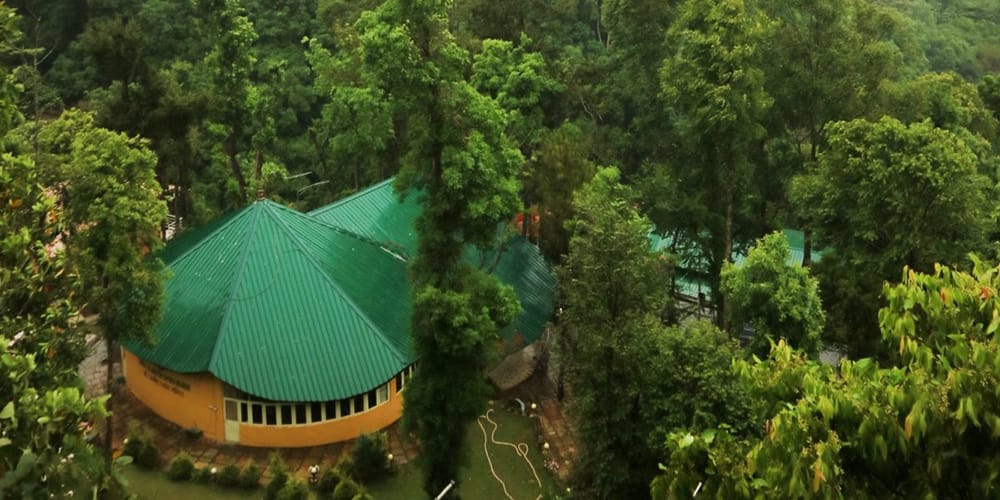
    Namo Buddha Resort operates in close proximity to the sacred Namobuddha Stupa. It is also a quiet getaway and spiritual heritage in the Kavre hills. About 2 hours from Kathamandu. Surrounded by forest and terraced farming. Namo Buddha Resort is a spiritual traveler’s paradise where you can rest and commune the land. Both sustainable lodging and rustic charm in a peaceful environment.  Namo Buddha Resort is an idyllic nature retreat for personal or weekend getaways.

    Namo Buddha Resort


    The resort has daily yoga and meditation. The Thrangu Tashi Yangtse Monastery next door allows guests to also take part in Buddhist rituals and teachings. The resort’s organic garden source fresh ingredients adding to the healthy vegetarian meals. They provides a typical Newari environment for guests to enjoy. Accordingly, the facility is a gem of silence, greenery, and spiritual practice.

    Major Highlight

    • Proximity to Namobudd facts Stupa and Thrangu Monastery
    • Daily Yoga and Guided Meditation Sessions
    • Sustainable Eco Resort with Organic Meals
    • Peaceful Forest Walks with Mountain Views

    Final Thoughts

    This place is a space of spiritual heritage discovery wraps with natural beauty in Nepal. From the peaceful chants that flow out over Railway from Boudhanath to the gropes of flickering butter lamps in Pashupati, nearly every moment content invites you to settle down, think, and spiritual heritage. You can lost or connect with its partner take and possibly in the ancient hills and temples or places of prayer. Lastly, once its a part of you. Contact us today at Happy Mountain Nepal, on Facebook, Instagram, or TikTok.