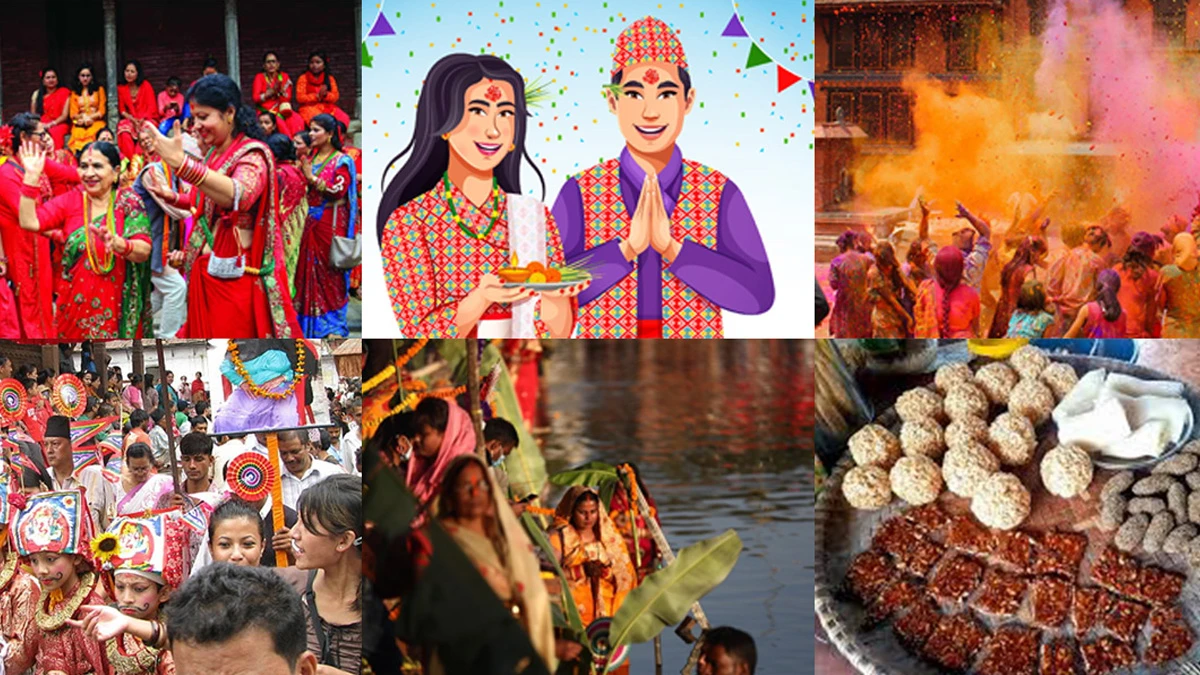
My Mha Puja and Bhaitika Celebration in Nepal as an International Traveller
When I first traveled to Nepal, I had no idea how beautiful a festival could be. I knew Tihar was the festival of lights, but I didn’t quite understand that it was. Until I was immersed and enjoying the event. Entering this amazing festival truly felt like a dream was brought to life filled with warmth, colors, and love. It was so much more than lighting lamps; it was lighting the soul – feeling so honored to remember Mha Puja and Bhaitika is something I will never forget.
Celebration That Feels Like Home
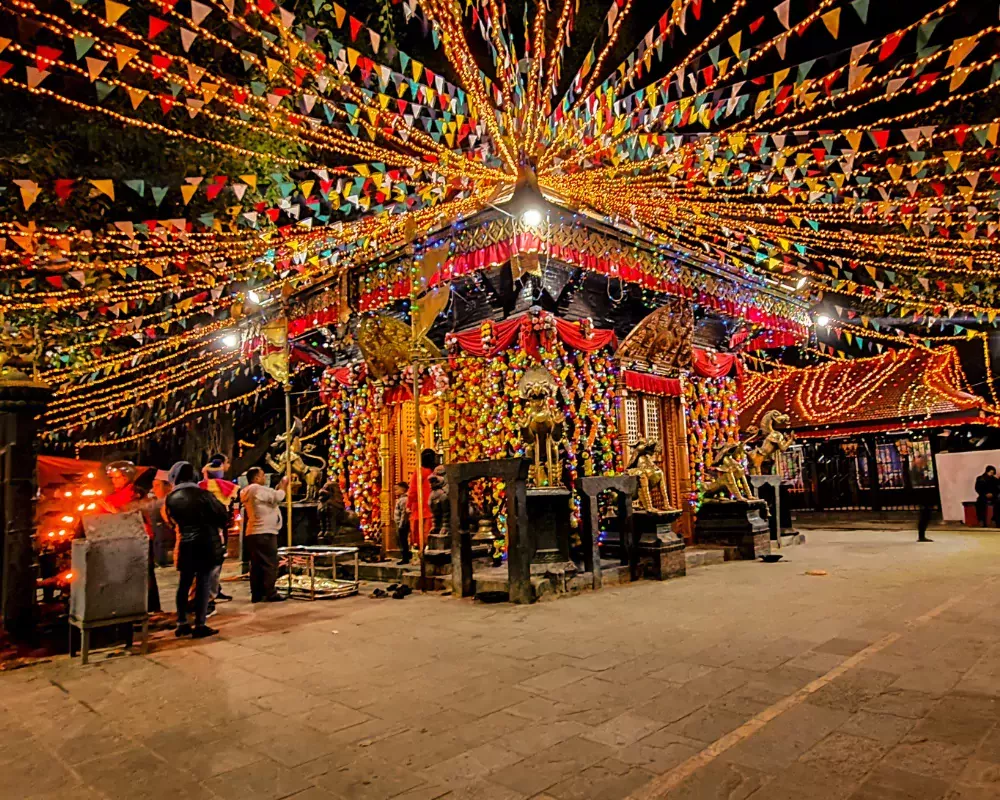
Tihar is spread over five wonderful days in Nepal; with each day having its purpose and each day celebrated praying an animal or a deity. You can literally feel the joy and celebration from the moment. You step onto the street, with each house glowing with thousands of tiny lights and a marigold garland. Everyone smiled to the beat of traditional music.
I remember strolling through a small lane in Patan, where children were coloring lovely mandalas on the road. Throughout the indoor community environment, the easygoing atmosphere of incense blended in with the scent of sel roti cooking. They were very hospitable and invited me to join their festival. At that point I felt no loneliness, no outsider.
Of the 5 days of Tihar, two of the experiences were distinctly Nepalese experiences: Mha Puja, which is an honoring of yourself/soul; and Bhaitika, which is honoring the love between your brother and sister.
Mha Puja
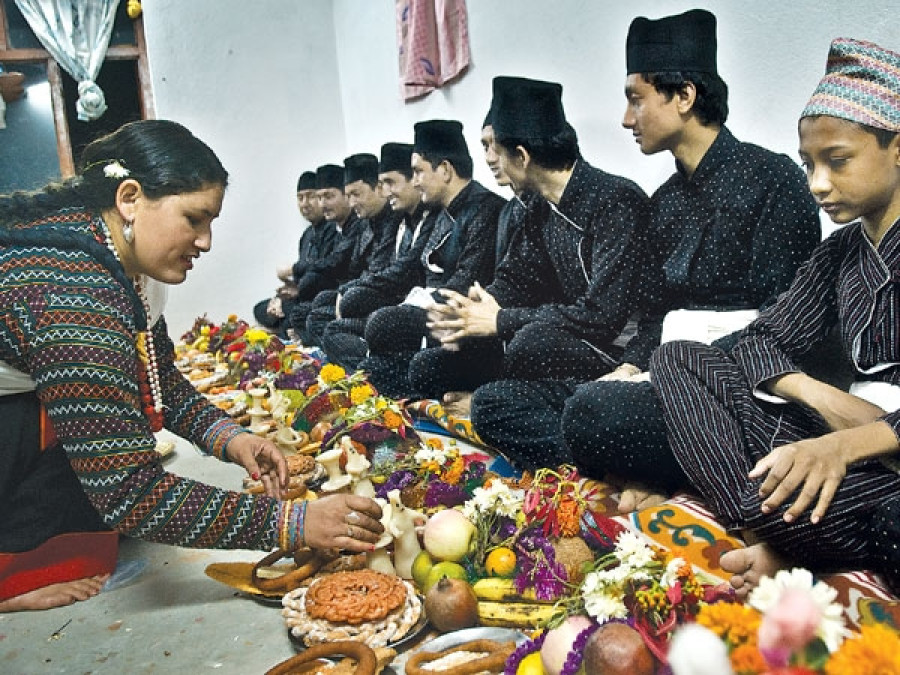
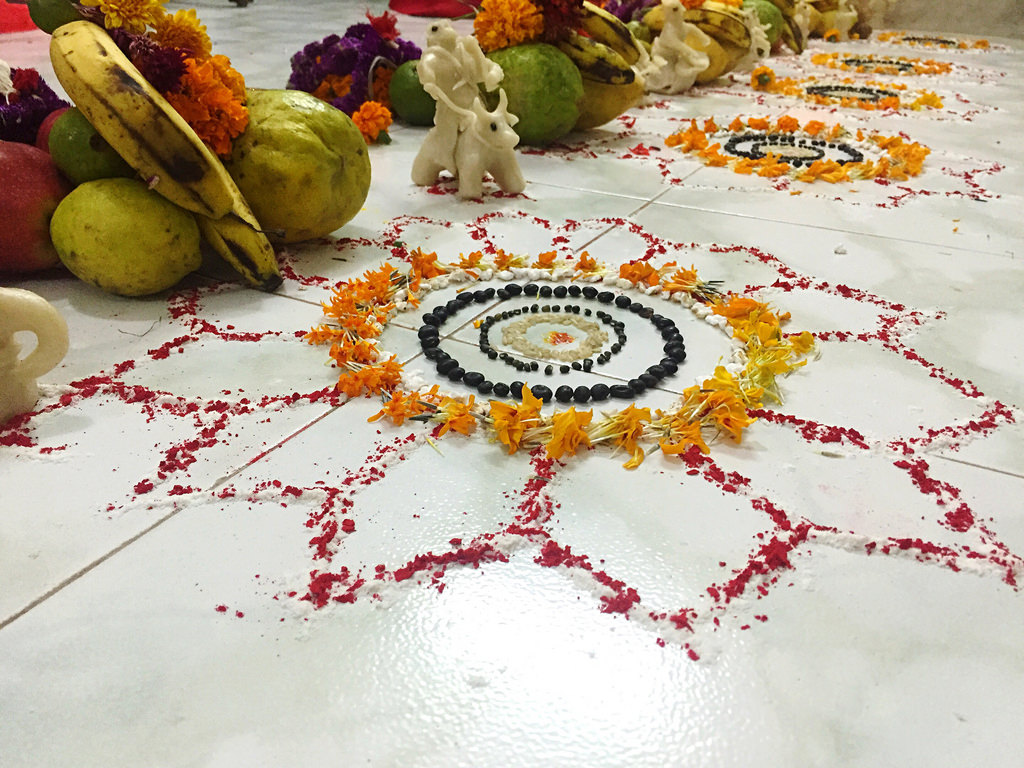
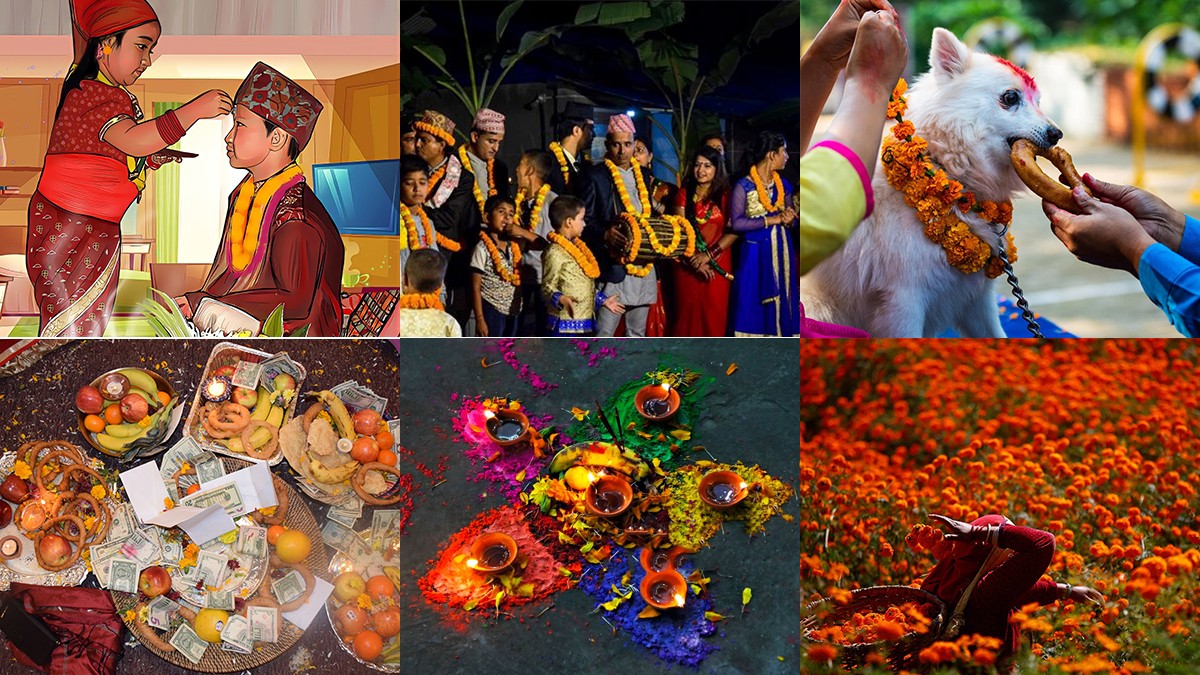
On the fourth day of Tihar, I was welcomed to the home of a Newar family in Patan. To participate in Mha Puja (Mha Puja), and I did not know what to expect.However, as I walked into the courtyard of the home, I did feel a little more comfortable. The ground of the courtyard was beautifully covered with rice mandalas of each family member representing their spirit, and with small oil lamps glowing. It was traditional, and shining so much!
I was gently asked to sit in front of my own mandala. The family explained that Mha means “self,” and Puja meaning “to worship.” It was a ritual of passage of my own honoring. Something I never had before; a reminder to honor the divine that lies within each of us. I felt tears sting my eyes as the elder woman of the family placed a small tika upon my forehead. And lit the little lamp in front of my mandala.
I intended to tackle on something that was incredibly simple, but so meaningful. While the world teaches us to love others, what I experienced was to love oneself. For the first time in years, I felt I made a connection with myself.That flickering light was not only in front of me, but also in me. That evening while eating food, conversing and laughing with the family. I started to see that spirituality in Nepal was about so much more than that you gods and temples, and puja. It was about the human spirit and the still peace.
Bhaitika
The fifth day of Tihar is called Bhaitika, which started the next morning. I had heard Bhaitika was the most emotional day of the festival and indeed it was. A friend I met during my time in Nepal, asked me if I wanted to go with her to do the ceremony with her brother who lives in Bhaktapur. When I got there, her house was beautiful with flowers and lights and decorations. In the center of the room was a mandap with many offerings of foods, fruits, sweets and garlands.
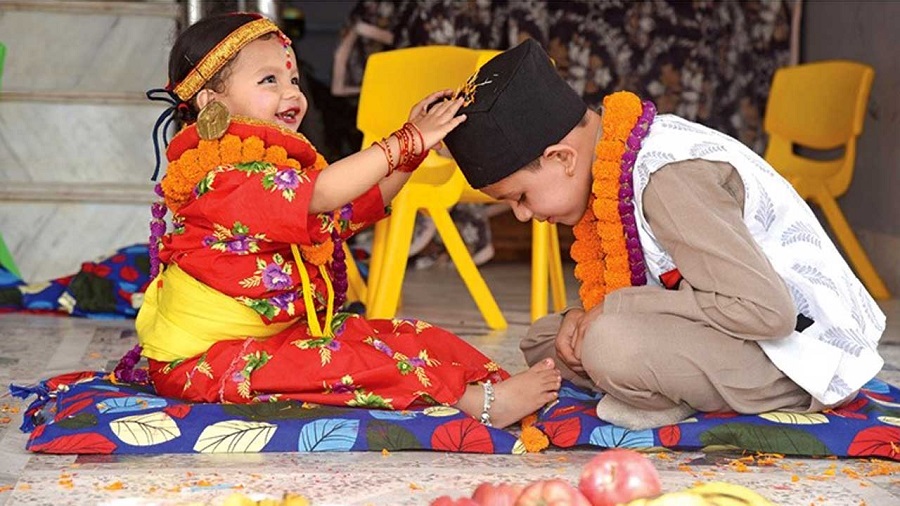
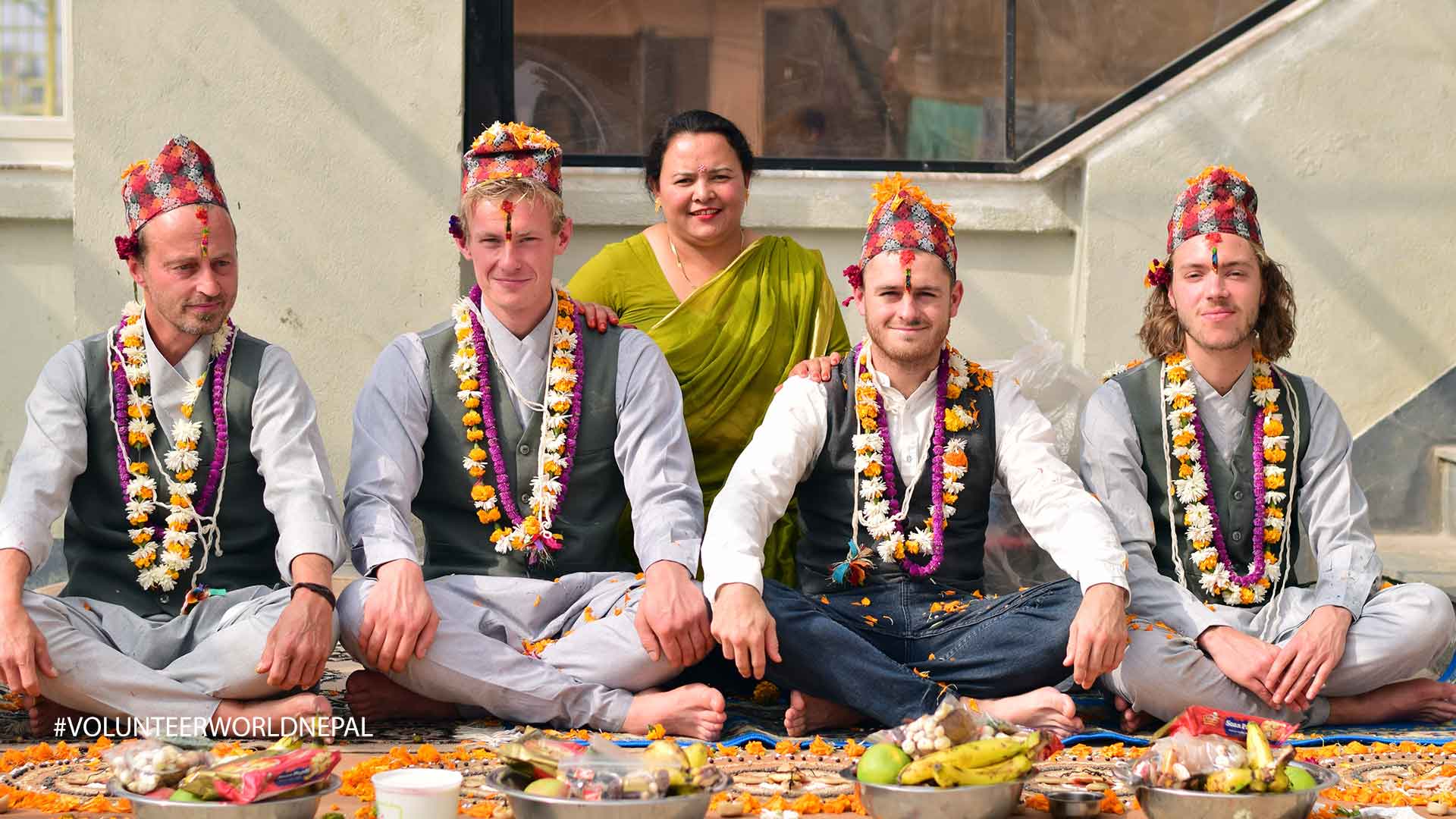
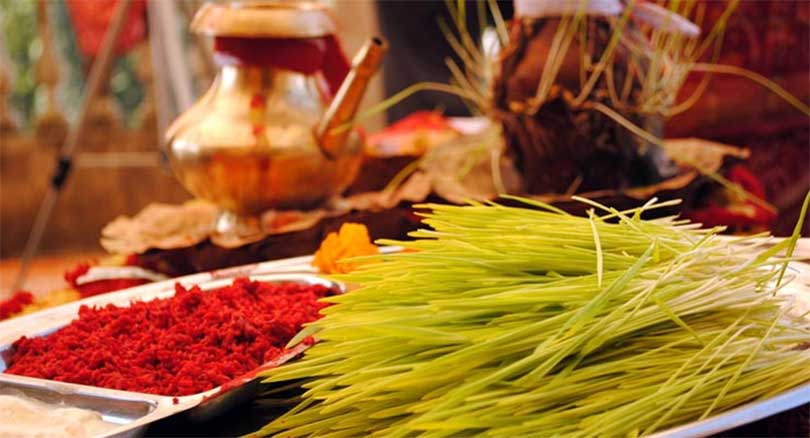
Once her brother sat down in front of her and the entire room went silent. She placed a colorful tika on his forehead with great love in her eyes. Each color of the tika represented blessings and protection, receiving garlands, food and presents, special love and there was red, yellow, orange, green, blue, violet and white in the tika.
In the exact moment she was also saying a prayer for her brother’s long life. After that she brought her brother’s hands together, made a small prayer bow, placed his thoughts on her feet, and presented her gifts. The depth and connection felt so genuine and clear, I felt sad and tearful inside, even though I do not belong to their family in blood.
When the sister noticed me sitting quietly watching, she made eye contact with me and said, “This is for the love of siblings today. But it is also about the things that are special and people in our life.” I remembered what she said, because at that moment I remembered that family does not have to mean biological. Sometimes family is reserved for those hearts, that choose to care and love one another.
Eventually, they placed a tika on my forehead. They requested me to sit with them; they presented to me fruits and sweets, and proclaimed, “Now you are part of us.” I beamed with joy and felt tears welling in my eyes. As,i had arrived in Nepal as a visitor, but that day I was no longer a tourist. I belonged.
Tihar: A Festivity of Learning to be Grateful
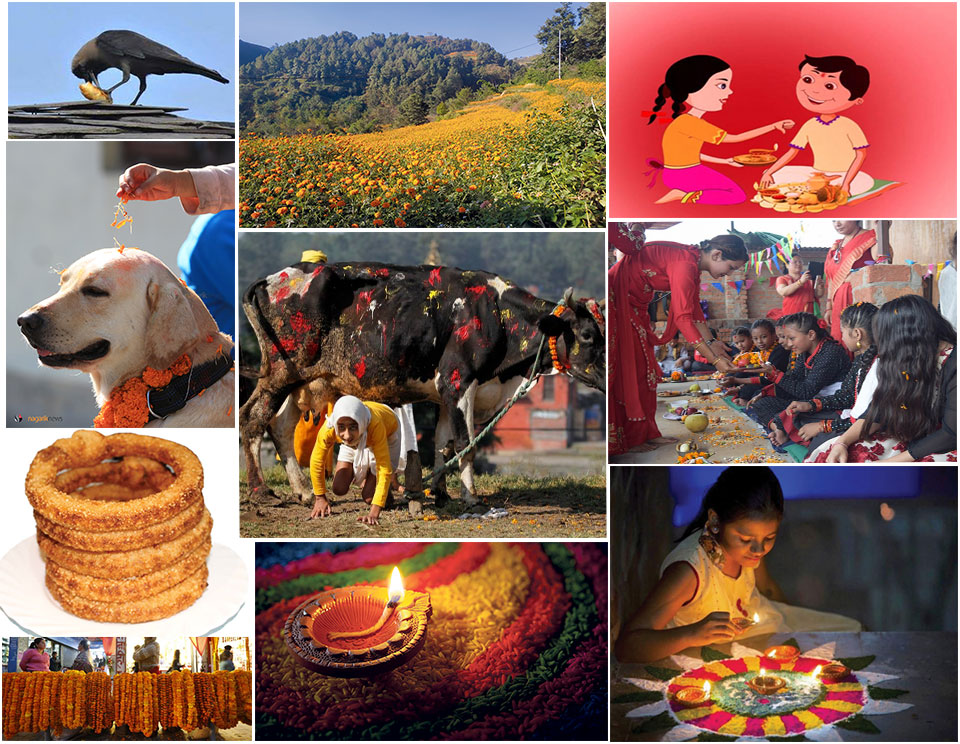
Through Mha Puja and Bhaitika I began to understand what Tihar was about, the celebration of each and every relationship. It begins with Kaag Tihar, a day to feed crows, the messengers of the gods. Then it is Kukur Tihar, dedicated to honoring and worshiping dogs for their loyalty to humans and love. Then there is Gai Tihar, recognizing cows and their role in sustaining life. After Gai Tihar is Mha Puja, a day to worship oneself; then Bhaitika, love from brother to sister.
Every day teaches you. It teaches you how to be grateful for each moment, how to honor the life of every living beings and notice divinity all around you. It is not merely a religious festival from an ancient culture; it is how you should live.
As I looked around the city that night that sparkled with a thousand lamps, I understood how beautifully the Nepali embrace light: not merely as light but as enlightement. Each diya whispered that even in darkness there are always things to be grateful for.
What to Experience in Tihar in Nepal
If you happen to be in Nepal during Tihar, this is an experience not to miss! It occurs anywhere from late October to early November and there is so much to see and do.
1. Access Family Time
Nepali families are incredibly hospitable! If you find the opportunity to be a guest in a family’s home please do. This will be your favorite part of your trip.
2. Explore Old Heritage Towns
Patan, Bhaktapur and Kathmandu are alive and personified living museums; lights in every courtyard, flowers everywhere and music in the streets.
3. Bolster Your Traditional Food Experiences
Tihar is also that time when sel roti, anarsa, laddu and sweets made for you by mom or grandma literally also symbolize love and sharing.
4. Respect the Practices
Please always take off your shoes before entering the holy space, and always walk quietly while making pictures. Even something small shows such respect does wonders for expressing deep faith.
5. Bring Your Own Diya
Even if you are not at home, just lighting a little lamp will make you feel apart of something eternal. It is not just a flame; it is a wishing that floats and speaks to the universe.
A Journey That Changed Me For Life
As I sat by my window reflecting on my time in Nepal coming to an end. Watching the last of the Tihar lights glimmer in the late evening sky. I was surrounded by the laughter, incense, and the memories of the tika on my forehead.
Mha Puja taught me that self-love is sacred and Bhaitika taught me while love knows no bounds. Together they reminded me the holidays are not about tradition but a feeling, a connection to the way light can come into our lives through every person we meet.
I came to Nepal to see its beauty, but I left feeling it in my heart. The kindness of the people, the depth of their culture, and the warmth of their traditions changed the way I see the world.Tihar is not only a festival that lights the streets of Nepal. It is a festival that lights the soul.
As a traveler, you will surely have the opportunity to take part in one of the greatest celebrations. And compassionate highlights of your experience in Nepal, Tihar (the Festival of Lights). Tihar is a five-day celebration that occurs sometime in late October to early November, often coinciding with a full moon. Tihar is the second largest celebration in Nepal, following Dashain, and is essentially a national holiday. The feeling of Tihar is one of joy and excitement.
Participants during Tihar will celebrate the gods and goddesses, animals, and the relationship between brothers and sisters. The streets, temples, and homes will be aglow and bright with oil lamps and candles, but it will also be brighten in bright colors, too. Altogether, it will change the visual landscape of the towns and villages, and during Tihar, the towns and villages will be fascinating displays of joy and bright lights.
What is the Meaning and Spirit of Tihar
Tihar is also known as Deepawali in Nepal, is the celebration of the victory of light conquering darkness, and knowledge overcomes ignorance. It is a time for people to thank the Lord for the happiness of life, to live sustainably, and to reflect on the relationships that bring meaning through life. Tihar is different from most festivals because it ties spirituality to our daily lives. Tihar also conveys a sense of regard for all living beings, domesticated animals, and prioritizes family relationships. The festival is warm and emotional. During Tihar, you will be shown the generous, loving spirit of the Nepalese people. Travelers who happen to be connecting Nepal during Tihar will not be observers but part of a nation-wide festival focused on love and light.
The Five Days of Celebration
Tihar is celebrated for 5 days, each with its own object, purpose, traditions, and moments of enthusiasm.
Day 1: Kaag Tihar (Day for Worshipping Crows )
Kaag Tihar is the first day of Tihar, the day of crows. In Hindu belief, crows are the symbol of Yama, the god of death, and on this day rice, treats, and grains are set outside or on top of roofs for crows to find in their honour. Many will view this as yet another gesture of bringing to life positive energy instead of negative energy. In the morning, crows caw in the air, and small food plates are laid out in each direction. It is within this quiet richness that visitors begin to explore, really getting familiarized with the deep connection between Nepali culture and nature.
Day 2: Kukur Tihar (Worship of the Dog)
Day two, Kukur Tihar, is possibly one of the most gracious festivals that anybody could participate in. This is a day of celebrating dogs – the most loyal and true companionship one can have. On this day of appreciation, all dogs, from community city dogs to love family dogs, are celebrate. Similarly, in that they receive bright flower garlands around their neck, tika from the red powder upon their heads, to food from their owners.
Is there anything more simply sweet than seeing dogs walking around with garlands hanging from their neck, wagging their tails? For many travelers, this is the favorite day of the festival, out of kindness and compassion, and respect for all life.
Day Three: Gai Tihar and Laxmi Puja
The third day is definitely the biggest celebration. In the morning, cows are worship because they represent pure animals and indicate wealth. During this time of year, cows are commonly fed grass, fruits, or flowers with the intention of wishing/prospering the cows or anybody nearby. The evening is when this celebration begins with the sparkling festival of goddess Laxmi, goddess of wealth, good fortune, and abundance. Every household will show up with their houses cleaned with all lights, marigold garlands, and rangoli creations to signify the wealth of goddess Laxmi for this festival.
Seeing the whole neighborhood with outside houses adorned with rows of glowing diyas and twinkling lights is stellar. You can hear clusters of children and youths who will wink be singing traditional Deusi-Bhailo songs in exchange for some sweets and maybe a penny or two!
Day 4: Govardhan Puja and Mha Puja
The fourth day can hold different meanings across Nepali culture. In many Hindu households, families will have worship oxen and observe Govardhan Puja to honor nature and agriculture. While the day can also be known as Mha Puja in the Newar community as a sacre ritual for honoring and purifying the self.
The Newar culture is known for creating exquisite mandalas on the ground using powders and flowers. These mandalas are often equipped with offerings, done to instill the spirits of self-respect and balance within the creator. Tourists who find themselves in Kathmandu, especially in Bhaktapur or Patan, will see these quite interesting Newar traditions, not the least of which involves an elaborate meal that memorializes balance and renewal.
Day 5 – Bhai Tika (Prayer for Brother)
The fifth and final day of Tihar is Bhai Tika, the most sentimental day because it’s just heartwarming. Sisters will put a seven-colored tika on their brother’s forehead, and they will give their brothers candy (sweets), dried fruit, and nuts. Sisters will be praying for their brother in terms of wealth, success, and longevity. Brothers will also engage and get gifts for their sisters. Brothers will also start to prepare to protect their sister as they travel. Bhai Tika is a day for families in not only Kathmandu’s valley but across Nepal to emphasize the fraternity ties of family. Family is abundant, and love and laughter fill the homes.
For tourists who are staying with a family, this is a great day to see real Nepali love and the importance of relationships in daily life.
The Magical Atmosphere During Tihar
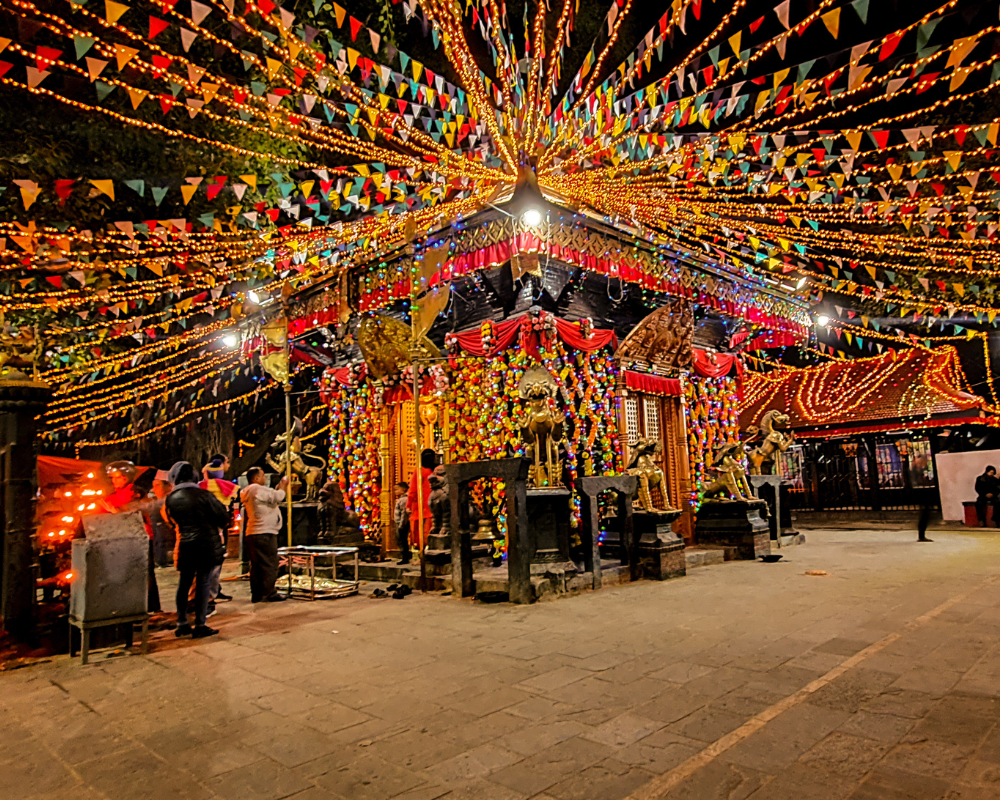
Tihar creates a glorious ambience in Nepal. Once evening falls, the brilliant lights of thousands of oil lamps shine brightly from windows, yard corners, and temple doors. Many streets are decorate with familiar fairy lights and paper lanterns hanging down, while the evening air has a fragrance of incense and music. Children full of festive spirit will be going from house to house singing the Deusi and Bhailo songs. Early evenings in the narrow way of Kathmandu, Patan, or Bhaktapur, it begins to feel like a Fairy Tale. In Pokhara, the lights mirrored in Phewa Lake are truly out of this world. Warmth and kindness can feel benevolent. Many times, visitors take part in the singing, dancing, and merriment, and make memories for a lifetime at the same time
Traditional Foods for Tihar
No formal celebration in Nepal would be without traditional foods, and Tihar is a very special occasion for that type of homemade food. The most famous food, a ring-shaped, sweet, crispy bread staple made of rice flour, called Sel Roti.
Some other well-known kinds of sweets are anarasa, barfi, and laddu, made of rice flour, coconut, and ghee. Families prepare special meals, fruits, and snacks to offer their guests, gods, and animals. Traveling, during Tihar, to either homes or homestays gives travelers a reason to enjoy and engage in sharing traditional tastes and practices that symbolize community and gratitude.
Best Places to Experience Tihar in Nepal
Overall, Tihar will be celebrate all over the country; however, there are great places that will present unique, lovely experiences. The Kathmandu Valley, with its ancient temples and Newar community, is a uniquely full-color experience of any festival. Bhaktapur or Patan will host Deusi-Bhailo events, where people dance in well-decorated courtyards of homes. More lakeside experiences with fire taking place at another during Tihar is a great overall experience in Pokhara, where there are beautiful reflections of lights on the water. Villages like Bandipur and Gorkha offer a different candlelight experience of more traditional and communal gatherings of families, comprising a feeling of music and food going from one to another while celebrating together. No matter where you are, Tihar is in the air, and there is a spirit of love and connection that shines through.
Travel Tips for Visiting Nepal During Tihar
Your trip to Nepal will be a fantastic experience during Tihar – with a little preparation, your trip will run smoothly. With this being a major holiday, experts recommend booking flights, bus trips, and accommodation ahead of time. Many local businesses and government offices will close for several days, and you should make your travel decision around this holiday. It’s also a good reminder that you should carry some cash because ATMs could become busy, and small shops may or may not accept cards.
Again, out of respect to the people of Tihar, when you observe rituals, ask first if you can take a picture of someone’s home. Please dress appropriately, especially if you are near someone’s home or a temple. Finally, (and best of all) be open to the experience of participation. Most people will be exceedingly friendly and may ask you to join in the festivities for their song and dance.
Conclusion
During Tihar if you visit Nepal you will feel as though you are experiencing the true culture of Nepal. During Tihar, devotion and happiness fill the heart of the country, turning into something meaningful. It runs the range from honoring animals to honoring the gods to honoring family. On the newly lit streets of old town Kathmandu, as you stare at reflections on a lake in Pokhara, or share some Sel Roti with friends in a small village, Tihar will revive the heart with brightness. Tihar is a celebration of abundance and prosperity, but ultimately tells us that good deeds, love, and respect are where brightness will always give us life.
This is not just what nepal offers, Dashain is another festival celebrat by the majority on what you want to experience. Nepal has got you cover, from hiking in the nagarjuna (one of the easier hike) to (nepal’s hardest hike), from climbing the Everest (to the top of the world) to experiencing the deep Arun Valley in the world, you can experience the best.
October To-Do List for Tourists in Kathmandu, Nepal.
October is one of the best months to visit Kathmandu, in Nepal. With clear skies and nice weather, there’s great activity in the capital that won’t occur at any other time of year. In October, tourists are not only enjoying the best trekking season, but also getting a taste of the cultural heartbeat of Nepal.
If you are setting foot in Kathmandu in the month of October, here is a comprehensive October to-do list for tourists in Kathmandu to help you get the most out of your visit.
1. Experience Dashain : Nepal’s Major Festival
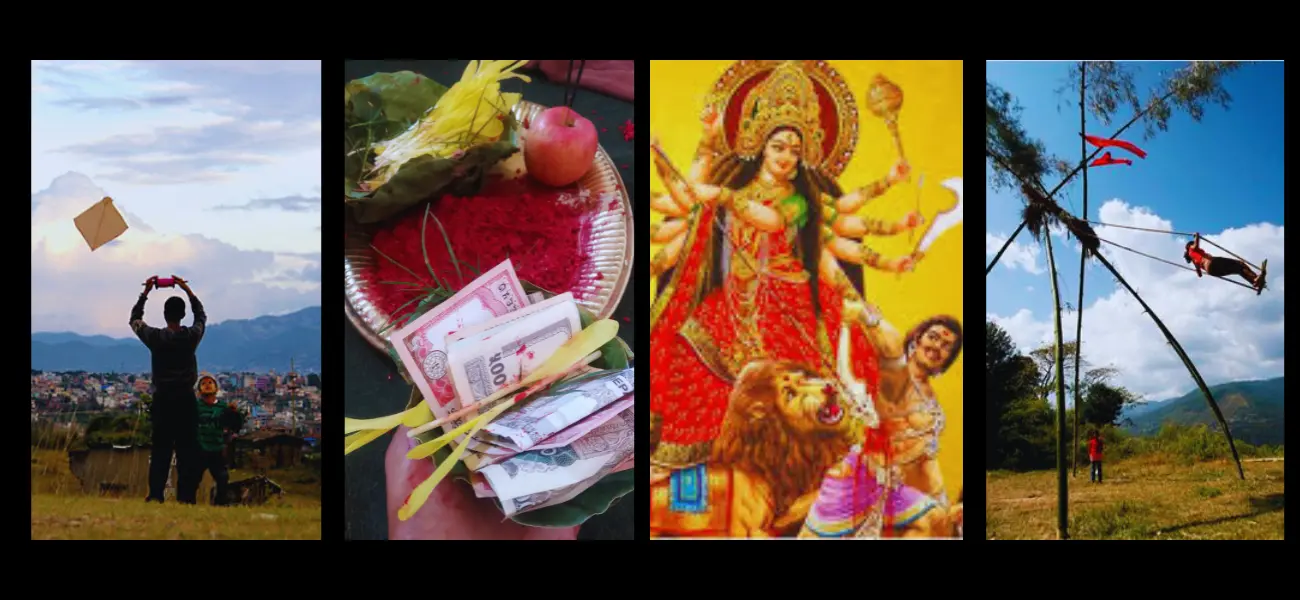
Dashain is one of the largest festivals in Nepal and is celebrated in communities throughout the country with lots of fun, celebration, rituals, and family gatherings. It is often celebrated in October for over 15 days for the victory of the goddess Durga over evil.
Dashain in Kathmandu is charged with excitement; the towns are full of prayer flags, children are flying kites covered in multiple colours in the clear blue skies, and all around the neighborhood, bamboo swings (ping) are set up for neighborhood children. It fills Kathmandu with great energy, and it is one of the most in-depth times that a traveler will be able to experience authentic Nepalese culture.
For the observer in Dashain, there is the opportunity of taking part in rituals that go deeper than simply observation, as families congregate to take part in the tika ceremony; blessings of rice, yogurt, and vermillion are placed on younger family members’ foreheads so they can receive regard, auspiciousness, and prosperity. Many households will sacrifice goats, as offerings and meals will include goat curry, beaten rice (chiura), stuffed and sweet festival items, and meat dishes. If observers enter into a household space, tourists can participate in these family gatherings by eating food, sharing stories,s and enjoying festivities.
Apart from family functions, the public spaces in Kathmandu, with markets in Asan and New Road, are buzzing with local families making purchases of clothes, jewelry, and festival goods. You will see many temples buzzing with worshippers praying openly and playing instruments in the courtyards. Experiencing Dashain in Kathmandu is more than just experiencing an aspect of culture; it is being part of the pulse of culture, connecting generations of Nepalese people.
2. Experience Tihar : The Festival of Lights
Tihar, also referred to as the Festival of Lights, is a five-day festival that is celebrated in late October each year, typically after Dashain. Each day of the celebration honors one being: crows as messengers, dogs as faithful companions, cows as holy beings, oxen for their service as working animals; and the final day is Bhai Tika, where sisters will bless their brothers with tika (a color mark) and garlands, wishing for a long life. This celebration has both a spiritual aspect, but also elements that are grand and colorful that will completely change the city.
On Laxmi Puja, which is the third day of Tihar, the city of Kathmandu is at its most beautiful lighted state. Families will place oil lamps (diyo) outside of their home, children create colorful rangoli at the entrance with colored powder and/or flower petals, to welcome Laxmi, the goddess of wealth. The streets shimmer than sparkles with fairy lights, in celebration of all things that shine, while many businesses and shops will welcome customers with strands of marigold flowers draped from the doorframe. For the many tourists that walking on the streets of Boudhanath, Thamel or Asan Bazaar nearby, walking at night, you will see the lights around the city and within the businesses, and will feel as if the city has been blessed and sprinkled with stardust!
There’s also a social aspect to the festival: older children sing Deusi-Bhailo, which is similar to caboling at Halloween, and roam from door to door looking for food or small gifts (monetary or otherwise). People enjoy themselves at festivals and gather with friends and families and tourists; and if you happen to be in Kathmandu for Tihar, the festival will truly offer travelers a peak into amazing displays of worship, celebration, and community in the spectacular sunset glow of evening city lights.
3. Enjoy a Heritage Walk in the Durbar Squares.
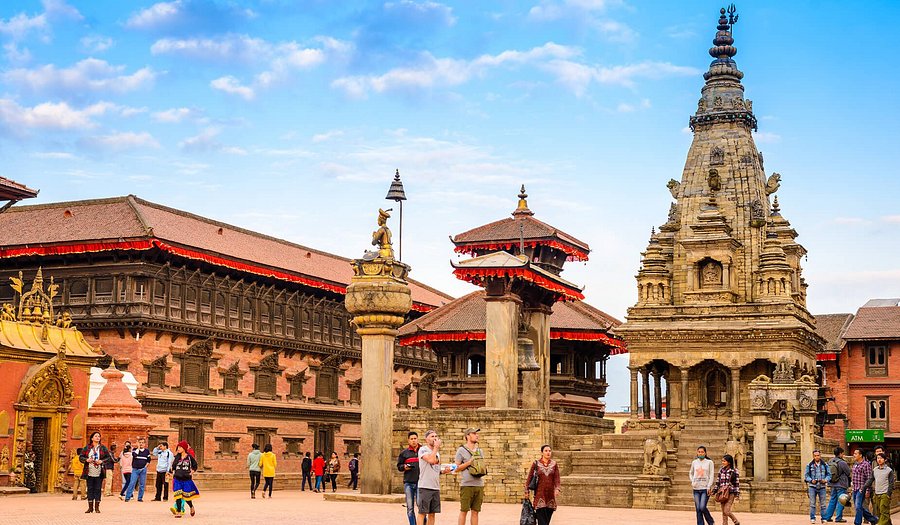
Kathmandu Valley has 3 UNESCO World Heritage Durbar Squares (Kathmandu, Patan, and Bhaktapur). October is a fantastic time to experience these historic squares due to pleasant weather—this allows hours of wandering around ancient courtyards and temples without the difficulty of the excessive heat and early monsoon rains. The Durbar Squares are, in fact, living museums of culture and craftsmanship of the Malla kings. You’ll visit incredible sites in Kathmandu Durbar Square, including the Hanuman Dhoka palace and Kumari Ghar, the home of the living goddess, Kumari. Patan Durbar Square is another place you will visit with stunning art, carved temples, and gleaming metal work, with the bright sky in October.
Bhaktapur Durbar Square has its character as well, you will feel as if you’ve gone back in time with its streets, pottery square, and high Nyatapola Temple.
Bhaktapur Durbar Square
Being at these sites in October, during festivals, adds to the experience. You will likely observe traditional dances, processions, and rituals in the square; it is the one time when tourists experience both the cultural heritage of the site with the living heritage and culture of the area. Additionally, if you have an interest in photography, the cool light of October enhances the colors and textures of the wood, stone, mortar, at brick architecture. Meandering through and between these squares provides an experience that is so much more than sightseeing; you enter deeply into the living cultural history of the area that stretches back centuries.
4. Enjoy Clear-Sky Mountain Flights
October is generally considered the best month for flying from Kathmandu into the mountain regions. The weather is cooler, drier, and the skies will most likely be clear for better views.
While most flights are approximately an hour long, they usually depart in the morning, giving guests approximately an hour of spectacular views of Nepal’s Himalayan range. In this area are 3 of the world’s highest peaks: Everest, Lhotse, and Makalu. For many travelers, mountain flights are the best way to see the beauty of some of the world’s tallest mountains without the hassle of multi-day trekking.
The clarity of October makes for an unforgettable experience. Everything is awakening as the snow-capped peaks turn golden with the rising sun, and there are endless incredible views in every direction. For some airlines, they even allow passengers to enter the cockpit for an unrivaled view of the flight, with both passengers and the captain seeing Everest as you continue your flight together. It is hard to describe how this will be a personal highlight of your trip. In many regards, there are no difficult hiking steps; it is simply a sense of wonder that you are able to experience.
If you happen to be on an itinerary, a mountain flight is the easiest way to visit the Himalayas. It also provides some modifications for guests who would like to partake in some cultural elements in Kathmandu and see some of the natural beauty for which Nepal is so well known. After arriving in the capital city, you will have a memorable experience flying alongside the highest summits in the world.
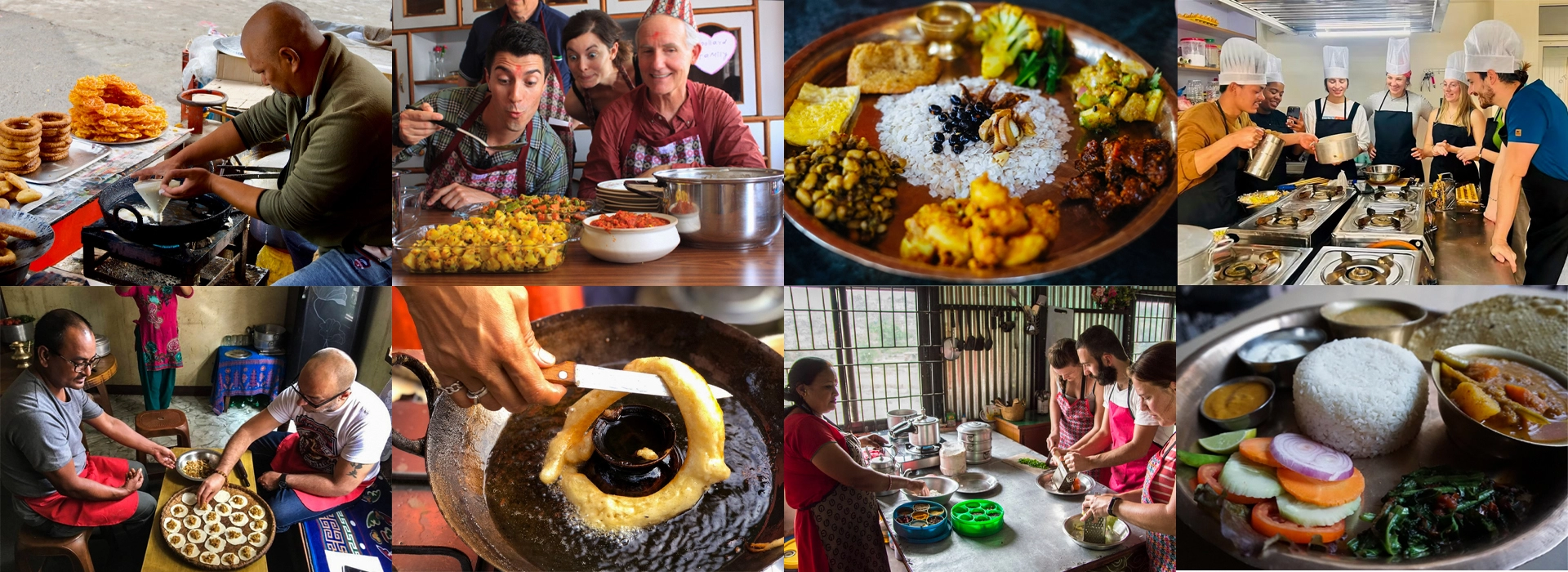
5. Attend a Local Cooking Class
Food is an essential component of any culture and October is a fun month in Nepal with the festival season. Local cooking classes in Kathmandu give tourists the chance not just to eat the food. But to learn to make local favorites such as momos, yomari, and sel roti. In most classes, you will get to walk to the local market with your cooking class. And purchase the freshest vegetables, spices, and grains while learning about the significance of the food.
As you are with family during the hours of the Dashain and Tihar holidays. They will take you to enjoy large meals of goat curries, beaten rice, and sweet deserts. You will take cooking classes during your stay. It will not only explain and walk you through making each of these items for a meal. But also explain the cultural context of each food to better understand the holidays.
Usually, the instructor will also share a story while describing the food traditions that add layers of cultural history and understanding to each recipe.
At the end of the cooking class you will have the chance to sit down with your group. And enjoy the food you just prepared while sharing and laughing over the food. With the feel like you were there with any local family. And where the most important learning happens is not just the actual food preparation. But also the potential for your experience to bring part of the cultural food traditions home. You will possibly think back to create your own experiences. And begin recreating what you experienced in Kathmandu, when you return back to your own kitchen.
6. Visit Swayambhunath and Boudhanath Stupas.
For those travelers who came to see the famous Swayambhunath and Boudhanath nod temples. You cannot see either of these two sites more beautifully than in the month of October. The skies are clear, and you will be able to see the golden-gilded spire of Swayambhunath. As the stunning backdrop of the Himalayas. Visitors could then walk up the stone steps, often with prayer wheels lining the corners. Or even noticing some monkeys playing around. You will be rewarded with stunning views over the Kathmandu valley, especially in the early morning or just as the sun is going down and the Himalayas are casting cascading hues of color over the valley.
You will experience an entirely different type of spiritual experience at Boudhanath, among the largest stupas in the world. Visitor will hear the monks chanting prayers from the corner, while devotees will be walking around the stupa with butter lamps. You may create the ambience. You will see the colourful prayer flags catching the waves in the wind. The feeling of the air, all while cooling and thick with sacredness, creates the mood perfectly in October. There is a meditative feel to the atmosphere on any side of Boudhanath.
Both locations are uniquely lovely at night. At Swayambhunath, you can view the twinkling lights of the city as darkness falls. At Boudhanath, the tea houses that encircle the stupa are warm and inviting, providing an enjoyable environment to sip a cup of Tibetan tea while observing your surroundings. You will feel settled in the center of Kathmandu’s spirituality after visiting these stupas in October.
7. Trekking Day Trips From Kathmandu.
October is regarded as the best month for trekking in Nepal. If you do not want to go on prolonged treks to view the Himalayas, there are easier day hikes from Kathmandu to get your fix. Treks from Kathmandu to Nagarkot, Shivapuri, and Champadevi all provide stunning views for day hikes.
The weather during October also makes hiking pleasant. Hiking trails and paths are generally dry after the monsoon season, with mostly blue skies and mild temperatures. More specifically, this weather pattern means you can hike for hours without worrying about muddy hiking paths or about being too hot. The visibility in October is also crisp and offers you the best visuals of the Himalayas when the mountains come into view.
Day hikes are well-suited for travelers wanting to get some natural exploration as well as cultural exploration. Whether it is to view the sunrise at Nagarkot, see birds in Shivapuri National Park, or test yourself on the steeper trails of Champadevi, these shorter hikes are refreshing opportunities amidst easy access to and from Kathmandu.
8. Shop for Handicrafts and Festival Souvenirs
Kathmandu is a shopper’s paradise and, with October, the markets are teeming with festive energy. For tourists, the most popular shopping place is Thamel. It is rich in trekking gear, jewelry, prayer flags, and Tibetan singing bowls. The Asan Bazaar is the oldest market in the city and the place where locals shop for spices, brassware, and decorative materials for festivals. Patan has many crafts that have been made by local artisans including thangkas, jewelry, and handwoven textiles.
During the festival season, markets are even more vibrant. Stalls are fill with clay diyos (lamps), marigold garlands, and small altars to make sweets with during the Tihar rituals. There are also handcrafted pashmina wraps and khukuri knives that make for great souvenirs and reflect Nepalese culture and craftsmanship. Shopping during Tihar is not just about purchasing items. But about participating in the contagious energy of the festive spirit of the city.
There is also the added element of bargaining in Kathmandu that is a part of the experience of shopping in local markets. Vendors expect bargaining but always with the utmost respect and friendly smile. For tourists, shopping in the markets of Kathmandu becomes an exchange of culture. As well as a transaction so that you may take home not only a unique souvenir. But a story to share behind the treasure also.
9. Indulge in Nepali Street Food
The street food scene in Kathmandu is at its prime in October when festivals unlock extraordinary flavours. Street vendors surrounding various temples and markets serve fresh, steaming-hot tasty snacks. From momos (dumplings), to chatpate (a spicy, puffed rice combination) to sel roti (sweet fried bread). With the evenings being relatively cool, this is a great time to walk around having a snack.
Food itself is an occasion steeped in historical cultural contexts. Therefore, the food that you eat in October has relevance in your involvement to its cultural significance. For example, sel roti is typically made during Tihar and served with various curries. Food stores and markets fill up with sweet, festive, candy such as barfi and laddu. Street stalls surrounding Asan, Basantapur, and Boudha explode with activity. local people eat their own snacks or street food, adding to the atmosphere.
For spacefood lovers, street food is one of the most authentic ways to connect. And get a true feeling of Kathmandu. Sharing a plate of spicy momos with local people or sipping doughy masala chiya at an active tea shop. It goes well beyond flavour, and gives you a slice of everyday Nepalese life. October only expands and enriches the experience as the snacks give a seasonal twist and variety.
10.Take Part in Cultural Tours and Workshops
Kathmandu has more to offer than picturesque sights; it is a city where active learning can lead you to immerse in local culture. As October is high season for tourists, many classes and workshops will be available. Pottery classes in Bhaktapur offer you a chance to learn how to form clay into bowls, and Thangka painting classes. Patan will teach you about painting the religious scrolls of Tibetan Buddhism. These opportunities are not just experiences; they are opportunities to engage with and learn about Nepali culture.
In October, the festival season happens, which adds to the richness of workshops and classes. Sound healing with Tibetan singing bowls sessions in Boudhanath has a large demand. For participants looking for an experience that requires unwinding from sightseeing. These learning experiences provide tourists not just a cultural education. But also the ability to practice mindfulness and engage in an artistic activity.
The appealing factor of the workshops and classes is the personal component. Working with local artisans allows you to learn about their story and also create something. Whether it is a painted canvas, a clay pot, or meditation or chanting. You are able to leave the experience with something much more significant than a store-bought souvenir.
Conclusion:
Many believe that there is no better season to go to Kathmandu, Nepal, than October. You have the festivals at least Dashain and Tihar (often celebrated in October). It is wonderful, clear visibility to enjoy the Himalayan views, and ample opportunities for cultural experiences, activities. A community vibe unique to that time of year in Nepal. Whether you are wandering the squares and heritage of Kathmandu, taking a Nepali cooking lesson, or simply looking over the city. And watching it light up with festival lights. Being in Kathmandu each October is a range of experiences you will not find anywhere else.
If you have been dreaming about a trip to Nepal, this is the ultimate to-do list for October. In Kathmandu, you will return home with memories that last a lifetime. Nepal is waiting with your appetite. Contact us today at Happy Mountain Nepal, on Facebook, Instagram, or TikTok .
Festivals in Nepal: When to Visit for Cultural Experiences
Nepal is a wonderfully diverse country with authentic traditions, and spiritual vitality that permeates the entire country, but it is also a country with hundreds of vibrant festivals that illustrate the spiritual and cultural diversity of Nepal. Between energetic forms of ancient Hindu worship and similarly energetic celebrations of the return of buddahood in Tibetan Buddhism, there is something wildly something going on every month of the year in Nepal. Therefore the best way to identify your next travels is to base your trip around the main festivals within Nepal. Thus, the best way to identify your next travels is to organize your trip around the major festivals within Nepal.
In this blog, we will assist you in identifying what the major festivals in Nepal are and when they happen, what they entail, and how to put together a trip to be part of them.
What Is It Like To Travel To Nepal In The Midst Of Festival Season?
Being in a festival in Nepal is not simply being in a ‘parade’ or ‘temple ritual’, but being part of it. Being shoulder to shoulder and walking in rhythm with the locals, experiencing the crush of the events, tasting local sweets during Tihar Festival, these experiences connect you to the culture, the heritage and the hospitality of Nepal.
Key reasons to visit during festivals:
Authentic community involvement
Festivals provide an authentic opportunity to appreciate what Neplai people do day to day, and the practices that inform everyday life. You will witness practices and rituals that are several hundred and thousands of years old, being done with customary pride. Festivals also afford you the chance to involve yourself with local folks when they are actively jubilant and most enthusiastic. The breadth of experience you will achieve from a festival is not comparable to tours which typically have a sightseeing-oriented agenda.
Incredible visuals
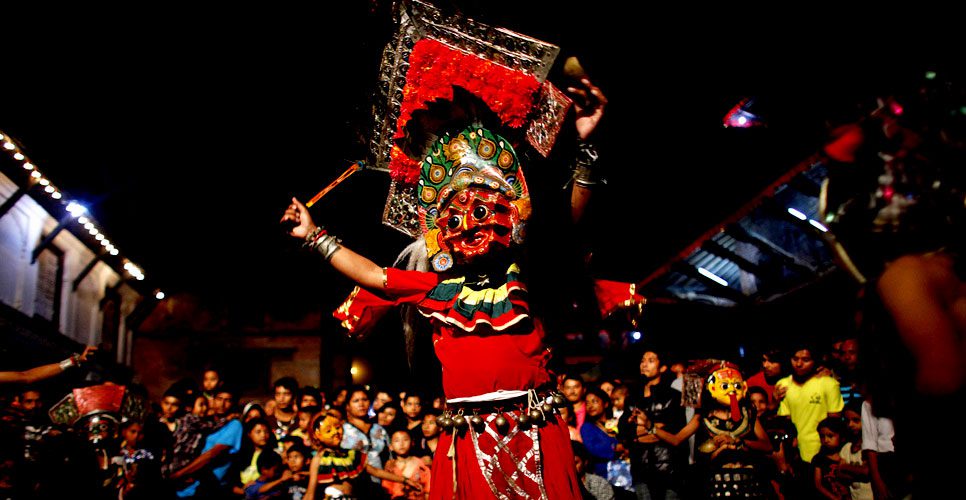
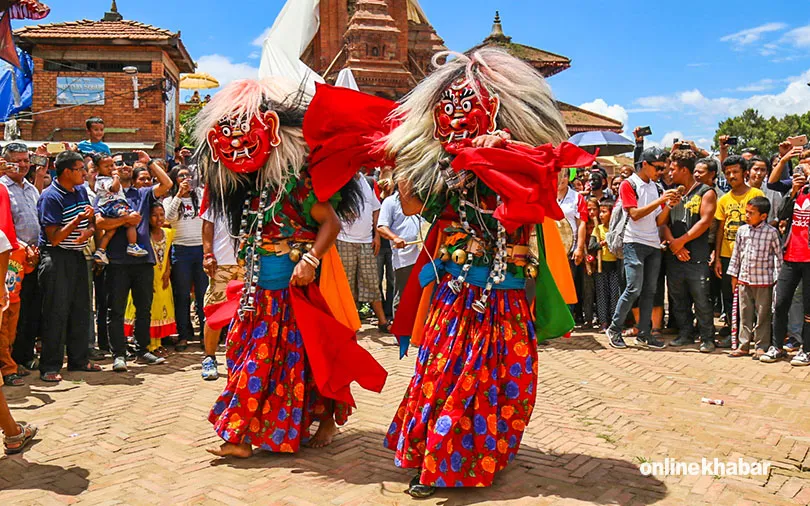
In addition to socially and culturally immersing yourself in a festival, there are also visual spectacles provided in the form of the amazing architecture, bespoke costuming, and fantastic parades. There are incredible visuals to capture in every direction whether it be the masked dancers of Indra Jatra or candlelit temples during Tihar. These experiences generate dynamic, unique, and culturally relevant visuals. For photographers or content creators, you will find an infinite heap of rich visual and experiential inspiration.
Traditional food, music, and dance
During festivals, there are special foods that you normally do not get to eat on an everyday basis – sel roti during Tihar or yomari during Yomari Punhi. There is music and dancing in the streets: folk drumming, dancing, and traditional Newari music. These are sensory events that deepen your knowledge of different ethnic cultures of Nepal. It is a feast for not only your stomach but also your spirit.
Local and traditional festivals
A hands-on opportunity to learn about Hinduism and Buddhism Festivals are religious traditions with their roots in the spiritual context of Nepal. A festival provides a chance to understand rituals, deities, legends, and sacred practices of both Hinduism and Buddhism. When you see puja, prayer, and symbolic practices, you can understand how those practices embody those beliefs. Festivals are a cultural learning experience disguised as celebration and participation.
More colorful and exciting in towns and cities
The color and energy generated by festivals comes alive in towns and villages and even remote mountain villages. There is huge presence of colorful lights, flowers, and mandalas! Amidst it all, people are all wearing traditional ethnic clothing. There are millions of collective identities in expressions of happiness and celebration wherever you find yourself adding color to every location!
Major Festivals in Nepal
1. Dashain (September–October) – the biggest Hindu festival in Nepal!
Dashain is the longest and most important festival to celebrate in Nepal representing the victory of good over evil. Itis a 15 day festival with significance each day, culminating the festival on the tenth day (purnima) with Elders applying tika and blessed jamara to younger members of their families. The Dashain holiday is dedicated to worshipping Goddess Durga, who is also recognized as Goddess of power and protection, cleaning the home, and purchasing new clothes and gifts in order to reassemble with family on this special occasion!
There are fairs in all public squares, you will see traditional bamboo swings built in many villages. People fly kites wherever they are in the country to enhance the celebrations! Animal sacrifices are still held at a few temples to maintain historical customs; a remarkable opportunity to experience the honest rituals and demonstrate family closeness is presented as most of the population shuts down for Dashain!
Key Takeaways:
Festivals in Kathmandu and the surrounding areas of Nepal,
Are massive festivals and celebrations,
with kites, swings, and feasting!
Best Experience in: Kathmandu, Bhaktapur, or in rural villages for the traditional experience.
2. Tihar (October-November) – Festival of Lights and Animals.
Tihar is a colorful festival that pairs the spiritual with the visual, and is hard to miss with all that defines the five days. Every day has a different being that is honored: crows, dogs, cows, oxen, and ends with brothers. Houses are adorned with special decorations of oil lamps, candles, and rangolis (colored pattern made with flour, rice, colored sand, or flower) to Laxmi, goddess of wealth, at her Laxmi Puja.
The final day we celebrate Bhai Tika, the love between siblings, where sisters put the tika and blessings garland on the brothers. Children sing Deusi-Bhailo folk songs to their neighborhoods, and everyone adorns their houses joyously with gaiety and song in appreciation of the season. With the lamps and sound of song in the air…Tihar is undoubtedly one of the most popular holidays in Nepal.
Main Attractions:
Entire towns lit up in lights
Laxmi Puja rites
Traditional Deusi Bhailo singing and dancing
Best Place to Experience: Kathmandu, Pokhara, and minor towns for authentic home celebrations
3. Holi (March) – Festival of Colors
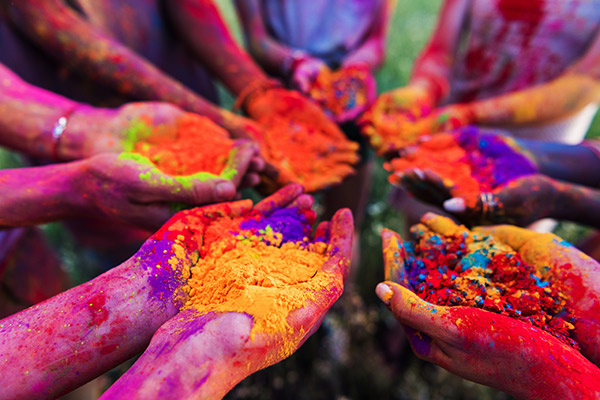
Holi is a chaotic outpouring of color and energy which celebrates the end of winter and the arrival of spring. Initially a Hindu festival recognized with the tales of Lord Krishna and His relationship with Prahlad, it has turned into a happy public holiday since. People will splash each other with colored powder and water, dance in the streets, and blast loud music.
Its a weeklong opportunity for togetherness, where social hierarchies collapse into a big party atmosphere. There are many friendly/welcoming open spaces where tourists can access to take part in Holi, particularly in Basantapur in Kathmandu or Lakeside in Pokhara. Although it is mostly a fun time, there also is a spiritual message of love, forgiveness, and new beginnings.
Key Highlights:
Colorful Powder Splashing and Water Balloon Fighting
Singing, Dancing and Street Processions – Public Parade
Inclusive – For Tourists Too!
Best Place to Enjoy: Kathmandu (next to Basantapur), Pokhara, and Terai Regions.
4. Indra Jatra (August–September) – Kathmandu’s Most Vibrant Street Festival
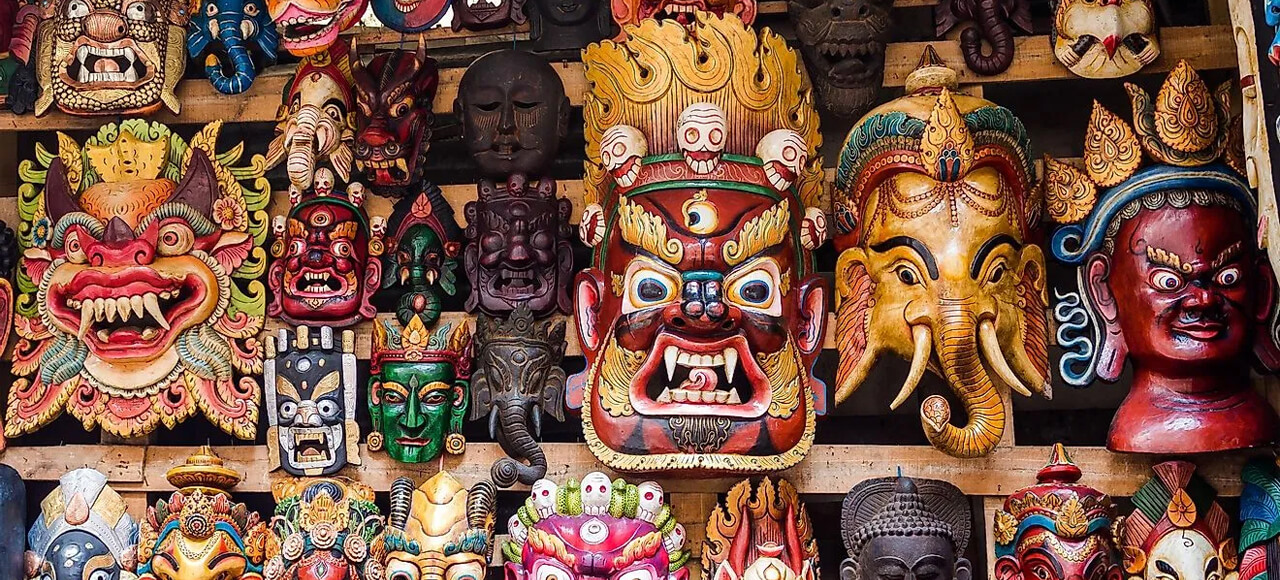
Indra Jatra is a vibrant eight-day festival of the Newar people and occurs mostly in and around Kathmandu. It is a celebration of Indra the King of Heaven and Rain God and is an opportunity to experience a taste of the culture of this region. The festivities start with the raising of a ceremonial wooden pole (Yosin) and continue with performances of masked dancers such as Majipa Lakhey that represent the guardian dieties.
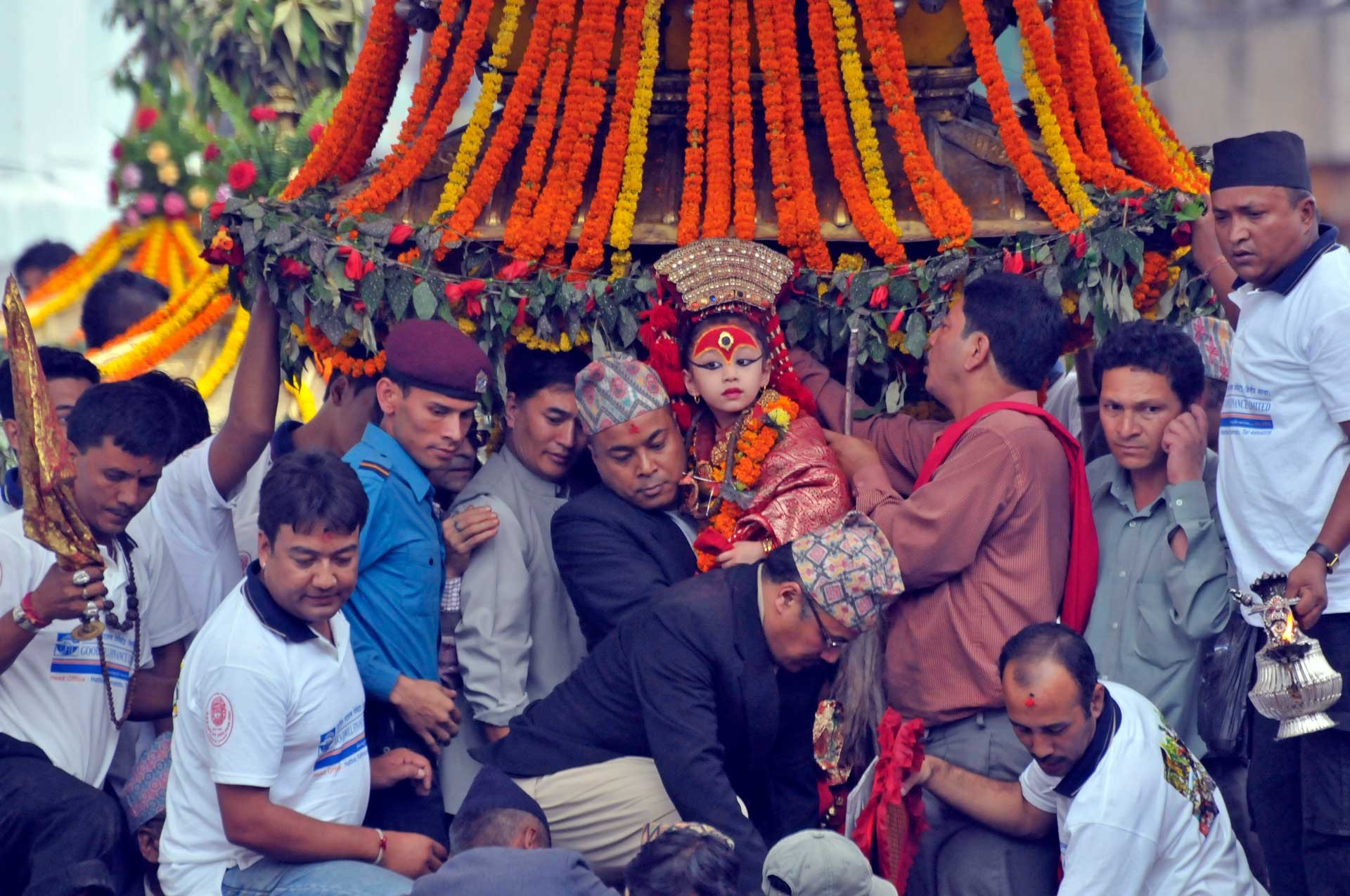
Perhaps the most popular event of the festival is the chariot procession of the Living Goddess Kumari through the ancient streets of Kathmandu Durbar Square. From stone spouts there is a steady supply of local beer, crowds of many thousands gather to watch, and there is a atmosphere of complete celebration and religious devotion that makes it an unforgettably rich experience.
Top Highlights:
The Mijpa Lakhey and all other mask dances
The Kumari’s chariot procession
The beer flowing from traditional spouts in Basantapur
Artistic Attraction: Kathmandu Durbar Square
5. Buddha Jayanti (April–May) – Celebrating the Birth of Lord Buddha
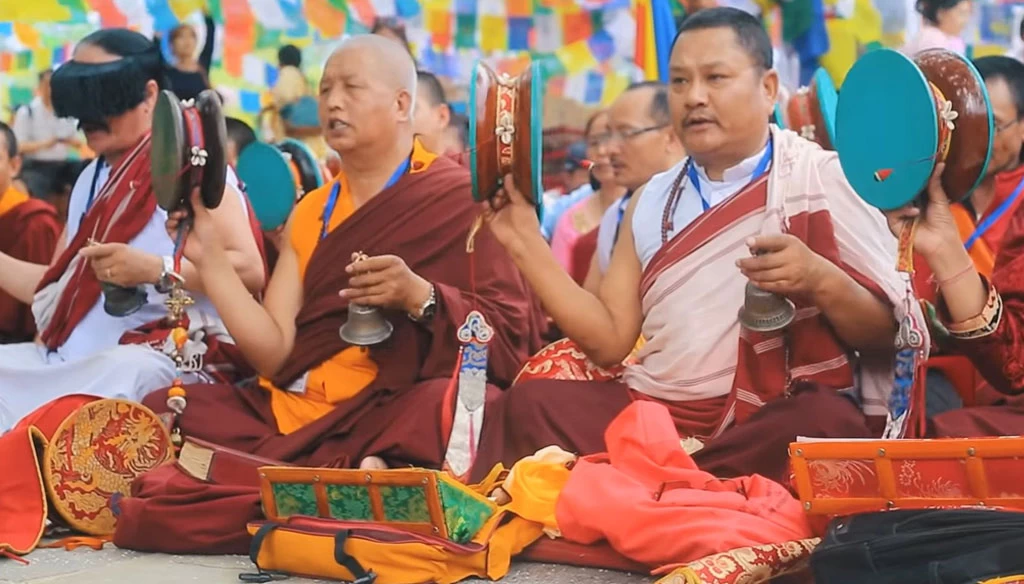
Buddha Jayanti is a quiet, relaxed and somewhat spiritual event. It marks the birth, enlightenment and nirvana of Lord Buddha. It is a day largely for Buddhist communities, and it is a day of remembrance, characterized by peaceful prayer, offerings and experiencing perhaps the most meditative of rambles with monks chanting their sacred texts, or devotees lighting butter lamps at temples and stupas.
Buddhists from near and far journey to sacred Buddhist sites, whether it is in Lumbini (Buddha’s birthplace), or locally in Kathmandu at Swayambhunath or Boudhanath. The atmosphere is some-what solemn, reverent and peaceful – it an ideal opportunity to get a glimpse into a little sliver of Nepal’s Buddhist culture, whilst learning about Buddha’s message of peace and compassion.
Key Highlights Include:
Prayer ceremonies and offerings of butter lamps
Chanting of Buddhist scriptures
Pilgrimages to sacred places of Buddhism
Best Places: Lumbini, Swayambhunath (monkey temple), Boudhanath Stupa
6. Teej (August-September)- Fasting and Dancing Women´s Festival
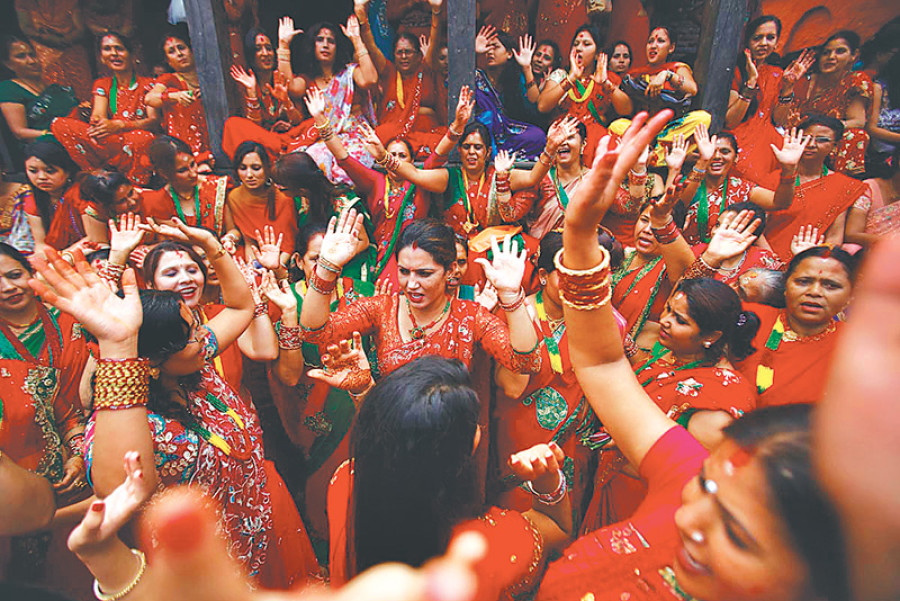
Teej is a large festival for women which is a marriage homage to devoted women and woman power. Nepali women wear long spacey red saris, and in many cases, congregate at a temple like Pashupatinath and sing devotional prayers. Most women attending the festival will be fasting for the day to pray for auspiciousness and marital happiness for those that are married or a prayer for a future husband to enjoy good health.
Women will have a Dars or a special ceremonial meal before they begin their fast. Throughout the festival of Teej the temple courtyards are full of singing and traditional praying/dancing from all parts of Nepal. It is a colourful expression of sisterhood and love and the most photogenic and happiest festival you can experience in all of Nepal.
Main Highlights:
A female driven procession and dance party
Pashupatinath Temple packed with women
Cycling unique feast (Dar) and rituals
Place to celebrate: Pashupatinath Temple Kathmandu
7. Maghe Sankranti (January) – Harvest – Solstice Festival
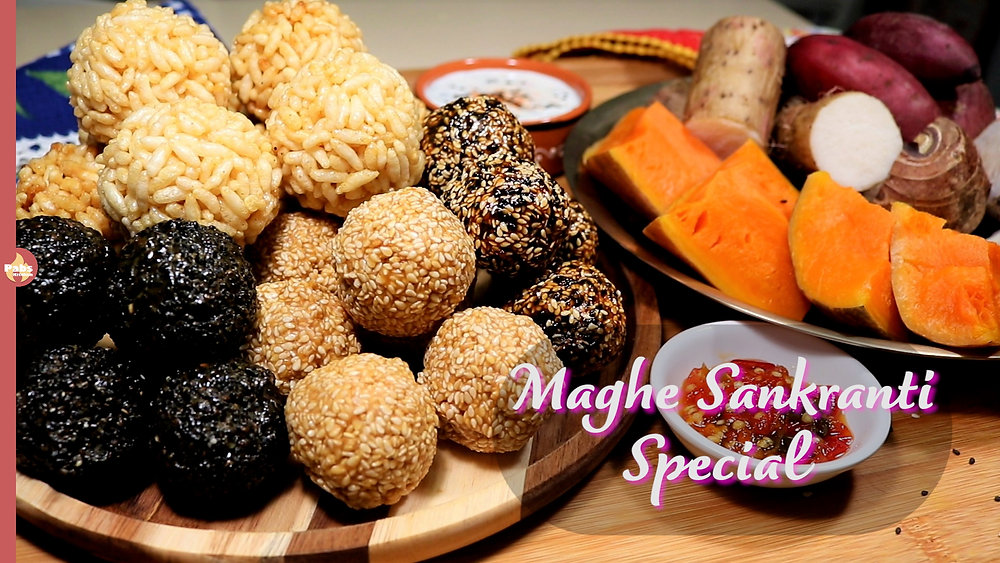
Traditional Maghe Sankranti definitions center around the sun moving to the northern hemisphere for longer, warmer days. Families wake up very early to bathe in holly rivers. Then they gather and eat seasonally available sweet food: sesame sweets (til ko ladoo) with molasses, yams, and ghee.
Daily trips happened to sacred confluences, like Devghat, and many will bathe to worship gods maximum health and wellbeing. The nature of Maghe Sankranti is the end point of relative renewal and calming reflection – especially compared to the very loud, riotously large festivals in Nepal.
Main Attractions:
Pilgrimages to river confluences (Devghat, etc.)
Sacred bathing Homemade traditional foods
Best Place to Experience: Devghat, Chitwan, or village locally
8. Gai Jatra (August)
Festival of Cows and Laughter Gai Jatra, or the “festival of cows and laughter”, is one of Nepal’s most distinctive festivals as it combines the concept of memory and humour. Families who have lost loved ones in the past year join the parade by leading a cow, or young child dressed as a cow, and guide the soul onward. It is a healing tradition that transforms grief into a celebration. The streets of Bhaktapur, Patan, and Kathmandu are filled with comedic sketches, parody raps, and traditional instruments. This festival physically illustrates joy and togetherness through laughter-based celebrations with lively entertainment. Gai Jatra plays a significant role in helping the community express sadness through humour and community support, which makes it very emotional, and incredibly funny and uniquely cultural.
Main Attractions:
Street parades with traditional acts and hilarious sketches
Processions of cows (or children in cow costumes)
Satirical performances with laughter
Best Viewing Places: Bhaktapur, Patan and Kathmandu
Advice for Festivals in Nepal
Book early: Flights and hotels are booked quickly for the blockbuster festivals of Dashian and Tihar
Dress appropriately: Dress conservatively, remove your shoes or sandals in temples
Ask first: Always ask before taking pictures especially for sacred rituals or family occasions
Be respectful: Be respectful when you participate and follow local etiquette
Stay longer: Nepal is huge and has usually lots of rituals on many days of the festival
Festival Calendar Summary (Quick Reference)
Month
Festival
January
Maghe Sankranti
March
Holi
April – May
Buddha Jayanti
August
Gai Jatra,
September
Dashain
October
Tihar
August
Teej
August
Indra Jatra
Final Thoughts: The Best Times to Visit Nepal for Cultural Festivals
Although Nepal is a unique destination at all times, August to November is the best time to visit for cultural festivals, so you are going to be in for an Awesome experience! There is a festival literally every week during these three months and the clear skies and onset of the trekking season could not be better!
Whatever your preference; whether you are attracted to the spiritual vibe of Buddha Jayanti or the explosion of colours and energy of Holi, being able to participate and witness at least one festival in Nepal will allow for a much greater understanding of Nepal’s heart and soul. Therefore, time your visit to fall within one of these extraordinary occasions, and walk away with experiences and memories to last a lifetime.If you are planning to visit Nepal then contact us today at Happy Mountain Nepal, Facebook, Instagram, or TikTok.