Tag: trek

  • Top 7 Treks in Nepal: From Everest Base Camp to Hidden Gems

    Top 7 Treks in Nepal: From Everest Base Camp to Hidden Gems

    Top 7 Treks in Nepal: From Everest Base Camp to Hidden Gems

    Nepal offers some of the best trekking in the world! With eight of the ten tallest peaks in the world, and trails that go through beautiful valleys, cute villages, incredible forests and stunning mountain passes. So whether you want to do a world renowned trek like Everest Base Camp, or want to get away from the crowds and explore the remoteness of the Himalayas, one thing Nepal is not short of is trekking. In this blog, we are going to discuss the top 10 treks in Nepal, from the more well known treks in the world to the most remote.

    1. Everest Base Camp Trek

    Everest Base Camp Trek is a life-changing experience – a spiritual journey, physical and cultural growth – all in one trek. At an altitude of 5,364 meters and around the tallest mass on earth, Mount Everest, which is 8,848.86 m (29,031.7 ft), you will not be affected much by the altitude sickness. With every step you will be on top of legendary mountains, historically significant monasteries, ancient villages and an experience that will become a soul-trek experience based on the experience, that time will never fade from your memory.
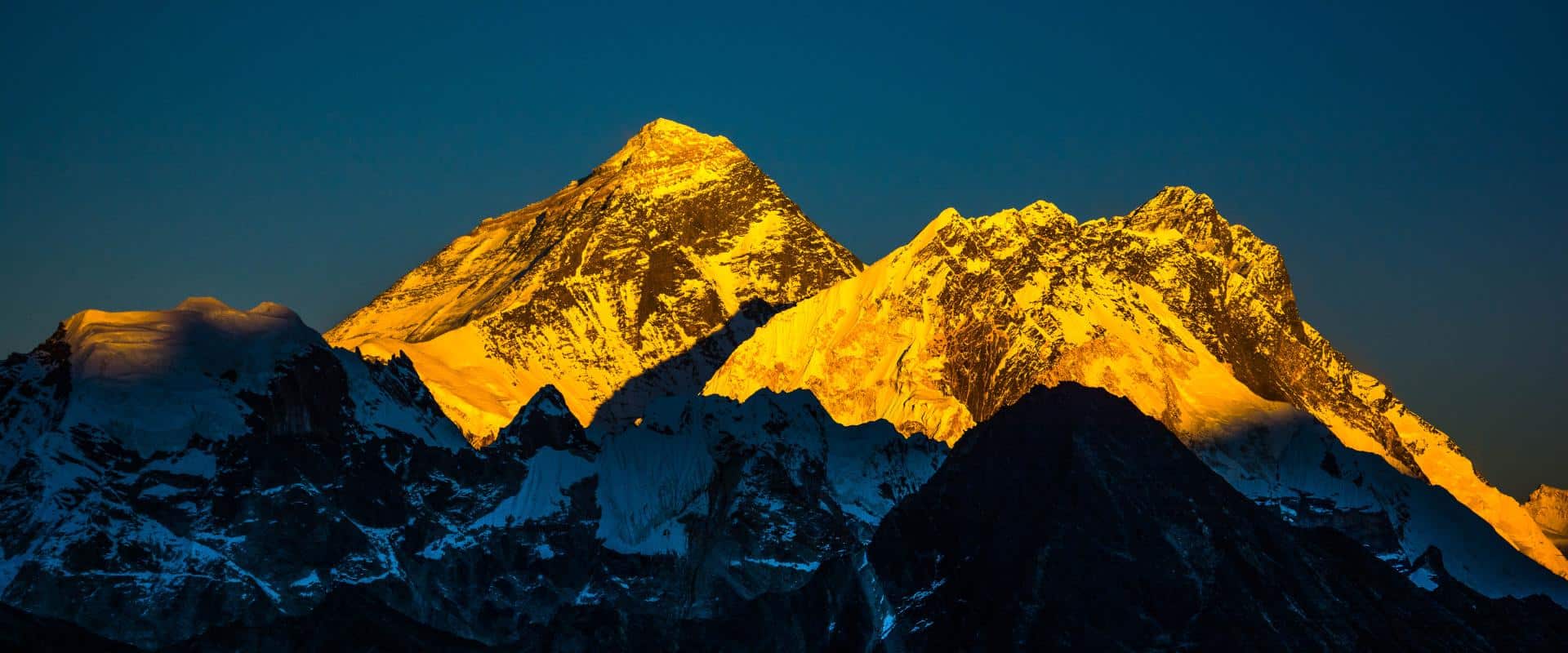
    everest base camp mountain view

    Highlights

    1. Get close to Mount Everest

    Being at EBC is being and standing in the shadow of the world’s highest- a position where you can only dare to have the audacity to assert and check off your bucket list, together with all the other adventure-seeking travelers from across the globe. You’re not on Everest, but where the Everest giants of Mount Everest are, like sunrises on the great ridges, is heavenly. Walking the EBC trail by yourself takes you, by legend, as close as it gets to the Mount Everest summit view and mythic Kala Patthar (5,545 meters), quite possibly the best view of Everest you’ll ever have the good fortune to witness.

    2. Culture and Spiritual Immersion

    You’ll meet villagers of the Khumbu: tough Himalayan folk with highly developed mountaineering prowess, boundless hospitality, and first-rate survival skills. You’ll trek through the villages of Namche Bazaar, the villages of Tengboche, and the villages of Pheriche, all with their multicolored prayer flags flapping in the breeze, all scattered with found along the trails like spinning prayer wheels, all topped on ridges with stupas.

    At Tengboche Monastery (3,867 m), you will pray with chanting monks within sacred walls, and dark Ama Dablam and the other great white giants – a spiritual experience in the true spirit of your trek.

    on the way to everest base camp

    3. Varied and Breathtaking Landscapes

    We trek through varied Himalayan scenery:

    • Rhododendron and pine forest hide Lukla and Phakding villages,
    • Suspension bridges spanning high above glacier-fed rivers,
    • Yaks and alpine grasslands at Dingboche and Lobuche,
    • Rock moraines and snow ridges on the way to Gorak Shep and EBC.

    Every bend in the trail, a new panorama, a new peak, another rest stop, and just soak it all up.

    4. A True Physical and Mental Challenge

    It’s not a holiday- it’s a test. You’ll be trekking 5-7 hours every day, trekking all day, a nd cold and tired all day. But it is in the challenge that we get tough. To even get to Base Camp is such a great feeling and sense of achievement. It’s a test of your endurance, your determination, and your sense of accomplishment.

    2. Annapurna Circuit Trek

    Trekkers have a beautiful experience in knowing they are partaking in an incredible cocktail of untouched nature, cultural diversity and an absolutely belly walloping experience, all at the same time. Being at the core of the Himalayas, the trek is a trek from start to finish, whereby you would be able to observe the emerald valleys, meadows of alpine forest, and snow-white peak mountains, and also undergo the different traditions of the inhabitants. A seasoned trekker and also an amateur trekker taking it through an adventure trail, there is something for all at the Annapurna Circuit.
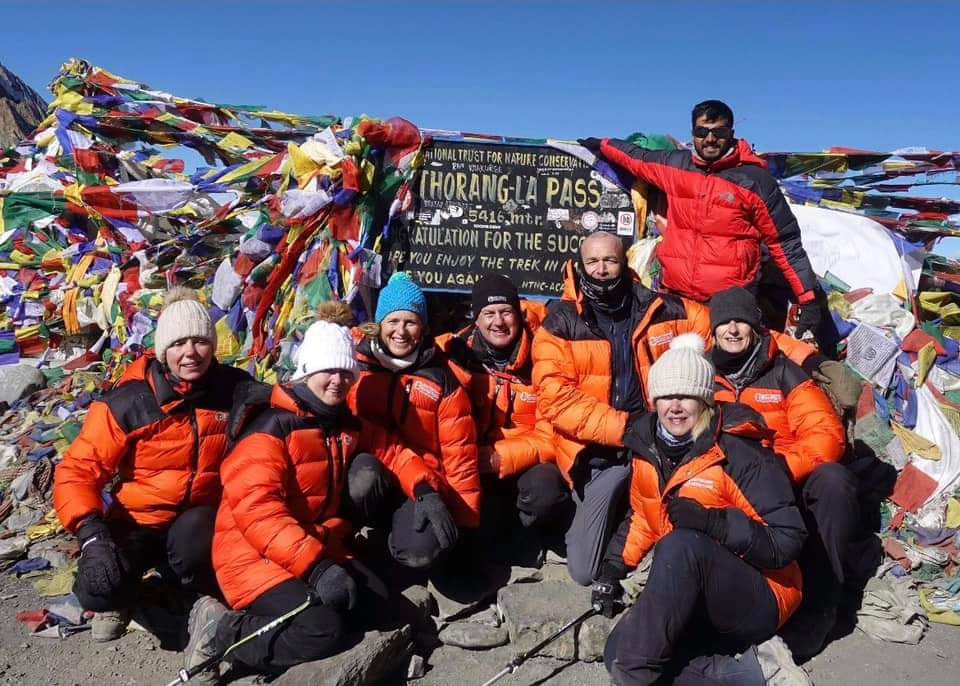
    tpurist at thorang la pass
    Top of Thorang La Pass

    Highlights

    A Varied Landscape Trek

    Annapurna Circuit Trek is a reward-risk, varied landscape trek. Trek begins in middle of the valley at dark green dense subtropical oak and rhododendron forest. With rising altitude, the terrain has been sculpted into extraterrestrial beauty of alpine grassland, glacial brook, and bare boulders. Gradient from low to high altitude is progressive, and trekkers have luxury of acclimatization.

    Immersive Cultural Experience in the Trek

    The natural landscape of the Annapurna Circuit is the most spectacular attraction, yet the experience of culture one gets while trekking there is equally invaluable. Trek leads through a series of villages and hamlets to be passed and meet the inhabitants and experience their life and culture.

    Local Food:

    Local Nepalese food of the region is most accessible by staying within the trek itself. Treks’ teahouses are located within villages where local food is eaten. Dal bhat (lentil soup and rice) is standard fare, then noodle soups, momos (steamed dumplings), and Tibetan bread. Trek food tastes bland but healthy and gives the trekker plenty of vigor for the day’s trek ahead.

    3. Manaslu Circuit Trek

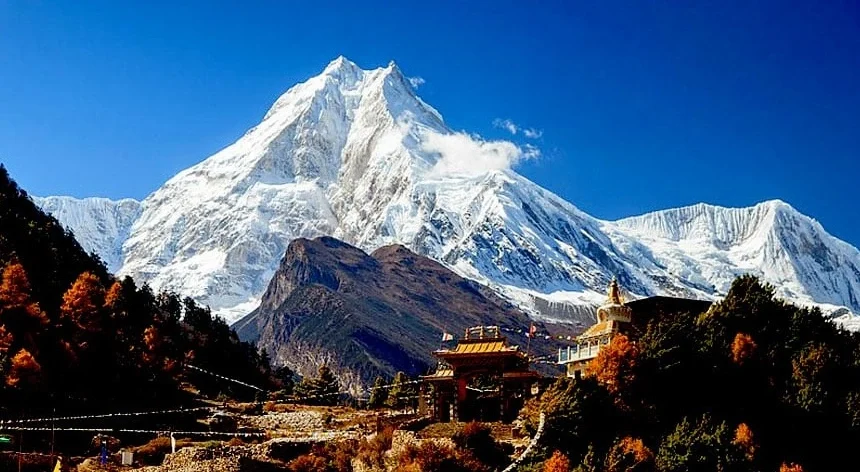
    Manaslu Circuit Trek is one of the most renowned and highly-rated treks in the world. It is located in the north-central part of Nepal’s Gorkha District. The word “Manaslu” is derived from the Sanskrit word Manasa, meaning “soul” or “spirit“; thus, it is named “Mountain of the Spirit.”
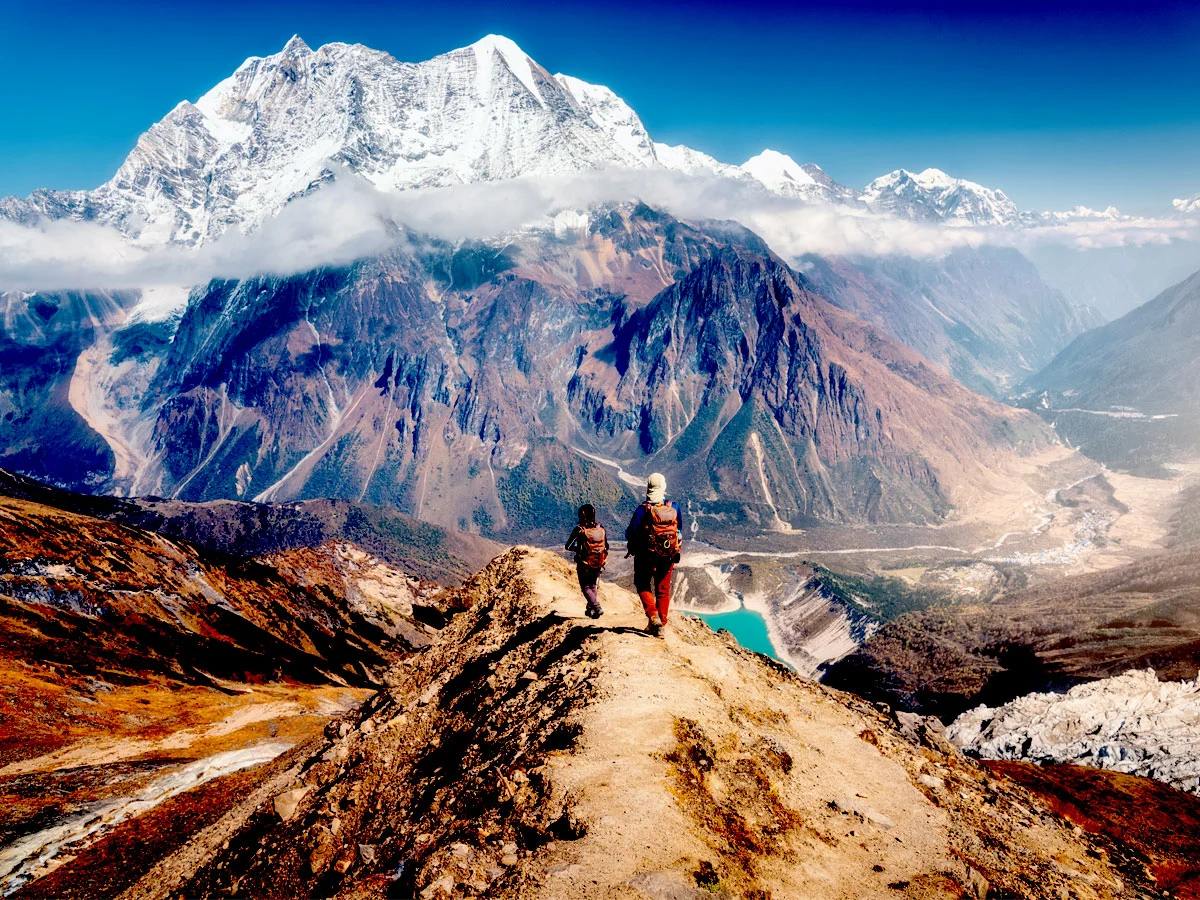
    The Himalayas of Everest is about 126 kilometers (78 miles) but in a north west direction from Kathmandu, the capital of Nepal, very close to the border separating Nepal from Tibet, China. The culture and landscape share many similarities with the Tibetan plateau.
    family on the way to Manaslu Circuit trek

    Highlights

    1. Preserved Ecological Beauty

    The Manaslu stopping area is famous for its pristine untouched subtropical forest, high-alpine altitude national meadow, fascinating villages, and natural beauty all so far away from the bustling city and closeness to nature.
    In the Manaslu region, the Budhi Gandaki River flows, which is an exciting view to watch. This is the exact place where you get to see an ideal cliff and a cascading fall.  You can find one of the most thrilling suspension bridges during your trekking, which makes your tour more adventitious. Manaslu Glasier near Manaslu Base Camps, this big glacier flows down from the glaciated faces of Mount Manaslu. Due to thawing glaciers, the stream of water and ice joins and merges with Budhi Gandaki River, enriching its scenery.

    Stellar Mountain Views

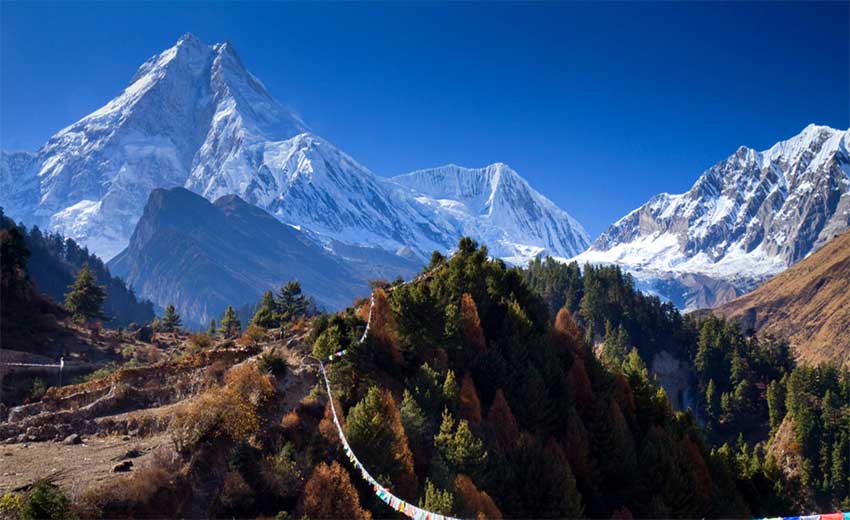
    The trek to the Manaslu Circuit is to visit Mount Manaslu at 8,163 meters (26.781 feet) which is the 8th highest mountain in the world. It also allows trekkers to see some phenomenal views of snow mountain that include snowy peaks in the Himalchuli, Ganesh Himal and Annapurna ranges along the trek. The trek to the Manaslu Circuit gives trekkers many fabulous views of the many high mountains in and around the Manaslu area as well as surrounding mountain ranges.

    • The Himalchuli mountain is so close to Mount Manaslu that it can be seen throughout the trek. The Himalchuli is the second highest peak in the area, and has massive, glacier beaten ridges which is what makes it distinct.
    • Ngadi Chuli is also called Peak 29. It is a very beautiful mountain with steep, rough sides which can be seen from many places along the trail.
    • The Ganesh Himal Mountains flank the Manaslu region to the east. Many of its peaks, including Ganesh I 7,422 m and Ganesh II 7,118 m, are visible during the early parts of the trek.
    • Shringi Himal is small in size compared to other mountains but the beauty of this mountain stands out in the lower Manaslu range, especially from villages like Ghap and Namrung.

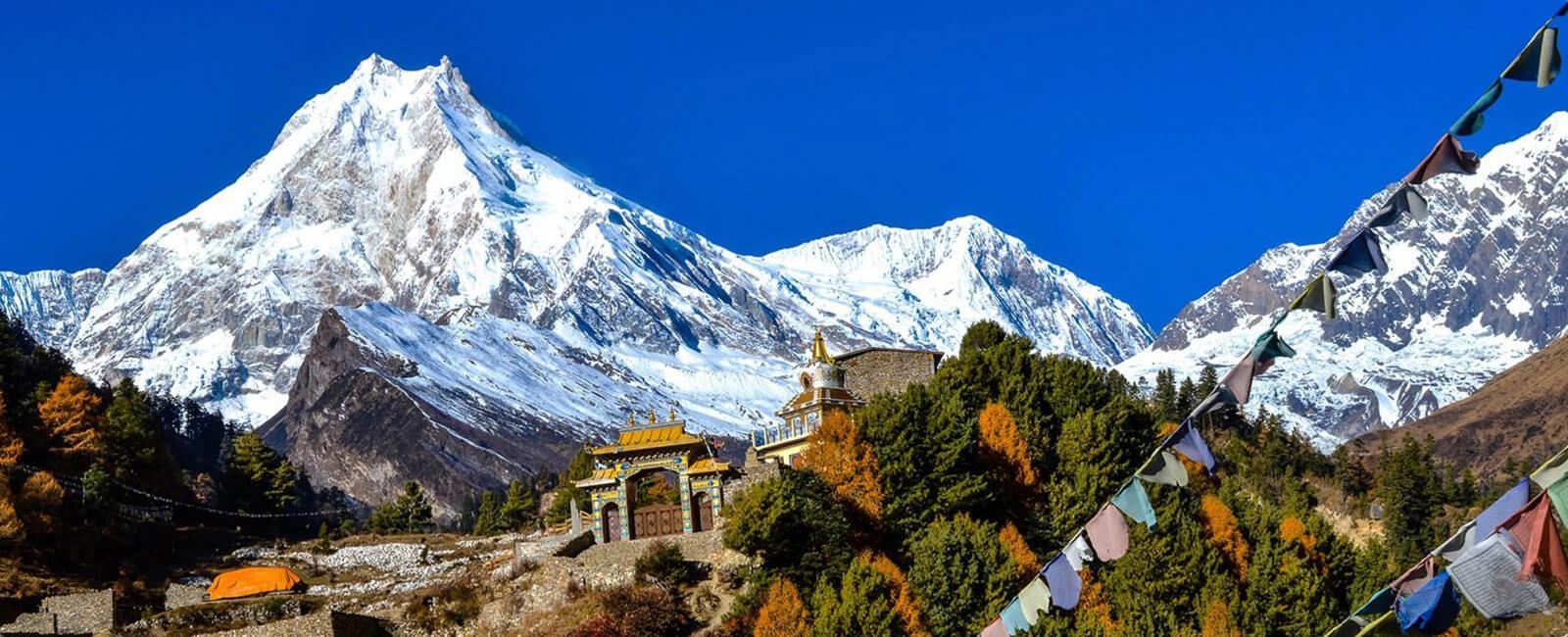
    beautiful mountain and monastires on the way toManaslu Circuit Trek Wildlife Trek

    4.Budhi Gandaki Valley

    The various picture-postcard-like villages hosting Budhi Gandaki valley epitomize the faces of culture and ways of life for the locals. Lho, Samagaun, and Jagat are typical villages typical in the Himalayas. Locals here are Gurungs and Tibetans who have maintained their culture in their houses and monasteries and practice it with great zest and zeal.

    During  our trek and stay in Budhi Gandhaki Valley you can find-

    The trekkers can travel across the terraced rice fields, through the lush valley; chances are you’ll notice that much of the area has the mountain terrain that will provide a lively contrast to the terraced fields with vibrant life during planting and harvest season.
    In Budhi Gandhaki Valley, the Tibetan influence of Tibetan Buddhism is abundant. Many of the villages extremely Tibetan, and you will also see many monasteries and prayerwheels throughout the valley

    4. Langtang Valley Trek

    The Langtang Valley trek offers distinctive access to an off the beaten track experience in Nepal. Far from Kathmandu, the trek itself is bright and remote as well as not disrupted by the masses of diversity within communities, beautiful untouched landscapes, and an escape from other trekking routes that are busier and more obvious of trekking choices in Nepal.For experienced trekkers and beginner trekkers, the Langtang Valley Trek will remain with you.

    Highlights

    Scenic Beauty: An Ever-Present Companion

    But another Langtang Valley Treking highlight is size changing landscapes. And also, you’ll be able to trek through size changing placed ecological zones as you ascend, which all differ in beauty and character.
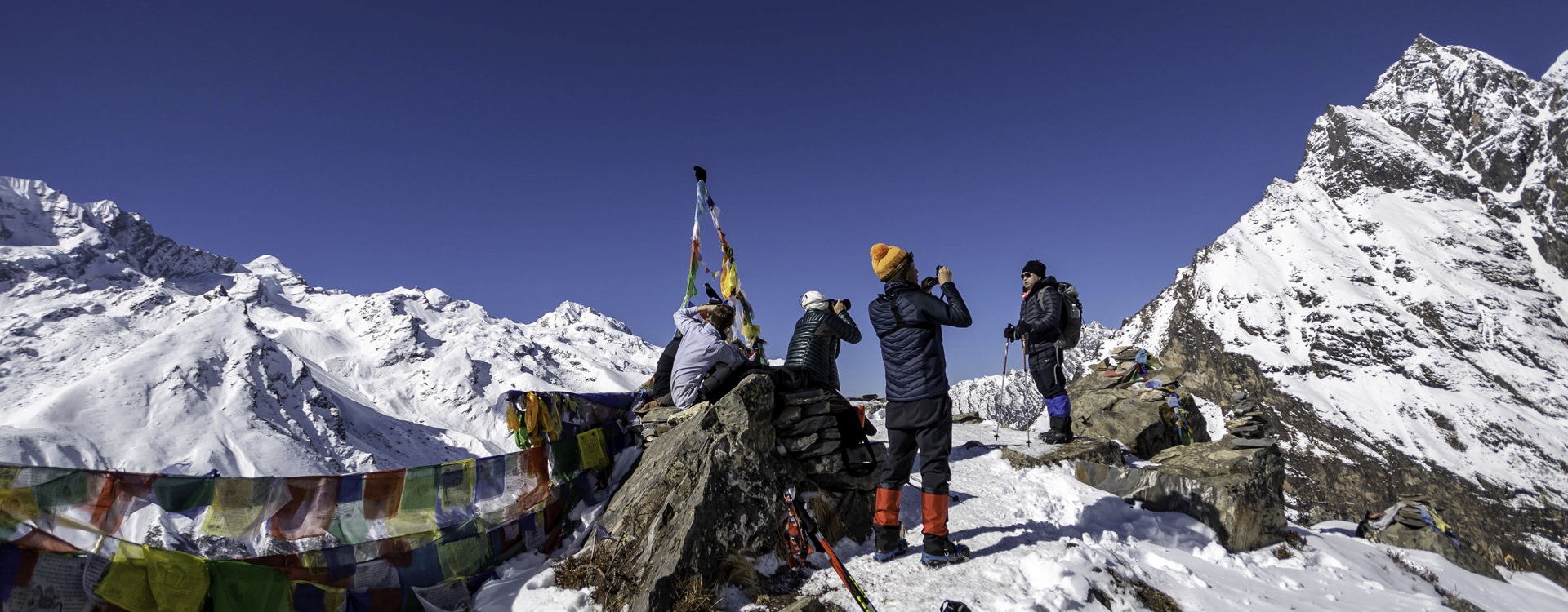
    tourist taking pictures on the way to Langtang Valley in front of mountains

    Rhododendron Forests:

    Thickly covered rhododendron forest dominates the trail at some points, covering it throughout the route at lower altitudes. In the event of the overlap of trekking seasons in springtime (March to May), there are high chances of viewing the trees in bloom in a palette of pinks, reds, and whites covering the country in all its glory.
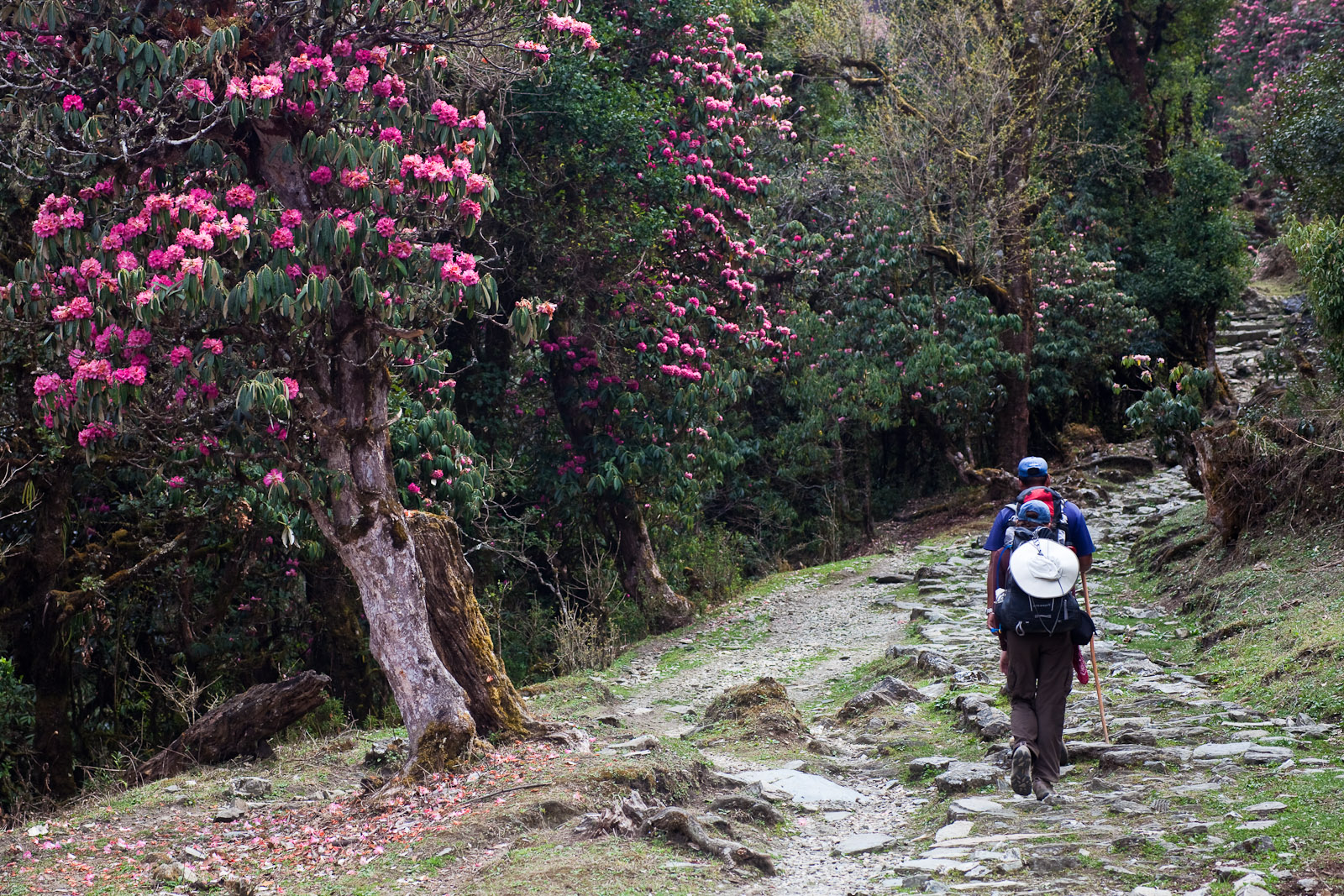
    Rhododendron Forests and trekkers

    Rivers and Waterfalls:

    The trail is largely river-sided, and the rivers are supplied by Langtang range’s melt-down. Cross wood suspension bridges and hear the soft tap of running waters. Whims of falling waterfalls either between or after rains provide the whole scene with a near divine appearance.

    Alpine Meadows:

    Higher still, the land is wider and is made up of alpine meadows and grass slopes with splendid scenery of the gigantic mountains. Yaks and other domesticated animals graze across the meadows, adding to the countryside character of the place even more.

    Mountain View:

    Langtang Valley is surrounded by the loftiest of the range, i.e., Langtang Lirung (7,227 m), Kimshun (6,365 m), and Ganchenpo (6,387 m). These mythic hills surround you and you on the trekking trail and step by step increasingly overshadow you before Kyanjin Gompa. From Kyanjin Ri (a famous viewpoint near Kyanjin Gompa), you gaze at the whole length of Langtang in the far horizon. Something which will make an indelible imprint on your mind.

    5. Ghorepani Poon Hill Trek

    Nepal trekking typically evokes images of demanding treks like the Everest Base Camp trek and Annapurna Circuit trek . But did you ever think that you could be enlightened to the beauty that is the Himalayas in a few short days? For 2025, no trek compares to the incredible short trek of Poon Hill humanly able which is accessible for all trekkers! In this article, we want to do all we can to hook you into having Poon Hill as a prize on your bucket list for this year!
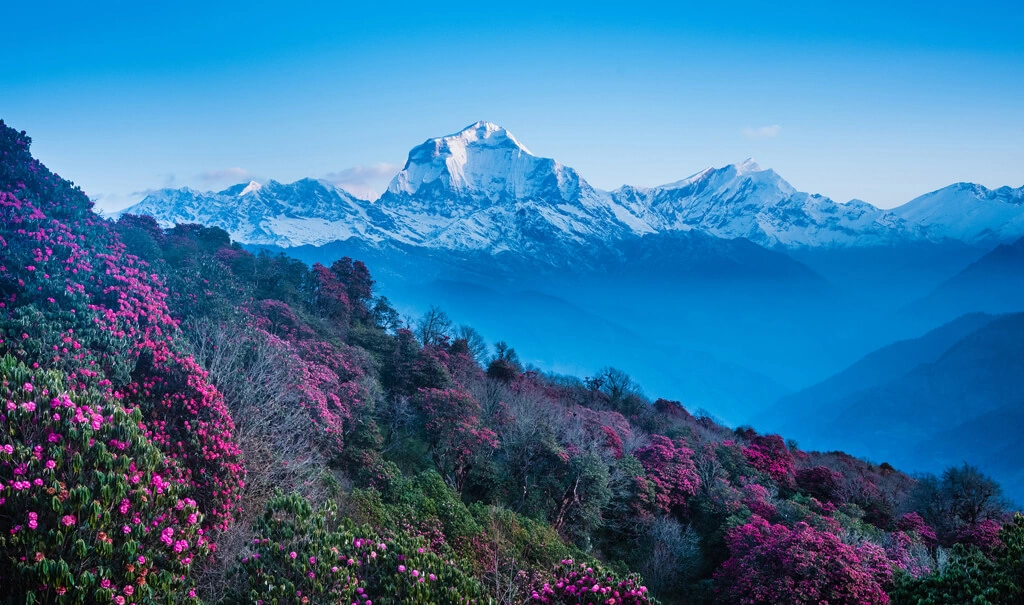
    Poon Hill at rhododendron forst

    Poon Hill Trek Highlights

    1. The Legendary Sunrise from Poon Hill

    At 3,210 meters, Poon Hill is very well known for its iconic sunrise view and layover destination on the journey, therefore Poon Hill is one of the most trekked destinations. As the light fills the sky at Poon Hill, the first light of day appears above the world’s famous and snow covered peaks of The Himalayas, Annapurna, Dhaulagiri, Machhapuchhre (Fishtail) and Nilgiri.

    2. A Perfect Short Trek for Busy Schedules

    The Poon Hill trek is a great choice for people traveling to Nepal on a short timescale who are interested in seeing some gorgeous scenery of the Himalayas. The trek can, in total, last 4 to 5 days which means for short holidays, a quick family trip, or just a little add on to be the main focus of a bigger trip in Nepal – Poon Hill is well achievable. In addition, due to the length of the trek, it can also be a good option for you if you are considering your first trek for yourself, especially if you are not quite ready to deal with something longer or bigger.

    Whether you are traveling with family with young children, older grandparents or are traveling solo and on a timeframe, the Poon Hill trek allows you to adjust your trekking pace, whilst still having a taste of the trekking adventure of the Himalaya!

    3. Cultural Experience

    In addition to the stunning vistas, the Poon Hill trek is rich with experiences in culture. The trek itself offers to chance to visit villages, Ghorepani, Tikhedhunga, Ulleri, and Ghandruk, and engage communities who host trekkers. Not only with a meal, but traditional culture, customs, and food. Spending time with the communities allows trekkers to see people preparing for life. The daily routines of the locals, as well as their rituals and most keenly how they continue to carry on the same practices their ancestors had done for hundreds of years.

    When combination of staying in traditional teahouses and participating in local festivals or farming, converts a trek from being just a trek to an intercultural experience. For many trekkers, their experience only becomes richer after spending time with the people they meet along the way, some of which they may remember just as well as the mountains.

    6. Upper Mustang Trek

    The Upper Mustang Trek takes one into the “Forbidden Kingdom” of Mustang, a region noted for its unique landscapes and Tibetan-influenced culture. A trek route will take you through barren cliffs, ancient caves, and centuries-old monasteries. Due to its isolated location, the traditions in Lo are so well preserved and, as such, are considered one of the more valuable cultural assets.
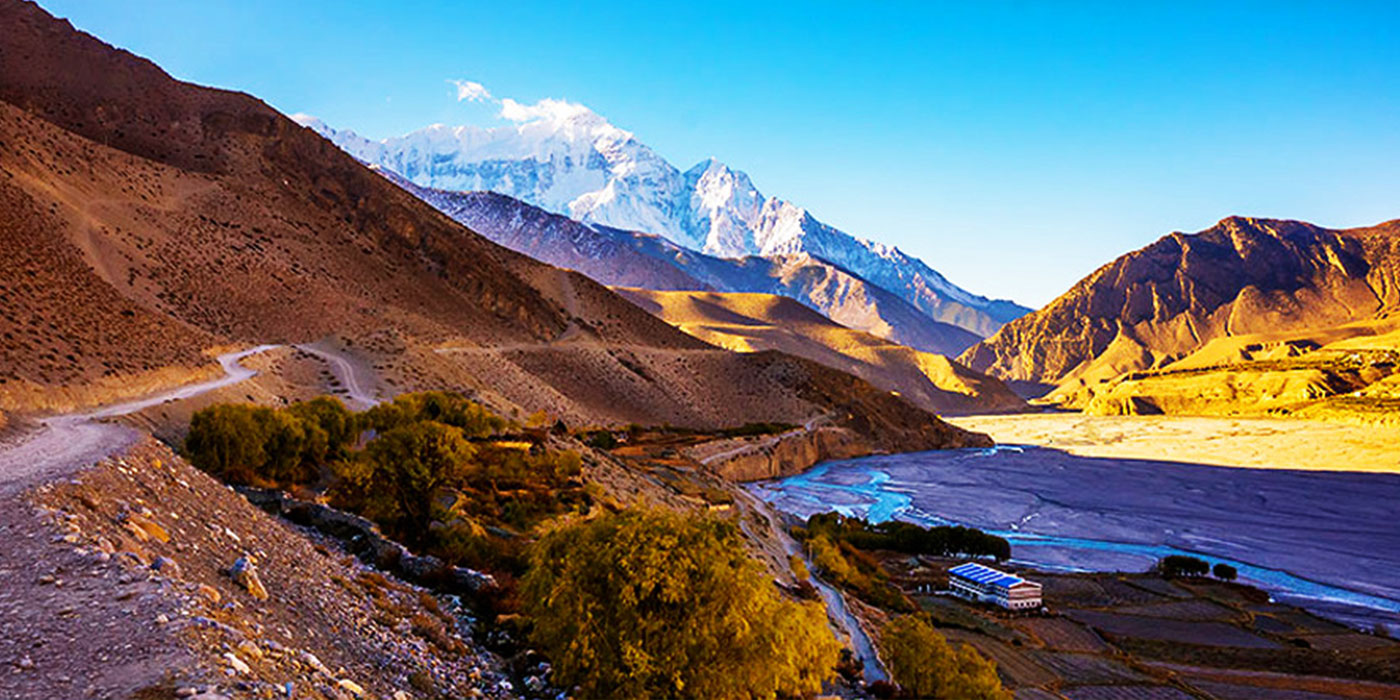
    Upper Mustang  highway for treeking

    Highlights:

    Lo Manthang: Walled city and cultural heart of Upper Mustang

    Lo Manthang is the ancient walled capital of the former Kingdom of Mustang, with a rich cultural identity in northern Nepal’s mighty Himalayas. The medieval feel of Lo Manthang, enhanced with white-washed outer walls, alongside royal palaces, centuries-old monasteries, and skinny hallways with the every growing pool of Tibetan Buddhist mantras strongly correlated with its nomenclature. Certainly, that immunity from modern encroachment created a profound ethos for people who have emerged with customs, language, and practices heavily steeped in Tibetan culture for hundreds of years.

    Chhoser Caves

    Caves of enigma and ingenuity, containing caves for meditation and camping. A short pony trek from Lo Manthang are Chhoser, a fascinating and intricate set of man made caves that appear to have been cut from the front face of an immense tilted sandstone cliff. There are numerous levels of caves and over 40 rooms used for habitation, storage, and sacred meditation.

    Tiji Festival (Seasonal): Vibrant celebration 

    The Tiji Festival is a spectacular three-day celebration of Buddhism that occurs annually in Lo Manthang and represents the triumph of good over evil. It is thought that the Tiji Festival is based on Tibetan Buddhist mythology. The Tiji Festival consists of ritual chants and dances performed by monks of the Sakya order, and involves a series of masked dances. The Tiji Festival usually takes place in May, and displays a vigorous expression of faith, cultural identity, and community in the raw beauty of Upper Mustang, attracting local residents and visitors alike.

    7. Mardi Himal Trek

    Mardi Himal Trek in Nepal’s Annapurna region is a quiet trek but a trek with independent walking on the trail, stunning views of the Annapurna Himalayas, and a feeling like one is completely alone in the hills. Since the Mardi Himal Trek is relatively new for all the trekkers, the view of this trek is stunning. The view includes Mardi Himal (5,587m), Machapuchare (Fishtail), Annapurna South, and Hiunchuli.
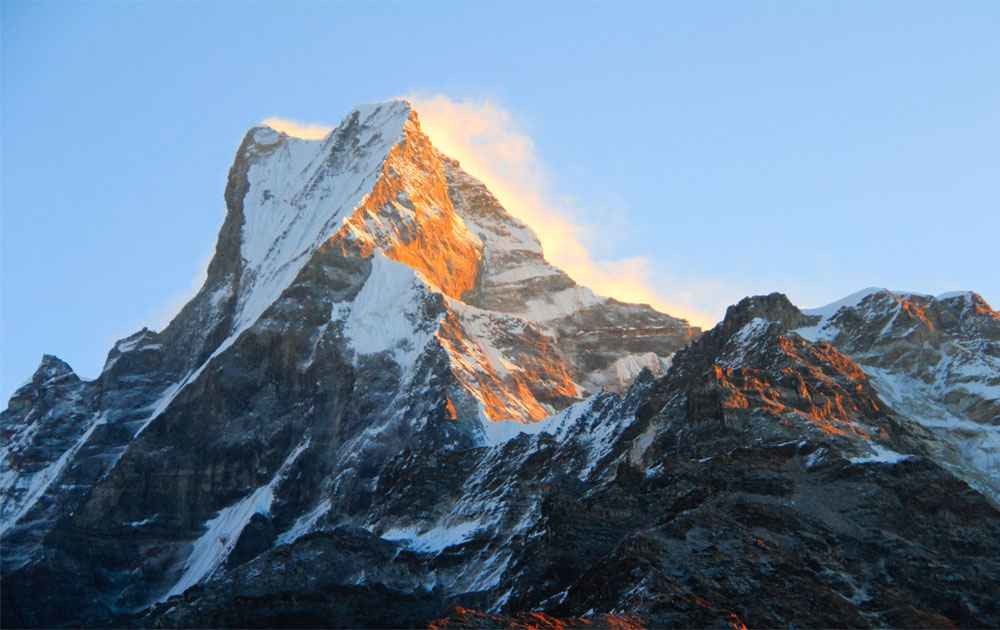
    mardi himal view

    Highlights

    1. Incredible Views of Annapurna and Machapuchare

    A key highlight of the Mardi Himal Trek is the sensational views of the Annapurna range, especially Machapuchare (Fishtail) which is a sacred mountain. With each ascent, the panoramic views of the snow-capped giants like Annapurna South, Hiunchuli, and Mardi Himal itself, unfold as you follow the ridgeline trail. Many other treks are compromised by the busyness of other hikers, however here the level of peace and tranquillity of the route is unrivalled and as a longer route, if there are plan to see ridgeline views there is an immediate climbing into a view that is often a mix of seeking those peaks often in sea of inspiring golds interacting with sun rising and setting that gives one a magical experience.

    2. Off-the-beaten-path Experience

    Mardi Himal is not as well-known as more popular treks like Annapurna Base Camp or Ghorepani. It makes sense: it’s a beautiful trek for anyone who wants to escape the crowds and spend meaningful time in nature. The trail meanders away from other treks through tranquill forests, alpine pastures and Gurung villages. You will encounter fewer other trekkers, allowing for more chances to connect with people living on the trail route, and instead of a standard trekking experience, the connection will be deeper, spiritual even.

    3. Fast Paced Multi- Landform Trekking

    Mardi Himal is a short trek (usually 4–7 days), yet has enough geographical features from rhododendron forests (and moss-covered trails). To high-altitude ridges and rocky ridges barren of trees. So that you will get a full variety of landscapes in a short trek, making each day feel new and adventurous. It is a trek that embraces the scenery associated with Himalayan trekking and also does not require weeks or years of walking!

    Final Thoughts

    Nepal has many trekking trekking routes for all kinds of trekkers from bucket list. Classics like Everest Base Camp to cultural treks like Mustang and cultural Bhote routes in Helambu. For high-altitude trekkers and first time trekkers alike. These seven treks will all be valve on a trip of a lifetime in the lap of the Himalayas. If you are planning to visit Nepal then contact us today at Happy Mountain Nepal, Facebook, Instagram, or TikTok. 


  • Why Tsum Valley Should Be Your Next Trekking Destination

    Why Tsum Valley Should Be Your Next Trekking Destination

    Why the Manaslu Tsum Valley Trek Should Be on Your Bucket List

    Tsum Manaslu Overview: Tsum Manaslu is a remote valley north of the Manaslu region, a less explored area of Nepal and part of the Manaslu Conservation Area. Annapurna Circuit: A challenging journey/trip through the mountains, with breathtaking nature and deep culture of the Gandaki Province. Simply stroll around the gorge, the neighborhood arrangement of immense Himalayas, and to the world’s eighth most significant top Manaslu Mountain (8163 m).

    The Manaslu tsum region is delightful in the variety of its landscapes, from green forests and terraced fields to villages, alpine meadows, and high-desert country. The Tsum Valley where you take a chance beautiful view this virgin Tibetan culture and an enormous tiger painting style in this genuine valley the extent trekking way passes by. On one hand,d the giant of nature Ganesh Himal in between Himalchuli and on the other ridges and all there provide you decent views! The valley covers nature, the tallest peak of Manaslu which is by Ganesh Himal and Himalchuli in the same line.

    Offroad way of Tsum Valley and mountains

    Highlights:

    Manaslu Peak View Treks: Trekkers can view Mount Manaslu and other snow travel peaks in this area only on treks. The faithful are seen going about their daily life on every day of the trek; monasteries and rituals are a common sight.

    Remote beauty: The Tsum Valley is among Nepal’s most remote areas — tranquil and unspoiled

    Flora and Faun Reservoir: This region being rich in wildlife has various types of faun Himalayan tahr, snow panthers, red pandas, and flora diversity like rhododendrons and alpine flowers.

    1. Scenic Nature of Tsum Valley

    However, nothing could be better than enjoying Manaslu Tsum Valley Trekking as you will also be getting blessed views. Greens, streams, rising bigish whitey outrages, as magic is heaped on it. dark frosted rhododendron slopes, dark green grass slopes under the grass, every walking eyes leave vision-beautiful head paintings, colors all like a spell of people.

    And, arguably, the top of the trek is the world’s eighth highest, Mount Manaslu. Before your eyes appear Ganesh Himal and Sringi Himal, Green canyons and diamond rivers entering Bird’s eye view horizon. Range of landscapes require diversity and experience to explore; A naturalists and photographers paradise;

    2. Cultural Immersion of Tsum Valley

    They are also home to Tsumbas, the carved people of the Tibetan people. As modernized, however there are some places in Nepal where still Men is in the process of nature that doesn’t have updated with modern life, Manaslu Tsum Valley Trek is one of such trekking of Nepal. The Tsumbas are Tibetan immigrants and proverbial village folk who do not feel the effects of modernity.

    As a tourist, golden treasure to explore these places are prayer wheels, stupas and one hundred years old monastery. The sacred Rachen Monastery at Mu Gompa etc. which is over a hundred years old are some ideal tourist spots. It is another local culture that tends to add the tour real zing as festival, life and traditions of the local people.

    3. Far and Less Touristy of Tsum Valley

    If you want less trekkers on your trekking then your trek is Manaslu Tsum Valley Trek. Not as small as some of the busier treks like Everest or Annapurna. And trekkers can behold the natural and cultural landscape of the region without the desecration of a mass of human bodies.

    These are trails unknown hiking to villages villages and villages which senseless looking. And there are empty pass and featureless valleys that are side-destinations nobody is going to introduce you to that you have to, and find that whole still scenics in even, scenics are themselves side-destinations of whole people travel, hikers to another from another helper. So this climbing is also for the would-be hikers with less mileage and more of the life.

    4. Challenging Terrain of Tsum Valley

    Manaslu Tsum Valley Trek is a Strenuous- Trekking; Trekking involves several covers like tilted slopes hills, high hilltop meadow & land trail. Larak la Pass, if one of the trekking attractions, will be a test of endurance for you. Above 5,160m (16,930ft).

    Yes, the hike is tough, but you have these beautiful views around you and this fantastic sense of accomplishment. The ascent to Larkya La Pass, with stunning 360-degree views of the surrounding peaks, is one of the highlights of the trek. This trek is no picnic because the novice and seasoned trekkers wish to remain fit.

    5. Rich Spirituality of Tsum Valley

    Manaslu Tsum Valley is not a trek to a physical form. It is not allowed to locals to make this trek, monasteries aplenty that took along the way, and the entire region is spiritual in local religion. Tibetan Buddhism and Tsumba Culture practice here, and hundreds of prayer flags, stupas, and chortens will enwrap trekkers along the way.

    You go for culture And there are so many monasteries like Mu-gompa And Rachen Monastery And religion you feel, you can feel. One of the best to meditate and beauty of nature to reflect. It is an experience to come back to nature and thus your spirituality at the same time.

    6. Diverse Ecosystems of Tsum Valley

    It will lead you through some of the most beautiful landscape, from jungle to alpine meadow. The vegetation and wildlife will be completely different in terms of altitude. The map shows what low altitudes comprise (thick, frequent) coniferous forests of rhododendron, bamboo, and pine, and the more you ascend the landscape rapidly changes into alpine meadows, glacier, and white peaks in the distance.

    It is what it is that really makes the trek special is all the different kinds of ecosystems you get to walk through and all the different kinds of animals you get to see along the way such as the Himalayan tahr, training deer, and all the different kinds of bird life. These different kinds of ecosystems not only give you all these other nice differences in the trekking itself, but they add to the trekking experience and landscape.

    7. Opportunity for Adventure Activities

    Albeit, other things like rock climbing, visiting caves and people watching and buying fruits and handicrafts; adventure lovers now have an array of other activities to get into in the Manaslu region.

    And trails also limit you there, it is one of the places worth going by not just trekking up. You will move through some villages and quickly get a feel of terracing and the vegetables that are grown on top of it. This high trek is an authentic “basket” experience wanting to know about rural life, making our way up the Tsum Valley.

    8. Personal Growth and Achievement

    Manaslu Tsum Valley Trek is equal parts physical challenge, equal parts mental challenge. The actual trekking itself is a brilliant feat of body and mind, and was filled with hideously challenging ground and terrain. Emotional is when you feel while doing this thing here (and hardly a score more around the world) to reach the top of the trek at Larkya La Pass.

    Along the journey on the arm of the trail and inclement weather cohesion among agencies and crude balance. A time to disconnect from the world — to detox, reflect, and transform. The combination of adventure, culture, and personal challenge makes this trek a transformative experience.

    Best Time to Visit Tsum Valley

    The best time of year to trek in Manaslu Tsum is during spring (March – May) and fall (September – November), when the weather is usually temperate and clear. These months of the year are the best time to trek as the temperature is moderate and the sky is mostly clear when you can enjoy the views of the mountains.

    Desert and pod with the lush of cloud

    Permits Required

    Some of the permits required for trekking in the Manaslu Tsum area are:

    • Manaslu Conservation Area Permit (MCAP)
    • Annapurna Conservation Area Permit (ACAP)
    • Restricted Area Permit (RAP) for Tsum Valley (since it lies in a restricted area)

    High mountain tress and monastries

    Conclusion

    The Manaslu Tsum Valley Trek is a perfect adventure for every type of traveller— adventure seekers, cultural voyagers, spiritual seekers. Perhaps it’s the splendor of the culture this area portrays in its natural habitat that hangs the empathic of the culture or perhaps you are a person who is willing to own a devil-may-care experience during this incredible dining experience in this astounding nation that will give you the learning knowledge, and the knowledge of your lifetime protecting the reminiscences and journeys relentlessly in your psyche all through the excursion. All in all this hike has some little unique spots to see don’t miss it and it needs to on everyones hiking bucket list in many years to come.Contact us today at Happy Mountain Nepal, Facebook, Instagram, or TikTok. 

    FAQs

    1. How long is Manaslu Tsum Valley Trek?

    It is depending on acclimatization days and tour, the trek is 18–22 days long.

    2. Is any special permit is require for the trek?

    Yes, you will need:

    Read Also:b) Things To Do In Manaslu trekNepal Manaslu trekking permits

    ACAP (Annapurna Conservation Area Permit)

    Entry Permit (RAP) for Tsum Valley

    3. When to trek?

    The best times, when weather’s good and trails are open, are spring (March–May) and autumn (September–November).

    4. How challenging is the trek?

    It is a difficult trek with high passes, long daily hikes, and remote landscape. It needs good trekking experience and physical fitness.

    5. What is the summit of the hike?

    The Larkya La Pass (5,160m / 16,930ft) is the summit with 360-degree views of surrounding mountains.

    6. Is it as crowded as Everest or Annapurna?

    No, Manaslu Tsum Valley has fewer trekkers and a longer trek.

    7. Are there any facilities regarding stay?

    There are some simple tea houses and huts along the way. Facilities are few and far between, and have only the most rudimentary amenities so we recommend bringing a sleeping bag.

    8. Can I trek solo?

    No solo trekking is EXPERDING. Since it’s a restricted area, you need to travel with at least one trekker partner and a licensed guide.

    9.What are the sights on the trekking?

    You can spot snow leopards, Himalayan tahr, red pandas, musk deer and a variety of birds.

    10. Why is the trek so special?

    The trek covers Tibetan culture, spectacular hill country views, monastic Buddhism and self sufficing trekking adventure in one of Nepal’s least traveled areas.

  • Manaslu Circuit Trek: A Quieter Himalayan Adventure

    Manaslu Circuit Trek: A Quieter Himalayan Adventure

    Manaslu Circuit Trek: A Quieter Himalayan Adventure

    Introduction

    The Manaslu Circuit Trek is a less-popular path, away from the more populous Everest and Annapurna regions, but worth the trip for those searching for true adventure and authenticity in their Himalayan trek. This trek travels around Mt. Manaslu (8,163m) the 8th highest mountain in the world. Away from the traditional tourist hotspots, the trek wanders through deep river gorges, dense arboreal forests, and highland villages where the Tibetan culture is strong and untainted by the 21st century.

    Manaslu Circuit Trek provides a true adventure into the desirable wild and spiritual essence of Nepal. The trekking trails offer a solitude and an ability to discover a sense of peace with all the challenges of trekking with a smaller number of similar trekkers and genuine local people.

    Manaslu Circuit Trek: A Quieter Himalayan in the back and village infront


    Why Choose the Manaslu Circuit Trek?

    1. Fewer Crowds, More Solitude

    Relative to the high volume infantry trails at Everest Base Camp or the Annapurna Circuit, the Manaslu Circuit Trek is one of those trekking paths in Nepal that was not all that populated. Because of this you are able to really enjoy the tranquility of the Himalayas free of multiple coordination’s made necessary by large trekking groups and fully booked lodges. The path takes you through shy valleys and untouched forests. The ability to navigate with just yourself and the other trekkers allow a more natural and sincere engagement, and many trekkers can describe these connections rather spiritually or deeply fulfilling.

    Lush Dense forest and mountain backgrounf on the way to Manaslu Circuit Trek:

    This solitude, in part, is also due to the trail’s restricted area status and poor infrastructure. The route is still wild, and untouched, it allowed for hours of walking without encountering anyone whatsoever. Just you, the trail, and the mountains! Rather than being shoved by other hikers or crammed into accommodations, the trek afforded the opportunity for communication with nature and self which has all but disappeared from commercial treks and more importantly, has the ability to create moments of awe!

    2. Remote Villages and Tibetan Culture

    Given this area’s close proximity to the Tibetan border, the Manaslu region is very Tibetan Buddhist in both site and culture. There are traditional villages, such as Lho, Samdo, and Sama Gaun, that are living cultural displays, with stone houses, colourful prayer flags, spinning mani wheels, and intricately carved monasteries that all have centuries of historical force. In normal conversation, locals use a Tibetan dialect, even traditionally wearing Tibetan styles of clothing. So trekkers receive an unwasted, rare glimpse of a truly mountain culture that has changed little in centuries.

    Remote Villages and Moutain view scenery

    The cultural insight does not simply reside only at the level of eye candy. There are opportunities to observe Buddhist rituals, hear the sounds of horns and drums beating out on ancient gompas, watch monks in brilliant red robes perform pujas. The genuine warmth of the people creates a cultural juxtaposition during every encounter in these highland villages. An unhurried stopping point for rest is not simply a stopover, but a life-affirming cultural experience, and a welcome contrast to the experiences we negotiated via the busier trekking areas of Nepal that are often targeted toward tourists.

    3. Diverse and Untouched Landscapes

    The Manaslu Circuit is an ecological wonder, giving you incredible variation in landscape in just one trek. Starting from the warm terassed lowlands of Arughat and Machha Khola, treks through bamboo groves and stunning rhododendron forests, before hitting a muddy extension of snow in the Larkya la Pass area. And, all this in the same trek, and often on the same day.

    Diverse and Untouched Landscapes and terassed lowlands of Arughat and Machha Khola

    This wonderful variation of ecology means this trek is incredibly enjoyable visually and physically. Each step of your trek has something riveting whether it is avalanche roaring waterfalls, plunging river gorge, yak grazed pasture, or snow panting ridgelines, you will be enthralled at what lies around the next corner. Since this trek is lightly travelled it preserves the natural environment, and is a great trek for nature lovers and photographers.

    4. Challenging Yet Rewarding

    You can summarize the Manaslu Circuit as challenging but achievable. A fantastic long ascent and a significant altitude gain in a short span of time on a rugged, remote trail. To be a fit beginner or an experienced trekker looking for something a little less dolled up than mainstream trekking. The highlight of the Manaslu Circuit is the Larkya La Pass (5,106 meters) as it is a stunning Himalayan pass with some serious surrounding peaks like Manaslu, Cheo Himal, and Himlung Himal that once crossed will offer far-reaching views. The soft point on the trek is the descent into Bimtang (4,300 meters) where you may gasp at trails above 4,000 meters.

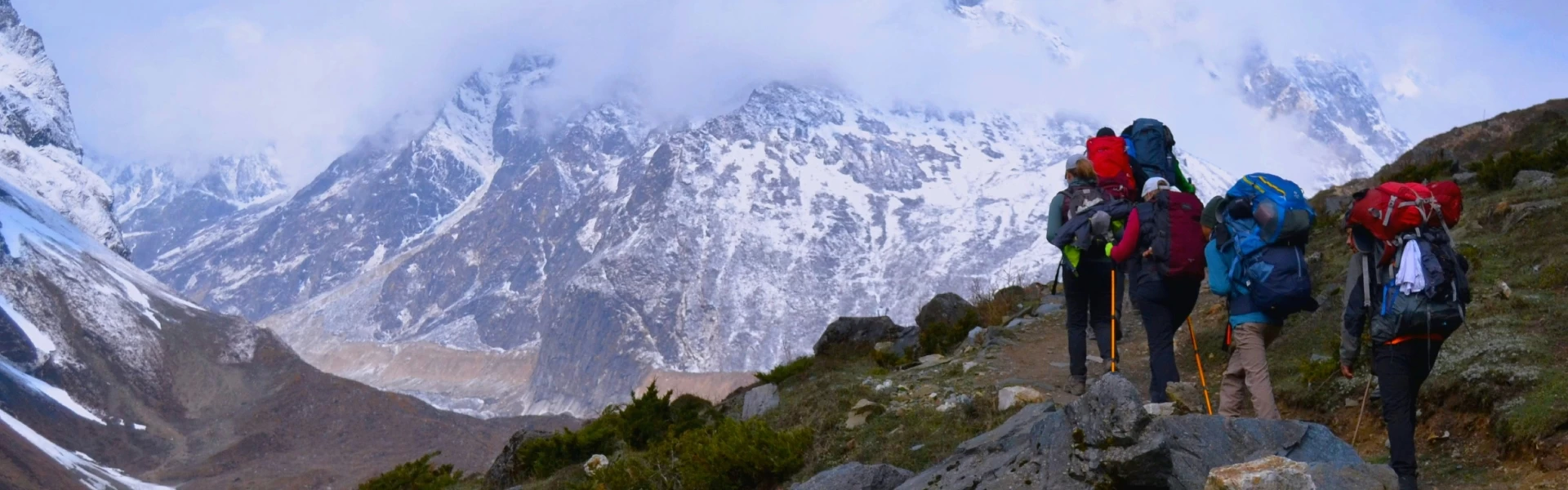
    toursit on the way to trek with their gears

    While you are physically challenged as a trekker, the main area of concern is not extreme altitude like the Everest region of Nepal; most trekkers will acclimatize more comfortably. Other than your overall ascent, it is a gradual climb and each section of the trek is planned to allow your body to adapt to elevation. When you cross the pass, it is a proud moment; it is not just a celebratory notch in your trekking itinerary; it is individual growth beyond the trek and coming out at the other side.

    5. Less Commercialization, More Authenticity

    A key refreshing aspect of the Manaslu Circuit is the sheer authenticity of local culture. Whereas the Annapurna and Everest routes are dotted with charming luxury lodges, Wi-Fi every few steps, and tourist shops, the teahouses on the Manaslu Circuit are simple, and not lost in the trappings of modernism. The rooms are basic, but clean, the meals fresh, cooked in a traditional manner, and the hosts are just that — hosts. They are not concerned about living up to their customers’ expectations.

    This authenticity brings trekkers closer to what Himalayan trekking used to look like before commercialization took over. You will eat by the fire in the kitchen, offer to help chop vegetables if you like, and you most likely won’t feel like a customer.

    Permits

    Manaslu Permit


    1. Manaslu Restricted Area Permit (RAP)

    Manaslu district (from Jagat to Dharapani) falls under the Restricted Area as classified by the Government of Nepal in an effort to safeguard its delicate natural and cultural environment and manage tourism effect. You, hence, require purchasing a Restricted Area Permit (RAP).

    Cost:

    • September to November (autumn season): USD 100 per person for the initial 7 days and USD 15 for every additional day.
    • December to August (off-season): USD 75 for the first 7 days and USD 10 additional per day.
    • Where to get it: From a registered trekking agency in Kathmandu or Pokhara. You can’t buy it yourself.
    • Passport & visa needed: Nepal visa valid, two passport-size photographs, and passport photocopy.

    Note: RAP only extends to Jagat to Sama Gaun. Beyond that, technically you are in the Annapurna region and will need a special permit.

    2. Manaslu Conservation Area Permit (MCAP)

    Manaslu Conservation Area Permit (MCAP) is required for trekking and traveling in the Manaslu Conservation Area committed to the conservation of biodiversity, wildlife, and local culture of the region.

    • Cost: NPR 3,000 (approx. USD 25) per person for foreign nationals.
    • Where to get: From NTB office in Kathmandu or Pokhara.
    • Validity: During your trek in the MCAP area.

    Permit is used to conserve, trail maintain, and village develop in areas you will be trekking.

    3. Annapurna Conservation Area Permit (ACAP)

    Annapurna Conservation Area Permit (ACAP) will be required for the latter half of the Manaslu Circuit — i.e., while moving upwards Larkya La Pass and descending to Dharapani and Tilije, which are both within the Annapurna zone.

    • Fees: NPR 3,000 (equivalent USD 25).
    • Where to buy: Same as MCAP — from NTB counters in Pokhara or Kathmandu.
    • Validity: As per your trekking in the Annapurna Conservation Area.

    Short as that part of the trail is, it does call for the ACAP, and check points along the trail will ask to see it.

    4. Guide and Group Requirement

    Since the Manaslu region is a controlled region, the government has imposed some restrictions on treks to the region so that they are better positioned to keep the environment and the safety as secure as possible:

    • You must trek with a registered guide, a member of the Trekking Agencies’ Association of Nepal (TAAN).
    • You cannot walk alone. There has to be at least two trekkers, guide and porter at a minimum.
    • Rules are enforced strictly at checkposts along the trek route on the trekking path (e.g., Jagat, Namrung, Sama Gaun).
    • The rule will ensure safety in the high and remote area of Manasla as well as regulate the flow of trekkers and unauthorized entry.

    14-day Manaslu Circuit Trek itinerary

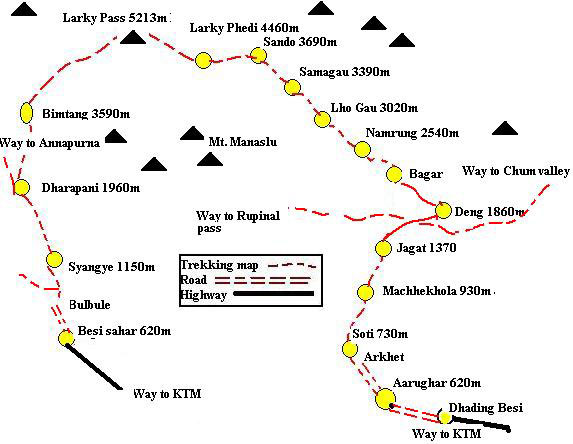
    Manaslu Map road

    Day 1: Drive from Kathmandu to Soti Khola

    Your journey will start with a drive from Kathmandu to Soti Khola for approximately 7–9 hours depending on road conditions. You will pass beautiful, terraced fields, and river valleys. After you leave the paved roads and driving on bumpy dirt roads, expect this portion of the drive to be the least favorable.

    Day 2: Trekking to Machha Khola

    On this day, you will have a trek of 6–7 hours through forest paths, rocky ridges, waterfalls, suspension bridges, and buildings for small settlements including Lapubesi. You will arrive at Machha Khola that is very quiet and next to a river.

    This subsection will show you some of the beautiful company, many varieties of flora, and reflects the low elevation of this region. Get ready to walk, as the trail will frequently go up and down, and this will warm your legs up for the more difficult days ahead.

    Day 3: Trek to Jagat

    As you begin your trail into Jagat, you will start to navigate a steeper trail and some beautiful gorges, and cliff-side trails! Your day will include 6-7 hours of trekking. Some highlights along the way were the hot springs near Tatopani and some waterfalls pouring from the rocks.

    Jagat is a standard Gurung village and entry into the Manaslu Conservation Area. You’ll be required to display your trekking permit, a little more remote than most of your trekking to date.

    family on the way to manaslu Circuit

    Day 4: Trek to Deng

    Today’s trek was 6-7 hours and mostly consisted of thick forest, suspension bridges, and small hamlets throughout the day. In general, the trail was all uphill, meaning lots of rough hiking, with some views of snowcapped peaks along the way.

    Deng, is a small settlement with Tibetan descendants, and this is where you will start to see some cultural changes. You will gradually see more prayer flags, chortens and mani walls.

    Day 5: Trek to Namrung

    This day-side trek through approximately 6-8 hours. Overall, the the trail continued upward and the views of the mountains kept getting better!

    Namrung is a very cultural village and is a great option to experience Tibetan-influenced architecture, monasteries, and hospitality. The air is cooler, and the scenery of the Himalaya terrain is appearing more frequently on the skyline.

    Day 6: Trek to Lho

    Your trek from Namrung to Lho is a quite easy (4–5 hours) but scenic trek, which takes you through villages Sho and Shyala, and presents yourself with expansive views of Manaslu, Himalchuli, and Ganesh Himal.

    Lho is very nice traditional village, that has a sizable monastery and traditional houses and one of your first close views of Mount Manaslu. It is a good place to be immersed in some Himalayan solitude.

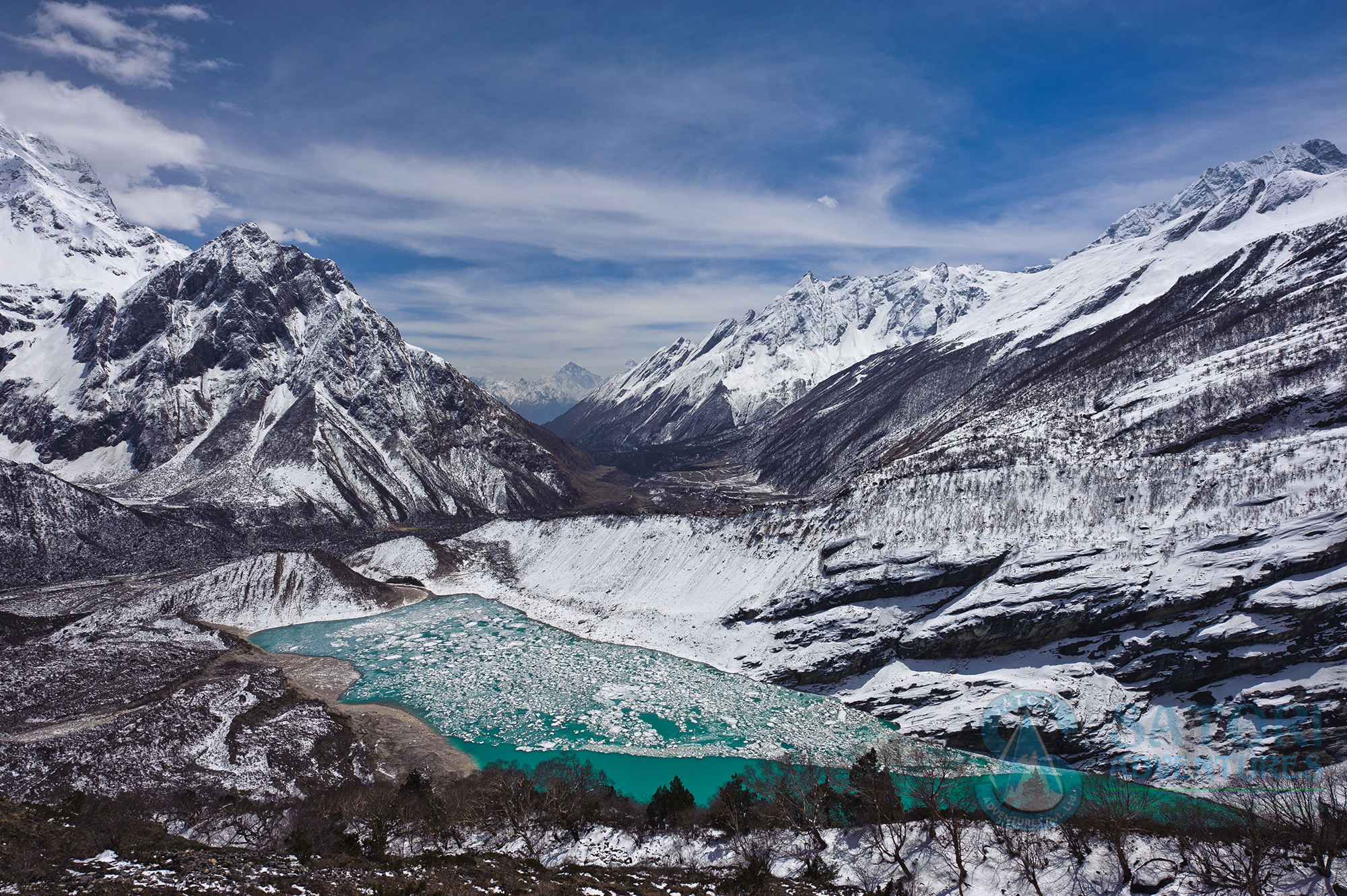
    stunning panoramic view of a glacial lake surrounded by snow-capped mountains, likely within the Himalayan range

    Day 7: Trek to Sama Gaun (Acclimatization Day)

    After a day of acclimatization and taking a slow and steady walk of about 4–5 hours, you will arrive at the largest village in the area, Sama Gaun. The trek to Sama Gaun will take you downhill with huge Himalayan peaks framing the landscapes.

    Day 8: Explore Sama Gaun or Hike to Manaslu Base Camp

    On this optional acclimatization day, there is an option for a short side trip to Manaslu Base Camp (4,800m), a challenging route, but well worth the trek! Depending on the time we depart, we might also be able to visit Birendra Lake, or Pungyen Gompa, an awesome, tranquil monastery literally down at the bottom of the mountain, but we aren’t in a hurry either way. Note that since today is an acclimatization day, we will need to hydrate and at the very least rest up to get the most out of our adaptation to the altitude before we shift to the high pass.

    Day 9: Trek to Samdo

    From Sama Gaun, we will soon be leaving the village and moving the trail continues to gradually ascend through the yak pasture, then rocks, boulders and eventually to the small village of Samdo (6-7 hours). Interestingly, Samdo is only a few kilometers from the Tibetan border and it is very apparent when you are in the village the Tibetan influence through the culture and lifestyles of the village.

    Samdo is another great place to acclimatize. You may see some blue sheep or numerous varieties of the Himalayan birds flapping around in the hills. The mood and elevation is starting to turn more arid and desolate.

    Day 10: Hike to Dharamsala (Larkya Phedi)

    After a short, gradual trek of 4-5 hours, you will arrive in Dharamsala or Larkya Phedi. This is a basic stop at the bottom of the Larkya La Pass. For most trekkers, it is just a stop for the evening before their continuation through the pass, but for you it is a place for a few nights of planned rest. We have now gained the elevation necessary to trek to the Larkya La Pass (the highest point), at 5,106m.

    Like the air, we can see the temperature drop significantly. Rest well and eat well, and if you get the chance, fall asleep early so that your well-rested body is prepared for the exhausting and rewarding day ahead.

    Day 11: Cross Larkya La Pass and descend to Bimthang.

    This leg of the trek is not only the longest day at 8-10 hours trekking, but the hardest and the most exciting day too, because we will be crossing the Larkya La Pass (5,106m) which is the highest point of the circuit and great views of the Himlung, Cheo Himal, Kang Guru and Annapurna II will come to life. We usually leave very early (often before dawn) to help our chances of epic sunrises and to (hopefully) stay away from the gusty winds that sometimes present themselves in the afternoons.

    The climb is gradual and long, so don’t expect to reach the high point fast. The altitude and colds can be challenging enough. The descent to Bimthang is long and steep, but delightful as the landscapes that surround you constantly change.

    A stunning landscape featuring a majestic golden-hued mountain range under a clear blue sky, with snow-capped peaks and a structure resembling a monastery or temple nestled at its base."Manaslu Trek


    Day 12: Trek to Tilije

    After two difficult days crossing the pass, the trek today (6-7 hours) is an easy trek down through rhododendron and pine woods. The landscape grows greener and the temperature rises as we go down in elevation.

    Tilije is a beautiful village in the Annapurna region. It is more comfortable and has more infrastructure to support tourism than the previous villages, and it is a good place to rest and reflect on your trek before the final few days.

    Day 13: Trek to Dharapani

    For your final day of trekking (5-6 hours), you will trek through a few villages and terraced fields along the Marsyangdi River, which you will notice is clearly entering the Annapurna Circuit region.

    Dharapani is a connected village for many treks and serves as the junction point of many treks and your final walking point.

    Day 14: Drive Back to Kathmandu

    A long (8-10 hours) drive on a twisting road through hilly terrain stands between Dharapani and Kathmandu, the end of your adventure. The road crosses valleys, cities filled with locals, and riverside roads.

    Once in Kathmandu, there will be some time to relax, celebrate, and reflect on an adventure that provided breathtaking natural and cultural experiences along the Manaslu Circuit trek.

    Essential Tips Before You Go


    1. Fitness Preparation

    The Manaslu Circuit Trek is a physically demanding trek that can last 14-18 days and have altitudes over 5,100 meters. To better enjoy the experience and reduce the occurrence of fatigue and injury, you should start physically preparing your body at least 6-8 weeks ahead of time. Your physical conditioning should include endurance building cardio exercise such as hiking, running, cycling, and swimming. You should also include strength training to strengthen your legs, core, and shoulders which will help when you carry a backpack. You will also need to build up balance as you will be on uneven, unpredictable surfaces.

    girl practicing fitness for trekking

    Your training should also include some stair climbing, long walks with your pack weighted down while simulating hiking conditions as much as possible. Trekking does not have to be only about endurance. It requires balance, mental strength, and the ability to walk with limited rest for long periods of time. Preparedness will help your overall experience instead of just exhausting you.

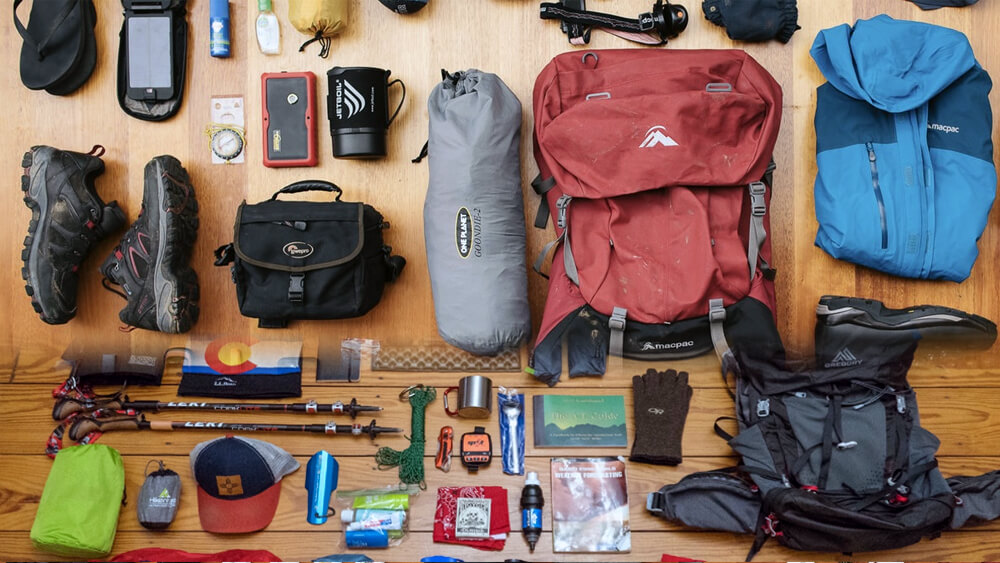
    2. Pack Light

    There is a big difference with packing lightly while trekking at altitude. Only pack the essentials: moisture wicking base layers, insulating fleece or down jacket, waterproof outer shell, and extra socks and underwear. Getting quality over quantity matters. You will want a four season sleeping bag for cold nights even in teahouses. Trekking poles will help you work less and also provide you with better stability especially when descending or in snow covered areas.

    Things to Carry on Your Trip to Nepal.

    Avoid packing too much—leave your electronics and books at home, don’t overpack clothes. A good rule is to not carry over 10-12 kg on your back. If you hire a porter, limit their load to an ethical amount. The average load for a porter is around 20-25 kg.

    3. Altitude

    Altitude sickness can be more serious risk to your health than any other hazard on the Manaslu trek, especially above 3000 m. The classic symptoms of Acute Mountain Sickness (AMS) are headache, nausea, dizziness and loss of appetite. AMS symptoms can be avoided by ascending slowly, we recommend as a rule of thumb no more than 500m of sleeping elevation gain in a single day. Also, it is a good idea to include an acclimatization day somewhere, at Sama Gaun is a good option to take a day off.

    You will also need to stay hydrated, drink an average of 3-4 liters of water daily. Besides hydration, both alcohol and smoking dehydrate the body and reduce the body’s ability to absorb oxygen. Be aware of your AMS symptoms, and be prepared to stop for the day or descend in the event of serious symptoms—your safety is more important than getting to the top.

    Final Thoughts: Is Manaslu Circuit Right for You?

    If you’re looking for a remote, challenging, and culturally immersive Himalayan trek without the crowds, the Manaslu Circuit Trek is your perfect match. It offers everything — dramatic peaks, spiritual depth, diverse scenery — with a fraction of the foot traffic. For adventurous souls craving authenticity, Manaslu is more than a trek. It’s a pilgrimage into the soul of the Himalayas. Contact us today at Happy Mountain Nepal, Facebook, Instagram, or TikTok. We will prepare your package as per your flexibility.