Tag: Trekking in the Himalayas

  • Top Autumn Trek in Nepal: Experience the Himalayas at Their Best

    Top Autumn Trek in Nepal: Experience the Himalayas at Their Best

    Top Autumn Trek in Nepal: Experience the Himalayas at Their Best

    Autumn is the best time for trek in Nepal. During this period of September to November. This is the season during which the weather will not be cold, the skies are clear, and the Himalayas are seen under the best conditions of visibility. For all nature and adventure lovers, this is high time to be a part of some of the stunning trekking routes in the world in Nepal.

    Herein, a guide through the top Autumn treks with breathtaking views, cultural insight, and lifetime memories has been provided.

    1. Everest Base Camp Trek

    Everest Base Camp Trek: The trek has led one deep into the heart of the Khumbu section for unmatched views of the Earth’s highest peak, Mt. Everest, which is 8,848 meters above. The path passes through a stunning avenue through Sagarmatha National Park, enlisted on UNESCO’s World Heritage Site; energetic Sherpa culture; crossing suspension bridges, ancient monasteries, and picture postcard villages.

    Everest Base Camp Trek

    Major attractions:

    • Everest View: Mighty Everest close-up views amongst other towering peaks such as Lhotse, Nuptse, and Ama Dablam.
    • Kala Patthar: Sunrise and sunset panoramic viewpoint for Everest and surrounding peaks.
    • Namche Bazaar: Very lively Sherpa town markets, bakeries, and cultural museums.
    • Tengboche Monastery: The largest monastery in the Khumbu region and is famous for spiritual aura along with mountain backdrop.

    2. Annapurna Circuit Trek

    The most famous Annapurna Circuit Trek encompasses various landscapes that range from subtropical forests to arid landscapes of the Tibetan plateau. It is also a trek around the massif of Annapurna, crossing over the formidable Thorong La Pass at 5,416 m. It covers different kinds of ecosystems, rich cultural heritage, and breathtaking views of peaks such as Annapurna and Dhaulagiri along the route.
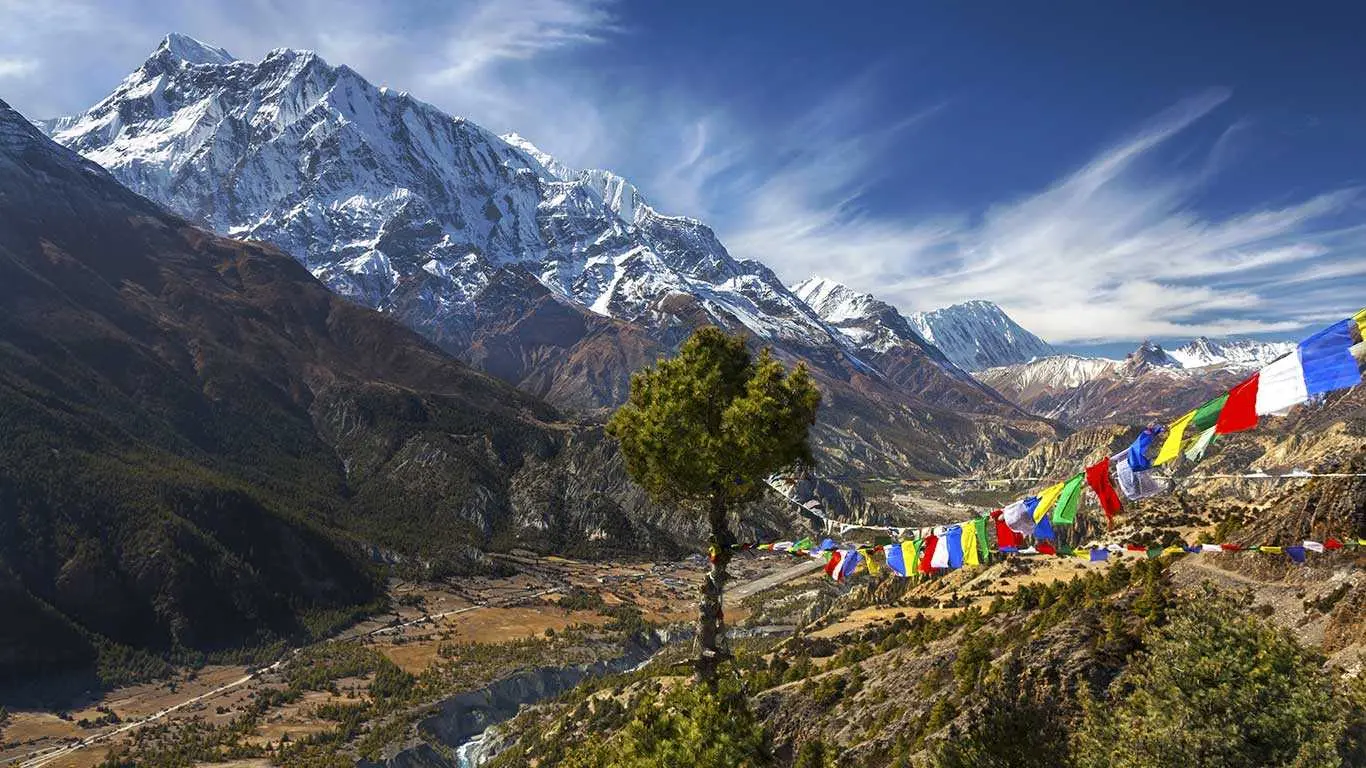
    Annapurna Circuit Trek

    Major Attractions:

    • Thorong La Pass: The highest point of the trek, one can have awesome mountain vistas from here.
      Muktinath Temple: A holy place for Hindus and Buddhists; the eternal flame is the thing most visitors head for.
    • Marshyangdi and Kali Gandaki Valleys: Two of the most beautiful river valleys with lush greenery and cascading waterfalls.
    • Local Villages: Explore Gurung, Thakali, and Tibetan-inspired villages.

    3. Langtang Valley Trek

    It is also well known as the “Valley of Glaciers”; less crowded, it offers quiet retreats. This Langtang valley of trekking is close to Kathmandu and best fits those trekkers who look for beautiful scenery along with abundant Tamang culture. This trek encompasses pristine forests, high alpine meadows, and magnificent peaks like Langtang Lirung at 7,227 meters.
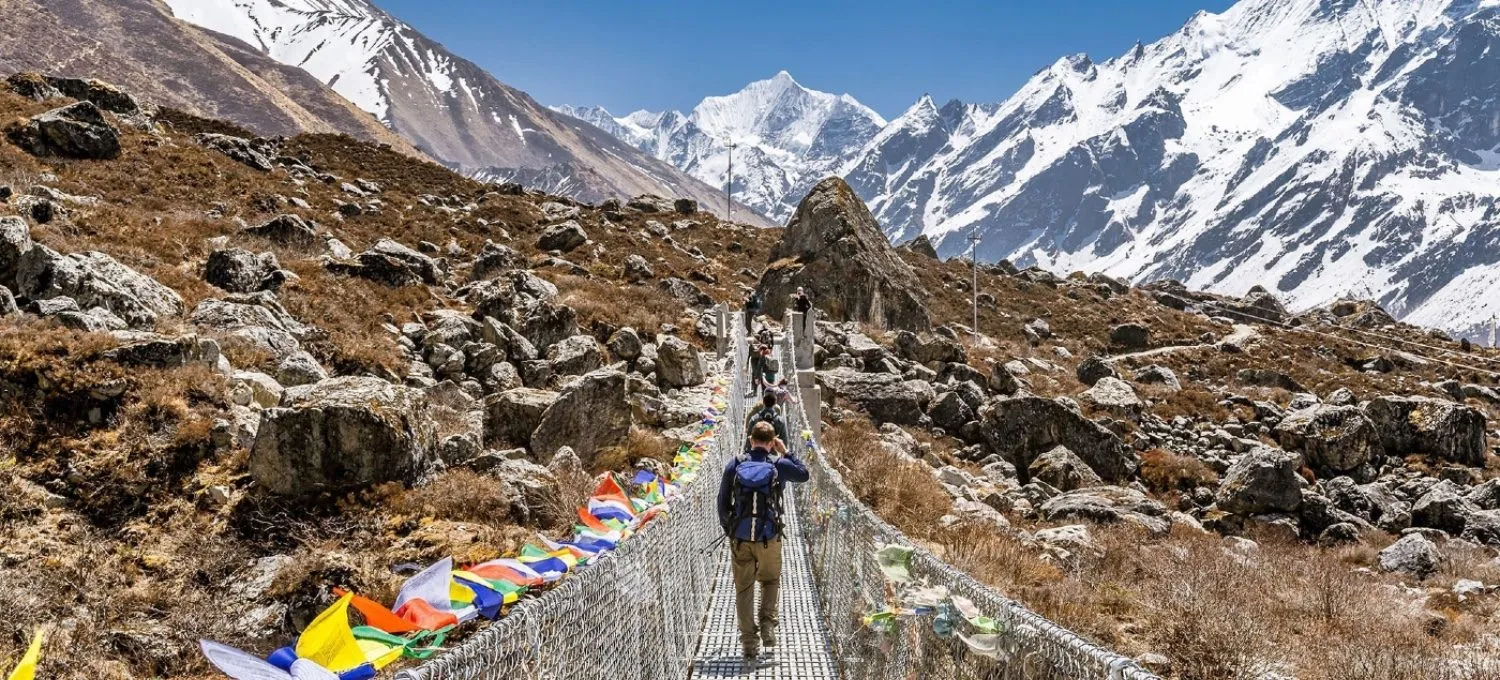
    Langtang Valley

    Major Attractions:

    • Kyanjin Gompa: an isolated monastery with spectacular views besides local yak cheese.
    • Langtang National Park is a place of diverse flora and fauna, including red pandas and snow leopards.
    • Langtang Lirung Glacier: The magic glacier at the head of the valley.
    • Traditional Tamang Villages: Cultural taste through friendly people with ancient traditions.

    4. Manaslu Circuit Trek

    The Manaslu Circuit Trek takes one around Mt. Manaslu at 8,163 m, the eighth highest mountain on Earth in an adventurous fashion way out in very remote areas. Supposedly a high mountain passes, rugged trails with cultural variety; in autumn, this is considered as one of the nicer landscapes that any avid trekker would seek for.
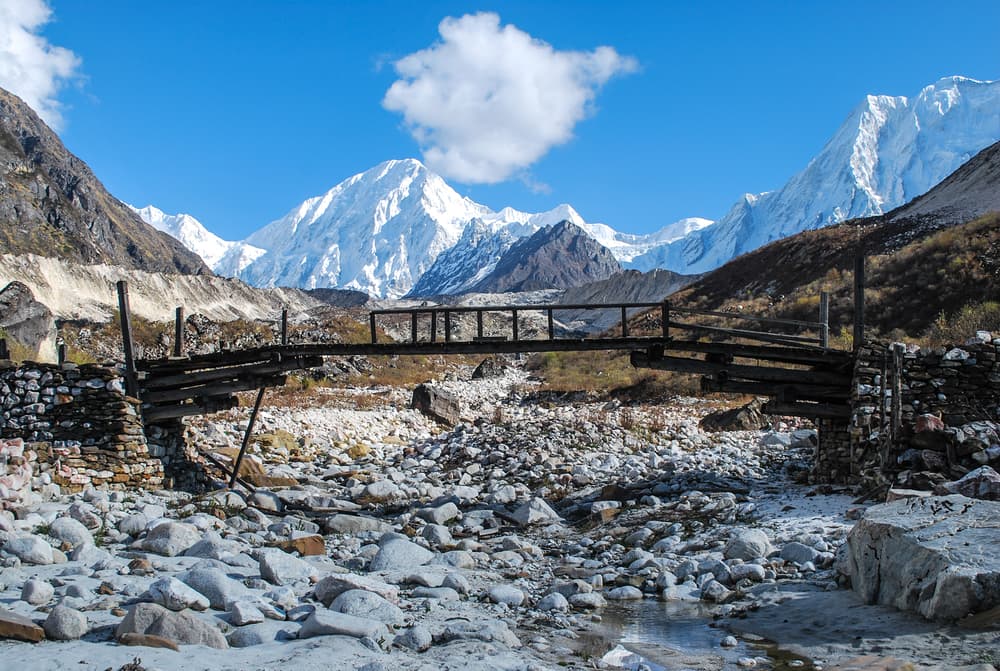
    Manaslu Circuit

    Major Attractions:

    • Larkya La Pass: High-altitude pass with breathtaking panoramic views of snow-capped peaks.
    • Manaslu Trek: great views of the mountain, close proximity to most of the range during the hike.
    • Tsum Valley: home to one ‘hidden valley’, various ancient monasteries, and lots of Tibetan Buddhists.
    • Relatively Untouched Trails: Getting away from the maddening crowd while trekking and quieter.

    5. Ghorepani Poon Hill Trek

    Ghorepani Poon Hill Trek is a rewarding, easy short trek. The treks strike through the rhododendron forests and picturesque villages onto Poon Hill at 3,210 meters and thus present sunrise views of the ranges strikingly.
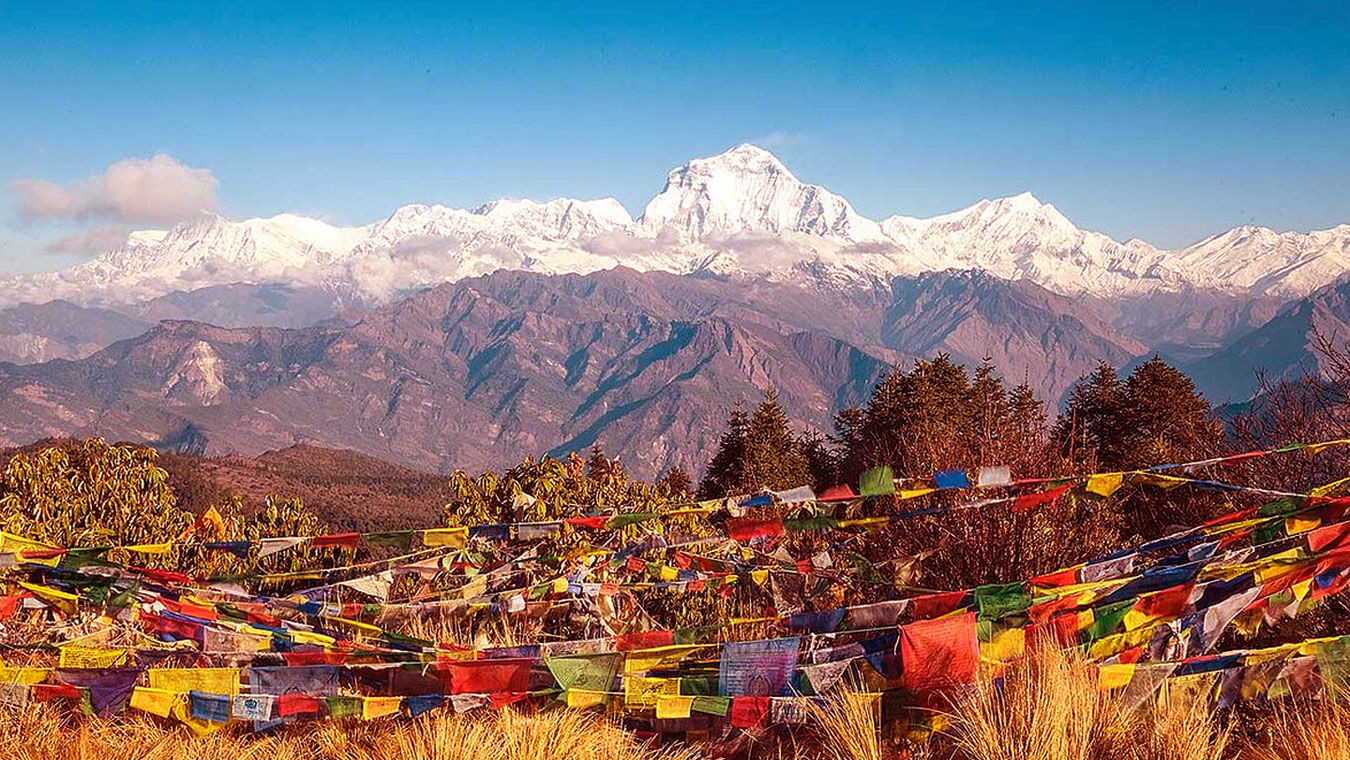
    Ghorepani Poon Hill , autumn
    Image description trekking in nepal photos

    Major attractions include:

    • Poon Hill: Generally known in the viewpoint to see the sunrise over the Himalayas.
    • Rhododendron Forests: Vibrant blooms in spring, lush green in autumn.
    • Traditional villages: Warm up with Gurung and Magar communities.
    • Birdwatching: Observe some unique Himalayan species of birds in these dense forests.

    6. Upper Mustang Trek

    The Upper Mustang Trek takes one into the “Forbidden Kingdom” of Mustang, a region noted for its unique landscapes and Tibetan-influenced culture. A trek route will take you through barren cliffs, ancient caves, and centuries-old monasteries. Due to its isolated location, the traditions in Lo are so well preserved and, as such, are considered one of the more valuable cultural assets.
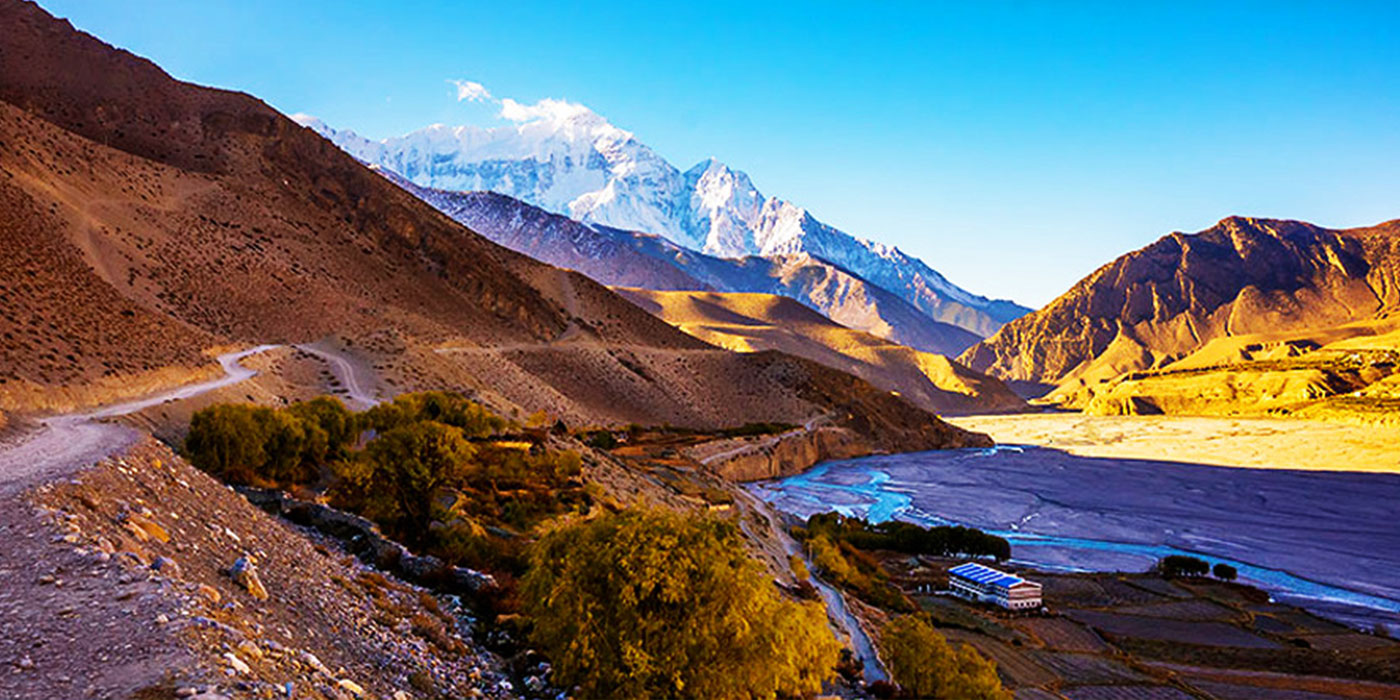
    Upper Mustang , Autumn trek


    Major Attractions:

    • Lo Manthang: Walled city and cultural heart of Upper Mustang.
    • Chhoser Caves: Mysterious caves used for meditation and ancient habitation.
    • Tiji Festival (Seasonal): Vibrant celebration based on Tibetan Buddhism.
    • Desert-Like Landscapes: Dramatic cliffs, canyons, and red rock formations.

    7. Mardi Himal Trek

    Mardi Himal Trek is a recently developed virgin trail in the Annapurna region. It offers unprecedented close-up views of Mt. Machhapuchhre, popularly known as Fishtail, and the Annapurna range. This is a short but naturally rewarding trek with plush forests and a rugged ridge leading up to the high altitude viewpoint.
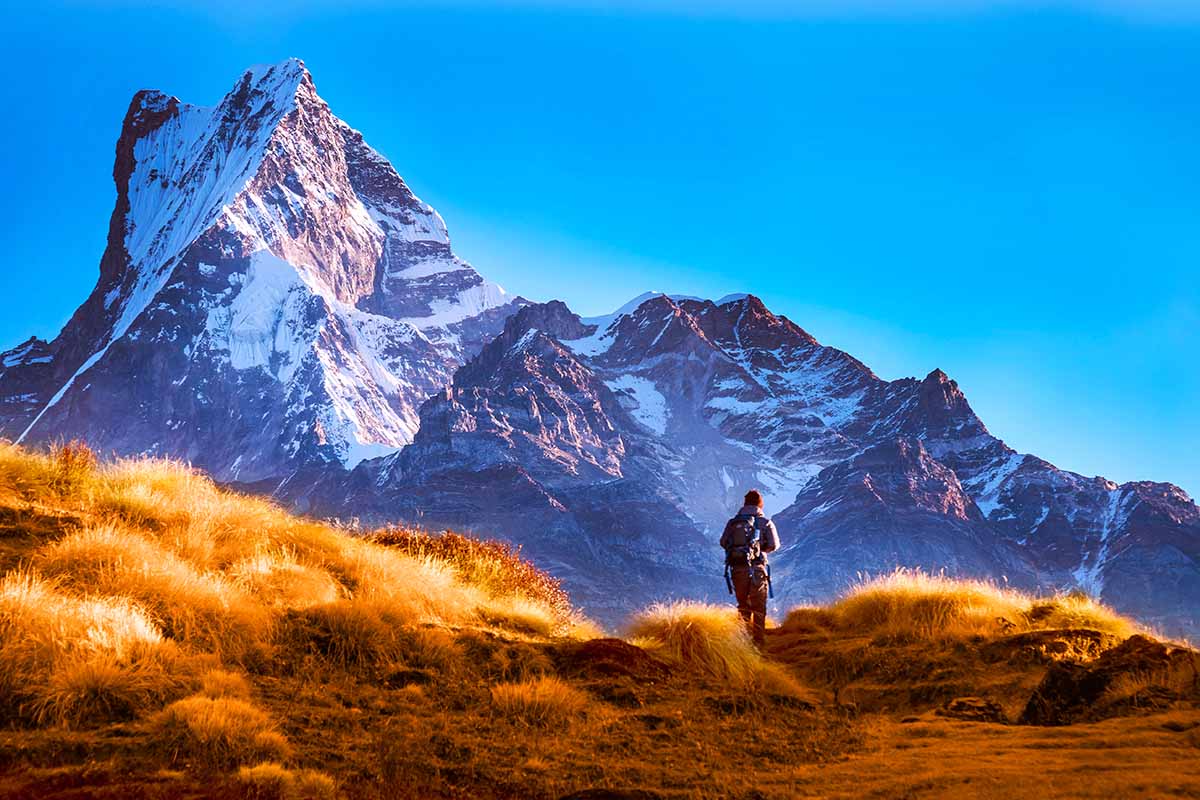
    Mardi Himal , Autumn trek

    Main Attractions:

    • Mardi Himal Base Camp: Spectacular vantage at the base of Mt. Machhapuchhre
    • Machhapuchhre Viewpoint: Spectacular close-up view of the iconic peak.
    • Hidden Trails: Experience loneliness and pristine wilderness.
    • The forest walkways crossed rhododendom and oak forests.

    Why Autumn is the Best Time for Trekking in Nepal

    •  No dust particle in the post-monsoon air provides crystal clear views of the mountains.
    • Mild Temperatures: Good weather conditions prevail; hence, one can trek for a long time without much distress.
    • You can enjoy festivals such as Dashain and Tihar adding color to your expedition.

    Tips for Autumn Trek

    Advance booking: Besides accommodation, permits and guides are to be booked well in advance if visiting during high time.

    Packing the right equipment: Clothing: to be provided in layers; Trekking boots: good pairs; Sleeping bag: very much essential.

    Acclimatization: Give time to your body to get tuned before going to challenging treks featuring high altitude.

    Respect culture: Respect the culture and continue showing respect for guiding principles in an enriching atmosphere.

    Conclusion

    Autumn treks in Nepal are the gateways to some of the most stunning landscapes and cultural experiences on Earth. Be one who has trekked many times or is just a beginner; the trail awaits. Put on your boots and backpack, and off to the ultimate adventure-the Himalayas await!

    FAQs

    1. What is the best time for trekking in Nepal?

    The best time for trekking in Nepal is autumn (September to November) when the weather is clear, skies are blue, and temperatures are mild, making it ideal for trekking.

    2. How difficult are the treks in Nepal?

    Nepal offers treks of all difficulty levels. Popular treks like Ghorepani Poon Hill are easier, while others like Everest Base Camp and Manaslu Circuit are more challenging due to altitude and terrain.

    3. Do I need a permit for trekking in Nepal?

    Yes, most trekking routes in Nepal require permits. Popular treks like the Annapurna Circuit and Everest Base Camp require ACAP and TIMS permits. Additional permits may be needed for restricted areas like Upper Mustang.

    4. What should I pack for trekking in Nepal?

    You should pack:

    • Layered clothing for varying temperatures
    • Trekking boots with good grip
    • Sleeping bag for higher altitudes
    • Sunscreen and hat for sun protection
    • Water purification tablets or water filter

    5. How long do the treks in Nepal take?

    Trek durations vary by route. For example:

    • Everest Base Camp: 12–14 days
    • Annapurna Circuit: 15–18 days
    • Ghorepani Poon Hill: 4–5 days
    • Manaslu Circuit: 14–16 days

    6. Is altitude sickness common in Nepal?

    Yes, altitude sickness can affect trekkers above 2,500 meters, especially on treks like Everest Base Camp and Annapurna Circuit. It’s important to acclimatize properly, drink plenty of water, and ascend slowly.

    7. Can I trek in Nepal without a guide?

    You can trek independently on some routes (like Ghorepani Poon Hill), but for more remote or challenging treks (like Manaslu or Upper Mustang), hiring a guide is recommended and sometimes required.

    8. What is the weather like during autumn trekking?

    Autumn offers clear skies, mild daytime temperatures (around 10–15°C), and cooler nights (around 0–5°C at higher altitudes), making it perfect for trekking. However, it can get colder as you ascend.

    9. Are there teahouses along the trekking routes?

    Yes, popular trekking routes like Everest Base Camp and Annapurna Circuit have teahouses where you can rest, eat, and sleep. They provide basic facilities like food, drinks, and simple rooms.

    10. How much does it cost to trek in Nepal?

    The cost depends on the trek. A basic budget for a trek (including permits, guide, food, and accommodation) can range from $20 to $50 per day, with additional costs for special permits in restricted areas like Upper Mustang.


  • Annapurna Trek Permits: Everything you need to know

    Annapurna Trek Permits: Everything you need to know

    Annapurna Trek Permits: Everything you need to know

    The Annapurna trek permit is a must for exploring the heart of Nepal. It is considered one of the most attractive trekking destinations globally. It varies from relatively easy trails to high-altitude routes, offering different beauties to many travelers.

    1.Diverse Landscapes

    The trek takes you through various subtropical forests at lower altitudes to alpine meadows and rocky trails near the mountains. Each step you take while trekking unfolds a new layer of beauty-from the beautiful spread of rhododendrons in bloom to serene rivers and breathtaking panoramas of the Annapurna.

    2.Stunning Mountain Views

    This is a range encompassing some of the world’s highest mountain peaks. You will be able to view the beauty of Annapurna I, which rises to a height of 8,091 meters, Dhaulagiri at 8,167 meters tall, and Machhapuchhre, otherwise known as “Fishtail Mountain,” standing tall at 6,993 meters.

    3.Cultural Immersion

    The trail is dotted with traditional Gurung and Magar villages, where locals welcome trekkers with warm smiles and hearty meals. You’ll have the chance to explore Buddhist monasteries, spin prayer wheels, and experience the rhythm of daily life in the Himalayas. The stunning views, diverse landscapes, and cultural experiences make it one of the most sought-after trekking destinations in the world.


    Annapurna Trek

    Source- Google

     However, before setting foot on the trails, it is crucial to understand the Annapurna Trek permit requirements. This blog provides an in-depth guide to ensure your Annapurna trek journey is hassle-free.

    The Annapurna area is one of those rich conservation areas in biodiversity and cultural heritage. It helps in managing the visitors so that safety could be guaranteed inside the region by maintaining the ecological balance. It also serves like an entrance into restricted areas, ensuring the trekkers stick to guidelines as provided to them by local authorities.

    Types of Annapurna Trek Permits

    There are three main permits required for trekking in the Annapurna region:

    1. Annapurna Conservation Area Permit (ACAP)
    2. Trekkers’ Information Management System
    3. . Special Permits for Restricted Areas (if applicable)

    1. Annapurna Conservation Area Permit (ACAP)

    This permit is obliged to be possessed by all trekkers on entering the Conservation Area of the Annapurna Region. The main intentions of issuing the permit are –

    • To protect the natural beauty of the Annapurna Region.
    • To regulate trekking activities and promote eco-friendly tourism.

    Source: Google

    The cost of the Annapurna Trek Area Permit is different for international and (South Asian Association for Regional Cooperation (SAARC) 

    • For International Trekkers:  USD 25 per person (approx. NPR 3,000)
    • For SAARC Nationals: USD 2 per person (approx. NPR 200)

    These fees are valid only for the one-time duration of your trek in the Annapurna Conservation Area.

    Where to get an Annapurna Conservation Trek Permit?

    You can get this permit at the Nepal Tourism Board Office, Kathmandu, and the Nepal Tourism Board Office, Pokhara.

         1. Nepal Tourism Board Office, Kathmandu.

    • Nepal Tourism Board Office is located in Bhrikutimandap, Kathmandu, Nepal.
    • Office opens from 10:00 AM to 5:00 PM every (Monday to Friday) except from public holidays.
    • You can contact them via online or through local tour operators.
    1. Nepal Tourism Board Office, Pokhara
    • Nepal Tourism Board, Pokhara is located in Damside Road, Pokhara, Nepal.
    • Its office time is 10:00 AM to 5:00 PM (Monday to Friday).

    Documents needed for ACAP 

    To apply for the Annapurna Conservation Trek permit, you’ll need:

    1. A valid passport.
    2. Two passport-sized photos.
    3. Cash in Nepali rupees for the permit fee (or equivalent).

    How to Apply

    1. You can visit the Nepal Tourism Board office in Kathmandu or Pokhara.
    2. Fill out the application form provided.
    3. Submit the form along with your passport and photos.
    4. Pay the required fee.
    5. Receive your ACAP permit, which you must carry with you during the trek.

    Without the ACAP, trekkers can’t get into the Annapurna Conservation Area. There are so many checkpoints on the trek where permits are checked. So always remember to carry a permit with you. In the absence of an ACAP one can be taken to book on grounds of fined or not given admittance.

    2. Trekkers’ Information Management System

    The Trekkers’ Information Management System (TIMS) is the type of permit believed indispensable for a trek in the Annapurna region of Nepal because of security reasons relating to the trekkers and keeps records concerning trekking. Its prime purpose is that: –

    • It helps track the trekkers on various routes, which is critical in emergencies such as injuries, natural disasters, or other unforeseen situations.
    • By maintaining a database of trekkers, TIMS helps regulate and manage trekking in Nepal, preventing overcrowding and preserving the trekking trails.
    •  TIMS discourages illegal trekking operations by ensuring trekkers go through registered agencies or hire licensed guides.

    Trekking

    Source- Google

    Cost of TIMS

    The TIMS card cost varies depending on the type of trekker and the mode of trekking:

    • The cost of group trekker is NPR 1,000 (USD $8)
    • The cost of solo trekkers is NPR 2,000(USD $16).

    Where to get a Trekkers’ Information Management System?

    You can apply for the TIMS card at the following locations-

    • Nepal Tourism Board Office, Kathmandu 

     The Nepal Tourism Board office in Kathmandu is located in Pradarshani Marg.

     Office is open from Monday to Friday, 10 AM–4 PM (closed on public holidays)

    • Nepal Tourism Board Office, Pokhara 

    Nepal Tourism Board Office, Pokhara is located on Damside Road, Pokhara Office open from Monday to Friday, 10 AM–4 PM (closed on public holidays)

    • Authorized Trekking Agencies

    If you’re trekking with a registered agency, they can help process your TIMS card for you.

    Needed Documents to apply TIMS

    To apply for a TIMS card, you’ll need:

    • Passport: A valid passport for identification.
    • Photographs: Two passport-sized photographs.
    • Trekking Details: Information about your trekking route, duration, and starting date.

    Process to Obtain the TIMS Card

    •  Go to one of the authorized TIMS card offices in Kathmandu or Pokhara.
    •  Fill out a simple form that includes your details, trekking route, and emergency contact information.
    •  Provide the required documents and pay the applicable fee in Nepali Rupees.
    •  Once the process is complete, you’ll receive your TIMS card, which you must carry with you during the trek.

    3. Special Permits for Restricted Areas (if applicable)

    Other permits are issued to the trekkers who reach the restricted areas of Upper Mustang and Nar Phu Valley. Prices vary for each area and according to the number of days one will trek.

    Important Tips for Obtaining Annapurna Trek Permits

    • Plan: The permit offices can get crowded during peak trekking seasons, so apply early to avoid delays.
    • Carry Cash: Permit fees must be paid in Nepali rupees, so ensure you have enough cash on hand.
    • Double-Check Requirements for Restricted Areas: Verify if additional permits are necessary based on your chosen route.
    • Hire a Guide: Some restricted areas mandate traveling with a licensed guide or porter for safety and navigation. If you are searching for the trustworthy guide, you can contact us.

    Conclusion

     These are the most important things to know about the Annapurna Trek Permit are mentioned herein. First of all, it is very important to state that trekking is not merely a destination but it is, instead, one learning curve from nature, culture, and lifestyle in general. Ranging from landscape beauty to mountain beauty, plan your trekking in the Annapurna region or issues regarding permits for the Annapurna Trek. Feel free to contact us: Happy Mountain Nepal, Facebook, Instagram, or TikTok. 

    FAQS

    1. Do I need permits for all Annapurna treks?

    Yes, regardless of the specific Annapurna trek you choose whether it’s the Annapurna Base Camp Trek, Annapurna Circuit Trek, or any other route, you must obtain the necessary permits, such as ACAP and a TIMS card.

    2. Where can I get the Annapurna permits?

    You can obtain all the necessary permits from the office of the Nepal Tourism Board, Kathmandu, or Pokhara office. Both the ACAP as well as the TIMS card is issued herein.

    3. Can I get permits on the same day I apply?

    Generally, permits are issued only once the forms with due formalities regarding the information on it get filled along with the payment, but in case of peak time for crowded trekking, the same may not be issued.

    4. Are permits required for children and senior citizens?

    Yes, all the trekkers of all ages have to obtain permits to enter the area of Annapurna.

    5. Can I trek in the Annapurna region without a guide?

    Yes, you can go alone in most areas if aptly permitted, while restricted ones, like the Nar Phu Valley, have to be gone with a guide or licensed porter.

    6. What documents are needed to apply for permits?

    You will need:

    • A valid passport
    • Two passport-sized photographs
    • Completed application forms for ACAP and TIMS

    7. Are permits valid for multiple entries?

    The ACAP is usually valid for multiple entries provided it is used within the time frame specified for your trek. TIMS are not allowed for multiple entries.

    8. What happens if I lose my permit during the trek?

    You intimate immediately to the nearest checkpoint or trekking authority regarding a misplaced permit to get the issue sorted. Anyway, we recommend keeping digital copies of your permits as a backup in case of an emergency.

    9. Are there extra permits for extended routes or restricted areas?

    Yes, more permits are required when it deals with longer routes or extra routes-areas, such as restricted regions like Upper Mustang or Nar Phu Valley. All such types of permits’ price and conditions may vary according to the place and length of your trek.

    10. Can I transfer my permit to someone else?

    No, it is not allowed to transfer the permit to others because it is issued under an individual‘s name.