Tag: Nepal Trekking

  • Best Short Trek in Nepal for Families with Young Children

    Best Short Trek in Nepal for Families with Young Children

    Best Short Trek in Nepal for Families with Young Children.

    Nepal is a land of beautiful sights with magnificent Himalayan peaks. So many different types of treks go well with the families traveling with small kids in this area. The Nepal has numbers of short and soft trek ideal for those families who travel to Nepal with their little children. Mostly these offer wonderful views along with local culture and tracks.

    Some of the family-friendly treks include:

    1. Ghorepani Poon Hill Trek

    Ghorepani Poon Hill has been known as the soft and friendly hike in Nepal. It begins in Nayapul, through plush forests of rhododendrons to charming villages of Gurungs, and Magar besides well-laid stone staircases. So it’s quite a developed trail with pretty comfy teahouses which could quite well manage children. Amongst all its wonders, the best-known is probably Poon Hill at an altitude of 3,210 meters, with an altogether breathtaking sunrise over both Annapurna and Dhaulagiri.

    Poonhill trek
    Source- Google

    Attractions:

    • The sunrise view with peaks like Annapurna and Dhaulagiri in brilliant panoramic way,
    • Easy well-maintained trail along with the rise in altitude,  
    • Cultural experience amongst traditional villages of Gurung and Magar tribes, 
    • Brilliant forest of Rhododendom during Spring,
    • Comfortable and family-friendly teahouses. 

    2. Australian Camp Trek

    The Australian Camp Trek is a rather short rewarding trek close to Pokhara and great for families with kids. Contoured through forests and small villages from Kande, the route leads to Australian Camp 2,100m with spectacular views of Annapurna, Machhapuchhre, and Dhaulagiri. It’s rather soft, well-marked, and only a few hours in, hence quite suitable for kids who are new to trekking.

    Australian Camp Trek

    Source- Google

    Attractions:

    • Panoramic view of Mt. Annapurna and Mt. Machhapuchhre,
    • Good easy trails that are perfect for first timers and children,
    • Quiet and peaceful, with comfortable lodges,
    • Birdwatching and nature walk.

    3. Nagarkot to Changu Narayan Trek

    A short and easy trek near Kathmandu where families get the best treks. From the beautiful hill resort of Nagarkot, which stands high at an altitude of 2,175m affording super views of sunrise over the Himalayas, it goes down to the famous Changunarayan Temple, a UNESCO-declared World Heritage Site via thick forests and small villages. This is a short, beautiful, and culturally rich walk.

    Nagarkot to Changu Narayan Trek

    Source- Google

    Attractions:

    • Excellent view of sunrise on the Everest and Langtang ranges,
    • Beautiful easy gradual downhill trek with spectacular views,
    • Historic Changunarayan Temple, 
    • Easily accessible to get access, especially for families with kids from Kathmandu.

    4. Ghandruk Trek

    The Ghandruk Trek is one of the best options for short, easy family trekking tours to Nepal. It begins either from Nayapul or from Kimche and reaches the beautiful Gurung village of Ghandruk, standing 2,012 meters high with breathtaking views of the Annapurna South, Machhapuchhre, and Hiunchuli. It was very easy, with most of the walking tracing along well-maintained stone paths that even kids can keep up with.

    Ghandruk

    Source- Google

    Attractions:

    • Scenic views of Annapurna, Machhapuchhre,
    • Cultural experience amid Gurung culture and hospitality,
    • Visits to the Gurung Museum and other local monasteries,
    • Scenic trails with comfortable lodges.

    5. Dhulikhel to Namobuddha Trek

    For the families that did not want to travel too far and just wanted to spend some time with nature, Namobuddha is a lot closer to Kathmandu and, therefore, one of the better options. The Shivapuri trek from Budhanilkantha goes uphill through thick forests full of flora and fauna of all kinds. Hike up to Nagi Gompa-a Buddhist monastery or as far up as Shivapuri Peak at 2,732 meters. The walk is soft and gentle hence ideal for children.

    Attractions:

    • Visit Namobuddha, one of the most holy places of Buddha,
    • Easy and peaceful trail with beautiful views,
    • Cultural interaction with locals and monks,
    • Beautiful sunrise and sunset views from Dhulikhel. 

    6. Shivapuri National Park Trek

    The best option for those families who want to spend time in nature without having to travel very far, it’s pretty close to Kathmandu. Shivapuri Trek from Budhanilkantha goes through thick forests full of all kinds of flora and fauna. Hike up to Nagi Gompa, a Buddhist monastery, or as far up as Shivapuri Peak at 2,732 meters. The trail is shady and refreshingly cool apart from the city.

    Attractions:

    • Unspoilt beautiful forests for wildlife viewing and birds,  
    • Short and relatively shady treks, well suitable for children,
    • Visit Nagi Gompa, very tranquil Buddhist Monastery,
    • Ideal for a one-day trek.

    Trekking Checklist for Families with Young Children

    1. Trekking Shoes

     Comfortable, fitted shoes with good traction will be of great importance in order to keep kids and adults steady on uneven trails. Wearing appropriate trekking shoes keeps the feet blister-free and wipes out fatigue after a long walk.

    2. Warm Jacket

    As it is at an altitude, it will be quite cool early in the mornings and late evening apart from windproof clothes; he needs to carry some light and warm jackets as that saves the human body from any unwanted fall in the body’s temperature.

    3. Quick-Dry Clothing 

    The breathing, wicking shirts and pants will definitely help the body to dry out and cool down on a trek. These dry up sooner hence making less discomfort when one is badly sweating, or rain suddenly occurs.

    4. Rain Jacket/Poncho

    Whether the mountain condition is unpredictable, hence carrying water-resistant rain jacket or poncho becomes highly necessary in order to save the body at times if suddenly rain arrives.

    5. Hat & Gloves

     A warm hat and gloves help in keeping off cold particularly during the early morning and late evenings. Best insulation derived by using wool or fleece material. Water proof gloves would be handy at times when wet terrain is a part that one has to walk on.

    6. Extra Socks & Undergarments 

    A spare sock and extra undergarments will maintain personal hygiene and comfort on treks extending to many days. Wool or moisture-wicking socks avoid blisters, keep feet warm.

    7. Child-Friendly Backpack

    This requires a light, small and adjustable back so that the kids can get used to feeling comfortable carrying stuff.

    8. Water Bottle or Hydration Pack 

    Staying hydrated very important. Carry refillable water bottle or hydration pack would enable them to take sips of water even while walking.

    9. Snacks & Energy Bars

    Dry fruits and nuts go well along with healthy and power-packed snack bars and energy bars.

    10. First Aid Kit

    First-aid shall be completely packed with band-aids, antiseptic wipes, killers, and regular medicines. First aid is important in case one experiences an injury, blistered feet, and stomach pain amongst others.

    11. Sanitizer and toilet paper

    Hygiene on a trek is quite a challenge, but wet wipes and hand sanitizer do help in cleaning the hands, especially after meals and usage of a public toilet facility. This will come in very helpful at any stoppage for bathroom breaks and at any place where surrounding facilities may not be scanty.

    12. Headlamp or Flashlight 

    A headlamp or flashlight is handy for treks in low light or at the start of an early morning. It provides good visibility and safety when there is no electricity around.

    13. Whistle for Kids

    A whistle is a rather simple but efficient safety tool when a child happens to get lost or needs some urgent help. Teaching kids how to use it in an emergency gives parents additional peace of mind.

    14. Basic Medications

    Carry essential medicines such as motion sickness pills, altitude sickness medicine, and fever reducers. Consult with the doctor before going for the trek as to which medicine for which condition.

    15. Notebook & Pencils

    A small notebook and pencil empower the children to write about the experience, draw something, or simply jot down about nature. It keeps the trek interesting and allows them to remember the memory as long as it stays.

    Conclusion

    Our Happy Mountain Nepal Trekking Company offers a number of family trekking activities in Nepal that can be highly rewarding and enriching for the interested families in wilderness and culture. These are short, easy, attractive, and reachable treks offering excellent views and exciting adventure. Be it the kingly sunrise from Poon Hill, the serenity at Namobuddha, or the cultural appeal of Ghandruk, each trek has something different to offer and is friendly to families in its own particular way. Contact us today at Happy Mountain Nepal, Facebook, Instagram, or TikTok. 

    FAQs

    1. Are short treks in Nepal safe to embark upon with small children?
    Yes, take them for trekking in Nepal since most treks include fairly gentle slopes in an easy range, and usually have comfortable lodge stay at somewhat relatively low elevations. During trekking ensure hydration, not getting too cool and rest to prevent over working

    2. From what age should the kids trek in Nepal?
    Children between 5-6 years can begin with easy trek such as Nagarkot to Changu Narayan or Australian Camp. Children above 8 years can enjoy longer or relatively harder treks such as Ghorepani Poon Hill or Ghandruk.

    3. What should I pack for a short trek with kids?

    Some of the items things you need to include are-:

    • Warm clothes and rain cover,
    • Sunscreen, hat, and sunglasses,
    • Snacks and water in the hydration packs,
    • First-aid kit and general medicines,
    • Light back pack only with basic things.

    4. Which trek best for first time family trekkers?

    Australian Camp Trek offers some nice easy trekking and spectacular views in a rather short period of time this is recommendable for beginners.

    5. Are decent accommodations easily available on the treks that are recommended to families?

    Yes, most of the options above offer a family room, hot food, and basic facility teahouses or lodges, and at some places, even small hotels with an attached bathroom.

    6. Do we need a guide for short treks with kids?
    Though the short treks can be done without guides also, one local guide or guide helper will not only help to explore better but also about the culture of the place besides helping during the time of need.

    7. What is the best time for family-friendly treks in Nepal?

    Some of the best time for family- friendly treks are-:

    • Spring(March–May): Clear weather, Rhododendrons in bloom
      Autumn: Crystal clear skies, warm temperature
    • Winter (December–February): Possible though it gets cold in the high altitude
    • Monsoon (June–August): Not recommended as it rains heavily and leeches appear

    8. Can babies and toddlers accompany on these treks?

    Yes, but it would be much better if parents can bring a baby carrier or arrange for one porter to assist them. Nagarkot to Changu Narayan or Dhulikhel to Namobuddha treks would be best for families with very young kids.

    9. Do these short treks require a trekking permit?

    While some treks such as Ghorepani Poon Hill and Ghandruk require both ACAP and TIMS card others, like Nagarkot to Changu Narayan require no either.

    10. What is the major problem in trekking with kids?

    Some of the major issues are-:

    • Change in altitude,
    • Tiredness, they might want to stop frequently,
    • Alteration in the weather condition.


  • All You Need to Know – Nepal Trekking FAQs

    All You Need to Know – Nepal Trekking FAQs

    All You Need to Know – Nepal Trekking FAQs

    Trekking

    1. When is the best time to go trekking in Nepal?

    The best time for trekking in Nepal falls during the spring months-from March to May-and autumn months from September to November. Both of these seasons show clear skies with moderate temperatures; therefore, both of these times are considered good for trekking. During spring, beautiful rhododendrons bloom, and during autumn, there is usually stable weather that is quite suitable for high-altitude trekking.


    2. What should I pack for trekking in Nepal?

    To be comfortable, safe, and enjoy the trek in Nepal, things used or required include layered clothes, trekking boots, waterproof jacket, and sleeping bag appropriate for a cold climate, trekking poles, first-aid kit, head lamp or flashlight, sunscreens, water purification tablets, or filter among others.


    3. Do I need a guide or porter to trek in Nepal?

    Hiring a guide or a porter, although not compulsory, is highly recommended to make your trip easier and safer. A guide will navigate and provide insights into the culture, while a porter might carry heavy luggage to make the trek easier.

    4. What are some of the most popular routes to trek in Nepal?

    Trekking routes of Nepal vary in their characteristics. Among all, the following routes are more famous:

    • Mt. Everest Base Camp: Overwhelming views of Mt. Everest.
    • Annapurna Circuit: Variety in Landscapes, variety in culture.
    • Langtang Valley: A beautiful mountainscape with a shade of Tibetan Culture.Ghorepani Poon Hill: Non-difficult and easy, beginners-friendly trek that provides one with stunning panorama views.
    • Manaslu Circuit: Lying remotely with spectacular sceneries, it also boasts rich cultural importance.

    5. How fit do I need to be to go trekking in Nepal?

    Most of Nepal‘s famous treks require a minimum of moderately good physical shape, while even longer or more high-latitude treks lie much higher than sea level. Hiking, cycling, and running may highly efficiently work towards training for both the Everest Base Camp Trek or Annapurna Circuit Treks, with general fitness proving to be rather sufficient in most cases when contemplating shorter treks.

    6.  What Type of Trekking Permits does Nepal Require?

    Most treks in Nepal relate basically to permissions, which are first of all done regarding questions of safety and environmental concern. Normally taken-up permits include the TIMS card for most areas where trekking is done, National Park/Conservation Area Permit, which includes among others Sagarmatha National Park and Annapurna Conservation Area, in addition to some extra Restricted Area Permits in regions like Manaslu Circuit.

    7. How can I avoid altitude sickness during my trek?

    To prevent altitude sickness, ascend slowly, stay hydrated, eat well, and rest frequently.  Let the body get the required time to get acclimatized, rest at the height. Note signs and symptoms: headache, vertigo, nausea, immediate descent if any worsening of any symptom.

    8. Can I trek solo in Nepal?

    Most of Nepal allows solo trekking; however, for most treks, taking a guide or going as a group is far safer, especially most of the time. Most routes are fairly well-marked; most remote areas do require permits to travel there solo and some require additional documentation for solo trekkers. Let someone know your itinerary for safety’s sake.

    9. What are the risks of trekking in Nepal?

    Some major risks that people consider going to Nepal include: altitude sickness, injury due to falls on unsmooth or slanted grounds, and changeable weather. By and large safe, associated risks of these three may be decreased by preparation one is supposed to do prior to going, vigilance when in the field, and observance of precautionary measures accordingly.

    10.How safe will it be going on trek in Nepal?

    It is generally safe to trek in Nepal but naturally, some precautions need to be taken. Hiring guides and maintaining all the necessary safety measures will go a long way in making trekking a lot safe. Fitness is another aspect – persons who are fit enough not to catch altitude sickness that may come up anytime during your trip would be well equipped to handle the situation. If possible, get emergency medical evacuation-covered travel insurance.


    11. How much does a trek in Nepal cost?

    The actual cost of trekking in Nepal can vary greatly with factors such as the route taken, guide and/or porter fees, permitting required, and possible accommodations. Budget treks can be around $20-30 per day; mid-budget treks upwards of $50-100-plus per day with guides and/or porters, not considering your cost of travel to and from there.


    12. What kind of accommodation does one get along routes of trek?

    Accommodation in Nepal’s trekking regions is typically in tea houses or basic lodges along the trails. These offer simple rooms with shared bathrooms and a warm meal. The higher the altitude, the lesser the choice, comfort may vary; hence, one has to travel prepared for nothing to expect everything.


    13. What are major challenges during trekking in Nepal?

    These include high altitude trekking, steep and uneven terrain, unpredictable weather conditions, including even altitude sickness. This also includes limitations in the use of modern facilities such as the internet and electricity on the trek; this again varies from trek to trek and depends upon how remote the place is.


    14. How can I deal with food and water during my trek?

    Food along trekking routes typically consists of dal bhat (lentil soup), rice, noodles, and other local dishes. Higher up, options may be limited, but most tea houses provide enough variety. Always carry some water purification tablets or the filter because it is not necessarily so that all the water source found along the trail may not be good enough to drink.


    15. How does one go about booking a trek in the country of Nepal?

    Most treks in Nepal are pre-booked through a travel agent. Sometimes, it is possible to make arrangements locally from Kathmandu or Pokhara. Many agencies furthermore provide package offers including permits and transportation combined with their trekking services. Agency bookings should be done only through those agencies that are credibly qualified and whose guide has relevant experiences.

  • How to Prepare for High-Altitude Trek.

    How to Prepare for High-Altitude Trek.

    How to Prepare for High-Altitude Trek.

    High-altitude trek is something different in experiences-it offers the most breathtaking views and moments embedded in memory, yet with it come quite particular challenges. The organism gets used to changes in oxygen supply, temperature, and greater exertion when the altitude is growing. This involves much more than just mere physical preparation. Health and safety is something that is always given due attention.

    high altitude trek

    In this busy travel world, here are a few health tips on caution that should be undertaken while joining high-altitude adventure activities:

    1. Understanding Altitude Sickness

    Above 8,000 ft or 2,400 meters has mostly been the common risk factor among trekkers. This is a condition known as altitude sickness or AMS- Acute Mountain sickness, including symptoms such as headache, dizziness, nausea, fatigue, and shortness of breath. In order not to acquire this, one has to be aware of the risks and take the necessary precautions.

    How to Prevent It:

    • The body needs time for acclimatization; hence, ascend should be gradual. The general rule is to start with an elevation over 8,000 feet. Start to increase sleeping elevation, though never more than about 1,000 feet (300 meters) per day.
    • Drink plenty of fluids. Inadequate hydrated fluid in your body can worsen the condition of AMS.
    • Lay over in higher elevations and include rest days in your schedule when giving time to the body for acclimatization.

    2. Acclimatization is Key

    Acclimatization is a gradual process of adjustment to high altitude. In itself, acclimatization can avoid AMS and condition your body to take on physiological stresses involved with trekking.

    Tips to Acclimatize:

    • High and Sleep Low: This translates to uphill during the day, but lower down in altitude every evening to enable the body to acclimate to thin air.
    •  Be conscious of early signs of altitude sickness. When you don’t feel good, begin descending right away. Go see a doctor if necessary.

    3. Physical Preparation and Fitness

    Though acclimatization is the most important factor for a successful high-altitude trek, one’s body has to be in good trim, too. Strengthen your cardiovascular system; improve your stamina so that your body can bear the strenuous situation you will face there.

    trek


    Fitness Tips:

    • Cardio Training: Hiking, running, or cycling in aerobics are helpful in making a person gain stamina.
    • Muscle Strength: These are the most important factor for increasing your capability to carry loads on uneven and rocky terrain.
    • Flexibility and Balance: Regular stretching in respect of flexibility and balance is an important component toward succeeding on rocky and steep trails.

    4. Protection against Cold and Sun Exposure

    The trekkers who go on a high-altitude trek are usually exposed to extreme weather conditions – scorching sun and icy cold which may if the protection is not apt, lead to a number of issues such as frostbites or sunburns.

    Protection Tips:

    • Clothing Layer: Base Layers- Moisture Wicking; Insulating Mid-Layer Weatherproof Outer Layer -STAY WARM- STAY DRY.
    • Sunscreen and Shades: With the automatic altitude gain comes stronger ultraviolet rays; hence, to keep the skin healthy, one has to apply sunscreen with a high SPF and wear UV-blocking sunglasses appropriately.
    • Accessories of Warmth: One should not forget to pack some gloves, hats, and scarves that keep the extremities warm.

    5. Diet and Nutrition for High-Altitude Treks

    Your nutritional needs at high altitude differ from sea level. The body will use more calories while your appetite is lowered by changes in altitude. It is very important to have the right balance of food to take on a trek.

    Diet Tips:

    • High-Calorie Foods: Take along nutrient-dense, high-calorie snacks to maintain energy levels, such as nuts, dried fruits, energy bars, and trail mix.
    • Complex Carbohydrates: These are whole grains, oats, and vegetables and are useful to continue providing a source of energy.
    • In addition, avoid alcohol and caffeine; both can cause dehydration and exacerbate the symptoms of AMS.

    6. Hydration and Water Purification

    High altitude can be prone to faster dehydration, and the susceptibility to AMS and other health complications might become a lot greater. During your trek, it is very important to drink plenty of fluids, but equally important is ensuring the water is safe to drink.

    Hydration Tips:

    •  Always carry a water bottle or hydration system to keep water easily accessible.
    •  Always move on with the purification tablets or filtration system to treat water from streams or any other natural source.
    •  Drink water throughout the day without waiting to get thirsty.

    7. Stay Mentally Prepare

    It gets as significant for mental preparation in high altitude trekking, much like that for the physical part. Like this, extreme conditions, exhaustion, and alienation test a person’s mental strength, too. A great sense of optimism, accompanied by strong focus towards achieving a goal, shall help to pass over these boundaries.

    Mental Health Tips:

    • You will encounter harsh journeys but those are factors making you journey through them to the aim.
    • Stick with your trekking group and guide wherever possible. It would improve the communal experience of travel as well – and can cut loneliness.
    • Do some kind of relaxation method for example deep breathing that will help you reduce your stress and fatigue.

    8. Essential Medical Precautions

    High-altitude trek shouldn’t be done without being in proper health, and certain medical precautions are very important. Consultation with a healthcare provider will also contribute to avoiding altitude illnesses.

    Medical Advice:

    • All the vaccinations should be up-to-date, and your doctor shall also give recommendations on extra vaccinations that one would need while going to high altitude.
    • There are certain medical conditions for which patients need to travel with the medication always. Diamox (Acetazolamide) for Altitude Sickness-but only under the consultation of your physician.
    • Carry a general first-aid kit along, which is additionally equipped with bandages, antiseptics, pain relievers, and medications for altitude sickness.

    Conclusion

    High-altitude trek preparation is extremely serious regarding health and safety. The precautions taken by your good selves in necessary ways, getting physically and mentally ready will ensure that the chances of turning out successful in trekking safely have been immensely helped. Be it Everest Base Camp Trek or any other equally grueling itinerary; the health tips and cautionary steps proposed certainly assure of being adequately prepared to venture through the escapade and wholly absorb vistas that lie in store for a visitor at the crown of the world. Contact us today at Happy Mountain Nepal, Facebook, Instagram, or TikTok. 

     FAQs

    1. What is altitude sickness, and how can I prevent it?

    Altitude sickness, or AMS for acute mountain sickness, is what happens at over 8,000 feet (2,400 meters) elevation with headache, dizziness, nausea, and fatigue. Precautions on how to prevent it are to ascend with gradual increases, stay hydrated, and take days off for restful acclimatization.

    2. How can I acclimatize to high altitudes effectively?

    Acclimatization means going high and allowing the body to acclimatize. A good principle is going high during daytimes but then sleeping low, at much lower altitudes, during nighttime. If your body is not okay, move downhill.

    3. What physical preparation do I need for a high-altitude trek?

    Physical Conditioning: cardiovascular exercises such as hiking, running, and cycling to enhance endurance; strengthening of muscles, especially for uneven terrain; flexibility exercises to ensure good balance.

    4. How do I protect myself from cold and sun exposure during the trek?

    Multi-layered clothes to keep warm and dry. Sunscreen with high SPF and UV-blocking sunglasses to avoid the burning ultraviolet rays of the scorching sun. Not to forget gloves, hats, and scarves for warmth.

    5. What should I eat during a high-altitude trek?

    Pack food with high nutrition value and high calorie like nuts, dried fruits, energy bars, and trail mix. Stress on complex carbohydrates like whole grains, oats, and vegetables which will give you long-lasting energy.

    6. How much water should I drink during a high-altitude trek?

    Drink plenty of water throughout the day even if you are not thirsty. Bring a water bottle or hydration system and purify natural source water using purification tablets or filtration systems.

    7. How do I know if I’m experiencing altitude sickness?

    Symptoms that may develop within the first hours of arriving at high altitude are headache, dizziness, nausea, and shortness of breath. Such symptoms require immediate descension to a lower altitude and then seeing a physician if the symptoms get worse.

    8. What mental preparation is needed for high-altitude trekking?

    Mental toughness is required. The individual should not be pessimistic, but positive, with intentions for the trekking objective. Sometimes, the climate may be bad. At times, it may also be inaccessible. Teach yourself to relax and dispel tension and muscle fatigue through breathing exercises.

    9. What vaccinations do I need before going on a high-altitude trek?

    You should see a health care provider and find out you are up to date on all of your vaccinations. Other countries may have more specific vaccinations required, including typhoid, hepatitis, and rabies.

    10. What should I include in my first-aid kit for a high-altitude trek?

    Your first aid kit should be provided with bandages, antiseptics, pain relievers, medicine for altitude sickness like Diamox, and your personal medication that you might need during the trek. Always carry a basic kit with you.


  • Top Autumn Trek in Nepal: Experience the Himalayas at Their Best

    Top Autumn Trek in Nepal: Experience the Himalayas at Their Best

    Top Autumn Trek in Nepal: Experience the Himalayas at Their Best

    Autumn is the best time for trek in Nepal. During this period of September to November. This is the season during which the weather will not be cold, the skies are clear, and the Himalayas are seen under the best conditions of visibility. For all nature and adventure lovers, this is high time to be a part of some of the stunning trekking routes in the world in Nepal.

    Herein, a guide through the top Autumn treks with breathtaking views, cultural insight, and lifetime memories has been provided.

    1. Everest Base Camp Trek

    Everest Base Camp Trek: The trek has led one deep into the heart of the Khumbu section for unmatched views of the Earth’s highest peak, Mt. Everest, which is 8,848 meters above. The path passes through a stunning avenue through Sagarmatha National Park, enlisted on UNESCO’s World Heritage Site; energetic Sherpa culture; crossing suspension bridges, ancient monasteries, and picture postcard villages.

    Everest Base Camp Trek

    Major attractions:

    • Everest View: Mighty Everest close-up views amongst other towering peaks such as Lhotse, Nuptse, and Ama Dablam.
    • Kala Patthar: Sunrise and sunset panoramic viewpoint for Everest and surrounding peaks.
    • Namche Bazaar: Very lively Sherpa town markets, bakeries, and cultural museums.
    • Tengboche Monastery: The largest monastery in the Khumbu region and is famous for spiritual aura along with mountain backdrop.

    2. Annapurna Circuit Trek

    The most famous Annapurna Circuit Trek encompasses various landscapes that range from subtropical forests to arid landscapes of the Tibetan plateau. It is also a trek around the massif of Annapurna, crossing over the formidable Thorong La Pass at 5,416 m. It covers different kinds of ecosystems, rich cultural heritage, and breathtaking views of peaks such as Annapurna and Dhaulagiri along the route.

    Annapurna Circuit Trek

    Major Attractions:

    • Thorong La Pass: The highest point of the trek, one can have awesome mountain vistas from here.
      Muktinath Temple: A holy place for Hindus and Buddhists; the eternal flame is the thing most visitors head for.
    • Marshyangdi and Kali Gandaki Valleys: Two of the most beautiful river valleys with lush greenery and cascading waterfalls.
    • Local Villages: Explore Gurung, Thakali, and Tibetan-inspired villages.

    3. Langtang Valley Trek

    It is also well known as the “Valley of Glaciers”; less crowded, it offers quiet retreats. This Langtang valley of trekking is close to Kathmandu and best fits those trekkers who look for beautiful scenery along with abundant Tamang culture. This trek encompasses pristine forests, high alpine meadows, and magnificent peaks like Langtang Lirung at 7,227 meters.

    Langtang Valley

    Major Attractions:

    • Kyanjin Gompa: an isolated monastery with spectacular views besides local yak cheese.
    • Langtang National Park is a place of diverse flora and fauna, including red pandas and snow leopards.
    • Langtang Lirung Glacier: The magic glacier at the head of the valley.
    • Traditional Tamang Villages: Cultural taste through friendly people with ancient traditions.

    4. Manaslu Circuit Trek

    The Manaslu Circuit Trek takes one around Mt. Manaslu at 8,163 m, the eighth highest mountain on Earth in an adventurous fashion way out in very remote areas. Supposedly a high mountain passes, rugged trails with cultural variety; in autumn, this is considered as one of the nicer landscapes that any avid trekker would seek for.

    Manaslu Circuit

    Major Attractions:

    • Larkya La Pass: High-altitude pass with breathtaking panoramic views of snow-capped peaks.
    • Manaslu Trek: great views of the mountain, close proximity to most of the range during the hike.
    • Tsum Valley: home to one ‘hidden valley’, various ancient monasteries, and lots of Tibetan Buddhists.
    • Relatively Untouched Trails: Getting away from the maddening crowd while trekking and quieter.

    5. Ghorepani Poon Hill Trek

    Ghorepani Poon Hill Trek is a rewarding, easy short trek. The treks strike through the rhododendron forests and picturesque villages onto Poon Hill at 3,210 meters and thus present sunrise views of the ranges strikingly.

    Ghorepani Poon Hill , autumn
    Image description trekking in nepal photos

    Major attractions include:

    • Poon Hill: Generally known in the viewpoint to see the sunrise over the Himalayas.
    • Rhododendron Forests: Vibrant blooms in spring, lush green in autumn.
    • Traditional villages: Warm up with Gurung and Magar communities.
    • Birdwatching: Observe some unique Himalayan species of birds in these dense forests.

    6. Upper Mustang Trek

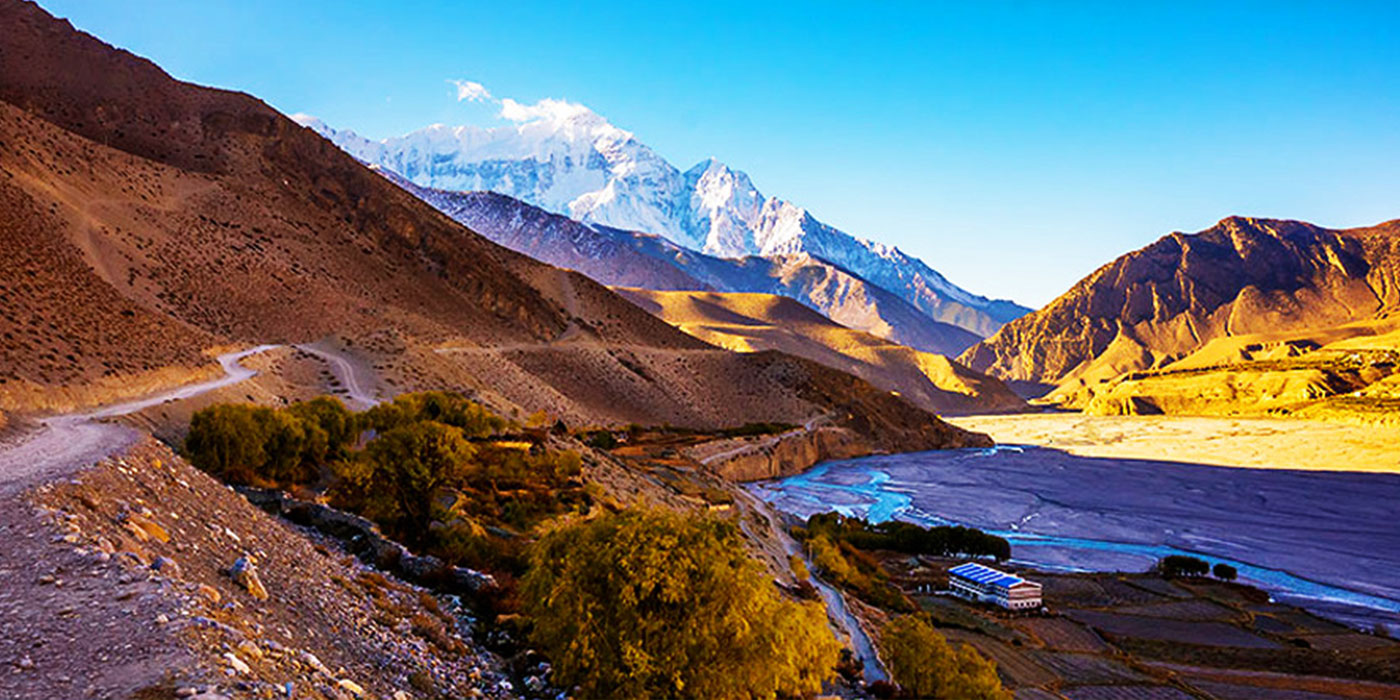
    The Upper Mustang Trek takes one into the “Forbidden Kingdom” of Mustang, a region noted for its unique landscapes and Tibetan-influenced culture. A trek route will take you through barren cliffs, ancient caves, and centuries-old monasteries. Due to its isolated location, the traditions in Lo are so well preserved and, as such, are considered one of the more valuable cultural assets.

    Upper Mustang , Autumn trek


    Major Attractions:

    • Lo Manthang: Walled city and cultural heart of Upper Mustang.
    • Chhoser Caves: Mysterious caves used for meditation and ancient habitation.
    • Tiji Festival (Seasonal): Vibrant celebration based on Tibetan Buddhism.
    • Desert-Like Landscapes: Dramatic cliffs, canyons, and red rock formations.

    7. Mardi Himal Trek

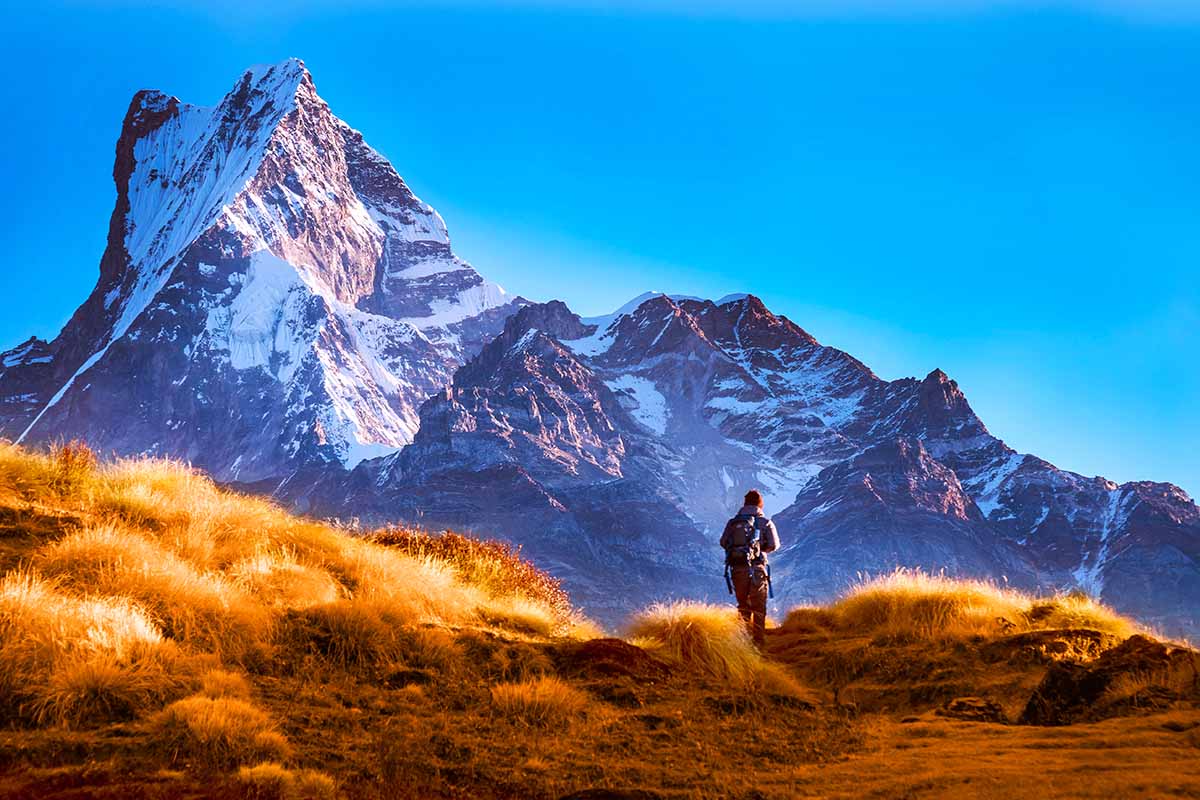
    Mardi Himal Trek is a recently developed virgin trail in the Annapurna region. It offers unprecedented close-up views of Mt. Machhapuchhre, popularly known as Fishtail, and the Annapurna range. This is a short but naturally rewarding trek with plush forests and a rugged ridge leading up to the high altitude viewpoint.

    Mardi Himal , Autumn trek

    Main Attractions:

    • Mardi Himal Base Camp: Spectacular vantage at the base of Mt. Machhapuchhre
    • Machhapuchhre Viewpoint: Spectacular close-up view of the iconic peak.
    • Hidden Trails: Experience loneliness and pristine wilderness.
    • The forest walkways crossed rhododendom and oak forests.

    Why Autumn is the Best Time for Trekking in Nepal

    •  No dust particle in the post-monsoon air provides crystal clear views of the mountains.
    • Mild Temperatures: Good weather conditions prevail; hence, one can trek for a long time without much distress.
    • You can enjoy festivals such as Dashain and Tihar adding color to your expedition.

    Tips for Autumn Trek

    Advance booking: Besides accommodation, permits and guides are to be booked well in advance if visiting during high time.

    Packing the right equipment: Clothing: to be provided in layers; Trekking boots: good pairs; Sleeping bag: very much essential.

    Acclimatization: Give time to your body to get tuned before going to challenging treks featuring high altitude.

    Respect culture: Respect the culture and continue showing respect for guiding principles in an enriching atmosphere.

    Conclusion

    Autumn treks in Nepal are the gateways to some of the most stunning landscapes and cultural experiences on Earth. Be one who has trekked many times or is just a beginner; the trail awaits. Put on your boots and backpack, and off to the ultimate adventure-the Himalayas await!

    FAQs

    1. What is the best time for trekking in Nepal?

    The best time for trekking in Nepal is autumn (September to November) when the weather is clear, skies are blue, and temperatures are mild, making it ideal for trekking.

    2. How difficult are the treks in Nepal?

    Nepal offers treks of all difficulty levels. Popular treks like Ghorepani Poon Hill are easier, while others like Everest Base Camp and Manaslu Circuit are more challenging due to altitude and terrain.

    3. Do I need a permit for trekking in Nepal?

    Yes, most trekking routes in Nepal require permits. Popular treks like the Annapurna Circuit and Everest Base Camp require ACAP and TIMS permits. Additional permits may be needed for restricted areas like Upper Mustang.

    4. What should I pack for trekking in Nepal?

    You should pack:

    • Layered clothing for varying temperatures
    • Trekking boots with good grip
    • Sleeping bag for higher altitudes
    • Sunscreen and hat for sun protection
    • Water purification tablets or water filter

    5. How long do the treks in Nepal take?

    Trek durations vary by route. For example:

    • Everest Base Camp: 12–14 days
    • Annapurna Circuit: 15–18 days
    • Ghorepani Poon Hill: 4–5 days
    • Manaslu Circuit: 14–16 days

    6. Is altitude sickness common in Nepal?

    Yes, altitude sickness can affect trekkers above 2,500 meters, especially on treks like Everest Base Camp and Annapurna Circuit. It’s important to acclimatize properly, drink plenty of water, and ascend slowly.

    7. Can I trek in Nepal without a guide?

    You can trek independently on some routes (like Ghorepani Poon Hill), but for more remote or challenging treks (like Manaslu or Upper Mustang), hiring a guide is recommended and sometimes required.

    8. What is the weather like during autumn trekking?

    Autumn offers clear skies, mild daytime temperatures (around 10–15°C), and cooler nights (around 0–5°C at higher altitudes), making it perfect for trekking. However, it can get colder as you ascend.

    9. Are there teahouses along the trekking routes?

    Yes, popular trekking routes like Everest Base Camp and Annapurna Circuit have teahouses where you can rest, eat, and sleep. They provide basic facilities like food, drinks, and simple rooms.

    10. How much does it cost to trek in Nepal?

    The cost depends on the trek. A basic budget for a trek (including permits, guide, food, and accommodation) can range from $20 to $50 per day, with additional costs for special permits in restricted areas like Upper Mustang.


  • Accommodation and Food During Everest Base Camp.

    Accommodation and Food During Everest Base Camp.

    Accommodation and Food During Everest Base Camp.

    For most trekkers and mountaineers, Everest Base Camp is considered the ultimate fulfillment of a lifetime of desires; however, even though reaching this spot at 5,364 meters or 17,598 feet is an accomplishment in itself, one should always realize what awaits him or her in terms of accommodation and food for those going on this EBC adventure. This comprehensive guide takes you through everything from where you will sleep to what you will eat at Everest Base Camp.

    everest base camp

    Accommodation at Everest Base Camp

    Before discussing Base Camp itself, it’s worth noting that most trekkers experience a variety of accommodations at Everest Base Camp. These basic but comfortable lodges serve as important acclimatization stops and offer insights into what to expect higher up.

    1.Tea House

    Teahouses are the small guesthouses offering primary facilities along the route to the trekkers. These are also referred to as “lodge accommodations.” The main building, in most places, is usually consisted of the dining room, kitchen, and a common area. In addition to this, teahouses have rooms for sleeping. Teahouses vary from place to place based on comfort and different altitude and locations of the trail.

    Tea House Features:

    • Dining area: This is, in fact, the hub of the tea house, where trekkers usually get hot meals, snacks, and drinks. This is also a time to socialize with other trekkers, share experiences, and at times catch up on news.
    • Accommodation: The rooms are small, with two to three beds that you often have to share with your co-trekkers. It contains a minimalist bedding facility, generally having one blanket; for trekking to the higher altitude, however, travelers are recommended to take a sleeping bag to ensure their personal comfort levels.
    • Toilets: Bathroom and showers generally have a common basis. Especially concerning altitudes, a hot shower isn’t guaranteed because hotels don’t necessarily facilitate the related supplies towards the height’s increase.
    • Electricity & Charging: Most of the teahouses have electricity, but usually it is available only for limited time in a day and is mostly harnessed through solar panel or small generator. Charging the devices may be possible although it comes along with an extra price.

    Advantages of Staying in Tea Houses:

    • In the tea houses, there is ample opportunity to meet other fellow trekkers and share stories and experiences.
    • The accommodation in tea houses means exposure to the culture of the locals, Sherpa, because most of them are managed by Sherpa families themselves.
    •  Tea houses dot the route of EBC and, as such, can be accessed rather easily even in places quite far away from the nearest urban towns. They provide a place of safe rest.
    • A day of exhaustive trek, the only source of food, warm, and a teahouse act as shelter amidst a cold, hard environment.

    2. Expedition Tents:

    Expedition tents are specialty design and high-performance tents for mountaineering and trekking at extreme altitudes. They bear all kinds of hardships that the mountain may throw-including fighting strong winds, extremely low temperatures, and snowfall-with the purpose of assuring climbers and trekkers a good night during their expedition.

    Features of Expedition Tents:

    •  The tents are designed to hold up very strongly against very poor weather conditions linked with high-altitude expeditions. This involves durable and weather-resistant fabrics that can resist high winds and snow load, and reinforced poles for added stability.
    • The tents are able to retain the insulated body heat inside the tent as much as possible. In this category, some expedition tents are designed with multiple layers to create an air gap that can insulate from extreme cold.
    •  Although they are insulated, they have ventilation so that air could pass inside the tent for lesser condensation. 
    • Most expedition tents are small; they normally fit two to four people. Larger ones for base camps are available that accommodate groups of climbers or trekkers.

    Advantages of Expedition Tents:

    • Tents allow the trekkers to be much more mobile and independent than the teahouses do, which in turn enables the campers to enjoy the place that no one else would have visited.
    •  Tent camping is usually a lot more private compared to teahouses, for the reason that you may even share rooms in the teahouses with other trekkers as well.
    •  The expedition tent allows using of equipment being taken along actually. It permits self-sufficiency but needs additional preparation and exhaustion.

    Food and Nutrition at Base Camp

    Basic factors such as food and nutrition are quite important on this hike, as these are essential in helping an individual retain back energy and stamina, including general health during the process of ascending to the highest altitude. Here, the kind of food available on the way, mostly from teahouses to base camp, helps your body respond to the demands of trekking and altitude challenges.

    More about nutrition on the Everest Base Camp-

    1. Food Along the Everest Base Camp Trek – The Teahouses

    Teahouses line your route offering all kinds of food that is targeted at giving the trekkers calories, water and all the important nutrients that are necessary to maintain energy for the long hours of walking.
    Common Foods Available in Tea Houses:

    1.Dal Bhat (Lentil Soup and Rice):

    It is basically taken for lunch or dinner, one of the staple foods in Nepal. Dal consists of lentil soup, boiled with spices, and is always served with rice, also called bhat. It is full of proteins and carbohydrates, which provide endurance during trekking.

    2. Momos-Dumplings:

    Momos are one of the popular snacks or light meals consisting of a dumpling wrapper with the filling of vegetables, meat, or cheese inside. Steaming and frying have different effects, though both have their nutritious value in pretty amount as carbohydrates, fats, and proteins. Momos are high-calorie food and are easily digestible hence they are very good for trekkers who require quick snacks.

    3.Tibetan Bread:

    This round, fried bread is generally taken as breakfast. It is served with butter, jam or cheese. Its rich in carbohydrates and gives instant energy.
    Tibetan bread helps replace energy stores, particularly in the morning when trekkers need fuel for the day ahead.

    4.Pasta, Noodles, and Fried Rice:

    These provide high-energy carbohydrates and are sometimes served with vegetables, meats, or eggs. These are filling and easy to digest.
    Pasta and noodles: These are great sources of quick energy; hence, very suitable for long trekking days.

    5. Omelets and Porridge:

    Omelets made from eggs, vegetables, and cheese are a great source of proteins and healthy fats, while porridge is warm and easily digestible carbohydrate.
    Both are good for breakfast because they would give energy throughout the morning.

    6. Soups:

    Soups are prepared from vegetables, noodles, or meat and are comfortably taken during cold weather; such soups are a ready form of carbohydrates, proteins, and vitamins in no time. The soup will rehydrate the body, warm up the body.

    7. Snacks:

    It is very common to find energy bars, nuts, dried fruits, and chocolate in the teahouses; these will enable the consumption of a huge number of calories and micronutrients from just one small package, which is important to reinvest during the trek.

    8. Hydration: 

    The most offered drinks are tea, coffee, hot chocolate, and sometimes herbal teas to start the processes of hydrating and warming up the trekkers.

    2. Food at Everest Base Camp

    Accommodation turns out super basic while reaching to the base camp, and so is the food, basically prepared in the expedition tents or temporary dining tents erected by climb teams. Food commonly available in base camp:

    • High-Calorie, Protein-Rich Foods: The extreme conditions in base camp require high-calorie meals for maintenance. Food is similar to those in teahouses but with more emphasis on protein and carbohydrates to fuel the body for both the trek and the high-altitude environment.
    • Hot Meals: The route for the trek should provide hot, heavy meals to keep one warm and adequately energized to walk. A normal meal could include dal bhat, pasta, and stews.
    • Energy Snacks: Along with your main meals, energy bars, chocolates, nuts, and dried fruits will also be provided as energizers to keep your energy level up throughout the intervals of your meal uptakes.
    • Hydration: At the base camp, hydration is necessary as the dry air dehydrates you in amazingly short intervals. Hot tea, coffee, and electrolyte drinks are allowed. Boiled water is provided, but most trekkers use water purification tablets just to make sure it can be drunk.

    3. Special Diets and Preferences

    The menus mostly cater to vegetarian, vegan, and gluten-free needs at the tea houses and the base camp kitchen. This may not be possible at higher altitudes. Therefore, pre-ordering of such special diets before is important, whereby the teahouse owners will in turn make such plans since certain individuals trek with them for special reasons related to health conditions or allergy reactions.

    Practical Tips for Base Camp Life

    1. Personal Food Recommendations

    Some of the recommendation for trekkers to bring along are:

    • Energy gels and bars,
    • Electrolyte powder,
    • Vitamin supplements,
    • Comfort foods for difficult days.

    2. Accommodation Tips

    Tips to make your accommodation more comfortable and cozier:

    • Bring a quality sleeping bag rated for extreme cold,
    • For extra warmth you can bring a sleeping bag liner,
    • Pack a good quality sleeping pad,
    • Consider bringing a small pillow,
    • Keep electronics in sleeping bag at night to preserve batteries.

    3. Cultural Considerations

    It is essential for the trekkers to understand the local customs and tradition. It allows for meaningful and deeper connection with the people and their culture. So,

    • Respect mealtimes,
    • Follow camp protocols,
    • Participate in community activities,
    • Learn basic Nepali phrases,
    • Show appreciation to kitchen staff.

    4. Waste Management

    Base Camp follows strict environmental principles to minimize its impact on the environment. These principles include:

    • Pack-in, pack-out policies
    • Waste segregation
    • Composting when possible
    • Regular cleanup initiatives
    • Cooperation between expeditions for waste removal

    5. Sustainable Practices

    Modern base camps increasingly emphasize sustainability and comfort. These camps are designed to minimize their environmental impact while providing a comfortable and functional space for climbers and trekkers. Some of the key features of modern base camps include:

    • Solar power usage
    • Minimal packaging
    • Local food sourcing where possible
    • Water conservation
    • Leave No Trace principles

    everest base camp

    Conclusion

    Life at the Everest Base Camp differs in that the basic life blends with sophisticated systems to support man’s survival in extreme altitudes. Basic and not always up to city standards of conditions of accommodation and food developed such a system which keeps nourishing human bodies with intensive and variable intake for high demanding altitude trekking or climbing. If you are planning for Everest Base Camp, book your package from Happy Mountain Nepal for a hassle-free travel.

    FAQs

    1. What type of accommodation can I expect on the Everest Base Camp trek?

    You can expect to stay in teahouses or expedition tents. Teahouses are basic guesthouses along the route, while expedition tents are used by climbers at higher altitudes.

    2. What are the facilities like in teahouses?

    Teahouses have a dining area, shared bedrooms with minimal bedding, common toilets, and limited electricity. Some may charge extra for device charging.

    3. Can I expect hot showers?

    Hot showers are not always available, especially at higher altitudes. Some teahouses may provide hot showers, but they might be limited due to water heating difficulties at high altitudes.

    4. What kind of food is available along the Everest Base Camp trek?

    The teahouses offer a variety of foods like dal bhat (lentil soup with rice), momos (dumplings), Tibetan bread, noodles, pasta, omelets, and soups. They provide energy-dense foods to support the strenuous trek.

    5. Are there vegetarian or vegan food options?

    Yes, vegetarian and vegan options are available at teahouses. However, it’s advisable to pre-order special diets to ensure availability, especially at higher altitudes.

    6. What should I bring for food?

    Consider bringing energy gels, bars, electrolyte powders, and vitamins for extra energy and hydration during the trek.


  • Challenges and Difficulties in Annapurna Base Camp Trek.

    Challenges and Difficulties in Annapurna Base Camp Trek.

    Challenges and Difficulties in Annapurna Base Camp Trek.

    Annapurna Base Camp is said to be the most mythological trekking adventured in Nepal and hence, receives thousands of trekkers up to its base. During this fabulous trek you will perceive the grandeur of the Annapurna Mountain range. Although it is amazingly rewarding this trek presents a few challenges and difficulties in Annapurna Base Camp for which you should prepare.

    Annapurna base camp

    It’s a venture to the base camp of Annapurna, including some of the challenges one will have to put up with. In this blog, we would be discussing a few major challenges that people usually face during the trek and helpful tips for overcoming such issues.

    1. Altitude Challenges:

    The Annapurna Base Camp trek reaches as high as 4,130 meters (13,550 feet), and just like any other high-altitude trekking activity, the phenomena of altitude sickness are not that far. Symptoms of altitude sickness often set in headache, dizzy spells, nausea, and even lethargic tendencies-if one goes upwards at an uncomfortably rapid pace. Acclimatization is necessary for avoiding all lethal altitude-sickness diseases with post-effects detrimental to your health and safety.

    Common symptoms include:

    • Headaches
    • Nausea
    • Fatigue
    • Dizziness
    • Loss of appetite
    • Difficulty sleeping
    • Shortness of breath

    How to Overcome It:

    • Gradual Ascent: It means one should not ascend rapidly; instead, they may rest for regular intervals at important junctures to acclimatize the body.
    • Hydrate well: Plenty of water intake averts dehydration, which may increase the severity of altitude sickness.
    • Medication: Consult your doctor before the trek to recommend drugs such as Diamox, which are used in the prevention of mountain sickness.
    • Listen to your body: At the onset of any of the above symptoms, immediate descent to lower altitudes should be initiated.

    2. Unpredictable Weather Conditions

    Even during the best seasons, autumn and spring, weather conditions in the Annapurna region are really unpredictable. Besides, there is a threat of sudden rain or snow, as well as sharp fluctuations in temperature. During the monsoon season, normally from June to September, the weather conditions make the trails slippery and dangerous to walk on-a period normally characterized as “low time” because of heavy rainfall.

    How to Overcome It:

    • Check Weather Conditions: It is always a good thing to check weather forecasts in advance and subsequently do your planning of days.
    • Dress in layers: Use moisture-wicking clothes, insulated jackets, and a rainproof jacket to be protected from rain and unexpected temperature drops.
    • Delays: Bad weather may delay your scheduled time. Make sure you have more days, so you will not rush.

    3. Physical Demands and Fitness Levels

    The Annapurna Base Camp Trek will be extremely exhausting for most people, especially those who are not used to high-intensity hiking. Many days of continuous uphill and downhill walks over rough terrain and sometimes challenging paths may lead one to exhaustion whereby one may not be able to keep up a reasonable pace.

    How to Overcome It:

    • Physical Preparation: Start training several months before the trek. Focus on building endurance through cardio exercises like hiking, running, and cycling.
    • Pace Yourself: It’s essential to maintain a comfortable pace throughout the trek. Do not rush; take breaks when needed.
    • Strengthen Your Core and Legs: Strengthen your legs and core muscles through exercises like squats, lunges, and planks to handle steep ascents and descents better.

    4. Inadequate Trail Infrastructure

    Even though the ABC Trek is an already developed track, some parts of the route may be left untouched for tourism. Some areas, particularly those very remote, will not be comfortable regarding accommodation. In the same way, basic tea houses have only very primary facilities and services. Some parts of the route are not well-marked, thus requiring the hiker’s attentive attention not to get lost somewhere.

    How to Overcome It:

    • Guide/Porter Policy: A guide will not only help in navigation and knowledge of the local culture but also your safety. A porter will lighten the luggage hence making the trek less exhausting for you.
    • Carry Essential Gear: Bring a map or GPS device, a headlamp, and a power bank to stay connected and prepared.
    • Accommodation Prebook: This would include the prebooking of your teahouses in order to have places of rest during peak seasons where the sections may get busy along the trails.

    5. Challenging Topography

    The route of Annapurna Base Camp is pretty well-marked, though the tricky terrains with steep ascents, rocky and uneven tracks, river crossing, and icy or snowy paths during the cold months make the trek difficult. Besides, during the rainy season, the trail gets slippery.

    •  Use stout, waterproof ankle-high trekking boots to give support for your ankles while trekking on slippery and rocky surfaces.
    • Use trekking Poles. These helps balance and minimize the stress of the knees during a steep ascent or descent.
    • Ideally, trekking should be done either in the pre-monsoon months starting from March to May, or in the post-monsoon months of September to November to avoid snow-laden or slippery trails.

    6. Medical Facilities Are Not Accessible

    The Annapurna area is pretty remote, and there is limited access to any medical facilities. Major hospitals are in Pokhara-a few days of walking away a trekker has to be independent in handling minor injuries or diseases. In case of an emergency, sometimes the only way out is by using a helicopter, which is pretty costly.

    • Have comprehensive travel insurance that covers medical evacuation and trekking-related accidents.
    • Carry a well-stocked first-aid kit with you, containing items such as bandages, antiseptics, painkillers, blister treatments, and your personal medications.
    • Understand basic first aid to take care of cuts, sprains, and bruises among minor hurts.


    7. Limited Food and Water

    The Challenge: While there is food available on the route through teahouses, the fare is more or less Spartan with a selection of dal bhat, soup, and potatoes being an everyday option. Moreover, not all water sources are clean, hence making the purification of water very essential to avoid any water-borne ailment.

    How to Overcome It:

    • Water Purification Tablets or Filter: Always purify the water before drinking, whether from teahouses or natural sources.
    • Pack light, high-energy snacks such as nuts, energy bars, and dried fruits to supplement meals on the trail.

    Conclusion

    Annapurna Base Camp trekking is an exciting, beautiful tour for the people that will introduce trekkers to diversified views and nature with different ethnicities, cultures, and traditional norms in Nepal. In turn, this will identify some areas relating to the trek route terrain, atmospheric weather conditions, high altitude effects, and physical fitness that make this track a bit tough or challenge-packed to go easily and with minimum threat evidence safely for holiday trekking in one of the wonderful areas around earth. With proper preparation and the right mindset, the difficulties become part of the adventure, making the achievement of reaching Annapurna Base Camp even more meaningful. So, Book your trip from Happy Mountain Nepal for this winter of 2024.

     FAQs

    1. What is the best time for the Annapurna Base Camp Trek?

    The best time to trek is during spring (March to May) and autumn (September to November) when the weather is clear, and the trails are safer.

    2. How difficult is the Annapurna Base Camp Trek?

    The trek is considered moderate to challenging, with steep ascents, rocky terrain, and potential altitude-related difficulties. Basic fitness and preparation are essential.

    3. How long does the Annapurna Base Camp Trek take?

    The trek typically takes 7–12 days, depending on the chosen route and pace.

    4. What is the maximum altitude reached during the trek?

    The highest point is Annapurna Base Camp, located at an elevation of 4,130 meters (13,550 feet).

    5. What are the risks of altitude sickness on this trek?

    Altitude sickness is a concern as the trek reaches high altitudes. Symptoms include headaches, dizziness, and nausea. Gradual ascent and proper acclimatization are key to prevention.

    6. Are guides and porters necessary for the ABC Trek?

    While not mandatory, hiring a guide ensures better navigation and cultural insights, while porters help lighten your load, making the trek more comfortable.

    7. What kind of accommodation is available during the trek?

    The route features teahouse accommodations offering basic facilities such as simple rooms, shared bathrooms, and meals like dal bhat and noodles.

    8. How do I prepare for the physical demands of the trek?

    Start training several months before the trek, focusing on endurance, cardio, and leg strength through activities like hiking, running, or cycling.

    9. What permits are required for the trek?

    You will need a TIMS (Trekkers’ Information Management System) card and an ACAP (Annapurna Conservation Area Permit), both obtainable in Pokhara or Kathmandu.

    10. What should I pack for the Annapurna Base Camp Trek?

    Pack essentials like layered clothing, waterproof trekking boots, trekking poles, a first-aid kit, water purification tablets, and travel insurance.


  • The Ultimate Guide to Mardi Himal Trek.

    The Ultimate Guide to Mardi Himal Trek.

    The Ultimate Guide to Mardi Himal Trek.

    Mardi Himal is among those few pearls of Nepal’s Annapurna region, promising great views and tranquil landscapes combined with a much quieter trek in comparison to the hustle and bustle that characterizes trails like the famous Annapurna Circuit or Poon Hill. This Trek is slowly gaining attention and has been attracting many trekkers who would want to avoid the crowds yet still be surrounded by the majesty of the Himalayas. This travel guide takes one through an elaborative approach to the preparations for the Mardi Himal Trek in detail.

    mardi himal

    Overview of Mardi Himal Trek

    The Mardi Himal trek is a comparatively short trek and is said to be completed by those who have not got that much time in about 5 to 7 days. It will take one as high as 4,500 meters or 14,763 feet above sea level at Mardi Himal Base Camp. Unfolding surreal landscapes present some of the most iconic peaks in the Himalayas: the Mardi Himal, Machapuchare known as Fish Tail, Annapurna South, and Hiunchuli.

    Mardi Himal Trek Difficulty Grading:

    Mardi Himal Trek is graded as a moderate trek that any average trekker who has basic fitness can handle, but it requires no technical climbing skills. But nevertheless, it could be exhausting with altitude and terrain factors at instances. Hence, proper preparation becomes very much essential for the steep ascend path, forest routes, rocky roads, or ridge walks on the trail.

    Best Time to Trek Mardi Himal

    The best time for trekking Mardi Himal is in the spring season-starting from March to May-and in autumn from September to November.

    • During these months, the weather is clear and you will have a vivid view of the surrounding mountains. The temperatures are also moderate, thus making trekking comfortable.
    • Winter falls in December to February and is very cold, especially at high altitude.
    • Summer/monsoon falls in June to August and sees heavy rainfall, thereby making the trails slippery and hazardous to tread.

    Trekking Itinerary:

    A Day-to-Day Guide Given below is a typical 5-day itinerary for Mardi Himal Trek:

    mardi trek

    Day 1: Drive from Pokhara to Kande and Trek to Australian Camp.

    This trek starts with a drive from Pokhara via a serpentine road to Kande, a small village, and from here it will take about 3-4 hours of trekking to reach Australian Camp with its great views of the Annapurna Range.

    Day 2: Australian Camp to Forest Camp.

    Australian Camp to Forest Camp is around 5-6-hour duration. This is a nice walk through the rhododendom forests upwards for beautiful views in tranquility. As it goes up higher, the scenery keeps getting more spectacular, and views start to appear: Mardi Himal and Machapuchare.

    Day 3: Forest Camp to Low Camp

    Duration is 4-5 hours of trekking from Forest Camp to Low Camp. Gradual progress could be made catching its way through thick forests until it reached Low Camp, from where openings of the landscape would portray spectacular views of the mountains.

    Day 4: Low Camp to Mardi Himal Base Camp

    As it is considered the highlight of the trek, today you will be going to Mardi Himal Base Camp. Additional Information The more rugged and rocky uphill trail to the base camp will be there; however, when you have towering peaks standing right in front of you, every step taken will be worth it.

    Day 5: Trek Back to Sidding and Drive to Pokhara

    The distance is 12 km, and trekking Duration is 6-7 hours. From Mardi Himal Base Camp, after viewing the spectacular view, you descend back to Sidding, from where, by vehicle, you drive back to Pokhara.

    Cost of Mardi Himal Trek

    The full cost of Mardi Himal Trek is determined by many factors that include the duration of trekking, transportation mode, kinds of accommodation, and guide or porter service.

    • Budget Trek Budget In itself, the full cost for transportation, food, and accommodation on a budget trek would be averagely between $300 and $600 USD.
    • Guides and porters are available and, if desired, not necessary; this will increase your cost further by an extra $20-30 per day for a guide and $15-$20 per day for a porter.

    Mardi Himal Trek Packing List

    • Clothing: To be worn in layers, such as moisturizing T-shirts, fleece jackets, water-repellent jackets, including hat headwear.
    • Footwear: Trekking boots-waterproofing recommended; appropriate socks along with gaiters that will provide further protection against elements entering from underneath the shoes/boots.
    • Accessories: Trekking pole, lightweight body bag/pack, packer bags lightweight HEALTH and SAFETY First Aid Box/kit, water-purifying tablets/aqua safe/equivalent, UV filter/pot/straws, sunscreen, lip balms, and hand sanitizers.
    • Documents: Passport permits for trekking (TIMS and ACAP), and travel insurance.

    Trekking Permits for Mardi Himal

    You will have to get two permits for the Mardi Himal Trek:

    • TIMS Card: The permit is mandatory for all the trekkers in Nepal, and it costs around NPR 2,000.
    • ACAP: It is mandatory to go for trekking in the Annapurna region and costs around NPR 3,000.

    You can get both the permits in both cities of Pokhara or Kathmandu.

    Mardi Himal Trekking Tips

    •  Mardi Himal Trek doesn’t attain extreme altitudes, but acclimatization is crucial to avoid altitude sickness.
    • Remember to stay hydrated during the trek with lots of water, especially at higher altitudes.
    •  Keep your backpack light, as you’ll be trekking for several days. Only pack essentials and avoid unnecessary items.
    • Weather in the mountains could suddenly get different. Be ready to face cold mornings and evenings, and never without a rain jacket.

    Conclusion

    The Mardi Himal Trek is a beautiful landscape with diversified ecosystems, combined with peaceful trekking. Actually, this trek should be perfect for those who seek to absorb the beauty of the Annapurna region without meeting crowds. It is very well-prepared for the trek and surely makes your journey truly memorable, with lifelong unforgettable memories of the Himalayan wilderness.
    It is hence time now for planning for one of the finest trekking routes to Nepal, contact us today at Happy Mountain Nepal, Facebook, Instagram, or TikTok. 

    FAQs

    1. What is the best time for the Mardi Himal Trek?

    Spring-March to May is considered one of the finest time seasons, along with autumn, happening from September to November

    2. How difficult is the Mardi Himal Trek?

    The experience level of the trek is moderated, and it does not require any particular climbing skills. The basic level of fitness and average climbing skills can enable trekkers, but it becomes challenging because of altitude and difficult ascents in certain areas of the route.

    3. How long does the Mardi Himal Trek take?

    It usually takes 5 to 7 days, as per the itinerary chosen and speed.

    4. What is the highest altitude of the trek?

    The highest point is Mardi Himal Base Camp, which is at an elevation of 4,500 meters (14,763 feet).

    5. Do I need permits for the Mardi Himal Trek?

    Yes, you need two permits i.e. TIMS (Trekkers’ Information Management System) card and an ACAP (Annapurna Conservation Area Permit).

    6. Is it necessary to hire a guide or porter?

    No, it is not necessary to hire guide or porter but hiring can help you enhance your experience and make your journey easier.

    7. What kind of accommodation is available on the trek?

    Trek participants receive accommodation at basic teahouses which provide reasonably simple rooms accessible to all visitors sharing common areas. Apart from basic amenities comprising hot showers, guests must pay an extra fee for access to meals.

    8. What should I pack for the Mardi Himal Trek?

    It constitutes the major things like layered clothes, water-proof trekking boots, sleeping bag, trekking poles, first–aid kit, and permits. Pack lightly.

    9. Are there any risks of altitude sickness?

    Even though Mardi Himal is not that tall, altitude adjustment remains necessary. Drink plenty of water, go up slowly, and beware of signs and symptoms of altitude sickness, which include headaches and nausea.

    10. How much does the Mardi Himal Trek cost?

    The cost of the trek would fall in the range of $300-$600 USD, depending on the length of the trek, mode of transportation, accommodation, and guide and/or porter hires.
  • Top 5 Trek in Nepal for 2025.

    Top 5 Trek in Nepal for 2025.

    Top 5 Trek in Nepal for 2025.


    Nepal is the land of the Himalayas, a dream destination for trek and adventurers. You may be a seasoned trekker or just beginning; all experience levels will be catered to on the trekking routes within Nepal. It is possible to explore its beauty on a budget because Nepal has to offer several pocket-friendly trekking routes, an array of paths that provide exploration into its majestic landscapes, charming villages, and rich culture.

     A short description of the top 5 treks in Nepal for 2025-:

    1. Ghorepani Poon Hill Trek

    Ghorepani Poon Hill has always been known to be among those finest short treks of Nepal, with excellent views of amazing Annapurna ranges that, too, without exhausting oneself with much length in the distance. On walking, the vistas of Colossal Annapurna and Dhaulagiri are in the front of villages and through the vine bended woods. Really an easy but stunning route whereby tourists easily experience the glimpse of Himalaya in less time.

    Ghorepani Poon Hill Trek

    Major Attractions:

    • Poon Hill Sunrise: A major Nepalese experience whereby, in the morning, one sees Annapurna, Dhaulagiri, and Machapuchar
    •  During the spring, the trek goes through heavy forests where beautiful rhododendron flowers shine bright.
    • On routes like Ghorepani and Tadapani, villages of the Magar and Gurung people remain traditional, allowing you to take a walk through to see how locals live.
    • Annapurna Range: Annapurna Base Camp Trek offers brilliant views of the mountain cluster popularly known as Annapurna, including the peaks of Annapurna South, Machapuchare, and Hiunchuli.


    2. Langtang Valley Trek

    The Langtang Valley trek is closer to Kathmandu and gives an overview of Langtang Mountain and Tibetan culture. It goes through forests up to mountain grasslands and small villages, enabling trekkers to get acquainted with Tamang and Sherpa householders. Langtang National Park protects its rich flora and fauna in the Langtang Valley.

    langtang
    Major Attractions:

    • This trekking offers world-class visibility of Langtang Lirung towering at 7,000 meters and its neighboring mountains Dorje Lakpa.
    • Many Tibetan Buddhist temples and sanctuaries form the base of Langtang’s religious identity in their monasteries and prayer wheels.
    • At 3,749 meters high, Kyanjin Gompa stands as an ancient monastery where trekkers experience Himalayan Buddhism up close and discover stunning mountain scenery.
    • Nature lovers can enjoy spotting red pandas, Himalayan tahr, and many kinds of birds while visiting Langtang National Park.


    3. Manaslu Circuit Trek

    Manaslu Circuit Trekking takes one through the virgin tracks to the views of Manaslu Peaks for a far-flung and peaceful hiking experience. It connects scenic mountain scenery with traditional village experiences since development hasn’t fully reached these villages. Larkya Pass is considered one of the toughest trek challenges that newbies and experts will cherish.

    . Manaslu Circuit Trek

    Major Attractions:

    • You will be able to view Manaslu Mountain.
    • The trek will present magnificent views of the whole mountain range while crossing the Larkya Pass at 5160 meters.
    •  You will come across the local life as you walk through villages named Samagaon and Bhimthang while exploring the peculiar culture of Manaslu on your journey.
    • Buddhist monasteries are found while undertaking this venture: there were plenty of temples and many prayer flags adding some spirituality to their journey. 


    4. Everest View Trek

    Everest View Trek is an easy way for the trekkers to get superior views of Mt. Everest and peaks around including access to the Everest region. This is generally a short trip, normally done by people just to have grand views of Mt. Everest in case one lacks the physical capability to reach it to the Base Camp of Everest or when the people are in a shortage of time. The helicopter ride up will be fitting with households or anyone who plans to and would wish to shorten this time element on traveling

    Everest View Trek


    Major Attractions:

    • This Trek Has Offered Continuous Breathtaking Glimpses of Mt. Everest, Along with Other Khumbu Treks Along the Journey Line.
    • Tengboche Monastery: Situated at 3,867 meters, the Tengboche Buddhist monastery represents the center of spirituality in the Everest area where tranquility meets mountain vistas.
    •  During this trek, trekkers can meet the Sherpas people with their renowned mountaineer past and receive their friendly hospitality.
    •  You will be walking through the main area of the Khumbu region amidst rhododendron forests and traditional Sherpa villages.


    5. Annapurna Base Camp Trek (ABC Trek)

    This is very special because of the given opportunity to the trekkers for observing the natural wonders along with Nepalese villages. You will cross some beautiful villages and foliage routes to reach Annapurna Base Camp, from where you get to see the whole range of full Annapurna mountains.

    Annapurna Base Camp Trek (ABC Trek)

    The Major Attractions:

    • Views of the Annapurna Range from Annapurna Base Camp, you will view all sections of the mountain range of Annapurna: Annapurna I, Machapuchare (Fishtail), and Hiunchuli.
    • During the trek, there are hot springs in Jhinu Danda for the trekkers to soothe their tired muscles.
    • Various villages fall on the way, which gives insight into the Gurung and Magar local culture.
    • You may see Mardi Himal while trekking to Annapurna because of its impressive sight, which shows the overall beauty of that area.

     Conclusion

    Nepal offers its trekking opportunities to every section of the financial status that appeals to all kinds of adventurers. Each of these treks-from a sunrise view at Poon Hill, serene beauty in Langtang Valley, the remote charm of Manaslu Circuit, iconic views of Everest, and the splendor of Annapurna Base Camp-offers something different. Take your backpack and lace up your shoes because that leads to an expedition across the remarkable natural and cultural domains of Nepal.

    FAQs

    1.What is the best time to go for some affordable trekking in Nepal?

    The best time is in the pre-monsoon-March to May, post-monsoon-September to November. These are pretty clear months with clear skies on the whole with pleasant weather.

    2.Do I need a guide or porter for these treks?

    Most guided or solo budget treks in Ghorepani Poon Hill and Langtang Valley provide great experiences and give back to the local economy as well.

    3.What is a Permit Document to go Trekking in Nepal?

    Depending on the trek, there might be needs for a TIMS card or Trekkers’ Information Management System and national park or conservation area permits. Other permits are required for restricted treks such as Manaslu.

     4.What is the average daily budget to trek in Nepal? 

     The average that a trekker spends every day for food, accommodation, and basic permits is US$ 20-30 per day.

    5.Is it possible to make those treks without having any previous experience with trekking?

      Yes, Ghorepani Poon Hill and Langtang Valley treks are for beginners, but all treks require fitness and preparation.

    6.What is the accommodation condition on these treks?

       The main accommodation will be the Tea Houses-basic lodges providing a basic room, common area, and food.

    7.Is the trek good to go in winter as well as in summer?

    Yes, trekking is possible in winter with warmth and in summer with caution for rain and leeches.

    8.How does one get prepared for altitude sickness on these treks?

    Acclimatize gradually and let your body be hydrated, never rush to attain altitude. Even for Treks like Everest View and Annapurna Base Camp more precaution is taken. 

    9.What type of food does the treks provide?

       Basic meals consisting of dal bhat, rice, and lentils, noodles, soups, and Tibetan bread are available in the tea houses. And for vegetarians, there are ample options available.

    10.Is a budget trek safe to travel solo?

    Most treks, like Annapurna Base Camp and Langtang Valley, are safe for solo travel, but share your itinerary and carry key contacts.


  • Discovering the Mystical Landscapes of Mustang.

    Discovering the Mystical Landscapes of Mustang.

    Discovering the Mystical Landscapes of Mustang.

    Mustang – Hidden Gem of Nepal

    Mustang holds a mystique that no other place in Nepal has. Leading through fantastic landscapes and cultural treasures of unparalleled beauty, enrichment, and adventure, Mustang exists in the Himalayas and tends to represent this “last forbidden kingdom” due to extensive isolation, further knitted by its Tibetan cultural heritage. From trekking along ancient pathways to revealing hidden caves with Buddhist art, this opens onto the most enchanting aspects of Mustang.

    Every nook and corner is a discovery for itself in Mustang. Geographically, the colors paint the landscape from red, orange, and brown of the earth to the contrasting hues of the sky. If trekked, the panorama brings in panoramic vistas almost out of this world.

    Mustang district

    Source- Google

    Cultural Richness

    Mustang, Nepal- the traditions of Tibet meet here and intermix with the local ones, which have been well preserved for so many centuries because of their solitariness. To name some of the interesting sightseeing facilities that can be considered, the old monasteries, well-known Lo Gekar and Luri Gompa possess murals and historic items, which tell stories from the past.

    Trekking Paradise

    Trekking in Mustang is considered the greatest. Different ways leading to the points to trek, including the Upper Mustang Trek are somehow those feasts to eyes by giving them the vision of small beautiful villages made of pure, untamed nature. You get the opportunity to cover those trails that follow all types of geography starting from terrific highlands to amazing river valleys.

    Diverse Plants and Animals

    Flora, and fauna apart from the inhospitable climate include different varieties which Mustang has to offer despite being so arid. These include the snow leopard, Himalayan blue sheep, and varieties of vegetation that grow and thrive at heights that are quite beyond the conception of any visiting tourist. Adventure and Tranquility.

    Mountain biking and horse riding across the mountaineering areas of Mustang has been an attractive venue for every adventure-loving tourist. On a different note, it proves to be all-purpose as for those seeking solitude finds peace here in the natural ambiance.

    Mustang, Nepal, is a place of mystic land with extra-terrestrial landscapes and different travel experiences – both culturally enriching and visual brilliance. From the adventure-loving, nature-conscious, or the culturally enthusiastic, Mustang promises them an unforgettable travel to most unseen parts of Nepal.

    The Unique Geography and Landscape of Mustang

    Mustang is probably the most concealed pocket of north Nepal, the mystic landscape evoking a kind of rude beauty along with ancient mystique. Once forbidden, the area has its peculiar natural wonders, combined with a whole different degree of cultural importance.

    1. Canyon-Like Valleys

    The valleys are immensely big, and it would seem that the earth had been dug over centuries for erosion. Deep, narrow gorges with towering cliffs, wind-swept, take hues that change during the day-from the gold of the mornings to deep crimson at sunset. Against these sharply jagged rock faces, this puts up a striking contrast with the brilliant blue of the sky, further giving off this surreal, almost otherworldly atmosphere.

    Canyon-Like Valleys

    Source- Google

    2. Desert-Like Landscape

    From rocky deserts, it changes into semi-arid plains. Vegetation is not great, with the soil, when often cracked and dry, giving almost the impression of a moonscape. The wind regularly whips the dust into small whirlwinds, adding to the desolation, giving an impression as if land is carrying secrets of time itself.

    Desert-Like Landscape

    Source- Google

    3. Cave Complexes and Cliffside Monasteries

    It boasts numerous ancient caves excavated into the living rock faces by early Tibetan monks, and it dotfully bears testimony to its heritage. Most of these humble habitations contain beautiful murals, statues, and other objects of the profoundly ingrained Buddhism of the area. Wind-blown monasteries that have almost been blown on great bluffs with flapping colored flags in the wind as an announcement or glimpses at a religious life unhindered by time.

    Source- Google


    4. Snowy peaks and rugged mountains

    Further on, there are the imposing mountain ranges of Annapurna and Dhaulagiri-their snowy summits presenting a breathtaking contrast against the dry landscape below. Sheer faces, sharp ridges, and towering over all this is intimidating, yet unflappably peaceful, rugged mountain walls. High-altitude lakes and streams of glaciated origin off these mountains add to the tranquility of this beauty whereby crystalline waters reflect peaks and skyscapes surroundings.

    Snowy peaks and rugged mountains

    Source- Google

    5. Villages hidden in terraced fields

    It is further punctuated by small villages which stand like oases amidst fold upon fold of this hard part of Mustang, where the making of their outskirts by terracing acts like a witness to the determination of man himself and turns out green against dryness in plotful shades. Traditional mud-brick houses usually comprise narrow alleys, old praying wheels, and open doorways into the past.

    Villages hidden in terraced fields

    Source- Google

    6. Heavy winds with clear skies

    Above Mustang, the skies are mostly electric blue, clear and unhindered to the degree it can barely be believed real. Of course, all of this is offset against the wind–whirring cross-even, as ever constant with a raw power that seemed almost to sheer away the landscape itself. This served as a good reminder of what a desolate region it truly was; mystique, at least to an extent, comes from that alone, for within its whispers carried ancient sounds forward.

    Spaces like deserts, huge areas of cloistered monasteries, Highland villages, the range, and ranges of mountain tops-things that make Mustang incomparable with its spectacular out-of-this-world sceneries, spiritually charged upon air itself. There lie faces, untold stories upon its land, secrets not told in an even tone–awaiting bravery to trace it deep.

    Key Attractions and Landmarks in Mustang

    Mustang is the area in the Himalayas, combining a number of fine landscapes with cultural elements of serenity; being indeed a treasure for the trekkers, spiritual pursuers, and history lovers it is to be unwrapped on the trek itself. Below go the major attractiveness and landmarks that would make a visit to Mustang unforgettable:

    1. Lo Manthang

    Being the ancient capital of Lo Kingdom forms a crowning glory for Mustang. Inside these high walls are narrow streets, some of the oldest monasteries, and mud-brick traditional homes. Equally unmissable is the place known as Jampa Lhakhang, or the Temple of the Red Maitreya, some of the most intricate murals and ancient statues inside it. And even a Royal Palace that shows quite a lot about previous systems of governance and general architecture prevalent in this region. Culture: Overwhelmingly Tibetan, it breathes and lives in this timeless city.

    Lo Manthang

    Source- Google

    2. Kagbeni

    It lies at the junction of Kali Gandaki and Jhong Rivers and is very much similar to any medieval town: with its village monastery and many chortens or Buddhist stupas towering, becoming part of religious sightseeing during one’s journey for pilgrimage. Small pathways with prayer wheels and stone walls full of ages lead to an exploring spree. Its pious atmosphere attracts pilgrims and trekkers visiting Muktinath.

    Kagbeni

    Source- Google

    3. Muktinath Temple

    Muktinath Temple holds equal importance for Hindus and Buddhists alike, although it is situated in the mountains of Mustang. The complex contains 108 water spouts and an eternal flame fuelled by natural gas. It is believed by pilgrims that a bath in the waters brings salvation and purity. The serene atmosphere with snow-capped peaks all around rejuvenates one spiritually.

    Muktinath Temple

    Source- Google

    4. Jomsom

    Jomsom is an entrance to Upper Mustang and maintains a perfect balance between the traditional culture of Mustang and the basic modern-day amenity. Glimpses of its wind-blown streets will be provided since dominating views occupy space on the horizon: Annapurna and Dhaulagiri Ranges. This place is also very busy in exploration by travelers as many local markets and an airport are present here.

    Jomsom

    Source- Google

    5. Tangbe Village

    Tangbe is another oasis of Mustang. It is whitewashed with houses, with continuous fields of buck wheat and barley intermingled with the orchids of apples adding beauty to this picture. Quite pathways leading one through silent streets well away from noise and trekkers jamming up the other so-called popular routes. It is said that the beauty in Tangbe lies not in the fanciness it owns but in simplicity combined with nature at its best.

    Tangbe village

    Source- Google

    6. Chele La Pass

    Chele La Pass is a high point for whoever pursues panoramic beauty that Mustang has in store. It’s a pass festooned with fluttering colored prayer flags, offering views over the arid landscapes to peaks afar. No doubt, it is a prized photo opportunity for every photographer and trekker. The raw and spiritual Mustang will awake deep inside here.

    Chelela

    Source- Google

    More than a place, Mustang is about the experience that engraves natural beauty with culture and spiritual exploration deep inside. From the adventurous to a peaceful place, peeks into ancient worlds-Mustang promise lifetime memory episodes.

    Conclusion

    A visit to Mustang was a dream for many people, and the magical landscapes of Nepal promise so much. Now, plan your tour in the best seasons and follow the following tips to have a safe and rewarding journey in this enthralling place. It is more about the view than the place full of ancient traditions and practices. It was the place where history, spirituality, and preservation were combined in one unique way for the travelers. If you are planning to visit Mustang Contact us today at Happy Mountain Nepal, Facebook, Instagram, or TikTok.

    FAQs

    1. What is Mustang in Nepal famous for?
      >>>>>>>>>>>>>>>It is famous for its beautiful landscape, traditional Tibetan-influenced culture, mysterious monasteries, and geological features of canyons or valleys and semi-desert-like landscape.
    2. Is Mustang accessible to all travelers?
      >>>>>>>>>>>>>>>Primarily, it has two parts, and Lower Mustang can easily be visited through the road via flights to Jomsom, while Upper Mustang can be trekked and requires a special permit.
    3. What is the best time to visit Mustang?
      The stylish time to visit is during spring( March- May) and afterlife( September- November), offering affable rainfall and clear skies.
    4. Do I need a permit to visit Mustang?
      >>>>>>>>>>>>>>>Yes, visitors to Upper Mustang need a special Restricted Area Permit (RAP), while Lower Mustang only requires a standard Annapurna Conservation Area Permit (ACAP).
    5. How challenging is trekking in Mustang?
      >>>>>>>>>>>>>>>Trekking will be moderately challenging and strenuous according to elevation and trail difficulty for active hikers, although anyone in reasonable shape with proper preparation can complete these treks.
    6. What is the cultural significance of Mustang?
      >>>>>>>>>>>>>>>It is a pride of place in the cultural calendar with Tibetan-Buddhist heritage, ancient monasteries like Lo Gekar and Luri Gompa among others, and festivals. 
    7. What wildlife can I see in Mustang?
      You can see unique wildlife, including the snow leopard, Himalayan blue sheep, and high-altitude flora adapted to the arid climate.
    8. Can I explore Mustang independently?
      Lower Mustang can be explored independently, but Upper Mustang requires traveling with a registered trekking agency and a guide.
    9. What are the key attractions in Mustang?
      The key attraction are- Muktinath Temple, Kagbeni, Jomsom, and stunning landscapes like the Kali Gandaki Gorge.
    10. What is the local cuisine in Mustang like?
      Mustang offers traditional Nepali and Tibetan cuisine, including dishes like thukpa (noodle soup), momos (dumplings), and yak butter tea.