Annapurna Trek Permits: Everything you need to know
The Annapurna trek permit is a must for exploring the heart of Nepal. It is considered one of the most attractive trekking destinations globally. It varies from relatively easy trails to high-altitude routes, offering different beauties to many travelers.
1.Diverse Landscapes
The trek takes you through various subtropical forests at lower altitudes to alpine meadows and rocky trails near the mountains. Each step you take while trekking unfolds a new layer of beauty-from the beautiful spread of rhododendrons in bloom to serene rivers and breathtaking panoramas of the Annapurna.
2.Stunning Mountain Views
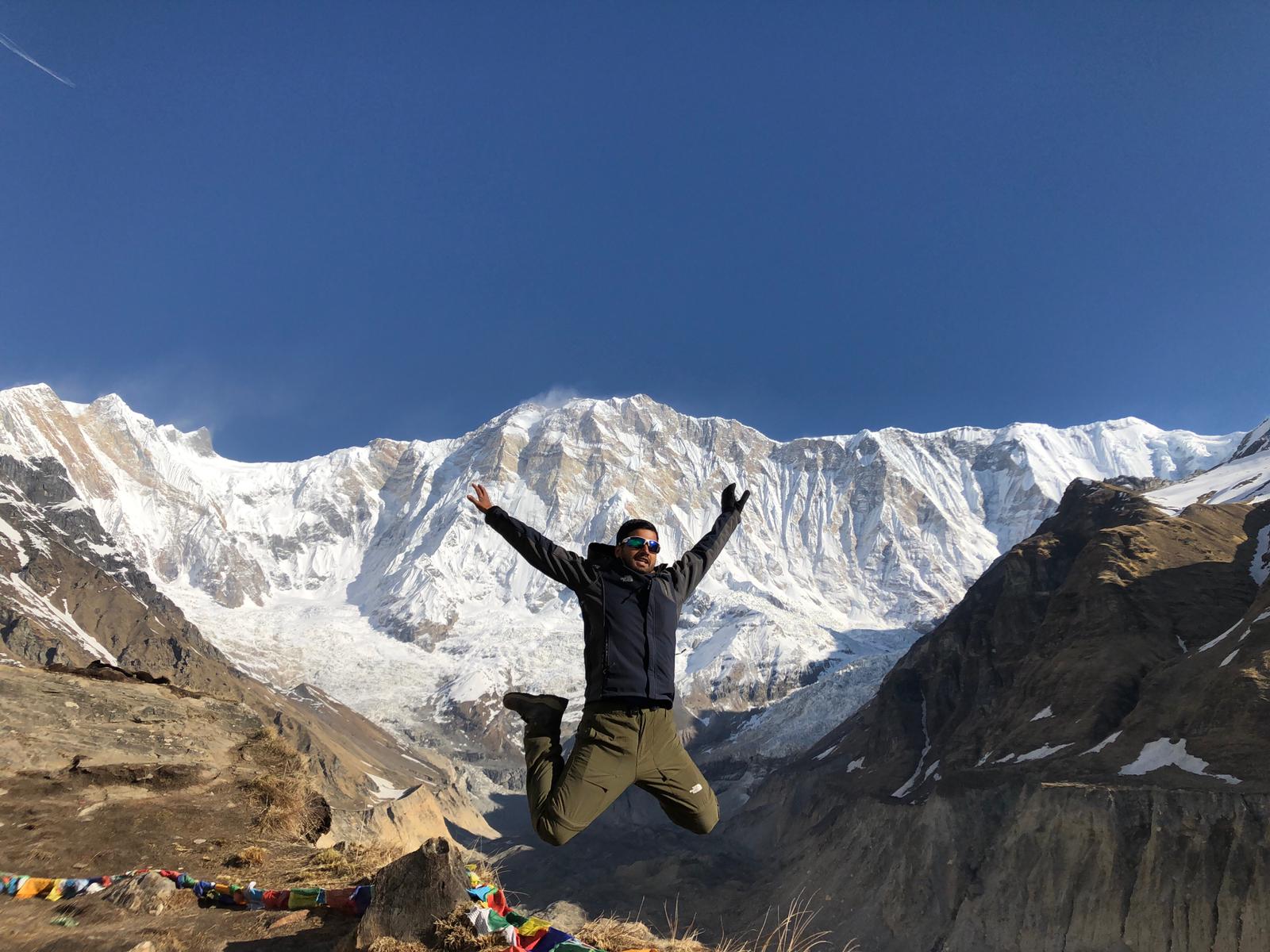
This is a range encompassing some of the world’s highest mountain peaks. You will be able to view the beauty of Annapurna I, which rises to a height of 8,091 meters, Dhaulagiri at 8,167 meters tall, and Machhapuchhre, otherwise known as “Fishtail Mountain,” standing tall at 6,993 meters.
3.Cultural Immersion
The trail is dotted with traditional Gurung and Magar villages, where locals welcome trekkers with warm smiles and hearty meals. You’ll have the chance to explore Buddhist monasteries, spin prayer wheels, and experience the rhythm of daily life in the Himalayas. The stunning views, diverse landscapes, and cultural experiences make it one of the most sought-after trekking destinations in the world.

Source- Google
However, before setting foot on the trails, it is crucial to understand the Annapurna Trek permit requirements. This blog provides an in-depth guide to ensure your Annapurna trek journey is hassle-free.
The Annapurna area is one of those rich conservation areas in biodiversity and cultural heritage. It helps in managing the visitors so that safety could be guaranteed inside the region by maintaining the ecological balance. It also serves like an entrance into restricted areas, ensuring the trekkers stick to guidelines as provided to them by local authorities.
Types of Annapurna Trek Permits
There are three main permits required for trekking in the Annapurna region:
- Annapurna Conservation Area Permit (ACAP)
- Trekkers’ Information Management System
- . Special Permits for Restricted Areas (if applicable)
1. Annapurna Conservation Area Permit (ACAP)
This permit is obliged to be possessed by all trekkers on entering the Conservation Area of the Annapurna Region. The main intentions of issuing the permit are –
- To protect the natural beauty of the Annapurna Region.
- To regulate trekking activities and promote eco-friendly tourism.

Source: Google
The cost of the Annapurna Trek Area Permit is different for international and (South Asian Association for Regional Cooperation (SAARC)
- For International Trekkers: USD 25 per person (approx. NPR 3,000)
- For SAARC Nationals: USD 2 per person (approx. NPR 200)
These fees are valid only for the one-time duration of your trek in the Annapurna Conservation Area.
Where to get an Annapurna Conservation Trek Permit?
You can get this permit at the Nepal Tourism Board Office, Kathmandu, and the Nepal Tourism Board Office, Pokhara.
1. Nepal Tourism Board Office, Kathmandu.
- Nepal Tourism Board Office is located in Bhrikutimandap, Kathmandu, Nepal.
- Office opens from 10:00 AM to 5:00 PM every (Monday to Friday) except from public holidays.
- You can contact them via online or through local tour operators.
- Nepal Tourism Board Office, Pokhara
- Nepal Tourism Board, Pokhara is located in Damside Road, Pokhara, Nepal.
- Its office time is 10:00 AM to 5:00 PM (Monday to Friday).
Documents needed for ACAP
To apply for the Annapurna Conservation Trek permit, you’ll need:
- A valid passport.
- Two passport-sized photos.
- Cash in Nepali rupees for the permit fee (or equivalent).
How to Apply
- You can visit the Nepal Tourism Board office in Kathmandu or Pokhara.
- Fill out the application form provided.
- Submit the form along with your passport and photos.
- Pay the required fee.
- Receive your ACAP permit, which you must carry with you during the trek.
Without the ACAP, trekkers can’t get into the Annapurna Conservation Area. There are so many checkpoints on the trek where permits are checked. So always remember to carry a permit with you. In the absence of an ACAP one can be taken to book on grounds of fined or not given admittance.
2. Trekkers’ Information Management System
The Trekkers’ Information Management System (TIMS) is the type of permit believed indispensable for a trek in the Annapurna region of Nepal because of security reasons relating to the trekkers and keeps records concerning trekking. Its prime purpose is that: –
- It helps track the trekkers on various routes, which is critical in emergencies such as injuries, natural disasters, or other unforeseen situations.
- By maintaining a database of trekkers, TIMS helps regulate and manage trekking in Nepal, preventing overcrowding and preserving the trekking trails.
- TIMS discourages illegal trekking operations by ensuring trekkers go through registered agencies or hire licensed guides.

Source- Google
Cost of TIMS
The TIMS card cost varies depending on the type of trekker and the mode of trekking:
- The cost of group trekker is NPR 1,000 (USD $8)
- The cost of solo trekkers is NPR 2,000(USD $16).
Where to get a Trekkers’ Information Management System?
You can apply for the TIMS card at the following locations-
- Nepal Tourism Board Office, Kathmandu
The Nepal Tourism Board office in Kathmandu is located in Pradarshani Marg.
Office is open from Monday to Friday, 10 AM–4 PM (closed on public holidays)
- Nepal Tourism Board Office, Pokhara
Nepal Tourism Board Office, Pokhara is located on Damside Road, Pokhara Office open from Monday to Friday, 10 AM–4 PM (closed on public holidays)
- Authorized Trekking Agencies
If you’re trekking with a registered agency, they can help process your TIMS card for you.
Needed Documents to apply TIMS
To apply for a TIMS card, you’ll need:
- Passport: A valid passport for identification.
- Photographs: Two passport-sized photographs.
- Trekking Details: Information about your trekking route, duration, and starting date.
Process to Obtain the TIMS Card
- Go to one of the authorized TIMS card offices in Kathmandu or Pokhara.
- Fill out a simple form that includes your details, trekking route, and emergency contact information.
- Provide the required documents and pay the applicable fee in Nepali Rupees.
- Once the process is complete, you’ll receive your TIMS card, which you must carry with you during the trek.
3. Special Permits for Restricted Areas (if applicable)
Other permits are issued to the trekkers who reach the restricted areas of Upper Mustang and Nar Phu Valley. Prices vary for each area and according to the number of days one will trek.
Important Tips for Obtaining Annapurna Trek Permits
- Plan: The permit offices can get crowded during peak trekking seasons, so apply early to avoid delays.
- Carry Cash: Permit fees must be paid in Nepali rupees, so ensure you have enough cash on hand.
- Double-Check Requirements for Restricted Areas: Verify if additional permits are necessary based on your chosen route.
- Hire a Guide: Some restricted areas mandate traveling with a licensed guide or porter for safety and navigation. If you are searching for the trustworthy guide, you can contact us.
Conclusion
These are the most important things to know about the Annapurna Trek Permit are mentioned herein. First of all, it is very important to state that trekking is not merely a destination but it is, instead, one learning curve from nature, culture, and lifestyle in general. Ranging from landscape beauty to mountain beauty, plan your trekking in the Annapurna region or issues regarding permits for the Annapurna Trek. Feel free to contact us: Happy Mountain Nepal, Facebook, Instagram, or TikTok.
FAQS
1. Do I need permits for all Annapurna treks?
Yes, regardless of the specific Annapurna trek you choose whether it’s the Annapurna Base Camp Trek, Annapurna Circuit Trek, or any other route, you must obtain the necessary permits, such as ACAP and a TIMS card.
2. Where can I get the Annapurna permits?
You can obtain all the necessary permits from the office of the Nepal Tourism Board, Kathmandu, or Pokhara office. Both the ACAP as well as the TIMS card is issued herein.
3. Can I get permits on the same day I apply?
Generally, permits are issued only once the forms with due formalities regarding the information on it get filled along with the payment, but in case of peak time for crowded trekking, the same may not be issued.
4. Are permits required for children and senior citizens?
Yes, all the trekkers of all ages have to obtain permits to enter the area of Annapurna.
5. Can I trek in the Annapurna region without a guide?
Yes, you can go alone in most areas if aptly permitted, while restricted ones, like the Nar Phu Valley, have to be gone with a guide or licensed porter.
6. What documents are needed to apply for permits?
You will need:
- A valid passport
- Two passport-sized photographs
- Completed application forms for ACAP and TIMS
7. Are permits valid for multiple entries?
The ACAP is usually valid for multiple entries provided it is used within the time frame specified for your trek. TIMS are not allowed for multiple entries.
8. What happens if I lose my permit during the trek?
You intimate immediately to the nearest checkpoint or trekking authority regarding a misplaced permit to get the issue sorted. Anyway, we recommend keeping digital copies of your permits as a backup in case of an emergency.
9. Are there extra permits for extended routes or restricted areas?
Yes, more permits are required when it deals with longer routes or extra routes-areas, such as restricted regions like Upper Mustang or Nar Phu Valley. All such types of permits’ price and conditions may vary according to the place and length of your trek.
10. Can I transfer my permit to someone else?
No, it is not allowed to transfer the permit to others because it is issued under an individual‘s name.