Tag: Trekking

  • Best Time to Visit Nepal: Season-by-Season Breakdown

    Best Time to Visit Nepal: Season-by-Season Breakdown

    Best Time to Visit Nepal: Season-by-Season Breakdown

    Nepal is also geographically and climatically diverse. From the Indian border Terai woodland to the eastern Tibetan Plateau highlands, Nepal is highly diversified in its changing weather throughout the year. This amazing difference in elevation makes there to be three different seasons, each conducive to travelers. You may intend to hike and scale the world’s highest mountains, tour old temples, observe wildlife in rainforests, or coincide with the extensive range of seasonal festivals, and a knowledge of Nepal’s seasonally oriented cycles will go a long way to enable the stipulation of when it would be best to visit you, according to what draws you.

    Looking at the best time to visit Nepal, it will really depend on what you are going to do and where you are headed (the plains or the higher Himalayas). There are vibrant, festival-filled autumns, peaceful, cold winters, and green monsoons, and they each put their own special shade of color on Nepal. This guidebook shall capture the four significant seasons – autumn, winter, spring, and monsoon – in a quick rundown of some of the key events occurring and related weather, festivals, best time, and travel-oriented information on what to expect for your visit to Nepal.

    1. Autumn (Late September to November): The Peak Season for Trekking and Festivals

    In the fall months of October and November, when the majority of tourists come to Nepal, the rains that precede them have lifted and elevated the air and things are clean, green, and fresh. The weather is warm, the sky is blue, and we are scented with good quality smells, and ambient air wraps around us similar to an easter egg color. This would mean the fall season is the best time for trekking, sightseeing, and to witness some of Nepal’s biggest and most recognized festivals.
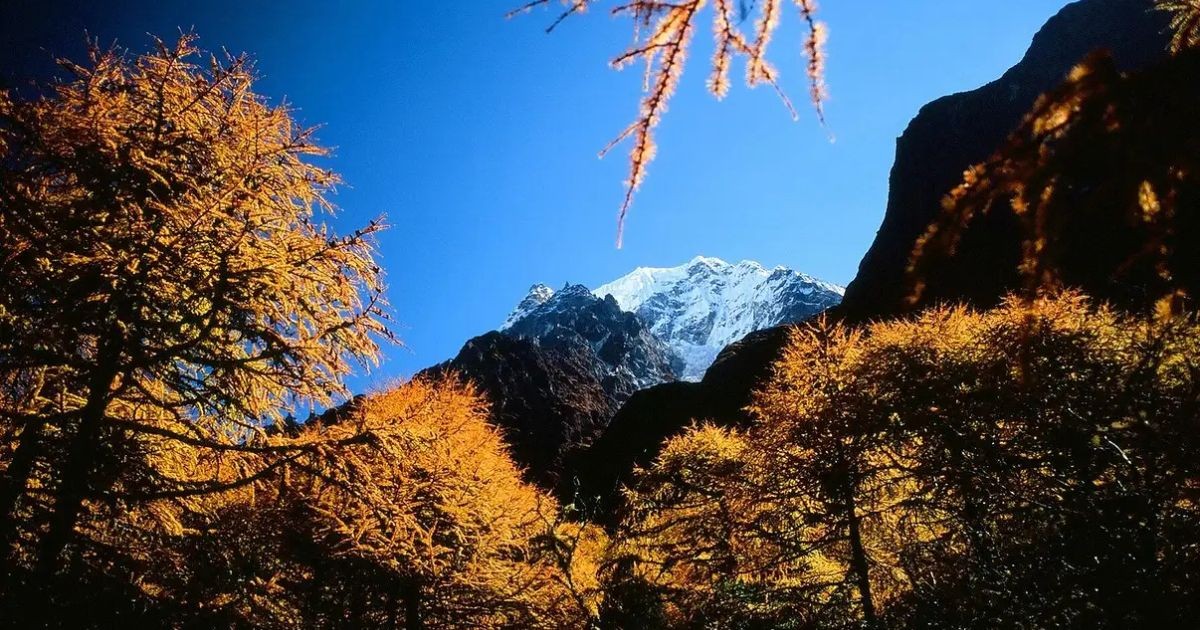
    Best time in nepal-Autumn season

    The mountains will have their best visuals, and visitors will have great views of Everest, Annapurna, and Langtang, the quickest and most spectacular snow-covered terrain, and some of the world’s most picturesque set of md global industry weirdos among the Himalayas.
    Most of the hiking trails and areas are busy with hikers from around the world, featured and advertised for trekking, and adventure and trekking tourism is a very popular thing to do. There are options to trek, multi-day trek, lodge accommodation, and volunteer tourism. The majority of Nepalis are also busy with their most important festivals at this time of year, so roads and streets in most towns and cities will be filled with activity for these ideal festivals and friendly activity.

    Major Highlights of Autumn
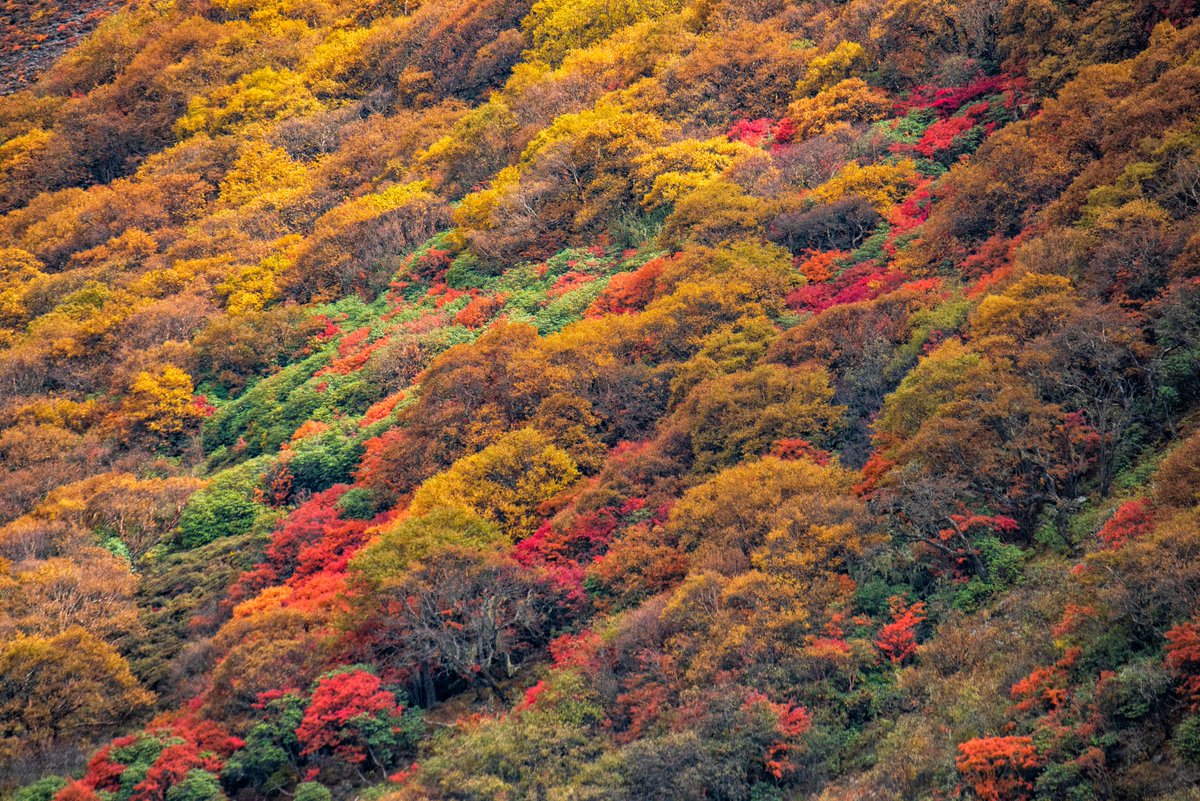
    lush forest in autumn

    1. Optimum trekking climate:

    Dry trails, comfortable daytime temperatures, and open blue skies are the optimum trekking climate for popular routes such as Everest Base Camp and Annapurna Circuit.

    2. Breathtaking mountain scenery

    Post-monsoon clear conditions give Himalayan summit views in all directions, offering photographers and nature enthusiasts breathtaking views while trekking into the wilderness.

    3. Cultural celebrations

    Dashain and Tihar—Nepal’s two largest and most significant festivals—are the times when communities and families gather to celebrate, feast, and worship for days, offering the richness of Nepal’s multi-hued culture.

    4. Adventure activities

    Swollen and uplifted by the monsoon months, the Philippines’ rivers provide ideal conditions for white-water rafting and kayaking reservations. Paragliding and all aerial pursuits take advantage of the delightful temperatures and gentle breeze during this period.

    5. City buzz:

    Festival time puts its mark on cities such as Kathmandu and Pokhara with its trimmings, flower-bedecked bazaars, and vibrant social agendas; an explosion of summer’s urban activity.

    Fall Festivals
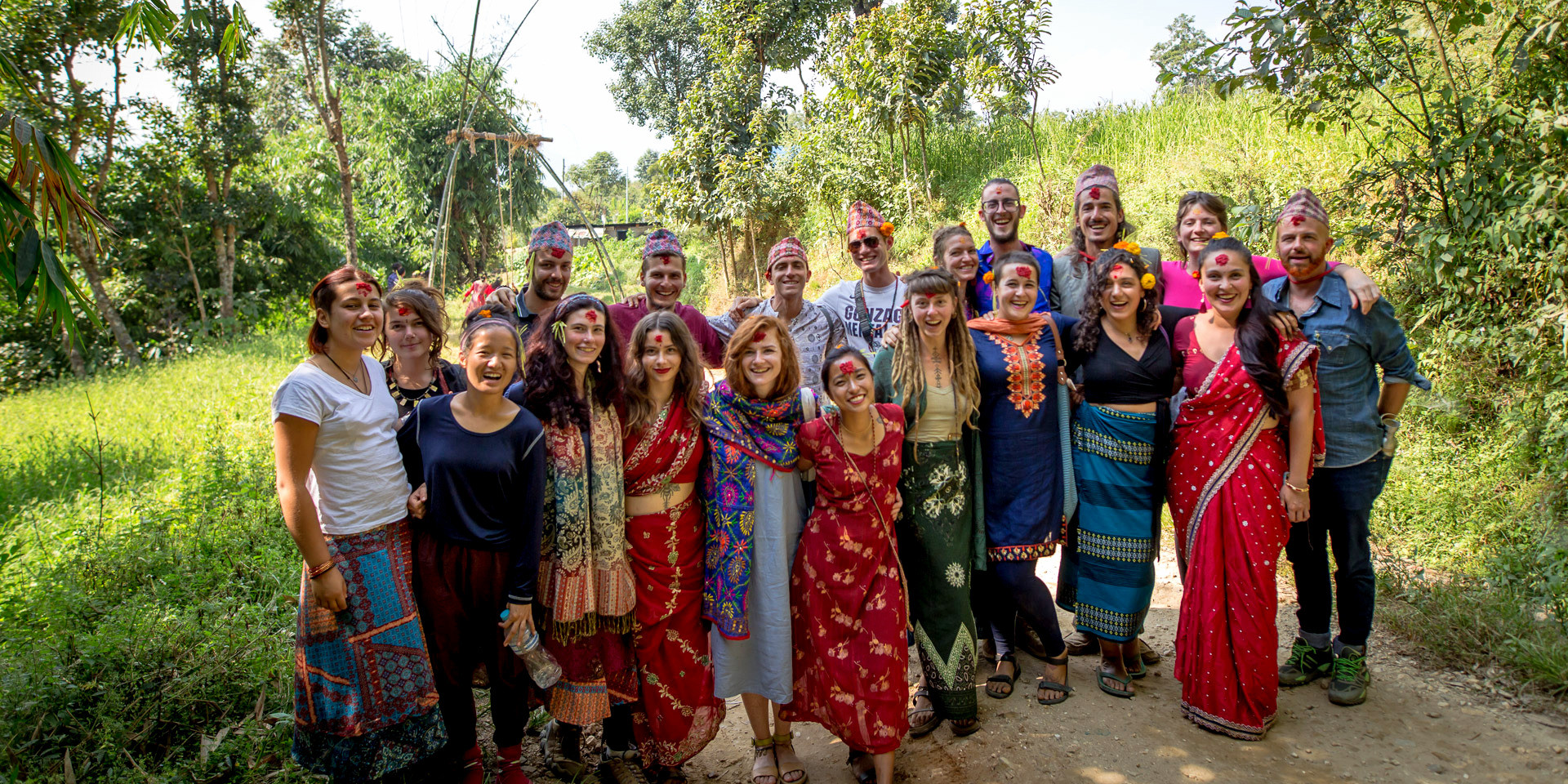
    foreigners enjoying celebrating Dashin festival in Nepal
    Dashain Celebration

    Dashain: Dashain is Nepal’s longest and most eagerly awaited festival. Dashain commemorates the triumph of good over evil through pujas and offerings to goddess Durga, family reunions, and other festivities.

    Tihar: This light festival is also a celebration of diverse life forms of animals—dogs, cows, crows, to mention a few—and ends with a celebration of brothers by sisters. Candles, lanterns, and whirling patterns of colored rangoli light up homes and streets.

    Winter (December to February): Quiet, Clear, and Affordable

    In Nepal, winter is completely the opposite of the busy fall months. The cold has settled in the high mountains, where the cold air has provided the right conditions for blocking snow at high passes. In the low valleys, it is mild sunny days and cold nights, the air is clear, bright, and crisp, providing a good opportunity for visibility- look for the sensational views of the mountains in the morning (and evening), when skies are moments when they can take your breath away!
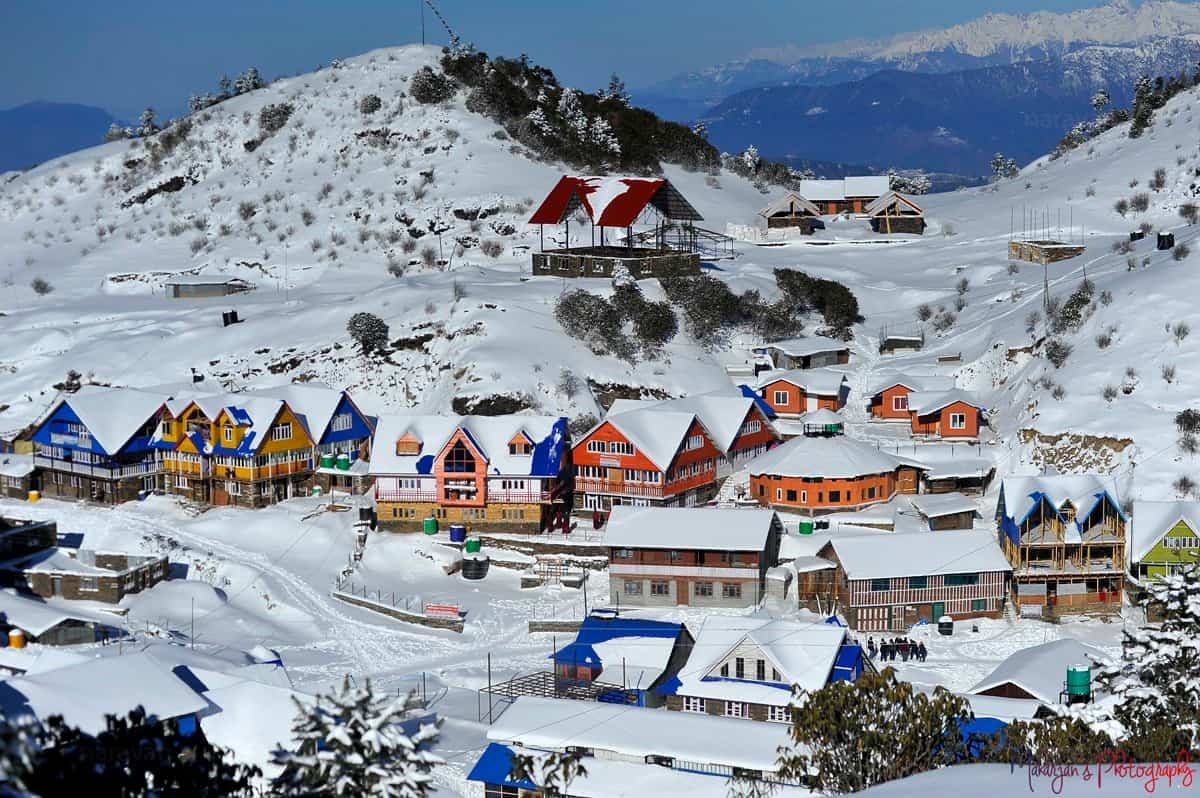
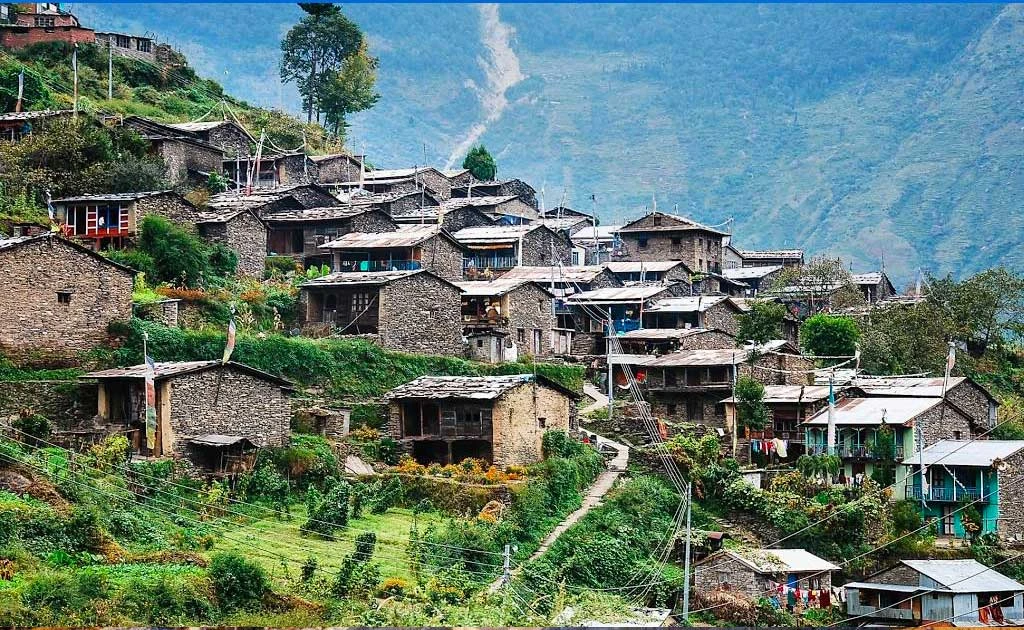
    Snowfall in Kuri Village during winter season
    Kuri Village

    This is a time of year that is normally considered “off-season” for tourists; which is great- usually, this means less tourists; lower plane fares, lower on accommodation and lower on tours; it is a good time of year to travel for those, who find that they enjoy secluded experiences, or if you’re traveling for the low costs, or if you’re also traveling for plenty of wildlife sightings! If you enjoy wildlife sightings, it is prime time right now in the Terai national parks, such as Chitwan and Bardia. Chitwan and Bardia are great for wildlife viewings right now because the elephant grassy areas have been trimmed from the monsoons, providing greater sightings of wildlife with little to no obstruction.

    Major Highlights of Winter

    snowfall in Namche Bazar during winter in nepal
    Namche Bazar

    1. Clear skies

    There is not much haze or pollution in the air, creating optimal visibility for pictures, sightseeing, beautiful sunrises, and sunsets.

    2. Treks within low elevation

    Low-elevation treks such as Ghorepani Poon Hill, Nagarkot, and Ghandruk can be made an enjoyable and rewarding experience for trekkers with proper gear.

    3. Best viewing places for wild animals

    Terai national parks, south Nepal’s dry-deciduous and tropical forests of mixed type, rhino, tiger, and bird-watching centers, are only for the best viewing after grass-cutting in January.

    4. Economical low-season travel:

    You are off-season with winter, so the entire air travel, hotel stay, and tours will cost less for those who want to save money but have their winters in Nepal.

    5. Comfortable City Weather

    Kathmandu and Pokhara have clear sunny days and cool evenings, ideal for touring cultural attractions, bazaars, restaurants, bakeries, and rooftops at night for evening meals and sunset.

    Spring (March-May): Blooming Beauty & Cultural Splendor

    Spring has become Nepal’s second peak season since in most of the nation, temperatures start to rise, and rhododendrons bloom in their full vigor throughout the country, with weather typically favorable for climbs and treks. Glorious red, pink, and purple rhododendron blooms burning intensely along trekking trails and routes highlight the bounty offered by Nepal’s geography and mountains in general.
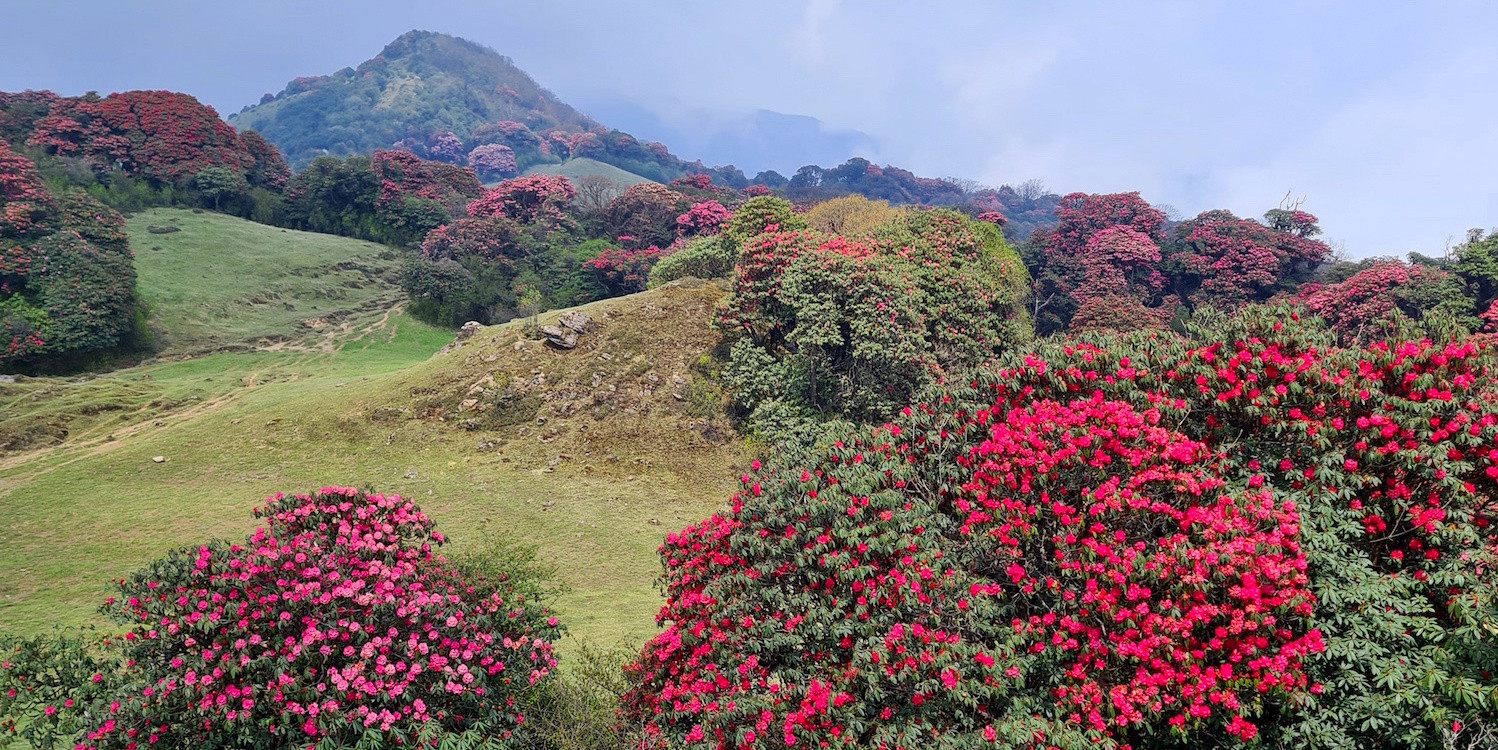
    Full of Rhododendrons during spring in Nepal
    Rhododendrons in Spring

    Spring is also the best time for mountaineering season, the favorite season of climbers attempting to finish their Everest or other Himalayan giants because of the milder temperatures and relatively less changeable weather. Spring has many colorful festivals that provide tourists with a rich cultural experience. But in recent years, intensifying mass forest fires have contributed to the traditionally high pollution of Kathmandu, degrading air quality, and rapidly decreasing air quality and visibility.

    Major Highlights of Spring
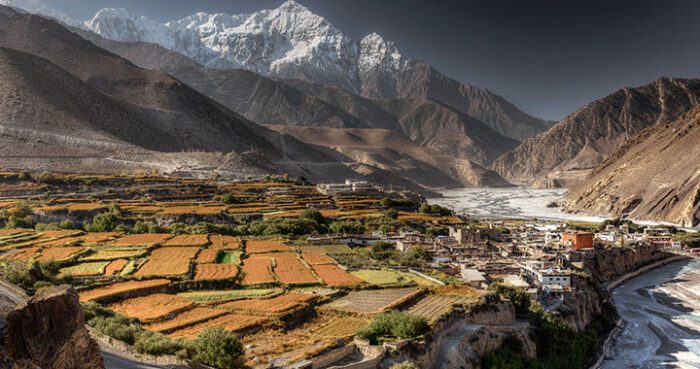
    Kagbeni Village, Farms & Nilgiri mountain in the Background
    Kagbeni

    1. Gorgeous rhododendron flowers

    A hiker will certainly appreciate the brilliant woods and scented pathways in places such as Langtang and Annapurna.

    2. Great time to climb

    Climbers prefer spring because of the comparatively stable weather and milder temperatures.

    3. Festival season

    The Holi, Shivaratri, and Rato Machhendranath festivities add color, music, and tradition to Nepal’s cities and towns.

    4. Rising wildfire problems

    Fire danger is also increasing because the weather is dry, and climate change is making dry fire-related fires more in number. Wildfires will make the air unclean and create a hindrance to visibility in the mountains.

    5. Tourist numbers are moderate

    You can anticipate that the number of tourists will be steady, fewer individuals than during the autumn season, but there will be slightly more tourists on the main routes.

    Spring Festivals
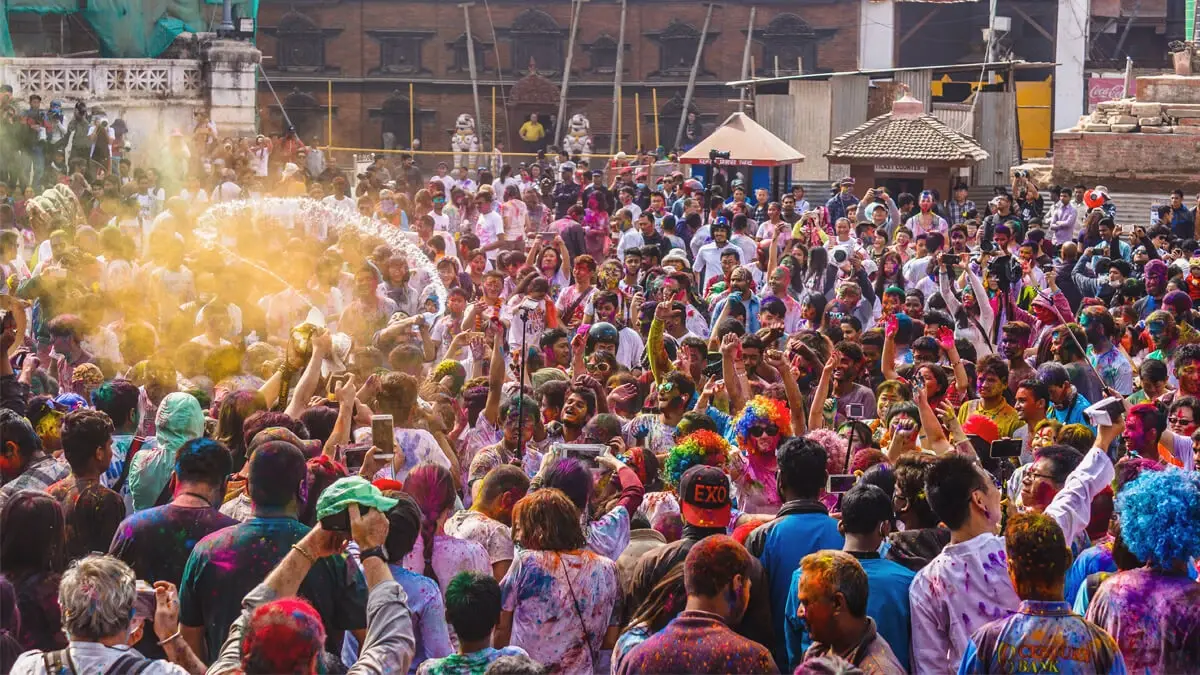
    holi celebration in Basantapur Nepal
    Holi in Nepal


    Holi: Colorful festive celebration with missile powders, music, and street partying; to herald the arrival of spring.

    Shivaratri: A Spiritual festival to celebrate Lord Shiva, fasting and vigils on nights, and worship at temples.

    Rato Machhendranath: The Chariot festival, centuries old, in Patan, to rain god for fertility or prosperity.

    Monsoon (June to August): Green and Peaceful, but challenging

    The monsoon will shower Nepal’s heaviest rains of the year, turning it into a green paradise. The rain, arriving unexpectedly, gives new life to crops, rivers, and forests, but the trip is hazardous with muddy roads, landslides, and halted transportation. A majority of the monsoon there is dense cloud cover, hiding the mountains. Trekkers and tourists will experience a little less diversity of things to do.
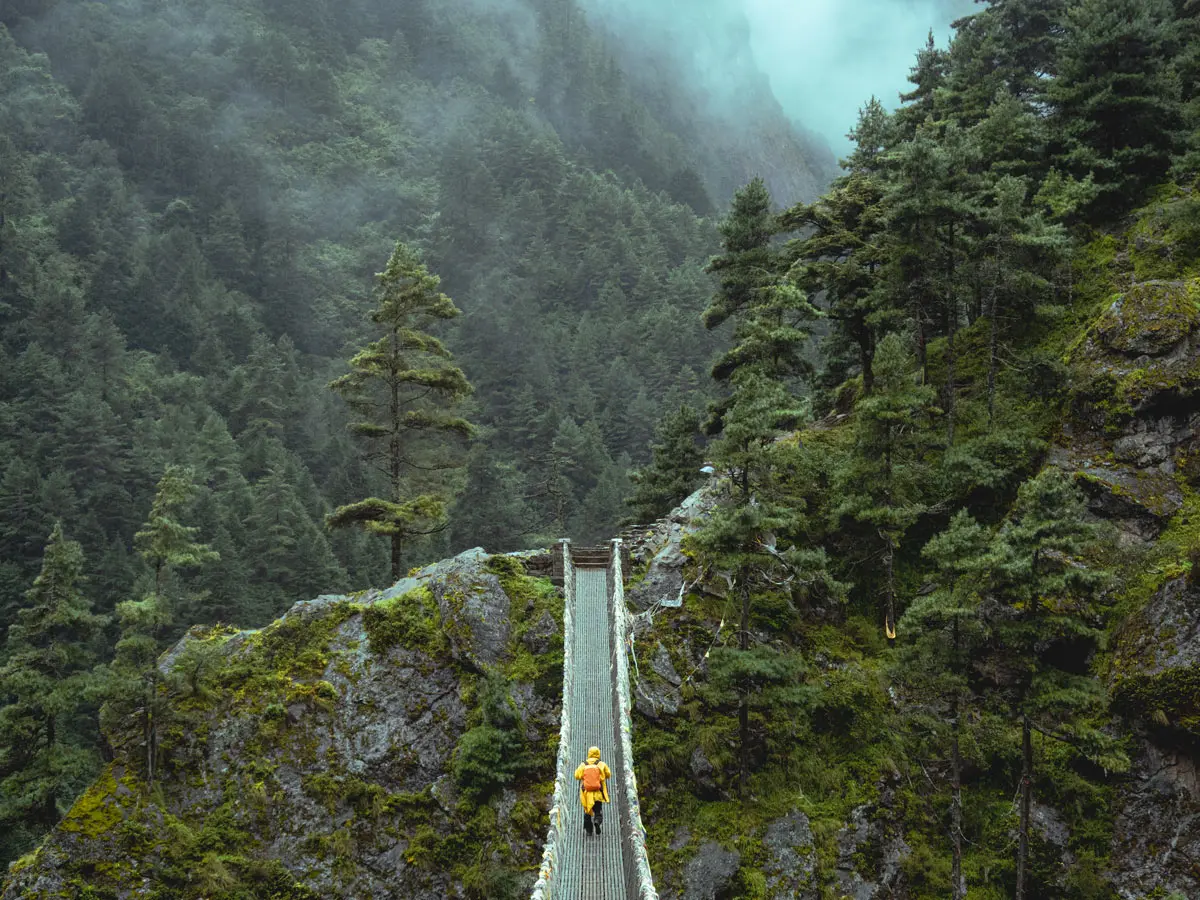
    a lonely trekker Monsoon trekking in nepal
    Monsoon Trek

    Monsoon is not the best time of year for most visitors to visit Nepal, but it can be excellent for budget travel, and least touristy. Tranquil and unsuspected moments of cultural and spiritual recesses are available, museums, or going to the drier rain-shadow areas and being off the beaten path. Those not fussed about putting up with a bit of rain can view the country’s adrenaline-charged green and get many fewer travelers.

    Major Highlights of Monsoon
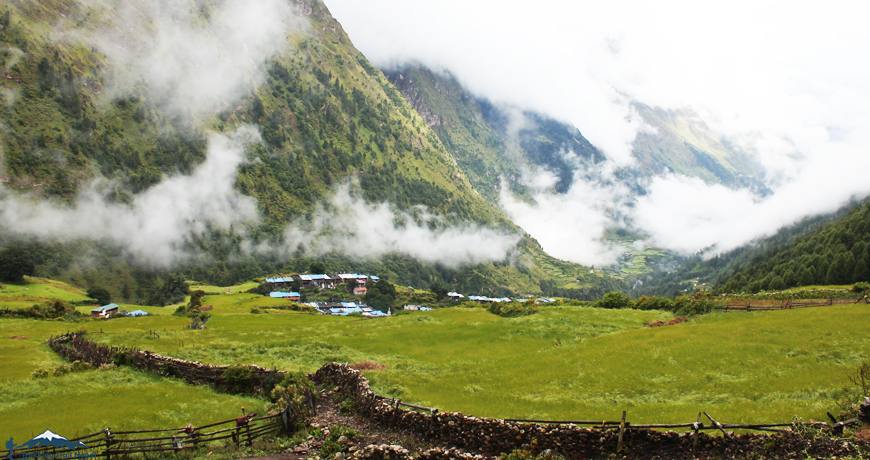
    Monsoon in nepal
    Mansoon in Nepal

    1. Breathtaking landscapes

    The forests and fields are filled with the breathtaking, rejuvenating rain, low/mid-hill districts’ mind-blowing beauty.

    2. Tourist restrictions and lower prices

    Monsoon is off-season for Nepal, with air fare, tours, and hotels offered at lower prices.

    3. Challenging and risky trekking

    Slippery paths, muddy paths, and regular landslides make many trekking trails risky or even impossible.

    4. Rain-shadow treks:

    Since Upper Mustang, Dolpo, and a part of the Annapurna region fall in the rain-shadow, these places receive very little rain and therefore are dry trekking routes.

    5. Cultural and health retreats:

    Monsoon is ideal for yoga and meditation, or cultural pursuits out of rain and tourists.

    Things to Carry on Your Trip to Nepal.
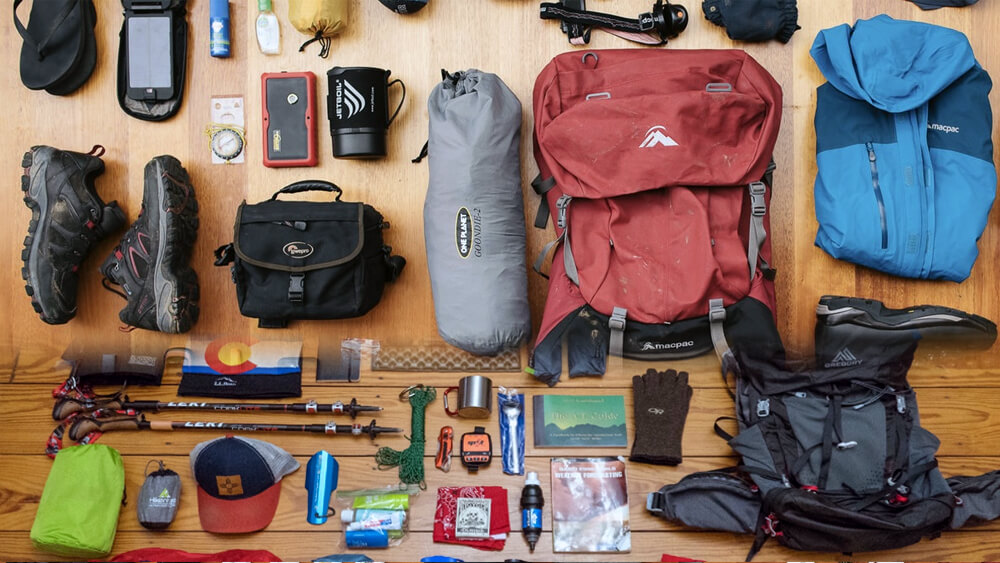
    Gears to Carry on Your Trip to Nepal.
    Gears

    1. Layered clothing

    Temperature is highly unpredictable in Nepal. Nearly solely due to high elevation and the many microclimates in extremely proximity. Layered clothing is easy to adjust to changing weather, warming you on a cold morning and cooling you in the afternoon sun.

    2. Appropriate hiking boots

    Ensure that you put on good solid waterproof hiking shoes with a good grip to stabilize your feet when walking in the steep, slippery, at times muddy ground or walking the roadside and town too.

    3. Rain gear

    Lightweight rain pants and a waterproof rain jacket are essential if you are trekking in the Monsoon or shoulder season. It’ll keep you dry in those torrential rain downpours!

    4. Sun Protection

    The sun at high altitudes can kill you! Bring sunglasses with UV protection, a sun hat, and high SPF sunscreen so you don’t get burned by the blazing sun!

    5. Water purification

    You’ll need drinking water in Nepal. Bring along a portable water filter or purification tablets so that you’ll have water that you can safely drink (very important when trekking or in rural areas).

    6. Trekking Poles

    A trekking pole adds more comfort to your knees and aids balance on rough terrain when trekking. It can remove the grunt out of trekking long days.

    7. First-Aid Kit

    There are plenty of things that you can add to your first aid kit, including:

    • Band-aids
    • Antiseptic cream
    • Pain killers
    • Personal medications
      A first aid kit enables you to repair minor injuries or illnesses away from home!

    8. Power Bank & Universal Adapter

    In far-flung locations, the electricity might not be stable. A power bank will enable you to recharge your equipment at any time or place, and a universal adapter is also advisable.

    Conclusion

    Nepal is experiencing mixed fortunes at various best times of the year based on its seasons. Autumn is experiencing favorable climate for trekking and celebration, winter is experiencing serene views with lower accommodation expense, spring is experiencing blossoms of flowers and celebrations, and monsoon is experiencing greenery and tranquility.

    No matter which mode you want to undertake to reach Nepal in spring, summer, autumn, or winter, you will optimize Nepal as far as usefulness by seasonally planning and deciding upon choosing places to see. Contact us today at Happy Mountain Nepal, on Facebook, Instagram, or TikTok.

    FAQs

    1. When should you visit Nepal for trekking?

    Nepal’s ideal trekking seasons are spring (late March to May) and autumn (late September to November). You will experience consistent weather, blue skies, and pleasant temperatures. Autumn months are quite touristy, yet spring has sufficient flowering rhododendrons.

    2. Is it acceptable to travel during monsoons to Nepal?

    In general, it is possible but not advisable to travel in Nepal in the monsoon months (June-August). Rainy tracks get slippery, landslides occur normally, and a barren mountain landscape is created with ample rains. For adventure-seekers who can tolerate the quantity of rain, just be careful, remain in the rain shadow belt, and experience fewer tourists and lower rates.

    3. What do I encounter at Nepal’s festival

    Dashain and Tihar in autumn cannot be skipped, as they are Nepal’s best festivities with colours, rituals, and celebrations. Spring festivities like Holi, Shivaratri, and Rato Machhendranath also comprise such colourful cultural festivities and cannot be skipped.

    4. What should I bring to Nepal?

    Layering clothing, comfortable hiking boots, rain gear, sun gear. It would be wise also to bring along some water purification equipment; a standard first aid kit if doing a trek, Extra power banks They are handy particularly when recharging electronic goods in areas that are far from the sockets, and any type of power adapters that can fit universally a device into an outlet.

    5. Do I have any wildlife to view in Nepal during winter?

    Yes! Winter (December to February) can be some of the finest wildlife viewing in Terai national parks (Chitwan National Park, patch Bardia National Park). Wildlife viewing can get better after January when the grass is being cut, providing you with a good chance to view a rhino, tiger, and lots of birds.

    6. Do trekking permits in Nepal ever have to be obtained?

    Yes, a few of the most popular trekking routes require permits (a TIMS card and at least 1 entry permit into the conservation area (Annapurna or Everest region), and there are completely restricted areas (Upper Mustang, for example) that require special permits. It would be wise to find out all of this in advance of your trip.

    7. Is there a great cost in traveling in Nepal during the peak season?

    Nepal is quite inexpensive, but flights, lodges, and guides all pay more for high seasons, such as autumn. Book early and save your pennies, it’s always worth it! But you’ll get it cheaper going off-season, but possibly have to endure the weather.

    8. What health precautions should I have in mind when trekking in Nepal?

    Drink lots of water, walk in the pace to acclimatize and not be affected by altitude sickness, and eat clean cooked food. It is advisable that you carry a small first-aid kit and consult your doctor prior to the trip if you are suffering from any pre-existing medical condition. If you want to drink tap water, use a method of purification.

    9. Is solo travel in Nepal safe?

    Nepal is safe to travel solo, in fact, we learned that it can be the friendliest and the safest nation on the planet! Pune locals are warm like a local tip of appreciation, something you get from locals and nowhere else! Check out the general traveling tips. Group travel or traveling with a trekking guide offers security in any individual trail.

    10. What else can one do in Nepal aside from trekking?

    Wildlife safaris, cultural tours, white-water rafting, paragliding, and mountain biking are all trails and attractions scattered throughout all of Nepal. And then there’s Kathmandu and Pokhara with a bustling market, temple, or café on every corner. Other experiences include enjoy and indulge in wellness retreats or yoga centers. These are other relaxing things from more traditional adventure-type activity!

  • Nar Phu Valley Trek: Nepal’s Remote Tibetan Frontier

    Nar Phu Valley Trek: Nepal’s Remote Tibetan Frontier

    Nar Phu Valley Trek: Nepal’s Remote Tibetan Frontier

    In rural Nepal, far from thronged trekking trails that welcome most foreigners, there exists another universe—Nar Phu Valley, a hidden land where Tibetan tradition, unspoiled Himalayan landscape, and indigenous ways of life are still inaccessible to the crowds of mass tourism. Nested between more popular Annapurna and Manaslu, the trek provides a traveler an alternative insight into life in one of the least accessible areas of the Himalayas.

    The

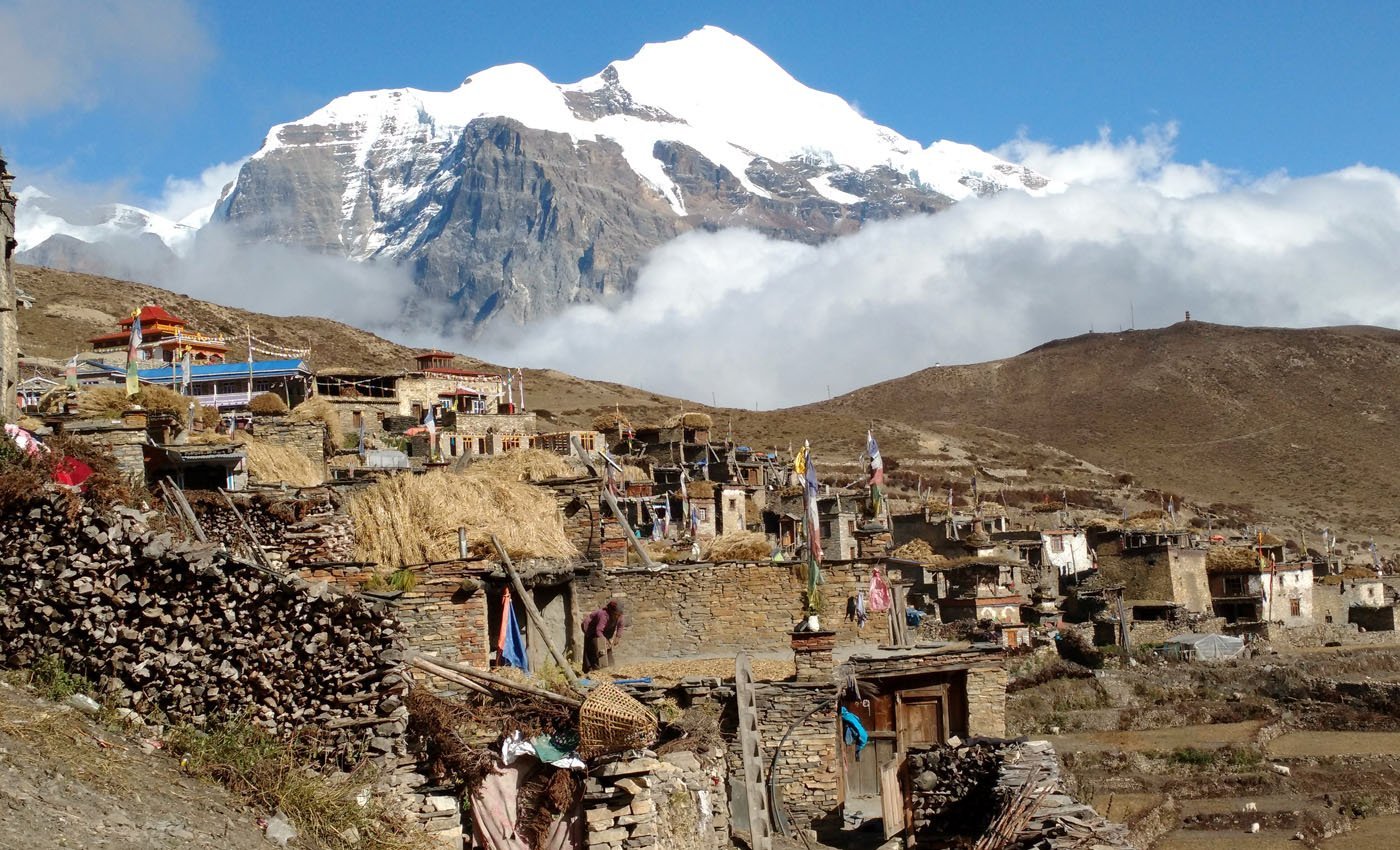
    Nar Village with mountain in the back in Nar Manang
    Nar Village

    Trek was previously closed off to outsiders until 2002 and is a destination crying out for adventure travelers seeking isolation, cultural richness and scenery. A bit more about putting one foot forward in front of the other, it’s an odyssey into the still relatively unvisited Tibetan border and you’ll find stone villages, chortens, prayer flags and ancient monasteries along the ways.

    Why Trek the Nar Phu Valley

    Everest and Annapurna may be the well-trod paths but Nar Phu is a trek for those serious about an original and raw experience with culture in remote locations, high-altitude trekking in wilderness with real Himalayan hospitality that involves no tourists and fancy teahouses, just the real beauty of the mountains.

    The trek features the mythical Kang La Pass (5,320m), medieval Tibetan towns, and ancient gompas (rock-hanging monasteries). Adventure and culture with excellent view of Annapurna II, Gangapurna, Tilicho Peak, etc.

    Trek Overview: What You Can Expect in Nar Phu Valley

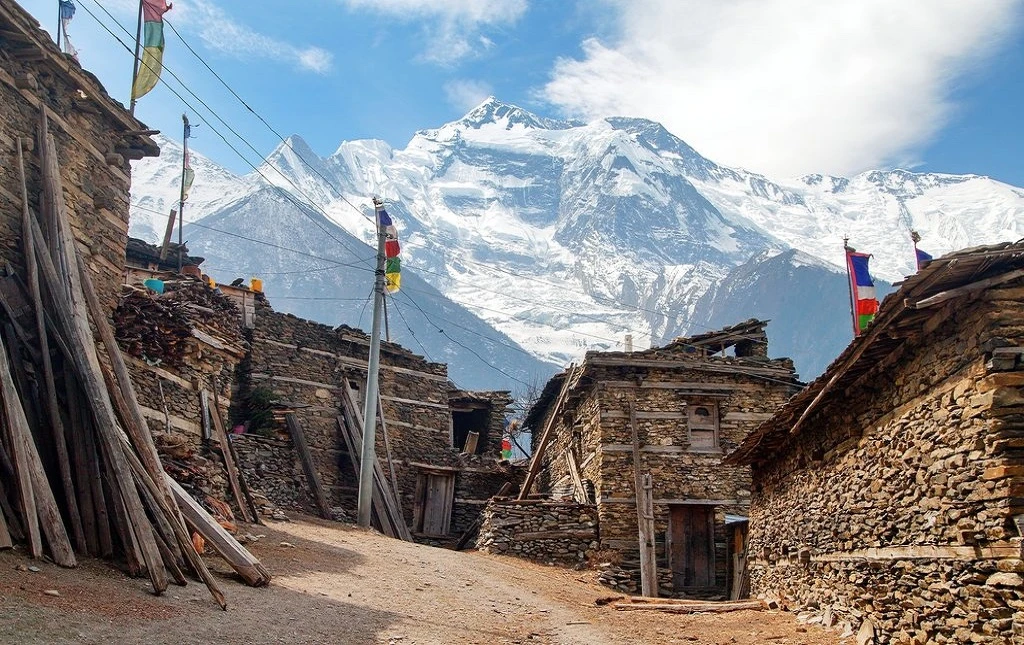
    Ghyaru Village & Annapurna 2
    Ghyaru


    1. Duration: 12–15 days

    The Nar Phu Valley Trek is of 12 to 15 days duration. This, like any trek, will depend on your pace, acclimatization, or possibly extension side trips. The length of the trek is the distance of the trek in and out of the trailhead, the time you spend overnight at a higher elevation for multi-days, nights in cultural villages, some multiple high passes to cross over 2 or 3 days, etc. I would say to not rush. . It’s good to have a bold trek, but you also have to remember that there is a real effort to acclimatize; mountains can be a travel extension, but as for trekking, you do need to try to make your trek as safe as, enjoyable, possibly dangerous, and, as much as is reasonably possible and a little bit of adventure, it’s all part of the trek.

    2. Difficulty Level: Moderate to Hard

    This trek is difficult to challenging owing to the altitude, remoteness and rough terrain. You can expect rocky and rough paths, long walking days and very few fixed services/amenities. Prior trekking experience and reasonable fitness level are recommended. It is not technical but the physical and mental endurance and will power are paramount (especially for any difficult rations in the area of the Kang La Pass.

    3. Altitude: Kang La Pass—5,320 m

    The steepest and highest point of the ascent is the Kang La Pass (5,320 m/17,454 ft). Provided one makes it to the summit, one should be treated with panoramic 360-degree vistas of the Annapurna Range and Manaslu Range. The slope is steep (especially from Nar) and will more than likely require stops for acclimatization to deal with the risk of altitude sickness issue.

    4. Timing:

    The best months for traveling on this trek is when it is Spring (March–May) and Fall (September–November). as the weather in general is more stable, skies are usually clear and the temperatures are improving.

    Spring sees a lot of blooming rhododendrons, and alpine flowers that are colourful, while autumn provides crisp air and great visibility of the mountains. Winter and monsoon treks are unfeasible as there are still large snowfalls during the winter, and the conditions are dangerous during the monsoon.

    5. Permits:

    ACAP + RAP There are two permits required to trek Nar Phu Valley.Annapurna Conservation Area Permit (ACAP) – supports the local environment and helps fund community development Restricted Area Permit (RAP) – Since there is cultural sensitivity and the area is near the Tibetan border, you must get a RAP. The permits must be acquired through a registered trekking agency and require that you trek in a group of at least two trekkers, with a licensed guide.

    6. Route Highlights: Starting from Koto

    The trek usually begins from the small village of Koto, near the Annapurna Circuit trailhead, and subsequently diverts off the main trail, along the single gorge of Phu Khola (river). The trek goes through pine forest, gorges, suspension bridges, and finally into the vast stretch of wasteland arid landscape of Nar and Phu. Trek undergoes a drastic alteration in landscapes, varying from rainforests to arid high-altitude desert ranges.

    Major Highlights of the Nar Phu Valley Trek

    1. Phu Village – Ancient Tibetan Settlement

    Attractive and entertaining Phu Village begins at 4,000 meters in the high Manang district, and offers a disturbing sense of time travel. Separated from modernity, Phu is one of the last seat of a living Tibetan fortress village established from stone, windstorm-battered chortens, and dried, rising cliffs that provided a fort-like barrier to a landscape of silence: broken only by the flapping of prayer flags and the occasional low of an indifferent yak. Monastery trekking to the village of Phu is a close spiritual and cultural experience, uniquely rewarding for travelers willing to break from the crowd, and experience the utmost beauty of high-altitude, northern-style simplicity and natural settings.

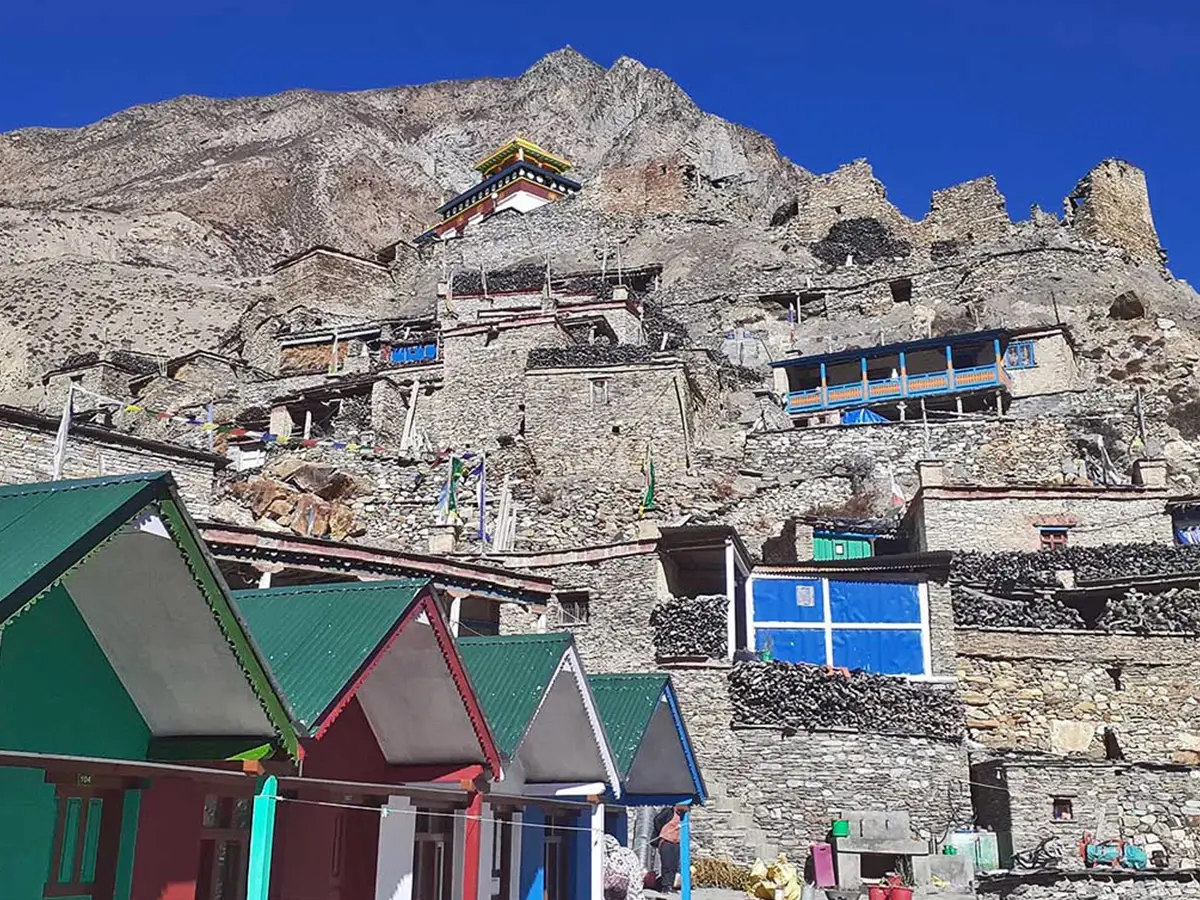
    Phu-Village with Phu monastry & beautiful ancient traditional houses
    Phu Village

    In Phu, you will feel intimately close to a centuries-old lifestyle of yak herding, seasonal migration and Buddhist rites, in a world where locals live off the land, and are essentially dependent on it for food, shelter, and spirituality. In Phu, the families eat food of the land, provide food and prior arrangements are made for the yak, use yak dung for fuel, glean fuel from the land for shelter and spirituality. The narrow streets and terraced stone lodges, speak volumes about its medievalism. For travelers, Phu Village provides a scenic experience, but is also somewhat like stepping through a portal into a preserved Himalayan cultural world.

    Major Attraction

    • Tashi Lhakhang Monastery: An 8th-century sacred monastery.
    • Ancient Chortens and Mani Wall: Quite incredible stone spots, anywhere along the path and village.
    • Yak-herding Nomadic Culture: Opportunity to view and experience a classic Highland husbandry culture.
    • Stone Construction: Houses of multiple stories constructed into the cliffs, by utilizing ancient methods of centuries ago.
    • Himlung Himal View: Panoramic view of massive glaciers and height ranges.

    Nar Village – Culture, Community & Generosity

    Nar village is a pleasant small village, rather below Phu, having good cultural appreciation; warm people and an inclination to retain Tibetan traditions. It is a bit warmer and open to everyone, whereas Phu is somewhat tougher and exhausted. The villagers are usually religious in nature; actually, if you chanced to be there at the appropriate time of the festival day, it was most likely that you would be asked to join them in rituals or celebration like traditional music and dance. Their life is dedicated to farming, cattle breeding and spiritual practice mostly. You have devotional objects in every household – prayer flags, spinning wheels and butter lamps.

    Nar Village in a distance
    Nar Village

    Nar is slightly more accommodating than Phu, as the lodgings are Tibetan-style lodges, and there is a nice local hospitality aspect. You have the opportunity to engage with villagers who retain their Bonpo and Buddhist beliefs, often represented in painted symbols on homes and prayer stones. hand-weaving, wearing their traditional dress and the delightful smiles of curious children combined to make Nar a very heartwarming cultural aspect of the trek.

    Major Attraction

    • Tibetan-Style Lodges – Local hospitality in a traditional setting.
    • Bonpo and Buddhist beliefs – the coexistence of two ancient spiritual traditions.
    • Hand-Woven Fabrics/Crafts – Watch or purchase textiles and garments produced adjacent to the village.
    • Ornamented Village Homes – the wood patterns of construction as well as the distinctive window-frame designs were artistic features.
    • Meeting for Sunrise Views of Pisang Peak – It was worth getting up to see another spectacular view of such glorious Himalayan mountains!

    3. Kang La Pass – The Challenge and the Reward

    Kang La Pass is located at an altitude of 5320m and is one of the hardest and most exciting parts of the Nar Phu Valley trek. The ascent to the pass is steep and white with snow during the colder months, and the effort and landscape are amazing. If you are acclimatized appropriately the crossing of Kang La will be a highlight, and you will feel excited that after all the effort you have succeeded in crossing the pass. On your way up, you will see expansive views of the Annapurna Massif in every direction, but Tilicho Peak will be prominent on your immediate horizon with Gangapurna and Annapurna II also stretching up into the skies.

    top of Kang La Pass (5,320m) with sign
    Kang La 5320m

    After this hard work, and with all the unbelievably beautiful scenery and tasty culinary options of Manang to contemplate, the descent into the greener trails of the Annapurna Circuit is spectacular. You will feel the change going from the barren stark landscape and the isolated valleys to where the population is more concentrated, where other trekkers have been, and where services in Manang and beyond are more developed. This pass is an amazing link between polarizing landscapes, but it also links cultures—a rare chance for trekkers to connect hidden Tibetan valleys with one of the most well-trekked routes in Nepal.

    Major Attraction

    • Breathtaking Mountain-landscapes: Panoramas of Annapurna II, Tilicho Peak and Gangapurna.
    • Historical Connection with Annapurna Circuit Trail: Down to Ngawal and locate the classic trail.
    • Feeling of Accomplishment: It is well worth the experience and has the benefits of high altitude trekking.
    • Range of Trail Experience: From highly remote wilderness to frequented valleys.
    • Photographic Opportunities: With constantly clear blue skies and ideal topography for excellent photographs and documentation.

    Cultural Preservation and Spiritual Discovery

    It is one of the most attractive features of the Nar Phu Valley region, and a number of others, that cultural authenticity is one of them. The remoteness of the site and limited trekking permits have saved it from the rush of tourism development and given the surrounding villages the chance to maintain their tradition, language, clothing, celebrations, and religious practices, as a vibrant tradition of Tibetan Buddhist culture. Whether you trek as far as you can go, or look about you, always set against centuries of faith and ritual.

    Travelers can explore hundreds of years old monasteries with meditation caves visited by the famed Buddhist saints, chant with monks wearing crimson (red) robes reciting ancient mantras and spinning prayer wheels, and meditate on human existence while following teachings, traditions, and blessings that have been facilitated over centuries. You will notice unique aspects of Bon shamanism such as the sky burials, offerings, and terror-based spirituality, which add further tolerance due to the mystery of the land.

    Major Attraction

    • Buddhist Monasteries: Visit sacred gompas, such as Tashi Lhakhang, and Nar Phedi.
    • Meditation Caves: Specifically, ancient meditation retreats that are carve into mountaintops.
    • Monastery Rituals: Chanting, butter lamps, and a chance for other prayer ceremonies.
    • Bon Traditions: A chance to explore aspects of pre-Buddhist spiritualistic traditions that are still practiced.
    • Cultural Experience: Live and adopt a way of life that has been preserved for hundreds of years.

    Permits and Requirements in Nar Phu Valley

    Nar Valley with the mountain
    Old Nar Village

    Because Nar Phu is classified as a restricted area, a special permit is required:

    Permits and Regulations – What You Need to Know Before You Go

    Because the Nar Phu Valley (the valley between Nar and Phu) and two separate villages of Nar and Phu are right on the Tibetan border and both ecologically sensitive and culturally important, the Nar Phu Valley is consider a restrict trekking area. Additional permits and conditions apply. The most significant permit is the Reserved Area Permit (RAP) to be attached to your Trail Permit. The RAP is approximately USD 100 per person for the first seven days in the area (USD 15 dollars per person a day for each additional day. This permit is absolutely necessary to enter both Nar and Phu villages. You must also obtain the RAP in advance and it can only be obtained from a registered trekking agent/government agency.

    In addition to the RAP, trekkers need to obtain an Annapurna Conservation Area Permit, or ACAP, because Nar Phu is part of the Annapurna Conservation Area. The ACAP already costs NPR 3,000 (approximately USD 25 for foreign registered citizens in Nepal). And don’t forget, solo trekking is prohibited. This means that you must have at least one other trekkers and a licensed trekking guide. This rule is being implemented not only for safety but also to monitor environmental impact and help cultural preservation in this remote area of Nepal.

    Permit Requirements for Nar Phu Valley Trek:

    Restricted Area Permit (RAP): Around USD 100 per person for the first 7 days, set up by use of a registered trekking agency
    Annapurna Conservation Area Permit (ACAP): Approximately USD 25 per person (NPR 3,000)
    Minimum Group Requirement: At least two trekkers minimum – permits are not issue for solo adventurers
    Licensed Guide Requirement: There is a requirement to trek with a guide and only a government registered guide will count.
    Permit Issuance Only from Registered Agencies: Both RAP and ACAP have to be process from register trekking companies in Nepal

    Also, be aware that this trek to Nar Phu Valley also requires reasonable physical fitness, with proper acclimatization to higher altitudes beforehand.

    Accommodation on the Nar Phu Valley Trek

    View from Phu Village from Phu Cottage Hotel
    Phu Village

    1. Basic Teahouses and Homestays

    There are no glamorous hotels or high-end lodges on the Nar Phu Valley trek. Accommodation will be take care of in basic teahouses and homestays operate and construct by local families. These buildings are generally made of either stone or mud; the rooms are small and basic: a bed, a blanket, and perhaps a small table or shelf. To be sure, the accommodation is basic, but they offer a wonderful opportunity to see traditional life in the mountains at first hand!

    2. Bare Facilities

    Since the area is not available, the facilities are bare. There is no heating at all and the rooms get extremely cold in winter months, which is especially true in the evenings. Electricity, when it is there, is usually solar-power, available some of the time during the day or night, and for only a few appliances. They also have the option to charge your camera or phone for a nominal extra fee, or no power at all in certain villages.

    3. Shared Bathrooms

    Although very cozy, sanitation in accommodation is not the norm. Toilets are share in most accommodation, it could be an outside loo, Indian/local type (squat) and usually without running water. Showers do not even happen in most of them, and hot water does not even exist (when there is, it would be possibly from a bucket or a solar-heated tank), and usually for extra money. Bring your own toiletries and wet wipes to remain sanitary.

    4. Friendly and Family-Run

    The teahouses are usually family-own with the family residing there. The families cook, clean, and attend to your room. There is therefore a homely warm atmosphere, and the guests feel like part of the extended family. Although there may be some language barrier, gestures, smiling, and meal sharing together help in better comprehension with a personal touch.

    5. Dazzling Hospitality

    Although the accommodation may well be basic, hospitality is frequently a way of life. You will almost certainly be invite to sit and rest by the kitchen fire after a day’s walking, stay and talk with the owner, or even assist in preparing your meals. Sharing meals makes for bonding moments, and occasionally these are the most memorable moments of the trek, and you receive a genuine cultural experience beyond that which you were originally carrying out.

    Food on the Nar Phu Valley Trek

    Enjoying traditional Lunch in Phu Village
    Meal Time

    1. Plain, Local Cuisine

    The farther away from towns and cities you get, the food will generally consist of what is locally, or transport by mule. Fine dining is not to be expect, but good, simple, home-style food just to keep you going. The majority of the dinner meals will be vegetarian since meat is scarce, and costly to import in this high-altitude nation.

    2. Daily Staples

    The staple food for the day is dal bhat, which is lentil soup, rice, and seasonal veggies, or at least seasonal veggies! Dal bhat is a rich, wholesome food served normally with unlimited servings. Other indulgences are Tibetan Bread (fry flat bread), thukpa (vegie noodle soup, hot), momos (steamed dumplings), and tsampa (roast barley flour with tea or milk as an option).

    3. Drinks

    One of the most unique drinks you will have is yak butter tea, a salty, creamy drink made by mixing yak butter, salt, and tea. You may or may not enjoy it, but it certainly will help keep your body warm and provide hydration at altitude. You’ll also see sweet milk tea (Nepali chiya), black tea, and boiled water for drinking. You may find bottled water in some lodges, but it is expensive, and perhaps not so environmentally friendly.

    4. Extremely Limited Supplies

    Since Nar and Phu are not road-accessible, almost everything except the local food and supplies gets in by flight, mule-borne, or porter-borne. So, don’t look for much menu and sometimes redundant foods. It is nice too to bring some of your own snacks (i.e. protein bars, nuts, chocolate, etc.) to help power some extra energy on your trek.

    5. Shared Mealtime

    Meals are take at a communal kitchen or dining hall where locals and travelers sit and socialize about the hearth. This share space gives the trekkers a sense of belonging, and meals together often are when some tells great stories, some local traditions, and the calmness of the mountains can be share by everyone.

    Tips for Trekking Nar Phu Valley

    Hire a guide and porter – Required for permit and follow on isolated terrain.

    Acclimatize – Spend extra days in Koto or Meta to avoid altitude sickness.

    Pack light but warm – Weather can change fickle at high altitudes.

    Be respectful of the locals – Always ask before taking photos of people and of religiously significant sites.

    Know that the services are limit – No wifi, limit electricity, and basic hygiene in many the more remote areas.

    NarVillage & Mountain
    Nar Village

    Best Time to Visit Nar Phu Valley

    The best times of the year for trekking are spring (March to May) and autumn (September to November). During the spring in the lower section there are blooming rhododendrons, and in the autumn, you have the benefit of crisp skies and views of the mountains.

    Avoid the winter months (December–February) as the passes are block with snow, and the temperatures are freezing, and also avoid the monsoon (June–August) season due to landslides and messy and slippery trails.

    Final Thoughts: An Adventure in Nar Phu Valley

    The Nar Phu Valley Trek is not just a trek; it is an experience. It is the experience of multi-day trekking into the most remote part of the Himalaya, an unknown country where time ceases to exist. Every step into the valley is a step into a world that only a handful of tourists are privilege enough to access. If you have the ability to step away from the tourist path. Nar Phu grants privileged access to Nepal in its genuine, quaint, and majestic form.

    If you want to experience solitude, sincerity, and not just proximity to the Himalayas, permanent immersion then Nar Phu Valley is your 2025 trek! Contact us today at Happy Mountain Nepal, on Facebook, Instagram, or TikTok.

  • Tilicho Lake Trek: Touch the Highest Lake on Earth

    Tilicho Lake Trek: Touch the Highest Lake on Earth

    Tilicho Lake Trek: Touch the Highest Lake on Earth

    Introduction

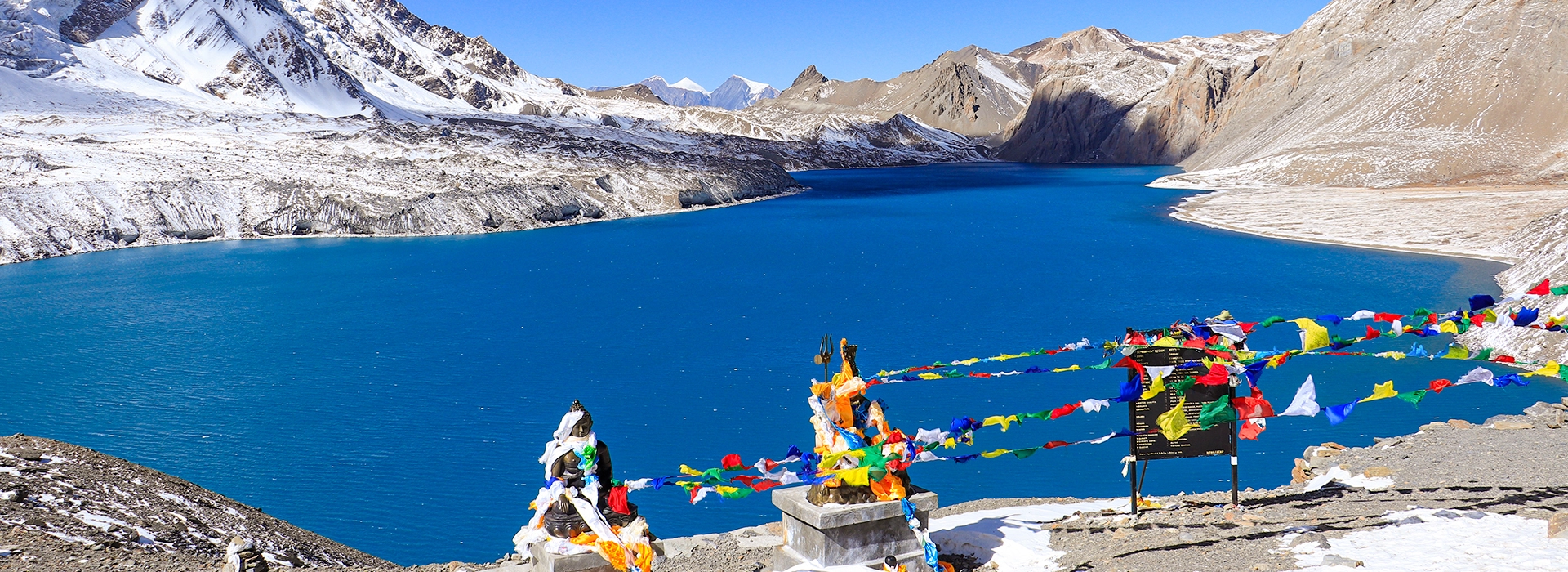
    The Tilicho Lake Trek is a breathtaking journey into the heart of the Annapurna region of Nepal, offering trekkers a chance to witness one of the world’s most stunning alpine lakes. At an astounding elevation of 4,919 meters (16,138 feet), Tilicho Lake is recognized as the highest lake of its size in the world. Surrounded by the majestic peaks of the Annapurna and Nilgiri ranges, this trek is perfect for adventure seekers and nature lovers looking to explore untouched Himalayan beauty.

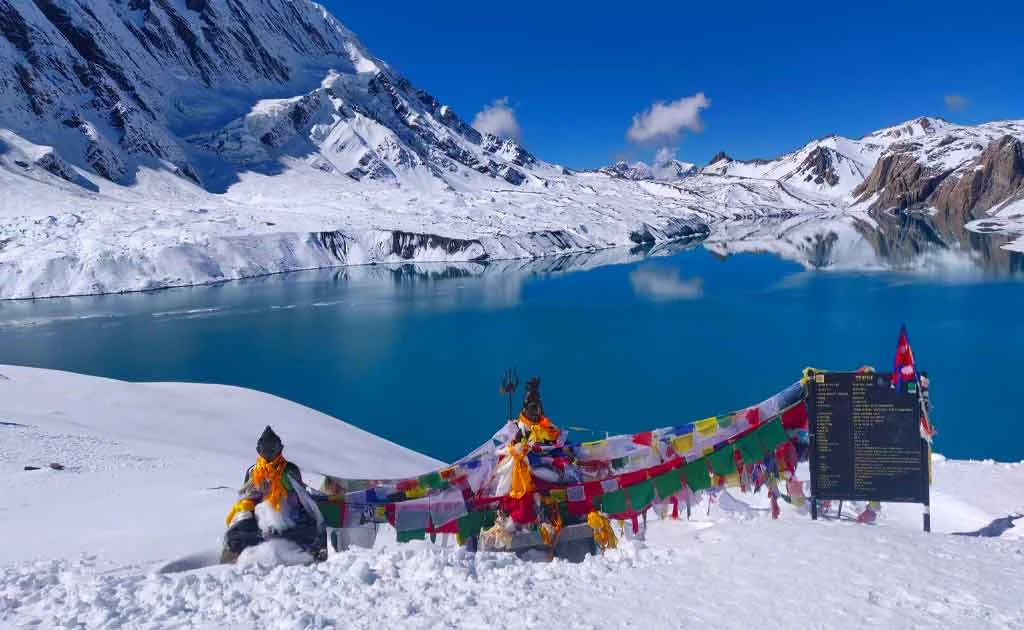
    Tilicho Lake, blue water & Buddha statue from Tilicho Pass
    Tilicho Lake from Tilicho Pass

    Source- Google

    Why Choose the Tilicho Lake Trek?

    1. World’s Highest Lake

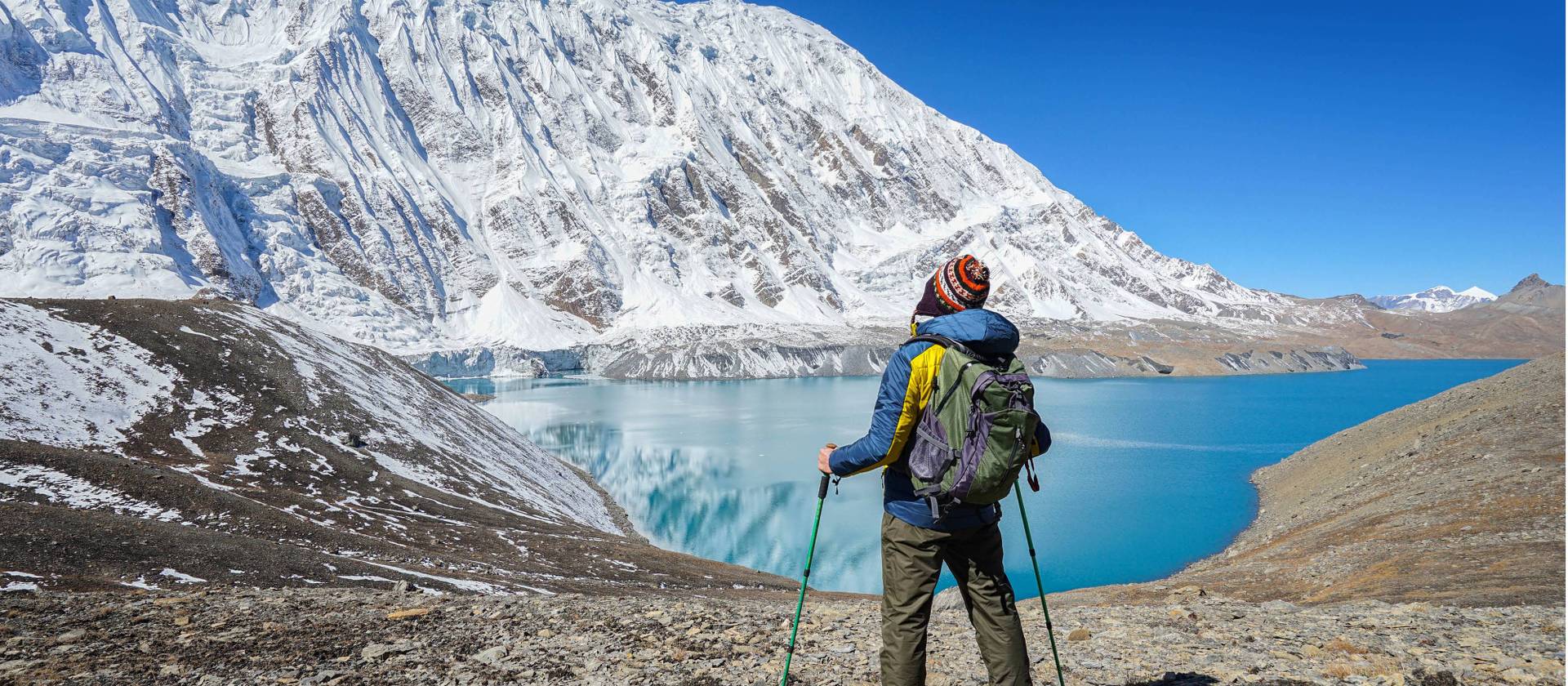
    It is situated at an altitude of 4,919 meters (16,138 feet), the highest in the entire world. It is created by the alpine glaciers surrounding Tilicho Peak’s meltwater. The scenery with the background of the beautifully turquoise-blue colored water of the lake against snow-white peaks and worn-down cliffs is simply breathtaking. It is a physical and spiritual vacation area for some of the trekkers. It is paradise for trekkers, home for those seeking solitude, a wonder of nature, and one of the most challenging places on earth. Tilicho Lake is reached with determination. The trek increases altitude gradually as it passes through even drier ground and thinner air. The reward, however, is well worth it.

    2. Diverse Landscapes of Tilicho Lake

    One of the Tilicho Lake attractions is that the scenery never becomes monotonous. The ascent begins in lower Annapurna on turning and switchback tracks through green subtropical jungle rimmed by rice terraces and waterfalls cascading down mountain slopes. Climbers continue, and the terrain begins to change: fir and pine will eventually predominate before the landscape goes on to include bare hills and cliff faces. And again, yet further on, too, when trekking inflicts on a land of arctic type, the latter gains country changes a new, desecrated by snowfields, glacier-valleys and ridges of ice-wrime on ultimate advance to country of lakes. A variety of choices scarcely ever furnished by a single trek is supplied by diverse climatic zones, conditions, and territories.

    Each of these environmental niches along the way is different, with its pros and cons. Such topographic change is not a skin-deep phenomenon but quantifiable in terms of degrees of temperature, elevation, leaf and canopy cover, and even village culture in between. From emerald green sloping hill sides lined with spring blooms of rhododendron to Tilicho’s high-altitude desolate, barren, extraterrestrial-looking valley scenery, there is no scenery on this trekking path. But scenery lovers will have the trail revealing a different landscape each day, with the trekkers experiencing a different environment each day of the trek, as it progresses.

    Khangsar Valley seen from on the way to Tilicho Lake
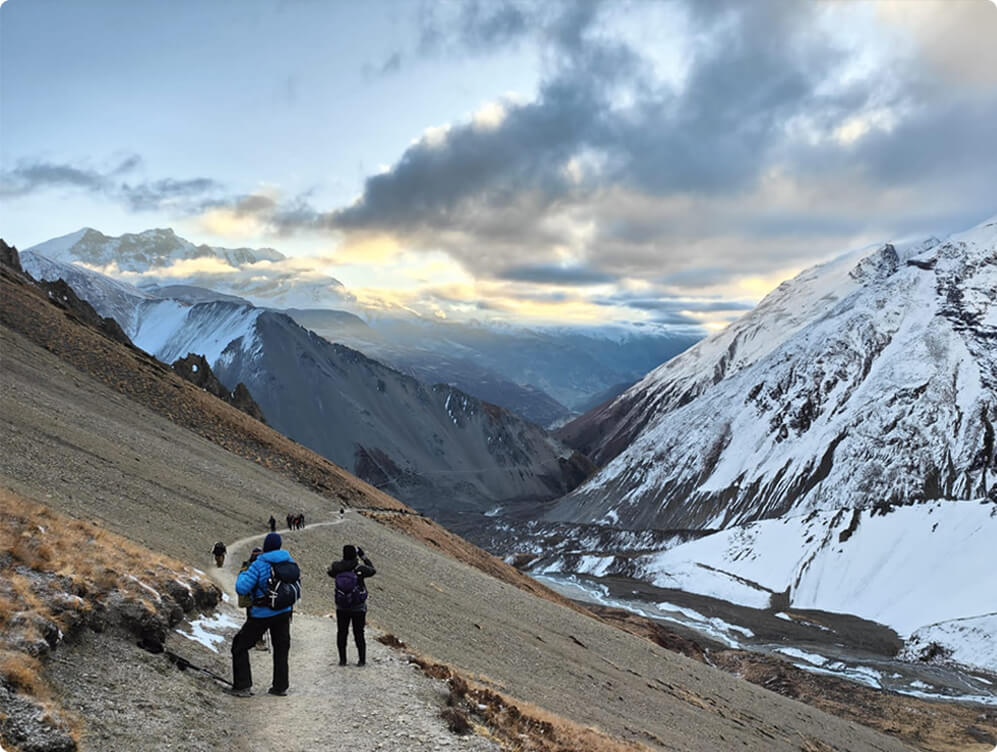
    Trail towards Tilicho Lake

    Source- Google

    3. Cultural Immersion of Tilicho Lake 

    Scenery is only one of what makes up the Tilicho Lake Trek trekking destination trek through Manangi and Gurung, and Thakali culture village. Trekkers pass through Manangi and Gurung, and Thakali villages (all of Manang District), each with its own kind of tradition, language, clothing, and building style (and quite often some blend of these!). Though certainly off the tourist trail, they are said to be open and even to possess rich Buddhist and Hindu heritage. Prayer flags, spinning prayer wheels, ancient monasteries, and stone memorials are all part of a spiritual journey superimposed on the natural splendor of the trek.

    The path near the teahouses permits people to observe daily Nepali activities. The meals are standard Nepali food, mainly dal bhat, as well as discussions with area residents cover farming, mountain living, or the old commercial road to Tibet. A cultural experience became a great memory from the trek for many people. The joining of deep cultural experiences and the thrill of height makes trekking hard for the body, plus difficult for the mind and emotions too.

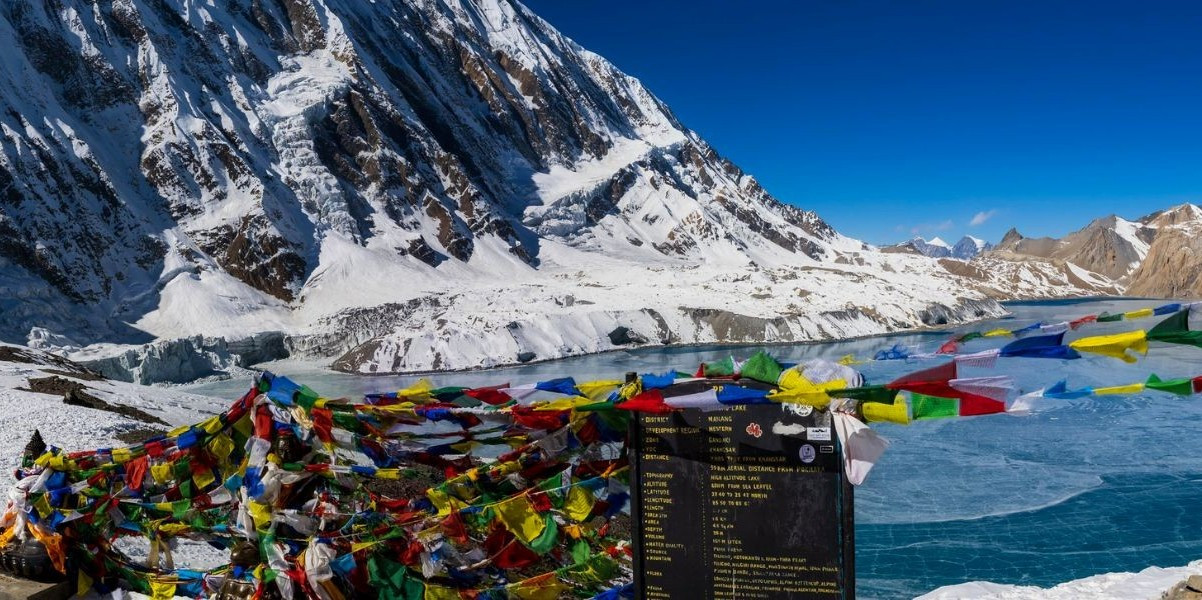
    Tilicho lakewith lots of prayers flags at Tilicho Pass
    Tilicho Lake

    4. Wildlife and Biodiversity in Tilicho Lake

    About the environment around Tilicho Lake, it looks tough, but it contains many living organisms. People trekking can view many kinds of plants and animals because they travel through different weather zones. Individuals trekking in low places are in an area having numerous birds, butterflies next to small mammals. When people trek higher, wildlife becomes harder to spot, but some common kinds, the Himalayan native, blue sheep, Himalayan tahr, in addition to marmots, can be found.

    The region also gives benefits to birdwatchers. Himalayan monal, Nepal’s national bird, snow pigeons, as well as lammergeiers, fly above. The shifting areas for living hold different kinds of plants. Junipers, alpine shrubs next to medicinal herbs grow there. Conservation steps in the Annapurna Conservation Area help in the protection of this fragile environment. Because of this, it is a good path for those who love nature. For hikers, an understanding of an area that is sensitive to changes in nature and full of life makes the trip more meaningful. This joins travel with an understanding of the environment.

    5. Unmatched Photography Opportunities in Tilicho Lake

    The Tilicho Lake Trek is good for those who take pictures. It allows people to record both grand views and personal times related to culture. Each turn in the path presents something different. High mountains like Annapurna II, Tilicho Peak, in addition to Gangapurna, rise from the ground against bright skies. Large valleys come into view below hanging ice and old piles of dirt and rocks. The first parts of the day and the last parts of the day cover the mountains in bright light. This makes images that look too good to be true. The lake itself has a smooth surface, which shows snow-covered tops. It is one of the best places to take pictures in the mountains.

    The trek has culture in the pictures. Prayer wheels turn in mountain winds, monks sing in monasteries, people pick crops along with yaks travel small paths. Each of these times tells a story. For those who look closely, the Tilicho Lake Trek has stories told through pictures. If you are a paid worker with a nice camera or someone who travels with a smartphone, the many subjects cause your camera to stay in your hand. The subjects include mountains, animals, people, as well as light. The journey can be seen as much as felt.

    Trek Itinerary of Tilicho Lake

    The journey usually requires 12 to 18 days. It starts at Besisahar. It goes up through diverse weather patterns toward Manang, then it shifts toward Tilicho Base Camp and the lake. Travelers can go back on the same path. They can proceed over the Mesokanto La Pass, at 5,099m, to get to Jomsom. The difficulty of the trek is between medium and hard. Correct adjustment to the altitude at Manang is important. March to May and September to November are the superior times for the trek. The weather is consistent, also the sky is clear.

    Tilicho Lake the highest lake on earth
    Happy Mountain Clint Standing by the Tilicho Lake


    Detailed Itinerary Overview

    Day 1: Drive from Kathmandu to Besisahar (760m)

    The Annapurna region begins at Besisahar. The drive from Kathmandu to Besisahar starts the trek. The trip needs 6 to 8 hours, as traffic and road conditions influence the length. Hills with steps, rivers as well and country towns appear.

    Day 2: Drive to Chame (2,670m) or trek via Jagat and Dharapani

    A number of travelers take a jeep to Chame from Besisahar. Others start the trek at Jagat and Dharapani. The route goes past thick woods, water coming off cliffs next to little places to live. This part shows gorges that make a big impression besides the Marsyangdi River. The river is followed for days.

    Day 3: Trek from Chame to Pisang (3,200m)

    The path goes onward through thick forests that are pine forests. It goes beside dramatic walls of stone cliffs. Pisang comes after crossing a hanging bridge. Pisang is a town. The dry mountainous ground starts there.

    Day 4: Trek from Pisang to Manang (3,540m)

    Today, we have an option between the low and high road. The high road is more difficult but has incredible scenery of the Annapurna range and takes us through the lovely village of Ghyaru. Manang village is big with shops, bakeries, internet, and many teahouses.

    Day 5: Acclimatization Day in Manang

    It is an acclimatization day at high altitude. Trekkers typically take side trips to Gangapurna Lake, Ice Lake (Kicho Tal), or to the nearby monastery. Manang can also be utilized as a resupply point before proceeding to the less-traveled Tilicho trek.

    Day 6: Trek from Manang to Shree Kharka (4,050m)

    The trail then diverges from the Annapurna Circuit and heads for Tilicho Lake. The landscape continues to become more barren and dramatic as it moves further from the treeline. There is then the peaceful place of Shree Kharka with some teahouses and stunning mountain vistas.

    Day 7: Trek to Tilicho Base Camp (4,150m)

    The trail section is also equated with having steep pathways and slide regions, hence it’s best to hike carefully. The track gets more rugged and uneven, and the isolation of the trail is experienced as one gets to the base camp in the valley of the boulders.

    Day 8: Visit Tilicho Lake (4,919m) and return to Base Camp or Shree Kharka

    Set out early today as it is normally clear in the morning. The steep ascent leads to the stunning Tilicho Lake, with turquoise water lying quietly at the base of the mountain giants. Look about and take photos before descending to Tilicho Base Camp or higher still to Shree Kharka for overnight camping.

    Day 9–10: Return to Manang or Cross Mesokanto La Pass (Optional Advanced Route)

    More experienced and well-prepared trekkers can press on through the further, more strenuous, and occasionally snowed-in Mesokanto La Pass. This takes you to Jomsom, where you can either fly back to Pokhara. Alternatively, return to Manang and rejoin the classic Annapurna Circuit for a more manageable descent.

    Day 11–14: Trek to Jomsom or exit via other lower routes

    If coming back from Manang, trekkers may proceed to Yak Kharka and Thorong La Pass. Alternatively, they can descend to Chame and Besisahar, before heading back to Pokhara. In case those are taking the Mesokanto La route, they will stop in Khangsar or Yak Kharka for the night to arrive at Jomsom, a windy town with air connections to Pokhara.

    Tilicho Lake Trek Difficulty and Preparation

    The trek is rated moderate to difficult mostly because of altitude and terrain. Acclimatizing to the altitude is critical to avoid altitude sickness. Trekking experience is an advantage, but not necessary. A good level of fitness, mental preparation, and gear are necessary.

    Trail to Tilicho Lake & Annapurna Himalayas
    Beautiful Trail on the way to Tilicho Lake

    Preparation Suggestions:

    • Train with cardio and strength equipment exercise for 1-2 months ahead of time.
    • Bring an altitude illness medication, like Diamox.
    • Dress in layers to allow for temperature changes.
    • Hire a licensed guide or porter for navigation and support.

    Permits and Regulations

    Trekkers must get:

    • Annapurna Conservation Area Permit (ACAP)
    • TIMS Card (Trekkers’ Information Management System)

    These can be obtained through registered trekking agencies or Nepal Tourism Board offices located in either Kathmandu or Pokhara.

    Accommodation in Tilich Lake

    1. Teahouses and Lodges

    Accommodation options on the Tilicho Lake Trek are primarily teahouses and small lodges. These are available at most larger stops and are more or less comfortable depending on the height and location. Lower altitude lodges will be well equipped, but higher ones are more basic and simpler.

    2. Room Facilities

    Rooms usually offer twin bed configurations, basic bedding, and shared or connected washrooms at lower altitudes. Accommodation in teahouses doesn’t have heating, and if you are trekking at the greater height, then you definitely should carry with you also a good sleeping bag. It’s basic but adequate just for sleeping after a full day’s hike.

    3. Mountain Hospitality

    It’s further notion that the teahouses are often operated by local families, which helps cultivate a warm, friendly environment. They also function as social centers where trekkers of various nationalities meet.

    Food in Tilicho Lake

    Traditional Nepali Meals

    A classic dish is dal bhat, consisting of rice with lentil soup and vegetables which trekkers can expect. It is a balanced diet; it provides energy and usually comes in the way of plates and dishes with bottomless pits which is made for the perfect lunch fuel of tough trekking days.

    Variety of Options in Tilich Lake

    In other foods, have noodles & soup, momo (dumplings), fried rice, pancake, and Tibetan bread in menus. Eggs are one step up, and in slightly more advanced villages you can get pasta, toast or even a hunk of basic pizza. There is more choice in the lower villages, but it declines as you go higher up.

    Additional Amenities:

    There should be boiled/filtered drinking water available but it is recommended to bring your own purification tablets or a filter bottle. Some teahouses (but mainly in lower elevations) have hot showers and phone charging available as well as a free Wi-Fi. Of course, as you keep climbing on top these amenities become limited so don’t forget to plan that ahead.

    Timing Your Great Trek to Tilicho Lake

    The best times to go:

    Warm season (March – May): The rhododendrons and nice blue sky.

    Autumn (September – November) has at least clear skies, good visibility of mountains, and cool, moderate temperatures.

    Do not go during the monsoon season (June – August) because there will be landslides, slippery trails, and definitely a lot of trackable dirt, also desert. If you can avoid winter (December – March), unless you are an adept, truly experienced trekker.

    Tilicho Lake in winter season
    Stunning Tilicho Lake with the statue of lord Buddha

    HERE ARE SOME GOOD SUSTAINABILITY TIPS FOR TREKKERS

    • Bring your own bottles and avoid plastics or single-use plastics.
    • Follow the local customary way, as you should use eco-friendly trekking agencies.
    • I will pay for the tip if you pack out only dry “natural” trash.

    Conclusion

    The Tilicho Lake Trek it is not only a high-altitude trek, it is a caress on the soul of Himalaya. With every single step you take there is magic – from the tiny villages, snowy paths and their green lake waters. Don’t start being a seasoned hiker or a wishful lover of them, it is most definitely guaranteed to be an adventure of a lifetime.

    READY TO TOUCH THE HIGHEST LAKE IN THE WORLD – Tilicho Lake! Contact us today at Happy Mountain Nepal, on Facebook, Instagram, or TikTok

  • Everest Base Camp Trek: Lifetime Experience

    Everest Base Camp Trek: Lifetime Experience

    Everest Base Camp Trek: Lifetime Experience

    Everest Base Camp Trek is a once-in-a-lifetime spiritual, physical, life, and cultural quantum leap. EBC is 5,364 meters (17,598 ft) high and is located around the highest mass on earth, Mount Everest (8,848.86 m / 29,031.7 ft). With each step, you are closer to trekking on top of mythological mountain ranges, century-old monasteries, hundred-year-old Sherpa villages, and a soul-trek experience that you cannot wipe away from your memory.

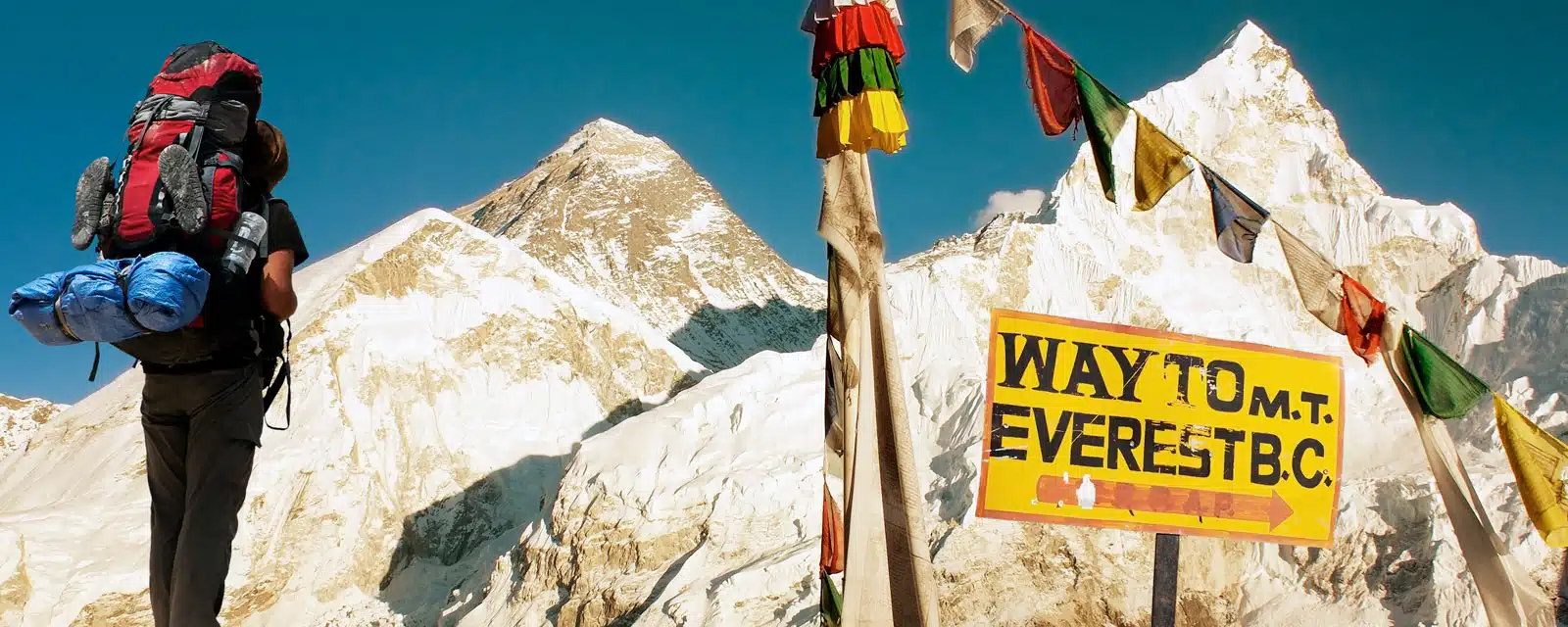
    everest base camp

    Why Everest Base Camp Trek Is a Lifetime Experience

    1. Get close to Mount Everest

    Being at EBC is being and standing in the shadow of the world’s highest- a position where you can only dare to have the audacity to assert and check off your bucket list, together with all the other adventure-seeking travelers from across the globe. You’re not on Everest, but where the Everest giants of Mount Everest are, like sunrises on the great ridges, is heavenly. Walking the EBC trail by yourself takes you, by legend, as close as it gets to the Mount Everest summit view and mythic Kala Patthar (5,545 meters), quite possibly the best view of Everest you’ll ever have the good fortune to witness.

    2. Sherpa Culture and Spiritual Immersion

    You’ll meet Sherpa villagers of the Khumbu: tough Himalayan folk with highly developed mountaineering prowess, boundless hospitality, and first-rate survival skills. You’ll trek through the villages of Namche Bazaar, the villages of Tengboche, and the villages of Pheriche, all with their multicolored prayer flags flapping in the breeze, all scattered with found along the trails like spinning prayer wheels, all topped on ridges with stupas.

    At Tengboche Monastery (3,867 m), you will pray with chanting monks within sacred walls, and dark Ama Dablam and the other great white giants – a spiritual experience in the true spirit of your trek.

    3. Varied and Breathtaking Landscapes

    We trek through varied Himalayan scenery:

    • Rhododendron and pine forest hide Lukla and Phakding villages,
    • Suspension bridges spanning high above glacier-fed rivers,
    • Yaks and alpine grasslands at Dingboche and Lobuche,
    • Rock moraines and snow ridges on the way to Gorak Shep and EBC.

    Every bend in the trail, a new panorama, a new peak, another rest stop, and just soak it all up.

    4. A True Physical and Mental Challenge

    It’s not a holiday- it’s a test. You’ll be trekking 5-7 hours every day, trekking all day, a nd cold and tired all day. But it is in the challenge that we get tough. To even get to Base Camp is such a great feeling and sense of achievement. It’s a test of your endurance, your determination, and your sense of accomplishment.

    Everest Base Camp trek route

    Day 1: Fly to Lukla and Trek to Phakding

    It starts with a pounding mountain flight to Lukla, a small cliff airport that is perched at a height of 2,840 meters. It’s a 30-40-minute roller coaster ride, and you don’t even get the sensation that you’re flying over the Himalayas. The trek starts here, and you walk from the pine forest and small Sherpa villages step by step. You further trek to Phakding at an altitude of 2,610 meters. You see many stone chortens, stupas, and prayer flags waving in the wind along the path.

    Day 2: Namche Bazaar to Phakding

    A different evening sees you once again on the trail side of the banks of Dudh Kosi.
    You trek on suspension bridges, mega suspension bridges, such as some of the following: the Hillary Suspension Bridge, which has the questionable honor of having had a string of accidents, including a helicopter crash landing.

    You enter the Sagarmatha National Park at Monjo, where they check your trekking permit. The path climbs but it’s the final two hours of tough and steep walking to the wealthy Sherpa town, Namche Bazaar, at 3,440m. If the day is clear, you get your first view of Mount Everest. There are shops, bakeries, equipment stores, and mountain views to be had at Namche.

    Day 3: Acclimatization Day at Namche Bazaar

    To avoid high altitude sickness, you will take an entire day’s rest in Namche.
    Not idling about, but a quick walk around so that your body is conditioned and taking the most scenic trek to Everest View Hotel (3,880 meters) with sunrise over Everest, Lhotse and Ama Dablam, or the walk to Khunde and Khumjung village home of the Hillary School and monastery which contains a Yeti scalp preserved.

    You can stroll around the Namche evening bazaars, visit the Sherpa museum, or just sit and have tea and look across the valley.

    Day 4: Trek Tengboche to Namche Bazaar.

    The mountain trail starts after departing Namche because from here, one has a good view of Everest, Nuptse, and beautiful Ama Dablam.

    This is a tuning pair of hours of valley and mountain, then steeply downwards to the Dudh Kosi River and upwards again sharply through pine and rhododendron forest to Tengboche (3,867 meters).
    This quaint, spiritual village contains the famous Tengboche Monastery, the biggest monastery in the Khumbu valley.

    It lies on massive slopes, a sacred and serene place where you become a part of a prayer ceremony and achieve some peace of mind.

    Day 5: Tengboche to Dingboche trek

    Descend from Tengboche along the forest to Debuche and further down to Imja Khola on a rickety bridge and then to Pangboche, which is the highest permanent settlement in the area. Further, a more Alpine and open country with wider valleys towards Dingboche (4,410m), a windy town with white tops of mountains in the distance. And Dingboche is fine too, “post summer valley,” and it’s beautiful, and a pleasant rest to acclimatize.

    Day 6: Acclimatization Day at Dingboche

    Having a day of full acclimatization allows your body time to adapt to the altitude.

    Most trekkers visit Nagarjun Hill (5,100m), an exhausting but well worth the climb with really stunning views of Makalu, Island Peak, and the valleys below. An alternate is a side trip to Chhukung and glacier sightseeing, and a climbing path. Dingboche is a pleasant spot, few sun-dried teahouses and ga good location between the massive peaks of Ama Dablam and Lhotse. Dingboche is a relief.

    Day 7: Lobuche trek from Dingboche

    You will gradual ascent up the Imja Valley. The rocky path continues upwards, ascending, ascending through dry but breathtaking alpine desert. When we traverse over to the other side of Dughla (Thukla), the path steepens even more, and we will be along the ridge with memorials to the climbers who didn’t return from Mt. Everest. The squalor of this path is made worthwhile by the sight. We ascend the rocky path to Lobuche (4,940 meters), a small glacial town at the foot of giants Nuptse and Pumori.

    Day 8: Gorak Shep to Everest Base Camp

    The last day will likely be the most exciting day of the trek.

    Take a brief hike to Gorak Shep (5,164m), the final village on your trek to Base Camp, and abandon your loads in order to hike upstream along the lateral moraine of the Khumbu Glacier.

    The path is rocky and slippery with boulders and snow to overcome. A grinding willpower will finally reward Everest Base Camp (5,364 meters), an unearthly emotional peak. The base camp is encircled by prayer flags, tents (during season), and the huge Khumbu Icefall. Stop and take in the view for a while, then go down again to Gorak Shep for the night.

    Day 9: Ascending Kala Patthar and back to Pheriche.

    Early morning ascent to the summit of Kala Patthar (5,545 meters) for sunrise. The summit offers the best and unobstructed view of Everest, Lhotse, Nuptse, and Pumori. Golden early morning sunbeams on the high mountains are breathtaking. Then to Gorak Shep for breakfast and begin a return journey, a trek down to Pheriche (4,280 meters). Heaven is a lower elevation, and the trek is not so draining, even with tired legs.

    Day 10: Trek from Pheriche to Namche Bazaar

    The hike continues to Pangboche and Tengboche village, which are very welcoming ones, but now you’re moving in the opposite direction to them, so you have an added bonus to view them on the other side. You continue your walk through the woodlands and streams and view the Himalayan flora and fauna. You take an easy hour-and-a-half-long walk or walk-and-a-half and indulge yourself at the Namche Bazaar, where you pamper yourself with a hot shower as well as a steaming cup of coffee.

    Day 11: Lukla, downhill trek from Namche Bazaar

    The knee-jolting downhill trek on the last day from Namche to Lukla through Monjo and Phakding needs downhill and long-distance tires. Party time at Lukla. Rather than turning it into a party time, trekkers celebrate their trek by enjoying the farewell traditional dinner with guides and porters, food and local drink, and spreading smiles and laughter.

    Day 12: Flight on the way back from Lukla to Kathmandu.

    You return on the last day on a morning flight from Pokhara to Kathmandu. The return flight, also, is picturesque with birds’ eye views of the trek trail behind you. You’re free the rest of the day to relax, reflect, or bask in the hospitality and coffee culture of city life in the capital. The trek is over, er but memories linger.

    When to Trek to Everest Base Camp?

    Spring (March – May)-: Ideal time of the year for reliable weather, clear sunshine, blooming rhododendrons, and a crystal-clear view of the high mountains.

    Autumn (September – November) -: Blue sky after monsoon, and dry trails with spectacular views.

    Winter (December – February)-: Near-white snowy trails, and below-zero temperature. Only for the experienced trekkers, who are not shy to trek alone.

    Fitness and Training

    Here it is, a step by step run through of the fitness training guide for the Everest Base Camp Trek, suitable for beginner and intermediate trekkers.

    Train Minimum 2 – 3 Months Prior

    1. Begin training at least 8 – 12 weeks.

    Pre-trek. If you are not fit, there is a good chance that you will need to start earlier. The aim is to build and bank endurance and strength, topped up in growing quantities. By establishing a routine and consistent exercise regimen, you will physically condition your body for stresses and reduce injury on the trek.

    2. Cardio

    No matter what cardio you perform, it will strengthen your heart and lungs so that your body will be better at using oxygen, which at high altitude is a major factor.

    • Running builds legs and leg muscles.
    • Cycling is low-impact but great for endurance.
    • Swimming builds lung capacity and is non-impact.

    Do 3–4 times a week and build up time and intensity as your fitness level builds. Attempt to do it in steady-state cardio but also attempt to fit in some hill repeats if possible.

    3. Heavy Pack Backpacking

    This is not merely walking on the treadmill with a heavy pack! Your hips, back, and shoulders will adapt to bear the load for hours: 5–10 kg.

    Practice wearing a pack, or with water packed in. Add weight and duration walking gradually. Practice uphill and downhill walking, such as on actual walking trails.

    4. Leg and Core Strengthening Exercises

    You’ll be ascending steep rocky paths when you hike. Your legs must be conditioned. Squats, lunges, step-ups, and calf raises will all condition climbing muscles up and down.

    You require a strong core (lower back, abs, glutes, obliques) to assist in supporting your posture and balance while backpacking. Do planks, bridges, and twists 2-3 times a week.

    This will not only prepare your upper body to bear your pack but also ease the pressure off your back and give stability when walking on rocky ground

    Permits Required

    1. Sagarmatha National Park Entrance Permit

    Cost: NPR 3,000 (foreigners), NPR 1,500 (SAARC nationals)

    2. Khumbu Pasang Lhamu Rural Municipality Permit

    Cost: NPR 2,000 (all nationalities)

    Packing List

    Packing item for trek

    1. Clothing:

    • Moisture-wicking base layers
    • Fleece and insulated jacket
    • Waterproof shell jacket and trousers
    • Warm hat, gloves, buff/scarf
    • Thermal socks and high-quality hiking boots

    2. Gear:

    • Backpack (50–65L)
    • Sleeping bag (-10°C or warmer)
    • Headlamp and spare batteries
    • Trekking poles
    • Sunglasses (UV)
    • Water bottles/hydration system
    • Water purification tablets

    3. Miscellaneous:

    • Sunscreen, lip balm
    • First aid kit
    • Snacks and energy bars
    • Power bank
    • Travel insurance at high altitudes

    Cost Breakdown (Mid-Range Estimate)

    1. Flights (Lukla–Kathmandu) $300-$400

    The largest part of the cost of Everest Base Camp trek logistics is the flight from Lukla to Kathmandu. It’s a short but essential flight because Lukla is where the Everest region access begins. Return airfare will be $300 to $400. Flights also change with the season with higher months to trek, October and November being peak seasons. Flight duration is approximately 30 minutes but depends on weather and therefore can be delayed or even canceled. Since it’s a long flight and possibilities of interruptions are extremely high, it is better to stay an extra day in Kathmandu in case of a delay.

    2. Permits $50–$60

    You will require a series of permits to trek in the Everest region, which are obligatory.

    They are two of the bigger ones, and they are Sagarmatha National Park Permit and TIMS card. They are the guarantee of monitored and secure access to trekking paths. The Sagarmatha National Park Permit is around $30, and the TIMS card is around $10 to $20. The two passes total around $50 to $60. These passes can be readily purchased before the trek in Kathmandu, or at the first settlements along the trail. It’s just part of having had your trek arranged and being regulation-friendly required.

    3. Guide and Porter $300–$500

    Although not obligatory, most visitors find it well worth the expense to have a guide and/or porter to help make the trekking experience all the more worth the while.

    A guide costs $20-$30 a day and a porter costs $10-$20 a day, agency and season based. Guide and porter for 12–14-day trek will cost $300-$500. A guide who knows the trail, knows the culture, and is sensitive to altitude is worth every penny. Porter service will pack up your bags, removing some of the physical effort of the hike from your shoulders, especially where there is climbing or descending to reach it. These services are typically well worth the extra convenience and security.

    Everest Base Camp Trek

    4. Accommodation (12–14 days) $150–$250

    The accommodation on Everest Base Camp trek is usually in teahouses and the rooms are plain but clean. The accommodation for a 12–14 day trek is usually between $150 and $250. It is lower towards the lower section of the trek and the higher you ascend where accommodations are scarce. The rooms in teahouses are plain but with shared toilets and hot and dry. Additional privacy is provided by en-suite bathroom rooms at additional cost. The same accommodation in Kathmandu is the same price, but if you would like more comfort at the start and end of the trekking, more costly accommodation is possible.

    5. Food and Drink $200–$300

    Trail food and drinks are also a considerable cost. You will be consuming at least three meals—dinner, lunch, and breakfast—and snacks and drinks to get you through on the trail. Lower-grade trail food costs $5–$7 a meal, but the higher up you climb, the more expensive it is since there is a logistical problem with food transport up to higher elevation. 12–14 days’ worth of food and fluids costs $200–$300.

    Oatmeal or bread makes up most of breakfast, and lunch and dinner consist mostly of local food such as dal bhat, noodle, or momo. Tea, bottled water, and snacks are expensive, especially having to eat at higher elevations.

    6. Miscellaneous (Wi-Fi, Showers) $50–$100

    Aside from the outrageous trekking fee, there are a couple others you will be paying along the way on the trek. They do have Wi-Fi in a few of the teahouses, but it’s extremely slow and it will be $2 to $5 per hour. Even a shower that’s hot will cost you money and will typically cost you $2 to $5 per shower.

    All of these will be costly on the way while trekking and will usually cost you $50 to $100. Other trekkers also purchase other foodstuffs, drinks, or souvenirs on the way while trekking, so it is always better to carry some money with you. The need for these little luxuries is one of the reasons why the total cost of the trekking but can be what will make it worthwhile.

    Conclusion

    The Everest Base Camp Trek is not just about the destination—it’s about the transformation along the way. It’s about pushing your limits, connecting with the mountains, and immersing yourself in one of the world’s most spiritually rich and naturally stunning landscapes.

    Whether you’re seeking a personal milestone, a cultural journey, or the adventure of a lifetime, the Everest Base Camp Trek delivers an experience that lingers in your soul forever. Contact us today at Happy Mountain Nepal, on Facebook, Instagram, or TikTok.


  • Top Trekking Routes in Nepal

    Top Trekking Routes in Nepal

    Top Trekking Routes in Nepal: Your Ultimate Guide to Himalayan Adventure

    Nepal is trekkers’ paradise, where there is outstanding landscape, snowcapped mountains, and culturally rich treks. From a brief, scenic walk to a four-week trek over unspoiled wilderness, Nepal’s varied trekking trails have something for every type of traveler.

    Below are the top 10 treks in Nepal along with descriptions and highlights to plan your next Himalayan trek.

    1. Everest Base Camp Trekking

    Everest Base Camp Trek is the crown of Nepal treks. The trek begins with a Himalayan flight to Lukla and climbs through picturesque color villages like Namche Bazaar and Tengboche. The trek is a distinctive cultural trek of the Himalayas with overnight stops only in the old monasteries and Buddhist chortens along the trek. Higher still, there’s landscape broken into yaks, glacial rivers, and awe-inspiring views of the world’s highest mountains.

    Everest Base Camp hike to the elevation of 5,364 meters is an endurance test both physical and mental. Kala Patthar peak to the elevation of 5,545 meters and a viewpoint famous for the most stunning sunrise panoramic view of Everest, Lhotse, and Nuptse are also included in the trek. The trek although challenging from the altitude point of view, is very well marked with teahouses and medicare centers in between.

    Everest Base Camp Trekking

    Main Attractions:

    • Panorama viewpoint for the best panoramic photograph of Everest,
    • Namche Bazaar a beautiful acclimatization break and Sherpa village,
    • View from below Tengboche Monastery of Ama Dablam,
    • Sailing on rickety suspension bridges over the Dudh Koshi River,
    • Everest Base Camp visit a holy place for pilgrims/tourists.

    2. Annapurna Circuit Trekking

    Annapurna Circuit is the loveliest trek of Nepal, too. It ranges from rice terraces and subtropical forest to alpine meadow and arid desert of Mustang, hugging the Annapurna massif. The trekkers go through a string of ethnic villages- Brahmin, Gurung, Thakali, and Tibetan-influenced villages- with an altering culture and cuisine. Spring’s overall weather for the trek is wildflowers and wildlife, langurs, Himalayan griffons, and flowering rhododendrons.

    Annapurna Circuit Trekking

    The high point of the trek is Thorong La Pass (5,416m), the highest trekking pass in the world. On the other side of the pass is the trek to the world’s longest and deepest gorge, Kali Gandaki Gorge, and on to sacred Muktinath. Sidetrips are also taken to Tilicho Lake and Poon Hill, and the circuit is completed by a string of teahouses with luxury and camaraderie.

    Main Attractions:

    • Trekking highlight with 360° view from Thorong La Pass,
    • Muktinath Temple visit Hindus and Buddhists’ temple,
    • Healing nature in the Tatopani hot springs,
    • Panorama of Annapurna I, Dhaulagiri, and Machapuchare,
    • Viewing the World’s deepest gorge trek Kali Gandaki.

    3. Langtang Valley Trekking

    Langtang Valley Trekking, a day trip to Kathmandu, is a glacial stream alpine gem and genuine mix of Tamang and Tibetan traditions. Trek ascends along Langtang River past dense pine, bamboo, and rhododendron forests to open to sweeping broad vistas of alpine grasslands. Tamangs’ warm welcome and the traditional yak herding of their centuries-old traditions make this earth disproportionately real in nature.

    The region has picked up speed over the years since the earthquake took place in 2015, and hiking to the region makes development on the ground level. Kyanjin Gompa is the last village on the hike with off-the-beaten-path regions like Tserko Ri (4,984m) to hike up for summit views of the surrounding high peaks. Langtang Lirung (7,227 meters) towers away in the distance on the hike.

    Langtang Valley Trekking

    Main Attractions:

    • Kyanjin Gompa religious and cultural hub of the valley,
    • Sunrise over snow-capped mountains at Tserko Ri,
    • Red panda and Himalayan monal habitat within Langtang National Park,
    • Yak grazing and Glacier stream at Langshisha Kharka,
    • Tamang culture and hospitality.

    4. Manaslu Circuit Trekking

    Less Manaslu Circuit Trekking elsewhere. Elsewhere outside, the Manaslu circuit trek crossed (8,163m) is of the rare kind in the rare geography and cultural charm of the world. Hindu mid-hills trek again provides the Buddhist highlands of rock-village villages and medieval monasteries. Guide trek tour guide and permit and natural and cultural integrity preserved.

    Most exciting and interesting part of the trek is Larke Pass (5,160m), Himlung Himal, Cheo Himal, Himal view of Annapurna range. Less treks and less crowd and other alternative of treks, and best for those people who don’t like crowd. Trek is similar to Annapurna circuit trek also and other alternative of treks.

    Manaslu Circuit Trekking

    Main Attractions:

    • Larke Pass, the  high-pass, high-altitude trekking adventure
    • Sama Gaun, starting of Manaslu Base Camp trek,
    • Pungyen Gompa, old monasteries,
    • Nubri Valley ice and waterfalls,
    • Synthesis of Hindu-Tibetan culture.

    5. Ghorepani Poon Hill Trekking

    Ghorepani Poon Hill Trekking is Ideal and short for the tight budgeter and the first-time trekker. But with plenty of fine scenery. From near Pokhara itself. Just south of Nayapul, it winds its way up through a fine rhododendron forest and the Gurung and Magar villages. With its old path and rowed teahouses to the fore, the trek is still Nepal’s easiest.

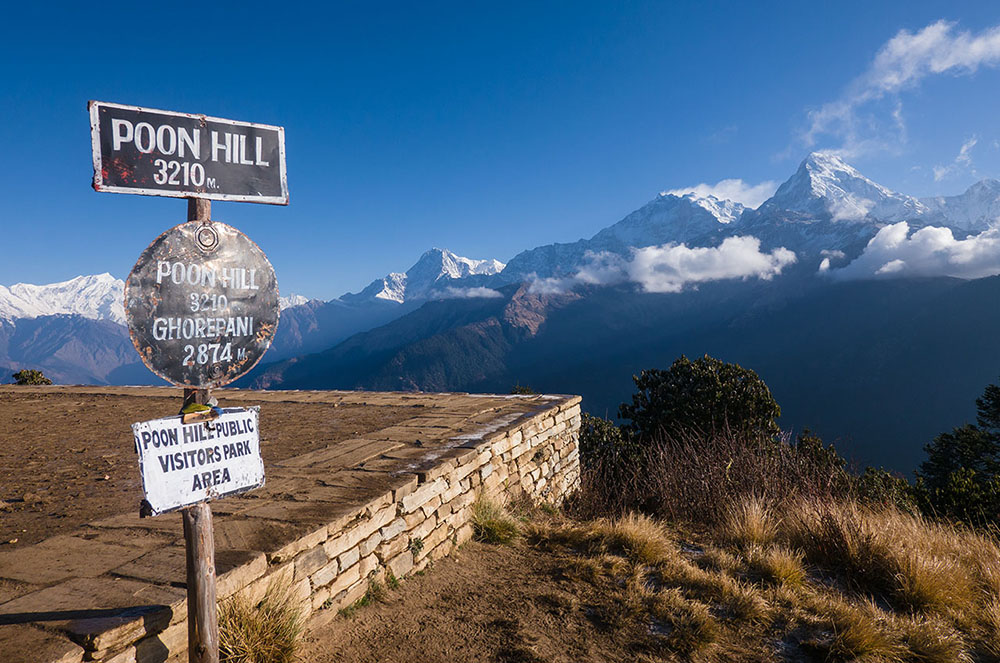
    The highlight of the trekking tour is the sunrise on Poon Hill (3,210 m), when sun burst and light up the Annapurna and Dhaulagiri ranges with golden light. A photographer’s paradise and a dream for trekkers. The trek can be done all year round and also made into a family trek by re-routing the trek trail.

    Ghorepani Poon Hill Trekking

    Main Attractions:

    • Annapurna range sunrise view from Poon Hill,
    • Ghorepani and Ghandruk traditional villages,
    • Rhododendron forests in bloom (March–April),
    • Panorama of Dhaulagiri and Machapuchare (Fishtail),
    • Cultural interactions with Magar and Gurung villagers.

    6. Upper Mustang Trekking

    The Upper Mustang Trek takes us to Nepal’s arid land that was once an independent Kingdom of Lo. The capital Lo Manthang has palace complexes, Buddhist monasteries, and medieval narrow streets from the time when the modern world had not gained dominance. It is one of the most culturally interesting trekking with Tibetan appearance landscape and Tibetan culture compared to Nepali appearance landscape. Off the beaten and rarely visited except by special permit.

    This country will be so out of this world — Dune landscapes, wind-eroded cliff faces, cave networks. May to October is monsoon season and thus your best option as the country lies in a rain shadow. It’s more hills than a hiking tour of early Himalayan cultural heritage.

    Upper Mustang Trekking

    Major Attraction:

    • Lo Manthang: The fort city, the capital city, the royal tradition city
    • Abode of the Yogis, meditation halls of yore hewn into simple living residential houses,
    • Views from Dhamkar and Ghami Passess,
    • Tibetan gompas and chortens
    • Forbidden Kingdom and its rich culture come alive.

    7. Gokyo Lakes Trekking

    A serene day trekking from Everest Base Camp, the Gokyo Lakes Trek is a glacier valley trekking to a chain of blue turquoise lakes beneath some of the world’s highest mountains. The Lukla trek is all that happens in an EBC tour before trekking to Dole and Machhermo. The reward is Gokyo Ri (5,360m), whose breathtaking 360° panorama includes Everest, Lhotse, Makalu, and Cho Oyu.

    Trekking also walks over huge Ngozumpa Glacier—Nepal’s longest glacier. Off-the-beaten trail, fewer tourist crowds, and rugged terrain of high-altitude lakes all do make this trek a great option for nature lovers looking for Everest view without EBC tourist throngs.

    Gokyo Lakes Trekking


    Major Attraction:

    • Panorama sunrise over the summit from Gokyo Ri
    • Chain of six glacial lakes supplied by blue water
    • Ngozumpa Glacier, Nepal’s longest glacier
    • Way to cross Cho La Pass to approach EBC trek
    • Four 8,000-meter giants visible.

    8. Mardi Himal Trekking

    Delightful and short trekking to Mardi Himal Base Camp on virgin ridge and forest. After Annapurna Base Camp trek, the trek is less populated by humans and a peaceful and calm trekking experience. The trek runs smoothly with good pace from 1,000 meters well above 4,000 meters, and forest becomes alpine ground with boulders scattered.

    We have great views of Machapuchare, Annapurna South, and Hiunchuli during trekking. The highlight is ridge walk from High Camp to Mardi Base Camp with Himalayan scenery both sides.

    Mardi Himal Trekking

    Major Attraction:

    • Panorama of Mardi Himal Base Camp,
    • Less-trodden, less-populated trail with fewer tourists,
    • Rhododendron forest trek,
    • Nice view of Machapuchare (Fishtail Mountain),
    • Ridge walk drama landscape scene at High Camp.

    9. Kanchenjunga Base Camp Trekking

    Third highest in the world and Nepal’s farthest 8,000-meter peak, the Kanchenjunga base camp trekking is Nepal’s shortest and farthest trekking route. The opportunity for the trekker to trek through dense forest, rugged gorge, and distant Limbu and Rai villages exists. The trekking route belongs to one of the parts of the Kanchenjunga conservation area and is biologically richer.

    Remote in altitude, distance, and access but countered by virgin landscapes and remoteness. Panorama view of Kanchenjunga and virgin Himalaya terrain. Special guide and permit required owing to location close to Indian and Tibetan frontiers.

    Mardi Trekking

    Major Attraction:

    • Panorama base camp view of Kanchenjunga and Jannu,
    • Virgin, isolated villages such as Ghunsa and Yamphudin,
    • Virgin alpine woodland with waterfalls.

    10. Helambu Trekking

    Helambu Trekking to the north of Kathmandu is a low altitude acclimatization trekking. The trail goes through Sherpa, Hyolmo and Tamang villages and one gets exposed to Buddhist culture and mountain scenery without requiring high altitude acclimatization. Pine forest, waterfalls, and ridgeline view with occasional glimpse of Langtang Lirung and Dorje Lakpa are products of the trek.

    Far enough from the capital city but rural and off the beaten path, Helambu is within reach, used, near, and well-suited to serve as ideal short trekking stops or cultural experiences for visitors within easy reach of Kathmandu.

    Helambu Trekking

    Main Highlights:

    • Hyolmo and Tamang village people,
    • Buddhist monasteries and prayer walls,
    • Langtang and Ganesh Himal range panorama,
    • Green pine and oak woods,
    • Near to Kathmandu for convenience.

    Best Time To Visit

    1. Spring (March till May)

    It is one of the most favorable times to go for Trekking, it is so because during that time –

    • You can enjoy plead wether. It is warm and sunny during the day but not ice cold in the night.
    • You can enjoy clear mountain views of mountains because there are no monsoon clouds.
    • You will also get a chance to watch various local festivals here during these months, and they can help you learn about other cultures.

    2. Autumn (September to November)

    The autumn season is the perfect time for Trekking since weather is fine here. This is the ideal time to witness trek beauty.

    • You can enjoy unhindered sights of the Himalayas at this moment. Weather is hot during the day but freezing at night but can be withstood using the gears.
    • You can enjoy post-monsoon scenery. Forest and trails are more beautiful than in other months after monsoon rains, with the ideal number of rivers flowing and green trails.
    • It is claimed that during this period, it is possible to spot Himalayas wildlife such as the blue sheep and other animals.

    Essential Tips for the Trekking

    1. Permits: You need to get the Restricted Area Permit, Conservation Area Permit initially.
    2. Guides and Porters: You would be informed in advance that Solo trekking is strictly prohibited on this trek. You would need to employ a registered guide and minimum two trekkers. If you wish for a good guide then you may contact us from our website.
    3. Physical Preparation: A individual must be atletic enough to hike and run. His endurance needs to be in the proper condition because a higher altitude would need to be faced.
    4. Altitude Sickness: In order to minimize the dangers and acclimatize your body to altitude sickness, it is advisable to follow the schedule of guides. Consuming large quantities of water would keep your body hydrated and acclimatize it to the environment.
    5. Money: Don’t forget to have some Nepali money with you during the trekking since you won’t be encountering any ATMs along your way.

    Things you should carry with you during your Trekking.

    While packing for trekking, the most vital thing to carry with you is warm clothes. As the trekking starts, there will be a temperature difference, so we suggest that you –

    • Carry warm jackets, insulated jackets, and water-proof jackets with you. You should carry warm hats, gloves, and thermal socks with you for the cold weather.
    • You need to wear trekking shoes that are comfortable with strong ankles so your feet will not hurt during trekking.
    • Don’t forget to bring your gear like trekking poles, sleeping bags, and handlamps. Always remember to bring a sleeping bag for low altitudes.
    • Take your suncream, lip balm, and sunglasses along at lower altitudes as personal accessories .
    • Take your snacks such as protein bars, and junk foods as appetizers throughout the trekking.
    • Do not forget to bring a first aid kit for critical moments such as painkillers,nims, altitude sickness, purification tablets, etc.

    Conclusion

    Trekking in any place is not just a trekking destination but a journey of learning about the environment, culture, and lifestyle. You will be able to witness the beauty of the landscape to the beauty of the mountain. We bet you this is going to be your once-in-a-lifetime experience. If you want to set off on the adventure of a lifetime, Contact us today at Happy Mountain Nepal, Facebook, Instagram, or TikTok.  We will prepare your package as per your flexibility.

  • Top 10 Luxury Hotel in Nepal for an Unforgettable Stay

    Top 10 Luxury Hotel in Nepal for an Unforgettable Stay

    Top 10 Luxury Hotel in Nepal for an Unforgettable Stay

    Nepal’s diverse culture and historical background is certainly a luxury hotel choice to make your trip immortal in a snap. Whether due to the peace of your destination or adventure, or to merge with the locals, the top 10 Nepal luxury hotels listed below are the best places for you. From the trendiest streets of Kathmandu, peaceful surrounds of Pokhara and rugged face of nature at Chitwan, these hotels offer maximum comfort, convenience, and service. Read more about these luxury hotel above.

    1.The Dwarika’s Hotel, Kathmandu

    A blend of Nepali culture and modern luxury at its finest, Dwarika’s Hotel is situated right in the middle of Kathmandu. Made up of old temples, delicately carved in fine wood, this 5-star hotel with its beautiful Newari building is one of Nepal’s top hotels. The Beautiful antique carvings and luxurious rooms built of this traditional décor are giving the visitors actual culture experience along with the best luxury standards.

    Luxury hotel

    Highlights:

     UNESCO World Heritage site: The hotel itself is a reflection of the Nepalese heritage, with lovely wooden doors and windows, and itself a work of art.

    Adequate food: Visitors have the option of dining on healthy Nepali food, which might be cooked from fresh, homegrown fruits and vegetables, for the ultimate out-of-home dining experience.

    Spa and Wellness Centre: Dwarika’s Spa is renowned for its rejuvenating treatments and ancient cures, so that the visitors are always in high spirits.

    Courtyards and Gardens: The peaceful courtyards are one’s own sanctuary amidst the bustling city, ideal for unwinding and introspection.

    Cultural Experiences: The visitors have in store for them offbeat cultural experiences on the grounds of the hotel, including dance performances, cooking demonstrations and craft-making workshops, bringing Nepal’s rich cultural heritage to their doorstep.

    2. The Pavillion Himalayas, Pokhara

    The Pavillion Himalayas, Pokhara’s most recent and lakeside resort life, provides stunning vistas of white–topped Annapurna hill ranges and serenity of Phewa Lake, an eight-mile-and-go lake. For providing the utmost enjoyment, the best resort is also referred to by private villas and among suites. That earns you a seat in the infinity pool hours over blue water as stunning in-between countryside expanses sunset dramatized landscape that takes you to middle-of-nowhere while being treated to gourmet morsels. experience at the foot of the Himalayas.

    Highlights:

    Pool Villas: The finished unit is a private, the villas sole inherited asset of the poolThe pool, garden and garden are the villas’ only private property, a convenient private, personalized retreat.

    World-Class Spa: Resort spa provides unapologetically world-class body and soul treatments, tastefully incorporated classic treatments with modern flair.

    Travel Nice: In-resort dining state-of-the-art prepare local and international gourmet food to your tastes.

    Mountain View: Located at the bottom of Annapurna range and valley will surround almost all rooms with a beautiful view from all your stays.

    Wellness and fitness: The gym centre and yoga classes are great, well-being, one of the most exciting activities to find out the eccentric weather of the hotel is.

    3. The Shangri-La Hotel, Kathmandu

    Slap bang in the middle of Thamel, The Shangri-La Hotel can combine Nepali character with high–end elegance. Luxuriously equipped rooms and beautiful gardens are a welcome refuge from Kathmandu madness. With high–quality outdoor-pool facilities, gym and restaurants similarly tied up, businesspeople are drawn here in equal proportion to travelers.

    Highlights

    City View Roof-top Restaurant: Hotel roof-top restaurant provides the entire view of Himalayas & Kathmandu Valley worth dining in nature’s lap.

    Location: (Mid-town hotel has best location amidst the shopping, dinning & sightseeling infrastructures of Thamel.)

    Stylish Rooms & Suites: Modern rooms & boarding/staying facilities save each one the category & comfort of experience.

    Wellness Centre and Spa: The hotel offers a spa where there are multiple treatments that relax and rejuvenate travelers after a day of travel.

    Private Events and Banquet Hall: The hotel accommodates business seminars, weddings, and every other special event in the grand events room.

    Private club lounge: Curio features an all-inclusive club lounge; a club room stay grants the guest access to club lounge club lounge, with private arrival and departure, breakfast, and evening cocktail and canapes.

    4. Hyatt Regency, Kathmandu

    It is just a couple of minutes from UNESCO World Heritage Site Boudhanath Stupa lies the top rated hotel of Kathmandu. Hyatt Regency is a luxury hotel and marries luxury with Nepalese hospitality and welcomes guests with one of a kind experience in its large rooms, other restaurants and massive outdoor swimming pool. The hotel is perfect for city travelers as much as city and cultural points of interest are concerned the hotel revolves around city and cultural points of interest and you do not wish to observe the city but its culture, something very few but nice enough to provide the proud wealth culture that you want and deserve with a hint of high-class luxury too with the hotel.

    Highlights of Hotel

    Boudhanath Stupa: The hotel itself is so well-placed that the clients can jump straight over to Boudhanath Stupa, Kathmandu’s holiest location and one of the biggest in the world Buddhist stupas and a UNESCO World Heritage site.

    Gigantic Open Spaces and Garden: Hyatt Regency has gigantic open spaces and gardens that are a fantastic off-the-beaten-path walk or al fresco sunbathing.

    Spa and Wellness Centre: Spa centre of the hotel provides facilities from scrambling to face re-vitalization so that the guests receive an overall experience and perception on the way out.

    Fitness Center & Yoga Room: Since all the people that you have with you for the trip need to be fit, a fitness center is all you need with an in-house yoga room.

    Impressive Courtyard and Pool: Hotel courtyard and pool is a peaceful area where you get to unwind and enjoy luxury.

    5. Fishtail Lodge, Pokhara

    Situated on the bank of Phewa lake, Fishtail Lodge is a warm abode where you can find calmness and tranquility in nature that you cannot achieve amidst and around Pokhara. Surrounded by greeneries and stunning Annapurna Mountain Range, the resort is home amidst nature and home of luxury. The mountain lodge with Nepali-architectural design provides contemporary facilities that will greet you warmly with the face of Nepalese landscape.

    Highlights of Hotel

    Lakefront Location: The lodge has a peaceful island between peaceful Phewa Lake and green hills, providing contemplative grounds for guests.

    Luxury Cottages and Rooms: Rooms offer the optimum combination of local character and contemporary comfort, with private balconies that take in breathtaking vistas of the lake and mountains.

    Boat Cruises and Lake Safaris: Phewa Lake cruise is arguably the most peaceful way of enjoying the wealth of nature in the region.

    View: Panoramic view of Annapurna range – a must for beauty lovers and photographers

    Yoga, Meditation Resort : It also offers well-being holidays like yoga and meditation and a body therapy session.

    Scenic View Restaurant: Formal diners (local and international) at the in-property restaurant overlooking the lake and mountains.

    6. The Marriott Hotel, Kathmandu

    Marriot Hotel, Kathmandu is one of those same luxury hotels of modern meeting quality services comfort. Strategically located to any business or traveler and within proximity to the airport, luxurious in all means and forms and suitable for big rooms with first–class furnishings, sufficient dining areas and facilities. Proximity to the city center gave it sufficient proximity to major tourist areas that makes walking around the city a reasonable thing to do from there.

    hotel

    Highlights

    Relaxing Spot: Literally a stone’s throw away from Tribhuvan International Airport, Marriott is perfect for travel-bloody travelers who need immediate access to traveling facilities.

    Breathtaking Interior and Modern World-Class Amenities: Interior is well-designed and comfortable & the interior space where the individuals can sleep properly and the modern world-class amenities for a lavish interior and comfy furniture.

    Cuisine and Bar: Guests at the hotel can enjoy some of the finest cuisine of the world and specialty cocktails.

    Spa and Wellness Center: Spa is plain but offers numerous treatment choices for hotel guests to unwind after an active day.

    Rooftop lounge and dining: Roofs’ areas are offered to get a drink or dine stylishly and take in enchanted cityscape views.

    Event and Meeting Space: Corporate and conference event space and meeting rooms

    7. The Soaltee Hotel,Kathmandu

    Soaltee Kathmandu is a five-star hotel which comes from Kathmandu, we are a tradition of Kathmandu since times immemorial. It is located amidst lovely gardens and spectacular views of the surrounding hills. The hotel is world’s best in every way with a touch of traditional Nepali hospitality. The hotel has a mix of luxurious rooms and suites, fine dining, entertainment and a sports complex.

    hotel

    Highlights

    Pool- The hotel has vast swimming pool for recreation.

    Nepali Heritage: Heritage which one receives when the hotel is built as per conventional building blueprints so that the hotel would have a blend of heritage and luxuries.

    Dining Koncerns: The hotel has varieties of cuisine from Indian subcontinent to Nepali cuisine cooked with fresh products.

    Strategically Positioned: The hotel is situated between the shopping area and cultural attractions of Kathmandu, and therefore the hotel is great location to the city’s major attractions.

    Large Conference halls: The hotel has a number of boardrooms and conference halls suitable for business and travel tourists.

    Concierge Services: Providing sophisticated concierge services like private tours, transportation, and customized event planning.

    8. Meghauli Serai Hotel, Chitwan National Park

    Located in the core of Chitwan National Park, Meghauli Serai is an oasis. An opportunity to stay at a Nepalese backcountry Long Promised as nature’s unrivaled beauty without quite having to incur the price of forgoing its luxury and convenience. Villa and luxury safari of its own genre. In additonal , the resort is a lovely escape for nature-discovering travelers who require luxury in the wild.

    hotel

    Highlights

    Jungle Safari Adventures: Guests can take safari tours of wildlife in Chitwan National Park with tigers, rhinos and tropical birds

    Private Villas With Private Pools: In resort villas with mini pools, sitting rooms and stunning jungle views, these are a romantic experience.

    Wellness Centre Spa and health centre: In the evening, after day end on jungle tour, for achieving healing therapy.

    Bird watching: Birds are in occupation of the village surrounding the house, so one can even have bird watch and nature walk too.

    Cultural interaction: Cultural experience, local dance, cultural dance, Tharu is organized for the guests.

    9. Trekking Inn Hotel,Annapurna

    Annapurna Trekking Inn offers the same mix of luxury and nature to individuals. In order to make this stay in proximity to nature with a touch of luxury. Although in Himalayan slopes of Annapurna on the other side of the globe.However, on the other side of the Himalayans environment, eco-lodges exist, there is a trek here over the Himalayas.

    Highlights:

    Luxury Glamping Tents: Luxury Glamping Tents with tastefully decorated tents for luxury campers or trekkers.

    A Trekking Tour: Arrange tourists a guided trekking tour to experience the best of nature in the study Annapurna range on trampoline villages and trails.

    Eco-friendly Architecture: Tent lodge has been planned adhering to the sustainable practices and principles with least interference in the supporting ecosystem.

    Scenic View: Tentages are located at the foot of enormous Himalayas; behind them. Such as ranges of Annapurna mountains, one can never have enough of even the view which is a holiday heaven to everyone.

    10. Tiger Mountain Pokhara Lodge

    Tiger Mountain Pokhara Lodge is a serene getaway from Pokhara among mountain scenery. The lodge is a blend of Nepalese village life with the comfort of modern amenities. It offers guests the best in rest and adventure. Additionally, there are plenty of activities at the location that range. Such as bird watching, trekking routes, and excursions to villages in the vicinity.

    hotel


    Highlights

     Himalayan view: The lodge provides panoramic Himalayan scenic view of Annapurna Range and Machapuchare . Moreover, it is the heaven for nature loverz and a photographer zoo!

    Charming Traditional Nepali Lodge: The lodge is modern, yet cozy experience blending traditional Nepali architecture with the comforts of life.

    Nature activities: Nature walks and bird-watching, mountain biking and treks to nearby villages can be indulged by visitors.

    Personal Environment: Since there are very few rooms at the lodge, the environment will be peaceful, intimate, ideal for a retreat.

    Poolside Dining: Features al fresco dining poolside, where it is ideal to enjoy wonderful mountain views, and the restaurant serves international as well as local cuisine cooked with fresh foods.

    Conclusion on Luxury Hotel

    In conclusion, Nepal offers an exceptional range of luxury hotels that cater to diverse preferences. Whether you seek cultural immersion, serene mountain views, or thrilling wildlife experiences. Furthermore, each hotel combines traditional Nepali charm with modern amenities, ensuring a unique yet comfortable stay. Additionally, with a variety of activities, such as trekking, safaris, and wellness programs. Ultimately, choosing one of these luxury accommodations guarantees an unforgettable experience, blending the beauty of Nepal with world-class hospitality. Therefore, whether you’re exploring the bustling streets of Kathmandu or the tranquil landscapes of Pokhara, you’re sure to enjoy a memorable, luxurious stay.

    FAQs

    1. What’s the best about Nepal luxury hotels?

    Nepal luxury hotels provide a wonderful blend of Nepali architecture and modern amenities. It enables travelers to experience one-of-a-kind cultural experience.

    2. What luxury hotel would be best situate to explore Kathmandu’s cultural attractions?

    Both The Dwarika’s Hotel and The Shangri-La Hotel are excellent options. It is located close to Kathmandu’s cultural attractions. Such as UNESCO World Heritage sites Swayambhunath and Boudhanath.

    3. Do they have any mountainside luxury hotels with Himalayan views?

    Yes, there are luxury hotels like Anantara Resort and Fishtail Lodge. However, it offer brilliant views of the Annapurna and Machapuchare mountain ranges.

    4. Do Nepal luxury stay hotels offer spa and wellness treatments?

    Most of the luxury hotels do offer high-standard spa facilities, wellness centers, and yoga programs. In order to relax their guests like Hyatt Regency and The Marriott Hotel.

    5. When is the best time to reserve luxury hotels in Nepal?

    Spring (March to May) and autumn (September to November) are the best times to visit. However,  the weather is pleasant and clear, perfect for outdoor activities and sightseeing.

    6. Do luxury hotels in Nepal offer safari and wildlife experiences?

    Yes, Meghauli Serai is one of those luxury hotels in Chitwan National Park. Additionaly,it offers luxury safari packages where the guest can have first-class facilities.

    7. Are luxury hotels in Nepal ecofriendly?

    Yes, most luxury hotels such as Annapurna’s Trekking Inn do have environmental policies. Such as sustainable architecture, minimal waste, and contributing to local communities.

    8.Do luxury hotels in Nepal provide airport pickups?

    Yes, most of the luxury hotels provide airport transfer facilities. In order to help their guests arrive or depart conveniently and without any hassle.

  • Why Everest Base Camp Short Trekking is Getting So Popular

    Why Everest Base Camp Short Trekking is Getting So Popular

    Why Everest Base Camp(EBC) Short Trekking is Getting So Popular

    The most popular trek among international tourists is the Everest Base Camp (EBC) trek. A 12-14 days trek as planned over the last few years, now people have requested a shorter version of the trek – the Everest Base Camp Short Trek. With the same breathtaking Himalayan scenery, this shorter version of trekking offers a taste of the viewing of Everest’s majesty and its wonders but in less time.

    trekking

    The reasons below constitute at least 10 aspects of why EBC Short Trek is cooler and the gist of this incredible experience.

    1. Time Efficiency Trekking

    Time is the biggest advantage of Everest Base Camp Short Trek. The total trekking would be 12 to 14 daysusally but the short trek is 8 to 10 days. Within that short span of time, the traveler has space to fit in lots of adventure. EBC short trek fits into a tight schedule without devoting large amounts of time in office time or otherwise. You can enjoy the breathtaking views and beauty of Everest Base Camp.

    2. Less Physically Exhausting Trekking

    The whole Everest Base Camp trek is exhausting, particularly the hill climbs and trekking days. The short trek is less exhausting, and the groups of trekkers can enjoy the scenery without exhaustion. It is therefore an ideal choice for the one who does not desire to go through the humongous amount of body exhaustion that comes with the whole trek.

    3. More Accessible for Beginners

    Most of the trekkers would like to trek to Everest Base Camp but are deterred by the exhausting trek of the standard trek. The short one is a lesser demanding newbie equivalent, especially for newbies. That the short one has fewer mileage and slower crazed speed is why EBC Short Trek is an ideal introduction to high-altitude treks.

    4. Less Scope for Altitude Sickness

    Altitude sickness is one of the issues of the trekkers in high-altitude trekking areas, especially in long treks like the whole EBC trek. High altitude is not that much in the short trek and therefore the trekkers are properly adapted and therefore the risk of altitude sickness is nil. You do cross critical acclimatization points like Namche Bazaar and Dingboche, but thereby it is a risk-free trek.

    5. Budget Option Trek

    Short treks are less expensive. You save money on accommodation, food, and other long trekking expenses by undertaking a short trek. The EBC Short Trek would, therefore, be cheaper if you have to go to the Everest area, but you do not necessarily have to undertake the complete trek.

    6. Incredible Views of Peaks in EBC

    The second most beautiful thing about the Everest Base Camp Short Trek is viewing Mt. Everest, Lhotse, Makalu, and other Himalayan giants. The world’s best view does not always need the entire trek. Silliest trekking experience in the form of viewing panorama panoramas from view points like Kala Patthar, something that one is left memories of for the rest of one’s life.

    7. Cultural Immersion of EBC

    Everest region is not only famous for its geography, but also for Sherpa culture. Trekkers go through Sherpa settlements such as Namche Bazaar and Tengboche, where the trekkers will get an opportunity to enjoy local cuisine, local culture, and Sherpa hospitality. Cultural experience can be enjoyed more by EBC Short Trek with short day packages, where the trekkers will have an opportunity to experience the local tradition and interaction.

    8. Easier Access to EBC

    Everest Base Camp is a trekking pilgrims’ paradise. The EBC Short Trek brings you to the threshold of the best-balanced trekking plan, there in easy time, without wasting too much time. Even with comparatively fewer trekking hours, you are just as much at mythological Everest Base Camp, basking in the magnificence of the world’s highest peak from a safe distance.

    9. Faster Recovery Time

    Fewer recovery days are also the aftereffects of the shorter hike of the EBC Short Trek. The trek is of shorter distance and less strenuous, so the trekkers will not need to work from home, taking days off to recover from their trek. The trek is suited for those who need a less strenuous trek but still need the experience of high-altitude trekking of the Everest region.

    10. Increased Popularity of Quick Adventure Trekking

    As more people seek quick yet thrilling travel experiences, short trekking options have seen a surge in popularity. Because of the high number of travelers who are going for short but adventure-filled holiday experience, short trek holidays are very in vogue. Everest Base Camp Short Trek is no exception either since it is a great way through which one is able to enjoy Himalayan trek adventure in precious time.

    EBC Trekking

    Major Highlights of the EBC Short Trek

    Though shorter, Everest Base Camp Short Trek has all the attractions of the longer trek that has made the longer trek so renowned:

    1. Scenic Flight to Lukla: Start with a flight into Lukla on a Kathmandu flight world-renowned as the world’s most scenic airport landing.

    2. Namche Bazaar: Picturesque Sherpa town at 3,440m, Namche Bazaar is trekking village and acclimatization headquarters. Provides fine views of Everest and surrounding peaks too.

    3. Tengboche Monastery: Trek to Tengboche Monastery, one of the oldest and best-known of its type in the region, a cultural and spiritual highlight.

    4. Kala Patthar: Short trekkers at Everest Base Camp go here. Trekkers can see Mount Everest and Lhotse in front of their eyes from Kala Patthar clearly.

    5. Everest Base Camp: Summit of trek experience, the highest mountain top of the world Everest Base Camp presents itself directly to the trekkers. A lifetime and memorable experience for the trekkers.

    Conclusion

    Everest Base Camp Short Trek is the best of both worlds – seeing the grandeur of Mount Everest and yet the grandeur of the surrounding Himalayas, but without so much physical exertion and time taken as the whole trek. With its comparative ease, affordability, and lower risk factor involved, no wonder EBC Short Trek is becoming increasingly popular among trekkers across the globe. No matter if one happens to be a seasoned climber or a newbie who would rather enjoy the journey to the Himalayas, the Everest Base Camp Short Trek is something that one simply cannot miss. Contact us today at Happy Mountain Nepal, Facebook, Instagram, or TikTok. 

    FAQs

    1. How long does the Everest Base Camp Short Trek take?

    8 to 10 days, shorter than the classic 12-14 day trek.

    2. Is the Everest Base Camp Short Trek challenging?

    Moderately challenging but less physically demanding than the classic trek and therefore perfect for first-timers who are in good physical condition.

    3. What is the highlight of the trek?

    Best position for view of Kala Patthar summit at 5,545m and views of Mount Everest.

    4. Do I have prior experience of trekking prior to doing the short EBC trek?

    No, good health, but pre-training acclimatises to altitude and additional time daily walking.

    5. Is there chance of altitude sickness on the short trek?

    Though truncated by shorter program, optimum acclimatization at Namche Bazaar still needs to be attained.

    6. How and when can I visit Everest Base Camp Short Trek?

    September to November (after monsoon) and March to May (before monsoon) are best time for optimum weather and blue clear blue sky.

    7. How to reach the trekking starting point?

    You have a flight from Kathmandu to Lukla, and it is the gateway of the Everest region.

    8. What permits should I acquire for the EBC Short Trek?

    You need the Sagarmatha National Park Permit and the Khumbu Pasang Lhamu Rural Municipality Permit.

    9. Do I travel alone or with a guide?

    You can travel alone, but it is preferable and convenient if you travel with a guide.

    10. What do I bring along on Everest Base Camp Short Trek?

    Things that you may need to take with other equipment are trekking shoes, clothing for cold temperatures, sleeping bag, shades, and a medicament for mountain sickness.

  • Nepal with Kids: Family-Friendly Adventures in the Himalayas

    Nepal with Kids: Family-Friendly Adventures in the Himalayas

    Nepal with Kids: Family-Friendly Adventures in the Himalayas

    Nepal is a land of beautiful sights with magnificent Himalayan peaks. So many different types of treks go well with the family traveling with small kids in this area. The Nepal has numbers of short and soft trek ideal for those families who travel to Nepal with their little children. Mostly these offer wonderful views along with local culture and tracks.

    Nepal

    Why Nepal is best for Families

    Nepal is the untouched home of all. Let’s see why Nepal is best for families-:

    1. Diverse Geography: The lush Chitwan jungle to the white Himalayas, it has all in Nepal.
    2. Cultural Capital: Nepali warm culture of welcome, festival culture, Nepali warm culture welcomes people and children in successful culture.
    3. For Fun for All: Treks or culture tour or wildlife safari or two days, parents and children of any age group can have their own.
    4. Economical: It is not so expensive a trip to travel in Nepal by any means, and anybody can go with relatives without wasting enormous amounts of money.
    5. Safe and Warm: Nepalis are warm and welcoming to guests, and therefore the city is safe and family-friendly.

    Best Family-Friendly Destinations in Nepal

    1. Kathmandu: A Cultural Welcome with family

    They can even take flights to Kathmandu, the city so ancient and spiritually rewarding due to the fact that it is endowed with contemporary facilities. Unesco world heritage sites, old temples, and vibrant bazaars give zing to children and old citizens’ city tour. Family may begin tour from Swayambhunath Stupa or Monkey Temple where mischievous monkeys will steal something from tourist and Kathmandu city shines like painting from summit of the hill. You may see culture at Pashupatinath Temple where children are being provided with opportunity to study Hindu culture by observing priests offering morning ritual at sacred Bagmati River.

    Kathmandu Durbar Square provided palace of royal capital city setting and setting to such gilded palaces, temples, and courtyards. Children have chance to see old Newari houses and, if fortune favors, at Living Goddess Kumari. Garden of Dreams built neo-classical garden to serenity now peaceful family holiday resort where they relax and de-stress, spoil the palms, flowers, n and water features, city day out. The second real activity is country bazaar tour of country bazaars, i.e., Thamel and Ason of Kathmandu, and street food tasting of street food, i.e., Nepalese, or handicraft shopping tour. This activity thus contrasts the city of Kathmandu with a Renaissance-themed family adventure and culture tour holiday destination.

    Kathmandu Durbar Square

    2. Pokhara: Lakeside Adventure and Easy Treks

    Its serene Phewa Lake view and breathtaking Annapurna Range landscape, Pokhara is heaven on earth for the young travelers who would also want to wake up there. The serene town has another hike to keep the kids busy and surprise them with a breathtaking view. Phewa Lake is not avoided, and on its left side in the rent-paying line is the paddled boat or row boat to hire to paddle out across it in a tour-of-reflection type of way in order to see the shadow of Himalayas. World Peace Pagoda, which is reached by boat with perhaps the hike trail rising in steps and no flat ground at the end of the trail, is a lakeshore walk with rolling hill shadows in between.

    For curious young explorers, Devi’s Fall and Gupteshwor Cave provide fascinating natural wonders to discover. The only underground plunge of the waterfall and weathered rock formations of the enigmatic cryptic cave are an experience in themselves. Paragliding is an adventure-a must for the Chameri Family, flying over the valley to have a spine-tingling bird’s eye view.

    For the rest of us but adrenalin, Pokhara lakeside gardens and cafes will suffice as a good second best, and thus an acceptable destination to enjoy some combination of adventure and relaxation. So much scenery and amenities, so Pokhara is quite and truly more than enough not to miss out on any Nepalese family holiday tour package.

    Tal Barahi

    3. Chitwan National Park: Wildlife Adventures with Family

    Chitwan National Park offers Nepali life and jungle wild life of tree and wild animals to kin as well. It is world heritage one-horned rhinoceros, Bengal tiger, and bird life as well, and such dare devil animal’s view is offered in front of lead jeep or near view in rear of elephant as well. Wild jungle trees offered for munching by rhinos or tiger footprint on muddy ground can’t be concealed from kids’ view.

    Canoe boat tour of Rapti River is one activity falls under royalty class of Chitwan. Peaceful paddle on water with your kith and kin members surrounding you, you can have your kith and kin members in sight mode at ease mode and witness drama of nature. It is possible to view sun-bathing crocs on riverbank and flying insects on multicoloured canvas. Elephant bath experience is also a pleasure to indulge the family zone. It is a showering activity from loving animals blessing you. Evening Tharu Cultural Show upon arrival is a local culture experience of local indigenous Tharu as being witnessed in live music and dance. The experience is placing man to a place in nature and pitting nature against the family-mind to as far as nature can stretch in the Chitwan landscape and habituating man to the miracle of nature and wildlife.

    Elephant riding

    4. Nagarkot: Himalayan Scenic Marvel and Recreational Treks

    Nagarkot, serene hill haven within one’s day’s journey from the capital. Let the family take them to the excitement of hill weather and Himalayan vistas. The most justifiable time of the trek is early morning when early morning sun inscribes fairytale magic on maiden peaks to whosoever is deserving. The family may get up early morning and see it with their own eyes through the hotel window or from whichever of the vantage points is accessible in the place. Even Mount Everest can be seen in the horizon on a clear early morning dawn.

    Other than its bird’s eye view of the line of the horizon, Nagarkot is also the perfect place for golf walks to relax. Its pine walking trail and gorgeous grass golf walk with individuals surrounding to walk in hello welcome through. It is also extremely family-friendly while walking there. Horse-ride and trekking trails are ambrosia and heaven for other humankind species type who require a wee special treat. Nagarkot’s majesty and beauty are the very antidote for Kathmandu madness.

    nagarkot

    5. Bandipur: Cultural Scenic Town with Family

    Bandipur, hill resort town, is a master-planned slice of Nepalese life in a peaceful, car-free world. Town half-finished streets and Newari houses really truly are all done in a lovely setting and are wonderful to wander around. Walkable at leisure and without worries. The children are permitted by villagers to ride village shops, watch artists at work, and soak up fond sunbeams of loving villagers with reins wrapped around their wrists. No cars, and children get to frolic around with elbow space without hurting themselves an inch. The village is thus a great place to organize a family vacation.

    Few of the less energetic, less glamorous time-wasting promenades about and through Bandipur for young children and sedentary adults will take one to look and ruins. One of them is a day’s hike to an enormous Siddha Cave in Nepal. Kids love looking for weird rock outcroppings and secret caves. The second walk, preferably on a multicolored trail, is to Thani Mai Temple where the sun will be in the rear ridges.

    Cultural experience would be the greatest selling point of Bandipur’s culture heritage. Village life of villagers is all about all the festivals, culture house, and culture heritage center for mastercrafts like weaving and pottery. Simple life made villagers safe to remain connected with Nepali culture and gave peaceful village life to be followed. Walk and relax there single premise, Bandipur has the only luxury of a real family vacation.

    bandipur

    Family-Friendly Treks in Nepal

    Nepal’s geographical diversity also offers appropriate family trekking. Treks are healthy combinations of exercise and relaxation due to their activity and play in the easy walking, culture exposure, and mountain viewing. Family treks are not step-by-step so to speak with less climbing and resting halts in the trek as a destination of more than exhausting tours. Amidst gasping amidst multicolour rhododendrons-fringed real estate, with trekking sorties into gray plainness of Nepalese peasantry, or fantasy daydreaming of crests of summits snowed-under, the trekking expedition itself is reduced to the limits of memory and not remembrance to those adventure-addict mall-roamers, wallaed from fag-out.

    1. Ghorepani Poon Hill Trek

    Ghorepani Poon Hill Trek is one of treks of such beautiful Nepali lady with all and everyone and deserving and less barbary. The trek goes through peaceful rhododendron forest, secluded step and bird’s eye hill village and Gurung and Magar village. Kids playing own game to extremes of humanness in attempts at greeting villagers. Himalayan wildlife on the way. The high point of the trek is sunrise on Poon Hill (3,210m). You simply cannot but describe view of Annapurna and Dhaulagiri peaks sheer magic. A 4–5-day trek with fairly good trails and fairly good rests in between. The trek is a perfect family holiday for individuals with short leave but somehow wish to utilize leave of it, a brief and pleasant temptation.

    2. Langtang Valley Trek

    Langtang Valley Trek, “Glacier Valley”. Sweet family walks in virgin Himalayan village landscape with peaceful mountains scenery. 7–8 day treks involve families trekking virgin inside Langtang National Park. Himalayan monals (the Nepalese national bird), yaks, and even the spotting of a red panda is the highlight of the day because it leaves the adults speechless. Tamang village scenic traditional trek and families are exposed eye-to-eye to local culture, hospitability, and bizarre Buddhist rituals.
    Family walking buddies will cherish the Langtang Valley Trek with just the right blend of nature and civilization at reasonable lodges.

    3. Everest View Trek

    For everyone daydreamer who daydreams day and night to see Mount Everest without climbing high mountains. Everest View Trek rescues them. 5-7 day’s walk reaches the trekkers at Namche Bazaar. Everest region business town where Sherpa Museum and Everest, Lhotse, and Ama Dablam view is seen by the trekkers as well. Trek is gaining momentum with the acclimatization days, and children can also try. Even the family members can try visiting world-famous Tengboche Monastery. It is possible to a large extent for teenager children and working adult children of families. They can observe monks praying in front of standing hills. Treks have minimal acclimatization in the Everest region and are suitable for children.

    Children on Trek in Nepal: Tips

    1. Pack Smartly: Pack trekking boots, layers, and the basics like insect spray, sun hats, and suncream.
    2. Drink Plenty of Water: Get children to drink lots of water, particularly after this at sea-level altitudes.
    3. Child Facilities: Some of the hotels and guesthouses in Nepal provide child meal and extra bed facilities. They provide child meal facilities and extra beds.
    4. Go Slow: Rest completely and acclimatize gradually, particularly while trekking.
    5. Use Local Guides: Your holiday will be enriched by local guides and safer but in backcountry.

    Conclusion

    Nepali temple treks, jungle treks, and Himalayan treks are senior and child hard and soft vacations. Nepal is a green nation, an once in a lifetime holiday to experience and a live experience.  You will create memories here which will be experience for lifetime. Pack your back pack, keep your kids in your presence and prepare yourself for a wizardly Himalayan holiday!

    You have finally reached here after reading this travelog and are now ready to plunge into Nepalese family life. Safe travels!

    FAQs

    1. Is Nepal a safe family holiday with children?

    Nepal is a safe family holiday destination. Nepalis are extremely friendly and welcoming by nature in general and there are facilities for tourists as well. Same precautions, i.e., consuming bottled water and not allowing the children to stray around on their own still apply.

    2. What is the best time to travel to Nepal with children?

    The most favorable seasons are spring (March-May) and autumn (September-November). Both seasons are ideal as regards the weather, blue sky, and gentle trails, which enable families to walk easily.

    3. Is there Nepal trekking trails suitable for families?

    Yes, some of the shortest and simplest treks in Nepal, like Ghorepani Poon Hill Trek, Langtang Valley Trek, and Everest View Trek, can be suitable for families. These kinds of treks are having right scenery with simple ascents, which could be done with kids.

    4. Are there children’s hotels in Nepal?

    Yes, children’s play areas, extra beds, children’s menu, etc., are provided for children in hotels and guesthouses in the tourist areas.

    5. Are there any other activity with children except trekking in Nepal?

    Pokhara boat tour, jungle trek to Chitwan, city tour in Kathmandu, horse riding at Nagarkot, and Bandipur cave are some of the things children can do.

    6. What do we call Nepali foods?

    There are lot of Nepali, Indian, Continental, and Chinese food inside the tourist area. Plain food like rice, noodles, soup, and fruits are readily available.

    7. How do we prepare for a family trip to Nepal?

    Take the following as such as soft footwear, layered apparel, sun block, first-aid kit, and snack food. Take baby wipes and hand wash as well, particularly on walks and village hikes.

    8. What is the most convenient form of transport to visit family members in Nepal?

    The most convenient of these are internal flights, private vehicles, and tourist buses. Public transport will be less convenient and more crowded with small children.

    9. Do we need travel insurance while going to Nepal with children?

    Yes, very much so if you are going for treks or adventure sports. It should be included for medical as well as evacuation in the event of an emergency.

    10. What are the best places in Nepal?

    Some of the best places  in Nepal are:
    Kathmandu culture tour, boating in Pokhara, jungle treks at Chitwan National Park, Himalayan sunrise from Nagarkot, and Bandipur town culture tour.

  • Discovering the Mystical Landscapes of Mustang.

    Discovering the Mystical Landscapes of Mustang.

    Discovering the Mystical Landscapes of Mustang.

    Mustang – Hidden Gem of Nepal

    Mustang holds a mystique that no other place in Nepal has. Leading through fantastic landscapes and cultural treasures of unparalleled beauty, enrichment, and adventure, Mustang exists in the Himalayas and tends to represent this “last forbidden kingdom” due to extensive isolation, further knitted by its Tibetan cultural heritage. From trekking along ancient pathways to revealing hidden caves with Buddhist art, this opens onto the most enchanting aspects of Mustang.

    Every nook and corner is a discovery for itself in Mustang. Geographically, the colors paint the landscape from red, orange, and brown of the earth to the contrasting hues of the sky. If trekked, the panorama brings in panoramic vistas almost out of this world.

    Mustang district

    Source- Google

    Cultural Richness

    Mustang, Nepal- the traditions of Tibet meet here and intermix with the local ones, which have been well preserved for so many centuries because of their solitariness. To name some of the interesting sightseeing facilities that can be considered, the old monasteries, well-known Lo Gekar and Luri Gompa possess murals and historic items, which tell stories from the past.

    Trekking Paradise

    Trekking in Mustang is considered the greatest. Different ways leading to the points to trek, including the Upper Mustang Trek are somehow those feasts to eyes by giving them the vision of small beautiful villages made of pure, untamed nature. You get the opportunity to cover those trails that follow all types of geography starting from terrific highlands to amazing river valleys.

    Diverse Plants and Animals

    Flora, and fauna apart from the inhospitable climate include different varieties which Mustang has to offer despite being so arid. These include the snow leopard, Himalayan blue sheep, and varieties of vegetation that grow and thrive at heights that are quite beyond the conception of any visiting tourist. Adventure and Tranquility.

    Mountain biking and horse riding across the mountaineering areas of Mustang has been an attractive venue for every adventure-loving tourist. On a different note, it proves to be all-purpose as for those seeking solitude finds peace here in the natural ambiance.

    Mustang, Nepal, is a place of mystic land with extra-terrestrial landscapes and different travel experiences – both culturally enriching and visual brilliance. From the adventure-loving, nature-conscious, or the culturally enthusiastic, Mustang promises them an unforgettable travel to most unseen parts of Nepal.

    The Unique Geography and Landscape of Mustang

    Mustang is probably the most concealed pocket of north Nepal, the mystic landscape evoking a kind of rude beauty along with ancient mystique. Once forbidden, the area has its peculiar natural wonders, combined with a whole different degree of cultural importance.

    1. Canyon-Like Valleys

    The valleys are immensely big, and it would seem that the earth had been dug over centuries for erosion. Deep, narrow gorges with towering cliffs, wind-swept, take hues that change during the day-from the gold of the mornings to deep crimson at sunset. Against these sharply jagged rock faces, this puts up a striking contrast with the brilliant blue of the sky, further giving off this surreal, almost otherworldly atmosphere.

    Canyon-Like Valleys

    Source- Google

    2. Desert-Like Landscape

    From rocky deserts, it changes into semi-arid plains. Vegetation is not great, with the soil, when often cracked and dry, giving almost the impression of a moonscape. The wind regularly whips the dust into small whirlwinds, adding to the desolation, giving an impression as if land is carrying secrets of time itself.

    Desert-Like Landscape

    Source- Google

    3. Cave Complexes and Cliffside Monasteries

    It boasts numerous ancient caves excavated into the living rock faces by early Tibetan monks, and it dotfully bears testimony to its heritage. Most of these humble habitations contain beautiful murals, statues, and other objects of the profoundly ingrained Buddhism of the area. Wind-blown monasteries that have almost been blown on great bluffs with flapping colored flags in the wind as an announcement or glimpses at a religious life unhindered by time.

    Source- Google


    4. Snowy peaks and rugged mountains

    Further on, there are the imposing mountain ranges of Annapurna and Dhaulagiri-their snowy summits presenting a breathtaking contrast against the dry landscape below. Sheer faces, sharp ridges, and towering over all this is intimidating, yet unflappably peaceful, rugged mountain walls. High-altitude lakes and streams of glaciated origin off these mountains add to the tranquility of this beauty whereby crystalline waters reflect peaks and skyscapes surroundings.

    Snowy peaks and rugged mountains

    Source- Google

    5. Villages hidden in terraced fields

    It is further punctuated by small villages which stand like oases amidst fold upon fold of this hard part of Mustang, where the making of their outskirts by terracing acts like a witness to the determination of man himself and turns out green against dryness in plotful shades. Traditional mud-brick houses usually comprise narrow alleys, old praying wheels, and open doorways into the past.

    Villages hidden in terraced fields

    Source- Google

    6. Heavy winds with clear skies

    Above Mustang, the skies are mostly electric blue, clear and unhindered to the degree it can barely be believed real. Of course, all of this is offset against the wind–whirring cross-even, as ever constant with a raw power that seemed almost to sheer away the landscape itself. This served as a good reminder of what a desolate region it truly was; mystique, at least to an extent, comes from that alone, for within its whispers carried ancient sounds forward.

    Spaces like deserts, huge areas of cloistered monasteries, Highland villages, the range, and ranges of mountain tops-things that make Mustang incomparable with its spectacular out-of-this-world sceneries, spiritually charged upon air itself. There lie faces, untold stories upon its land, secrets not told in an even tone–awaiting bravery to trace it deep.

    Key Attractions and Landmarks in Mustang

    Mustang is the area in the Himalayas, combining a number of fine landscapes with cultural elements of serenity; being indeed a treasure for the trekkers, spiritual pursuers, and history lovers it is to be unwrapped on the trek itself. Below go the major attractiveness and landmarks that would make a visit to Mustang unforgettable:

    1. Lo Manthang

    Being the ancient capital of Lo Kingdom forms a crowning glory for Mustang. Inside these high walls are narrow streets, some of the oldest monasteries, and mud-brick traditional homes. Equally unmissable is the place known as Jampa Lhakhang, or the Temple of the Red Maitreya, some of the most intricate murals and ancient statues inside it. And even a Royal Palace that shows quite a lot about previous systems of governance and general architecture prevalent in this region. Culture: Overwhelmingly Tibetan, it breathes and lives in this timeless city.

    Lo Manthang

    Source- Google

    2. Kagbeni

    It lies at the junction of Kali Gandaki and Jhong Rivers and is very much similar to any medieval town: with its village monastery and many chortens or Buddhist stupas towering, becoming part of religious sightseeing during one’s journey for pilgrimage. Small pathways with prayer wheels and stone walls full of ages lead to an exploring spree. Its pious atmosphere attracts pilgrims and trekkers visiting Muktinath.

    Kagbeni

    Source- Google

    3. Muktinath Temple

    Muktinath Temple holds equal importance for Hindus and Buddhists alike, although it is situated in the mountains of Mustang. The complex contains 108 water spouts and an eternal flame fuelled by natural gas. It is believed by pilgrims that a bath in the waters brings salvation and purity. The serene atmosphere with snow-capped peaks all around rejuvenates one spiritually.

    Muktinath Temple

    Source- Google

    4. Jomsom

    Jomsom is an entrance to Upper Mustang and maintains a perfect balance between the traditional culture of Mustang and the basic modern-day amenity. Glimpses of its wind-blown streets will be provided since dominating views occupy space on the horizon: Annapurna and Dhaulagiri Ranges. This place is also very busy in exploration by travelers as many local markets and an airport are present here.

    Jomsom

    Source- Google

    5. Tangbe Village

    Tangbe is another oasis of Mustang. It is whitewashed with houses, with continuous fields of buck wheat and barley intermingled with the orchids of apples adding beauty to this picture. Quite pathways leading one through silent streets well away from noise and trekkers jamming up the other so-called popular routes. It is said that the beauty in Tangbe lies not in the fanciness it owns but in simplicity combined with nature at its best.

    Tangbe village

    Source- Google

    6. Chele La Pass

    Chele La Pass is a high point for whoever pursues panoramic beauty that Mustang has in store. It’s a pass festooned with fluttering colored prayer flags, offering views over the arid landscapes to peaks afar. No doubt, it is a prized photo opportunity for every photographer and trekker. The raw and spiritual Mustang will awake deep inside here.

    Chelela

    Source- Google

    More than a place, Mustang is about the experience that engraves natural beauty with culture and spiritual exploration deep inside. From the adventurous to a peaceful place, peeks into ancient worlds-Mustang promise lifetime memory episodes.

    Conclusion

    A visit to Mustang was a dream for many people, and the magical landscapes of Nepal promise so much. Now, plan your tour in the best seasons and follow the following tips to have a safe and rewarding journey in this enthralling place. It is more about the view than the place full of ancient traditions and practices. It was the place where history, spirituality, and preservation were combined in one unique way for the travelers. If you are planning to visit Mustang Contact us today at Happy Mountain Nepal, Facebook, Instagram, or TikTok.

    FAQs

    1. What is Mustang in Nepal famous for?
      >>>>>>>>>>>>>>>It is famous for its beautiful landscape, traditional Tibetan-influenced culture, mysterious monasteries, and geological features of canyons or valleys and semi-desert-like landscape.
    2. Is Mustang accessible to all travelers?
      >>>>>>>>>>>>>>>Primarily, it has two parts, and Lower Mustang can easily be visited through the road via flights to Jomsom, while Upper Mustang can be trekked and requires a special permit.
    3. What is the best time to visit Mustang?
      The stylish time to visit is during spring( March- May) and afterlife( September- November), offering affable rainfall and clear skies.
    4. Do I need a permit to visit Mustang?
      >>>>>>>>>>>>>>>Yes, visitors to Upper Mustang need a special Restricted Area Permit (RAP), while Lower Mustang only requires a standard Annapurna Conservation Area Permit (ACAP).
    5. How challenging is trekking in Mustang?
      >>>>>>>>>>>>>>>Trekking will be moderately challenging and strenuous according to elevation and trail difficulty for active hikers, although anyone in reasonable shape with proper preparation can complete these treks.
    6. What is the cultural significance of Mustang?
      >>>>>>>>>>>>>>>It is a pride of place in the cultural calendar with Tibetan-Buddhist heritage, ancient monasteries like Lo Gekar and Luri Gompa among others, and festivals. 
    7. What wildlife can I see in Mustang?
      You can see unique wildlife, including the snow leopard, Himalayan blue sheep, and high-altitude flora adapted to the arid climate.
    8. Can I explore Mustang independently?
      Lower Mustang can be explored independently, but Upper Mustang requires traveling with a registered trekking agency and a guide.
    9. What are the key attractions in Mustang?
      The key attraction are- Muktinath Temple, Kagbeni, Jomsom, and stunning landscapes like the Kali Gandaki Gorge.
    10. What is the local cuisine in Mustang like?
      Mustang offers traditional Nepali and Tibetan cuisine, including dishes like thukpa (noodle soup), momos (dumplings), and yak butter tea.