Tag: Trekking

  • Annapurna Trek Permits: Everything you need to know

    Annapurna Trek Permits: Everything you need to know

    Annapurna Trek Permits: Everything you need to know

    The Annapurna trek permit is a must for exploring the heart of Nepal. It is considered one of the most attractive trekking destinations globally. It varies from relatively easy trails to high-altitude routes, offering different beauties to many travelers.

    1.Diverse Landscapes

    The trek takes you through various subtropical forests at lower altitudes to alpine meadows and rocky trails near the mountains. Each step you take while trekking unfolds a new layer of beauty-from the beautiful spread of rhododendrons in bloom to serene rivers and breathtaking panoramas of the Annapurna.

    2.Stunning Mountain Views

    This is a range encompassing some of the world’s highest mountain peaks. You will be able to view the beauty of Annapurna I, which rises to a height of 8,091 meters, Dhaulagiri at 8,167 meters tall, and Machhapuchhre, otherwise known as “Fishtail Mountain,” standing tall at 6,993 meters.

    3.Cultural Immersion

    The trail is dotted with traditional Gurung and Magar villages, where locals welcome trekkers with warm smiles and hearty meals. You’ll have the chance to explore Buddhist monasteries, spin prayer wheels, and experience the rhythm of daily life in the Himalayas. The stunning views, diverse landscapes, and cultural experiences make it one of the most sought-after trekking destinations in the world.


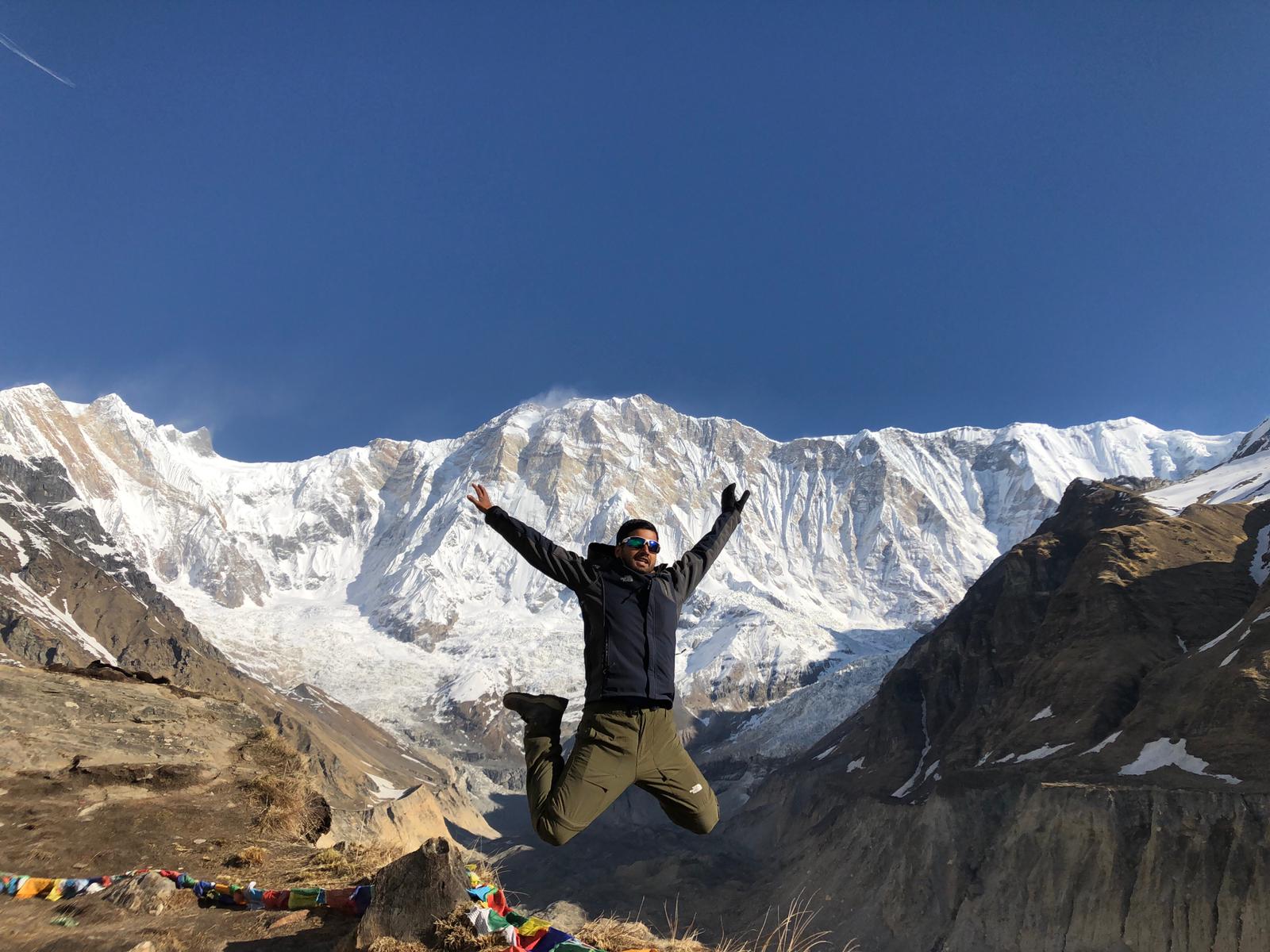
    Annapurna Trek

    Source- Google

     However, before setting foot on the trails, it is crucial to understand the Annapurna Trek permit requirements. This blog provides an in-depth guide to ensure your Annapurna trek journey is hassle-free.

    The Annapurna area is one of those rich conservation areas in biodiversity and cultural heritage. It helps in managing the visitors so that safety could be guaranteed inside the region by maintaining the ecological balance. It also serves like an entrance into restricted areas, ensuring the trekkers stick to guidelines as provided to them by local authorities.

    Types of Annapurna Trek Permits

    There are three main permits required for trekking in the Annapurna region:

    1. Annapurna Conservation Area Permit (ACAP)
    2. Trekkers’ Information Management System
    3. . Special Permits for Restricted Areas (if applicable)

    1. Annapurna Conservation Area Permit (ACAP)

    This permit is obliged to be possessed by all trekkers on entering the Conservation Area of the Annapurna Region. The main intentions of issuing the permit are –

    • To protect the natural beauty of the Annapurna Region.
    • To regulate trekking activities and promote eco-friendly tourism.

    Source: Google

    The cost of the Annapurna Trek Area Permit is different for international and (South Asian Association for Regional Cooperation (SAARC) 

    • For International Trekkers:  USD 25 per person (approx. NPR 3,000)
    • For SAARC Nationals: USD 2 per person (approx. NPR 200)

    These fees are valid only for the one-time duration of your trek in the Annapurna Conservation Area.

    Where to get an Annapurna Conservation Trek Permit?

    You can get this permit at the Nepal Tourism Board Office, Kathmandu, and the Nepal Tourism Board Office, Pokhara.

         1. Nepal Tourism Board Office, Kathmandu.

    • Nepal Tourism Board Office is located in Bhrikutimandap, Kathmandu, Nepal.
    • Office opens from 10:00 AM to 5:00 PM every (Monday to Friday) except from public holidays.
    • You can contact them via online or through local tour operators.
    1. Nepal Tourism Board Office, Pokhara
    • Nepal Tourism Board, Pokhara is located in Damside Road, Pokhara, Nepal.
    • Its office time is 10:00 AM to 5:00 PM (Monday to Friday).

    Documents needed for ACAP 

    To apply for the Annapurna Conservation Trek permit, you’ll need:

    1. A valid passport.
    2. Two passport-sized photos.
    3. Cash in Nepali rupees for the permit fee (or equivalent).

    How to Apply

    1. You can visit the Nepal Tourism Board office in Kathmandu or Pokhara.
    2. Fill out the application form provided.
    3. Submit the form along with your passport and photos.
    4. Pay the required fee.
    5. Receive your ACAP permit, which you must carry with you during the trek.

    Without the ACAP, trekkers can’t get into the Annapurna Conservation Area. There are so many checkpoints on the trek where permits are checked. So always remember to carry a permit with you. In the absence of an ACAP one can be taken to book on grounds of fined or not given admittance.

    2. Trekkers’ Information Management System

    The Trekkers’ Information Management System (TIMS) is the type of permit believed indispensable for a trek in the Annapurna region of Nepal because of security reasons relating to the trekkers and keeps records concerning trekking. Its prime purpose is that: –

    • It helps track the trekkers on various routes, which is critical in emergencies such as injuries, natural disasters, or other unforeseen situations.
    • By maintaining a database of trekkers, TIMS helps regulate and manage trekking in Nepal, preventing overcrowding and preserving the trekking trails.
    •  TIMS discourages illegal trekking operations by ensuring trekkers go through registered agencies or hire licensed guides.

    Trekking

    Source- Google

    Cost of TIMS

    The TIMS card cost varies depending on the type of trekker and the mode of trekking:

    • The cost of group trekker is NPR 1,000 (USD $8)
    • The cost of solo trekkers is NPR 2,000(USD $16).

    Where to get a Trekkers’ Information Management System?

    You can apply for the TIMS card at the following locations-

    • Nepal Tourism Board Office, Kathmandu 

     The Nepal Tourism Board office in Kathmandu is located in Pradarshani Marg.

     Office is open from Monday to Friday, 10 AM–4 PM (closed on public holidays)

    • Nepal Tourism Board Office, Pokhara 

    Nepal Tourism Board Office, Pokhara is located on Damside Road, Pokhara Office open from Monday to Friday, 10 AM–4 PM (closed on public holidays)

    • Authorized Trekking Agencies

    If you’re trekking with a registered agency, they can help process your TIMS card for you.

    Needed Documents to apply TIMS

    To apply for a TIMS card, you’ll need:

    • Passport: A valid passport for identification.
    • Photographs: Two passport-sized photographs.
    • Trekking Details: Information about your trekking route, duration, and starting date.

    Process to Obtain the TIMS Card

    •  Go to one of the authorized TIMS card offices in Kathmandu or Pokhara.
    •  Fill out a simple form that includes your details, trekking route, and emergency contact information.
    •  Provide the required documents and pay the applicable fee in Nepali Rupees.
    •  Once the process is complete, you’ll receive your TIMS card, which you must carry with you during the trek.

    3. Special Permits for Restricted Areas (if applicable)

    Other permits are issued to the trekkers who reach the restricted areas of Upper Mustang and Nar Phu Valley. Prices vary for each area and according to the number of days one will trek.

    Important Tips for Obtaining Annapurna Trek Permits

    • Plan: The permit offices can get crowded during peak trekking seasons, so apply early to avoid delays.
    • Carry Cash: Permit fees must be paid in Nepali rupees, so ensure you have enough cash on hand.
    • Double-Check Requirements for Restricted Areas: Verify if additional permits are necessary based on your chosen route.
    • Hire a Guide: Some restricted areas mandate traveling with a licensed guide or porter for safety and navigation. If you are searching for the trustworthy guide, you can contact us.

    Conclusion

     These are the most important things to know about the Annapurna Trek Permit are mentioned herein. First of all, it is very important to state that trekking is not merely a destination but it is, instead, one learning curve from nature, culture, and lifestyle in general. Ranging from landscape beauty to mountain beauty, plan your trekking in the Annapurna region or issues regarding permits for the Annapurna Trek. Feel free to contact us: Happy Mountain Nepal, Facebook, Instagram, or TikTok. 

    FAQS

    1. Do I need permits for all Annapurna treks?

    Yes, regardless of the specific Annapurna trek you choose whether it’s the Annapurna Base Camp Trek, Annapurna Circuit Trek, or any other route, you must obtain the necessary permits, such as ACAP and a TIMS card.

    2. Where can I get the Annapurna permits?

    You can obtain all the necessary permits from the office of the Nepal Tourism Board, Kathmandu, or Pokhara office. Both the ACAP as well as the TIMS card is issued herein.

    3. Can I get permits on the same day I apply?

    Generally, permits are issued only once the forms with due formalities regarding the information on it get filled along with the payment, but in case of peak time for crowded trekking, the same may not be issued.

    4. Are permits required for children and senior citizens?

    Yes, all the trekkers of all ages have to obtain permits to enter the area of Annapurna.

    5. Can I trek in the Annapurna region without a guide?

    Yes, you can go alone in most areas if aptly permitted, while restricted ones, like the Nar Phu Valley, have to be gone with a guide or licensed porter.

    6. What documents are needed to apply for permits?

    You will need:

    • A valid passport
    • Two passport-sized photographs
    • Completed application forms for ACAP and TIMS

    7. Are permits valid for multiple entries?

    The ACAP is usually valid for multiple entries provided it is used within the time frame specified for your trek. TIMS are not allowed for multiple entries.

    8. What happens if I lose my permit during the trek?

    You intimate immediately to the nearest checkpoint or trekking authority regarding a misplaced permit to get the issue sorted. Anyway, we recommend keeping digital copies of your permits as a backup in case of an emergency.

    9. Are there extra permits for extended routes or restricted areas?

    Yes, more permits are required when it deals with longer routes or extra routes-areas, such as restricted regions like Upper Mustang or Nar Phu Valley. All such types of permits’ price and conditions may vary according to the place and length of your trek.

    10. Can I transfer my permit to someone else?

    No, it is not allowed to transfer the permit to others because it is issued under an individual‘s name.


  • Things you need to Know Before Traveling to Nepal

    Things you need to Know Before Traveling to Nepal

    Things you need to Know Before Traveling to Nepal

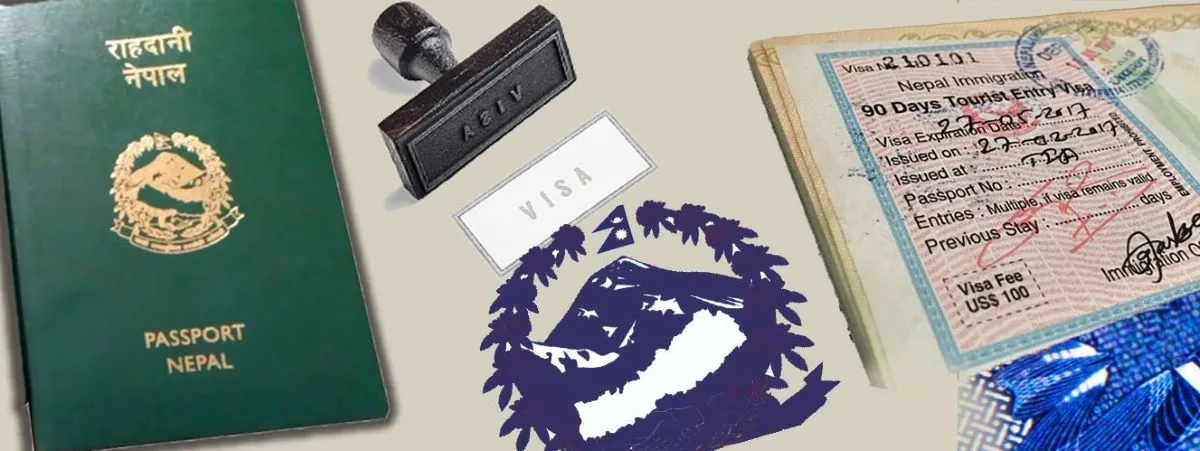
    Visa is one of the most important passports that you need before planning your trip to Nepal. From picturesque geographic views, enchanting people and their land all the way up to thrilling adrenaline pumping adventures, Nepal offers the best and more. Beneath its great mountain or colorful streets in Kathmandu, there is something you need to know about visiting Nepal and that is, the visa.

    If you want to get to know more about the visa process of Nepal and few important tips that will hook your trip then please do read below. Here it is: –

    Visa 

    Entry and Exit to Nepal Visa is important and a major process for almost every foreigner visiting NEPAL . Since Nepalese government has been providing people lots of choices of visas the range starts from tourism visas to business visa for various reasons. The different kinds of visas available: 

    Passport

    Source- Google

    1. Tourist Visa

    Among all the visitors who might enter Nepal, most of the individuals must obtain a tourist visa. As such this category of visa shall be admissible to persons visiting the country for purposes of tourism including sightseeing, trekking or cultural events. You can get Tourist visas for 15 days, 30 days, or 90 days subject to which ever is less, but in case needing an extension there is one possible.

    2. Business Visa

    This applies if your travel is for business reasons such as marketing meetings or attending conferences then you should apply for business visa. Make sure you have the necessary paper documents, including an invitation letter from the Nepalese organization as well.

    3. Gratis Visa

    The Nepal government issues a free/gratis visa to selected travelers, including children below ten years, SAARC nationals, and holders of official UN passports. Check your qualifications before application.

    4. Transit Visa

    If you wish to have a short visit in Nepal and will stay not more than 24 hours you can be provided with a transit visa at the airport. This is advantageous if you have long layover and would wish to briefly sample Nepal.

    How to Apply for a Nepal Visa

    Applying for a visa to go to Nepal is relatively easy. You can apply for an online visa, visa on arrival, or Nepalese embassy visa.

    1. Visa on Arrival

    The VOA facility is easily accessible at the Tribhuvan International Airport and at border security crossing points. To save your valuable precious time, the online application form is available on the official website of Nepal Immigration. Complete it online then take a printout of the confirmation page to be presented to the immigration officials.

    2. Online Application for Visa

    If you have the time, you can apply online as a way of avoiding long queues of people waiting to be served. When you obtain an online application form, you can then upload your photo, make your payment for the fees as required and check your status.

    3. Embassy Application

    You can apply via a Nepalese Embassy or Consulate in your country. This would be ideal for tourists who want to finish all the paperwork before arriving in this country.

    Documents Required to Apply for Nepal Visa

    When applying for a visa, make sure you have the following documents with you: 

    • Valid passport with at least six months of validity
    • Passport-sized photo-digital for online applications
    • Completion of visa application form
    • Fees – may be paid in cash or online, depending on the application method.

    Visa Fees for Nepal

    Visa fees in, different types and time lengths of your stay. The following are the fees for 2024:

    • 15 days: $30
    • 30 days: $50
    • 90 days: $125

    Always check the current fee structure at the time of application as these rates are subject to variation.

    Things to Know Before Traveling to Nepal

    Besides your visa, some other essentials one must know for a successful and enjoyable trip to Nepal are as follows:

         1. Currency and Payment

    • The official currency of Nepal is the Nepalese Rupee (NPR). This is a good place to start to try to get an idea of what all the different denominations are out there.
    • Master and visa cards are widely accepted in hotel, restaurants, and various shops especially those established in the main cities such as; Kathmandu and Pokhara. It must be pointed out, though, that some of these businesses may require a little extra when taking credit cards.
    • In a survey, there will be no credit facilities available in rural places or in villages, therefore one has to carry enough money. Small sellers, traditional stores, and some guesthouses in these areas typically only accept cash payments.
      .Nepali rupees

      2. Vaccinations and Health Precautions

    • Again, advice to take the hepatitis A, typhoid, and tetanus vaccines as these diseases are caused by contaminated food and water or abrasions.
    • Take a small first aid kit which will incoporate band-aids, wet wipes, some analgesics, and any prescribed medication. This is especially crucial when said travel will take the individual deep into a jungle of a country or even another country where the nearest doctor’s office might take hours to reach.
    • It is also recommended that you should contact the travel health clinics or your physician to ask about any other immunizations or health advises for your traveling plan.
      • Vaccination

        3.Weather and Clothing

    • Weather generally varies in the country according to the area and the height from sea level Nepal. The plains extend to the Terai region and this area has characteristics of low altitudes: very hot and humid, certainly during the months of summer.
    • The hill tracts have a moderate climate and the mountainous area are usually cold, especially during the winter time. The higher you go, the colder it gets though it can be surprisingly cold especially at night.
    • As the weather is hot at the lower altitudes wear light and breathable clothing. For mountain roughage, packs warm clothing including thermo, quality jacket, quality gloves plus a quality quality hat for the head.
    • Packing item for trek
    • 4.Trekking Permits

    • In the context of trekking a different permit may be necessary while in Nepal. The TIMS (Trekkers’ Information Management System is required in most trekking zones. It is useful in keeping records of safety and rescue incidents as well as rescue missions whenever they are required.
    • For further, there might be the need to secure park permits for the National Parks or conservation area, Annapurna Conservation Area Permit (ACAP) or Sagarmatha National Park Permit if your trekking area covers so.
    • These permits can normally be purchased in either Kathmandu or Pokhara at the Nepal Tourism Board offices or from licensed trekking companies.
      • Permit
    1. Connectivity
    • To maintain connectivity in Nepal, it is quite easy and inexpensive. Currently mobile SIM cards of Nepal Telecom and Ncell are easily found and can be bought at the airport, in the city or from shops.
    • Both providers have available different data plans which are cheap and provide good network in most of the populated areas.
    • Major connections in cities are constant since three different providers offer reception; however, in the areas distant from cities, in the regions fit for trekking, the signal might be weak or the Internet connection might be slow. 

    Some Tips to Keep Your Visa Hassle-Free. 

    1. Recheck your documents: All forms should be properly and correctly filled out.
    2. Bring extra passport photos: These may be required for extensions on your visa or for trekking permits.
    3. Plan in advance: Reach immigration counters well in advance to avoid delays.
    4. Respect local customs: Being polite and knowledgeable about Nepalese culture will add to your travel experience.

    Conclusion

    For every traveler, it is quite an experience traveling to Nepal, but the ways that lead to a successful trip are securing your visa and understanding the key travel requirements. Whether it is the adventure or the cultural enthusiast, the above steps are certain to help one ensure focus is on exploring the beauty of Nepal. If you are planning a visit Nepal and want to know more about adventure in Nepal, then you can contact us at Happy Mountain Nepal, on Facebook, Instagram, or TikTok.

    FAQs

    1.Do I need a visa to travel to Nepal

    Yes, most travelers need a visa to visit Nepal. The type of visa required depends on the purpose of your visit, whether for tourism, business, or transit.

    2.How can I apply for a Nepal visa?

    You can apply for a visa online, on arrival at Tribhuvan International Airport, or through a Nepalese embassy in your home country. Each method has different requirements and processing times.

    3.What are the different types of visas available for Nepal?

    Nepal offers several types of visas, including tourist, business, gratis (free) visas for certain nationals, and transit visas for short stays.

    4.What documents do I need to apply for a visa to Nepal?

    You will need a valid passport (with at least six months of validity), a passport-sized photo, and a completed visa application form. You may also need to pay the visa fee, depending on the visa type.

    5.How much does a visa for Nepal cost?

    The visa fees for 2024 are: $30 for 15 days, $50 for 30 days, and $125 for 90 days. Fees may vary, so check the current rates before applying.

    6.Can I extend my tourist visa while in Nepal?

    Yes, you can extend your tourist visa for up to 150 days per calendar year. Extensions are available at the Department of Immigration in Kathmandu.

    7.What is a transit visa, and how do I get one?

    A transit visa is for travelers who will stay in Nepal for less than 24 hours. You can obtain it at the airport or at border checkpoints.

    8.What health precautions should I take before traveling to Nepal?

    It’s recommended to get vaccinations for hepatitis A, typhoid, and tetanus. Additionally, carrying a first-aid kit and consulting with a doctor about any specific vaccinations is advisable.

    9.Is it easy to stay connected in Nepal?

    Yes, purchasing a local SIM card from providers like Nepal Telecom or Ncell is simple and affordable. However, internet access in remote areas might be limited or slow.

    10.What should I pack for a trip to Nepal?

    Pack breathable clothing for the lower altitudes and warm layers for higher altitudes. If trekking, ensure you have thermal wear, a jacket, gloves, and a hat.

  • Annapurna Trek Permit

    Annapurna Trek Permit

    Annapurna Trek is a majestic trek of Nepal, situated in northwestern Nepal, surrounded by the Annapurna Conservation Area Project. To experience the Himalayan life with a beautiful destination, you need two permits as a legal right.

    You set foot on the base of the World’s 10th-highest peak, Mount Annapurna, with an altitude of 8091 m. It is one of the most elegant trekking places, leading you to two base camps: Annapurna Base Camp and Machhapuchhre Base Camp.

    The route passes through typical Magar and Gurung villages with warm, welcoming people. You can enjoy lush green Rhododendron, Bamboo, and alpine forests on the way to the final destination: Annapurna Base Camp Trek.

    The breathtaking towns with diverse cultures, traditions, elegant climates, and amazing scenery will surely melt your heart. This trek is also considered a trek to Annapurna Sanctuary. This trek lets you experience magnificent views of Fishtail (Machhapuchhre), Hiunchuli, Annapurna Massif, Dhaulagiri, Tilcho, Pisang, and Pungda Danda.

    You also get a pit break at the astonishing Poon Hill viewpoint and relax by taking a natural hot spring bath in the famous Jhinu Danda. It starts in the tiny village of Nayapul, Pokhara. This trek is 10 days long and takes you to an altitude of 4130 m.

    Before you start this journey, you will need two permits to clear the routes. First, you need an Annapurna Conservation Area Project (ACAP) permit, and then you need Trekkers’ Information Management System (TIMS). Let’s check the details of these permits.

    Annapurna Conservation Area Project (ACAP) Permit

    Annapurna Conservation Area is a protected area by the Government of Nepal. You must get an Annapurna Conservation Area Project Permit to enter any part of the Annapurna Region.

    Once you get this permit, you can stay in this region as long as you want. The budget is utilized for the welfare and conservation of this protected region.

    This permit is available in the Nepal Tourism Board of Kathmandu and Pokhara.

    The cost of the Annapurna Conservation Area Project ( ACAP) Permit depends on your nationality.

    • If you are from a SAARC country, then it costs NRP 2000.
    • If you are from other foreign countries, then it costs NRP 200.

    Once you get this permit, you can visit any part of the Annapurna Region. You can stay there for as many days as you want. But once you depart to the starting point, the permit becomes invalid. This permit is acquired for each person, and only a single entry is granted.

    Annapurna Base Camp from Pokhara

    Trekkers’ Information Management System (TIMS) Permit

    This permit is mandatory for trekkers’ safety. It keeps records of trekkers to track their information during emergency cases. This helps in the timely rescue of trekkers during any natural disaster.

    Your permit can be obtained from the Nepal Tourism Board of Kathmandu or the Trekking Agencies Association of Nepal (TAAN). If you apply for this permit through a registered Trekking Agency, then it will cost less.

    • It costs USD 20 for individual trekkers.
    • If you apply through the registered Trekking Agency, it costs only USD 10.
    • If you are a SAARC country resident, then it costs USD 6.

    You must complete the form with the required documents in the NTB office. This permit is not available online. If you get a permit through an Agency, you only have to submit your documents, for the rest of the agencies are responsible.

    Documents Required for Annapurna Base Camp Trek Permit

    You need to provide the following documents for the Annapurna trek permit

    • Passport details and a copy of the Passport
    • Two passport-sized photographs
    • The details of the trekking itinerary and the area of the trek are needed. You can plan this with your Agency.
    • Travel Insurance
    • The cost of permits in Nepali Currency (NRP) is mandatory. So, exchange your cash before getting permits.

    Conclusion

    Hence, you can complete Annapurna Base Camp in 10 days, reaching an altitude of 4130 m. You get the glory of stepping on the foot of the World’s 10th-highest peak with panoramic views of Fishtail (Machhapuchhre), Hiunchuli, Annapurna Massif, Dhaulagiri, Tilcho, Pisang, and Pungda Danda.

    You need two permits to complete this journey. Permits are mandatory and will be checked at many checkpoints during your journey to Annapurna Base Camp. So get the Annapurna Conservation Area Project Permit and Trekkers’ Information Management System Permit before you set off. All the best!

    Happy Mountain Nepal is always here to assist trekkers from different parts of the world.

    Annapurna_Trek_Permit