Author: Happy Mountain

  • Surviving Himalayas: Beginner’s Guide to Mountaineering in Nepal

    Surviving Himalayas: Beginner’s Guide to Mountaineering in Nepal

    Surviving Himalayas: A Beginner’s Guide to Mountaineering in Nepal

    Introduction

    The land of majestic Himalayas, Nepal has all that an adventurer from any part of the world would wish to explore-be it snow-capped mountain peaks or picturesque mountain villages. For the novice in mountaineering, Nepal also offers not just exquisite beauty but some of the easiest and most accessible peaks to begin their journeys on.

    With more than 1,300 peaks, not to mention the highest in the world, Mt. Everest, our country caters to adventurers of all levels, from 6,000-meter climbs to simply beholding the beauty of the mountain, Nepal is a great place to start your journey into mountaineering. 

    What Is Mountaineering?

    Mountaineering does not precisely mean climbing a mountain; rather, it is embracing nature in the extreme and giving one’s physique a challenging coordination with the mental strength. While trekking involves only walking along the trails, mountaineering is a bit different from that mere walking. It involves knowledge of certain mountaineering skills which are required to move your steps with the help of ropes, climbing iron, and ice axes.

    For many people, the thought of standing on the top of a Himalayan peak is a lifelong dream. The panoramic sight, beautiful trails and mountains, and the rush of climbing provide mountaineers with a life-changing experience. Mountaineering is not everyone’s cup of tea, you need to have strong strength, endurance, and flexibility in your body. The main risk of mountaineering is altitude sickness. 

    Himalayas

    Source- Google

    Let’s discuss why Nepal is best for Mountaineering -:

    1. The Beauty of the Mountains/Himalayas 

    • The Himalayas of Nepal are considered wonders of nature. You can find different mountains here, ranging from 6.103m to the world’s highest mountain Mt. Everest 8,848.63 m. It offers climbers opportunities to know themselves in these breathtaking landscapes and beautiful views from the top.

    2. Accessibility and Welcoming Culture

    • Nepal is famous for its warm hospitality, whereby guests are treated as gods. The journey can expose one to people of various communities that include local guides or Sherpa people in the role of helpers for climbers and get the opportunity to learn about their culture and festivals.
    • Most of the beginner-friendly peaks lie relatively closer to major cities like Kathmandu.

    3. Variety of Peaks 

    • You will be able to find many peaks for mountaineering in Nepal, and several peaks below 7,000 meters are there for beginners to make an easy attempt.
    • Some popular choices for first-time mountaineering are Island Peak, Mera Peak, and Lobuche East-all of them fabulous yet apt for the first timers. 

    Best Time to Start Your Himalayan Adventure

    The ideal times for mountaineering in Nepal are:-

    Spring (March-May) 

    • You can find plead wether. During day time it is sunny and warm and during nighttime, it is not cold.
    • You can find clear views of mountains due to the absence of monsoon clouds.
    • You can also find different local festivals during this time, which might provide you the chance to experience other cultures.

    Autumn (September-November). 

    • During this time, you can find unobstructed views of the Himalayas. Days are warm but during nighttime it is very cold but can be managed by using the gears.
    • You can find post-monsoon beauty. During this season after monsoon rain, the forest and trails are more eye-catching than in other seasons with the perfect blend of flowing rivers and green trails.
    • During this time, it is said that there is a high chance of spotting Himalayas wildlife such as blue sheep and various other animals.


    During these seasons, the weather is stable, and the skies are clear, offering optimal climbing conditions. Winter can be harsh, and summer often brings heavy rains, so plan accordingly.

    Preparing for Your First Climb

    1. Proper Physical Fitness 

    Mountaineering requires a great deal of stamina, physical fitness, and mental balance in a person. That stamina, strength, and flexibility can be achieved by undertaking regular exercises that include running, hiking, or going to the gym before undertaking the journey.

    During mountaineering, you may come across difficulties like steep slopes and bad topography which might make your breathing and walking difficult. The body should be such that it may bear this heavy pack and do the walking without being tired by the heavy packs in a couple of hours, as it would certainly result in slipping down and getting injured or never finishing the tour. Whether one seeks enjoyment from mountaineering, wants to be safe, or blocks one’s path–all this seeks one commonality for themselves: fitness of the body.

    mountain

    Source- Google

    2. Mental Preparedness

    It is difficult for the mind as well as the body to climb at high elevations. In addition to adjusting your body outside of its comfort zone, you must be ready for long, exhausting days and erratic weather.

    Bad weather conditions and other unpredicted problems may get really tough to cope with sometimes, for example, steep or long climb and uneven terrain.  This will make your travel safe and nice while you will manage to be positive, focused, and calm in every kind of weather and time. Being restless, bound ongoing even when sickly or frightened are some of the other grim and painful aspects related to someone’s mental preparation one may face. When you are emotionally ready along with being strong-minded; getting over obstacles with success is at least entertaining.

    climbing mountain

    Source- Google

    3. Finding the Right Guide or Tour Company.

    Hiring a guide is important for beginners. While searching for guides, you want those that are highly reviewed for having safety certifications with knowledgeable staff. A good guide helps to stay safe and he makes your trip better.

    A good guide knows the mountain, knows the risks, knows the weather, and knows the best routes to make your trip easier. They can teach the skills, help in problematic situations, and not allow you to get lost. You can enjoy the climb without any problems with the knowledge of guides. A good guide offers support and confidence, making the trip safer and more pleasant. If you’re searching for the guide or travel agency then you can contact us on Happy Mountain Nepal.

    4. Altitude Sickness

    Altitude sickness is a serious risk when climbing in the Himalayas. To avoid altitude sickness you need to:

    • Walk/ Climb gradually.
    • Keep drinking water and stay hydrated.
    • Listen to your body and take rest days. 
    • You must be aware of symptoms like headaches, nausea, or fatigue and never ignore them.

    In the Himalayas, altitude sickness poses a significant risk to climbers. In order to avoid altitude sickness, you should: Climb or walk slowly.

    • Stay hydrated and continue to drink water.
    • Take relaxation days and pay attention to your body. 
    • You must never overlook symptoms such as headaches, nausea, or exhaustion.

    5. Essential Gear for Mountaineering in Nepal

    Equipment can make or ruin your adventure. Invest in quality equipment, besides following the layering method for keeping oneself warm without overheating. A few of the most vital pieces of equipment for an avalanche certification course include waterproof pants and jacket.

    • Carabiners, ropes, and climbing harnesses.
    • Socks and gloves with insulation.
    • Warm layers that wick away moisture.
    • Insulated pants and jacket.
    • Sturdy footwear for climbing.
    • Crampons, a harness, and a helmet.
    • Sunscreen and sunglasses.
    • A trustworthy backpack

    Source- Gooogle


    6. Understanding Costs and Budgeting

    In Nepal, the cost of mountaineering varies along with the distance, time, and peak it takes to ascend. You must be aware of how much it costs before you actually go for trekking.

    You can estimate your total cost by determining the permit and other necessary things like-:

    • expenses related to guides and porters.
    • You can rent or buy gear.
    • Transportation and accommodation.
    • Permits typically cost between $70 and $250.

    Conclusion

    Mountaineering in Nepal is an adventure of a lifetime. For beginners, it’s the perfect place to start your journey into the world of high-altitude climbing. With the right preparation, guidance, and mindset, conquering a Himalayan peak is not just a dream but an achievable reality. If you want to set off on the adventure of mountaineering, contact us today at Happy Mountain Nepal, on Facebook, Instagram, or TikTok.

    FAQs

    1.What is the best age to start mountaineering in Nepal?
    The best age normally falls between 18-50, according to your physical fitness level.

    2.How fit do I need to be to climb a beginner peak in Nepal?
    You have to have average to a good level of physical fitness and be good at stamina and endurance.

    3.Can I climb solo without a guide in Nepal?
    No, for a beginner, solo climbing is discouraged because of its risky nature.

    4.What is the average duration of a beginner mountaineering trip?
    Most trips last 10-20 days, including acclimatization.

    5.Why is Nepal popular for mountaineering?

    Nepal is home to eight of the fourteen highest peaks in the world, including Mt. Everest. From easy-to-walk beginner routes to routes requiring a lot of technicality in climbing is possible in Nepal. Its beautiful landscape, rich culture, and friendly locals draw several visitors.

    6. What are the best beginner-friendly mountains in Nepal?

    Island Peak, Imja Tse, Mera Peak, and Pisang Peak are recommended for beginners. These are “trekking peaks” that require only the most basic climbing skills and altitudes that are relatively moderate.

    7. What is the ideal time for mountaineering in Nepal?

    The best seasons are:

    • Spring (March to May): Clear skies, moderate temperatures, and blooming rhododendrons.
    • Autumn (September to November): Stable weather, excellent visibility, and cooler conditions.

    8. Do I need a permit for mountaineering in Nepal?

    Yes, you’ll need permits such as:

    • Climbing Permit: Issued by the Nepal Mountaineering Association (NMA) or relevant authorities.
    • Trekking Permit: For regions like Annapurna or Everest.
    • TIMS Card (Trekkers’ Information Management System): Ensures your safety on trails.

    9. What fitness level is required for beginners?

    You should be in good physical condition, with stamina for long treks and basic climbing tasks. Cardiovascular training, strength building, and hiking with a loaded backpack can prepare you for the challenges.

    10. Is prior experience necessary?

    While technical climbs require training, beginners can start with trekking peaks. A basic mountaineering course or guided expeditions provide necessary skills and confidence.


  • Bird Watching in Nepal: Rare Birds in Great Sceneries

    Bird Watching in Nepal: Rare Birds in Great Sceneries

    Bird Watching in Nepal: Rare Birds in Great Sceneries

    Nepal is one of the most blessed countries when it comes to trekking and Himalayan gems. To the nature lover, Nepal is not just about trekking but much more than just an adventure. The geography of Nepal has provided an ideal scenario for bird watching in Nepal, which provides shelter to more than 890 species of birds.

    In simple general definitions, birdwatching is a kind of hobby targeted at observing and identifying various species of birds in the wild. Rich birdlife combined with a diverse range of habitats makes Nepal considered one of the best countries for birdwatching. The topography of Nepal from flat Terai to towering peaks of the Himalayas forms different ecosystems, which support over 900 species of birds. These include both residential and migratory species, some of which are not found anywhere in the world.

    Some of the reasons which make Nepal an ideal destination for birdwatching are stated below:

    • Variety of Habitats: Starting from subtropical forests to alpine meadows, different topographies have supported different species in Nepal. Each region offers unique birdwatching opportunities.
    • Wide Range of Species: More than 900 species have been found inhabiting in Nepal, and many of the birds belonging to the category of endangered and migratory include the Himalayan vulture, white-rumped vulture, and various species of pheasants.
    • Protected Areas: Many national parks and wildlife reserves, including Chitwan National Park and Bardiya National Park, are among the best areas in Nepal for birdwatching.
    • Migratory Bird Routes: Nepal falls in the passage through which many birds migrate between South Asia and Central Asia, mainly the Himalayan flyway; therefore, it is a spot to view the seasonal visitors.

    Best Locations for Birdwatching

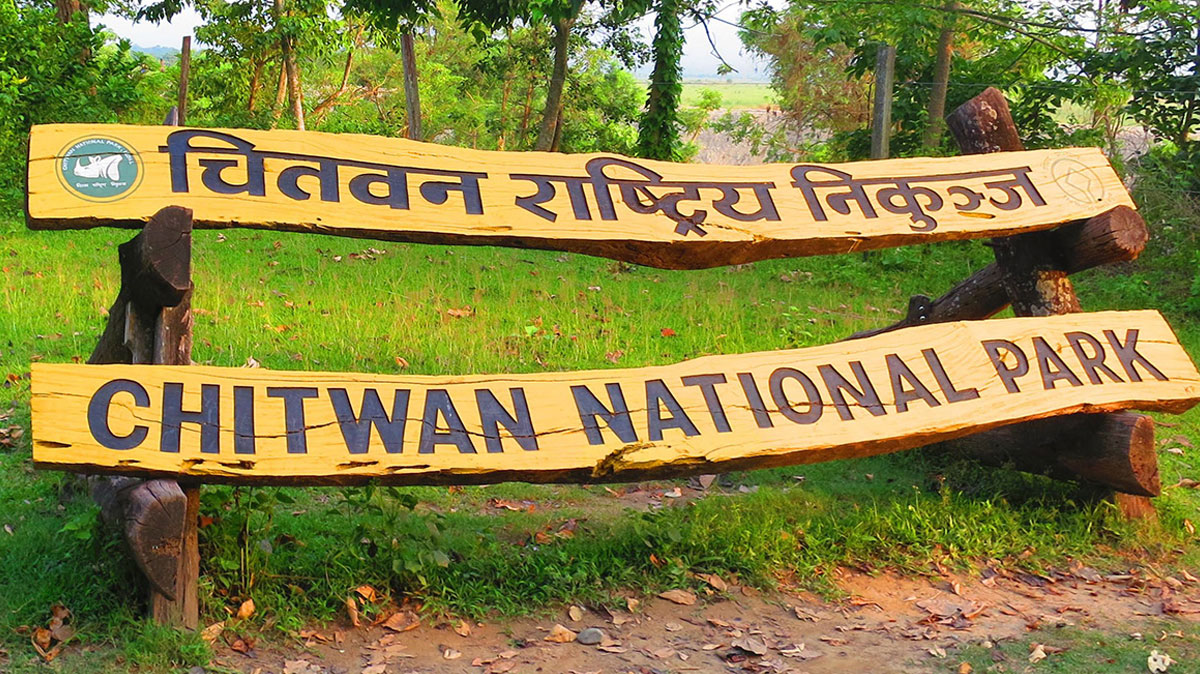
    • Chitwan National Park

    Chitwan National Park houses over 540 species of birds. Wetlands and grasslands combine to form a perfect habitat for many birds. ocals and visitors commonly can see the kingfishers diving into the water, storks wading in the shallows, and eagles flying overhead. In winter, this place is a haven for migratory species such as the Siberian rubythroat and greater spotted eagle. A walk along the Rapti River will heighten the chances of viewing some of the rare waterfowl.


    Source- Google

    • Koshi Tappu Wildlife Reserve

    Koshi Tappu Wildlife Reserve is a haven for such waterfowl and wetland birds. Koshi Tappu provides shelter for critically endangered species like Bengal florican. During winter, hundreds of migratory birds like Bar-headed Geese and Ruddy Shelduck use this place as their abode in the winter season. Lying in immense grasslands along with water bodies, the Reserve enjoys its place within the top-ranking destinations for photographing birds.


    Source- Google

    • Phulchoki Hill

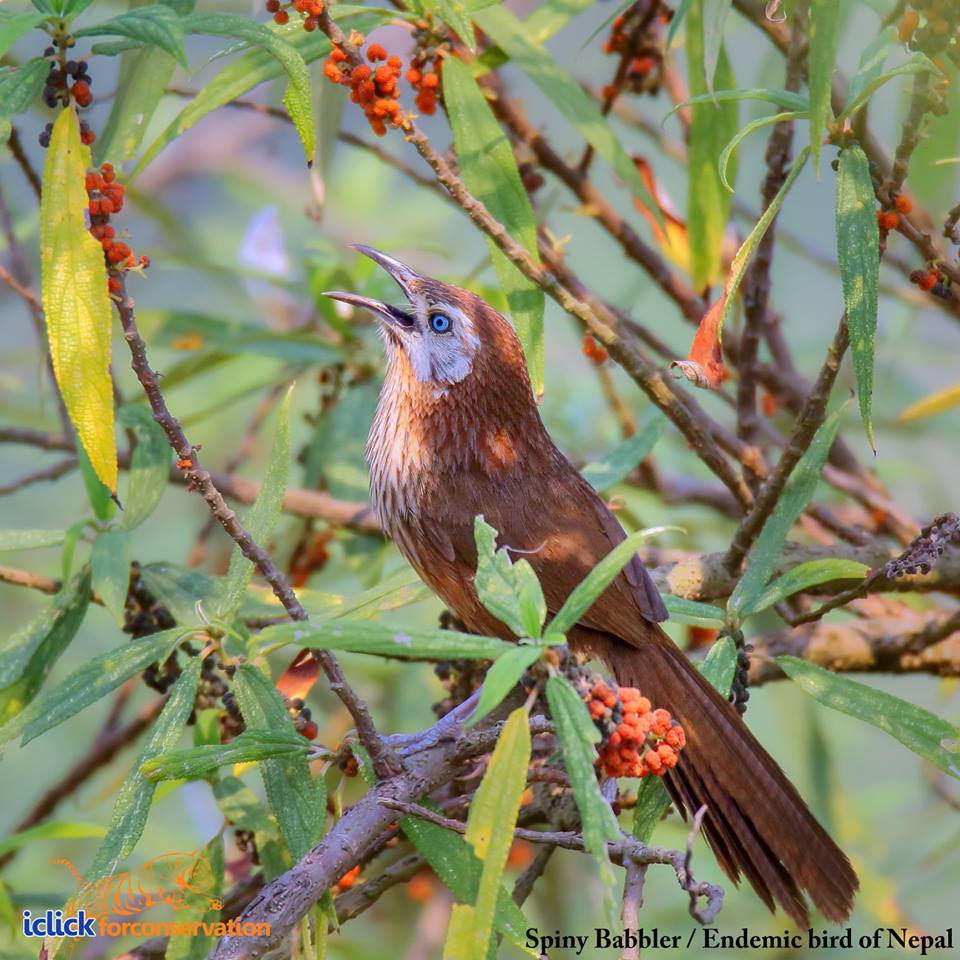
    Phulchoki Hill is one of the closest to Kathmandu and is a site for bird watchers. This evergreen dense forest is famous for the spiny babbler-the species of birds that you find only in Nepal. Other birds here include sunbirds, laughing-thrushes, and minivets. Its proximity to the capital makes it excellent for day trips. One should early morning hike the trails through it for good bird watching.

    Phulchoki Hill

    Source- Google

    • Annapurna Conservation Area

    Trekking and birding in the Annapurna region take another proportion: different altogether from many conservation areas featuring the Himalayan monal, Nepal’s national bird for its iridescent plumage of resplendent beauty. t is all probable that snow partridges and rosefinches might take some chances in the higher regions, while around Ghandruk and Ghorepani, in the forest pheasants, and wand warblers will be in sight.

    Annapurna Conservation Area

    Source- Google

    • Bardia National Park

    The forests and the rivers of Bardia National Park are in pristine condition and attract birds of various types. The hornbills, orioles, and barbets are quite common here. This park is comparably quiet compared to Chitwan and provides good quiet time for bird-watching. One can always take a slow walk along the banks of the Karnali River for whatever rare wetland species come here.

    Bardiya national park

    Source- Google

    Rare Birds to Watch

    1. Himalayan Monal

    Himalayan Monal

    Source- Google

    The Himalayan Monal is one of the most beautiful birds due to its bright-colored plumage. Major iridescent colors, mostly in males, including shades of blue and green with hints of red, having a casque or crest on the head. It is the national bird of Nepal, found in higher altitude forests and meadows from 2,000 to 4,000 meters above sea level. The Himalayan Monal finds a fair representation in the local cultures and is associated with grace and beauty. It inhabits areas such as the Annapurna Conservation Area among other highlands of Nepal.


    2. Spiny Babbler

    Spiny Babbler

    Source: Google

    Turdoides nipalensis, the Spiny Babbler, is very rare in Nepal. Because of this, bird lovers yearn to have a glimpse once in their lifetime. Medium-sized, it looks spiny mainly in its tail and backside feathers. These can be seen in scrublands, forest edges, and low-lying areas mainly in central and eastern Nepal. It is seen in pairs or very small groups of spiny babblers, and a rare event to sport the bird because of its very limited distribution. 3. Bengal Florican

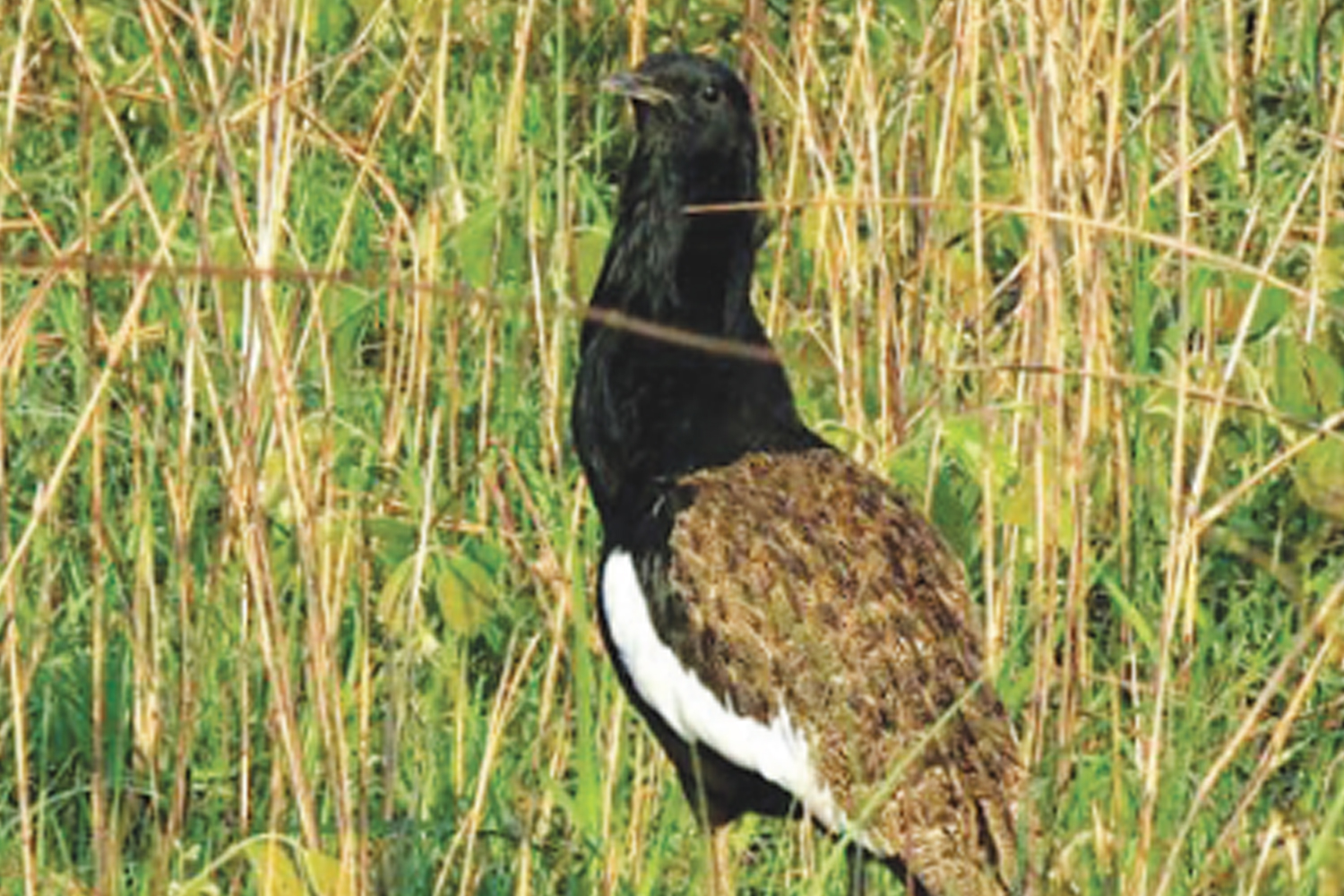
    3. Bengal Florican

    Bengal Florican

    Source- Google

     The Bengal Florican (Houbaropsis bengalensis) is a critically endangered bird found in the grasslands of Nepal, particularly in the lowland Terai region. The male Bengal Florican is ornamented in striking, distinctive plumage: a black body with white wings catches the eye well in grasslands where this species occurs. On account of the dwindling population as a result of habitat loss and other environmental stresses, it has now become one of the prime concerns of conservationists. They are so rare birds that make any birdwatcher a jumping jack, especially during breeding since males can perform unparalleled courtship displays.

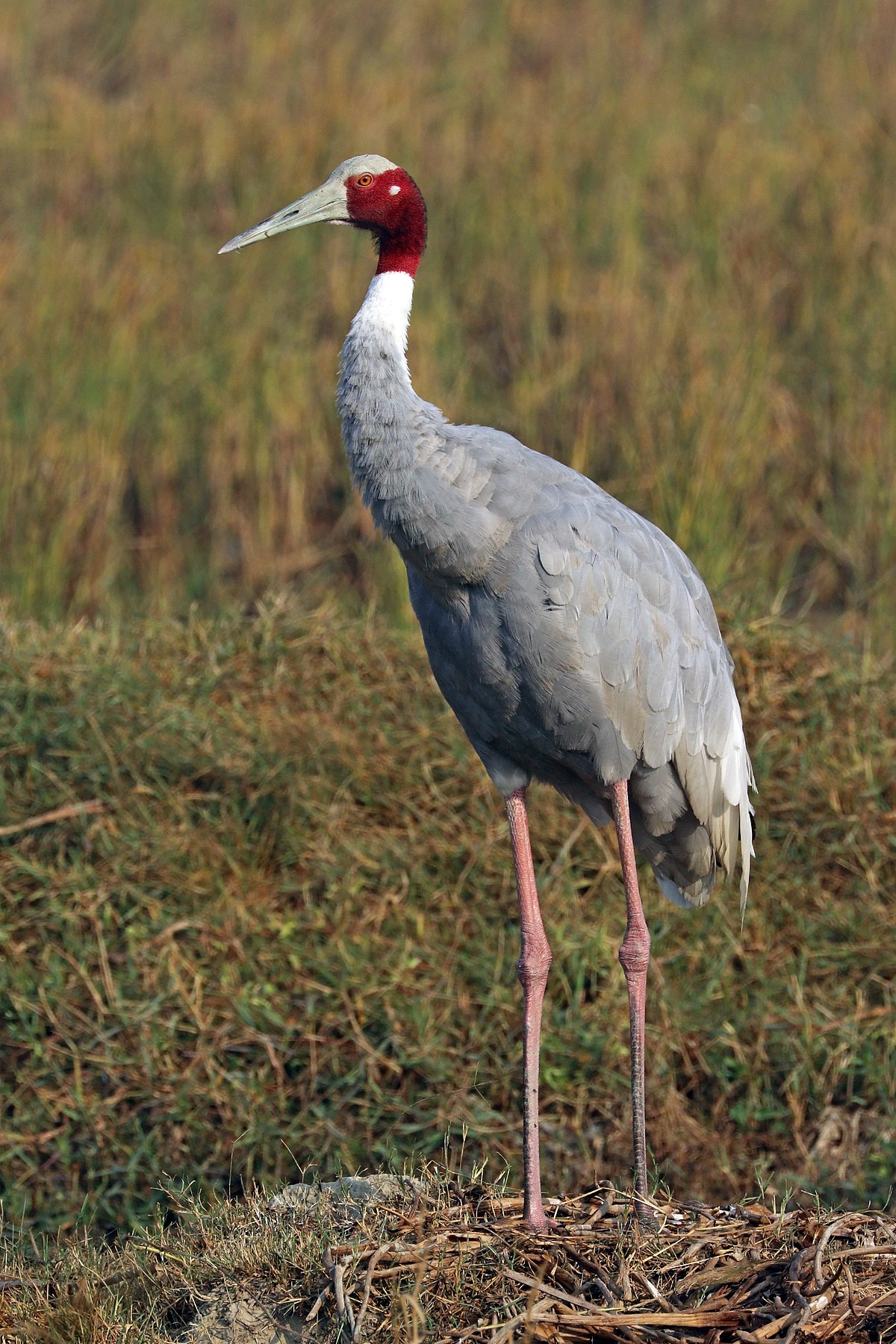
    4. Sarus Crane

    Sarus Crane

    Source- Google

    Standing over five feet tall, this is the tallest flying bird in the world. It has been described as one of the most gracefully looking birds, hence it is easily recognizable, with the bird having lengthy legs and a gray-and-red-headed body. These cranes in Nepal can usually be found in wetlands, paddy fields, or other water bodies. These cranes are known to make calls and can usually be spotted as a pair or in small groups. It is the species of conservation priority, and for its size and grace, any sighting is a highlight for the birdwatcher.

    5. White-rumped Vulture

    White-rumped Vulture

    Source- Google

    White-rumped Vulture Gyps bengalensis Common and widely distributed over most of South Asia has undergone rapid declines throughout its range, with no significant populations in much of that region. The decline is due primarily to poisoning from veterinary drugs toxic to vultures. This large vulture, with its white patch on its back, is mainly found in the lowland areas of Nepal and is most often seen in protected areas and national parks. Vulture-safe zones and other such conservation measures continue to take place for this species to prevent further decline.

    Tips for Bird-Watching tips in Nepal:

    • Choose the right time 
    •    Winter (October to February): This is considered the best time for bird watching as most of the migratory birds reach Nepal during this period. The cool temperature lures various species, particularly in the Terai region and wetlands.
    • Spring (March to May: It is the time of the year when different species of native birds breed during this season. Time of the year is superb and other than migratory birds one could get a chance to glimpse into different colorful events of the local species’ nest-building, nurturing of their juveniles, etc.
    • Find yourself the right guide. Guides have loads of information on the various birds, from their calls to their general habits and preferred habitats. You would be better suited to quickly spot a rare, very shy bird with more details into the ecosystem you visit.
    • You would need a good pair of binoculars to view birds up close without disturbing them. These could be 8x or 10x with which a whole variety of birds could be observed.
    • In case one wants to capture the beauty of the birds, take a camera with a telephoto lens.
    • Avoid Unnecessary Noise, do not disturb the birds with noise or run them away; please speak softly and make less agitation in movement.
    • Always stick to marked trails and never move from them so as not to destroy the local habitat. 
    • Never feed the birds, chase after them, or in any way disturb any birds. The standing distance out of their sight allows them not to interfere with its natural pattern and habitats.

    The suggestions mentioned above can allow one to see many bird species in Nepal while conserving some of its unique and diverse avifauna for many decades to come.

    Conclusion

    The landscape and bird diversity of Nepal vary from a birdwatcher’s paradise to name from Koshi Tappu wetlands to the alpine meadows of Annapurna, each has its uniqueness for sighting rare and beautiful birds. If you are planning a trip to Nepal then add birdwatching to your wishlist. If you want to more about adventure in Nepal, then you can contact us at Happy Mountain Nepal, on Facebook, Instagram, or TikTok.

    FAQs

    1. When is the best time for birdwatching in Nepal?

    • The best time for birdwatching in Nepal is during the winter months (October to February) when migratory birds arrive. Spring (March to May) is also ideal for observing native birds, particularly during their breeding season.

    2. What rare bird species do people find in Nepal?

    • Some rare species of birds in Nepal include the Himalayan Vulture, White-rumped Vulture, Nepal Wren-Babbler, and Danphe (Himalayan Monal), which is the national bird of Nepal.

    3. Where are the best places for birdwatching in Nepal?

    • Some of the top birdwatching spots in Nepal include:
      • Chitwan National Park
      • Bardiya National Park
      • Koshi Tappu Wildlife Reserve
      • Sagarmatha National Park
      • Rara Lake and surrounding areas

    4. What kind of birds can I see in Nepal?

    • Nepal hosts a wide variety of bird species, including migratory and resident birds such as pheasants, waterfowl, raptors, and passerines. Species like the Himalayan Griffon, Spotted Forktail, and Greater Adjutant Stork are often spotted.

    5. Can I go birdwatching in the mountains of Nepal?

    • Yes, the mountainous regions of Nepal, especially around the Annapurna Conservation Area and Sagarmatha National Park, offer excellent birdwatching opportunities. Here, you can spot high-altitude species like the Snow Partridge and Himalayan Buzzard.

    6. Do I need a guide for birdwatching in Nepal?

    • While it’s not mandatory, having a local guide significantly enhances the birdwatching experience. Guides know the local bird calls, habitat preferences, and the best spots to find rare species, making your experience more fruitful.

    7. How can I prepare for birdwatching in Nepal?

    • To prepare, bring a good pair of binoculars (8x or 10x magnification), a field guide specific to Nepal’s bird species, a camera with a telephoto lens, and comfortable clothing for walking in varying terrain. Also, research the birds you may encounter.

    8. Are there any restrictions on birdwatching in Nepal?

    • Yes, certain protected areas have specific rules regarding access, especially in national parks and wildlife reserves. It’s essential to follow all guidelines, stay on marked trails, and respect wildlife to preserve the habitats and the birds.

    9. Is birdwatching in Nepal suitable for beginners?

    • Yes, birdwatching in Nepal is suitable for both beginners and experienced birders. Beginners can enjoy the diversity of birds in easier-to-reach areas like Chitwan and Koshi Tappu, while more experienced birdwatchers can explore remote regions in the Himalayas.

    10. What should I avoid while birdwatching in Nepal?

    • Avoid making loud noises, disturbing birds, or venturing off the marked trails. Don’t try to feed the birds or get too close to them, as this can disrupt their natural behavior and habitat. Always respect local wildlife and the environment.