Author: Happy Mountain

  • Hidden Gems: Off-the-Beaten-Path Trek in Nepal

    Hidden Gems: Off-the-Beaten-Path Trek in Nepal

    Hidden Gems: Off-the-Beaten-Path Treks in Nepal

    Trek in Nepal that is popularly known as a paradise on earth and between seventh heaven and the most inspiring trekking world. From the Everest Base Camp to Annapurna Circuit these trekking trails are some of the most popular and visited each year. But the off beaten paths of similar pitches are four times longer and as beautiful and serene as the known paths.

    Here are some off-beat destinations for travel in Nepal for those who wish to enjoy both the natural beauty and its culture in their own special, undiscovered ways.

    1. Rara Lake Trek

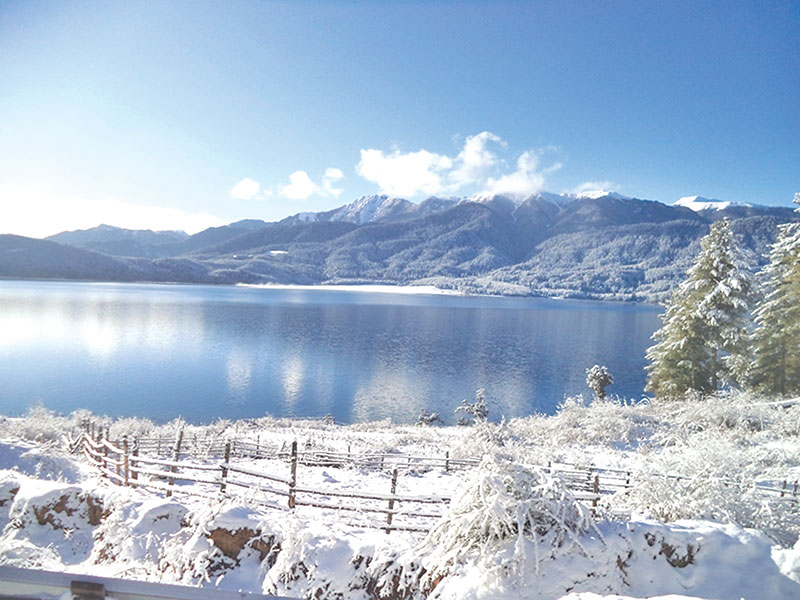
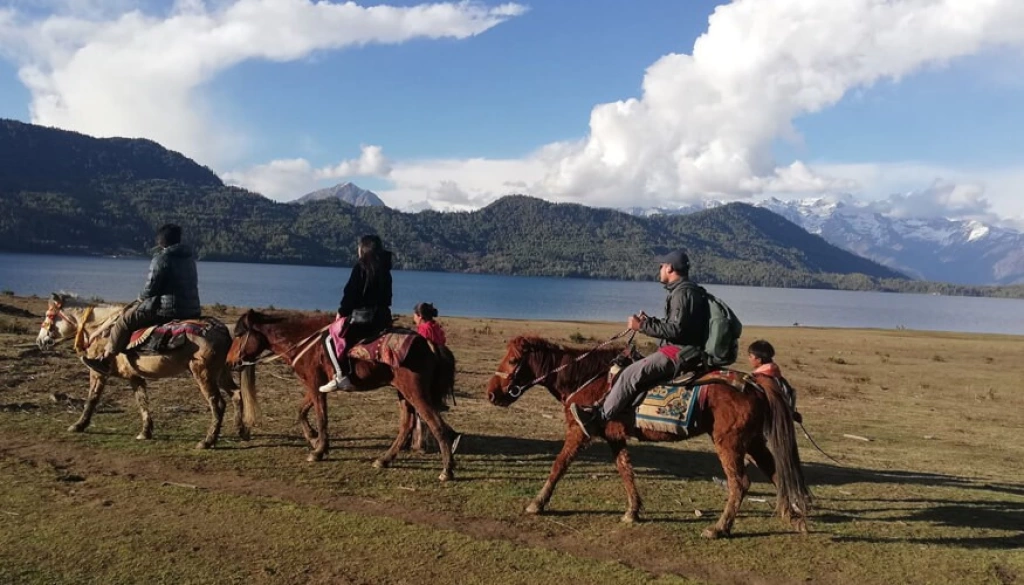
    Rara Lake is the largest lake in Nepal and it is situated in the most unreachable part of the Northwestern Himalayas. This trekking is of Rara Lake which again provide a feeling of unexplored nature with some of the forests and water of the lake. The walk is tiring, but the finish line is worth it as there is a clean lake and around it snow capped mountains. When on the traditional villages, there will be displays of the lives of the peoples living in those areas even the native peoples living in the region.

    Rara Lake

    Source- Google

    2. Tsum Valley Trek

    Tsum Valley lies in the southern part of the Tibet Himal at the foothills of the Manaslu Himal. It also  links spirituality with a world of natural wonders. This trail actually guides you through old Buddhist monasteries, shrines and some beautiful villages. It has own cultural flavor and taste and similar to Tibetan people can see the touch in architecture and cuisine. The trek is of moderate level of difficulty therefore it is ideal to those seeking cultural experience than having to face high altitude challenges.

    Tsum Valley Trek

    Source- Google

    3. Makalu Base Camp Trek

    Makalu base camp trekking is one of the most off beat trekking destination in Nepal with very low human interface in the region. The trail help you explore through the stands of forests, green meadows and scrubs and bounding rocks up to the base where you will be rewarded with the view of Makalu- the fifth highest peak of the world. This type of a trek is designed for those who prefer to be alone, away from other people and the beauty of the unspoilt nature as well as those who fancy a little fight.

    Makalu Base Camp Trek

    Source- Google

    4. Dolpo Trek

    The region of Dolpo is called the ‘Hidden Valley as this trekking destination is situated in the mid western part of Nepal This trekking journey takes one through more of the great Nepalese nature and the old monastery and early Tibetan style of living. The extreme terrains, lakes and high snowy mountains provide great views for photo lovers and make Dolpo a dream trekking destination. It is a relatively bare and arduous trail which must be covered with a special permit though it gives a real original experience.

    Dolpo Trek

    Source- Google

    5. Kanchenjunga Base Camp Trek

    The Kanchenjunga Base Camp Trek guides you to the base of the third largest mountain Kanchenjunga of the world. This I know is long and arduous, however the scenery one gets to enjoy is unique. Kanchenjunga is incredibly biodiverse boasting Rhododendron forest, alpine meadows among others that are extremely beautiful. The most special fact about this trek is that is very isolated. It give trekkers a chance to explore untouched Nepal territory which is not crowded by many tourist as it is with other trails.

    Kanchenjunga Base Camp Trek

    Source- Google

    6. Sikles Trek

    Sikles is a beautiful village in the Annapurna region with an easy trek in contrast to what gives a glimpse into traditional Nepali lifestyle. It covers through the hills, forested areas, cultivated lands, and typical Gurung tribal settlements, providing exposures to their culture. The treks across the Annapurna and the Machapuchare peaks enhance the beauty of the trek making it suitable for short treks, especially for those who are short of time.

    Why Choose Off-the-Beaten-Path Treks in Nepal?

    Solitude and Serenity: These treks are very similar to the well-known Paths, but they offer an opportunity to hike in the Himalayas without meeting a large number of tourists.
    Authentic Experiences: Travel through traditional homes, meet people in their natural environment, and be amazed at the unspoiled landscapes of aural areas in Nepal.
    Challenging Adventures: For these treks are much more challenging, but they allow for self-development and travelling through the real wilds.

    Conclusion

    If you are into seeking for awakening trek experience along with cultural, social and geographical interest, here is a listing of some less explored treasures of Nepal you can contact us today at Happy Mountain Nepal, Facebook, Instagram, or TikTok. Take the road less traveled, and discover the magic of Nepal’s off-the-beaten-path trekking routes.

    FAQs

    1. What makes off-the-beaten-path treks in Nepal unique?
      These treks provide solitude, untouched natural beauty, and authentic cultural experiences, unlike the crowded popular routes.
    2. Are these treks suitable for beginners?
      While some treks like the Sikles Trek are beginner-friendly, others like the Kanchenjunga Base Camp or Dolpo Trek are more challenging and require prior trekking experience.
    3. Do I need special permits for these treks?
      Yes, certain treks, like the Dolpo and Kanchenjunga Base Camp, require special permits due to their remote and restricted regions.
    4. What is the best time to explore these treks?
      The best seasons are spring (March-May) and autumn (September-November), offering stable weather and clear views.
    5. How physically demanding are these treks?
      The difficulty varies. Treks like Tsum Valley and Sikles are moderate, while Makalu Base Camp and Dolpo are more physically demanding.
    6. What kind of accommodations are available on these routes?
      Accommodations range from tea houses and lodges in less remote areas to camping in more isolated regions.
    7. Is it safe to trek off-the-beaten-path in Nepal?
      Yes, but hiring an experienced guide is recommended for navigation, safety, and cultural insights.
    8. Can I trek solo in these regions?
      Solo trekking is possible but not advisable in remote and restricted areas due to safety and logistical challenges.
    9. What should I pack for these treks?
      Essentials include sturdy trekking gear, layered clothing, a sleeping bag, water purification tablets, and basic medical supplies.
    10. What cultural experiences can I expect on these treks?
      You’ll encounter traditional villages, Buddhist monasteries, local festivals, and unique customs influenced by Tibetan and Nepali heritage.


  • Annapurna Trek Permits: Everything you need to know

    Annapurna Trek Permits: Everything you need to know

    Annapurna Trek Permits: Everything you need to know

    The Annapurna trek permit is a must for exploring the heart of Nepal. It is considered one of the most attractive trekking destinations globally. It varies from relatively easy trails to high-altitude routes, offering different beauties to many travelers.

    1.Diverse Landscapes

    The trek takes you through various subtropical forests at lower altitudes to alpine meadows and rocky trails near the mountains. Each step you take while trekking unfolds a new layer of beauty-from the beautiful spread of rhododendrons in bloom to serene rivers and breathtaking panoramas of the Annapurna.

    2.Stunning Mountain Views

    This is a range encompassing some of the world’s highest mountain peaks. You will be able to view the beauty of Annapurna I, which rises to a height of 8,091 meters, Dhaulagiri at 8,167 meters tall, and Machhapuchhre, otherwise known as “Fishtail Mountain,” standing tall at 6,993 meters.

    3.Cultural Immersion

    The trail is dotted with traditional Gurung and Magar villages, where locals welcome trekkers with warm smiles and hearty meals. You’ll have the chance to explore Buddhist monasteries, spin prayer wheels, and experience the rhythm of daily life in the Himalayas. The stunning views, diverse landscapes, and cultural experiences make it one of the most sought-after trekking destinations in the world.


    Annapurna Trek

    Source- Google

     However, before setting foot on the trails, it is crucial to understand the Annapurna Trek permit requirements. This blog provides an in-depth guide to ensure your Annapurna trek journey is hassle-free.

    The Annapurna area is one of those rich conservation areas in biodiversity and cultural heritage. It helps in managing the visitors so that safety could be guaranteed inside the region by maintaining the ecological balance. It also serves like an entrance into restricted areas, ensuring the trekkers stick to guidelines as provided to them by local authorities.

    Types of Annapurna Trek Permits

    There are three main permits required for trekking in the Annapurna region:

    1. Annapurna Conservation Area Permit (ACAP)
    2. Trekkers’ Information Management System
    3. . Special Permits for Restricted Areas (if applicable)

    1. Annapurna Conservation Area Permit (ACAP)

    This permit is obliged to be possessed by all trekkers on entering the Conservation Area of the Annapurna Region. The main intentions of issuing the permit are –

    • To protect the natural beauty of the Annapurna Region.
    • To regulate trekking activities and promote eco-friendly tourism.

    Source: Google

    The cost of the Annapurna Trek Area Permit is different for international and (South Asian Association for Regional Cooperation (SAARC) 

    • For International Trekkers:  USD 25 per person (approx. NPR 3,000)
    • For SAARC Nationals: USD 2 per person (approx. NPR 200)

    These fees are valid only for the one-time duration of your trek in the Annapurna Conservation Area.

    Where to get an Annapurna Conservation Trek Permit?

    You can get this permit at the Nepal Tourism Board Office, Kathmandu, and the Nepal Tourism Board Office, Pokhara.

         1. Nepal Tourism Board Office, Kathmandu.

    • Nepal Tourism Board Office is located in Bhrikutimandap, Kathmandu, Nepal.
    • Office opens from 10:00 AM to 5:00 PM every (Monday to Friday) except from public holidays.
    • You can contact them via online or through local tour operators.
    1. Nepal Tourism Board Office, Pokhara
    • Nepal Tourism Board, Pokhara is located in Damside Road, Pokhara, Nepal.
    • Its office time is 10:00 AM to 5:00 PM (Monday to Friday).

    Documents needed for ACAP 

    To apply for the Annapurna Conservation Trek permit, you’ll need:

    1. A valid passport.
    2. Two passport-sized photos.
    3. Cash in Nepali rupees for the permit fee (or equivalent).

    How to Apply

    1. You can visit the Nepal Tourism Board office in Kathmandu or Pokhara.
    2. Fill out the application form provided.
    3. Submit the form along with your passport and photos.
    4. Pay the required fee.
    5. Receive your ACAP permit, which you must carry with you during the trek.

    Without the ACAP, trekkers can’t get into the Annapurna Conservation Area. There are so many checkpoints on the trek where permits are checked. So always remember to carry a permit with you. In the absence of an ACAP one can be taken to book on grounds of fined or not given admittance.

    2. Trekkers’ Information Management System

    The Trekkers’ Information Management System (TIMS) is the type of permit believed indispensable for a trek in the Annapurna region of Nepal because of security reasons relating to the trekkers and keeps records concerning trekking. Its prime purpose is that: –

    • It helps track the trekkers on various routes, which is critical in emergencies such as injuries, natural disasters, or other unforeseen situations.
    • By maintaining a database of trekkers, TIMS helps regulate and manage trekking in Nepal, preventing overcrowding and preserving the trekking trails.
    •  TIMS discourages illegal trekking operations by ensuring trekkers go through registered agencies or hire licensed guides.

    Trekking

    Source- Google

    Cost of TIMS

    The TIMS card cost varies depending on the type of trekker and the mode of trekking:

    • The cost of group trekker is NPR 1,000 (USD $8)
    • The cost of solo trekkers is NPR 2,000(USD $16).

    Where to get a Trekkers’ Information Management System?

    You can apply for the TIMS card at the following locations-

    • Nepal Tourism Board Office, Kathmandu 

     The Nepal Tourism Board office in Kathmandu is located in Pradarshani Marg.

     Office is open from Monday to Friday, 10 AM–4 PM (closed on public holidays)

    • Nepal Tourism Board Office, Pokhara 

    Nepal Tourism Board Office, Pokhara is located on Damside Road, Pokhara Office open from Monday to Friday, 10 AM–4 PM (closed on public holidays)

    • Authorized Trekking Agencies

    If you’re trekking with a registered agency, they can help process your TIMS card for you.

    Needed Documents to apply TIMS

    To apply for a TIMS card, you’ll need:

    • Passport: A valid passport for identification.
    • Photographs: Two passport-sized photographs.
    • Trekking Details: Information about your trekking route, duration, and starting date.

    Process to Obtain the TIMS Card

    •  Go to one of the authorized TIMS card offices in Kathmandu or Pokhara.
    •  Fill out a simple form that includes your details, trekking route, and emergency contact information.
    •  Provide the required documents and pay the applicable fee in Nepali Rupees.
    •  Once the process is complete, you’ll receive your TIMS card, which you must carry with you during the trek.

    3. Special Permits for Restricted Areas (if applicable)

    Other permits are issued to the trekkers who reach the restricted areas of Upper Mustang and Nar Phu Valley. Prices vary for each area and according to the number of days one will trek.

    Important Tips for Obtaining Annapurna Trek Permits

    • Plan: The permit offices can get crowded during peak trekking seasons, so apply early to avoid delays.
    • Carry Cash: Permit fees must be paid in Nepali rupees, so ensure you have enough cash on hand.
    • Double-Check Requirements for Restricted Areas: Verify if additional permits are necessary based on your chosen route.
    • Hire a Guide: Some restricted areas mandate traveling with a licensed guide or porter for safety and navigation. If you are searching for the trustworthy guide, you can contact us.

    Conclusion

     These are the most important things to know about the Annapurna Trek Permit are mentioned herein. First of all, it is very important to state that trekking is not merely a destination but it is, instead, one learning curve from nature, culture, and lifestyle in general. Ranging from landscape beauty to mountain beauty, plan your trekking in the Annapurna region or issues regarding permits for the Annapurna Trek. Feel free to contact us: Happy Mountain Nepal, Facebook, Instagram, or TikTok. 

    FAQS

    1. Do I need permits for all Annapurna treks?

    Yes, regardless of the specific Annapurna trek you choose whether it’s the Annapurna Base Camp Trek, Annapurna Circuit Trek, or any other route, you must obtain the necessary permits, such as ACAP and a TIMS card.

    2. Where can I get the Annapurna permits?

    You can obtain all the necessary permits from the office of the Nepal Tourism Board, Kathmandu, or Pokhara office. Both the ACAP as well as the TIMS card is issued herein.

    3. Can I get permits on the same day I apply?

    Generally, permits are issued only once the forms with due formalities regarding the information on it get filled along with the payment, but in case of peak time for crowded trekking, the same may not be issued.

    4. Are permits required for children and senior citizens?

    Yes, all the trekkers of all ages have to obtain permits to enter the area of Annapurna.

    5. Can I trek in the Annapurna region without a guide?

    Yes, you can go alone in most areas if aptly permitted, while restricted ones, like the Nar Phu Valley, have to be gone with a guide or licensed porter.

    6. What documents are needed to apply for permits?

    You will need:

    • A valid passport
    • Two passport-sized photographs
    • Completed application forms for ACAP and TIMS

    7. Are permits valid for multiple entries?

    The ACAP is usually valid for multiple entries provided it is used within the time frame specified for your trek. TIMS are not allowed for multiple entries.

    8. What happens if I lose my permit during the trek?

    You intimate immediately to the nearest checkpoint or trekking authority regarding a misplaced permit to get the issue sorted. Anyway, we recommend keeping digital copies of your permits as a backup in case of an emergency.

    9. Are there extra permits for extended routes or restricted areas?

    Yes, more permits are required when it deals with longer routes or extra routes-areas, such as restricted regions like Upper Mustang or Nar Phu Valley. All such types of permits’ price and conditions may vary according to the place and length of your trek.

    10. Can I transfer my permit to someone else?

    No, it is not allowed to transfer the permit to others because it is issued under an individual‘s name.


  • Rara Lake: A Hidden Gem in Nepal

    Rara Lake: A Hidden Gem in Nepal

    Rara Lake: A Hidden Gem in Nepal

    Rara Lake, lying in the far northwestern part of Nepal, is serene and picturesque. This hidden gem is the largest lake in Nepal, surrounded by lush forests and snow-capped peaks. It offers a perfect escape for nature lovers and adventure seekers looking to explore Nepal’s untouched beauty.

    The Beauty of Rara Lake: Nepal’s Tranquil Haven

    The fame of Rara Lake is in its crystal-clear, bright blue waters and the beautiful backdrop of the Himalayas. It measures 10 square kilometers with a depth of about 167 meters. Many tourists get mesmerized by the stillness of the water, which perfectly reflects the surrounding landscape. The calmness of this lake, with the natural beauty of the area, makes it a peaceful retreat.

    Rara lake

    Source- Google

    How to Reach there 

    A Journey into the Wild Reaching Rara Lake requires a little more effort, but again, it’s part of the fun. Tourists generally reach there via flight from either Nepalgunj or Surkhet and then take a scenic trek passing through very remote villages, dense forests, and mountain ridges. It is also a form of trekking that gives one the pulse of the countryside of Nepal, with breathtaking views of surrounding hills and valleys. Though the journey is not an easy one, this veil over a hidden Shangri-La makes the reward worth its salt.

    Wildlife and Flora 

    The surrounding environment of there is rich in biodiversity. Rara National Park is the protector of the lake and its surroundings, as it keeps a variety of wild animals such as Himalayan black bears, musk deer, and many species of birds. Along with this, it also consists of a dense forest of pines, junipers, and firs, which in total forms the beautiful scenery of the region.

    Best Time to Visit Rara Lake

    The best visited there is during the autumn from September to November and in the spring from March to May. During these two seasons, the weather used to be moderate, and the sky used to be clear, hence providing perfect conditions to trek and sightsee. The place is not as crowded, making it ideal to experience the serene ambiance of this lake.

    Trekking Around Rara Lake

    Trekking here is one of the best options for trekkers in Nepal. The trekking around the lake is one of the best ways to discover natural beauty. It provides peeks into the culture and wild animals by going through villages, steep ridges, and dense forests. In fact, the stunning view of the lake from different points along the trail makes the effort of the trek worthwhile.

    Rara Lake

    Source- Google

    Accommodations near Rara Lake:

    Comfortable Stays in Nature Though the area around there is pretty remote, there is some basic accommodation provided to the trekkers and nature lovers. Small guesthouses and lodges are provided comfortable stays that are mostly fitted with basic amenities and a homely atmosphere. These accommodations provide a perfect opportunity to relax and unwind after a long day of trekking.

    Cultural Significance

    It is a spiritual destination for the people residing around it. People living in the surrounding areas consider it a holy place, and various religious ceremonies and festivals are held throughout the year. Visiting there gives you a chance to explore the rich cultural heritage of Nepal, where nature and spirituality go hand in hand.

    Why Rara Lake Should Be on Your Bucket List

    Rara Lake is a place that will surely enchant any visitor in search of serenity, beauty, and adventure. The remoteness of the site preserves it from mass tourism and gives it an authentic feeling of Nepal’s natural beauty. Whether you are a trekker, nature lover, or just somebody in search of solitude, it is the ideal getaway into the heart of the Himalayas.

    Conclusion:

    Rara Lake is one of the paradises of Nepal, which shows tranquility and natural beauty at its best. Though it may take a bit of hassle to reach there, it is totally worth the reward. It is one the most beautiful and serene places in Nepal.

    FAQs

    1.Where is Rara Lake located?

    It is located in the remote Mugu district of northwestern Nepal, surrounded by the majestic Himalayas and pristine natural beauty.

    2. Why is Rara Lake called the “Queen of Lakes”?

    It is known as the “Queen of Lakes” because of its serene beauty, crystal-clear waters, and picturesque surroundings. It is the largest freshwater lake in Nepal.

    3. What is the best time to visit Rara Lake?

    The best time to visit Rara Lake is during spring (March to May) and autumn (September to November). These seasons offer mild temperatures, clear skies, and vibrant landscapes, making them ideal for trekking and sightseeing.

    4. How do I reach Rara Lake?

    You can take a flight from Kathmandu to Nepalgunj, followed by another flight to Talcha Airport. From there, it’s a short trek to the lake. Alternatively, you can opt for an overland journey, though it requires a longer trek.

    5. What activities can I do at Rara Lake?

    Visitors to Rara Lake can enjoy activities such as boating, birdwatching, photography, hiking, and trekking. The peaceful surroundings also make it an excellent spot for meditation and relaxation.

    6. Are there any accommodations near Rara Lake?

    Yes, there are basic lodges and guesthouses. However, the options are limited due to the remote location, so it’s recommended to prepare for a simple stay. Many trekkers also choose to camp.

    7. What wildlife can I see in Rara National Park?

    Rara National Park is home to diverse wildlife, including the Himalayan black bear, red panda, musk deer, and snow leopard. Birdwatchers can spot various species of migratory and native birds around the lake.

    8. Is Rara Lake suitable for beginner trekkers?

    Yes, the trek is considered moderate and suitable for beginners with a good level of fitness. The trail is well-marked, and the gradual ascent makes it manageable for most trekkers.

    9. Are there any cultural experiences near Rara Lake?

    Yes, the surrounding villages offer a glimpse into the local culture of the Mugu and Jumla regions. Visitors can interact with the local Thakuri and Tibetan-influenced communities, learning about their traditional lifestyles, festivals, and cuisine.

  • Kathmandu Valley: Exploring Temples, Palaces, and Historic Sites

    Kathmandu Valley: Exploring Temples, Palaces, and Historic Sites

    Kathmandu Valley: Exploring Temples, Palaces, and Historic Sites

    Located in the center of Nepal, the spectacular Kathmandu Valley takes tourist through a cultural past through temples and the royalty’s palaces. This valley alone is popular for its assortment of heritage and tourists are privileged to view some of the best temples, palaces, and monuments in the South Asia region. The promenade of memory in this protected territory proved to be an almost perfect copy of historical traditions, architectural and other aspects of the people of the given country of Nepal.

    Kathmandu valley is one of those places that by each corner of it one can hear many stories. Kathmandu Valley temples, palaces makes them unique. It is now time to talk more about the Kathmandu Valley-

    History of Kathmandu Valley

    Kathmandu Valley is the cultural and spiritual heart of Nepal. For more than 2,000 years, Kathmandu Valley is center of politics, culture, and religion has only grown with time. Smitten by the majestic Himalayas, it has turned into a melting pot of Hinduism, Buddhism, and indigenous practices.

    The architectural marvels of the valley-its intricate temples and majestic palaces-stand in testimony to its long and storied history.

    1. Swayambhunath Stupa (Monkey Temple) Kathmandu

    Swayambhunath Stupa or Monkey Temple is one of the most frequented place of tourist interest in Kathmandu Valley.The stupa is situated on a hill top and gives the best view of the whole Kathmandu valley. The origins of the stupa can be counted back to a period of over 2000 years and the place have always been significant to Buddhists and Hindus.

    Due to its location, during a visit to the site, you can see numerous stupas, shrines or small temples, while around the temples you can watch playing monkeys. There are 365 steps on the approach to the stupa and visitors can climb up to feel the spirit of the place around this structure at any moment.

    Swayanbhunath Stupa

    2. Pashupatinath Temple, Kathmandu

    Located about several Kms away from Kathmandu the Pashupatinath temple called on of the holiest shrines for the Hindus.

    This is a temple for Lord Shiva and has been built on the bank of river Bagmati. Besides a religious place, it is a place where people perform religious activities and, in particular, cremations. This makes the temple important to any traveler who seeks to understand the history and working of the spiritual temple.

    The temple itself already speaks of beauty; the pagoda-design, the architecture of the place, even the roof of which is gilded with gold.Cremation is also performed at the nearby ghats, and moreover, the Hindu ceremonies involved in this process further highlight the concept of Hinduism regarding death and the hereafter.

    Pashupatinath

    3. Boudhanath Stupa, Kathmandu

    Boudhanath Stupa is one of the largest in the world. It is another very prominent Buddhist site which is  located in the Kathmandu Valley. While simply overwhelming was the gigantic mandala design, symbolic of the all-seeing wisdom were Buddha’s eyes staring in all four directions.  This majestic stupa is surrounded by a really busy area where many monasteries belonging to Tibetan Buddhism are grouped, forming a quiet and silent yet vibrant nucleus of spiritual dynamism.

    The pilgrims walk around the stupa in the clockwise direction, a process called ‘kora,’ and the area is invariably filled with the whirring of the prayer wheels. 

    Boudhanath Stupa

    4. Durbar Squares of Kathmandu, Bhaktapur, and Patan (Palaces).

    Kathmandu Valley is home to three ancient Durbar Squares, each replete with history and culture.

    Kathmandu Durbar Square:  

    Bhaktapur Durbar Square:Bhaktapur is approximately 3 hours drive from Kathmandu. It one of the Nepalese medieval cities that have preserved their historical appearance to the maximum. In Durbar Square the people’s territory of Bhaktapur tourists get to observe historical Newar architectures.

    Also you can visit Vatsala Temple, Bhakatapur Royal Palace and The Palace with fifty five windows. Not only that, the majestic historic squares and the beautiful antiquated brick works along the line of the cobbled streets make Bhaktapur to be one of the fascinating place for a travel to in the valley.

    Patan Durbar Square: Yet another ancient city in Kathmandu Valley is called Patan, but also known as Lalitpur. The Kumari Ghar and the followers of Kali are also found at Durbar Square. It is made out of over thousands of clay tiles, Hiranya Varna Mahavihar, etc.

    This city is the home for Newar art, sculpture, and metalwork, making it a true cultural epitome.

    5. The Royal Palace of Hanuman Dhoka (Temple), Kathmandu

    Kathmandu Durbar Square comprises of the major palace of Hanuman Dhoka which is a vast structure and is comprised of what was one time the palace of Malla kings. They said that it was named after the statue of Hanuman, a Hindu deity, which was put at the entrance. In addition to this, the conventional Nepali architecture involving carved wooden doors and windows is equally are very good piece of work.

    Also, pertaining to monarchy the Narayanhiti Palace Museum located with in the Royal Palace. This made it unveal the past life of the rulers and royalties of different states.

    6. Patan Museum 

    The Patan Museum is a must-visit for all amateur lovers of art and history. Located in the former palace of Patan, it houses the most impressive collection of Buddhist and Hindu art in the Kathmandu Valley. The exhibits, which span several centuries of artistic developments, include sculptures, paintings, and ceremonial objects. These works not only showcase the region’s artistic achievements but also highlight its religious and cultural significance.

    7.Traditional Newar Culture

    Kathmandu valley belongs to Newar ethnicity which is the native ethnic group of Nepalese society having significant importance for cultural representation in the Kathmandu valley. This is a combination of Hindu and Buddhists culture that is well illustrated in the festivals, and even in the way of live of the people in the valley. For example, during Indra Jatra festival, elegantly celebrates the most vibrant period that is the harvest season for the people in the valley . Also, what cannot be said about the valley is that it has Newari architecture; from the beautifully carved woods to the red bricks. These all make the Kathmandu valley unique in its own style and structure creatively outstanding.

     Conclusion

    The Kathmandu Valley is a region allowing the young generation to meet the old one. This is as evident from its temples, palaces and the women of Thailand, whose cultures remain almost unchanged to this present day. Being the richest source of Nepali history, culture and spiritualism the valley proved to be a storehouse for deeper understanding.

    Therefore, it is impossible to avoid the fact that the Kathmandu Valley is captivating to tourists. They range from the Swayambhunath Stupa to the ancient courtyards of the Darbar Squares; every nook and corner of the valley has some fantastic feature to offer.

    FAQs

    1. What makes Kathmandu Valley a UNESCO World Heritage Site?

    The valley is home to ancient temples, palaces, stupas, and monuments that represent a blend of Hindu and Buddhist traditions. Furthermore, these structures showcase remarkable art, architecture, and cultural practices, all of which contribute to making Kathmandu Valley a UNESCO World Heritage Site.

    2. What are the must-visit sites in Kathmandu Valley?
    Key sites include:

    • Swayambhunath Stupa (Monkey Temple)
    • Pashupatinath Temple
    • Boudhanath Stupa
    • Durbar Squares in Kathmandu, Bhaktapur, and Patan
    • Hanuman Dhoka Palace
    • Patan Museum

    3. Why do people call Swayambhunath the Monkey Temple?

    People nickname Swayambhunath the Monkey Temple because many monkeys roam around the area. Locals consider these monkeys sacred, and they play an integral part in the site’s charm.

    4. Can I visit all three Durbar Squares in one day?

    Yes, you can visit all three-durbar square in one days.

    5. What is the significance of the Newar culture in Kathmandu Valley?

    The Newar people are indigenous to the valley and have, therefore, deeply influenced its cultural identity. Their architecture, festivals, art, and cuisine play a vital role in preserving the valley’s heritage. For instance, festivals like Indra Jatra and their intricate wood and brick craftsmanship contribute to making the Newar culture unique.

    6. What is the best time to visit Kathmandu Valley?

    The best time to visit is during spring and autumn during this time weather are clear skies and feature vibrant festivals, making them ideal for travelers.

    7. Are there any specific dress codes for visiting temples and stupas?
    No, there is no such specific dress code for visiting temples and stupa.

    8. How do I experience local traditions in the valley?

    To experience local traditions, attend festivals such as Dashain, Tihar, or Indra Jatra. Additionally, visit local markets, interact with Newar artisans, and sample traditional dishes like yomari and samay baji.

    9. What makes Pashupatinath Temple special?
    Pashupatinath Temple is very special as it one of the holiest temple dedicated to Lord Shiva.

    10. Why is Boudhanath Stupa important to Buddhists?

    Boudhanath Stupa symbolizes the all-seeing wisdom of Buddha and serves as a focal point for Tibetan Buddhism. Meanwhile, pilgrims perform kora (circumambulation) around the stupa, and the site is also surrounded by monasteries that foster spiritual practices.

  • Chitwan or Bardia: Which one is better?

    Chitwan or Bardia: Which one is better?

    Chitwan or Bardia: Which one is better?

    A destination most famous for its diverse wildlife and natural splendor, Nepal ‘s national parks offer a true feel of nature. Nepal   aims to preserve wildlife beauty. Chitwan and Bardia National Parks are famous for jungle tourism or jungle safaris with different specialties.

    Overview of Chitwan National Park

    It was established in 1973 as the first national park in Nepal, and it has been designated by UNESCO as one of the world’s heritage sights.

    chitwan national park

    Options regarding Safari in Chitwan

    Some of the safari options available in Chitwan include the following:

    Jeep Safaris: This has got the highest popularity as this will help you to explore large areas of the park and watch wildlife in style. Elephant Safaris: Probably one of the most traditional ways of looking for the rhino, tiger, and other animals. These offer a vantage view on how the park looks like but the recent years, people have raised several concerns on the animal rights aspect of these tourism.
    Canoe Rides: It is a gentle chance to spy on the aquatic animals that inhabit the park and these are crocodiles, freshwater dolphins and birds. Nature Walks: Peculiar guided nature walks with the help of specialist offer a wide range of chances of gaining more extended knowledge of flora and fauna which can be observed as the trails are located within the territory of the given forest area.

    Chitwan is fully developed in terms of tourist infrastructure, and many comfortable places are provided there. But with this popularity, you find that it attracts many visitors and tourists especially during some specific months.

    Elephant ride chitwan

    Source- Google

    Overview of Bardia National Park

    Another first-rate destination for a jungle safari is the Bardia National Park in western Nepal. Less crowded and visited compared with Chitwan, Bardia offers many remote and quiet perspectives. This wide park extends up to 968 square kilometers and includes varied habitats like grasslands, riverine forests, and sal trees.

    Bardia is known for conservation, especially in the protection of the Bengal tiger, among other endangered species. It is part of the Bardiya Conservation Area and also involves community-based efforts to help protect the local wildlife and ecosystem.

    bardiya national park

    Safari Options in Bardia

    Bardia National Park offers similar safari options to Chitwan but, with fewer crowds, so much more tranquil and natural:

    Jeep Safaris: Most suitable to cover large areas of the park where tigers, rhinos, elephants, and wild boar can be spotted. Nature Walks: Guided nature walks taken by well-trained naturalists take you further into the wilderness to experience the flora and fauna. 

    Canoe Rides: Much like Chitwan, Bardia also provides canoe rides along the Karnali River where one should be able to catch glimpses of crocodiles, too, with a wide variety of bird species.

    Elephant Safaris: Although they are available it is not as common as in Chitwan as the popularity for Bardia has grown due in part to their more tranquil setting than that compared to Chitwan.

    Elephant riding

    Source- Google

    Wildlife Experience: Chitwan vs. Bardia

    Chitwan and Bardia both have spectacular wildlife to offer, however the experience we get in both the parks are totally distinct.

    Out of these seven forest regions, Chitwan has received much attention due to frequentation by the one-horned Rhinoceros and the Bengal tiger. This means that Chitwan in its physical qualities has relatively improved and it has higher chances of sighting famous animals and the more tainted experience. There could be more number of tourists and animals could be comfortable with people or tourist around them.

    But, the National Park of Bardia is more solitary, authentic, and comparatively much more submerged than Suklaphanta. However, there are movements of tigers more often than in Chitwan National Park. Bardia is one of the best areas for tiger conservation while the region claims the most natural Bengal tiger reserve. Fewer visitors, distant location mean more wildlife encounters at ‘arm’s length’.

    Ease of Access and Visitor Experience

    Chitwan National Park lies about 150 kilometers to the south of Kathmandu, and therefore popular with most tourists. It is just a few hours’ drive or one- or two-hours domestic flight from Nepal’s capital city. Sauraha town located nearby has developed as the tourism hub complete with numerous hotel, restaurants and other related facilities. That is why a clearly observable concentrations of tourists occurs in Chitwan, which is explained by warmer and somewhat busier climate during October- March.

    On the other hand, Bardia National Park is developed in the far-western region of Nepal which is one of the isolated zones of the country that is about 600 km far from Kathmandu. Bardiya can be reached by flight to Nepalgunj and then by jeep, but the place is less discovered hence experiencing lesser crowd though it is quite peaceful.

    Best Time to Visit

    Both parks are fantastic for game viewing, and virtually all year round but is at its peak between October to March, which is the dry season. This is because, during this time of the year, most animals are close to the water sources, making it very easy to see an animal. For the same reason the climate is also advisable during this time as the temperatures are cooler.

    The monsoon which is from June through to September. At that time, you observe a lot of rains, which makes the parks less suitable for wildlife watching experiences. Also, a good number of places may be shut down or opened with restrictions during the monsoon period.

    Conclusion

    Chitwan vs. Bardia—Which Is Best? Chitwan with little ambition is rapidly being outclassed by Bardia – so I decided to make a judgment about which of the two was the better destination. If interested into jungle safari, two most remarkable places one can go are Chitwan National Park as well as Bardia National Park. However, they themselves are as well quite opposite in a way, offering something that is different to and satisfies different people’s preferences.

    In case you like it quiet, with fewer tourists, and a very high chance of spotting tigers in their natural environment, then Bardia will be an ideal choice for you. This off-track place gives you a sense of adventure and exclusiveness that you won’t find in Chitwan.

    Both parks provide unique wildlife encounters, making an excellent choice for your Nepal jungle safari adventure. If you want to more about this. You can contact us at Happy Mountain Nepal, on Facebook, Instagram, or TikTok.

    FAQs

    1.Which national park is better, Chitwan or Bardia?

    It depends on what you’re looking for. Chitwan offers more accessibility and infrastructure, while Bardia provides a quieter, more remote experience with fewer tourists.

    2.What wildlife can I see in Chitwan National Park?

    Chitwan is home to one-horned rhinoceroses, Bengal tigers, leopards, wild boars, and various bird species.

    3.What are the safari options in Chitwan?

    Chitwan offers jeep safaris, elephant safaris, canoe rides, and guided nature walks.

    4. Is Bardia National Park less crowded than Chitwan?

    Yes, Bardia is far less crowded and offers a more tranquil, off-the-beaten-path experience.

    5. What wildlife can I see in Bardia National Park?

    Bardia is known for its Bengal tiger conservation and also houses rhinoceroses, elephants, and a variety of bird species.

    6.Which Park has better infrastructure?

    Chitwan has more developed infrastructure, including hotels, restaurants, and other tourist facilities.

    7. How do I get to Chitwan National Park?

    Chitwan is around 150 km from Kathmandu and can be reached by a few-hour drive or a short domestic flight.

    8. How do I get to Bardia National Park?

    Bardia is located about 600 km from Kathmandu. You’ll need to fly to Nepalgunj and then drive to the park.

    9. What is the best time to visit these parks?

    The dry season between October and March is the best time for wildlife viewing, with cooler temperatures and more animals near water sources.

    10. Is Bardia a good choice for tiger sightings?

    Yes, Bardia is one of the best places for spotting Bengal tigers in their natural habitat. The park is quieter, giving you a more intimate wildlife experience.

  • Things you need to Know Before Traveling to Nepal

    Things you need to Know Before Traveling to Nepal

    Things you need to Know Before Traveling to Nepal

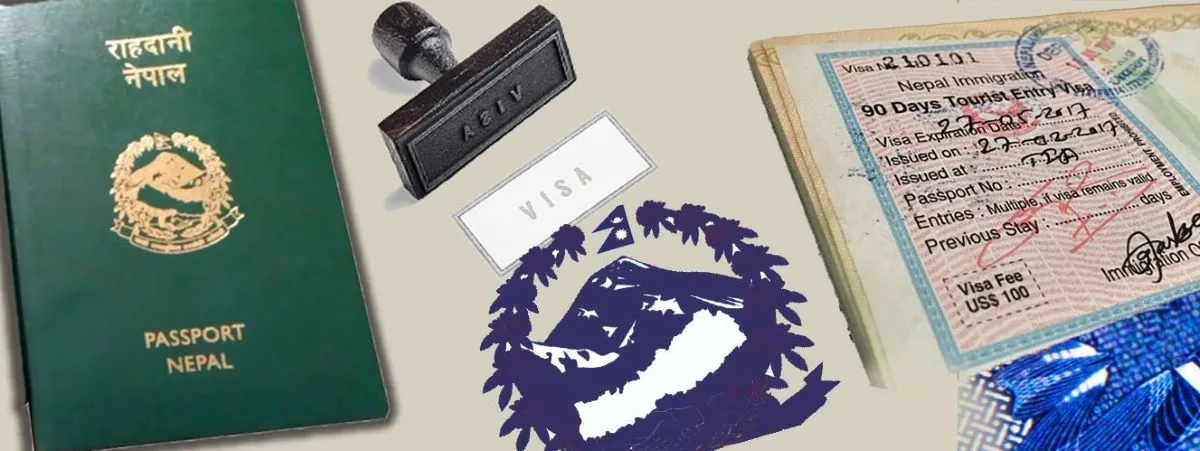
    Visa is one of the most important passports that you need before planning your trip to Nepal. From picturesque geographic views, enchanting people and their land all the way up to thrilling adrenaline pumping adventures, Nepal offers the best and more. Beneath its great mountain or colorful streets in Kathmandu, there is something you need to know about visiting Nepal and that is, the visa.

    If you want to get to know more about the visa process of Nepal and few important tips that will hook your trip then please do read below. Here it is: –

    Visa 

    Entry and Exit to Nepal Visa is important and a major process for almost every foreigner visiting NEPAL . Since Nepalese government has been providing people lots of choices of visas the range starts from tourism visas to business visa for various reasons. The different kinds of visas available: 

    Passport

    Source- Google

    1. Tourist Visa

    Among all the visitors who might enter Nepal, most of the individuals must obtain a tourist visa. As such this category of visa shall be admissible to persons visiting the country for purposes of tourism including sightseeing, trekking or cultural events. You can get Tourist visas for 15 days, 30 days, or 90 days subject to which ever is less, but in case needing an extension there is one possible.

    2. Business Visa

    This applies if your travel is for business reasons such as marketing meetings or attending conferences then you should apply for business visa. Make sure you have the necessary paper documents, including an invitation letter from the Nepalese organization as well.

    3. Gratis Visa

    The Nepal government issues a free/gratis visa to selected travelers, including children below ten years, SAARC nationals, and holders of official UN passports. Check your qualifications before application.

    4. Transit Visa

    If you wish to have a short visit in Nepal and will stay not more than 24 hours you can be provided with a transit visa at the airport. This is advantageous if you have long layover and would wish to briefly sample Nepal.

    How to Apply for a Nepal Visa

    Applying for a visa to go to Nepal is relatively easy. You can apply for an online visa, visa on arrival, or Nepalese embassy visa.

    1. Visa on Arrival

    The VOA facility is easily accessible at the Tribhuvan International Airport and at border security crossing points. To save your valuable precious time, the online application form is available on the official website of Nepal Immigration. Complete it online then take a printout of the confirmation page to be presented to the immigration officials.

    2. Online Application for Visa

    If you have the time, you can apply online as a way of avoiding long queues of people waiting to be served. When you obtain an online application form, you can then upload your photo, make your payment for the fees as required and check your status.

    3. Embassy Application

    You can apply via a Nepalese Embassy or Consulate in your country. This would be ideal for tourists who want to finish all the paperwork before arriving in this country.

    Documents Required to Apply for Nepal Visa

    When applying for a visa, make sure you have the following documents with you: 

    • Valid passport with at least six months of validity
    • Passport-sized photo-digital for online applications
    • Completion of visa application form
    • Fees – may be paid in cash or online, depending on the application method.

    Visa Fees for Nepal

    Visa fees in, different types and time lengths of your stay. The following are the fees for 2024:

    • 15 days: $30
    • 30 days: $50
    • 90 days: $125

    Always check the current fee structure at the time of application as these rates are subject to variation.

    Things to Know Before Traveling to Nepal

    Besides your visa, some other essentials one must know for a successful and enjoyable trip to Nepal are as follows:

         1. Currency and Payment

    • The official currency of Nepal is the Nepalese Rupee (NPR). This is a good place to start to try to get an idea of what all the different denominations are out there.
    • Master and visa cards are widely accepted in hotel, restaurants, and various shops especially those established in the main cities such as; Kathmandu and Pokhara. It must be pointed out, though, that some of these businesses may require a little extra when taking credit cards.
    • In a survey, there will be no credit facilities available in rural places or in villages, therefore one has to carry enough money. Small sellers, traditional stores, and some guesthouses in these areas typically only accept cash payments.
      .Nepali rupees

      2. Vaccinations and Health Precautions

    • Again, advice to take the hepatitis A, typhoid, and tetanus vaccines as these diseases are caused by contaminated food and water or abrasions.
    • Take a small first aid kit which will incoporate band-aids, wet wipes, some analgesics, and any prescribed medication. This is especially crucial when said travel will take the individual deep into a jungle of a country or even another country where the nearest doctor’s office might take hours to reach.
    • It is also recommended that you should contact the travel health clinics or your physician to ask about any other immunizations or health advises for your traveling plan.
      • Vaccination

        3.Weather and Clothing

    • Weather generally varies in the country according to the area and the height from sea level Nepal. The plains extend to the Terai region and this area has characteristics of low altitudes: very hot and humid, certainly during the months of summer.
    • The hill tracts have a moderate climate and the mountainous area are usually cold, especially during the winter time. The higher you go, the colder it gets though it can be surprisingly cold especially at night.
    • As the weather is hot at the lower altitudes wear light and breathable clothing. For mountain roughage, packs warm clothing including thermo, quality jacket, quality gloves plus a quality quality hat for the head.
    • Packing item for trek
    • 4.Trekking Permits

    • In the context of trekking a different permit may be necessary while in Nepal. The TIMS (Trekkers’ Information Management System is required in most trekking zones. It is useful in keeping records of safety and rescue incidents as well as rescue missions whenever they are required.
    • For further, there might be the need to secure park permits for the National Parks or conservation area, Annapurna Conservation Area Permit (ACAP) or Sagarmatha National Park Permit if your trekking area covers so.
    • These permits can normally be purchased in either Kathmandu or Pokhara at the Nepal Tourism Board offices or from licensed trekking companies.
      • Permit
    1. Connectivity
    • To maintain connectivity in Nepal, it is quite easy and inexpensive. Currently mobile SIM cards of Nepal Telecom and Ncell are easily found and can be bought at the airport, in the city or from shops.
    • Both providers have available different data plans which are cheap and provide good network in most of the populated areas.
    • Major connections in cities are constant since three different providers offer reception; however, in the areas distant from cities, in the regions fit for trekking, the signal might be weak or the Internet connection might be slow. 

    Some Tips to Keep Your Visa Hassle-Free. 

    1. Recheck your documents: All forms should be properly and correctly filled out.
    2. Bring extra passport photos: These may be required for extensions on your visa or for trekking permits.
    3. Plan in advance: Reach immigration counters well in advance to avoid delays.
    4. Respect local customs: Being polite and knowledgeable about Nepalese culture will add to your travel experience.

    Conclusion

    For every traveler, it is quite an experience traveling to Nepal, but the ways that lead to a successful trip are securing your visa and understanding the key travel requirements. Whether it is the adventure or the cultural enthusiast, the above steps are certain to help one ensure focus is on exploring the beauty of Nepal. If you are planning a visit Nepal and want to know more about adventure in Nepal, then you can contact us at Happy Mountain Nepal, on Facebook, Instagram, or TikTok.

    FAQs

    1.Do I need a visa to travel to Nepal

    Yes, most travelers need a visa to visit Nepal. The type of visa required depends on the purpose of your visit, whether for tourism, business, or transit.

    2.How can I apply for a Nepal visa?

    You can apply for a visa online, on arrival at Tribhuvan International Airport, or through a Nepalese embassy in your home country. Each method has different requirements and processing times.

    3.What are the different types of visas available for Nepal?

    Nepal offers several types of visas, including tourist, business, gratis (free) visas for certain nationals, and transit visas for short stays.

    4.What documents do I need to apply for a visa to Nepal?

    You will need a valid passport (with at least six months of validity), a passport-sized photo, and a completed visa application form. You may also need to pay the visa fee, depending on the visa type.

    5.How much does a visa for Nepal cost?

    The visa fees for 2024 are: $30 for 15 days, $50 for 30 days, and $125 for 90 days. Fees may vary, so check the current rates before applying.

    6.Can I extend my tourist visa while in Nepal?

    Yes, you can extend your tourist visa for up to 150 days per calendar year. Extensions are available at the Department of Immigration in Kathmandu.

    7.What is a transit visa, and how do I get one?

    A transit visa is for travelers who will stay in Nepal for less than 24 hours. You can obtain it at the airport or at border checkpoints.

    8.What health precautions should I take before traveling to Nepal?

    It’s recommended to get vaccinations for hepatitis A, typhoid, and tetanus. Additionally, carrying a first-aid kit and consulting with a doctor about any specific vaccinations is advisable.

    9.Is it easy to stay connected in Nepal?

    Yes, purchasing a local SIM card from providers like Nepal Telecom or Ncell is simple and affordable. However, internet access in remote areas might be limited or slow.

    10.What should I pack for a trip to Nepal?

    Pack breathable clothing for the lower altitudes and warm layers for higher altitudes. If trekking, ensure you have thermal wear, a jacket, gloves, and a hat.

  • Exploring the Tranquil Rara Lake: Nepal’s Hidden Paradise

    Exploring the Tranquil Rara Lake: Nepal’s Hidden Paradise

    Exploring the Tranquil Rara Lake: Nepal’s Hidden Paradise

    Rara Lake is something concealed deep within the natural highlands of northwest Nepal. With its serene ambiance, clean surroundings, and breathtaking scenery, the lake happens to be the ultimate getaway for any contemporary soul. It is gaining increasing popularity, with crystal-clear waters, pine forests surrounding it, and majestic mountain scenery; Rara Lake has become an integral part of Nepal’s alternative adventure. The paper will range from its geographical importance to how one experiences an awesomely beautiful landscape; this essay covers it all that one must know about the hidden paradise.

    Introduction to Rara Lake

    The biggest lake in Nepal, Rara Lake, lies in one of the most remote nationals of Nepal-the Rara National Park in the far northwestern part of Nepal.  It lies at an altitude of 2,990 meters (9,810 feet); this lake stretches for an area of 10.8 square kilometers, with a maximum length of about 167 meters. The turquoise water reflects the snow-capped peaks bordering it besides the dense forests around, which forms a very scenic picture and drags in all the nature lovers, trekkers, and photographers that come in its sight.

    It lies within Rara National Park, a protected area rich in biodiversity of the Himalayan tahr, musk deer, and snow leopard.  Unlike Pokhara or Kathmandu, the two other renowned destinations, Rara Lake is tranquil and far-flung. This constitutes a rare opportunity to experience Nepal in its natural beauty without its crowds.

    Rara lake

    Source- Google

    The Geography of Rara Lake

    Rara Lake lies in the far corner of the Mugu District, way from cities and tourist hub Nepal. Isolation helped indeed retain the natural beauty in the area, but it also means access to the lake is less easy than for some of the other most popular trekking sites of Nepal.

    It measures 1060 sq. km in area and falls within the protection provided by the national park- Rara National. The surrounding park contains alpine meadows, forests, and mountainous terrain in most rugged form. The forests are mostly of coniferous origin, consisting of pine and fir, along with rhododendrons which bloom in beautiful shades of red and pink during the spring months. These surrounding mountains–most especially those forming the commanding height of Himalayas–give it a sweet, bright scenic background.

    How to Reach Rara Lake

    Although a bit of a tiresome travel, at the other end, everybody reaches a fantastic reward for arriving at Rara Lake. Most probably, good access to the Rara Lake is by trekking since one gets the opportunity to see really dramatic landscapes associated with the most remote northwest part of Nepal.

    1. By Air: Rara Lake can be reached far more quickly from the nearest airport, which is Talcha Airport. You need to cover 3km journey from Talcha airport to reach Rara Lake. Flights.  The Flight to Talcha usually operates on a very limited schedule from Nepalgunj. One needs to fly over this route by making prior plans as there are hardly a few flights.
    2. Trekking:For the adventure-loving, it is also the route of the trek that goes to Rara Lake. Starting from a town named Jumla, it is probably the most popular route for trekking, which in turn can also be reached via roadways or flights from Nepalgunj. This takes 6 to 8 days or so, depending upon your pace and preference of route. Most of the route leading up to Rara Lake is beautified by beautiful little towns, thick forests, and high mountain ridges painting pictures of wonderful views. The different kinds of weather, especially with difficult terrain in the higher attitudes, will be there for trekkers.
    3. By road: Traveling by road to Rara Lake is a longer and more arduous option, as the roads in the region are often rough and winding. A journey from Kathmandu to Jumla takes about 2-3 days, with some sections requiring a jeep or bus ride over challenging terrain. Once you reach Jumla, you can continue your trek to the lake.

    Best Time to Visit Rara Lake

    The best visiting time for Rara Lake is during the spring season, from March to May, and in the autumn, from September to November. These months offer very pleasant weather, you can watch the most wondrous mountain and forest views. 

    During Spring you can see the wild rhododendron trees, whose blooms range from red and pink to white, which is an additional bonus of nature. The other winter months, starting from December and ending with February, are pretty intense: there is snow on the way to the lake, and it sometimes dips well below freezing. Similarly, the monsoon summer season is a big no-no for trekkers, too, since rains are very hard, and the conditions are pretty slippery.

    Activities to Enjoy at Rara Lake

    Rara Lake is something like a wonderland for all the nature lovers. A number of activities are offered to the visitors coming to its shores. Some of the best things to enjoy at the shores of this lake are given below:

    1. Trekking and Hiking

    Basically, Rara Lake is visited by trekkers. It is one of those few activities, “trekking,” which can help tourists experience the remote landscapes in the Mugu region within picturesque villages, alpine meadows, and dense forest. The well-marked trek from Jumla to Rara Lake consists of easy to moderately challenging sections. This trek also offers an opportunity for trekkers to see snow-capped mountain ranges along the trek and experience local villagers maintaining traditional lifestyles.

    trekking

    Source- Google

    2. Boating on Rara Lake

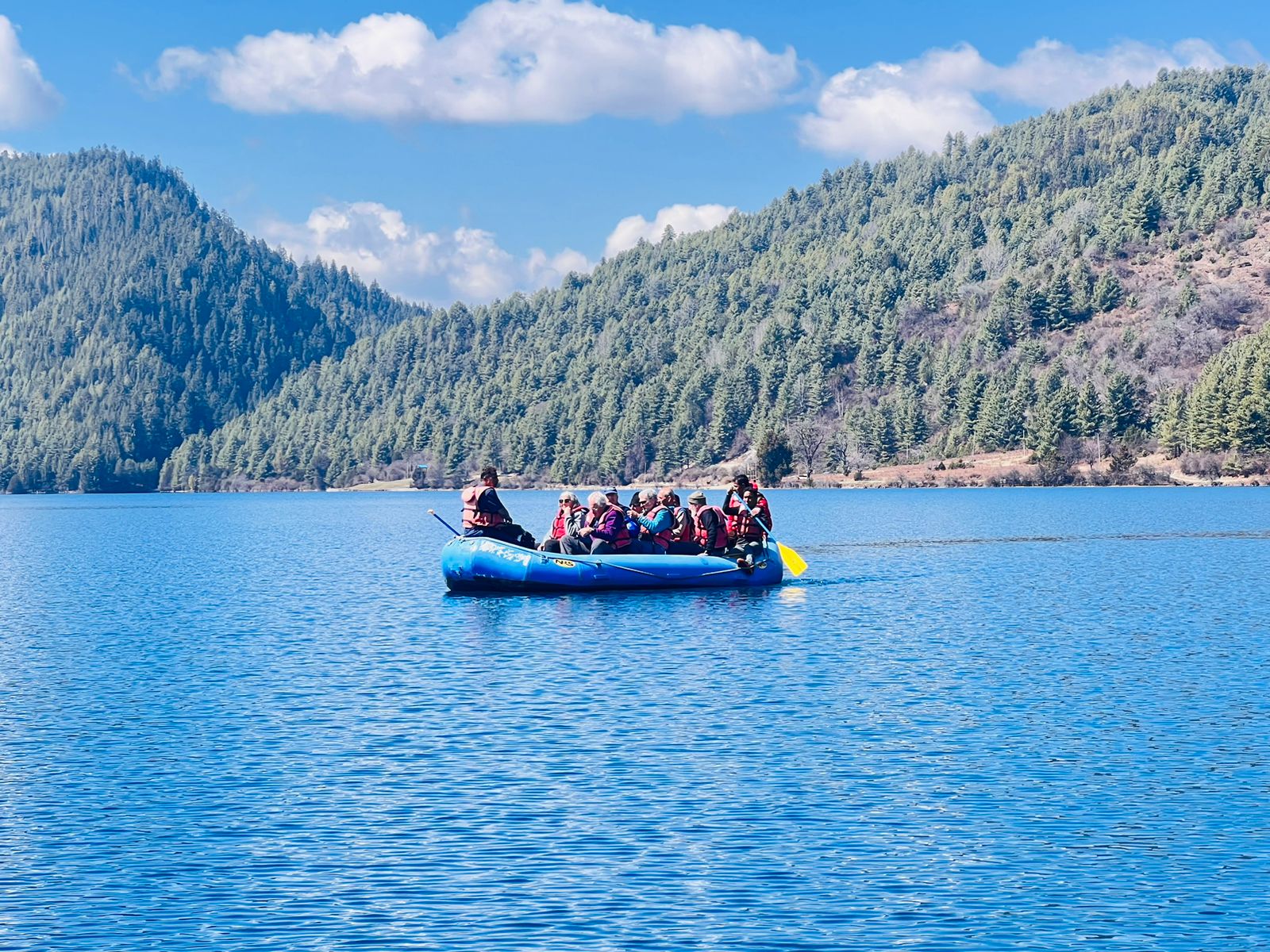
    The transparent waters themselves allure for boating, giving an even greater chance to glance at most of the beauties of the lake closely. Boats could be hired to paddle cross over the lake to view forests and mountains lining the periphery. Stillness over the lake is just a perfect time out to unwind along with a piece of quiet serenity in the region.

    boating

    Source- Google

    3. Wildlife and Bird Watching

    Housing various types of wildlife, including rare snow leopards, musk deers, and Himalayan tahr, it made Rara National Park a haven for bird watchers due to the Himalayan griffon vulture, lots of pheasants, and many migratory birds found there. This area makes the lake and its forest an ideal area for wildlife touring and bird watching, which will give one a feeling related to nature.

    4. Camping

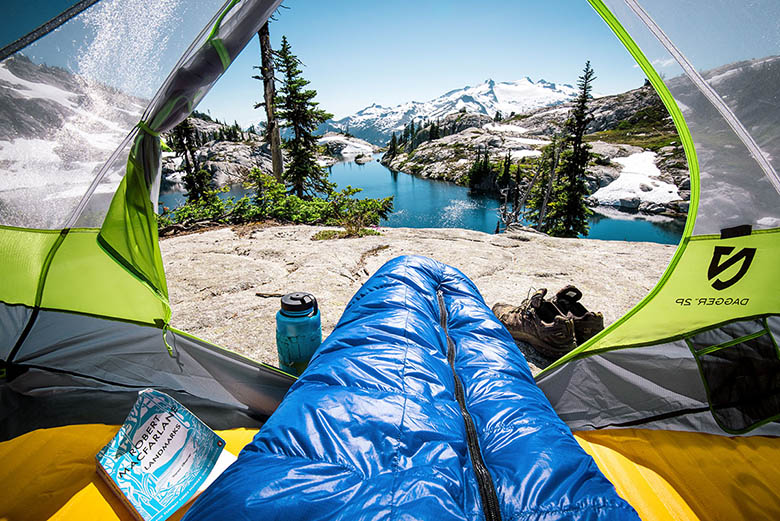
    Camping along the lake-that is being with nature in its most raw, really far away from comforts. It can be best experienced during these particular campgrounds scattered around the lake where one can pitch their tents to breathe the fresh mountain air, gaze at the sparkling night sky, and listen to the sounds of nature.

    camping

    Source- Google

    5. Photography

    This magnificent and crystal-clear lake lies nestled amidst the dense forests and snow-capped peaks.  Besides, it offers a lifetime opportunity for every photographer, whether professional or not, to capture some of Nepal’s natural beauty in extremely mesmerizing shots. 

    The Local Culture Around Rara Lake

    Small, isolated communities around Rara Lake sparsely populate the region and rely on traditional agriculture and livestock for their livelihoods.The local Buddhist and Tibetan-origin Gurung communities adapt their culture to their surroundings, offering visitors a chance to experience their way of life and hospitality. Small, isolated settlements, including those in the Mugu district, showcase their warmth and friendliness, making them excellent guides for visitors.

    Conclusion

    Rara Lake provides an unbeatable combination of nature, thrill, and serene feelings. Right from trekking on mountains and boat riding in its lake, up to serene ambiance, the subliminal kingdom is worthwhile to visit by different kinds of travelers who dream to explore a diverse Nepal-against the popular roads. A variety of quiet atmosphere and sport together.  In itself, it‘s a very expedition-going venture to Rara Lake instead gave you what uncultivated and untarred landscapes would, never–was-the Same-like experiences, many of such trails are hooting for excursions. Let it be stated then that far and wide-awake ranges await your journeys on unthreaded routes amidst allurement outside of the trodden pathways- To adventure-valuing travelers mostly. If you have an itinerary for Rara Lake trip and if you want more information about adventure in Nepal, you can contact us at Happy Mountain Nepal, on Facebook, Instagram, or TikTok.

    FAQs

    1. Where is Rara Lake located?

    Rara Lake is located in northwestern Nepal on Rara National Park in Mugu district.

    2. What is the best time to visit Rara Lake?

    It is best visited in spring, which is from March to May, and in autumn-from September to November. One finds good weather and great views around this time.

    3. How can I reach Rara Lake?

    • By Air: Fly to Talcha Airport and trek for 3 km to the lake.
    • By Road: Drive to Jumla from Kathmandu and trek to the lake (takes 2-3 days by road and additional trekking).
    • Trekking: Trek from Jumla to Rara Lake, a journey lasting 6–8 days.

    4. What are the key attractions of Rara Lake?

    The lake’s turquoise waters, surrounding pine forests, snow-capped Himalayan peaks, and the biodiversity of Rara National Park make it a must-see destination.

    5. What activities can I enjoy at Rara Lake?

    • Trekking and hiking
    • Boating
    • Wildlife and bird watching
    • Camping
    • Photography

    6. What wildlife lives around Rara Lake?

    Animals like the snow leopard, musk deer, Himalayan tahr, and different bird species including the Himalayan griffon vulture are found around Rara Lake.

    7. Is Rara Lake suitable for trekking beginners?

    Basically, all of the routes to Rara Lake range from mid to challenging. But even for the beginners who are pretty prepared in terms of stamina, they could definitely try it.

    8. Are there accommodations near Rara Lake?

    Quite limited, actually; some basic lodges in the villages or camping right next to the lake for a closer connection to nature.

    9. What cultural experiences can visitors expect?

    Visitors can engage with Tibetan and Gurung communities to experience their traditional lifestyle, farming, and hospitality.

    10. Why is Rara Lake call as hidden gem?

    Far away and quiet, it really constitutes a peaceful escape from the usual crowded tourist destinations, making Rara Lake a hidden treasure.

  • Manaslu Circuit Trek: The Best Trekking Destination for 2025

    Manaslu Circuit Trek: The Best Trekking Destination for 2025

    Manaslu Circuit Trek: The Best Trekking Destination for 2025

    Manaslu Circuit Trek is one of the most renowned and highly-rated treks in the world. It is located in the north-central part of Nepal’s Gorkha District. The word “Manaslu” is derived from the Sanskrit word Manasa, meaning “soul” or “spirit“; thus, it is named “Mountain of the Spirit.” It is about 126 kilometers (78 miles) northwest of Kathmandu, the capital of Nepal. It lies pretty close to the border separating Nepal from Tibet, China, sharing a good deal of cultural and geographical features with the Tibetan plateau.

    Manaslu Circuit Trek is the destination which has joined the top list in Nepal gradually but surely as of this time. Manaslu shares its major contribution, being the 8th highest mountain in the world. These treks have gained their fame for beautiful views, diverse cultural insight, and hidden charms. Manaslu Trekking is one of the best places to hike this year as 2025 approaches.

    Source– Google

    If you are reading this blog, you must be planning the Manaslu trek. Let’s consider what makes this trek special and why it should be on your bucket list.

    Major Highlight of Manaslu Trek

    1. Preserved Beauty

    Manaslu region is famous for its untouched beauty, subtropical forest, high altitude altitude alpine meadow, picturesque villages, and serene beauty of nature away from the bustling city.

    Mountain

    Some of the major preserved beauty of Manaslu are-

    • Budhi Gabdhki River 

    In the Manaslu region, the Budhi Gandaki River flows, which is an exciting view to watch. This is the exact place where you get to see an ideal cliff and a cascading fall. In some areas like Tatopani and Jagat, gorges are too narrow and on both sides of the river, it has steep walls of rocks. You can find one of the most thrilling suspension bridges during your trekking, which makes your tour more adventitious.

    • Manaslu Glasier 

    Manaslu Glasier near Manaslu Base Camps, this big glacier flows down from the glaciated faces of Mount Manaslu. Due to thawing glaciers, the stream of water and ice joins and merges with Budhi Gandaki River, enriching its scenery.

    2. Stunning Mountain Views

    The trek focuses on Mount Manaslu, the eighth highest mountain in the world, reaching a height of 8,163 meters (26,781 feet). You will see breathtaking views of snow-capped peaks such as Himalchuli, Ganesh Himal, and Annapurna ranges throughout the trek.

    On the Manaslu Circuit Trek, trekkers are treated to amazing views of many tall mountains in the Manaslu area and nearby ranges.

    1. Himalchuli (7,893 metres)

    Himalchuli mountain is very close to Mount Manaslu, Himalchuli is the second-highest peak in the area and is known for its huge, glacier-carved ridges.

    1. Ngadi Chuli (Peak 29) (7,871 m)

    Ngadi Chuli is also called Peak 29. It is a very beautiful mountain with steep, rough sides which can be seen from many places along the trail.

    1. Ganesh Himal Mountains

    The Ganesh Himal Mountains flank the Manaslu region to the east. Many of its peaks, including Ganesh I 7,422 m and Ganesh II 7,118 m, are visible during the early parts of the trek.

    1. Shringi Himal (7,161 meters)

    Shringi Himal is small in size compared to other mountains but the beauty of this mountain stands out in the lower Manaslu range, especially from villages like Ghap and Namrung.

    1. Larke Peak is 6,249 meters high.

    This mountain is visible from Larkya La Pass this peak offers a very dramatic view of the background of this rugged pass and surrounding Glaciers.

    1. Annapurna II (7,937 meters)

    Near the end of the hike, the Annapurna range can be seen, and one of the highest peaks visible from the trail is Annapurna II.

    1. Himlung Himal (7,126 meters)

    You can see this peak from higher places, especially around the Larkya La Pass, which makes the views more dramatic.

    1. Buddha Himal (6,674 meters)

    Buddha Himal is situated near the Tibetan border, this mountain is another visually striking feature of the trek.

    3. Rich Cultural Experience

    Manaslu Trekking provides an authentic cultural experience in the forbidden culture areas with villages lying remotely filled with Tibetan origin inhabitants. Mainly locals constituted of Gurung and Tibetan peoples, who hospitably welcome trekkers with sharing culture, monasteries, and festivals. Manaslu Region portrays a lot about culture diversity mainly dominated by Tibetan Buddhism. 

    You can explore:

    • Traditional Villages: The tradition and structure of Samagaun, Samdo, and Lho have always been Tibetan. These villages– Samagaun, Samdo, and Lho– will give one an idea about the lives of people residing in the Himalayas. Visit the monasteries and turn the praying wheels to be lost in the depth of its culture.
    • Major monasteries include Ribung Gompa and Pungyen Monastery, the major sites of culture and spirituality. Tsum Valley: Known as “Hidden Valley,” this is a peculiar way of Tibetan Buddhism, holy caves, and beautiful views.

    4.Budhi Gandaki Valley

    The various picture-postcard-like villages hosting Budhi Gandaki valley epitomize the faces of culture and ways of life for the locals. Lho, Samagaun, and Jagat are typical villages typical in the Himalayas. Locals here are Gurungs and Tibetans who have maintained their culture in their houses and monasteries and practice it with great zest and zeal.

    During  our trek and stay in Budhi Gandhaki Valley you can find-

    • Trekkers can go through lush, green, terraced rice fields running along the lower slopes. You can find the surroundings covered by mountain landscapes, creating a spectacular visual effect during planting and harvesting seasons when the fields are animated by life.
    • In Budhi Gandhaki Valley you can find Tibetan Buddhist Influence. The villages are under the strong influence of Tibetan Buddhism, with monasteries and prayer wheels found scattered throughout the valley. Monasteries like Ribung Gompa and Pungyen Monastery give a glimpse into the spiritual life of the local people, where trekkers can see traditional Buddhist rituals, prayer flags waving in the wind, and monks saying prayers.
    • Further along the valley, the village of Lho provides spectacular views of Mount Manaslu, one of the highest mountains in the world. Seeing this massive mountain towering over the valley is one of the highlights of the trek. The views from Samagaun, higher up, are even better, with Manaslu and its neighboring peaks, such as Himalchuli and Ganesh Himal, on full display.
    • The Budhi Gandaki Valley is pretty and gives trekkers a feeling of adventure and peace that is hard to find in other places.
    • Compared to other popular trekking routes, including the Everest or Annapurna circuits, the Budhi Gandaki Valley is much more peaceful and tranquil. The fewer crowds allow trekkers to immerse themselves in nature and the local culture, enjoying the serenity of the valley.

    5. Manaslu Conservation Area

    The Manaslu Conservation Area is one of the major attractions of the Manaslu region.

    • You will be able to view the Himalayan wildlife like blue sheep and the snow leopard in the Manaslu Conservation Area. It provides shelter to many rare and endangered animals, including the snow leopard, red panda, Himalayan tahr, musk deer, and the Himalayan black bear.
    • These are a wide variety of flora and fauna, from warm forests to cold mountain grasslands. The ecosystems are a residence for over 200 species of birds that include the Himalayan griffon vulture and the bearded vulture.
    • Starting from the rhododendron, pine, and oak forests of the lower parts, this highly diversified vegetation of the conservation area changes to other types grown in the higher regions. That specific blend of the environments has made it suitable for different species of plants and animals to put their habitats there.

    Mountain

    Manaslu Trek Itinerary Overview

    Here’s a general 14-day itinerary for the Manaslu Trek:

    Here’s a detailed day-by-day explanation of the Manaslu Trek route, highlighting the main destinations you’ll reach each day. The trek usually takes about 14 to 16 days, depending on the pace and acclimatization needs.

    Day 1: Kathmandu to Soti Khola

    On day one, you will be having a 6-7 hour drive. You will be driven from Kathmandu to Soti Khola, the starting point of the Manaslu Trek, which is pretty scenic as the route goes through several small villages and lush landscapes. This road is pretty rough and bumpy in some places but with a magnificent view presented by the foothills and rivers. The night will be spent in basic teahouse accommodation at a small village, Soti Khola.

    Great views surrounding Soti Khola alongside the Budi Gandaki River will be a destination from day one.

    Day 2: Soti Khola to Machha Khola

    Having breakfast at Seti Khola, you start your trek upward along the Budi Gandaki River, cross suspension bridges, and pass through forests. The trail is quite easy as it goes upward with fascinating views of cascading waterfalls, small villages, and terraced fields. You’ll leave the village of Lapubesi and head up to Machha Khola. Today, you will cover about 14 km.

    Day two, your destination will be Machha Khola small, peaceful village located near the river with lovely views of surrounding hills. Machha Khola is a small village having few teahouses where you can rest.

    Day 3: Machha Khola to Jagat

    Today you will continue up along the river and pass through several villages like Khorla Bensi and Dobhan. It’s a rather steep trail in some places but largely an easy walk. Cross over a few suspension bridges and reach the village of Jagat. Jagat is a favourite stop for most trekkers, and there are a couple of teahouses operating in this place. The views from here are brilliant, and all in all a great place to rest. Total distance covered will be 22km today.

    Third Day: Today, the destination is Jagat, a traditional village with mixed cultures of Hindu and Buddhist people, marking entry into the Manaslu Conservation Area.

    Day 4: Jagat to Deng

    Today’s hike goes through dense forests, mostly along the river, with the crossing of many suspension bridges and passing through small settlements. The terrain gets steeper as you go upwards to the village of Deng. Manaslu’s and other peaks distant views will be seen, along with the surrounding peaks. You‘ll be covering a distance of 19km on this day.

    The tiny village of Deng will be your destination on your fourth day, serving as a rest point for trekkers and affording them a peek into the culture.

    Day 5: Deng to Namrung

    Early on, the hike starts with a gentle and steep climb upwards through forests, passing by the small villages of Bihi Phedi and Ghap. You then enter into Manaslu Conservation Area, and the sceneries again change; this opens up to great views of the dramatic mountains. Namrung village has a really strong influence from Tibet, holding spectacular views across to Mount Manaslu and the surrounding peaks. The distance covered today would be 10-11 kilometers.

    Namrung Village is your stop for the fifth day. The village is very picture-like and is culturally very rich in Tibetan culture; in addition, the view of surroundings including Mt. Manaslu stands immense.

    Day 6: Namrung to Samagaon

    Today’s trail will be up the forests of rhododendron and pine with scenes of the peaks snow-covered, such as Manaslu. Gradually the route, with increasing altitudes, converts into an alpine with unruly topography. Samagaon is one of the biggest villages en route to trekking and largest in this area. This village at the foot of Mount Manaslu provides awesome views of this mountain. Today, you cover 13 km.

    Your destination on the sixth day will be Samagaon, a Tibetan village situated at the base of Mount Manaslu. It is the perfect place to rest and get acclimatized for the days to come.

    Day 7: Samagaon to Manaslu Base Camp (Optional)

    Day trips today are to Manaslu Base Camp; this is highly recommended for a fact that gives views of Mount Manaslu in proximity, yet it is optional. The trek to the base camp goes higher into the mountains opening up spectacular views of glaciers and surrounding peaks. Later from base camp, you head to Samagaon for the night.

    Your destination today is Manaslu Base Camp, the actual base camp of Mount Manaslu. It lies at an altitude of 4,800 meters above sea level and provides great close-up views of the peak.

    Day 8: Samagaon to Samdo

    On this day trek is relatively short, but it still offers an excellent chance to acclimatize. You’ll cross the Budi Gandaki River and ascend to the village of Samdo. Samdo is a small Tibetan-influenced village and is one of the highest villages along the trek. It’s a great place to rest before crossing the high-altitude Larkya La Pass. On this you you will be covering only 6 km which is relatively easier than another day.

    On the eighth day, your destination will be Samdo It is a high-altitude village near the Tibetan border, that provides stunning views of the surrounding peaks and offers great acclimatization opportunities.

    Day 9: Samdo to Larkya Phedi

    Today, you’ll continue ascending toward Larkya Phedi, the base camp for Larkya La Pass. The trail climbs steadily through alpine meadows, and the landscape becomes more barren as you approach the pass. Larkya Phedi serves as a resting point before the challenging crossing of Larkya La Pass.

    Your destination for day nine will be Larkya Phedi. Larkhya Phedi is the base for the Larkya La Pass, offering accommodation and a place to rest before tackling the pass the next day.

    Day 10: Larkya Phedi to Bhimthang (Larkya La Pass)

    Today, you’ll cross the challenging Larkya La Pass, which stands at 5,160 meters. The pass is often covered in snow, making it both a physical and mental challenge. The trek starts early in the morning to ensure enough time to cross safely. After crossing the pass, you’ll descend to Bhimthang, a beautiful alpine meadow surrounded by snow-capped peaks.

     Bhimthang is your day ten destination. It is a scenic meadow with stunning views of the peaks surrounding the valley. It’s a peaceful destination after crossing the challenging Larkya La Pass.

    Day 11: Bhimthang to Tilije

    After the exhausting day at Larkya La Pass, today’s trek is mostly downhill. You’ll pass through dense forests and small villages before reaching Tilije. The village is known for its traditional stone houses and beautiful surroundings. You will be covering around 19 km this day.

    Your destination for this day will be a charming village with a blend of Buddhist and Hindu influences, offering peaceful surroundings and beautiful views called Tilije.

    Day 12: Tilije to Dharapani

    The final day of the trek involves a long descent, passing through forests and villages. You’ll descend to Dharapani, which is a major junction where the Manaslu Circuit connects to the Annapurna Circuit. This day you will be covering 16 km.

    Your destination for this day is Dharapani – A bustling village at the junction of the Manaslu and Annapurna Circuits, marking the end of the Manaslu Trek.

    Day 13: Dharapani to Besisahar

    From Dharapani, you’ll drive to Besisahar, where you can take a bus or jeep back to Kathmandu. Your drive will be almost 6-7 hours. Besisahar – A small town and the gateway to the Annapurna region, offering a place to relax after your trek.

    Day 14: Besisahar to Kathmandu

    You’ll complete your journey with a scenic drive back to Kathmandu after 7-8 hours drive.

    This detailed day-by-day explanation of the Manaslu Trek covers the key destinations and offers a glimpse into the trekking experience. Each day brings new challenges and rewards, and the journey provides ample opportunities to experience both natural beauty and culture.

    Best Time to Trek Manaslu

    1. Spring (March to May)

    Spring is considered one of the best times to have Manaslu Trek, it is because during this time –

    • You can find plead wether. During day time it is sunny and warm and during nighttime, it is not freezing cold.
    • You can find clear views of mountains like Mt.Manaslu and other mountains due to the absence of monsoon clouds.
    • You can also find different local festivals during this time, which might provide you the chance to experience other cultures.

    2. Autumn (September to November)

    Autumn is the peak season for Manaslu Trekking, with stable weather This is the best to experience trek beauty.

    • During this time you can find unobstructed views of the Himalayas. Days are warm but during night time it is very cold but can be managed by using the gears.
    • You can find post-monsoon beauty. During this season after monsoon rain, the forest and trails are more eye-catching than in other seasons with the perfect blend of flowing rivers and green trails.
    • During this time, it is said that there is a high chance of spotting Himalayas wildlife such as blue sheep and various other animals.

    Essential Tips for the Manaslu Trek

    1. Permits: First of all, you need to obtain the Manaslu Restricted Area Permit, Manaslu Conservation Area Permit, and Annapurna Conservation Area Permit.
    2. Guides and Porters: Before starting your trek you need to know that Solo trekking is not allowed in this trek. You need a registered guide and at least two trekkers. If you searching for a trustworthy guide then you can contact us through our website.
    3. Physical Preparation: A person should be fit enough to hike and run. His stamina needs to be in the correct state because the higher altitude would be needed to be faced.
    4. Altitude Sickness: To reduce the risks and get your body accustomed to altitude sickness, it is following the schedule proper of guides. Drinking ample amounts of water would help to keep your body hydrated and adapt it to the surroundings.
    5. Currency: Don’t forget to carry Nepali currency during your trek because you won’t be finding any ATMs on your way.

    Items you need to carry for your Trek.

    Packing item for trek

    Source- Google

    While packing for this trek the major thing to carry is warm clothes. As the trek starts there will a varying temperature, so we suggest you –

    • Carry warm jackets, insulated jackets, and waterproof jackets. You need to carry warm hats, gloves, and thermal socks for the cold temperature.
    • You need to carry comfortable trekking boots with good ankles so that your foot won’t hurt while trekking.
    • Don’t forget to carry your gear like trekking poles, sleeping bags, and handlamps. Make sure to carry a sleeping bag rated for low attitudes. 
    • Carry your suncream, lip balm, and sunglasses for low altitude as personal items, and don’t forget to carry your snacks such as protein bars, and junk foods for your appetizers during the trek.
    • Don’t forget to carry a first aid kit for the times of emergency such as painkillers,nims, attitude sickness, purification tablets, etc. 

    Conclusion

    The Manaslu Circuit Trek is not just a trekking destination but a journey of learning about the environment, culture, and lifestyle. You will be able to witness the beauty of the landscape to the beauty of the mountain. We bet you this is going to be your once-in-a-lifetime experience. If you want to set off on the adventure of a lifetime in the Manaslu Region, Contact us today at Happy Mountain Nepal, Facebook, Instagram, or TikTok. We will prepare your package as per your flexibility.

    FAQs

    Here are the top 10 frequently asked questions (FAQs) for the Manaslu Trek in Nepal:

    1. What is the Manaslu Circuit Trek?

     The Manaslu Circuit Trek is one of the most famous treks around the eighth highest mountain, which is 8,163m high and called Mount Manaslu.

    2. How difficult is the Manaslu Circuit Trek?

    The trek is considered normal to challenging as it involves high altitude hiking and long daily walking hours from 6 to 7 hours. For this beautiful journey, trekkers should be in good physical shape and prepared for altitudes up to 5,135 m at Larkya La Pass.

    3. What is the best time for the Manaslu Circuit Trek?

    The best seasons are Spring – March to May and Autumn – September to November because the weather will be stable, and you get clear views, vibrant local festivals.

    4. Do I need a permit for the Manaslu Circuit Trek?

     Yes, you do: Manaslu Restricted Area Permit (RAP) and Manaslu Conservation Area Permit (MCAP); in case you are extending up to the Annapurna region, you need Anapurna Conservation Area Permit (ACAP).

    1. Is a guide mandatory for the Manaslu Circuit Trek?

    Yes, since Manaslu happens to be a restricted area, you must go with a licensed guide in this area and are supposed to also be in a group of at least two trekkers.

    6. How long does the Manaslu Circuit Trek take?

    It generally takes 12 to 16 days, but that depends on the route taken and the speed of an individual. For a detailed itinerary, one can always refer to our website.

    1. What is the highest point of the trek?

    The highest point of Manaslu Trek is Larkya La Pass, which lies at an altitude of 5,135 meters above sea level. This forms another major highlight because it provides a panoramic view.

    8. Are teahouses available along the trail?

    Yes, the trek allows teahouse accommodation with the basic facilities, including meals and beds, sharing bathrooms. Yes, if you are looking into Luxury options they are very minimal in this route.

    9. What are the risks of altitude sickness on the Manaslu Circuit Trek?

    As the trek ascends over 5,000m altitude sickness is a concern. Proper acclimatization, hydration, and a gradual ascent are critical.

    10. What should I pack for the Manaslu Circuit Trek?

    Some of the essentials packing are:

    • Warm clothing like layers, a down jacket.
    • Comfortable trekking boots.
    • Sleeping bag for -10°C or lower.
    • Trekking poles, first aid kit, and snacks.
    • Waterproof gear and sun protection.


  • Himalayan Trekking Packing List

    Himalayan Trekking Packing List

    Himalayan Trekking Packing List

    The Himalayas of Nepal mark an ultimate point for a venture by travelers in different corners of the world. Whatever type of adventure joined-be it in the form of hiking or trekking-one must prepare proper gear for such, as it makes a major way of improving journeys. With added lush valleys, the vibrant culture has snow-capped peaks in ways no journey does out of these Himalayas. Packing right is the best option and is usually the first step in enjoying your adventure. Both under- or overpacking will only dampen such a huge experience. In this article, learn how to strike a perfect balance between just enough to be considered necessary and sufficient for comfort.

    Don’t worry, Happy Mountain Nepal is here to guide you to pack for your Himalayan adventure.Packing the Himalayan Adventure requires one to be fully geared up for the rugged terrain, fluctuating weather conditions, and lifetime experiences that come along with it.


    Let’s dive into the ultimate Nepal travel checklist so you’re ready for an epic Himalayan journey.

    1. Understand the Climate of the Himalayas

    Knowing the Himalayan environment is quite important for packing up your travel because the spectrum of extreme weather conditions has turned utterly unpredictable. Since the Himalayas are height-gaining, heavy rains or even snowfall for that matter, usually occur quite unobviously, causing sudden ups and downs in temperature. This will help because of the following:

    • Even the daytime becomes cold when it is very high. It may happen that when it seems warm in upstairs downstairs altitude gains up, and the temperature might get down considerably in special in the fall of the night.Bring both warm-weather and cold-weather clothing and be aware of the following effects of height and temperature.
    • The monsoon period runs between June to September of the year. During those times, most of the Himalayan sections get heavy rainfall, and from the subsequent months, it could remain dry from that period up to winter season, there could also be snowfall. Hence, the planning in those periods will be preparatory to either rain or snow. Add well-insulating clothes along with equipment for those rainy or snowy periods.

    • Wind and Sun Exposure:The high-altitude Himalayan regions are generally filled with strong winds, adding more cold to them. Moreover, the sun is much stronger at high attitudes, and there is a higher chance of sunburn. You can prepare more easily for the windproof coat and sun protective accessories like a hat and sunscreen once you know the climate in advance.
    • Everything in the Himalayas is so unpredictable, including their weather; thus, it may just spring up at any time and from any corner. Be prepared for changes in weather conditions at any time; therefore, always be at ease and safe whatever the circumstances are.

    In other words, knowledge of the Himalayan climate will help you be properly packed against the whims of weather and ensure your safety, warmth, and dryness while traveling.

    mountain

    Source- Google

    Nepal’s climate varies greatly with both the seasons and the elevations. The temperature in the higher altitude mountain areas drops quite drastically at night, while in the lower areas tend to be temperate. Here’s a quick breakdown of the seasons:

    • Spring (March to May): Beautiful weather, perfect for trekking, with flourishing rhododendrons.
    • Summer/Monsoon (June to August): During summer/monsoon season, it  is hot, muggy, and rainy. Trails may be slick.
    • Autumn (September to November): With beautiful skies and comfortable temperatures, this is the ideal time of year for trekking.
    • Winter (December to February): This season is very cold, particularly at higher elevations, but less populated.

    Always be prepared for sudden changes in the weather. On warm days as well, once the sun starts to set in the evenings, it gets pretty cold quite fast. Especially, it is of utmost importance to pack lightweight but versatile layers of clothing.

    2. Essential Documents

    Reasons abound for which essential documentation is needed on a package trip to the Himalayas.

    • Identification and Permits: Most of the Himalayan regions lying near the borders have special permits which are to be obtained by travelers. These permits allow you to trek or travel in these protected areas. For getting such permits, you may need to produce your identity cards, passport, and other personal identity documents.
    • Safety and Emergency Situations:The documentation that may be required in order to go to such far-flung places as the Himalayas should, first and foremost, include those which will help in case of an emergency. In times of an emergency, information about health insurance, contact persons in an emergency, or even your travel insurance policy may make all the difference between life and death.
    • Accommodation and Travel: You are supposed to inform them of any reservations concerning accommodation or transportation. Most local guesthouses, buses, and airlines confirm your reservation or tickets for transportation and accommodations during your stay.
    • Medical Records and Health: The altitude and isolation may affect your health. In case there is a prescription or any medical record that one has, it will beeasy to get medication and treatment in case of altitude sickness or any other kind of sickness during travel.
    • Legal and Cultural Requirements: Parts of the Himalayas have varying requirements because of their culture and tradition; you are supposed to register with your local authorities in case of contact for anything, thus keeping them with you ensures that the set laws and rules are observed accordingly.

    In simple terms, the essential documents are necessary to ensure your safety, make your travel smoother, and ensure you have the required permissions to explore the Himalayas without facing unnecessary legal or logistical issues.

    passport

    Source- Google

    3. Clothing Essentials

    The first thing one should not forget is packing clothes for the Himalayas because the weather conditions of this region are really harsh and quite unpredictable. The Himalaya is at a really high altitude, which means the temperature may get really low, especially at nights, even at daytime at a higher altitude. Thus, a person should pack such clothes that may keep him/her warm and guard him/her against cold, wind, and rain.

    Fundaments for comfort and safety include thermal layers, a good waterproof jacket, and strong shoes. Further, proper clothing prevents frostbite and other possible health problems resulting from extremely low temperatures. Moreover, breathable and moisture-wicking fabrics are highly recommended in order to keep your body dry since sweating invites discomfort, increasing the risk of hypothermia.

    Packing item for trek

    Source- Google

    The key to coping with temperature variation is layering. The following is a simple explanation:

    • Base Layer: The leggings and thermal shirts absorb moisture.
    • Mid Layer: Down coats or insulating fleece.
    • Outer Layer: Jackets and pants, windproof and waterproof
    • Seasonal Clothes Guide
    • Gloves and Warm Hats
    • At higher altitudes, gloves and warm hats are a must.
    • Fast-drying shirts and pants for hiking and overnight washing.
    • Socks: Trekking socks that evaporate moisture and wool socks for freezing climates.

    In short, proper clothing during your trip will help you to cope with the harsh Himalayan weather conditions by keeping you warm, dry, and safe.

    4. Footwear

    The footwear is one thing you should take with you for your journey, considering how hard and unpredictable the terrain usually gets throughout the Himalayas. The trails are more often quite rocky, steep, and bumpy; hence, supportive, comfortable, and protected shoes become a must. Good-grip trekking boots or shoes will vastly reduce the chances of injury by slippage on wet or muddy ground. Footwear is far more important when traveling in cold climates and at high altitude than just keeping the foot warm and dry. Long-term footwear cushions the foot and takes more pressure while walking and hence reduces the additional pressure caused on the lower limbs.

     It would not be possible to cross safely through the strenuous conditions of the Himalayas without proper shoes.

    • Trekking Boots

    Purchase waterproof, high-quality hiking boots that have had plenty of break-in time before your journey. For rocky trails, they ought to offer grip and ankle support.

    Trekking boot

    Source- Google

    • Lightweight shoes or sandals

    A pair of sandals or shoes that are light enough to wear when exploring the base camps or sitting in teahouses.

    5. Backpacks and Bags

    Backpacks and bags are  are important in preparation for the Himalayas, as they help you carry everything with safety and comfort. Your journey would definitely involve trekking on rough terrain; therefore, it requires something trustworthy to store items like clothes, food, water, first aid, and gear.

    • Storage Capacity: This would be the ability of the backpacks to store everything that you mightneed in the wild, from clothes and eatables to requirements in case of emergencies. You need space to arrange everything in an orderly manner for easy access when needed.
    • Comfort: Design is key to a good backpack, as it shares the weight appropriately, hence putting less strain on the human body, especially for longer treks. Enough padding in the straps, along with an effective frame, helps in toting heavy weights with more comfort.
    • First of all, a backpack and bag would be helpful in packing for the Himalayas because they help keep everything you need safe and sound but convenient to carry. The journey consists of tough terrain, and you are sure to need something to store things in, like clothes, food, water, first aid, and gear.
    • Protection for gear: Trekking in the Himalayas may be very harsh on your belongings. Backpacks and bags protect your gadgets and gear from rain, dust, or even from bumps and bruises while negotiating rubble-strewn paths or through thick forests.
    • Weather resistance: The weather condition in the Himalayas changes within no time. Waterproof or even water-resistant backpacks offer security to all your packed things from rain or sudden snowfall.
    • Ease of movement: A backpack allows you to have your hands free for balance and climbing, which is important on narrow or steep paths.
    • Organization: Most of the modern backpacks are designed to hold several compartments so that all items are well-organized in a manner that whatever item is needed can be picked without messing everything up.

    In short, backpacks and bags are vital because they help you carry everything you need, keep your belongings safe, and make your trek more comfortable and organized.

    Trekking bag

    Source- Google

    6. Sleeping Gear

    First to pack for the Himalayas are sleeping gears, since the conditions may become so extreme and unpredictable. The altitude is very high and low in temperature, besides having an uneven terrain-all of these combined make the nights warm and quite comfortable, with safety as the top priority. Here is why sleeping gears are important:

    • Cold Weather Protection: Even in summer, the nights in the Himalayas can get freezing. You will need low-temperature-rated sleeping bags to keep you warm and avoid hypothermia.
    • Altitude Impact: The higher the altitude, the thinner the air, and the colder the temperature. A good sleeping mat or pad not only insulates you from the cold ground but also provides comfort such that you will not feel any chill coming up from the earth.
    • Altitude acclimatization and rest: Your body needs enough rest for acclimatization with altitudes. Your body has been tired from all the long and exhausting treks; it needs rest to regain its energy. Sleeping on appropriate gear means getting a sound sleep that helps in improving one’s performance during the daytime.
    • Protection against the elements is essential: The Himalayas are notorious for their changing weather conditions. A tent with sleeping bags and insulated liners would protect you from any rains, snow, wind, or even insects, where one can safely sleep in and keep dry.
    • Comfort: Mountainous trekking can be exhausting, both physically and mentally. Where you sleep is a big deal. Good sleeping gear promotes a good night’s sleep, which is vital to maintain energy levels during a trek.

    In short, sleeping gear ensures that you stay warm, safe, and rested, which is vital for any expedition in the Himalayas.

    Sleeping gear

    Source- Google

    7. Trekking Gear

    Trekking gear heads the list while packing for the Himalayas due to the rough conditions and setting this region possesses. It comprises rough terrain, unpredictable weather, and high altitude; hence, proper gear will ensure safety, comfort, and being prepared. Why not skip trekking gear, here it is:

    • Protection against weather conditions: Himalaya is cold and windy, a rainy place at high attitudes. Warm clothes, waterproof jackets, and gloves will help not feel cold or get wet in case of rain or snow.
    • Comfort during the Trek: Long treks mean you need to walk hours, and mostly on routes that are not that comfortable either. Comfortable footwear, such as trekking boots, will give support and protection to your feet. A good backpack keeps all your essentials well so you may not get strained while carrying it.
    • Safety on the Trail: Trails in the Himalayas are steep and slippery. For instance, balance can be supported by using trekking poles, easing the strain off the knees. A first-aid kit is quite important for minor injuries.
    • High-Altitude Considerations: It may get tougher for normal breathing whenever the top altitude is approaching since, under those conditions, air would have thinned out completely. Special equipment in things related to a hydration system is something very important or key in trying to keep one hydrated out while at high altitude.
    • Emergency survival: if anything goes wrong, proper equipment makes the difference; recreation-such as a headlamp to light your path in case it gets dark and a multi-tool for repairs. In most remote areas, emergency equipment may save your life.

    In short, trekking gear is essential for surviving and thriving in the Himalayas. It ensures you’re ready for whatever nature throws your way while keeping you safe and comfortable throughout the journey.

    8. Personal Care and Toiletries

    Some of the essentials to take along to the Himalayas are personal care and toiletries that keep you hygienic and comfortable throughout the journey. Sometimes, staying at a distance in mountainous areas may offer limited opportunities to find clean water and proper facilities. Here’s why:

    Hygiene: At altitude and with the increased physical exertion, you’ll be sweating more. Some of the basic things that you have such as soap, toothpaste, and wet tissues help keep your body clean to avoid any sort of infection.

    Health: The cold and dry mountain air might cause skin dryness, chapped lips, etc. Moisturizers, lip balm, sunscreen help your skin against the harsh weather conditions and also help in avoiding problems such as frostbite.

    Comfort: These are personal care products, including deodorant, hand sanitizers, and travel-sized shampoos, that help a person feel fresh and confident even when they’re very far from civilization. Some of them are-

    • Biodegradable soap and shampoo
    • Toothbrush and toothpaste
    • Wet wipes and hand sanitizer

    Skin Protection Items  in High Altitude

    • Sunscreen – high SPF
    • Lip balm with UV protection
    • Body Moisturizer

    Generally, these things will keep you healthy, clean, and comfortable during your journey so that you can enjoy the beauty of the Himalayas without any problem regarding hygiene and discomforts.

    9. Nutrition and Drinks

    You can carry snacks for energy for lengthy hikes such as –

    • Energy bars and chocolates provide instant energy.
    • Water Bottles and Methods of Purification
    • Hydration bladders or reusable water bottles 
    • For clean drinking water, use water purification tablets or filters.

    10. Devices and Electronics

    • A Power Bank

    In remote locations, electricity can be somewhat erratic, therefore it is best to have a large capacity power bank with you for your gadgets.

    • Travel adapters and cameras

    Use a DSLR or a small camera to capture the stunning landscape. Don’t forget to include a universal portable charger.

    11. First Aid Kit/Other things

    It is a must to carry Diamox or any other altitude sickness medicine. You will be requiring painkillers, antiseptic wipes, band-aids, etc in case of any kind of emergency.

    • Wear hats and sunglasses to protect your face and eyes from the sun.
    • Pens and notebooks: Record your travels or make sketches of the mountains.
    • A portable sewing kit that can be used for last-minute repairs.

    12. Final Pre-Departure Advice

    Before departure, one must test all equipment to make sure that it fits and works right. Check the latest weather forecast for the area in which one will be trekking.
    Conclusion

    Conclusion

    Packing for an adventurous journey to the Himalayas, Nepal, might sound a little bit daunting, but this is the place that would work out best with this checklist. The proper gear will make the trek comfortable, safe, and enjoyable. Thus, pack wisely, stay prepared, and get set to be mesmerized by the beauty of the Himalayas.  If you need any help ontact us today at Happy Mountain Nepal, Facebook, Instagram, or TikTok. 

    FAQs

    1.What’s the best time to trek in the Himalayas?
    Spring-March to May-and autumn-September to November-are considered the best time to visit the Himalayas due to the excellent, clear-sky weather.

    2.Can I rent trekking gear in Nepal?
    Yes! In Kathmandu and Pokhara, both renting and buying are possible.

    3.How do I prevent altitude sickness?
    Through gradual acclimatization, fluid intake, and medication such as Diamox by a doctor.

    4.Is it safe to travel solo in the Himalayas?
    Yes, it is, but highly recommended to take on a guide or join a group for better safety and navigation.

    5.What essentials should I pack for trekking in the Himalayas?

    • Sturdy hiking boots (waterproof and broken in).
    • Lightweight and moisture-wicking clothing (base layers, trekking pants, and shirts).
    • Insulated jacket (down or synthetic) for colder temperatures.
    • Rain jacket or poncho.
    • Warm hat, gloves, and thermal socks.
    • Sunglasses with UV protection and sunscreen.
    • Sleeping bag rated for sub-zero temperatures.

    6.Are there specific documents I should carry?
    Yes, some of the essential document to pack the following:

    • Passport with at least six months of validity.
    • Nepal visa (can also be obtained upon arrival).
    • Trekking permits (e.g., TIMS card, conservation area entry permits).
    • Travel insurance that includes emergency evacuation.
    • Copies of all important documents (physical and digital).

    7.What gear is necessary for trekking?

    • Trekking poles for stability.
    • Headlamp with extra batteries.
    • Hydration system (water bottles or bladder).
    • Compact first aid kit.
    • Multipurpose tools

    8.How should I prepare for varying temperatures?

    Pack in layers. Quick-drying active-wear base layers, fleece or wool for mid-layers, and a windproof outer shell.

    9.Can I buy gear in Nepal instead of packing it?
    Yes, Kathmandu and Pokhara both have a very large number of shops selling gear for trekking, including very cheap gear, along with rentals. However, the quality can indeed be highly variable, and major items, such as boots and backpacks, are better brought along from home.