Author: Happy Mountain

  • Challenges and Difficulties in Annapurna Base Camp Trek.

    Challenges and Difficulties in Annapurna Base Camp Trek.

    Challenges and Difficulties in Annapurna Base Camp Trek.

    Annapurna Base Camp is said to be the most mythological trekking adventured in Nepal and hence, receives thousands of trekkers up to its base. During this fabulous trek you will perceive the grandeur of the Annapurna Mountain range. Although it is amazingly rewarding this trek presents a few challenges and difficulties in Annapurna Base Camp for which you should prepare.

    Annapurna base camp

    It’s a venture to the base camp of Annapurna, including some of the challenges one will have to put up with. In this blog, we would be discussing a few major challenges that people usually face during the trek and helpful tips for overcoming such issues.

    1. Altitude Challenges:

    The Annapurna Base Camp trek reaches as high as 4,130 meters (13,550 feet), and just like any other high-altitude trekking activity, the phenomena of altitude sickness are not that far. Symptoms of altitude sickness often set in headache, dizzy spells, nausea, and even lethargic tendencies-if one goes upwards at an uncomfortably rapid pace. Acclimatization is necessary for avoiding all lethal altitude-sickness diseases with post-effects detrimental to your health and safety.

    Common symptoms include:

    • Headaches
    • Nausea
    • Fatigue
    • Dizziness
    • Loss of appetite
    • Difficulty sleeping
    • Shortness of breath

    How to Overcome It:

    • Gradual Ascent: It means one should not ascend rapidly; instead, they may rest for regular intervals at important junctures to acclimatize the body.
    • Hydrate well: Plenty of water intake averts dehydration, which may increase the severity of altitude sickness.
    • Medication: Consult your doctor before the trek to recommend drugs such as Diamox, which are used in the prevention of mountain sickness.
    • Listen to your body: At the onset of any of the above symptoms, immediate descent to lower altitudes should be initiated.

    2. Unpredictable Weather Conditions

    Even during the best seasons, autumn and spring, weather conditions in the Annapurna region are really unpredictable. Besides, there is a threat of sudden rain or snow, as well as sharp fluctuations in temperature. During the monsoon season, normally from June to September, the weather conditions make the trails slippery and dangerous to walk on-a period normally characterized as “low time” because of heavy rainfall.

    How to Overcome It:

    • Check Weather Conditions: It is always a good thing to check weather forecasts in advance and subsequently do your planning of days.
    • Dress in layers: Use moisture-wicking clothes, insulated jackets, and a rainproof jacket to be protected from rain and unexpected temperature drops.
    • Delays: Bad weather may delay your scheduled time. Make sure you have more days, so you will not rush.

    3. Physical Demands and Fitness Levels

    The Annapurna Base Camp Trek will be extremely exhausting for most people, especially those who are not used to high-intensity hiking. Many days of continuous uphill and downhill walks over rough terrain and sometimes challenging paths may lead one to exhaustion whereby one may not be able to keep up a reasonable pace.

    How to Overcome It:

    • Physical Preparation: Start training several months before the trek. Focus on building endurance through cardio exercises like hiking, running, and cycling.
    • Pace Yourself: It’s essential to maintain a comfortable pace throughout the trek. Do not rush; take breaks when needed.
    • Strengthen Your Core and Legs: Strengthen your legs and core muscles through exercises like squats, lunges, and planks to handle steep ascents and descents better.

    4. Inadequate Trail Infrastructure

    Even though the ABC Trek is an already developed track, some parts of the route may be left untouched for tourism. Some areas, particularly those very remote, will not be comfortable regarding accommodation. In the same way, basic tea houses have only very primary facilities and services. Some parts of the route are not well-marked, thus requiring the hiker’s attentive attention not to get lost somewhere.

    How to Overcome It:

    • Guide/Porter Policy: A guide will not only help in navigation and knowledge of the local culture but also your safety. A porter will lighten the luggage hence making the trek less exhausting for you.
    • Carry Essential Gear: Bring a map or GPS device, a headlamp, and a power bank to stay connected and prepared.
    • Accommodation Prebook: This would include the prebooking of your teahouses in order to have places of rest during peak seasons where the sections may get busy along the trails.

    5. Challenging Topography

    The route of Annapurna Base Camp is pretty well-marked, though the tricky terrains with steep ascents, rocky and uneven tracks, river crossing, and icy or snowy paths during the cold months make the trek difficult. Besides, during the rainy season, the trail gets slippery.

    •  Use stout, waterproof ankle-high trekking boots to give support for your ankles while trekking on slippery and rocky surfaces.
    • Use trekking Poles. These helps balance and minimize the stress of the knees during a steep ascent or descent.
    • Ideally, trekking should be done either in the pre-monsoon months starting from March to May, or in the post-monsoon months of September to November to avoid snow-laden or slippery trails.

    6. Medical Facilities Are Not Accessible

    The Annapurna area is pretty remote, and there is limited access to any medical facilities. Major hospitals are in Pokhara-a few days of walking away a trekker has to be independent in handling minor injuries or diseases. In case of an emergency, sometimes the only way out is by using a helicopter, which is pretty costly.

    • Have comprehensive travel insurance that covers medical evacuation and trekking-related accidents.
    • Carry a well-stocked first-aid kit with you, containing items such as bandages, antiseptics, painkillers, blister treatments, and your personal medications.
    • Understand basic first aid to take care of cuts, sprains, and bruises among minor hurts.


    7. Limited Food and Water

    The Challenge: While there is food available on the route through teahouses, the fare is more or less Spartan with a selection of dal bhat, soup, and potatoes being an everyday option. Moreover, not all water sources are clean, hence making the purification of water very essential to avoid any water-borne ailment.

    How to Overcome It:

    • Water Purification Tablets or Filter: Always purify the water before drinking, whether from teahouses or natural sources.
    • Pack light, high-energy snacks such as nuts, energy bars, and dried fruits to supplement meals on the trail.

    Conclusion

    Annapurna Base Camp trekking is an exciting, beautiful tour for the people that will introduce trekkers to diversified views and nature with different ethnicities, cultures, and traditional norms in Nepal. In turn, this will identify some areas relating to the trek route terrain, atmospheric weather conditions, high altitude effects, and physical fitness that make this track a bit tough or challenge-packed to go easily and with minimum threat evidence safely for holiday trekking in one of the wonderful areas around earth. With proper preparation and the right mindset, the difficulties become part of the adventure, making the achievement of reaching Annapurna Base Camp even more meaningful. So, Book your trip from Happy Mountain Nepal for this winter of 2024.

     FAQs

    1. What is the best time for the Annapurna Base Camp Trek?

    The best time to trek is during spring (March to May) and autumn (September to November) when the weather is clear, and the trails are safer.

    2. How difficult is the Annapurna Base Camp Trek?

    The trek is considered moderate to challenging, with steep ascents, rocky terrain, and potential altitude-related difficulties. Basic fitness and preparation are essential.

    3. How long does the Annapurna Base Camp Trek take?

    The trek typically takes 7–12 days, depending on the chosen route and pace.

    4. What is the maximum altitude reached during the trek?

    The highest point is Annapurna Base Camp, located at an elevation of 4,130 meters (13,550 feet).

    5. What are the risks of altitude sickness on this trek?

    Altitude sickness is a concern as the trek reaches high altitudes. Symptoms include headaches, dizziness, and nausea. Gradual ascent and proper acclimatization are key to prevention.

    6. Are guides and porters necessary for the ABC Trek?

    While not mandatory, hiring a guide ensures better navigation and cultural insights, while porters help lighten your load, making the trek more comfortable.

    7. What kind of accommodation is available during the trek?

    The route features teahouse accommodations offering basic facilities such as simple rooms, shared bathrooms, and meals like dal bhat and noodles.

    8. How do I prepare for the physical demands of the trek?

    Start training several months before the trek, focusing on endurance, cardio, and leg strength through activities like hiking, running, or cycling.

    9. What permits are required for the trek?

    You will need a TIMS (Trekkers’ Information Management System) card and an ACAP (Annapurna Conservation Area Permit), both obtainable in Pokhara or Kathmandu.

    10. What should I pack for the Annapurna Base Camp Trek?

    Pack essentials like layered clothing, waterproof trekking boots, trekking poles, a first-aid kit, water purification tablets, and travel insurance.


  • The Ultimate Guide to Mardi Himal Trek.

    The Ultimate Guide to Mardi Himal Trek.

    The Ultimate Guide to Mardi Himal Trek.

    Mardi Himal is among those few pearls of Nepal’s Annapurna region, promising great views and tranquil landscapes combined with a much quieter trek in comparison to the hustle and bustle that characterizes trails like the famous Annapurna Circuit or Poon Hill. This Trek is slowly gaining attention and has been attracting many trekkers who would want to avoid the crowds yet still be surrounded by the majesty of the Himalayas. This travel guide takes one through an elaborative approach to the preparations for the Mardi Himal Trek in detail.

    mardi himal

    Overview of Mardi Himal Trek

    The Mardi Himal trek is a comparatively short trek and is said to be completed by those who have not got that much time in about 5 to 7 days. It will take one as high as 4,500 meters or 14,763 feet above sea level at Mardi Himal Base Camp. Unfolding surreal landscapes present some of the most iconic peaks in the Himalayas: the Mardi Himal, Machapuchare known as Fish Tail, Annapurna South, and Hiunchuli.

    Mardi Himal Trek Difficulty Grading:

    Mardi Himal Trek is graded as a moderate trek that any average trekker who has basic fitness can handle, but it requires no technical climbing skills. But nevertheless, it could be exhausting with altitude and terrain factors at instances. Hence, proper preparation becomes very much essential for the steep ascend path, forest routes, rocky roads, or ridge walks on the trail.

    Best Time to Trek Mardi Himal

    The best time for trekking Mardi Himal is in the spring season-starting from March to May-and in autumn from September to November.

    • During these months, the weather is clear and you will have a vivid view of the surrounding mountains. The temperatures are also moderate, thus making trekking comfortable.
    • Winter falls in December to February and is very cold, especially at high altitude.
    • Summer/monsoon falls in June to August and sees heavy rainfall, thereby making the trails slippery and hazardous to tread.

    Trekking Itinerary:

    A Day-to-Day Guide Given below is a typical 5-day itinerary for Mardi Himal Trek:

    mardi trek

    Day 1: Drive from Pokhara to Kande and Trek to Australian Camp.

    This trek starts with a drive from Pokhara via a serpentine road to Kande, a small village, and from here it will take about 3-4 hours of trekking to reach Australian Camp with its great views of the Annapurna Range.

    Day 2: Australian Camp to Forest Camp.

    Australian Camp to Forest Camp is around 5-6-hour duration. This is a nice walk through the rhododendom forests upwards for beautiful views in tranquility. As it goes up higher, the scenery keeps getting more spectacular, and views start to appear: Mardi Himal and Machapuchare.

    Day 3: Forest Camp to Low Camp

    Duration is 4-5 hours of trekking from Forest Camp to Low Camp. Gradual progress could be made catching its way through thick forests until it reached Low Camp, from where openings of the landscape would portray spectacular views of the mountains.

    Day 4: Low Camp to Mardi Himal Base Camp

    As it is considered the highlight of the trek, today you will be going to Mardi Himal Base Camp. Additional Information The more rugged and rocky uphill trail to the base camp will be there; however, when you have towering peaks standing right in front of you, every step taken will be worth it.

    Day 5: Trek Back to Sidding and Drive to Pokhara

    The distance is 12 km, and trekking Duration is 6-7 hours. From Mardi Himal Base Camp, after viewing the spectacular view, you descend back to Sidding, from where, by vehicle, you drive back to Pokhara.

    Cost of Mardi Himal Trek

    The full cost of Mardi Himal Trek is determined by many factors that include the duration of trekking, transportation mode, kinds of accommodation, and guide or porter service.

    • Budget Trek Budget In itself, the full cost for transportation, food, and accommodation on a budget trek would be averagely between $300 and $600 USD.
    • Guides and porters are available and, if desired, not necessary; this will increase your cost further by an extra $20-30 per day for a guide and $15-$20 per day for a porter.

    Mardi Himal Trek Packing List

    • Clothing: To be worn in layers, such as moisturizing T-shirts, fleece jackets, water-repellent jackets, including hat headwear.
    • Footwear: Trekking boots-waterproofing recommended; appropriate socks along with gaiters that will provide further protection against elements entering from underneath the shoes/boots.
    • Accessories: Trekking pole, lightweight body bag/pack, packer bags lightweight HEALTH and SAFETY First Aid Box/kit, water-purifying tablets/aqua safe/equivalent, UV filter/pot/straws, sunscreen, lip balms, and hand sanitizers.
    • Documents: Passport permits for trekking (TIMS and ACAP), and travel insurance.

    Trekking Permits for Mardi Himal

    You will have to get two permits for the Mardi Himal Trek:

    • TIMS Card: The permit is mandatory for all the trekkers in Nepal, and it costs around NPR 2,000.
    • ACAP: It is mandatory to go for trekking in the Annapurna region and costs around NPR 3,000.

    You can get both the permits in both cities of Pokhara or Kathmandu.

    Mardi Himal Trekking Tips

    •  Mardi Himal Trek doesn’t attain extreme altitudes, but acclimatization is crucial to avoid altitude sickness.
    • Remember to stay hydrated during the trek with lots of water, especially at higher altitudes.
    •  Keep your backpack light, as you’ll be trekking for several days. Only pack essentials and avoid unnecessary items.
    • Weather in the mountains could suddenly get different. Be ready to face cold mornings and evenings, and never without a rain jacket.

    Conclusion

    The Mardi Himal Trek is a beautiful landscape with diversified ecosystems, combined with peaceful trekking. Actually, this trek should be perfect for those who seek to absorb the beauty of the Annapurna region without meeting crowds. It is very well-prepared for the trek and surely makes your journey truly memorable, with lifelong unforgettable memories of the Himalayan wilderness.
    It is hence time now for planning for one of the finest trekking routes to Nepal, contact us today at Happy Mountain Nepal, Facebook, Instagram, or TikTok. 

    FAQs

    1. What is the best time for the Mardi Himal Trek?

    Spring-March to May is considered one of the finest time seasons, along with autumn, happening from September to November

    2. How difficult is the Mardi Himal Trek?

    The experience level of the trek is moderated, and it does not require any particular climbing skills. The basic level of fitness and average climbing skills can enable trekkers, but it becomes challenging because of altitude and difficult ascents in certain areas of the route.

    3. How long does the Mardi Himal Trek take?

    It usually takes 5 to 7 days, as per the itinerary chosen and speed.

    4. What is the highest altitude of the trek?

    The highest point is Mardi Himal Base Camp, which is at an elevation of 4,500 meters (14,763 feet).

    5. Do I need permits for the Mardi Himal Trek?

    Yes, you need two permits i.e. TIMS (Trekkers’ Information Management System) card and an ACAP (Annapurna Conservation Area Permit).

    6. Is it necessary to hire a guide or porter?

    No, it is not necessary to hire guide or porter but hiring can help you enhance your experience and make your journey easier.

    7. What kind of accommodation is available on the trek?

    Trek participants receive accommodation at basic teahouses which provide reasonably simple rooms accessible to all visitors sharing common areas. Apart from basic amenities comprising hot showers, guests must pay an extra fee for access to meals.

    8. What should I pack for the Mardi Himal Trek?

    It constitutes the major things like layered clothes, water-proof trekking boots, sleeping bag, trekking poles, first–aid kit, and permits. Pack lightly.

    9. Are there any risks of altitude sickness?

    Even though Mardi Himal is not that tall, altitude adjustment remains necessary. Drink plenty of water, go up slowly, and beware of signs and symptoms of altitude sickness, which include headaches and nausea.

    10. How much does the Mardi Himal Trek cost?

    The cost of the trek would fall in the range of $300-$600 USD, depending on the length of the trek, mode of transportation, accommodation, and guide and/or porter hires.
  • A Complete Travel Guide to Pokhara, Nepal: All You Need

    A Complete Travel Guide to Pokhara, Nepal: All You Need

    A Complete Travel Guide to Pokhara, Nepal: All You Need

    Pokhara is considered one of the most beautiful and popular cities in Nepal. It lies in the center of Nepal and has become a must-visit destination for tourists in their quest to experience nature, adventure, and culture combined. From varieties for the adrenaline junkie to the nature lover, to those wanting tranquility, Pokhara offers all of it.

    Let’s take a glimpse of what one can do while in Pokhara to make a visit memorable.

    1. Fewa Lake (Phewa Lake)

    Phewa Lake is a beauty synonymous with Pokhara. Its glimmering water amidst lush hills has tranquil ambiance for travelers. Here’s a few things you can do around the lake.

    1. Boating: You can rent either a row or pedal boat and take a leisurely tour of the lake while catching glimpses of the snow-peaked peaks of the Annapurna ranges.
    2. Tal Barahi Temple: Tal Barahi is situated on an island in the middle of Phewa Lake. It is a holy place dedicated to the Hindu goddess Barahi, reachable with a short boating session.
    3. Food at Lake Side: Enjoy delicious Nepalese and international cuisines in various lakeside restaurants where the lake offers brilliant views.

    Tal Barahi

    2. Trekking and Hiking Adventures

    Pokhara is also the gateway town for some of the most famous Nepalese trek routes, thus inevitable for trekkers. Some notable treks include the following:

    1. Annapurna Circuit Trek: Rating among the most famous in the world, this trek covers wide variances in landscapes-from lush forests to high-altitude deserts. The Annapurna Circuit Trek starts and concludes in Pokhara, hence an ideal base for trekkers.
    2. Ghorepani Poon Hill Trek is considered one of the most fascinating short treks for the great views of the ranges of Annapurna and Dhaulagiri. Selection of it is one of the favorite choices among those who have extremely limited time but have desires to see spectacular panorama view of the Himalayas.
    3. Sarangkot Hike: If you are short of time, then the hike up to Sarangkot is quicker yet rewarding for the sunrise over the Annapurna Range to a stunning valley of Pokhara below.

    Trekking in pokhara

    3. Paragliding in Pokhara

    This place is amongst the best in the world and attracts people from far and wide. Paragliding from Pokhara offers great views of the Himalayas, Phewa Lake, and the whole valley below. It is a sports activity which one must not miss when visiting Nepal.

    • Sarangkot Takeoff: It lies about 15 minutes away from the lakeside area. Paragliding takes off from there. You can see the lake below and all the city, the whole town with a glimpse of the mountain ranges surrounding them.
    • Aesthetic Scenes: The views from above-the Annapurna and Machapuchare or Fishtail peak-are just incomparable, hence, very memorable.

    Paragliding in Nepal

    4. Visit the World Peace Pagoda,Pokhara

    This small town’s crown lies with the world peace pagoda sitting on top, commanding wide views of Pokhara and mountain ranges standing around on the opposite side of the lake. Peaceful Buddhist stupa, which is a place showing peace and harmony to the entire world was built. The pagoda can either be reached with a boat followed by a small hike up, or there can also be taken a ride to the hilltop.

    • Scenic Beauty: It has a great view of Phewa Lake, Pokhara City, and the Annapurna Range. As a result, it is a good place for one to have an ideal stay amidst serenity in the environment.
    • Visit Buddhist Monastery: Inside the pagoda area, one can also see a small monastery of Buddhists where meditation with its peaceful environment may be pleasured.

    world peace pagoda

    5. Devi’s Fall and Gupteshwor Cave in Pokhara

    Pokhara pride in some nature wonder that most people will likely gape when beholding and may include; among many others.

    1. Devi’s Fall: Devi’s Fall is the most famed tourists’ waterfall. It mysteriously disappears into an underground tunnel and can be wonderfully beheld, mainly in monsoon months or periods of rains since this happens to the season when flow develops in water volume.
    2. Gupteshwor Cave: Located near Devi’s Fall, this cave is dedicated to Lord Shiva and is known for its stunning stalactites and stalagmites formations. The cave also offers a unique view of the waterfall from the inside.

    Davids fall,pokhara

    6. Take a Helicopter Tour from Pokhara

    Take a whole new angle on Pokhara and the Annapurna Range-by helicopter. This is the best way of seeing not only this beautiful city but also the mountains that surround it. Soar over lush valleys, terraced fields, and remote villages for great views of some of the world’s highest peaks: the Machapuchare and Dhaulagiri.
    A tour to the Annapurna Base Camp is something remarkable for an overview of this beauty of nature around the vicinity of the Annapurna-major peak-but one is hefted which does not desire to be trekked around.

    helicoptor ride

    7. A visit to the International Mountain Museum

    International Mountain Museum in Pokhara was built for the preservation of history with respect to mountaineering and the cultural entity of the Himalayas of Nepal. This will be a great place for any visitor who has more interest in the history that lies behind in the exploration of mountains or Himalaya.
    Learn about Mountaineering: Exhibitions in this museum depict the history of climbing expeditions, famous mountaineers, and different mountain ranges in Nepal. It also contains information about the local Sherpa culture.

    museum pokhara

    8. Explore the Lakeside Area

    Lakeside is the heart of tourism in Pokhara, with lively streets full of cafes, shops, and restaurants selling everything from local handicrafts to great food; it’s an excellent area for evening walks, observing people, or just relaxing by the lake.
    Shopping: The shops lining Lakeside sell everything from local handicrafts to trekking gear. Get yourself a souvenir, handmade jewelry, or Tibetan carpet. You can enjoy the evenings where one sees cultural shows made up of Nepalese dances and music which adds vivacity to the night times around Lakeside.

    lakeside

    9. Bat Cave Explorations

    Besides all the above, some other options might be available in Pokhara, including adventure caves. Among them, the Bat Cave is probably the most interesting place. It is located just outside of the city center, with thousands of bats inside the cave. A small, dark, a bit adventurous path will take you through the rock passages. Definitely worth visiting in case of unique natural experiences.

    10. Yoga and Meditation Retreat

    If you are looking for serenity and tranquility, then Pokhara is not behind in offering yoga and meditation retreats. The serene atmosphere, amidst beautiful and tranquil surroundings, makes it an apt place for practicing mindfulness and rejuvenation of body and soul.
    Spend a few days at a yoga or meditation retreat rebuilding the batteries and regaining oneself at the foot of the mountains.

    yoga
    Conclusion

    From the adventurous activities and natural beauty to culture, everything meets in Pokhara. From trekking around the Annapurna Circuit to taking a boat ride on Phewa Lake, or just relaxing this city has something in store for all kinds of travelers. These must-see things shouldn’t be missed for lifelong memories of Nepal’s adventure capital. If you are planning to visit Pokhara, contact us today at Happy Mountain Nepal, Facebook, Instagram, or TikTok. 

    FAQs

    1. What is the best time to visit Pokhara?
      The best time to visit Pokhara is during the spring (March-May) and autumn (September-November) when the weather is pleasant, and the skies are clear for mountain views.
    2. How do I reach Pokhara from Kathmandu?
      You can reach Pokhara via a 6-8 hour scenic bus ride or a 25-minute domestic flight from Kathmandu.
    3. What are the must-visit attractions in Pokhara?
      Key attractions include Phewa Lake, World Peace Pagoda, Sarangkot, Devi’s Fall, Gupteshwor Cave, and the International Mountain Museum.
    4. Is Pokhara good for trekking?
      Yes, Pokhara is the gateway for popular treks like the Annapurna Circuit, Ghorepani Poon Hill Trek, and Mardi Himal Trek.
    5. Can I do adventure activities in Pokhara?
      Absolutely! Pokhara offers paragliding, zip-lining, ultralight flights, boating, and hiking for adventure seekers.
    6. What cultural experiences can I enjoy in Pokhara?
      You can visit Tal Barahi Temple, explore Buddhist monasteries, and enjoy cultural shows at Lakeside restaurants.
    7. Are there options for yoga and meditation in Pokhara?
      Yes, Pokhara is home to several yoga and meditation retreats offering serene environments for relaxation and mindfulness.
    8. How many days should I spend in Pokhara?
      A 3-5 day trip is ideal to explore the main attractions and engage in some adventure activities or treks.
    9. What is special about Phewa Lake?
      Phewa Lake is famous for its tranquil beauty, boating experiences, and the Tal Barahi Temple located on an island in the lake.
    10. What kind of souvenirs can I buy in Pokhara?
      Popular souvenirs include Tibetan carpets, handmade jewelry, local handicrafts, and trekking gear.


  • Top 5 Trek in Nepal for 2025.

    Top 5 Trek in Nepal for 2025.

    Top 5 Trek in Nepal for 2025.


    Nepal is the land of the Himalayas, a dream destination for trek and adventurers. You may be a seasoned trekker or just beginning; all experience levels will be catered to on the trekking routes within Nepal. It is possible to explore its beauty on a budget because Nepal has to offer several pocket-friendly trekking routes, an array of paths that provide exploration into its majestic landscapes, charming villages, and rich culture.

     A short description of the top 5 treks in Nepal for 2025-:

    1. Ghorepani Poon Hill Trek

    Ghorepani Poon Hill has always been known to be among those finest short treks of Nepal, with excellent views of amazing Annapurna ranges that, too, without exhausting oneself with much length in the distance. On walking, the vistas of Colossal Annapurna and Dhaulagiri are in the front of villages and through the vine bended woods. Really an easy but stunning route whereby tourists easily experience the glimpse of Himalaya in less time.

    Ghorepani Poon Hill Trek

    Major Attractions:

    • Poon Hill Sunrise: A major Nepalese experience whereby, in the morning, one sees Annapurna, Dhaulagiri, and Machapuchar
    •  During the spring, the trek goes through heavy forests where beautiful rhododendron flowers shine bright.
    • On routes like Ghorepani and Tadapani, villages of the Magar and Gurung people remain traditional, allowing you to take a walk through to see how locals live.
    • Annapurna Range: Annapurna Base Camp Trek offers brilliant views of the mountain cluster popularly known as Annapurna, including the peaks of Annapurna South, Machapuchare, and Hiunchuli.


    2. Langtang Valley Trek

    The Langtang Valley trek is closer to Kathmandu and gives an overview of Langtang Mountain and Tibetan culture. It goes through forests up to mountain grasslands and small villages, enabling trekkers to get acquainted with Tamang and Sherpa householders. Langtang National Park protects its rich flora and fauna in the Langtang Valley.

    langtang
    Major Attractions:

    • This trekking offers world-class visibility of Langtang Lirung towering at 7,000 meters and its neighboring mountains Dorje Lakpa.
    • Many Tibetan Buddhist temples and sanctuaries form the base of Langtang’s religious identity in their monasteries and prayer wheels.
    • At 3,749 meters high, Kyanjin Gompa stands as an ancient monastery where trekkers experience Himalayan Buddhism up close and discover stunning mountain scenery.
    • Nature lovers can enjoy spotting red pandas, Himalayan tahr, and many kinds of birds while visiting Langtang National Park.


    3. Manaslu Circuit Trek

    Manaslu Circuit Trekking takes one through the virgin tracks to the views of Manaslu Peaks for a far-flung and peaceful hiking experience. It connects scenic mountain scenery with traditional village experiences since development hasn’t fully reached these villages. Larkya Pass is considered one of the toughest trek challenges that newbies and experts will cherish.

    . Manaslu Circuit Trek

    Major Attractions:

    • You will be able to view Manaslu Mountain.
    • The trek will present magnificent views of the whole mountain range while crossing the Larkya Pass at 5160 meters.
    •  You will come across the local life as you walk through villages named Samagaon and Bhimthang while exploring the peculiar culture of Manaslu on your journey.
    • Buddhist monasteries are found while undertaking this venture: there were plenty of temples and many prayer flags adding some spirituality to their journey. 


    4. Everest View Trek

    Everest View Trek is an easy way for the trekkers to get superior views of Mt. Everest and peaks around including access to the Everest region. This is generally a short trip, normally done by people just to have grand views of Mt. Everest in case one lacks the physical capability to reach it to the Base Camp of Everest or when the people are in a shortage of time. The helicopter ride up will be fitting with households or anyone who plans to and would wish to shorten this time element on traveling

    Everest View Trek


    Major Attractions:

    • This Trek Has Offered Continuous Breathtaking Glimpses of Mt. Everest, Along with Other Khumbu Treks Along the Journey Line.
    • Tengboche Monastery: Situated at 3,867 meters, the Tengboche Buddhist monastery represents the center of spirituality in the Everest area where tranquility meets mountain vistas.
    •  During this trek, trekkers can meet the Sherpas people with their renowned mountaineer past and receive their friendly hospitality.
    •  You will be walking through the main area of the Khumbu region amidst rhododendron forests and traditional Sherpa villages.


    5. Annapurna Base Camp Trek (ABC Trek)

    This is very special because of the given opportunity to the trekkers for observing the natural wonders along with Nepalese villages. You will cross some beautiful villages and foliage routes to reach Annapurna Base Camp, from where you get to see the whole range of full Annapurna mountains.

    Annapurna Base Camp Trek (ABC Trek)

    The Major Attractions:

    • Views of the Annapurna Range from Annapurna Base Camp, you will view all sections of the mountain range of Annapurna: Annapurna I, Machapuchare (Fishtail), and Hiunchuli.
    • During the trek, there are hot springs in Jhinu Danda for the trekkers to soothe their tired muscles.
    • Various villages fall on the way, which gives insight into the Gurung and Magar local culture.
    • You may see Mardi Himal while trekking to Annapurna because of its impressive sight, which shows the overall beauty of that area.

     Conclusion

    Nepal offers its trekking opportunities to every section of the financial status that appeals to all kinds of adventurers. Each of these treks-from a sunrise view at Poon Hill, serene beauty in Langtang Valley, the remote charm of Manaslu Circuit, iconic views of Everest, and the splendor of Annapurna Base Camp-offers something different. Take your backpack and lace up your shoes because that leads to an expedition across the remarkable natural and cultural domains of Nepal.

    FAQs

    1.What is the best time to go for some affordable trekking in Nepal?

    The best time is in the pre-monsoon-March to May, post-monsoon-September to November. These are pretty clear months with clear skies on the whole with pleasant weather.

    2.Do I need a guide or porter for these treks?

    Most guided or solo budget treks in Ghorepani Poon Hill and Langtang Valley provide great experiences and give back to the local economy as well.

    3.What is a Permit Document to go Trekking in Nepal?

    Depending on the trek, there might be needs for a TIMS card or Trekkers’ Information Management System and national park or conservation area permits. Other permits are required for restricted treks such as Manaslu.

     4.What is the average daily budget to trek in Nepal? 

     The average that a trekker spends every day for food, accommodation, and basic permits is US$ 20-30 per day.

    5.Is it possible to make those treks without having any previous experience with trekking?

      Yes, Ghorepani Poon Hill and Langtang Valley treks are for beginners, but all treks require fitness and preparation.

    6.What is the accommodation condition on these treks?

       The main accommodation will be the Tea Houses-basic lodges providing a basic room, common area, and food.

    7.Is the trek good to go in winter as well as in summer?

    Yes, trekking is possible in winter with warmth and in summer with caution for rain and leeches.

    8.How does one get prepared for altitude sickness on these treks?

    Acclimatize gradually and let your body be hydrated, never rush to attain altitude. Even for Treks like Everest View and Annapurna Base Camp more precaution is taken. 

    9.What type of food does the treks provide?

       Basic meals consisting of dal bhat, rice, and lentils, noodles, soups, and Tibetan bread are available in the tea houses. And for vegetarians, there are ample options available.

    10.Is a budget trek safe to travel solo?

    Most treks, like Annapurna Base Camp and Langtang Valley, are safe for solo travel, but share your itinerary and carry key contacts.


  • Top 5 Mountaineering Peaks in Nepal

    Top 5 Mountaineering Peaks in Nepal

    Top 5 Mountaineering Peaks in Nepal.

    Nepal is known as the land of the Himalayas Nepal is a paradise for mountaineering lovers. It has some of the sky-scraping peaks of the World such as the highest peak of the World Mt. Everest. Here, you can have some diverse peaks to give you different challenges and experiences. From skyscraping Everest to the technical climbs of Makalu, Nepal is home to mountaineering peaks for everyone from the novice to the experienced adventure climber.

    So, in this blog, you will read about the best 5 mountaineering peaks in Nepal:

     1. Mera peak:

    mountaineering_peaks

    Mera Peak, standing at 6,461 meters, is the most popular peak for climbing in Nepal. Located in the eastern part of the country within the Makalu-Barun National Park and Conservation Area, it offers an ideal adventure for first-time trekkers seeking an adrenaline rush without requiring advanced technical expertise. Once you reach the summit, you’ll be rewarded with breathtaking views of some of the tallest mountains in the world, including Mt. Everest, Makalu, Kanchenjunga, and Lhotse.

    The climbing route of Mera Peak consist of various landscapes and astonishing views of great mountains and walking through glaciated region. Chukung is the starting point for the trek to this trekking peak. Afterward, head toward the path of Hinku Valley. After that, we will trek to Khare at the altitude of 5090 m. We will reach Mera La pass. Then, we’ll visit the Base Camp of Mera Peak after Mera La. Furthermore, the route expands until Camp 1 (6100 m) and then the last summit of Mera Peak. This trek takes approximately 15 days to complete.

    Highlights of Mera Peak

    • Experience diverse landscapes, from alpine meadows to high-altitude deserts.
    • Explore the Sherpa Village, learn about their culture & traditions, and interact with the locals.
    • Breathtaking vistas of the highest peaks such as Mt Everest, Makalu, Lhotse, Kanchenjunga, and Cho Oyu.
    • Experience a peaceful and less crowded trail.
    • Offers a great introduction to mountaineering without broad preparation.

    2. Island Peak

    mountaineering_peaks

    Island Peak is the most accessible mountaineering peak in the Everest region. This peak offers a challenging yet achievable climbing experience. Island Peak, also known as Imja Tse, reaches an elevation of 6170 m. The hike to Island Peak generally takes 16-20 days. More so, Edmund Hillary, and Tenzing Sherpa, the world’s greatest climber, trained through this peak and discovered the path that to this date remains in use.

    There are some technical parts of Island Peak, but with proper training and guidance, it would be a great option for people who are in good physical shape. For climbing to the Island Peak, the base camp starting point for the peak is at an altitude of 5087 meters above sea level. Climbing up to High Camp at 5600 meters reduces most of the effort and time on summit day.

    Highlights of Island Peak

    • The mesmerizing view of Everest, Changtse, Lhotse, Nuptse, and many more.
    • Tengboche is the biggest monastery in the Everest Region.
    • Khumbu Icefall and Glaciers.
    • Passing through beautiful valleys and Sherpa Villages.
    • Discover unique flora and wildlife on the trail.

    3. Lobuche Peak:

    mountaineering_peaks
    Lobuche Peak at 6119 meters above sea level has been considered one of the most popular peaks among the aspiring climbers in the Khumbu Region of Nepal. It classifies as a trekking peak and demands a few physical wellness but it is not required to have much technical climbing capacity. This is also one of the easiest peaks in the Sagarmatha region.

    This trek would take around 17 days usually to complete  This peak can be taken with those who may want to challenge and reap all the rewards with a Himalayan climb without vast technical climbing. The trekking peak in Nepal will present to you the gift of the breathtaking views of Lhotse, Ama Dablam, Nuptse, and many more. As a training site, The Lobuche East Peak is renowned among would-be mountaineers. Climbers could conquer this mountain faster than many other mountains within just about 3-4 days.

    Highlights of Lobuche Peak

    • Hike to Everest Base Camp trek
    • Breathtaking vistas of Mt Everest from the Lobuche Peak.
    • Pass by the Khumbu Glacier, the world’s highest glacier.
    • Explore the unique Sherpa settlements and their culture.
    • Trek through prayer flags and monasteries via suspension bridges and through thick woods.

    4. Pisang Peak:

    mountaineering_peaks

    Pisang Peak lies between Annapurna I and Manaslu in the Manang district. Since this is not one of the challenging peaks, the 6091-meter Pisang peak is one of the easiest climbing peaks in Nepal. The peak provides the best travel to different ecology, panorama, and culture. The round trip from Pisang takes almost 18 days.

    As you gain altitude, you can enjoy the fantastic views of the Annapurna massif and other Himalayan peaks. The route from this trek has a well-defined trail to the Annapurna Circuit. Generally, the spring and autumn seasons are known to be ideal to climb Pisang Peak. Climatic conditions remain fair in these periods along with bright weather and reasonable temperature.

    Highlights of Pisang Peak

    • Exploration of Lower Mustang and Marshyangdi Valley.
    • Hike through the colourful rhododendron and bamboo forest.
    • Visit Thorong La Pass, the highest pass in the world.
    • The adventurous trek around Annapurna massif.
    • Explore the fantastic steep mountainside, Swarga Dwari, and Gates to Heaven. 

    5. Yala Peak:

    mountaineering_peaks

    At an altitude of 5,500 meters, it is ideal for first-time climbers with average fitness. The technicalities to be used are also minimal hence a good starting point for attempting mountain climbers. The tour to Yala takes about 13 days.

    From Gompa, it is possible to reach this mountaineering peak in three days by taking the High Base Camp route. The trek is easy and scenic, and you will learn much from the climb. Panoramic views from the summit include Langtang Lirung (7,246m), Dorje Lakpa (6,990m), Gangchempo (6,388m), and Sishapangma (8,027m).

    Highlights of Yala Peak

    • Stunning hike to Langtang village through the dense forest.
    • Tamang individuals and their rich cultures are other things to see.
    • You can explore the Chortens and Mani walls on the trekking course to Kyanjin Gompa.
    • It is less touristy and less crowded than other trails in Nepal.
    • Marvellous view of Langtang Lirung (7,246 m) and Ganesh Himal from Kyanjin Ri and Yala peak top.

    Conclusion 

    Whether you are an experienced mountaineer or an aspiring climber, Nepal has the most unbelievable landscapes, incredible culture, and friendly locals. You will never forget visiting this country. When you begin your Himalayan adventure, respect these mountains, their environment, and the people who call these mountains home. Your adventure partner, Happy Mountain Nepal will make your trip enjoyable and hassle-free.

     FAQs

    1. What are the best seasons for climbing peaks in Nepal?
      • The best season for climbing g peaks is Spring (March-May) and autumn (September-November).
    2. Do I need prior climbing experience for these peaks?
      • Not every peaks need prior experience such as Mera Peak and Yala Peak are easy and best for beginner.
    3. What permits are required for mountaineering in Nepal?
      • Permits like Trekker’s Information Management System (TIMS) card, and other essentials national park permit are required.
    4. How physically demanding are these treks?
      • Physical fitness differs as per the peak levels, but good physical condition is needed for all climbs.
    5. What is the average cost of climbing these peaks?
      • The avarage cost of climibing these peaks depend on the peak, guide services, permits, and other logistics.


  • Barun Valley Trekking

    Barun Valley Trekking

    Barun Valley Trekking.

    The most popular trek among trekkers is the Barun Valley Trekking. The trek to Barun Valley offers challenging yet rewarding experiences. This park was established in the year 1992, and it covered an area of 1,554 square kilometers. Barun Valley Trek is one of the most unique and off-the-beaten-path experiences in the heart of Nepal’s Makalu-Barun National Park. It is known to offer fabulous views of scenery, the presence of rich flora and fauna, as well as exploration in a largely unexplored Himalayas area. Besides, the surrounding valley of Barun is encircled by the third-highest mountain in the world, Mt Makalu.

    Location and Geography of Barun Valley

    Location: Barun Valley is located in the eastern part of Nepal and indeed inside the Sankhuwasabha district. The Barun Valley also occupies the area under the boundary extension of Makalu Barun National Park from the Arun River. A far-flung area that bounds this valley lies between massive Mt. Makalu, in the world -third in order. Barun Valley is a highly inaccessible area far-off region, the paradise remains untold or untouched by so many, both trekkers as well nature lovers.

    Geography: Barun Valley  is surrounded by the third-highest mountain in the world: Mt. Makalu, besides other peaks and mountains like Baruntse and Chamlang, etc., in all directions. The areas have varied scenery with luscious jungles, alpine meadows, rocky terrain, and even glaciers. And if you go downhill, you will find subtropical forests. You will find even high alpine meadows and glaciers at the higher places also.

    Why Choose Barun Valley Trek?

    barun_valley

    Unspoiled Beauty: The valley of Barun is a haven for nature lovers, comprising dense forests, crystal-clear rivers, and breathtaking mountain vistas. The towering peaks of Makalu, Everest, and Lhotse provide a majestic backdrop for your journey.

    Cultural Immersion: This is the main home of a few Sherpa villages in the Barun Valley that give an insight into their culture and tradition, not to mention their way of life. A chance to interact with the people, understand their Buddhist religion, and experience their hospitality.

    The valley has rich wildlife, like Himalayan black bears, snow leopards, red pandas, and numerous bird species. You would wish to catch such elusive creatures in the eye as you trek through the rugged terrain.

    Difficult yet Rewarding: The Barun Valley trek is averagely demanding, requiring good physical fitness and the will to embrace the elements. The outcome, however, has been enormous, with impressive scenery, a sense of accomplishment, and memories that will last a lifetime.

    Highlights of Barun Valley Trek

    • Trek to the base camp of Mt Makalu.
    • Scenic view of Mount Everest, Mount Baruntse, Mount Chamlang, Mount Makalu, and Mount Lhotse.
    • See views of various types of rare and exotic flora and fauna during the trek
    • Trek through Makalu Barun National Park.
    • Get indulged in the culturally rich and traditionally extravagant lives of the Rai, Limbu and Sherpa.

    How do I get there? 

    Barun Valley is a remote region of Nepal. It offers breathtaking views of the Makalu mountain range. Here are a few ways to reach Barun Valley.

    1. By Air: We are going to enjoy a fantastic flight from Kathmandu towards Tumlingtar. The closest Airport is Tumlingtar from where one would take either public transportation or opt for hiring a taxi and reach Num which typically is the departure place for this trek.
    2. By Road: We can reach Kathmandu by a long-distance bus up to Khadbari. Sandkhuwasabha’s district headquarters is in the town of Khadbari. You would then be able to hire a vehicle and reach either Seduwa or Num. Once more you could continue your trekking right from Khadbari also.

    Barun Valley trekking trails

    There are many trekking routes that could be enjoyed both by novices and experienced trekkers. A few of the popular trek routes of Barun Valley treks include:

    1. Makalu Base Camp: It is one of the strenuous treks, taking someone to the base of the third tallest mountain in the world, Mt. Makalu. It will take about 12-15 days from both of the places-number or Seduwa. Picturesque mountain scenarios and landscapes are seen.
    2. Barun Valley Trek: It is pretty moderate in terms and takes one to such a cut-off valley. This is a 10-12 days long trek. One can start with Seduwa as the starting point of this trek. The main attractions available with this trek include Makalu Base Camp, Barun Glaciers, Makalu La Pass, and Barun Lake.
    3. Makalu Base Camp Circuit: It is a classic trek that starts from either Num or Seduwa. The duration it takes to complete the trek can almost be 18 to 20 days. Major highlights in the Makalu Base Camp trekking trail are Makalu Base Camp, Makalu La Pass, Barun Lake, Barun Glacier, and Kongma La Pass. Best Time for the Trek

    Best Time to Trek

    barun_valley

    The best months to leave would be spring, from March through May, or autumn, from September to November. In these seasons, you can enjoy the clear sky, temperature, and good weather; this is perfect trekking and a time for sightseeing time.

    Monsoon is not a favorable season for trekking. Rain can be a bit too torrential. Floods and landslides are highly probable as the continuous heavy rainfalls do not abate.

    Heavy snowfall on the trails of winter makes the tracking of the trail difficult. Due to this most of the trekkers are not interested in trekking in winter seasons.

    Note: Barun Valley is the only trek on which trekking is not undertaken in winter seasons.

    Flora and Fauna of Barun Valley

    A variety of flora and fauna would have been found in the Barun Valley, different species of plants, and animals are to be watched within Barun Valley.

    Fauna: These are the animals that nature lovers see in the domain of this valley. You may spot such rare Himalayan species as red panda, snow leopard, Himalayan tahr, and the white-winged wood duck. If birding appeals to you, you will be delighted by its diversity of species like eagles, vultures, and pheasants.

    Flora: The lower reaches of the Barun Valley are covered with thick, sub-tropical forests, with flowers like rhododendrons, magnolias, and orchids. As you ascend higher, you’ll come across fine alpine meadows, rhubarbs, and juniper bushes. The highlight of the valley is the dense Barun Valley Rhododendron Forest that starts coloring into vibrant colors during the spring.

    Entry Fee and Permits:

    he following are the permits that should be issued for the Valley Trek:

    • Makalu National Park and Conservation Area Permit
      Nepalese people: NPR 100  (USD 1) per person 
      SAARC citizens: NPR 1,500 (USD 15) per person 
      Foreign people: NPR 3,000 (USD 30) per person 
    • Makalu Rural Municipality Permit
      NRS 2000 which is approximately USD 20.

    Trek Outline Itinerary

    A typical Barun Valley trek itinerary spans 15 to 18 days, allowing enough time to explore the region’s highlights.

    1st Day: Kathmandu to Tumlingtar by bus -20/22 hrs.
    2nd Day: Drive to Num 1,500 m / 4,921 ft- 04/5 hrs.
    3rd Day: Trek to Seduwa 1,493 m/4,898 ft – 04/5 hrs.
    4th Day: Trek to Tashi Gaon 2,100 m/6,889 ft- 04/5 hrs.
    5th Day: Trek Kohma Danda 3,500 m/11,482 ft- 05/6 hrs.
    6th Day: Rest day at Kohama Danda for acclimatization.
    7th Day: Trek to Mumbuk 3,400 m/11,154 ft – 06/7 hrs.
    8th Day: Trek to Nehe Kharka 3,750 m/12,303- 05/6 hrs.
    9th Day: Trek to Langmale Kharka 4,410 m/ 14,468 ft – 05/6 hrs.
    10th Day: Trek to Makalu Base Camp 4,870 m/ 15,978 ft – 06/7 hrs.
    11th Day: Explore Makalu Base Camp.
    12th Day: Trek to Yangre Kharka 3,645 m/11,958 ft – 06/7 hrs.
    13th Day: Trek to Mumbuk 3,400 m/11,154 ft – 05/6 hrs.
    14th Day: Trek to Kohma Danda 3,500 m/11,482 ft – 05/6 hrs.
    15th Day: Trek to Tashi Gaon 2,100 m/6,889 ft- 04/5 hrs.
    16th Day: Trek to Num 1,500 m/4,921 ft- 04/5 hrs.
    17th Day: Drive back to Tumlingtar-04/6 hrs.
    18th Day: Drive back to Kathmandu- 20/22 hrs.

    Conclusion

    For an explorer who is looking for a journey less traveled yet incredibly rewarding in terms of unspoiled landscapes, rich cultural immersion, and wildlife interactions, this trek is an unforgettable experience. If one is ready to take on a road that few adventure enthusiasts tread, then the perfect destination lies ahead for this piece of uncharted section of the Himalayas: the Barun Valley. Your partner for this exciting trip, Happy Mountain Nepal, awaits your arrival and assures that your visit will be full of fun and without any hitch.Your adventure partner, Happy Mountain Nepal is waiting for your arrival and will make sure your trip will be enjoyable and hassle-free.

    FAQs

    1. Where is Barun Valley located?

    Barun Valley is located in the eastern part of Nepal, within the Sankhuwasabha district, and is part of the Makalu-Barun National Park. Moreover, it lies in the shadow of Mt. Makalu, the fifth-highest mountain in the world.

    2. How difficult is the Barun Valley Trek?

    The trek is moderately challenging, requiring good physical fitness and experience with high-altitude trekking; moreover, it involves steep ascents, rugged terrains, and long trekking days.

    3. What is the best time to trek to Barun Valley?

    The best seasons for the trek are spring (March to May) and autumn (September to November) because these periods offer clear skies, pleasant weather, and vibrant landscapes. However, winter and monsoon are not recommended due to harsh conditions.

    4. How long does the Barun Valley Trek take?

    The trek typically takes 15 to 18 days; moreover, this includes acclimatization and exploration days, depending on the itinerary and pace.

    5. What permits are required for the trek?

    You need the following permits:

    • Makalu-Barun National Park Permit
      • NPR 100 for Nepalese
      • NPR 1,500 for SAARC citizens
      • NPR 3,000 for other foreigners
    • Makalu Rural Municipality Permit: NPR 2,000 (~USD 20).

    6. What wildlife can be seen in Barun Valley?

    The valley is home to rare wildlife such as red pandas, snow leopards, Himalayan black bears, and numerous bird species, including eagles and pheasants.

    7. What makes Barun Valley unique?

    Barun Valley is renowned for its unspoiled natural beauty and rich biodiversity; moreover, it offers the chance to explore a remote, off-the-beaten-path destination surrounded by towering peaks like Mt. Makalu.

    8. What should I pack for the trek?

    Essential items include:

    • Trekking boots
    • Warm clothing and rain gear
    • Sleeping bag
    • First aid kit
    • Water purification tablets
    • Trekking poles
    • Snacks and energy bars

    9. Are there any cultural experiences on this trek?

    Moreover, trekkers get to visit Sherpa and Rai villages, offering an opportunity to experience their rich traditions, Buddhist culture, and warm hospitality.

    10. How do I reach the starting point of the trek?

    You can either:

    • Fly from Kathmandu to Tumlingtar and then drive to Num (the usual starting point), or
    • Take a long-distance bus to Khadbari and subsequently hire a vehicle to reach Num or Seduwa.
  • Top 5 places to hike near Kathmandu.

    Top 5 places to hike near Kathmandu.

    Top 5 places to hike near Kathmandu.

    Kathmandu is the city located in the heart of Himalayan kingdom is a dream come true for every hiker. Being next to rising peaks and greenery, the city provides numerous trails for different category of hikers. From beautiful nature walks, easy walks through hilly terrains to climbs up steep rocky terrains to reach vantage points, there is hiking for everyone in Kathmandu. Heading forward, this blog shall present the top 5 hike near Kathmandu.

    Apart from learning culture and touring, trekking is arguably the best substitute to hiking. Some of the best hiking trails with beautiful terrains and wonderful view of mountain are around Kathmandu. If you feel trekking is challenging, hiking could be a perfect means of enjoying the best of Nepal. Here are the hiking spots near Kathmandu valley:

    1.Nagarjuna Hill Hike
    Nagarjuna hill hike

    Difficulty: Moderate

    Duration: 3-4 hours

    Kathmandu – the city located in the heart of Himalayan kingdom is a dream come true for every hiker. Being next to rising peaks and greenery, the city provides numerous trails for different category of hikers. From beautiful nature walks, easy walks through hilly terrains to climbs up steep rocky terrains to reach vantage points, there is hiking for everyone in Kathmandu. Heading forward, this blog shall present the top 5 hike near Kathmandu.

    Apart from learning culture and touring, trekking is arguably the best substitute to hiking. Some of the best hiking trails with beautiful terrains and wonderful view of mountain are around Kathmandu. If you feel trekking is challenging, hiking could be a perfect means of enjoying the best of Nepal. Here are the hiking spots near Kathmandu valley:

    Highlights of Nagarjuna Hill Hike

    • Hike in Nagarjun National Park.
    • Visit Jamacho Monastery.
    • Hiking through dense forests with diverse flora & fauna.
    • Rewarding view of Kathmandu valley, Himalayas & its surroundings.
    • Visit the historical Buddhist Gompa, Jamacho Gompa.
    • Explore the ancient Nagarjuna Shanti Cave.

    Some of the tips for Nagarjuna Hill Hiker:

    • Bring sufficient drinks and snacks,
    • Wear comfortable hiking attire and boots,
    • Maintain a comfortable pace,
    • Respect the environment and avoid littering.

    2. Kakani Hike
    Kakani hike
    Difficulty: Moderate

    Duration: 3-4 hours

    Kakani is one of the most favoured tourist hot spot to both domestic and international travelers. It is also one of the best places for a picnic. It is a great place to take a tour and get a beautiful view of the valley and mountain range. You might be privilege to view some world’s highest peak such as Mt Manaslu,Kathmandu gaurishankal, langtang and Ganesh Himal etc.

    Kakani Hike begins with a drive to Sundarijal from Kathmandu which is about 13 km. Next, we will go on a four-hour hike in the beautiful woods and stunning landscapes of the region. During the climb, there are several beautiful villages through which hiker shall pass through. Some are you can meet several locals and can communicate with them.

    Highlights of Kakani Hike:

    • View the majestic vistas of Langtang, Manaslu, and Annapurna range.
    • Popular picnic spot among the local people.
    • Enjoy and relax in the peaceful atmosphere of Kakani.
    • Known best for Strawberry farm.
    • Interact with the local people and local culture.
    • Visit the surrounding monastery.

    Some of the tips for Kakani Hiker:

    • Check the weather forecast,
    • Avoid throwing litter in the surrounding,
    • Drink plenty of water throughout the hike,
    • Wear comfortable hiking shoes.

    3.  Shivapuri Hike

    shivapuri hike

    Difficulty: Moderate

    Duration: 4-5 hours

    Shivapuri National Park is one of the shortest national parks and day hike from Kathmandu. The hiking trail is perfect for hiker enthusiasts both within and outside the country. Shivapuri is at a height of 2732 metres. When you are on your Shivapuri Hike, there are numerous types of plants and animals that you will come across. It provides a relaxing environment and untouched environment for trekking and other related activities.

    Shivapuri Hike starts at Budhanilkantha the religious Temple location. Following a visit to the Hindu temple, one can begin the trek through the forest of sal, oak, and rhododendrons up to Nagi Gompa, the Buddhist retreat. The Nagi Gompa is situated on the hill top of the village. From here, you can have a wonderful view at the mountains and the valley. You can watch in the monastery and also practice meditation.

    Highlights of Shivapuri Hike

    • Hike in Shivapuri National Park.
    • Enjoy diverse flora and fauna.
    • Visit the holy Hindu temple, Budhanilkantha Temple.
    • Explore the Buddhist site, Nagi Gumba.
    • Travel over the wilderness and rhododendron forests.
    • Enjoy the breathtaking views of the Kathmandu Valley.

    Here are some of the tips for the Shivapuri Hiker:

    • Begin your hike early in the morning to avoid crowds,
    • Follow Leave No Trace principles to minimize your impact on the environment,
    • Use insect repellent to ward off mosquitoes and other insects,
    • Pay the required entrance fee.

    4.  Phulchowki Hike:

    pulchowki hike

    Difficulty: Moderate

    Duration: 4-5 hours

    Phulchowki is the highest hill station situated within the Kathmandu valley. Phulchowki is one of the best hiking trails where natural scenery, cultural history, and panoramic views are awaited you. You may visit the significant Hindu pilgrimage place Phuchowki Mai temple at the peak. You can also visit Godawari Botanical Garden which has a number of plants, trees, birds, and animals.

    The Phulchowki Hike is 30 minutes of drive to Godawari from Kathmandu. To get on to the hill, we will take a physically challenging trail through a fine forest with lots of flora. You will be provided with marvelous sightseeing of giant mountains and the Kathmandu valley. On the way up, we will cross through several picturesque villages and meet locals. On the top you will be rewarded with breathtaking views of the Himalayas including the world’s highest peak Mount Everest. As mentioned earlier the Godawari Botanical Garden located at the base of the Phulchowki is worth a visit for witnessing the diversifying plants and bird and butterfly brains for the hiker.

    Highlights of Phulchowki Hike:

    • View the majestic view of the Annapurna range and Mt. Gaurishankar.
    • Breathtaking vistas of Kathmandu Valley.
    • Explore the Phulchowki cave, a natural limestone formation with interesting rock formation.
    • Enjoy the majestic sights of Annapurna, Gaurishankar, Manaslu, and many others.
    • Visit the botanical garden of Godawari.
    • Visit the Phulchowki Mai temple, an important Hindu pilgrimage site.

    Some of the tips for Phulchowki hike:

    • Wear comfortable hiking shoes with good ankle support,
    • Bring plenty of water and snacks,
    • Protect yourself from the sun with sunscreen and a hat,
    • Be mindful of wildlife and follow trail etiquette.

    5. Champadevi Hill Hike:

    champadevi hike

    Difficulty: Easy

    Duration: 3-4 hours

    Champadevi is an easy day trekking area located close to Kathmandu city area. Enchanting and captivating breathtaking sights of the Kathmandu Valley and the Himalayas are what you will be provided with. It is situated on a mean elevation of 2249 meters above sea level. This Chamapadevi Hike presents opportunities to viewing mountain such as Mt.Everest and many more.

    Hiking trails begins from Pharping itself. After that a trip to Champadevi Peak will be made on foot. In the course of this journey, you will visit few monasteries including Pharping Monastery. Champadevi is one of the beginners’ friendly, easy and peaceful hiking destination. You will meet some of the endemic plant and animal species of the region few of which are mentioned below.

    Highlights of Champadevi Hill Hiker:

    • Visit the Holy temple, Champadevi.
    • Amazing vistas of the Kathmandu Valley and the landscapes.
    • Majestic views of Langtang and Gaurishankar.
    • Explore the Padmasambhava Cave.
    • Visit the nearby monasteries and Buddhist stupas.
    • Relax in the serene environment of Chamapdevi.

    Here are some of the tips for the Champadevi Hill Hike:

    • Avoid rushing and take your time to enjoy the scenery,
    • Leave no trace. Avoid littering and disturbing wildlife,
    • Begin your hike in the morning to avoid the afternoon heat and crowds,
    • Ensure you’re in good physical condition, as the hike involves a steady uphill climb.

    Conclusion

    In conclusion, Kathmandu offers a diverse range of hiking trails for all levels of experience and interests. From the breathtaking panoramic views of Champadevi and Phulchowki to the serene natural beauty of Shivapuri National Parks, there’s something for everyone to enjoy. Each hike offers unique experiences, from cultural exploration to wildlife sightings and stunning vistas. Whether you’re a seasoned hiker or a beginner, Happy Mountain Nepal will make sure to find a trail that suits your interests and fitness level.

    FAQs

    1. What is the best time to go hiking near Kathmandu?

      • The best time for hiking in the Kathmandu Valley is during the spring (March to May) and autumn (September to November) months. The weather is generally clear and pleasant, offering the best views of the mountains.
    2. Are the hikes in Kathmandu suitable for beginners?

      • Yes, several hikes around Kathmandu, like the Nagarjuna Hill and Champadevi Hill, are beginner-friendly with moderate difficulty levels, making them perfect for those new to hiking.
    3. Do I need a guide for hiking around Kathmandu?

      • While some trails are easy to navigate, hiring a guide can enhance your experience by providing insights into the local culture, wildlife, and history. For more challenging hikes, a guide is recommended for safety and navigation.
    4. What should I bring for a hike in Kathmandu?

      • Essentials include comfortable hiking shoes, a hat, sunscreen, water, snacks, a camera, and a jacket (as temperatures can vary). For longer hikes, consider bringing a first aid kit and insect repellent.
    5. How difficult are the hikes around Kathmandu?

      • Hikes range from easy to moderate difficulty. Trails like Nagarjuna Hill and Champadevi Hill are suitable for beginners, while hikes like Phulchowki and Shivapuri may require a bit more stamina and effort.
    6. Can I visit temples during my hikes?

      • Yes, several hiking routes around Kathmandu pass by important temples and monasteries. For example, the Shivapuri hike takes you past the Budhanilkantha Temple, and the Champadevi hike includes the Champadevi Temple.
    7. Is it safe to hike in Kathmandu?

      • Hiking in Kathmandu is generally safe, especially on well-traveled trails. However, it’s important to follow local guidelines, stay on marked paths, and be cautious of wildlife. It’s also advisable to hike with a group or guide.
    8. Are there accommodations near hiking trails in Kathmandu?

      • Yes, there are several guesthouses and hotels near popular hiking trails. For instance, areas around Shivapuri National Park, Phulchowki, and Nagarjuna Hill have basic lodging facilities.
    9. What wildlife can I expect to see while hiking?

      • Depending on the trail, you may encounter diverse flora and fauna, including monkeys, deer, various bird species, and butterflies. Nagarjuna Hill and Shivapuri National Park, in particular, are known for their wildlife.
    10. Do I need a permit to hike around Kathmandu?

    • Most of the popular hiking spots near Kathmandu, like Nagarjuna Hill, Champadevi, and Phulchowki, do not require a special permit. However, some areas, particularly those that are part of national parks or conservation areas, may require a permit. Always check in advance.


  • Dhorpatan Hunting Reserve – Nepal Hunting Sport

    Dhorpatan Hunting Reserve – Nepal Hunting Sport

    Dhorpatan Hunting Reserve – Nepal Hunting Sport

    Dhorpatan Hunting Reserves are the only possible hunting reserve found in Nepal. They established it in 1987. It is located in the lap of the Great Himalayas in Nepal. Dhorpatan Hunting Reserve is one fascinating territory that happens to be one of the most famous hunting areas in Nepal because of the glen terrains, rugged terrain, and some of the rarest animals it offers. It has been found in the district of Rukum East.

     This reserve allows hunting while developing a seed capital for a sustainable hunting industry-an unimaginable feel.
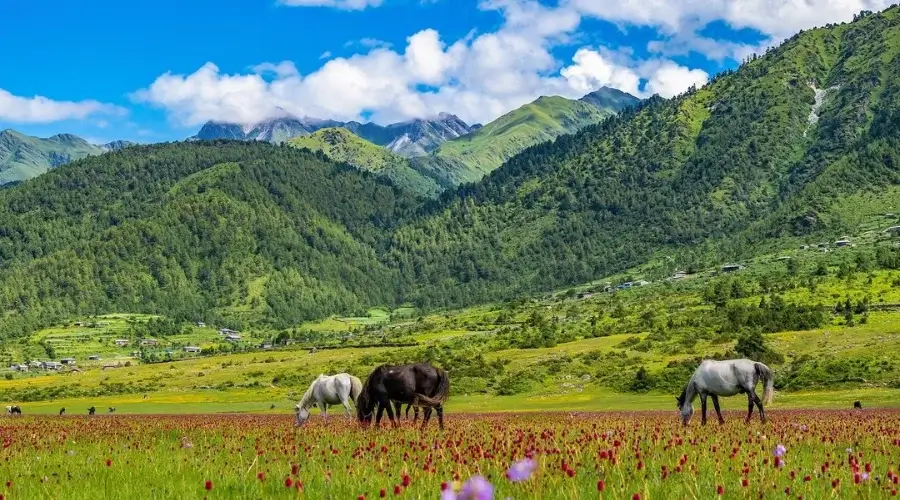
    Besides hunting opportunities, Dhorpatan is also a very scenic spot with great hills and meadows. 
    Quite exciting moments could be brought to the tourists by trekking through its dense woods, mountain pastures, and watercourses. Its view is probably some of the best panoramic scenes in this Himalayan terrain: mountains such as Dhaulagiri and Annapurna.

    dhorpatan_hunting_reserve

    Best Time to Visit

    Dhorpatan trekking can best be done in spring before the advent of monsoon and in autumn shortly before the beginning of the monsoon. Spring is characterized by moderate temperature, clear sky, fine weather, multicolored trees.

    This trend is because as explained below the rest of the seasons are preferred more by the tourists who go to the area mainly for hiking, camping and wild-life photographing. However, in winter and summer, it usually is at extreme cold and hot respectively. Besides that during these dry and wet periods the population is also more enhanced and visible to tourists. Since it is open for visitors for all the years round but the two are most pleasant seasons that enrich visiting Dhorpatan.

    How to Reach the Hunting Reserve?

    It is also a place easily accessible by road from any part of Nepal. The nearest airport is at Pokhara, and from there, easy accessibility to buses and jeeps either going directly to the reserve or passing close by is readily available to tourists. For the road lovers, one can drive to Kathmandu and then to Baglung and Myagdi though the route goes via the gorgeous Himalayan foothills and valleys. It consumes more time yet it is a great chance too to observe various nature and great heritage of the country – Nepal.

    Accommodation.

    Accommodation in the nature-based Dhorpatan Hunting Reserve focuses on the satisfaction of desires to see unique wildlife and its landscapes. Options to absorb local culture and a serene environment are, however, very few. The major accommodation options common in the country are-

    Community-run homestays, where visitors stay with local families in nearby villages. These homestays provide a basic yet comfortable environment, with rooms typically featuring simple wooden beds and local furnishings. Meals are traditionally prepared by the host families, giving travelers the chance to sample authentic Nepali cuisine. For those on hunting trips or trekking expeditions.

    Community homestay

    Source- Google

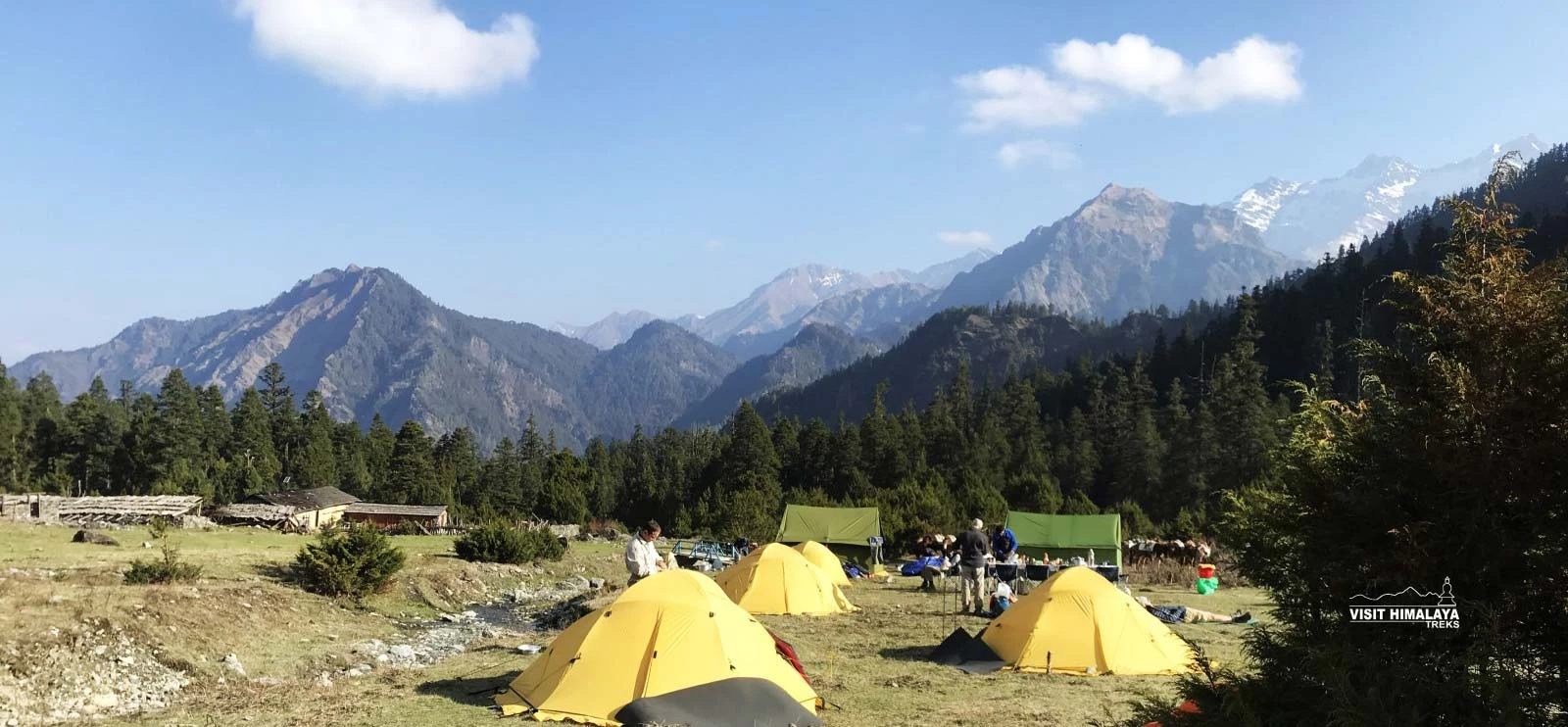
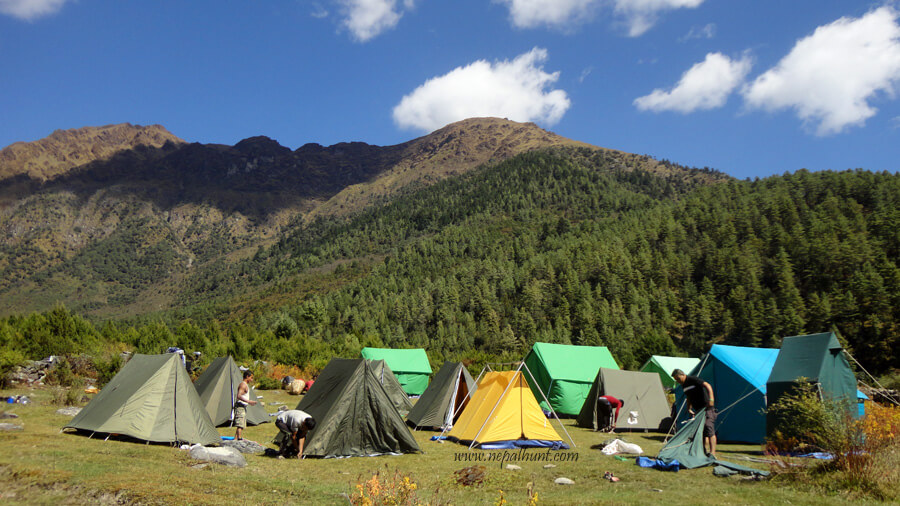
    Tented camps are also available, offering a more adventurous way to stay closer to nature. These camps are usually set up for short-term stays and provide basic sleeping arrangements, usually in shared tents.

    tent

    Source- Google

    Most of the accommodations in this reserve are far from modern facilities due to the remoteness, but the essence is a serene retreat amidst an undisturbed and pristine setting. Visitors will have an excellent taste of rural Nepal, cultural interactions with people, and of course, a taste of beauty that the reserve offers.

    Permit Requirements and Fees.

    The hunting procedures are very rigorous with forms and schedules for a permit to hunt in Dhorpatan Hunting Reserve.

    • Visitors must carry with them identification details in a valid passport or a national identity card. In addition to, also a detail of hunting license from their respective country. The entry permit is not refundable and non-transferable and for only single entry. Entry into the park without a permit is forbidden.
    • They are also to provide a recommendation letter from such hunting body or association, experience and or certifications indicating their hunting experience and knowledge. A DHR entry permit can be obtained from offices of the National Park at ticket counter, Nepal Tourism Board, Bhrikuti Mandap, Kathmandu or directly from the reserve’s entrance.
    • The cost of the permit depends on specific species of animals to be hunted, length of time of hunting expedition and many others. You need to get in touch with these offices or the licensed hunting outfitters for the current permit and fee structures as this takes time to go through in advance of your desired hunting season.

    Entry fee Cost-

    • Foreigners: Rs. 3,000
    • SAARC Nationals: Rs. 1,500 
    • Nepali visitor: Rs. 100 

    Cost for Documentary/filming

    You should also need a special permit for a documentary/film from the Department of National Parks and Wildlife Conservation.

    • Foreigners: $ 1,500
    • SAARC Nationals: Rs. 50,000
    • Nepali: Rs. 10,000 

    Note: Moreover, 25% extra needs to pay while using the drone for the documentary/filming. Same charge for drone would be needed for the respective activities for the use of drone other than a documentary/filming purpose.

    What can you do beyond hunting?

    Apart from hunting, other visitor activities in Dhorpatan Hunting Reserve include fun exploration of its unique natural and cultural attractions. Particularly, the following is what you can expect to undertake:

    1. Trekking

    • There are a number of trails leading through varied landscapes, including dense alpine forests, high-altitude meadows, and rugged terrain.
    • Most of the treks provide an opportunity for pan views of the Dhaulagiri and Annapurna Mountain ranges. Famous routes connect Dhorpatan to other famous routes for trekking in Jaljala Pass and Putha Hiunchuli.
    • These trails provide an excellent opportunity to experience the untouched beauty of Nepal’s western Himalayas.

    Trekking

    Source- Google

    2. Wildlife Watching

    • It hosts rare and elusive species including the snow leopard, Himalayan tahr, blue sheep (naur), red panda, and musk deer.
    • Wildlife lovers can take a tour through the different zones in the reserve which are considered to be the frequent sighting areas for animals including the Fagune and Surtibang blocks.

    wildlife watching

    Source- Google

    3. Photography

    • The photographer gets to click dramatic landscapes of the reserve made up of snow-capped peaks, glacial rivers, and verdant valleys.
    • Wild life and cultural photography: from herds of blue sheep to mundane village life of the villagers.

    Photography

    Source- Google

    4. Camping

    • Designated camping sites within the reserve allow visitors to stay overnight amidst serene natural settings.
    • Camping provides a unique way to experience the wilderness, with opportunities for star-gazing and enjoying the tranquility of the high-altitude environment.

    camping

    Source- Google

    5. Cultural Exploration

    • The reserve is surrounded by villages inhabited by indigenous communities, such as the Magar and Gurung peoples.
    • Visitors can experience their hospitality, learn about their traditional practices, and taste authentic Nepali dishes.
    • Festivals and rituals, often tied to the lunar calendar, offer a deeper understanding of their spiritual beliefs.

    6. Fishing

    • The reserve is home to several pristine rivers and streams where fishing is permitted.
    • Anglers can catch species like trout while enjoying the peaceful surroundings of these water bodies.

    7. Bird Watching

    • Bird enthusiasts can spot rare and high-altitude species such as Himalayan monals, pheasants, and eagles.
    • The reserve’s diverse ecosystem makes it a prime spot for observing both resident and migratory birds.

    8. Botanical Exploration

    • The area is rich in unique flora, including medicinal herbs and alpine plants like rhododendrons and junipers.
    • Botany enthusiasts can learn about plants used in traditional medicine by local communities.

    Popular Trails

    • This reserve lies in Dhorpatan, where exciting trekking routes have been developed to reveal more of its natural features. The most pursued is the Dhorpatan Circuit, which circles through forests and meadows, integrating some excellent viewpoints.
    • You’re lucky as you would get an outstanding view of the mountains including the Dhaulagiri and Annapurna massifs.
    • Another is the Jaljale Lake trek which takes you to the Jaljale Lake, a natural alpine lake with maximum unspoiled beauty. During these trails one can actually get a close look of Himalayan black bear, blue sheep and musk deer in their natural environment.
    • You will also have the privilege of clearly seeing the Himalayas and witnessing the various movements around Dhorpatan, creating many breathtaking memories of the trip.

    Wildlife in Dhorpatan Hunting Reserve.

    Dhorpatan is renowned for its rich biodiversity, featuring a wide range of mammals, birds, and reptiles.Among the most notable inhabitants are the majestic Himalayan black bear, the agile blue sheep, the elusive musk deer, the curious red panda, and a variety of bird species.

    • The Himalayan black bear, a large and powerful predator, is a symbol of the reserve’s wilderness. These bears are solitary creatures that roam the forests in search of food, which includes berries, insects, and occasionally small mammals.
    • In the Dhorpatan area, the hardy and nimble blue sheep suits the rugged landscape because of its four-legged nature. These sheep respectively inhabits groups or flocks, feed on grasses and shrubs found in alpine areas. Horned and haired blue sheep have long, curly horns and these animals are relatively large. It grows in the alpine meadows and cliffs and fits the conditions of the Himalayas perfectly well. Blue sheep are inhabitants of cliffs and rocks, and they move proficiently.
    • This includes the musk deer, a small deer-like animal that people highly seek for its musk, used in aromas and medicine.
    • Dhorpatan comprises the higher altitude area where red panda, a small bear-like creature with reddish-brown fur is an endangered species.
    • Himalayan tahr due to the fact that they have very thick, fluffy fur, feel quite comfortable in such climatic conditions as snowy highlands. They inhabit areas with rocks and they are great climbers. Himalayan tahr live in different locations, woodland and alpine grassland to name but a few.

    Moreover, the reserve is also home to a variety of bird species, including Himalayan monal pheasants, Lammergeier vultures, and various migratory birds, which add to the diversity and beauty of the ecosystem.

    Things to Remember Before Visiting Dhorpatan Hunting Reserve.

    • Don’t remove or damage plants and animals. All flora and fauna are under strict protection and must not be interfered with.
    • People should place, bury, or dispose of rubbish in designated areas only.
    • No one should walk within the reserve between sunset and sunrise.
    • Also, respect the cultural and religious sites.
    • Visitors should be self-sufficient in fuel supply (Kerosene/ LP gas).
    • Only in the designated areas, camping should be done.
    • Carry out nonbiodegradable items such as batteries, plastic bags, and bottles.
    • The inside park prohibits mountain bikes and motorbikes.
    • Furthermore, never trek alone, hire a local guide if you can’t find a companion.

     Conclusion

    The Dhorpatan Hunting Reserve presents an excellent opportunity for the adventurers and nature lovers to have new enlightening experiences.  From the exciting wild hunting adventure to the serene hike upwards and to the study tour of biodiversity and indigenous culture of Nepal, the memories of Dhorpatan stand unbeatable and very unique. Variegated activities, strikingly beautiful views, and rare wild make it a place promising to captivate and inspire. If you are planning to visit, contact us today at Happy Mountain Nepal, Facebook, Instagram, or TikTok. 

    FAQs

    1.What is Dhorpatan Hunting Reserve?

    Dhorpatan Hunting Reserve is the only hunting reserve in Nepal and was established in 1987. The reserve offers a unique hunting and trekking wildness experience set in Rukum East-next to nothing compared with other destinations in the Himalayas.

    2.What is the best time to visit Dhorpatan?

    The best seasons to visit Dhorpatan are spring and autumn of the year because of its moderate climate and due to clear skies, seeing wild animals becomes more frequent in this period.

    3.How do I get to Dhorpatan?

    Dhorpatan can be reached by road from Kathmandu. The nearest airport is at Pokhara, from where one can avail buses or jeeps to reach the reserve.

    4.What wildlife can I see in the reserve?

    The reserve is home to a variety of species including the snow leopard, Himalayan tahr, blue sheep, musk deer, red panda, and many bird species like the Himalayan monal and vultures.

    5.Do I need a permit to hunt in Dhorpatan?

    Yes,  you actually need permission to hunt here. Permissions in the reserve are issued from the National Park or Nepal Tourism Board and require identification proof along with hunting experience clearance.

    6.What accommodation options are available in Dhorpatan?

    Visitors can stay in community-run homestays with local families or in tented camps. Accommodations are basic but offer a chance to experience local culture and pristine surroundings.

    7.What activities can I do besides hunting?

    Aside from hunting, Dhorpatan offers trekking, wildlife watching, camping, fishing, bird watching, cultural exploration, and photography opportunities.

    8.What should I pack for a visit to Dhorpatan?

    Pack for rugged terrain and high-altitude conditions. Essentials include hiking boots, warm clothes, rain gear, a camera, binoculars for wildlife watching, and personal items like a first aid kit.

    9.Are drones allowed for filming?

    Filming with the help of a drone is not prohibited, but special permission will be needed for that. A documentary featuring the place will also attract an additional fee using a drone.

    10.What rules should I follow when visiting Dhorpatan?

    Respect the local environment and culture: Do not damage flora and fauna, camp only at campsites, dispose of waste properly, and follow all park regulations. It is also advisable to employ a local guide for safety and navigation reasons.

  • 6 Ideal Places for Short Trip Around Kathmandu. 

    6 Ideal Places for Short Trip Around Kathmandu. 

    6 Ideal Places for Short Trip Around Kathmandu. 

    If you want to find a way to have a tiny break from Kathmandu, a one-day night out could be the best way to do it. Here are the top 6, and each provides a wonderful experience, nice sights, and a good rest. They are within the proximity of the capital, and all have their unique selling points, ranging from history and cultural spots to natural attractions. Thus, they are perfect for a short but sweet trip. Here are the list of 6 places for short trip around Kathmandu-

    1. Nagarkot

    Nagarkot is quite famous among the town for a short break as during clear weather it is possible to enjoy the view of the Himalayas with Mount Everest included. A one and a half hour’s drive will take the tourists from Kathmandu to this picturesque hill station. It is perfect place for those who are thrill-seeking and those who want a quiet and serene time.

    It is particularly a place with many hiking trails, and lush green gifted with beautiful nature. The best part of this place is sun rise and sunset here, which is the most beautiful thing one can see. Nagarkot View Tower is also one of the major attractions of this place from where you can see the city and views. Nagarkot is ideal place for couple and family.


    view from nagarkot

    Source- Google

    • Distance from Kathmandu is 32 km and 1.5 hours drive by car.
    • The major highlights of thi place are-Scenic features, Mountain, Views, Sunrises and Sunsets, Trails.
    • Estimated Budget: NPR 2,500 – 4,000 per person

    2. Dhulikhel

    Dhulikhel is the beautiful city having mixture of nature and historical significance. It is located only two and half hours away from Kathmandu, it has an awesome view of the hills and mountains and has recently developed as a HOT tourism destination because of its easily accessible old town and the temples. The town can be considered less populated and can go there for a one-day tour and enjoy a quiet atmosphere. The tourists can spend the day visiting the temples or stroll around the village taking a detailed look at the local people and the life around the temples. Dhulikhel is ideal for peace lovers and the amount to be spent will essentially be on transport, food, and possibly transport to other important places which may attract entry fees.

    Dhulikhel

    Source- Google

    • Distance from Kathmandu is 30 km and 1.5 hours’ drive by car.
    • Highlights: Scenic views, War, architecture and Tourism free areas, Architecture
    • Estimated Budget: NPR 2,000 – 3,500 per person

    3. Chitlang

    Chitlang is integrated into the Makwanpur district which is just an hour’s drive from the capital city of Nepal, Kathmandu. It is a serene village where one can get a glimpse of the Nepali countryside and especially view the Langtang and Ganesh Himal. Chitlang is ideal for a day trip when visitors can go for a short trek or visit nearby ORGANIC FARMS. The area is also characterized by a very clean and fresh environment, and therefore ideal for rest. The beauty of this place is further complemented by a tour of the neighboring Markhu Lake. Expenses for a Chitlang tour include transport, food, and maybe some minimal charges for trekking or boating in Markhu.

    chitlang

    Source- Google

    • Distance from Kathmanduis 22 km and 1.5 hours’ drive by car.
    • Highlights: Quiet countryside setting, Trekking, Agriculture using natural products, Seeing the Himalayas
    • Estimated Budget: NPR 1,500 – 3,500 per person.

    4. Chandragiri Hill

    Chandragiri Hill which is a little off the city of Kathmandu is also a nice place for easy night outs. The major attraction is the cable car where tourists get the opportunity to enjoy the sites in Kathmandu Valley and some of the gigantic hills. As soon as you are at the top then you get a fascinating view of the great Himalayas or can go for trekking in the forest near it. The vantage point also presents several eating places where you can get a meal with a scenic background. Principal expenses that will be funded by the budget include cable car fare, transport, and food.

    chandragiri

    Source- Google

    • Distance from Kathmandu is located 14 km away and 30-40 minutes by cable car.
    • Highlights: Cable car ride, Superb Scenery, Trekking
    • Estimated Budget: NPR 2,500 – 4,500 per person

    5. Sundarijal

    Sundarijal is a quiet place, which is easily accessible from Kathmandu by car. They are seen for waterfalls like Sundarijal Waterfall; the least populated landscape gives it the feel of an immediate vacation space. Most of the visitors explore the forests through a walking trail with nice views of the valley and the surrounding hills. It should suit adventurous people and those who want to spend their vacation in a peaceful area. These include the fares for transport as well as food and beverages and a token charge for visiting the waterfall.

    Sundarijal

    Source- Google

    • Distance from Kathmandu: 15 km (30 minutes by car)
    • Highlights: I would like to see waterfalls, hiking, and scenery.
    • Estimated Budget: NPR 1,500 – 2,500 per person

    6. Kavre

    If one wants a serene town, that is slightly removed from the busy core of the country’s tourist attractions, Kavre provides a great opportunity that has beautiful countryside views. It is approximately a one-and-a-half-hour drive from Kathmandu and is famous for light trekking as well as warmly exploring through nature and beautiful villages of the countryside. It can be seen in local villages, taste traditional meals, and enjoy the view of the hills surrounding the city. The expenditure most of the time will comprise transport, feeding, and activity charges which are not very huge for this trip.

    kavre

    Source- Google

    • Distance from Kathmandu is 40 km and 1.5 hours drive by car)
    • Highlights: Country View, Quiet Getaway, Trails
    • Estimated Budget: NPR 2,000 – 3,500 per person

    Conclusion

    All these destinations are ideal for a weekend outing away from the cities without burning much time or money. These include natural beauty or even culture, boho, and tranquil which are facets, you will likely find in these places for your one-day night out in Kathmandu. If you are planning to visit, contact us today at Happy Mountain Nepal, Facebook, Instagram, or TikTok. 


     FAQs 

    1. What are the best destinations for a short trip around Kathmandu?
      Nagarkot, Dhulikhel, Chitlang, Chandragiri Hill, Sundarijal, and Kavre are some of the best options for short trips.
    2. How far is Nagarkot from Kathmandu, and what can I expect there?
      Nagarkot is 32 km from Kathmandu, approximately 1.5 hours by car. It offers stunning sunrise and sunset views, mountain vistas, and hiking trails.
    3. What activities can I do in Dhulikhel?
      Visitors can explore historical temples, stroll through the old town, and enjoy scenic views of the hills and mountains.
    4. Is Chitlang suitable for a family trip?
      Yes, Chitlang is perfect for families. It offers a peaceful countryside experience, organic farm tours, and nearby attractions like Markhu Lake.
    5. What makes Chandragiri Hill a popular destination?
      Chandragiri Hill not only features a thrilling cable car ride but also offers panoramic views of the Kathmandu Valley and nearby trekking opportunities.
    6. Can I visit Sundarijal in half a day?
      Yes, Sundarijal is only 15 km from Kathmandu and can therefore be explored within half a day. Additionally, visitors can enjoy waterfalls, hiking trails, and serene surroundings.
    7. What is the estimated budget for a short trip to these places?However, budgets vary depending on the destination, ranging from NPR 1,500 to 4,500 per person, covering transport, food, and activity fees.
    8. Are these destinations accessible by public transportation?
      While some destinations like Dhulikhel and Chandragiri Hill have public transportation options, renting a car or taxi is more convenient for others.
    9. Which destination is best for adventure lovers?
      Nagarkot and Sundarijal are ideal for adventure enthusiasts due to their hiking trails and outdoor activities.
    10. Can I visit multiple places in one day?
      With careful planning, you could visit nearby destinations like Nagarkot and Dhulikhel or Chitlang and Markhu Lake in one day.