Author: Happy Mountain

  • Top Trekking Routes in Nepal

    Top Trekking Routes in Nepal

    Top Trekking Routes in Nepal: Your Ultimate Guide to Himalayan Adventure

    Nepal is trekkers’ paradise, where there is outstanding landscape, snowcapped mountains, and culturally rich treks. From a brief, scenic walk to a four-week trek over unspoiled wilderness, Nepal’s varied trekking trails have something for every type of traveler.

    Below are the top 10 treks in Nepal along with descriptions and highlights to plan your next Himalayan trek.

    1. Everest Base Camp Trekking

    Everest Base Camp Trek is the crown of Nepal treks. The trek begins with a Himalayan flight to Lukla and climbs through picturesque color villages like Namche Bazaar and Tengboche. The trek is a distinctive cultural trek of the Himalayas with overnight stops only in the old monasteries and Buddhist chortens along the trek. Higher still, there’s landscape broken into yaks, glacial rivers, and awe-inspiring views of the world’s highest mountains.

    Everest Base Camp hike to the elevation of 5,364 meters is an endurance test both physical and mental. Kala Patthar peak to the elevation of 5,545 meters and a viewpoint famous for the most stunning sunrise panoramic view of Everest, Lhotse, and Nuptse are also included in the trek. The trek although challenging from the altitude point of view, is very well marked with teahouses and medicare centers in between.

    Everest Base Camp Trekking

    Main Attractions:

    • Panorama viewpoint for the best panoramic photograph of Everest,
    • Namche Bazaar a beautiful acclimatization break and Sherpa village,
    • View from below Tengboche Monastery of Ama Dablam,
    • Sailing on rickety suspension bridges over the Dudh Koshi River,
    • Everest Base Camp visit a holy place for pilgrims/tourists.

    2. Annapurna Circuit Trekking

    Annapurna Circuit is the loveliest trek of Nepal, too. It ranges from rice terraces and subtropical forest to alpine meadow and arid desert of Mustang, hugging the Annapurna massif. The trekkers go through a string of ethnic villages- Brahmin, Gurung, Thakali, and Tibetan-influenced villages- with an altering culture and cuisine. Spring’s overall weather for the trek is wildflowers and wildlife, langurs, Himalayan griffons, and flowering rhododendrons.
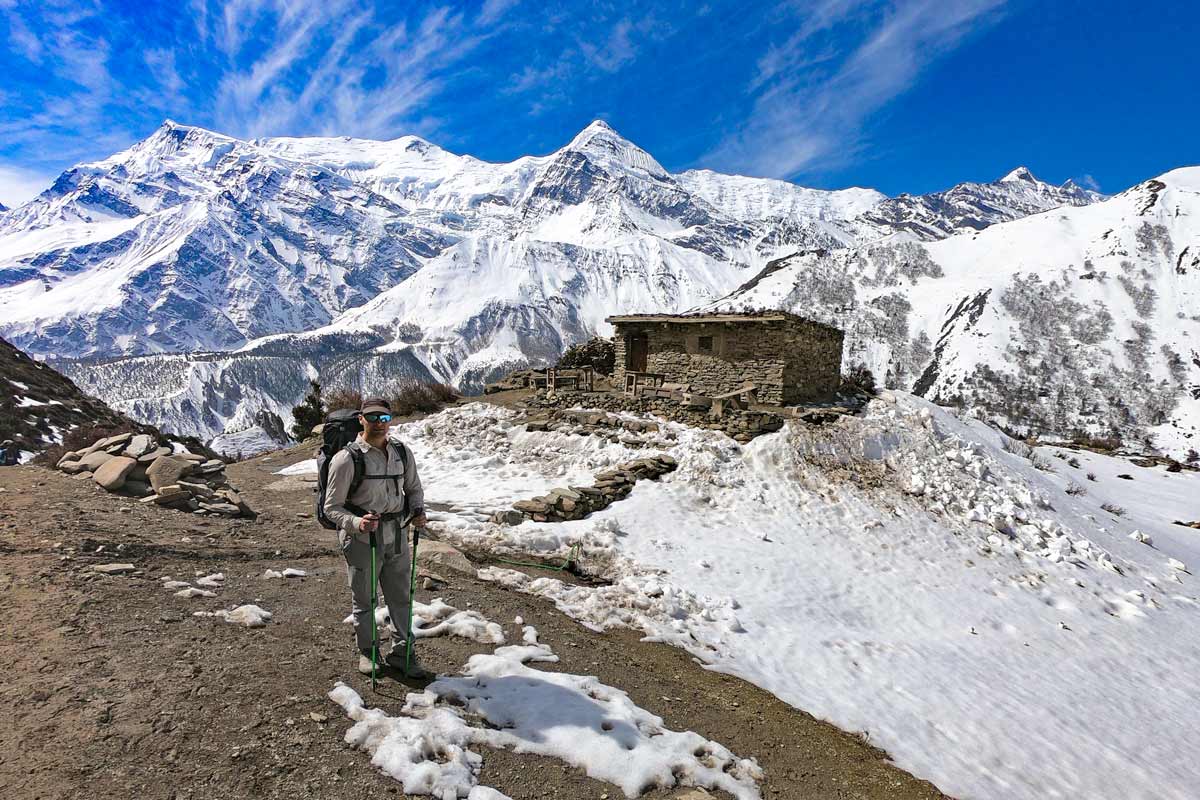
    Annapurna Circuit Trekking

    The high point of the trek is Thorong La Pass (5,416m), the highest trekking pass in the world. On the other side of the pass is the trek to the world’s longest and deepest gorge, Kali Gandaki Gorge, and on to sacred Muktinath. Sidetrips are also taken to Tilicho Lake and Poon Hill, and the circuit is completed by a string of teahouses with luxury and camaraderie.

    Main Attractions:

    • Trekking highlight with 360° view from Thorong La Pass,
    • Muktinath Temple visit Hindus and Buddhists’ temple,
    • Healing nature in the Tatopani hot springs,
    • Panorama of Annapurna I, Dhaulagiri, and Machapuchare,
    • Viewing the World’s deepest gorge trek Kali Gandaki.

    3. Langtang Valley Trekking

    Langtang Valley Trekking, a day trip to Kathmandu, is a glacial stream alpine gem and genuine mix of Tamang and Tibetan traditions. Trek ascends along Langtang River past dense pine, bamboo, and rhododendron forests to open to sweeping broad vistas of alpine grasslands. Tamangs’ warm welcome and the traditional yak herding of their centuries-old traditions make this earth disproportionately real in nature.

    The region has picked up speed over the years since the earthquake took place in 2015, and hiking to the region makes development on the ground level. Kyanjin Gompa is the last village on the hike with off-the-beaten-path regions like Tserko Ri (4,984m) to hike up for summit views of the surrounding high peaks. Langtang Lirung (7,227 meters) towers away in the distance on the hike.
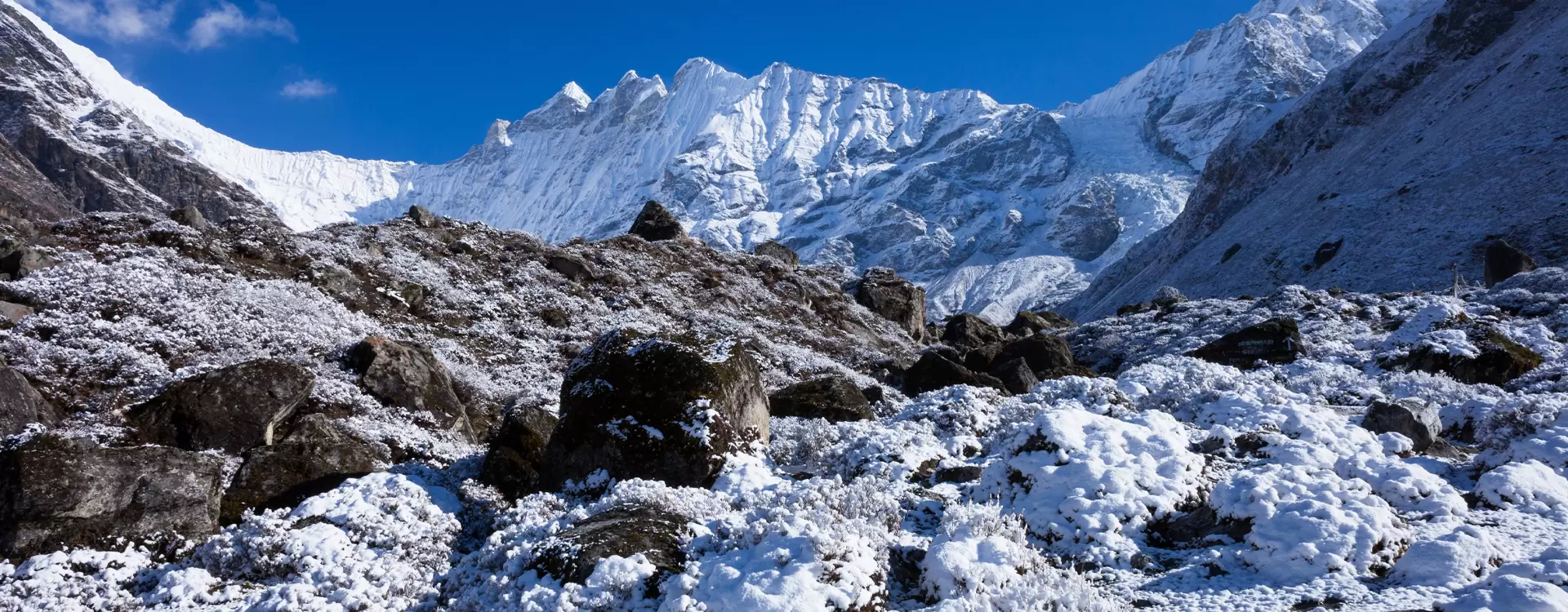
    Langtang Valley Trekking

    Main Attractions:

    • Kyanjin Gompa religious and cultural hub of the valley,
    • Sunrise over snow-capped mountains at Tserko Ri,
    • Red panda and Himalayan monal habitat within Langtang National Park,
    • Yak grazing and Glacier stream at Langshisha Kharka,
    • Tamang culture and hospitality.

    4. Manaslu Circuit Trekking

    Less Manaslu Circuit Trekking elsewhere. Elsewhere outside, the Manaslu circuit trek crossed (8,163m) is of the rare kind in the rare geography and cultural charm of the world. Hindu mid-hills trek again provides the Buddhist highlands of rock-village villages and medieval monasteries. Guide trek tour guide and permit and natural and cultural integrity preserved.

    Most exciting and interesting part of the trek is Larke Pass (5,160m), Himlung Himal, Cheo Himal, Himal view of Annapurna range. Less treks and less crowd and other alternative of treks, and best for those people who don’t like crowd. Trek is similar to Annapurna circuit trek also and other alternative of treks.
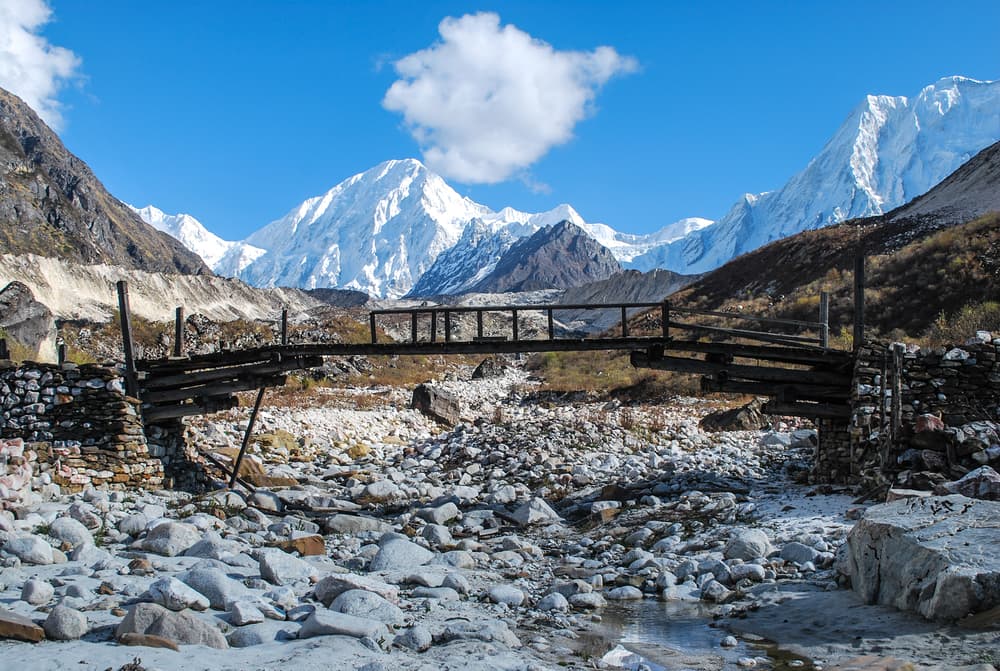
    Manaslu Circuit Trekking

    Main Attractions:

    • Larke Pass, the  high-pass, high-altitude trekking adventure
    • Sama Gaun, starting of Manaslu Base Camp trek,
    • Pungyen Gompa, old monasteries,
    • Nubri Valley ice and waterfalls,
    • Synthesis of Hindu-Tibetan culture.

    5. Ghorepani Poon Hill Trekking

    Ghorepani Poon Hill Trekking is Ideal and short for the tight budgeter and the first-time trekker. But with plenty of fine scenery. From near Pokhara itself. Just south of Nayapul, it winds its way up through a fine rhododendron forest and the Gurung and Magar villages. With its old path and rowed teahouses to the fore, the trek is still Nepal’s easiest.

    The highlight of the trekking tour is the sunrise on Poon Hill (3,210 m), when sun burst and light up the Annapurna and Dhaulagiri ranges with golden light. A photographer’s paradise and a dream for trekkers. The trek can be done all year round and also made into a family trek by re-routing the trek trail.
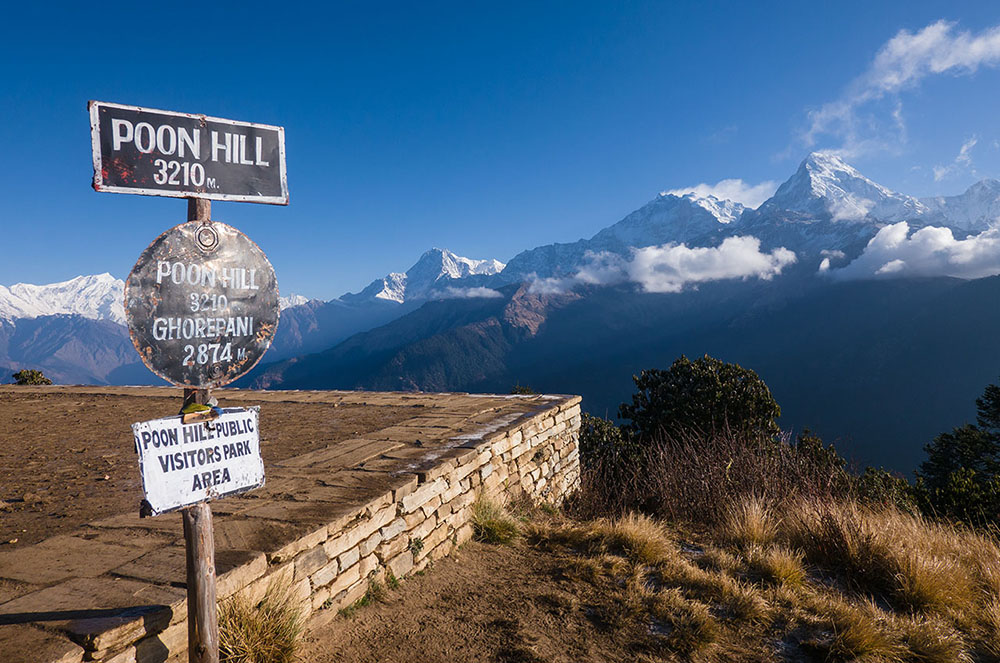
    Ghorepani Poon Hill Trekking

    Main Attractions:

    • Annapurna range sunrise view from Poon Hill,
    • Ghorepani and Ghandruk traditional villages,
    • Rhododendron forests in bloom (March–April),
    • Panorama of Dhaulagiri and Machapuchare (Fishtail),
    • Cultural interactions with Magar and Gurung villagers.

    6. Upper Mustang Trekking

    The Upper Mustang Trek takes us to Nepal’s arid land that was once an independent Kingdom of Lo. The capital Lo Manthang has palace complexes, Buddhist monasteries, and medieval narrow streets from the time when the modern world had not gained dominance. It is one of the most culturally interesting trekking with Tibetan appearance landscape and Tibetan culture compared to Nepali appearance landscape. Off the beaten and rarely visited except by special permit.

    This country will be so out of this world — Dune landscapes, wind-eroded cliff faces, cave networks. May to October is monsoon season and thus your best option as the country lies in a rain shadow. It’s more hills than a hiking tour of early Himalayan cultural heritage.
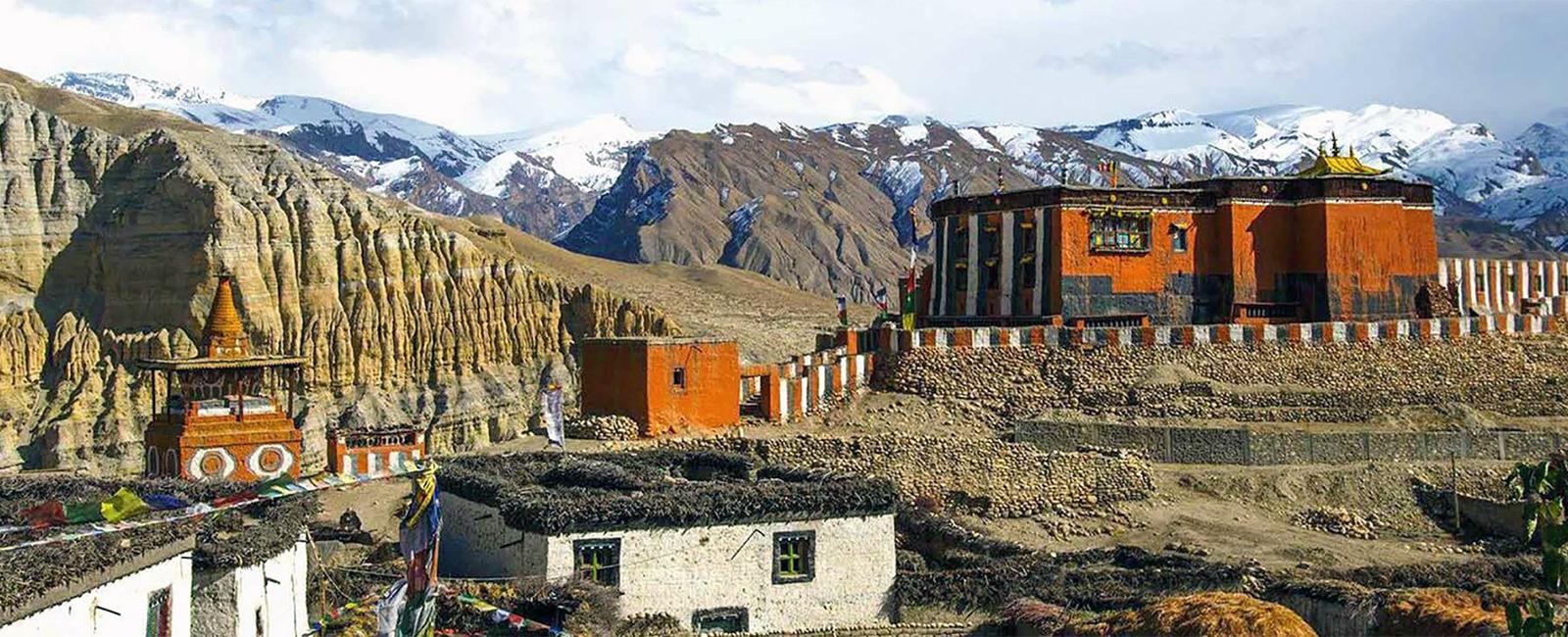
    Upper Mustang Trekking

    Major Attraction:

    • Lo Manthang: The fort city, the capital city, the royal tradition city
    • Abode of the Yogis, meditation halls of yore hewn into simple living residential houses,
    • Views from Dhamkar and Ghami Passess,
    • Tibetan gompas and chortens
    • Forbidden Kingdom and its rich culture come alive.

    7. Gokyo Lakes Trekking

    A serene day trekking from Everest Base Camp, the Gokyo Lakes Trek is a glacier valley trekking to a chain of blue turquoise lakes beneath some of the world’s highest mountains. The Lukla trek is all that happens in an EBC tour before trekking to Dole and Machhermo. The reward is Gokyo Ri (5,360m), whose breathtaking 360° panorama includes Everest, Lhotse, Makalu, and Cho Oyu.

    Trekking also walks over huge Ngozumpa Glacier—Nepal’s longest glacier. Off-the-beaten trail, fewer tourist crowds, and rugged terrain of high-altitude lakes all do make this trek a great option for nature lovers looking for Everest view without EBC tourist throngs.
    Gokyo Lakes Trekking


    Major Attraction:

    • Panorama sunrise over the summit from Gokyo Ri
    • Chain of six glacial lakes supplied by blue water
    • Ngozumpa Glacier, Nepal’s longest glacier
    • Way to cross Cho La Pass to approach EBC trek
    • Four 8,000-meter giants visible.

    8. Mardi Himal Trekking

    Delightful and short trekking to Mardi Himal Base Camp on virgin ridge and forest. After Annapurna Base Camp trek, the trek is less populated by humans and a peaceful and calm trekking experience. The trek runs smoothly with good pace from 1,000 meters well above 4,000 meters, and forest becomes alpine ground with boulders scattered.

    We have great views of Machapuchare, Annapurna South, and Hiunchuli during trekking. The highlight is ridge walk from High Camp to Mardi Base Camp with Himalayan scenery both sides.
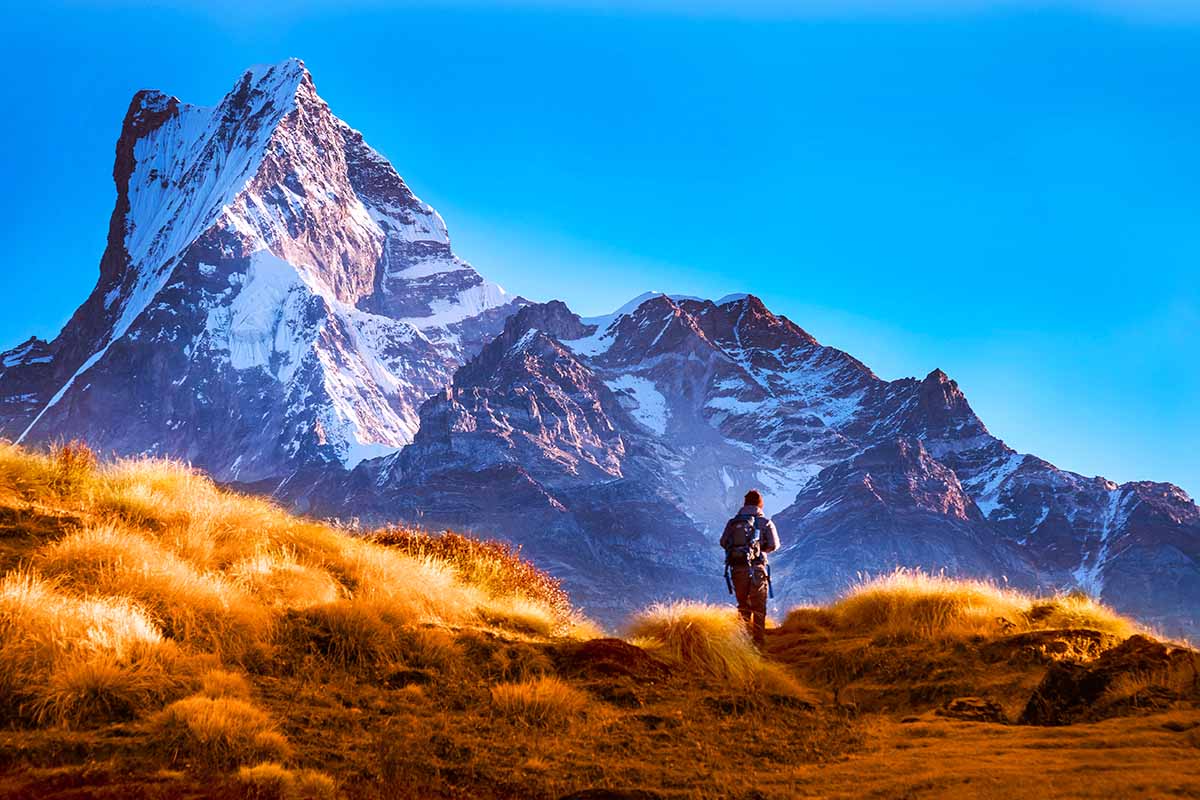
    Mardi Himal Trekking

    Major Attraction:

    • Panorama of Mardi Himal Base Camp,
    • Less-trodden, less-populated trail with fewer tourists,
    • Rhododendron forest trek,
    • Nice view of Machapuchare (Fishtail Mountain),
    • Ridge walk drama landscape scene at High Camp.

    9. Kanchenjunga Base Camp Trekking

    Third highest in the world and Nepal’s farthest 8,000-meter peak, the Kanchenjunga base camp trekking is Nepal’s shortest and farthest trekking route. The opportunity for the trekker to trek through dense forest, rugged gorge, and distant Limbu and Rai villages exists. The trekking route belongs to one of the parts of the Kanchenjunga conservation area and is biologically richer.

    Remote in altitude, distance, and access but countered by virgin landscapes and remoteness. Panorama view of Kanchenjunga and virgin Himalaya terrain. Special guide and permit required owing to location close to Indian and Tibetan frontiers.
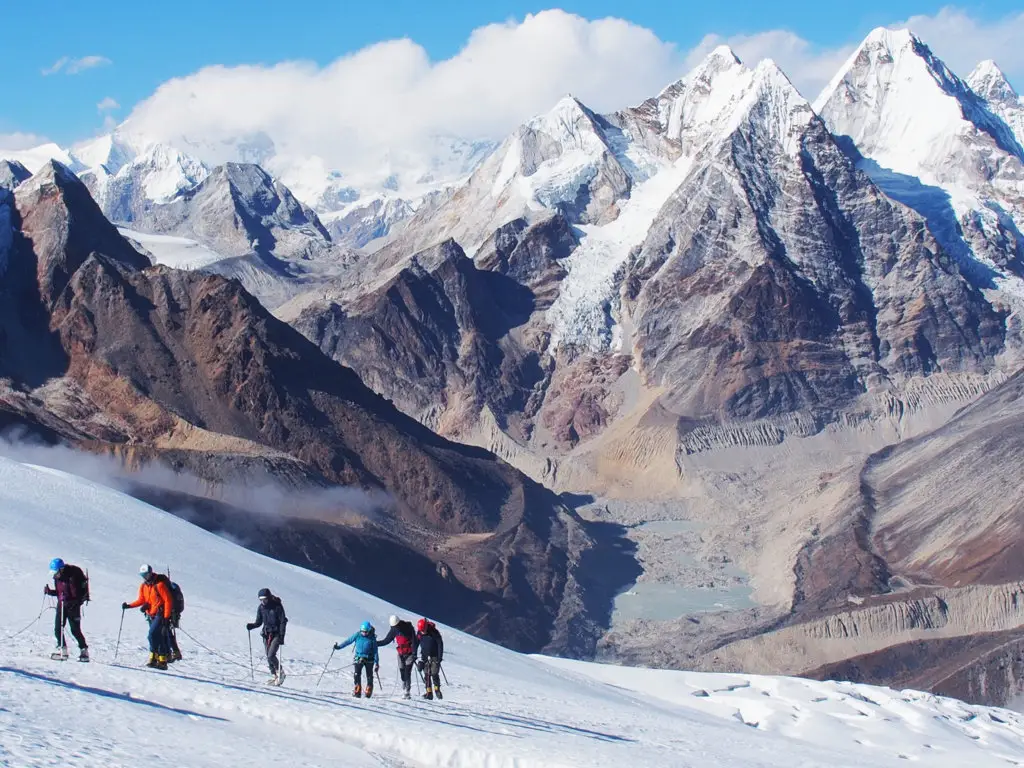
    Mardi Trekking

    Major Attraction:

    • Panorama base camp view of Kanchenjunga and Jannu,
    • Virgin, isolated villages such as Ghunsa and Yamphudin,
    • Virgin alpine woodland with waterfalls.

    10. Helambu Trekking

    Helambu Trekking to the north of Kathmandu is a low altitude acclimatization trekking. The trail goes through Sherpa, Hyolmo and Tamang villages and one gets exposed to Buddhist culture and mountain scenery without requiring high altitude acclimatization. Pine forest, waterfalls, and ridgeline view with occasional glimpse of Langtang Lirung and Dorje Lakpa are products of the trek.

    Far enough from the capital city but rural and off the beaten path, Helambu is within reach, used, near, and well-suited to serve as ideal short trekking stops or cultural experiences for visitors within easy reach of Kathmandu.
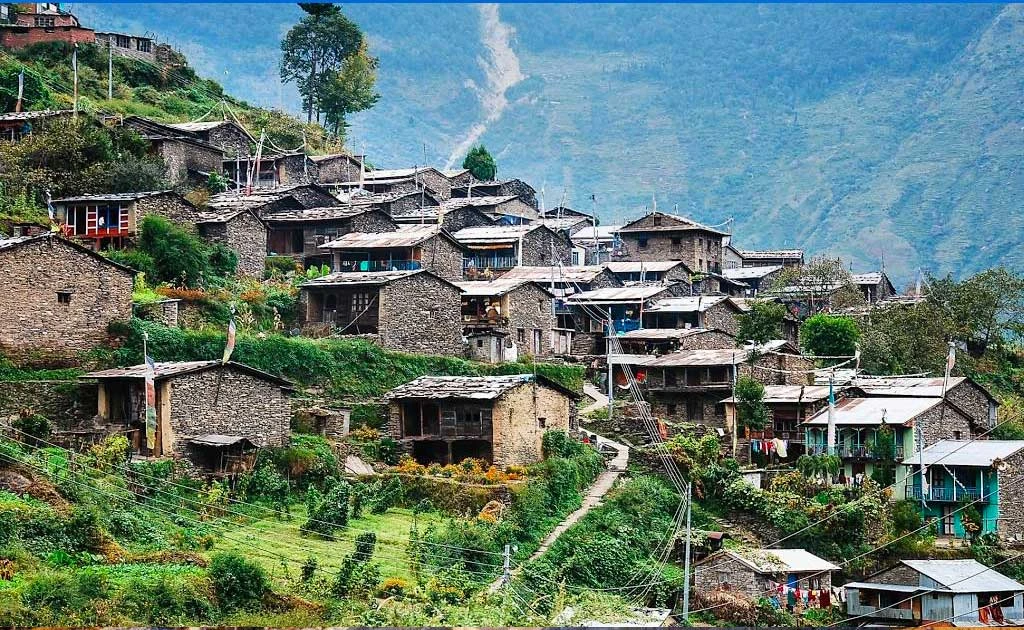
    Helambu Trekking

    Main Highlights:

    • Hyolmo and Tamang village people,
    • Buddhist monasteries and prayer walls,
    • Langtang and Ganesh Himal range panorama,
    • Green pine and oak woods,
    • Near to Kathmandu for convenience.

    Best Time To Visit

    1. Spring (March till May)

    It is one of the most favorable times to go for Trekking, it is so because during that time –

    • You can enjoy plead wether. It is warm and sunny during the day but not ice cold in the night.
    • You can enjoy clear mountain views of mountains because there are no monsoon clouds.
    • You will also get a chance to watch various local festivals here during these months, and they can help you learn about other cultures.

    2. Autumn (September to November)

    The autumn season is the perfect time for Trekking since weather is fine here. This is the ideal time to witness trek beauty.

    • You can enjoy unhindered sights of the Himalayas at this moment. Weather is hot during the day but freezing at night but can be withstood using the gears.
    • You can enjoy post-monsoon scenery. Forest and trails are more beautiful than in other months after monsoon rains, with the ideal number of rivers flowing and green trails.
    • It is claimed that during this period, it is possible to spot Himalayas wildlife such as the blue sheep and other animals.

    Essential Tips for the Trekking

    1. Permits: You need to get the Restricted Area Permit, Conservation Area Permit initially.
    2. Guides and Porters: You would be informed in advance that Solo trekking is strictly prohibited on this trek. You would need to employ a registered guide and minimum two trekkers. If you wish for a good guide then you may contact us from our website.
    3. Physical Preparation: A individual must be atletic enough to hike and run. His endurance needs to be in the proper condition because a higher altitude would need to be faced.
    4. Altitude Sickness: In order to minimize the dangers and acclimatize your body to altitude sickness, it is advisable to follow the schedule of guides. Consuming large quantities of water would keep your body hydrated and acclimatize it to the environment.
    5. Money: Don’t forget to have some Nepali money with you during the trekking since you won’t be encountering any ATMs along your way.

    Things you should carry with you during your Trekking.

    While packing for trekking, the most vital thing to carry with you is warm clothes. As the trekking starts, there will be a temperature difference, so we suggest that you –

    • Carry warm jackets, insulated jackets, and water-proof jackets with you. You should carry warm hats, gloves, and thermal socks with you for the cold weather.
    • You need to wear trekking shoes that are comfortable with strong ankles so your feet will not hurt during trekking.
    • Don’t forget to bring your gear like trekking poles, sleeping bags, and handlamps. Always remember to bring a sleeping bag for low altitudes.
    • Take your suncream, lip balm, and sunglasses along at lower altitudes as personal accessories .
    • Take your snacks such as protein bars, and junk foods as appetizers throughout the trekking.
    • Do not forget to bring a first aid kit for critical moments such as painkillers,nims, altitude sickness, purification tablets, etc.

    Conclusion

    Trekking in any place is not just a trekking destination but a journey of learning about the environment, culture, and lifestyle. You will be able to witness the beauty of the landscape to the beauty of the mountain. We bet you this is going to be your once-in-a-lifetime experience. If you want to set off on the adventure of a lifetime, Contact us today at Happy Mountain Nepal, Facebook, Instagram, or TikTok.  We will prepare your package as per your flexibility.

  • Eco-Tourism and Community-Based Tourism

    Eco-Tourism and Community-Based Tourism

    Eco-Tourism and Community-Based Tourism: Focus on Sustainable Tourism Practices

    Tourism is one of the biggest booming sectors of the entire world, yet tourism is also one of the biggest businesses with such huge possibilities. It is the merger of both are environment and culture. The footprint has given two strong movement, which are eco-tourism and community-based tourism (CBT), having similar consequences but in opposite ways. There are two of them, in an effort to preserve natural resources and environments for sustainable utilization, and the third one is to develop local society and culture.

    Again, these values render ecotourism trendy — with the host communities and the travelers across the globe. In this blog, you will have clear cut ideas about what ecotourism and community-based tourism is, why we need it, what are the shortcomings of it, and how it helps in reducing the ill effects of traditional tourism impacts otherwise. Other than that, there are some actual practices leading the way as how such practices not only contribute to local communities around the travel and tourism destinations but also assist in the development of travel & tourism worldwide in a positive and sustainable way.

    What Is Eco-Tourism?

    Ecological tourism is also referred to as sustainable tourism, nature tourism for the sake of nature protection, and nature-based happiness in native society. It’s not always done outdoors, it’s more a matter of learning, saving, using with something akin to a touch of pedantic, restrained type of enjoyment.

    Eco-Tourism

    Basic Principles of Ecological Tourism

    • Environmental footprint brought down too little amounts,
    • Increased Sensitivity Given to the issues of the Environment,
    • Voluntary investment on carrying on with it entire and complete,
    • Empowerment to indigenous society,
    • Illustrating deference to local customs and way.

    Ecotourism, for instance, is a uniform script across wildlife parks, forest preserves, marine reserves, and national reserves.  Some of the best-known activities are snorkeling within coral reefs, birding, wildlife viewing, nature hiking guided tours, and conservation work volunteer tours.

    What Is Community-Based Tourism?

    Community-based tourism (CBT) aims at the local people in the tourism sector. It is a better option compared to foreign investors who remit the tourist infrastructure or the big tour operators. CBT ensures that the local people own, control, and receive direct benefits from the tourism sector.

    Community-Based Tourism

    Basic Principles of Community-Based Tourism

    • Control and community ownership
    • Equitable distribution of income
    • In a genuine sense, cultural exchange
    • conservatory and cultural preservation
    • Carried out capacity building and education

    CBT can be found in various forms – food tour, homestay, handicraft workshop, heritage walk, and festivals. CBT is practiced more in indigenous or rural destinations where the local host community integrates the tourists into their homes and way of life.

    The Intersection of Eco-Tourism and Community-Based Tourism

    Although distinct, eco-tourism and community-based tourism overlap. Learning from each other’s accomplishment, they complement each other to form well-balanced concordant sustainable travel experience. A good example is a local indigenous people’s conservation lodge putting into practice the two philosophies. Nature could be opened to tourists and, concurrently, exploited to benefit the locals.

    Overlap is best used for:

    • Protection of biodiversity alongside human rights
    • Environmental and economic sustainability
    • Creation of real touring experiences

    Benefits of Eco-Tourism and Community-Based Tourism

    1. Environmental Protection in eco and community-based tourism

    Eco-tourism promotes low environmental degradation. Eco-tourism promotes the tourists to travel through conservation land using environmental-friendly modes of transport, thereby creating a low amount of wastage, pollution, and destruction of the environment. Wildlife viewing is carried out without performing something that can disturb the environment. Reef walking and forest walking are also carried out without performing something that can disturb the environment. Eco-tourism is also balanced on conserving the environment most of the time. Funds spent upon arrival, Eco-lodge charges, and tour charges are re-invested so that nature is not so hard to preserve and thus an institution where money is returning to nature rather than ruining it.

    In CBT, individuals are persuaded not to disrupt nature and make their livelihood out of it. Forests, wildlife, and water resources are being turned into economic gains rather than impediments. CBT thus thwarts deforestation, poaching of animals, and depletion of resources. When citizens are proud of their surroundings, they will be more answerable to their surroundings. Organic farming, clean energy, and green infrastructure are the future.

    2. Economic Empowerment in eco and community-based tourism

    Leakage deprives the economy of the country, particularly if others benefit somewhere else as hotelers or tour operators or any other person economically elsewhere. Area-based local area tourism enriches the town, locality, or village. Area-based local area tourism economically empowers people economically as income from food tour package sales, leading, homesteads, or handicrafts. It has non-extraction diversified economic gains, i.e., commercial horticulture or mining.

    Second, ecotourism brings income into far-off areas with mass tourism. Low-impact, small-scale tourism is the best for rural and indigenous people. Conservation, health, and education are trickle-down benefactors. Poverty and disfranchisement by gender are then eliminated by the activity with long-term livelihoods, and disfranchised groups enjoy fate control.

    3. Cultural Preservation in eco and community-based tourism

    By dancing, eating, painting, or narrating to the tourists, they are selling tradition and culture. Community tourism is compelling the locals to cling to their rituals, customs, and language because it is the same tradition that they have clung to so proudly. Culture loss as a result of globalization is prevented by the community being commodities and exposing themselves to the invasion of the world.

    Ecotourism also produces co-sharing moments of nature as culture. Human perception gives mountains, forests, or sacred streams only the feeling that they are given. They create niche spaces in tourists’ minds and generate preserving intangible heritage. Re-generation of tourism re-formulates questions and raises questions on the basis of respect in a manner wherefore tradition is transferred centuries long with honor and pride.

    4. Education and Awareness

    Ecotourism makes tourists conscious of the issues themselves. Do and learn from it as they hear what global warming does to coral reefs or deforestation is jeopardizing forests, and the tourists learn and get inspired. Perhaps it is another way for them to find it out than at school. Perhaps it could make tourists green heroes or take sustainability home.

    Community tourism encourages cross-cultural understanding. They don’t just go there to do it and get on with it—it is lives that are touched by the daily, street food that is eaten, and stories told about the folks. Experiential learning makes one discard the stereotypes and develop understanding. The other worldview windows are thrown open to the tourists, and the communities realize that even they are being understood.

    5. Less Over-Tourism

    Mass tourism sends tourists in bulk to places and thus become infrastructurally pampered, conditional, and demanding. Sustainable tourism sends tourists to secondary lesser-known places, relieving pressure from places. It spreads the influence and does not allow old towns, and sensitive landscapes deteriorate and has budget impacts typical of second-tier destinations.

    National tourism and ecotourism are inherently low volume. Quality, not quantity, shorter in number but longer in time, they remove some of the pressure from the environment and permit visitors to get to see more place. With a short notice, one only has to look a little farther ahead, so one can pass through a less patchy tourist landscape with advantages diffused and destinations that do have room to breathe.

    Best Practices for Sustainable Tourism Development

    1. Engage Communities Early

    The model of sustainable tourism will not work unless the people locally are involved in the decision-making process. Needs are placed too late in the process when things are already planned. Involvement involves getting the residents on board with the selection of sites, with planning processes, with pricing, and with promotion activities. Involvement involves listening to what they need, listening to their concern, and working together in producing the experience of tourism that will attract their cultures.

    It retains the local culture, feels local tourism, and gains hospitality, environmental, and business management skills. This makes them self-sufficient. This is a pride and ownership. This gives room for the local values to prevail, ensures cultural integrity to be upheld, and evolve with time.

    2. Share revenue fairly

    Irresponsible and unbalanced assignment of responsibility is a frequent fallacy in the tourism industry. Structures are in balance, revenues distributed equally—host communities, guides, artisans, locals. These can offer local employment proposals, equitable pricing, and community funds distributed through advantages to one and all, e.g., conservation, education and low-cost infrastructure with even profit-sharing possibilities.

    And some of the CBTs order the co-ops or the banks of the community and disperses the money, the one percent of tourism and that is allocate to the needs, of the community like clean water, sunlight and scholarships. Well, if there is tourism and everyone profits together in exchange to live even better then it’s not so bigger war between tourism and those other things but public.

    3. Use Certification Programs

    The eco-certifications actually allow the tourists to distinguish between pseudo-authentic sustainability initiatives and greenwashing. The Global Sustainable Tourism Council (GSTC), Earth Check, and Rainforest Alliance are a few such programs that are specialists in environment conservation, fair treatment of staffs, involvement of locals, etc. Other than this, the firms must follow such rules and get audited from time to time.

    Also, tourism can be regionally or locally certified depending on regions. National tourist boards or charities usually organize these. Companies also benefit from certifications because they remind them precisely where to apologize. Educated, organized tourism makes tourists confident and knowledgeable about sustainability.

    4. Focus on Low-Impact Infrastructure

    Low-impact ecotourism infrastructure is what is need. And that in the contemporary era means solar energy, rainwater collection, compost toilets, natural building materials, etc. Off-grid facilities, treehouses and camps don’t have to be cold best if well designed … Paths and trails need to be well-design so that they’re plant-friendly and erosion-free.

    Infrastructural development is also done to preserve culture in the guise of community tourism. Not in new buildings but in restoration of old structures and are part of traditional architecture which include homestays. It is local man and local material use with zero emissions and local economy reinvestment. Nature and culture is not violate and tourist development can be initiate without killing the golden goose.

    5. Market With Integrity and Respect

    Sustainable tourism is not a matter of keeping tourists out or attracting them, but how it has been market. It is market that is sensibly as though it exists. It’s not in the business of selling natives as “exotic” tours, and it doesn’t advertise what it can’t provide. It sells quality local-visitor contact.

    It’s educating the visitors by the tour operator. They teach behavior, dress, and local etiquette. That way, nobody will be embarrass, and messages can be convey in a dignified manner. Sales require good photographs and proper descriptions and point to where money is being invest. Honesty, transparency, and good communications build trust between hosts and visitors.

    Eco-Tourism and Community-Based Tourism Practices in Nepal

    1. Barpak Village, Gorkha – Refreshing with Community and Eco-Tourism

    The 2015 earthquake epicenter village of Barpak was reconstruct by community tourism. The local green material was use to construct traditional homes by the villagers and converted into Manaslu and Ganesh Himal trekkers’ homestays. Trekkers live with the Gurungs’ families, assist on the farms, and receive the mountain view from their rooms. Tourist revenue now trickles down to the village, which are now investing in medicine, roads, and schools.

    2. Khopra Danda Community Trek – Trek with a Purpose

    This is a non-touristy trek in the Annapurna region, which is locally own and operate. The trail is full of locals who own and run lodges. Money for school, sanitation facilities, and forest conservation directly finds its way into the trekkers’ pockets. No commercial trekking here; porters and local guides find employment, fruits bought are sold by local farmers, etc.
    Good views of Dhaulagiri, Nilgiri, and Annapurna South and is less crowded.

    3. Tansen, Palpa – Heritage Conservation and Ec0- Tourism

    Tansen is a Nepali hill town in the west that is rediscovering Newari architecture and crafts through tourism. The tourists enjoy homestays, wood carving and traditional weaving courses, and guided tours of the heritage buildings. The restore buildings manage by the villagers with the help of NGOs and own co-ops tourism. The youth and the women were provide with employment and the cultural heritage of the town was preserve.

    4. Rara Lake Homestays – Eco-Tourism Conservation

    Eco-friendly new homestays in Nepal’s remote western Himalayan Rara Lake are conserving the countryside. Solar-powered houses, bio-gas stoves, and compost toilets are environment-friendly. Tree plantation and waste disposal using community materials bring cleanliness and comfort to Rara National Park. Tourists experience country life between Thakuri and Mugu villages.

    5. Sirubari Village, Syangja – Nepal’s First Community Tourism Success

    Sirubari is where community-based tourism in Nepal was first established. It has been running homestays, cultural festivals, local cuisine, and traditional accommodation since the 1990s in rural villages. The hosts share the hosting of the guests and the tourism revenue equally. Some provide school fee payment, clinic visits, water and sanitation initiatives. The model was so successful that it has been emulate by over 200 villages across the nation.

    What You Can Do to Make Tourism Sustainable

    You can do it. You can, as a tourist. Some of the simple things that can help you give back to eco-tourism and community-based tourism (CBT) are:

    • Be local: Sleep at homestays and trek with local guides.
    • Waste Less: Travel with less single-use plastic and packaging.
    • Be culture-sensitive: Don’t cut into custom, don’t blockade people, and dress modestly.
    • Responsible tourist: Click the photo, enjoy, but don’t kill and destroy nature.
    • Relevance and interaction: Take nature or culture courses and know.
    • Write honest review: Support small business by reviewing.
    • Sustainable Tourism in the Future

    Conclusion

    COVID-19 shut international tourism out. That downtime left us out on a limb. The industry is once again at a juncture but with a hangover on top of it now: with people’s own tourism appeal in focus this time around, the option would be select: go back to mass tourism or stay wedded to its people first along its sustainable direction.. And to encourage genuine action. “Education, communication, storying, social media to make sustainable tourism common sense — and certainly not niche itself.”. If you planning to travel, Contact us today at Happy Mountain Nepal, Facebook, Instagram, or TikTok. 

    FAQS

    1. How is eco-tourism distinct from community-based tourism (CBT)?

    Ecotourism turns into nature-based conservation through saving in order to keep. Community-based tourism (CBT) is distinguished by ownership, empowerment and integration. Both are promoting sustainability but differing in tourist product traits.

    2. Why is eco-tourism important?

    Eco-tourism keeps the diversification intact, diminishes the tourism ecological impact, and maximizes human beings’ awareness towards nature. Eco-tourism benefits locals but not at the risk of compromising the exploitation of natural resources.

    3. How is community-based tourism improving lives?

    CBT generates income to the locals in peak season through homestay with the assistance of catering services and handicrafts. It empowers the locals and gives them pride and also generates local development such as health service and education.

    4. Are Community-based tourism and eco-tourism opposite to eachother?

    Yes. Desired forms of tourism are really a combination of CBT and eco-tourism. Since self-explanatory reasons indicate, this type is utilized to the same degree though an excellent example may be a locally owned and operated nature lodge promoting culture preservation and conservation and earning revenue.

    5.What are the risks/ challenges of eco-tourism?

    Nature-based tourism activities such as Dive on coral reefs, birding, nature walk, conservation volunteer work, study tours in conservation areas such as national parks and marine reserves.

    6. What is sustainable tourist behavior?

    Stay in ecologically-friendly homestays or eco-lodges and stay with the people

    Use local guides

    Don’t use single-use plastics

    Be decently dressed moderately and act in a manner which harmonizes with the locals

    Help local handicrafts and local industry

    7. What are eco-tourism and CBT issues?

    No money, no infrastructure, no training for the industry, do not wish to be invaded by tourists, do not wish to green wash the business and what is not sustainable.

    8. What are the advantages of sustainable tourism over common tourism?

    It is what prevents the socioeconomic impact of tourism, as opposed to regular tourism that is more income versus the environment and culture and leakages.

    9. Do I actually possess the eco-certification I am looking for?

    Yes. Have a look at these certifications

    Global Sustainable Tourism Council (GSTC)

    • EarthCheck
    • Rainforest Alliance

    They adopt environmental stewardship, ethical labor, and community practices.

    10. How can I engage in sustainable tourism in Nepal?

    • Consider trekking like Khopra Danda or Barpak
    • Utilize homestays (Sirubari, Rara Lake, etc.)
    • Join cultural or eco-volunteer projects
    • Be part of community development projects
    • Spread good word and positive word of mouth about your sustainable travel experience
  • Best Places to Celebrate New Year in Nepal

    Best Places to Celebrate New Year in Nepal

    Best Places to Celebrate New Year in Nepal

    Nepali New Year or Bikram Sambat New Year is Nepalese holiday time and festival. Mid-April is the best time. At that time, one can see the beautiful culture and landscape of Nepal. For religious practice or adventure, celebration, one can see them there now.

    The last month of the year also will be gone, and all of us are going to enjoy a great New Year. Since the new year has started, certainly you must be welcoming it with happiness and cheerfulness. Therefore, if already you are already in Nepal or intend to go to Nepal on holidays, then you would be prepared to have information regarding the tallest, most visited destinations where you would wish to greet the Nepali New Year.

    Therefore, we have presented this article to you by which you will have an idea about celebrating New Year in Nepal.

    1. Kathmandu – The Heart of Festivals

    Kathmandu Valley is Nepal’s spiritual and cultural centre. Its political, religious, and cultural capital shifted over time for over 2,000 years. Charming with the magnificence of the Himalayas, it is now a potpourri of tribal religion, Hinduism, and Buddhism. The valley-temples above and the stunning palaces are testimonials to its chequered and golden past.

    Kathmandu city, the capital of Nepal, never sleeps, but Night life goes in full swing in Kathmandu during New Year time. Party is going strong in the city during New year time, and the best two places where people can party are Thamel and Basantapur.

    Thamel, the urban tourist hub of the city, will be a street party of a whole world’s night during New Year’s night. It will be a street party, a live concert and dance, and a party, Nepali. There will be restaurants, pubs, and cafes with international food as well as Nepali to munch on so that one will be having his or her belly full. There will be shops selling souvenirs too, and Kathmandu days will be more than one can possibly need.

    In Basantapur, outside the boundaries of the old town square, you’re in for the past. Buckle up for a jerky countdown to midnight with firecrackers illuminating the sky. For street food, you’re in for steaming local delicacies greeted by vignettes of festival.

    For a serene start to the new year, visit Pashupatinath Temple and Boudhanath Stupa where people pray and meditate. They are where there are peaceful rituals happening to welcome a peaceful new year.

    Kathmandu in new year

    Why Visit?

    • Experience the celebration vibe of Thamel and Basantapur.
    • Experience the peace vibe of Pashupatinath Temple and Boudhanath Stupa.
    • Experience the crazy blend of music, cuisine, crackers, and culture.

    2. Bhaktapur Durbar Square – A Culture Fest

    Bhaktapur Durbar Square is the best ward and World Heritage of Nepal. It has the most elegant square with the best woodcarvings, temples, and palaces. It has rich ancient history and architecture here also. You will enjoy Bisket Jatra fest on New Year’s Day here. There are numerous temples, good palaces, and good monuments with the typical architectural styles of the Newari people in this city.

    Besides that, earlier this was a royal palace and has been declared a heritage site nowadays. Therefore, there are numerous tourists visiting this square to have fun and view the good Newari architecture. Bisket Jatra is world-renowned for humongous chariot parades, sacrifice rituals, and blood-curdling tug-of-war among teams, too. The very energetic and vibrant new year’s festival, the celebration is full of thousands of locals and visitors that fill its grounds.

    Apart from the Jatra, visitors catch a glimpse of cultural activity, folk dance, and other local delicacies, which are the icing on the cake.

    Bhaktapur in new year

    Why Visit

    • Perplexed by the fanfare of Bisket Jatra, Nepal’s cultural heritage festival.
    • Relax in venerable courtyards, temples, and palaces.
    • In a peaceful, multi-hued atmosphere with cultural events and desserts.
    • Chances to view artistic monuments, wood carvings, and rock statues.

    3. Pokhara – Scenic Retreat

    Pokhara is internationally famous because of its natural wonder, calm lakes, white mountains, and serene surroundings in general. The city has the perfect mixture of recreation and adventure, so much so that the tourists like holiday here doesn’t have the entire lifetime of theirs to do in order to enjoy themselves during the New Year’s.

    Pokhara is Nepal’s most scenic and most popular city. It is also well-placed in Nepal and has been bestowed with the label of a compulsory halt in the tourist holiday itinerary to enjoy nature, adventure, and culture all at one. Regardless of what the reason for your visit is – as adventure-freak, nature-spy, or peace-seeker – Pokhara has everything. Relax and get a bird’s eye view over the majestic Pokhara landscape on a New Year’s trip that will leave your breath gone for good.

    You shall be flying over Phewa Lake and snapping from the rim of observation ranges such as the Mt. Annapurna Range. Or if you’re among those who like to spend a quiet and peaceful New Year’s Eve in winter, boating at Lakeside will be just too perfect for you, and the lakeside cafe and restaurant atmosphere where you spend your New Year’s Eve to live music, food, and all that warmth and coziness. Go for a hike to Sarangkot, a nearby hill, to watch the sunrise on New Year’s Day and have a bird’s eye view of the Himalayas in the distance. It is the best place to view bygone years during sunrise time.

    Pokhara in new year

    Why Visit

    • Bird’s eye view of hill and lake.
    • Paragliding, boating, adventure sport.
    • Live band and cultural show New Year party at Lakeside. Live band and cultural show New Year party at Lakeside

    4. Chitwan National Park – Nature and Wildlife

    Without a doubt the most stunning park to visit in Nepal on a wildlife tour, Chitwan National Park is where you ring in a New Year holiday amidst the new flavor of nature and wildlife. Among the very few that belong to the one-horned rhinoceros to Bengal tiger class, some are safeguarded by the national park authorities of the country. The journey to the destination is a ride into being surrounded by the natural splendor amidst the jungle.

    It’s a jungle safari which you are undertaking here, where you trek through the jungle cover and grassland of the park in an attempt to sight deer, rhinos, and birds. Elephant ride and canoeing in the river are the most sought-after activities as well.

    Amidst all this Tharu subtlety of culture, ethnic dance, local food, and salutations, New Year’s Eve night is a night to be enjoyed warmly by most of the resorts in and around and in the vicinity in the context of bonfires, midnight fireworks in the starry night sky, and live band.

    Chitwan National Park

    Why Visit?

    • Feel never-before wildlife on a jungle safari.
    • Canoeing, bird-watching, and other sporting activities.
    • Enjoy Tharu dance and culture, sing and celebrate.

    5. Nagarkot – Himalayan Sunrise

    Nagarkot is a hill resort and within easy access from Kathmandu city and world famous to see the Himalayas from end to end. The peaceful atmosphere has one of the most beautiful places to see a sunrise in Nepal and thus an even more beautiful place to welcome the new year in serene environment.

    You can spend your New Year’s Eve while trekking on Nagarkar’s scenic trekking trails, watching the then gone year behind nature’s curtain. Sun set, it can greet with sunrise bursting first in Himalayan snowy white snow-brocaded summits, over serene and countryside landscape.

    For those who are looking for the place that is far from hustlle of the city  Nagarkot is a secluded retreat from city din, ideal for peaceful contemplative love.

    Nagarkot

    Why Visit

    • Be the witness to the most gorgeous sunrise of Nepal’s Himalayas.
    • Experience the leisurely walks and peaceful times of contemplation with nature.
    • Break out of city frenzy to a tranquil mind.

    6. Namche Bazaar – World’s Highest High-Altitude Party

    The world’s highest high-altitude is Namche Bazaar, the capital town of Mount Everest. There are several new year parties here in the form of music genres, Sherpa cultural shows, and local cuisine.

    It’s a small hill village, you will be greeted and treated highly respectfully warmly where there will be a chance to see climbers and those who finished the Everest portion right in front of your eyes. There will be quietness, a hill celebration of a new year and the nature landscape of the giant top of Mount Everest.

    Namche Bazaar

    Why Visit

    • Ring in a New Year under the breathtaking beauty of the mountains in the lap of the Himalayas.
    • Surrounded by Sherpa culture, cuisine, and music in the arms of nature.
    • Ring in a peaceful, hippie New Year amidst Everest’s majesty.

    7. Bandipur – A Blend of Culture and Nature

    Off-the-tourist Newar hill station Bandipur is thus a scenic village retreat with which to ring in new year. Cobblestone urban town streets and ancient buildings actually connote by-gone grandeur but refuge in metropolitan wild dinning is deaf to ear-pummelling din.

    In case it’s not transfer season, you can unwind at your host family house and occupy space in your room. Enjoy a hot meal with host family and get absorbed in your place’s history and culture. Flights get costly, but places battle hard heat and tough competition.Eventhe most simple itineraries provide experiences to cherish, where all have a say in your life. Or to Nepal’s biggest cave, Siddha Cave, or trek to viewpoint points of breathtaking high-altitude scenery.

    Bandipur

    Why Visit?

    • The owners also run Relish stylishly equipped hillside hideaway.
    • Trek to Siddha Cave and other vantage points.
    • Watch the serene undisturbed Newar village.

    8. Gosainkunda – Holy Monastery Tour Spot

    If you are looking for the peaceful gateway this New Year’s. This holiday trekking is the best option for yoy as this trek are accessible for trekking visitors to the sacred alpine lake Gosainkunda inside Langtang National Park. Gosainkunda Lakes are a challenge, yet very worth attaining to reach due to the gorgeous, sacred surroundings.

    Camping near lake on New Year’s Eve night beneath starry skies on campfire, partying and gossiping day-and-night at night amongst friends. New Year’s Day at scenic viewpoint well above the lake and faraway snow-covered ranges, romantic beginning of the year.

    Gosaikunda Lake Trek:

    Why Visit?

    • Sacred Himalayan Lake high-altitude trekking.
    • Begin the new year in peaceful, off-beat tourist spot.
    • Surrounded by great mountains landscape with divine atmosphere.

    Conclusion

    Nepal is a multicultural country and New Year is greeted almost everywhere. From the dust of Kathmandu to lake city Pokhara peace, from cultural city Bandipur to Namche Bazaar peace, there is new and old start of the year in Nepal. As the midnight starts, let Himalayan wind blow the old and bring the new.

    Warmest New Year’s wishes to all the friends and family. If you maybe need the best place to start the celebrations of this New Year,Contact us today at Happy Mountain Nepal, Facebook, Instagram, or TikTok. 

    FAQs 

    1. When is Nepali New Year?

    Nepali New Year (Bikram Sambat New Year) is in mid-April, as per the Bikram Sambat calendar.

    2.Where in Nepal can one celebrate New Year to one’s heart’s content?

    Kathmandu (Thamel, Basantapur), Bhaktapur Durbar Square, Pokhara, Chitwan National Park, Nagarkot, Namche Bazaar, Bandipur, and Gosainkunda are the most appropriate places.

    3. Why is Kathmandu a good New Year destination?

    Thamel and Basantapur offer street party, cultural dance, and live music, while Pashupatinath and Boudhanath offer peaceful rituals.

    4. What is so special about Bhaktapur’s Bisket Jatra?

    It is a colorful cultural festival with chariot processions, tug-of-war, and traditional Newari festivities.

    5. Is Pokhara a good place for New Year’s Eve?

    Yes, it has lakeside parties, paragliding, live music, and good views of the Annapurna Range.

    6. Can I spend New Year at a peaceful destination of Nepal?

    Yes, Nagarkot, Bandipur, and Gosainkunda are peaceful places with good sunrise points.

    7. What are the adventure activities I can do on New Year in Nepal?

    A few among them are paragliding, trekking, jungle safari, canoeing, and hiking.

    8. Why is New Year in Namche Bazaar special?

    It’s the highest altitude celebration point, Sherpa culture, Everest view, and peaceful environment.

    9. Is New Year in Nepal ideal for families?

    Yes, temple tours, cultural tours, and scenic tours are offered to families in Bhaktapur and Bandipur.

    10.How do I organize a New Year trip to Nepal?

    Tour operators such as Happy Mountain Nepal can be called or activities and hotels reserved online.

  • Bisket Jatra: A Spring Festival

    Bisket Jatra: A Spring Festival

    Bisket Jatra: A Spring Festival

    Nepals holiest and most cherished festival is royal, adventurous Bisket fest. A magnificent festival is celebrated every year in Bhaktapur, medieval city of Kathmandu Valley, as Nepals New Year. By showing Nepal glorious culture and tradition with Nepalis people enthusiasm. Wild and adventurous chariot processions are regular attractions making Bisket Jatra a religious, colorful and proud festival. It is one of Bhaktapurs most popular festivals, which welcomes numerous locals and visitors.

    bisket jatra

    What is Bisket Jatra?

    Bisket Jatra is the great Nepalese New Year festival (normally observe in April). It is highly popular in Bhaktapur, and it symbolizes the advent of spring, which, in this time, signifies thriving, fertility, and rebirth. The Festival fully appropriates the city religious culture, the components of the chariot pull, ritual, and syntheses of religious, and traditional popular uses.

    It is a carnival of respect and a festival. The carnival because it involves everyone. The festival is one of the means through which the citizens of Bhaktapur are able to reclaim their very ancient tradition and renegotiate their connections with their goddesses and gods. The festival, this so civilized and so brutal festival, is proof of people’s passion, joy, and continuation.

    Origins and History of Bisket Jatra

    Bisket Jatra is not lacking in its own myth and legend. There are myths regarding how the festival was initially celebrate during the 15th-century reign of King Jagat Jyoti Malla, the most prevalent among all of them. The king initially introduced the festival as religious worship of gods and Hindus (Hindu gods) and, secondly, for a good harvest next year, as per the legend.
    >
    Another myth claims the festival was being celebrated for goddess Bhadrakali and god Bhairab, two of Bhaktapur’s most important religion gods. “Bisket” is said to have come from the Nepali word “Biska” meaning “to pull”. Chariot pulling, the prime responsibility of the festival. The spiritual and cultural origins of the festival are centuries old, but the festival over the centuries has evolved into a wild, drunk fest.

    Bisket Jatra Major Highlights

    1. Chariot Procession

    The most thrilling aspect of Bisket Jatra is the gigantic wooden chariots of certain gods or goddesses. The chariots are very large and well designed with nicely crafted, paint, and flag. The gods like Bhairab, Bhadrakali, and other gods that the people of Bhaktapur believe in are mounted on the chariots.

    bisket jatra

    Chariot 

    Construction and Architecture

    These Chariots are HUGE work with wooden wheels up to 20 feet in Diameter. They also have metal reinforcement inside, so they are very heavy and cumbersome. These chariots are decorated with carvings and even woodwork ornamentation with very delicate designs upon them, with sometimes flags and shiny embellishments above them. One of the chariots is drawn by an enormously large number of men with very strong ropes.

    The Tug-of-War

     The most rousing of all festival sports events is a tug-of-war competition where athletes try to pull the chariots to some point. Those committed to Bhairab and Bhadrakali and to the representative party groups of all four quarters in Bhaktapur are those largely held dear. The tug-of-war is far from pacifistic; one likes teams invoking menacing hymns and mantras while rehearsing chants to intimidate rivals. The task is not so much one of brawn, but of strategy and co-ordination.

    2.Ceremonial and Ritualistic Events

    To pray for the protection and success of the procession, a series of religious rituals are performed just before the chariot is dragged. The priests chant mantras, pay obeisance to gods and call them people’s blessings. Lighting ritual lights (diyas), obeisance with sacred offerings (fruits and flowers) and chanting of mantras are among some of the rituals traditionally performed. These are reminders of religious about the religious aspect of the festival and its relation with Nepalese Hinduism.

    Sacrificial Rituals: 

    Sacrifices are made at times to pacify the gods so that one can bestow blessings. And if Bhairab, tantrum-throwing scared god. Animal sacrifice, i.e. goats or chickens, as per the ritual as per the belief that the people can be protect by the gods.

    Cultural Performances:

     Apart from the rituals, the Bhaktapur streets are filled with music, song, and dance performances of folk nature. Traditional attire with vibrant colors is worn by the people, and drums, flutes, and other musical instruments are heard. The “Khil,” a traditional folk dance performed at Bisket Jatra, is one of the most popular traditional dances you can see where dancers dance in rhythm in circles.

    3. The Role of Community and Rivalry

    The biggest strength of Bisket Jatra is that it instills a sense of community during the festival. The neighbors and the families, even those distant relatives, all converge to assist in celebrating the festival. Each neighborhood, or rather each community, in a community setting owns one of the chariots, and each has a competition which is tough but at its core friendly.

    Pulling is a game and the teams will do anything to pull their team to the front position. There are teams that use mastered skills in attempting to outsmart the opposing team, while others use brute strength and endurance in attempting to pull heavy wagons through the narrow alleys. During pulling events, there is such pushing, yelling and even pulling in the opposite direction that this event would break up competing teams. It is truly worth watching.

    4. The Role of Bhaktapur’s Architecture and Landscape

    The festival is concentrated in Bhaktapur, in the old Durbar Square and narrow surrounding streets, which are lined with centuries-old temples, statues and palaces. The winding and narrow roads and the century-old buildings would give the festival a new dimension. The chariots are moving on the road, and there are accidents that can occur, but even that is part of the surprise element of the festival. The geometry and architecture of Bhaktapur give the perfect setting to the festival, and there‘s even a cultural element to it.

    5. The Energy and Excitement

    Bisket Jatra is a festival unto itself — uninhibited, crazy, mad. The roads are filled with onlookers as well as those taking part in it, and it’s a time of passion and excitement. The euphoria post the worship ritual is a ritualistic structure along with the celebratory function itself, wherein the devotees congregate not only to worship their gods and goddesses but even for the sake of company.

    The festivities stretch on for days and vary by town: Everyone has their day to party. The clinking sound of movement, the bitterness of the mob, the eyelid–searing brashness of the carriages are an assault on the senses, Bisket Jatra. It is a vortex of energy that sweeps over all who are in its vicinity who are lucky enough to be close to it, from pounding drums to screams of the crowds.

    6.The Impact on Tourism

    With time, Bisket Jatra has provedto be one of the interesting tourism arts and the tourists from aroundthe world start coming to the city. Bhaktapur itselfisapopular tourist destination among tourists who understandarchitecture and history, but Bisket Jatra provides an opportunity fortouriststoexperience the city‘sheritage in its mostprimitiveway. The procession of the chariot, the rituals, and the insanenessbut thrilling experience of it is somuch a part that tourists never miss seeing it.
    >
    Tourists 
    come to Bhaktapur forseeing the festival but for the historic temples, the pottery squares, and the Newari architecture of the town too. The local economy is sustainedtoa large extent by the tourists, and restaurants, hotels, and shops receive good business.

    Importance of Bisket Jatra for Newari People

    Cultural Significance

    Bisket Jatra holds immense cultural importance for the Newar community in Nepal, especially in the town of Bhaktapur and the surrounding regions. It marks the Nepali New Year and is celebrate with great enthusiasm and devotion.

    Social Unity and Community Bonding

    The festival fosters a sense of unity among the Newar people. It is a time when families, friends, and neighbors come together to celebrate. The preparation for the Jatra, including making the chariots and organizing the event, encourages teamwork and strengthens social bonds.

    Traditional Practices and Rituals

    Bisket Jatra is famous for its lively and spirited chariot races, where massive wooden chariots, drawn by enthusiastic crowds, race through the streets. The event involves various traditional rituals, including the worship of the deities, singing of devotional songs, and performing dances.

    Economic Impact

    While the religious and cultural significance is central, Bisket Jatra also has an economic impact, especially in tourism. It attracts thousands of domestic and international visitors, boosting local businesses, markets, and hospitality services.

    Preservation of Heritage

    For the Newar people, Bisket Jatra is more than just a celebration; it’s a means of preserving their heritage. The event allows the community to showcase traditional Newar craftsmanship, clothing, music, and cuisine.

    Conclusion

    Bisket Jatra is a unique celebration that offers a glimpse into the heart of Bhaktapur’s rich cultural heritage. From the spectacular chariot processions to the religious rituals and the community-centered spirit, the festival exemplifies. Nepal’s rich history, vibrant traditions, and deep spirituality. For those who witness it, Bisket Jatra is an unforgettable experience that underscores the resilience, unity, and joy of the people of Bhaktapur. Whether as a local or a tourist, participating in the festival’s excitement is a chance to immerse oneself in the living culture of Nepal. Contact us today at Happy Mountain Nepal, Facebook, Instagram, or TikTok. 

    FAQs

    1.When does Bisket Jatra falls?

    Bisket Jatra is mid-May every year on Nepali New Year.

    2. Where is Bisket Jatra celebrate?

    It is observe all over Bhaktapur, a UNESCO World Heritage City, in the Kathmandu Valley.

    3. What does the chariot represent?

    A chariot symbolizes the divine and belongs to either a goddess or god, i.e., Bhairab or Bhadrakali.

    4. Can tourists help pull the chariots?

    Tourist onlookers are the only ones, perhaps, who can observe, and participating in the ritual pulling of the chariots is otherwise reserve for locals.

    5. Are they performing rituals during the festival?

    Yes, religious offerings, prayers, and sacrifices are offer prior to pulling the chariots.

    6.For how many days is Bisket Jatra celebrate?

    Bisket Jatra is celebrat for a number of days with different communities celebrating on different days.

    7. What do you need to know before you attend Bisket Jatra?

    You need to be ready to roar and throng and kick up dust during the time of the festival. It is advise not to go close to the chariot processions.

    8. Is Bisket Jatra a religious origin?

    Yes, the festival has strong connections with Hindu religious orthodoxy, and piety and ritual are the very essence of the social festival.

    9. What to eat while shopping at Bisket Jatra?

    Cheap Nepali food like Newari specialty momo, sel roti and sukumari can be enjoy on the street during the festival.


  • Personalized Luxury Travel in Nepal

    Personalized Luxury Travel in Nepal

    Personalized Luxury Travel in Nepal: How We Create Exclusive Experiences

    Nepal, the land of highland, history and culture and mind-boggling scenery has a lot more to discover outside of trekking. Nepal off-the-beaten-path luxury is where Nepal is your own personal travel haven, designed around you, bespoke luxury adventure vacations, luxury cultural tours, and luxury getaways all designed around you! We create one-of-a-kind experiences to your own personal style and taste so each journey is custom-fit and handcrafted especially for you.

    1. Exclusive Luxury Accommodations

    Some of the world’s best top few of the world’s most luxurious highest resorts in Nepal, varying from millionaire heritage boutique hotels and hilltop lodges at higher altitudes to jungle ecotourism resorts. Whether from a royally owned palace in Kathmandu, Himalayan hideaway or an interior jungle wildlife sanctuary, these handpicked luxury hotels offer convenience, accessibility and moderate quality service.

    Some of the brief overview of each of the luxury resorts and something offered in your blog:

    1. Dwarika’s Hotel, Kathmandu

    Dwarika’s Hotel is a stunning heritage hotel that blends Nepali traditional architecture with upscale modernity. Located in the center of Kathmandu, the hotel features quaint wood carvings, ancient statues and quaint courtyards.

    Rooms are designed in such a way that guests can enjoy real Nepali atmosphere with handcompleting fine finish and cutting-edge gadgets. Spas, quality dining restaurants and conducted tours to nearby heritage sites are provided by the hotel. Perfect for visitors who desire to experience the full depth of Kathmandu culture in luxury, it‘s a perfect home away from home for tourists.

    2. Tiger Tops Tharu Lodge, Chitwan

    Tiger Tops Tharu Lodge, Chitwan National Park Tiger Tops Tharu Lodge is an eco-luxury lodge within Chitwan National Park, blending the actual jungle environment with high-tech amenities. The lodge is situated at the boundary of the park so that the visitors are able to view the wildlife of Nepal in their natural habitats. Jeep safari, bird watching and nature walks are a few of the only exclusive safari programs for the close encounter of the local wildlife. Tharu Lodge luxury resort based on the theme of Tharu architecture is nothing but the proper mixture of luxuries and wildlife.

    3. Yeti Mountain Home, Everest Region

    Yeti Mountain Home is a luxury hotel within the Everest zone with comfort, as well as Himalayan view.Structured from natural sources that give hot and cozy inside, they maintain world-class equipment with trekker can step high altitude track without any need to compromise even a bit regarding the luxury side.

    Strategically located in the path of the Everest Base Camp trek, the lodges offer home away from home luxury comfort and safety and peace of safety and peace of the traveling persons. Relaxing at night trekking with all the guests under the roof of their residence in peace, gourmet cuisine, and stunning views of the peaks.

    4. Hyatt Regency Kathmandu

    Hyatt Regency Kathmandu is the five-star luxury hotel that boasts the world-class extra  experience in the heart of Nepal’s capital. Its state-of-the  art service, intimate room filled to the rafters and location near some of the nation‘s most impressive cultural icons, including Boudhanath Stupa and Pashupatinath Temple, place the hotel in a very elite class. It possesses ginormous room sizes, dining salons that are more than one storey in height, spa and manicured gardens. Its quiet atmosphere amid city noise which renders this hotel as a cozy haven from the urban chaos for two hours for businessmen such as itself and tourists who would be seeking refuge from the urban chaos for two hours.

    5. Kathmandu Marriott Hotel

    Marriott Hotel Kathmandu Blends Luxury with Nepal’s Heritage and Culture. Good food, a huge gym, and peaceful spa and in city center. Offering peaceful stay, rooms are mixed with touch of style and facilities mode. Perfect blend of good travels to Durbar Square and Thamel-type places and fair culture with fair service to offer, the perfect location makes the hotel a virtual resort for almost all classes and enjoyment.

    6. Gokarna Forest Resort

    Gokarna Forest Resort is the peaceful retreat off Kathmandu within 500 acres of forest estate. The resort is the natural and mystical retreat with unspoiled luxury for golf, spa and all outdoor pursuits one ever dreamed of. The room is cozy with all the luxury amenities one can even think of. The guests relax with nature walk, yoga or peaceful picnic within the serene surroundings.

    7. Lemon Tree Premier Kathmandu

    Lemon Tree premier Kathmandu is a recent and contemporary hotel, located in the very center of Kathmandu. The fashionable hotel features a new structure of contemporary style with some chic and comfortable spaces with the best luxurious facilities. Facilities are international and domestic food in the hotel’s in-house restaurants, and relaxation during the spa treatment or splash at the rooftop pool city view It is located in the middle of city so it is easy to reach nearby places with interest like Thamel and Durbar Square is convenient.

    8. Annapurna Hotel

    Located in the heart of Kathmandu, Annapurna Hotel is a luxury luxury with boards, gourmet restaurants, and international standard services. It is surrounded by a huge garden and swimming pool complex to unwind after a day‘s sightseeing. The choice of gourmet dining rooms, from simple Nepalese to an easily reached distance to some of the city‘s best touristic sight-seeing attractions, the hotel provides the optimal balance of luxury and convenience for tourists.

    9. The Dwarika Hotel, Kathmandu

    Dwarika‘s Hotel is a gem for visitors who want to be enveloped in Nepal‘s history and five-star luxury. With a hugely traditional Nepali look although, the hotel is renowned for its outdated class as well as modern-day sophistication. The hotel boasts luxury rooms, high-end dining as well as intimate ambiance that bear witness a lot about Nepali artisanship. It truly is where one has to go when wanting to branch out and see the culture capital of Kathmandu in the finest offerings in service.

    2. Luxury Private Helicopter Tours & Scenic Flights

    Experience VVIP helicopter tour flights and bird’s eye view of Nepal with panoramic views of the Himalayas, Everest Base Camp, Annapurna and Lumbini Travel has never been better with AMW Group. Skip long trekking routes and Take a Hurtling Adventure and get VVIP Access to unseen Gems of Nepal and experience the most peaceful and most picturesque View of Scenic Landscapes.

    helicoptor ride

    1. Everest Base Camp & Kalapatthar Landing

    Mount Everest is the highest in the world, and its height can be experienced at the top from Everest base camp and Kalapatthar helicopter tour. Experience the giant Himalayan range at the top, landing at Kalapatthar, the flat highest point with a panoramic view of Everest. Panoramic scenic vistas of spires, glaciers, and mythological Base Camp surrounding them are included in the flight. It’s a gulp, whole–body drink of Everest air with none of the trek grime.” Reminder pleasure of adrenaline junkies and time-poor travelers.”

    2. Annapurna Base Camp Heli Tour

    Annapurna Base Camp helicopter flight provides a bird’s eye view of the Annapurna range of mountains with breathtaking mountain views of Machapuchare, Dhaulagiri, and Annapurna I. This trekking takes you to Annapurna Base Camp in order to have an eyeful of the unspoiled Himalayas at very near distance. This is the most possible way that the visitors can feel the majesty of Annapurna without having to climb it. It’s ideal for tourists who would like something short but spectacular in the mountains.

    3. Lumbini Helicopter Tour

    Lumbini helicopter tour is helicopter flight over south plains of Nepal with bird’s eye views of Lumbini which is Lord Buddha’s birthplace. The helicopter tour allows the tourists to see the extensive patch of irrigated land and rolling hills around this UNESCO World Heritage site. Your broad-scenic view of the Lumbini Garden and Maya Devi Temple and other holy buildings. It’s a peaceful, spiritual trek with panoramic views and plenty of exposure to Nepalese religious and cultural existence. Moreover, it’s perfect for the person wanting the spiritual adventure, but in luxury and sophistication.

    3. Luxury Trekking with Helicopter Return

    One of the most likely options for adventure travelers who would simply love to have an experience of trekking but would never compromise on convenience is luxury treks where you are helicoptered in and helicoptered out. Such as coming back in style on a private helicopter for hassle- and convenience-free Himalayan trekking experience. Additionally, indulge in a luxury trekking holiday with all the frills, fabulous lodges, great food and expert guides.

    1.Everest Base Camp Luxury Trek with Heli Return

    Everest Base Camp Luxury Trek with Heli Return provides the best trekking experience to the most renowned view on Planet Earth. Stay longer than ever in luxury at luxury tea houses, indulged in fine food and guided by top guides. Having reached Everest Base Camp, helicopter back to Kathmandu with the stunning views of the Himalayas from above without the long downhill hike.

    2. Annapurna Luxury Trek

    Annapurna Luxury Trek is the best combination of adventure and luxury with the best of both worlds. It is accompanied by excellent adventure with five-star luxury. Treat yourself to marvelous Himalayan beauty and five-star luxury. Explore lovely villages and peaceful forests and sleep in five-star lodges with gourmet foods and luxurious service. Additionally, trek is the epitome of luxurious experience with mix of adventure and the best choice for any tourist who wishes to visit the region of Annapurna with style.

    3. Upper Mustang Luxury Trek

    Upper Mustang Luxury Trek is luxury Adventure In Nepal’s “Forbidden Kingdom” Trek in style of luxury with guides who know this area better than anybody else and at luxury lodges. The trek combines luxury and rich heritage of culture and history of the area.

    4. Manaslu Trek with Heli Return

    Manaslu treks in standard lodges are a long trek, so the helipad return option was taken. Trek through picturesque scenery and villages, and return by helicopter flight to Kathmandu with Himalayan mountain views from the air. This trek offers the luxury and comfort of experiencing the pristine Manaslu region.

    5. Langtang Trek with Heli Return

    One of these treks is Langtang Trek with Helicopter Return, which goes through rocky glaciers, tiny villages and woodland. Enjoy your nights in luxury lodges, with the best facilities on the trek. Complete your trek with helicopter return to see the langtang valley, and the surrounding peaks in serene but desolate ballad.

    4. Luxury Private Cultural & Heritage Tours

    The rich cultural heritage of the country, private escorted tours, private access to the world of UNSECO-world heritage monuments, ancient temples, royal palaces, and local craftsman workshops. You will be entertained and highly valued with rich presentation of culture, spiritual experiences with monks. In fact you can connect with charming historic lessons to feel the part of Nepalese rich traditions.

    Kathmandu Durbar Square – You will stroll through Nepal’s medieval palace of the Malla Kings, observing ancient palaces, wooden temple complexes and historic courtyards.

    Patan & Bhaktapur – Observe charming, well-preserved medieval towns renowned for overbearing monuments and old-fashioned potteries and handicraft factories.

    Pashupatinath & Boudhanath – In fact, you can immerse yourself in Nepal’s religious heritage with a guided visit to the holy Hindu temple of Pashupatinath, where cremations are carried out along the sacred Bagmati River, and Boudhanath — the globe’s largest stupa and among the most influential pilgrimage centers for Tibetan Buddhists.

    5. Luxury Wildlife Safari Experiences

    A few of Nepal’s national parks offer you luxury safari in Bardia or Chitwan National Parks, where you can see endangered rhinos, Bengal tigers, and threatened birds in their natural habitats. Treat your luxury with private jeep safaris, dune sun set cruises, and elephant interacting courses with a vision towards responsible handling in best jungle resort with international standard facilities.

    Chitwan National Park: A Wildlife Safari Adventure luxury

    • Private Jeep Safaris – and a soupiness and actual safari experience with top-level naturalists who will give you the best of the safari with no type of hassle.
    • Luxury Jungle Lodges – if indulging yourself is not your business with excellent service & tasty food & the in-this-world hole service then reward yourself to nature’s version of NEPAL’s forest oases at ecologically-restored hideaways.
    • Entice and Meet the Elephants: personal profile with the elephants, stoll safaris and conservation bathtime demonstration by trained master edifiers.
    • Birdwatching Tours – See the most beautiful national parks of Nepal, exotic and rare birds.
    • Sunset River Boat Cruises – private sunset river boat cruise onto The Rapti River at Chitwan, ideal wildlife viewing and some special rural countryside.
    • Night safari tours — Spend a night out with private guides and uncover concealed nocturnal life in the bush.

    6. High-End Adventure Activities

    The mystical mid-world mountain nation of Nepal has it all — treks laced with indulgences, best-in-class adventure sport nicely designed to pamper, Himalayan heli-skiing and parahawking in private guides, mode-tinged white-water rafting and skydiving over Everest. All vacations in luxury, each one of them has both worlds’ bliss — and tumbles over the edge of a mountain, a river or yes, even the sky.

    • Private Paragliding in Pokhara – Relax in tandem with a seasoned pilot.
    • White-water Rafting – Experience paddling the best white-water rapids of Nepal with quality equipment, expert river.
    • Private Hot Air Balloon Flights – Soar over peaceful Pokhara during the dawn hour, and then champagne breakfast.
    • Sky diving over Himalayas– Adrenalin rush with a tandem skydive over Everest range.
    • Luxury Bungee Jumping- Bungee jump in ultimate style at one of the highest bungee jumping spots in Nepal.

    Experience Nepal in Ultimate Luxury

    Happy Mountain Nepal is all about creating the experience extraordinary, without having to rely on stereotypical sightseeing. It is all about organizing your trip according to your terms, to your desires, interest, and convenience. Whether luxury tours to the highest possible standards, tailor-made cultural interactions, or even tranquil experience with nature, we construct your Nepal vacation beyond expectation.

    Get ready to begin planning your customized luxury holidays in Nepal? Get in touch with us today, and let’s build an experience for a lifetime just for you. Contact us today at Happy Mountain Nepal, Facebook, Instagram, or TikTok. 

    FAQs 

    1.What makes Nepal’s luxury tourism so unique?

    It is the marriage of adventure with luxury as well as true cultural experience. Helicopter ride over the Himalayas, five-star hotel accommodation, personalized guided holidays, personalized safari and all as per your will.

    2. What are the best tips for luxury experiences in Nepal?

    The finest luxury experience in Nepal is private charter helicopter excursions to Everest Base Camp. Additionally, luxury lodge treks guided expert cultural heritage tours and customized wildlife safari tours to Chitwan and Bardia National Parks.

    3. Can I have a customized luxury tour in Nepal as well?

    Yes! Luxury Holidays Nepal experts are professionally well-qualified to create a personalized-program based on your interest, time, and comfort level.

    4. Are there luxury treks in Nepal?

    Yes, we do organize luxury trekking holidays like Everest Base Camp Trek with Helicopter Return, Upper Mustang Luxury Trek and Annapurna. Luxury Trek where you have days of relaxation in luxury guesthouses with best facilities.

    5. What is the best time to travel in Nepal for luxury?

    Luxury travelers must travel in spring (March-May) and autumn (September-November) when super clear view and less foggy.

    6. Can luxury holidays be customized?

    Yes, the luxury holidays are trouble-free and customized experience by offering customized guides, personal concierge and off-the-beaten-path experiences in between.

    7. What kind of accommodation can we get?

    Accommodations hotels ranging from heritage hotels, luxury resorts, boutique guesthouses. In fact you can get luxury safari camps and comfort and chic thrown into the mix as well.

     8.How do I book a customized luxury holiday?

    You can get in touch with us directly Happy Mountains Nepal through our site, mail or phone. Our experts will be glad to make your destination of holiday a dream holiday.

    9. What are the luxury tour facilities you find in Nepal?

    Luxury tourists can indulge include airport pickup by private means, private travel concierges. Furthermore, you can have VIP access to cultural places, private meals and helicopter tours to second-class resorts.

    10. Is Nepalese luxury tourism family-style type?

    Actually, Nepal luxury travel is already family type already.


  • Annapurna in Luxury: The Most Comfortable Way to Trek in Nepal

    Annapurna in Luxury: The Most Comfortable Way to Trek in Nepal

    Annapurna in Luxury:Comfortable Way to Trek in Nepal

    Annapurna in luxury is the uppermost highest Annapurna range has been one of the most popular holiday spots on this earth for the world’s trekking fraternity. Its scenery in literally white-capped mountains and heritage have rendered it extremely likely the world’s most utilized trekking ground. But some find the conventional trekking vacation in Nepal somewhat more easy-going. In fact, the entire rough trails, rural lodges and moods of the landscape are not for the weak-willed.

    For those tourists who want to enjoy the adventure and scenery of the Annapurna region without compromising comfort, luxury trekking is the answer. Luxury trekking marries the adventure of a Himalayan excursion with five-star amenities, first-class service and logistically improved facilities. That’s how you should Trek Nepal by if you want the same breathtaking natural beauty, rich culture, and musing atmosphere of Annapurna but in a more comfort-laden and indulgent adventure.

    annapurna

    This blog will set out the most opulent method of treks at Annapurna and why in the near future the whole option of travel with additional shades of luxury feel to it is being offered.

    Why Choose Luxury Trekking in Annapurna?

    For most visitors, trekking is the focus of the Nepalese visit. It is a chance for closeness and closeness with Himalayan majesty, to interact with villagers in remote villages, and a chance to test one’s physical limit. On normal treks, however, tourists camp with less luxury. Altitude/mountain camping with less day of pushy physical manual activity is not vacation for most travelers. And don’t even get me started on the grimy grub and organisational nightmare of hauling your equipment from peak to peak, or employing porters if that certain kind of the adventure, that removes from having your holiday become less of a badge of honour for an excess of debauchery.

    Luxury trekking is the answer to all such concerns in a rightfully deserved perfect combination of comfort, luxury, and adventure. Your health and comfort are not sacrificed either and you get to enjoy the actual charm of Annapurna scenery.

    1. Luxurious Accommodations and Comfortable Stays

    You have series of various kinds of accommodations that you get to experience while you indulge in Annapurna luxury trek. luxury trekking has among the best lodges in the area.  You sleep in big, carpeted bedrooms with heated floors, down mattresses and high–thread-count sheets — luxuries that experienced trekkers can only dream about. They all share bathrooms with hot showers, a luxury not found in the most remote and hilly areas.
    >(The Annapurna Lodge, Tirshuli Lodge and Dhaulagiri Lodge) 
    just to mention the most remote Annapurna lodges offer both the best and the best. Apart from making them comfortable themselves, the hotels and lodges also offer the best arrangement which gives the visitor a good view of the breathtaking annapurna mountains and your visit will never be forgotten.


    2. Gourmet Dining and Refreshing Drinks

    The second and more interesting part of Annapurna luxury trekking is food. The usual trek fodder can be passable home cooking like dal bhat (lentil and rice soup) or momos (dumplings), which can be fantastically bland. Luxury treks, on the other hand, entail gourmet quality food, along with professional chefs to cook it. They are fruits and vegetables; locally, freshly grown so not only are you being supplied with energy which will be need for your expedition but also a flavor of culture filled food of Nepal.

    Luxury treks — and the food that accompanies them — are typically packaged in high Nepalese-to-foreign food ratios. Whether it’s a breakfast of eggs, pancakes, and fruits, lunch of roasted meat, raw vegetables, and soup, or whatever else it is, you have more than enough to pick from in order to feed your body and pamper your tongue. The night then can be relished on other delicacies such as fresh vegetable curries that are prepared to gourmet quality with international varieties or even thick and creamy desserts. The food is just awesome on luxury treks, letting you get a glimpse of the Himalayas with every meal!

    For the wine and cocktail connoisseurs, with Annapurna luxury lodges and the likes, you could sip on various drinks and enjoy it post a day’s walk. Yes, it is the luxury Nepal trekking experience to enjoy a glass of chilled wine when the sun hides over Annapurna peaks

    3. Personalized Services and Expert Guides

    Luxury trekking is all about your experience. During your trek, you will have your own guide and a team of back office people who are expert in their jobs to take care of you so that each and every thing about your trek is in the right hands. From the second you arrive, your guide will lead you on the trails, addressing any and all questions you have; ensuring that you have a good time, while also ensuring that you remain safe.

    Luxury trekking guides will also have insider knowledge on the local wildlife and vegetation, as well as the local culture so you will be fed juicy tidbits of history and culture of the area. They’re also trained first responders in wilderness first aid and adept at addressing any of the problems that can arise during your trek. The second luxury trekking benefit is logistics is not a burden as your guide, staff and porters will handle everything for you. You just have to be worry-free to just have fun and enjoy the scenery views and the challenge of attempting trek without having to at all think or to organize the trek yourself.

    Luxury trekking staff also handles all the behind-the-scenes arrangements for you, such as booking your travel, taking charge of your luggage and plotting your itinerary. It allows you to do worry-free trekking without having to care about the common logistic issues.

    4. Scenic Helicopter Rides and Flights

    If you want to elevate your experience, luxury trekking in Annapurna often includes scenic helicopter flights and rides. Helicopter flights offer excellent views of the Annapurna, Machapuchare and Dhaulagiri mountains. No more days of pounding along bumpy roads, just so you can be in a location that you can get somewhere. you can fly to or from some of the major sites of the region.

    Helicopter flights are an adventurous means of flying over the high-altitude topography of Annapurna. No need to walk to the Annapurna Base Camp (ABC) . You can take a helicopter from Pokhara to the Annapurna Base Camp, a day-and-a-half (or more) of walking to get there . The flights provide magnificent bird’s-eye views of the entire Annapurna massif.

    Many of the pricier trekking tours include helicopter evacuation in the event of an illness, but this is yet another luxury and safety aspect of your trek. If time is one luxury in short supply, opt for a sightseeing flight to one of the viewing spots, such as Poon Hill, and gaze at the beauty of the region from bird’s-eye level without having to trek there.

    5. Wellness and Relaxation on the Trail

    Relaxation and bliss are two of the greatest things about Annapurna luxury trekking. Trekking is actually tiring and will be a blessing in itself for luxury trekkers to relax and recharge some comfort. Wellness facilities like yoga classes, spa and massage are provided in all of the luxury lodges to relax you.

    These camps are for a body and mind rejuvenation that will leave you feeling refreshed and ready to face the second half of the trek. There is a meditation or mindfulness session, so that you relax and just enjoy the peaceful surroundings.  At the end of the day for trekking, pamper yourself to a hot tub bath or massage in a lodge with a view of the Annapurna range. These small things are it that make luxury trekking with a priceless experience.

    6. Luxury Trekking Routes in Annapurna

    Annapurna does have some of the trekking routes for the luxury trekkers- that introduce a New experience of the combination of luxury and adventure. Some of the most popular trails are:


    Annapurna Sanctuary Trek:

    You trek here via forest, farm fields with terracing and far away villages to inner rim of Annapurna sanctuary. Several comfort camps where you camp on route allow you to see nice Annapurna South, Machapuchare (Fishtail) and other mountains.

    Annapurna Circuit trekking trail:

    Quite possibly the most spectacular trekking region in the world, the Annapurna Circuit offers breathtaking scenery to suit every taste, from subtropical rainforest to desert in mountain trekking. Treks here of high standard comprise stays in comfortable top-class lodges with some of the finest Himalayans views available.

    Ghorepani Poon Hill Trek:

    Short trek with bird’s eye view of Annapurna range & best suited for the enthusiasts who are looking for a short trek but without sacrificing comfort. Ideal choice for professionals with hectic work schedules and the trek can be undertaken with luxury lodge.


    7.Is luxury trekking for budget travelers worth the cost?

    Annapurna trekking luxury is, of course, expensive in relation to standard trekking. But if comfort, greater service, and hassle-free over everything else is what you desire, then most definitely it is worth it. Luxury trekking is indulging in cake and getting cake as well—sampling a little bit of the Himalayas, with all advantages and comfort of the luxury holiday. Balance is the essence.
    >
    Less physical 
    effort, sound sleep at nights, quality food and quality amenities are certain other amenities offered by luxury trekking which are all part of such a consideration while traveling in comfort. “Most trekkings or trekkers must pass through Annapurna region if they want to do their archetype trek, so the benefit of viewing a close by the region without having to go through the not so convenient trek is invaluable.”

    Conclusion

    Luxury trekking Annapurna is the trip you need to take. You get the opportunity to view the location in luxury from the evenings spent in five-star hotels. You can enjoy the fine dine, professional guiding facility use the helicopter usage to come down and also the service.  Contact us today at Happy Mountain Nepal, Facebook, Instagram, or TikTok. 

    FAQS

    1.What is Luxury trekking in Annapurna?

    Annapurna luxury trekking offers the thrill of trekking a simultaneously with luxuries such as luxurious accommodation, fine dining, well-trained guides and focus on process. A luxury Annapurna trek allows one to indulge in nature in comfort.

    2. What are theLuxury Accommodation on an Annapurna Trek?

    Luxury treks are through luxury lodges with heater facilities in the rooms  and beautiful views of surrounding mountains. Lodges are much more comfortable and relaxing than usual tea houses.

    3.Do the luxury trekking packages have meals?

    Yes, they do eat, no question, and anything from plain Nepalese to upscale foreign fare, and they prepare it up from locally bought provisions. The lodges even offer haute cuisine and multi-course dinners.

    4. Is luxury trekking for beginners?

    Luxury trekking may be advised for beginners. Luxury trekking offers you the autonomy to walk in the way you want, with competent guides and porters alongside you, ready to meet you on the path of the trek. For beginners, the added comfort and luxury are also to be attempted.

    5. Will there be a chance for a helicopter flight on the trek?

    And so, as it turns out, the luxury trekking holidays actually do include helicopter flights over the Annapurna countryside. The holidays even include helicopter transfers between and from major locations.

    6.Is a luxury trek in Annapurna suitable for medical care?

    Yes, some of the luxury lodges offer health therapies . Such as  spa, yoga classes and massages to relax and rejuvenate after a trekking day. Some of them also offer meditation or mindfulness classes as well.

    7. How physically demanding is a luxury trek in Annapurna?

    Luxury trekking is not nearly as physically demanding as normal treks. It’s still a question of hiking across rock-strewn ground. But you do it at your own speed, with professional guides pampering your comfort and security along the way.

    8. How does luxury trekking differ from conventional trekking?

    Luxury trekking offers you the finest of the services, personal care, and comfort on your journey. The luxury tread offers with spacious rooms, good food and  guides and porters.

    9. What is the Cost of Luxury Trekking in Annapurna?

    Luxury trekking is more expensive than the regular trekking tour. Due to luxury amenities offered. The  level of luxury but expect to pay for the convenience and extra comfort.

    10. How Can I Book Luxurious Trekking Tour in Annapurna?

    You may go for professional trekking companies that provide you luxury trekking tours. Choose the highly rated ones, read reviews. Make sure the trip timings are appropriate based on your level of experience and comfort.

  • Top 10 Luxury Hotel in Nepal for an Unforgettable Stay

    Top 10 Luxury Hotel in Nepal for an Unforgettable Stay

    Top 10 Luxury Hotel in Nepal for an Unforgettable Stay

    Nepal’s diverse culture and historical background is certainly a luxury hotel choice to make your trip immortal in a snap. Whether due to the peace of your destination or adventure, or to merge with the locals, the top 10 Nepal luxury hotels listed below are the best places for you. From the trendiest streets of Kathmandu, peaceful surrounds of Pokhara and rugged face of nature at Chitwan, these hotels offer maximum comfort, convenience, and service. Read more about these luxury hotel above.

    1.The Dwarika’s Hotel, Kathmandu

    A blend of Nepali culture and modern luxury at its finest, Dwarika’s Hotel is situated right in the middle of Kathmandu. Made up of old temples, delicately carved in fine wood, this 5-star hotel with its beautiful Newari building is one of Nepal’s top hotels. The Beautiful antique carvings and luxurious rooms built of this traditional décor are giving the visitors actual culture experience along with the best luxury standards.

    Luxury hotel

    Highlights:

     UNESCO World Heritage site: The hotel itself is a reflection of the Nepalese heritage, with lovely wooden doors and windows, and itself a work of art.

    Adequate food: Visitors have the option of dining on healthy Nepali food, which might be cooked from fresh, homegrown fruits and vegetables, for the ultimate out-of-home dining experience.

    Spa and Wellness Centre: Dwarika’s Spa is renowned for its rejuvenating treatments and ancient cures, so that the visitors are always in high spirits.

    Courtyards and Gardens: The peaceful courtyards are one’s own sanctuary amidst the bustling city, ideal for unwinding and introspection.

    Cultural Experiences: The visitors have in store for them offbeat cultural experiences on the grounds of the hotel, including dance performances, cooking demonstrations and craft-making workshops, bringing Nepal’s rich cultural heritage to their doorstep.

    2. The Pavillion Himalayas, Pokhara

    The Pavillion Himalayas, Pokhara’s most recent and lakeside resort life, provides stunning vistas of white–topped Annapurna hill ranges and serenity of Phewa Lake, an eight-mile-and-go lake. For providing the utmost enjoyment, the best resort is also referred to by private villas and among suites. That earns you a seat in the infinity pool hours over blue water as stunning in-between countryside expanses sunset dramatized landscape that takes you to middle-of-nowhere while being treated to gourmet morsels. experience at the foot of the Himalayas.

    Highlights:

    Pool Villas: The finished unit is a private, the villas sole inherited asset of the poolThe pool, garden and garden are the villas’ only private property, a convenient private, personalized retreat.

    World-Class Spa: Resort spa provides unapologetically world-class body and soul treatments, tastefully incorporated classic treatments with modern flair.

    Travel Nice: In-resort dining state-of-the-art prepare local and international gourmet food to your tastes.

    Mountain View: Located at the bottom of Annapurna range and valley will surround almost all rooms with a beautiful view from all your stays.

    Wellness and fitness: The gym centre and yoga classes are great, well-being, one of the most exciting activities to find out the eccentric weather of the hotel is.

    3. The Shangri-La Hotel, Kathmandu

    Slap bang in the middle of Thamel, The Shangri-La Hotel can combine Nepali character with high–end elegance. Luxuriously equipped rooms and beautiful gardens are a welcome refuge from Kathmandu madness. With high–quality outdoor-pool facilities, gym and restaurants similarly tied up, businesspeople are drawn here in equal proportion to travelers.

    Highlights

    City View Roof-top Restaurant: Hotel roof-top restaurant provides the entire view of Himalayas & Kathmandu Valley worth dining in nature’s lap.

    Location: (Mid-town hotel has best location amidst the shopping, dinning & sightseeling infrastructures of Thamel.)

    Stylish Rooms & Suites: Modern rooms & boarding/staying facilities save each one the category & comfort of experience.

    Wellness Centre and Spa: The hotel offers a spa where there are multiple treatments that relax and rejuvenate travelers after a day of travel.

    Private Events and Banquet Hall: The hotel accommodates business seminars, weddings, and every other special event in the grand events room.

    Private club lounge: Curio features an all-inclusive club lounge; a club room stay grants the guest access to club lounge club lounge, with private arrival and departure, breakfast, and evening cocktail and canapes.

    4. Hyatt Regency, Kathmandu

    It is just a couple of minutes from UNESCO World Heritage Site Boudhanath Stupa lies the top rated hotel of Kathmandu. Hyatt Regency is a luxury hotel and marries luxury with Nepalese hospitality and welcomes guests with one of a kind experience in its large rooms, other restaurants and massive outdoor swimming pool. The hotel is perfect for city travelers as much as city and cultural points of interest are concerned the hotel revolves around city and cultural points of interest and you do not wish to observe the city but its culture, something very few but nice enough to provide the proud wealth culture that you want and deserve with a hint of high-class luxury too with the hotel.

    Highlights of Hotel

    Boudhanath Stupa: The hotel itself is so well-placed that the clients can jump straight over to Boudhanath Stupa, Kathmandu’s holiest location and one of the biggest in the world Buddhist stupas and a UNESCO World Heritage site.

    Gigantic Open Spaces and Garden: Hyatt Regency has gigantic open spaces and gardens that are a fantastic off-the-beaten-path walk or al fresco sunbathing.

    Spa and Wellness Centre: Spa centre of the hotel provides facilities from scrambling to face re-vitalization so that the guests receive an overall experience and perception on the way out.

    Fitness Center & Yoga Room: Since all the people that you have with you for the trip need to be fit, a fitness center is all you need with an in-house yoga room.

    Impressive Courtyard and Pool: Hotel courtyard and pool is a peaceful area where you get to unwind and enjoy luxury.

    5. Fishtail Lodge, Pokhara

    Situated on the bank of Phewa lake, Fishtail Lodge is a warm abode where you can find calmness and tranquility in nature that you cannot achieve amidst and around Pokhara. Surrounded by greeneries and stunning Annapurna Mountain Range, the resort is home amidst nature and home of luxury. The mountain lodge with Nepali-architectural design provides contemporary facilities that will greet you warmly with the face of Nepalese landscape.

    Highlights of Hotel

    Lakefront Location: The lodge has a peaceful island between peaceful Phewa Lake and green hills, providing contemplative grounds for guests.

    Luxury Cottages and Rooms: Rooms offer the optimum combination of local character and contemporary comfort, with private balconies that take in breathtaking vistas of the lake and mountains.

    Boat Cruises and Lake Safaris: Phewa Lake cruise is arguably the most peaceful way of enjoying the wealth of nature in the region.

    View: Panoramic view of Annapurna range – a must for beauty lovers and photographers

    Yoga, Meditation Resort : It also offers well-being holidays like yoga and meditation and a body therapy session.

    Scenic View Restaurant: Formal diners (local and international) at the in-property restaurant overlooking the lake and mountains.

    6. The Marriott Hotel, Kathmandu

    Marriot Hotel, Kathmandu is one of those same luxury hotels of modern meeting quality services comfort. Strategically located to any business or traveler and within proximity to the airport, luxurious in all means and forms and suitable for big rooms with first–class furnishings, sufficient dining areas and facilities. Proximity to the city center gave it sufficient proximity to major tourist areas that makes walking around the city a reasonable thing to do from there.

    hotel

    Highlights

    Relaxing Spot: Literally a stone’s throw away from Tribhuvan International Airport, Marriott is perfect for travel-bloody travelers who need immediate access to traveling facilities.

    Breathtaking Interior and Modern World-Class Amenities: Interior is well-designed and comfortable & the interior space where the individuals can sleep properly and the modern world-class amenities for a lavish interior and comfy furniture.

    Cuisine and Bar: Guests at the hotel can enjoy some of the finest cuisine of the world and specialty cocktails.

    Spa and Wellness Center: Spa is plain but offers numerous treatment choices for hotel guests to unwind after an active day.

    Rooftop lounge and dining: Roofs’ areas are offered to get a drink or dine stylishly and take in enchanted cityscape views.

    Event and Meeting Space: Corporate and conference event space and meeting rooms

    7. The Soaltee Hotel,Kathmandu

    Soaltee Kathmandu is a five-star hotel which comes from Kathmandu, we are a tradition of Kathmandu since times immemorial. It is located amidst lovely gardens and spectacular views of the surrounding hills. The hotel is world’s best in every way with a touch of traditional Nepali hospitality. The hotel has a mix of luxurious rooms and suites, fine dining, entertainment and a sports complex.

    hotel

    Highlights

    Pool- The hotel has vast swimming pool for recreation.

    Nepali Heritage: Heritage which one receives when the hotel is built as per conventional building blueprints so that the hotel would have a blend of heritage and luxuries.

    Dining Koncerns: The hotel has varieties of cuisine from Indian subcontinent to Nepali cuisine cooked with fresh products.

    Strategically Positioned: The hotel is situated between the shopping area and cultural attractions of Kathmandu, and therefore the hotel is great location to the city’s major attractions.

    Large Conference halls: The hotel has a number of boardrooms and conference halls suitable for business and travel tourists.

    Concierge Services: Providing sophisticated concierge services like private tours, transportation, and customized event planning.

    8. Meghauli Serai Hotel, Chitwan National Park

    Located in the core of Chitwan National Park, Meghauli Serai is an oasis. An opportunity to stay at a Nepalese backcountry Long Promised as nature’s unrivaled beauty without quite having to incur the price of forgoing its luxury and convenience. Villa and luxury safari of its own genre. In additonal , the resort is a lovely escape for nature-discovering travelers who require luxury in the wild.

    hotel

    Highlights

    Jungle Safari Adventures: Guests can take safari tours of wildlife in Chitwan National Park with tigers, rhinos and tropical birds

    Private Villas With Private Pools: In resort villas with mini pools, sitting rooms and stunning jungle views, these are a romantic experience.

    Wellness Centre Spa and health centre: In the evening, after day end on jungle tour, for achieving healing therapy.

    Bird watching: Birds are in occupation of the village surrounding the house, so one can even have bird watch and nature walk too.

    Cultural interaction: Cultural experience, local dance, cultural dance, Tharu is organized for the guests.

    9. Trekking Inn Hotel,Annapurna

    Annapurna Trekking Inn offers the same mix of luxury and nature to individuals. In order to make this stay in proximity to nature with a touch of luxury. Although in Himalayan slopes of Annapurna on the other side of the globe.However, on the other side of the Himalayans environment, eco-lodges exist, there is a trek here over the Himalayas.

    Highlights:

    Luxury Glamping Tents: Luxury Glamping Tents with tastefully decorated tents for luxury campers or trekkers.

    A Trekking Tour: Arrange tourists a guided trekking tour to experience the best of nature in the study Annapurna range on trampoline villages and trails.

    Eco-friendly Architecture: Tent lodge has been planned adhering to the sustainable practices and principles with least interference in the supporting ecosystem.

    Scenic View: Tentages are located at the foot of enormous Himalayas; behind them. Such as ranges of Annapurna mountains, one can never have enough of even the view which is a holiday heaven to everyone.

    10. Tiger Mountain Pokhara Lodge

    Tiger Mountain Pokhara Lodge is a serene getaway from Pokhara among mountain scenery. The lodge is a blend of Nepalese village life with the comfort of modern amenities. It offers guests the best in rest and adventure. Additionally, there are plenty of activities at the location that range. Such as bird watching, trekking routes, and excursions to villages in the vicinity.

    hotel


    Highlights

     Himalayan view: The lodge provides panoramic Himalayan scenic view of Annapurna Range and Machapuchare . Moreover, it is the heaven for nature loverz and a photographer zoo!

    Charming Traditional Nepali Lodge: The lodge is modern, yet cozy experience blending traditional Nepali architecture with the comforts of life.

    Nature activities: Nature walks and bird-watching, mountain biking and treks to nearby villages can be indulged by visitors.

    Personal Environment: Since there are very few rooms at the lodge, the environment will be peaceful, intimate, ideal for a retreat.

    Poolside Dining: Features al fresco dining poolside, where it is ideal to enjoy wonderful mountain views, and the restaurant serves international as well as local cuisine cooked with fresh foods.

    Conclusion on Luxury Hotel

    In conclusion, Nepal offers an exceptional range of luxury hotels that cater to diverse preferences. Whether you seek cultural immersion, serene mountain views, or thrilling wildlife experiences. Furthermore, each hotel combines traditional Nepali charm with modern amenities, ensuring a unique yet comfortable stay. Additionally, with a variety of activities, such as trekking, safaris, and wellness programs. Ultimately, choosing one of these luxury accommodations guarantees an unforgettable experience, blending the beauty of Nepal with world-class hospitality. Therefore, whether you’re exploring the bustling streets of Kathmandu or the tranquil landscapes of Pokhara, you’re sure to enjoy a memorable, luxurious stay.

    FAQs

    1. What’s the best about Nepal luxury hotels?

    Nepal luxury hotels provide a wonderful blend of Nepali architecture and modern amenities. It enables travelers to experience one-of-a-kind cultural experience.

    2. What luxury hotel would be best situate to explore Kathmandu’s cultural attractions?

    Both The Dwarika’s Hotel and The Shangri-La Hotel are excellent options. It is located close to Kathmandu’s cultural attractions. Such as UNESCO World Heritage sites Swayambhunath and Boudhanath.

    3. Do they have any mountainside luxury hotels with Himalayan views?

    Yes, there are luxury hotels like Anantara Resort and Fishtail Lodge. However, it offer brilliant views of the Annapurna and Machapuchare mountain ranges.

    4. Do Nepal luxury stay hotels offer spa and wellness treatments?

    Most of the luxury hotels do offer high-standard spa facilities, wellness centers, and yoga programs. In order to relax their guests like Hyatt Regency and The Marriott Hotel.

    5. When is the best time to reserve luxury hotels in Nepal?

    Spring (March to May) and autumn (September to November) are the best times to visit. However,  the weather is pleasant and clear, perfect for outdoor activities and sightseeing.

    6. Do luxury hotels in Nepal offer safari and wildlife experiences?

    Yes, Meghauli Serai is one of those luxury hotels in Chitwan National Park. Additionaly,it offers luxury safari packages where the guest can have first-class facilities.

    7. Are luxury hotels in Nepal ecofriendly?

    Yes, most luxury hotels such as Annapurna’s Trekking Inn do have environmental policies. Such as sustainable architecture, minimal waste, and contributing to local communities.

    8.Do luxury hotels in Nepal provide airport pickups?

    Yes, most of the luxury hotels provide airport transfer facilities. In order to help their guests arrive or depart conveniently and without any hassle.

  • The Top Most Luxury Safari Experience in Nepal

    The Top Most Luxury Safari Experience in Nepal

    The Top Most Luxury Safari Experience in Nepal

    Nepal is a land of climatic luxury extremes: Himalayan ranges snowed up, emerald river basins green, holy river gorges, and one of the most biologically diverse places on earth. And, to its already lofty rollcall of goodnesses as world-number-one-for-trekking-holidaying nation, Nepal has the added bonus that it can also provide sybaritic off-the-pages jungle lowland safari holidays in Terai. Sybaritic safari Bengal tigers to paradisiacal wetland bird life, Nepal’s national parks are a wild sanctuary for predators for those wild-life enthusiasts who require an insider but indulged break in the forest.

    A warm welcome to Nepal’s luxury safari holidays with luxury wildlife safaris, luxury resorts, and personalized services here in this article. You could be an animal enthusiast or a travel enthusiast who would just love to get lost somewhere in the middle of nowhere in the jungle.


    Welcome to this blog which will introduce before you an overview of Nepal’sof luxury safaris.

    1. Tiger Tops Jungle Lodge – Chitwan

    Tiger Tops Jungle Lodge Chitwan is Nepal’s premier class safari resort. The resort, hosting royal, stars, and adventure tourists for over four decades, offers genuine wildlife breaks in best resort hospitality provided. The resort boasts tastefully appointed theme-based traditionally decorated rooms with jungle and river views and alfresco dining at outdoor restaurants with views overlooking jungle landscapes.

    Tiger Tops is also known for its conservation, where it still does the same even to date in the immediate area of the local inhabitants for purposes of providing diversification. There are several safaris that are offered for the tourists to enjoy, such as jeep safari, walking safari, and canoe tour, by trained naturalists. Luxury tents are also offered to change over to in near proximity and indulge in the proximity of nature.

    The lodge comprises:

    Big Suites & Cottages: They have suites, cottages, and even luxury tents on private rentals to stay at the resort.The interior is combine with Nepalese interior decoration as well as luxury in the modern sense so that it stays warm and cozy.

    Private Pools & Patios: Private patios are construct where one can sit and enjoy the woods surrounding, and private plunge pools for some of the suites, that touch of luxury.

    Private Tented Rooms: Private tented camp tents are some’s preference at Tiger Tops that are constructed on the most comfortable levels. The tents are air-conditioned with hot showers and beds but still that touch of nature.

    Luxury Activities

    Jeep Safaris: The visitors are taken on jeep safaris in specially designed jeeps by experienced naturalists. They drive them to the location in the park where they get sights of Bengal tigers, one-horned rhinoceroses, elephants, and birds and reptiles.

    Elephant Safaris: Tiger Tops’ second new safari is elephant back ride within the park. The big elephants are trained to carry tourists on their backs to the grassland within the park in order to offer them another adventure-filled means of observing wildlife in close proximity to nature.

    Canoe Rides: Paddle along Chitwan’s rivers and streams of water birds and other aquatic species in a rowed canoe serene rivers and the cunning looks of crocodiles.

    Bird Watching: Bird heaven of Chitwan with over 500 varied species of birds. Bird-watching tours from migratory birds to birds included in the list of endanger birds can be organized for the guest who is willing to do this activity.

    Tharu Cultural Experience: It is conceivable to let tourists go a bit closer to the neighboring Tharu village and familiarize themselves with the community’s culture, tradition, and dance.

    2. Park Safari Resort – Chitwan

    The second most expensive on the list is the Chitwan Park Safari Resort, a jungle resort deep in the interior of the jungle. The resort has quality rooms and suites which are fully furnish in every aspect with all the amenities of this new world, an infinity pool overlooking the grasslands and a spa to unwind in after a strenuous day on the trails.

    luxury

    Luxury facilities

    Luxury Rooms & Suites: The new room enwraps jubilee in luxuries like air conditioner, mini bar, and balustrade window to grassland under wood canopy and park. Inner Space is a blend of Nepalese interior with a touch of luxurious modern ambiance.

    Bordering Jungle Infinity Pool: It offers the most luxurious of all its most luxurious amenities to travelers is its Infinity pool where travelers can enjoy watching animals swim in the pool.

    Private Villas: Private butlers-serviced villas are available in the resort, then, if you never experienced luxury and privacy in your whole life before, and self-indulgent pleasures for manners no jungle vacation can equal.

    Luxury Activities

    Nepal Safari Resort breaks the new threshold of luxury safari experience with the following signature experiences:

    Private Jeep Safari: A private jeep safari to the Chitwan jungle would be organize by the resort. Tiger, rhino, and bird tracking would also be organize for the professional guide and guests. All Private & site-based safaris would be book with special attention/explanation on that part of the park on which they were book within open sighting.

    Birds Tour: There are escort birding tours to the park by expert guides who know where to find birds. You will be able to see many different species, from the vulnerable Bengal Florican to some migratory birds.

    Cultural & Village Tours: Furthermore, the tourists can indulge in culture by helping the Tharu families preserve their culture for cooking, dancing, and even going to their homes so that the tourists are fully immerse in local tradition and culture.

    3. Bardia National Park – Tiger Tops Karnali Lodge

    Tiger Tops Karnali Lodge on riverbank of the Karnali river has luxury high-class safari of the tiger animals in Nepal . As dramatic as unchartered solitude Bardia National Park, near a thousand miles towards east. Nepal on the riverbank of Tiger Tops Karnali Lodge. Locally owned, locally designed, and locally built, made of local materials.

    luxury

    Luxury Accommodation:

    Karnali Lodge: Nepal’s finest luxury safari lodge by TigeTopss Karnali River gets luxury quality nature products. Luxury Tents & Rooms Riverfront: at riverfront luxury riverfront tents and rooms are spacious

    Private Riverside Suites: Step from cliques to private river or face suites for the guests to enjoy the luxury of the best while the guests enjoy comfort for being in nature’s lap.

    Jeeps Safaris: Jeep safaris with greater chances of sighting the rare tigers, gharial crocodiles, and elephants can be reserve. Jeep safaris are similar to escorted tours for the travelers.

    Walk Safaris: The tourists are guide on walk safaris within the interior of the park by nature guides who introduce the tourists to spoor watching, vegetation, and small antelopes that top the park system and portion of it.

    Luxury Activities.

    Karnali River Canoe Safaris: The second would be another Karnali River canoe safari where one would be able to see the waters wildlife of the parks fauna and flora.

    Safaris: It is famous for its Nepal tiger tour treks, tiger view safari, and tiger tracking and guide trekking and jungle safari.

    Cultural Tours: Cultural tours of distant surrounding indigenous Tharu community villages by the lodge also control visual and contact familiarization with their distant standard and culture.

    4. Bardia Jungle Lodge – Bardia National Park

    Absolute jungle Lodge is the luxury lodge in the center of Bardia National Park with unbelievable safari experience in the lap of untouched nature. Lodge provides cozy well-equipped local material rooms & Bungalows with high standard modern amenities. The rooms have the view of the park and the lodge has a friendly warm atmosphere with personal attention.

    It comprises jeep safaris, foot safaris, and boat cruises. Tourists will have an opportunity to view the variety of fauna available in the park. Such as Bengal tigers, elephants, and birds. It encompasses Tharu village culture tours. The tourists have an opportunity to view and witness firsthand the culture and way of life of the locals. Bardai jungle lodge is one such luxury resort. For those travelers who yearn for luxury and quality. Nepal wildlife experience through its serene atmosphere and pollution-free combination of luxury and wildlife.

    luxury

    Luxury Accommodation

    • Bardai Jungle Lodge offers clear vision and stress-free mind due to the boutique style luxury resort theme. They are very warm and cozy places where the resort offers minimum standards of accommodations:
    • It has elegantly decorated and furnished corridor and suite rooms with all the facilities such as air condition, Wi-Fi, and minibar. It is greens-in-sight and also features some rooms with private balconies.
    • Private Cottages: Even Bardia Jungle Lodge has single privacy cottages built using local materials. Private cottages, being distant from the main lodge and extremely secluded.

    Luxury Activities

    Jeep Safaris: Jeep safaris can be arrange at Bardai with safari guides walking towards the world-class game viewing spots with a higher chance of seeing Bengal tigers, elephants, and leopards.

    River Safaris: The visitor takes peaceful boat safaris on the river and is able to see waterbirds, crocodiles, and other wildlife.

    Community Visits: The visitor goes to two of the local villages, and gets to experience Tharu rural life, once more in the form of guided walks. They take a little bit of culture with them, see traditional dance, and get to mingle with villagers.

    Personalized Safari Experiences

    Nepalese luxury safari is not particularly about the lodge, though. It is about all those tiny and minute details that make the experience an affair of a lifetime. The most elite safari holidays to Nepal are design in a manner that precisely fits the requirements. Specifications of the tourists so that every two safaris are different from each other.

    1. Private Safari Tours and Specialist Guides

    Perhaps the biggest surprise of a Nepalese luxury safari is that you can have private safaris with guides  of the region. The guides will take you where the animals are and explain to you the animal behavior. So, it is not only an adrenaline trip but an educational one as well. Whatever it is, to see a Bengal tiger stalk through the jungle or on a bird-watching excursion for wetland birds. Your safari guide will take you where the action is to see nature’s best productions at their best.

    2. Private Elephant Safaris

    The elephant-back safaris are the most legendary of all Nepal’s jungle safaris, and Chitwan and Bardia have them. For the other visitors seeking greater individualized and close contact. There are available private elephant safaris at certain of the upscale resorts. Elephant safaris have been re-styled now, and the visitors can walk through.

    3. Village Tours and Cultural Encounters

    As wonderful as the wildlife is in the spotlight. Nepal luxury safaris are also partially about immersing the guest into the culture of the country. Other than the lodges, you also visit the Tharu village learn the life, culture, and tradition of the locals. You can watch cultural shows, have a meal of local cuisine, or be taught to craft local handicrafts.

    Conclusion

    Nepal’s safari experience is nothing short of extraordinary. Whether you choose the renowned Chitwan National Park or the quieter Bardia National Park, luxury safaris. Nepal offer a perfect blend of adventure, comfort, and exclusivity. Nepal is design to ensure an unforgettable journey into the heart of the wild.

    If you are looking for a once-in-a-lifetime adventure. A safari in Nepal is an experience you’ll never forget. Contact us today at Happy Mountain Nepal, Facebook, Instagram, or TikTok. 

  • The History of Nepal’s Trekking: How It All Began

    The History of Nepal’s Trekking: How It All Began

    The History of Nepal’s Trekking: How It All Began

    Introduction Nepal’s Trekking.

    Nepal’s, the home of the world’s highest peaks, has been a haven for adventurers for centuries. From Modern Day Trekking Mania to Ancient Trade Routes, the Nepalese trails have traveled a long way to be trekkers’ heaven. But where and how did it all start? Trekking in Nepa.

    In this blog, we will discuss how trekking started in Nepal and evolved from the ancient methods of traversing over mountains to modern-day trekking.

    trekking

    The Origin of the Word “Trek”.

    The term “trek” has  its derived position in the vocabulary from Boar language which means, tiresome and difficult travel as per spoken by Dutch colonists of South Africa. It was adopted from the Dutch term “trekken” to pull or haul. The very essence of trekking  aligns in the lap of the Nepalese Himalayas, where every traveler has a challenge to encounter to have the drizzle of the Himalayan almighty.

    Ancient Trails and Trade Routes.

    Even two or three generations back, decades back, long before trekking had ever been thought of as a sport, they were major trade routes in Nepal. Himalaya treks linked Tibet, India, and Nepal through the trade of salt, gold, and clothing. For centuries local traders and caravan travelers trekked the dangerous routes, cutting trails that would later become the trekking trails we use today, walked by thousands of trekkers.

    Along these very same highways, the pilgrims traveled, to such sacred shrines as Muktinath, Gosainkuda and the Everest monasteries. It wasn’t tourism initially, however, but religion, commerce, and survival, mankind’s source of travel in Nepal’s range.

    The Opening of Nepal’s Trekking to the World (1949 – 1950s)

    Nepal’s frontier opened only in 1949 when trekking and climbing were feasible. In eight years‘ time they ascended ten of the 14 peaks above 8,000 meters in elevation. First to be climbed in 1950 was Annapurna (8,091m), followed by Everest (8,848m) and Nanga Parbat (8,125m) in 1953.
    All 14 peaks above 8,000 meters were ascended by 1964, the final one being Shisha Pangma (8,046m) climbed by Chinese.These ascents were rapidly eclipsed by Nepal’s climbing history. First foreigner known to trek in Nepal was British explorer Bill Tilman, whose permission had been secured by King himself in 1949. He was trekking in Helambu and Everest, Kali Gandaki districts. 
    Maurice Herzog was another of the colossal handful of early travelers and his 1950 ascent of Annapurna in France. Trekking gradually came into vogue with initial efforts at the foot of Mount Everest, an American expedition in 1950, and the British expedition in 1951.

    The Birth of Modern Trekking (1960s – 1970s)

    Colonel Jimmy Roberts is regarded by most as the father of trekking in Nepal as a planned activity. He was a retired British Gurkha officer who was a Military Attaché to the British Embassy in Kathmandu. He was already trekking the Nepalese hills for years. After he introduced Tilman on his first trek, he believed that trekking could turn tourism into a money earner for the adventure seekers.

    Roberts established Mountain Travel, Nepal’s first trekking company, in 1964, and commercial trekking came into being. His dream of tented treks with Sherpas and cooks brought the foreigner to the Nepalese mountains. His first guests, a group of American women whom he described as “a sporting trio of enthusiasts,” arrived in early spring 1965.

    Roberts later worked Mountain Travel with Mike Cheney and Dawa Norbu Sherpa. United States’ Barry Bishop and Allen Steck and Warwick Deacock of “Ausventure” in Australia were his first foreign business partners. They made sure to have individuals from their own country on their trips all the time, and they established Mountain Travel and encouraged other people to set up their own adventure and trekking company.

    And that was the era when treks like the Annapurna Circuit and the Everest Base Camp trekking trail were the most sought after. And then came that hippie culture, free-spirited travelers in quest of spirituality flocking to Nepal’s hilly terrain.

    The Trekking Boom Nepal’s Trekking. (1980s – 2000s)

    Trekking in Nepal had become a commercial enterprise by the 1980s. There were tea houses and lodges on established trails as well, and trekking was made convenient. The Nepalese government utilized national park legislation to conserve the environment as well as control tourism. In 1986, there was established the Annapurna Conservation Area, a giant step towards sustainable trekking.

    By the 1990s and early 2000s, trekkermen tourism flourished in Nepal. Stimulated by road infrastructure investment, improved road links and worldwide demand for adventure tourism. Trails among grew highly popular with trekking visitors who sought challenge through varied terrain and cultural experience were scarce around Langtang Valley, around Manaslu and Upper Mustang.

    Modern Nepal’s Trekking and Sustainable Tourism.

    (2010s – Present)

    Nepal trekking is still a relaxed exercise for contemporary travelers with trekkers from all over the world showing up to take a stroll. Over-tourism, deforestation & climate change has led to the government & residents to implement sustainable tourism.

    Eco-lodges, proper waste disposal and walking on the busiest trails reduce trekkers’ impact on this sensitive region in Nepal. Trekking has also been made easier for more people by glamping and luxury trekking.

    And technology innovation — GPS, mobile phone coverage and an internet system for geology-based trek permits — has made it convenient and safer to trek. Nepal trekking experience is the same in exchange of all, an experience one never forgets in a life time one, trekking in the midst of the natural beauty and rich culture of Nepal.

    Benefits of Nepal’s Trekking.

    From the traveler’s and from the the Nepalese economy and citizens’ point of view, there’s a long list of advantages of trekking in Nepal:

    • Health and Wellness – Trek is an excellent way to exercise, improving cardiovascular health, stamina and mental well-being.
    • Cultural Exchange – Trekkers get a chance to enjoy Nepal’s multicultural cultures and also learn about Nepali and also local citizens and spend some time living in the Himalaya regarding acclimatization.
    • Biodiversity trekking – The trekkers are usually able to catch glimpses of a whole lot of plants and animals in an area seemingly covered with Rhododendron and red pandas and snow leopards patrolling the edgescapes.
    • Big Adventure and self-expansion types — The demanding climate tested adventurers to test their mettle, toughening their characters more resourceful and self-conscious.

    trekking

    Economic Impact of Nepal’s Trekking.

    Trekkers earn millions of dollars and local employment in:

    • Employment – Dozens of people are finding work in the trekking business like porters, guides, hoteliers (lodge owners), and travel agents (tour operators).
    • Income to Local Communities – Trekkers are respectful guests to the locals’ economy (tea houses, transport operators, and handicraft sellers).
    • Foreign Exchange Receipts – Treks are accountable for attracting numerous foreign travelers to Nepal which are the source of foreign exchange in the form of hard currency to the Nepalese economy.
    • Better Infrastructure – Due to increased tourism new roads, telecom cables, & health centres have reached rural parts of Nepal.

    We prefer sustainable tourism policy and responsible practice in the perspective of keeping Nepalese nature and culture intact for future generations along with preferable living since there is economically but also there is economic gain.

    Conclusion in Nepal trekking.

    After all, Nepal’s trails have had time to develop, too, from the ancient trade routes to more recent successful treks. Trekking is a lifestyle in Nepal, and Nepal’s geography has history, nature and adventure all jumbled together. Trekking is easier on the body than climbing and involves something more than the mere thrill of adventure and because of this trekkers are superior to climbers in Nepal nowadays.

    Sir Edmund Hillary has quoted, “Nepal is the only country in the world, which is, in my view, half-way between the world trekking oases and besides it is indeed an awe-inspiring trekking country in the world.” From the merchant’s cart of old to the modern-day conqueror, trekking in Nepal is an indeed a distinctive experience. Contact us today at Happy Mountain Nepal, Facebook, Instagram, or TikTok. 

    FAQs

    1. What is the history of trekking ?

    Trekking was incorporated as a business enterprise in the 1960s when the very first Nepali trekking business, Mountain Travel, was initiated by Colonel Jimmy Roberts. However, even in the early centuries, there existed pilgrims, merchants, and tourists who trekked over the trails of Nepal.

    2. Who was the earliest foreigner to trek Nepal?

    It was in 1949 that the British climber Bill Tilman first foreigner to enter Nepal. He trekked to places like Helambu and Everest after obtaining permission from the king of Nepal.

    3. Why the significance of trade routes in trekking history?

    The traditional trade routes joined Nepal to India and Tibet, and salt, gold and cloth were exchange on the routes. The same routes were subsequently used by present day trekkers as trekking trails.

    4. What was the earliest company in Nepal trekking?

    Mountain Travel was the earliest trek company in Nepal, founded by Colonel Jimmy Roberts in 1964. It was the earliest to market porters, Sherpas, and tented camping as led treks.

    5. How did trek become popular in Nepal?

    The conquest of Everest and other Himalayas in 1953 put the rest of the world on Nepal’s trail. The 1960s counterculture and adventure travel in the 1980s boosted trekking tourism.

    6. What are the most popular trekking trails of Nepal?

    Most popular trails are: Everest Base Camp Trek, Annapurna Circuit, Langtang Valley Trek, Manaslu Circuit and Upper Mustang Trek.

    7. How has trekking affected Nepal’s economy?

    Trekking is also one of the nation’s biggest earners, with guide, porter, and lodge work all tracking directly back to it keeping Nepal’s tourism economy going.

    8. What are the threats in Nepalese trek?

    Some of the likely threats to Nepal’s trekk routes through environmental degradation are climate change, over-tourism, deforestation, litter and trash pollution. Among them is the Annapurna Conservation Area Project (ACAP) that prevents them from doing so.

    9. How has technology revolutionized in Nepal trekking?

    This is the way technology has revolutionized Nepal trek:

    GPS, mobile network connectivity, and internet-based permit systems enable the new trek.

    10. The future of Nepal trekking: What next?

    Planning of green tourism, ecotourism lodging, and policy-based trek to conserve Nepal’s natural and cultural resources.