Author: Happy Mountain

  • Everest Base Camp Trek: Lifetime Experience

    Everest Base Camp Trek: Lifetime Experience

    Everest Base Camp Trek: Lifetime Experience

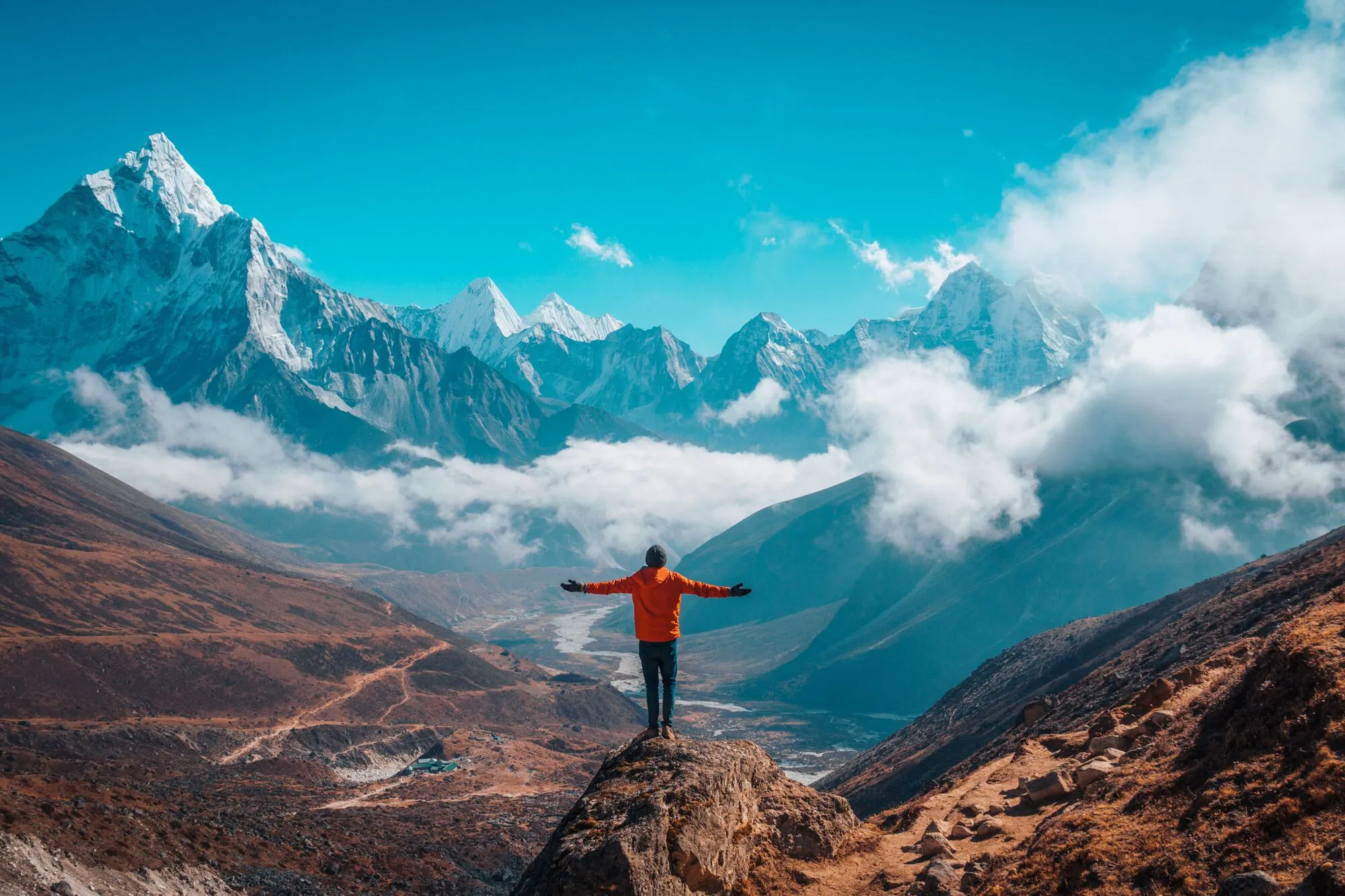
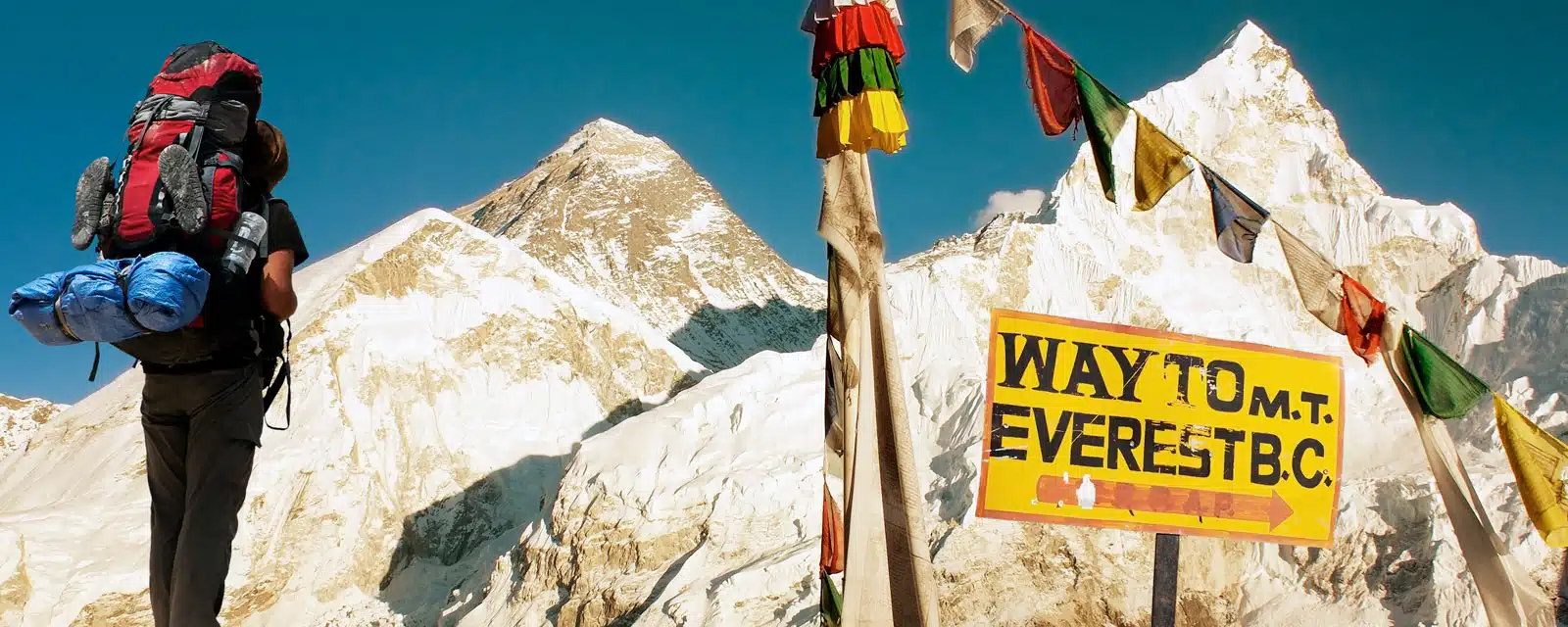
    Everest Base Camp Trek is a once-in-a-lifetime spiritual, physical, life, and cultural quantum leap. EBC is 5,364 meters (17,598 ft) high and is located around the highest mass on earth, Mount Everest (8,848.86 m / 29,031.7 ft). With each step, you are closer to trekking on top of mythological mountain ranges, century-old monasteries, hundred-year-old Sherpa villages, and a soul-trek experience that you cannot wipe away from your memory.
    everest base camp

    Why Everest Base Camp Trek Is a Lifetime Experience

    1. Get close to Mount Everest

    Being at EBC is being and standing in the shadow of the world’s highest- a position where you can only dare to have the audacity to assert and check off your bucket list, together with all the other adventure-seeking travelers from across the globe. You’re not on Everest, but where the Everest giants of Mount Everest are, like sunrises on the great ridges, is heavenly. Walking the EBC trail by yourself takes you, by legend, as close as it gets to the Mount Everest summit view and mythic Kala Patthar (5,545 meters), quite possibly the best view of Everest you’ll ever have the good fortune to witness.

    2. Sherpa Culture and Spiritual Immersion

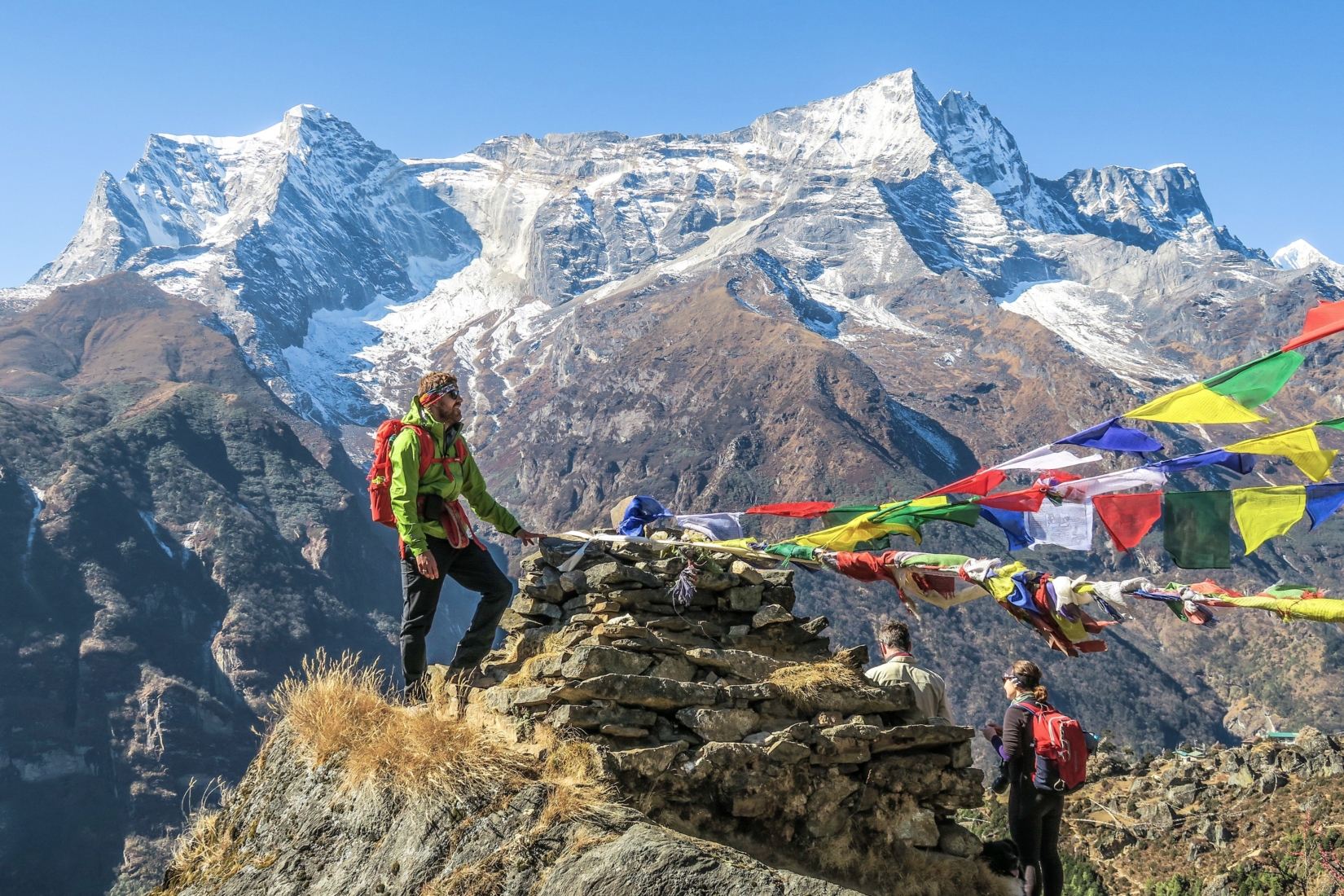
    You’ll meet Sherpa villagers of the Khumbu: tough Himalayan folk with highly developed mountaineering prowess, boundless hospitality, and first-rate survival skills. You’ll trek through the villages of Namche Bazaar, the villages of Tengboche, and the villages of Pheriche, all with their multicolored prayer flags flapping in the breeze, all scattered with found along the trails like spinning prayer wheels, all topped on ridges with stupas.

    At Tengboche Monastery (3,867 m), you will pray with chanting monks within sacred walls, and dark Ama Dablam and the other great white giants – a spiritual experience in the true spirit of your trek.

    3. Varied and Breathtaking Landscapes

    We trek through varied Himalayan scenery:

    • Rhododendron and pine forest hide Lukla and Phakding villages,
    • Suspension bridges spanning high above glacier-fed rivers,
    • Yaks and alpine grasslands at Dingboche and Lobuche,
    • Rock moraines and snow ridges on the way to Gorak Shep and EBC.

    Every bend in the trail, a new panorama, a new peak, another rest stop, and just soak it all up.

    4. A True Physical and Mental Challenge

    It’s not a holiday- it’s a test. You’ll be trekking 5-7 hours every day, trekking all day, a nd cold and tired all day. But it is in the challenge that we get tough. To even get to Base Camp is such a great feeling and sense of achievement. It’s a test of your endurance, your determination, and your sense of accomplishment.

    Everest Base Camp trek route
    Day 1: Fly to Lukla and Trek to Phakding

    It starts with a pounding mountain flight to Lukla, a small cliff airport that is perched at a height of 2,840 meters. It’s a 30-40-minute roller coaster ride, and you don’t even get the sensation that you’re flying over the Himalayas. The trek starts here, and you walk from the pine forest and small Sherpa villages step by step. You further trek to Phakding at an altitude of 2,610 meters. You see many stone chortens, stupas, and prayer flags waving in the wind along the path.

    Day 2: Namche Bazaar to Phakding

    A different evening sees you once again on the trail side of the banks of Dudh Kosi.
    You trek on suspension bridges, mega suspension bridges, such as some of the following: the Hillary Suspension Bridge, which has the questionable honor of having had a string of accidents, including a helicopter crash landing.

    You enter the Sagarmatha National Park at Monjo, where they check your trekking permit. The path climbs but it’s the final two hours of tough and steep walking to the wealthy Sherpa town, Namche Bazaar, at 3,440m. If the day is clear, you get your first view of Mount Everest. There are shops, bakeries, equipment stores, and mountain views to be had at Namche.

    Day 3: Acclimatization Day at Namche Bazaar

    To avoid high altitude sickness, you will take an entire day’s rest in Namche.
    Not idling about, but a quick walk around so that your body is conditioned and taking the most scenic trek to Everest View Hotel (3,880 meters) with sunrise over Everest, Lhotse and Ama Dablam, or the walk to Khunde and Khumjung village home of the Hillary School and monastery which contains a Yeti scalp preserved.

    You can stroll around the Namche evening bazaars, visit the Sherpa museum, or just sit and have tea and look across the valley.

    Day 4: Trek Tengboche to Namche Bazaar.

    The mountain trail starts after departing Namche because from here, one has a good view of Everest, Nuptse, and beautiful Ama Dablam.

    This is a tuning pair of hours of valley and mountain, then steeply downwards to the Dudh Kosi River and upwards again sharply through pine and rhododendron forest to Tengboche (3,867 meters).
    This quaint, spiritual village contains the famous Tengboche Monastery, the biggest monastery in the Khumbu valley.

    It lies on massive slopes, a sacred and serene place where you become a part of a prayer ceremony and achieve some peace of mind.

    Day 5: Tengboche to Dingboche trek

    Descend from Tengboche along the forest to Debuche and further down to Imja Khola on a rickety bridge and then to Pangboche, which is the highest permanent settlement in the area. Further, a more Alpine and open country with wider valleys towards Dingboche (4,410m), a windy town with white tops of mountains in the distance. And Dingboche is fine too, “post summer valley,” and it’s beautiful, and a pleasant rest to acclimatize.

    Day 6: Acclimatization Day at Dingboche

    Having a day of full acclimatization allows your body time to adapt to the altitude.

    Most trekkers visit Nagarjun Hill (5,100m), an exhausting but well worth the climb with really stunning views of Makalu, Island Peak, and the valleys below. An alternate is a side trip to Chhukung and glacier sightseeing, and a climbing path. Dingboche is a pleasant spot, few sun-dried teahouses and ga good location between the massive peaks of Ama Dablam and Lhotse. Dingboche is a relief.

    Day 7: Lobuche trek from Dingboche

    You will gradual ascent up the Imja Valley. The rocky path continues upwards, ascending, ascending through dry but breathtaking alpine desert. When we traverse over to the other side of Dughla (Thukla), the path steepens even more, and we will be along the ridge with memorials to the climbers who didn’t return from Mt. Everest. The squalor of this path is made worthwhile by the sight. We ascend the rocky path to Lobuche (4,940 meters), a small glacial town at the foot of giants Nuptse and Pumori.

    Day 8: Gorak Shep to Everest Base Camp

    The last day will likely be the most exciting day of the trek.

    Take a brief hike to Gorak Shep (5,164m), the final village on your trek to Base Camp, and abandon your loads in order to hike upstream along the lateral moraine of the Khumbu Glacier.

    The path is rocky and slippery with boulders and snow to overcome. A grinding willpower will finally reward Everest Base Camp (5,364 meters), an unearthly emotional peak. The base camp is encircled by prayer flags, tents (during season), and the huge Khumbu Icefall. Stop and take in the view for a while, then go down again to Gorak Shep for the night.
    Day 9: Ascending Kala Patthar and back to Pheriche.

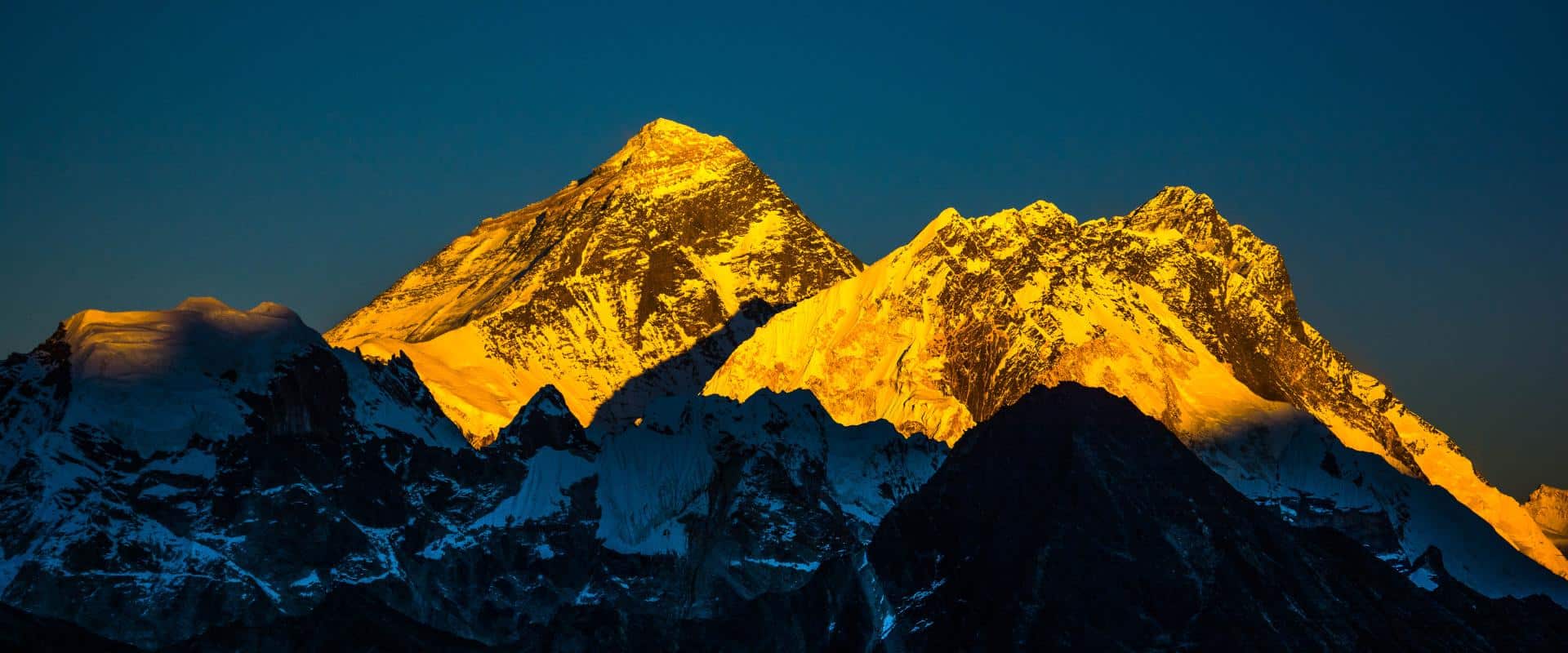
    Early morning ascent to the summit of Kala Patthar (5,545 meters) for sunrise. The summit offers the best and unobstructed view of Everest, Lhotse, Nuptse, and Pumori. Golden early morning sunbeams on the high mountains are breathtaking. Then to Gorak Shep for breakfast and begin a return journey, a trek down to Pheriche (4,280 meters). Heaven is a lower elevation, and the trek is not so draining, even with tired legs.

    Day 10: Trek from Pheriche to Namche Bazaar

    The hike continues to Pangboche and Tengboche village, which are very welcoming ones, but now you’re moving in the opposite direction to them, so you have an added bonus to view them on the other side. You continue your walk through the woodlands and streams and view the Himalayan flora and fauna. You take an easy hour-and-a-half-long walk or walk-and-a-half and indulge yourself at the Namche Bazaar, where you pamper yourself with a hot shower as well as a steaming cup of coffee.

    Day 11: Lukla, downhill trek from Namche Bazaar

    The knee-jolting downhill trek on the last day from Namche to Lukla through Monjo and Phakding needs downhill and long-distance tires. Party time at Lukla. Rather than turning it into a party time, trekkers celebrate their trek by enjoying the farewell traditional dinner with guides and porters, food and local drink, and spreading smiles and laughter.

    Day 12: Flight on the way back from Lukla to Kathmandu.

    You return on the last day on a morning flight from Pokhara to Kathmandu. The return flight, also, is picturesque with birds’ eye views of the trek trail behind you. You’re free the rest of the day to relax, reflect, or bask in the hospitality and coffee culture of city life in the capital. The trek is over, er but memories linger.

    When to Trek to Everest Base Camp?

    Spring (March – May)-: Ideal time of the year for reliable weather, clear sunshine, blooming rhododendrons, and a crystal-clear view of the high mountains.

    Autumn (September – November) -: Blue sky after monsoon, and dry trails with spectacular views.

    Winter (December – February)-: Near-white snowy trails, and below-zero temperature. Only for the experienced trekkers, who are not shy to trek alone.
    Fitness and Training

    Here it is, a step by step run through of the fitness training guide for the Everest Base Camp Trek, suitable for beginner and intermediate trekkers.

    Train Minimum 2 – 3 Months Prior

    1. Begin training at least 8 – 12 weeks.

    Pre-trek. If you are not fit, there is a good chance that you will need to start earlier. The aim is to build and bank endurance and strength, topped up in growing quantities. By establishing a routine and consistent exercise regimen, you will physically condition your body for stresses and reduce injury on the trek.

    2. Cardio

    No matter what cardio you perform, it will strengthen your heart and lungs so that your body will be better at using oxygen, which at high altitude is a major factor.

    • Running builds legs and leg muscles.
    • Cycling is low-impact but great for endurance.
    • Swimming builds lung capacity and is non-impact.

    Do 3–4 times a week and build up time and intensity as your fitness level builds. Attempt to do it in steady-state cardio but also attempt to fit in some hill repeats if possible.

    3. Heavy Pack Backpacking

    This is not merely walking on the treadmill with a heavy pack! Your hips, back, and shoulders will adapt to bear the load for hours: 5–10 kg.

    Practice wearing a pack, or with water packed in. Add weight and duration walking gradually. Practice uphill and downhill walking, such as on actual walking trails.

    4. Leg and Core Strengthening Exercises

    You’ll be ascending steep rocky paths when you hike. Your legs must be conditioned. Squats, lunges, step-ups, and calf raises will all condition climbing muscles up and down.

    You require a strong core (lower back, abs, glutes, obliques) to assist in supporting your posture and balance while backpacking. Do planks, bridges, and twists 2-3 times a week.

    This will not only prepare your upper body to bear your pack but also ease the pressure off your back and give stability when walking on rocky ground

    Permits Required

    1. Sagarmatha National Park Entrance Permit

    Cost: NPR 3,000 (foreigners), NPR 1,500 (SAARC nationals)

    2. Khumbu Pasang Lhamu Rural Municipality Permit

    Cost: NPR 2,000 (all nationalities)

    Packing List

    Packing item for trek

    1. Clothing:

    • Moisture-wicking base layers
    • Fleece and insulated jacket
    • Waterproof shell jacket and trousers
    • Warm hat, gloves, buff/scarf
    • Thermal socks and high-quality hiking boots

    2. Gear:

    • Backpack (50–65L)
    • Sleeping bag (-10°C or warmer)
    • Headlamp and spare batteries
    • Trekking poles
    • Sunglasses (UV)
    • Water bottles/hydration system
    • Water purification tablets

    3. Miscellaneous:

    • Sunscreen, lip balm
    • First aid kit
    • Snacks and energy bars
    • Power bank
    • Travel insurance at high altitudes

    Cost Breakdown (Mid-Range Estimate)

    1. Flights (Lukla–Kathmandu) $300-$400

    The largest part of the cost of Everest Base Camp trek logistics is the flight from Lukla to Kathmandu. It’s a short but essential flight because Lukla is where the Everest region access begins. Return airfare will be $300 to $400. Flights also change with the season with higher months to trek, October and November being peak seasons. Flight duration is approximately 30 minutes but depends on weather and therefore can be delayed or even canceled. Since it’s a long flight and possibilities of interruptions are extremely high, it is better to stay an extra day in Kathmandu in case of a delay.

    2. Permits $50–$60

    You will require a series of permits to trek in the Everest region, which are obligatory.

    They are two of the bigger ones, and they are Sagarmatha National Park Permit and TIMS card. They are the guarantee of monitored and secure access to trekking paths. The Sagarmatha National Park Permit is around $30, and the TIMS card is around $10 to $20. The two passes total around $50 to $60. These passes can be readily purchased before the trek in Kathmandu, or at the first settlements along the trail. It’s just part of having had your trek arranged and being regulation-friendly required.

    3. Guide and Porter $300–$500

    Although not obligatory, most visitors find it well worth the expense to have a guide and/or porter to help make the trekking experience all the more worth the while.

    A guide costs $20-$30 a day and a porter costs $10-$20 a day, agency and season based. Guide and porter for 12–14-day trek will cost $300-$500. A guide who knows the trail, knows the culture, and is sensitive to altitude is worth every penny. Porter service will pack up your bags, removing some of the physical effort of the hike from your shoulders, especially where there is climbing or descending to reach it. These services are typically well worth the extra convenience and security.

    Everest Base Camp Trek

    4. Accommodation (12–14 days) $150–$250

    The accommodation on Everest Base Camp trek is usually in teahouses and the rooms are plain but clean. The accommodation for a 12–14 day trek is usually between $150 and $250. It is lower towards the lower section of the trek and the higher you ascend where accommodations are scarce. The rooms in teahouses are plain but with shared toilets and hot and dry. Additional privacy is provided by en-suite bathroom rooms at additional cost. The same accommodation in Kathmandu is the same price, but if you would like more comfort at the start and end of the trekking, more costly accommodation is possible.

    5. Food and Drink $200–$300

    Trail food and drinks are also a considerable cost. You will be consuming at least three meals—dinner, lunch, and breakfast—and snacks and drinks to get you through on the trail. Lower-grade trail food costs $5–$7 a meal, but the higher up you climb, the more expensive it is since there is a logistical problem with food transport up to higher elevation. 12–14 days’ worth of food and fluids costs $200–$300.

    Oatmeal or bread makes up most of breakfast, and lunch and dinner consist mostly of local food such as dal bhat, noodle, or momo. Tea, bottled water, and snacks are expensive, especially having to eat at higher elevations.

    6. Miscellaneous (Wi-Fi, Showers) $50–$100

    Aside from the outrageous trekking fee, there are a couple others you will be paying along the way on the trek. They do have Wi-Fi in a few of the teahouses, but it’s extremely slow and it will be $2 to $5 per hour. Even a shower that’s hot will cost you money and will typically cost you $2 to $5 per shower.

    All of these will be costly on the way while trekking and will usually cost you $50 to $100. Other trekkers also purchase other foodstuffs, drinks, or souvenirs on the way while trekking, so it is always better to carry some money with you. The need for these little luxuries is one of the reasons why the total cost of the trekking but can be what will make it worthwhile.

    Conclusion

    The Everest Base Camp Trek is not just about the destination—it’s about the transformation along the way. It’s about pushing your limits, connecting with the mountains, and immersing yourself in one of the world’s most spiritually rich and naturally stunning landscapes.

    Whether you’re seeking a personal milestone, a cultural journey, or the adventure of a lifetime, the Everest Base Camp Trek delivers an experience that lingers in your soul forever. Contact us today at Happy Mountain Nepal, on Facebook, Instagram, or TikTok.


  • Mardi Himal Trek: Short & Sweet Trek Near Pokhara

    Mardi Himal Trek: Short & Sweet Trek Near Pokhara

    Mardi Himal Trek: Short & Sweet Trek Near Pokhara

    If you like a Himalayan trek with nice mountain scenery but not too many tough, hard, difficult days in the higher hills, then the Mardi Himal Trek is your trek! Mardi Himal Trek in Nepal’s Annapurna region is a quiet trek but a trek with independent walking on the trail, stunning views of the Annapurna Himalayas, and a feeling like one is completely alone in the hills. Since the Mardi Himal Trek is relatively new for all the trekkers, the view of this trek is stunning. The view includes Mardi Himal (5,587m), Machapuchare (Fishtail), Annapurna South, and Hiunchuli.

    mardi himal trek

    Mardi Himal ascent is a wonderful and satisfying sanctuary from Pokhara, Nepal’s lake district, and the departure of many of Nepal’s renowned treks. Mardi Himal provides an ideal experience for novice climbers as well as seasoned mountaineers who would prefer it off the beaten track and a peaceful trek.

    Why Hike to Mardi Himal?

    Mardi Himal is simple; it’s unique because it’s not easily accessible, in a virgin region of the world where there are less tourists. You won’t have to deal with so many tourists at Annapurna Base Camp or Everest Base Camp, and that equals less craziness, more real human interaction and more harmony with nature.

    Key points are:

    • Panoramic ridge-line trek with panoramic views of the surrounding peaks
    • Rhododendron forests and alpine high grassland at high altitude
    • Leisurely teahouse trek without any tourist trail crowd
    • Recommended highly as a short trek (4-6 days) from Pokhara
    • Moderate level of difficulty – ideal for first timers with good physical fitness.

    Location and Accessibility

    The trek starts a couple of hours’ drive from Pokhara; hence this is one of the most accessible treks in Nepal. Timings, all the treks start from Kande or Phedi, whichever and theya reachable within an hour by private cars or local buses.

    It is so near to you that you don’t need flying and long buses to access the trek, so the trekkers can stay near the hills for more hours than the drive.

    Itinerary for Mardi Himal Trek

    The following is a representative example of 5 trekking itinerary of the Mardi Himal Trek:

    Day 1: Pokhara – Kande – Deurali (2,100m)

    Trek Time: 4-5 hours
    Highlights: Walking in the forest, ridge view, village views

    Description

    Your trek begins with a short 1-hour, stunningly beautiful drive from Pokhara to Kande. Scenic drive through hills, villages, and paddy fields. Then from Kand (1,770m), you trek directly by ascent to the Australian Camp (2,050m), where you can pause for a couple of minutes and admire the sight of the Manaslu and Annapurna ranges in the distance in a natural, panoramic-colour landscape.

    This, trek along cobblestone roads and rhododendron forests to Pothana (1,950m), where you also receive your trekking permits. Another short trek, and you arrive in Deurali, a ridge forest village with wonderful views of Dhaulagiri, Annapurna South, and Machapuchare (Fishtail). Teahouse overnight at Deurali.

    Day 2: Deurali – Forest Camp (2600m)

    Trek Time: 6-7 hours
    Highlights: remote forest, untried terrain, less crowded track

    Description:

    This new trek is the multi-direction path of a more populated Annapurna Base Camp trekking trail and continues in this manner towards the East side of Mardi Himal, trekking through dense and quiet oak, maple, hemlock, and rhododendron forest. Hereby, by trekking, you experience a feeling of solitude of trekking in a back-in-time manner with fewer tourists and a green-dense birds’ life.

    It’s a quiet, unyielding climb of moss-shrouded trees and even forest dells. It’s cold and spooky to catch a glimpse here the further down you go! Forest Camp (or Kokar) is a few dozen teahouses in a clearing of wooded landscape. Mountain Views here are a treat, but the peacefulness, the warm flame glow of teahouse fires, and the soft forest breeze made this one-nighter an insider’s tip.Forest Camp overnight stay.

    Day 3: Low Camp to High Camp Trek (3,550m)

    Trek Time: 6-7 Hours
    Highlight: Good Machapuchare Views first time, Ridgelines, High Alpine Panorama.

    Description:

    You leave mysterious, green, dense jungle, trek to Low Camp (3,050m), where your views begin to open up and the majestic, towering mountains begin to be visible. The view of the Machapuchare (Fishtail) panorama at Low Camp is immense. And from far back of Low Camp, the trail ascends on a series of grassy ridges to High Camp; here you’re now in roughly inverted conditions when you climb: spindly alpine scrub of patches is over snaky jungle green, exposed ridges and plenty of scenery in mountains.

    High Camp is beneath Mardi Himal Viewpoint, and we can view Annapurna South, Hiunchuli, and Machapuchare with colors due to sunset from High Camp. The teahouses are not fancy at High Camp (we are up high, anyway), but good views and a decent meal make up for it. It is a good place to acclimate and stay at High Camp.

    Day 4: Mardi Himal Viewpoint (4,200m) – Siding or Low Camp: 1,850m

    Trek time: 7–8 hours
    Key Features: Sunrise at Viewpoint, breathtaking mountain faces, an awfully long, steep drop

    Explanation

    The trek highlight today. Dawn—or even earlier—your early departure gets you underway with the hope of catching sunrise at Viewpoint Mardi Himal (4,200m). The rock, your steep downhill is secure, but there are dangers on the trek, as you now find yourself below a ridge between white peaks. By the time you reach the top, you’ll be stunned by the 360° view. Mardi Himal rises rough and giant above you, and Machapuchare is impossibly near—you feel you could reach out and touch it.

    Then you have the view from the top before beginning the return ascent down to High Camp for breakfast and the arduous re-ascent upwards. Trekkers will more traditionally make the journey back to Low Camp or Siding Village on a longer, longer route through forest and small Gurung villages. Siding Village, option two, is much more cultural with homestays and time to explore these irrigated fields and emerald, green hills. Overnight at Low Camp or Siding, depending on your time and energy.

    Day 5: Siding – Lumre – Pokhara

    Trek Time: 3–4 hours walking + 2 hours transport
    Key Highlights: Village life, fields, and easy walking

    Description:

    The final day is an easy downhill walk-through farmland, rice paddies, and villages. You will pass through traditional Gurung villages, buffalo sheds, and children playing. The return walk from Lumre is straightforward and easy and the time to relax and enjoy the trek. A jeep or hired car will be waiting for the return journey from Lumre to Pokhara.

    mardi himal trek

    Trail Experience

    Terrain: Ridge walking, rock hopping, and some forest tracks
    Weather: Spring flowers from March to May, and sunny weather from September to November are perhaps the best times
    Altitude: Highest point at around 4200,m which means that your chances of suffering altitude sickness are minimal
    Accommodation: Teahouses with basic rooms, local food, and friendly service

    And with so many paths, you cannot just sit amidst locals, watch yaks grazing along the mountain ridge, and hear the wind whistling rather than the voice of the crowd.

    The Scenic Reward in Mardi Trek

     1. Stunning Close-Up Views of Machapuchare (Fishtail Mountain)

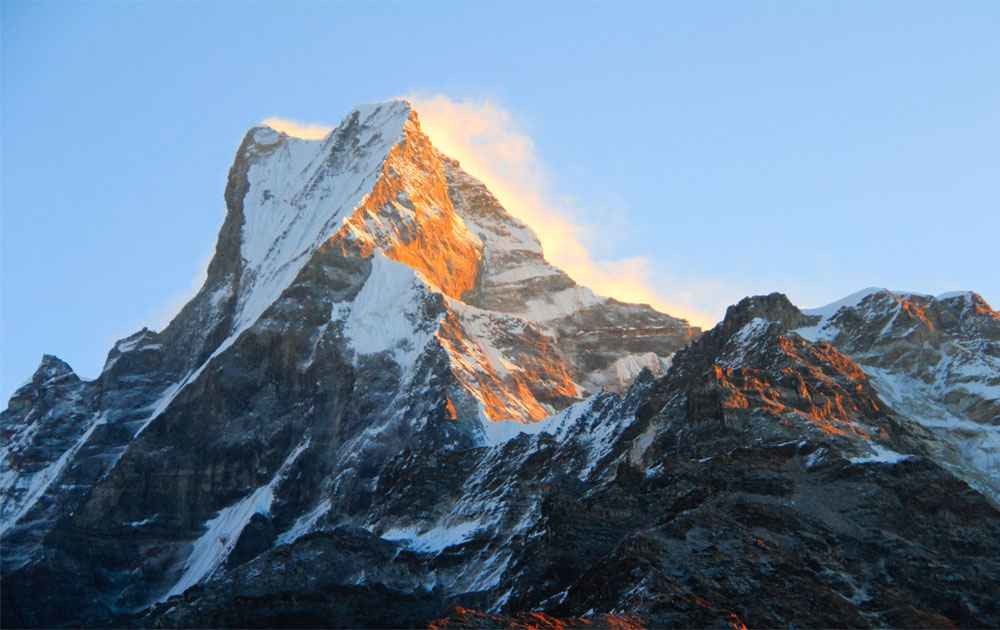
    One of the highlights of the Mardi Himal Trek is probably one of the highlights of being so close to Machapuchare, or Fishtail Mountain, as it is popularly referred to because of its 2 distinct twin summits. The unclimbed and holy 6,993-meter-high mountain towers over the landscape for most of the trek. Among Nepal’s most stunning are the vistas from High Camp and especially Mardi Viewpoint. Pinky and golden rimmed blueness mountains alive in early morning and late afternoon sun, so close to the reach they feel, a marvel to behold, and worth a Trip of a Lifetime.

    2. Walk Along a High Mountain Ridge

    And though your gorge hike crossing the river-spanned by a slope, is a counterpoint, Mardi Himal is a ridge line hiking challenge trek throughout. Your walking squad will enjoy 360-degree viewpoints – a rock gorge sloping precipitously away into something unimaginable within one horizon, and white-tipped peaks rising to jut out aggressively. The Badal Danda to High Camp ridge trek is the pearl of the entire trek. Open trail scenery offers total abandonment in the midst of panoramic mountain views. Unbroken but exhilarating experience and destination.

     3. Quiet Trails & Less Crowded Route

    Mardi Himal is a less-crowded trail for a person who seeks sheer wilderness and solitude without even a glimpse of Annapurna Base Camp or Everest trekkers. The trek was popular in recent years but poorly planned, off-the-beaten-path, and serene environments, secondary to trekking tourism. You can hike for days and never encounter another group of tourists, particularly during shoulder peak season. Physical space solitude benefit offers sufficient space for nature and culture immersion that is vibrant. The hike is an ideal challenge for hiking, photography, or even daydreaming.

    4. Rich Biodiversity in Rhododendron Forests

    Trek time is spent hiking beneath gigantic rhododendron forests, oaks, maples, and moss trees!

    While traversing through the spring season (March-April), your rainbow steps would cover tramping above blooming red, pink, and white shades of rhododendrons. Flora and fauna in the Himalaya, including the Danphe (national bird of Nepal), langurs, and other wildlife, inhabit the forests. The terrain is conducive for visualizing fairy-tale, storybook ages in the early half of the trek. It is an easy, pleasant walking climate to acclimate you.

    mardi

     5. Authentic Teahouse Experience in Mardi Trek

    Mardi Himal teahouses are Nepali in character and less “touristy” than open trails.

    They are locally constructed home lodges with basic accommodation, hot food, and warm hospitality.
    Well-cooked and well-prepared dal bhat, fried rice, and ginger tea, with a smile. In the evening, you would be invited to sit around the fire and chat with the host or other travelers. Such a lack of form is all part of the attraction, and you can receive loads of Nepali hospitality at human as well as food level, not always necessarily on the menu. It’s homey, simple, and it’s worth skipping.

    6. Mardi Trek Viewpoint (4,200m)

    Trekking elevation is how much higher it is to get to in order to try to climb up to the Mardi Himal Viewpoint, the stunning 4,200 meters. Panoramic sight of summits like Machapuchare, Annapurna South, Hiunchuli, and far, far in the distance, the Dhaulagiri summit, whose peak always seems ever so slightly just out of reach in shape, not unlike Everest. Sunrise in the Himalayas is one never to forget. Altitude achievement is within the grasp of any prospective trekker without the necessity for technical climbing equipment. The trek stands at the threshold of being a climb up, but the payoff is just too enchanting.

    7. Short, Accessible, Yet Rewarding Trek

    What Mardi Himal is actually about is that it is short, but with such great drama happening in the Himalayas. The trek is quite easily accomplished in 5 – 7 days and is best suited to short trekkers. The trek is also relatively short driving distance from Pokhara and does not entail serious acclimatizing or high-altitude gear. It contains everything from cresting alpine ridges, great mountain vistas, forest, and cultural villages. This trek provides you with everything that you’d like to achieve from a Nepalese trekker’s vacation without traveling to more demanding treks.

    8. Cultural Insight into Gurung Villages

    The downhill trek goes through typical Gurung villages like Siding, Lwan, and Landruk. Both villages will give you some idea of country village life, where houses consist of stone houses with a few tiers of farm terracing built around the house, and the surrounding villagers have a very high percentage of friendly residents. Most of the natives will have farmhouses with animals, and some even have homestays or teahouses where you can overnight. You are able to see the natives in their natural surroundings, living in harmony with nature, share some meals, and receive welcoming treatment from the natives. The return journey gives you a peaceful end to your trek with an added experience from viewing local culture.

    mardi

    Budget and Cost Breakdown of Mardi Trek

    The Mardi Himal Trek is also budget-friendly compared to other high-altitude treks. Here’s a general breakdown:

    1. Permits

    Annapurna Conservation Area Permit (ACAP) and Trekkers’ Information Management System (TIMS) card are two official government climbing permits to summit Mardi Himal. They may be reserved at the government representative (s) or at the Nepal Tourism Board in Pokhara and Kathmandu. ACAP will be USD 30. The TIMS card will be USD 20. Both can be made possible by splitting the cost between protection and conservation by keeping an eye on the trekkers during the trekking season. Both these permits, person-wise, will be USD 50 to accept whoever is arriving from outside the trek, and to welcome them to the trek.

    2. Accommodation

    You will be staying in extremely basic teahouses while on the Mardi Himal Trek. They are very basic mountain teahouses with twin beds and blankets, and shared toilet facilities. The accommodation is very basic but clean and cozy. Bed arrangements in the teahouses range from USD 5–USD 10 a night, depending on the season and altitude. You’re shelling out USD 30–40 altogether for sleeping, on a 4-day trek. Some teahouses will give you free accommodation for the night if you eat all meals there.

    3. Food and Drinks

    Trek food is nutritious, but it costs more as you ascend higher. Dal bhat (lentils and rice) and noodles will be served to you as lunch and dinner options, which will be ladled over with soups, momos (dumplings), and porridge. Breakfast would cost you USD 4-6, lunch USD 5-7, and dinner USD 6-8. Hot beverages like tea, coffee, or ginger lemon honey tea will cost you USD 1-3 per serving. Snacks or water bottles would be extra. On average, you would spend something like USD 15-25 a day, so your whole trek would cost you USD 75-125. It is cheaper and gives you most of the calories to eat the local food, such as dal bhat.

    4. Guide and Porter

    You can trek to Mardi Himal on your own; however, it is recommended that you hire a guide and/or porter to accompany you for advice, safety, and cultural exchange. A registered guide will cost you USD 25-30 per day, and a porter (who will carry up to 20kg) will cost you USD 20-25 per day. Your guide and porter for a 5-day trek will cost you USD 225-275. If you are traveling in a group, you can split the expenses. Your guide will be with you along the trail, book your lodging, and apprise you of some useful facts regarding the hills and geography, and you can let the porters carry your packs while you trek on your own.

    5. Transport

    The trek begins at Kande and ends at Lumre or Siding, either of which you can conveniently access from Pokhara. The cost will be approximately USD 15–20 by taxi or jeep ride from Kande to Pokhara and vice versa. You can take jeepneys or jeeps in a shared ride at a lower price if you don’t mind spending too much. The cost of the round trip to ride back will typically be USD 30–4,0, depending on the type of vehicle needed and how good you are at bargaining.

    6. Miscellaneous Expenses in Mardi Trek

    You will not have many expenses to incur, which together will be some money. You will spend USD 1-2 on the electricity bill for charging your devices in teahouses; Wi-Fi (if available), USD 1-3. Toilet, snack, drinks, and a village souvenir will be some extra expenses. Don’t forget to add tips to the list. Guides and porters will cost between USD 20-40 combined, depending on the service and the number of groups. Another USD 30-50 odds and ends will come close to what is a reasonable expense to swallow, appalling but inevitable cost.

    Total Estimated Cost

    The total cost of the Mardi Himal Trek is going to be quite different depending on whether (or not) you will be in a position to cope with a porter and a guide. And if you are hanging by your nails at being entirely independent, then your cost is going to be in the ballpark of USD 250-300, and that’s for accommodation, dining, permits, and transportation. And with a guide and a porter, that’s at most USD 500-600. But Mardi Himal is still a shoestring trek, as it is, with some excellent mountain scenery interspersed with some reality-to-life cultural interaction.

    What to Keep in Mind for a Mardi Trek

    Keep your items light-:

    • Layering, rain shells, and sunscreen are essentials.
    • Pack a water filter or purification tablets.
    • Don’t hurry on a brief hike to get used to and enjoy the panorama.
    • Respect the local culture, Ask before you click, and follow teahouse etiquette.
    • Using a guide will be most effective if out of season or backpacking alone.

    Who Should Do Mardi Trek?

    • Freshers seeking a simple walk in the Himalayas
    • Busy tourists who lack the time for that complete Himalayan experience
    •  Families or groups with a regular level of fitness
    • Trekkers seeking an off-the-beaten-tourist-road, remote trek

    Conclusion

    Mardi Himal Trek bypasses Everest or Annapurna Base Camp elevation but why do you have to do it all. Enjoy peaceful Himalayan trekking in limited time. Scenic landscape, bypassed trails, and popularity of culture – Mardi Hills is certainly among Nepal’s nice short treks.

    So if you are in Pokhara yearning for the Himalaya but don’t have a fortnight to spare, this trek will do more than adequately. It’s short, it is beautiful, and it will be in your memory forever. Contact us today at Happy Mountain Nepal, Facebook, Instagram, or TikTok. 

  • Kathmandu Durbar Square: The Royal Heart of Nepal’s Capital

    Kathmandu Durbar Square: The Royal Heart of Nepal’s Capital

    Kathmandu Durbar Square: The Royal Heart of Nepal’s Capital

    Kathmandu Durbar Square (Hanuman Dhoka Durbar Square) is the glory of Newar architecture, like grand pagoda temples of Asian pagoda architecture. An architecture piece, house of habitation, rewritten by magic of Malla kings, mystique of Newar artisans, into social and religious fabric of Kathmandu Valley as the living garden of a god. Navel of Kathmandu, put on UNESCO World Heritage, no less imposing part of Malla prior of Nepalese art.

    Whatever that is beautifully crafted wooden windows or ancient temples centuries old, brimming with ritual prayer, every square inch of Durbar Square speaks of the past. Whether you are a historian, religious individual, or a visitor, Kathmandu Durbar Square is something that will never let you go, which is actually a stamp of prosperity and glory of Kathmandu.

    Kathmandu Durbar Square

    A Brief History of Kathmandu Durbar Square

    The Kathmandu Durbar Square was formerly the palace of the Malla king and later a Shah dynasty palace. It was formerly a political and administrative, religious, and cultural hub of Kathmandu Valley. “Durbar” is a Nepali term for royal palace, and hence the square was designated as the complex of the royal palace takes up the square.

    The square itself dates back to the 3rd century, although the buildings that enclose the square are between the 12th and the 18th centuries, when they were built by the Malla dynasty. Kathmandu was established as a city by the Malla kings as a city of scholars, saints, and artists.

    As the whole of Nepal was unified in the 18th century by King Prithvi Narayan Shah, the square was already occupied by the royal palace until the royal family moved from the old palace to the new palace at Narayanhiti in the 20th century.

    Key Attractions Within Kathmandu Durbar Square

    Kathmandu Durbar Square is a palace complex, temple, and courtyards with the best examples of traditional Newar architecture. The highlights are as below:

    1. Hanuman Dhoka Palace

    Hanuman Dhoka Palace, the palace at the center of Kathmandu Durbar Square, was once a Malla and Shah dynasty royal palace. It is defended by a red-clad monkey god, Hanuman, grasping a mace, a 17th-century palace sentry. Within the complex, reaches courtyards, temples, and public reception halls. Nasal Chowk, the main court, goes right up to the center with its beautiful woodwork and old-world grace. Here, traditionally, the coronation is conducted, and royal proclamations are made.

    hanumandhoka

    The palace complex holds museums in which Nepalese monarchical history and remains, in addition to portraits, are showcased. Old palaces belonging to kings and queens are now turned into galleries where Nepal’s monarchical past is exhibited. Despite the damage from the 2015 earthquake to the palace, its development in some way ensures that it remains a center for cultural prestige. To walk down its high corridors is to be inexorably pulled back over the centuries, in the softly falling step of imperial foot.

    2. Kumari Ghar – House of the Living Goddess

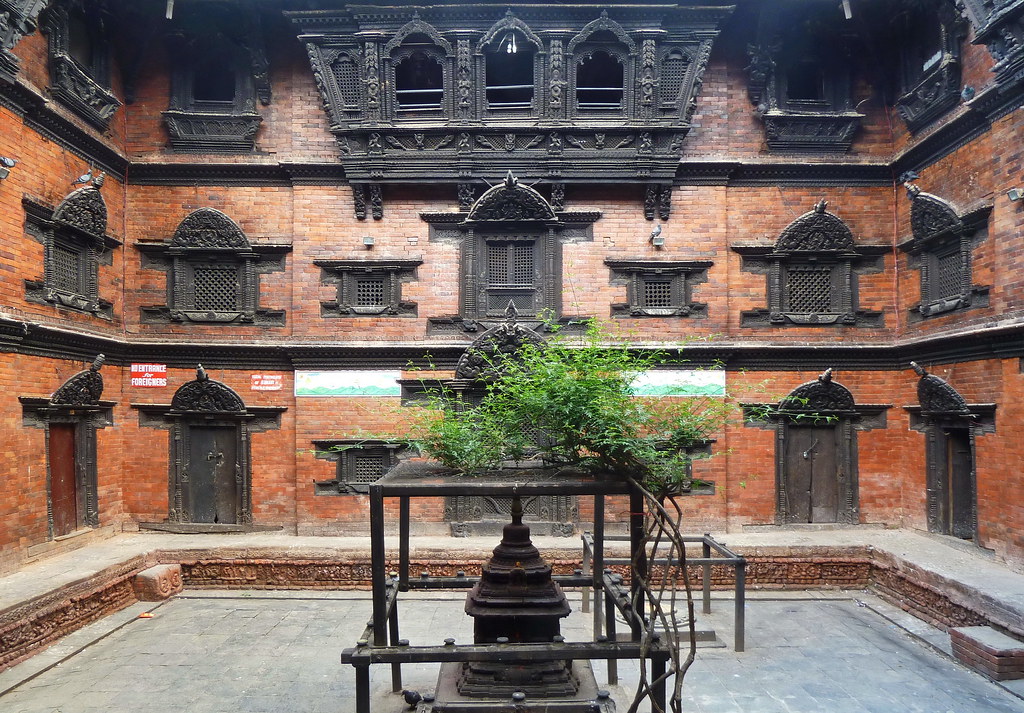
    Inside resides a girl child declared to be the incarnation of the living goddess Taleju. The building itself is typical of the Newari tradition of building dating from the 18th century and is adorned with highly sophisticated door and window wood carvings. The building sits on the south edge of Durbar Square and is distinguished by reddish-brick facing and latticework-paned windows. Nepalese religiousness was built in Nepalese of Nepal and continues alive in religious and cultural practice throughout the Kathmandu Valley. Kumari are selected by an arduous and tried system involving astrology, physical wholeness, and a series of symbolic tests.


    She is also seen peeking through her window to bless pilgrims and tourists at some points in time, a fleeting glimpse of un-demonstrated sacredness for pilgrims and tourists. The Kumari stays in the palace until she is a teenager and is replaced by a new Kumari. Supernatural perfection but sordid material life of Nepal’s ordinary way of life, with gods and men dominating the ordinary way of life, is the palace itself.

    3. Taleju Temple

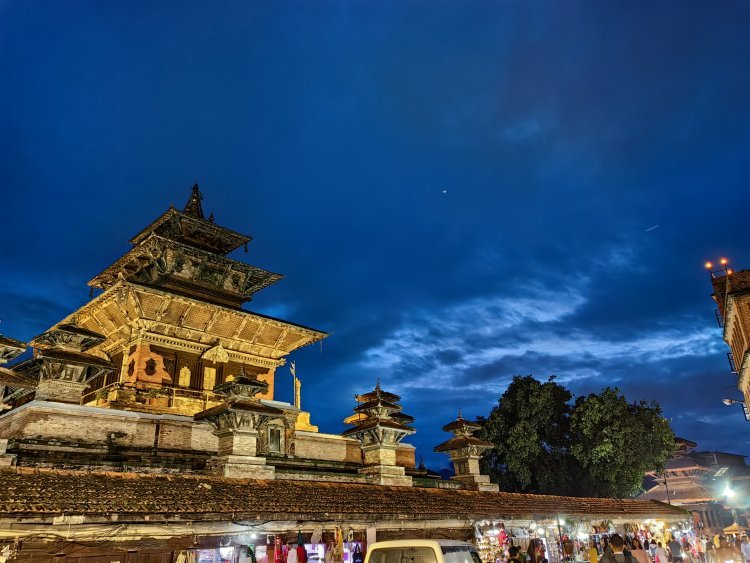
    Taleju Temple is the most holy and tallest building of Kathmandu Durbar Square. It was constructed by King Mahendra Malla in 1564. It is the Taleju Bhawani, a royal goddess Malla dynasty family temple. A three-storied pagoda-type temple complex, plain but huge, emerges on a 12-step platform. The temple is cut off from the world and can be seen only once a year at the Dashin festival. It also maintains the mystic and mystique of the temple in that era. Isolation has kept it so because it remains sacred.

    Taleju Temple

    Its lion statuary, gold finials, and mysterious interior befit the presence of the divine. Taleju Bhawani is to watch over the valley, and consecration gives medieval chiefs’ leadership a divine virtue. The temple itself — brilliant, glittering — is a witness to proportion in art and religion. Worth a visit, to see Nepali Times’ mix of religion and politics.

    4. Jagannath Temple

    Jagannath Temple is another great ancient temple of Kathmandu Durbar Square, built during the 16th century during the reign of King Mahendra Malla. Tiny as small as ginormous Taleju Temple, Jagannath Temple is lovely due to the lovely wood carvings. The Struts of Temple are renown for lovely ornamentation with erotic sculptures, a sign of old Tantric religion and rituals performed when worshiping fertility and cosmic power.

    These statues represent not just religion but also Newar free-associative notions in art. The statues, according to the analysts, were suppose to drive away demons and guarantee propagation, a profane theme of the primitive Hindu and Buddhist mind. Weathering and erosion wear are the only exterior features on the Jagannath Temple, which is otherwise a great specimen of the Newars’ woodworking and religious iconography. It was gold to the photographer and the artist as it is an unsettling yet contextually culturally represented picture.

    5. Basantapur Tower and the Nine-Storey Palace

    The Nine-Storey Palace or Basantapur Tower was the highest building at that time in Kathmandu.

    The Hanuman Dhoka Palace complex tower provided a bird’s-eye view of the entire Kathmandu Valley. It was both a watch tower and an indication of a king’s status and power. This is a union of the two schools of architecture under its outward brick outer face, chiselled-out ornamentations for windows, open verandas, and all of Nepal’s heaven-kingly heritage. It got a lot damaged in the 2015 earthquake and lost half its life.

    It has already been rebuilt, and the same old methods are being employed to rebuild it to its former heights. Rebuilt, it will once more be a peak where the tourists will gaze down upon Kathmandu from its summit. Towering and towering, it was an icon of the city and its masters. Even in ruins, it is a colossal witness to power and engineering prowess.

    6. Mahendreshwar Temple

    Mahendreshwar Temple occupies the most advanced position on the front face of Hanuman Dhoka Palace, but you’d likely just walk by it unaware if you didn’t know it existed; it is so easy to overlook. It is, however, one of the more frequented temples in the square: a morning and evening puja ceremony, and a steady trickle of pilgrims. Another Shiva temple of the same white-stone high-standard architecture, not pagoda-shaped temples like others. Burnt butter candles, flower shower, and temple bell ringing for good luck are daily local practices here. A relatively younger temple than some of the square’s temples, Mahendreshwar has the same hold over the locals’ belief system.

    It is not a monument but a living temple, and humility is one moment of quiet in the sea of pomp within Durbar Square. Incense scent, the ring of the bell, pilgrimage throng, and such a peaceful natural environment render your pilgrimage well worth it. It is a world-eye-opener reminder that Kathmandu Durbar Square remains to date a living temple.

    Cultural Significance

    Kathmandu Durbar Square is not only old but also a public square where religion and culture flourish. There are Indra Jatra, Kumari Jatra, and Dashain, these beautiful festivals, which are celebrate here all year round. Thousands of foreign tourists come here every year, and besides animal sacrifice to the gods, chariot processions and mask dances.

    This is where the folk music and folk dance can be perform, peddling the traditional handicraft, and other such activities which existed for centuries. The culture was present there in the church, and the extent to which the church happens to be a proof of the culture.


    Restoration After Earthquake 2015

    The earthquake of April 2015 was ruinous, and it brought down close to all the monuments of Kathmandu Durbar Square crashing down. The temples collapsed, statues toppled, and century-old monuments burst into fragments. But the resolve of the Nepalese and the world sympathy it elicited kindled an unprecedented campaign of restoration.

    Reconstruction, spearheaded by the Department of Archaeology and in collaboration with UNESCO and other multinationals, sought to reconcile form and integrity. Master craftsmen used ancient techniques and materials to restore ruined sites, and life again throbbed within the square.

    kathmandu durbar square

    Best Time to Visit Kathmandu Durbar Square

    The square is open throughout the year, but spring and autumn are the high season, when the weather is pleasant and the festival is going on in full swing. September to November is good weather, and great Indra Jatra and Dashain festivals.

    Late morning is best for photographing, and the quietness of the surroundings is prior to tourists. Evening is the public space of the square when people walk around, in such an open and natural environment.

    Entry Fees and Opening Hours

    Admission fees and opening hours

    Time: 24 hours a day from sunrise to sunset daily. Entrance Fee:

    SAARC countries: NPR 150

    Foreigners: NPR 1000

    Nepalese: Free

    Tickets at the gate and a guided tour for a small extra fee.

    Travel Tips in Kathmandu Durbar Square

    Dress modestly: It’s a Sacred Ground. Cover your knees and shoulders with clothes.

    Hire a Local Guide: As a present, you get all the added layers of history and significance of the monuments, and a guide is priceless.

    Respect the Kumari Tradition: No photo of the living goddess.

    Support Local Enterprises: Purchasing souvenirs from local artisans will help keep ancient traditions alive.

    Be aware of pickpockets: As with any tourist spot, having your valuables in your possession is advisable.

    How to Get to Kathmandu Durbar Square

    Kathmandu Durbar Square is in the Basantapur district, the city center. It is a rickshaw or walking distance from Thamel, Kathmandu’s tourist hub.

    30–45 minutes taxi, depending on traffic, from Tribhuvan International Airport.

    Sights Nearby

    It is a great place to start the day to visit some of the other major sights of the Kathmandu Valley:

    Swayambhunath (Monkey Temple) – 20 minutes, old stupa with valley view.
    Patan Durbar Square – Another World Heritage site with a temple and palace complex, 30 minutes away.
    Pashupatinath Temple – One of the world’s most sacred Hindu temples, 40 40-minute taxi ride from the square.
    Thamel – Commercial center famous for shopping, dining, and nightlife.

    Why Kathmandu Durbar Square Needs to Be on Your Travel List

    Architectural Magnificence: The merge of Newari art and ancient architecture is nowhere else combine in a single location.
    Spiritual Vibrancy: The square is teeming with prayers, worship, and life, so no tourist trap here.
    Cultural Uniqueness: It’s the gateway to the heart of Kathmandu through artisans’ bazaars and cultural festivals.
    Photography Heaven: Each photo op is camera perfect — temple skylines, ancient wood carvings, or people living life.
    Living History: Not a museum, anything but static and lifeless; it’s a living, pulsing part of the city, full of heritage.

    Final Thoughts

    The Kathmandu Durbar Square is a region allowing the young generation to meet the old one. This is as evident from its temples, palaces and the women of Thailand, whose cultures remain almost unchanged to this present day. Being the richest source of Nepali history, culture and spiritualism the valley proved to be a storehouse for deeper understanding.

    Therefore, it is impossible to avoid the fact that the Kathmandu Durbar Square is captivating to tourists. They range from ancient courtyards of the Darbar Squares; every nook and corner of the valley has some fantastic feature to offer. Contact us today at Happy Mountain Nepal, Facebook, Instagram, or TikTok. 


  • Bhaktapur Durbar Square: City of Devotees

    Bhaktapur Durbar Square: City of Devotees

    Bhaktapur Durbar Square: City of Devotees

    Bhaktapur Durbar Square, focused on the Kathmandu Valley, is a UNESCO World Heritage site, as well as a living museum, spiritual center, and a testament to devotion. Bhadgaon, or “City of Devotees,” also known as Bhaktapur by the locals, is another Kathmandu and Patan for preserved Newari culture, untouched architecture, and spiritual rhythm.

    This blog welcomes the door of Bhaktapur Durbar Square as a heritage heaven and spiritual paradise. Whether you are a heritage traveler, culture tourist, or spiritual pilgrim, something is waiting for all the city residents in the city of faith, art, and heritage.

    Bhaktapur Durbar Square

    Bhaktapur Durbar Square: A Living Heritage

    Bhaktapur Durbar Square is one of three in the Kathmandu Valley, the other two being in Patan and Kathmandu. It was the capital of the Malla Kingdom up to the 15th century and became a rich center of religion, art, and architecture. It’s incredible that it still survives so completely today, untouched as it were by the crazed modern-day mayhem that has uglified other city centers.

    Formally designated by UNESCO as a World Heritage area since 1979, the square itself contains pagodas, palaces, statues, and shrines stretching back as early as the 12th century. But it’s not some museum relic not by any means. That’s a thriving culture, still kicking and alive and still going on ritual, festival, and everyday worship.

    Why It’s Called the “City of Devotees”

    Bhaktapur was born into a religious life. Their people are still devoted to the old Hindu and Buddhist traditions that have prevailed for centuries now. The temple occupies every nook. The prayer is recited at morning and afternoon prayers. Vermillion, flower, and rice are being offered by the families in the morning before the gods daily. Religion here is thus not ritual life.

    • Kwopa, “City of Devotees” in Newari, is Bhaktapur.
    • Temples on every corner: Take 100m and you’ve got a shrine or stupa. Some family-sized and snug and teensy-tiny, others monolithic and public.
    • Puja (prayer) for most women is performed daily with water, incense, and flowers. Prayer, you learn at a young age — heck, even kids.
    • Conservation of tradition: Their religion is religion on the people’s culture. Religion is at every stage in fashion, be it a ceremony at birth or a death ceremony.
    • Religiosity is also spilling over into festivals, art, and even food. Bhaktapur is not by religion — it is religion.
    • Temple gate beauty, festival drum season, and sacrifice altars themselves – they share this commonality of worship. It is to stroll Bhaktapur’s streets and be among the devout for whom worship is greater than living the beat of the ordinary.

     Key Highlights of Bhaktapur Durbar Square

    1. 55-Window Palace (Pachpanna Jhyale Durbar)

    The central Square Palace, built by King Bhupatindra Malla in the 17th century, is a wonder of wood-carved palace frontage windows, all gilded by the local Nepali mythological legends and tales. It holds the National Art Gallery, the visual heritage of Nepal, as well.

    • Commissioned by King Bhupatindra Malla in the seventeenth century, it’s an architectural wonder.
    • It has been a government headquarters and royal palace as well since the very start.
    • Its 55 handsomely carved wooden windows constitute a respectful contribution to expertise.
    • The middle agora Durbar Incha was robustly ceremonial in nature.
    • It is now the National Art Gallery, where, amongst others, there is a Hindu and Buddhist thangka and scrolls temple.

    55-Window Palace (Pachpanna Jhyale Durbar)

    2. Vatsala Temple

    Its own self is a temple of sandstone, and the pillar supporting it is of ‘shikhara’ shape. That 2015 seismic test was boring into Goddess Vatsala Devi, this building, but to topple her, lying on stand first structure. It’s local bell—or the ‘Barking Dog’s Bell’ to say, for that matter, as locally name—is ringing up to date till now to this day with rituals.

    • Mother Goddess Vatsala Devi temple was built in Shikhara style—a North Indian temple built with a set of layer work of stone.
    • It had a massive bell called the “Barking Bell,” which was use for rituals.
    • It was demolished in the 2015 earthquake but has now been rebuilt with the assistance of local material and technology.

    Vatsala Temple

    3. Nyatapola Temple

    The third and most beautiful pagoda is the five-storied Nyatapola temple, 30 meters tall. It was constructed in 1702 as a dedication to the tantric goddess, Siddhi Lakshmi. Ascending is guarded by dreadful monsters — mythological and age-old ones — ten times the size of the original one.

    • Nyatapola — “five stories” in the Newari tongue — is the tallest in Nepal, constructed by King Bhupatindra Malla in 1702.
    • It is a tantric goddess Siddhi Lakshmi temple whose past has over-committed her to the extent of being tortured on a stone.
    • It rests on titanic images of Phattu and Jayamel battles, elephants, lions, griffins, and tantric deities.
    • And to relieve all thanks to earthquakes, it remains standing after centuries—a Newari marvel of art.

    Nyatapola Temple

    4. Bhairavnath Temple

    Bhairav, Lord Shiva’s warrior avatar, is the object of Bhaktapur bacchanalian festival, most of all Bisket Jatra, as the path of a monster chariot passes through orgiastic, crazed streets.

    The three-tall temple is owned by Bhairav, one of Lord Shiva’s fierce avatars. It is most particularly considered holy in Bisket Jatra.

    • Bhairav is also Bhaktapur’s protector.
    • He is taken care of by a huge wooden chariot on the highways on a holiday day.

    Bhairavnath Temple

    Festivals: Where Celebration and Faith Intersect

    1. Bisket Jatra (Nepali New Year)

    The Bhaktapur blockbuster. The royal procession of Bhairav and Bhadrakali chariot is an eye treat, a heart and soul treat during the Nepali New Year in April. Thousands of townfolk line the streets, hauling massive wooden chariots in a ritual tug-of-war.

    • Observed around mid-April, it is the New Year in the Nepal Sambat calendar.
    • It is a ritualistic tug-of-war between two quarters as they pull the chariot of Bhairav in opposite directions.
    • There are thousands of spectators who come to witness the tug-of-war, feasting, and ritualistic ceremonies like the installation of a huge wooden pole (Yosin).
    • It is a symbol of snake killings and the victory of good over evil.

    2. Gai Jatra

    Gai Jatra is a celebration of dead people. The ordinary folk, who have lost their near and dear ones in the past year, accompany the procession with disguises on, while small children march on the streets dressed as a goddess cow. It is a mixture of laughter, mirth, and feast—a time out of time.

    • August Gai Jatra is a celebration of dead people who died last year.
    • Funeral families dress kids up as cows—the sacred cow that guides souls to heaven.
    • There is sorrow with sarcasm because parades join weeping with mocking society because locals dress up too in shameful clothes, and mock social practices.
    • It’s healing by laughter and sympathizing,g and grieving.

    3. Indra Jatra & Dashain

    Valley-wide celebrations, celebrations gain additional meaning in Bhaktapur with the introduction of rituals, public celebrations, etc. Again, all of them stress the intimate involvement of religion, family, and society.

    • Celebrations observed by everybody in the Kathmandu Valley, the celebrations gain additional meaning in Bhaktapur.
    • Indra Jatra dance and performance procession to summon the rain god, who is the Living Goddess (Kumari), a chariot procession.
    • The largest Hindu festival in Nepal, Dashain, is celebrate with mass animal sacrifice, blessings by elders, and daily family use.

    Artisan Legacy: Devotion Through Craft

    Bhaktapur art is not decoration, it is devotional. Highly skilled artisans create metal sculpture, paubha painting, woodcarving and temple wares and ritual vessels. They are not commodities—these are soul products create in premodern arts.

    Woodcarving

    • Bhaktapur’s renowned Asian woodcarvings.
    • Temple door and window, beam and strut support gods, mythic heroes, and motifs.
    • No ornament— devotional work, to decorate the temple and shrine.

    Pottery

    • Tour the old family-making Pottery Square workshops.
    • Dry in the sun and dry, they, and burn in the fire, the pots, typically for sacrifice, and to hold King Curd’s Juju Dhau within.
    • Experiment with other workshop pots.

    Metalwork and Paubha Painting

    • Lost-wax technique was old and is used in metallic god idol production.
    • Newari religious paintings of Buddhist and Hindu myth are called Paubhas.
    • Newari versions of Tibetan thangkas.

    Spiritual Atmosphere: Beyond the Temples

    As much as they do monuments, so also does the countryside itself characterize Bhaktapur. It is in street shrines that red saris draped across incense sticks glint in the dawn light. The sun rises over centuries of rooftops upon which morning mantras are being chant by monks. Gentle tinkle of bells, devotional hymns, and softly humming community fill the twilight.

    Bhaktapur’s spirituality is not only in its temples and shrines. It’s in the street, in the air, and in people’s culture. Bhaktapur have been bless with centuries of everyday spirituality that’s a part of their culture. It’s not just on auspicious days—it’s in the air that they breathe, in their everyday life, and their lives.

    That’s the way that spiritual energy stays out of the stone temples and wooden houses.

    Bhaktapur Durbar Square

    Mornings That Begin with Prayer

    Morning is restrain in Bhaktapur. The sun rises on deserted streets, its path curving around the outstretched hand. Women emerge in red and burgundy saris, each bearing a small brass tray of rice seed, flowers, incense sticks, and water.

    • They make their way from place to place—some tiny wall niches, some free-standing stone lingams or stupas.
    • They leave everything there, lighting joss sticks, watering, reciting mantras.
    • The scent of jasmine and sandalwood drifts down the rear alleys, calming the quarter.

    This quiet hour is not for tourists. It’s for the locals. And if you stand stock still long enough, it opens to you the whole weave of how religion is thread through everyday life here.

     Communal Rituals and Quiet Acts of Faith

    Spiritual life is not big temples or big festivals. It is small and intimate, and it permeates the life of every man.

    • Grey-bearded elders sit with fellow pilgrims to read or recite scripture in temple substitutes (pati), rest houses.
    • Pilgrims practice circumambulation of sacred sites with some display of reverence, in the form of mantras or prayer wheels.
    • Fasting or pradakshana of some of the temples in a star shape on festival days or eclipse timings.
    • Ritual in front of Tulsi, or offering food in front of a dying person by relatives on the death anniversary.

    These practices aren’t done for spectacle. Religious unsmiling face, benevolently blended into life.

     Evenings Lit with Oil Lamps and Bhajans

    As dusk falls, Bhaktapur glows—not with neon lights but with the soft flicker of oil lamps.

    • In temples, diyo lamps are lit and place around altars.

    • Families light small lamps outside their homes, often under sacred images or on window sills.

    • Bhajan groups gather in rest houses to sing devotional songs accompany by harmonium and tabla.

    Evening prayer is less formal than morning prayer. It’s intimate, contemplative. The city draws a deep breath and settles in to think. Overnighters can get a good shot of Bhaktapur spirituality at night.

     Spirituality in Daily Life

    Bhaktapur doesn’t treat spirituality as something separate from everyday responsibilities. It’s not about retreating from life—it’s about enriching it.

    • Mothers bless their children with tika before school.

    • Merchants say a quick prayer before opening their shops.

    • Potters and artisans offer thanks to the gods before beginning their daily work.

    • Even food, like Juju Dhau or ceremonial rice, is prepare with religious intention.

    In Bhaktapur, faith is not a performance. It’s not reserve for priests. It belongs to everyone. Every act, from lighting a lamp to crafting a statue, is an expression of devotion.

    Tourists and Spiritual Experience

    Tourist can experience peace and view in Bhaktapur, it offers your soul and mind peace –

    • Walk empty morning streets and listen to shrieks of silence.
    • Sit on the temple steps at sunset and listen to prayers and clanging bells.
    • Stand for a minute or two in front of a small temple and watch — not just architecture, but people praying there.

    Guests can possibly experience the peace and tranquility that permeates Bhaktapur.

    Restoration and Resilience of Bhaktapur Durbar Square After the 2015 Earthquake

    Bhaktapur Durbar Square was devastated by the 2015 earthquake. Temples collapse, and the old structures were reduce to rubble. The resilience of Bhaktapur was not crushed, however. All of these buildings were meticulously reconstruct by local artisans with assistance from national and international aid agencies.

    Whereas every other restoration done in the recent past decades had the privilege of modern material and technique, Bhaktapur restoration had the privilege of traditional material and technique. Not only did Devotion operate in a scheme of buildings, but it even paid respect to the religious human being who built all the church buildings.

    How to Visit Bhaktapur Durbar Square

    Entry Fee

    Foreigners has to pay an entry fee (some NPR 1,500) for upkeep. SAARC nationals are charge less. Tickets are multi-day tickets and worth it if you are anywhere in the vicinity of Bhaktapur.

    Hoe to Get There

    Bhaktapur is 13 km from Kathmandu.  You can go by local bus, taxi, or hired car. Takes 30–45 minutes over a good road.

    Best Time to Visit

    • Spring (March–May): Clear sky for best photography.
    • Early morning visit: You can experience the culture and rituals of Bhaktapur.
    • Evening tours: Visit the temples shining with starry lights.

    Where to Stay: Live the Heritage in Bhaktapur Durbar Square

    Some of the heritage hotels in Bhaktapur have succeeded in retaining Newari hospitality in the traditional manner. The mansion hotels are hospitable. It is shelling out more than you would shell out for the evening, to view the square during the day without foreign tourists, to be amid the sacred stillness of the dawn puja.

    Recommended Stays:

    Bhaktapur Guest House

    Hotel Heritage

    Peacock Guest House

    Responsible Tourism in Bhaktapur Durbar Square

    Bhaktapur is a tourist town , but also a holy town to its inhabitants. It’s accessible to tourists but must be respectful.

    Respectful Travel Tips:

    • Dress respectfully, especially in temples.
    • Don’t take a photo of one or a ritual without asking permission.
      Don’t scale temples and bask in monuments.
    • Buy local arts directly from people.
    • Use greeting words like Namaste, Nepali, welcome.

    Conclusion

    Bhaktapur Durbar Square is not wood and stone: it’s character and personality. It’s the kind of place where temples are temples to gods, not tourists.

    Where the tolling of the bell, the acridity of the incense smoke, and all the wheezing and wheezing of mighty breaths which inhaled a prayer are part of the decades-spanning, if not century-spanning, count in religion.

    In a perpetually mobile world, second by second. However, Bhaktapur simply hangs suspended, never in rebellion, but in supplication. It supplicates alone, it seeks, it has survived the centuries. And as for the rest of us starved for a spoonful of high culture and spirituality and bedrock grounding. contact us today at Happy Mountain Nepal, on Facebook, Instagram, or TikTok.
  • Nagarkot: Place for Sunset, Sunrise & View of Himalayas

    Nagarkot: Place for Sunset, Sunrise & View of Himalayas

    Nagarkot: Place for Sunset, Sunrise & View of Himalayas

    Situated on a ridge line only 32 kilometers from the capital city, Nagarkot has some of Nepal’s best Himalayan views. Situated at an altitude of 2,175 meters above sea level, the panoramic town creeps onto wide sweeps of snow-white draped mountains, emerald rolling hills, and far-off Kathmandu Valley. For the early riser who gets up with the sun or for photographers who stay up to the golden hour, Nagarkot has some of Nepal’s best natural beauty to return to.

    One of the closest weekend excursions from Kathmandu and the perfect weekend excursion for one who wishes to inhale a lungful of mountain air and obstruction-free panoramas of Mount Everest, Annapurna, Langtang, etc. It’s a serene town with the vintage, old-world charm that remains untainted by commercialization. It is most suitable for families, singles, couples, and others who require just a few minutes to unwind in an easy and safe arrangement and be near nature.

    nagarkot

    A Sunrise Worth Waking Up For

    Nagarkot sunrise is not a sunrise — it’s a sunrise to behold. Sunrise is early, and dawn clouds are streaked in hues of breaking, deep blue and yet orange-golds and pinks. Himalayan ranges slowly emerge from behind this obscurity, above this dramatic landscape. Autumn and spring, it is sheer beauty when the glass-like air is as sweet as a rose, and the horizon is miles away. In life, everyone else is an early riser prior to the 5:00 a.m. alarm, recalling the job where will is traded and sleep forgotten.

    The sunrises of all the hotels are available at alarm calls with open rooftop spaces or open balconies to watch the sun rise. At the moment that the rising sun lights up the Everest, Langtang, and Ganesh Himal peaks, the gasps and clicks of camera shutters may be heard. That short, pathetic melodrama gives you half the scenery and peace of the Himalayan agents you will ever get elsewhere.

    Sunset that Stops Time

    Even at sunset, Nagarkot dresses up again — this time for sunsets. Sunset was timed between long ranch waving shadows down the valley’s length, and snow mountains hung the last light in pink and amber. Such a subtle transformation to crepuscular darkness from brassy daylight over an apparently endless Himalayan ocean of horizon that one would lie out in ecstasy and watch nature’s beauty.

    The closest place, if one desires to watch the sunset at Nagarkot, is the Nagarkot View Tower, and one can drive or walk from town. There are some restaurants and hotels, and they also face west with open decks. In this otherwise screaming world of the place, one finds it just beautiful—one hears no horn, or roadlight, but just sunset, whistling wind, and endless view going on without a break forever. For those individuals who are happy to stay awake until early evening, the sky will generally come alive with deep blues and purples from the moment that the stars first start to twinkle.

    Unparalleled Views of the Himalayas

    Nagarkot would also welcome you to the same feast of a 270-degree view of the Himalayas. Eight Himalayan ranges can be viewed on a clear day: Everest, Annapurna, Manaslu, Ganesh Himal, Langtang, Jugal, Rolwaling, and Numbur. With such a point so perfectly positioned in hand, the line of sight is breathtaking. In Nagarkot, you can laze about, wake up, and gaze out at a mountain.

    The landscape itself is “alive” since light and weather never cease to change quickly and brutally. Clouds materialize and vanish, the snow line seasonally; every other second, the slightest tilt of your head angle makes mountains change drastically. Varied terrain always surprises you and generates unlimited juice for photography. You will be left amazed at the Himalayas at Nagarkot with a lens, even with your bare eyes.

    Nagarkot

    Easy Accessibility from Kathmandu

    Its closest major tourist destination to Kathmandu is one of Nagarkot’s greatest strengths and one of the largest reasons that it’s an ideal day trip or weekend getaway. It’s only 1.5 to 2 hours from the capital, depending on traffic and road conditions. The highway, actually, bends in some parts, but the highway itself is lovely and gives one a glimpse into Nepalese countryside life, with patchy woodlands and hillside farms, and villages on the way.

    To another Himalayan landscape walk, trekking permit, and a couple of days’ walking distance away, Nagarkot is not far or inaccessible. Public transport buses, taxis, and private cars travel this road. For the convenience-minded person or for those who are time-minded, this indulgence makes Nagarkot an acceptable alternative. You don’t have to deal with either view or fresh air just because you are located near the city.

    Hiking & Outdoor Activities

    Nagarkot is not just looking out over scenery, though — it does allow room for promenades or rides out into countryside scenery, as well. A half-day trip of 2 to 3 hours, even for an inexperienced traveler, that passes through pine woods, village villas, and hillside farm terraces of slopes breaking here and there into mountain view, is a good way to get in some exercise without tiring out. It is a wonderful experience to stretch one’s legs and take some fresh mountain air without having worked up to that spot to do so.

    The Nagarkot to Changunarayan Trek is a good one if you want a relaxing trek. It is a 4-hour downhill trek from village farms to the Changunarayan Temple, a UNESCO World Heritage site and one of the oldest Hindu temples in Nepal. It is therefore an experience not to be missed with nature and culture. Mountain roads invite adventure-biking visitors, and bird-watching visitors will be able to spot Himalayan birds like the steppe eagle, kalij pheasant, and hoopoe.

    Best Time to Visit Nagarkot

    The ideal months to see the mountains from Nagarkot are the Spring (March-April) and Autumn (October-December) months. The months need to be clear, with good weather and the actual possibility of seeing the entire stretch of the Himalayas. The monsoon clouds would have cleared, and the air would need to be cool, so the visibility distance is perfect. There are wildflowers and rhododendrons in blossom in the forests in the spring.

    Winter (December to February) is the season for chilly mornings and nights, but the cold is swapped for fresh, crisp scenery. Nagarkot is typically covered in a layer of snow that lends an ethereal quality to the surroundings. Summer and monsoon (June to September) are the least frequented months due to clouds and rain, but they offer green landscapes and fewer people. No matter the time of the year, it is always preferable to check the weather conditions before going out to see the sunrise or sunset.

    Where to Stay in Nagarkot

    From honeymooner resorts to simple hillside resorts, Nagarkot has resorts of all kinds. All kinds of resorts are hill/mountain facing, and thus the same view can be seen from the bedroom or balcony.

    There are quite a good number of them as luxury hotels; some of the most popular among them are-

    Luxury & Mid-Range Hotels in Nagarkot.

    1. Hotel Country Villa

    Hotel Country Villa, a luxury Himalayan view hotel in Nagarkot. Offers a mountain view in every room, and thus, a sunrise can be seen from the bed or private balcony. Offers a rooftop restaurant, a big garden, and hotel facilities. Ideal for honeymoon couples, couples, and families looking for comfort and privacy.

    2. Club Himalaya by ACE Hotels

    Club Himalaya Luxury resort hotel is set on a dominant hilltop location, and thus, the location just cannot get any better. Luxury in-resort spa, sauna, indoor heated pool, and multi-cuisine restaurant facility. Same-size-as-the-average-bedroom balcony came with all rooms, and among the finest wake-up and wind-down views available. It is a decent hotel to come back to for some peace and uninterrupted Himalayan views.

    3. Peaceful Cottage & Café du Mont

    Peaceful Cottage is a low-budget hotel near Nagarkot’s peak, a minute’s walk from the peak. It is well managed, well-kept, and has a good in-house restaurant with good fare at reasonable prices. Visitors do themselves a favor by taking advantage of the peaceful atmosphere and good roof deck, sea view, and sunrise. Good price-to-location-to-service ratio for low-budget travelers.

    4. The Fort Resort

    Fort Resort Nature Getaway amidst Serene Pine Groves and Nature Trails. The resort offers natural food and sufficient accommodation, but raw experience and atmosphere. The resort is constructed in the traditional Nepali building style.

    Nagarkot

    Budget-Friendly Guesthouses in Nagarkot.

    1. Hotel at the End of the Universe

    This is the guest house version of a haunt where the independent traveler and backpacker hang out in this seedy building with its sloth-out atmosphere. It’s on a private ridge, and there’s a garden lounge bedroom, a log fire lounge bedroom, and a sloth-out café. Bedrooms are spick and clean, and viewing does not necessitate breaking a limb. This is where one comes to gain new friends and enjoy a sloth-out hill holiday.

    2. Nagarkot Bed & Breakfast

    Nagarkot Bed & Breakfast is a very basic but very clean, budget-friendly accommodation. My parents welcome all individuals like family and provide homemade food and things. “This one is quiet, with a view of the mountain from the top; there’s nothing to block the view in between. Budget travelers and couples seeking peace, off-the-beaten-path, too-good-to-be-true adventure without breaking the bank will have a blast.

    3. Everest Manla Resort

    Even in a peaceful environment, Everest Manla Resort is a mix of luxury residences and facilities in a state of pure modernization. A few of the facilities are spotlessly clean rooms, local dinner restaurants, a glimpse of the Himalayas from the top, and so on. It’s secluded from the town’s girls’ giddy center of the real, it’s the ideal place to live, a charming to relaxed location. It’s for individuals who have acclimatized themselves to the relaxed climate with a spoonful of culture.

    Local Cuisine and Hospitality in Nagarkot.

    Nagarkot food offers light, nutritious cuisine with a blend of Nepali, Tibetan, and continental tastes. In-house hot breakfast is served daily in all the hotels:

    1. Dal Bhat (Lentil Soup with Rice)

    Dal Bhat is the National Nepali dish. The rich lentil soup with rice and vegetable curries, pickles, and the occasional bit of meat. Twice-daily consumed as the local daily staple food, restaurants present this rich, filling food with perfection, with the organically grown, valley-fresh ingredients.

    2. Gundruk and Dhido

    Other cultural food preparations continue to be made the traditional way in town eateries, such as Gundruk, fermented sour leafy green boiled or cooked, and Dhido, millet or buckwheat porridge found in hill countries. Both are gluten-free in essence. They have maintained their rural hill flavor generation after generation.

    3. Momo (Dumplings)

    But another favorite street food, Momos, offers steamed or pan-fried stuffed dumplings of meat or vegetables, usually served with a dipping chutney of spicy tomato sauce. Some even offer momo-making courses with fresh hand-teared wrappings in guest houses and tea houses.

    4. Local Chicken Curry

    Braised free-range locally raised chicken in ginger, garlic, and robust spices into coconut-filled curry is much better than factory-produced ones and a holiday staple on traditional tables. Serve it with flatbread or rice for a very satisfying meal.

    5. Homemade Pickles (Achar)

    Spicy or sweet radish, sesame, and chili home-made achar or home pickles exist in small-scale domestic production relying on recipes as old as centuries. Served with nearly every meal, the achar creates vivid splashes of color at meals. Achars produced by communities are laden with ideas about ornamentation when prepared.

    6. Organic Ingredients

    The eco-retreats grow greens and herbs in the kitchen, which are harvested fresh daily, thus providing food with fresh seasonal flavor directly from the ground. The farm-to-table theme is among the attractions to the actual meal experience, and each bite tastes like dirt.

    Local Hospitality Experience in Nagarkot.

    Warm and Welcoming Hosts

    The people of Nagarkot are true to heart and mild-mannered. Hotels or homestays, you’re mostly treated like family. Staff go out of their way to learn your little preferences and offer assistance without needing to be asked. The hospitality is genuine, not obligatory. It provides a homey atmosphere for travelers.

    Cultural Exchange

    Lives at Nagarkot is living with the locals literally and taking literally an appreciation of their life. You are invited to dinner, or a celebration, or tea, and you listen to what they have to say. You experience their village life amongst the Himalayas. It is with experiences like these that we shape your experience. It is not sightseeing — it is being there.

    Personalized Service

    Even the guest houses and Nagarkot mini-hotels will have to be highly personally managed. They do a lot of small things, they do one notch better than someone else — waking up before dawn, organizing customized treks or guides. They’ll customize your day to your mood and to the weather. They’ll even provide the local gossip the visitor wouldn’t otherwise receive. You’ve got a block buddy in your back pocket.

    Home-Cooked Meals

    A couple of the guesthouses and B&Bs have proper kitchens where they cook. They’re prepared over wood fires or gas ranges, with fresh veggies and herbs from the garden, chopped. You can tell the difference — rich, honest, heaven-sent. Some of your hosts will even get you sitting down or assisting in the kitchen. Yes, the genuine cooking experience.

    Eco-Friendly Practices

    Nagarkot hotels follow ecotourism. We here use solar hot water, organic farming, rainwater harvesting, and minimal use of plastic. They minimize your impact on nature, and hence, your experience is great. You can relax without a dirty footprint. So, most tourists here get the opportunity to live a green life.

    Quiet Surroundings

    To inhale the freshness of nature and air, spend two days in Nagarkot. Peaceful ambiance is developed by the peaceful ambiance, fresh air, and peaceful evenings. Away from the city noise, you can unwind so easily — read, meditate, or have tea. It includes warm communication with the host family in order to develop comfort. It is a peaceful retreat for the soul.

    Nagarkot Tour Guide

    It is prudent to spend the night and sleep at Nagarkot so that you have a sunset view and a sunrise view. During October to March, when the mercury at night falls below zero, you would have to wear winter clothing. Both of them have an inscription: Early morning, brum even on summer afternoons. If you are a photographer, buy a tripod and a zoom lens so that you can click distant peaks with a clear click.

    And a good thing to do, too, is to bring some money with you, since the small hotels and small shops do not take credit cards. Binoculars, also, will be money well spent for the view of the mountains, and a headlamp or torch comes in handy if one gets up early one morning and stomps up to the look-out tower. And keep an eye on the weather, too, plays a trick with the eye. It will transform the whole scene, but that’s Nagarkot’s charm — no longer.

    Conclusion

    Nagarkot remains Nepal’s best and easiest view, breathtaking Himalayan panorama, quiet nature walks, and an air of serenity that eludes elsewhere. A nature paradise from dawn-golden moments to quiet shut-down at day’s end. Choreographed tour or laid-back tourists, this mountain station town is memories that linger.

    In a day or two, you would understand why Nepal is special—a pinnacle of a hill, beautiful Nepalis, and a far-off feeling of peace. For any visitor would also wants to relax, turn around, and enjoy the sheer beauty of nature, Nagarkot is rather an experience of the soul than a place. contact us today at Happy Mountain Nepal, on Facebook, Instagram, or TikTok.


  • Nepal: Underrated Travel Destinations You Need to Discover

    Nepal: Underrated Travel Destinations You Need to Discover

    Nepal Trail:Destinations You Need to Discover

    When one hears about trail of Nepal, Mount Everest, Annapurna Circuit, or highways in Kathmandu with autos driving on them. How adorable as they are, they simply don’t make up Nepal. On the contrary are villages, unvisited territory, ancient silk routes, and cultural treasures that are horribly under-touristed. Those are Nepal’s off-the-beaten-path locations where genuine adventure, serenity, and authenticity abound.

    Whatever your price — adventure seeker, culture enthusiast, or recluse discoverer, these off-road attractions will take you to a Nepal no traveler ever sees.

    Why Explore Underrated Destinations in Nepal?

    Nepal is mountains, yes, but much more. It’s lovely everywhere — from the mystical ambiance of ancient temples to unexplored forests and throbbing local life. The beauty of traveling off-the-beaten-spots is that you get:

    • Less crowded comparativly and less of tourist-like situations
    • Enjoy interacting with locals.
    • Reduced transportation expenses for tourists visiting places on the map of visitors
    • Morally sound practice of tourism in the interests of rural economies

    1. Rara Lake – An Alpine Hidden Trail Paradise

    Nepal’s Rara Lake Nepal’s largest lake, Rara Lake, is situated in remote western district Mugu of northwest Nepal and is the ultimate tranquil. Its pristine Rara National Park engulfs it, an alpine lake rising to 3,000 meters in elevation and shifting colors in sympathy with the transforming sky above in its irretrievably clear water. It is Himalayan flora and fauna of the region — red pandas, musk deer, and Himalayan monals — and heaven for nature trekking tourists. Rara trekking consists of hill village trekking in forest and hillside landscapes isolated from the modern world.

    Rara lake

    As lovely as it is, Rara is one of Nepal’s off-the-beaten-path places due to the fact that it is so off the beaten path, and there is no infrastructure. Either a flight from home to Talcha Airport or a trek of several days, pure magic though. But for those thrill-seekers who can work up a sweat, Rara Lake provides solitude and peace that’s simply unbeatable, people. Its tranquil ambiance, lush fauna, and unspoiled natural beauty are some of Nepal’s best secrets.

    2. Kalinchowk – Kathmandu’s winter Trail wonderland

    Just two hours from Kathmandu, Kalinchowk is a picturesque hill station in Dolakha district. Kalinchowk is approximately 3,800m above sea level and a stunning hilltop with panoramic view of the Himalayas, close to the Gaurishankar and Langtang range. The Sacred religious pilgrimage temple Kalinchowk Bhagwati Temple, Temple of Lord Shiva, is at the hilltop and attracts tourists and pilgrims. Kalinchowk is a snow wonderland with snowfall short treks and easy skiing, which welcomes tourists.

    winter snowboard

    Though near the capital, Kalinchowk is out of the foreign tourist trail. Its peak has been opened to the tourists by way of a cable car, yet local tourists too visit there increasingly. But being out of the favorites list of foreign tourists guarantees that its sanctity too remains intact. Kalinchowk is a fine off-the-beaten-path religious and nature tourism destination with religious significance, skiing during winters, and stunning Himalayan views.

    3. Tansen – Historic Hill Trail Town

    Ancient Tansen hill town is the cultural hub of the district, situated atop the Mahabharat Range. Tranquil Newari architecture, cobblestone and local bazaar stalls and bazaars and Tansen is an intriguing mix of nature, history and culture. ‘Srinagar Hill’ offers a clear view of the Himalayas and Terai Plains. Nepal also boasts one of its most iconic monuments in the Rani Mahal, a palace situated on the banks of the Kali Gandaki River and affectionately known as the Taj Mahal of Nepal.

    palpa trail

    What sets Tansen apart is that it has managed to maintain its handicraft and culture. Locally manufactured dhaka cloth which is worn in Nepali clothing is made in bulk by trained artisans. Unlike some of the larger towns like Pokhara, Tansen is not filled with tourists, but it does have its tranquil quality, historic buildings, and deep cultural heritage that makes for a haunting. Just what you’ll want if you want to keep things simple and peaceful.

    4. Bardia National Park: The Rally of Wildlife Trail

    Nature274lovers274’s off-the-beaten-path haven for the279 who do not want to be part of the touristy throngs of the relatively unvisited Chitwan274 Bardia National Park274 of283 western Nepal273 is the003 backwater. The park is made up of over 900 square kilometers of thick jungle, grassland, and riverine forest. This is where some of WesternNepall’s most-perilous and best-endemic residents, like the Royal Bengal tiger, Asian elephant, one-horned rhinoceros, and gharial crocodile, live. From jeep safari, jungle trek, to canoeing, great options enable you to see parks and wildcied up cions.

    Elephant riding trail

    What Bardai Provides is its unpolished, slow, natural and commercial offerings. It is less visited by tourists, and wildlife viewing is less touristy and more in-your-face than Chitwan. Homestay stay with local food and cultural living in the vicinity of the Tharu villages is available too. For those willing to experience real ecotourism and look beyond the crowds, Bardai is one of the best and lesser-known wildlife destinations in Nepal.

    5. Ilam Trail – Tea Capital of Nepal

    Nepal’s remote eastern Ilam is a terrestrial paradise of green tea plantations, foggy hills, and serene landscapes. Just so is Ilam, the tea belt capital of Nepal, as geography and climate-wise so is Darjeeling. Its visitors can trek on green tea plantations, view its processing factories and savor hot cup of organic tea with best view of rolling green hill tops. It is as colorful, i.e., rhododendron plantation, birds and heavenly lakes like Mai Pokhari.

    illam trail

    Ilam otherwise remains off the foreign tourist’s radar for all of these senses, but largely because one can’t get there from Kathmandu. But with improved road links and air links into Bhadrapur’s foreign hometown, it has been accessible. Ilam is not all tea—it’s remoteness, serenity and Nepali hospitality at its best. It’s best for anyone who wants to relax in the hills and experience the religious and agrarian life of eastern Nepal.

    6. Dhorpatan –Nepal’s Only Hunting Reserve Trail

    Dhorpatan, between the Myagdi, Rukum, and Baglung districts in the high Himalayan valley, is Nepal’s sole hunting reserve. Trophy hunting is forbidden and controlled, but the magic of Dhorpatan lies in the fact that it isn’t. The landscape is a mosaic of white mountains, forest,  and alpine grassland. Blue sheep, Himalayan tahr, and even snow leopards are seen by trekkers on the boulder-strewn ground up here.

    camping trail

    It’s seriously off the map for most trekkers, and that’s why it’s so unexplored. The Dhorpatan Trek is perfect for wild and intrepid trekkers who will not mind trekking virgin trekking paths and traversing remote mountain villages and experience the virgin face of the Himalayas. As this is such a back-of-beyond area, it doesn’t have many facilities, and one must be self-sufficient. But the reward — pristine wildness, breathtaking vistas and untouched mountain heritage — is worth the journey.

    7. Khaptad National Park – Pilgrim’s Paradise Trail

    Khaptad National Park: Far away in Nepal’s remote far-western valleys, it is a nature and spirituality retreat. It is blessed with divine lakes, tranquil meadows, and pine forests, which are also consecrated to meditation sage Khaptad Baba, who meditated here. Pilgrims are received by Khaptad Baba Ashram and Pathetic welcome shrine on full moon and perform ceremonies lakeside. The park is home to more than 270 birds and more than 200 medicinal plant species.

    Its natural landscape is ideal for nature therapy and yoga retreat, meditation. It is virgin and non-commercial, therefore never disturbed and always serene. Khaptad is spiritual journey and nature travel experience. Spring and autumn seasons are ideal to visit when the meadows are red wildflower-covered.

    8. Sailung – Land of 100 Hilly Trail

    Sailung literally where 100 hills are situated on the border of Dolakha-Ramechhap. The summit at 3,146 meters offers a 360-degree panorama of the Himalayas from Everest to Dhaulagiri. Clouds create an ocean around the landscape at sunrise, hills upon hills wave-like rolling and rolling. It is a land of legend and myth peopled by myth born of Buddhist and Hindu mythological tales.

    sailung trail

    Sailung is near Kathmandu but not a resort and thus an ideal place for quiet trekking and cultural holidays.

    There are Sherpa and Tamang villages around which are even more secluded in way of life and religion. Homestays are resort hotels offering an experience of rural Nepali life. Sailung is the best-keptsecret for people who enjoy staying away from the tourist crowds and the view uncluttered.

    9. Chepang Hills Trail – Special Cultural Trail

    Chepang Hills Trek is immersion into Nepal’s most isolated and least-accessed indigenous group, the Chepang. A walk through cinematic mid-hills countryside in Chitwan and Dhading, with rumors of a community on the edge of the sublime and living on traditional farm and forest economies, this is a trek as much devoted to culture as it is to altitude, and one that keeps the visitor involved with village life, story, and authentic hospitality.

    trail

    Very few foreign visitors reach this trail, and thus it is an ideal model of community-based tourism. Home-cooked food, prepared in the family kitchen with home materials and household equipment and locally-operated homestays are purely natural. Traveling to the Chepang Hills gives you a sense of helping in sustainable development while walking through a forward-looking culture that is dying out quickly. Those fellow travelers who like to be bound without any limitation will surely fall in love.

    10. Rukum and Rolpa- The Guerrilla Trail Country

    Maoist rebellion swept the districts of Rukum and Rolpa for a decade across mid-western Nepal. The districts of Rukum are serene and now accessible to trekkers via the Guerrilla Trek, following the routes taken by Maoist guerrillas. The trek is winding its way through obscure villages, rolling green hills, jungles, and ancient archaeological sites, offering nature and living history. It’s a war story retold by local guides, not usually spoken outside Nepal.

    rukum trail

    These are ethnically rich and home to the Magar ethnic community that boasts great culture, music, and hospitable individuals. Guests however stay overnight in the most primitive of homestays and lodges en-route. If you happen to be a kind of history lover or inquiry-visitor seeking a highly challenging out-of-beaten tracks rewardting trek in the true meaning, not the method applied of trekking. That has got some teaching of a way out, an actual experience through village people that are at direct interaction. End.

    Off-the-Beaten Path Trails in Nepal: Hints

    Roofless Travel – Less in the hinterlands, no fancy new gadgets. Bring what you need to bring and harden up.

    Get cultured – Nepali rural cultures are typically conservative. When you travel overseas sans als, you’ll need to get dressed appropriately and pack a few burgers.

    Use Local Guides — they enrich the experience, lead you around, and put your dollars back into the community.

    Travel SmarT Way – Reduce your plastics, make eco-friendly lodging choices and buy local.

    Conclusion: Trek Nepal Off The Tourist Trail

    Nepal is Everest and Annapurna — peaks that have drawn generations of explorers and mountaineers — but it’s more than that. It’s cliché magic — peaks sprawled across roofs and emerald valleys, living present and ancient past, highs and lows. Nepal’s less touristy vacation spots are not choices — they are, in the best possible way, true Nepal.

    If you do it differently, you’re spending the tourist dollar, you’re supporting the local culture and you have a better holiday.contact us today at Happy Mountain Nepal, on Facebook, Instagram, or TikTok.

    FAQs

    1. What are the most underrated trails in Nepal?

    Some of them are the undiscovered jewels of Rara Lake, Kalinchowk, Tansen, Bardia National Park, Ilam, Dhorpatan Hunting Reserve, Khaptad National Park, Sailung, Chepang Hills and Guerrilla Trail of Rukum and Rolpa.

    2. What are some off the beaten track in Nepal?

    They provide genuine cultural engagement, fewer crowds, beautiful natural scenery and the opportunity to support rural economies through sustainable tourism.

    3. Is it safe to travel to remote areas of Nepal?

    Generally safe, particularly with a local guide. But many rural areas are still short on medical facilities and infrastructure, so your best bet is to travel with some basic medical supplies with you and communicate your plans in advance.

    4. Are there any special permissions needed to visit places like Rara Lake or Dhorpatan?

    Yes, there are specific locations where you’d be required to obtain an entry permit, such as at Dhorpatan (huntfields related to jaunts) and Rara Lake (within a national park). This can be arranged with local tour operators or the Nepal Tourism Board.

    5. When is the best time to visit these hidden gems in Nepal?

    March–May and September–November are the peak months for trekking and for clear mountain views. As a result, bluechip of the snow in the winter for the visitors in the kalinchowk and on the contrary the summer has been a truthfully ethnic for stay in the remote area due to the mesmerizing monsoon rains.

    6. Is it open and available for the starters or just for the mature trekkers?

    (The list goes on — Kalinchowk, Tansen, Ilam — most accessible to itinerant travelers.) [UPDATE: I was later informed that the Dhorpatan or the Guerrilla Trail required more trekking experience and physical stamina.]

    7. Are there accommodation and dining facilities at these locations?

    Yes, but most of the time, you’ll be in simple lodges or homestays. Food is typically local Nepali fare. Be alert in the forests, where there are hardly any facilities.

    8. What about far-flung villages and tribal regions?

    Yes, provided that you are visiting responsibly and support local economies staying in homestays, using local guides and sustainable means. It’s a win-win for the local culture and for visitors.

    9. How to go to Bardia, Ilam or Sailung?

    • Bardia: Fly to Nepalgunj +   2–3 hour drive
    • Ilam: Must fly to Bhadrapur + 2-3 hr drive
    • Sailung: Drive from Kathmandu to Mude, then short trek

    10.Will I need to pay someone to guide me around locally on these trips?

    Highly recommended. After all, gliding through the hard stuff and rolling on with perspectives and stories to make your trip worth it isn’t the only reason to book local guides: Your travel dollars will hit the ground, no not just passed through but anchored.

  • Pashupatinath Temple: Where Life Starts & Ends

    Pashupatinath Temple: Where Life Starts & Ends

    Pashupatinath Temple: Where Life Starts & Ends

    Pashupatinath Temple is rather an entrance, not exactly a temple in the strictest sense of the term, but the gateway, on the riverbanks of holy Bagmati River in the heart of Nepal’s Kathmandu, to life, death, and rebirth. It is a globally renowned center of pilgrimage, is one of the most sacred of Lord Shiva’s Hindu temples. It is a place where the holy meet the unholy, where ends and beginnings assail the soul. Here, there is singing of the wind into prayer, mortal life is challenged and immortality is close at hand.

    Here in this blog, we discuss meaning, history, rituals and religious significance of Pashupatinath Temple — and why it’s also referred to as the place “where life is born and dies”; why a pilgrimage to the sacred site is life-altering in so many ways.

    Pashupatinath

    A Glimpse into the Sacred: What Makes Pashupatinath So Important?

    Pashupatinath Temple is one of four temples most dedicated to Shiva believers in Asia. It is one of those that was established during the 5th century and reconstructed by Malla kings. It is a UNESCO World Heritage Site as well as a site of Hinduism, philosophy.

    Pashupati temple is among the temples of Lord Shiva’s avatar, destroyer of Holy trinity of Hindu mythology. Pashupati, i.e., “Protector of Souls” or “Lord of Animals.” It makes Shiva the protector guardian of all living beings: master of life and death.

    Architectural Grandeur

    The temple proper is of the classical Nepalese pagoda type covered by a roof of gold-tiled, delicate slim wooden boards and four silver-plated doors. The innermost sanctum is only permitted to Hindus, but the grounds of the temple can be trod by anyone. Literally filled to the brim with dozens of temples, ashrams, and shrines, the campus becomes more legend-saturated and hallowed.

    Spiritual Geography: The Bagmati River and the Sacred Ghats

    The temple stands by the holy Bagmati River for Hindus. The Bagmati is Nepal’s counterpart of India’s Ganges and is utilized in life cycle ceremonies, most significantly death ceremonies.

    The eastern side of the temple is bounded by Arya Ghats, where each day cremations take place. The bodies of the deceased are brought by the relatives, cleansed in Bagmati waters, and sent off with fire. Watching from the distance, the cottony cloud tips of the funeral pyres wafting up are not a sign of despair but of liberation — the freed soul from the material form and into the land.

    It is because of this reason that Pashupatinath has come to be known as the place “where life ends” and, religiously, “where life begins” all over again by virtue of rebirth.

    Life and Death: Moksha and Karma

    Death at Pashupatinath, Hindu doctrine, brings a person to moksha, which is deliverance from the cycle of rebirth. Moksha is the last of the religious achievements that is desired under Hinduism — salvation from the eternal rounds of universe creation, preservation and destruction presented as the metaphors of birth, death and rebirth.

    Pilgrims at Pashupatinath believe that if they pass away there or scatter their ashes in the Bagmati River, it will cleanse their karma. Pilgrims, monks, and old people who want to spend their last years there in expectation of their final salvation go to Pashupatinath.

    The Sadhus of Pashupatinath: Guardians of Renunciation

    The Pashupatinath Sadhus: The Jain Vigilantes

    Religious men in sadhus’ renounced anything worldly, everywhere present, offer chantings within the temple courts. Covered from head to foot with ash all over their body, saffron-colored dhotis wore sadhus, naked as snakes like, who wear Rudraksha beads encircling around their bodies are deeds of religious renunciation.

    They are both ascetic beggars and mystics and feel closer to Shiva himself. They reside inside the temple in tents or caves, meditate continuously day and night, and spiritually advise pilgrims. Sadhus infuse an atmosphere of timelessness into Pashupatinath and are also one of the primary reasons why Pashupatinath feels alive.

    Top Attractions at Pashupatinath Temple Complex

    1.Main Pashupatinath Temple

    This double-storey pagoda temple houses the Shiva Lingam of Lord Pashupatinath and is situated right at the center of the complex. Enter, and no non-Hindu is permitted inside, though one catches a glimpse of the golden plating roof, silver doors and wooden pillars all carved out from outside.

    2. Cremation Grounds (Arya Ghats)

    This place where Hindus are cremated every day on Bagmati River ghats. It is a powerful place that offers an unglamorized, hard-edged image of Hindu means of death and liberation.

    3. Bagmati River

    The river is believed to wash away sin. Pilgrims bathe in the river top before the temple is approached or cremation ceremonies are performed on the riverbanks. Pilgrims pray, light butter lamps, pray for the ancestors.

    4. Guhyeshwari Temple

    Close to the central complex lies this Shakti Peeth, which is a temple dedicated to Lord Shiva’s wife Goddess Parvati. It symbolizes woman divine power and embodies encompassing the masculine power of Lord Pashupatinath.

    5. Bhasmeshwar Temple

    Across the cremation ghats. Said to give spiritual strength to the last rites being conduct nearby. Cremations are otherwise view from here, at a distance of respect.

    6. Sadhus and Ascetics

    The temple complex is sprinkled with dozens of sadhus (holy men) from all over India and Nepal. You can talk to them, hear their renunciant life, maybe even have your photo taken with them — for a small donation, of course.

    7. Evening Aarti Ceremony

    Chanting, singing and dancing in a circle around a bonfire is on the east bank of Bagmati River. Good to see, best from the other side of the road to catch the entire show.

    8. Shiva Pandra — 15 Shiva temples

    As they wind they take each other into pairs of shiva lingums. Pilgrims in a procession, doing parikrama (circumambulation) for divine merit

    9. Deupatan Village

    Deupatan’s more relaxed approach to the local people. You have monks praying, tea houses, souvenir stalls, and peaceful areas to sit and reflect.

    10. Pashupatinath’s Monkeys

    They’re even a tourist attraction! There are about 5-6 monkeys who live within the temple complex. Cute as they are, the monkeys are smart — so don’t leave food and your stuff behind, rushing about in a hurry.

    Major Festivals and Rituals: Maha Shivaratri and Teej

    1. Mahashivatari

    Active from Feb.–Mar. in the month of Phalguna — Maha Shivaratri, or technically, Shiva night, on the 14th day in the dark half of the month of Phalguna.

    It is the largest festival of Pashupatinath temple annually, drawing in excess of a million Nepali, Indian and even foreign devotees. It is celebrate in late February or early March and should mark the occasion when Lord Shiva danced the cosmic dance of creation and destruction.

    All throughout the festival, the whole complex is a carnival of spirituality. True sadhus visit from throughout South Asia, and smoke, incense and chanting fill the atmosphere. The temple is open until late nights and the Shiva lingam is immerse in a concoction of milk and honey and splash with bael leaves.

    2. Teej: A Celebration Of Womanhood

    On Teej, Nepal’s women’s holiday that is nearly the exclusive province of the fairer sex, tens of thousands of red-clad women throng to Pashupatinath to fast and pray for children’s health and marital bliss. The temple is a red sea, a din of laughter and holiness, laying bare the life-giving character of this holy place.

    Pashupatinath as a Pilgrimage Destination

    Centuries of pilgrims walk to Pashupatinath each year, not merely to solicit blessings, but also to find an experience of impermanence. For them, the journey itself is penance and limpeza.

    The crowd is push with bare feet, invokes the name of Shiva and prostrate before. They believe that with every step toward the temple, they are cleanse of sin and closer to divine consciousness.

    This sacred experience isn’t reserve just for religion. Non-Hindus are deeply affect by seriousness and depth of the place.

    Sacred Walks and Temple Complex Exploration

    The Pashupatinath complex itself is enormous — about 264 hectares. Besides the central temple and the Arya Ghats, it has:

    • Guhyeshwari Temple, built in the name of Goddess Parvati
    • Ram Mandir, a stunning ancient Nepalese building
    • Bhasmeshwar Temple, which is associate with last rituals

    Some lingams and yoni shrines, symbols of thanks and balance

    Strolling peacefully within the compound, sipping peace, watching monkeys frolic from branch to branch, hearing mantras being chant in the distance. There is peace here, in humanity’s ocean — an impermanent oasis from tick-tick-tick time.

    Pashupatinath: The Cultural Significance

    Pashupatinath is not only a religious shrine — it’s Nepali culture. It pervades arts, music, festivals, and social tastes. Life rituals—from birth rites to death rites—have a tendency to stamp the ideals and hierarchy of this temple.

    Besides that, Pashupatinath is also interwoven in the rhythms of life tapestry at Kathmandu. Its bell is hear through the noise and strife of daily living, its rites shatter time into fragments, and its influence provides spiritual refuge to multitudes as well as visitors alike.

    Conservation Efforts for Pashupatinath Tample

    Being both a religious and historical site, Pashupatinath is plague by many problems ranging from pollution of the Bagmati River to catering to literally gargantuan crowds of celebrants. It’s the responsibility of the Pashupati Area Development Trust (PADT) to ensure that the temple itself and its premises are spick and span.

    Attempt to recreate ancient sculptures at the temple, make cremation hygienic, and preserve the sanctity of the river by ensuring it remains free of garbage.

    How to Get to Pashupatinath Temple

    Where: 3 km from Kathmandu Durbar Square, close to Tribhuvan International Airport

    Time: Open every day 4:00 AM – 7:00 PM (occasionally close when it’s that moment of ritual switch-over).

    Cost: Free to Hindus; foreign country non-Hindus ~ NPR 1,000 (~$8 USD)

    What to Bring: Relaxed clothing; no flash photography within main shrine.

    Best Time: Early Morning for calmness, Evening late evenings for aarti (lights ceremony).

     Conclusiom

    This is not death and adoration. This is where the soul appears in all ugliness. The fire of funeral pyres is not signs of the end; they are signs of continuation. The chantings of sadhus are not free from desperation; it is a note of impermanence.

    To go to Pashupatinath is to face death, to witness piety, and find another part of yourself. God, agnostic, or just seeking a different perspective, this ancient time temple welcomes you more not so that you will gawk at it than so that you ought to be there. The expiration date — on this moment in time — to Pashupatinath is more truly a location where still life comes full circle.contact us today at Happy Mountain Nepal, on Facebook, Instagram, or TikTok.

    FAQS

    1. Why is Pashupatinath Temple significant to Hinduism?

    Pashupatinath is a revered temple of Lord Shiva, or more precisely his incarnation as Pashupati, the “Lord of Animals” or “Protector of Souls.” It is a revered site for attaining moksha (liberation) and spiritually significant to all Hindus.

    2. Are non-Hindus allowed inside the inner temple?

    No, they don’t permit non-Hindus in the inner part of the central temple where the sacred Shiva Lingam is kept. But they can walk around the temple complex, ghats, and other shrines.

    3. Why do they perform cremations at Pashupatinath?

    Cremonies here at the Arya Ghats of the Bagmati River trace ancient origins in the Hindu myth that dying or cremation here will make the spirit achieve moksha. One of the sacred places to perform the last rites.

    4. What is the ideal time for a visit to Pashupatinath Temple?

    Best time is early morning (for peaceful atmosphere and rituals) and evening (for the interesting aarti ceremony on the banks of Bagmati River). Pashupatinath on Maha Shivaratri is a transcendent spiritual experience but highly congested.

    5. What is seen on Maha Shivaratri at Pashupatinath?

    Maha Shivaratri is the temple’s largest festival, celebrated in honor of the cosmic dance of Lord Shiva. The pilgrims pray, chant, fast, and remain awake all night long. Sadhus from all across South Asia arrive, and the temple is a carnival of gods.

    6. Who are the Sadhus at Pashupatinath?

    Sadhus are sacred renouncers who have abandoned the world to devote themselves to a Shiva-centric life. They meditate, provide spiritual counsel, and may be identified by their distinctive appearance—ashes on the body, matted hair, and Rudraksha beads.

  • Popular Places to Explore in Nepal

    Popular Places to Explore in Nepal

    Popular Places to Explore in Nepal

    Nepal is a land of stunning diversity. From soaring mountains to lush jungles, from ancient heritage sites to remote Himalayan valleys—this country offers a wealth of experiences for every type of traveler. In this guide, we explore 15 of the most popular places to visit in Nepal, each offering something unique and unforgettable.

    1. Kathmandu Valley- Amazing places of Nepal

    The cultural and historical nucleus of Nepal, the Kathmandu Valley is. It all comes under the folds of Kathmandu City and palaces, temples, and Newari architectural wonders of Bhaktapur’s and Patan’s. Walk down city streets, have a tour, and one finds oneself in a time capsule, undoubtedly. Woodwork window ledges, carved stone statues, and holy shrines at each turn are legacies of medieval Newari mastercraft.

    Kathmandu itself is holy too, with magnificent Hindu and Buddhist pilgrim destinations such as Pashupatinath Temple and Boudhanath Stupa. With UNESCO World Heritage Sites dotted all over the valley, days can be spent strolling comfortably through Durbar Squares, bazaars, and peaceful courtyards. Culture lovers, art critics, and historians will have a good idea of Nepal in the valley.

    Kathmandu Durbar Square places

    Key Highlights:

    • Swayambhunath (Monkey Temple)
    • Boudhanath Stupa
    • Pashupatinath Temple
    • Patan & Bhaktapur Durbar Squares
    • Garden of Dreams

    2. Pokhara- Most beautiful places of Nepal

    Pokhara is Nepal’s holiday center. On peaceful Phewa Lake and ringed by snow-covered mountains, it is the ultimate relaxation and sporting adventure paradise. Machhapuchhre and Annapurna range’s reflection in Phewa Lake during early morning hours is unforgettable during early morning hours. Nature’s peace, lakefront restaurants, and city life are a vacationer’s heaven.

    Aside from its view, Pokhara is also the starting point to Annapurna Base Camp and Poon Hill treks. Adrenaline junkies paraglide off Sarangkot, zip-line and mountain-bike, and spiritual enthusiasts bathe at World Peace Pagoda or Devi’s Falls. Something for every adrenaline or chill, whatever your vibe, there’s something for everyone in Pokhara.

    pokhara places

    Key Highlights:

    • Boating in Phewa Lake
    • Sunrise from Sarangkot
    • World Peace Pagoda
    • Davis Falls and Gupteshwor Cave
    • Paragliding and Annapurna treks

    3. Chitwan National Park

    First nature tourism destination of the nation is the UNESCO World Heritage Site ranked, southern Nepal’s Chitwan National Park. The endangered species inhabit the ecosystems such as one-horned rhino, Royal Bengal tiger, sloth bear, and gharial crocodile. Forest, grassland, and rivers surrounding Chitwan National Park cover more than 900 square kilometers.

    Tourists can jeep safari, trek, or canoe with guides in the jungle. Bird-watching is also excellent all year round, with over 500 species recorded. The surrounding Tharu villages also provide tourists with a taste of indigenous local culture, like cultural homestays, local cuisine, and traditional dances.

    luxury chitwan places

    Key Highlights:

    • Jungle safari (jeep/elephant)
    • Canoe ride on the Rapti River
    • Tharu cultural shows
    • Bird-watching tours
    • Elephant breeding center

    4. Lumbini- Peacful Places

    Lumbini is where Siddhartha Gautama, the Buddha, was born. This sacred site, marked by the Maya Devi Temple, is a highly-holy Buddhist pilgrimage site in the whole world. The peaceful setting and religious ambiance of Lumbini welcome pilgrims from the whole world.

    Lumbini Development Zone consists of monasteries built by every Buddhist nation around the world, in national style. Meditation halls and museums like Ashoka Pillar, 249 BCE, also consist of the site seeing point. Lumbini is suitable for the tourists seeking spirituality and peace.

    Lumbini places

    Key Highlights:

    • Maya Devi Temple
    • Sacred Garden and Ashoka Pillar
    • International Monastic Zone
    • Lumbini Museum
    • Eternal Peace Flame

    5. Everest Base Camp- Must vitie Places

    Everest Base Camp (EBC) is among the world’s most visited routes. The trek to Lukla goes along Sherpa villages and suspension bridges and is at an altitude of 5,364 meters. The tourists are blessed with a stunning view of mountains like Ama Dablam, Lhotse, and Mount Everest, etc.

    This challenging high-altitude hike is as much culture and place as it is adventure. Tea houses, Namche Bazaar, and the Tengboche Monastery lie in wait to introduce us to Himalayan existence. The hike is physically challenging but visually and spiritually enriching.

    Everest Base Camp Trek

    Key Highlights:

    • Trek to Base Camp
    • Namche Bazaar
    • viewpoint Kala Patthar
    • Tengboche Monastery
    • Sagarmatha National Park

    6. Bandipur

    Bandipur is a distinguished, ancient hill town of Newari design and Himalayan setting. Located mid-way between Pokhara and Kathmandu, Bandipur is a peaceful respite from more cosmopolitan Nepalese towns. Wandering in Bandipur is to stroll in a museum outdoors, down wooden-trammelled windowsills, stone-paved thoroughfares, and bas-reliefs above temples.

    This is the ideal village for slow travelers to see local culture without mass tourism. Day excursions to nearby sites, caves, and villages are arranged. Sunrise and sunset over Annapurna range is stunning from here.

    bandipur places

    Key Highlights:

    • Viewpoint at Tundikhel
    • Siddha Cave
    • Newari architectural style
    • Bindabasini Temple
    • Homestays with locals

    7. Gosaikunda

    Gosaikunda is a holy alpine lake at an elevation of 4,380 meters in Langtang National Park. Hindus and Buddhists worship there as a pilgrims’ shrine, and pilgrims in thousands flock there annually to celebrate Janai Purnima festival in August. Quasi-mythical in nature is the glacial lake lying in the midst of craggy mountains and glacial valleys.

    Gosaikunda trek passes through beautiful rhododendron forests, Tamang ethnic villages, and high-altitude environments. An excellent choice to avoid more touristy routes and experience magnificent scenery with spiritual significance.

    Gosaikunda Lake Trek:

    Key Highlights of places:

    • Gosaikunda Lake
    • Lauribina Pass
    • Langtang National Park
    • Janai Purnima pilgrimage
    • Tamang culture

    8. Tansen (Palpa)

    Tansen is a scenic hill town of western Nepal. Cobblestone streets, multicolored houses, and Newar-Magar culture make Tansen a ideal retreat for nature and culture lovers. Handloom Dhaka cloth, famous throughout Nepal, is produced in Tansen and used in Nepali traditional caps and attires.

    Next to it stands Rani Mahal (the locals fondly refer to it as Nepal’s Taj Mahal) on the Kali Gandaki River, with colonial buildings and landscape around it. Tansen has not been disrupted by tourism in large numbers, and rural Nepal at its best can be seen here.


    Key Highlights of the places:

    • Rani Mahal
    • Shreenagar Hill
    • Tansen Durbar
    • Dhaka fabric workshops
    • Buddhist and Hindu temples

    9. Ilam

    There is in eastern Nepal Ilam, i.e., tea city of Nepal. The rolling green hills with neat tea gardens cover the area and it is a serene and green location. Its fresh air and soft climate make the location an ideal location for nature lovers and peace seekers both.

    Apart from tea gardens, Ilam is also famously known for sunrise spots, places of religion, and biological resources as well. Antu Danda offers sunrise views in the morning, whereas Maipokhari is a religious wetland with sufficient flora and fauna.

    Key Highlights of the places:

    • Tea gardens
    • Antu Danda sunrise
    • Maipokhari wetlands
    • Local people’s homestays
    • Cheese and fruits of the place

    10. Rara Lake

    Far away at the farthest extremity of the country’s hillside where heights over 2,900 meters run along the at a far northwestern corner of the country, Rara Lake Its blue from glacial snow the whitest summit of nearby Rara National Park. Instead, you see, now and then, human life in Nature, in Nature unblemished, all in a serene setting.

    A day’s trek (or two) or an hour’s flight to Talcha or Jumla to get to Rara. An excellent thought, anyway. Trekkers can opt to walk, camp and soak in local culture where there is no horde of humans.

    Rara lake

    Key Highlights of the places:

    • Rara Lake
    • Rara National Park wildlife
    • Trekking and boating
    • Forage Local culture and remote villages
    • Alpine grassland and forest

    11. Dhulikhel

    Dhulikhel is a picturesque village located 30 kilometers from Kathmandu City. It is also famous for the view of Himalayas and the best weekend-break and meditation-tourist destination. The village itself is equipped with its own ancient town of small Newari traditional houses, pagoda temples, and serene courtyards.

    Dhulikhel day treks bring you to the finest Buddhist Monastery, the Namobuddha Monastery, and villages for a village life experience. Dhulikhel offers good co-mingling of nature and culture with climate and temperature, sunrise view for the mountains, and distance from the capital.

    Key Highlights places:

    • Sunrise view of the mountains
    • Tippus and Thrissur Vadakkunathan Temple
    • Old Newari town center
    • Day walks and village walks
    • Serene setting inthe Kathmandu region

    12. Bardia National Park

    Way, way northwestern Nepal boasts another off the grid but no less stunning national park: Bardia National Park The park that blankets more than 900 square kilometers and holds wild elephants, tigers, one-horned rhino, swamp deer and over 400 birds. It is in its obscurity where it oozes charm with an added dash of fewer tourists.

    The tourists create activities such as jungle safaris, village tours, and canoeing on the Karnali River. Village tours to Tharu villages provide tourists with an insight into the culture in terms of food, dance, and music. Bardia is simply perfect for nature lovers and also for those who want to stay at least for some time close to nature.

    Elephant riding

    Key Highlights:

    • Jeep safaris and jungle treks
    • Canoeing on the Karnali River
    • Royal Bengal Tiger spots
    • Homestays and Tharu culture
    • Birding destinations

    13. Janakpur

    Janakpur is Nepal’s and the country’s most important religious town and Nepal’s Maithili cultural hub. It’s an important birthplace of Sita, wife of Lord Rama, and an important Hindu pilgrim town. The center of the city is dominated by the 19th-century marble palace-type temple, the Janaki Mandir.

    Janakpur is shown in colorful bazaars, Mithila folk paintings, and devotional colors. Janakpur is a lovely city as well as a sacred city and thus a maiden spiritual and cultural pilgrim site.

    Janakpur: Birthplace of Goddess Sita

    Key Highlights of places:

    • Janaki Mandir
    • Mithila painting and wall painting
    • Wedding temple Vivaha Mandap
    • Ram Navami and other Hindu rituals
    • Maithali culture and language

    14. Upper Mustang

    Upper Mustang is a remote area that used to be part of the old Kingdom of Lo. It lies in the rain shadow of the Himalayas and shares the same Tibetan-influenced culture, desert, and cave monasteries. It is limited by access, and special permission is needed to go there so as not to interfere with its ancient culture and ambiance.

    Lo Manthang, the capital town, is a walled palace town of monasteries, royal palaces, and inhabitants. Tiji festival, a fine culture festival, is observed here annually. Upper Mustang is ideal for history and culture enthusiasts of remote Himalaya.

    Mustang's

    Key Highlights of the places:

    • Walled city of Lo Manthang
    • Tibetan Buddhist monasteries
    • Himalayan desert landscape
    • Cave houses in Chhoser
    • Tiji Festival

    15. Langtang Valley

    Langtang Valley lies to the north of Kathmandu, Nepal’s most accessible trekking region places. The location, as it was before the earthquake occurred in 2015, has been tallied up by a series of steps again and still provides its beautiful trails to be walked. Langtang has snow-white mountains, leaf-green forests, and ice-glacial streams.

    Tamang villages along the trek are friendly and hospitable and provide a glimpse of Himalayan culture. Trekking teams like to arrive at Kyanjin Gompa where the aroma of old monasteries and yak cheese greets you. Langtang is a culture and nature lover’s trekker’s paradise location close to the capital city.

    Langtang National Park Wildlife Trek

    Key Highlights:

    • Kyanjin Gompa and cheese factory
    • Langtang Lirung and surrounding peaks
    • Rhododendron forest and yak grassland
    • Tamang villages and Tamang culture
    • Short but scenic trekking trails

    Conclusion

    Nepal is not just a trekking destination—there’s a universe of extremes, geographic extremes, old culture, and profound spirituality places. If you want to view UNESCO World Heritage Sites, trek to Everest Base Camp, relax by the lake shore, or track rare wildlife, Nepal awaits. All 15 of these sites are activities that showcase the diversity of the country.

    Plan, travel responsibly, and be speechless. Nepal isn’t something to look at—you get to experience it.contact us today at Happy Mountain Nepal, on Facebook, Instagram, or TikTok.

    FAQs

    1. When do I go to Nepal?

    The spring (March-May) and autumn (September-November) are the best times to go to Nepal. There is good weather, nice temperature, and best trekking conditions at this time.

    2. Do I need a visa to go to Nepal?

    Yes, most travelers need a tourist visa to travel to Nepal. You can obtain it on arrival at Tribhuvan International Airport or can obtain it earlier online.

    3. Is Nepal’s places safe for tourists?

    Nepal’s places is generally safe for tourists. Tourists, though, need to exercise their common sense, especially when trekking or going to isolated areas.

    4. Can beginners trek in places of Nepal?

    Yes, there are some trek olaces  for beginners in Nepal such as Poon Hill, Langtang Valley, and Gosaikunda. They are fine and quite tough.

    5. What are the top UNESCO World Heritage places of Nepal?

    The key places of UNESCO are Kathmandu Durbar Square, Patan Durbar Square, Bhaktapur Durbar Square, Pashupatinath Temple, Swayambhunath, Boudhanath, Chitwan National Park, and Lumbini.

    6. Must I employ a guide for trekking places?

    Though some of the places treks are possible without a guide, it is advisable to employ a licensed guide for security, cultural insight, and navigation—especially in remote places like Upper Mustang or Everest Base Camp.

    7. How do I get around Nepal’s places?

    You can go by tourist buses, local buses, taxis, or domestic flights. Flight with treks is the general policy for distant places like Rara Lake or Jumla.

    8. What is food like in Nepal?

    Nepalese food includes a mix of rice and lentils (bhat and dal), momos, Newari food, and Thakali cuisine. International cuisine is found in places frequented by tourists like Pokhara and Kathmandu.

    9. Is transport in Nepal costly?

    Nepal is cheap too. Hotel accommodation, dining out, and getting around are all laid-back, apart from the fact that off-trekking fees or air flights (i.e., to Lukla or Jomsom) are costly.

    10. What do I take on a Nepal trip?

    Take clothing layer by layer by season and region. Must-haves are clothing layers, boots, good backpack, sun lotion, refillable water bottle, and medication for altitude or stomach illness.

  • Kathmandu Pokhara Chitwan Tour

    Kathmandu Pokhara Chitwan Tour

    Kathmandu Pokhara Chitwan Tour: Discover the Golden Triangle of Nepal

    Nepal can technically be referred to as the land of Everest and Himalayas, but in actuality, there has to be something behind the peak to be discovered. For the traveler who would rather be informed about the nature, wildlife, and culture of Nepal without having to endure day-long trekking activities, the answer lies in the Kathmandu Pokhara Chitwan Tour.

    This trip is also referred to as Nepal’s Golden Triangle—A combination of Kathmandu city, countryside around Pokhara, and Chitwan jungle. A combination of the three destinations gives a balanced and varied experience characteristic of the best of Nepal.

    We will provide you with the full picture of all the destinations, show you the crème de la crème, provide you with the ideal itinerary, inform you when to travel and assist you in planning your once-in-a-lifetime journey.

    Why go on a Kathmandu, Pokhara, and Chitwan tour?

    Pokhara Chitwan vacation is perfect for:

    • First-time travelers to Nepal,
    • Families and seniors,
    • Couple birds and honeymooners,
    • Culture lovers, wildlife buffs, and nature enthusiasts.

    An excellent blend of activity in this fest where, incredibly, you find time for some sightseeing as well:

    • UNESCO World Heritage Sites,
    • Himalayan vistas,
    • Waterfalls, caves, and lakes,
    • Wildlife safari and viewing endangered species,
    • Villages and people,
    • No trekking anything and climbing steep mountain peaks,
    • Short local flying option and lots of inexpensive places to stay ranging from budget guest houses to luxury resorts.

    Part 1: Kathmandu Tour– Nepal’s Cultural Capital

    Kathmandu Valley is the cultural and spiritual heart of Nepal. For more than 2,000 years, Kathmandu Valley is center of politics, culture, and religion has only grown with time. Smitten by the majestic Himalayas, it has turned into a melting pot of Hinduism, Buddhism, and indigenous practices.Located in the center of Nepal, the spectacular Kathmandu Valley takes tourist through a cultural past through temples and the royalty’s palaces.

    This valley alone is popular for its assortment of heritage and tourists are privileged to view some of the best temples, palaces, and monuments in the South Asia region.

    kathmandu tour

    What to Expect in Kathmandu:

    • Altitudes: ~1,400 meters (4,600 ft)
    • Best for: Temples, heritage sites, art, spiritual vibes, local cuisine
    • Duration: Spend at least 2–3 days

    Top Attractions in Kathmandu:

    1. Kathmandu Durbar Square

    The palace square, temples, and the courtyards are all located at the heart of the old city and were constructed by Malla kings. Don’t forget to visit Kumari Ghar, where the living goddess Kumari is housed.

    It is a public courtyard in the middle of Kathmandu and the old palace of the King of Nepal where the king was crowned and other ceremonial activities reportedly have been done. It does have some huge temples, palaces, and courtyards. They are Hanuman Dhoka Palace and Kumari Ghar. It is the residence of the goddess Kumari who is described as a living goddess.

    2. Swayambhunath Stupa (Monkey Temple)

    At the top of a hill, this stupa provides a good view of the valley below. It is Hindus’ and Buddhists’ sacred place as well as renowned for the keen eyes painted on all four sides of the stupa. Swayambhunath Stupa, or Monkey Temple, is Kathmandu Valley’s most visited tourist spot. The stupa sits on a hill and offers the best view of the entire Kathmandu valley. It is more than 2000 years old, and the temple has been holy to Buddhists and Hindus.

    3. Pashupatinath Temple tour

    A very renowned Hindu temple along River Bagmati, Pashupati temple is a highly spiritual temple complex with cremation ghats, sadhus (holy men), and cultural rituals. It is a Lord Shiva temple and situated on the river Bagmati bank. It is not just a religious temple, but religion is being practiced here, i.e., cremations. So, the temple is ready to welcome any type of visitor who would like to witness the history and practices of the religious temple.

    4. Boudhanath Stupa tour

    One of the largest stupas in the globe in Buddhism. Its peaceful ambiance and the nearby Tibetan monasteries are the crème de la crème. This large stupa forms part of an extremely concentrated spot where numerous Tibetan Buddhist monasteries have been clustered together to form a peaceful but chaotic hub for spirituality.

    5. Thamel tour

    Shopping district in Kathmandu. Thamel is suitable for souvenir shopping, eating at Nepali restaurants, or just hangin’, with shopping streets, cafes, and trekking shops.

    Day trips outside of Kathmandu:

    Patan and Bhaktapur: Go see these two old towns just outside of Kathmandu. Bhaktapur is especially renowned for containing some unspoiled Newari architecture.
    Nagarkot: Hill resort town east of Kathmandu, renowned for Himalayan sunrise views.

    Part 2: Pokhara  Tour– Gateway to the Annapurnas

    Relax a dose of culture in Kathmandu with a trek west to Nepal’s coolest and most romantic city, Pokhara. Pokhara, where Himalayan view-ppectaals and peaceful lakes offer their antithesis to the capital, cleaner, less tourist-grained, and naturally nestled, is where to unwind, trek, or get an adrenalin hit.

    Pokhara is resort town of Central Nepal, trek and climb base, and home to Annapurna Himal. Himalayan vista, lakeshore stroll, adventure sport – they’re here and much more.

    lakeside tour


    Things To Do and See in Pokhara

    Altitude: Around 800 meters (2,600 feet)

    Best For: Himalayan landscape, lakeshores, paragliding, relaxation

    Recommended Stay: 2 to 4 days

    Top Places to Visit in Pokhara Tour

    1. Phewa Lake

    Pokhara’s gem, Phewa Lake, is the place to unwind. Paddle a boat along its shore, take a boat ride to Tal Barahi Temple on an island in Phewa, or just hang around for a sunset stroll along Lakeside Road, lined with boutiques and cafes.

    2. Sarangkot Viewpoint

    It is at top with stunning sunrise panoramic view of Annapurna and Dhaulagiri mountains. One of the easiest take-off places in the world and has some tourist groups visit each year.

    3. World Peace Pagoda tour

    White Buddhist stupa at summit of hill below tip of southern tip of lake. Enjoyable views from World Peace Pagoda of Pokhara, lake, and mountains. Drive or trek.

    4. Davis Falls & Gupteshwor Cave tour

    Davis Falls, huge underground plunge, disappears into thin air. Gupteshwor Mahadev Cave, holy Shiva temple, and eerie cave formations, is an easy walk along the route.

    5. International Mountain Museum

    It is clammers’ heaven. The museum swings wide in welcome to Himalayan mountaineering history and equipment of historic climbs and vomits out local mountain immigrants.

    Pokhara Adventure Activities

    Paragliding: Paragliding over Phewa Lake and bird’s eye view of the Annapurna ranges

    Zip-lining at Sarankot: longest and highest zip-lining in the world

    Ultralight flying: to view the city and nearby hills like a bird

    Trek: Short trekking to nearby villages like Dhampus and Australian Camp

    Part 3: Chitwan Tour– Wildlife and Jungle Experience

    Drive south to Chitwan, where Nepal’s best wildlife treasure—Chitwan National Park—is waiting for you. It is a World Heritage Site and one of the best places to see endangered species in their natural surroundings throughout Asia.

    Chitwan National Park is situated in Sothern Nepal’s physically higher zone of lowland subtropical vegetation with forest, grass land and rivers covering an area of 932 sq.km.

    It shelters one-horned rhinoceros, tiger, leopard, wild boar, and birds etc., making it an ideal location for wildlife spotting and exploration ; Nepal’s Terai.

    chitwan national park tour

    Activities to do at Chitwan Tour:

    Altitude: ~150 meters (490 ft)
    Best for: Jungle safaris, rhino spotting, birding, cultural festivals
    Duration: Stay 2–3 days

    Must-See Attractions in Chitwan National Park

    1. Jeep Safari

    This is the most suitable since, by doing it this way, you will have the opportunity to cover vast reaches of the park and spot wildlife at ease. Elephant Safaris: One of the closest ways of tiger, rhino, and other game trail tracking. These provide one with a bird’s eye view of how the park is in terms of seeing, but in the recent past, man has introduced so many problems on the animal rights side of such tourism.

    Drive through thick sal forests and grasslands in an open jeep. Sight:

    • One-horned rhinos,
    • Spotted deer and sambar,
    • Wild boars,
    • Sloth bears,
    • Marsh mugger and gharial crocodiles,
    • If lucky Bengal tigers and leopards can also be sppoted.

    2. Canoe ride on the Rapti River

    It is a quiet place to wade into the water dwellers residing in the park, and they are birds, freshwater dolphins, and crocodiles.
    Nature Walks: Highly unique nature walks conducted by professionals that offer more than one opportunity to see broader perspectives of plants and animals that can be observed as the pathways are at the command of the given forest terrain.

    A peaceful experience of seeing crocodiles, turtles, and birds. Bird-watching is best in the early morning.

    3. Elephant Breeding Center

    Make a comfortable experience of rearing and nourishing elephants. You can see the baby elephant and mother. Even get an opportunity to feed them grass and fruits. In the same way, you would have a natural experience with the elephants as well.

    Cost for the Elephant Breeding Center

    • Foreigners: 100 NPR (approx.)
    • Nepalese: 50 NPR (approx.)
    • SAARC: 50 NPR (approx.)

    Thing to take care at the Elephant breeding center

    • Take proper care of the health of the elephants.
    • Do not disturb the privacy of the elephants.
    • Do not cause noise.
    • Do not employ flash for taking photos.
    • Observe elephant conservation work. It is one of the very few in Asia.

    4. Tharu Cultural Program

    Tharu Village will expose you to the long history and tradition of Nepal’s multi-ethnic people. You have an opportunity to learn and emulate the tradition and history of the Tharu people.

    • Don’t leave anything behind in a Tharu Village.
    • Bring a respectful attitude.
    • Ask first before taking the picture.
    • Quiet travel.
    • Support local economy.

    Enjoy an evening of stick dance of the traditional Tharu life in the night after dinner after a visit to a Tharu village.

    5. Birdwatching

    Chitwan is bird paradise with a grand total of over 500 bird species such as kingfishers, hornbills, storks, and eagles.

    There are more than 500 species of birds at Chitwan National Park. You will be a bird enthusiast if Chitwan is your heaven, where you get to watch right from parakeets whose colors differ in the rainbow to huge eagles. You will remain speechless witnessing the varieties of birds.

    Points to carry during bird watching

    • Do not forget to bring your binoculars and cameras
    • Do not touch them
    • Keep silent and avoid noise
      Use camouflage-colored outfits

    Suggested Itinerary: 9-Day Kathmandu Pokhara Chitwan Tour

    Here’s a sample itinerary that balances sightseeing, travel time, and relaxation:

    Absolutely! Here’s a detailed day-by-day itinerary for the Kathmandu Pokhara Chitwan Tour, written in paragraph format to provide a clear picture of what to expect each day.

    Day 1: Arrival in Kathmandu

    Your adventure really starts when you land at Tribhuvan International Airport in Kathmandu, where you will be greeted by your representative or guide and escorted to your hotel, which is usually situated in the center of or just outside the city center in the lively Thamel district. Once you arrive and have settled into your room, you can take your own time to view a tour along Thamel Street restaurants, shopping streets, and communal living along its entire length. The best now is to view a glimpse of a Nepali dinner and settle into new surroundings before looking forward to a good next day’s run.

    Day 2: Kathmandu Valley tour

    The cultural tour of Kathmandu begins after breakfast in the morning. You’ll start at Pashupatinath Temple, one of the most sacred Hindu temples in South Asia, located on the banks of the Bagmati River. Here, you’ll witness religious rituals, cremation ceremonies, and the spiritual atmosphere that defines the temple complex. Next, you’ll visit the serene Boudhanath Stupa, a UNESCO World Heritage Site and an important center of Tibetan Buddhism. Afternoon outing to Swayambhunath Stupa (Monkey Temple), one of the only Buddhist temples that houses both Hindu and Buddhist symbols. City panoramas are viewed from the top of the temple hill. The final visit today on tour is Kathmandu Durbar Square, a collection of old palaces with wooden temples and courtyards adorned with intricate carvings. The tour of the day concludes in the evening with a cultural performance or an evening dinner at the hotel.

    Day 3: Drive or Fly to Pokhara

    You leave the Kathmandu Valley today and drive to Pokhara, the peaceful lake town at the base of the Annapurna range of mountains. You can fly for just 25 minutes or drive 6–7 7 hours through Nepal’s hills, forests, and villages. Upon arrival, you will stay overnight at one of the lakeside hotels and enjoy a leisurely boat ride on Phewa Lake in the afternoon, visit Tal Barahi temple on an island in the lake, and see how the mirror-like surfaces on Phewa Lake reflect the fnnapurna mountain range. The rest of the day is at your leisure to walk through the quaint cafes, restaurants, and neighborhoods around Lakeside Pokhara.

    Day 4: Sarangkot Sunrise and Pokhara Tour

    Wake up early in the morning and drive to Sarangkot, a resort hill that offers a panorama of the Dhaulagiri and Annapurna range. It is famous for its sunrise, which is truly breathtaking. Sit back and relax as the first sun rays touch the tip of the snow peak, one of Nepal’s sacred experiences. Return to the hotel at dawn for breakfast and continue with the tour of Pokhara today. Visit Davis Falls, a powerful waterfall that runs underground, and cross the road to Gupteshwar Cave, a temple containing a holy Shiva temple within. In the afternoon, visit the World Peace Pagoda, a white Buddhist stupa on a hill overlooking the city, lake, and mountains. If time allows, take a trip to the International Mountain Museum to discover Himalayan mountaineering history and nearby ethnic villages. Dinner in the evening and relaxation at Lakeside.

    Day 5: Free Day or Optional Half-Day Hike in Pokhara

    Free day. Choose your own activity and time. Take it easy in the morning by the lake environment, or get pampered with a massage, go handicraft shopping, or just relax and read in one of the few tiny, cozy cafes. For the adventurous type and one who would like to bite into something brief, a day hike with short duration to the Australian Camp or to Dhampus Village is waiting, and both of these come with them the drama of the countryside around as much as the village life of the locals. Or paraglide, zip-line, or fly ultralight and have the best view of Pokhara and the surrounding Himalayas from above the same. Free evening at leisure to have local Nepali or international dinner at one of the many restaurants of lake belt.

    Day 6: Drive to Chitwan National Park Tour

    You are now leaving the mountains and driving south into Nepal’s subtropical lowlands of Chitwan, which harbor Nepal’s most famous wildlife reserve. This is a 5–6 hour drive along the transforming Terai landscape. Arrive in Chitwan and check into a jungle resort or lodge close to the Chitwan National Park. Afternoon village walk to visit the nearby Tharu village and observe their traditional houses, way of life, and farming. Dinner and Tharu traditional music and dance performance—a wonderful way to learn about and witness the local indigenous culture around you.

    Day 7: Jungle Adventure and Wild Safari Tour

    It’s a wild safari day today. Early morning breakfast and then jeep safari at Chitwan National Park where you get to view the one-horned rhino, deer, wild boar, and if luck is with you, the very rare Bengal tiger. Apart from these, you also get to view a very high density of birds from autumn to winter. Enjoy the exhilarating canoe trip on the Rapti River, where you will see marsh mugger and ghariyal crocodiles basking in the sun on the riverbank. You will also go on a visit to the Elephant Breeding Centre, where you will learn how to conserve and protect elephants. If you have time, we can organize a jungle walk, where you yourself get to experience the jungle at its most populated during a morning. Lunch at the lodge and share the wildlife experience of the day. Day 8: Return to Kathmandu

    Day 8: Breakfast, and back to Kathmandu.

    Drive (approximately 5–6 hours) or return back by short domestic flight. You will be welcomed and taken to your hotel upon arrival, and the rest of the afternoon is free to relax or see whatever you had no time for upon arrival in the capital. It is also a period to shop late nights in Thamel, visit an art gallery, or eat on rooftops with the city view as background.

    Day 9: Kathmandu departure

    Last day of the tour. Breakfast in the morning, according to your flight timings, you are on your own and can relax and spend the last few moments in Nepal. Your guide or hotel will book a Tribhuvan International Airport pickup to leave there and catch your back flight with the memories of Nepal’s golden triangle—Kathmandu, Pokhara, and Chitwan—in your heart forever.

    Best Time to Visit the Kathmandu Pokhara Chitwan Route

    Autumn (September–November)

    • Best weather for clear skies and mountain views
    • Major festivals of Dashain and Tihar

    Spring (March–May)

    • Warm weather, rhododendron in bloom on the hillside.
    • Best time for spotting animals in Chitwan.

    Monsoon (June–August)

    • Heavy rainfall makes overland travel inconvenient.
    • Slippery trails and leeches in Chitwan.

    Winter (December–February)

    • Mornings and evenings are cold in Kathmandu and Pokhara.
      Chitwan is warm and pleasant.

    Travel Tips for Hitch-Free Travels

    Transport: A Tourist car or bus can be rented for hitch-free traveling. Townsend’s domestic flight is hassle-free.
    Permits: A Permit for the journey is not needed. Fee at the entry of Chitwan Park.
    What to Carry:
    – Light clothing set for climatic fluctuations
    – Sunscreen and insect repellent for Chitwan
    – Hiking boots for trekking
    Health: Personal medication is to be carried. Only bottled water is to be consumed.
    Connectivity: Wi-Fi is available everywhere, and SIM cards are cheap.
    Respect the Culture: Dress properly and modestly when going to temples and respect the culture.

    Conclusion

    The Kathmandu, Pokhara, Chitwan tour is the best means to see the beauty of the Nepal’s diversity without going through the hassle of a trek. From Kathmandu to Chitwan, or remote locations such as this tours are sure to provide nice scenery, comfort, and an experience of a lifetime. This tour is perfect for an individual with tight schedules but willing to take a glimpse of Nepal’s natural wonder. Contact us today at Happy Mountain Nepal, Facebook, Instagram, or TikTok.