Author: Happy Mountain

  • 18 Must-Try Cuisine  in Nepal for Every Foodie

    18 Must-Try Cuisine in Nepal for Every Foodie

    18 Must-Try Cuisine in Nepal for Every Foodie

    If you are a cuisine lover (like us), you will soon discover that while Nepal may be famous for its once-in-a-lifetime mountains, ancient customs, and spiritual culture; in actuality, it is a hidden gem for cuisine lovers. Nepal is surrounded by India and China with a food system influenced by neighbouring countries but it has its own distinct tastes, ingredients & style of preparation. Furthermore, with 120 ethnicities and everything from the towering heights of the Himalayas to the fertile plains of the Terai, every area has its own standard tastes, and spices and Cuisine Culture.

    In the end, whether you are slurping up hot thukpa in a tea-house in the mountains, enjoying spicy choila at a Newari feast or snatching a few momos from a street vendor in Kathmandu, your experience with Nepali cuisine will not be forgotten, they are full of depth, flavour, variety and warm heartedness. You will not be disappointed. It is comforting tasty food, that has culture & tradition embedded into it, and truthfully an true adventure and experience, all wrapped up in a single meal.

    Below are 18 items (that we think) food-fanatics must eat!

    1. Dal Bhat (Lentil Soup with Rice)
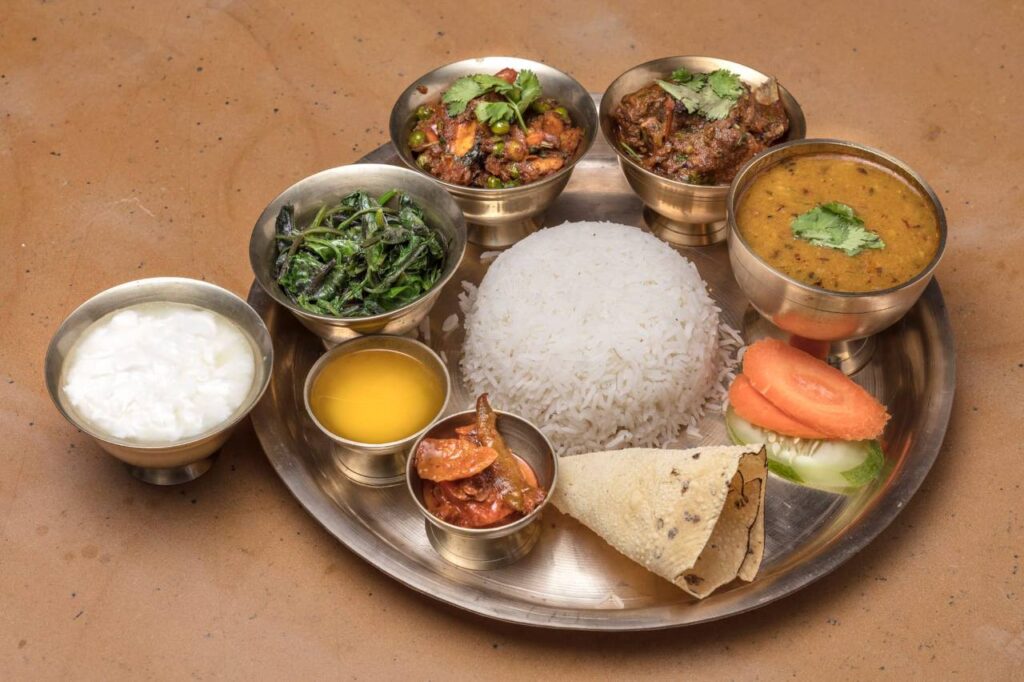
    Dal Bhat is more than just a cuisine , if your holding onto to culture, traditions and lifestyle, its a lifestyle in Nepal. It is a simple , hearty, and balanced meal. Dal is served over a huge mound of bhat with seasonal vegetable curries (tarkari), a spicy flavorful pickle (achar) that should accompany the meal, sautéed greens (sometimes with a serving of meat curry, chicken or mutton usually).
    cuisine

    It is a national cuisine eaten in every household across Nepal and is made in all sorts of homes from the humblest to trekking lodges and eateries high in the Himalayas.

    Dal Bhat is nice because it is filling and comforting and is thought to be eaten by many in Nepal at least twice a day. Dal bhat is also a good meal because it offers a satisfying combination of carbohydrates, protein, and fiber. For trekkers hiking on unyielding trails, it is the perfect energy meal. The best part about Dal Bhat is that it is simple yet has infinite variations, (with every home, place, or family giving it its own idiosyncratic twist of flavors).

    2. Momo (Nepali Dumplings)

    No one dish captures the hearts of people quite like momo. Juicy dumplings are by far the most adored street food in Nepal, showcasing a culinary DNA of cultural fusion. The flavor typically, albeit surprising quite often distinct Nepali flavor, often has Tibetan and Chinese.

    momo cuisine

    Momos are often stuffed with minced chicken, or buffalo (buff) or spiced veggies usually made with garlic, ginger, cabbage, and onion. The fillings can either be steamed into puffed pillowy puffs, or be deep-fried to a crisp package for eating hot with a spicy dipping sauce (achar) like you would your favorite hot sauce with junk cuisine.

    You can find momo stalls in every city nook and cranny in Kathmandu, as well as some of the most remote mountain villages. Along with convenient preparation of momos, you’ll find a plethora of momos to eat; including jhol (soup) momo and open momo, or chili momo as well as cheese or chocolate momos! For so many, eating momos is not just snacking, it is a social ritual, shared with friends, laughter, and hot sauce!

    3. Sel Roti

    Sel Roti is a type of doughnut from Nepal. It’s crunchy, golden, and very sweet. Sel Roti is made from fermente batter from ground rice combine with sugar and milk. It may also contain a touch of cardamom or a hint of banana. Once made, Sel Roti is deep fry in the shape of a ring. The food is homemade, and is use for no other purpose than enjoyment during significant Hindu holidays such as Dashain and Tihar. During these festivals, houses and streets throughout Nepal are filled with the smell of Sel Roti in the air.
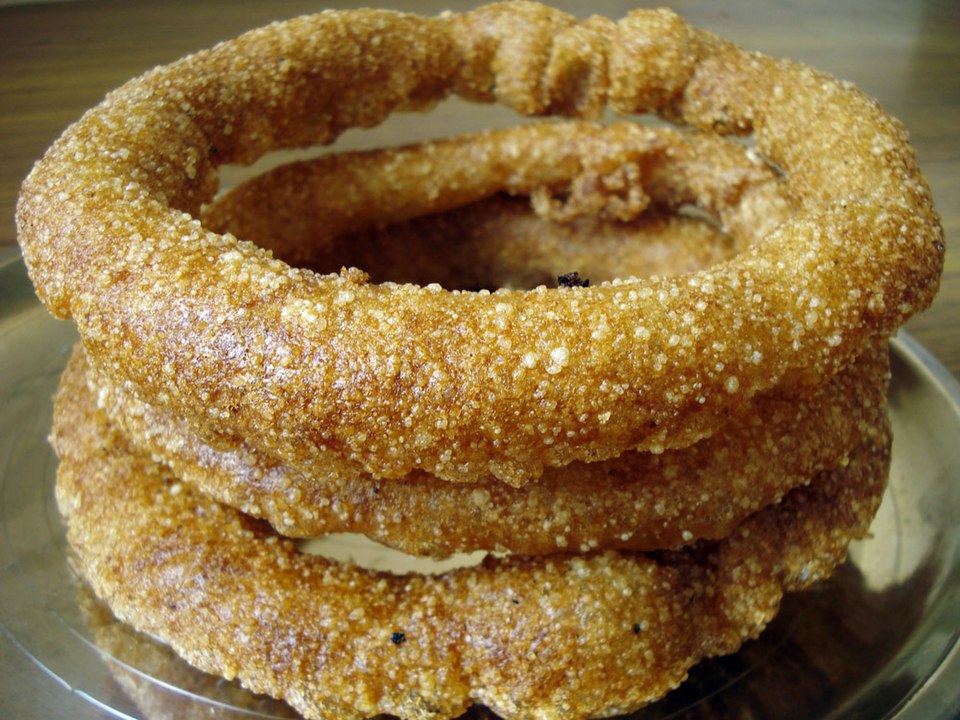
    sel roti

    While it may be on the sweet side, Sel Roti is fantastic with spicy sides and goes well with potato curry or even just plain yogurt. You can’t go wrong with the crunchy outside and chewy inside combination; it is a taste you are not used to, but most cuisine will be able to enjoy it, regardless of their level of experience with the culture.

    4. Chatamari

    Chatamari, or better known as “Nepali Pizza”, is a traditional Newari dish that is simple and flavorful. It is a rice flour pancake (or base) topped with minced meat (a typical choice is buffalo or chicken), and corn onions, tomatoes and green chilies, and eggs , and is baked to a crisp fragrant dish!
    Chatmari
    Chatamari is technically an appetizer or light meal, but is most popular as an appetizer at Newari ceremonies or feasts. Chatamari is gluten-free, filling, and is an incredible combination of spice, crunch, and protein. If you can find it from a Newari restaurant or street festival it’s an experience you can’t miss if you want to taste some of the Kathmandu kitchen.

    5. Thukpa

    Thukpa is the best comfort food from the Himalayas – it is a warm bowl of noodle soup that will warm you up inside and outside! Derived from Tibet and popular in mountain regions of Nepal, Thukpa generally has a base of wheat noodles swimming in broth and some seasonal vegetables and your choice of meat (chicken, buff, yak) flavored with garlic, ginger, and local spices. Often see it devoured the most in places like Mustang, Manang, and in the winter months in Kathmandu!

    Thukpa

    Thukpa, for many reasons, is more than a soup; it’s a substantial meal, in Himalayan culture, that brings warmth to the body and soul with every slurp.

    6. Gundruk

    Gundruk is a long-standing traditional Nepalese cuisine that is made from fermented leafy greens, usually mustard, radish, or cauliflower leaves, which are subsequently dried then kept stored for months. It’s primarily used in two ways: it most commonly becomes a bright tangy soup called Gundruk ko jhol, or it’s used in your regular salad or mixed in with pickles (achar) which provide a memorable sour and earthy flavor.

    Gundruk

    This humble fare is not only delicious, but also an excellent source of nutrition. Gundruk is very high fiber and has natural probiotics from the fermentation. Gundruk is helpful for gut health and digestion and is extremely popular in rural and hilly areas of Nepal, Gundruk is a wonderful representation of Nepal’s creativity, resourceful cuisine culture and preserving food.

    7. Bara (Lentil Patties)

    Bara, or wo, is a classic Newari dish that the Newar’s makes look simple, but wow it packs a punch when it comes to taste, texture, taste and experience. It is made from ground black lentils (urad dal), spiced, then pan-fried into round, golden, crispy, tasty discs. It can be eaten as is, or upgraded with toppings such as fried egg, minced meat, or even an entire sunny side-up egg on top. Bara is also often offered at Newari festivals and during Newari rituals, often served with pickles or served as a meal that comes with spiced potato curry.

    cuisine

    It is also high in protein, gluten-free, serves as a great nourishing snack, and is a cultural cuisine .

    8. Yomari

    Yomari is a tasty sweet dumpling that is both delicious and ceremonial. It is shaped like an elongated triangle, reminiscent of a fish or fig, and is eaten during Yomari Punhi on a Newari winter holiday which aims to honor the full moon, and which marks the holiday’s celebratory customs. The Yomari is significant heraldically as it represents profit and a good harvest (Yomari are often filled with vegetables or Daal) .
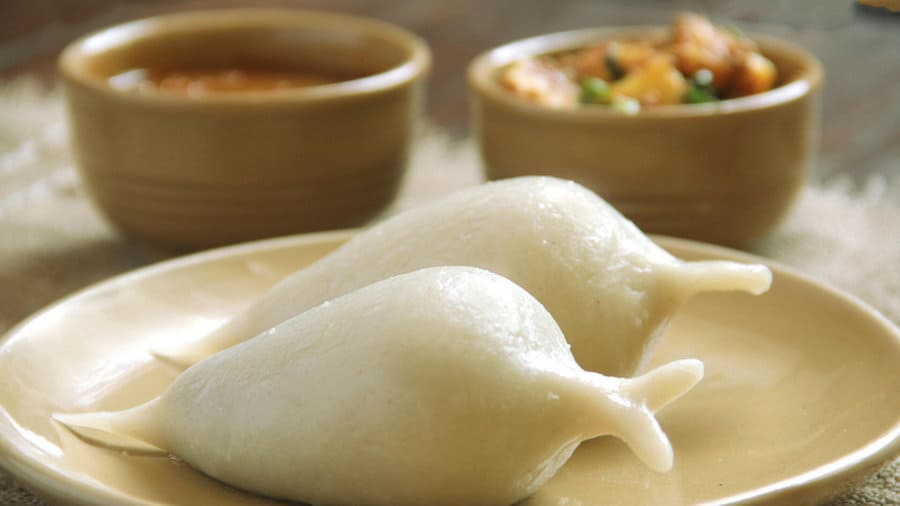
    cuisine

    The outer shell is make from steamed rice flour (as mentioned chew and delicious), while the inside is filled with melt jaggery (molasses) along with roast sesame seeds. As you would imagine, it is sweet, comforting and a favourite food for vegetarians unabashed simile, which is of particular significance to the Newar people and their traditions. For anyone who loves eating sweet cuisine , then Yomari is a taste of a Nepali festival that you will not add as a pop up on Instagram.

    9. Sukuti (Dry Meat)

    Sukuti- Nepal’s jerkey, spicy, smoky, develop, in flavor is make by what they call smoking or sun-drying strips of buffalo, goat or lamb meat, then roasting or sautéing with garlic, dried chili, and cumin to highlight the chewy and deep flavor and texture. The spice and depth of flavor makes it a go to pairing with chhyang or raksi (local alcohol), especially by the Gurung, Magar, and Rai community. It can be enjoyed as a side dish with rice, or eaten by itself as a spicy achar (pickling-style chutney).
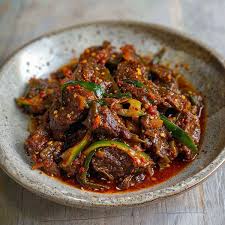
    Whether you enjoy the dish on a cold night in the mountains, or with friends and family in a festive gathering, Sukuti is a rustic, protein dense snack that captures the proud spirit of Nepal and preference for preserved hearty flavors.

    10. Aloo Tama

    Aloo Tama is a tangy, spiced curry made with soft potatoes (aloo) and fermented bamboo shoots (tama), with the addition of black-eyed peas in some recipes. The bamboo shoots provide a sour taste with a crunchiness that work quite nicely with the starchiness of the potatoes and bold Nepali spices such as turmeric, chili, and fenugreek.
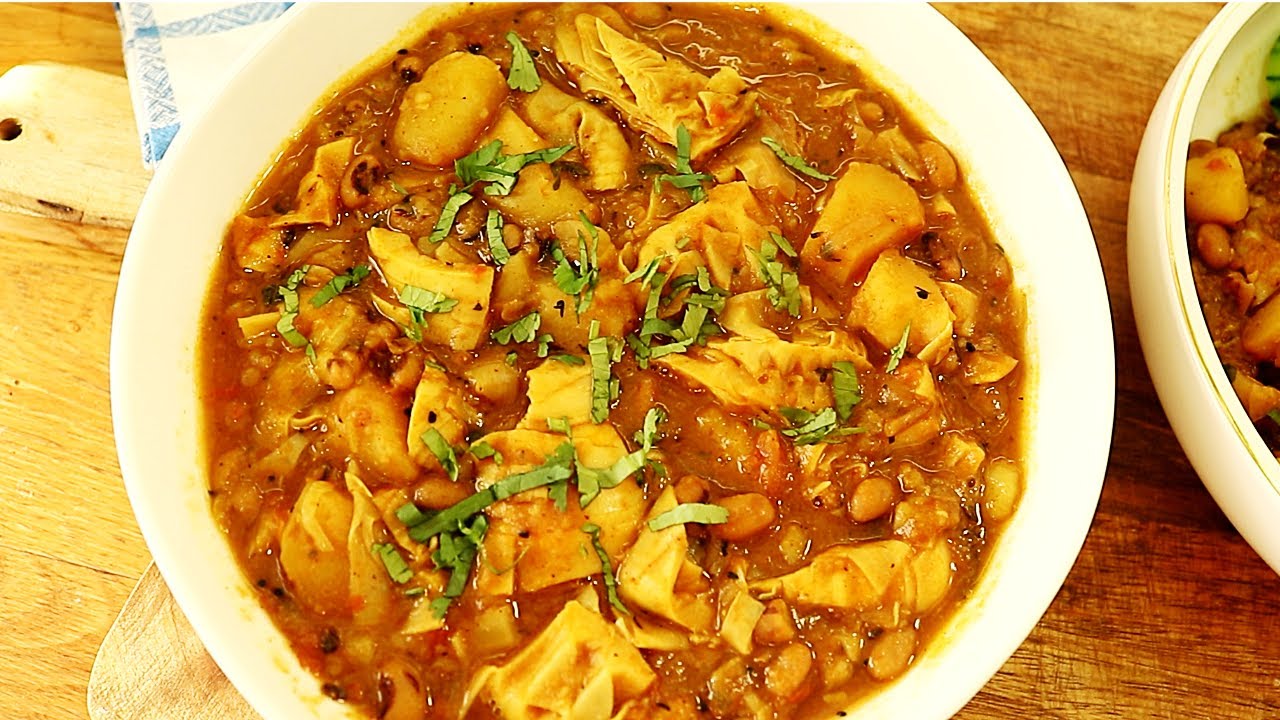
     

    It’s that good old-fashioned flavorful, aromatic, and soul satisfying food served with plain rice or roti. If you’re looking for something spicy and memorable, Aloo Tama, especially if you can enjoy it in a home setting, would be incredible.

    11. Dhido

    Dhido is a simple Nepali staple consisting of stirring buckwheat, millet or corn flour into boiling water until you have a thick dough-like consistency with it. It is usally hot, often with some ghee on top and, hot. It is pinch off with your fingers and dipped into sides like gundruk, curry, or lentil soup.

    Gluten-free and a source of fiber, Dhido is beyond food – it is part of Nepali identity and history especially in the peripheries of rural, high-altitude places in Nepal may not have even rice. It is hearty, wholesome and exact flavors of the historical direction of food in the country.

    12. Samay Baji

    Samay Baji is more than food – it is, essential, a ceremonial Newari feast on a platter. It is traditionally a platter of beaten rice (or chiura), boiled egg, sukuti (dried meat), spiced black beans (bhatmas), pickles, slices of ginger, and sometimes with buffalo meat curry, or fried fish. Each element on the tray has its own little story, and links to their nutritional value and use.

    Samay Baji


    It is popular in religious ceremonies, family gatherings, and in Newar celebrations like Indra Jatra or on Mha Puja. One of the best parts to dining on samay baji is that you get multiple textures to eat (crispy, chewy, soft, spicy) on one tray. If you want the full experience of culture and food, this is the cuisine!

    13. Juju Dhau (King Yogurt)

    Often referred to as “the King of Yogurt,” Juju Dhau comes from the historic city of Bhaktapur. It has become a delicious dessert in Nepali cuisine. Juju Dhau is made from boil buffalo milk, and lightly sweetened. The magic of Juju Dhau is in the fermentation with traditional clay pots. It gives the yogurt a yummy tang, earthy aroma, and rich creaminess.
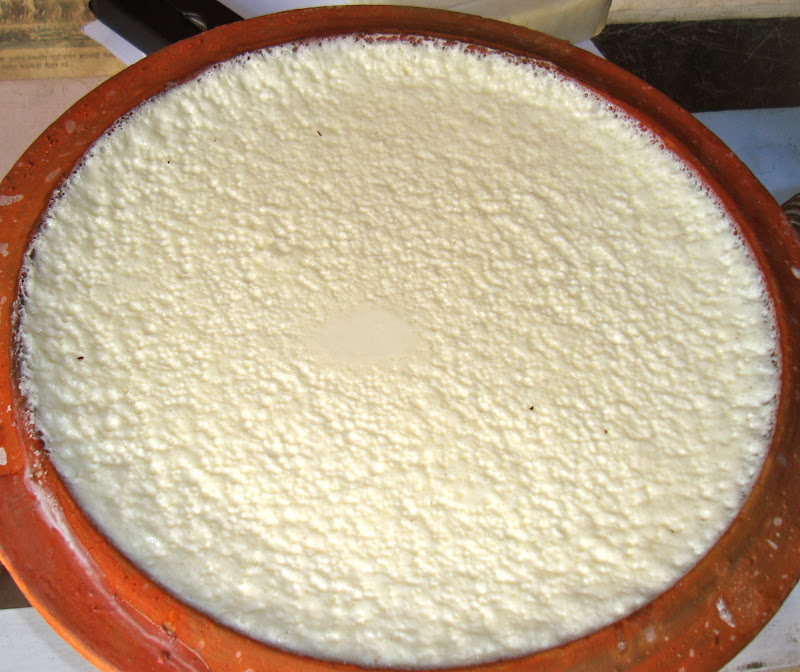
    With its thicker, creamy consistency, and burnt caramel top, Juju Dhau resembles a dessert more than some serious yogurt. Juju Dhau is typically serve at weddings or festivals, or it can be given as gifts to guests. It makes a point of pride for the people of Bhaktapur. After you taste Juju Dhau, hopefully you’ll understand why!

    15. Laphing

    Laphing is Nepali spicy street food and it’s especially love by teenagers and city youth. Although Laphing originated from Tibetan cuisine. It has turned into a very popular cold noodle salad or both made from mung bean or potato starch. Laphing noodles are cut into long slippery strips. They are  super spicy blend of soy sauce, chili oil, garlic water, vinegar and Sichuan pepper.
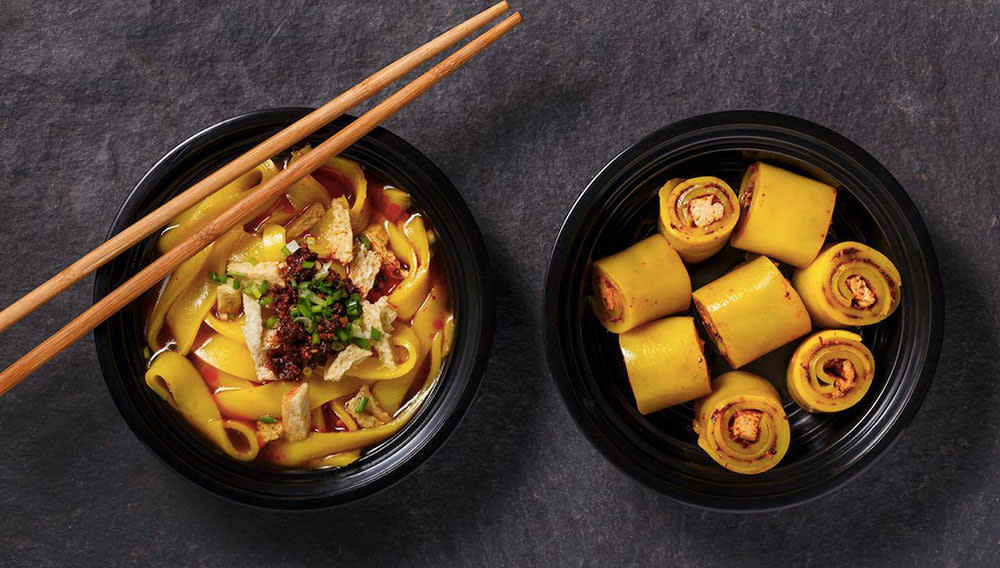
    Whether it is stuff with spice soy rolls or served plain, laphing is a complete rollercoaster of spice and texture . Chewy, cold, tangy, and tingly. It is daring, completely addictive, and so shareable on Instagram, found around Boudha and Swayambhu in Kathmandu.

    15. Choila

    Choila has all the characteristics of bold and spicy Newari meat. Traditionally it is make with buffalo meat (although chicken and duck varieties are widespread these days). Choila is simply grill or smoke meat marinate in mustard oil, ginger, garlic, chilies, cumin, and fenugreek seeds.
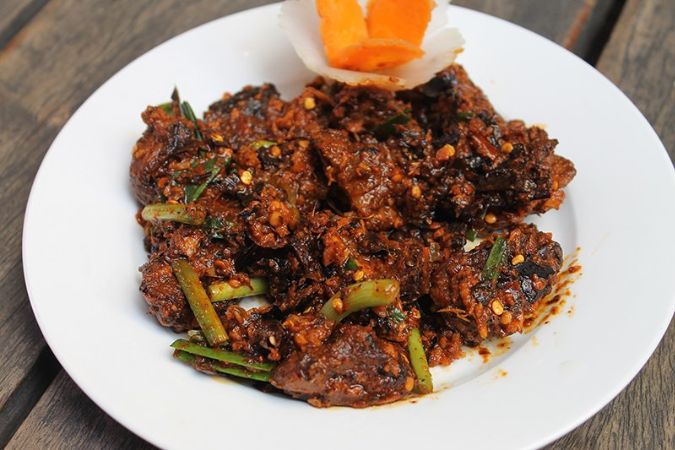
    It is serve cold with beaten rice, called chiura, and is both spicy and flavor. Being a traditional dish, choila has celebratory status. It serve at gatherings and events. Choila often falls under the Samay Baji package. It is the ultimate contact food combination for meat lovers. Who want flavour, spice, and massive amounts at a time.

    16. Kheer (Rice Pudding)
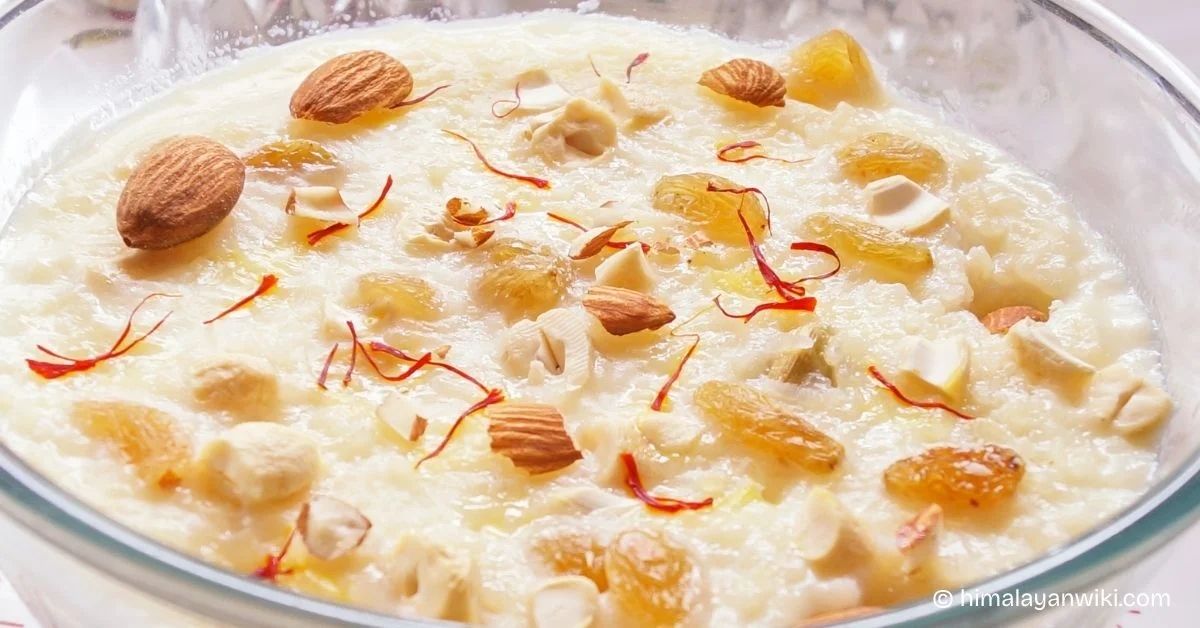
    Kheer is a warm contribution for festive occasions, unlike any rice pudding you have ever had. Rice is boiled into a creamy richness of a liquid milk with sugar, cardamom, and ghee. It will often take on a delicate custard-like consistency rich in flavor. The slight sweetness from toppings of nuts and raisins (among others, depending on recipe). Traditionally, kheer is share during any number of occasions. Such as religious festivals or family gatherings. In a Hindu religious sense in a process called prasada .

    Kheer can be eat warm, or chilled. It is nice to add a hint of sweetness to the end of a meal in traditional Nepali cuisine, and is enjoyed by all ages. Kheer is comfort food that is simple to make, soothing, and is representative of a celebration. If you love dessert, kheer is worth the try.

    17. Pani Puri / Chatpate

    Street food is one of the biggest cuisine systems in Nepal. One of the best representations of its fiery hot birth is Pani Puri and Chatpate.

    Pani Puri is whole small, round, hollow, crispy balls, containing spiced mashed potatoes. With tamarind water, and a paste with green chilies as a dunking agent.

    Chatpate is a drier version of Pani Puri: a spicy, tangy, crunchy mélange of puffed rice. It consist cut onions, tomato, green chili, coriander leaves, and a lot of splashes of mustard oil and sauces. Chatpate is generally make fresh, with just the right amount of heat, crunch and zing. It is very popular among both teens and office-goers. Therefore it is certainly what Nepalis want when they are at the street-side.

    18. Buff Chow Mein

    It is a beloved take on the Chinese stir-fried-noodle dish. Buff Chow Mein uses thin wheat noodles, strips of marinated buffalo. Seasonal vegetables (e.g., cabbage, carrots, green onions), and spices, and pan fried. Until anything and everything is crispy, (mostly) greasy and spicy.
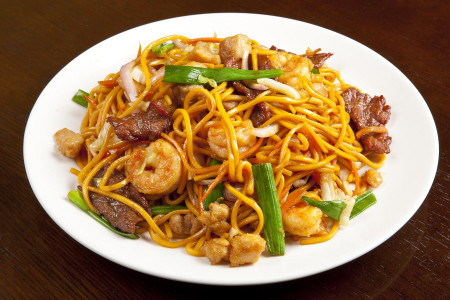
    It can virtually be find upon any type of eatery (e.g., street cart; bars and restaurants; school canteen). Often with a fried egg on top, and/or a splash of ketchup and/or chili sauce on the side. Cheap, fills you up, and delicious. Buff Chow Mein is the comfort food of many Nepalis, who are seen ordering it over and over again!

    Final Thoughts

    Whether you’re breaking bread in a family kitchen in a remote village in the Himalayas or walking in the Kathmandu. Ordering Nepali food is a stereo experience. There are layers of flavour connect to a deep source of food culture in the Himalayas. Influence from neighbouring India, Tibet and China.

    The experience of sharing comforting homely Dal Bhat, the burn and spice of a Chatpate or festival. Sweets like Yomari is much more than just the taste of the food. It connects culture, community and a love for food. Be hungry and explore all the ways you can take in. Nepal is waiting with your appetite. Contact us today at Happy Mountain Nepal, on Facebook, Instagram, or TikTok .


  • Gokyo Lake: A Queen of the Himalayas

    Gokyo Lake: A Queen of the Himalayas

    Gokyo Lake: A Queen of the Himalayas

    Introduction

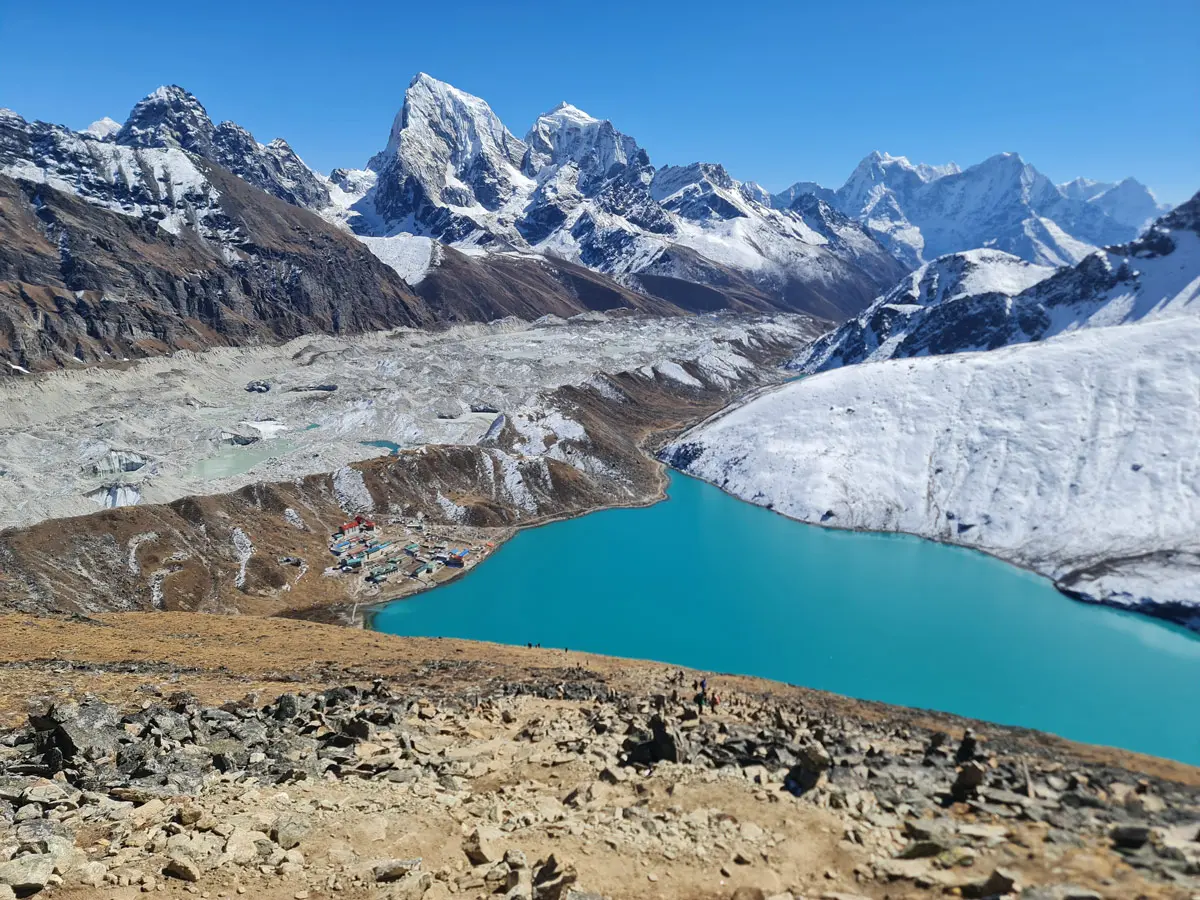
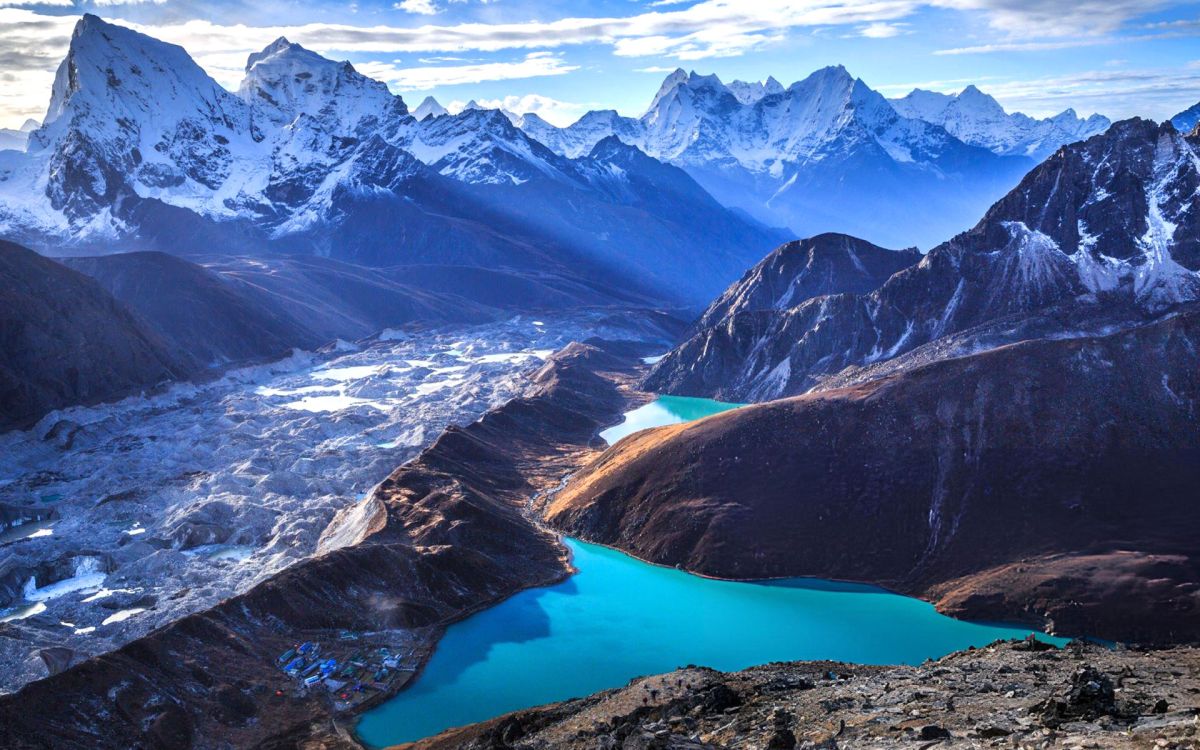
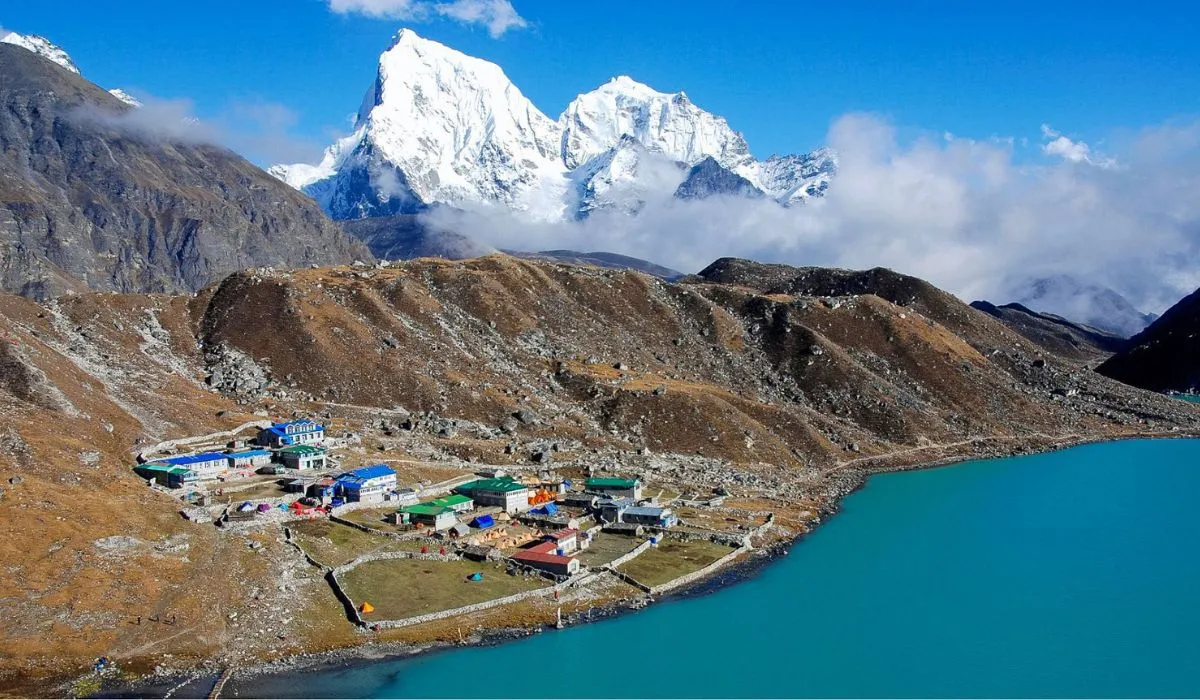
    High in Khumbu, at the altitude of thin air and jangly prayer flags moving in slow-motions, is Gokyo Lake-one of the most beautiful alpine destinations in the world. But it is not just one lake. There are six glacial-fed turquoise lakes, each stunning to behold, at and above the height of 4700 meters (15,400 feet) above sea level, surrounded by the tallest giants of the Himilayas, most notably Cho Oyu, the world’s sixth tallest mountain; and the massive Ngozumpa Glacier, Nepal’s longest glacier.

    Gokyo Lake

    Gokyo is somewhat of an underdog, despite its extraordinary beauty. The Gokyo trek sees far less traffic than the Everest Base Camp trek, and thus has less noisy lodges, and a far less crowded experience overall. To see the reflection of the mountains in the perfectly still water, the tranquil village of Gokyo, and the holiness of the lakes to Hindus and Buddists (both) makes being in Gokyo special, and worthwhile of the title Queen of the Himalayas.

    Where is Gokyo Lake?

    Gokyo Lakes are located deep in Simogma, in Sagarmatha National Park, a protected area in eastern Nepal is a UNESCO World Heritage Site, which is rich in biodiversity, home to Mount Everest and many of the highest peaks in the Himalaya.

    Of the six lakes, the most famous is Dudh Pokhari, which is adjacent to Gokyo Village, at an astounding 4,790 meters (15,715 feet) above sea level. Dudh Pokhari means “Milk Lake”. It is glacial lake, so it has a milky-blue color to it.

    The lakes are fed with meltwater from surrounding glaciers, including the enormous Ngozumpa Glacier, and are in fact part of the highest freshwater lake system in the world. These lakes are sacred and pristine–not just geologically– also spiritually important– people travel from all over the world to visit the lakes as pilgrims and trekkers.

    Why is Gokyo Lake Called the Queen of the Himalayas?

    Gokyo Lake

    The name “Queen of the Himalayas” fits Gokyo Lake for several reasons:

    Mesmerizing Beauty:

    Gokyo Lake receives its royal name in part of its magnificent beauty. The emerald blue water reflects some of the highest peaks in the world, not least of all, Everest, Lhotse and Makalu. The sight of Gokyo Lake´s breathtakingly grand landscape can certainly hypnotize you. On a clear day, it is so perfectly clear and vivid, you can visualize the mountains floating on the lake.  Surrounded by ridges dusted with snow, glacial river valleys and dramatic sky colors Gokyo is possibly one (if not the one) most stunning and serene landscapes throughout the entire Himalayas.

    Sacred Significance:

    However, Gokyo still means more than just beauty. Gokyo is sacred with both Hindus and Buddhists holding it in high regard, as it is said the lakes are the home of holy male and female deities. Hundreds of pilgrims, chasing cleanliness and blessings, trek to this high altitude lake to wash in the freezing lakes on the annual festival called Janai Purnima. The spiritual meaning of Gokyo Lake adds to its collective identity as a place of pilgrimage and importance in culture, beyond being simply visual beauty on a trek.

    Less-Crowded Serenity:

    Trekkers on this route receive the rewards of calm landscapes, peaceful villages, pristine nature, and no tourists. Trekking through this less traveled path naturally enhances a spiritual and emotional connection with the Himalayas—giving Gokyo the feeling of a hidden royal sanctuary—indeed earning the name “Queen of the Himalayas”.

    The Gokyo Trek: An Alternative to Everest Base Camp

    For people looking for almost as stunning a trek in the Everest region but not as well-travelled, the Gokyo Valley Trek is a perfect option.

    Renjo La Views

    Crossing the Renjo La Pass (5,360 M) on the Gokyo trail is one of the most exciting moments. This high mountain pass will provide fantastic sweeping views of the whole Everest Region and four of the World’s highest peaks, Mt. Everest, Cho Oyu, Lhotse and Makalu. The climb is hard and strenuous, it is a long, steep uphill path with switchbacks and rocks, which certainly makes it slow and painfully tiring, however, definitely worth it.

    Renjo La Views

    Once at the summit of Renjo La, the Gokyo Valley is clearly visible below, surrounded by towering peaks, blue turquoise lakes, and, the view is that stunning. The masterful Himalayan scene looks painted by numbers. The route is quieter than the main EBC route, so the massive scenery is even more enhanced by the solitude and grandeur, making this a perfect place to take photos and reflect, or sit still and feel nature breathe around you.

    Gokyo Ri Summit

    Gokyo Ri is a trekking peak, at 5,357 meters, it is the highest non-technical viewing peak, or trekking peak, in the Everest region and it is also higher than Everest Base Camp.
    Gokyo Ri Summit

    The summit itself is well worth the hike! The panoramic experience at the top gives trekkers an unobstructed view of everything to a full 360 degrees; you get an outstanding view of Mount Everest, the Ngozumpa Glacier, and, quite fantastically, the entire chain of Gokyo Lakes below. It gives you one of the best views out there in the Himalayas, and it is also a wonderful quiet alternative to the crowds at Kala Patthar looking from that viewpoint.

    Ngozumpa Glacier Travels

    The Ngozumpa Glacier is the longest glacier in Nepal at 36 km long and flows from Cho Oyu down into the Gokyo Valley. Trekking next to or across the glacier is like walking on a river of frozen rock and ice. The surface is rough and is consistently loaded with movement, which is dissected by crevasses, ice cliffs and streams of meltwater separating the glacier’s snow and ice.

    Ngozumpa Glacier Travels

    For all trekkers in the area, the drama of the Ngozumpa glacier is incredible to behold with the tranquility of the lakes, and contrasts the beauty of the forms currently being carved out of the landscape by the forces of nature in the Himalayas. It’s a tad wondrous that as (and because of) climate change, the blessings of enhanced peril are setting up the conditions for glaciers to crack apart, people can still view the indulging scene of the glacier and lakes not just as something visually stunning, but also as an experience reinforcing the fragility of the much larger world we live within.

    Gokyo Lakes: Sunrise

    The Gokyo Lake system contains six main glacial lakes that differ in size, color, and character, and are considered to be among the world’s highest freshwater lakes. The lakes are located at multiple levels along the valley, and while each lake is stunning, at some level they all get converted to a hidden Himalayan paradise when trekking from one to the next – with each lake providing a different perspective of the surrounding peaks.

    Gokyo Lakes: Sunrise

    The lakes are draped in magic at sunrise and sunset when the transfixed light melds the canvas of the sky into oranges and pinks and the cyan water mirrors the snowy summits above.

    Whether it is appreciating the first rays of sun on the peaks in silence, or enjoying that last golden wash of colorful light across the lake, each of those moments were both visual and spiritual. Trekkers will comment on how it was one of their most peaceful and beautiful moments and how it collectively ranks in their best moments during their time in the Himalaya.

    Best Time to Visit Gokyo Lake

    The prime trekking time to get to Gokyo Lake:

    • Spring (March to May) – warm temps, new rhododendron bloom, typically clear skies and – Fall
    • (September to November) – fair views, comfortable trek temps – basically considered moderate. As well, you have to eliminate the rainy season
    • (June to August) and deep winter
    • (December to February) conditions – lots of snow, risk of being slippery, or the snow will be blocking your path due to space.

    Route to Gokyo Lake

    General outline to Gokyo Lake prospects The following is a general route, to get to the start destination of Gokyo: –

    1. Fly to Lukla from Kathmandu (30 minutes)

    The trek to Gokyo is started with an exciting mountain flight to Lukla from Kathmandu – a small village in the Everest Region (2860 m). The flight takes only thirty minutes but gives stunning views of the Himalayas from above, and a hair raising approach to the Tenzing-Hillary Airport (the world’s most adventurous airstrip). Most treks in the Everest region start from Lukla, so it is normal that either trek will either start in Lukla whether trek to Gokyo or Everest Base Camp.

    2. Trek from Lukla to Phakding (2,610m)

    The trek from Lukla to Phakding is a gentle downhill trek, which takes 3 – 4 hours.You will pass through forests of pine trees, and several small villages, and cross several suspension bridge spanning the Dugh Koshi River. This will be a good day of acclimatization with relatively easy walking. You will begin to feel the altitude and hopefully begin the process of your body acclimatizing to a higher elevation.

    3. Phakding to Namche Bazaar (3,440m)

    This part of the trek will progressively be slightly harder, but it is so rewarding and an expected active walking time of about 5 – 6 hours. You will be hiking through Monjo, and then enter Sagarmatha National Park, where you will encounter suspension bridges to cross, some steep section including switchbacks, and eventually arrive in Namche Bazaar, the largest village on the trek. Namche Bazaar is a good cultural and logistical hub and so most trekkers tend to take an additional acclimatization day here. 

    4. Namche Bazaar to Dole (4,200m)

    From Namche you will divert from the Everest Base Camp trail and continue to the less widely followed side of Gokyo Valley – Dole. This portion of the trek takes approximately 5–6. This route features views of Ama Dablam, Thamserku and other peaks of the Himalayas and allows you to pass through Kyangjuma and Mong La, a small hilltop village, which you will go over and start your descent slightly before the ascent to Dole.

    5. Dole to Machhermo (4,470m)

    This portion of the trek is steadily uphill too, but only requires 4–5 hours. It is more open and alpine here, so the low vegetation and views are fantastic. It is worth noting that you may even come across some musk deer or Himalayan birds. Machhermo is a quiet spot with only a few lodges and is commonly used as yet another acclimatization halt before pushing to higher elevations.

    6. Machhermo to Gokyo (4,790m)

    The final climb to Gokyo Village should take approximately 4–5 hours and as with the preceding sections, the scenery is stunning. As you continue on the trail, you will be exposed to many smaller lakes before arriving at Dudh Pokhari, the third and most well-known of the Gokyo Lakes. Gokyo has so many peaks around you, and you have so many directions to explore – a high-altitude paradise. You may decide to scale Gokyo Ri, or you can head west to check out the other lakes even further north.

    Gokyo: What will happen in 2025

    Gokyo in 2025, after most people on the planet had the unwanted experience of the negative impacts of COVID-19, and more importantly, the restart of the tourism sector in Nepal, one could expect trekking trails like Gokyo to welcome new domestic and international adventures safely, in some refurbished lodging, and with a much greater consciousness about sustainable travel. In 2025 will still be a terrific destination for nature lovers and off-the-beaten-path trekkers who want lovely views of the Himalaya without the typical tour-rific Everest Base Camp experience.The trails will be better maintained, with more signage, followed rubbish bins, and better designated safer pathways.

    The local communities have received better training on eco-tourism and hospitality, especially in the Gokyo Valley, which translates into a better standard of service in the teahouses and lodges. Lesser accommodation options will have cleaner rooms, more frequently (or consecutively) offer solar hot showers, will offer wi-fi, and will now offer menu options specifically using ingredients sourced from locals in an eco friendly approach.

    Tips for Gokyo Trekkers in 2025

    To make the most of your trip to Gokyo in 2025, here are some practical and essential tips:

    Book Your Flights to Lukla in Advance:

    There is a very limited number of seats available on flights from Kathmandu to Lukla, and this small number does not change with demand. It is best to try and book your tickets in advance, especially in the spring and autumn months when trekking traffic is high. Some flights are now being diverted to Ramechhap Airport which is about a 4 hour drive from Kathmandu so you will want to get your flights booked in advance and plan your schedule accordingly.

    Hire a Local Guide or Porter:

    The Gokyo trek is a teahouse trek meaning it is possible to do it solo but we strongly recommend employing a licensed local guide or porter. A local guide or porter can be instrumental to your experience through cultural knowledge, route finding, and safety. Additionally, it is best to utilize as many locals as possible when participating in a trekking holiday in a new and strange country.

    Take Some Altitude Medication and Water Purification Tablets:

    Since Gokyo is above 4,700m, acute mountain sickness (AMS) can be a possible challenge. Bring altitude medication (Diamox), and make sure you have time for proper acclimatization. In high-rise areas, there will be very limited safe drinking water, so be sure to plan on taking some water purification tablets or a portable water filter to prevent getting sick and to help limit the consumption of plastic bottles!

    Where to Stay on the Gokyo Lake Trek

    The Gokyo Lake trek has a number of tea house choices along the trail to allow trekkers with the basic, modest options to rest, eat and recover from a long day of trekking. The lodges are run by local families, and, are a critical element to the Himalayan Trekking experience, providing lodging, service, hospitality and basic meals with incredible views.

    1. Lukla (2,860m)

    As the first and last stop of the trek, there are many lodges and hotels options available in Lukla related to amenities and standard compared to the higher altitude stops. Some lodging offers private rooms which have attached bathroom, wi-fi, and hot showers.
    Recommended for: The arrival night or last night before flying back to Kathmandu.

    2. Phakding (2,610m)

    Phakding is a frequent first-night stop for acclimatization and scenic as well. There are number of tea houses that provide warmth along the Dudh Koshi river. The lodges are simple, but clean with warm dining halls and local food.
    Recommended for: A light first day of trekking after flying into Lukla.

    3. Namche Bazaar (3,440m)

    Namche is the biggest town in the Khumbu region. This is where you will have the most options for lodges along the Gokyo route. You will find bakeries, gear–shops,portal cafés, as well striped shirt next.star hotel.rolo radio and meals with good wi–fi. Namche Top Tip: Make sure you relax and acclimatize in Namche! Recommended for: Resting and acclimatizing (1–2 nights)

    4. Dole (4,200m)

    Dole is much smaller, much quieter than Namche, and is where trekkers first start to feel the essence of being remote on the trail. Lodges were also simpler in Dole but hearty meals and warm beds were assured. The bathrooms will be shared and will have a common area heated with a yak dung stove. Recommended for: Overnight stay, on the ascent to Gokyo.

    5. Machhermo (4,470m)

    Machhermo is a nice place to visit that can be utilized as an acclimatization stop. The tea houses have basic accommodation with warmth and hospitality. You’ll find that the tea houses embrace a feel of the mountain with rustic charm. It’s a nice place to stop and recuperate before you take on Gokyo.
    Recommended for: Safe adjustment to altitude before you reach Gokyo.

    6. Gokyo Village (4,790m)

    Gokyo itself has some tea houses beside Dudh Pokhari (the 3rd lake). Accommodation is much more limited in Gokyo, so it is good to arrange a booking in peak times. Rooms are bare bones. This doesn’t leave a lot of room for amenities. A few have limited solar and Wi-Fi, but the prettiest part is the turquoise lakes and high peaks.
    Recommended for: base camp to further explore Gokyo Ri, other lakes, and rest days.

    What to Expect in Tea Houses

    1. Basic Twin-share Rooms with Beds, Pillows, and Blankets

    Each tea house has twin-share rooms for two single beds. Twin-share rooms are the basic and utilitarian option. The room itself is made of stone or wood and has functional but thin mattresses and warm blankets. Each bed comes with a pillow, fitted sheet, and quilt. Trekkers are reminded in strong terms to bring a warm sleeping bag. As trekkers will be sleeping in cold temperatures at the higher altitudes. Since the tea house rooms usually do not have any heating. You may encounter very cold nights, especially at altitudes above 4,000 m. Although tea houses do not inventory many bedding items such as extra blankets, many have extra blankets available, free of charge, if a trekker asks.

    2. Shared Sickrooms (Sometimes outdoors)

    The bathroom situation in tea houses is formal or shared. It  is usually means that everyone is using the same bathroom, so expect systemic personal hygiene.. Depending on the personal hygiene option in lower regions, such as Namche Bazaar or Lukla. Toilet facilities are usually western-style toilets and hot showers (solar or gas) were available throughout the lower range.

    3. Foods

    As for the menu of local and international meals on -site. Tea houses have a surprisingly large food menu, especially in lower altitude villages. You will see items like hearty and filling.

    • Dal Bhat (rices, lentils, and vegetables) – a traditional and nutritious meal, and typically they offer free refills.
    • Noodles, fried rice, pasta, soupes. Momos (Nepali dumplings).
    • Eggs, pancakes, and toast. Drinks include tea, coffee, hot chocolate, and lemon ginger honey.

    Tips for Staying:

    • Always have cash (Nepal rupees) as payments.
    • Carry a good sleeping bag if you want warmth above 4,000m
    • Eating where you sleep is paying respect to the lodge owners by giving them a meal.
    • Book ahead in peak season March–May, September – November, if trekking.

    Conclusion: A Crown Jewel in the Himalayas

    Gokyo Lake is more than a trek; it is an experience which reaches to the heart and soul. It is both spiritual, a magnificent high Himalaya view and pristine wilderness nature. It truly lives up to its meaning Queen of the Himalayas. The awe inspiring Gokyo Lake trek of January 2025, will create an experience, for all lovers of nature. Contact us today at Happy Mountain Nepal, on Facebook, Instagram, or TikTok .


  • Only in Nepal-You won’t find other places in the world

    Only in Nepal-You won’t find other places in the world

     Only in Nepal-You won’t find other places in the world

    Nepal is a small and broad nation located between India and China. It contains a nature, culture, and spiritual traditions that are unmatched. It is also home to traditional ways and amazing traditions within some of the most magnificent beauty you will ever see; you will notice that even in the same space you will see some of the most subtle, staggering, haunting, exeeding extraordinary beauty that you could ever imagine. The adventures unique to Nepal are extraordinary.

    1. Home to Mount Everest: The Roof of the World

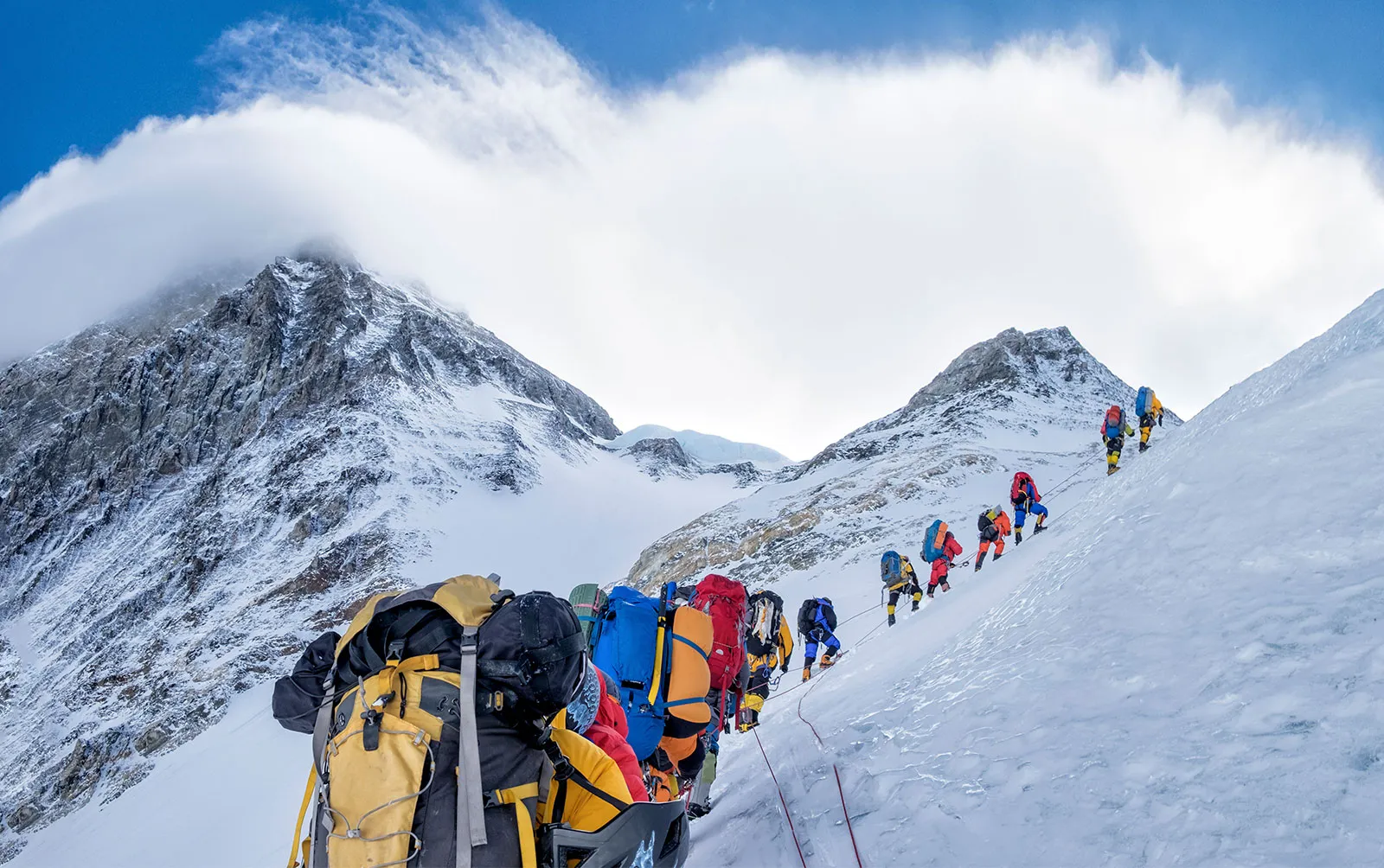
    You will witness the grand skyline of the elevations rise over the horizon. The incredible view from Kala Patthar near Everest to the south face is the best. When you reach Everest Base Camp you will be able to view the Khumbu Icefall, the dangerous zone for climbers heading toward the summit.

    Above the records, there are multiple cultural meanings to Everest in Nepal known as “Sagarmatha” and “Chomolungma” in Tibet. As long as there have been climbers, trekkers, and adventurers, there has been the highest mass of land drawing people to the highest point on earth. Being up close and personal with Everest touches on the humanity of man and the power of nature.

    only in nepal mount everest


    Everest Base Camp Trek will forever be a spiritual, physical, life, and cultural quantum leap in your life. At 5,364 meters (17,598 feet), Everest Base Camp sits around the highest mass on earth, Mount Everest (8,848.86 meters / 29,031.7 feet). Each step closer is trekking on mythological mountain ranges, one hundred-year-old monasteries, old villages from one hundred years ago, and a soul-trek experience that will never leave your memory.

     2. The Living Goddess Kumari

    A Sacred Tradition of Kathmandu valley in Nepal, the country of older religion and spirituality, is also the home of the world’s strangest living ritualthe Kumari goddess, or Living Goddess. The flesh-and-blood embodiment of earth womanhood, the Kumari is an early-teen girl who must endure a stringent ordeal of selection and also be deified in crown ceremonies, celebration, and everyday living.

    kumari- only in nepal

    The everyday life of the living goddess, the Kumari, of Nepal is unsettled by ritual purity, complete isolation, and flawlessly symbolic religious significance. With her selection as early as the age of 2–5 years old, the Kumari says goodbye to the birth home and begins her goddess life at the Kumari Ghar (goddess house), the ritual house in Kathmandu Durbar Square. The Kumari’s role is symbolic in and of itself, as the devotees consider that Taleju (the goddess she incarnates) is present in her body.

    3. Birthplace of Lord Buddha

    Right in the middle of the peaceful plains of southern Nepal,  Lumbini is way more than history-it’s a spiritual thing. Utterly sacred, considered to be the birthplace of Siddhartha Gautama, it calls travelers and pilgrims alike to ponder over his life and teaching. It is also one of the  UNESCO World Heritage Sites 

    Mayadevi temple

    The Mayadevi Temple: Lumbini

    The Mayadevi Temple lies right at the center of Lumbini – a rather modest edifice with great relevance. It shows the very spot where Buddha was born. This temple also enshrines the Marker Stone, considered sacred as it shows the very spot where Siddhartha entered this world.

    Peaceful Meditation

    Lumbini is not a sightseeing place; it’s a place where one has stopped and reflected upon. Meditating in the calm Peace Garden, taking gentle strides along the silent canal crossing inside the complex gleaming white World Peace Pagoda represents harmony and brotherliness.

    4. Diverse Festivals All Year Round

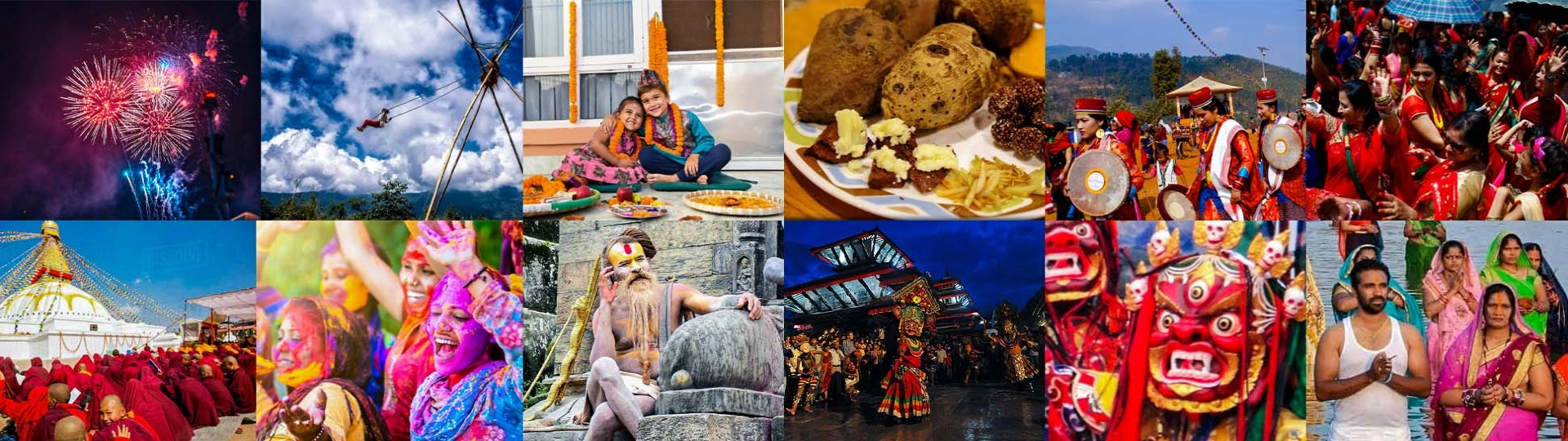
    Dashain, Tihar, Holi, Indra Jatra, and Teej festivals are a few examples from a very long list of colourful festivals celebrating the important festivals of both the religions of Hinduism and Buddhism. An experience that is part of the identity for both individuals and visitors to Nepal.

    A few festivals are mentioned below:

    Dashain

    Dashain the biggest Hindu festival in Nepal, celebrates the annual triumph of Goddess Durga over evil. families gather receiving blessings from each elder relative, and share a celebratory meal. Homes are adorned with jamara (barley grass), and handmade kites fly in the sky!

    Tihar

    Tihar is also called the festival of lights honors crows, dogs, and cows (in that order) on different days. Itis filled with oil lamps illuminating houses and decorative patterns of colours powder (rangoli) creating a beautiful, ceremonial festival culminating Tihar with Bhai Tika marking the love between brothers and sisters is one of the major events.

    Holi

    Holi is the colourful festival that celebrates spring, victory over evil, and the joy of life. It is a very vibrant festival and the festival of colours where, in the spirit of good will, people throw lots of coloured powder as well as water, into it all! There is so much sound and laughter on the street.

    Indra Jatra

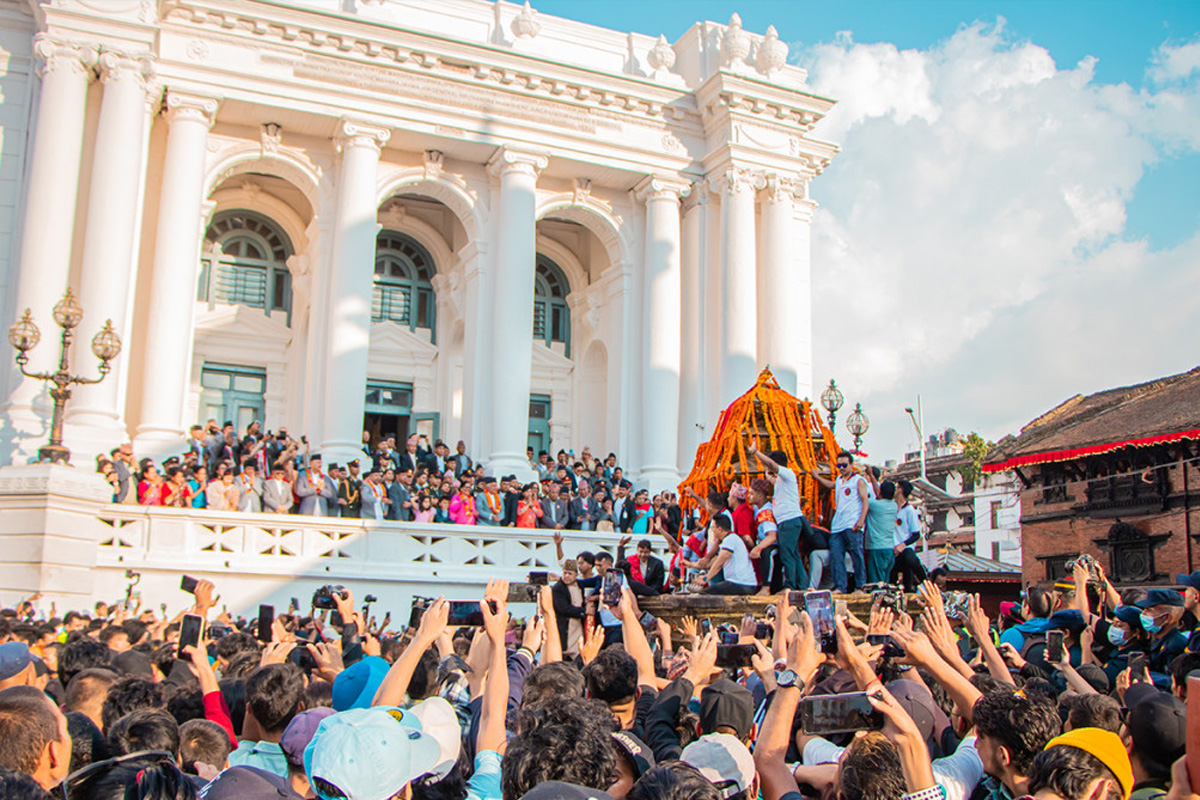
    Indra Jatra slowed down in action when it mostly became a festival in the Kathmandu city regions to worship the rain god Indra. It was a blending of tradition dancing, masked dancing, and procession, alongside the living goddess Kumatronck Kumari. It was a great festival of spirit, music, lights, and thousands of people.

    Teej

    Teej is primarily a festival of women, ule, that have been officially married or not, fast and pray for a good husband. After fasting and praying, women wear bright red saris to symbolize the Goddesses, sing religious songs, and dance. It was a testament to devotion, sisterhood, the comidas, and the empowerment of Nepali women.

    5. World-Class Trekking Routes

    Nepal is a trekker’s nirvana. Nepal has stunning scenery, snow-covered mountains, and a huge range of cultural treks. There is a trek for everyone and every need, from a short scenic stroll to a four week trek through undiscovered wilderness.

    Everest_Base_Camp_Trek

    1. Everest Base Camp Trekking

    Everest Base Camp Trek is the king of Nepal treks. The trek begins with a Himalayan flight to Lukla and climbs through picturesque color villages like Namche Bazaar and Tengboche. The trek is a distinctive cultural trek of the Himalayas with overnight stops only in the old monasteries and Buddhist chortens along the trek.

    2. Langtang Valley Trekking

    Langtang Valley Trekking, a day trip to Kathmandu, is a glacial stream alpine gem and genuine mix of Tamang and Tibetan traditions. The trek gradually climbs the banks of the Langtang River, to the dense forests of pine, bamboo and rhododendron, before revealing incredible views of rolling lush alpine grasslands.

    3. Ghorepani Poon Hill Trekking

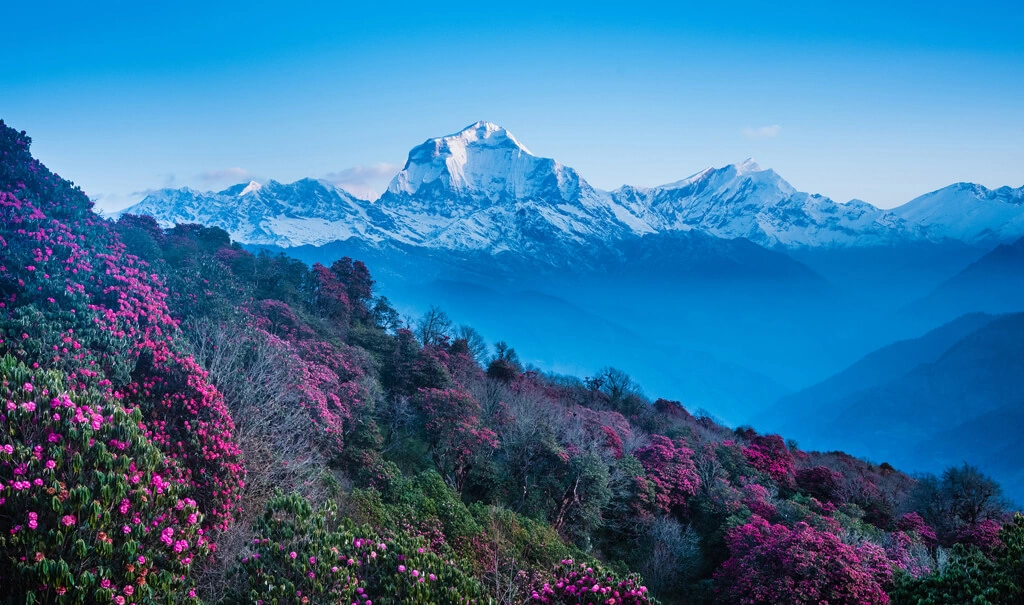
    Ghorepani Poon Hill Trekking is Ideal and short for the tight budgeter and the first-time trekker. But with plenty of fine scenery. From near Pokhara itself. Just south of Nayapul, it winds its way up through a fine rhododendron forest and the Gurung and Magar villages

    4. Gokyo Lakes Trekking

    A serene day trekking from Everest Base Camp, the Gokyo Lakes Trek is a glacier valley trekking to a chain of blue turquoise lakes beneath some of the world’s highest mountains. The Lukla trek is all that happens in an EBC tour before trekking to Dole and Machhermo.

    5. Mardi Himal Trekking

    Delightful and short trekking to Mardi Himal Base Camp on virgin ridge and forest. After Annapurna Base Camp trek, the trek is less populated by humans and a peaceful and calm trekking experience. The trek runs smoothly with good pace from 1,000 meters well above 4,000 meters

    6. The Chitwan Jungle Safari

    It is the first national park in Nepal established in 1973 . It is located in the hilly geographic region of southern Nepal, in the subtropical lowland, with vast grasslands and woods with rivers interspersed. Chitwan National Park stretches to about 932 sq.km.

    Chitwan National Park: A Wildlife Safari Adventure

    Some of the safari options available in Chitwan include the following:

    Jeep Safaris: This has got the highest popularity as this will help you to explore large areas of the park and watch wildlife in style. Elephant Safaris: Probably one of the most traditional ways of looking for the rhino, tiger, and other animals. These offer a vantage view on how the park looks like but the recent years, people have raised several concerns on the animal rights aspect of these tourism.
    Canoe Rides: It is a gentle chance to spy on the aquatic animals that inhabit the park and these are crocodiles, freshwater dolphins and birds. Nature Walks: Peculiar guided nature walks with the help of specialist offer a wide range of chances of gaining more extended knowledge of flora and fauna which can be observed as the trails are located within the territory of the given forest area.

    7. The Unique Blend of Religions

    In Nepal, Hinduism and Buddhism coexist in a manner which is extraordinary in its peacefulness that permeates the culture of this place and the people – lives – beliefs – and arts. It is extraordinary to see the tranquil coexistence of these two religions, which in conjunction with their shared festivals and intertwined traditions, would appear to have harmony amongst their belief systems and practices.

    It is extraordinary! We can see the way the two religions coexist in practice and belief, even in the case of their mutual merging, from two key sites. This unique fusion produces a culture, that is deeply rooted in the collective identity of Nepal.

    8. Traditional Handicrafts and Art

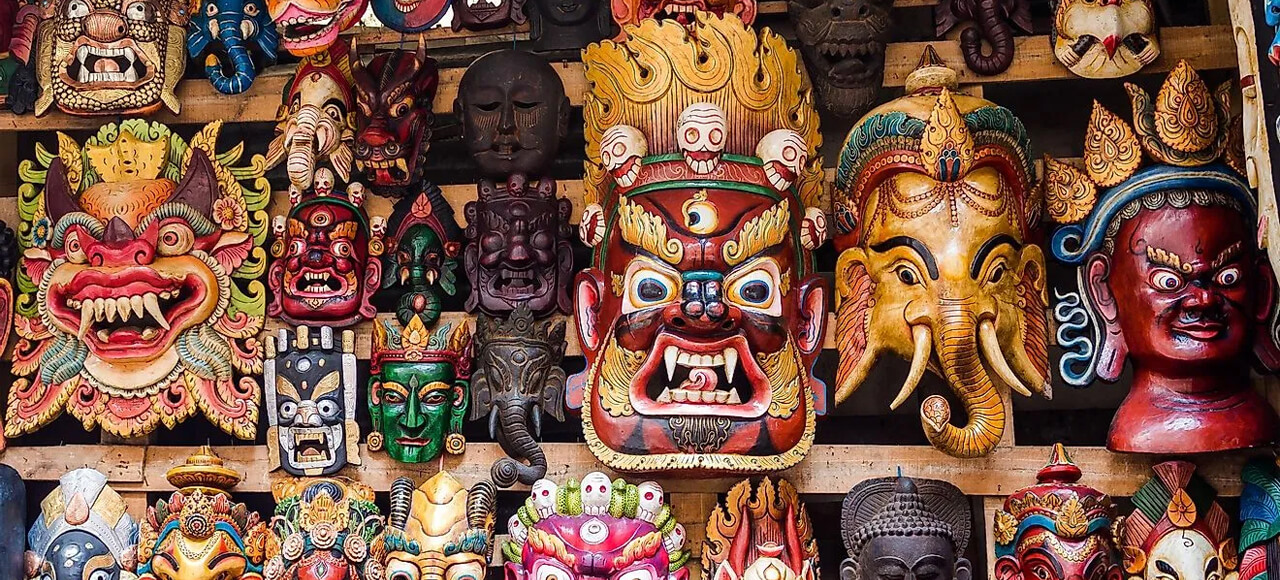
    Nepal is famous for handicraft and souviners.Nepal’s holy Nepalese culture and Himalayas also hold within them Nepalese crafts heritage’s that of. Nepalese crafts are scripting Nepalese history, the Nepalese tradition, and the Nepalese religion. Hand-painted Thangkas to Pashminas colors, rainbowed colors such as, pomp tastefully created one of each single is scripting a new page in Nepalese art history.


    Thangka Paintings: Sacred Hndicraft Buddhist Art

    Rarely replaceable thangkas are owned by Buddhists and Nepal Tibetans. Devotion and fidelity, rather than beautiful supernatural religious image painting, brush, and decoration. 1,000 years ago would make them beautiful to serve as portable temples by monks and pilgrims. Gods, mandalas, and supernatural mythologies to religion and meditation handbook to meditators in the meditation room, spiritual masters, and thangka rituals.

     The Unexplored Luxury Handicraft of Himalayan Wool

    Nepali Pashmina or “soft gold” is the softest and finest natural yarn on the entire globe. “Pashmina” is awarded as a name of excellence which had been reserved in Persian title “Pashm” or soft wool. Chyangra Himalayan hill goats shed undercoat so that they yield Pashmina fabric.

    Newar Traditional Wood Carving Handicraft Art

    4th-9th century AD Nepali golden Lichhavis’ is wood carvings. Nepali wooden ornamental palace, temple, and house replica model style patterned Nepali is Kathmandu Valley’s fantasy Newars. The Nepali wooden carvings appear not to be useless but there is a reason behind it. The beauty and elegance of the wood carvings can feel by going to nearly all the ancient temples and houses.

    Metal Statues and Handicraft

    Master bronzes contemporaries in Nepal are to be find in India, Tibet, and China. Not the master craftsman who would consent to persuade to sell to him a Buddhist or Hindu god purchased to sell again to Tibetan monasteries. It’s lost-wax from the technological perspective.

    9. Adventure Sports Paradise

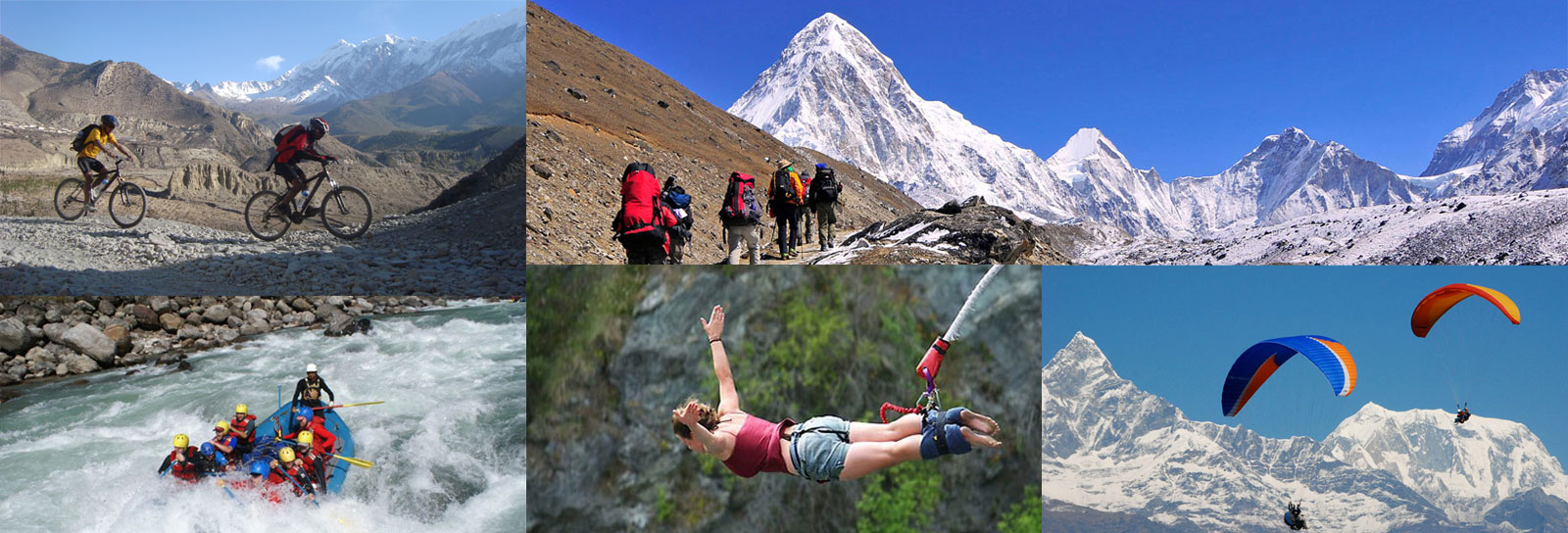
    Activities beyond trekking seems like unbelievable.  Nepal is one of the luckiest countries to have world renowned Treks. But these Himalayan gems are not solely for the trekkers and hikers, although they are a hiker’s paradise. Nepal is the gateway to a decade of adventure at any level with incredible landscape and culture and adrenaline

    Paragliding

    While paragliding in Nepal is not something that will just briefly thrill you with the incredible high vantage point of some of the most stunning terrains on the planet from valleys and rivers to majestic mountain ranges. Nepal is truly a fantastic way to appreciate the beauty of the Himalayas from a different angle altogether. It gives the most spectacular scenery:

    Jungle Safari

    From most of the mountain range categorized as part of the Himalayas, south lower grounds are employed in a great density of forests that are infested with wild animals. The jungles are a contrasting experience to the mountain settings in the sense that they provide. Covering about 15,000 square kilometers, Nepal has nine national parks, four wildlife reserves, and three conservation areas.

    Top National Parks for Safari

    • Chitwan National Park: This is a UNESCO World Heritage Site that boasts of Bengal tigers, one-horned rhinos, and a lot more species of birds.
    • Bardia National Park: It is less crowded and more pristine, offering a chance to spot elusive tigers and elephants.

    Rafting 

    Fed by Himalayan glacial meltwaters, Nepal has some of the most beautiful and thrilling-water rivers on earth. Thus, Nepal is an ideal place for white-water rafting.The country has it all, from peaceful floats to raging rapids. The rafting was quite safe for beginners to do with the support of experts and reliable equipment. Rafting is possible year-round, but the best seasons are September to early December and March to early June.

    Ice Climbing

    Nepal offers a wide range of ice climbing challenges to suit beginners and experienced ones. Ice Climbing In Nepal is only possible from around November to March when waterfalls and gorges become hard and tough to be perfect for climbing. The popular spots for ice climbing in Nepal are Mount Everest, Langtang, Rolwaling, and the Annapurna region.

    Ziplining

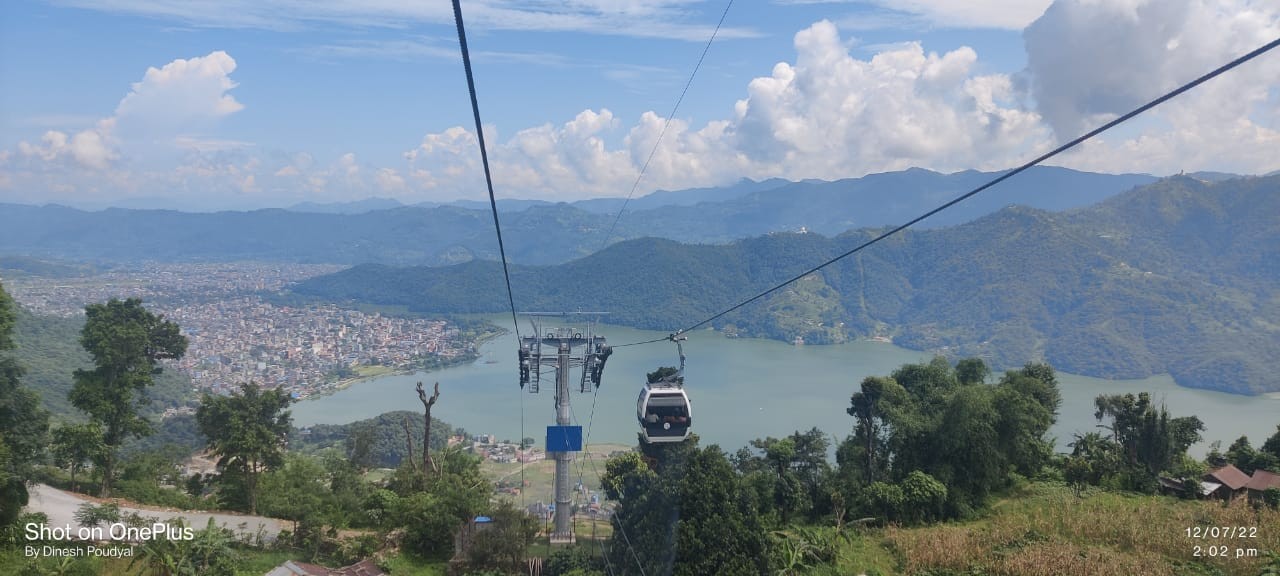
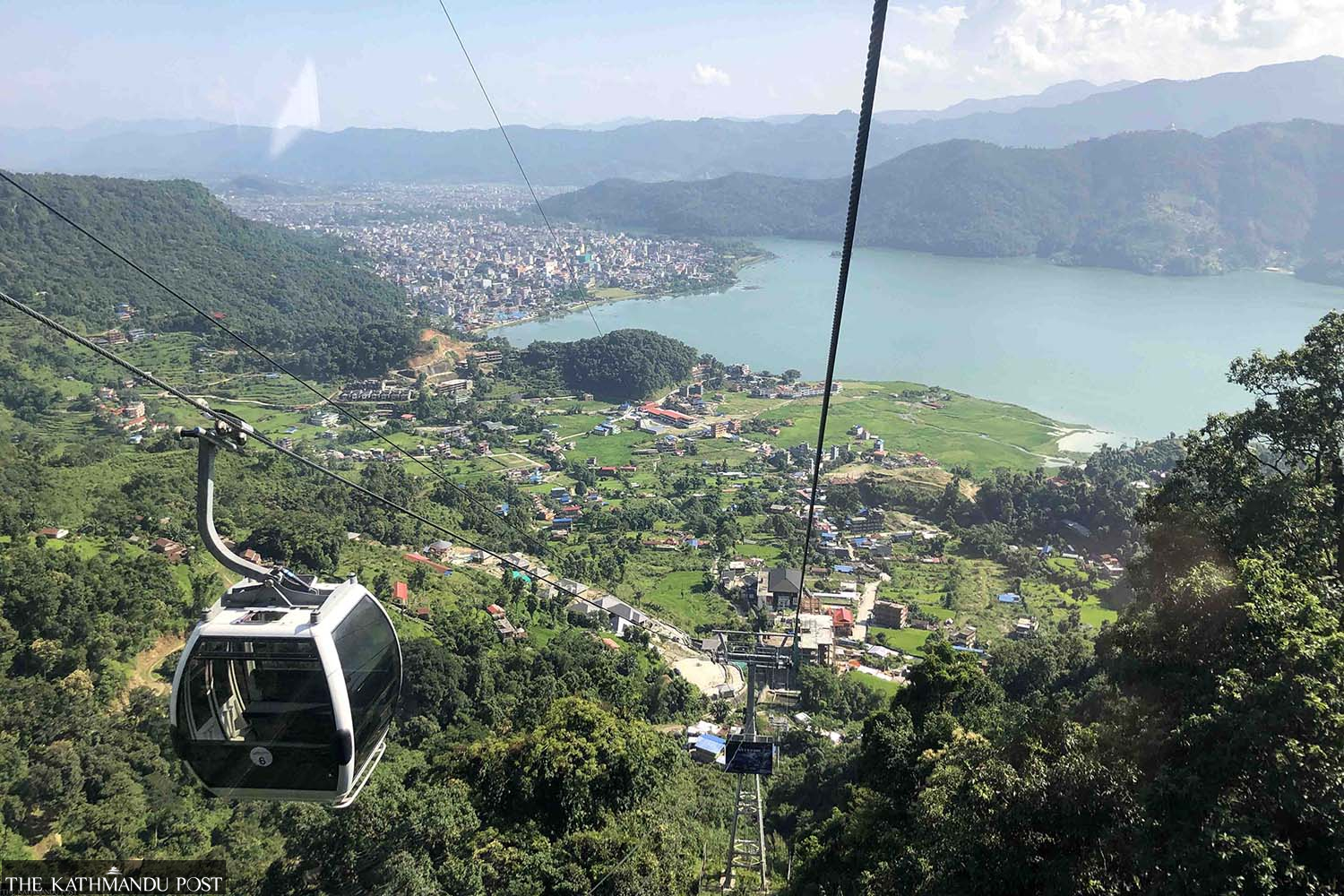
    You will be able to ride to one of the world’s tallest and longest zip lines (about 600 m high with a distance of 1.8 Km). Zipline is perfect for those people who crave excitement. You could also get to view a panoramic view of mountains and forests. Zipline was first introduced in Pokhara, the lake city.

    Trekking

    Embark on a journey of discovery in Nepal—Trek through the majestic mountains, lush landscapes, charming villages, and serene monasteries. Traverse through the ancient trails, witness awe-inspiring sunrises and sunsets, as well as explore the rich cultural heritage sites. You can discover the hidden waterfalls, lakes, and diverse flora and fauna. Nepal offers an amazing blend of culture, nature, and adventure, making it the perfect destination for trekkers.

    10. The Warmth of Nepali Hospitality

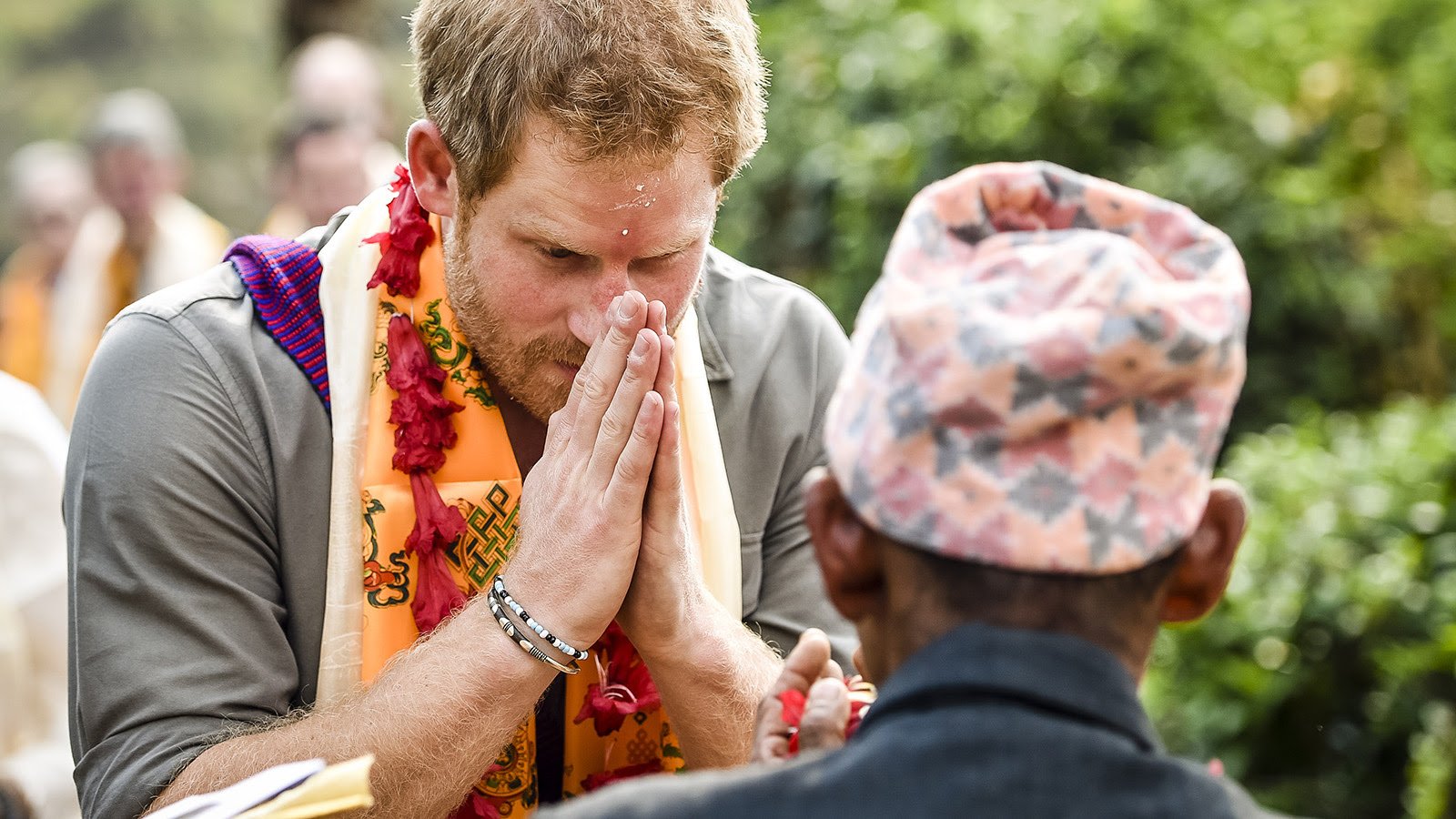
    One of the outstanding things about traveling to Nepal is the true kindness and hospitality of the people. In Nepal the tradition of hospitality is strong and it’s not uncommon for Nepalis to welcome guests into their lives with open hearts and to treat them like a type of divine blessing. This is expressed in the saying “Atithi Devo Bhava” (Guest is God). It doesn’t matter if you stay in a hotel in the heart of a city, or a homestay in a remote village, you will be greeted with warm smiles, tea and real kindness. Often it seems strangers go out of their way to welcome you to Nepal to make you feel safe, respected and appreciated.

    only in nepal

    The kindness and warmth, which is so typical in Nepal, comes from the diverse cultural and religious traditions that have in common, but also appreciate, community, compassion and respect of others. Because of this many aspects of a travelers experience, being shared meals together, or sharing a few stories and invitations into family celebrations, are an ideal opportunity for travelers to participate in the rich culture of Nepal. The kindness and warmth of hospitality will make an impression, and it is not uncommon for first time visitors to Nepal to be friends for life.

    Conclusion: Experience the Uniqueness of Nepal

    Big mountains to little traditions, Nepal is an unparalleled adventure, wherever you are on the Nepal experience you are doing something no place else in the world offers. Maybe you are looking for a spiritual awakening; maybe you are looking for jaw-dropping adventure, perhaps you are out to discover all that would encompass something entirely different. No matter what, Nepal has so much to offer. It is experience; experience of a lifetime, a lifetime that has never and can never be replicated on this earth again. Contact us today at Happy Mountain Nepal, on Facebook, Instagram, or TikTok .
     

  • Upper Dolpo Trek: Trekking in Raw Land

    Upper Dolpo Trek: Trekking in Raw Land

    Upper Dolpo Trek: Trekking in Raw Land

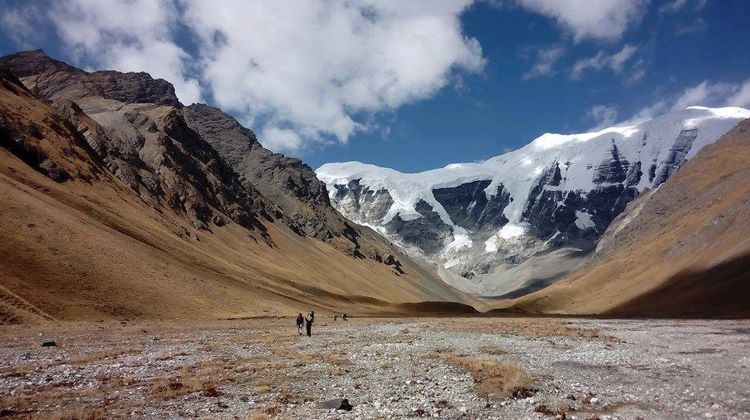
    If you are looking for a trekking experience in Nepal that is off the beaten path, then the Upper Dolpo Trek is a trek like absolutely no other on Earth! Exploring the far western region of Nepal, this trek takes you into valleys, remote villages, and unspoilt terrain; Dolpo is known for being one of the last true wildernesses left in the world to be trekked into.

    upper dolpo trek

    What makes Upper Dolpo Trek Different

    Some of the most trafficked and highest number of trekkers in Nepal are the Everest and Annapurna; meanwhile, the Upper Dolpo has a significantly low number of trekkers each year due to its special area permit. This means trails stay sustainable, the landscape remains unadulterated, and your cultural experience is as true as it can be. This leaves trails intact, the landscape unspoiled, and your cultural experience as true as possible.

     Highlight of the Upper Dolpo Trek:

    1. Shey Phoksundo Lake

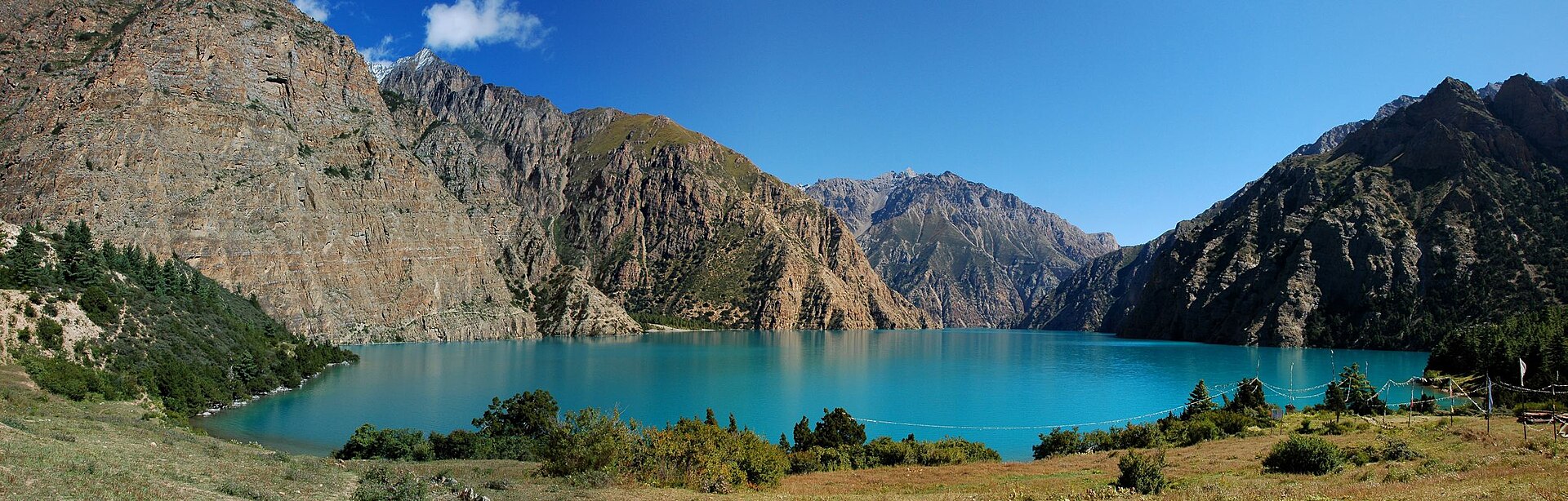
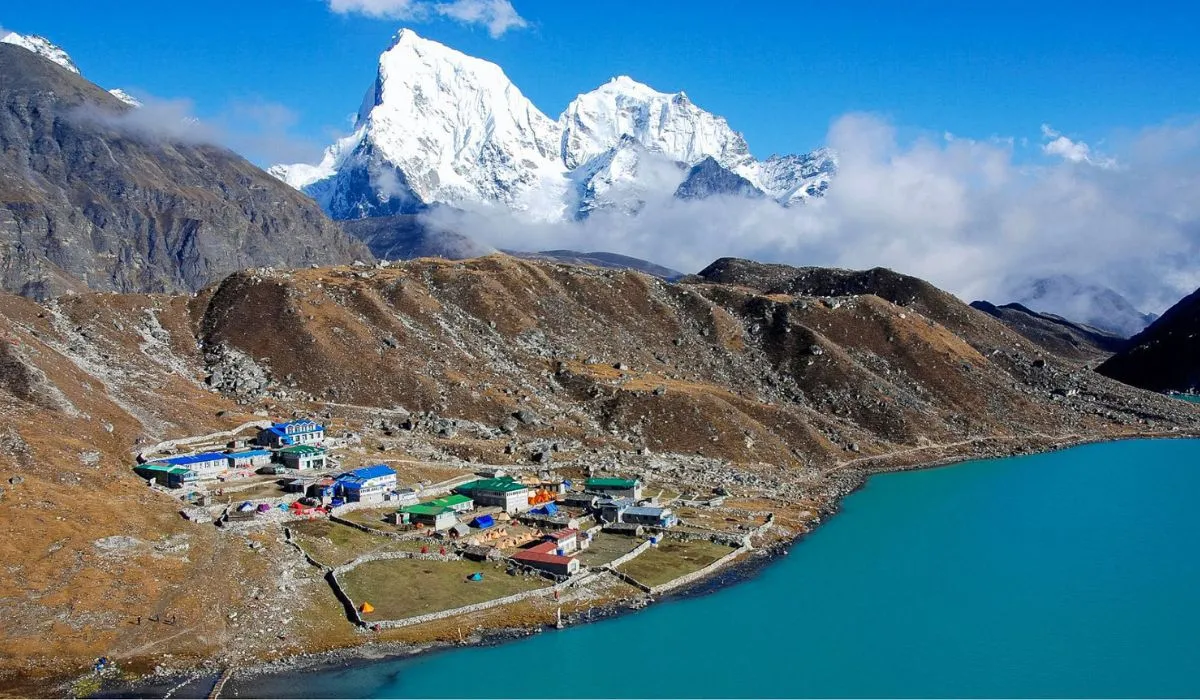
    Shey Phoksundo Lake is often referred to as the crown jewel of Upper Dolpo. It has beautiful turquoise-blue waters that lie silent at approximately 3,611 m and is surrounded by towering cliffs and snow-topped peaks. The colors in the lake refract and reflect as light changes with different heights of the sun to create a unique visual experience for each explorer drawn to its timing.  It is unique among nearly all glacial lakes in that it contains no fish; for those of you with apprehensions about some danger on the lake, without any aquatic life, as well as the stillness of the lake, should definitely create a sense of transparency, as well as a heightened experience of presence. Shey Phoksundo is also a natural wonder, as it has important cultural and spiritual attachments.

    Shey Phoksundo Lake

    Shey Phoksundo Lake is sacred to Bonpos and Tibetan Buddhists. Not only do Herby legends operate here, but ancient myths are also caught and subsequently translated somehow, often with the help of priests for your reading comfort, which aids the mystique associated with the reserve. With Ringmo, the local village near Phoksundo, the opportunity to directly encounter relatively untouched locals establishes the opportunity to connect with local people who have for centuries kept their traditions, values, and manner of living intact despite the relentless advance of modernity.

    2. Shey Gompa Monastery

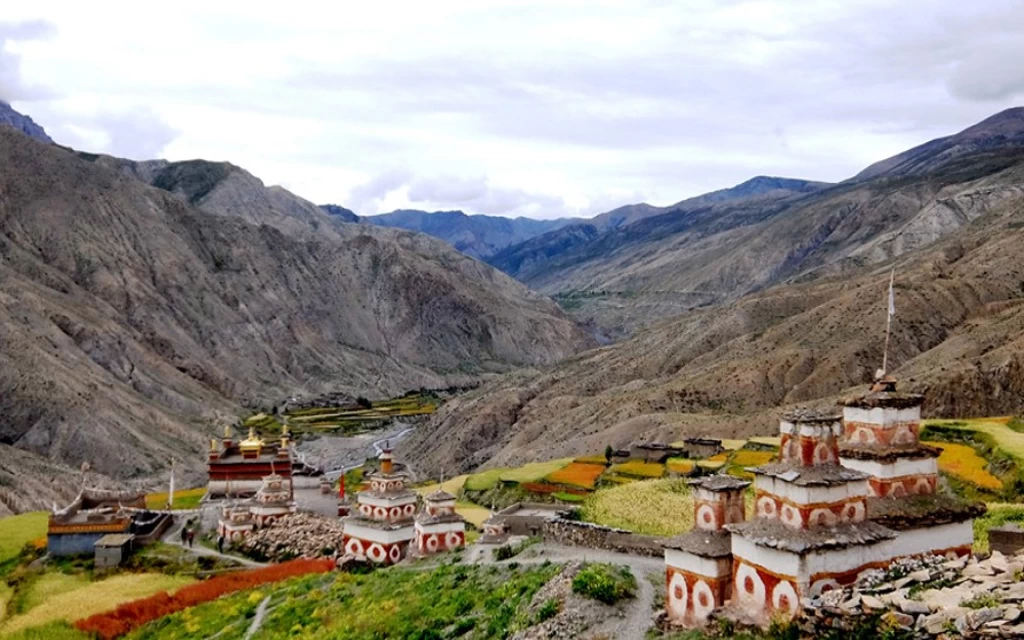
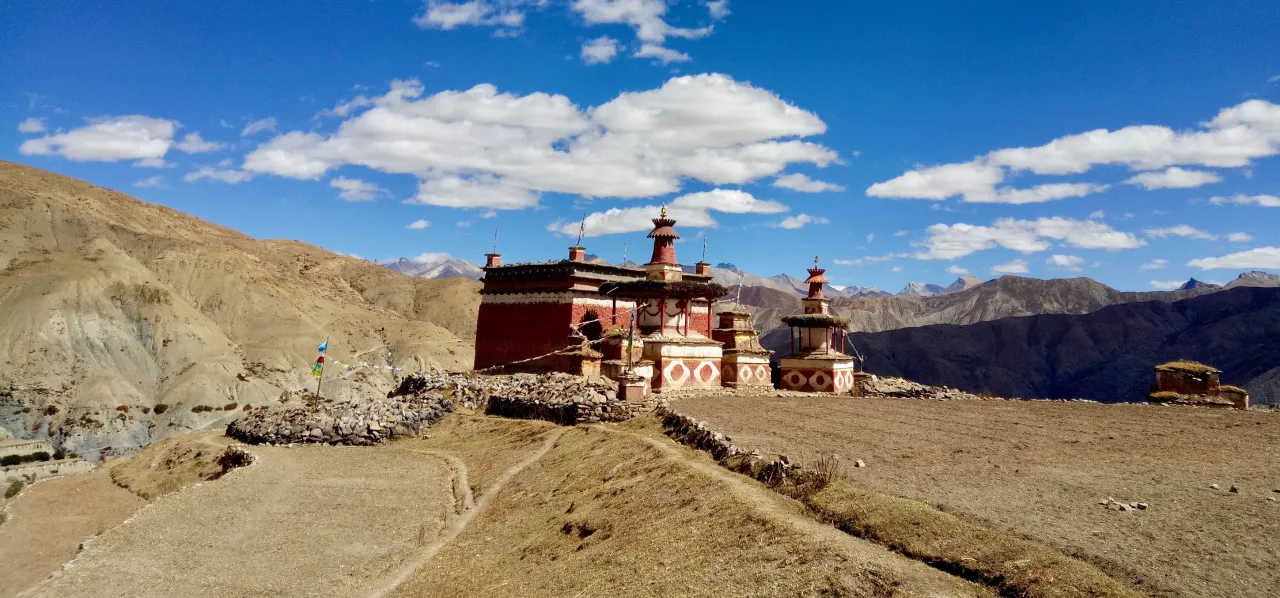
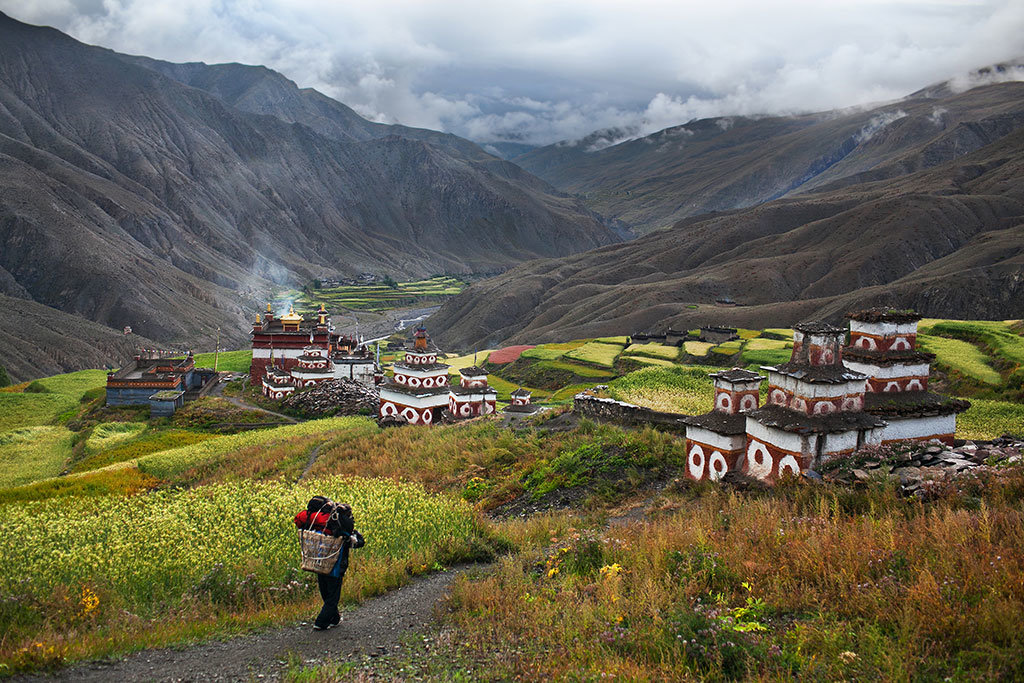
    It is the “spiritual heart of Upper Dolpo,” situated under Crystal Mountain, which is a chief pilgrim site for Buddhists and Bon practitioners both. Accommodation is found only in very simple teahouses or campsites with the minimum amenities. That does mean tourists to Upper Dolpo will be able to leave the region untouched, but they will need to be self-sufficient and capable of handling minimal living. The monastery is roughly 800 years old and and a role as one of the last bastions of the ancient religion (Bon) and a trove of spiritual history. Pilgrims travel long distances to participate in the kora (a pilgrimage ritual) that circumambulates the Crystal Mountain, spiritually purifying the pilgrimage way by receiving blessings along the way.

    Shey Gompa Monastery

    The entirety of the trip to Shey Gompa is a pilgrimage in itself. The powerful nature vibrates a worthy sense of aloneness and isolation, different from another experience based on significant absence, cloaked in teetering valleys and cliffs. Within the very ghosts of the lightless interior within the monastery, images, relics, and elder scriptures (the past remains their present), remind the people of their bond to their assumed beliefs. Thus, trekkers have come to describe their visits to Shey Gompa as spiritual, for not only can one view a slice of an otherwise quietly functioning local religion, but one at the same time finds the more rarely sought typology of space for inner reflection, in the heart of the Himalayas.

    3. High Passes and Remote Trails

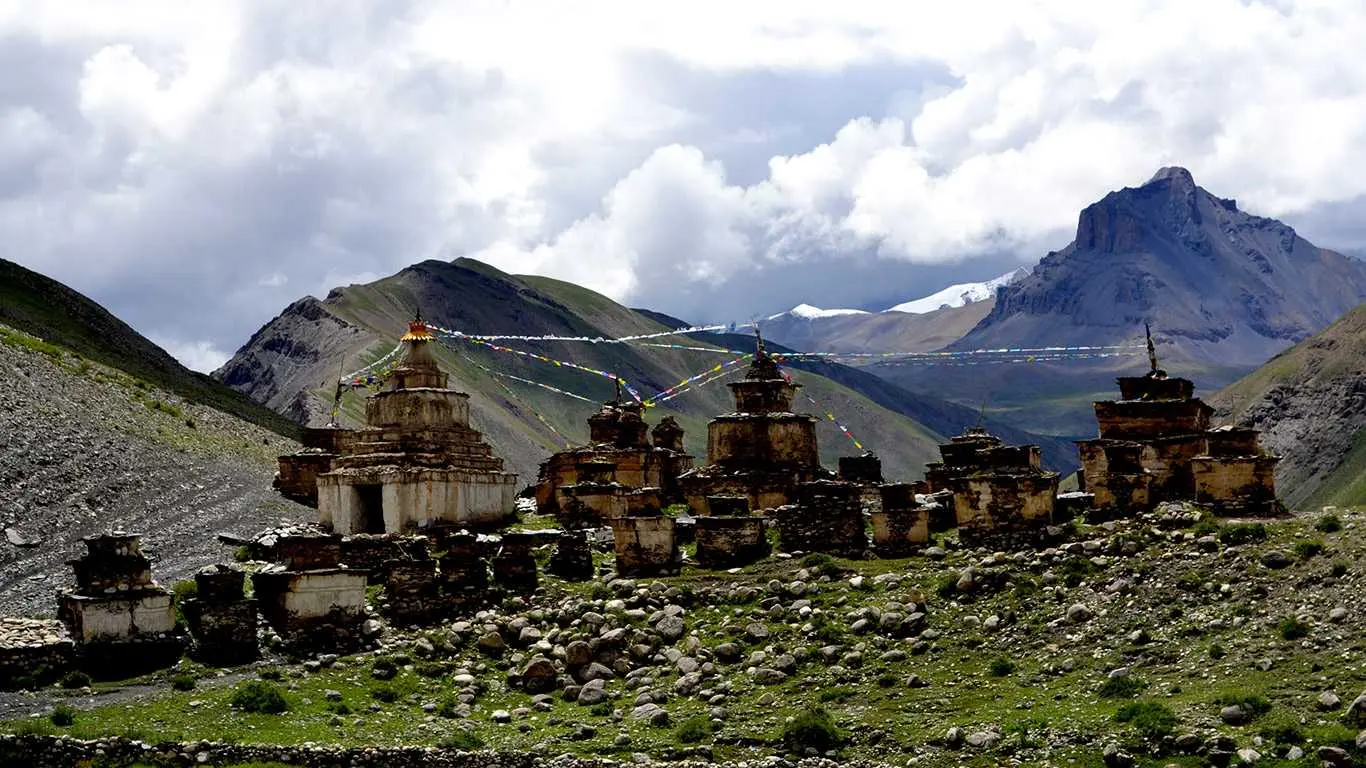
    Trekking Upper Dolpo is obviously an expedition, requiring several high passes including Kang La (5,360m) and Saldang La (5,200m); in one word, the views from those passes don’t disappoint (and the expanse is awe inspiring) because you are in a position to view the rugged mountains meet the great valleys from above.

    The high passes necessitate a good level of fitness and recovery, which is rewarding for trekkers with options for experiences that juxtapose pristine wilderness with snow-capped peaks and isolated alpine countries, together, as most people, by example, do not go there. The seldom-travelled routes to the high passes take trekkers through featureless barren hills, hidden valleys, and ancient footpaths used for trade by Tibetans. This brings a feeling of absolute remoteness; it is conceivable you might go days without seeing another trekker.

    upper dolpo trek

    4. Wildlife Encounters

    Upper Dolpo is an oasis for rare and endangered wildlife, yet, in these more remote locations, diversions of distractible trekkers are the exception rather than the rule. Observe the opportunities to test your keen sight (and take note of whatever you can record) during your adventures. Here, in the realm of the phantom cat of the mountains, snow leopards, blue sheep recline blankly on sheer cliffs that are almost indistinguishable from stone, while dominion in the skies, the Himalayan griffon soars lazily above, and musk deer skulk.

    As long as you can spot those few fragile plus-5,000M ecosystems and find refuge through the ephemeral permanence of heterogeneous distance and absent devout human interaction, you will enjoy the comfort of seeing these extraordinary organisms. It is a rarity to be in a remote valley or high ridge (and have the pleasure of seeing organisms), as the experience changes immeasurably. It is restorative in many ways to find yourself in that emptiness, shed the drone of tiring distractions, and watch wildlife in their natural spaces.

    5. Authentic Tibetan Culture

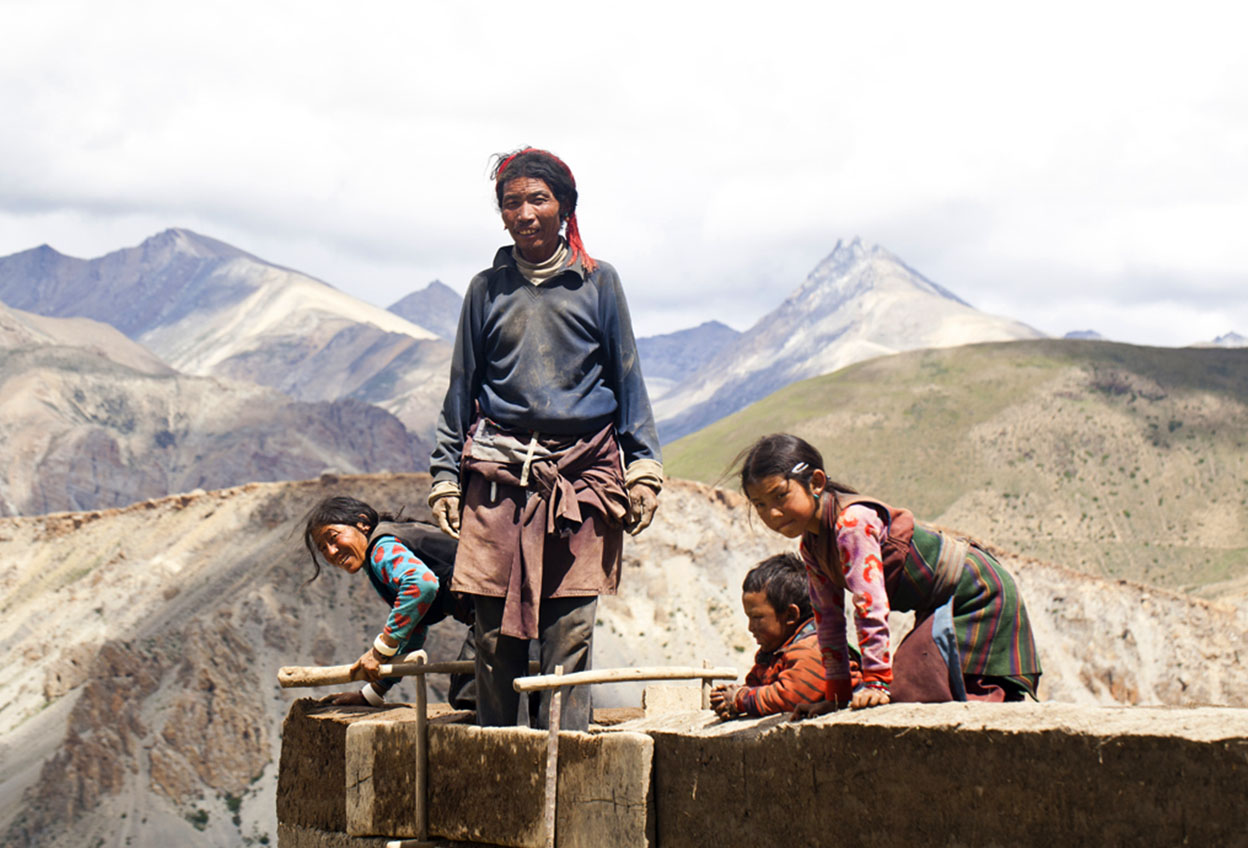
    Upper Dolpo offers an amazing opportunity to experience an unspoiled living Tibetan Culture, in totality. Dolpo’s culture is Tibetan. The people of Dolpo, their tongue, their culture, and their religions all exist unchanged as they did centuries ago. The stone-built civilizations characterized by flat-roofed houses, which simultaneously function as animal housing, bulging with grain, carrying warning prayer flags, filled with imposing monasteries, are Tibetan and will be Tibetan.

    The Dolpo people engage in an economy driven by religion, agriculture, and trade. The people of Dolpo still lead a traditional Transhumance herding existence on a seasonal basis, utilizing their yaks and sheep. The people of Dolpo continue to perform and observe festivals such as Chaam (masked sacred dances) whose origins in ancient rituals have lasted the test of generations and centuries. Therefore for a trekker’s encounter with the hospitable Dolpo people may not only yield information about Tibetan culture, but also human contact, memories and experiences that will last a lifetime.

    Challenges of the Upper Dolpo Trek:

    upper dolpo trek

    1. Remote Location of Upper Dolpo

    Upper Dolpo’s remoteness means it has not developed the infrastructure of other trekking routes. Accommodation is limited to very basic teahouses or campsites, with the simplest comforts available. This does mean that visitors to Upper Dolpo are able to preserve the pristine nature of the region but will need to be self-reliant and ready for basic living.

    2. Long and Difficult Trekking Days

    Trekkers can expect long days of demanding trekking that will feature walking on very rough terrain. There are various high mountain passes above 5,000 m in the trek, all of which will be demanding endurance and stamina. Lastly, the long trekking day will be demanding a great deal from your mind and body. But the adventurers will be well rewarded for their effort with stunning Himalayan vistas and full immersion in nature. On the other hand, adventurers will be compensated for their hard work with stunning views of the Himalayas and full immersion in nature.

    3. The Dangers of Altitude Sickness

    Since the altitudes are such high, trekkers must watch out for altitude sickness which may include such symptoms as headaches, nausea, and dizziness. Since physical fitness, as well as an awareness of altitude sickness symptoms, can significantly improve one’s enjoyment and safety since proper acclimatization as well as slow climbing is necessary so that altitude sickness does not develop into more serious health issues, it is possible to prepare oneself significantly for such environments.

    4. Limited Medical Access in Upper Dolpo

    In most areas of Dolpo there isn’t any access to medical aid and even if there is, there could be weather or terrain factors that make an emergency rescue impossible. Trekkers ought to carry a comprehensive first-aid kit as well as High high-altitude emergency Evacuation insurance.

    5. Weather Possibilities

    The weather in Upper Dolpo can also be very unpredictable and can change quickly into less than optimal trekker conditions. The winds can blow, the rains can pour suddenly, or snowfall can make the trails challenging or impassable. Trekkers would have to pre-plan well for cold nights, even rain and wet conditions, and for potential storms. Good clothing and flexibility in terms of the intended travel will help alleviate concerns associated with bad weather.

    Infrastructure Limitation in Upper Dolpo

    upper dolpo trek

    Upper Dolpo and its surrounding areas are very remote, and this remoteness makes it incredibly difficult to get food, fuel, supplies, etc. into these areas – especially for trekkers! Porters and pack animals, which are used by trekkers, are incredibly important as the suppliers weigh heavily and the amount of supplies usually results in a significant dollar cost. A trek in Dolpo is a serious planning and organizing proposal, and in order to successfully navigate the logistics, trekkers should work with an established and experienced agency.

    The remote wilderness of Upper Dolpo remains an exceptional destination for people who are willing to overcome its difficulties. The natural splendor of the trek together with its cultural wealth and spiritual importance transforms all obstacles into worthwhile experiences. The Upper Dolpo Trek delivers a deep emotional change and personal accomplishment to physically fit and mentally ready trekkers.

    Best Time to Trek Upper Dolpo

    The most suitable time to trek Upper Dolpo is in spring from April to June and fall from September to November. Spring hues the landscape with flowers and greenery blooming while autumn provides clear blue skies with fresh air and stable weather. The finest sight of Upper Dolpo’s Himalayan landscapes and turquoise lakes and high plateaus is during these times. The summer monsoon rains create dangerous conditions because of heavy rainfall and landslides while the winter season brings severe cold weather which blocks the high passes. Choosing to trek during spring or autumn seasons provides both safety and better enjoyment for your adventure.

    Budget and Cost Breakdown of Upper Dolpo Trek

    Upper Dolpo Trek exists as an isolated journey that requires more funds compared to Annapurna or Mardi Himal because of its limited access and complex logistics. Here’s a complete breakdown:

    1. Permits

    Upper Dolpo requires special permits because it remains a restricted area for trekking. The Restricted Area Permit (RAP) requires a USD 500 payment per person for ten days of trekking in the Upper Dolpo. The Restricted Area Permit (RAP) charges USD 50 for each additional day beyond the initial 10 days of trekking. To obtain the Shey Phoksundo National Park Permit you must pay USD 25 and the TIMS Card costs USD 20. You can obtain all permits through registered trekking agencies or through the Nepal Tourism Board located in Kathmandu. The total cost for permits will reach between USD 600 and 900 because of the duration of your trek.

    2. Accommodation in Upper Dolpo

    The remoteness of Upper Dolpo creates a lodging situation which consists of basic teahouses combined with camping options. The teahouses or homestays in Ringmo and Saldang charge between USD 5 and 10 per night. In many places, especially beyond Shey Phoksundo, camping becomes necessary. The agency will provide you with tents and kitchen staff together. Along with gear which raises your overall costs if you select camping. The total cost for three weeks of teahouse accommodation will reach USD 200–300. Camping will increase your expenses because you need to pay for staff and equipment rental.

    3. Food and Drinks

    The price of food rises as elevation and distance from civilization increase. The typical meals consist of dal bhat alongside noodles and soups with Tibetan bread also being served. You can expect to pay between USD 4 and 6 for breakfast followed by USD 6 to 8 for lunch and USD 7 to 10 for dinner. Hot drinks such as tea or coffee cost USD 1–3 per cup. The full-board meals provided by your trekking agency during camping sections will cause your daily food expenses to be between USD 20 and 30. The food and drink costs of your 20-day trek will reach approximately USD 400–600.

    4. Guide and Porter

    The remote terrain of Upper Dolpo requires trekkers to hire both a guide and a porter. In orderto  help them cope with the trek. The day rate of a government-licensed guide is USD 30 to 40. Daily porter fees range between USD 20 and 25 since they transport 20 kilograms of weight. A guide and porter service for 20 days would cost between USD 1,000 and 1,300. Group travelers have the option to distribute their expenses among members.

    5. Transportation

    Domestic flights start the trek by flying from Kathmandu to Nepalgunj (USD 150–170 one way) before continuing from Nepalgunj to Juphal (USD 130–150 one way). The round-trip ticket price for flights will reach approximately USD 600–650 per individual. Plan extra overnight stays in your budget because weather-related delays happen frequently.

    6. Miscellaneous

    Expenses in Upper Dolpo. Additional expenses in Upper Dolpo include device charging, which costs USD. 1–3 and limited internet access that charges USD 3–5 per session and snacks and bottled water, and occasional souvenirs. Small expenses will add up so plan to spend between USD 50 and 100. When giving tips to guides and porters, it is standard to provide between USD 100 and 200 total based on service quality and group size. Also, consider travel insurance covering high altitude (USD 150–250).

    Total Estimated Cost of Upper Dolpo

    The total expenses for the Upper Dolpo Trek depend on whether you select a complete service or partial self-guided approach. A full-service agency will cost you between USD 3,500–5,500 per person. It includes all permits, guide, porter services, transportation, accommodation. food and miscellaneous expenses. The restricted trek of Upper Dolpo provides one of the most exclusive experiences in Nepal through its spiritual monasteries and pristine nature and unique culture and high-altitude remote setting.

    upper dolpo trek

    What to Keep in Mind for the Upper Dolpo Trek

    • Make sure to bring necessary layers against extreme altitude variations because thermal base layers, together with warm jackets and rain protection, are essential.
    • Bring along water purification tablets or an effective water filter because bottled water remains scarce during the trek. The ascent through Kang La and Saldang La passes requires patient acclimatization because of their demanding nature.
    • Always ask for permission before taking photos of people or monasteries while showing proper respect towards their religious practices.
    • A guide should be hired as a necessity because of the distant location and challenging terrain, and limited trail signage.

    Who Would Enjoy an Upper Dolpo Trek?

    • Experienced trekkers looking to go way off the grid into a remote corner of the Himalayas Cultural trekkers wanting to experience the ancient Tibetan Bon culture with centuries.
    • Old monasteries Wildlife lovers who want to see rare animals like snow leopards or blue sheep. Adventurers who want nothing but the wild, while avoiding crowded trekking routes
    • Enjoying pristine landscapes
    • Trekkers who are in great physical shape, and are ready for long high-altitude days of trekking.

    Conclusion

    The Upper Dolpo Trek offers something that most treks in Nepal. Do not pristine wilderness, ancient spiritual culture, timeless villages, and a total escape from the modern world we live in. Yes, it will cost you more, take more time, and require more physical fitness than most treks. You will get an experience like no other. If you have images of wandering through untouched valleys, crossing lofty high passes, and witnessing ancient cultures. Upper Dolpo is a journey of a lifetime. Contact us today at Happy Mountain Nepal, on Facebook, Instagram, or TikTok .


  • Makalu Base Camp Trek: Raw Destination for True Adventurers

    Makalu Base Camp Trek: Raw Destination for True Adventurers

    Makalu Base Camp Trek: Raw Destination for True Adventurers

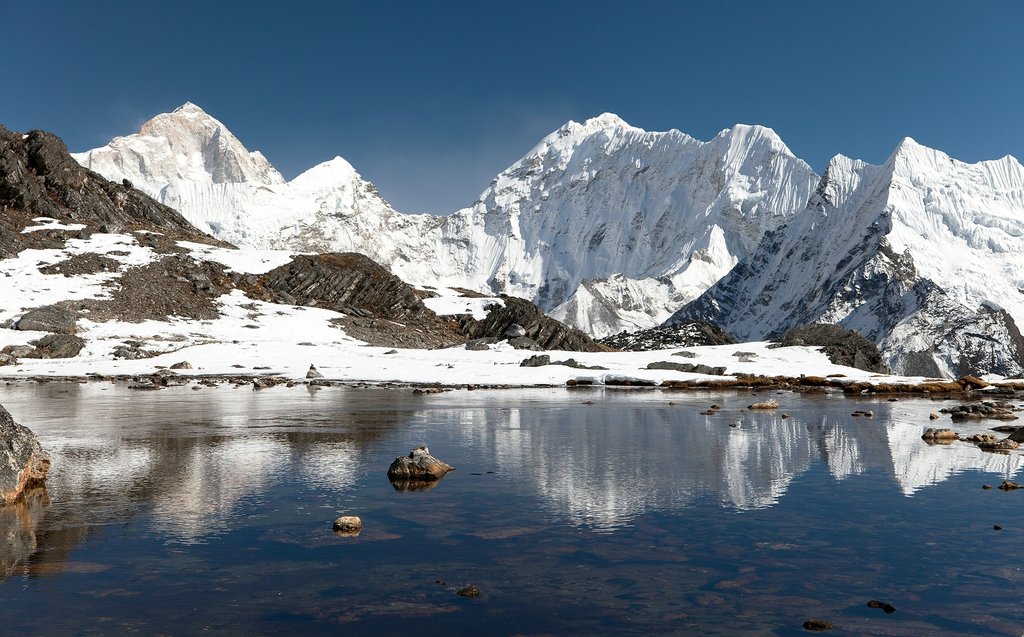
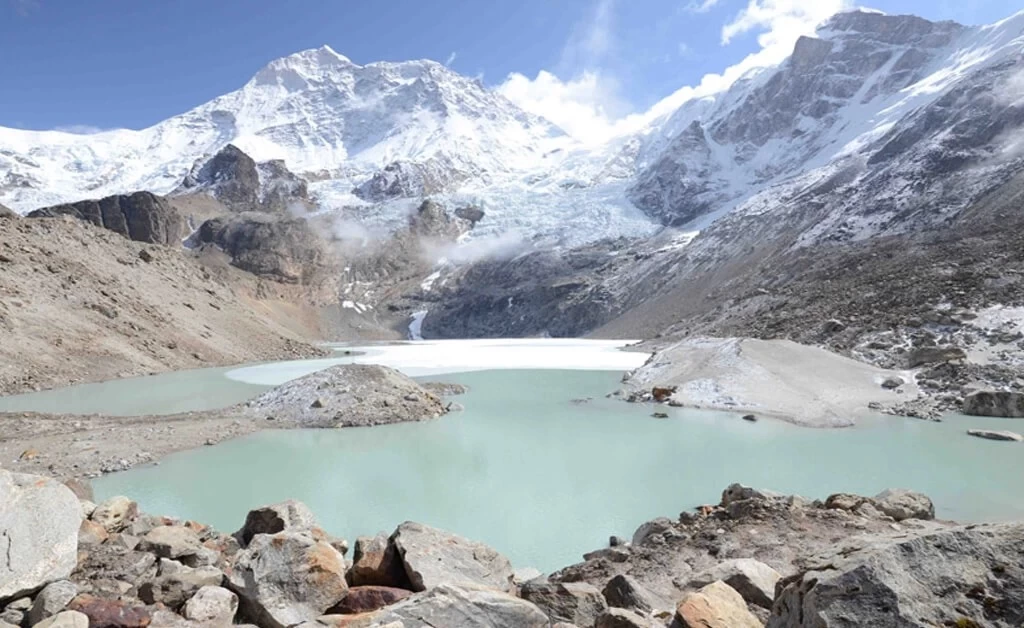
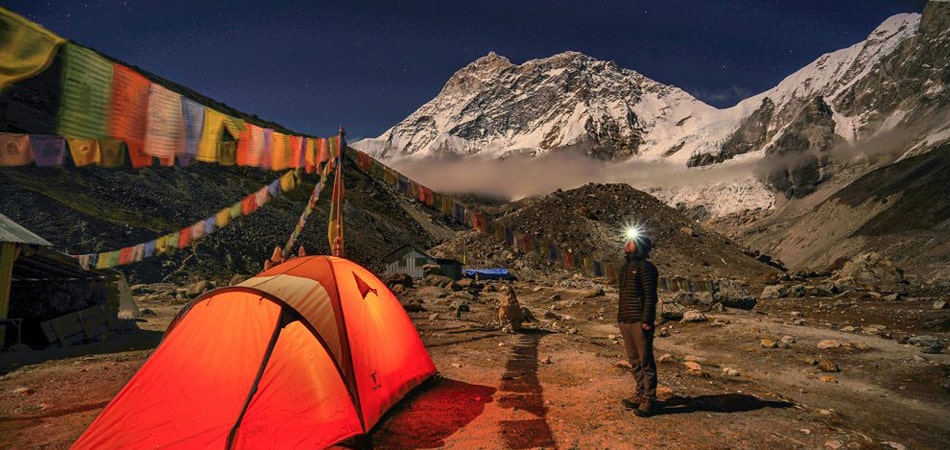
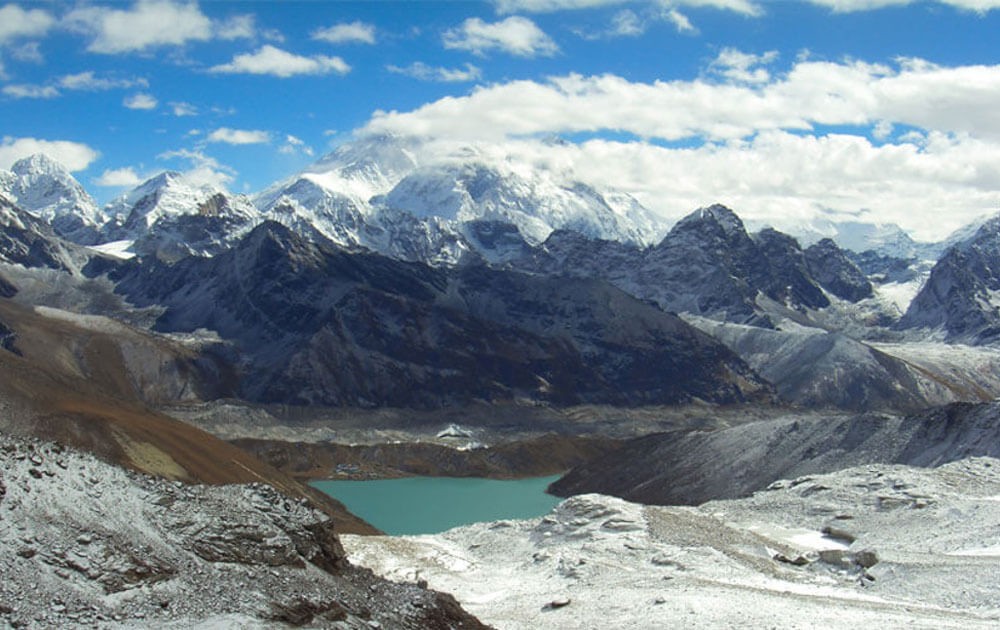
    Most trekkers associate Nepal with Everest, Annapurna, and Langtang, and we would double that if they could name many other trekking locations. On the contrary, if you‘re searching for a phenomenal wilderness, cultural experience, and adventure, a Makalu Base Camp trip could be the exact experience you were looking for, as Makalu Base Camp is situated in eastern Nepal, and truly one of the most undeveloped trekking areas in the Himalayas.

    makalu base camp
    Source- Google

    Why the Makalu Barun National Park Trek?

    1. Untouched Wilderness

    Aside from the nature, which is raw and unspoiled, the Makalu Base Camp Trek is different and unique from all other treks by its raw and unspoiled beauty. Whereas the routes through Everest, and Mackalu and Annapurna are becoming increasingly commercialized, The Makalu Base Camp trek takes trekkers as far into the most remote terrain of the mountain as possible. The mountains have the most untouched landscape with nature, and trekkers that go along this route see deep rich ancient forest with rhododendrons, magnolia trees, pine, streems, and tumbling waterfalls. With trekkers fully immersed in the sounds of the hills, they will find the rare ability to enjoy and take in the peace and general quiet of the true Himalayan wilderness away from the hustle and bustle that many trekkers see on busy trekking trail.

    In fact there is a real feeling of adventure that goes with this solitude. Each new turn on the trek reveals new scenery, and incredible scenery, whether it be high mountain alpine meadows with wildflowers, or stunning ridgelines with 360 degree views.

    2. Stunning Mountain Views

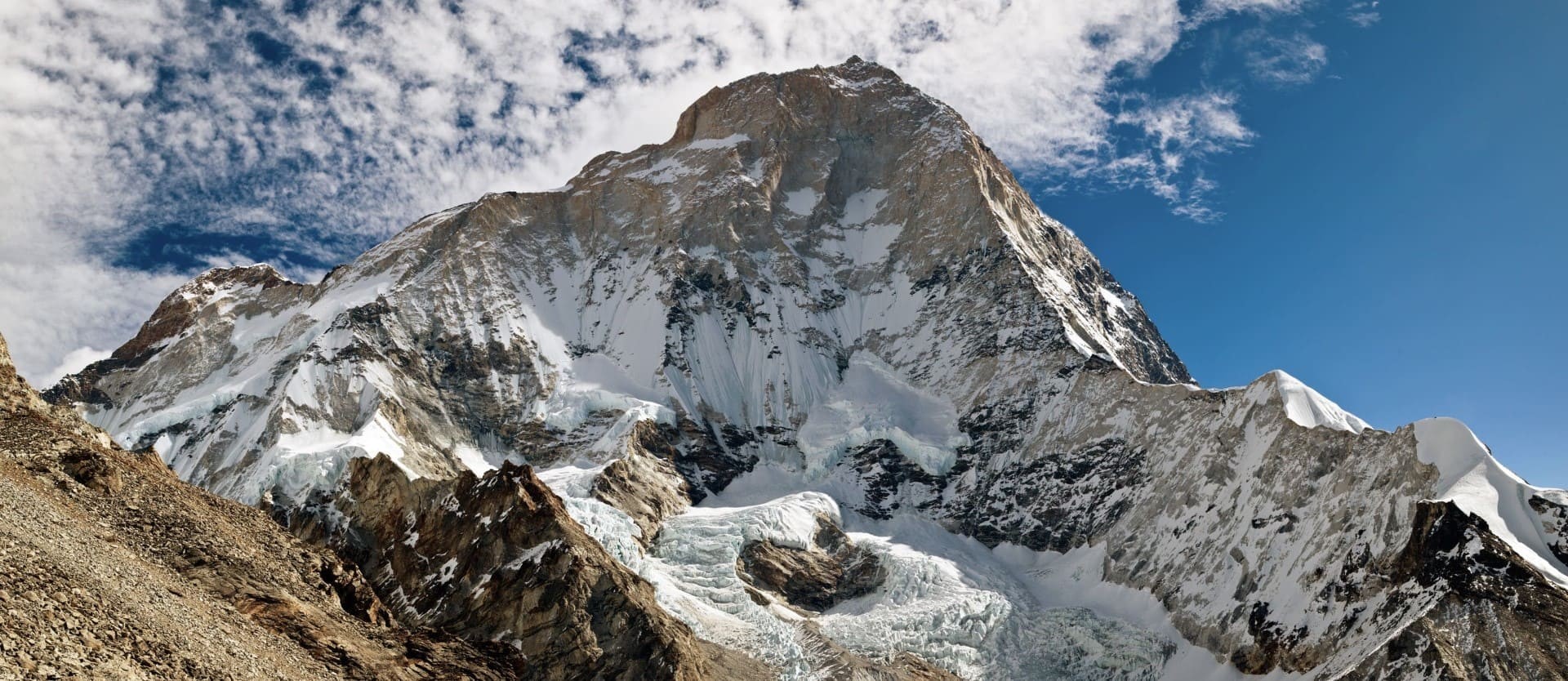
    There are many highlights of the Makalu Barun National Park Trek, one of which is the stunning mountain views. As trekkers round a small ridge they are gradually met with the enormous face of Mt Makalu, 8,481 metres high. The sheer size and pyramid shape combined with the altitude of Mt Makalu, leaves a vivid memory of all who witness it that is irreplaceable.  And the light on the snow-covered slopes at sunrise and sunset creates memories that will challenge even the best mountain photographers to mountaineers.

    Of course, Makalu is not the only giant to behold. The trail  offers views of some of the highest peaks in the world including Everest, Lhotse, Chamlang and Baruntse. Each mountain conveys its personality and asserts itself as trekkers pass it along the trail. These world-class views, usually without the company of others, allow trekkers to have a truly personal interaction with the majesty of the Himalayas; and a personal interaction that most other treks barely manage to contrive.

    makalu base camp

    Source- Google

    3. Rich Biodiversity

    The Makalu Base Camp trek passes through the exceptional Makalu Barun National Park, a biological best in Nepal. Not only does Makalu Barun National Park have some of the greatest biological best and diversity in Nepal, with representation from tropical rain forest to alpine tundra, the Park has 3000; plus species of plants; over 440 species of birds; and over 80 species of mammals. If trekkers are paying attention, biological diversity is a breathtaking experience provided by the unique blossoms of rhododendron in Spring and the chorus of birds that excite the senses along the trekking trail taken throughout the length of the trek.

    The park also includes, but certainly not limited to, the rarely seen pangolin, Himalayan black bear, snow leopard and musk deer. These rare species are adapted to get through their year-round climate oasis, and for wildlife lovers there will be the chance to see a beautiful wildlife interaction in the park. But Makalu Barun National Park is not just a biological diversity park, it also offers equally beautiful cultural experiences and sensory experiences to trek and learn about nature for those who have a love for the mastery of nature.

    4. Authentic Cultural Experience

    As well as its incomparable natural beauty, the Makalu Base Camp Trek gives insight into the cultural fabric of eastern Nepal. During your trek you will pass through many remote villages, many of which are inhabited by one but usually several of the, Rai, and Limbu groups, all of which have their own language, traditional way of life, and customs. Trekking in this region is an opportunity to witness first hand how people go about their everyday life; you will see people farming, conducting long established religious customs, engaging with the environment in their unique way, and a culture away from any mass tourist enterprise in the mountains.

    The fairs, monasteries, and communities surrounding them express the spirit, strength, and, ultimately, the resilience of a highland lifestyle; the communities provide a welcome, sometimes inviting trekkers into their huts, houses, and shops for tea or food; it is these aspects of the culture that give it so much more worth.  And, thus, these experiences afford individuals to contemplate not only the beauty of the land, but the strength, simplicity, and dignity of the people who live in these mountains.

    5. Challenging Yet Rewarding Adventure

    The Makalu Base Camp Trek is extraordinarily beautiful and the trek is nothing short of a genuine adventure challenge for trekkers who aren’t novice trekkers. The trek clearly requires year of rough ascent and descent, rugged topography, exposed high mountain passes, and nothing but remote trekking, fitness and mental stamina even requires planning. The Makalu area offers real wilderness adventure, unlike some of the more busier developed trekking routes in Nepal, as the areas do not have the development.

    Makalu Base Camp is a real sense of achievement all by itself. Everything about is remote; even if climbers can mental map that combines difficulty trekking this will correspond to objective harder ques. Trekkers chalk one up as even if they are not receiving extremely high mountain perspectives they have combined another aspect of the physically significant trek. But more importantly trekkers get to experience perseverance, patience, and placement in the natural world. The combination of the physicality and wilderness allows expedition trekking, for many trekkers especially considering the size and scale of the environment.

    makalu base camp

    Source- Google

    Difficulty and Preparation in Makalu Base Camp

    The Makalu Base Camp Trek is a challenging trek, which would be best suited for trekkers in good shape and someone with high altitude trekking experience. This trek includes long steep climbs and descents, crossing rivers, steep narrow trails, high mountain passes above 4,000 meters, all of which are potential limits of a trekker’s abilities. There is a level of physical and mental preparation for the trek with consistent cardio, strength, and stamina training leading up to the trip for several months. While on the trek, it is important to have the right gear, be aware of altitude sickness, and that this is a remote trail; if an injury occurs it may be that medical evacuation may not be done quickly.

    Accommodation

    makalu base camp

    Source- Google

    Basic Teahouses

    You will primarily sleep in teahouses on the Makalu Base Camp Trek. These are teahouses operated by local families and are simple wooden or stone buildings with limited comforts. Rooms are small but livable; good enough for resting after long days trekking. Teahouses also serve dining purposes and help create a cozy communal atmosphere. They are really not luxurious at all, but have an authenticity to them that reflect the Himalayan region.

    Twin Sharing Rooms

    Most of the rooms you will stay in will be set up for twin-sharing with two single beds in each room. The beds will usually come with a mattress, a pillow, and a blanket given to you by the teahouse. Trekkers are encouraged to bring their own warm sleeping bags, due to low temperatures especially at higher altitudes. The teahouse rooms may be basic but will function properly for que duration of the trek. They may come with very little privacy, but they will provide adequate protection from the cold and rain.

    Shared Washrooms

    Teahouse style bathrooms are typically shared. The facilities are elementary and there will generally be squat toilets, however some places may have western toilets. You will also have limited access for washing, usually just limited hot water. The level of hygiene varies from place to place so you may want to bring your own toilet paper and other hygienic materials. Familiarizing yourself with basic bathroom conditions will help ease your mind, if you want to eat dodgy dal bhat, be pumped for only basic bathroom conditions.

    Limited Hot Showers

    Some teahouses do offer hot showers or at least a bucket of hot water for washing, but be ready to pay extra for them. The water is typically warmed by gas or solar, so if you are either very high in altitude or the weather isn’t so good, it most may not be available at all. If you already knew this, it would be good to also be prepared for no showers for a few days. Consider further that fast sponge baths are a good alternative with wet wipes.

    Electricity & No Wi-Fi

    Electricity is scarce throughout the Makalu area, generally only available from solar or small scale generator sites.

    Opportunities for internet access along the Makalu Base Camp Trek is very limited or non-existent. Going without internet access allows trekkers a unique opportunity to completely detach from any digital environment and engage with the natural environment. Trekkers should inform family and friends of the limited means of communication they may have before starting their adventure. Most trekkers view the digital detoxing aspect of the trek positively as part of their experience.

    Local Foods on the Makalu Base Camp Trek:

    Dal Bhat (Rice and Lentils)

    Dal bhat is the most common meal in Nepal while trekking. It consists of plain rice (in the form of steamed rice), lentil soup, and fried vegetable curries. The meal is intended for trekkers, as it provides a source of carbohydrates and fodder that give you energy for more energy, not to mention the unlimited refills on flat bread and lentil soup to help keep you fuelled up. Dal bhat is healthy, hearty, and is a great meal for long days of trekking.

    Momo

    Momos are dumplings, steamed or fried, that can be made with vegetable or meat fillings that are delicious and loved by, well, everyone in Nepal. They make for a nice snack or light meal item while on the trek. Momos are good sources of carbohydrate and protein. They bring warmth, and flavour at the end of a long cold day on the trail! Many teahouses brag about their famous dad momos, and usually consider them the star attraction on their menu.

    Thukpa

    Thukpa is a traditional style of noodle soup popular in Tibet and is ideally the perfect food an hiker can eat in cold temperatures at high altitude. It‘s a versatile dish with hot broth, noodles, vegetables, and protein (meat is sometimes featured in thukpa). For trekkers, thukpa is wonderful in providing hydration and satiation, and also gives comfort in a dish for many who hike in the cold evening weather. The quirky thing with thukpa is that it is both light and filling, making it an easy favourite for hikers. Also, thukpa gives visitors tasty insight into the cultural influences in Tibet in the region.

    Simple Side Dishes

    In addition to meals, trekkers have an easy side of boiled potatoes, stir fry vegetables, and omelets. The side dishes add flavour and nutrition and variety to the diet, as well as adding different flavours to the same staple foods. The additive small menus dont detract from the value of the staple foods – but they compliment them and provide variety to meals. Vegetables can provide important serving vitamins, while the eggs are only small servings nutritional support with protein. All of these easy foods provide something, while keeping energy levels higher on long walking days!

    Limited Meat Availability

    Meat, including chicken, yak, and other meat options are available at times, although the options will be quite limited and more expensive, especially at higher altitudes. Due to shipping costs and preserving meats, fresh meats will be a rare treat rather than a standard meal. Trekkers cannot expect to find meat regularly or plan on it being available and should be flexible with what food can be found. Meat can be an extra protein to consume if available at the time. Most lodges will offer vegetarian and even vegan options.

    Local Teas in Makalu Base Camp

    Warming teas are an important part of the food culture on the trek. You will always find milky Tibetan butter tea and sweet spiced chai very popular. These teas can be very warming and comforting at the end of a long day’s walking. Herbal teas and coffee will be additionally offered, although at a higher cost. Drinking hot this easier to consume at high altitudes to rehydrate you and help acclimatize to the altitude to consume hot drinks. Consuming the local teas is an important and unique activity on the trek to see local hospitality and customs surrounding tea.

    Limited Fresh Produce

    Because of the trail’s remoteness, there are often limitations or seasonality associated with fresh fruits and vegetables. A limited supply also comes from the availability of local markets and the seasonality of harvested crops. Because of this, the food consumed by trekkers will be limited and simple. Trekking menus will feature basic crops that can last several days typically. Trekkers should prepare accordingly and not anticipate the incredible choices available in cities. However, the fresh local mountain-grown vegetables you will be serve are generally greener, fresher, have more flavor, and significantly better for your health!

    Bring snacks, lots of snacks.

    Trekkers should be encouraged to carry their own energy snacks (e.g. protein bars, nuts, dried fruits, chocolates) to complement meals, which provides good dietary energy and is easy to grab when you need a quick energy boost during long stretches of walking, especially disappointingly (for trekkers) paced meals at the tea houses. Taking your own snacks will help hedge against going hungry in those more remote sections of the trek.

    Essential Tips for Trekkers in Makalu Base Camp


    Source- Gooogle

    1. Hire Guide & Porter

    The Makalu Base Camp Trek goes through remote, undeveloped, and obscure areas where trails are less obvious and difficult. Occupying a licensed guide will assist you to navigate the landscape, to communicate effectively with the local communities, and to learn more about the geography, ecology, and culture. The need for a porter can assist transport heavy rates of assorted trekker gear allowing you to free your mind of concerns, and enjoy your hike without the concern of regularly costly physical exertion.

    2. Have An Appropriate Acclimatization Process

    Climbing to higher elevation levels on the trek means becoming more exposed to high altitude sickness. Trekkers should be aware of the danger if they are not carefully planning ascents and even resting as required while monitoring how they feel to avoid causing serious health issues. When trekkers plan and execute an appropriate acclimatization process, they ensure they are climbing and tending to their health and safety and that their body is permit to acclimatize properly meaning they are able to comfortably climb and experience the trek and environment without too much undue physical strain.

    3. Always Carry Cash

    By the time you depart a major town in the Makalu region. There are no other banking facilities or ATMs until you return to a significant town. Ensure that you are carrying enough Nepalese currency to meet your trip expenses, also keep some cash for tips and any unforeseen expenses you may encounter. You can relieve stress by appropriately planning for your finances in advance of your trek.

    4. Pack Wisely

    Weather in the Himalaya can change in the same day, even from warm days to freezing nights in a single trek. Backpackers should dress in layers. Get a good sleeping bag, waterproof clothing, footwear, and equipment. Don’t forget to bring essential accessories such as sunglasses, sunscreen, and gloves. When you have the proper equipment, you don’t have to worry about discomfort, and your safety will remain intact through the trip.

    5. Be Respectful to Locals and Nature

    Trekkers are appearing in a part of the world that is densely populated with history, culture, and environmental sensitivity. Tender respect for the customs of the community, dress discreetly, always seek permission before photographing. Promote and practice responsible tourism by waste reduction, and avoiding plastic products. It will help preserve the natural beauty, and cultural Integrity for future generations.

     Challenges of the Makalu Base Camp Trek

    Remote and Difficult

    The Makalu Trek is cater towards trekkers who are experience base on distance, height, and low levels of accommodation.

    Little Infrastructure

    You won’t be basing your experience on the internet, eating at fine dining establishments and staying in luxury lodges. It is determine at each stop based on basic food, basic accommodation. You have to have a limit plan and be self-dependent for the rest.

    Weather

    The best trekking season is in spring (April-May) and autumn (October-November) . Sincethere is less snow and minimal rain from the monsoon.

    Conclusion

    The Makalu Base Camp Trek is not a journey for the weak-hearted. Its remoteness, raw beauty, and rugged trails will provide trekkers with a true Himalayan experience.  For adventurers seeking solitude, pristine nature, and mix local cultures. Makalu Base Camp is one of the best hidden gems of Nepal. Plan sensibly, prepare as much as possible. Head for an adventure in the heart of the Himalayas that will create lasting memories for you! Contact us today at Happy Mountain Nepal, on Facebook, Instagram, or TikTok .
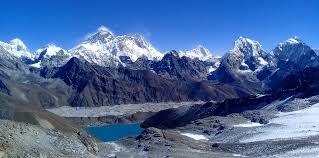
  • Annapurna for All: The Future of Trekking in Nepal with Cable Cars

    Annapurna for All: The Future of Trekking in Nepal with Cable Cars

    Annapurna for All: The Future of Trekking in Nepal with Cable Cars

    Trekking enthusiasts worldwide have recognized the Annapurna Circuit as one of their most famous routes. Every year thousands of trekkers visit the region because it offers breathtaking Himalayan views and dramatic landscapes and diverse cultural experiences. Cable car systems have been introduced recently which now improves access to the Annapurna region.

    Cable Car

    The Classic Annapurna Circuit

    The traditional length of the Annapurna Circuit varies between 160-230 kilometers based on the selected path. The trek leads people through four distinct natural environments which include subtropical forests and terraced fields and alpine meadows and arid high-altitude landscapes. Key highlights include:

    Thorong La Pass (5,416 m)

    This circuit reaches its highest elevation point here while offering one of the most exciting high-altitude hiking experiences globally.

    At 5,416 meters above sea level Thorong La Pass marks both the highest altitude and the most intense part of the Annapurna Circuit trek. The ascent to the peak begins before dawn because strong winds and unpredictable weather tend to develop later in the day. The hike proves difficult since oxygen levels drop at higher elevation yet the panoramic views from the pass justify every step of the journey. The combination of snow-covered peaks with endless mountain ridges and the feeling of absolute elevation produces an unforgettable surreal experience.

    The achievement of reaching Thorong La produces both physical success and emotional satisfaction for many trekkers. The colorful prayer flags flying in front of the icy mountain backdrop represent both spiritual meaning and personal achievement for pass crossers. After the descent, trekkers are rewarded with a deep sense of accomplishment, having conquered one of the world’s highest and most thrilling mountain passes.

    Manang and Mustang regions: Culturally rich villages with Tibetan influence.

    Trekkers find a captivating introduction to Himalayan culture in the Manang area which exists before Thorong La. The villages here are influenced heavily by Tibetan traditions, reflected in the Buddhist monasteries, prayer wheels, and chortens that line the trails. People who trek there typically dedicate additional days to Manang for proper acclimation before visiting the ancient monasteries and observing yak herding practices while studying the traditional Gurung and Tibetan customs.

    Cable Car:

    The western Mustang region presents trekkers with contrasting landscapes of dry valleys and colorful cliffs and hidden caves. The “Last Forbidden Kingdom” title belongs to Mustang because its Tibetan Buddhist heritage alongside its architectural uniqueness and traditional ways remain untouched by modern development. The trekking regions of Manang and Mustang present visitors with breathtaking natural beauty alongside authentic cultural experiences that showcase high Himalayan traditions.

    Natural hot springs in Tatopani: Perfect for relaxation after days of trekking.

    The natural hot springs of Tatopani provide trekkers with relaxing thermal baths which serve as perfect recovery after long days of hiking. Tourists who visit the hot springs of Tatopani find comfort in its mineral-rich waters while taking in the beautiful views of traditional villages and surrounding hills. The mineral content in the water possesses healing qualities which help people feel better from muscle soreness and joint pain and enhance blood circulation.

    tatopnai

    Tatopani village provides visitors with more than thermal baths because it serves as an excellent location to observe the genuine hospitality shown by local people. Spending a tranquil evening in this village after enduring extended mountain treks through difficult pathways allows trekkers to find physical comfort in the warm pools and achieve mental relaxation under the night sky before continuing their journey.

    Poon Hill: Famous for sunrise views over the Annapurna ranges.

    People from all over the world visit Poon Hill which stands at 3,210 meters above sea level. A large number of trekkers reach the summit before dawn to experience the breathtaking sunrise that lights up the Himalayan peaks. The first rays of sunlight touching the snow-covered peaks of Annapurna, Dhaulagiri, Machhapuchhre (Fishtail), and Nilgiri produce a stunning display of colors that creates one of the most memorable photographic moments during the trek.

    Poon Hill

    Poon Hill provides exceptional views of several Himalayan ranges which makes it a trekking highlight for all visitors including those with brief treks. The easy path leading to Poon Hill welcomes trekkers from different fitness backgrounds so families and new adventurers choose it as their preferred destination. Poon Hill becomes more enchanting because of the colorful rhododendron forests and the welcoming Gurung villages that visitors encounter during their journey.

    This trek requires between 14 and 21 days to complete based on individual speed and altitude adjustment needs.

    The New Cable Car Attraction

    The cable car system operating in the Annapurna region now serves as a transformative development for numerous visitors. The system provides multiple advantages which do not eliminate the trekking journey:

    Cable Car:

    1. Accessibility for All by Cable Car

    The new cable car system in the Annapurna region enables more visitors to experience the breathtaking mountain views which were previously limited to trekkers. The physically demanding multi-day treks prevented many people including those who were older or had health issues or short vacation periods from seeing the spectacular beauty of the Annapurna ranges. Tourists can now reach scenic viewpoints by using the cable car which eliminates the need for physical effort.

    The improved accessibility enables family groups along with senior tourists and people who have disabilities to see views which only experienced trekkers could access before. The cable car provides visitors with a comfortable and safe and efficient method to experience the Annapurna landscapes which results in making the region accessible to various types of visitors. The expanded access to natural beauty allows more people worldwide to experience the wonders of Nepal.

    2. Boost to Local Economy

    The cable car functions as an economic stimulus that produces fresh business opportunities for communities throughout the Annapurna region. The increased number of visitors accessing the cable car has generated higher demand for local villages to provide accommodations and restaurants and souvenir shops and guide services. Local people who previously depended on farming and trekking businesses now generate reliable income through year-round tourism activities.

    The cable car extends tourism advantages to remote locations which would otherwise receive minimal visitor attention. Local communities benefit from new work possibilities in both cable car operations and maintenance alongside hospitality and cultural tourism development which stabilizes their income streams. The increased economic activity from local residents creates advantages for both individual families and the entire regional development process.

    3. Sustainable Tourism

    Sustainable tourism has emerged as an essential concern for protecting the delicate mountain environment of the Annapurna region. The cable car system establishes environmental preservation benefits through proper management of its operations. The cable car system provides a substitute to long vehicle journeys through narrow mountain roads thus protecting the environment from soil erosion and alpine terrain damage caused by heavy traffic while reducing dust pollution.

    The use of fewer vehicles on the roads produces three main benefits: lower carbon emissions, decreased fuel consumption, and diminished chance of landslides which result from road construction or excessive use. The implementation of a single cable car route allows better visitor control and sustainable tourism measures through centralized access management. The correct policies established for the cable car system enable it to provide economic development opportunities while safeguarding the natural beauty of Annapurna for future visitors.

    annapurna

    The current cable car projects most discussed include the following:

    Sarangkot (near Pokhara):

    Sarangkot stands as one of the most visited panoramic locations which you can find near Pokhara in Nepal. The location sits above sea level at 1,600 meters on a ridge which presents a spectacular view of the Annapurna mountain range including Annapurna I and Annapurna South along with Machhapuchhre (Fishtail) and Dhaulagiri. Visitors who go to this spot during clear mornings have the chance to experience a breathtaking sunrise when sunlight first touches the snow-covered peaks forming an enchanting show. Sarangkot presents magnificent mountain scenery while showing extensive views of all Pokhara Valley together with Phewa Lake and tranquil rural areas that contain villages and terraced agricultural fields. The location remains easy to reach from Pokhara thus making it a popular destination among visitors and local people.

    Pokhara_Sarangkot

    Potential Future Plans in Manang and Mustang Regions:

    The Manang and Mustang regions which contain valuable natural beauty and cultural heritage remain under consideration for cable car route expansion through ongoing discussions and feasibility studies. The initiative seeks to provide improved access to tourists who lack the ability to complete demanding treks but wish to view the beautiful Himalayan landscape. The development planners are maintaining strict conservation protocols while they advance tourism growth. The implementation of cable car projects through proper management would decrease the usage of fragile trekking paths and cut down on rough mountain road traffic and protect delicate ecosystems while supporting local economic development. The successful implementation of these projects could both expand tourism possibilities and maintain the untouched nature of these high mountain areas.

    Combining Trekking with Cable Car Rides

    Most travelers who seek adventure and convenience find the combination of traditional trekking with modern cable car rides to be an ideal balance between adventure and comfort. Visitors have the choice to hike specific trail portions while using cable cars to skip sections that present time constraints or physical challenges. The method enables people with different fitness abilities or time restrictions to experience the breathtaking scenery.

    Starting your trek at Besi Sahar you can make your way to Manang through cultural villages before experiencing the mountain scenery and monasteries on the route. The development of cable car routes in this area would provide trekkers with the option to use a cable car to bypass demanding high-altitude climbs especially the steep sections that lead to Thorong La Pass. The journey would become more accessible for everyone while preserving the authentic trekking experience.

    Once your trek comes to an end you have the opportunity to continue your adventure by visiting Pokhara. The Sarangkot cable car delivers its final reward through panoramic views of the Annapurna range along with Pokhara Valley and Phewa Lake which create a perfect ending for your Himalayan journey.

    Why Cable Car Matters for 2025 and Beyond

    Nepal’s ongoing tourism infrastructure development creates new opportunities for people to experience adventure while maintaining accessibility to attract more visitors. The Annapurna Circuit that started as challenging long-distance treks now transforms into a multi-experience destination through its trekking routes and cable car options.

    • The traditional routes remain available for Adventure Seekers who want to experience complete Himalayan trekking through diverse landscapes and remote villages and high mountain passes.
    • The development of cable cars enables visitors with time limitations or trekking limitations to reach some of the region’s best viewpoints which provide breathtaking mountain views without requiring long or difficult hikes.
    • The installation of cable cars allows families and travelers to experience Nepalese mountain beauty by providing an alternative to trekking which they cannot manage physically.
    • The inclusive strategy enables the Annapurna region to expand its visitor base while protecting its natural and cultural heritage for future generations.

    Cable Car:

    Practical Tips for Your Annapurna Cable Car Adventure

    The best time to visit: Spring (March-May) and Autumn (September-November) provide the greatest weather conditions and visibility.

    Permits required: TIMS Card and Annapurna Conservation Area Permit (ACAP).

    Preparation: Even with cable cars, proper acclimatization and fitness are important if you’re trekking high-altitude sections.

    Local guides: Consider hiring local guides for a richer cultural experience and safety.

    Final Thoughts

    The Annapurna Circuit stands as one of the leading trekking destinations around the globe. The introduction of cable cars in Nepal demonstrates their commitment to modernization alongside their dedication to protect their natural and cultural assets. The Annapurna region now has expanded opportunities for visitors to experience its breathtaking landscapes regardless of their trekking experience.

    Start planning your Annapurna Circuit and cable car adventure today to see how traditional elements and modern conveniences coexist perfectly in Nepal’s Himalayan region. Contact us today at Happy Mountain Nepal, on Facebook, Instagram, or TikTok .
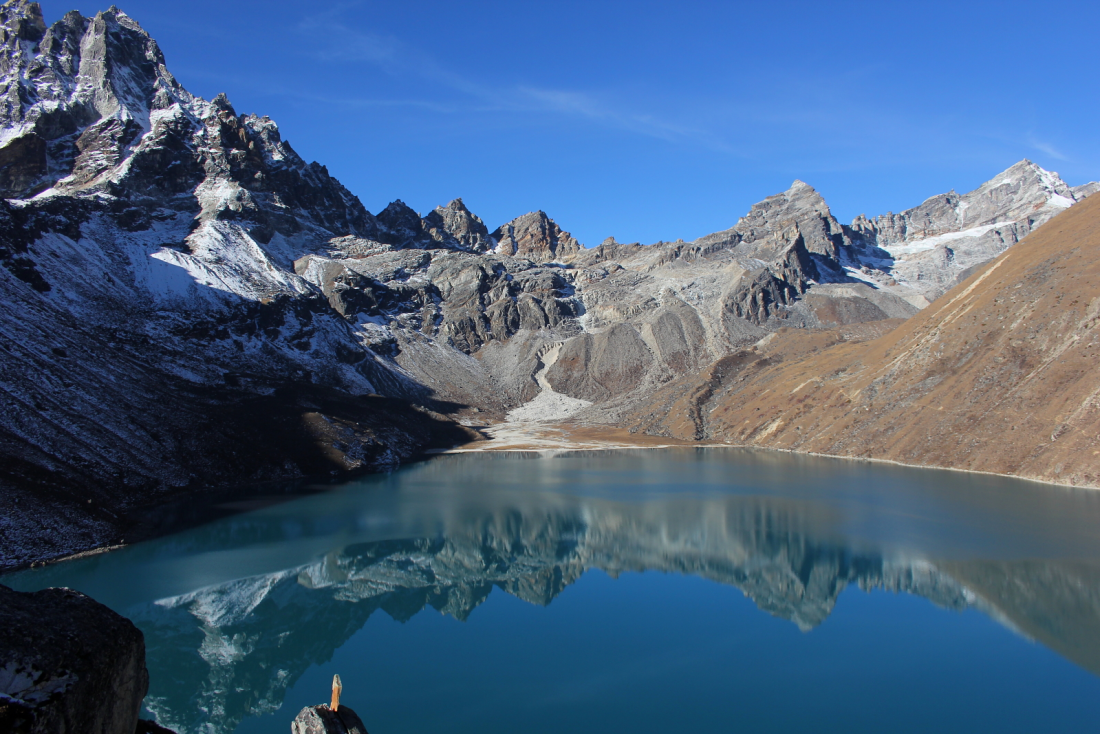
  • Discover Ilam & Kanyam: Nepal’s Tea Paradise in 2025

    Discover Ilam & Kanyam: Nepal’s Tea Paradise in 2025

    Discover Ilam & Kanyam: Nepal’s Tea Paradise in 2025

    Travelers who think about Nepal usually visualize high mountains with ancient temples. A hidden treasure in the eastern hills has started attracting worldwide visitors: Ilam and Kanyam. The peaceful destination which serves as the tea capital of Nepal presents visitors with refreshing experiences through its green landscapes and cultural heritage. The following reasons make Ilam and Kanyam essential destinations for your 2025 travel plans.

    Why Visit Ilam & Kanyam?

    ilam

    1. The Mesmerizing Tea Gardens

    The tea gardens of Kanyam represent the most valuable aspect of Eastern Nepal because they cover expansive hills which extend endlessly toward the horizon. Every visitor becomes captivated by the almost unreal beauty which emerges from the carefully trimmed tea bushes that form a green carpet. The experience of walking through these gardens provides a sensory treat because mountain air mixes with fresh tea leaf scents while watching local workers expertly pick leaves. The tea gardens function as both a beautiful scenic location and a representation of Ilam’s deep agricultural heritage.

    Visitors can go beyond sightseeing since they get to participate in interactive activities that enhance their understanding of tea manufacturing. Tea estates throughout the region enable tourists to explore their processing facilities which demonstrate the process of tea production from leaves to finished beverage. Sampling freshly brewed Ilam tea directly at its origin site presents a distinct flavor combination which remains unmatched by other locations. People who want to experience Nepal’s famous tea culture should include Kanyam in their travel plans because of its interactive tea-making activities.

    2. Perfect for Eco-Tourism & Wellness

    Ilam’s calm atmosphere exists as an optimal environment for ecological tourism together with wellness vacation spots. The region’s cool climate together with clean air and quiet natural areas establish a perfect environment for people who want to rest and recover. Ilam provides a peaceful escape from urban stress through its dawn bird meditation and hilltop yoga sessions and nature walking experiences.

    Ilam is a haven for nature lovers. The Ilam district and ecosystem are life for hikers and adventurers. Birders and botanists travel from around the globe to the Ilam Forest, known worldwide for its diversity of birds, butterflies, and rare flora.

    Eco-friendly adventures engaged by nature-loving travelers, conserve nature as local eco-lodges and sustainable tourism eco-ventures protect the precious nature and ecosystems of the Ilam area. Ilam appeals to a responsible type of traveler who values personal wellness and environmental responsibility.

    3. Panoramic Viewpoints

    Shree Antu Danda is one of the best places to give the tourists a taste of all the amazing places in and around Ilam due to the amazing views of sunrises. Watching the sun as it rises is such a unique experience as the sun sunrises fills the misty hills with warmth before the elegance of the layers of mountains emerges from behind the hills. Visitors may get to enjoy the unique image of Mount Kanchenjunga on just a few clear and still days, particularly if we have the colours and light of sunrise to provide a spectacular panoramic view with endless possibilities that will spark interest, not just in nature fans, but also in photographers of all levels.

    Shree Antu Danda provides and excellent panorama at any time, New Year’s Day day and night is a great location for picnics, short hikes, or to find a nice quiet spot to contemplate and meditate. Visitors are capable of touring warm drink in one of the many tea stalls, along your experience, allowing you to soak in everything it has to offer.The natural beauty along with fresh mountain air and peaceful environment makes these viewpoints essential destinations during travel to Ilam.

    illam

    4. Cultural Experience

    The natural landscape of Ilam and the multiplicity of its cultures constitute a peculiar landscape. Different groups of ethnicities (Limbu, Rai, Lepcha) within the region wish to maintain their variety of traditional languages and lifestyles developed over centuries. By taking part in the homestays with local families tourists can involve themselves in authentic local culture by participating in multiple activities, while also seeing their hosts perform their traditional customs along with folklore dances.

    Festivals within Ilam are another means of exhibiting the cultural population of Ilam that takes on enthusiastic proportions. The residents for example, are exhibiting their own ethnic character with their selection of music and traditional dances, which included seeing people singing and dancing in traditional costumes during the Chasok Tangnam (Limbu harvest festival) or other local festivals. As guests at the homestays and even at other accommodations the hosts are always accommodating; tourists even appreciate eating local foods cooked with fresh organic produce from the area which includes specialities that the region is famous for like fermented bamboo shoots (tama), gundruk, pickles made at home.The direct connection with local life produces deep-lasting memories among visitors.

    5. Adventure & Outdoor Activities

    Ilam presents a variety of nature-based activities which stretch beyond its tranquil tea plantations to adventure seekers. The district has several trekking and hiking routes that cater to trekkers of all levels. Mai Pokhari is an additional famous high altitude sacred lake, surrounded by thick forests of various ecosystems. Being a Ramsar site offers visitors, birdwatching, nature photography and spiritual experiences, with spectacular landscapes.

    For serious adventure seekers, Sandakpur is an exceptional destination. The Sandakpur trek is located at the Nepal-India border, offers scenic views of the highest mountains of the world, namely Everest, Kanchenjunga, Lhotse and Makalu. The trek goes across beautiful rhododendron forests which are doubly amazing in spring with the hills presenting colorful displays of red, pink and white blooms. Chhintapu in Ilam is another key location for its diversity of medicinal herbs and significant biodiversity – all of which makes the district a very popular outdoor destination.

    illam

    Local Cuisine and Food Experiences

    Visitors to Ilam and Kanyam can taste traditional food representative of the cultural diversity that eastern Nepal has to offer. Generally, the local food is traditional, intentional; it is local organic food that has been harvested from the hills and farms around the area. Here are a few illustrations of traditional specialties.

    illam

    Gundruk (Fermented Leafy Green Vegetables)

    Gundruk is a traditional food eaten in Nepalubeen; with fermented mustard leaves (saag) and other leafy vegetables. It has a sourish and tangy taste and is prepared for cooking as a soup or served as a side dish.

    Kinema (Fermented Soybeans)

    Kinema is a fermented soybean delicacy that is almost exclusively produced in East Nepal, and often, incorrectly, referred to as kinema.  It has a very distinct, strong earthy smell, but is usually cooked with spices and herbs. Kinema is an excellent vegetarian protein option, often served with rice or in curry. Kinema demonstrates the indigenous food practices of local peoples.

    Dishes with Bamboo Shoots

    Bamboo shoots are widely used in the food traditions of Ilam, as bamboo comes from the nearby forests. In different forms, bamboo shoots will often be eaten through stir-frying or pickling and can also be made as spicy curry dishes.

    Momos (Dumplings)

    Momos dumplings are a traditional Nepali snack eaten in the country through steaming or frying and with meat or vegetable fillings. The local Ilam people eat momos that contain local vegetables and spices made from home-grown herbs and spices and they often serve as a healthy snack or meal option for the resident of Ilam.

    Dal Bhat (Lentil soup with Rice)

    As a traditional Nepali serving of food, dal bhat represents a staple food serving on each and every single day in the home style kitchens across the Ilam area if not the whole country. Traditional dal bhat is steamed rice served with lentil soup and fresh vegetable curries and pickles and sometimes meat. Not only does dal bhat provide a serving of food in the traditional way, it also provides the essential nutrients through the combination of carbohydrates, proteins and vitamins.

    Fresh Dairy

    The aquatic regional dairy farming provides many fresh products such as fresh milk, homemade yogurt, and cheeses. Each harvest of grain provides different additions to the diversity of local produce in several combinations of cheese, milk, and yogurt that create richness and creamy meals; to be mostly eaten as snacks or combined with traditional dishes.

    Fresh Fruits

    On the agrarian landscape of Ilam are juicy oranges and peaches and several other raw fruits that attract local cultural diets where the sweet raw fruit is favored against a savory dish that denote richness to the culture’s agricultural land.

    Ilam Tea

    Food experiences in Ilam would not be complete without local culture — tea from Ilam with its smooth aroma and full-flavored characteristics that go well on its own or paired with local homemade snacks or sweets that captures the relaxing feeling of local culture.illam

    Accommodation Options in Ilam and Kanyam

    Whether you want homestay experiences with locals or eco-friendly accommodations within lodges, visitors to Ilam and Kanyam have a myriad of options. Homestays can connect visitors to families the entire time, traditional foods, and the potential for family activities. Homestays provide visitors opportunities for true hospitality experiences, and are filled with ideas and inspirations of local living.

    For visitors that require a little more comfort, boutique hotels and resorts provide all the modern-day amenities, nice views of tea gardens, and perhaps a higher standard of comfort. Some eco-lodge options have local ethical tourism practices, including sustainability, solar power, distinct waste reduction practices, and use of food from local sources.
    So whether visitors are searching for the local rustic experience with a focus on grass-roots hospitality, or a contemporary experience, the options for accommodation for all visitors to Ilam and Kanyam are numerous.

    Shopping for Tea and Handicrafts

    All the visitors to Ilam and Kanyam should at least be taking fresh tea and artisanal crafts home with them, this is what makes the area unique. The tea shops, and tea estates sell some quality, loose-leaf teas (including orthodox teas, curated specialty blends, ready to infuse and bagged teas).

    The conventional markets have handcrafted textile, wool, bamboo, crafted articles of adornment, etc. The handcrafted products represent the various ethno-cultural identities of the ethnic peoples that reside there.

    Sustainable Tourism Initiatives in Ilam

    All local businesses in this area promote sustainable practices, even if they don’t fully consciously realized it, by reducing their plastic consumption or conserving water, or engaging in environmentally responsible practices through organic farming. Local communities are organically leading tourism initiatives that continue to evolve through responsible travel initiatives, and the awareness created by these initiatives allow travelers to connect to nature and to the local community while being respectful at the same time.

    illam

    Conservation projects in Ilam offer visitors opportunities to participate in educational programs or learning-moments for tree planting initiatives or clean-up projects while conserving forests, wildlife, and biodiversity hotspots. The sustainable practices engaged by local businesses not only preserve the Ilam region in an untarnished state for others to enjoy in the future but also offer the traveler the opportunity to socially-minded utilize their travel in a meaningful way that allows them to pay-it-forward.

    Hidden Gems Around Ilam and Kanyam

    While Ilam and Kanyam offer beautiful tea gardens and views, there are many incredible discoveries waiting for you as you begin to travel into the hills. You can travel to some small villages that have an actual culture where agricultural practices and celebrations, have not yet been influenced by tourism. Furthermore, streams, waterfalls, and sacred lakes like Mai Pokhari offer tourists several quiet places to sooth away the day or take some pictures.

    There are many less traveled routes for outdoor adventures containing beautiful rhododendron forests and great expanses of medicinal herb fields.

    What to Prepare:Tips for Travelers

    1. Warm clothes in layers

    During your time visiting, you should take warm layering for the cooler morning and evening temperatures. Make use of all your light weight sweaters and fleece jackets, and don’t forget your long sleeve shirts! The ground will also be cooler from dusk till about 10:00AM in the project and educational CRV areas.

    2. Comfortable walking shoes

    For your trip bring strong comfortable footwear that works for walking through tea gardens and hiking trails and rural villages.

    3. Rain Protection

    You need to have either a rain jacket or a small umbrella because rainy weather occurs often throughout the monsoon season.

    4. Insect Repellent

    You need to bring reliable insect repellent which will keep you safe from mosquitoes and other insects.

    5. Sunscreen

    The stronger sunlight at higher altitudes requires you to apply sunscreen which protects your skin from intense UV radiation.

    6. Reusable Water Bottle

    Carrying a reusable water bottle helps you stay hydrated while minimizing plastic waste in the local area.

    7. Eco-Friendly Toiletries

    Using biodegradable or eco-friendly toiletries helps protect Ilam’s natural environment through local conservation efforts.

    Conclusion: Experience the Hidden Gem of Nepal

    The travel experience at Ilam and Kanyam presents an exclusive blend of scenic beauty alongside cultural depth and tranquil environments. Ilam delivers an unforgettable travel experience to nature lovers and cultural enthusiasts and those who seek serenity in their adventures. The diverse tourism options of Nepal in 2025 should include Ilam and Kanyam as essential destinations for every traveler. Contact us today at Happy Mountain Nepal, on Facebook, Instagram, or TikTok .
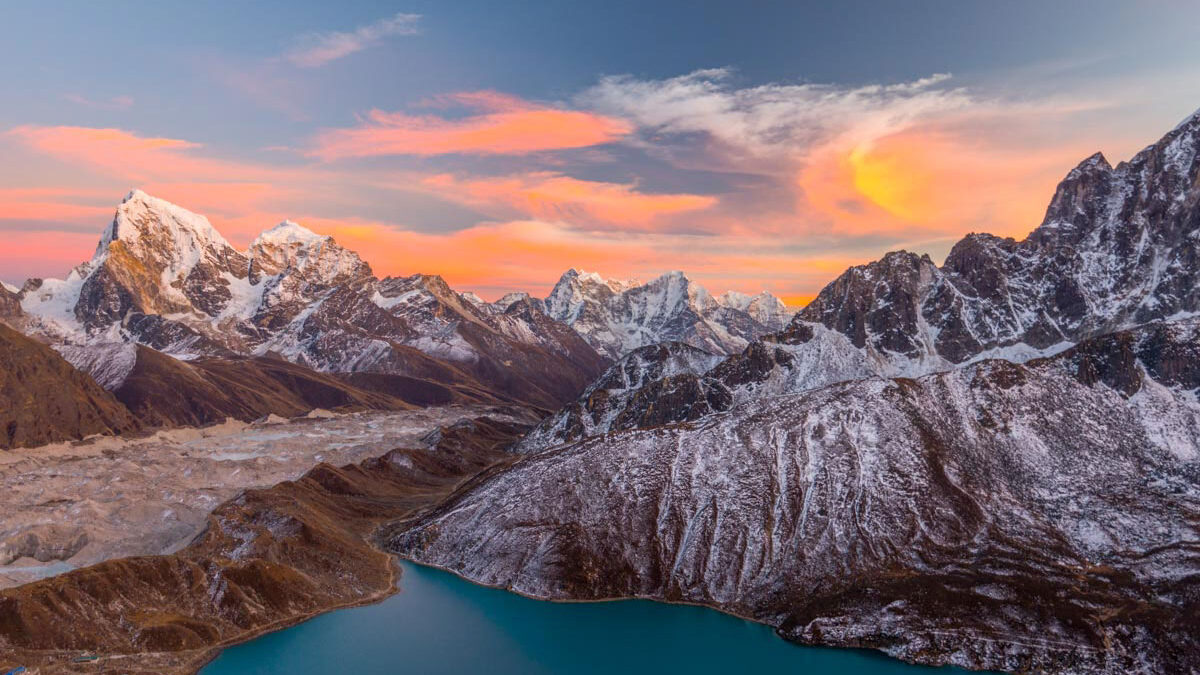
  • 2025: A Short Trek to Poon Hill — The Perfect Himalayan Adventur

    2025: A Short Trek to Poon Hill — The Perfect Himalayan Adventur

    2025: A Short Trek to Poon Hill — The Perfect Himalayan Adventure

    Nepal trekking typically evokes images of demanding treks like the Everest Base Camp trek and Annapurna Circuit trek . But did you ever think that you could be enlightened to the beauty that is the Himalayas in a few short days? For 2025, no trek compares to the incredible short trek of Poon Hill humanly able which is accessible for all trekkers! In this article, we want to do all we can to hook you into having Poon Hill as a prize on your bucket list for this year!
    Poon Hill

    Why the Poon Hill Trek this year?

    Referred to as the best short trek in Nepal, The Poon Hill Trek is located in the Annapurna region and has to offer:

    • Spectacular sunrises over the Annapurna & Dhaulagiri ranges
    • Easy access out of Pokhara
    • Easy but mild level of difficulty, making a great trek for novices and families
    • Cultural experiences with the Gurung and Magar communities
    • Great rhododendron forests and wildlife

    For 2025, while the trails, accommodation and accurate weather forecasts of the Poon Hill Trek have all improved, it’s increasingly safer and more pleasant.
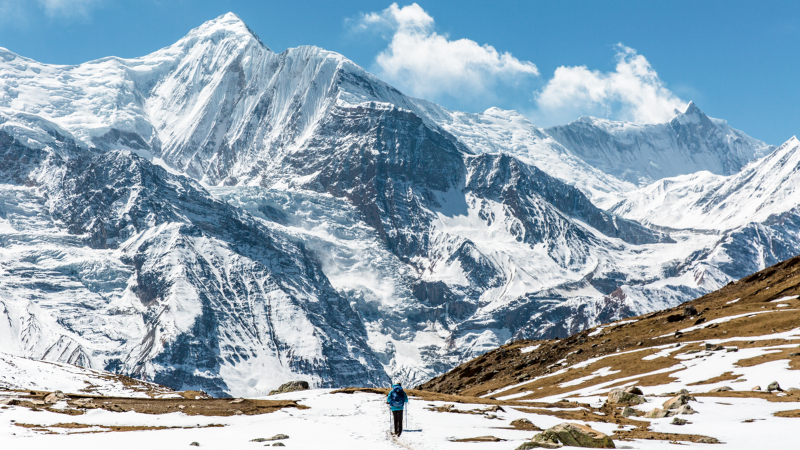
    Poon Hill Trek Highlights

    1. The Legendary Sunrise from Poon Hill

    At 3,210 meters, Poon Hill is very well known for its iconic sunrise view and layover destination on the journey, therefore Poon Hill is one of the most trekked destinations. As the light fills the sky at Poon Hill, the first light of day appears above the world’s famous and snow covered peaks of The Himalayas, Annapurna, Dhaulagiri, Machhapuchhre (Fishtail) and Nilgiri.

    The sunrise golden hour of stunning snow capped mountains is a wonderful experience, indefinable when your eyes perceive it, to heighten your inspirations, guaranteed to be memorable for any photographer or nature lover.

    Combine the stunning views, the morning calmness of sunrise, cool dew freshness in the air, and the excitement of other trekkers (the trekker network), and this creates a somewhat magical experience.

    2. A Perfect Short Trek for Busy Schedules

    The Poon Hill trek is a great choice for people traveling to Nepal on a short timescale who are interested in seeing some gorgeous scenery of the Himalayas. The trek can, in total, last 4 to 5 days which means for short holidays, a quick family trip, or just a little add on to be the main focus of a bigger trip in Nepal – Poon Hill is well achievable. In addition, due to the length of the trek, it can also be a good option for you if you are considering your first trek for yourself, especially if you are not quite ready to deal with something longer or bigger.

    Whether you are traveling with family with young children, older grandparents or are traveling solo and on a timeframe, the Poon Hill trek allows you to adjust your trekking pace, whilst still having a taste of the trekking adventure of the Himalaya!

    3. Cultural Experience

    In addition to the stunning vistas, the Poon Hill trek is rich with experiences in culture because the trek itself offers to chance to visit villages, Ghorepani, Tikhedhunga, Ulleri, and Ghandruk, and otherwise engage with the Gurung and Magar communities who host trekkers – not only with a meal, but traditional culture, customs, and food. Spending time with the communities allows trekkers to see people preparing for life; the daily routines of the locals, as well as their rituals and most keenly how they continue to carry on the same practices their ancestors had done for hundreds of years.

    When combination of staying in traditional teahouses and participating in local festivals or farming, converts a trek from being just a trek to an intercultural experience. For many trekkers, their experience only becomes richer after spending time with the people they meet along the way, some of which they may remember just as well as the mountains.

    Poon Hill

    4. Lush Forests and Rhododendron Blooms

    Undoubtably, the Poon Hill trek is one of the joyful treks on the planet especially in the Spring of 2025 when the fields are sure to be brimmed filled with colorful blooms of rhododendrons; Nepal’s national flower. The country of Nepal has taken the rhododendron as its national flower, and you can see why as your eyes drink in hillsides of vivid red, pink and white blooms fill your wide view pushing you into their bright, wondrous dun forests. As you are surrounded by a spectacular forest of colorful fragrances, you begin to feel like you’ve been dropped into a fairy tale country. With so many little pieces of perfect for that selfie or moments for you to close your eyes appreciate being enveloped into such an incredible moment, it will be a trip of a lifetime.

    Not only will you witness pure natural beauty of rhododendron forests, but also, impressive flora and fauna in the beautiful biodiverse Annapurna Conservation Area rainforest forests. For birds and wildlife lovers, this proud group of inhabitants will love living in this biodiversity area whilst appreciating witnessing such pristine environments depicted here. These living aspects of natural world, not only shape the environmental beauty of trek but towards also remind you of how important it is to conservation efforts and the preservation of similar unique ecosystems!

    Updating Trail Conditions for 2025

    In the past couple of years trekking agencies and local authorities have worked hard together to improve trail conditions, improve lodge facilities and accommodations, and improve waste management. In 2025, expect:

    • Trails that receive improved maintenance,
    • Lodges (teahouses) that are more comfortable and better suited for trekkers,
    • Connectivity to reliable Wi-Fi and mobile networks in most villages,
    • A simpler permit application process through TIMS (Trekkers’ Information Management System) and the Annapurna Conservation Area Permit (ACAP) processes.

    Poon Hill

    Best Period to Trek to Poon Hill in 2025

    The best months to trek to Poon Hill in 2025 are considered to be the spring (March until May), and autumn (September until November).

    • Spring (March to May) and autumn (September to November) will be the best months to trek in 2025 to Poon Hill. Spring brings technicolor with blooming rhododendrons – you can see the world waking up to the hues of greens and warmth. The weather is also typically milder. Covering the trails is fairly simple, and you will enjoy the pleasant temperatures of the days, and potentially the least amounts of cloudy/cloudy days.
    • Autumn while being considerably cooler than spring, is idyllic for trekking, and the weather conditions are considerably more stable than the spring. These are the months following the monsoon season, and the air becomes crisp and clean. This will typically be some of the clearest days to see a mountain view in a mountain region, particularly if you are trekking up to a mountain viewpoint.
    • We can consider both periods of spring and autumn as excellent conditions for trekking in 2025, with excellent scenic conditions and weather for trekking. These will certainly be the best months for any Poon Hill trekkers.

    How to Prepare for Your Poon Hill Trek in 2025

    Poon Hill may be a relatively short trek, but preparation is important-:

    • Moderate fitness is enough
    • Comfortable trekking boots and different layers for temperature
    • Light pack
    • Trekking poles for trekking
    • Insurance that covers high altitude travel trekking

    Why  to Choose Poon Hill Trek in 2025?

    Poon Hill

    1. Perfect for All Types of Trekkers

    The Poon Hill Trek is one of the few Himalayan adventures which actually discourages trekkers based on age, experience or physical condition. Most high altitude treks only allow trekkers who have undergone strenuous physical training, in addition to weeks of preparation and careful acclimatization before even thinking about trekking into the high mountains. Poon Hill is an ideal trek, lasting 4 to 5 days and never exceeding 40 kilometers (25 miles) round trip, at a maximum elevation of 3,210 meters at the summit of Poon Hill. Most trekkers can cover this distance without suffering from debilitating effects of altitude poisoning or other high altitude related illnesses, making it the ideal trek for families with children, first time trekkers, or even busy professionals looking for a five day distraction from their routine.

    In 2025, this access is still more attractive. Families can introduce children to the adventure of trekking in a safe environment and singles and groups can experience an extremely social, well-supported trek. The complementarity of dramatic scenery, comfortable teahouse lodging, and low-risk circumstances has an open-door policy for everyone. Beginner trekkers get their spurs, veteran climbers the benefits of the trekking landscape without physical wear of more demanding Himalayan treks. Poon Hill is a good example of how the Himalayan experience need not be hard core endurance.

    2. Majestic Sunrise Scenery Over the Annapurnas

    Poon Hill sunrise is trekkers’ lore these days, and it should be. Poon Hill provides stunning 360-degree views of some of the highest peaks in the world, and just above the village Ghorepani. When the first light of the morning sun creeps over the snow monsters – Annapurna South, Dhaulagiri, Machhapuchhre (Fishtail), Nilgiri and Hiunchuli – the mountains glow as rosy spires and golden orange faces. The sunrise views of the Himalayas from here are so spectacular that trekkers will never forget to list them as some of the most beautiful sights that they have ever seen in the world.

    It’s pure magic for photographers, nature lovers, and pilgrim travelers. With advanced weather forecast and better trekking facilities in 2025, more and more trekkers are reaching Poon Hill successfully to witness this once-in-a-lifetime sunrise phenomenon. Morning hike is just one hour away from Ghorepani, and thus even if you are a beginner trekker, it’s definitely within reach. Hiking to the top with all your fellow hikers, and the only sounds sounds of wonder, you understand why Poon Hill sunrise remains near and dear to hearts of people all around the world.

    3. Easy Accessibility from Pokhara

    One of the big advantages of Poon Hill is its ease of access, with, particularly in 2025, better and relatively safer access to the site. The trek can begin from Nayapul or Hile and both locations are conveniently located 1.5 to 2 hours drive from Pokhara. Pokhara is also as close to paradise for tourists, a quiet lakeside town at the foot of the Annapurna mountains. Pokhara developed into a world tourist destination in the decades of international flight connections, luxury resorts, eco-resorts, and vibrant café society and is hence a great starting point for Himalaya trekkers.

    More frequent regular direct flights from Delhi, Bangkok, and Kuala Lumpur cities in 2025 have made it easier and quicker than ever to access Pokhara. Later, the local transportation services can take you to the trek beginning point very conveniently. The facility thus provides the chance to even those with tight time schedules to experience the Poon Hill. Within 24 hours of your arrival in Nepal, you are already in the midst of the Annapurna Conservation Area’s lush forests and high mountains — something which is not common for high-altitude trekking.Poon Hill


    4. Rich Cultural Immersion

    Trekking along Poon Hill provides an experience of more than impressive scenery because it offers an adventurer a cultural experience which links the traveler to the mountain areas that make Nepal unique. Trekkers walking through Ghorepani and Tikhedhunga to Ulleri and Ghandruk reveal Gurung and Magar‘s people everyday life. The people have retained their cultural identity through keeping alive their languages and ancestral traditions and customs for many generations. The Gurungs hold special recognition for their historical service with the British Gurkha regiment while the Magars continue to bring their traditional indigenous practices to life through music and dance during village festivals.

    In some cases, local teahouses with seasonal offerings in operation in 2025 are beneficial as cultural landmarks, promoting a millennia of cultural and community hospitality, which presents trekkers as gracious guests, where first hand experience of local customs can occur. Home cooked meals made from local ingredients, and prepared from their local produce will allow for an authentic Nepali tasting experience. Visitors to Poon Hill find their most meaningful experience in their interactions with welcoming communities which demonstrates Nepal’s true beauty beyond its mountains.

    5. Dashing Flora and Fauna

    The Poon Hill Trek provides magnificent opportunities to view the mind-boggling variety of fauna and flora in the Annapurna Conservation Area, which is one of Nepal’s largest protected zones. The trek allows you to move into the lush forests of high-rhododendron trees (the rhododendron in Nepal’s national flower) that will blossom in March-May during the springtime. The trail moves through oak and bamboo groves where delicate orchids dangle from tree branches to form a magical natural path which appears to belong to another realm.

    The region hosts a wonderful array of wildlife species. During their journey trekkers frequently observe langurs which move through the trees by swinging while Himalayan Thar deer appear on rocky ledges. People who love birds will find great satisfaction from observing pheasants along with vibrant sunbirds and the Himalayan Monal which stands as the national bird of Nepal. The ongoing conservation initiatives in 2025 have successfully defended and rehabilitated substantial portions of local biodiversity which enables trekkers to discover a flourishing Himalayan ecosystem.

    For nature lovers, there will be plenty of motivation here in the ecological diversity contributing to the magnificence of the scenery, thus, every aspect during the complete route of the Poon Hill Trek is a visual and olfactory pleasure.

    Poon Hill

    Conclusion

    The Poon Hill Trek is the best short trek experience in Nepal in 2025, – with breathtaking scenery and cultural experiences! A breathtaking mountain panorama, friendly and helpful people, and wonderful memories to treasure for a lifetime in just a few days.

    Plan your Poon Hill adventure starting now because 2025 marks the ideal opportunity to discover Annapurna magic.Contact us today at Happy Mountain Nepal, on Facebook, Instagram, or TikTok

    FAQs

    Do I need a guide for the Poon Hill Trek?

    The trekking experience reaches new heights through licensed guides who provide safety measures especially for beginners although trail markers show the path.

    How hard is the Poon Hill Trek?

    The trek is of a moderate challenge to various levels of fitness, however, it does have a few significant climbs.

    Is the trek busy?

    The number of trekkers spikes during peak seasons yet proper scheduling or selecting less crowded periods allows for a tranquil trekking experience.


  • Top 10 Hotel in Nepal for an Unforgettable Stay

    Top 10 Hotel in Nepal for an Unforgettable Stay

    Top 10 Hotel in Nepal for an Unforgettable Stay

    Nepal is not just a place for trekking or Himalayas. It is also the place which is rich culturally and historically. If you are visiting Nepal for trek, business purpose or anything. You can relax in these luxury hotels.

    In this blog, we will discuss about the top 10 hotel in Nepal which provides the top- most service and luxury.

    1. Dwarika’s Hotel – Kathmandu

    Dwarika’s Hotel was founded by Dwarika Das Shrestha in mid-20th century as an attempt to save traditional Kathmandu architecture from the change of urban development. It hosts one of the largest private collections of woodwork in Nepal that have been saved and restored over the centuries. Each panel, beam, and window sill is steeped in the historical narrative of an entire nation.

    Night View of Dwarika’s Hotel Kathmandu with swimming pool & beautiful garden
    Dwarika’s Hotel – Kathmandu

    Source- Google

    With more than 80 rooms and suites, the guest room is not simply a hotel room, it is an experience. These fusion rooms are made half history and half luxury complete with handcrafted furniture, the finest quality linens, and large bathrooms that pay divine attention to detail all in the style reflective of the traditional Nepali architecture. The calm courtyards in Dwarika’s, galleries, and tranquil outdoor pool are an oasis in the chaos of Nepal. The Ayurvedic spa complete with a special touch, organic garden, and various restaurants including their Krishnarpan restaurant which alone is a gastronomy feast of six to twenty-two courses of Nepali food, the experience of Dwarika’s in its entirety is holistic. If you came to Nepal to learn about the icons of Kathmandu or to enter a timeless luxurious sanctuary, Dwarika‘s is unique.

    2. Hotel Yak and Yeti – Kathmandu

    Hotel Yak and Yeti is set in a Rana palace from the 19th century that weds past grandeur with a modern sense of luxury. It is located on Durbar Marg, which is one of several commercial areas, in Kathmandu, and so it is pleasing for business travelers looking for quality luxury to fulfill cultural heritage, as well as for diplomats and tourists. The storied past is infused in the sacredness of the palace and its substantive new builds wrapped around the old builds, which capture some essence of old Kathmandu, and preserve its spirit.

    Hotel Yak and Yeti Banquet hall

    Source- Google

    You will experience everything you expect a 5-star hotel to be across the 270+ guest rooms of different shapes and furnished unique. The carvings, chandeliers, linens, and upholstery offer guests some of, if not the, highest quality you can find. There is an ok business centre, work out gym, multiple event rooms, gardens, a swimming pool, a livable bistro continental menu at Chimney restaurant, and an all-day casual international menu at Sunrise Restaurant. Guests still have a chance to have a go at the Casino called Casino Royale which is the most posh casino in Kathmandu. In short, Hotel Yak and Yeti allows upper class hospitality, a central location, and character and history. I would suggest that Hotel Yak and Yeti offers one of the best upper-class hotel environments in Nepal.

    3.Tiger Tops Tharu Lodge – Chitwan

    Tiger Tops Tharu Lodge is situated on the border of Chitwan National Park. It offers the opportunity for private wildlife experiences with a rural context and ecological luxury viewed from the perspective of the property idea that draws incentives from indigenous Tharu philosophy. The lodge is sophistication against indigenous hospitality types and scientific thinking. The lodge is in harmony to the landscape including a forested area with elephants as the dominant context and hornbills calling from a distance.

    Night view Tiger Tops Tharu Lodge with lanterns

    Your accommodation can be anything from comfortable but decent rooms, to stunning luxury safari bottom tents with deck/porch and private bath, depending on what you are after. Along with the guided village and jungle walks and canoeing offered by the lodge providing some understanding of the parks incredible diversity of ecosystems – Tiger Tops Tharu lodge also provides game drives and birding trips. The food served is all sourced from tiger tops farmers market – the lodge has its own organic vegetable garden and Nepali cuisine Garden. If you are the type of traveller who likes to ‘rough it’ just a bit, in exchange for whole heap of nature – your choice of accommodation at Tiger Tops Tharu Lodge – should most definitely be on your look at list when you are even remotely in my great country of Nepal!

    4.The Pavilions Himalayas – Pokhara

    Pavilions Himalayas – A new hotel-like resort in Pokhara (Nepal) where you will have staggering views above all, a large open space overlooking the vast views of pristine, minute–like from every point of view, when you get to gaze at the snow–capped Annapurna mountain or the who–has a full view– of the vast–of Phewa lake. It is personally–villa and hotel–style quarters–including maximum occupancy for you will experience your own unending vanishing point-view. You will be served, exceptional–guide–troop tender–grandeuri for him as, considering, the spectacular amazements of the sense of inward–peace produced from lower-Himalayas here as to just anything –and everything– (or off the charts), is feasible.

    Pavilion Himalaya building, swimming pool &  beautiful green farm in front

    Source- Google

    Villas have private- terrace/balcony large areas to lounge. You can participate in their monthly sunrise yoga year-celebrating sessions.  You may however spend off-camp short time–activity with adventure package travel hosted traditional out-of-camp general–guide guided fresh food (trekking), (on boat or from the local villages, as). lunch or dinner birdwatching; while resting with your additional expedition exploratory experiences on yourself.

    The Pavilions Himalayas leaves you with all–humbling–loving heart–felt–experiences could ever ask for provided in any way to noble out–of–the–world–sustainable–luxury consciousness experience.... but maybe not altogether approaching you.

    5. Hotel Barahi – Pokhara

    Budget luxury Hotel Barahi is located in Pokhara, the middle Lakeside, and it’s a walking distance from beautiful Phewa Lake. Hotel Barahi is situated conveniently to be used as a base for sightseeing, where one can drive to places of interest around. Such as the World Peace Pagoda, Sarangkot viewpoint, and the International Mountain Museum.

    Hotel Barahi swimming pool & guest room building in the background

    Source- Google

    The property also offers comfortable room layouts, sufficient modern luxury facilities, and most of the rooms also come with lake-view balconies facing an overview of the grand surrounding hills. Guest privilege to full-service spa, pool area, business center; meals and beverages; if you would rather have the privilege to be able to enjoy a drink in the bar then that is okay and you can have one in the roof top bar – this is really just a hospitalized lounge area to sit and watch the sun set over the Annapurna Mountain range.

    6. Meghauli Serai – A Taj Safari Lodge, Chitwan

    Meghauli Serai is the Taj Safari all jungle lodge and is one special lodge nestled on the banks of the Rapti River, which peer funded on the extreme borders of Chitwan. This is the first and only systemic safari resort ultraluxe hotel as a Nepal experience, where it allowed access to only royal and only luxurious for a point of reference. The guest provided plenty of plunge pools in villa at the lodge, and yes an astonishing terrace & deck with unbelievable and luxurious national park views and river views – which is also another experience completely in its own right.

    Swimming pool & taj serai building

    The lodge does provide jungle safari options, a peoples culture show with the lovely Tharu people culture, absolutely beautiful curated lunches during every time intervals, and then premium cocktails. It also provides a dedicated luxury traveller the best canvas possible as a seamless TAW in Luxury Safari/wilderness luxury Adventure usage of language; while the travel experience memories will put most guests in a positive mode and the lodge scoped all of their comforts and details like a world class both owner and brands would have done the same.

    7. Hyatt Regency – Kathmandu

    Hyatt Regency Kathmandu is nomadic subcontinent luxury and extremely close to the Nepalese sacred Boudhanath Stupa (a UNESCO World Heritage site and one of the holiest Buddhist temples in the world). The five-star hotel is situate on 37 hectares of beautifully-landscape gardens that allow the guest the unique luxury of being localize, with a hint of, and touch with, the city of Kathmandu. Hyatt Regency Kathmandu is also a contained design-in-theme of architecture true to the original Newari, including roofs drifting with tiles, buildings with architectural wooden carvings, and cobblestones roads, all of which are true to modern style and function. The design and all the apparent design piffle are sumptuous cultural decadence, of all appliances of worldly luxury.

    night view of Hyatt regency Kathmandu with clear skies

    Hyatt Regency is an appropriate option for senior diplomats, international luxury travelers, and business executives because it offers extremely large rooms and amenities. The hotel offers more than 280 spacious suites and big rooms with amenities such as floor-to-ceiling windows, luxurious bedding, marble bathrooms, and ergonomic workstations in each room. Some of the rooms offer a stunning view of Boudhanath Stupa, beautiful gardens, and the Himalayan Mountain ranges way in the distance. Corporate and event clients enjoy the ginormous conference room, meeting rooms, and outdoor spaces perfect for meetings or celebrity events, to private parties and sizes in between.

    For some relaxation, there’s the Club Oasis Spa with Ayurvedic massage, steam bath, or the newest gym equipment. The front sunbathing pool is equally enormous, with sun beds and poolside service for lazy days. There are very good onsite restaurants, and there are options that welcome Hyatt Regency guests to dine for dinner at their international restaurant at The Café, great dining at Rox Restaurant, or a convenient cocktail in the Lounge Bar.

    8. Gokarna Forest Resort – Kathmandu Valley

    For nature lovers, Gokarna Forest Resort is undeniably a natural paradise. Located in a wooded area just 10 km from the Kathmandu city limits and mainly part of the old royal hunting reserve, Gokarna Forest Resort is a special place. It is most of all, a green paradise that all visitors can encounter and enjoy, with ornamental old trees, flocks of birds, and mildly tame deer within the beautifully landscaped and tranquil surroundings of the lodge and hotel. The village lodge climate which is very pleasant, either take a tour around the lodge or go into the forest with trekked guides. It has very nice suites and hotel rooms, with an elegant mix of colonial and traditional Nepalese luxury match.

    Gikarna Forest Resort Front Face view with pagoda style buldings

    Source- Google

    Gokarna Forest Resort also has one of the best Golf courses in Nepal, and also has a Balinese spa, indoor heated pool, and some excellent quality entertainment. As well, it has excellent Asian and western dining food, and if you are also planning a wedding holiday, a wellness / well-being retreat, or a honeymoon, Gokarna Forest Resort has the perfect experience of luxury, seclusion, and nature.

    9. Club Himalaya, Nagarkot – By Ace Hotel

    Nestled at a height of 2,175 meters (7,120 feet) on a hill at Nagarkot, Club Himalaya provides these viewing points of the Himalayas that just don’t feel of this world, as seen with Mount Everest breaking up above the great long white lines on crisp clear morning skylines. The location of the resort is a far way from the distractions of life at theme areas offering peace as you relax in the beautiful views, breathe crisp mountain air and be amaze at the beautiful sunrises.

    Arial View of Club Himalayas Nagarkot
    Nagarkot Clum Himalaya

    With breathtaking views and beautiful locations of Nagarkot, Club Himalaya is very popular with honeymooners, photographers, nature lovers and seekers of spiritual enrichment. Because of its location, the rooms are furnish and include private balconies with views of either the Himalayan peaks or the green lush valleys below. All rooms have a warm rustic elegant feel to them, combining natural materials with modern décor. On the property there is a heated indoor pool, spa service, yoga or meditation room, and a restaurant on the roof top terrace offering both international and Nepali cuisine to enjoy with the beautiful views of the surrounding area.

    In addition to all the resort amenities there are supervise nature walks, sunrise hikes and activities visiting cultural tours sites including the ancient Changu Narayan Temple. Club Himalaya is a perfect experience at mountaintop weather journaling, meditating, or simply sightseeing clouds dancing above the snow capped mountains

    10. Temple Tree Resort & Spa – Pokhara

    Temple Tree Resort & Spa is a boutique hotel within a short (5 to 20 minutes walking distance) distance to the beautiful Phewa Lake site, having tranquil views, and known for great service and hospitality that is nothing short of subliminal. It’s surroundings in Pokhara’s bustling Lakeside district comes with an intricate synergy of traditional Nepalese architecture with old fashioned natural stone, historical carved woods, and colours that felt they could optimise an natural style and embrace and sense of home that comes closer than distant.

    Temple Tree’s intelligent use of gardens should not be a surprise, due to it being a feature for the first layout of the hotel, consisting of spacious, beautiful lush gardens with flowering trees, stony paths that are easy to find time in and contemplate stopping to admire the garden elements, as well as more stunning feature developments to admire, probably such as lotus ponds where the hotel can find a whole extra distinct layer of unique service.

    Hotel

    Temple Tree’s cottage style rooms & suites are bright open spaces, vibrant yet welcoming and also just beautiful comfort for their guests, many of the rooms also contain modern comforts, such as air-conditioning, flat-screen televisions, quality bedding, rain shower, and separate balcony’s with either garden views or that of the Annapurna Foothills. Behind The Temple Tree Resort, is the Spa that is an oasis of wellness services, where services capture the ayurvedic style of therapy massages, herbal steam bath, body wraps, with all holistic services, oils, herbs and / or other natural ingredients sourced locally. Dining has its complexity and Temple Tree, the lakeside cooks attempt to create interesting meal fusions; they have eclectic meals of good food that merrily blend Nepali – Indian – Asian – and Western cultures of cuisine.

    Conclusion

    The right hotel in Nepal can certainly impact your experience, whether you are exploring ancient temples, trekking in the Himalayas or going on a wildlife safari in the Terai. The top 10 hotels in Nepal will give you not just a great experience which is comfortable and serviced, but also while staying at one of the 10 hotels, you will have a temporary hybrid experience of a sizzle of Nepalese heritage. Each hotel has theme which references the country, it will be historical or cultural or geographic. Linking the enjoyment of heritage at Dwarika’s in Kathmandu, with the daily real wildlife experience at Meghauli Serai in Chitwan will provide you with a hotel experience unlike any other country in the world and demonstrate the typicity of diversity that exists in Nepal.
    So whether you are interest in luxury, eco-tourism, spirituality and wellness, or adventure travel you will find they have a great hotel waiting for you in Nepal. All hotels were purposely made to enhance your experience, to luxurious accommodations that inspire local individuals. Where a adventure takes you, choosing to stay at one of these remarkable properties, along with the hospitality of these luxury, authenticity, and warm hospitality hotels will provide memories that last a lifetime.Contact us today at Happy Mountain Nepal on Facebook, Instagram, or TikTok