Author: Happy Mountain

  • Everest Base Camp Trek: What You Need to Know Before You Go

    Everest Base Camp Trek: What You Need to Know Before You Go

    Everest Base Camp Trek: What You Need to Know Before You Go

    The trip to Everest Base Camp (EBC) is not just any travel opportunity; it will be an epic journey of a life time. You will experience the trek as you live the adventure of Tenzing Norgay and Sir Edmund Hillary as they experienced the culture, traditions, and incredible views of Khumbu region of Nepal. Whether this is your first trek to altitude or you are just in the process of ticking EBC trail off as an adventure, it is useful to know what to expect and how to prepare.

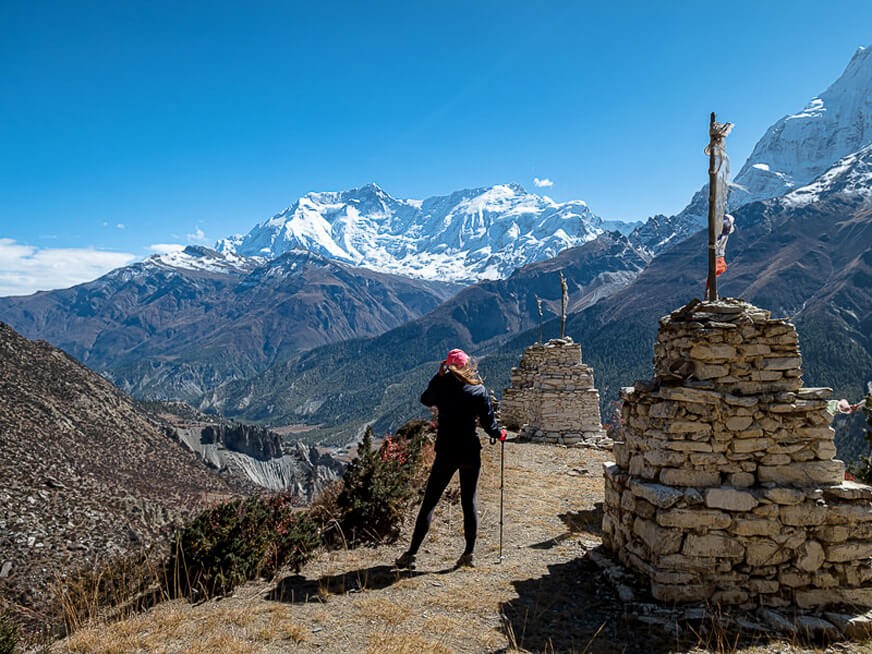
    tourist on the way to everest base camp with their gears

    The trek will test your endurance, patience and all round ability to adapt to the adventures that the trails present. You will be trekking for approximately 12 to 14 days and each day will be at least 13 – 15 km round trip. From climbing altitude sickness to travel at the right time of year, this guide is intended to provide you ideas on a few of the challenging but great things about the trip, and hopefully help your journey be a life changing experience along the way.

    Why Geared is for Everest Base Camp:

    One of the more popular trek destinations, Everest Base Camp offers plenty of trails with an assortment of travelers, wildlife lovers, travel photographers, and those who enjoy the travel ignite culture and transparency. It is a series of events that you will, hopefully, get to walk away bearing the weight of Mount Everest (8848.86 m) and view the tallest peaks of the Himalayas.

    1. A Physical and Mental Challenge

    The trek will test your endurance, patience and all round ability to adapt to the adventures that the trails present. You will be trekking for approximately 12 to 14 days and each day will be at least 13 – 15 km round trip. And each day you will hike farther and higher than the previous day while living off limited resources and in cold temperatures for at least 10 hours per day. This trek will take you out of your zone of comfort – but that is the fun of it!

    2. Amazing Natural Beauty

    Thick pine forests, frozen rivers, and wind-blown moraine at the base camp – each day of this trek will present you and your group with breathtaking views of the landscape. Each day of the trek you will have the opportunity to see the peaks of Ama Dablam, Lhotse, Nuptse, and Thamserku (and depending on your trek route) views of Everest peeking through at some point as well.

    3. Culture and Spiritual Heritage

    You will get to experience historic villages such as Namche Bazaar, Pangboche, and Tengboche – all villages that has become known for their incredible mountaineering characteristics and guardians of Buddhist culture and traditions. You will not only get to visit monasteries, spin prayer wheels, and walk around mani stones with Tibetan inscriptions and prayers.

    Best Time to Trek to Everest Base Camp

    The region is notorious for unpredictable weather patterns, therefore deciding on which season to travel has an important consideration in terms of if your trekking adventure will be successful or not.

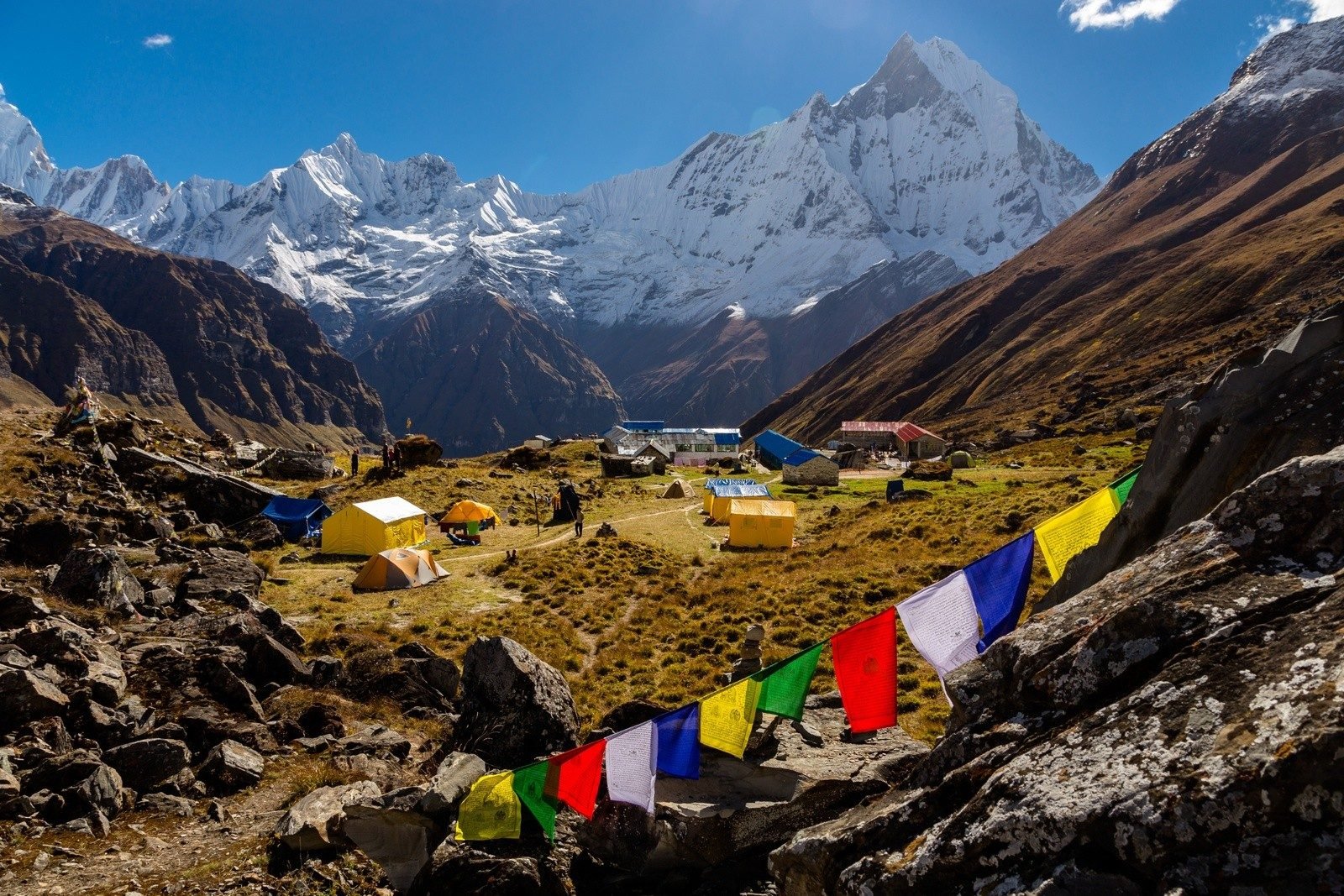
    Mountain views in EBC trek

    Spring (March – May):

    Spring is listed as one of the best trekking seasons of the year, and weather conditions are mild. During the daytime, the temperature will be a nice 10°C to 20°C at the lower altitudes. The lower altitude area you trek during the spring will have an explosion of colour, when the rhododendrons bloom. In general, you’ll usually have excellent visibility, which translates into lots of great picture taking opportunities and splendid mountain views.

    Autumn (September – November):

    The autumn season begins after the end of the monsoon. The autumn season has the weather conditions for trekking in best and clearest skies. Even if it might be a little chilly, you will enjoy the view of the mountains, which will be breath-taking! And the timing will be culturally relevant to be in Nepal as you will see some local cultural practices and immerse yourself in some local celebrations (Dashain and Tihar) that will surely enrich your experience.

    Winter (December – February):

    If you are thinking about trekking in the winter months, this can be a wonderful time of year to have a quieter trek you’ll encounter limited or no crowds. Depending on your trek and ascent that first day, social distancing it can snow enough to eliminate areas of your trek.

    Based on the possible elevation you will be walking, you can expect a few days where temperature will be below -20 °C.

    Monsoon Season (June to August):

    Monsoon season is the only season where most people can pretty successfully avoid since this is the muck and the rain, and visibility can be an issue. However, for those tired of winter, lower elevation areas like the lower Solu area are green and stunning.

    Fitness and Physical Preparation:

    Do I need to be Super Fit? No! The EBC trek is not technical and does not require any mountaineer experience, however some level of physical endurance and resilience is required.

    girls practicing fitness for trekking


    Overall moderate fitness is sufficient for 99% of the population, but if you pace yourself, and acclimatize a little more gradually you should be well.

    Cardiovascular Training: Running, brisk walking, swimming (also a great no-impact conditioning activity), and stationary cycling are all great ways to build up your endurance.

    Stair Climbing: Great to build up the legs and simulate mountain terrain.

    Hiking Practice: Go on trips in your local area, carrying a loaded backpack to replicate the real conditions on trail.

    Strength Training: Focused primarily on Legs (squats and lunges), your core (planks) and shoulders (this is particularly important for carrying a daypak).

    Flexibility: Add in some yoga or stretching. This will also help with the risk of injury.

    Altitude and Acclimatization

    On the trek to Everest Base Camp, you will go above 5,000m which will mean the oxygen levels will be at, or less than half, of what you would normally experience at sea-level. Acute mountain sickness (AMS) is serious and you should never ignore symptoms of AMS.

    Common symptoms of AMS:

    • a headache that won’t go away
    • nausea and/or vomiting
    • no appetite
    • your head feeling fuzzy or dizzy
      disturbed sleep

    Treatment and tips to prevent or lessen AMS:

    • Take it easy: your itinerary should have planned accommodation for rests and acclimatization days.
    • Hydration: drink 3-4 liters of water a day
    • Don’t drink alcohol! alcohol dehydrates you,
    • Know your limits: if you start to feel like you have AMS, you need to descend immediately.
    • Medications: medications such as Diamox will be helpful but always check with your doctor before using medications.

    There are two acclimatization stops, one being Namche Bazaar (3,440m) and Dingboche (4,410m). Those acclimatization stops ; during acclimatization in July, we will rest for two days then hike higher to acclimatize, we will want to sleep in Namche & Dingboche and hike lower alt

    Permits You Will Need

    If you are trekking to Everest Base Camp you will need to obtain the below listed permits:

    1. Khumbu Pasang Lhamu Rural Municipality Permit

    Cost: NPR 2000 – 2500

    Available to be picked up in either Lukla or Monjo

    2. Sagarmatha National Park Entrance Permit

    Costs: NPR 3000 (foreigners)

    Available to be picked up in Kathmandu or Monjo

    3. TIMS Card (This can be optional in some cases)

    TIMS (Trekkers’ Information Management System) will also help with safety tracking.

    Usually ruled out on package and guided treks in the Everest region.

    Don’t forget to provide your passport and copies for verification and check-points.**

    Guided Trek and Independent Trek

    Group photo at Phakding Before leaving for Namche Nazar
     

    Guided Trek:

    For beginners, or people who prefer a little less stress. Majority of packages tend to have:
    -Experienced guide
    -Porter ( Up to 15-20 kg)
    -Accommodation
    -Permits and domestic flights

    You can benefit from local knowledge, language, and cultural education. Guides also can spot early signs of AMS and help in emergencies on the trail.

    Independent Trekking:

    This route requires more planning on your part for routes, lodges and permits.

    More affordable on budget but more risk if you are inexperienced.

    There is a new permit regulation in Nepal (2023 on) in which solo trekkers are required to hire a guide in instances throughout the trekking area, including the whole of Everest.

    Everest Base Camp Trek Packing List

    You’re probably going to be on the lighter side of packing! Expect to go through weather that includes snow and/or rain, and/or high winds. Unless you do some/all of the trek with a porter, you will carry your own gear.
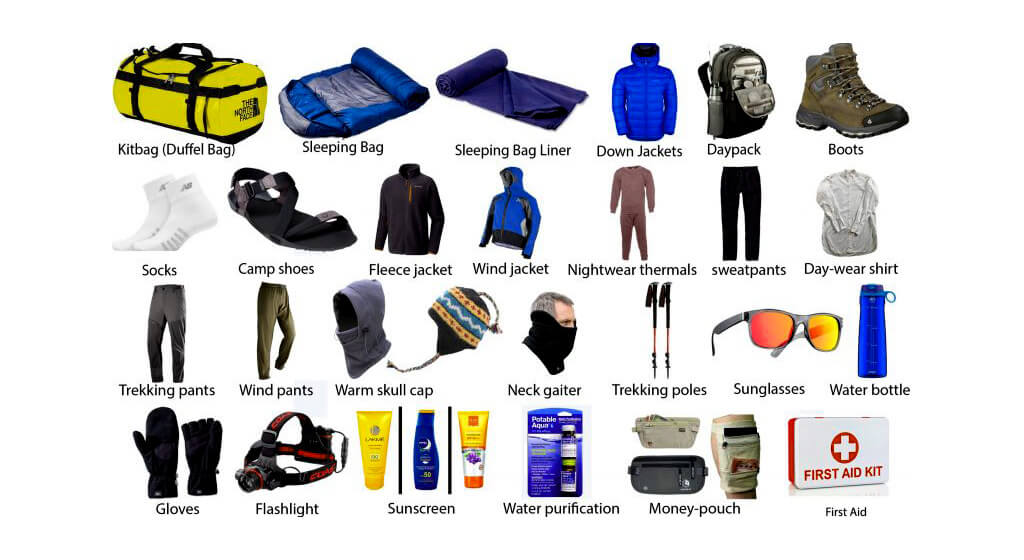
    EBC gear list Equipment

    The list below is a general list to help with your packing.

    Clothing

    • Base-layers ( tops and bottoms, thermal)
    • Mid-layer insulation (fleece)
    • Down or synthetic puffy
    • Waterproof shell and/or windbreak shell
    • Trekking pants ( 2 pair)
    • Gloves (inner and outer)
    • Warm hat and sun hat
    • Hiking socks (4-5 pair)
    • Gaiters (for snow/mud optional)

    Equipment

    • Hiking boots (waterproof but broken in; not new)
    • Sleeping bag( -10 Celsius rated or less)
    • Trekking poles
    • Daypack – ( 25-35 litre)
    • Hydration system(bottles/ bladder)
    • Headlamp
    • Sunglasses (UV protection)

    Miscellaneous

    • Sunscreen (SPF 30+)
    • SPF lip balm
    • Bathroom kit and personal items
    • Quick drying light towel
    • Snacks while trekking ( energy bars , nuts)
    • Power bank to recharge
    • Basic first aid kit
    • Photocopy of you passport, permits and travel insurance.

    Sample Itinerary: 12–14 Days

    Here’s a popular itinerary:

    Day 1: Fly to Lukla (2,840m), trek to Phakding (2,610m)

    Your adventure begins as you board the flight from Kathmandu to Lukla – the most iconic mountain airport in the world – and you’re off on the plane on the golden sky runway. The trek from Lukla starts with lots of downhill walking to Phakding village, the first day is mostly a ease into down hill so your body slowly understands the mountain environment.

    Day 2: Trek to Namche Bazaar (3,440m)

    To day’s ascent will be fairly gradual, with some significant elevation, as you start to climb up through the Rhododendron forests and crossing suspension bridges, as well as continuing to hurry forward because you are now finally on the trail you may feel like you have gone back in time to the capital market cities that are alive with vibrant markets, restaurants and pubs, and full of trekkers. The trek to Namche Bazaar is well received by hikers, and will be the overnight acclimatization point and for that most trekkers will acclimatize here, before their onward journey up the Khumbu.

    Day 3: Acclimatization day (hike to Everest View Hotel or Khumjung)

    Rest and acclimatize with a short hike to Everest View Hotel, or the traditional village Khumjung. While you will climb some relatively steep elevation again to assist with acclimatization, the critical highlight will be the view of the vast mountain range that surrounds you with the magnificent Everest and her neighboring giants. This trek is probably the most scenic of the trek.

    mountain view and board to show the way to EBC

    Day 4: Trek to Tengboche (3860m)

    The trail gets steeper as we go through forests and fields toward Tengboche that is famous for its monastery. Tengboche has a strong spiritual energy to it and the views at this location are unbelievable with Everest and Ama Dablam and the other surrounding peaks. Again, if you want to immerse yourself into culture, I can see this as a great spot to have some quiet time and reflection.

    Day 5: Trek to Dingboche (4410m)

    The trek through dry valleys to Dingboche is different with many stone bridges to cross. By this stage you can see the difference in how high we have gone as well, this scenery is rugged with dry valleys. Dingboche is a good break in the climb, you will feel like you are in a higher mountain region and should be getting the feel of acclimatizing to the high mountains.

    Day 6: Acclimatization hike to Nagarjun Hill (5100m)

    The hike up to Nagarjun Hill, should be a good, hard day in which you will all be aided in the acclimatization. The views are worth the effort, it is amazing to see the mountains and to see the glaciers, and the overall surrounding area. On return to Dingboche, you will have time to rest and recover before we build back up with our next elevation after the mellow namche place.

    Day 7: Trek to Lobuche (4,940m)

    The trek over rocky pathways and glacial moraines, crossing mountain terrain, will lead you to Lobuche, with desolation in stark face and the peaks signalling your arrival to Everest. The lodges here aren‘t much but they are livable, and you will be glad for them, as you will be resting for the climb ahead.

    Day 8: Trek to Gorak Shep, hike to Everest Base Camp (5,364m)

    You will walk to Gorak Shep, having the last conveniences before heading to Everest Base Camp and the most famous Base Camp. You will get an excitement standing at the base of Everest, and the peaks and glaciers will make the thrill more. After quite a bit of exploring you return to Gorak Shep for an over night.
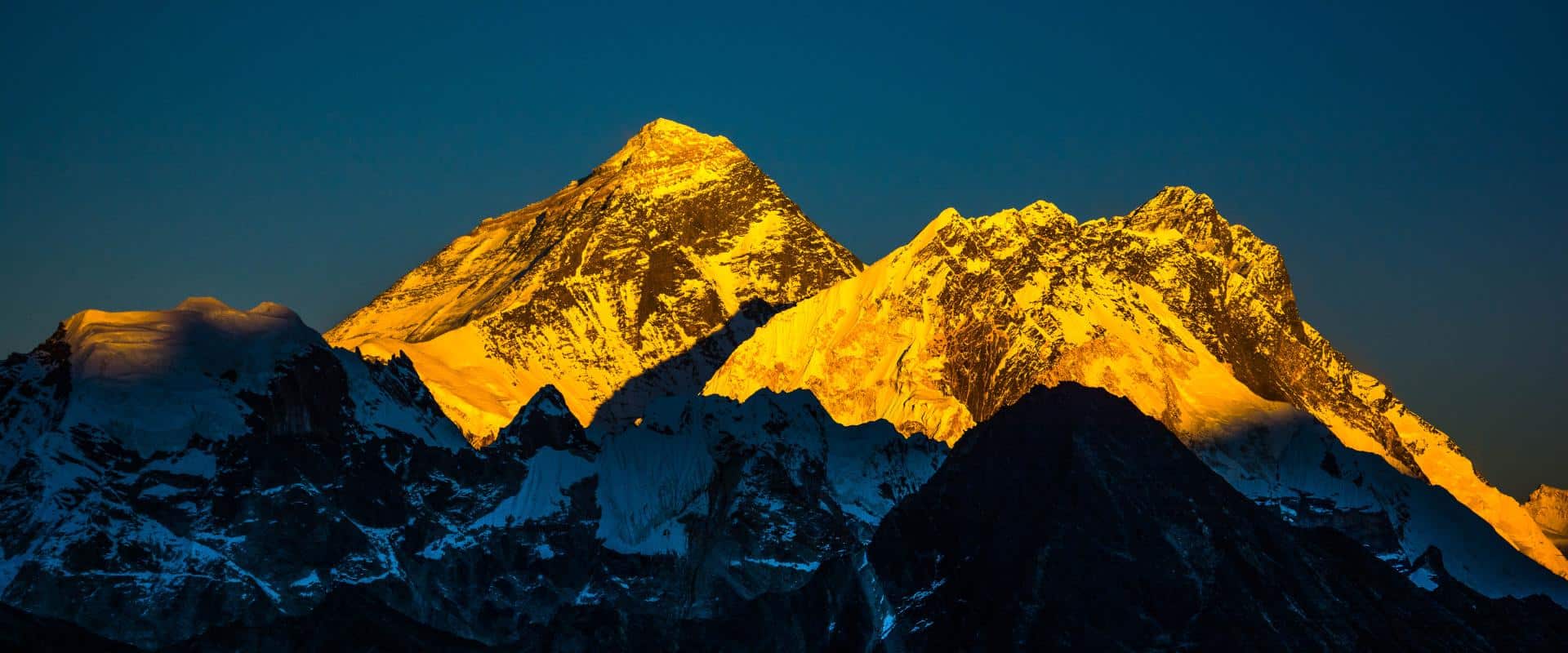
    view of mountain from everest base camp

    Day 9: Climb Kala Patthar (5,545m), descend to Pheriche

    Climb to Kala Patthar (5,544 m) and descend to Pheriche.
    The early morning climb of Kala Patthar, has the best panorama for the sun rise that includes Everest and the Himalaya.  So absorb the view and the experience and after the full and tiring day walk you descend to a lower altitude for the night in Pheriche village, where it will be time to rest and recovery. This day is a mixture of sightseeing and recovery.

    Days 10-12: Return to Lukla

    The return journey is the same trail down hill from Namche bazaar and Phakding back to Lukla.The descent is much quicker (but don’t get complacent because your legs are tired). The return gives you an opportunity to reflect on your trek over the last few days as well as experience the changes of the landscape while descending.

    Day 13: Fly back to Kathmandu

    The flight back to Kathmandu offers some great views of the mountains as you descend back into the city completing your trek. There is also a possibility of having lots of fun in this lively atmosphere to celebrate and commemorate your trek. This would also be a great opportunity for you to do some sightseeing or resting after a long trek.

    Accommodation and Food

    You’ll stay in teahouses, which are basic mountain lodges. Expect:
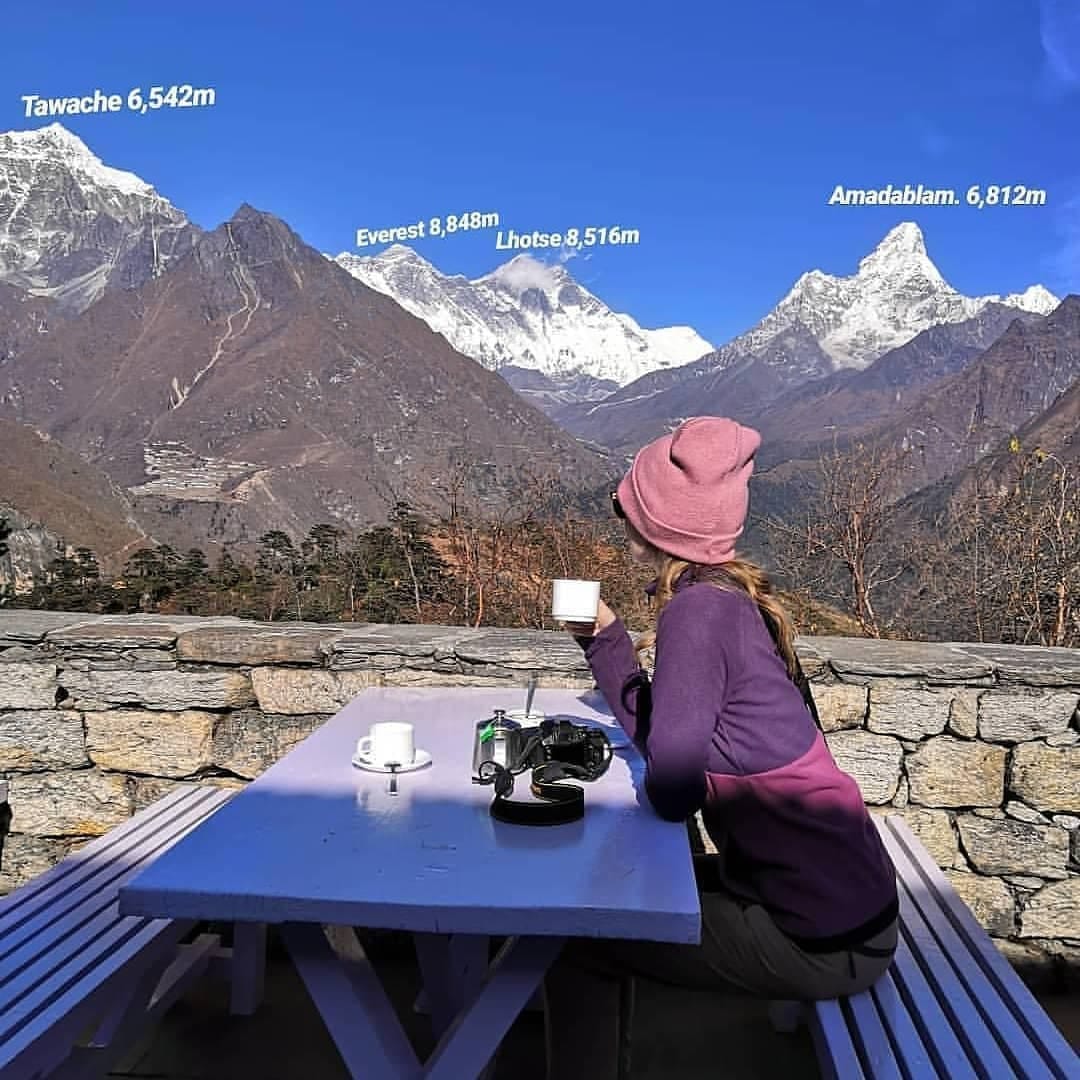
    Coffee at Everest View hotel with the view of Everest. Lhotse, nuptse & surrounding himalayas


    Accommodation

    It will be teahouse accommodation provided on the Everest Base Camp trek, that is a basic mountain lodge, managed by a local family. The lodges will generally include twin-share rooms with thin mattresses and basic bedding. The rooms are quite basic, and heating is generally absent so a sleeping bag is essential. The facilities are variable in terms of conditions in accordance to the location. Higher up you go, less comfortable and more basic the lodge will be.

    Toilet Facilities

    There will be toilet facilities, normally shared toilets; you may see squat toilets or western toilets depend on the location. Hot water is often limited or may be an extra charge especially at the higher altitude. Some lodges will provide solar showers, while others will use a gas heating systems. It would be wise to carry biodegradable toilet paper and hand sanitizer as they may be hard to come by. Hygiene standards can also highly variable so being prepare will create less discomfort.

    Like many teahouses across the Himalayas, all teahouses have a communal dining space. Trekkers will come to areas where they will sit, and possibly spend their evenings, in communal dining spaces featuring either wood-based or yak-dung based stoves to provide heat to the room, or just general warmth in the cold evenings or high altitude trekkers. Such warmth in the dining areas of teahouses create intimate parts of a trek, which can help facilitate reminiscence of the trek; shared experiences; friendship; and warmth by the fire place. However, in some places where trekking is done at a high altitude, heating may not always be available, and wearing warm clothing in the evening may be important. The dining or communal areas in teahouses typically have WiFi, so this is an area of social, food service and most insulated service.

    tourist looking on scenery view on everest base camp

    Food

    The most common and staple food on the trail is generally called Dal Bhat; a mixture of steamed rice, lentil soup or dhal, and vegetable curry. This food source is nutritionally low-energy and protein efficient. Other common foods include noodle dishes, fried rice, porridge, egg dishes (like omelets or any kind of fried egg), basic soup, and everything else variants of these. Much of the food on the trail is vegetarian; although some teahouse owners will accompany lentils and rice with meat when meat is available. Food is generally prepared freshly every day, and it is recommended to have an open mind, be culturally appropriate, and that trekkers should think about food as simple and hearty, not gourmet. Snacks through things like energy bars usually add a little more fuel.

    Costs and Extras

    Prices for lodging and meals tend to go up with altitude because of the difficulty associated with moving goods uphill. Wi-Fi, hot showers, the ability to charge your devices, etc. are all things you most likely will have to pay for, which can range from a few hundred if you’re lucky, to over a thousand Nepalese rupees. Carrying enough cash is important as the likelihood of digital payments is lower the higher you go past Namche Bazaar. It is a good idea to budget for these extras to have an enjoyable trekking experience.

    Connectivity and Electricity

    Electricity is available in most villages, but you’ll have to pay anywhere from NPR 200–500 to charge your devices.
    Some teahouses have Wi-Fi, but expect it to be slow. You can purchase Everest Link cards in some shops.
    SIM Cards: Ncell has the best coverage in the Khumbu, but expect spotty service.

    Travel Insurance: Essential!

    Always have travel insurance that includes high altitude travel. Your travel insurance needs to include:

    Coverage to 6,000m elevation

    Most standard travel insurance policies exclude high altitude trekking so be sure your plan has coverage that specifies elevations to at least 6,000 meters. Mount Everest Base Camp sits at an elevation of 5,364m but there are side hikes like Kala Patthar that go up even higher. You want to make sure you have this clause otherwise any potential claim related to altitude travel will likely be denied. Read the policy before you buy.

    tourist on Everest Base Camp Trek

    Emergency helicopter evacuation.

    In case of altitudes sickness, injury, or severe illness, helicopter evacuation may be the quickest way to get down from the mountain. In these situations, helicopter evacuation may also be the only way to get down from the mountain safely. Emergency helicopter flights can start at several thousand dollars and, if you are uninsured, must be paid in advance before they will fly you off the mountain. If you have the correct insurance, it can ensure you are quickly taken to a hospital without worrying about the financial burden. It is an absolute must for travels in the Himalayas.

    Medical costs

    You will encounter health threats with trekking in remote areas, whether they are altitude, food-, or injury-related. Your insurance should provide coverage for a hospital stay, doctors, medication, and any treatment required in Nepal and back home when back home. Even a minimum level of treatment could turn into a hefty bill if you are without insurance. Ensure they cover emergency medical treatment without limitations.

    Trip interruption/delay

    It’s very common with flights to and from Lukla that they are delayed and/or cancelled due to bad weather when traveling to Lukla. You could get stuck in Lukla for days! Travel insurance that covers interruption/ delay provides you with the ability to claim extra costs incurred (due to lodging, meals, and connections missed). It also covers if your trek ends sooner than planned due to unexpected illness or emergencies. In this case, this insurance offers you the peace of mind in knowing your investment made for the trip is not a complete loss.

    Baggage loss

    It’s unfortunate to lose your bags; such as your checked luggage, trekking gear, or your important travel documents, as it can derail your plans. Insurance that covers baggage loss or theft can help you negate the fact you have to replace the essentials you lost like boots, jackets, sleeping bags; and in Kathmandu you can do that. Most baggage insurance policies also cover delayed baggage, and that’s a good deal because you can buy the temporary replacements, for example, it’s possible to travel with rental gear in Nepal – which is one way to reduce your overall pack weight. If you are being informed that your bags – and travel itinerary is delayed, be sure to file a report with the airline or lodge.

    Respect Local Culture

    While trekking in the Khumbu area, it is important that you observe culture and Buddhism. When greeting people you will say”Namaste” and slightly bow your head, as this is a culturally appropriate way to show you respect. You will go around stupas, chortens, and mani walls in the clockwise direction. You will be asked to take off your shoes when entering a monastery, or local home. Full consent to take photographs of a person or monk and photographs during a religious event is always preferred in order to be respectful. All of this shows cultural sensibility and consideration for local customs.
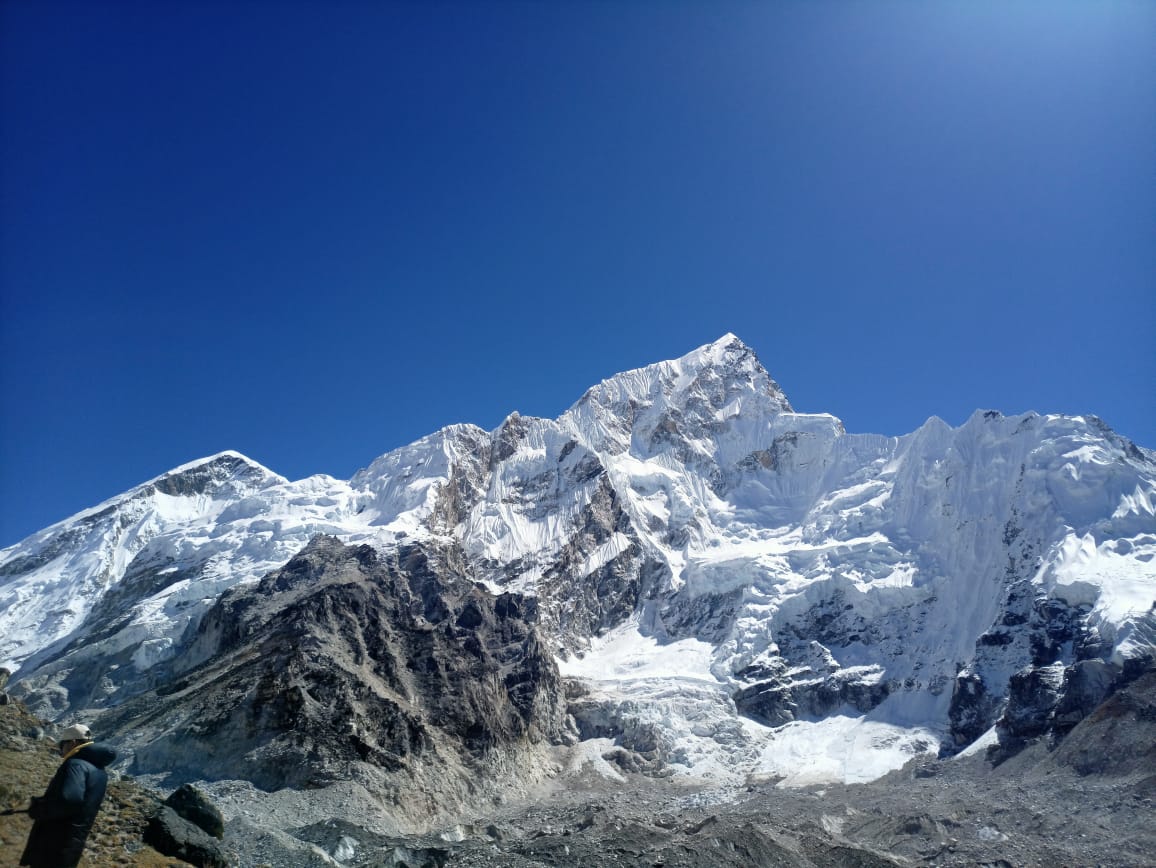
    mountain view from khumbhu

    Final Tips Before You Go

    Book flights to Lukla

    In advance, especially if everyone is traveling during the busy seasons. Lukla is one of the busiest mountain airports in Nepal, and flights fill quickly during the spring and autumn draw the biggest crowds. I recommend booking early (to a guarantee your travel dates). It is also not uncommon for flights to be delayed or canceled, so be ready to confirm your tickets in advance.

    Bring some Nepali rupees

    there are no ATMs after Namche Bazaar. Once you leave Namche, there are no working ATMs or banking services along the trek so every expense (tea-houses, food, Wi-Fi, charging, etc.) must be paid in cash. Bring enough Nepali rupees to cover your trek and extras, as well.

    Have a plan for flex time in case one of the trips is disrupted.

    All of the flights to and from Lukla are totally dependent on weather and weather can change in moments. Many trekkers find themselves with unplanned delays in Lukla (or Kathmandu) so build in 1-2 extra buffer days into your trip – just so you don’t risk missing an international flight or other important plans.

    Get in the mindset of “slow and steady.”

    This is not a race and speeding things up could present dangers.
    If you speed things up you could get altitude sickness which could be more severe and life threatening. If your trip itinerary has acclimatisation days built into your plan please stick to and take it seriously.

    Be flexible and open

    Your plan may change depending on the weather, your body or the trail.
    There could be unexpected snow, illness or the trail conditions may result in a change in timelines. Being flexible and having a positive mindset will serve you well on the mountain. Remember getting to base camp is the journey but remember to appreciate every moment along the journey!

    Conclusion

    The Everest Base Camp trek combines challenge, beauty, and spirituality, which produce a never-before experienced, unique adventure. It is easy to experience the trek as a box-ticking endeavor, it is so much more than a box-ticking exercise. It’s about connecting at a deeper level to this natural world, to yourself, and to the people you will encounter along the way, in the Himalayas. If you prepare properly and have the right mindset, you will return to your home refreshed, humbled, and with a pack full of stories to share for the rest of your life. Contact us today at Happy Mountain Nepal, on Facebook, Instagram, or TikTok.

  • Exploring Mustang: A Journey to the Forbidden Kingdom

    Exploring Mustang: A Journey to the Forbidden Kingdom

    Exploring Mustang: A Journey to the Forbidden Kingdom

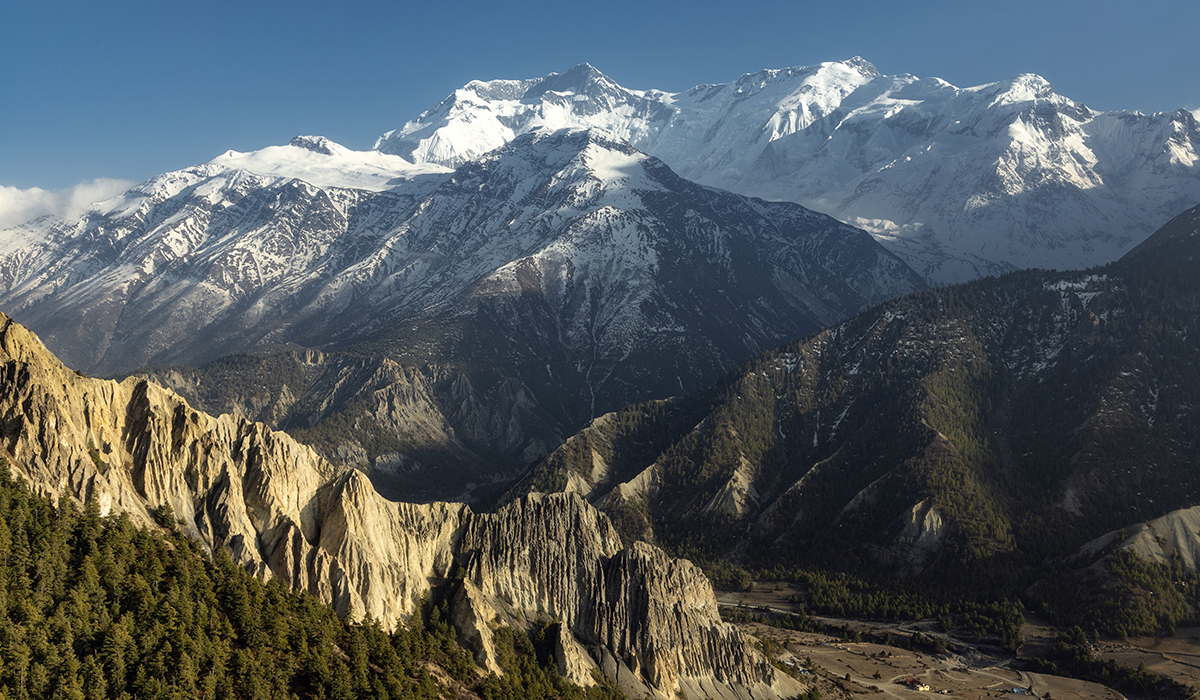
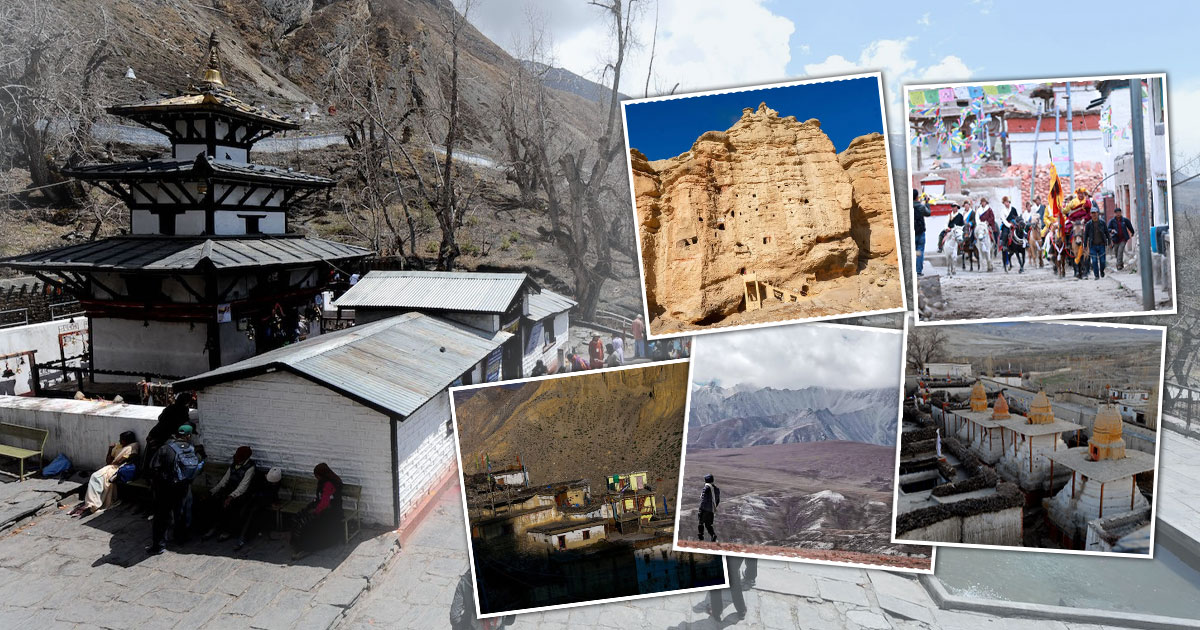
    Mustang is a land of extremes and spiritual curiosities, situated in the trans-Himalayas of Nepal. Surrounded by the Annapurna and Dhaulagiri ranges, it is situated inside a natural rain shadow, with a raging high-altitude desert, much less verdant and lush than other trekking trails in the Himalayas, such as the Everest region or Langtang Valley. The distinct landscape and location has led some to call Mustang the “Last Forbidden Kingdom,” as it was restricted from the outside world for centuries (with the exception of the more recent ‘restricted area’ period after the mid-1900s) and the cultural system exists more like Tibet than Nepal in its ability to exist for a long time without much outside influence.

    Villages hidden in terraced fields


    Mustang’s beauty goes beyond it forbidding geography, it is really the stories woven into the red cliffs, riddled caves, and windswept monasteries. From cave complexes ripe with intrigue like Chhoser, to the stately Lo Manthang (the old Royal city of Lo), everywhere has an atmosphere that felt like it was signaling something of a once living and vibrant Himalayan kingdom that flourished. Ultimately, it is only just now really starting to offer some limited access but still feels completely private and serves as a sacred sanctuary. If you are in search of depth of spirituality and cultural exploration, or stark surreal landscapes which might look as though they were ripped from another planet, Mustang presents a journey to feed both the psyche and the senses.

    Where Is Mustang and Why Is It Called the Forbidden Kingdom?

    Mustang is located in the north-central region of Nepal, situated between the Tibetan Plateau and the Annapurna range. Its long border with Tibet represents a historical trading route between Nepal and the Chinese interior. Culturally and geographically, Mustang feels like an extension of Tibet; with arid canyons, prayer-flag adorned passes, and 100-year-old moanasteries, Mustang is a carbon copy of Tibet.

    In terms of exploring Mustang, the region is broken into two parts:

    • The lower Mustang region, including Jomsom, Kagbeni and Muktinath, is relatively easy to reach and open to all foreign tourists.
    • Upper Mustang, on the other hand is a restricted zone that requires a special permit (USD $500 for 10 days) and a registered guide in order to visit-. These restrictions help to protect the fragile culture and landscape from mass tourism.

    Mustang has often referred to as the “Forbidden Kingdom”. This comes from its unique history. Until 1992 Upper Mustang was completely closed to foreigners due to its strategic real estate bordering Tibet and due to its previous place as an independent kingdom. Even after Nepal acquired to region, horse travel was only possible into Mustang as a de facto monarchy, and didn’t lose the symbolic status of a monarchy until the early 2000s.

    How to Get to Mustang?

    Arriving in Mustang is an experience in its own right with two primary routes: through the air or by road. Each option has a distinct experience, pros and cons, so evaluate your options based on travel style, budget, time and where you are traveling to in Mustang (Lower or Upper Mustang).

    1. Fly from Pokhara to Jomsom (via flight + trek/drive).

    If you want a quick way into Mustang and want to take the most common approach, you will fly from Pokhara to Jomsom. You have direct flights from Pokhara with an approximate flying time of 20-25 minutes. The flying route will take you over the top of the beautiful Kali Gandaki Gorge and you will be able to see the Annapurna and Dhaulagiri ranges from the air! You will have arrived in a very Mustang-style landscape when you touch down on the extremely windy tarmac at Jomsom (2,720m)—the administrative and transportation centre of Lower Mustang.

    cycling on the way to Upper Mustang

    Two options, hiking, or driving

    • Hiking: Your options are to hike toward Kagbeni, Muktinath, or north to Upper Mustang. Although not all these trails are historical trade routes, you will always be walking on historic trade routes looking at villages with a majority Thakali and Tibetan influence.
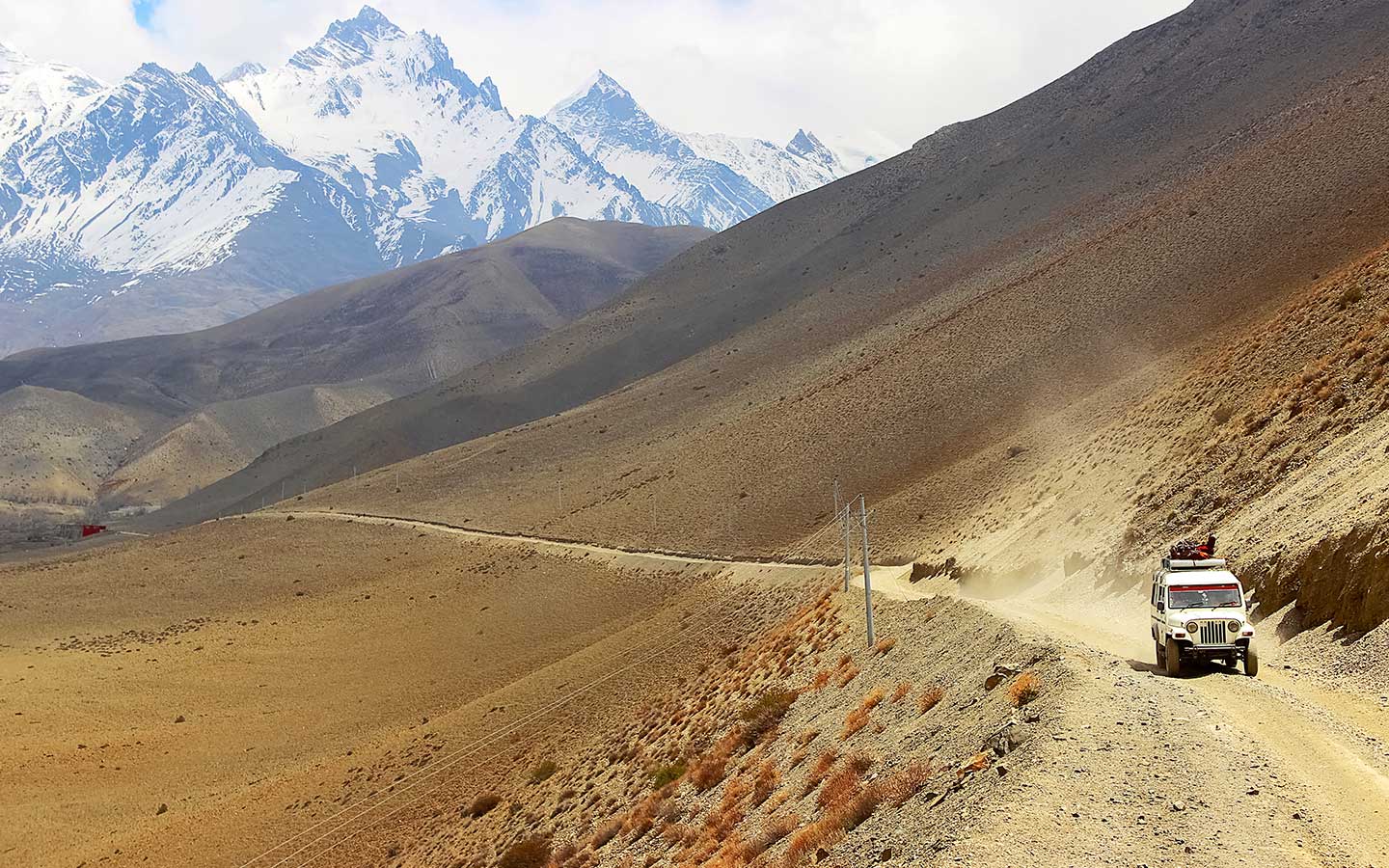
    • Driving: If you are short on time, or would prefer to save your energy, you can also hire a 4WD jeep in Jomsom to take you to Lo Manthang or any other destination (some will think there is merit in spending your time in a bumpy and dusty jeep ride if the end result is seeing stunning vistas of beautiful deep valleys, colors-cliffs and windswept plateaus).
    • Mixture: A lot of trekkers walk half the way to their destination, then hire a jeep for the return trip to Jomsom, saving precious time and experiencing both mediums.

    Note: Flights to Jomsom have a dependency on the weather, more specifically if flying early morning, the pilot has a dependency on high winds and/or visibility conditions in the Mountains, which frequently can result in delays/cancellations.

    2) Overland Route – from Pokhara to Mustang (By bus/jeep)

    For those that prefer a road trip, or may want to avoid the worry of flight delays, then taking the overland route from Pokhara to Mustang via Beni is a scenic and becoming popular way of travel. An overland trip offers the chance to witness the gradual transition from lush, green hillsides to the dry highlands of Mustang; a complete change in landscape and culture.

    gip on the way to mustang

    The general route is as follows and generally will take;

    Time it will take: Pokhara → Beni (approx. 3-4 hours)

    Beni → Tatopani → Ghasa → Jomsom → Kagbeni → Lo Manthang (2 to 3 days depending upon your pace and time of stops).

    Things to Consider During Your Journey by Road:

    • Road Conditions – Some is partly blacktopped and partly rough going! There are rougher sections in between Ghasa and Kagbeni. A 4WD car is essential.
    • Scenic Stops – There will be waterfalls, cliffside villages, suspension bridges, apple orchards in Marpha, and the Kali Gandaki gorge is the deepest in the world, so these are just a few places you’ll experience.
    • Altitude Gain – Since the road gradually ascends, this option is better for your body to adjust to altitude than just a direct flight into Jomsom without adjustment.

    Note – The overland journey is an experience in itself and gives you the feel of getting to Jomsom, but it can be tiring and dusty! Please wear a proper dust mask and have proper travel insurance.

    Best Time to Visit Mustang: A Month-by-Month Insight

    Mustang is among the few areas in Nepal that can be visited at any time of the year due to its special location in the rain shadow of the Himalayas. The monsoon rains that affect most of Nepal from June to August, do not reach Mustang where it stays dry, sunny and accessible.

    Spring (March to May) – Colourful Landscapes, Clear Mountains

    Spring is the peak season in Mustang, snow is melting, spring is warming the region, and rejuvenating life is returning to the region.

    Weather: Mild Temperatures. The average day time temperatures in Lower Mustang for example it will be around 12°C to 20°C.

    Scenery: In Lower Mustang the Rhododendrons start blooming and Upper Mustang sees its trails slowly reopen as the snow melts.

    Trekking Conditions: The visibility conditions being good and clear skies with moderate winds took it all to an ideal situation for long treks.
    Bonus: Less people than autumn, local villages will have started some agriculture, which will add another cultural experience to the trip.

    Summer/Monsoon (June – August) – The Secret Monsoon Trek:

    For the majority of Himalayan Nepal, monsoon means rain and rain that ruins your day, but because Mustang is in the trans-Himalayan region – it is both dry and sunny!
    – Weather: generally dry and windy; daytime temperature range of about 15 to 25 degrees centigrade.
    – Trekking Conditions: Although in Upper Mustang conditions are still fantastic; the trails will still be negotiable, they do not get too wet and it usually does not rain enough to create muddy conditions because of intermittent light showers.

    The one unique benefit: this is the best season for trekking in Upper Mustang to suit travelers who would like to avoid busier travelled routes.

    Culture Experience and Tourism: The Tiji Festival (a festival of colour and participation through a half day parade in Lo Manthang) is a highlight for culture tourism in general in May or June.

    Autumn (September to November) – High season for trekking

    Autumn is generally the best time overall for trekkers and others (somewhat) cultural observers to visit Mustang.

    Weather: In general mild and dry, daytime temperature will sit between 10°c and 20°c (Upper Mustang), nights will be cooler by at least 5 degrees!

    Views: All the beautiful mountain views, amazing golden fields, and opportunities for photos.

    Trekking Conditions: Generally good weather with little chance of altitude sickness because of good acclimatization routes in Upper Mustang (more properly phased).

    Disadvantage: Most popular time for trekkers, particularly in Lower Mustang, and would need to book very early for accommodation.

    Winter (December-February) – Quiet but not easy

    Winter brings snow and bitter cold to Mustang, particularly Upper Mustang (seasonal migrants are generally deciding to head down to lower altitudes).

    Weather: Freezing temperatures, particularly in Upper Mustang (temperatures frequently at night are -10°c or below).

    Access: Road may be block by snow and wind and flights could be cancel.

    Trekking: Trekking is not advisable in Upper Mustang as it is difficult access, trekking Lower Mustang (Jomsom–Muktinath) could be trek if you had the right kit.

    Experience: Off season is quiet with very quiet surrounding but should only be done by trekkers having experience or by adventure tourists.

    Major Attractions in Mustang

    1. Lo Manthang: The Walled Capital

    As a significant cultural center of the former Kingdom of Mustang (and still is), Lo Manthang is the historical capital of the area. Lo Manthang is a medieval city which is walled with mud making it a living monument to Tibetan Buddhism and culture. In the narrow lanes you will also come across some interesting and ancient monasteries which include Thubchen Gompa and the Jampa Lhakhang which have ancient stories to share. They lay claim to shocked moms and the ancient art of murals and thangkas. You will also visit the Royal Palace and haven where the Mustang king use to reign, it will be a bittersweet reminder of a vibrant past and spirit of the region.

    city view of Lo Manthang

    The presence of modern connections influences this medieval city though Lo Manthang has its own sense of time. Local people still wear their traditional attire and carry out their daily rituals that they witnessed as children. This quiet and ancient city catapults you back to an ancient time that has remained indifferent of modernity and reliability the relaxed feeling of positive spiritual energy, monarchy heritage and Himalayan mystical circumstances – harmoniously drawn together.

    2. Chhoser Caves: Mysterious Cliff Dwellings

    The awe-inspiring Chhoser Cave Complex, or the Sky Caves of Nepal, is just a short jaunt north of Lo Manthang. Archaeologists presume these cave were used for meditation, storage, burial, farm use or the permanent residence of humans thousands of years ago. The multi-chambered caves and narrow staircases provide a chilling insight of some of the ways ancient Himalayan civilizations performed spiritual tasks to sustain their existence.

    Mustang's chhoser monastry

    As astonishing as the Chhoser Cave Complex is, it is an experience made even more spectacular in it’s size and complexity while carved into wind-shredded high desert geological area. Guides usually provide their own myths based on their ancestral stories unique to the region, and as a definitely solo traveler and hiker in Upper Mustang (kind of equally excited and terrified) you get to sense their stories too. Without question the Chhoser caves are a highlight for any hiker or history lover.

    3. Kagbeni: Gateway to Upper Mustang

    Kagbeni is a little village at the junction of the Kali Gandaki and Jhong rivers and the official entry point to Upper Mustang. With a dry and rugged environment of itself, there are many short-hike options that present views of the classic Nilgiri and also the well-known Dhaulagiri.

    Kagbeni village & Mt. Nilgiri in the Back ground in mansoon season.
    Nilgiri from Kagbeni

    Kagbeni is not only quaint or beautiful, it also has historical and religious meaning. In addition, Kagbeni, as a stop along the salt route from Tibet through Nepal would still be a rest stop for spiritual pilgrims from all over, in paying homage along the way to Muktinath Temple.

    4. Muktinath Temple: Sacred Pilgrimage Site

    Muktinath is one of the holiest pilgrimage places in the world, for both Hindus and Buddhists; at an altitude of 3,800 meters, it holds an aura of liberation and spiritual purification. Hindus believe that bathing in the temple’s 108 water spouts will cleanse or purify the soul, and be completely free of all sins. The temple itself is quite simple, but the amount of spirituality described is incredibly strong. The eternal flame is of particular awe; having burned for over five hundred years.

    mukinath temple view and mustang monastries and villages in the side

    The extreme altitude and inaccessibility of Muktinath gives a dreamlike quality to the site. In this place among snow-capped peaks, with prayer flags flapping in the wind, the temple marks an important line between earth and sky. Access to Muktinath serves as a genuine adventure for pilgrims and trekkers. Visitors are just likely as lure by the beauty of the place as they are render to experience the spiritually significant. Muktinath offers a beautiful atmosphere of inviting calmness, and a sense of transcendence.

    5. Tiji Festival: A Celebration of Tibetan Buddhism

    For locals, experiencing Tiji in Mustang during three days of celebrations every year is not just an amazing experience – however it is – it is understanding their own deeply spiritual identity, along with their peoples’ unique spirit and tenacity! Unfortunately, going to Tiji is not like going to a Tiji festival itself, although it is similar in some aspects. Understanding Tiji is probably worth it for the experience alone. Arriving in Mustang during Tiji time is a once-in-a-lifetime experience in this world; where one of the very few places in the world continues to purport a living, Tibetan-Buddhist cultural formalism.

    local celebrating tiji festivals by dancing

    Tiji fosters a celebration of community, heritage and belief with a picturesque, dramatic Himalayan background while electric excitement will be felt in the atmosphere at Tiji! Dreaming of the moment of exciting, drum beats echoing the length of the city; chants by monks, and the local adorned people dancing in traditional dress – for me – Tiji is considerably enjoyable for a tourist visiting Mustang.

    Why Mustang Feels Like Another World

    1. Desert Meets Himalayas

    The geology of Mustang was a magnificent contrast to the lush productive green hills of much of Nepal. Eventually we began to climb out of the green hills of the Kaligandaki, and an uncountable area of high desert unfolded before us. What were saw along our journey onto the Mustang were curving cliffs carved by wind, ochre-colored canyons, and dry, dusty plains. Far off where the snow-covered high peaks of Nilgiri, Dhaulagiri, and Annapurna formed a semi-staged backdrop evoking a cinematic tableau of desert meeting mountain. The raw dry landforms, and the bright blue sky bounding this unique valley made us feel as if we had just launched ourselves into the Martian landscape of another planet – and we were still in the Himalaya.

    The geological landscape also contributes to the experience of travel. The trails took us past dry river beds, stone-walled villages, claw-colored cliffs with rock caves from ancient civilizations, and the natural curiosities like the Chhoser Sky Caves, and the red cliffs of Dhakumar, were entirely alien, stunning, and mysterious.

    chooser cave and desert style high hill in background

    2. Tibetan Culture and Heritage

    Mustang seems to be a well-preserved remnant of old Tibet. Due to its geographic proximity to the Tibetan Plateau, and continued isolation from the rest of Nepal, the inhabitants of Mustang have been able to maintain their Tibetan Buddhist cultural practices, (language, art, and rituals), for many centuries. You will see it plainly in their appropriately flat-roofed stone housing, chortens (stupas), and colourful, intricately painted monasteries. You experience it in colourful spiritual prayers from monks chanting, prayer wheels spinning, and the smell of butter lamps burning in ancient, echoing Gompas (monasteries). All together, it captures the feel and spirit of this incredible place.

    You will see this cultural significance in places such to the holy Thubchen Monastery in Lo Manthang to the exhilarating Tiji Festival, and the sacred Muktinath Temple; a place where Tibetan Buddhism and Hinduism coexist in an especially harmonious union. Even smaller settlements like Tsarang, and Ghami are monumental representations rich with murals, scriptures, and heritage from centuries ago. A visit to Mustang is far greater than merely an adventure trek with interesting landscapes: it is a purposive cultural pilgrimage to place where old Tibetan traditions and hashtags, exist without exterior influences, and where they are alive and thriving.

    Permits and Entry Requirements

    To visit Upper Mustang, you need:

    Restricted Area Permit (RAP): USD $500 for the first 10 days, USD $50 for each subsequent day

    Annapurna Conservation Area Permit (ACAP): NPR 3,000

    TIMS Card: Needed for most trekking. Please check what is current.

    Mustang is a restricted area; you must trek with a registered guide, and have at least two travelers, not including guide/porters.

    Tips for your Mustang trip

    pictureque image of upper_mustang_trekking desert

    Acclimatize – while not extremely high (up to 3,800m) it is still recommended that you monitor your altitude.

    Dress in layers – Mustang is windy and dry, so daytime temperatures can be warm, while at night temperatures can become cold.

    Bring cash – There are very few ATMs, and only in the very bottom of Upper Mustang.

    Be mindful of the local population – ask permission before you take photos of people, observe modesty standards for clothing, and learn the basic etiquette around Buddhism in monasteries.

    Travel sustainably – Mustang is fragile in terms of the environment. Try to limit your plastic waste, and support local/regional businesses.

    Conclusion: Why You Should Explore Mustang Now

    Mustang, a place of myth, history, and wilderness. There, surreal landscapes and unspoiled Tibetan culture mix with profound spirituality. It will almost certainly change with modernization in Nepal, so travel now while you can still see this nearly-hidden expression of the Himalayas. If you are planning to visit Nepal then contact us today at Happy Mountain Nepal, Facebook, Instagram, or TikTok. 
     

  • Festivals in Nepal: When to Visit for Cultural Experiences

    Festivals in Nepal: When to Visit for Cultural Experiences

     Festivals in Nepal: When to Visit for Cultural Experiences

    Nepal is a wonderfully diverse country with authentic traditions, and spiritual vitality that permeates the entire country, but it is also a country with hundreds of vibrant festivals that illustrate the spiritual and cultural diversity of Nepal. Between energetic forms of ancient Hindu worship and similarly energetic celebrations of the return of buddahood in Tibetan Buddhism, there is something wildly something going on every month of the year in Nepal. Therefore the best way to identify your next travels is to base your trip around the main festivals within Nepal. Thus, the best way to identify your next travels is to organize your trip around the major festivals within Nepal.

    people celebrating festival like teej, dashin, holi, mage sangrati in a grid

    In this blog, we will assist you in identifying what the major festivals in Nepal are and when they happen, what they entail, and how to put together a trip to be part of them.

     What Is It Like To Travel To Nepal In The Midst Of Festival Season?

    Being in a festival in Nepal is not simply being in a ‘parade’ or ‘temple ritual’, but being part of it. Being shoulder to shoulder and walking in rhythm with the locals, experiencing the crush of the events, tasting local sweets during Tihar Festival, these experiences connect you to the culture, the heritage and the hospitality of Nepal.

    Key reasons to visit during festivals:

    People cebrating gaijatra in bhaktapur

    Authentic community involvement

    Festivals provide an authentic opportunity to appreciate what Neplai people do day to day, and the practices that inform everyday life. You will witness practices and rituals that are several hundred and thousands of years old, being done with customary pride. Festivals also afford you the chance to involve yourself with local folks when they are actively jubilant and most enthusiastic. The breadth of experience you will achieve from a festival is not comparable to tours which typically have a sightseeing-oriented agenda.

    Incredible visuals

    In addition to socially and culturally immersing yourself in a festival, there are also visual spectacles provided in the form of the amazing architecture, bespoke costuming, and fantastic parades. There are incredible visuals to capture in every direction whether it be the masked dancers of Indra Jatra or candlelit temples during Tihar. These experiences generate dynamic, unique, and culturally relevant visuals. For photographers or content creators, you will find an infinite heap of rich visual and experiential inspiration.

    Traditional food, music, and dance

    During festivals, there are special foods that you normally do not get to eat on an everyday basis – sel roti during Tihar or yomari during Yomari Punhi. There is music and dancing in the streets: folk drumming, dancing, and traditional Newari music. These are sensory events that deepen your knowledge of different ethnic cultures of Nepal. It is a feast for not only your stomach but also your spirit.

    Local and traditional festivals

    A hands-on opportunity to learn about Hinduism and Buddhism Festivals are religious traditions with their roots in the spiritual context of Nepal. A festival provides a chance to understand rituals, deities, legends, and sacred practices of both Hinduism and Buddhism. When you see puja, prayer, and symbolic practices, you can understand how those practices embody those beliefs. Festivals are a cultural learning experience disguised as celebration and participation.

    More colorful and exciting in towns and cities

    The color and energy generated by festivals comes alive in towns and villages and even remote mountain villages. There is huge presence of colorful lights, flowers, and mandalas! Amidst it all, people are all wearing traditional ethnic clothing. There are millions of collective identities in expressions of happiness and celebration wherever you find yourself adding color to every location!

    Major Festivals in Nepal

    1. Dashain (September–October) – the biggest Hindu festival in Nepal!

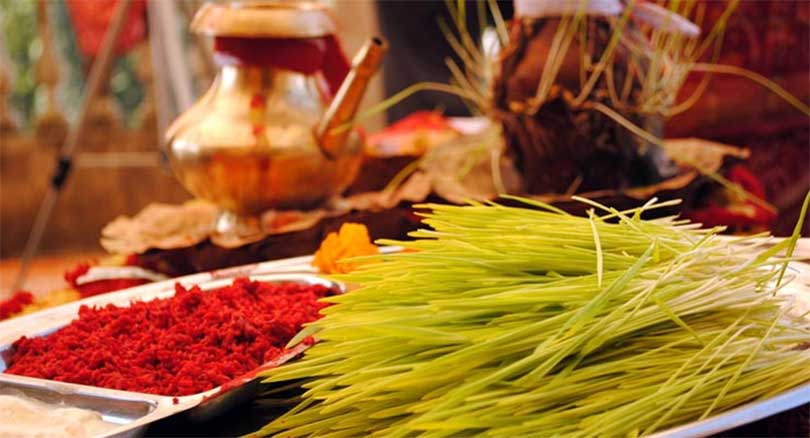
    Dashain is the longest and most important festival to celebrate in Nepal representing the victory of good over evil. Itis a 15 day festival with significance each day, culminating the festival on the tenth day (purnima) with Elders applying tika and blessed jamara to younger members of their families. The Dashain holiday is dedicated to worshipping Goddess Durga, who is also recognized as Goddess of power and protection, cleaning the home, and purchasing new clothes and gifts in order to reassemble with family on this special occasion!

    There are fairs in all public squares, you will see traditional bamboo swings built in many villages. People fly kites wherever they are in the country to enhance the celebrations! Animal sacrifices are still held at a few temples to maintain historical customs; a remarkable opportunity to experience the honest rituals and demonstrate family closeness is presented as most of the population shuts down for Dashain!

    Tika and jamara during dashin

    Key Takeaways:

    • Festivals in Kathmandu and the surrounding areas of Nepal,
    • Are massive festivals and celebrations,
    • with kites, swings, and feasting!
    • Best Experience in: Kathmandu, Bhaktapur, or in rural villages for the traditional experience.

    2. Tihar (October-November) – Festival of Lights and Animals.

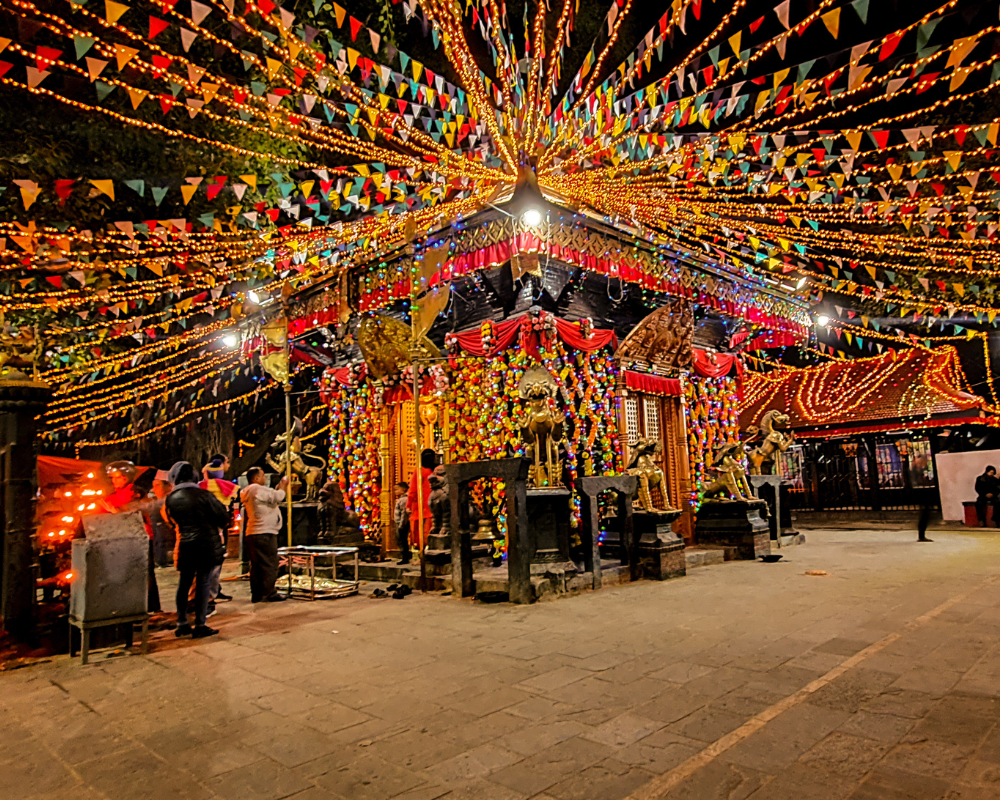
    Tihar is a colorful festival that pairs the spiritual with the visual, and is hard to miss with all that defines the five days. Every day has a different being that is honored: crows, dogs, cows, oxen, and ends with brothers. Houses are adorned with special decorations of oil lamps, candles, and rangolis (colored pattern made with flour, rice, colored sand, or flower) to Laxmi, goddess of wealth, at her Laxmi Puja.

    The final day we celebrate Bhai Tika, the love between siblings, where sisters put the tika and blessings garland on the brothers. Children sing Deusi-Bhailo folk songs to their neighborhoods, and everyone adorns their houses joyously with gaiety and song in appreciation of the season. With the lamps and sound of song in the air…Tihar is undoubtedly one of the most popular holidays in Nepal.

    Maitidevi temple decorated with lights and flowers during tihar

    Main Attractions:

    • Entire towns lit up in lights
    • Laxmi Puja rites
    • Traditional Deusi Bhailo singing and dancing
    • Best Place to Experience: Kathmandu, Pokhara, and minor towns for authentic home celebrations

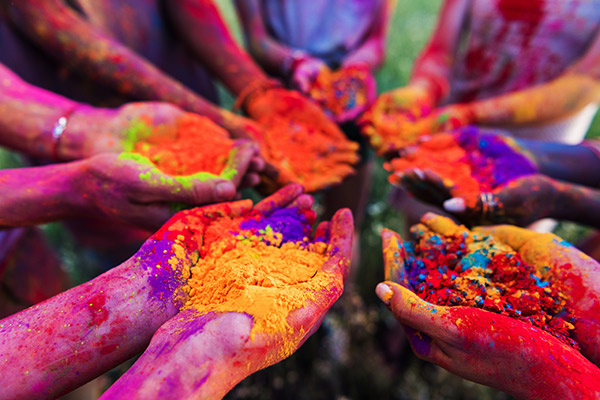
    3. Holi (March) – Festival of Colors

    Holi is a chaotic outpouring of color and energy which celebrates the end of winter and the arrival of spring. Initially a Hindu festival recognized with the tales of Lord Krishna and His relationship with Prahlad, it has turned into a happy public holiday since. People will splash each other with colored powder and water, dance in the streets, and blast loud music.

    Its a weeklong opportunity for togetherness, where social hierarchies collapse into a big party atmosphere. There are many friendly/welcoming open spaces where tourists can access to take part in Holi, particularly in Basantapur in Kathmandu or Lakeside in Pokhara. Although it is mostly a fun time, there also is a spiritual message of love, forgiveness, and new beginnings.

    People's hand full oof different colour during holi

    Key Highlights:

    • Colorful Powder Splashing and Water Balloon Fighting
    • Singing, Dancing and Street Processions – Public Parade
    • Inclusive – For Tourists Too!
    • Best Place to Enjoy: Kathmandu (next to Basantapur), Pokhara, and Terai Regions.

    4. Indra Jatra (August–September) – Kathmandu’s Most Vibrant Street Festival

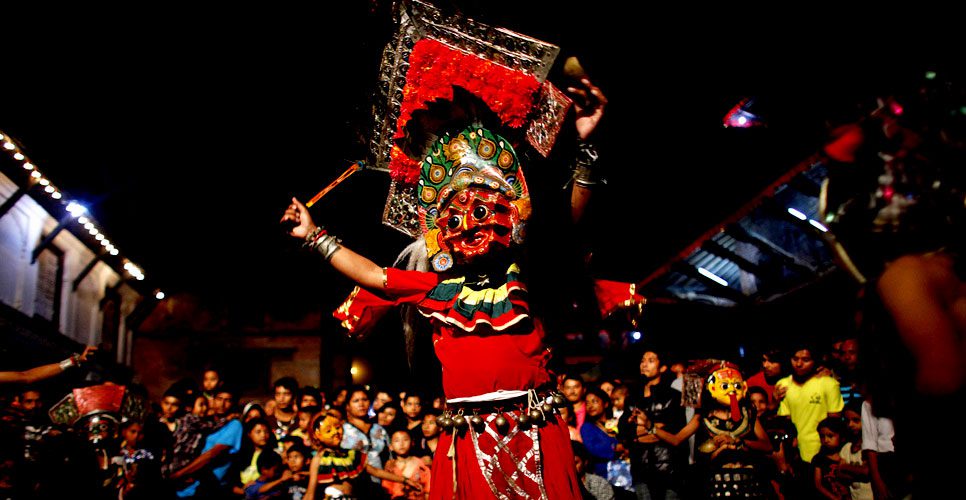
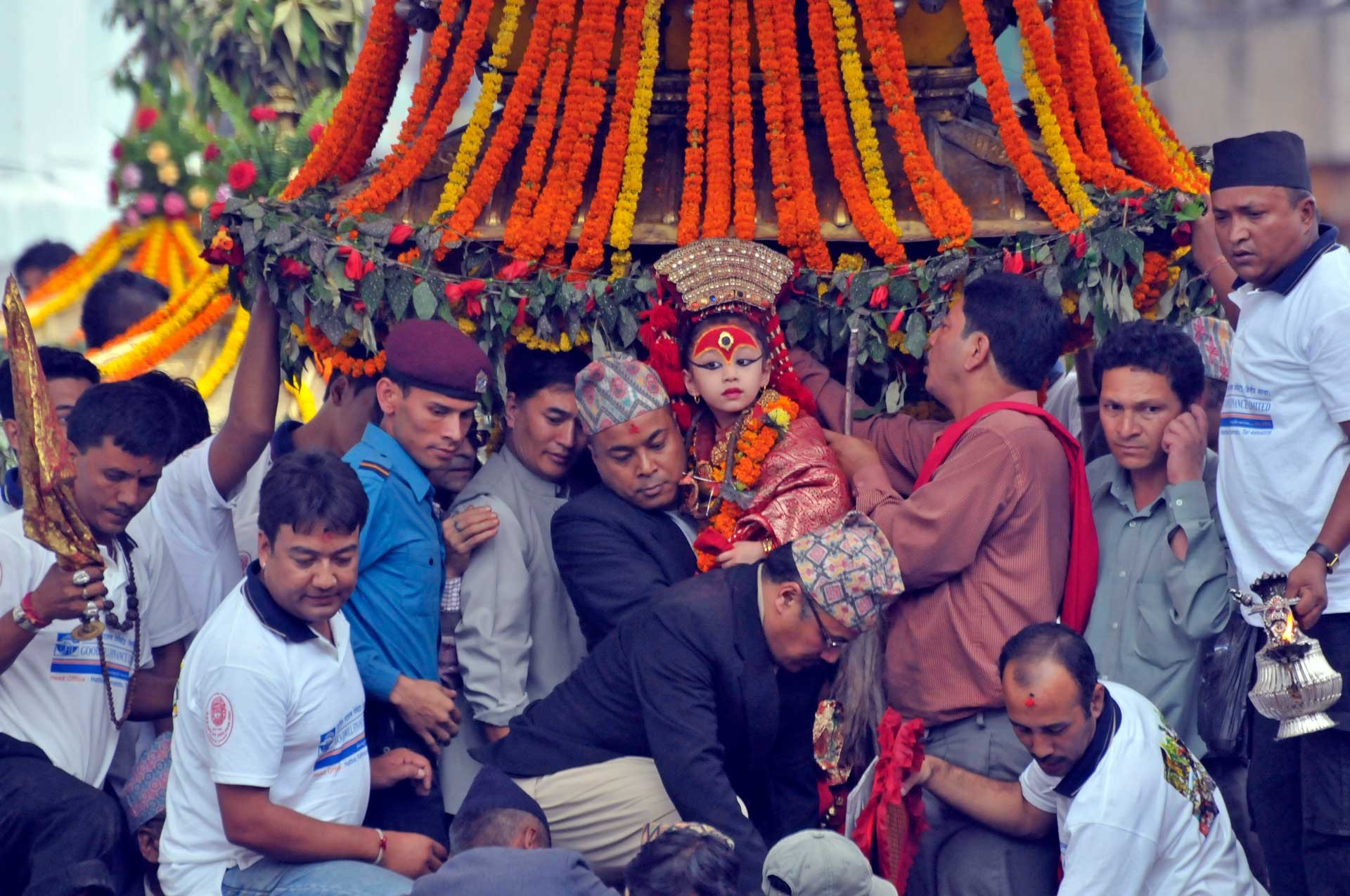
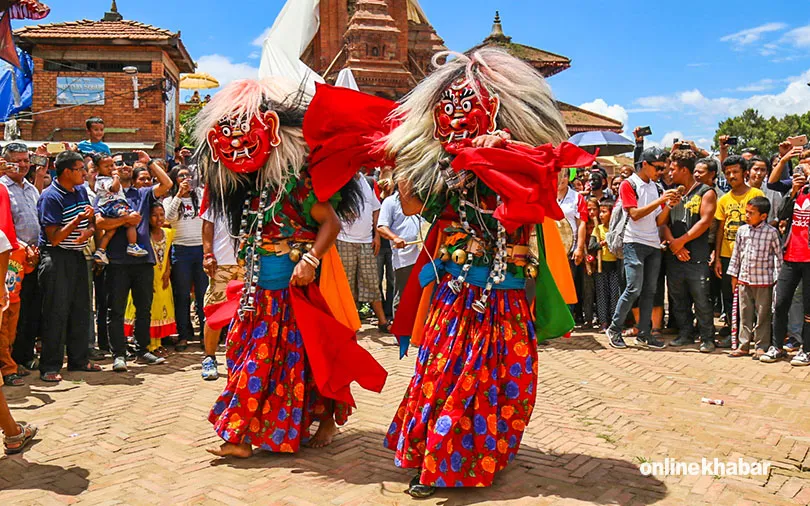
    Indra Jatra is a vibrant eight-day festival of the Newar people and occurs mostly in and around Kathmandu. It is a celebration of Indra the King of Heaven and Rain God and is an opportunity to experience a taste of the culture of this region. The festivities start with the raising of a ceremonial wooden pole (Yosin) and continue with performances of masked dancers such as Majipa Lakhey that represent the guardian dieties.

    Perhaps the most popular event of the festival is the chariot procession of the Living Goddess Kumari through the ancient streets of Kathmandu Durbar Square. From stone spouts there is a steady supply of local beer, crowds of many thousands gather to watch, and there is a atmosphere of complete celebration and religious devotion that makes it an unforgettably rich experience.

    Kumari during indrajatra

    Top Highlights:

    • The Mijpa Lakhey and all other mask dances
    • The Kumari’s chariot procession
    • The beer flowing from traditional spouts in Basantapur
    • Artistic Attraction: Kathmandu Durbar Square

    5. Buddha Jayanti (April–May) – Celebrating the Birth of Lord Buddha

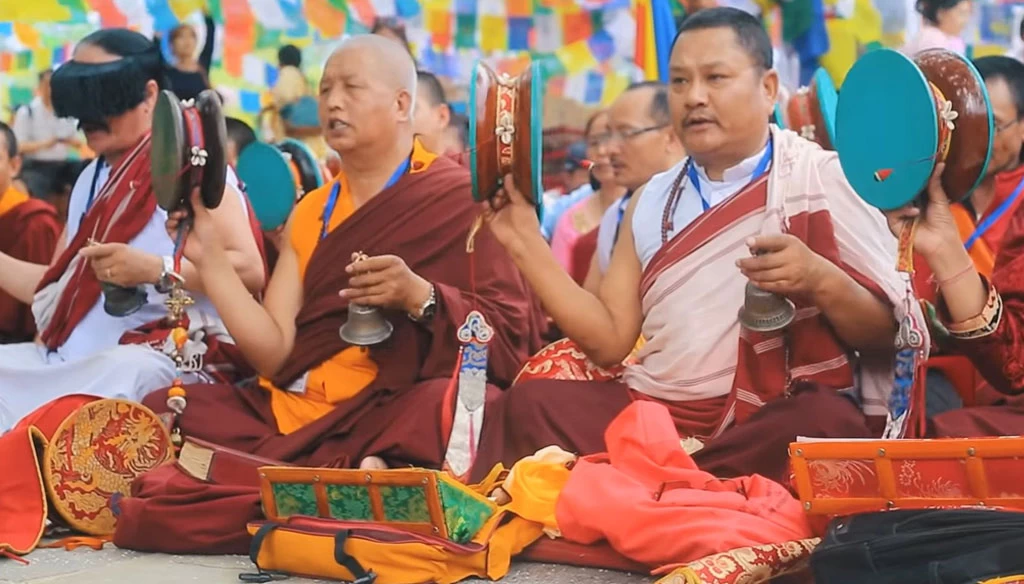
    Buddha Jayanti is a quiet, relaxed and somewhat spiritual event. It marks the birth, enlightenment and nirvana of Lord Buddha. It is a day largely for Buddhist communities, and it is a day of remembrance, characterized by peaceful prayer, offerings and experiencing perhaps the most meditative of rambles with monks chanting their sacred texts, or devotees lighting butter lamps at temples and stupas.

    Buddhists from near and far journey to sacred Buddhist sites, whether it is in Lumbini (Buddha’s birthplace), or locally in Kathmandu at Swayambhunath or Boudhanath. The atmosphere is some-what solemn, reverent and peaceful – it an ideal opportunity to get a glimpse into a little sliver of Nepal’s Buddhist culture, whilst learning about Buddha’s message of peace and compassion.

    Monk chanting during Buddha Jayanti

    Key Highlights Include:

    • Prayer ceremonies and offerings of butter lamps
    • Chanting of Buddhist scriptures
    • Pilgrimages to sacred places of Buddhism
    • Best Places: Lumbini, Swayambhunath (monkey temple), Boudhanath Stupa

    6. Teej (August-September)- Fasting and Dancing Women´s Festival

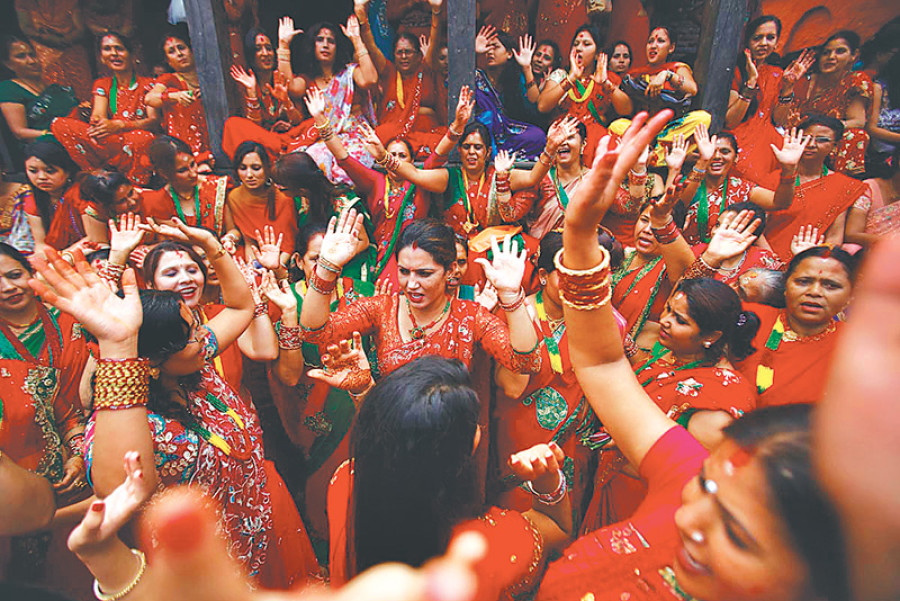
    Teej is a large festival for women which is a marriage homage to devoted women and woman power. Nepali women wear long spacey red saris, and in many cases, congregate at a temple like Pashupatinath and sing devotional prayers. Most women attending the festival will be fasting for the day to pray for auspiciousness and marital happiness for those that are married or a prayer for a future husband to enjoy good health.

    Women will have a Dars or a special ceremonial meal before they begin their fast. Throughout the festival of Teej the temple courtyards are full of singing and traditional praying/dancing from all parts of Nepal. It is a colourful expression of sisterhood and love and the most photogenic and happiest festival you can experience in all of Nepal.

    Women dancing during teej celebration

    Main Highlights:

    • A female driven procession and dance party
    • Pashupatinath Temple packed with women
    • Cycling unique feast (Dar) and rituals
    • Place to celebrate: Pashupatinath Temple Kathmandu

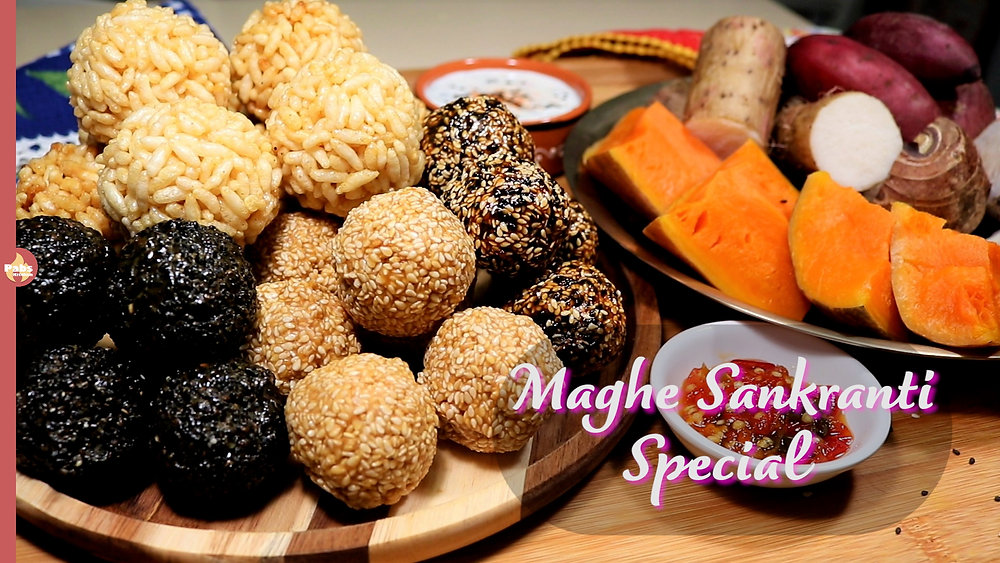
    7. Maghe Sankranti (January) – Harvest – Solstice Festival

    Traditional Maghe Sankranti definitions center around the sun moving to the northern hemisphere for longer, warmer days. Families wake up very early to bathe in holly rivers. Then they gather and eat seasonally available sweet food: sesame sweets (til ko ladoo) with molasses, yams, and ghee.

    Daily trips happened to sacred confluences, like Devghat, and many will bathe to worship gods maximum health and wellbeing. The nature of Maghe Sankranti is the end point of relative renewal and calming reflection – especially compared to the very loud, riotously large festivals in Nepal.

    Til ko ladoo and sweet potato as a main dish for celebrating maghrsagrati

    Main Attractions:

    • Pilgrimages to river confluences (Devghat, etc.)
    • Sacred bathing Homemade traditional foods
    • Best Place to Experience: Devghat, Chitwan, or village locally

    8. Gai Jatra (August)

    Festival of Cows and Laughter Gai Jatra, or the “festival of cows and laughter”, is one of Nepal’s most distinctive festivals as it combines the concept of memory and humour. Families who have lost loved ones in the past year join the parade by leading a cow, or young child dressed as a cow, and guide the soul onward. It is a healing tradition that transforms grief into a celebration. The streets of Bhaktapur, Patan, and Kathmandu are filled with comedic sketches, parody raps, and traditional instruments. This festival physically illustrates joy and togetherness through laughter-based celebrations with lively entertainment. Gai Jatra plays a significant role in helping the community express sadness through humour and community support, which makes it very emotional, and incredibly funny and uniquely cultural.

    Mask Dancer dancing Gaijatra

    Main Attractions:

    • Street parades with traditional acts and hilarious sketches
    • Processions of cows (or children in cow costumes)
    • Satirical performances with laughter
    • Best Viewing Places: Bhaktapur, Patan and Kathmandu

    Advice for Festivals in Nepal

    • Book early: Flights and hotels are booked quickly for the blockbuster festivals of Dashian and Tihar
    • Dress appropriately: Dress conservatively, remove your shoes or sandals in temples
    • Ask first: Always ask before taking pictures especially for sacred rituals or family occasions
    • Be respectful: Be respectful when you participate and follow local etiquette
    • Stay longer: Nepal is huge and has usually lots of rituals on many days of the festival

    Festival Calendar Summary (Quick Reference)

    Month Festival
    January Maghe Sankranti
    March Holi
    April – May Buddha Jayanti
    August Gai Jatra,
    September Dashain
    October Tihar
    August Teej
    August Indra Jatra

    Final Thoughts: The Best Times to Visit Nepal for Cultural Festivals

    Although Nepal is a unique destination at all times, August to November is the best time to visit for cultural festivals, so you are going to be in for an Awesome experience! There is a festival literally every week during these three months and the clear skies and onset of the trekking season could not be better!

    Whatever your preference; whether you are attracted to the spiritual vibe of Buddha Jayanti or the explosion of colours and energy of Holi, being able to participate and witness at least one festival in Nepal will allow for a much greater understanding of Nepal’s heart and soul. Therefore, time your visit to fall within one of these extraordinary occasions, and walk away with experiences and memories to last a lifetime.If you are planning to visit Nepal then contact us today at Happy Mountain Nepal, Facebook, Instagram, or TikTok. 

  • Manaslu Circuit Trek: A Quieter Himalayan Adventure

    Manaslu Circuit Trek: A Quieter Himalayan Adventure

    Manaslu Circuit Trek: A Quieter Himalayan Adventure

    Introduction

    The Manaslu Circuit Trek is a less-popular path, away from the more populous Everest and Annapurna regions, but worth the trip for those searching for true adventure and authenticity in their Himalayan trek. This trek travels around Mt. Manaslu (8,163m) the 8th highest mountain in the world. Away from the traditional tourist hotspots, the trek wanders through deep river gorges, dense arboreal forests, and highland villages where the Tibetan culture is strong and untainted by the 21st century.

    Manaslu Circuit Trek provides a true adventure into the desirable wild and spiritual essence of Nepal. The trekking trails offer a solitude and an ability to discover a sense of peace with all the challenges of trekking with a smaller number of similar trekkers and genuine local people.

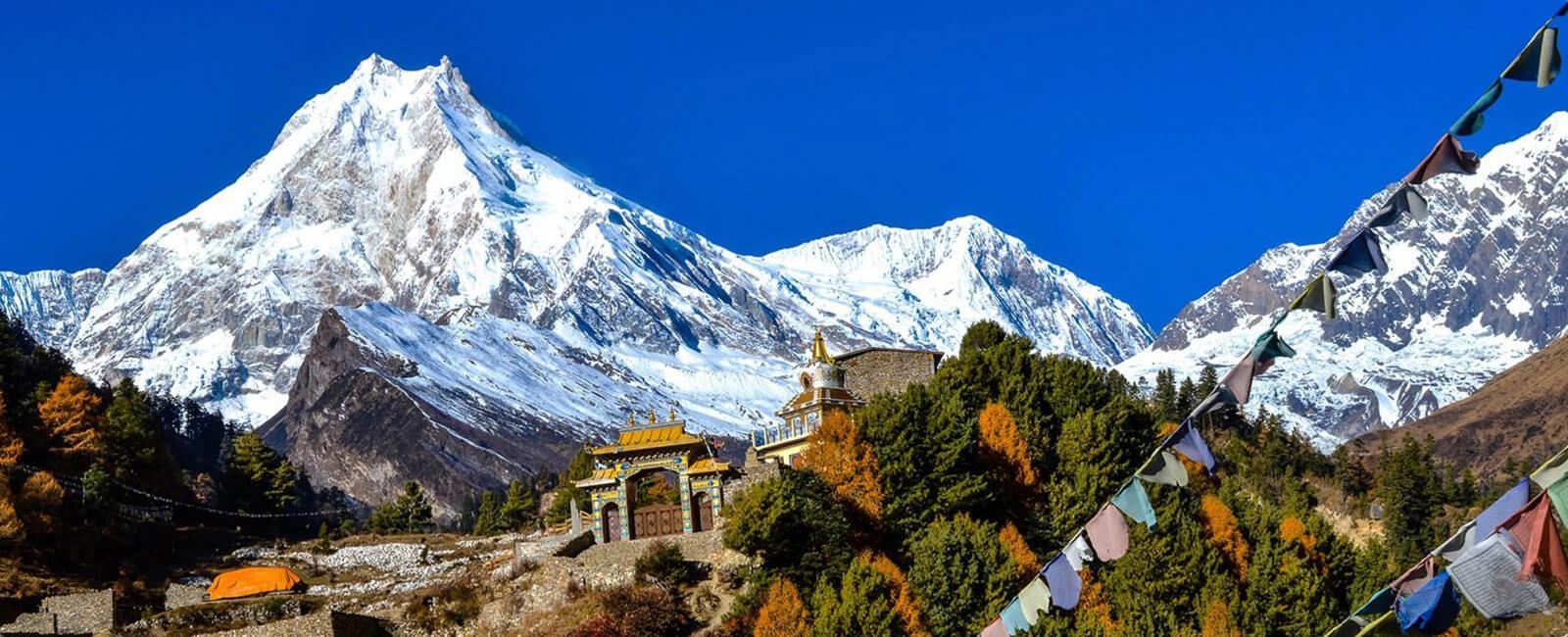
    Manaslu Circuit Trek: A Quieter Himalayan in the back and village infront


    Why Choose the Manaslu Circuit Trek?

    1. Fewer Crowds, More Solitude

    Relative to the high volume infantry trails at Everest Base Camp or the Annapurna Circuit, the Manaslu Circuit Trek is one of those trekking paths in Nepal that was not all that populated. Because of this you are able to really enjoy the tranquility of the Himalayas free of multiple coordination’s made necessary by large trekking groups and fully booked lodges. The path takes you through shy valleys and untouched forests. The ability to navigate with just yourself and the other trekkers allow a more natural and sincere engagement, and many trekkers can describe these connections rather spiritually or deeply fulfilling.

    Lush Dense forest and mountain backgrounf on the way to Manaslu Circuit Trek:

    This solitude, in part, is also due to the trail’s restricted area status and poor infrastructure. The route is still wild, and untouched, it allowed for hours of walking without encountering anyone whatsoever. Just you, the trail, and the mountains! Rather than being shoved by other hikers or crammed into accommodations, the trek afforded the opportunity for communication with nature and self which has all but disappeared from commercial treks and more importantly, has the ability to create moments of awe!

    2. Remote Villages and Tibetan Culture

    Given this area’s close proximity to the Tibetan border, the Manaslu region is very Tibetan Buddhist in both site and culture. There are traditional villages, such as Lho, Samdo, and Sama Gaun, that are living cultural displays, with stone houses, colourful prayer flags, spinning mani wheels, and intricately carved monasteries that all have centuries of historical force. In normal conversation, locals use a Tibetan dialect, even traditionally wearing Tibetan styles of clothing. So trekkers receive an unwasted, rare glimpse of a truly mountain culture that has changed little in centuries.

    Remote Villages and Moutain view scenery

    The cultural insight does not simply reside only at the level of eye candy. There are opportunities to observe Buddhist rituals, hear the sounds of horns and drums beating out on ancient gompas, watch monks in brilliant red robes perform pujas. The genuine warmth of the people creates a cultural juxtaposition during every encounter in these highland villages. An unhurried stopping point for rest is not simply a stopover, but a life-affirming cultural experience, and a welcome contrast to the experiences we negotiated via the busier trekking areas of Nepal that are often targeted toward tourists.

    3. Diverse and Untouched Landscapes

    The Manaslu Circuit is an ecological wonder, giving you incredible variation in landscape in just one trek. Starting from the warm terassed lowlands of Arughat and Machha Khola, treks through bamboo groves and stunning rhododendron forests, before hitting a muddy extension of snow in the Larkya la Pass area. And, all this in the same trek, and often on the same day.

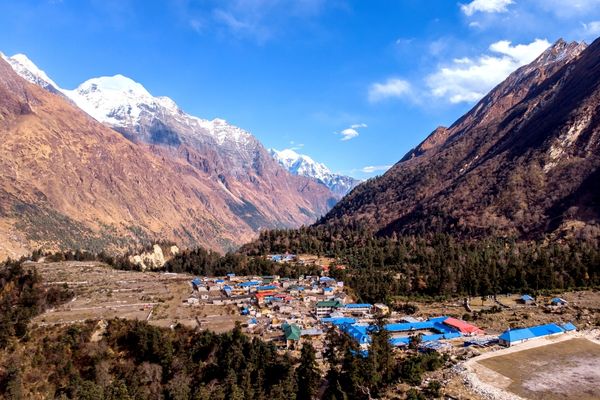
    Diverse and Untouched Landscapes and terassed lowlands of Arughat and Machha Khola

    This wonderful variation of ecology means this trek is incredibly enjoyable visually and physically. Each step of your trek has something riveting whether it is avalanche roaring waterfalls, plunging river gorge, yak grazed pasture, or snow panting ridgelines, you will be enthralled at what lies around the next corner. Since this trek is lightly travelled it preserves the natural environment, and is a great trek for nature lovers and photographers.

    4. Challenging Yet Rewarding

    You can summarize the Manaslu Circuit as challenging but achievable. A fantastic long ascent and a significant altitude gain in a short span of time on a rugged, remote trail. To be a fit beginner or an experienced trekker looking for something a little less dolled up than mainstream trekking. The highlight of the Manaslu Circuit is the Larkya La Pass (5,106 meters) as it is a stunning Himalayan pass with some serious surrounding peaks like Manaslu, Cheo Himal, and Himlung Himal that once crossed will offer far-reaching views. The soft point on the trek is the descent into Bimtang (4,300 meters) where you may gasp at trails above 4,000 meters.

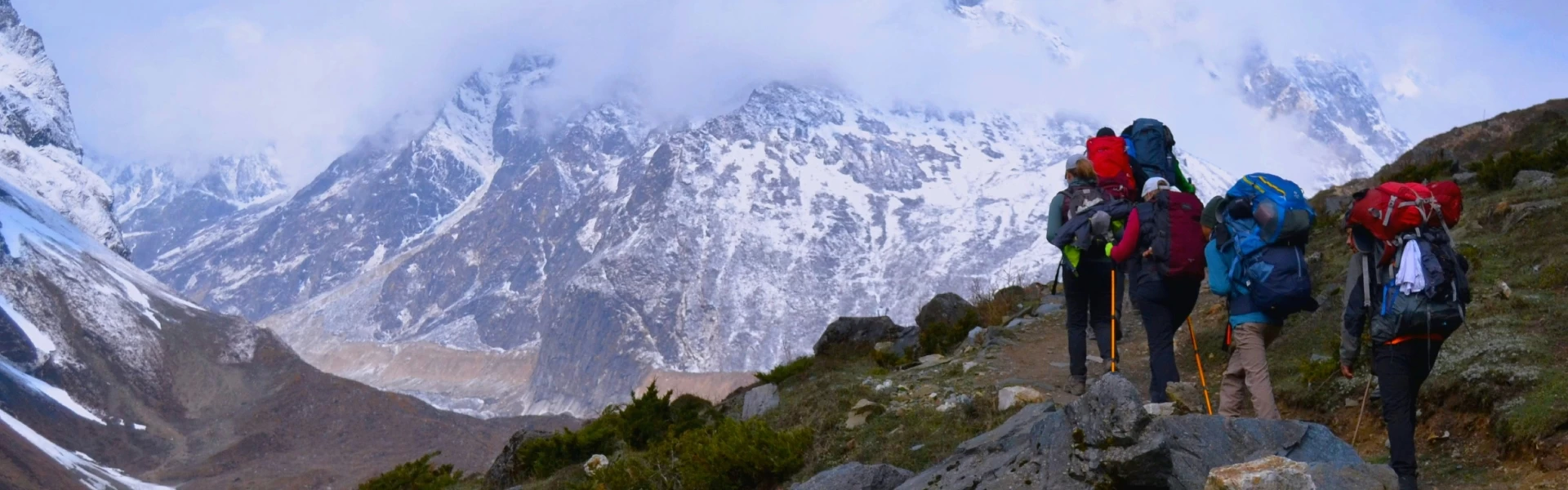
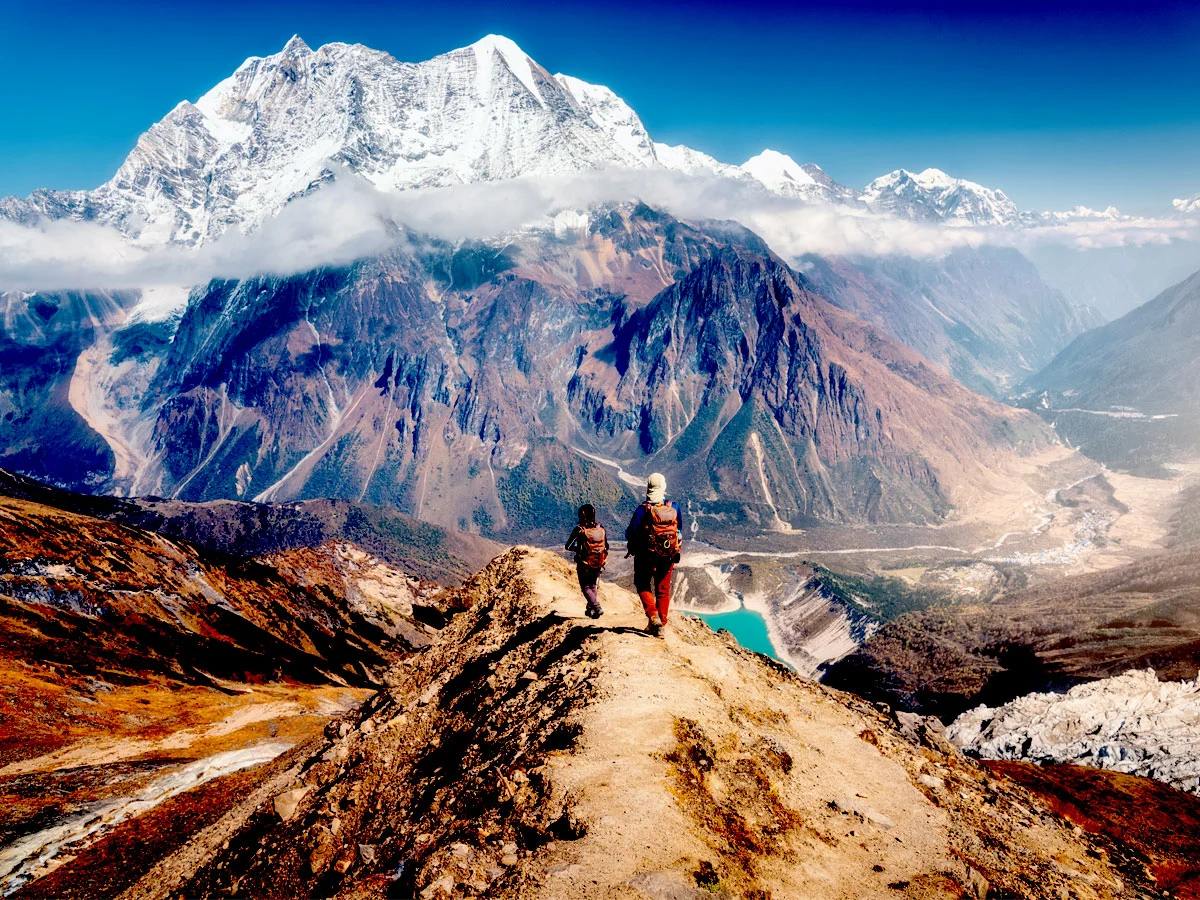
    toursit on the way to trek with their gears

    While you are physically challenged as a trekker, the main area of concern is not extreme altitude like the Everest region of Nepal; most trekkers will acclimatize more comfortably. Other than your overall ascent, it is a gradual climb and each section of the trek is planned to allow your body to adapt to elevation. When you cross the pass, it is a proud moment; it is not just a celebratory notch in your trekking itinerary; it is individual growth beyond the trek and coming out at the other side.

    5. Less Commercialization, More Authenticity

    A key refreshing aspect of the Manaslu Circuit is the sheer authenticity of local culture. Whereas the Annapurna and Everest routes are dotted with charming luxury lodges, Wi-Fi every few steps, and tourist shops, the teahouses on the Manaslu Circuit are simple, and not lost in the trappings of modernism. The rooms are basic, but clean, the meals fresh, cooked in a traditional manner, and the hosts are just that — hosts. They are not concerned about living up to their customers’ expectations.

    This authenticity brings trekkers closer to what Himalayan trekking used to look like before commercialization took over. You will eat by the fire in the kitchen, offer to help chop vegetables if you like, and you most likely won’t feel like a customer.

    Permits

    Manaslu Permit


    1. Manaslu Restricted Area Permit (RAP)

    Manaslu district (from Jagat to Dharapani) falls under the Restricted Area as classified by the Government of Nepal in an effort to safeguard its delicate natural and cultural environment and manage tourism effect. You, hence, require purchasing a Restricted Area Permit (RAP).

    Cost:

    • September to November (autumn season): USD 100 per person for the initial 7 days and USD 15 for every additional day.
    • December to August (off-season): USD 75 for the first 7 days and USD 10 additional per day.
    • Where to get it: From a registered trekking agency in Kathmandu or Pokhara. You can’t buy it yourself.
    • Passport & visa needed: Nepal visa valid, two passport-size photographs, and passport photocopy.

    Note: RAP only extends to Jagat to Sama Gaun. Beyond that, technically you are in the Annapurna region and will need a special permit.

    2. Manaslu Conservation Area Permit (MCAP)

    Manaslu Conservation Area Permit (MCAP) is required for trekking and traveling in the Manaslu Conservation Area committed to the conservation of biodiversity, wildlife, and local culture of the region.

    • Cost: NPR 3,000 (approx. USD 25) per person for foreign nationals.
    • Where to get: From NTB office in Kathmandu or Pokhara.
    • Validity: During your trek in the MCAP area.

    Permit is used to conserve, trail maintain, and village develop in areas you will be trekking.

    3. Annapurna Conservation Area Permit (ACAP)

    Annapurna Conservation Area Permit (ACAP) will be required for the latter half of the Manaslu Circuit — i.e., while moving upwards Larkya La Pass and descending to Dharapani and Tilije, which are both within the Annapurna zone.

    • Fees: NPR 3,000 (equivalent USD 25).
    • Where to buy: Same as MCAP — from NTB counters in Pokhara or Kathmandu.
    • Validity: As per your trekking in the Annapurna Conservation Area.

    Short as that part of the trail is, it does call for the ACAP, and check points along the trail will ask to see it.

    4. Guide and Group Requirement

    Since the Manaslu region is a controlled region, the government has imposed some restrictions on treks to the region so that they are better positioned to keep the environment and the safety as secure as possible:

    • You must trek with a registered guide, a member of the Trekking Agencies’ Association of Nepal (TAAN).
    • You cannot walk alone. There has to be at least two trekkers, guide and porter at a minimum.
    • Rules are enforced strictly at checkposts along the trek route on the trekking path (e.g., Jagat, Namrung, Sama Gaun).
    • The rule will ensure safety in the high and remote area of Manasla as well as regulate the flow of trekkers and unauthorized entry.

    14-day Manaslu Circuit Trek itinerary

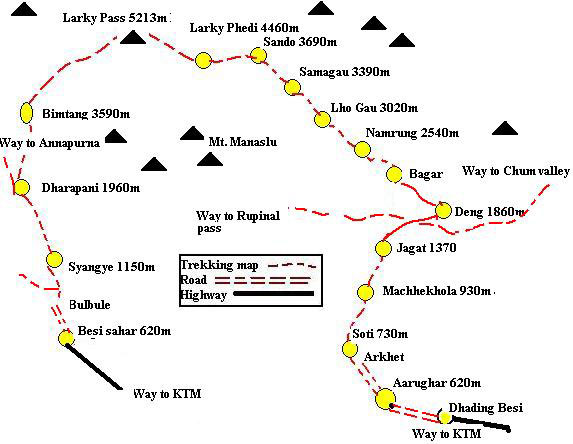
    Manaslu Map road

    Day 1: Drive from Kathmandu to Soti Khola

    Your journey will start with a drive from Kathmandu to Soti Khola for approximately 7–9 hours depending on road conditions. You will pass beautiful, terraced fields, and river valleys. After you leave the paved roads and driving on bumpy dirt roads, expect this portion of the drive to be the least favorable.

    Day 2: Trekking to Machha Khola

    On this day, you will have a trek of 6–7 hours through forest paths, rocky ridges, waterfalls, suspension bridges, and buildings for small settlements including Lapubesi. You will arrive at Machha Khola that is very quiet and next to a river.

    This subsection will show you some of the beautiful company, many varieties of flora, and reflects the low elevation of this region. Get ready to walk, as the trail will frequently go up and down, and this will warm your legs up for the more difficult days ahead.

    Day 3: Trek to Jagat

    As you begin your trail into Jagat, you will start to navigate a steeper trail and some beautiful gorges, and cliff-side trails! Your day will include 6-7 hours of trekking. Some highlights along the way were the hot springs near Tatopani and some waterfalls pouring from the rocks.

    Jagat is a standard Gurung village and entry into the Manaslu Conservation Area. You’ll be required to display your trekking permit, a little more remote than most of your trekking to date.

    family on the way to manaslu Circuit

    Day 4: Trek to Deng

    Today’s trek was 6-7 hours and mostly consisted of thick forest, suspension bridges, and small hamlets throughout the day. In general, the trail was all uphill, meaning lots of rough hiking, with some views of snowcapped peaks along the way.

    Deng, is a small settlement with Tibetan descendants, and this is where you will start to see some cultural changes. You will gradually see more prayer flags, chortens and mani walls.

    Day 5: Trek to Namrung

    This day-side trek through approximately 6-8 hours. Overall, the the trail continued upward and the views of the mountains kept getting better!

    Namrung is a very cultural village and is a great option to experience Tibetan-influenced architecture, monasteries, and hospitality. The air is cooler, and the scenery of the Himalaya terrain is appearing more frequently on the skyline.

    Day 6: Trek to Lho

    Your trek from Namrung to Lho is a quite easy (4–5 hours) but scenic trek, which takes you through villages Sho and Shyala, and presents yourself with expansive views of Manaslu, Himalchuli, and Ganesh Himal.

    Lho is very nice traditional village, that has a sizable monastery and traditional houses and one of your first close views of Mount Manaslu. It is a good place to be immersed in some Himalayan solitude.

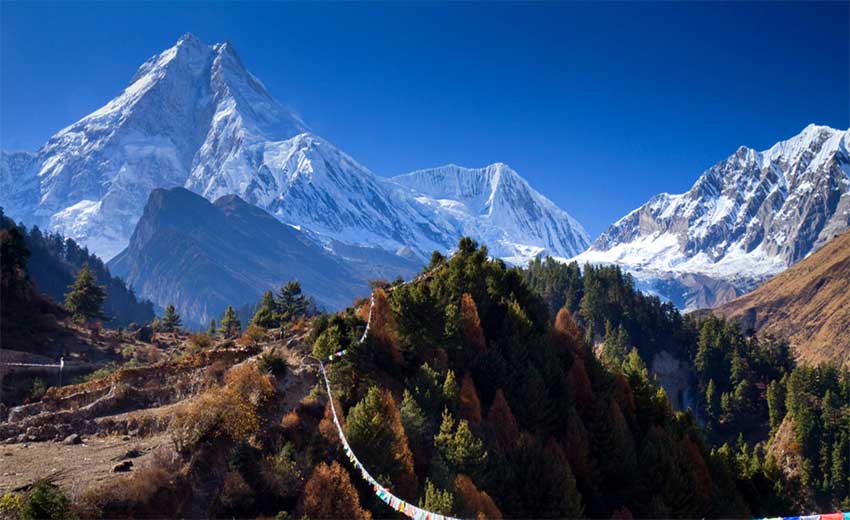
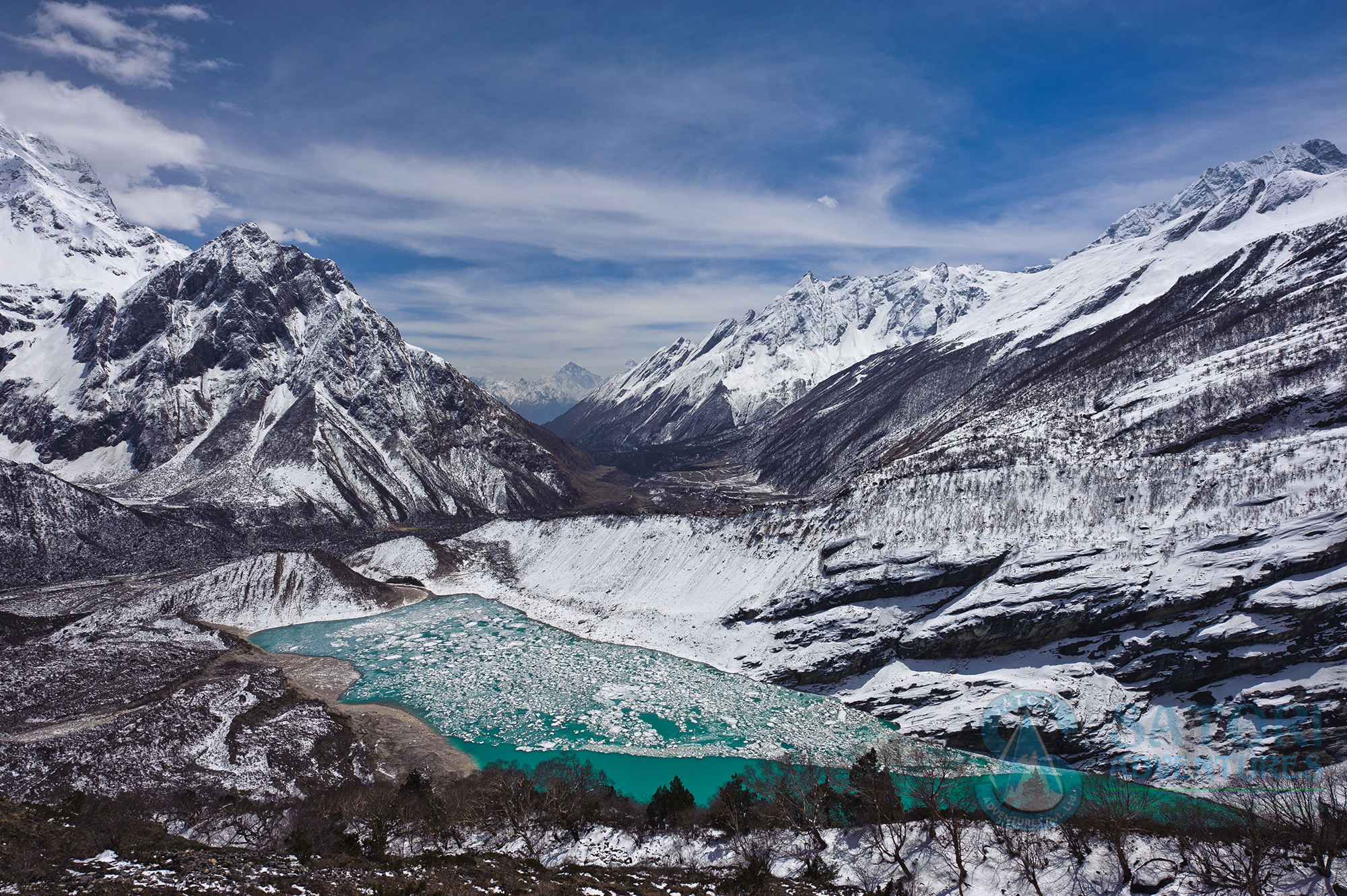
    stunning panoramic view of a glacial lake surrounded by snow-capped mountains, likely within the Himalayan range

    Day 7: Trek to Sama Gaun (Acclimatization Day)

    After a day of acclimatization and taking a slow and steady walk of about 4–5 hours, you will arrive at the largest village in the area, Sama Gaun. The trek to Sama Gaun will take you downhill with huge Himalayan peaks framing the landscapes.

    Day 8: Explore Sama Gaun or Hike to Manaslu Base Camp

    On this optional acclimatization day, there is an option for a short side trip to Manaslu Base Camp (4,800m), a challenging route, but well worth the trek! Depending on the time we depart, we might also be able to visit Birendra Lake, or Pungyen Gompa, an awesome, tranquil monastery literally down at the bottom of the mountain, but we aren’t in a hurry either way. Note that since today is an acclimatization day, we will need to hydrate and at the very least rest up to get the most out of our adaptation to the altitude before we shift to the high pass.

    Day 9: Trek to Samdo

    From Sama Gaun, we will soon be leaving the village and moving the trail continues to gradually ascend through the yak pasture, then rocks, boulders and eventually to the small village of Samdo (6-7 hours). Interestingly, Samdo is only a few kilometers from the Tibetan border and it is very apparent when you are in the village the Tibetan influence through the culture and lifestyles of the village.

    Samdo is another great place to acclimatize. You may see some blue sheep or numerous varieties of the Himalayan birds flapping around in the hills. The mood and elevation is starting to turn more arid and desolate.

    Day 10: Hike to Dharamsala (Larkya Phedi)

    After a short, gradual trek of 4-5 hours, you will arrive in Dharamsala or Larkya Phedi. This is a basic stop at the bottom of the Larkya La Pass. For most trekkers, it is just a stop for the evening before their continuation through the pass, but for you it is a place for a few nights of planned rest. We have now gained the elevation necessary to trek to the Larkya La Pass (the highest point), at 5,106m.

    Like the air, we can see the temperature drop significantly. Rest well and eat well, and if you get the chance, fall asleep early so that your well-rested body is prepared for the exhausting and rewarding day ahead.

    Day 11: Cross Larkya La Pass and descend to Bimthang.

    This leg of the trek is not only the longest day at 8-10 hours trekking, but the hardest and the most exciting day too, because we will be crossing the Larkya La Pass (5,106m) which is the highest point of the circuit and great views of the Himlung, Cheo Himal, Kang Guru and Annapurna II will come to life. We usually leave very early (often before dawn) to help our chances of epic sunrises and to (hopefully) stay away from the gusty winds that sometimes present themselves in the afternoons.

    The climb is gradual and long, so don’t expect to reach the high point fast. The altitude and colds can be challenging enough. The descent to Bimthang is long and steep, but delightful as the landscapes that surround you constantly change.

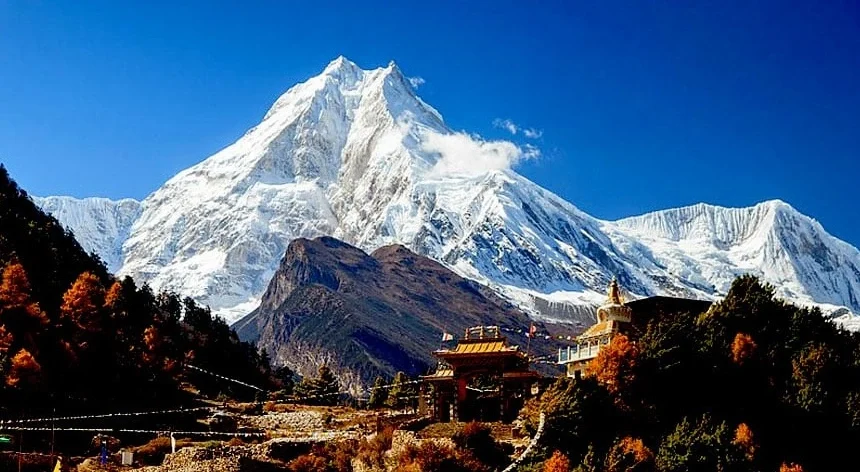
    A stunning landscape featuring a majestic golden-hued mountain range under a clear blue sky, with snow-capped peaks and a structure resembling a monastery or temple nestled at its base."Manaslu Trek


    Day 12: Trek to Tilije

    After two difficult days crossing the pass, the trek today (6-7 hours) is an easy trek down through rhododendron and pine woods. The landscape grows greener and the temperature rises as we go down in elevation.

    Tilije is a beautiful village in the Annapurna region. It is more comfortable and has more infrastructure to support tourism than the previous villages, and it is a good place to rest and reflect on your trek before the final few days.

    Day 13: Trek to Dharapani

    For your final day of trekking (5-6 hours), you will trek through a few villages and terraced fields along the Marsyangdi River, which you will notice is clearly entering the Annapurna Circuit region.

    Dharapani is a connected village for many treks and serves as the junction point of many treks and your final walking point.

    Day 14: Drive Back to Kathmandu

    A long (8-10 hours) drive on a twisting road through hilly terrain stands between Dharapani and Kathmandu, the end of your adventure. The road crosses valleys, cities filled with locals, and riverside roads.

    Once in Kathmandu, there will be some time to relax, celebrate, and reflect on an adventure that provided breathtaking natural and cultural experiences along the Manaslu Circuit trek.

    Essential Tips Before You Go


    1. Fitness Preparation

    The Manaslu Circuit Trek is a physically demanding trek that can last 14-18 days and have altitudes over 5,100 meters. To better enjoy the experience and reduce the occurrence of fatigue and injury, you should start physically preparing your body at least 6-8 weeks ahead of time. Your physical conditioning should include endurance building cardio exercise such as hiking, running, cycling, and swimming. You should also include strength training to strengthen your legs, core, and shoulders which will help when you carry a backpack. You will also need to build up balance as you will be on uneven, unpredictable surfaces.

    girl practicing fitness for trekking

    Your training should also include some stair climbing, long walks with your pack weighted down while simulating hiking conditions as much as possible. Trekking does not have to be only about endurance. It requires balance, mental strength, and the ability to walk with limited rest for long periods of time. Preparedness will help your overall experience instead of just exhausting you.

    2. Pack Light

    There is a big difference with packing lightly while trekking at altitude. Only pack the essentials: moisture wicking base layers, insulating fleece or down jacket, waterproof outer shell, and extra socks and underwear. Getting quality over quantity matters. You will want a four season sleeping bag for cold nights even in teahouses. Trekking poles will help you work less and also provide you with better stability especially when descending or in snow covered areas.

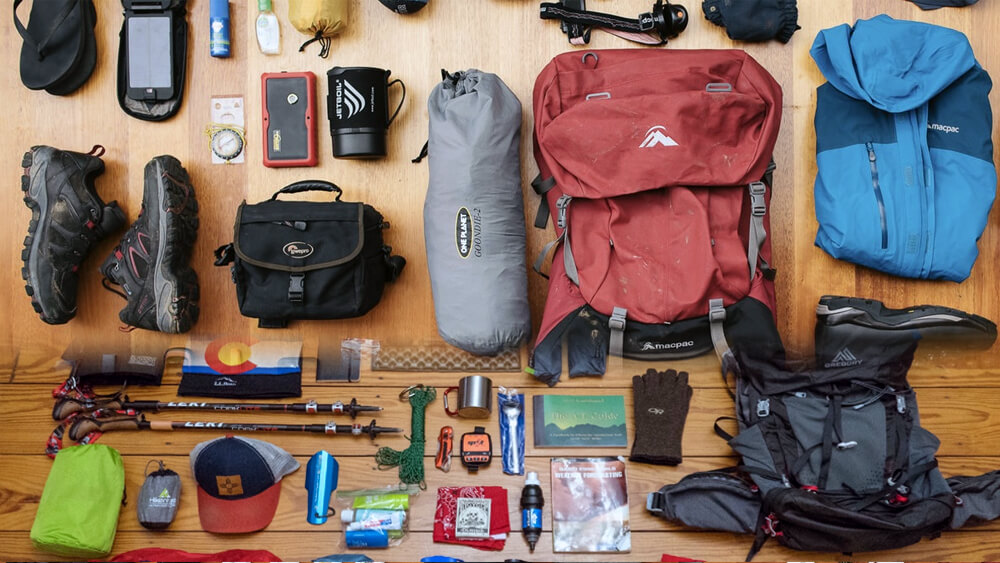
    Things to Carry on Your Trip to Nepal.

    Avoid packing too much—leave your electronics and books at home, don’t overpack clothes. A good rule is to not carry over 10-12 kg on your back. If you hire a porter, limit their load to an ethical amount. The average load for a porter is around 20-25 kg.

    3. Altitude

    Altitude sickness can be more serious risk to your health than any other hazard on the Manaslu trek, especially above 3000 m. The classic symptoms of Acute Mountain Sickness (AMS) are headache, nausea, dizziness and loss of appetite. AMS symptoms can be avoided by ascending slowly, we recommend as a rule of thumb no more than 500m of sleeping elevation gain in a single day. Also, it is a good idea to include an acclimatization day somewhere, at Sama Gaun is a good option to take a day off.

    You will also need to stay hydrated, drink an average of 3-4 liters of water daily. Besides hydration, both alcohol and smoking dehydrate the body and reduce the body’s ability to absorb oxygen. Be aware of your AMS symptoms, and be prepared to stop for the day or descend in the event of serious symptoms—your safety is more important than getting to the top.

    Final Thoughts: Is Manaslu Circuit Right for You?

    If you’re looking for a remote, challenging, and culturally immersive Himalayan trek without the crowds, the Manaslu Circuit Trek is your perfect match. It offers everything — dramatic peaks, spiritual depth, diverse scenery — with a fraction of the foot traffic. For adventurous souls craving authenticity, Manaslu is more than a trek. It’s a pilgrimage into the soul of the Himalayas. Contact us today at Happy Mountain Nepal, Facebook, Instagram, or TikTok. We will prepare your package as per your flexibility.


  • Beyond Trekking: Rafting, Paragliding & Bungee Jumping in Nepal

    Beyond Trekking: Rafting, Paragliding & Bungee Jumping in Nepal

    Beyond Trekking: Rafting, Paragliding & Bungee Jumping in Nepal

    Nepal is famous for its extraordinary trekking routes – Everest Base Camp, Annapurna Circuit, Langtang Valley – with snowcapped mountains, prayer flags, and rugged trails offer a picturesque experience of adventure in peace. But amidst the altitude and mountain passes, Nepal is also an absolute heavyweight of high-adrenaline experiences, second to none. For the modern thrill-seeker, this Himalayan paradise transcends a single trekking destination; it is an extreme sports paradise that combined the rawness of nature with pure enjoyment.

    Imagine paddling through crashing white-water, exhilarated by the roar of a Himalayan river in your ears, paragliding high above lush green valleys and terraced hills, or bungee jumping into a wild river gorge off one of the highest bungee jump platforms in the world.

    Ziplining, Rafting, Paragliding & Bungee Jumping in single frame

    These are not simply sports – these are specialized adventures that give a completely new perspective of the intriguing landscape of Nepal. Today, we will discuss three heart-pounding epic adventure sports in Nepal – white water rafting, paragliding and bungee jumping. No matter if you have done similar excursions in the past or have always wanted to test your upper limits, we hope that these excursions, will inspire you to experience your time in Nepal at new heights!

    1. White Water Rafting: Ride the Himalayan Rapids

    Getting out on the water in Nepal is a uniquely spectacular means of enjoying everything in that wonderful country.Besting even white water rafting in Colorado (yes, we said it!), the robust rivers of Nepal, fueled by the melting snow of the mighty Himalayas, provide some of the most exhilarating white water rafting experiences on Earth. Wave upon wave of white water crashing and twisting through deep gorges, dense forests, and tucked-away remote villages is essentially nature’s own rollercoaster for adventure sport lovers. Nepal offers all kinds of river experiences from mellow Class II ever-expanding waves to wild Class V unpredictable torrents. Nepal offers experiences for everyone from the first-time paddler looking for an adventure to veterans of white water who just want to have some fun. Understanding the force of the Himalayan waters and thrilling scenery makes it a test of courage and sensory extravaganza!

    What makes the rafting in Nepal unique is the combination of raw adrenaline and the experience of unspoiled nature. As you fly through wild rapids the view is of stunning landscapes with terraced hillsides, picturesque waterfalls, sandy banks and communities that appear to be from a bygone era. After the exciting moments of steep drops, there will be plenty of time to float and appreciate the surrounding scenery and the wild nature of Nepal. Of course, it is exhilarating, but you are also fortunate enough to be rafting on one of the last remaining unspoiled river systems in the world.

    White Water Rafting: Ride by the group of people in Himalayan Rapids

    Best rafting rivers in Nepal for Adventure:

    Trishuli River – A great river for both beginners and intermediates and easy to get to from Kathmandu or Pokhara.

    Bhote Koshi River – Short and sweet, for the adrenaline junkies.

    Kali Gandaki River – An incredible expedition rafts the remote and scenic stretch of river between Annapurna and Dhaulagiri.

    Seti River – A gentle and calming river perfect for families and beginners.

    Sun Koshi River – Calling itself the “River of Gold” it’s a multi-day rafting experience & one of the top ten rafting rivers in the world.

    What to Expect

    Rafting in Nepal offers the excitement of crashing through waves with the unique experience of floating past wonderful lush hills, tiny villages, and deep gorges. In addition, while you are rafting you can camp, start a fire on the banks of the river at night, and swap stories with fellow rafters. The preferred rafting seasons are after the monsoon, (September through to the beginning of December) or before the monsoon (March through to May).

    2. Paragliding in Pokhara: Fly like a Bird

    Paragliding in Pokhara is heart-pounding adventure, giving you the experience of being able to fly. You fly when you take off from the green hills of Sarangkot, as your feet slowly leave the ground and you find yourself drifting further and further into nothingness into the sky.

    Phewa Lake lies calm and shimmering below us, while in the blue distance, the Annapurna and Machapuchare (Fishtail) mountains rise like clouds. It is at once calming, and exhilarating: one moment, you’re gliding effortlessly with the wind; the next, you’re grabbing thermal currents and going higher, to a panoramic view like nothing you’ve ever experienced.

    Pokhara is unlike any other world class paragliding destination due to its geography and weather stability. The city is located in a high seating in a natural amphitheater surrounded by hills and mountains, which access the updrafts to fly smoothly, and beauty to track. Whether your tandem flight was as a tandem flier, or you yourself represented a plandard diligence with a goal of increasing altitude, Pokhara unquestionably provided an unforgettable ride in the air. The flight over the city often lasts 20 – 30 minutes, and with a slow descent, there will be appropriate time to absorb the glorious land-sprawl and marijuana, and memories of landing a few meters of land maxed out. This is not simply an adrenaline rush; this is mystical and magical way to enjoy a birds eye view of Nepal’s natural beauty.

    Paragliding in Pokhara by toursit Fly like a Bird

    The Greatness of Paragliding in Pokhara

    There is nothing like it: Besides the actual flying, there is nothing like the birds eye view of Phewa Lake, the Annapurna range, Machapuchare (Fishtail Mountain), and green hills.

    Favorable Flying Conditions: Pokhara has unique microclimatic features that allow us to fly with consistent and stable lift.

    Tandem: No Experience, No Problem! Our professional pilots do the tandem flying and all you have to do is sit back and enjoy the flight!

    Types of Flights

    Tandem flight: 20-30 minutes – for first time flyers,

    Cross country flight: 30-90 minutes – for those travelers who want to stay longer in the air and go further.

    Acrobatic flight : for those adventurous travelers who want to experience turns, spirals and wing overs.

    Best Time to Go: The best time of year to go paragliding in Pokhara is September to November and March to May when the thermal conditions are stable and air is clear.

    3. Bungee Jumping: Leap into Himalayan Adventure

    Nepal bungee jumping is an incomparable experience for thrill seekers. One of the sites that has recorded the highest jumps is located at The Last Resort on the Nepal-Tibet border. Each jump is from a 160-metre high suspension bridge hanging over the wild waters of the Bhote Koshi River. For those two seconds that you leave the platform, you have no concept of space or time—it is just you and the air plummeting into the spectacular Himalayan gorge, green forest just above the gorge and to either side, the thunderous roar of water below, boulder cliffs hugging either side of this exceptional experience.

    You experience just a little fear and just enough adrenaline to make that free fall gut-wrenching! What makes bungee jumping in Nepal different from the jump experience for the areas with more populous areas is that the location is both incredible to look at (which almost everyone in the world can appreciate), it is also a fantastic place to look at the stunning Himalayas.

    This extreme sport, along with the pristine environment that accompanies it, makes an event about more than just falling, it is an experience – an adventure to get to a remote place, the hideous trek over a narrow suspension bridge, the buildup that makes the blood pulse and the hatred rise for what you’re about to do as you stand on the edge, you are invited to jump. If you are looking to put a memorable and brave experience in your Nepal itinerary then the bungee jump will offer you the perfect mixture of grandeur and adrenaline.

     Bungee Jumping by a person into Himalayan Adventure


    Where To Go Bungee Jumping in Nepal

    The Last Resort (Bhote Koshi Gorge) – The original, and the more famous jump in Nepal, is just a stone’s throw from the border of Tibet and Nepal. The bungee jumps at 160 metres and it is nearly completely vertical, it is recognized as one of the highest registrations in the world.

    Kushma Bungee (Kaligandaki River) – This is the second highest bungee jump in the world, at 228m, which is located between two districts of – Baglung and Parbat.

    Pokhara Bungee – This bungee jump is relatively lower at 70 metres, but will be the easiest jump to access and has some exceptional views.

    What Is It

    Bungee Jumping in Nepal is not just free-falling it is jumping into the beauty of nature. Standing on a suspension bridge over a raging Himalayan river that’s gushing below me, with my heart pounding, was both terrifying and exhilarating.

    Safety First

    All bungee jumping sites in Nepal have regulations and international standards to follow within safety. The staff is very professional and will make sure every jumper is briefed and harnessed properly.

    Why Nepal For Adventure Sports?

    Nepal is not only about trekking; it is also ranked as one of the adventure sports capitals of the world. Here’s why people come to Nepal for extreme sports, everyone from thrill-seeking adventure lovers to families:

    1. Picturesque Natural Backdrops

    If you have seen the beauty of Nepal, we hope you can appreciate the untouched natural beauty of this kingdom. The enormous peaks, lush emerald green valleys, glaciers that you normally only see in magazines, world-class rivers, awesome gorges, and stunning lakes. You cannot spend too much time in Nepal and not experience the incredible beauty. Simply being there is a wonderful addition to the experience of adventure. From the sheer thrill, anticipation, and build up to race down the white-water rapids of the Sun Koshi. Or, gliding above Pokhara paragliding with the Annapurna range in the background. The landscape and experience take your adventure experience to an extraordinary level and makes your time, thrilling instead of just exciting.

    2. One-of-a-kind adventure options

    Nepal gives you endless adventure options: from white water rafting to paragliding; bungeeing to canyoning; rock climbing to mountain biking; zip-lining to sky diving. No other country in the world has such limitless options with all of these extreme sports. It doesn’t matter if you are an adventure novice, or a thrill-seeker getting ready to tug on a pair of shoes again; there is always something else for you to try.

    ziplining experience by the people in the middle of the forest

    3. Cheap adventure tourism

    A significant advantage of choosing Nepal is actually the cost! You can have world-class adventures in Nepal for a small fraction of what you might pay in Switzerland, New Zealand, or the U.S. Nepal has budget tours, inexpensive accommodation, and cheap food – making it easy to enjoy to many different adventures on a small budget.

    4. Internationally recognized safety levels

    So, just because you are on a budget doesn’t mean that you compromise on safety. There are many adventure operators with high safety standards. Their equipment meets international safety standards, they have registered guides, and they employ guides with international certification. No matter if you are bungee jumping or white-water rafting, you will receive full safety briefings, have support from-trained professionals, and safety practices will adhere to the best practices globally.

    5. Skilled and Reliable Operators

    During the course of its 40 year tradition of adventure tourism, Nepal has created a strong legacy, and the providers have years of experience to draw upon. Whether it is logistics, maintenance, guiding, or emergency procedures, you will find experienced service providers that know what they are doing (and how to do it safely and effectively and fun) to make sure you have an amazing adventure experience.

    6. Perfect Climate and Geography

    Nepal’s geography (deep gorges, fast-flows, high-altitude lakes and thermal valley systems) is ideal for outdoor recreation; and, generally, the weather will be dry, clear, calm and pleasant during the best adventure season. This sort of pleasant and relatively stable weather is especially helpful for flying-type outdoor sports such as paragliding and sky diving.

    7. Cultural Encounter with Adventure

    Nepal is the only place where extreme sports come packaged with cultural encounters. Wherever your adventure in Nepal takes place, you will often find a Buddhist stupa (while paragliding), a remote village to float past (the rafting), or ancient temple site near where you could camp. These encounters provide the depth and context to your adventure in Nepal, making it more than just a thrill ride.


    8. Possibilities for Multi-Sport Adventures

    With Nepal’s compact size, it is certainly possible to fit all of your adventure experiences into your trip. In a few days you can bungee, paraglide over Phewa Lake, white-water raft the Trishuli and go canyoneering just down the road from lovely waterfalls – all without significant travel distance or expensive transfers.

     9. People and Hospitality

    The people of Nepal are noted for their friendliness and hospitality. Regardless of who you are meeting – the lodge you are staying at, your raft crew, your paragliding pilot, you will feel a level of warmth and hospitality upon your arrival in the country, which is particularly noticeable as a visitor, will welcome you into your adventure experience, which is more personal, more inclusive and leaves you feeling a little more rich to take home.

    10. Developing Eco-Adventure Culture

    Nepal is also developing an eco-tourism and sustainable culture. Many adventure companies (your operator may or may not be included) are growing their eco-consciousness and have adapted their operating standards to lessen their impact on the environment, conservation initiatives to protect the environment, benefit the local community by employing local people, and sustainable practices which help to strengthen the eco-tourism ethos of Nepal, so when you come to Nepal for adventure you are having fun while also doing your small part to help protect the environment.

    In short

    Nepal offers rare combinations of untouched natural areas, high-speed thrills, true culture and traditions, professional safety, and affordability. Whether you are looking for the heart-beating pace of action or a deeper appreciation of nature, and authentic tradition in the background, Nepal is your only destination for an adventure sports holiday.

    Tips for Adventure Seekers in Nepal

    1. Book All Adventure with Licensed Companies

    Any time you are preparing an adventure – in particular rafting, paragliding or bungee jumping – ensure that you are using licensed and certified adventure operators. A reputable adventure operator is committed to ensuring your safety through out their activities. Always check several reviews, ratings and certifications before you confirm your trip. So you have done what you can to ensure your trip is as safe-to-the-best-of-resources, enjoyable, and as instructed.

    2. Choose the Right Time of Year

    The best time for adventure sports in Nepal is during the pre-monsoon (March–May) and the post monsoon (September–November) months. Weather is a significant consideration for safety and enjoyment – a clear day is best to paragliding, water-levels will affect the difficulty of rivers being rafted. If you plan your trip during these peak times you will reduce the chance of cancellations and receive an guaranteed adventure out of your experience!

    adventure activities including kayaking or canoeing on a calm river, hang gliding in a mountainous area, white-water rafting down rapids, and bungee jumping from a height into a forested area."

    3. Pack sensibly

    Appropriate packing can really help you maximise your enjoyment of this adventure instead of a nightmare. Wear nothing but fast-dry and moisture-wicking clothing, have good sturdy footwear, sunscreen, a hat, and a waterproof bag for your valuables! An action camera for capturing your adventure and obviously travel insurance which would set you in good stead in covering you for adventure sports incase anything happens unexpectedly.

    4. Respect Nature and the Local Culture

    Nepal is a beautiful part of the world and also a country with rich cultural diversity and spiritual depth. Be responsible when out trekking and have some environmental ethics by keeping your rubbish with you, following allowed paths and be a good citizen by following Leave No Trace guidelines. Develop respect for the local customs. By dressing improperly in temples or villages, and positively engage with the locals with a sense of warm curiosity.

    5. Combining Activities

    If you’d like to enjoy as many activities as you can in your limited amount of time in Nepal, look for combo packages. There are many operators that combine activities into itineraries that allow you to raft, bungee jump, and paragliding and can be accomplished in a few days-time. This will save you both time and money while providing your trip loads of adventure. Combining adventure activities is a great way to maximise all the adrenaline in one itinerary.

    a person paragliding, a snowy mountain landscape, and a traditional Nepalese building

    In Conclusion

    While trekking is what brings many people to Nepal it tends to be these adventure tales that people remember the most when they reflect on their trip. Interacting with the elements either ignorantly flying over snow capped peaks and valleys, flipping upside down and hurtling through river rapids, or free falling into a deep gorge can provide narratives that are no less impressive to their travel history.
    The next time you are planning your trip to Nepal, don’t just think trekking. Swim, fly, and jump into another world that is as stunning as the one you are about to see – literally! Contact us today at Happy Mountain Nepal, Facebook, Instagram, or TikTok. 

    FAQs

    1. Do I need any experience beforehand?

    No experience is required of you. All activities such as white water rafting, paragliding or bungee jumping will be guided by an experienced professional. You will be a beginner and take part safely using the entry level forms.

    2. Are these activities safe in Nepal?

    Yes, they are generally safe when utilised through reputable operators. Most operations follow internationally accepted safety standards, use quality equipment, and adhere to a code of conduct in terms of using licensed and certified guides.

    3. Can I experience all three activities on the one trip?

    Yes! Most of the leading adventure based operators can put together multi-day packages from Kathmandu or Pokhara, you have access to these adventure sports in both locations.

    4. When is the best time of year for adventure sports in Nepal?

    Spring (March to May) and autumn (September to November) are great seasons for adventure sports in Nepal. During spring and autumn the weather, by elevation, will have stable weather conditions, mild temperatures, terrific kite flying weather with clear skies for paragliding, rafting, etc.

    5. Are these activities physically demanding?

    Some activities may require moderate physical ability (e.g., rafting or bungee jumping), most would only require moderate fitness abilities. The operators will run through a description of each activity with you and make modifications to the detailed specifics depending on your fitness capability.

    6. What should I bring for these activities?

    You should pack quick-dry beach-type clothing, proper walking shoes, sunscreen, sun glasses, a hat, a waterproof/freezing safety bag to keep your personal items safe, an action camera to film some of the highlight moments if you wish. Lastly make sure you confirm you have travel insurance with an accentuation on adventure based activities.

    7. Is adventure sports for the whole family?

    There is family rafting on beginner routes like the Trishuli River which has easy rapids. But if we are talking about bungee jumping or paragliding usually there are no applicable age, weight limits or rails for the young ones to follow.

    8. Is advanced booking necessary?

    Most adventure sports should be advanced booked, particularly at the height of the tourist season. So you know you have a seat reserved on the transfer that you have committed to any assured activity. Any last minute reservations can often be done through a provider who is reputable in Pokhara or Kathmandu.

    9. What language do guides and operators communicate in?

    Most guides and instructors will speak fluent English, particularly within the main tourist hubs of the country. Communication shouldn’t pose a problem in bigger tourist hubs. However knowing a few basic words of Nepali would improve the experience.

    10. Can I do adventure sports and do cultural tours?

    Absolutely. The outdoor adventure destinations in Nepal are usually close to cultural and historic destinations. Many packages offered include some sort of cultural sightings which may include temple visits, monasteries, or a traditional village visit to create a full travel experience.


  • Sound Healing and Wellness Retreats in Nepal’s Mountains

    Sound Healing and Wellness Retreats in Nepal’s Mountains

    Sound Healing and Wellness Retreats in Nepal’s Mountains

    Introduction: The Healing Power of the Himalayas

    Nepal is surrounded by majestic Himalayan peaks and a vibrant cultural heritage of South Asia — is so much more than a trekking destination. It is now becoming a new wellness paradise for those looking for holistic healing and spiritual awakening. The healing mountain air, sacred spiritual locations, and dense authentic traditions can easily bring you to a state of wellness and sound healing.

    Wellness tourism has blossomed in Nepal as an alternative to the ceaseless districtions of the modern world. These wellness retreats in Nepal are not holidays, they are inward exploring journeys. Each retreat holds the ages of wisdom and all of that attunement of vibrational healing modality. Whether you are healing from being burned out, processing trauma, or simply taking a break – the Nepalese mountains bring you vibrant and breathtaking experiences that benefit your body, mind and spirit.

    A brass singing bowl with a wooden mallet resting inside, positioned on a rocky outcrop overlooking a majestic mountain range with clouds in the sky, displayed within a digital editing interface

    Understanding Sound Healing: Ancient Vibration, Modern Wellness

    Sound healing is one type of therapy that has been in practice for thousands of years; artists have explored sound in many ways- from the Aboriginal people and their didgeridoos in Australia to the Gregorian chants in the European tradition. In Nepal, sound healing is represented through traditional Himalayan singing bowls (also known as Tibetan bowls) that are made from 7 sacred metals that correspond with the 7 chakras or energy center of the body.

    The bowls vibrate (don’t worry, you won’t drop them) and create tangible resonating tones and harmonic overtones when struck or circled with a mallet. While the known effects of the vibrations can assist the physical and emotional trauma and can:

    • Stimulate the parasympathetic nervous system
    • Decrease stress and anxiety
    • Balance energy fields (auras and chakras)
    • Facilitate and deepen meditation and focus
    • Heighten awareness when an emotional release occurs and create space for processing emotional trauma.

    With all of the benefits of sound healing, it is one modality of an expansive spectrum of complementary modalities such as yoga, breath work, ayurvedic practice, and reiki – to provide a holistic whole-being.

    Why Nepal Is the Perfect Destination for Sound Healing Retreats

    1. A Landscape Rich in Spirituality

    Nepal is home of the Buddha (the historical founder of Buddhism) with innumerable shrines to both Hindu and Buddhist pilgrims. The mountains here are not just geographical Earthly features – they are embodiments of the living spirit. You can sense the spirit once you are settled anywhere in the mountain, in the mountain’s Buddhist monastery, in a village doing a healing circle, etc.

    Monk’s, sages and yogis have come to the Himalayas for enlightenment for centuries, that continues now with wellness retreats in various formats, importing ancient traditions while blending with modern wellness practices.

    2. Masters of Healing and Ancestral Traditions

    Any sound healing retreat in Nepal is primarily run by ‘local practitioners’, – i.e. someone who has studied in one of the many traditional forms of Eastern healing. As can be imagined, these local practitioners along with their practices, almost entirely depend on an archaic practices passed down from their ancestors generations ago, sometimes supplementing with some current practices to give extra substantiate to their uniquely authentic practices of sound healing. The chants from the Tibetan monks during portions of the retreat, the local shamans connecting us with the earth in their rituals with drums and inviting us into ritual for sound healing were magnificent with the sound variation alone.

    Moreover, the majority of retreats will invite international facilitators to visit from the Peaceful non disciplinary tradition of Retreats in order to illustrate how to facilitate healing, with techniques such as, crystal bowl therapy, energy psychology, and guided sound journeys. The East/West integration in healing techniques is an attractive aspect of Nepal’s wellness experiences.

    A group of people practicing yoga outdoors in Nepal, with mountains and a village in the background, illustrating Nepal's wellness experiences

    3. Retreats and Nature

    Nature enhances healing, and Nepal has plenty of nature. Most retreat centers are established in beautiful forested valleys, on quiet ridges with unobstructed views, away from pollution, near rivers and waterfalls. The sounds of nature – birds, the wind blowing through the pines, bugs humming in the grasses, weaves beautifully into the healing of instruments.

    You will awake to Himalayan sunrises, meditate to nature sound, wake up sound, sleep to the stars, and connections alone to nature will deepen your healing experience.

    Top Destinations for Wellness and Sound Healing in Nepal

    Pokhara: The Healing Heart of the Himalayas

    As the most beautiful and peaceful city in Nepal, Pokhara is the ideal location to heal and reflect. Nestled between the Annapurna mountain range and graciously surrounding Phewa Lake, Pokhara combines a serene natural landscape with the uplifting vibe of spiritual energy that one can often feel when they are close to nature. Several wellness retreats in Pokhara are more than holistic and healing modalities, as many include outside excursions, such as hiking or horseback riding, along with therapeutic practices, such as sound baths and movement therapy classes-like yoga. Pokhara and all that it embodies has become a favorite for the influx of international wellness travel.

    All inclusive retreats in Pokhara may include a holistic package with: Ayurvedic treatments; nature walks; chakra healing exercises; guided meditation; and a complete and nutritious vegetarian diet. And with the 360 degree views of Machhapuchhre (Fishtail Mountain) and amazing sounds of water and forest, everywhere you look is as healing as the environment itself.

    A group of people practicing sound healing process wearing white gown

    Major Highlights Offered by Pokhara Retreats:

    • the comfort of lakeside yoga and sound healing excursion
    • meditation and connecting with the Himalayans during sunrise
    • initiating mediative practices by receiving Reiki, chakra balancing, or Ayurvedic therapy
    • enjoy the peace of boat rides, wild sets in nature, soaking in the best teachings to learned in “real-time”
    • ideal for either beginner or practiced persons

    Kathmandu Valley: Tradition and Transformation

    With the most history and sacred sites in the country, the Kathmandu Valley is the cultural center of Nepal. Although it is urban and busy it has many wellness havens tucked into and surrounded by temples and monasteries. There are retreat centers located in the districts of Boudhanath, Pharping and Patan, which focus on Tibetan and Newari culture, and sound healing using local rituals and mantras.

    Kathmandu allows wellness-seekers to access ancient wisdom in a modern metropolis. The current new wave of retreat experiences include- meditation under prayer flags, energy balancing with singing bowls, and mindfulness walks through temple complexes in the Kathmandu Valley. A retreat in Kathmandu is best for a short-term retreat or for someone wishing to experience healing practices with cultural immersion.

    People participating in a sound bath or meditation session with singing bowls, seen from a laptop screen displaying a content management system interface

    Major Highlights of Retreats in Kathmandu Valley:

    • Access to sacred sites such as Boudhanath and Swayambhunath
    • Tibetan singing bowl therapy and chanting workshops
    • Short-term or weekend retreats
    • Integrate Buddhist and Hindu rituals
    • Urban tranquillity with a sense of spirit.

    Nagarkot and Dhulikhel: Mountain Escapes Near the Capital

    Remarkably our triangle-shaped oasis north of Kathmandu lies beautiful hill-stations of Nagarkot and Dhulikhel that offer dramatic views of the Himalayas and minutes away from the forest. These open spaces are well suited for feeling in tune with yourself and the wilderness without having to go very far from Kathmandu. Both Nagarkot and Dhulikhel wellness retreats take consideration when selecting modalities of therapy, they try to select eco-style therapy and therapies that celebrate nature. Such as forest bathing and herbal remedies….

    Wellness resorts either offer luxurious accommodations, but typically are in lush eco-style communal wellness resorts and take advantage of the beauty of nature (oxymoron While one resorts is reviewed as eco-style, it is also a luxury resort). Visitors can have an experience of sunrise meditations, organic meals, and share in in-setting as far as important contributing to the persons well-being (usually through sound therapy).These experiences are excellent for the intended purpose of digital detoxification, silence retreats, and stress relieving holiday.

    A group of people practicing yoga outdoors in Nepal, with mountains and a village in the background

    Main Highlights of  Nagarkot and Dhulikhel are :

    • Dramatic views of the Everest and Langtang areas.
    • Practices of eco-resorts.
    • Daybeds outdoors for yoga/sound bath meditations.
    • Forest walking, wilderness meditation.
    • Minutes outside of Kathmandu.

    Lumbini: Birthplace of the Buddha

    Lumbini is perhaps the most spiritually significant location in all of Nepal. It is known worldwide as the birthplace of the Lord Buddha. Visitors often describe the space as tranquil, with the presence of monasteries and Bodhi trees and because of that, the surroundings are conducive to the state of tranquility that engenders real meditation and deep inner healing. To be clear, retreats in Lumbini often use silence, mindfulness, and some tenets of Buddhist philosophy.

    Retreats advertised as such in Lumbini usually allow participants to practice some sound healing while incorporating silent sitting, walking meditation and Dharma talks. The spirituality of Lumbini adds weight to your practice and experience, making it not only unique but also transforming or a new state of being for serious seekers.

    monks or devotees in robes, are gathered outdoors near a white temple-like structure with a golden spire, surrounded by a field of green grass and yellow flowers in lumbini

    Major Highlights of Lumbini Retreats:

    • Surrounded by an assortment of monasteries from countries around the world
    • Strong emphasis on Buddhist teachings and deep silence
    • Sound healing with the Tibetan bowl while being mindful
    • Minimalist lifestyle to facilitate deep thinking
    • Sacred atmosphere that invites the unexpected and spiritual breakthroughs

    Namobuddha: A Hidden Spiritual Gem

    Namobuddha, located just outside Dhulikhel, may not ring many bells for the average person but is one of the most holy Buddhist pilgrimage sites in Nepal. The locality is beautiful with forested hills and gorgeous views of the Himalayas. It has a serene and spiritual atmosphere, making it an excellent opportunity for a thorough wellness retreat experience with the authenticity of a real Tibetan Buddhist monastery and monks attached.

    The majority of the wellness centers in Namobuddha offer an experiential-based retreat in the Tibetan Buddhist tradition. Retreats will have some form of sound-healing, Tibetan yoga, mantra chanting, and engaging with nature, all to some degree, as part of their daily activities. Most remains Tibetan, across the amazing countryside, you are free to take part in sunrise, community offerings, and contemplative walking included to the local area.

    man practicing bowl sound heal therapy Infront of himalayas

    Some Major Highlights of the Namobuddha retreats:

    • Cultural immersion, through Tibetan Buddhist activities
    • Daily chanting ceremonies in the morning and evening
    • Retreats with eco-centres attached to monasteries
    • In some retreat facilities, there may also be the possibility to stay for extended silent retreat stays
    • The remoteness and quietness of the locals, makes this a haven for serious seekers

    What You’ll Experience in a Typical Sound Healing Retreat

    Typical Sound Healing Retreat

    1. Daily Sound Bath Experiences

    What is sound bath? Sound bath is an immersive experience whereby the participant rests upon the ground/floor while a practitioner plays the sound of singing bowls, chimes gongs and/or tuning forks to allow for sensations of deep vibration which create relaxation, emotional release and alignment of energy. The healing process occurs throughout the entire body.

    2. Yoga and meditation practice

    Most retreats will typically be led in Hatha, Vinyasa or Yin yoga as the base practice, which allows individuals loosen their bodies to gain better access to healing at a deeper level. In addition to yoga, guided meditation, breath (pranayama), body scanning throughout will be methods for enhancing self awareness and quieting the mind offered by the guide/practitioner.

    people practicing Daily different Sound Bath Experiences

    3. Holistic Healing Therapies

    In addition to a sound healing experience, you will also probably have the opportunity to explore other healing therapeutic modalities such as: Reiki or energy healing, Ayurvedic massage and detox, pendulum or dowsing chakra diagnoses, herbal steam baths or a detox diet to cleanse and rejuvenate the body.

    In addition to sound healing, you may also have access to:

    • Reiki or energy work
    • Ayurvedic massage and cleansing/detox experience
    • Chakra diagnostics using pendulums or dowsing
    • Herbal steam baths or cleansing programs

    4. Group Circles and Sharing

    Many retreats have group circles where the group gathers to journal, share feelings, and set personal intentions. Group circles can provide connection, healing just through the group experience, and a sense of community.

    5. Engaging with Nature, and Sacred Rituals

    Nature-based practices, such as silent walks in the forest, mandala drawing, fire ceremonies, and visiting local temples or monasteries are common at retreats, and help connect the partcipant to the rhythms of Mother earth, and enhance the sacredness of the work they are doing on their healing journey.

    A group of people are participating in a sound bath or meditation session outdoors, lying on yoga mats with various singing bowls placed around them

    Other similar practices might include:

    • Walks in nature – in silence
    • Mandala drawing
    • Fire ceremonies, moon rituals
    • Visiting temples and monasteries

    These rituals allow for depth and enhance the sacredness of the healing process.

    When to Go: Best Time for Sound Healing Retreats in Nepal

    Spring: (March to May): Warm, flowers blooming, perfect for mountain viewing. Great for outdoor meditations and gentle hikes. Autumn: (September to November): Clear skies, fresh air. The time of year when the most retreats and pilgrimages occur. Winter: (December to February): Cooler temperatures – especially with higher elevations – therefore better for inward-focused silent retreats or indoor retreats. Avoid Monsoon: (June to August) The rains can be heavy, impacting trekking travel and possibly causing cancellations. However, when you are on retreat in places such as Kathmandu or Pokhara your retreat could continue with indoor sessions.

    Choosing the Right Retreat for You

    To make the most of your healing journey, consider these tips:

    1. Identify Your Intention

    Do you have trauma to recover from, or looking for spiritual awakening, or just wanting to recharge? Your intention will help you decide.

    2. Look for Facilitators

    Look for reviews, testimonials, or introductory videos and certifications in sound healing or yoga therapy.

    3. Location

    If you like nature then go Pokhara, or Nagarkot. If you want something more spiritual then go to Lumbini or Namobuddha.

    4. Cost and Time Commitment

    You can expect to pay anywhere from $30–$100/day including meals and stay. Most retreats are set up for either 3, 7, and 14 day stays, plus options for weekends or intensive 21-day resets.

    5. Check what is provided at the retreat

    Some yoga centers focus only on sound therapy and others also offer yoga, nutrition and super spiritual education, so pick what you need.

    Engaging with Nature, and Sacred Rituals

     Conclusion

    Answer the Call of the Mountains Nepal’s sound healing and wellness retreats facilitate more than just unwinding. They facilitate transformation. Amidst sacred vibrations, mindful movement, and connection to nature, you will reconnect with parts of yourself long buried under stress and habit. Whether you wish to reset, heal, or just be still, the Himalayas call. Allow them invoke your journey back home to yourself. Contact us today at Happy Mountain Nepal, Facebook, Instagram, or TikTok. 

    FAQs

    1. Who is sound healing available to?

    Yes, Sound healing is non-invasive and non-threatening so if you have serious epilepsy or mental health issues you might want to consult your doctor.

    2. Do I need yoga or meditation experience?

    No, Most retreats have accommodations for beginners and they invite everyone regardless of experience.

    3. Can I go by myself or do I need to come with somebody?

    Yes,Nepal is safe to travel alone. Many participants come by themselves particularly to invest in personal development and clarity.

    4. Are the retreats in English?

    Yes,Most retreats cater to international travellers and will likely conduct their retreat in English.

    5. Can I have time to explore Nepal outside of the retreat?

    Yes, Most programs will allow free time or you could plan some trekking or local tours prior to or at the end of your retreat.

  • Best Short Trek in Nepal

    Best Short Trek in Nepal

    Best Short Trek in Nepal

    Nepal is a land of beautiful sights with magnificent Himalayan peaks. So many different types of treks go well with the families traveling with small kids in this area. The Nepal has numbers of short and soft trek ideal for those families who travel to Nepal with their little children. Mostly these offer wonderful views along with local culture and tracks.

    Some of the family-friendly treks include:

    1. Ghorepani Poon Hill Trek

    Ghorepani Poon Hill has been known as the soft and friendly hike in Nepal. It begins in Nayapul, through plush forests of rhododendrons to charming villages of Gurungs, and Magar besides well-laid stone staircases. So it’s quite a developed trail with pretty comfy teahouses which could quite well manage children. Amongst all its wonders, the best-known is probably Poon Hill at an altitude of 3,210 meters, with an altogether breathtaking sunrise over both Annapurna and Dhaulagiri.

    A panoramic view of prayer flags strung across a mountain landscape, with snow-capped peaks in the background under a clear sky
    Source- Google

    Attractions:

    • The sunrise view with peaks like Annapurna and Dhaulagiri in brilliant panoramic way,
    • Easy well-maintained trail along with the rise in altitude,  
    • Cultural experience amongst traditional villages of Gurung and Magar tribes, 
    • Brilliant forest of Rhododendom during Spring,
    • Comfortable and family-friendly teahouses. 

    2. Australian Camp Trek

    The Australian Camp Trek is a rather short rewarding trek close to Pokhara and great for families with kids. Contoured through forests and small villages from Kande, the route leads to Australian Camp 2,100m with spectacular views of Annapurna, Machhapuchhre, and Dhaulagiri. It’s rather soft, well-marked, and only a few hours in, hence quite suitable for kids who are new to trekking.

    mountainous landscape, possibly in like Nepal or the Himalayan foothills, given the presence of snow-capped peaks in the background

    Source- Google

    Attractions:

    • Panoramic view of Mt. Annapurna and Mt. Machhapuchhre,
    • Good easy trails that are perfect for first timers and children,
    • Quiet and peaceful, with comfortable lodges,
    • Birdwatching and nature walk.

    3. Nagarkot to Changu Narayan Trek

    A short and easy trek near Kathmandu where families get the best treks. From the beautiful hill resort of Nagarkot, which stands high at an altitude of 2,175m affording super views of sunrise over the Himalayas, it goes down to the famous Changunarayan Temple, a UNESCO-declared World Heritage Site via thick forests and small villages. This is a short, beautiful, and culturally rich walk.

    A panoramic view of a vast mountainous landscape with lush green and brown valleys in the foreground, leading to towering, snow-capped peaks under a clear blue sky.

    Source- Google

    Attractions:

    • Excellent view of sunrise on the Everest and Langtang ranges,
    • Beautiful easy gradual downhill trek with spectacular views,
    • Historic Changunarayan Temple, 
    • Easily accessible to get access, especially for families with kids from Kathmandu.

    4. Ghandruk Trek

    The Ghandruk Trek is one of the best options for short, easy family trekking tours to Nepal. It begins either from Nayapul or from Kimche and reaches the beautiful Gurung village of Ghandruk, standing 2,012 meters high with breathtaking views of the Annapurna South, Machhapuchhre, and Hiunchuli. It was very easy, with most of the walking tracing along well-maintained stone paths that even kids can keep up with.

    Ghandruk village house made it in grey color in a traditional style

    Source- Google

    Attractions:

    • Scenic views of Annapurna, Machhapuchhre,
    • Cultural experience amid Gurung culture and hospitality,
    • Visits to the Gurung Museum and other local monasteries,
    • Scenic trails with comfortable lodges.

    5. Dhulikhel to Namobuddha Trek

    For the families that did not want to travel too far and just wanted to spend some time with nature, Namobuddha is a lot closer to Kathmandu and, therefore, one of the better options. The Shivapuri trek from Budhanilkantha goes uphill through thick forests full of flora and fauna of all kinds. Hike up to Nagi Gompa-a Buddhist monastery or as far up as Shivapuri Peak at 2,732 meters. The walk is soft and gentle hence ideal for children.

    Attractions:

    • Visit Namobuddha, one of the most holy places of Buddha,
    • Easy and peaceful trail with beautiful views,
    • Cultural interaction with locals and monks,
    • Beautiful sunrise and sunset views from Dhulikhel. 

    6. Shivapuri National Park Trek

    The best option for those families who want to spend time in nature without having to travel very far, it’s pretty close to Kathmandu. Shivapuri Trek from Budhanilkantha goes through thick forests full of all kinds of flora and fauna. Hike up to Nagi Gompa, a Buddhist monastery, or as far up as Shivapuri Peak at 2,732 meters. The trail is shady and refreshingly cool apart from the city.

    Attractions:

    • Unspoilt beautiful forests for wildlife viewing and birds,  
    • Short and relatively shady treks, well suitable for children,
    • Visit Nagi Gompa, very tranquil Buddhist Monastery,
    • Ideal for a one-day trek.

    Trekking Checklist for Families with Young Children

    1. Trekking Shoes

     Comfortable, fitted shoes with good traction will be of great importance in order to keep kids and adults steady on uneven trails. Wearing appropriate trekking shoes keeps the feet blister-free and wipes out fatigue after a long walk.

    2. Warm Jacket

    As it is at an altitude, it will be quite cool early in the mornings and late evening apart from windproof clothes; he needs to carry some light and warm jackets as that saves the human body from any unwanted fall in the body’s temperature.

    3. Quick-Dry Clothing 

    The breathing, wicking shirts and pants will definitely help the body to dry out and cool down on a trek. These dry up sooner hence making less discomfort when one is badly sweating, or rain suddenly occurs.

    4. Rain Jacket/Poncho

    Whether the mountain condition is unpredictable, hence carrying water-resistant rain jacket or poncho becomes highly necessary in order to save the body at times if suddenly rain arrives.

    5. Hat & Gloves

     A warm hat and gloves help in keeping off cold particularly during the early morning and late evenings. Best insulation derived by using wool or fleece material. Water proof gloves would be handy at times when wet terrain is a part that one has to walk on.

    6. Extra Socks & Undergarments 

    A spare sock and extra undergarments will maintain personal hygiene and comfort on treks extending to many days. Wool or moisture-wicking socks avoid blisters, keep feet warm.

    7. Child-Friendly Backpack

    This requires a light, small and adjustable back so that the kids can get used to feeling comfortable carrying stuff.

    8. Water Bottle or Hydration Pack 

    Staying hydrated very important. Carry refillable water bottle or hydration pack would enable them to take sips of water even while walking.

    9. Snacks & Energy Bars

    Dry fruits and nuts go well along with healthy and power-packed snack bars and energy bars.

    10. First Aid Kit

    First-aid shall be completely packed with band-aids, antiseptic wipes, killers, and regular medicines. First aid is important in case one experiences an injury, blistered feet, and stomach pain amongst others.

    11. Sanitizer and toilet paper

    Hygiene on a trek is quite a challenge, but wet wipes and hand sanitizer do help in cleaning the hands, especially after meals and usage of a public toilet facility. This will come in very helpful at any stoppage for bathroom breaks and at any place where surrounding facilities may not be scanty.

    12. Headlamp or Flashlight 

    A headlamp or flashlight is handy for treks in low light or at the start of an early morning. It provides good visibility and safety when there is no electricity around.

    13. Whistle for Kids

    A whistle is a rather simple but efficient safety tool when a child happens to get lost or needs some urgent help. Teaching kids how to use it in an emergency gives parents additional peace of mind.

    14. Basic Medications

    Carry essential medicines such as motion sickness pills, altitude sickness medicine, and fever reducers. Consult with the doctor before going for the trek as to which medicine for which condition.

    15. Notebook & Pencils

    A small notebook and pencil empower the children to write about the experience, draw something, or simply jot down about nature. It keeps the trek interesting and allows them to remember the memory as long as it stays.

    Conclusion

    Our Happy Mountain Nepal Trekking Company offers a number of family trekking activities in Nepal that can be highly rewarding and enriching for the interested families in wilderness and culture. These are short, easy, attractive, and reachable treks offering excellent views and exciting adventure. Be it the kingly sunrise from Poon Hill, the serenity at Namobuddha, or the cultural appeal of Ghandruk, each trek has something different to offer and is friendly to families in its own particular way. Contact us today at Happy Mountain Nepal, Facebook, Instagram, or TikTok. 
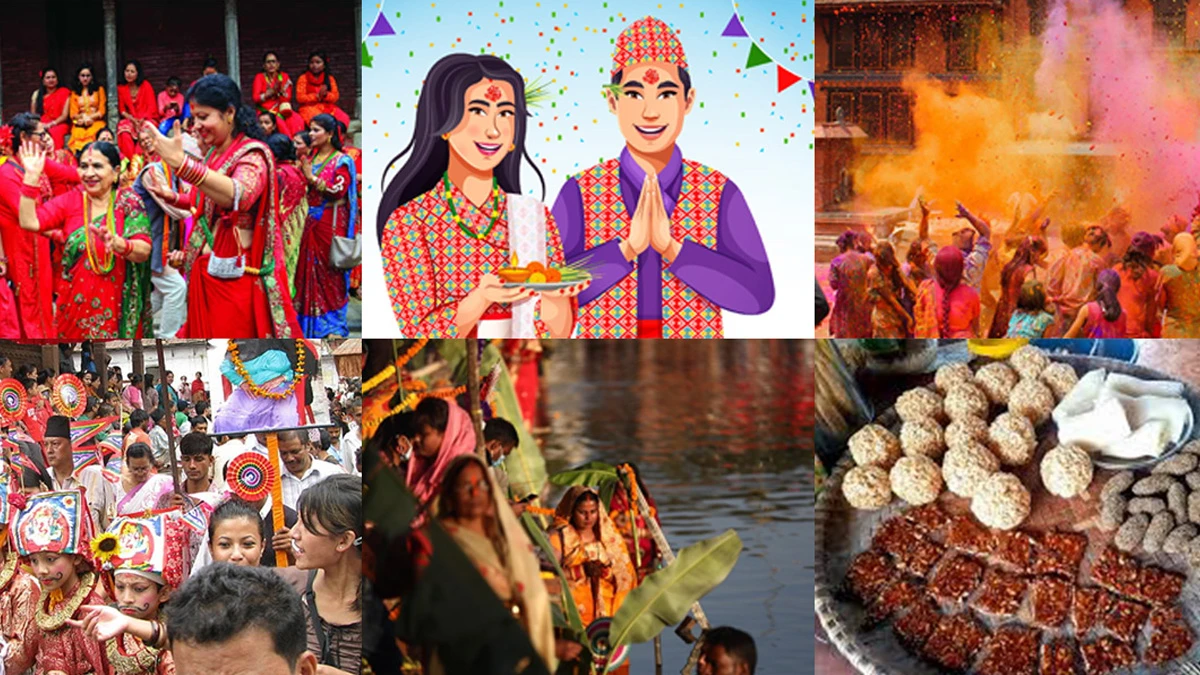
    FAQs

    1. Are short treks in Nepal safe to embark upon with small children?
    Yes, take them for trekking in Nepal since most treks include fairly gentle slopes in an easy range, and usually have comfortable lodge stay at somewhat relatively low elevations. During trekking ensure hydration, not getting too cool and rest to prevent over working

    2. From what age should the kids trek in Nepal?
    Children between 5-6 years can begin with easy trek such as Nagarkot to Changu Narayan or Australian Camp. Children above 8 years can enjoy longer or relatively harder treks such as Ghorepani Poon Hill or Ghandruk.
    3. What should I pack for a short trek with kids?
    Some of the items things you need to include are-:

    • Warm clothes and rain cover,
    • Sunscreen, hat, and sunglasses,
    • Snacks and water in the hydration packs,
    • First-aid kit and general medicines,
    • Light back pack only with basic things.

    4. Which trek best for first time family trekkers?

    Australian Camp Trek offers some nice easy trekking and spectacular views in a rather short period of time this is recommendable for beginners.

    5. Are decent accommodations easily available on the treks that are recommended to families?

    Yes, most of the options above offer a family room, hot food, and basic facility teahouses or lodges, and at some places, even small hotels with an attached bathroom.

    6. Do we need a guide for short treks with kids?
    Though the short treks can be done without guides also, one local guide or guide helper will not only help to explore better but also about the culture of the place besides helping during the time of need.

    7. What is the best time for family-friendly treks in Nepal?

    Some of the best time for family- friendly treks are-:

    • Spring(March–May): Clear weather, Rhododendrons in bloom
      Autumn: Crystal clear skies, warm temperature
    • Winter (December–February): Possible though it gets cold in the high altitude
    • Monsoon (June–August): Not recommended as it rains heavily and leeches appear

    8. Can babies and toddlers accompany on these treks?

    Yes, but it would be much better if parents can bring a baby carrier or arrange for one porter to assist them. Nagarkot to Changu Narayan or Dhulikhel to Namobuddha treks would be best for families with very young kids.

    9. Do these short treks require a trekking permit?

    While some treks such as Ghorepani Poon Hill and Ghandruk require both ACAP and TIMS card others, like Nagarkot to Changu Narayan require no either.

    10. What is the major problem in trekking with kids?

    Some of the major issues are-:

    • Change in altitude,
    • Tiredness, they might want to stop frequently,
    • Alteration in the weather condition.


  • Why Annapurna Circuit is Nepal’s Best All-Round Trek

    Why Annapurna Circuit is Nepal’s Best All-Round Trek

    Why Annapurna Circuit is Nepal’s Best All-Round Trek

    The Annapurna Circuit is more than a trek; it is a life-changing experience. It is widely considered one of the world’s most famous treks. The combination of stunning natural beauty, incredible cultural diversity and physical challenge makes it one of the most unique adventures on Earth. With an impressive array of ecosystems and landscapes for many of us, the region takes you on the path of discovery, with every step of the trek, leading to the unique experience of the Annapurna Circuit: a trek of a lifetime. In this trek, you will walk from regal rainforests to bone-dry high dessert, and nothing about it will leave you without something epic to take in and blown away by the beauty of it all.

    Annapurna Circuit solitary figure stands on a rocky, snow-dusted path, gazing up at a majestic, towering snow-capped mountain range under a clear sky

    Because of the level of adventure, from a seasoned explorer to a first-time trekker, and accessibility, the Annapurna Circuit is one of the best blends of adventure for all levels of adventurers. The terrific vistas and rich and colourful culture and blend existing infrastructures for a good level of comfort, make it one potentially the best balanced and enjoyable trek for most adventure seekers to have. You have more than enough reason to see why this trek is the included invitation to provide the best overall trekking experience in Nepal.

    1. Unmatched Geographical Diversity

    Since trekkers move through so many ecosystems and climates, the Annapurna Circuit enables trekkers to be in the wilderness and experience an impressive variety of ecosystems and climates… you start trekking from either the low elevations of about 760 meters at Besisahar or Jagat, through terraced fields and dense forest to alpine meadows and snow-covered mountain passes, you continue north from the lush valley below, then trek through the dramatically different terrain of the dry, windy valleys of Upper Mustang that provide trekkers a whole new world. This is fun and beautiful and imagery that lasts a lifetime.

    In an extremely short space of time, trekkers go from one altitude (approximately 760 meters) at the one end of the Annapurna track, to heights over 5,400 meters at Thorong La Pass; therefore, through the process of climbing to this height in a relatively short amount of time tourists have the option to go through an unparalleled number of ecosystems. If trekkers go up slowly, they appreciate the gradual changes to the flora and fauna then the changes in the weather conditions. This natural diversity also makes the Annapurna Circuit a great experience for photographers, a nature lover or simply a person wants to experience different components of the Himalayan ecology.

    Annapurna Himalayas seen from Brakha village near Manang
     

    Major Highlights:

    Marshyangdi River Valley: With its terraced rice fields and flowing waterfalls, the lush and vibrant valley provides an ideal warm-up for the trek.

    Pisang: Set in fragrant pine forests, Pisang is a lovely alpine village that offers stunning mountain views and an authentic Himalaya experience.

    Manang Valley: A semi-arid area, Manang provides wide-open views, variety of vegetation unusual to the region, and a great place for acclimatization.

    Thorong La High Pass (5,416m): The highest point on the circuit, where you cross into the Mustang region to continue your trek while surrounded by stunning views in all directions.

    Kali Gandaki Gorge: The deepest gorge in the world, and most dramatic, a canyon that cuts through and the mountains making for an exceptional natural environment along the trail.

    2. Amazing Himalayan Views

    The Annapurna Circuit has a number of great reasons to trekking it, one of the strongest is the consistently breathtaking views of the mountains. You’ll have line of site to some of the most incredible mountain views in the Himalayas, including Annapurna I, Dhaulagiri and Machhapuchhre (Fishtail) while on the trail. The mountains will provide a stunning backdrop that changes in color and depth with the day’s light, but especially at dawn and dusk.

    As you ascent the trail, the sense of sheer scale expands too. When you reach Manang and the surrounding area, you will feel diminutive under the enormous snow capped peaks that create profound feelings of awe and modesty. The 360 degree views create fantastic photo opportunities and shall often stand as the emotional apex of a trek, as they will establish a personal relationship to the raw power, beauty and unrelenting might of the Himalayas.

    Annapurna Base Camp with view of Fishtail & Base Camp itself

    Major Highlights:

    Annapurna II (7,937m): When we arrived at Chame and Upper Pisang, this mountain became the centrepiece, every time we stopped to look at its size and bright beautiful ice ridges would compel us to gaze back again and again.

    Gangapurna + Glacier Dome: This is a bit of an icing smudge on the map. But out of Manang, its placement and the great framing of the glacier that fed the rivers makes it a beautiful view.

    Tilicho Peak: Mentioned because of the side trip to Tilicho Lake, it is a stunning peak that complements the emergence of being on one of the highest lakes in the world.

    Dhaulagiri (8,167m): Muktinath and Jomsom were perfect locations for Dhaulagiri. Being the seventh highest mountain in the world, you will nominate it for ruling the western landscape.

    Machhapuchhre (Fishtail Mountain): When we think about Annapurna region mystique, this is the mountain that usually comes to mind. The sharply pointed profile of this mountain is iconic and probably the first featured in someone’s postcard photo.

    3. Rich Cultural Experience

    The Annapurna Circuit is not just another nature trek; it is a way to appreciate the full extent of the Nepalese culture. Trekkers not only see breathtaking views, but they also see many different ethnic peoples of Mongolian origin, like the Gurung, Magar, Thakali, and others with Tibetan influences in Mustang. Each cultural community is separate, with their own distinct languages, practices, and building styles; this type of variation provides richness, and is a true experience to complement the trekking landscape and even contribute to travelers’ cultural education.

    Trekkers will experience a living culture not only through the breathtaking scenery, but through many things such as if they are lucky enough to engage with members of the community providing tours on “daily solar” community members effortlessly spinning prayer wheels; ancient monasteries that are there for hundreds of years with monks not changed through the decades; village celebrations that are welcoming in the New Year. You will have a chance to stay in teahouses run by local families, where you have a chance to engage with members of the community, hear their stories, experience their food and hospitality, and see the daily lives of the community. These cultural experiences give you an additional highly valued and rewarding layer to your physical trekking adventure.

    Major Highlights:

    Braga Monastery: It is an active Tibetan Buddhist monastery, 500 years old, Situated just outside of Manang a more quiet spiritual destination with murals and ritual,

    Ghyaru and Ngawal: These are legit villages with Tibetan architectural style still in tact, so you can see living traditions of local Himalayan communities.

    Muktinath Temple: It is a sacred pilgrimage site for Hindus and Buddhists famed with their natural springs and natural religious belief.

    Marpha Village: If you visit Marpha known for its apple orchards, and traditional Thakaly culture connect yourself with nature and your heritage.

    Kagbeni: It is called the gateway to Upper Mustang, and is called a medieval village with old fortifications with a nice lovely, timeless feeling.

    4. Balanced Challenge and Accessibility

    The Annapurna Circuit offers a moderate amount of challenge making it an ideal trek for almost everyone. The gradual ascent allows trekkers to naturally acclimatize, clearing the risks of altitude threats for as long as possible. Regardless of the excitement of the climb to Thorong La Pass, it may seem daunting, but can be achieved by anyone who is fit to trek and can put their own pace together. The trek can be be as challenging as it is without anything dangerous.

    The abundance and size of teahouses on the trek allows you to have warm food, a bed and break without dragging the heavy weight of camping gear. When you add in to the fact that many of the camping gear can be rented or hired, the trek is solely because of solo trekkers and guided groups. This balanced contrast between challenge and camaraderie is one of the many aspect of the trek that makes it so popular.

    taking a Group picture at the top of Thorang La 5416m in sunny & cold day

    Major Highlights:

    1. Thorong La Pass (5,416m): This is the highest and most epic part of the circuit, and trekkers can’t help but receive unbelievable views, with a truly unrestricted feeling of having accomplished a great achievement.

    2. Yak Kharka & Thorong Phedi: You will need these breaks. These towns are good places to not only rest before the pass, but they were also rest towns for those acclimatizing and obtaining gear & supplies for the climb/summit.

    3. Tilicho Lake Side Trip: Anonymous optional side trip to a very high elevation for trekkers to arrive at one of the highest alpine lakes in the world.

    4. Pisang to Manang: You are gaining altitude (not too much really) but the views and scenery are beyond amazing and provide a much needed acclimatization break in between a very grueling trek and before the next stressful hike.

    5. Descent from Muktinath: Back to Muktinath after crossing over the Thorong La pass then only one side trip from the town of Muktinath and again this is a steep descent but it feels sort of fun to do and you not only see some varied landscapes, you can see many historical and cultural places of importance to stop and explore.

    5. Excellent Trekking Infrastructure

    The infrastructure supporting the Annapurna Circuit is arguably the strongest aspect of this trek, and overall, it has been designed to support trekkers. Infrastructure is in place to support teahouses, guesthouses, and hotels, so there are places to tend to the needs of trekkers. As a result, trekkers now have more choice over their trip activities knowing that if a trek is remote or dirt cheap, there will always be somewhere for them to rent a room that is clean, eat a hot meal, and get a clean supply of drinking water.

    The trail infrastructure is including many modern conveniences. For example, in villages like Manang and Jomsom (to name a few), trekkers can now find solar-powered showers, Wi-Fi access, bakery’s producing fresh bread, and places to hire mountaineering gear. Trekkers can keep in touch with a cell phone signal and regain peace of mind knowing immediate evacuation services are close by (far enough to avoid compromising the ‘ad-hoc ruggedness’ of the trek). This infrastructure limits distractions and allows you to spend your focus on what your trek is really all about: the adventure.

    a bridge on the way to Upper pissang from Dhukurpokhari & shantidada seen in the background
    A Bridge before upper pissang

    Major Highlights:

    Manang: A bustling (for some) trekking destination with bakeries, clinics, guesthouses and gear shops it is a nice stop to refuel and recharge.

    Jomsom: The only place in the entire region with an air port, the transport hub for the region.

    Chame: Chame has many lodges, close to natural hot springs, so a great place to hit a restorative stop early in the trek.

    Tatopani: Famous for the natural hot springs, a great place to heal your sore muscles after all the trekking.

    Thorong Phedi Base Camp Lodge: The last high altitude destination before the high point of the trek, great place to take a rest and acclimatize!

    6. Flexible Route and Side Trips

    The Annapurna Circuit accommodates trekkers’ ability to vary the trek according to the number of days they can be on trek, their fitness level, and personal interests. Whether trekkers complete the circuit, include parts of it, or avoid all parts of the circuit treks, there are a multitude of points where trekkers can beg travel or end travel on a trekking route. Alternative routes, and in some cases jeep road, can even bypass or allow trekkers to travel on an alternative route, which increases trek variety and flexibility.

    For instance, there are many side trips possible, which can eat into a trekker’s time, but may enhance their main trekking experience. A diversion to Tilicho Lake, one of the highest freshwater lakes in the world, will offer good weather trekkers some serene but dramatic alpine scenery. Ice Lake near Manang and the sunrise viewpoint at Poon Hill are popular side trips that serve to enhance the main route. The option to add these side trips into the main trek similarly adds to the appeal of the circuit for trekkers of all types from novice to advanced.

    While nothing may compare to the elite hiking on the Annapurna Circuit, here are reasons that are unique to it:

    Major Highlights:

    1. Tilicho Lake – this most stunning high-altitude lake, at 4,919 meters is definitely an exciting place for any trekker with some adventurous spirit.

    2. Ice Lake – an alpine lake accessed from Manang, it could not be more beautiful or peaceful.

    3. Poon Hill (3,210m) – the most photographed viewing area for sunrise panoramas of Annapurna & Dhaulagiri.

    4. The Upper Pisang Route – This route is not only much less travelled, but it also has far superior scenery than the main lower trail, plus solitude.

    5. Jharkot – a beautiful place that has an intact relevant culture, that is walking distance from Muktinath, a traditional town.

    7. The safest, and natural acclimatization

    In terms of safe, and natural acclimatization, the gradual increase in altitude on the Annapurna Circuit is very well thought out. There are planned rest days, and hikers who will have the chance to acclimatize to thinner air, in important villages like Manang and Yak Kharka will have very restful opportunities. In addition, for hikers on rest days, optional, side hikes that could be completed on their acclimatizing day, for hikers to acclimatize but also to have some memorable experiences.

    Due to the gradual ascent, high level of local and health services support, the circuit is within the reasonable range for a first-time high-altitude trekker to undertake. The route structure and design provide more safety, making it easier for trekkers to enjoy the stunning experience while also learning apart from the day to day trek itself.

    View of Annapurna 2 & 4 seen from Nagwal village with Humde valley

    Major Highlights:

    Acclimatization day hikes in Manang: It is recommended to experience day hikes to either Ice Lake or Gangapurna Lake. You can acclimatize and enjoy views of some really stunning lakes, and be out in a unique environment.

    Yak Kharka: A quiet little village, it offers a nice, much-needed peaceful and quiet rest stop before continuing up to a higher altitude thorong phedi.

    Thorong Phedi: An important last overnight acclimatization stop before crossing the pass.

    Braga village: A slight climb with a cultural experience at the historic monastery.

    Tilicho base camp: It can be sparked as the last high-altitude stop before the trek to Tilicho lake.

    8. Year-Round Trekking Potential

    Expect best trekking seasons in spring and autumn, but with some careful planning the trail can be trekked any time of the year. The rain shadow effect protects northern regions, such as Mustang, from the monsoon, allowing trekkers into the region while much of Nepal experiences rain. Winter allows trekkers solitude, beautiful clear skies for multiple days, and a view of the mountains from a different perspective.

    Trekkers, with the right knowledge and equipment can experience the magic of the Annapurna Circuit in a multitude of ways. Trekkers should expect coldness and snow-weather preparedness in winter’s approach, but be rewarded with postcard-perfect views with hardly another person in sight. The ability to visit the Circuit is diverse enough in terms of weather conditions, which adds up to endless variety for trekkers from all walks of life, and we hope this benefits a wide array of tourists and travellers, to trek, work, and explore respectively, and at different times of the year.

    Major Highlights:

    Muktinath and Mustang Region: These dry high-altitude places can even be accessed during the monsoons.

    Lower Annapurna Villages: The good weather of winter makes these an ideal trekking option.

    Jomsom Flights: These operate as a regular service, unless the weather conditions, prohibit them. Hence, provide an effective entry to the region.

    Tatopani: A warm relaxing place to experience hot natural springs during the colder months.

    Marpha: A pleasant environment in both low and high seasons, particularly bustling during the apple harvest.

    9. Affordable, but Rewarding

    Compared to many primary international treks around the world, the Annapurna Circuit is a surprisingly affordable option. Your daily expenditure which includes, accommodation, food, and permits plus basic equipment, almost invariably falls between $25 to $50 USD. Even including guides or porters, it remains an affordable trail accessible to a wide range of adventure seekers from students and backpackers.

    For the little expense you incur, the reward is tremendous. Trekkers access some of the most extraordinary views, colourful culture and reasonable physical challenge. The affordability and valuable rewards of the trek are principal reasons for the continuous success of the trek.

    Major Highlights:

    TIMS and ACAP Permits: Inexpensive permits that allow access to protected areas and support conservation.

    Homestays: Inexpensive lodging and cultural exposure, while receiving local hospitality.

    Discounts: Discounts for permits and some lodges, for organized treks.

    Low cost food: A traditional dal bhat meal provides lots of nutrition for minimal cost, available throughout the trail.

    Teahouses: Affordable teahouses in simple rooms to lodges at various price points.

    Conclusion: The Ultimate Himalayan Experience

    The Annapurna Circuit is unrivaled when it comes to trekking in Nepal. It is the best overall trekking experience because of its stunning topography, unique culture, specific challenge, and ample infrastructure. It challenges every aspect of your heart, body, and soul like few other adventures to be taken.

    Whether you are seeking solitude, adventure, or cultural interaction the Annapurna Circuit will provide an unforgettable trek each step of the journey. The trek passes through the snowy heights of Thorong La, and the warm welcomes of mountain villages, which truly epitomizes the spirit of trekking in the Himalayas. It is easy to see why the Annapurna Circuit is still is the best all round trekking experience in Nepal. Contact us today at Happy Mountain Nepal, Facebook, Instagram, or TikTok

  • A Cultural Walk Through Patan and Bhaktapur

    A Cultural Walk Through Patan and Bhaktapur

    A Cultural Walk Through Patan and Bhaktapur: Timeless Cities of Art

    Introduction: Timeless Cities in the Heart of the Himalayas

    While Nepal is renowned for its breathtaking mountains, the mountains may not always be representative of Nepal. What may be representative of Nepal are its valleys, and without a doubt, the essence of Nepal is the Kathmandu valley where there are actual civilizations that still exist, and great art that still exists. In the Kathmandu valley, we recently came to discover two living art cities, Patan and Bhaktapur. These cities are unlike any other city in Nepal today because they represent another time, and they also fully embrace, value, and promote the forms and functions of art/culture that we cremate in the urban life, and the extent to which art can operate: hints of earlier cultures and civilizations.

    Strolling culturally through Patan and Bhaktapur will be as close to traveling in time as we can arrive at, because all around, you will see beautifully carved temples, durbars, courtyards, artisan villages, and food culture that integrates all of it from pockets of the past, some gone, but some are still vibrant, lively and most importantly, dispersed through the fluvial history of art of the Kathmandu Valley. This blog will take you on an exhaustive journey through the roads, historical gems, the art over time in Patan and Bhaktapur.

    Part I: Patan – The Artistic Jewel of the Valley

    1. A Brief Historical Overview of Patan

    Patan is also called Lalitpur and is one of the oldest continuously inhabited cities on Earth. It was first established sometime in the 3rd century B.C.E. Patan became very important during the Malla period and was established as an independent kingdom noted for its very high level of artistic sophistication. The Malla kings devoted a lot of time, effort, and resources to building temples, town planning and had a great interest in fostering conflict resolution between the Hindu and Buddhist faiths. The dynamic relationship between both faiths would become the heart and soul of Patan as evidenced by the multiplicity of chaityas, vihars, and temples in the city.

    patan durbar square

    Patan is planned as a Buddhist mandala. Mandalas are sacred and civic space combined into a single spiritual and geometrical expression. The spiritual plan of the city of Patan fully exists to the present day and orchids of stupas dating to Emperor Ashoka exist in each of the four cardinal directions of the ancient city. Urbanism and the city’s population has moved expand and thrive, yet Patan has not lost its original animus; it is not a defunct relic of the past but a vibrant museum of cultural continuity, cultural survival of traditional culture, and cultural resiliency.

    Things to Know:

    • Historically, Patan was named “City of Beauty” as well as Lalitpur,
    • It was one of three of the major Malla kingdoms in Kathmandu Valley.
    • It is laid out as a Buddhist Mandala city.
    • The architectural legacy of Patan is credited to King Siddhi Narsingh Malla
    • Strikes a perfect balance between Hinduism and Buddhism.

    2. Patan Durbar Square:

    The Sculpted Heritage of Nepal Patan Durbar Square is a veritable goldmine of Newar architecture and urban design. It is a UNESCO World Heritage Site and it contains aggregation of tightly packed clusters of temples, shrines and palaces that exemplify Nepal’s architectural heritage. The Royal Palace is the core of this chain of masterpieces. It is where the Malla kings of Patan ruled, and converts itself as a museum in modern times. The Krishna Mandir, which is a remarkable carved-stone temple built in Shikhara-style (found in India but not Nepal), contains sculpted divine scenes on its struts and pillars.

    What distinguishes Patan Durbar Square as such an extraordinary experience is the way it still connects with the pulse of everyday life. Locals gather to socialize, worship, and celebrate festivals in the square, which arguably makes it more than a static monument but rather an active cultural one. The square could not be more exciting with activities taking place. The Krishna Mandir is a breathtaking monument which is dedicate to the god of commerce, trade, and merchants and serves as a lotus in the center. The Vishwanath Temple, a Shiva temple, has stone elephants that guard the temple . Each building signifies a great history and is not in and of itself a cold relic, but a living part of a continuing and incredibly vivid religious and cultural tradition.

    patan

    Things to Know:

    • It is a UNESCO World Heritage Historical Site, with a dense amount of architectural wonders.
    • The Krishna Mandir is the only place where a few on site monuments were fully and only built in stone.
    • The square has temples for Bhimsen, Vishwanath, and Taleju as well.
    • The Royal Palace was the royal seat of the Malla kings.
    • The square is still actively used for social purposes, thus making it a living heritage.

    3. Hiranya Varna Mahavihar (Golden Temple): Hidden Buddhist Gem

    Hiranya Varna Mahavihar (The Golden Temple) is one of the most important Mahayana Buddhist monasteries in Nepal and nestled in the narrow and winding streets of Patan. Dating to the 12th century, the temple is shining and gilt on the outside, highly decorated with intricate wood and metal carvings and it has two lions (a resting lion and a standing lion because he wants to have one more chance to kill). The temple is an active sacred space for spirituality and pujas and rituals when it is open as a functioning monastery.

    Golden temple

    Rituals occur every morning performed by the young boys, Bapachas, who will go on to serve infrequently in the priestly vocation. All around heated butter lamps burn and flicker along the gilded walls and murmurings of prayers echo within the courtyard. The leadership of Hiranya Varna Mahavihar show the monastic life of that in Patan, forever courted but always upholding the unimaginable tradition of Tibetan Buddhism. The temple is almost a hidden refuge from the unknowing common; this furtiveness is only just a short distance away (5 minutes walking) from a bustling square in Patan.

    Things to Know:

    •  Mahayana Buddhist monastery built in 12th century.
    •  Remarkable giltwork and gilded yard.
    •  Still functional and regularly performs prayers and rituals.
    •  Rituals performed by Bapacha boys, a distinctive practice.
    •  An oasis of calm and spirituality in the middle of the city.

    4. Patan Museum: A Class of its Own in Newar Art

    The Patan Museum is set in the former royal palace complex of Patan, and is an impressive entry point to exploring Nepal’s artistic and spiritual heritage. The Patan Museum houses finely curated collection of bronze icons, wood carvings and saced art pertaining to both the Hindu and Buddhist traditions. Established through the collaboration of Nepali and Austrian practitioners, the Patan Museum was magnificent restored and preserved to balance the architectural heritage of the site, whilst being an inspiring interactive learning opportunity.

    Patan Meuseum

    Unlike typical museums that showcase objects, this museum takes a thematic approach and provides an education to visitors regarding the meaning of the objects symbolized, the religious context, and the traditional techniques of the objects, particularly significance to Newar bronze casting. In addition to the exhibitions it offers a relaxing environment in its courtyard and rooftop café that will allow visitors to reflect and appreciate art and history around them.

    Things to Know:

    • Located in the Patan Royal Palace.
    • Has one of the finest collections of Newar art in South Asia.
    • Provides exposure to Hindu and Buddhist iconography.
    • Provides an exposition of traditional, lost-wax bronze casting techniques.
    • Has a restful courtyard and café for its visitors.

    5. Community Courtyards: Patan’s Hidden Treasures

    The most delightful aspect of Patan are its bahals—traditional community courtyard spaces that capture the spiritual and community life of Patan’s neighborhoods. Bahals can contain small stupas (mound-like structure containing Buddhist relics), prayer halls and/or often a public water source (hiti). Rather than being remnants of architecture, the bahals are vibrant social spaces where people come in daily, prayer in the morning, who could meet and socialize as a community, and remember the dead.

    Some examples of excellent intact bahals are Nag Bahal, Kwa Bahal and Sundhara; to find and witness a courtyard like these that spatially communicate how urbanism made possible a way of being that nurtured community, spirituality, and social life is a rare find. bahals like these demonstrate the Newar way of being communal, where architecture included the social, and spiritual life without impediment. Furthermore, in these bahals we can see, although admittedly slower, a livelier, visceral urban life still pulsing.

    Things to Know:

    • Bahals are traditional courtyards that focus on Newar community civic life.
    • A long Bahal often has a stupa, water spout, and prayer space.
    • Nag Bahal and Kwa Bahal are in excellent condition and are used for communal activities.
    • Bahals can be functional spaces for communal rituals, play, and socializing.
    • Demonstrate the ways in which Patan is unique in the combination of architecture with community-life.

    6. Artisan workshops and modern art spaces

    Patan remains the artistic core of Nepal, where traditional craft methods permeate the thrumming, artisan workshops located in packed backstreets. Metalworkers fashion elaborate deities out of liquid metals using the lost-wax process, woodworkers create elaborate doorways, while thangka painters create divine details. In Patan, many families have retained these techniques through the generations, encompassing the artisanal spirit of Nepal and maintaining the artistic traditions based either knowledge or devotion.

    Krishna Temple , Patan

    Patan also welcomes newness, with galleries such as Yala Mandala, Mcube, and Sattya providing a way for contemporary artists engaged with issues today in methods from the past. Through exhibitions, artist residencies, and studios these galleries provide dynamic spaces where history drives newness. In Patan tradition and creative expression do not compete, they speak to one another and grow. Patan provides expansive possibilities.

    Things to Know:

    • Patan is the craft capital of Nepal with master craftspeople.
    • Premium quality metalwork, wood carving and thangka paintings.
    • Lost-wax casting of statues is local specialty.
    • Modern gallery spaces, to showcase new work such as Yala Mandala and Mcube.
    • Patan is a mash-up of centuries old mastery of craft and contemporary.

    Part II: Bhaktapur – A Medieval Marvel Frozen in Time

    1. The Spirit of Bhaktapur

    Bhaktapur, Khwopa in the Newar language, is often called Nepal’s “cultural jewel.” Only 13 kilometers away from Kathmandu, Bhaktapur is timeless and unspoiled by the frenetic natural and unnatural chaos of other urban centers. Once the capital of the Kathmandu Valley, Bhaktapur is still regal, with beautiful streets full of heritage and sacredness, and the inhabitate are traditional people. the city has the same brick houses, courtyards, and narrow alleyways, but lost in the centuries of the past History in the Making and both craftsmanship.

    Bhaktapur

    There is no other place in the valley like Bhaktapur that still move in time with the cadence of medieval days. Festivals, music, and arts joint the daily lives of the inhabitants as a part of their lives; not a display of ceremony. The city is one giant museum where the movements are literally at the pace of a glacier by the centuries of ritual tied to the sacred past, that are still in practice. In the courtyards grains are being dry by farmers, in the village square pottery is being form by artisans, and on the sun-dry stairs of temples old men are discussing the events of their day. While you do not physically witnesses the experience of Bhaktapur from what you see, you do experience Bhaktapur.

    Things to Know:

    • Bhaktapur is the most intact medieval city in the valley
    • Used to be the capital of the whole Kathmandu Valley.
    • Is Khwopa in the native Newar language.
    • Is part of everyday life with architecture, rituals and traditions.
    • It is like walking into a live history museum.

    2. Bhaktapur Durbar Square: The Artistic Hub of the City.

    In the heart of the city is Bhaktapur Durbar Square, a UNESCO World Heritage site, and the spiritual and political heart of the previous kingdom. The 55-Window Palace is the focal point of the square, lasting woodcarving that can only be matched with the artisanship used by Newar artisans. Next to the palace is the Vatsala Temple, made of Stone is for Vatsala Devi followed by a statue of King Bhupatindra Malla showing a gesture of Devotion.

    Bhaktapur Durbar Square

    Unlike the Durbar Squares at Patan and Kathmandu, which are confined public areas, the Bhaktapur Durbar Square is a relatively bigger and more open public space. However, this is not a point of history, which you are likely to visit once, in a time before. Bhaktapur Durbar Square works as a public square through which people pass, leave offerings, clean the temple plinths, and perform cultural rituals. The sacred and civic are intimately linked within the square, and it still remains the best place in Nepal to experience both.

    Things to Know:

    • Home of the 55-Window Palace, the iconic symbol of craftsmanship in wood;
    • Home of Vatsala Temple and statue of King Bhupatindra Malla;
    • A UNESCO World Heritage site still used for living practices;
    • Bigger and more open than the other two squares in the valley;
    • Varied public festivals or cultural rituals still taking place throughout the year.

    3. Nyatapola Temple: Towering Over the Valley

    Nyatapola Temple dominates Taumadhi Square and is the tallest pagoda type temple in Nepal at five stories high. Built in 1702 by King Bhupatindra Malla, there is both structural genius and one can see power at two levels, the architectural and spiritual levels. The temple has survived several significant earthquakes, possibly in part, because of the broader base and tiered design, further engineered to resist earthquake impacts.

    Nyatapola Temple

    The stairway to the temple has groups of mythological figures representing double the strength of the previous figure way leads to the kalasa above the sanctum of Siddhi Lakshmi, a Tantric deity. Each level tells the story of two groups of figures; while the temple’s highest level represents an ascent in spiritual strength. The temple is simultaneously a physical journey upward as well as a metaphysically journey onward.

    Things to Know:

    • You will witness the tallest pagoda temple in Nepal, built in 1702.
    • The temple is dedicated to the potent Tantric goddess Siddhi Lakshmi.
    • The shape of the temple is designed to endure massive earthquakes.
    • The temple is protect by symbolic stone guardians on either side of the stairs.
    • Every level is a higher level of spiritual power.

    Dattatreya Square and the Peacock Window

    Dattatreya Square is at the far eastern end of Bhaktapur. It takes it’s name from the Dattatreya Temple, which was also thought to be built from one tree. This square feels more like a residential area (and artisan) and is much quieter than the central square but again just as stunning, and with the same amount of spirituality and craftsmanship at every turn. The Dattatreya Temple is in the middle of the square with its odd three headed deity which is a combination of Brahma, Vishnu, and Shiva.

    Dattatreya Square

    Art enthusiasts flock to this square to see the Peacock Window – referred to as the “Mona Lisa of Nepalese woodcarving”. This square also contains two fantastic museums; the Woodcarving Museum and the Brass & Bronze Museum. Both museums are located in a traditional building that reflects and help preserve Bhaktapur’s artisan structures.

    Things to Know:

    • Dattatreya Temple is said to be carved from one tree.
    • The Peacock Window contains exquisite woodcarving.
    • A beautiful synthesis of spirituality and tradition.
    • Is the home to the Woodcarving and Brass & Bronze museums.
    • A quieter square, more intimate and rich in history and artistry.

    5. Pottery Square: The Rhythm of Clay

    Often referred to as Talako Tole, Pottery Square is one of the most enlivened enclaves in Bhaktapur where you will find this community shaping pots as part of daily life. Craftsmen will sit lateral at a wheel, giving clay a squeezing motion, continuously removing the clay from the wheel until they have shaped a bowl, piggy bank, water jar, or traditional lamp. After the potters have shaped all of their pieces, they will place them in rows on the ground to let the sun dry them as they prepare to home-fire the pieces in traditional kilns.

    Pottery Square:

    The pottery makers have demonstrated an unbreakable line of practice and the act of watching, their motions and the clay and wheel, the smell of earth, and the quiet contemplation, gives viewers a tangible and immersive experience. In Bhaktapur pottery is more than craft, it is the pride of ancestral wisdom and collective local identity.

    Things to Know:

    • Pottery Square is the world’s only place for traditional clay works.
    • Artisans shape and sun dry their pots with no walls during the whole process.
    • Firing still happens in traditional kiln.
    • Generational learning secures its future.
    • It provides the tourists chance to try pottery, creating engagement.

    6. Bhaktapur’s Food Culture: Juju Dhau and more.

    As there was the history and craft of Bhaktapur to the stomach, there were not insignificant moments of gluttony, particularly for the taste buds. The traditional delicacy of Bhaktapur is Juju Dhau, which translates to “King Curd”. Juju Dhau is a rich sweet yogurt made with buffalo milk and is housed in small clay pots. Juju Dhau has a creamy texture that holds its shape and is typically consume during festivals and rituals or simply indulge for the joy of eating on a hot day.

    Bhaktapur's Food Culture

    Food is also deeply influence by custom in Bhaktapur and food is strongly tie to their heritage. Juju Dhau, the “king of curd,” richness of cream, is only available in Bhaktapur. Chatamari is a rice flour pancake, normally eggs or minced meat, commonly referenced as “Newari pizza”. Bara is fry lentil patties that may be eat plain or fortifie with meat. Samay Baji is a ceremonial dish, served only at festivals, served in a round platter. It consists of beaten rice, boiled egg, fried meat, black soybeans, and ginger; a complete meal in balance of all textures and flavours; with the historical meal at its core. In this sense food is not just food, but heritage served to you on a plate.

    Things to Know:

    • Juju Dhau; the “king of curd,” cream-rich, comes from Bhaktapur
    • Newari traditional dishes include Chatamari & Bara
    • Samay Baji is a ceremonial food that is symbolic of festivals being ceremonial, Samay Baji is sympathetic of historical dinner— ceremonial meal
    • Food and culture is important what signifies identity of Bhaktapur.

    Shared Legacy: Patan and Bhaktapur as Twin Pillars of Culture

    Although Patan and Bhaktapur became two distinct Malla states, their cultural roots are still very much within a Newar context. The Newars, Kathmandu Valley’s original inhabitants, indelibly stamped both patan and Bhaktapur with a Newar culture that permeates all aspects of life, including language (Nepal Bhasa), festivals, rituals, arts, architecture, etc. The walking experience of any pavement (which is brick) in either city has a commonality of Newar environment, whether in sculpture or architecture, such as elaborately carved woodwork, tiered temples, vivid courtyards, and hybrid architectural forms that blend function and form and create historical identity. The Indra Jatra, Machhindranath Jatra, and Bisket Jatra are festivals that are not simply social fodder, but they contain resonant meanings of our collective memories of ancestral survival, identity, and spirituality; while full of masked dances, chariot processions, sacred rituals, etc., these festivals are temporal and spatial bridges between cities and generations.

    patan

    In addition to cultural festivities, Patan and Bhaktapur are the epitome of Hindu-Buddhist syncretism’ an enduring feature of Nepal’s religious landscape. In both instances you can find a Mahayana Buddhist monastery next to a Hindu temple for Shiva or Vishnu. Rituals are interchangeable and places are interchangeable; Buddhist’s worship in Hindu temples and the reverse is true as well, and this is the rule, not the exception. This is not just an intercultural space; it is an intercultural celebration as portray by Patan and Bhaktapur together as twin guardians of a world view where own faith is not demarcate from another, reinforcing the idea of spiritual tolerance that transcends institutional religion. Together Patan and Bhaktapur are protectors of a rich legacy and model of practice of ‘on faith’ that permeates Nepal’s ability to appreciate diversity while maintaining a sense of community.

    Things to Know:

    • Both cities are on a primordial Newar foundation and civilization.
    • Both cities would share the same language, rituals, art, and architectural experiences.
    • Major festivals as part the Newar socio-cultural festival calendar such as Indra Jatra, Machhindranath Jatra, and Bisket Jatra.
    • Patan and Bhaktapur represent Hindu-Buddhist syncretism.
    • Their cultural and religious harmony are the definers of the Kathmandu Valley.

    How to Get There

    Patan is easily and quickly available to get to from Kathmandu. The taxi drive will take about 20 to 30 minutes depending on traffic, so it’s a great place to go after the morning, or make a half-day trip, or even a full day. You can take a taxi, go with a ride-share service, or take any of the local buses from parking areas like Ratna Park or Lagankhel. Once you arrive in Patan, particularly near Durbar Square, you can walk to about 95% of the places you will want to visit and none of them are far enough to need additional transportation.

    Bhaktapur is really not that much further from Kathmandu; it just takes a bit longer to get to Bhaktapur. A taxi driver should take between 45 and 60 minutes, as it takes a taxi ride out of Kathmandu. Once you are outside of Kathmandu, if you take any of the local buses at Ratna Park or either Bagbazar or Gongabu Bus Park, you will be on your way. The view is beautiful that I’ll let you to see for yourself with the terraced hills, and small towns along the drive to the medieval gates of Bhaktapur.

    Successful tours of Bhaktapur may take some time. Because Bhaktapur is more extensive than Patan, if you visit the popular tourist attractions (e.g., Durbar Square in Bhaktapur, Taumadhi Square, Pottery Square, etc.) all these attractions are still either walking distance away near the limited number of places you didn’t need a taxi or public bus to visit.

    Entrance Fees

    Each city has established entrance fees for foreign tourists. The fees are levied to help protect and preserve the management of their cultural heritage. The Patan Durbar Square entrance fee is NPR 1,000 and the Bhaktapur Durbar Square fee is somewhere between NPR 1,500 and NPR 1,800, depending on the entry point and fee generated from the pamphlet or brochure. Entrance fees are never insignificant, but for the amount and quality of the architecture and artifacts, the entrance fees are completely reasonable.

    Some entrances have been arrange for multiple entry, or there is a time period of validity from date-stamped entry, so make sure to keep both in mind when purchasing your entrance ticket(s). Many foreign tourists build in several days’ worth of visits to either city, so if you are going to be in Patan or Bhaktapur more than once, hold on to your ticket and ask the staff at the entrance gate about re-entry. Students with a valid form of identification from their school may also be entitle to discounted rates at attractions.

    Best Time to Visit

    The ideal time to visit Patan and Bhaktapur is in the autumn (October to December) and in the spring (March-May). In the autumn, not only do you have the experience of blue skies and the weather is good, but the festivals of Dashain and Tihar are a time where there are lights and flowers and celebrations all over the cities. In the spring, the air is clean, the plants are flowering, and in Patan there is the wild festival of the chariot festival “Machhindranath Jatra” where there are streams of people following the chariot.

    It is easy to escape the crowds, and take advantage of the best light for your photographs, by planning your visit in the early morning, or in the late afternoon. In your quiet space at that time of day, you can enter your inner peace and quiet and think quietly about what the local people are doing. Where were they, as they started their day or finished their day. And, just as the sun started to set you were about to walk into the setting light; and in those moments, you could paint your thoughts with whatever thoughts were on your mind, hopefully about the days beauty and
    how the light rested on the bricks of the temples, the wood carvings, and the open space of the squares.

    Local Etiquette

    Be conscious of the local customs and traditions while strolling through a city world-renowned for its unusual cultural riches. Always remove your shoes before entering temples, parts of certain courtyards, or even traditional home buildings. It is always nice to see how much modesty you can express to local people. Since you are in Nepal, it is always nice to see your shoulders and knees covered. Appropriate clothing helps show your respect for the culture especially in religious locations or during festivals.

    Most areas allow photography; ask permission however for close-up photos of locals, artisans, monks, or during rituals. Most people will gladly offer up their stories and crafts to willing participants once asked about their experience.

    Hiring Guides

    Hiring a guide can move your visit from one that is purely sightseeing, to one which is a cultural experience that is engaging & enriching when you visit Patan or Bhaktapur. Most local guides speak a range of languages, have a good understanding of history, mythology, and architectural history that will help enrich your visit, and often they can explain their understandings of hidden symbolism that relates to certain statues, carvings, and the layout of the temples. It is also likely that they are aware of less-frequented courtyard’s and are familiar with some lesser-known legends and secret alleys that tourists miss.

    A printed brochure or audio guide may do the trick when you want a brief glimpse of history; however, a human storyteller who walks you through the history and heritage of these ancient centres can bring stories to life. Guides obviously enhance the experience & richness of your visit; and they help to support the local economy.

    Conclusion: Walking Through Legacy

    Patan and Bhaktapur are not relics of the past, they are currently live and vibrant cities, and history must be alive in order to be remembered. They have endured tremors, modernization, and economics, so the tradition that serves as a strong root of their culture is inescapable.

    While many in the modern world are emphasizing speed and doing things using technology, Patan and Bhaktapur allow us to slow down, look, and connect. Walking through Patan and Bhaktapur, is not visual sightseeing it is an artistic and spiritual exploration. You don’t just leave with a fingerprints of memory, you leave with an awareness of a way to be, thoughtfully in harmony with beauty, tradition, and faith.