Author: Happy Mountain

  • What I Wish I Knew Before Visiting Nepal

    What I Wish I Knew Before Visiting Nepal

    What I Wish I Knew Before Visiting Nepal

    When I chose to travel to Nepal for the first time, my mind predicted. This small mountain country with large monsoon snow-capped mountains, colorful bright prayer flags and big smiles.  What I did not expect, was how much I would learn about life, patience and friendship in this small kingdom. Nepal has so many wonderful elements in every aspect but also has its own feature that will catch first-time visitors off guard. 

    Whether you are considering a visit to Nepal for your first time, or reading out of simple curiosity. These are things I wish I had known before going to Nepal. It might have changed the way I experienced things, and perhaps a few surprises would have been taken away. A heightened awareness and appreciation for the beauty of the country.

    1. Nepal May Seem Small on the Map but it Feels Huge

    I assumed that since Nepal is a small country, I could get most of it knocked off on a short trip before arriving. I quickly learned, once I got there, that small or not geographically, distance was not the issue traveling in Nepal.

    Five smiling women, some wearing shirts with a "YAK" design, stand in a courtyard posing with their hands pressed together in the Namaste gesture. Behind them is a large golden stupa with prayer flags strung around the top, which appears to be Swayambhunath or Boudhanath in Nepal.

    Depending on traffic and the narrow and winding mountain roads. A six hour drive can easily become eight or more depending on what the weather and road conditions are.  Getting from one part of the country to another also means crossing rivers, climbing mountains, changing altitudes. All of which requires more time. While the change of scenery is incredible, allow for that time. 

    If you want to see Kathmandu, Pokhara, and Chitwan in one trip you have to plan a minimum of 10-12 days. And then tack on more time for trekking to allow for altitude change, and allow for driving time just to get to the trail heads.

    2. The Weather has a Mind of Its Own

    I arrived in Nepal in the fall, thinking the weather had a chance of being nice. Well, it took about one day to discover the fall weather in Nepal is completely unpredictable.  You can have bright warm sunshine in the morning, rain in the afternoon and by night time. It looks and feels like winter, even in Kathmandu. 

    In the mountains, it becomes even more strange. You’re in clear skies one minute, and then you are camping in dark clouds. Sometimes even snow and although the weather is just strange higher in the mountains. The weather also gets stranger the higher you go the higher is weirder. 

     I really wish I had packed better weather gear light for clothes for daytime, warm jackets for winter weather at night. And rain gear because it’s probably going to pour rain at random.

    So the point is  plan for any season at the same time. No matter when you’re going to visit.  Nepal’s weather does whatever it wants.  It’s part of its appeal.

    3. Altitude sickness is not only a problem for trekkers.

    I had heard about altitude sickness and because I was fit and exercised regularly. Before I trekked to Nepal, I thought I would be immune. Soon after we climbed over 3000 meters. I began feeling a little dizzy, as if my body quickly became depleted of energy and out of breath. It was at that moment I overwhelmingly began to feel sickness from the altitude.

    man in a red shirt, grey shorts, and a black hydration vest is trail running uphill on a steep, rocky mountain path with a vast, misty landscape and sky in the background.

    It did not take long for myself to realize that the air is thinner. As we go higher, and it takes time to acclimatize. It affects everyone differently. It does not matter about your fitness level. The main thing to do is to go slower than you normally would. Drink lots and lots of fluids, and when possible never skip acclimatization days. Some trekkers decide to take Diamox tablets for precaution or on the advice from a doctor prior to going on a trek. But you should always see the doctor for your option!

    Do not overlook this on your trekking experience. Respect the mountains, respect your physical limitations. And overall you will have an even better and safer trek!

    4. Nepal Is More Than a Trekking and Climbing Destination

    I firstly thought Nepal was strictly a trekking and climbing destination, which is one of the biggest misconceptions that I had. After reading some about Nepal, I learned there is so much more. 

    You can enjoy the medieval courtyard in Bhaktapur and Patan, where the bricks and carvings could be taken from a story hundreds of years ago. You can go by Phewa Lake in Pokhara. And think about how the Annapurna range appears from the lake. While I actually saw time slow down. You could even do a jungle safari in Chitwan, or Bardia and see rhinos or elephants. Or if you got lucky a tiger! 

    You can be part of a culture/spiritual lifestyle that is far different from your own culture. You can see the difference of the people of Nepal, without even having to step 1 foot on the mountain trail. 

    5. Cash Is Still More reliable than cards

    Just when cash seemed to be all but gone as a payment method. And I could use my debit or credit card at almost every place of business, I learned not so in Nepal. Credit cards are accepted in large hotels, upscale restaurants. And a few stores in Kathmandu or Pokhara, but cash is necessary outside the main cities or in small villages or trekking routes.

    ATMs are also very common but may charge substantially high fees for withdrawals. Often run out of cash and do not rely solely on these machines. It is a smart habit to carry small Nepali rupee notes for your transportation, food and entry costs. And to keep them tucked securely.

    6. Respecting Local Culture Matters a Lot 

    One of the great aspects of Nepal is its spirituality. And each morning you see people praying, using butter lamps or spinning prayer wheels. I already wish I knew more about this custom or its connection in common life.
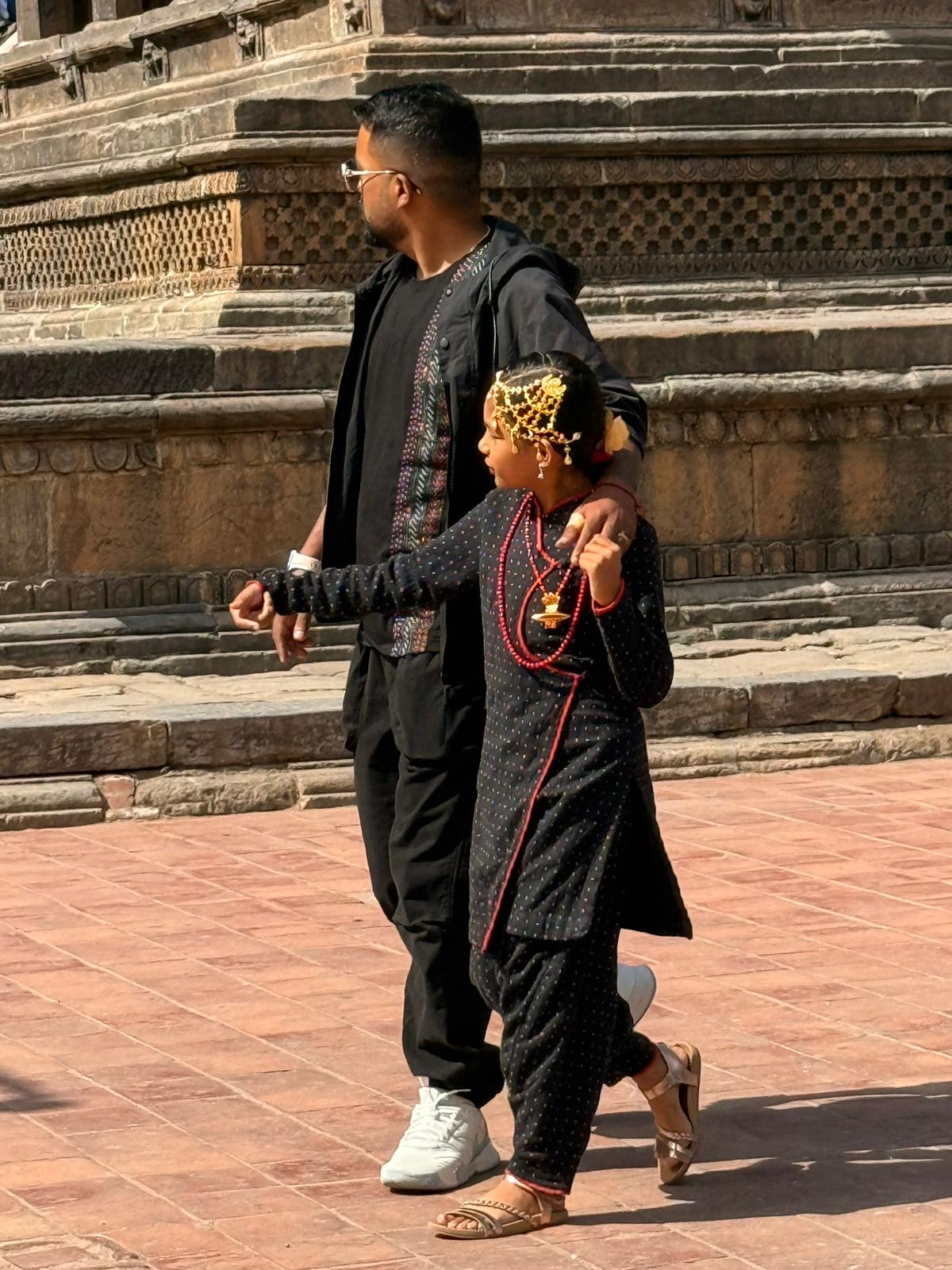
    A man wearing a black jacket and sunglasses stands next to a young girl in a long, black traditional dress with red trim, embellished with gold head jewelry and a red beaded necklace. They are walking across a reddish-brown brick plaza.

    At the same time, when you are in temples or monasteries. Take off your slippers and wear suitable clothing; covering your shoulders and knees is part of this. More, in rural areas and when you are visiting religious buildings, and always greet in a “Namaste” with your palms together. Your head is sacred, so do not touch any one’s head.

    Do not point your feet at religious objects or other people. Even these small acts of mindfulness can create a positive mark & show that you have made an effort to appreciate the locals’ way of life. 

    7. Nepali Food is Addictive, But Take it Slow In The Beginning

    My first meal in Nepal was a plate of hot momos, served with a side of spicy chutney. That was the start of my love for Nepali food. The food is simple , delicious and comforting. Most Nepalis eat dal bhat (the national dish) for every meal which consists of rice, lentils, vegetables. And may include some curry. Wouldn’t you want to eat that? It’s also filling, healthy, and satisfying after a day of traveling or trekking.

    Thus, if this is not the kind of food you are used to. Or if you are used to a small amount of spice and wherever you fall on the range of spicy or heavier foods. It is reasonable to gradually accept these kinds of foods. In regard to the first few days, if possible, avoid cold salads and street food until your stomach has adjusted to the new food structure and environment. As always drink bottled or filtered water. And if you suspect the ice was made without purification say no. 

    You will love the food once you adapt! Newari feasts in Kathmandu.Thakali sets in Pokhara, in the lodges, yak cheese in the lodges.

    8. The Internet Experience can also be an Adventure

    In large cities, you can easily find Wi-Fi. But nevertheless can also be slow and unpredictable especially when the electricity goes. However, as soon as you move out of urban areas or begin trekking. You will find Wi-Fi provided with a small fee or only at specific locations. And undoubtedly will be slow as well. 

    A local mobile SIM card purchased Ncell or NTC. It enables you to stay connected, with decent data coverage across most tourist destinations. But it will drop out totally at other locations. I also found joy in disconnecting every now and then. And without all the distractions and expanded content from the notifications and messages. I found myself much more present and aware of my context. Watching the bells ring at temples, feeling the wind on the mountaintops. Enjoying casual and random moments between humans.

    9. Nepal celebrates life through its festivals

    One of the most delightful surprises of my time in Nepal, was how often something was being celebrated! It feels like every month there is some festival or holy day. And each of these occasions has visible sights, sounds, colors, music, and happiness.
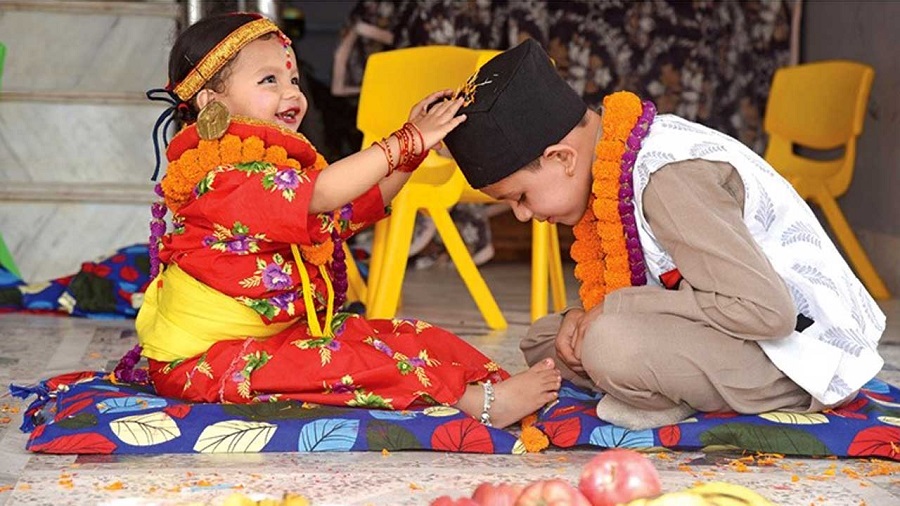
    young boy and girl in traditional celebrating Bhaitika.Nepali attire, both wearing marigold garlands. The girl, in a red and orange dress, is smiling and has her hand on the boy's head. The boy is wearing a white vest, brown pants, and a black Dhaka Topi.

    It seems as if the holidays in Nepali brought families together. Many people make visits to family and elders during Dashain as a way to receive blessings. In Tihar, houses are lit by tiny oil lamps, and colorful mandalas were also painted all over the walls during the winter celebration.Laughter and colors as well as the joys of Holi filled streets all over Nepal. And on the Buddha Jayanti, engaging traveled in and around stupas. Each local community of the region has its own holidays and celebrations that you are usually invited to openly by your hosts if you are a visitor as a tourist.

    If you can, see if your trip could be planned around a holiday. You will be able to appreciate a much greater sense of Nepali culture. And the kindness that is also usually present. 

    10. Nepal Will Surprise You by Touching Your Heart with Unanticipated Kindness 

    I traveled to Nepal to experience adventure and scenery. And never intended to also find peace and peace I have not felt before.  The kind people of Nepal I met along the way were some of the most sincere people I’ve ever encountered. Whether it be my local guide describing tales of the mountains. A woman who welcomed me to her home for tea, or a small child who smiled and waved at me. As I strolled down the street, it just felt so real. 

    The simplicity of life here, expressed to me that happiness is in connecting to yourself, connecting to others. And gratitude of where you are in the moment at. It reminded me to be patient when things do not go exactly as you imagined. It reminded me to be humble, and really consider the unbelievable power and significance of Mother Nature. And it reminded me to enjoy intentionally among moments of assume insignificance.
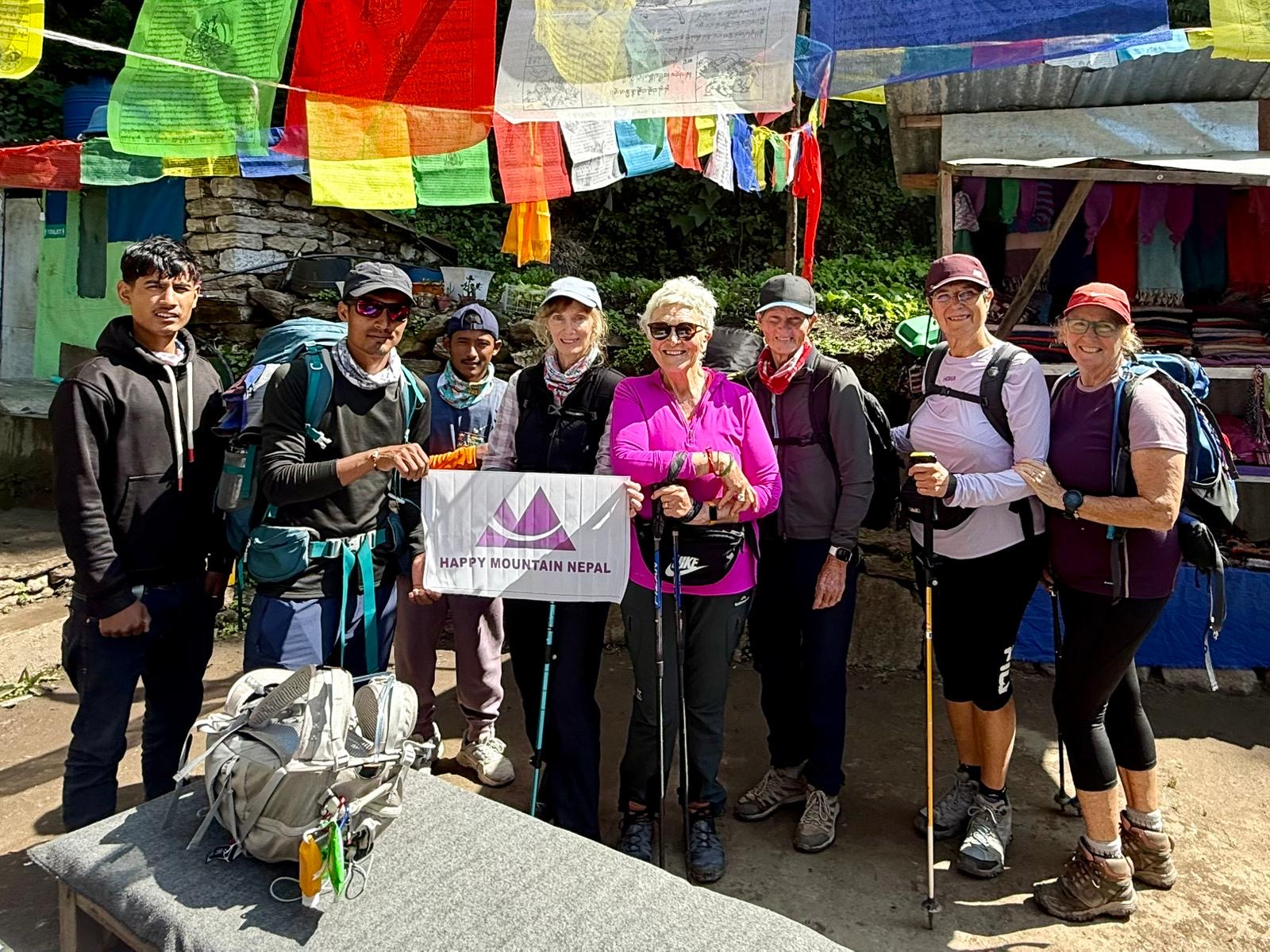
    A group of people, including five tourists and several local guides, stands together outside a small shop with colorful prayer flags and goods hanging overhead. The tourists are wearing hiking gear and holding trekking poles. The group is holding a white banner that reads "HAPPY MOUNTAIN NEPAL" with a purple logo.

    And when I moved on from these magic experiences. I left with memories that I will probably keep my entire life.

    Conclusion

    If it’s your first time traveling to Nepal, I advise you to go with an open heart and loose expectations. Things are not going to happen on time. Perhaps what you thought, but that is the unique beauty of Nepal. One of the lovely aspects of Nepal is its basic unpredictability and calm acceptance, from the land and its people. 

    Nepal is much more than a place to visit, it is more than an experience. It is a happening to shift you from the inside out. After has you stood below brightly colored prayer flags in the winds above the tree lines. Or after you have seen the rise over the Himalayas again you will understand all the travelers that fall in love and never leave.

     

  • Nepal’s Practices: What to Do and What Not to Do During Travel

    Nepal’s Practices: What to Do and What Not to Do During Travel

    Nepal’s Practices: What to Do and What Not to Do During Travel

    Traveling to Nepal is much more than visiting a destination to check off your bucket list. It is about walking into a vibrant, living story that involves mountains, temples, and some of the warmest smiles on earth. The very air seems holy filled with the scents of incense from a temple and the sounds of children playing on rocky street corners. It is a country where nature and spirituality coexist in the most beautiful way, and every traveler is considered family. It provided you treat their culture with the same respect and love.

    Nepal’s cultural traditions means more than just good manners or etiquette. It is a way to connect. In this guide, we will examine what to do, and not do, while you are traveling in Nepal so your experience is felt, not just seen.

    1. Respect Local Culture and Religion

    In Nepal, spirituality flows through every heartbeat. You will see prayer wheels spinning, bells ringing, and devotees lighting lamps earlier than start at temples. Each and every action carries a meaning, and before you walk into any holy or non-holy site for that matter. Just take a moment to pause. Take off your shoes, take a look at the people around you, and settle into the peace.

    When walking around stupas or shrines, walk in a clockwise direction. This is in accordance with compatibility with the universe. Please do not touch statues or sacred objects closely or anything unless invited to do so. Placing your hands together in a simple “Namaste” signifies that you join them not only in their travel but their beliefs. 

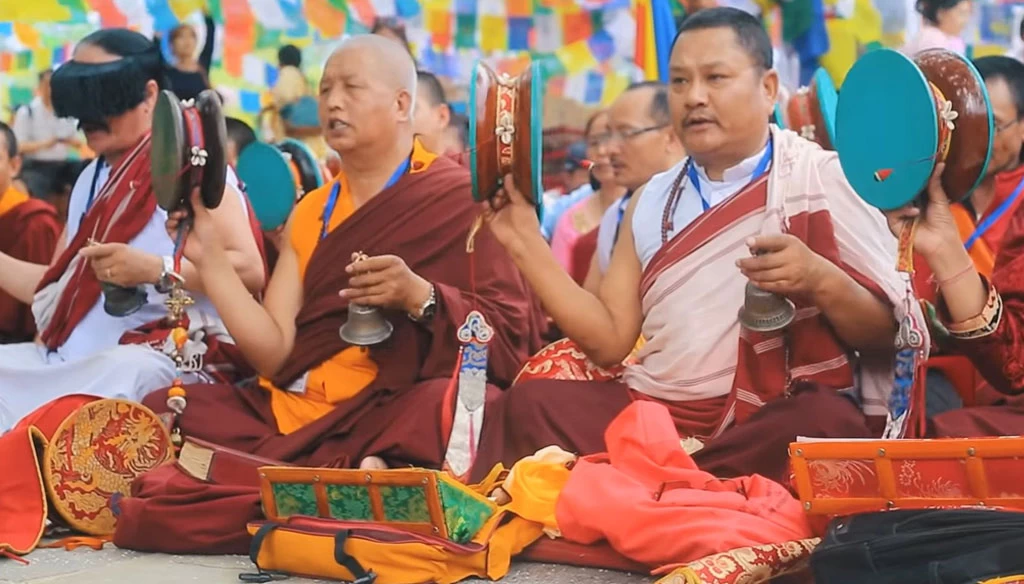
    A group of Buddhist monks in robes, holding traditional ceremonial instruments like bells and cymbals.

    Once they feel that respect, they will respond, disclosing to you. Their smiles will expand as they share their stories with you, calling you not a guest or visitor but a welcomed family member. It is the connections in those moments that travel last forever.

    2. Dress Modestly and Respectfully.

    The beauty in Nepal is beyond simply beauty, but modesty. In the villages, even the bright sun offers up a humble reminder of the quiet dignity of the people. Dressing modestly is not about limitation but simply feels right in accordance with the land and its people.

    Keep short skirts, skins, low-cut tops, and sleeveless shirts as your options. Especially in temples or simple places. A light scarf or light shawl is your best friend. It is very small to carry around, and very handy to wear if you need to. 

    When you wear respectful clothing, you will see a difference in the way that locals interact with you. Their smiles seem softer, their hellos more inviting. They see you, a person who is respectful of their lifestyle. And it will be in that very moment that you start to appreciate that travel is not about what clothes you wear. It is about what attitude you wear to show respect. 

    3. Always Ask Before You Take Photos

    The streets of Nepal are living poetry. Monks walk around in their standard red robes, women arrange marigolds, children huddle together to have some fun near stupas. Every photo is about to fly off the wooden canvas and into your heart. But first, ask. A little head gesture, a little question, “Photo lina sakchhu?” (Can I take a photo?), will make all the difference in a world where kindness is oft too easily taken for granted.

    In many parts of the globe, and especially in less urban areas. People can be shy or very calculated about being photographed. Respect their space and their privacy. There are certain places like Kumari Ghar or the inner of temples. That clearly asks you to not take photos in those areas, so please follow them. 

    When you take a moment to ask, the photos take on a new sense of emotion. They become more than just photos, they become shared moments, shared trust. With each smile you capture it will also come the warmth of permission and not intrusion. 

    4. Always Use Your Right Hand to Give or Receive

    In Nepal, the right hand is the hand of respect. Everywhere you offer money, take food from the serving station, or give or receive a gift, use your right hand exclusively and, if you want to be even more respectful, add your left hand to the gesture.

    The left hand is seen as unclean, by tradition and in terms of hygiene. It may seem trivial to you, but it is nevertheless.Locals do wherever and whenever they instinctively do it. It may seem like a little thing on your part, but it would mean something with respect to your awareness and consideration.

    And so it became that you would always reciprocate the smile and say, “We see you smiling.” I love this part of travel. That moment of connecting with our humanity without words.

    5. Respect for Food and Food Cultures

    Food in Nepal is considered as LOVE on a plate! No matter if it is a hot steaming dal bhat on a mountainside, or momo’s pulled apart at a street stall, food is so much more than just food. Food is kindness, prepared with care! 

    When food is offered, please even if you are not hungry, take a small amount. But it is important not to refuse to eat completely. Even if you say you are full, as this is considered rude. Please do not take from someone else’s plate. Food offered from another’s plate is considered “impure.” When possible, if you can eat with your right hand, please do; it is a magical way to connect with their culture! 

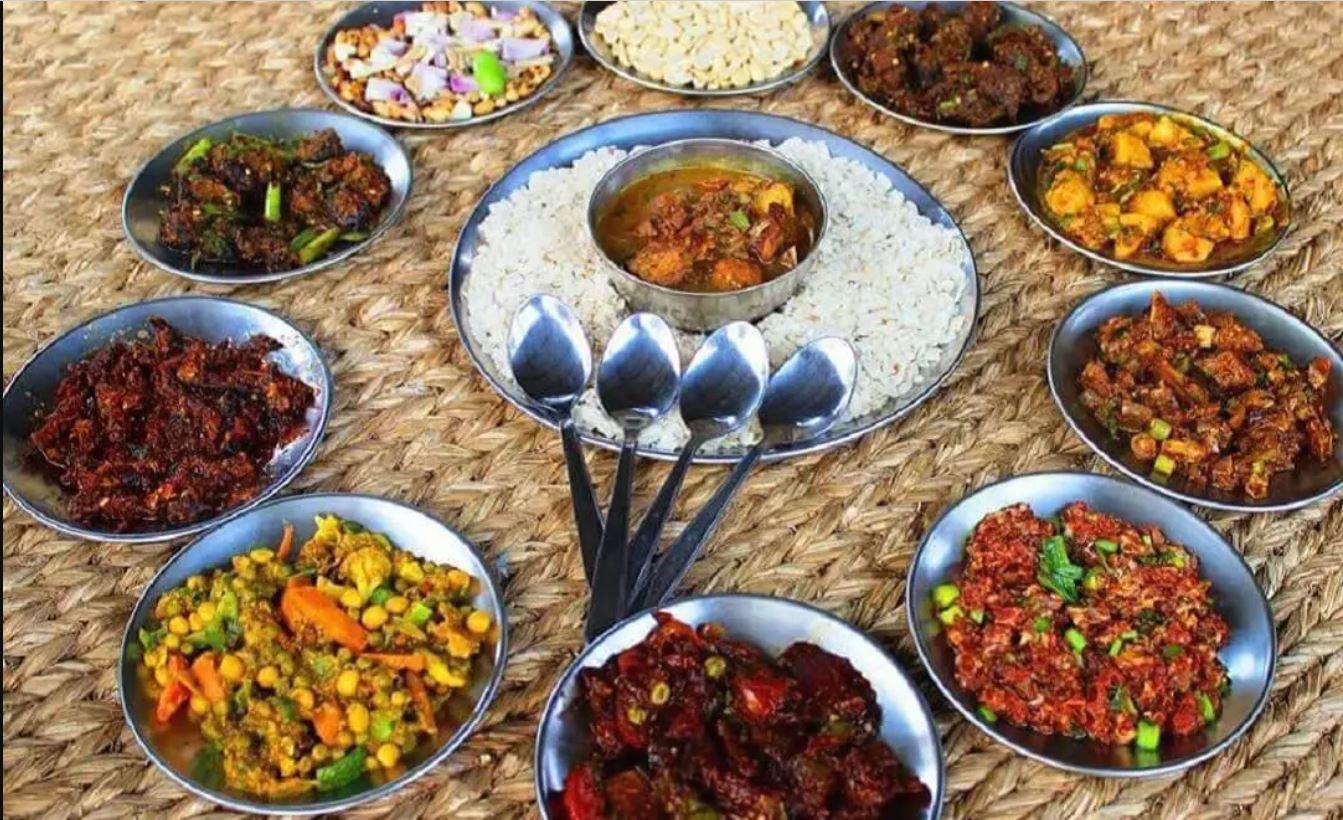
    Newari dish called samaya baji is showcases on the picture.dishes arranged on a woven mat. The main focus is a large metal plate containing a mound of white rice and a small bowl of curry. Surrounding this central dish are several smaller metal bowls, each filled with a different type of food, including what appears to be various curries, stir-fried vegetables, and other savory items.
    Newari Set

    Finally, after finishing your meal, to simply say “Mitho cha!” meaning delicious, it puts a huge smile on their face and a laugh, as gratitude is universal! Every meal is a story of kindness and connection!

    6. Care for the Environment

    The Himalayas represent more than a physical range of mountains or an awesome natural landscape. Every trail, every river, every forest has its own layer of sacredness. When you walk in, you are not just walking. You are walking in a continuity of prayers, a continuum of generations’ prayers.

    Do not leave litter, do not bring in plastic bottles or plastic bags. Or anything that will contribute to our own rubbish. Bring your own bottle and take your rubbish with you. And, be aware of the silence of nature. Do not play loud music or do anything to disrupt the space, the environment or the wildlife.

    There is also something fundamentally respect for the travel experience every time. You leave a space cleaner than you found it, which is a way of honoring the spirit of Nepal. You are saying thank you again, not with words but with an action. This is how the core of truly respecting the travel experience takes form.

    7. Learn a Few Words of Nepali

    Nothing opens your heart like language. Sometimes it is the simplest “Namaste” or “Dhanyabad” that creates smiles you cannot articulate. The local population observes how people are far more inclined to love and respect you. As you make an effort to speak their language. This shows natural humility and genuine curiosity. A simple phrase like “Sanchai hunuhunchha?” (How are you?) or “Ramro cha!” (It’s good!) goes a long way. The effort you put into speaking is what is most important.

    Conversing in their words pulls down the barriers of conversational exchange, transitioning conversations into friendships. The moment you no longer see the sights and sounds, but rather, see the soul, the journey becomes: Soulseeing. 

    8. Avoid Public Displays of Affection

    While love is universal, how that love is displayed changes in each culture. In Nepal, love is quiet and tender, typically expressed through care and not touch. Holding hands is fine, however, kissing or hugging in public may make others uncomfortable.

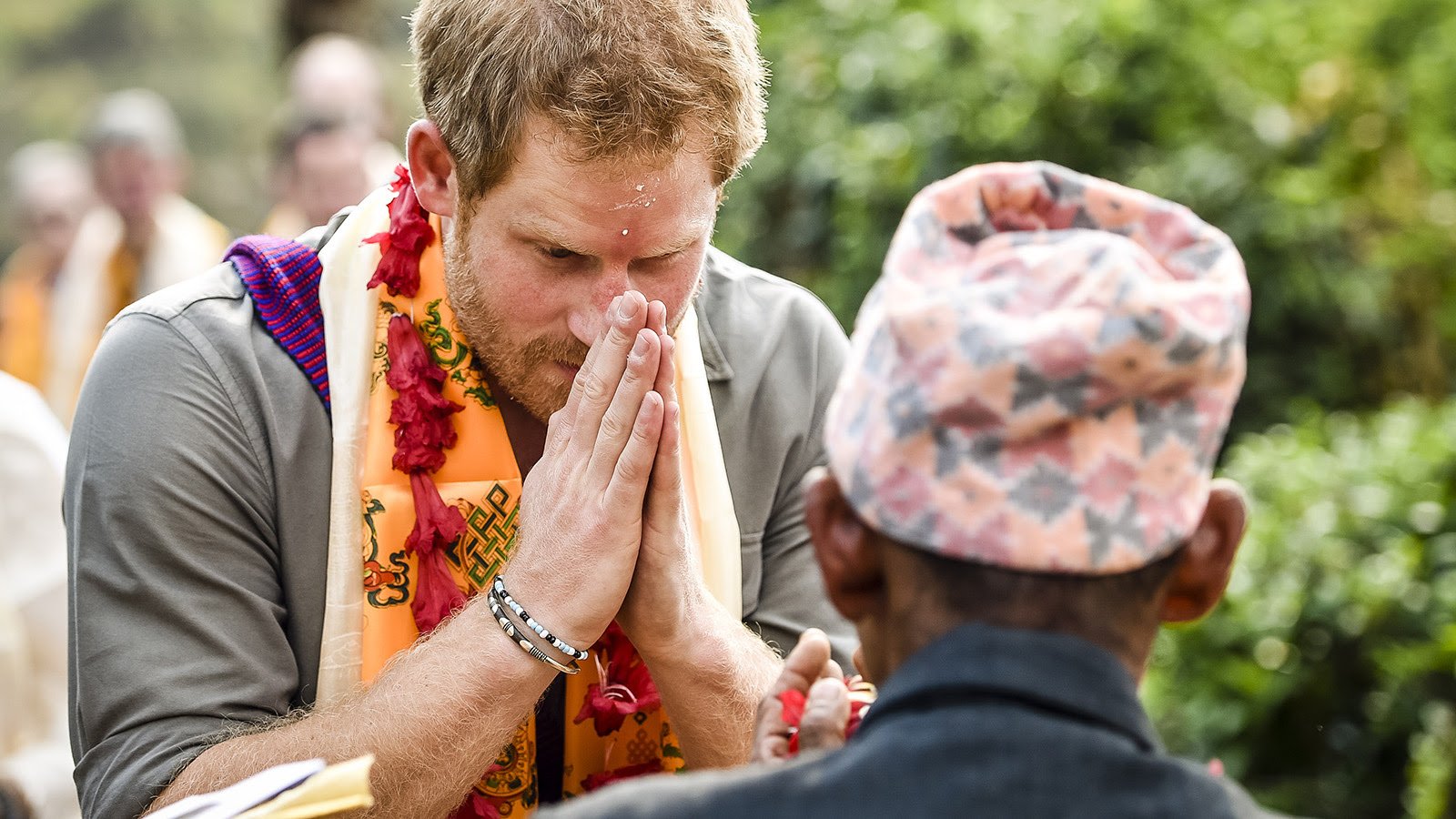
    The image is of a bearded Prince Harry wearing a patterned scarf and prayer beads, with his hands in a prayer/namaste gesture, interacting with a person in a traditional Nepali topi. It appears to be taken during his visit to Nepal.

    This is not a limitation, but an example of cultural grace. In this culture, private affection is kept private, and by adhering to this principle, you will smoothly integrate yourself into the culture at large. When you respect this aspect of the culture, you can move around Nepal with grace – perceived as a traveler who understands the heart of the culture. 

    9. Don’t Point Your Feet at People or Holy Objects 

    Feet are often considered lowly in Nepal, even small. They are the lowest part of your body, so pointing them toward someone, or even a deity, or to something sacred is considered disrespectful. 

    When you sit, especially on the floor, sit and pull your feet under you or let them point outward. If your foot touches someone accidentally, you will simply state “Sorry” or slightly otherwise bow. 

    These slight behaviors may seem to you as small things, but it says a lot about what kind of traveler you ar.

    10. The Skipping of Complaining and Comparing.

    Nepal has its own timelines that are slower, easier, and more heartwarming. While you are traveling, there may be bumps on the road, outages affecting power, and delays. Instead of berating the situation, take a breath and let patience guide you. It is all part of your narrative.

    The next time your bus stops unexpectedly for no good reason. Or worse yet breaks down on the highway, get out to look around. If the electricity goes out, take a moment to gaze upon the stars they are super bright here. 

    You will notice as you travel in Nepal, that perfection is not important. Perfection is easily masked in the imperfect places that tend to be beautiful. Once you stop comparing, and even begin to feel slightly provoked to give up all hope. The land will begin to gently reveal itself to you. 

    11. Always Ask Before You Enter a Home or Temple

    In Nepal, we refer to our homes and temples as sacred duties. You should never enter either without permission. If there is no door, you should ask still. Many times the inner shrine of the temple is limited to Hindus only.

    In moments of doubt, simply smile and inquire politely, “Can I enter?” Most will appreciate your politeness, and to the extent they can assist you they will do so.. The respect you give is your passageway to genuine experiences; natives will remember you not just as a traveler. But as a fellow human being who had genuine concern. 

    12. Honor the Monks and Nuns

    When you see monks in saffron robes or nuns sitting silently be humble to. Remember you are in the presence of devotion. Do not touch them. Speak softly and refrain from interrupting them during prayer time. If you want to give a gift of donation or charitable just give your gift with both hands and a quiet “Dhanyabad”.

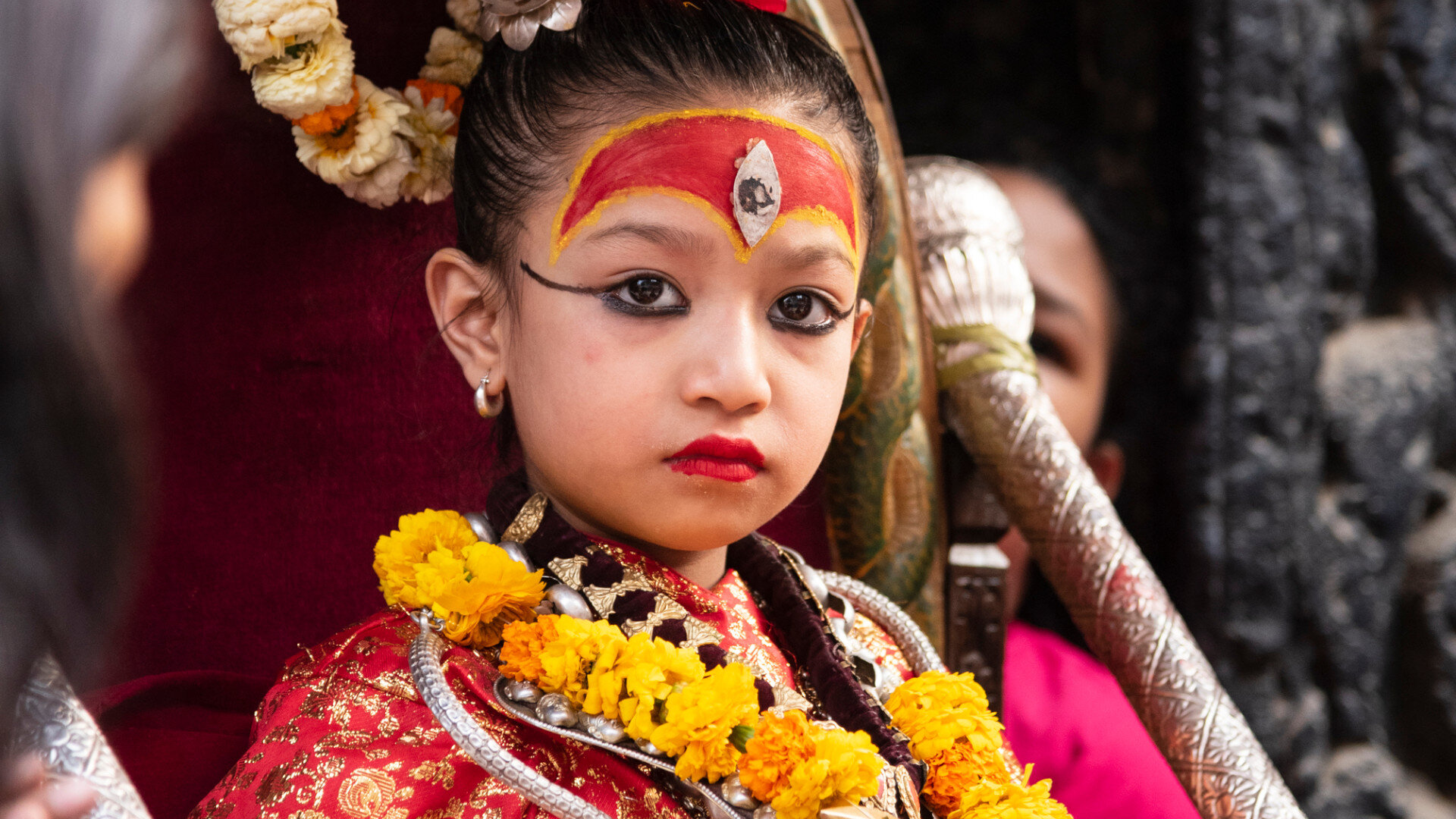
    A portrait of a young kumari girl in ornate traditional costume, headdress, and ceremonial makeup, displayed on a blog editing scree

    The experience of their calmness will astonish you. In those short interactions you will feel unnamable [or, feel] Something that goes beyond words, something that may grant lasting peace back to you home.

    13. Bargain Respectfully, Not Tactically

    Markets in Nepal are a truly remarkable explosion of color and life. Everywhere you go in a market. You will find people bargaining. You have to see it as a dance, not a sport. Smile at people, laugh with them, enjoy the jokes. Give a fair price, and appreciate the love and labor that went into the handmade wealth being sold. 

    A few rupees do not mean much to you. But they may mean a meal for someone else. When you give a fair price, you support households, and in turn support families and communities. As long as you shop respectfully and kindly. You can be confident that the items you purchase not only belong to the world of beauty and treatment but also to the gratitude of someone’s family. 

    14. Respect Festival and Ceremony

    Festivals in Nepal are just pure joy, music and dance and color and devotion. Dashain, Tihar, Holi, are not just festivals, they are sacred traditions. As you take part, watch for a moment before you engage.

    Do not block the procession of a celebration or touch something sacred unless permission was given. If someone offers you tika, or flowers, kindly graciously accept with your right hand as you lower your head. To experience these instances has a magical quality to it.  You may feel this pulse of Nepal, the spirituality, its people, and their love of life.

    Conclusion

    Visiting places in Nepal is not just travel but a journey into the heart. Each gesture of respect, kind word, and deliberate step unlocks portals not marked on a digital or paper map. Take action because you are respectful and want to create a bond between you and this sacred land of gods and mountains. When you travel with an open heart, you will not only be accepted by Nepal, you will be one with them for a lifetime.


  • Mha Puja and Bhaitika Celebration in Nepal

    Mha Puja and Bhaitika Celebration in Nepal

    My Mha Puja and Bhaitika Celebration in Nepal as an International Traveller

    When I first traveled to Nepal, I had no idea how beautiful a festival could be. I knew Tihar was the festival of lights, but I didn’t quite understand that it was. Until I was immersed and enjoying the event. Entering this amazing festival truly felt like a dream was brought to life filled with warmth, colors, and love. It was so much more than lighting lamps; it was lighting the soul – feeling so honored to remember Mha Puja and Bhaitika is something I will never forget.

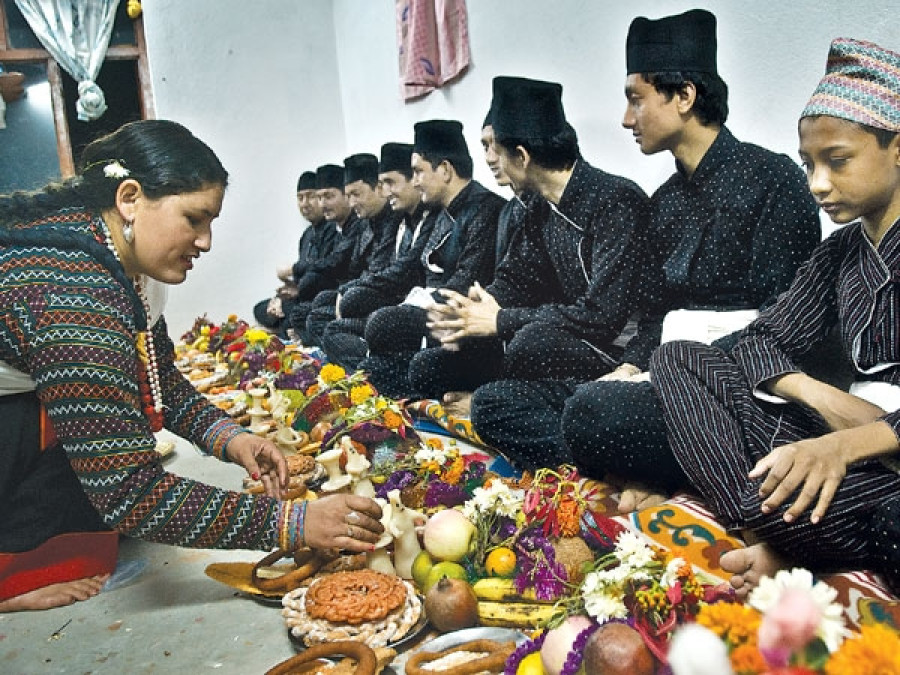
    Mha puja  ceremony where several people, some in traditional clothing, are sitting on the floor around a large arrangement of food offerings and other items. The person in the foreground is reaching for something in the arrangement.

    Celebration That Feels Like Home

    Tihar is spread over five wonderful days in Nepal; with each day having its purpose and each day celebrated praying an animal or a deity. You can literally feel the joy and celebration from the moment. You step onto the street, with each house glowing with thousands of tiny lights and a marigold garland. Everyone smiled to the beat of traditional music.

    I remember strolling through a small lane in Patan, where children were coloring lovely mandalas on the road. Throughout the indoor community environment, the easygoing atmosphere of incense blended in with the scent of sel roti cooking. They were very hospitable and invited me to join their festival. At that point I felt no loneliness, no outsider.  

    Of the 5 days of Tihar, two of the experiences were distinctly Nepalese experiences: Mha Puja, which is an honoring of yourself/soul; and Bhaitika, which is honoring the love between your brother and sister.  

    Mha Puja

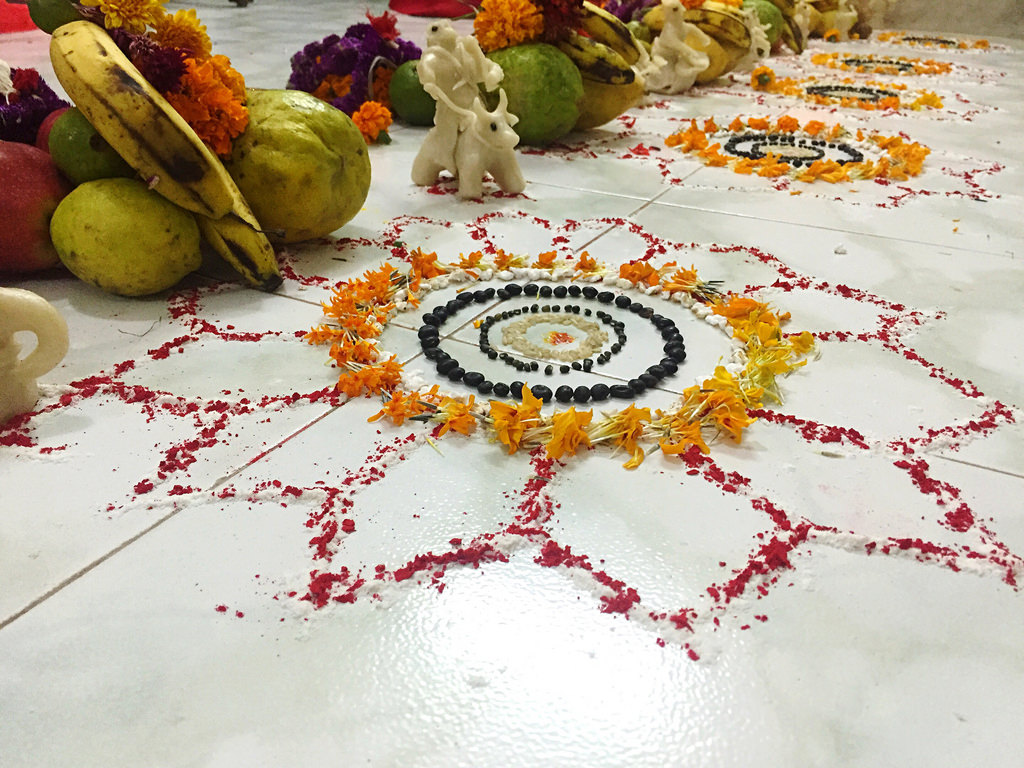
    On the fourth day of Tihar, I was welcomed to the home of a Newar family in Patan. To participate in Mha Puja (Mha Puja), and I did not know what to expect. However, as I walked into the courtyard of the home, I did feel a little more comfortable. The ground of the courtyard was beautifully covered with rice mandalas of each family member representing their spirit, and with small oil lamps glowing. It was traditional, and shining so much!

    I was gently asked to sit in front of my own mandala. The family explained that Mha means “self,” and Puja meaning “to worship.” It was a ritual of passage of my own honoring. Something I never had before; a reminder to honor the divine that lies within each of us. I felt tears sting my eyes as the elder woman of the family placed a small tika upon my forehead. And lit the little lamp in front of my mandala.

    a picture of a rangoli or mandala on a white floor. The decoration is made with red powder, yellow marigold flowers, and black seeds. In the background of the picture on the screen, there are fruits, including guavas and bananas, and more marigold flowers.

    I intended to tackle on something that was incredibly simple, but so meaningful. While the world teaches us to love others, what I experienced was to love oneself. For the first time in years, I felt I made a connection with myself. That flickering light was not only in front of me, but also in me. That evening while eating food, conversing and laughing with the family. I started to see that spirituality in Nepal was about so much more than that you gods and temples, and puja. It was about the human spirit and the still peace.

    Bhaitika

    The fifth day of Tihar is called Bhaitika, which started the next morning. I had heard Bhaitika was the most emotional day of the festival and indeed it was. A friend I met during my time in Nepal, asked me if I wanted to go with her to do the ceremony with her brother who lives in Bhaktapur. When I got there, her house was beautiful with flowers and lights and decorations. In the center of the room was a mandap with many offerings of foods, fruits, sweets and garlands.

    Once her brother sat down in front of her and the entire room went silent. She placed a colorful tika on his forehead with great love in her eyes. Each color of the tika represented blessings and protection, receiving garlands, food and presents, special love and there was red, yellow, orange, green, blue, violet and white in the tika. 

    young boy and girl in traditional celebrating Bhaitika.Nepali attire, both wearing marigold garlands. The girl, in a red and orange dress, is smiling and has her hand on the boy's head. The boy is wearing a white vest, brown pants, and a black Dhaka Topi.

    In the exact moment she was also saying a prayer for her brother’s long life. After that she brought her brother’s hands together, made a small prayer bow, placed his thoughts on her feet, and presented her gifts. The depth and connection felt so genuine and clear, I felt sad and tearful inside, even though I do not belong to their family in blood. 

    When the sister noticed me sitting quietly watching, she made eye contact with me and said, “This is for the love of siblings today. But it is also about the things that are special and people in our life.” I remembered what she said, because at that moment I remembered that family does not have to mean biological. Sometimes family is reserved for those hearts, that choose to care and love one another.

    Eventually, they placed a tika on my forehead. They requested me to sit with them; they presented to me fruits and sweets, and proclaimed, “Now you are part of us.” I beamed with joy and felt tears welling in my eyes. As,i had arrived in Nepal as a visitor, but that day I was no longer a tourist. I belonged. 

    Tihar: A Festivity of Learning to be Grateful

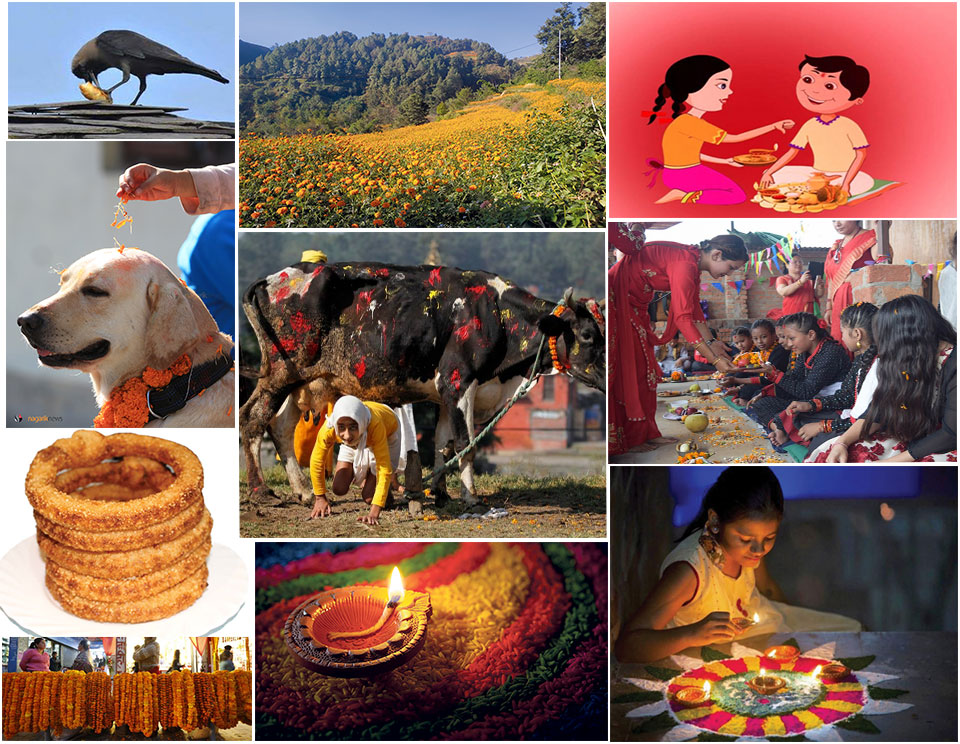
    Through Mha Puja and Bhaitika I began to understand what Tihar was about, the celebration of each and every relationship. It begins with Kaag Tihar, a day to feed crows, the messengers of the gods. Then it is Kukur Tihar, dedicated to honoring and worshiping dogs for their loyalty to humans and love. Then there is Gai Tihar, recognizing cows and their role in sustaining life. After Gai Tihar is Mha Puja, a day to worship oneself; then Bhaitika, love from brother to sister. 

    Every day teaches you. It teaches you how to be grateful for each moment, how to honor the life of every living beings and notice divinity all around you. It is not merely a religious festival from an ancient culture; it is how you should live. 

    As I looked around the city that night that sparkled with a thousand lamps, I understood how beautifully the Nepali embrace light: not merely as light but as enlightement. Each diya whispered that even in darkness there are always things to be grateful for.

    What to Experience in Tihar in Nepal

    If you happen to be in Nepal during Tihar, this is an experience not to miss! It occurs anywhere from late October to early November and there is so much to see and do. 

    This scene is part of the Tihar festival, which is celebrated in Nepal. Tihar is a five-day festival of lights, where different days are dedicated to honoring various animals. The third day, known as Gai Tihar, is dedicated to the worship of cows, which are considered sacred in Hinduism and are seen as a symbol of the goddess of wealth, Lakshmi.

    1. Access Family Time 

    Nepali families are incredibly hospitable! If you find the opportunity to be a guest in a family’s home please do. This will be your favorite part of your trip. 

    2. Explore Old Heritage Towns

    Patan, Bhaktapur and Kathmandu are alive and personified living museums; lights in every courtyard, flowers everywhere and music in the streets. 

    3. Bolster Your Traditional Food Experiences 

    Tihar is also that time when sel roti, anarsa, laddu and sweets made for you by mom or grandma literally also symbolize love and sharing.

    4. Respect the Practices

     Please always take off your shoes before entering the holy space, and always walk quietly while making pictures. Even something small shows such respect does wonders for expressing deep faith.

    5. Bring Your Own Diya

     Even if you are not at home, just lighting a little lamp will make you feel apart of something eternal. It is not just a flame; it is a wishing that floats and speaks to the universe.  

    A Journey That Changed Me For Life

     As I sat by my window reflecting on my time in Nepal coming to an end. Watching the last of the Tihar lights glimmer in the late evening sky. I was surrounded by the laughter, incense, and the memories of the tika on my forehead.

    Mha Puja taught me that self-love is sacred and Bhaitika taught me while love knows no bounds. Together they reminded me the holidays are not about tradition but a feeling, a connection to the way light can come into our lives through every person we meet.

    I came to Nepal to see its beauty, but I left feeling it in my heart. The kindness of the people, the depth of their culture, and the warmth of their traditions changed the way I see the world.Tihar is not only a festival that lights the streets of Nepal. It is a festival that lights the soul.


  • Places to Visit to Experience Nepal in 7 Days

    Places to Visit to Experience Nepal in 7 Days

    Places to Visit to Experience Nepal in 7 Days

    If you have a week to travel in Nepal, you might be asking yourself: Is it enough time to really discover this wonderful land? The great thing about this country is that there is expected to be much more to find out than time will allow. Still, if you have a well-planned week-long trip, you will have a wonderful time. And a memorable first-hand introduction to everything about its culture, mountains, spirituality, and visual beauty. You will be able to discover ancient temples and a city with chilling lakes to relax, and incredible views of the Himalayas.  Nepal has a way of surprising you over and over again! 

    Below you will find the best guide to seeing Nepal in 7 days in the best way.

    Day 1: Core of Heritage and Culture in Nepal, Kathmandu 

    Your journey begins through the busy streets of Kathmandu. Kathmandu possesses a certain vitality that was present long before the arrival of tourists. If you visit temples, particularly the extremely impressive and extremely notable UNESCO Heritage Sites of the Kathmandu Valley. Like Swayambhunath, which is sometimes referred to as the “monkey temple”. Beyond these stupas, it also has magnificent 360-degree views of mountain ranges above, which is the epitome of the old world sharing of religion. 

    Golden skies, Kal Bhairab statue at Kathmandu Durbar Square

    Deriving from Swayambhunath, you will tour the Pashupatinath Temple, the holiest temple on the planet for Lord Shiva’s worship! These rituals of the Pashupatinath temple, as you witness them being carried out at the crematorium by the banks of the Bagmati, will be calming, but more enchanting to believe and feel to unite with the temple spirituality. As we continue to follow the remainder of the rituals, we take you now to the next destination of the Boudhanath Stupa, heralded as the largest stupa of the South Asian subcontinent, the center of Buddhism, and where monks still spin their prayer wheels at the bottom of the stupa!! We conclude our tour back in Kathmandu Durbar Square, or home to the old Kathmandu city, where there are some palaces and squares left to see, and the living goddess Kumari. 

    Day 2: The Living Museum of Nepal, Bhaktapur 

    On our second day, we would move on to Bhaktapur, which was a little bit out of Kathmandu. Bhaktapur is an ancient city and is actually an open-air museum as well, just purely with its perfect preservation in form and beauty, it seems like it has a history beginning eons ago. 

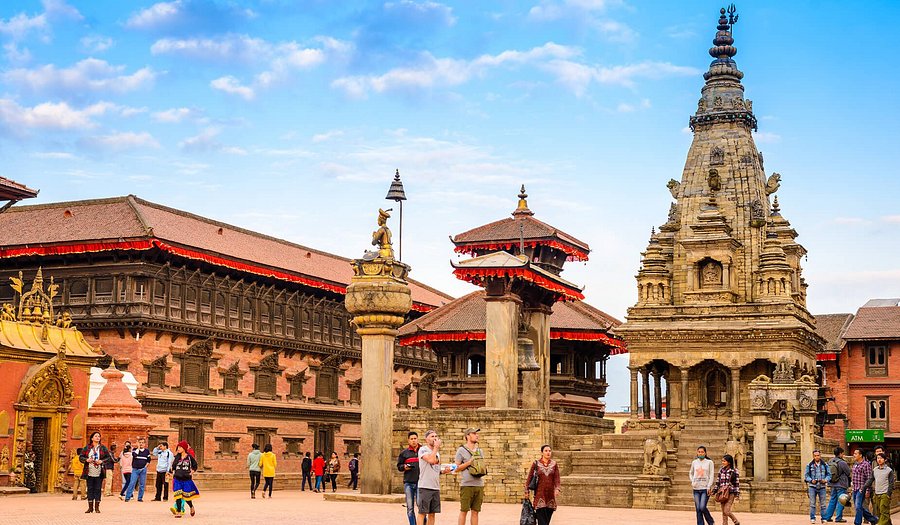
    You will walk around Bhaktapur Durbar Square, and observe fine carved wood sculptures, stone sculptures. And many old and beautiful phagonda-style temples touch history and awe of its grandeur.

    Temples around Bhaktapur Durbar Square
    Bhaktapur Durbar Square

    Be sure to check out Nyatapola Temple. The five-story structure is the largest pagoda temple in all of Nepal. Walk to Pottery Square, where local pottery makers turn clay into eye-catching vases and bowls that they have honed through generational family methods and ideas. You will feel like you are traveling back in time with its narrow streets, red-brick houses, and artistic disposition of the city. To finish the evening, don’t forget to try local tortures, including Juju Dhau, the infamous King Curd of Bhaktapur (a desert to die for). 

    Day 3: City of Fine Arts, Patan 

    Next in the journey of the ancient royal cities in and around the Kathmandu Valley is Patan (Lalitpur). Known for its fine art, sculpture, and architecture, Patan is known as the “City of Beauty”. Start the adventure in Patan Durbar Square, a stunning complex of exquisite temples, courtyards, and the ancient palace of the Malla kings. The Krishna Mandir is completely stone. You will agree it is a remarkable work of craftsmanship and devotion.

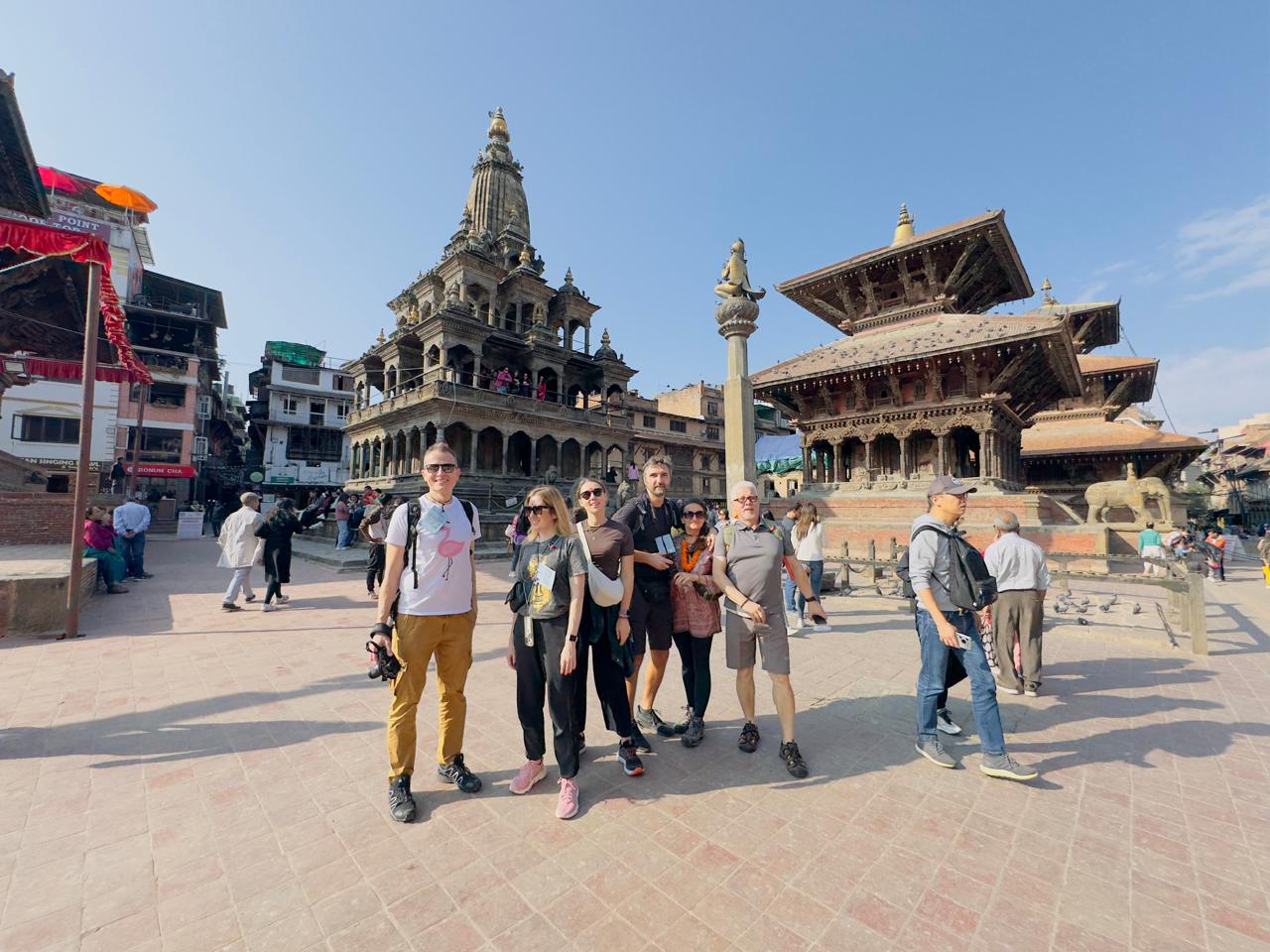
    Sightseeing Around Patan Durbar Square with krishna temple in the background

    Stop by the Patan Museum in where you can observe ancient sculptures and artifacts which represent Nepal’s religious and artistic life throughout centuries of civilization. You can stroll around the narrow streets to see artisans and metal craftsmen who are still in operation. Patan is also well known for its delightful monasteries, complexes, and ancient Newari-style homes. Wrap the day up at one of the rooftop restaurants looking down on the square with the sunset of shades and tones against the mountains and temples glowing in all their golden glory.

    Day 4: City of Lakes, Pokhara 

    After roaming around Kathmandu Valley, you can take on the short 30-minute flight or drive to enter the lake culture and live with foothill views of the mountain experience. Pokhara, regarded as the ‘Gateway to Annapurna’. 

    On your first morning, take your time and spring on a boat over Phewa Lake for view of the mighty Annapurna range. After reaching the Tal Barahi Temple on the lake’s island, head over to World Peace Pagoda by hiking or driving. The mountains and scenery of Pokhara valley and the lake are really picturesque. And with a discerning eye and being at the right angle, the spectacular snow-capped Himalayas even show themselves in the distance! 

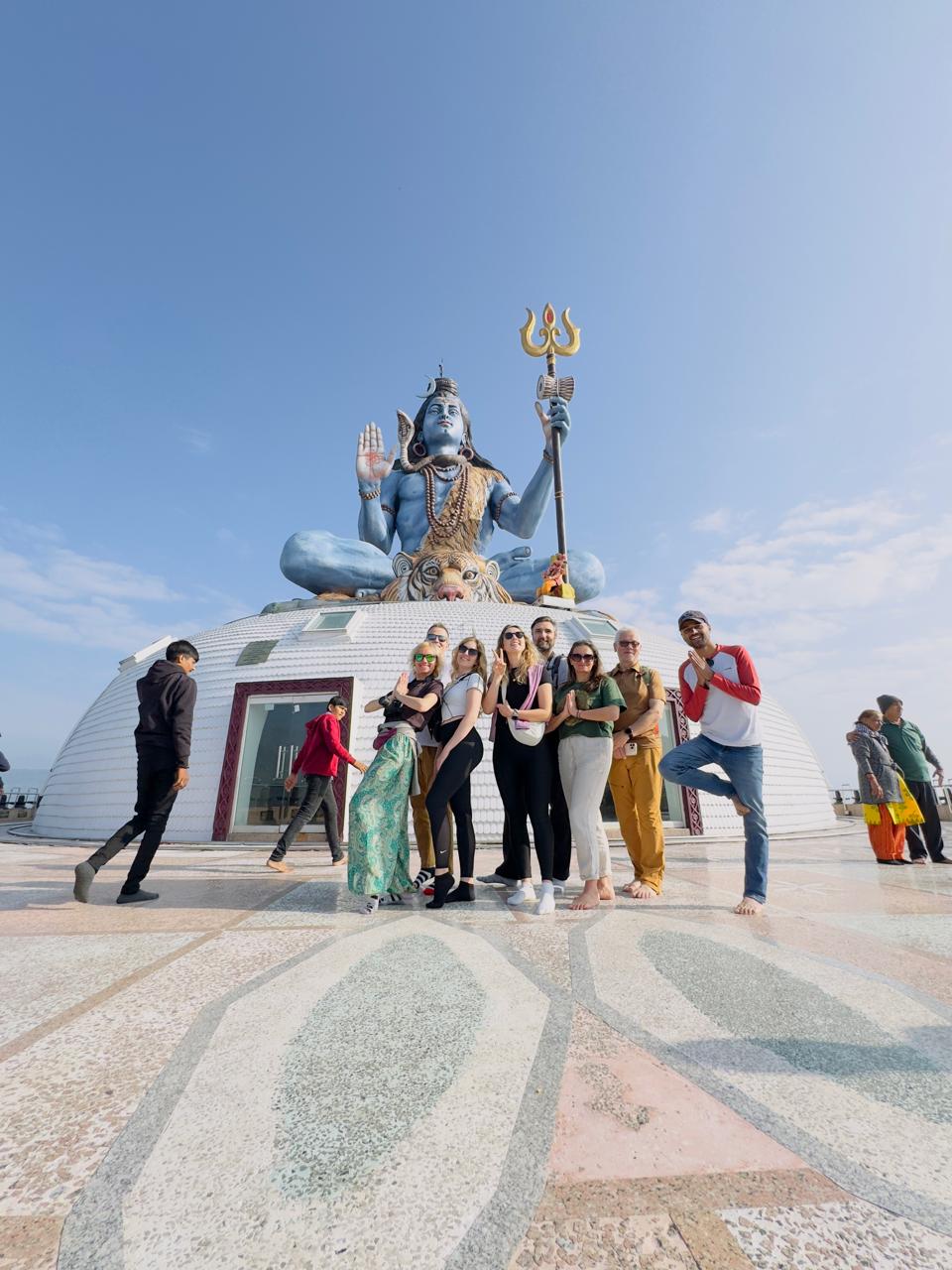
    Group of Happy Mountain clint taking pictures at Pumdikot shiva statue

    Day 5: Sarangot

    For those who wake up early in the morning. I encourage you to wake up and take in one of the most inspiring places to witness a sunrise setting above the sublime landscape of Pokhara valley. It is known as Sarangot hill , you can have a thrilling experience being able to see the sun rise above the far hills of the snowy ranges of both Annapurna, Dhaulagiri and Machhapuchhre. 

    When the early morning sun rises above the light-filled valleys of the gorgeous land of Nepal. You can even witness streams of rays of golden sunlight reflecting off the snowy mountains in range below! In looking back on this part of your life, I can only imagine that you will be saying to yourself. “That was a one in a million experience!” If you happen to be an adventurous outdoor person, or just happen to love nature, I feel perfectly confident in saying!

    If you wanted to make adventure day more adventurous. You will have the opportunity to experience paragliding, hopefully! As you’ve already discovered, you will take off from Sarangkot hill, flying over the Pokhara valley. Coordination experience will be required, as all you need to do is hang glide! The best thing you will ever experience in your lifetime will include hang gliding, as you hang glide over lakes, with stunning mountains of the Himalayas in the background.

    In the afternoon, have breakfast and then enjoy the rest of the morning and afternoon exploring the Lakeside of Pokhara with delicious Nepali food. And check out to the International Mountain Museum to learn more about the country and the mountainous activities. 

    Day 6: The Newari Village, Bandipur 

    Visit Bandipur, a hilltop village between Pokhara and Kathmandu, now a secret gem of Newari architecture, culture, and the landscape of the surrounding hills. Bandipur is often called a living museum due to its beautifully preserved buildings as well as its stone-paved roads free from the movement of motorized traffic.

    old traditional structure in Bandipur

    Walk through the middle bazaar, admiring the intricately carved wood windows and doors and Newari crafts. Visit the Thani Mai Temple to have the light on the Himalaya mountains at sunrise or sunset, and to see some nearby caves, such as Siddha Gufa, one of the largest caves in Nepal. Bandipur may be quite more laid-back in tempo as you heal and relax, interact with villagers, and have very real village life.

    Day 7: The Ideal Departure View, Nagarkot 

    If you want to end your week-long visit to Nepal in style, we recommend spending your last night at Nagarkot. A hill station that tourists enjoy for fabulous daybreak or sunset views of the Himalayas! 

    You might even be lucky enough to see Mount Everest on a sunny day while at Nagarkot . This is reason enough to go! Nagarkot is the perfect last stop before heading back to the city, filled with recapturing mountain air, quiet walks, and calmness. 

    Thus, be sure to enjoy the fresh morning air in Nagarkot, and walk around the beautiful paths around terraced farmland and surrounding villages below. Nagarkot is the best place for those who seek peace. It will be their last minutes of appreciating the beauty and magic of Nepal once more.

    Conclusion

    There are seven days of experiences in Nepal that may be the most satisfying week of your life. With cities steeped in culture and history like the Kathmandu Valley, stunning lakes and landscape in Pokhara, the creative vibe of Patan, and the view from Sarangkot and Nagarkot. It is everything you would want to feel connected to culture, spirituality, and nature in one place. You will leave with stories about this incredible place, whether you seek gratitude, adventure or culture with memories. In just seven days, traveling deep into the heart of the Himalaya, you will reach that special feeling of coming home. 

    Nepal is a land of endless surprises. In addition to the spectacular landscape, the smiles on the faces around you, and the smell of food that radiates light and laughter in all directions, there is no place like Nepal. From serene walks along Shivapuri to the rush of the nutty Everest Base Camp trek, each trek provides the opportunity to hear the stories yet untold. Within seven days, Nepal forces you to look at, perceive, and own a place that will never be out of your heart.


  • How Do I Balance Capturing the Photos of Travel & Enjoy Travel?

    How Do I Balance Capturing the Photos of Travel & Enjoy Travel?

    How Do I Balance Capturing the Photos of Travel, and Also Enjoy Travel?

    Travel provides freedom, discovery, and emotion. Each moment, whether you’re walking on a bustling city street or standing before mountains in silence, seems like a worthy story. We naturally pick up our cameras or phones. But in doing so, there are times, and probably most of the time, we forget to simply enjoy it.

    A person capturing the photo piligrimage site in Nepal

    We live in an age where photography and travel are almost mutually inclusive. It seems any travel would be incomplete without a photograph. However, there is a very thin line between documenting memories and missing them while worrying if you captured the perfect moment. The goal should be balance if you want to have mind’s eye memories, and also truly embrace the joy of travel will be given proper space.

    This guide will assist you in learning how to travel and enjoy it while creating photos exhibiting meaning. Each of the points below will be explained in depth for your understanding of the best way of balancing while seeing the new world with your eyes, and capturing the moment with your lens.

    1.  Be a Visitor First, a Photographer Second

    When you get somewhere new, your first instinct will be to take your camera out. Even before taking your camera away, just pause and look around. And be in the moment of who you are as a person in a new space. Look at the color, take in the sounds, and be in the moment of the encounter. Just exist in the energy of things without thinking and simply be.

    When we give ourselves pause to arrive and exist, we develop a feeling of connectedness to the space in which we are standing. We are being engaged and thinking about all things interesting to you about this space. And when you do take out your camera you are more emotionally present. Therefore

    Therefore, the photographs you create are more emotional as your lens is now aware and has created a connection with your attention and interests.

    Think about it this way, your camera can express what your eyes are seeing. But your heart expresses what was noticed about these moments that caused you to care. If you take the time to visit and be present first, your photographs will become photographs that are more than just photographs.

    2.  Create a Photography Routine or Set Time 

    You don’t have to have your camera with you the entire day. Constantly taking pictures can be draining and it can affect what you are doing. Plan your time for photography.Allocate specific chunks of time to take a photo. This could be early in the morning when the light is more gentle, or in the evening when the golden hour starts to kick in. 

    When you start to dedicate the time to taking photos, you will not feel hurried to your next event and can be truely focused on taking photos.   After your photography time is over, pack your camera up and just let yourself explore the area, with none of the pressure or urgency. The benefit is you have organized your time so you can feel relaxed and still be engaged in both activities. 

    Planning your time in this way will help you avoid burnout and generally lead to more rewarding experiences during your day. You will still have a dedicated time for photography, but also permitting yourself spontaneous time for other experiences.

    3. Capture Candid Photos 

    Candid photos tend to convey the most beautiful stories. Rather than always attempting a perfectly posed photo with an ideal background, attempt to take photos that tell the story through real emotions. Think about taking every day (or when memories strike) of yourself, or other travelers, laughing or simply enjoying some food or drink, or eating or drinking local treats, or just sitting and watching the sunset at the end of the day. These candid photographs have all of the feel and emotion of that moment, and all of the feeling and emotion are the photographic reminders of what those moments meant to you, and may not be what the experience was merely just how it “looked.”

     It is good to have “the perfect” photo, but not every photo has to be “perfect.” In fact, sometimes the so-called “imperfect” shots are worth a lot more in their authenticity and memory.  

    At the same time, holding back a little of the spontaneity in a candid photo helps to calm down the mind. Instead of thinking so much of the shot, because you are not worried about the settings on your camera, or if you need to take the shot from a different angle. You can rest and think about the experience of reliving that moment. 

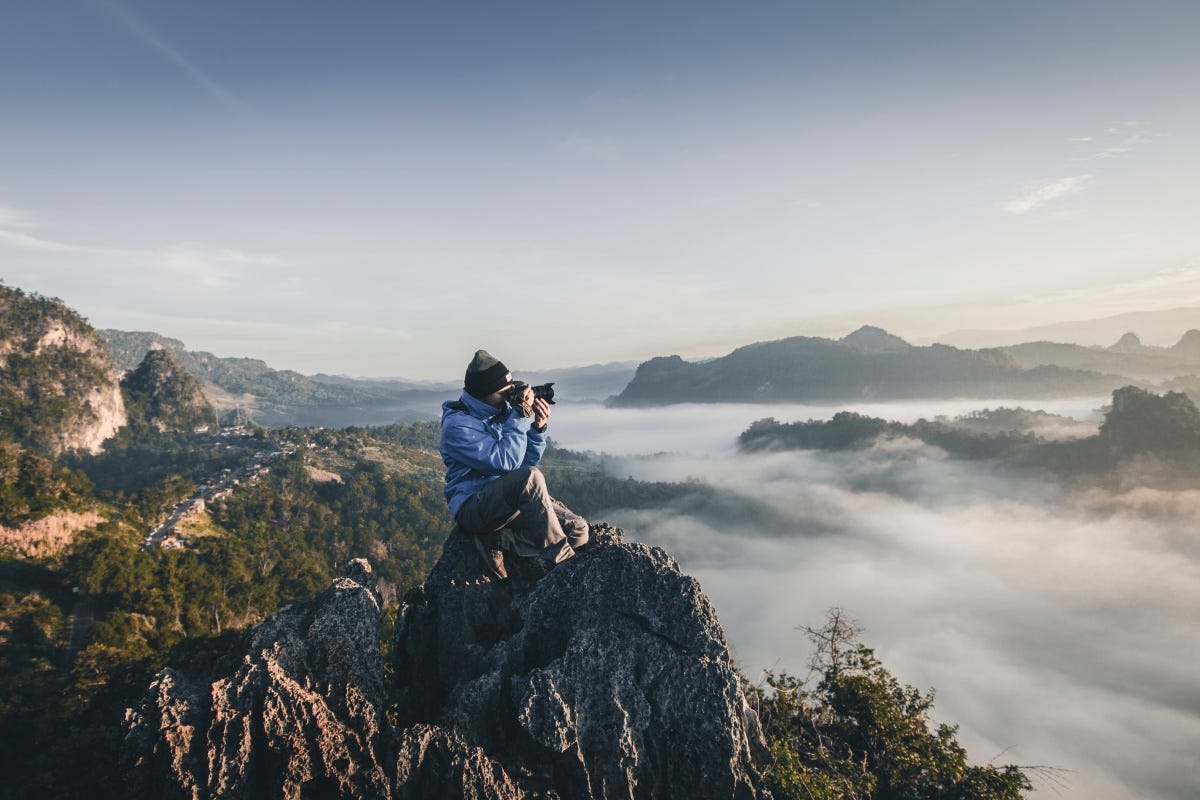
    man taking picture while sitting on a rock and surrrounded by hills and clouds

    4. Quality Over Quantity  

    When traveling, it is easy to take 100s of photographs. But when you return home sometimes it feels like a chore to go through all (and even 100s) of photographs, only to find that most of those photographs look the same, or have little value once you return home. Even though you might have taken many photographs, again it is worth considering to slow down and photos and create fewer (meaningful) photographs. 

    A good place to start to take meaningful photographs is to ask yourself the following question. What do I want the photograph to say?Is it the peace of the mountain view? The energy of a busy market? The character of a quaint street? When you slow down and think about the photograph, it inherently has more value.

    Taking quality photos captures a feeling, instead of just a photo. By being selective about what you capture, you are living in the moment and will end up with fewer photos but stronger associations with them. This will allow you to stay present to your experience.

    5. Learn the Story Behind What You Are Photographing

    When you know the story, travel photography becomes more powerful! You should learn something about the subject before snapping a photo of a temple, monument or any local tradition. Consider speaking with locals, reading signs, or doing some simple research.

    When you on the subject’s history or cultural meaning, you’ll begin view them differently. And your photo becomes more layered and something to respect and hold meaning beyond a beautiful and aesthetically pleasing image.

    Learning the story makes travel not just an education, but an emotionally rich experience. What you will come to learn about travel photography is that it is not just about photographing a place, but about connecting to the essence of that place.

    6. Unplug From Technology Now and Then

    In this technologically adept world, we are responsible for experiencing travel through our devices. We capture a photo, make a quick edit, and then share it. And sharing is great. It’s when you share all the time that is an entirely different experience, and it might even take you away from the experience itself.

    If you have the option, unplug from your phone or camera for parts of the day and really just walk. Just walk without taking a picture. Look at things without thinking of a picture. Taste your meal without photographing your meal first. Sit by a river and let the water flow by; don’t record it on your phone.

    These inconveniences start to allow us to more intimately experience our environment. Your perception of things, you will see things that photographs cannot measure for feelings: the smell of fresh rain, the sounds of temple bells in the distance, and the giggles of local children. These are the travel memories that will remain in your heart forever.

    7. End of the Day Reflection: 

    At the end of your travel day, take a moment to quietly sit down and look through your photos. Slow down your viewing of the images and contemplate the association of each image. And what you were feeling at the moment of taking the image. 

    This process of looking at your photos is a reflection process that allows for a learning opportunity. You are beginning to learn what you find most appealing in the photos. Such as landscapes, or perhaps when capturing images of people, or maybe finding images containing daily life images captured while traveling. It begins to help you understand who you are as a travel photographer, as well as the relationship you are actually developing with the world around you.

    At the end of each day you have the ability to find balance for the next day. If you find that you spent more time behind a camera lens and would like to be more present tomorrow, you will on account of this reflection. Ultimately, you’ll unknowingly begin to find a rhythm over time that feels right to you.

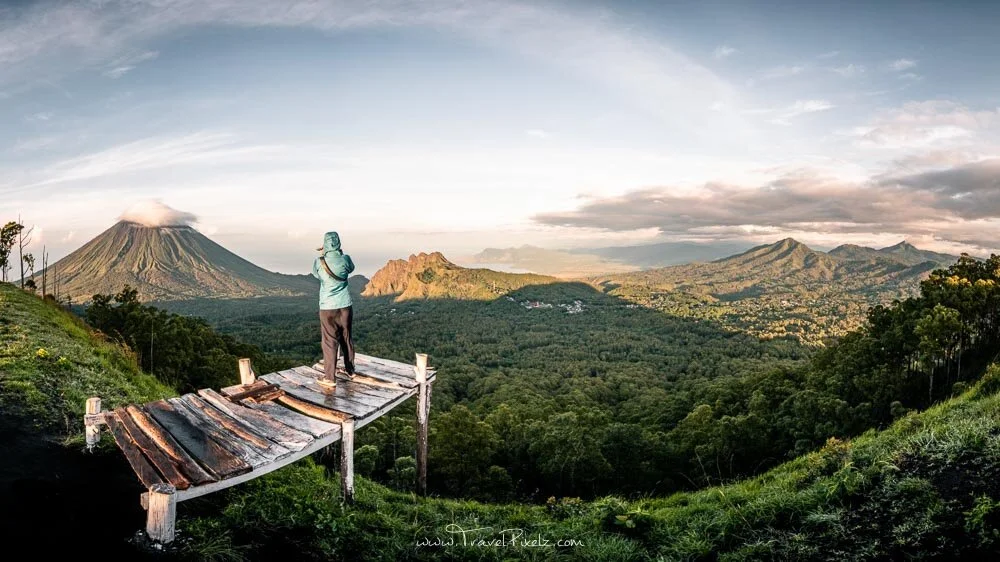
    man wearing brown pant and green jacket and clicking pictured of hills while surrounded by greenery

    8. Travel for Yourself not for Social Media.

    It can be easy to feel pressure “to post” everything online. Seeing “perfect” photos online taken by someone else may cause you to want to do the same. Travel is not about proving where you have been and should about having an experience and being truly present within the experience.

    When you spend a significant amount of time being active on social media, and photograph too many moments to share and reflect on, your brain is forced to step outside of taking pictures for yourself, to instead taking pictures for others. You’re no longer just experiencing the moment in front of you. And instead your brain starts to think about how many likes you’re going to get, what you are going to caption it, and if the picture needs a filter. 

    Travel for you. Take pictures of the things that make you the most excited. The pictures that receive the most likes are not the best pictures; the best pictures remind you how amazing the world was, even if it was for a brief instant. A picture taken in a joyous and excited state will be a better picture because it is entwined to that joyful feeling.

    9. Take the time to practice mindful photography 

    Mindful photography is being fully aware of what you are photographing and most importantly, examining why. It is more about slowing down, and being aware of what you are about to click before you click it. When you see something interesting, you could ask yourself a number of questions. What made your eyes go to this? Was it the light? Was it the emotions involved? Was it the story behind the moment? 

    Once you have clarity around the “why,” you will look at it and then go through the process of composing your own shot and purposely clicking the button. Slowing your actions and thoughts down is a means of being present to the scene and enjoying every facet of the experience. You will begin to notice the patterns, colors, movements and parts of the scene you may have missed at the pace you were going before.

    Mindful photography makes every photo an experience of meditation. It helps you feel calm, present, and connected. You stop feeling pressured to get the perfect shot, and simply enjoy the experience of taking the shot.

    10. Awareness for a Sense of Balance

    There is no right or wrong for balance between photography and enjoyment. Each traveller is unique, and what is most important is to be aware of how you are feeling towards enjoying the moment. Whenever you feel like a good portion of time has passed and you are taking a lot of photos, and it feels like a mechanical action or chore. It is a sign to take a break or slow down.

    Put your camera down, and walk freely. Look around, with your own eyes, not through your lens. When something really does inspire you, then take that as an indicative sign, that is the moment you may want to document.

    Balance comes from listening to your style. Some days you may want to be inspired and take a lot of photos, but other days you may simply want to sit and watch the world pass you by. Both experiences are equally valued. The goal is to experience travel in a way that feels right and satisfying for you.

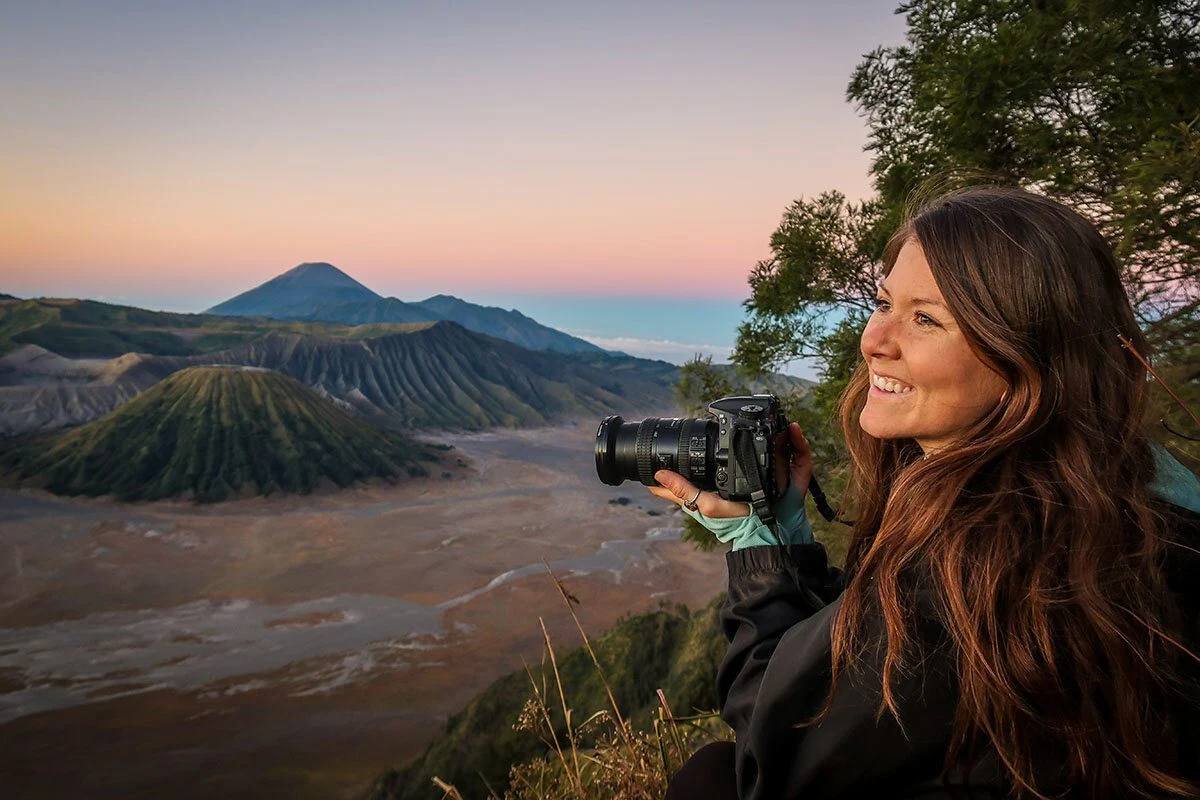
    women with dslr on hands taking pictures

    11. Value the People You Meet

    Meeting people is one of the best things about travel. Locals, or even other travelers, can provide four times the amount of information about a destination than any guidebook. Taking their picture is fun but talk to them first!

    Talk to them, smile with them, and if you can, share a story; ask to take their picture! When you are connected, you will see warmth and respect in your photos. And, you will probably have a better time traveling because for many, the connection with people is the best part of travel. 

    12. Accept the Mess

    After all that work, it can feel silly to be picky with your settings. There’s no reason to get hung up or miss the moment on the “perfect” light. Some travelers set their camera or phone settings, or wait for the perfect light, but they forget to actually live in the moment – that’s their loss!

    There’s no reason to become stressed with the perfect photo. Real traveling can be disappointing, messy, surprising, and unexpected, all at the same time. And, that’s the beauty of traveling!

    Allow your images to express truth instead of perfection. An out-of-focus street photograph may convey a stronger narrative than a carefully staged photograph. A slightly sloped horizon may express more life than a fine-tuned image. 

    By letting go of perfectionism, creativity and authenticity can thrive. You also enjoy your travels more because you’re not resisting the details. You learn to ride the moment and capture it in its state.

    13. Convey stories in addition to photographs 

    Photos are effective, but it is when you pair the image with a story behind the photograph that makes it extraordinary. When looking back at your photographs, try to remember what was happening in that moment what you were feeling, who you were meeting, and what you learned.

    Sharing your memories, experiences or impressions through stories allows others to feel the wonder you felt at some point in your travels.

     It helps you appreciate more of your travels too. Instead of thoughts of all of the photos you took, you now have a compilation of experiences. But viewing photography and experiences from a storytelling perspective changes how you take images. You start to think and care more about emotion and meaning than if the scenery looks good. Every click of the shutter has a note in your travel diary. It has personality and truth.

    group of people taking selfie while travelling with Happy Mountain

    1. Accept That You Can’t Capture Everything

    One of the toughest realities of travel is accepting that not every moment will be documented. Some memories will live only in your heart. A child’s laughter, a breeze blowing, or a smile with someone will never translate as special in a photograph, but in your brain, they’re everything.

    Accepting this allows you to free yourself and relax. You no longer feel pressured to document everything. You learn to savor the fleeting nature of travel – the beauty of the moment is that it is only that moment.

    When you no longer feel the need to capture everything, you see more. You begin to exist in rhythm with your travel, as opposed to in opposition to it.

    Conclusion

    The balance of photography and enjoyment is not about being performative and abiding by rules. It is about being aware, intentional, and connected. The best travelers know when to put their camera down and when to take it out.

    When you allow yourself to feel first and photograph second, your pictures will speak louder. They will carry emotions, stories, and meaning. You will come home not only with stunning photos but also with deep, personal experiences that no camera could ever capture.

    Travel photography is not just about what you see  it’s about how you see it. When you travel mindfully, you create a balance between capturing moments and living them. That’s when both your journey and your photos become truly unforgettable.

  • Experiencing Dashain in Nepal

    Experiencing Dashain in Nepal

    Experiencing Dashain in Nepal

    When I arrived in Kathmandu from Sydney, I could never have imagined that I would be involved in one of the most valued and meaningful festivals of the Nepali people. I had learned about Dashain, but I had no way of knowing how cozy, colorful, and vibrant this time would be, and I certainly hadn’t imagined that Dashain would be spread across the entire country. Upon landing at Tribhuvan International Airport, I could immediately smell the incense burning, hear laughter joyfully echoing all around me, and I really felt a part of something spiritual. 

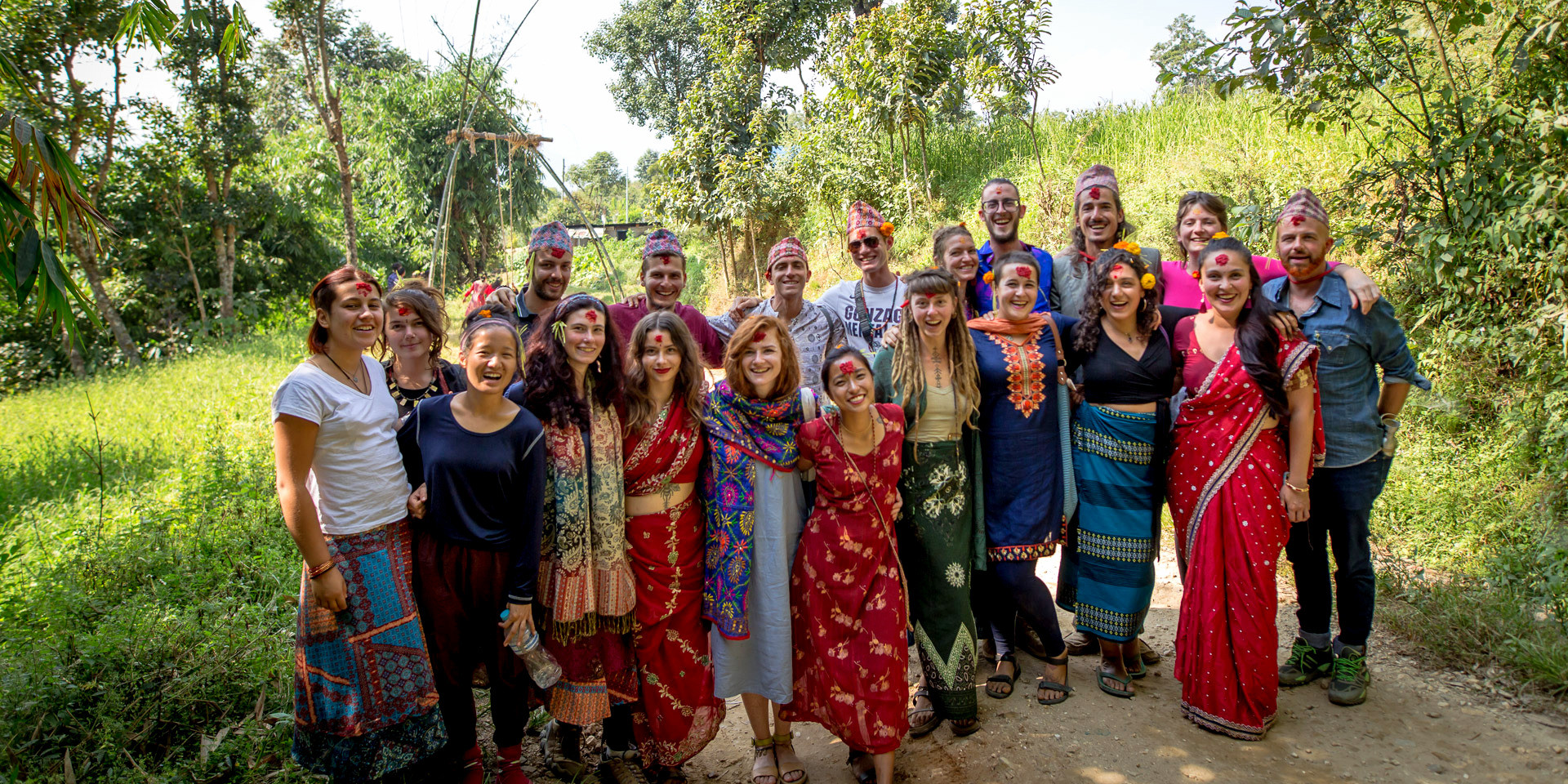
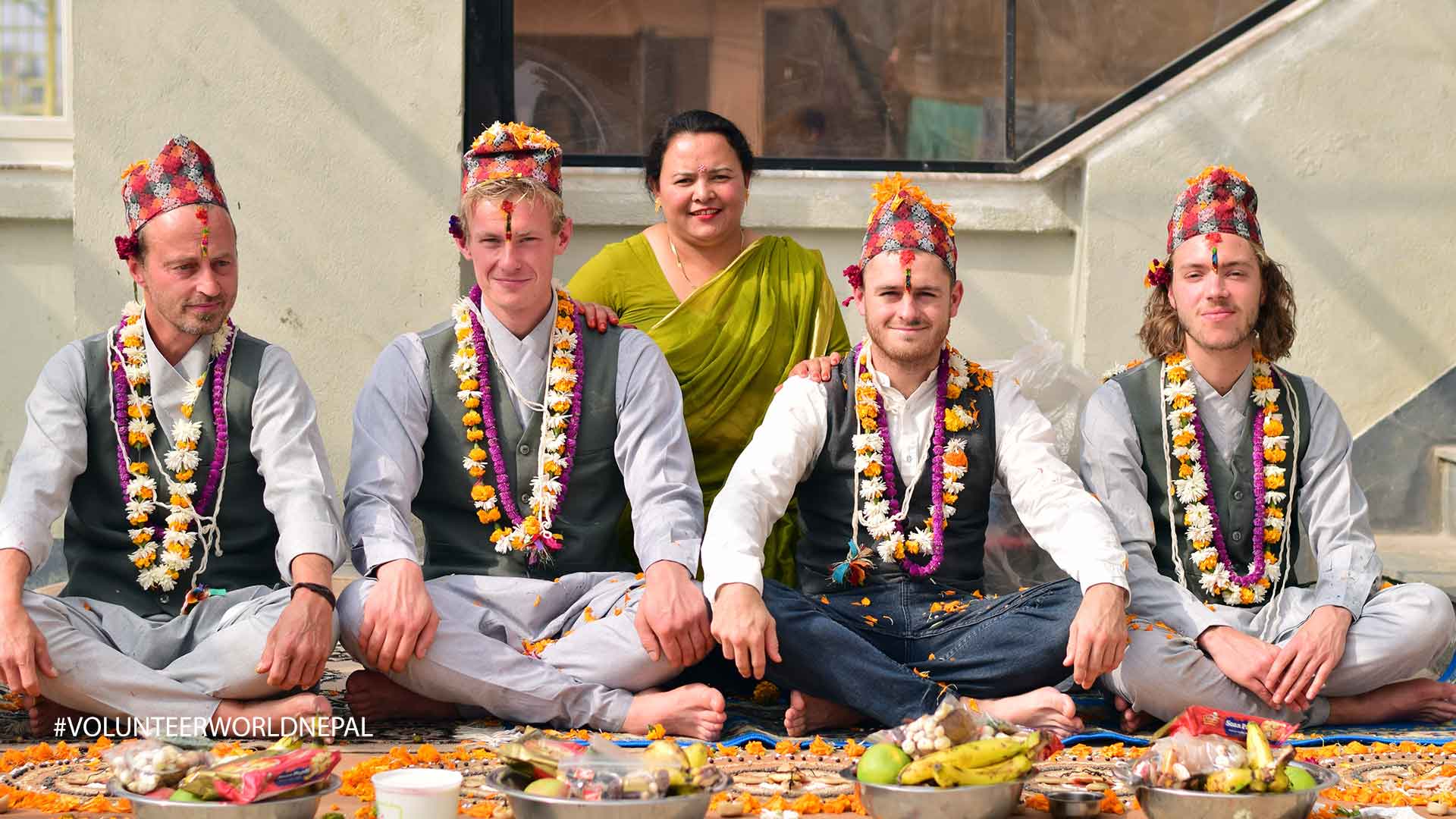
    group photo after Foreigners celebrating Dashain and receiving blessing from Nepali

    Arriving in Nepal During Dashain

    Walking the streets of Kathmandu revealed newly painted homes, shops all decorated in flower petals, and kites/distaffs flying high in the blue autumn sky. Families shopped for new clothes, children smiled with their anticipation of the celebration day, and everyone appeared to have some special glow in their eyes. The family I was with immediately integrated me into their family, describing Dashain as family time, the time to worship goddess Durga, and a time to celebrate good overcoming evil. The celebratory atmosphere was contagious and pleasant.  

    I attended ‘Phulpati’ with my host family, who were decorating their house with marigolds and banana stalks, while the women in the house prepared the family for the evening celebration with traditional foods. The aroma of goat curry and sel roti wafted through the home as the family prepared to dress for their celebration. This whole process reminded me of Christmas celebrations back home, yet it had such a different style of energy and cultural beauty, in the invitation to join every part of the ritual, helping to prepare, the decoration, and, of course, the banter of prayers to the god. To see everyone come together in such a wholesome way made me see that Dashain was not just a festival. It is a state of being connected hearts.

    Receiving Tika and Jamara

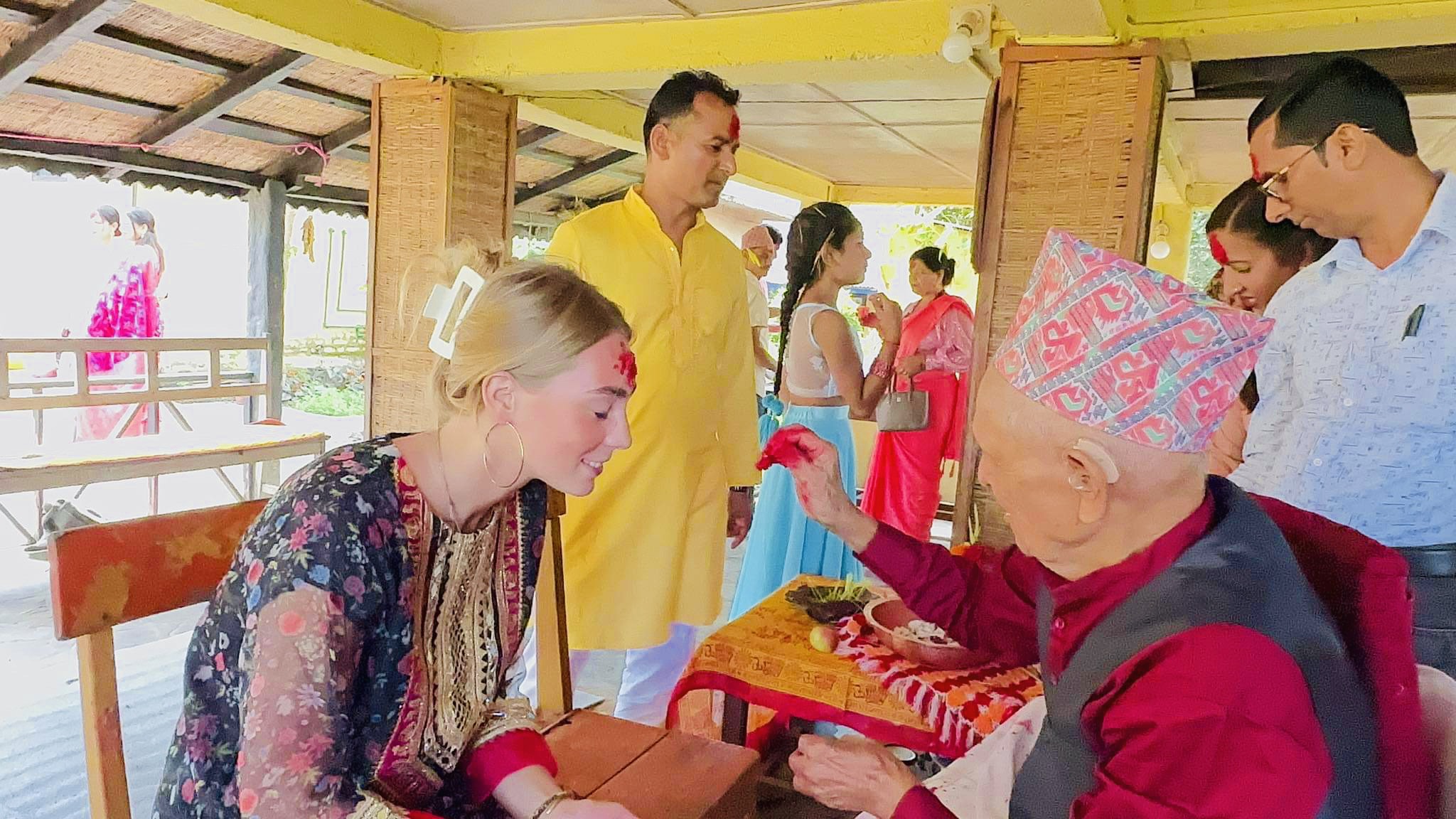
    One of the most poignant moments I experienced occurred on Vijaya Dashami when my grandmother’s host placed a vermilion red tika on my forehead and provided me jamara for health and prosperity. As she prayed for my happiness, I could feel my heart preparing to cry happy tears. Over 7000 km away from my family in Sydney, and in Kathmandu, Nepal. It was so grounding to feel connected to being part of a family here. Authenticity in gratitude, smiles, and gentle laughter gave me feelings of real experience created from these emotions, and one truth about love and kindness: it can exist at distances from any place in this world. 

    The Spirit of Kinship

    Furthermore, I noticed families traveling, walking, and traveling the last distances to meet one another. I watched the cases of temples overflow with massive numbers of devotees, families swing high on bamboo swings in fields, and older folk find sun to reminisce about their glory days. I tasted laughter and music, and future meal fellowship plates with friends, family, and kind friends. Each moment fleeting reminded me of the serious lessons in life, like they were yet again, another reminder of the simple truth that remains: happiness is in the sharing.

    Foreigners celebrating Dashain and receiving blessing from Nepali

    The generous and welcoming lens of Nepali culture allowed a deep sense of joy to touch my heart. Dashain and my newfound kinship sought to illustrate more about connection through gratitude and faith in life.

    Reflecting on My Dashain Experience

    As I was packing my bags to journey back to Sydney, I understood that I was leaving Dashain with something more than just a collection of beautiful memories filled with love that had the potential to last longer into life. Dashain helped me slow down, with family and understandings, and celebrate abundance, irrespective of how much we have to spend, little and small. I learned that festivals are not merely celebrations, but a celebration that binds us to our traditions and shows us what’s possible with our connection to other people, regardless of the distance we live from each other.

    Why You Should Experience the Dashain Festival in Nepal

    If you ever contemplate a trip to Nepal, and you can plan accordingly, this time of the year would be a time to mark on your plan. Dashain is a wonderful opportunity to feel the culture of Nepal. You will see the country in its true character and fullness, with energy, family, and happiness. From people in terraced temples visiting deities, to the sounds of drums in the hills, Dashain is alive – everyone is taking part in the festival of Dashain. You will both observe and participate as a traveler in Nepal, and you will experience the meaning of traveling well. 

    Last thoughts 

    My journey to Nepal from Sydney was not only a journey; it was the act of experiencing culture. Watching Dashain reminded me that a cultural practice can transverse borders and swirl into a river for a lifetime. And suddenly, the culture of Nepal becomes a home away from home; Dashain leaves behind beautiful days of love, community, and happiness.  You will walk away from the festival being grateful and have a warm heart.


  • Trekking in Nepal with Children

    Trekking in Nepal with Children

    Trekking in Nepal with Children: A Family Adventure of a Lasting Impression

    Trekking in Nepal has long been associated with the “adventure travel” experience of straying from well-travelled paths and rugged adventurists. However, the great news is that trekking can provide families with an unforgettable opportunity for deep learning and experiencing nature. Trekking with children is not impossible, and there is a unique value in trekking with a family in the Himalaya. With preparation, on the right trails, and with the right mindset, trekking in Nepal as a family can be a compelling and memorable family adventure filled with fun, discovery, culture, and nature.

    Why Family Trekking in Nepal is a Good Idea

    Nepal is a stunning country of natural beauty, rich in culture and inhabited by people who are remarkably friendly and considerate, making for an exceptional setting for family trekking. There are also many family-friendly trekking routes in Nepal suitable for children of all ages and level of ability. There are elements, such as the experience of walking through terraced fields, communities in mountain landscapes, or being under a rhododendron tree, that allow children to connect with nature, as well as see some of Nepalese life and traditions that continue to evolve. Children enjoy connecting with other travelers on the trail, Nepali food is an excellent treat, and the passing yaks and mules on trails in between fields of rice, corn, and land with millet are a pleasure. 

    In addition to the adventure of an experience, hiking with children provides a unique chance to share a lesson of resilience, teamwork, and to enjoy appreciating some of the small things in life. Each time children finish their trek for the day. They develop a level of confidence and maybe a fresh lens for experiencing the world we live in. More than the adventure, families will find the leisurely experience to be an offering to connect and take time to share without the distinct separation of our families’ digital world. Interestingly, it is quite a sight for parents to see and observe their child develop a level of independence. And lastly, for both children and adults, whether hiking for a short or long distance, at the end of your hike, to have progressed to your final destination on foot is an experience you will always remember.

    Choosing the Right Trek for Families

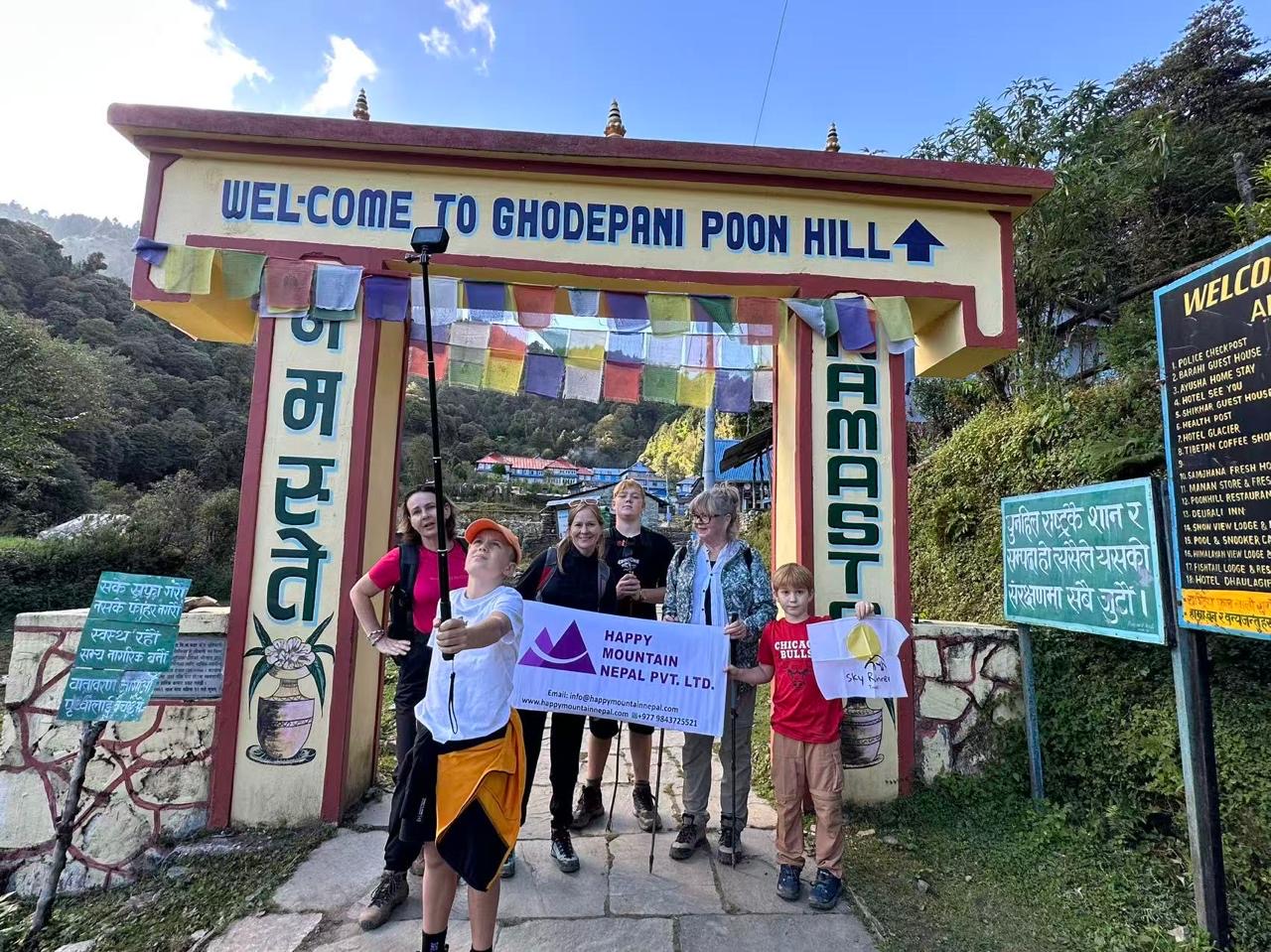
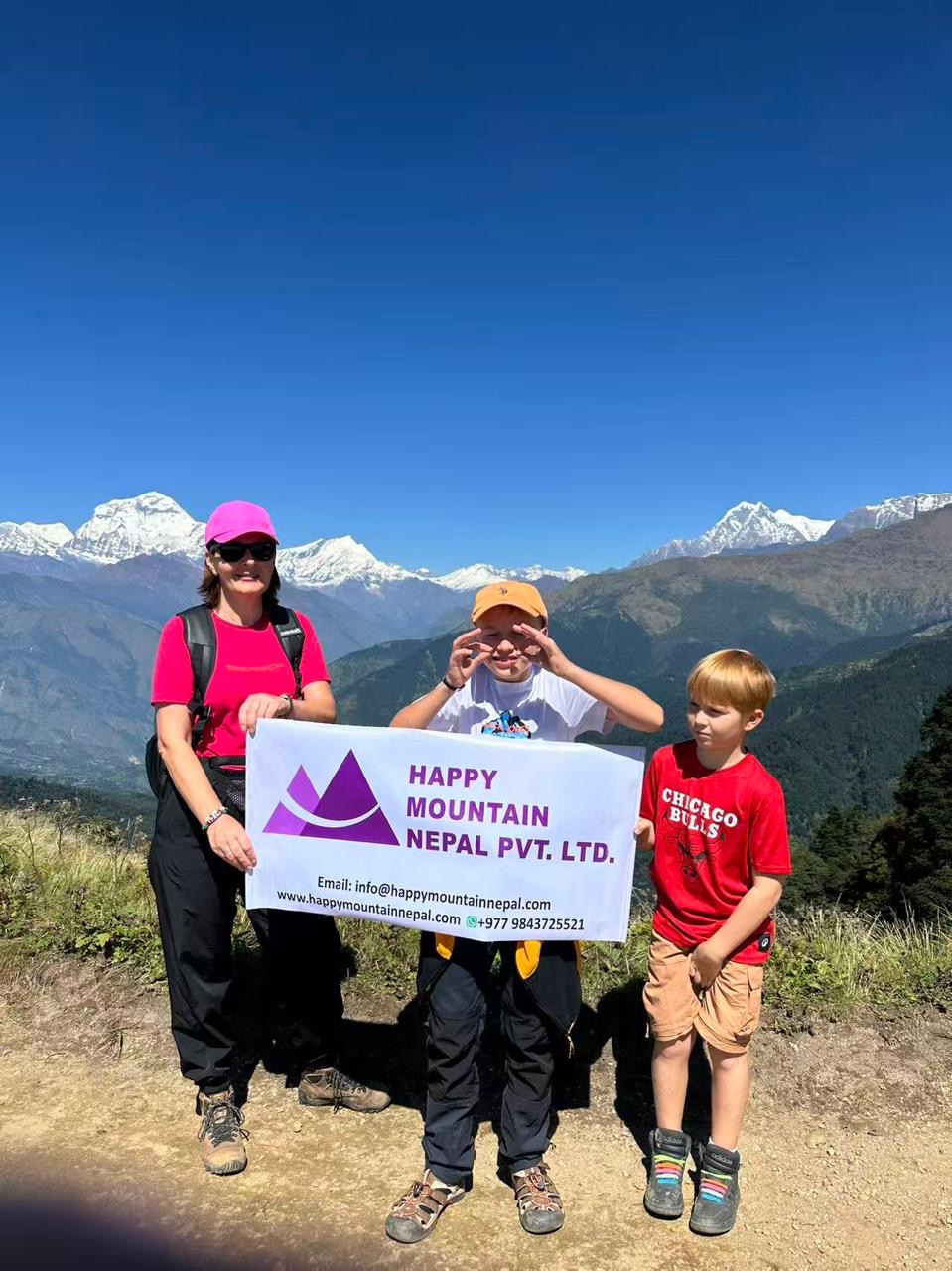
    If you are contemplating a Family hike in the Himalayas, one of the first tasks in organizing a trip will likely be selecting a hiking route. Some treks in Nepal are better suited for families and children, especially because they are usually less difficult, at a lower elevation than other treks, and there are lodges for meals and accommodation during the hike. One really nice trek is the Ghorepani Poon Hill Trek. This trek is usually more family-friendly than other treks nearby in Nepal. Everything about this hike, from our short days of hiking, amazing views of the Dhaulagiri and Annapurna mountain ranges, and sunrise at Poon Hill, will be on everyone’s bucket list. Another family-friendly trek is the Langtang Valley Trek. 

    The Langtang Valley Trek will give families not only a mountain experience but also an experience in culture. The cultural experience is that families will have a chance to meet the Tamang people as well as visit a monastery, all while hiking only short distances every day. Or, if you’re bringing very young children along with you, or prefer an easier option, try the Australian Camp Trek or the Dhampus Village Trek, both easily reached from Pokhara. Both treks will include families trekking in the Himalayas, but without climbing to high altitudes. Both of these treks provide a bed, breakfast, and dinner in child-friendly accommodation. 


    Preparation is the secret to a successful trekking adventure.

    Children will need to be accustomed to walking for many hours during the day. Initially, I recommend some walking trips near your home. Provide your children with a mantra, i.e., ‘drink, rest, and enjoy nature.’ It is important for children to have equally good quality walking shoes and layers of warm clothing, and light backpacks. Also, treats, games, and toys will fill the day of walking with engagement and activity.

    It is also important to mentally prepare them for a different routine, simple food, and mild weather. Educating young children that trekking is about the experience rather than the destination will help, too. Experience will help them understand to be present, such as taking in the small things like the locals or scanning for mountain goats. It will typically show that all the adults will find the kids enjoying and attending be more engaged in the whole experience, no matter the trek, if they were able to have a stamp in the planning stage while they were preparing. 

    Accommodation and Food During the Trek

    Nepal trekking with kids is not “roughing it.” Most of the popular trekking trails nowadays have kid-friendly teahouses, warm beds, hot showers, and freshly prepared food. Kids love eating simple foods like noodles, rice, soup, and pancakes (which you can pretty much find anywhere). Whatever breakfast provisions are offered in the teahouse, if children do happen to make a special request for porridge or an omelets, be sure to request it!

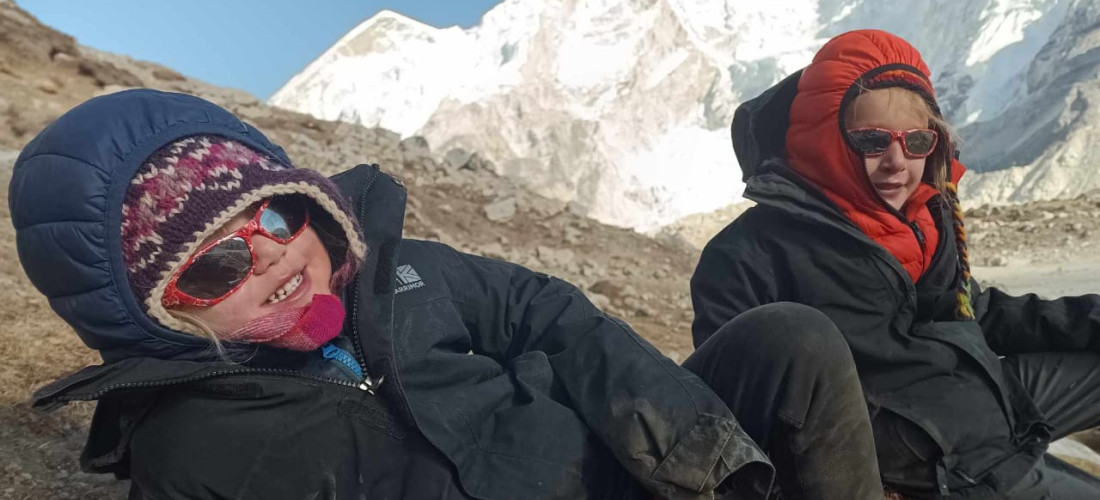
    A slightly rotated, medium-close-up shot shows two people bundled in winter gear on a snowy mountain. In the foreground, a person wearing a black hooded jacket, a colorful knit hat, and sunglasses smiles at the camera. In the background, another person, also wearing a hooded jacket and sunglasses, crouches down with a faint smile. Behind them, the jagged, snow-covered peak of a mountain is visible.

    The children’s trekking is also unique due to the accommodation. Teahouses allow families to engage with their host Nepalese as well as experience Nepalese hospitality. There are a few lodges with small farms or pets, and kids usually like playing with the farm animals. Evening is normally peaceful and snug, in the fire, or just in bed in quiet or staring at stars, which is special in itself, but it is such shared moments that give more of a sense of home away from home.

    Safety and Health Tips for Families

    Your most important consideration when trekking in Nepal with kids is safety. Treks below 3500m should be safe, plus you will have some time to acclimatize, especially if you drink often while trekking. If you employ a first-aid kit for trekking, nothing wrong with bringing a small first-aid kit for the trek, and remind kids to hydrate often during hikes.

    Periodic rest stops throughout the recovery phases would be advised, as the younger children do not have the same endurance as the older children and adults. We recommend that you rent a local guide or a porter who will assist in handling the logistics, as well as rescues when necessary.

    It is also wise counsel to inquire about the weather prior to your trek. In general, the best seasons to travel with children are the spring, identified as the months of March, April, and May, and the autumn months of September to October, as the weather is not too extreme and the skies are often clear. The trails will be in the best trekking condition with breathtaking mountain scenery!! Make sure to trek with travel insurance including trekking and possible emergency evacuation.

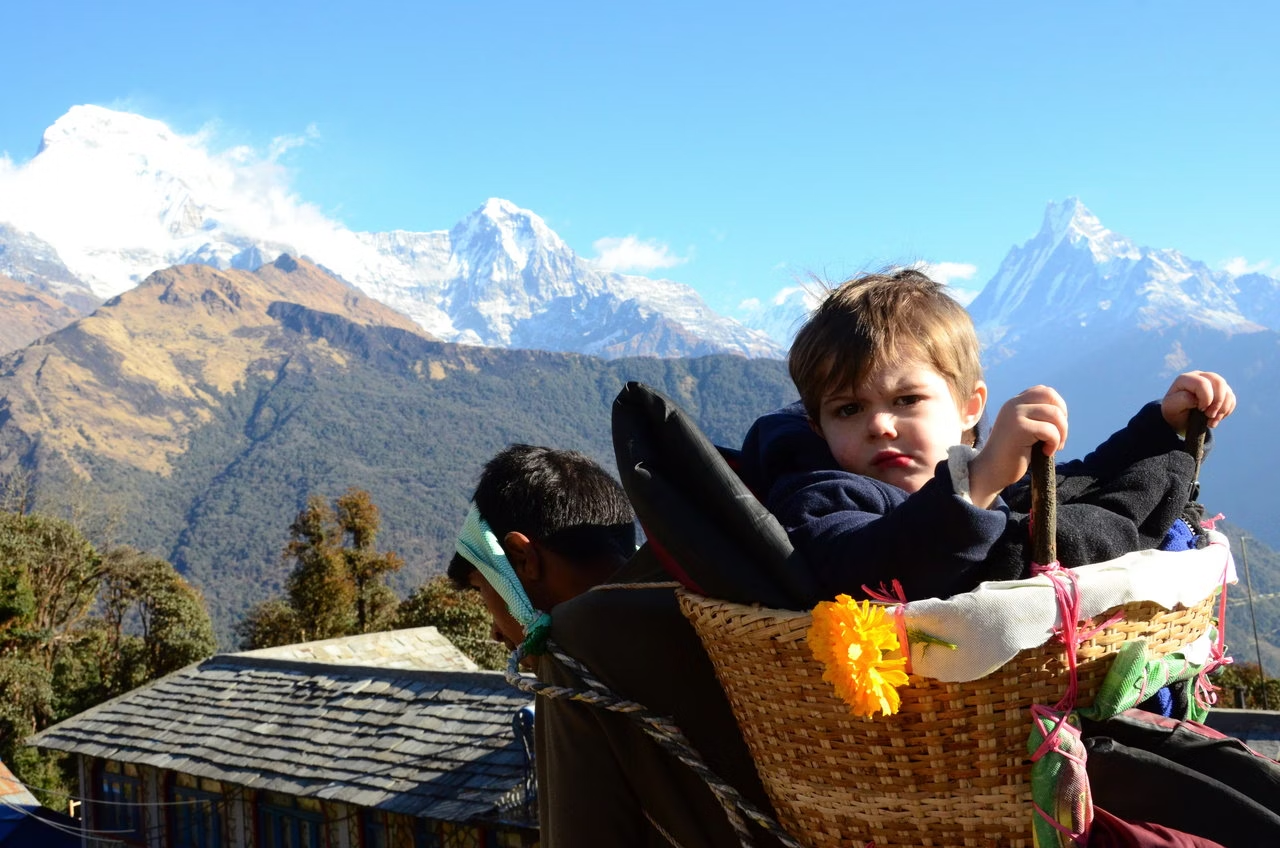
    An image of a young child being carried in a traditional Nepali basket, known as a doko, on a mountain trail.

    Cultural learning and family bonding.

    One of the most rewarding parts of walking in Nepal with children is the cultural experience. Kids experience true village life, see prayer flags blowing in the wind, and hear stories from welcoming people. By visiting a monastery or school along the route, children gain experience with how other children live in the Himalayas. These delightful moments introduce a child to respect, empathy, and curiosity about the world. The bonding experience of trekking as a family is also irreplaceable. Walking side by side, motivating each other, and sharing successes, creates lasting memories. Parents often share, once children return home after a trekking experience, their children have grown in confidence, independence, and natural appreciation of our majestic planet. Overall, the trek itself is a walking classroom, learning happens naturally, and it is cost-effective.

    Final Thoughts

    Trekking in Nepal with children is so much more than taking a holiday; it is an experience that can change your life and bring families together while providing young minds with an opportunity to engage with the beautiful mountains and the kindness of humanity. With basic, straightforward planning, patience, and attitude, you can make a family trek into the Himalayas with happiness and safety in the knowledge that you have. Whether you decide to go for a half-day stroll in a village or a week in the mountains, you and your family will have laughter, learning, and lasting memories.
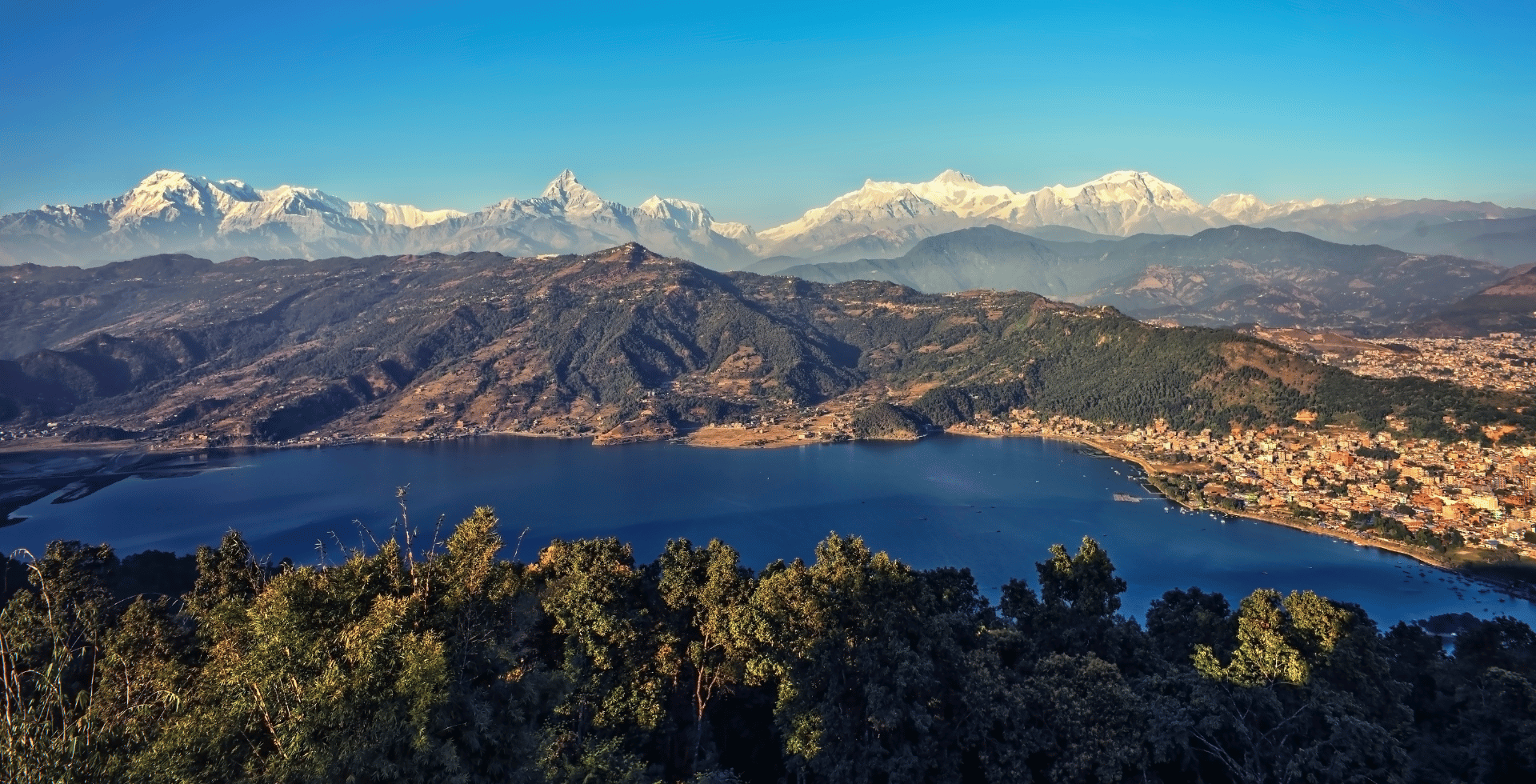
    Nepal invites families with an open heart to provide some of the greatest opportunities to experience, engage, and grow as a family in the splendour of the Himalayas. If you are planning to visit Nepal with your childrens. Contact us today at Happy Mountain Nepal, Facebook, Instagram, or TikTok. 


  • Visiting Nepal During Tihar: What Can I Expect

    Visiting Nepal During Tihar: What Can I Expect

    Visiting Nepal During Tihar: What Can I Expect

    As a traveler, you will surely have the opportunity to take part in one of the greatest celebrations. And compassionate highlights of your experience in Nepal, Tihar (the Festival of Lights). Tihar is a five-day celebration that occurs sometime in late October to early November, often coinciding with a full moon. Tihar is the second largest celebration in Nepal, following Dashain, and is essentially a national holiday. The feeling of Tihar is one of joy and excitement. 

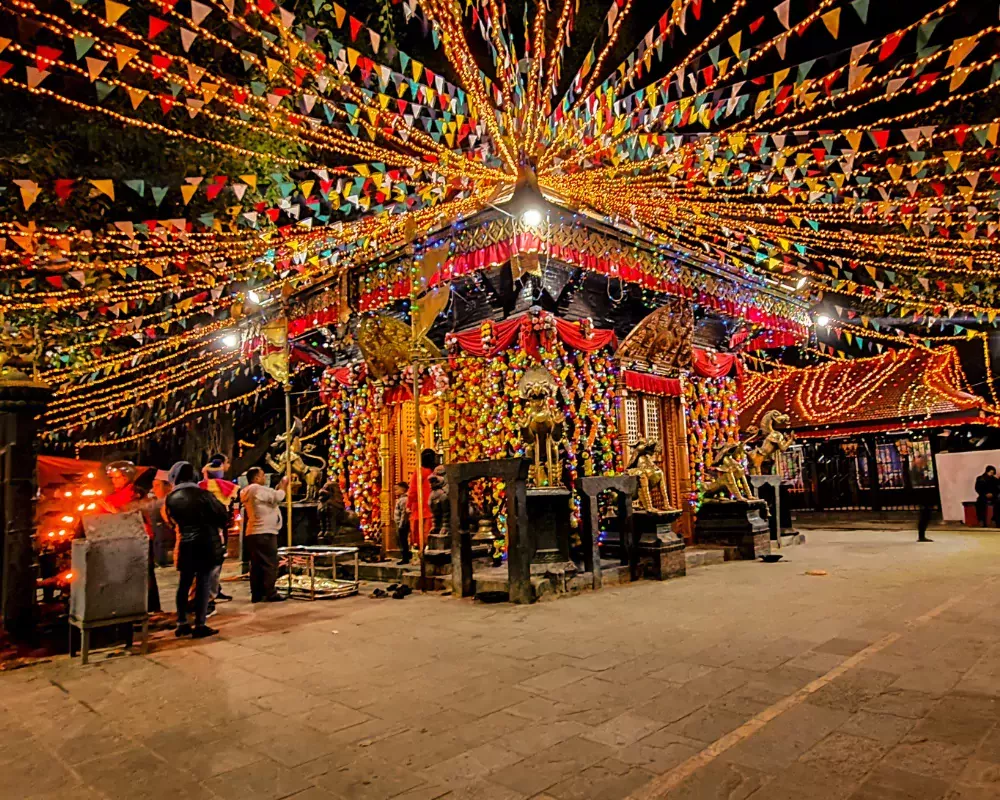
    Maitidevi temple decorated with light and flower during tihar

    Participants during Tihar will celebrate the gods and goddesses, animals, and the relationship between brothers and sisters. The streets, temples, and homes will be aglow and bright with oil lamps and candles, but it will also be brighten in bright colors, too. Altogether, it will change the visual landscape of the towns and villages, and during Tihar, the towns and villages will be fascinating displays of joy and bright lights.

    What is the Meaning and Spirit of Tihar

    Tihar is also known as Deepawali in Nepal, is the celebration of the victory of light conquering darkness, and knowledge overcomes ignorance. It is a time for people to thank the Lord for the happiness of life, to live sustainably, and to reflect on the relationships that bring meaning through life. Tihar is different from most festivals because it ties spirituality to our daily lives. Tihar also conveys a sense of regard for all living beings, domesticated animals, and prioritizes family relationships. The festival is warm and emotional. During Tihar, you will be shown the generous, loving spirit of the Nepalese people. Travelers who happen to be connecting Nepal during Tihar will not be observers but part of a nation-wide festival focused on love and light. 

    The Five Days of Celebration 

    Tihar is celebrated for 5 days, each with its own object, purpose, traditions, and moments of enthusiasm.

    Day 1: Kaag Tihar (Day for Worshipping Crows )

    Kaag Tihar is the first day of Tihar, the day of crows. In Hindu belief, crows are the symbol of Yama, the god of death, and on this day rice, treats, and grains are set outside or on top of roofs for crows to find in their honour. Many will view this as yet another gesture of bringing to life positive energy instead of negative energy. In the morning, crows caw in the air, and small food plates are laid out in each direction. It is within this quiet richness that visitors begin to explore, really getting familiarized with the deep connection between Nepali culture and nature.

    Day 2: Kukur Tihar (Worship of the Dog)

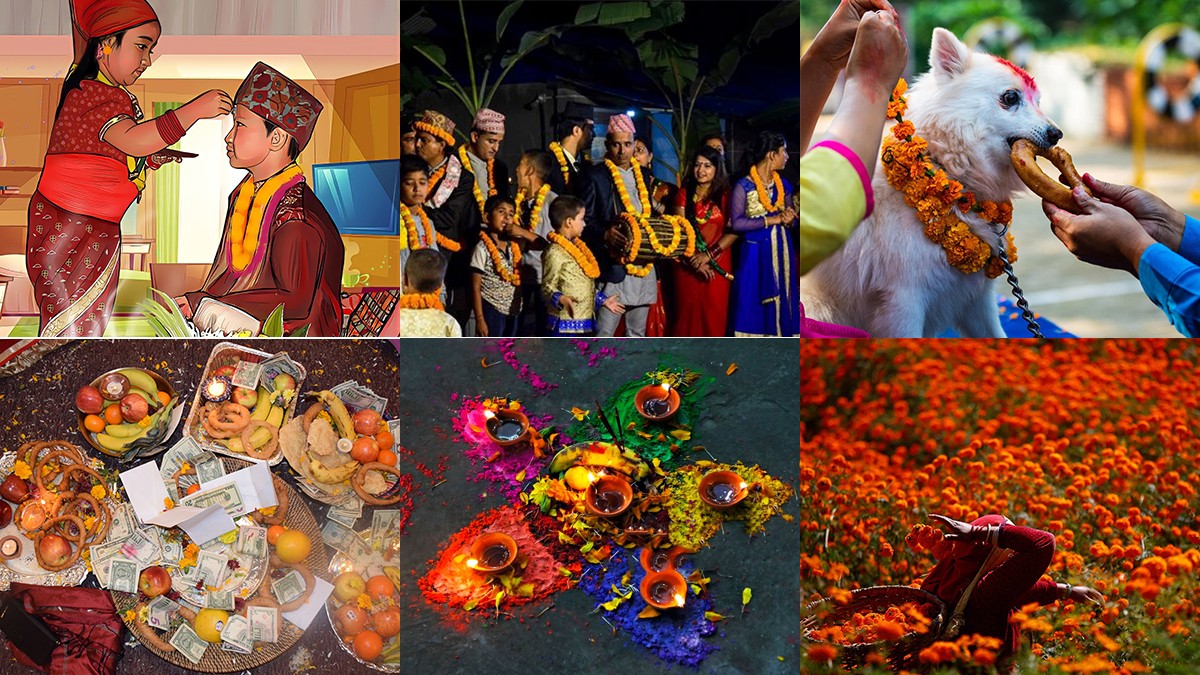
    Day two, Kukur Tihar, is possibly one of the most gracious festivals that anybody could participate in. This is a day of celebrating dogs – the most loyal and true companionship one can have. On this day of appreciation, all dogs, from community city dogs to love family dogs, are celebrate. Similarly, in that they receive bright flower garlands around their neck, tika from the red powder upon their heads, to food from their owners.

    Is there anything more simply sweet than seeing dogs walking around with garlands hanging from their neck, wagging their tails? For many travelers, this is the favorite day of the festival, out of kindness and compassion, and respect for all life.

    The image is a collage of six photos depicting various aspects of a Hindu festival, likely Tihar, celebrated in Nepal. It includes suster putting tika to her brother, playing deusibhaiol, rangoli and flowers

    Day Three: Gai Tihar and Laxmi Puja

    The third day is definitely the biggest celebration. In the morning, cows are worship because they represent pure animals and indicate wealth. During this time of year, cows are commonly fed grass, fruits, or flowers with the intention of wishing/prospering the cows or anybody nearby. The evening is when this celebration begins with the sparkling festival of goddess Laxmi, goddess of wealth, good fortune, and abundance. Every household will show up with their houses cleaned with all lights, marigold garlands, and rangoli creations to signify the wealth of goddess Laxmi for this festival.

    Seeing the whole neighborhood with outside houses adorned with rows of glowing diyas and twinkling lights is stellar. You can hear clusters of children and youths who will wink be singing traditional Deusi-Bhailo songs in exchange for some sweets and maybe a penny or two! 

    Day 4: Govardhan Puja and Mha Puja 

    The fourth day can hold different meanings across Nepali culture. In many Hindu households, families will have worship oxen and observe Govardhan Puja to honor nature and agriculture. While the day can also be known as Mha Puja in the Newar community as a sacre ritual for honoring and purifying the self.

    The Newar culture is known for creating exquisite mandalas on the ground using powders and flowers. These mandalas are often equipped with offerings, done to instill the spirits of self-respect and balance within the creator. Tourists who find themselves in Kathmandu, especially in Bhaktapur or Patan, will see these quite interesting Newar traditions, not the least of which involves an elaborate meal that memorializes balance and renewal.

    Day 5 – Bhai Tika (Prayer for Brother)

    The fifth and final day of Tihar is Bhai Tika, the most sentimental day because it’s just heartwarming. Sisters will put a seven-colored tika on their brother’s forehead, and they will give their brothers candy (sweets), dried fruit, and nuts. Sisters will be praying for their brother in terms of wealth, success, and longevity. Brothers will also engage and get gifts for their sisters. Brothers will also start to prepare to protect their sister as they travel. Bhai Tika is a day for families in not only Kathmandu’s valley but across Nepal to emphasize the fraternity ties of family. Family is abundant, and love and laughter fill the homes.

    For tourists who are staying with a family, this is a great day to see real Nepali love and the importance of relationships in daily life.

    The Magical Atmosphere During Tihar

    Tihar creates a glorious ambience in Nepal. Once evening falls, the brilliant lights of thousands of oil lamps shine brightly from windows, yard corners, and temple doors. Many streets are decorate with familiar fairy lights and paper lanterns hanging down, while the evening air has a fragrance of incense and music. Children full of festive spirit will be going from house to house singing the Deusi and Bhailo songs. Early evenings in the narrow way of Kathmandu, Patan, or Bhaktapur, it begins to feel like a Fairy Tale. In Pokhara, the lights mirrored in Phewa Lake are truly out of this world. Warmth and kindness can feel benevolent. Many times, visitors take part in the singing, dancing, and merriment, and make memories for a lifetime at the same time

    Traditional Foods for Tihar

    No formal celebration in Nepal would be without traditional foods, and Tihar is a very special occasion for that type of homemade food. The most famous food, a ring-shaped, sweet, crispy bread staple made of rice flour, called Sel Roti. 

    Some other well-known kinds of sweets are anarasa, barfi, and laddu, made of rice flour, coconut, and ghee. Families prepare special meals, fruits, and snacks to offer their guests, gods, and animals. Traveling, during Tihar, to either homes or homestays gives travelers a reason to enjoy and engage in sharing traditional tastes and practices that symbolize community and gratitude.

    An image of five people, four men and one woman, sitting on the floor during what appears to be a religious ceremony. They are all wearing garlands of flowers and traditional hats. The woman is wearing a green sari during bhaitika in Nepal

    Best Places to Experience Tihar in Nepal

    Overall, Tihar will be celebrate all over the country; however, there are great places that will present unique, lovely experiences. The Kathmandu Valley, with its ancient temples and Newar community, is a uniquely full-color experience of any festival. Bhaktapur or Patan will host Deusi-Bhailo events, where people dance in well-decorated courtyards of homes. More lakeside experiences with fire taking place at another during Tihar is a great overall experience in Pokhara, where there are beautiful reflections of lights on the water. Villages like Bandipur and Gorkha offer a different candlelight experience of more traditional and communal gatherings of families, comprising a feeling of music and food going from one to another while celebrating together. No matter where you are, Tihar is in the air, and there is a spirit of love and connection that shines through.

    Travel Tips for Visiting Nepal During Tihar

    Your trip to Nepal will be a fantastic experience during Tihar – with a little preparation, your trip will run smoothly. With this being a major holiday, experts recommend booking flights, bus trips, and accommodation ahead of time. Many local businesses and government offices will close for several days, and you should make your travel decision around this holiday. It’s also a good reminder that you should carry some cash because ATMs could become busy, and small shops may or may not accept cards.

    Again, out of respect to the people of Tihar, when you observe rituals, ask first if you can take a picture of someone’s home. Please dress appropriately, especially if you are near someone’s home or a temple. Finally, (and best of all) be open to the experience of participation. Most people will be exceedingly friendly and may ask you to join in the festivities for their song and dance. 

    Conclusion

    During Tihar if you visit Nepal you will feel as though you are experiencing the true culture of  Nepal. During Tihar, devotion and happiness fill the heart of the country, turning into something meaningful. It runs the range from honoring animals to honoring the gods to honoring family. On the newly lit streets of old town Kathmandu, as you stare at reflections on a lake in Pokhara, or share some Sel Roti with friends in a small village, Tihar will revive the heart with brightness.  Tihar is a celebration of abundance and prosperity, but ultimately tells us that good deeds, love, and respect are where brightness will always give us life.

    This is not just what nepal offers, Dashain is another festival celebrat by the majority on what you want to experience. Nepal has got you cover, from hiking in the nagarjuna (one of the easier hike) to (nepal’s hardest hike), from climbing the Everest (to the top of the world) to experiencing the deep Arun Valley in the world, you can experience the best.

  • Sarangkot Sunrise Himalayas Tour: A Magical Morning in Pokhara

    Sarangkot Sunrise Himalayas Tour: A Magical Morning in Pokhara

    Sarangkot Sunrise Himalayas Tour: A Magical Morning in Pokhara

    I can recall waking up in Pokhara before anyone else and before the world started to move again. There was nothing but clear air, no one else around, and a small amount of fog on Phewa Lake. My guide had told me the night before that Sarangkot is the best place to see the best sunrise over the Himalayas. I had read that at least a hundred times, but there is nothing like the feeling of being there. The Sarangkot Sunrise Himalayas Tour was not just views; it was stillness, beauty, and an awe that would bounce through my life and my thoughts forever.

    A vibrant landscape features a valley nestled among majestic mountains under a soft, hazy sky, with bright orange and yellow flowers in sharp focus in the immediate foreground.

    The Early Morning Journey

    My journey started around four thirty in the early morning, when the city was silent. As the vehicle crawled along the narrow, mountain roads to the Sarangkot overlook, I could see the contour outlines of different villages still asleep. When I rolled down the window, the cool mountain air brushed across my face, serving as a reminder that I was moving toward a place where the mountains touch the sky. I felt the ride was sacred in some manner, and with each turn of the car, I felt we were edging closer to the Himalayas.

    When we finally reached the base of Sarangkot, I stepped out to join a small group of other travelers going up a few stairs to the overlook. Everybody was noticeably quiet in their ascent, as if speaking at all would distract our witness of the night’s beautiful transition into day. The dark sky was ever-so slightly lighter, and faint twinkles of stars remained. I could already sense a feeling of excitement swelling within me.

    The First Glimpse of the Himalayas

    While standing on the viewpoint, I sensed my eyes beginning to adjust to what was developing in front of me. Slowly, the horizon changed from dark blue to hues of orange and gold. And then it happened – the first rays of the sun burst into view, as they washed over the collective Annapurna range of mountains, turning the snow-covered summits to liquid bronze fire. Just beyond their view was Dhaulagiri, and the iconic Machapuchare – or Fish Tail Mountain – seemed to radiate a divine light.

    These are moments where, all at once, everyone standing around me stopped talking. The sound of the clicks of cameras and their flashes filled the air, but nothing could articulate the hair standing on the back of my neck, seeing the Himalayas illuminated by the sun. For a few brief moments, the summit peaks of the Annapurna Massif all changed hues as if I was watching a performance art piece before my eyes. I had seen amazing pictures of sunrises from Sarangkot, but I suddenly felt incredibly aware that a photograph and this moment are two very different experiences.

    Beautifil Fewa Lake & Annapurna Himalayas in the Background

    A Peaceful Atmosphere Above Pokhara

    To the Himalayas, the view extended out over the Pokhara valley, where Phewa Lake shimmered in the soft early morning light. The city seemed small and calm and insignificant compared to the massive snow-capped, shrouded, towering mountain peaks above. This soft stillness created a quiet that seemed to blanket the whole view of the valley as if every single one of us, and everything, had stopped breathing in respect to the beginning of the new day. 

    The locals had opened their little tea stalls all lined up near the viewpoint, and it was a simple pleasure to drink the Nepali milk tea while gazing at the calm mountains in their soft brilliance. 

    The cold wind blowing at us combined with the warm tea, and the golden light shimmered as it danced on the tips of the snow, creating a dream-like effect. I heard sounds and whispers of the other adventurers around us expressing their joy from the splendid mountain view, yet somewhere in our talking, we maintained a solemn silence about us; it was as if even our working to speak still didn’t diminish our silence or simply be present with everything that required some temporal silence—the mountains, the scenery, the experience all called for it.

    Why the Sarangkot Sunrise Tour is Worth It

    The Sarangkot Sunrise Himalayas Tour is not only an activity. It is a spiritual experience. You are not just seeing the mountains, you are actually feeling them. Witnessing the sun rise over the Annapurna, Dhaulagiri, and Machapuchare. It’s a visual experience, it’s a feeling experience. You really start to notice how small you are compared to the vastness of nature, and at the same time, you feel overwhelmingly lucky to be there. 

    What makes Sarangkot so special is how easy it is to access. Within a less than one-hour drive from Pokhara, you can witness what may be the most unbelievable view on earth. The Sarangkot view is unique in the fact that whether you are an adventure hiker off to go trek in the Annapurna region, or an explorer with limited time, you can catch the Himalayan magic without committing to the strenuous trek.

    Phewa lake, colorful boats & great evening vibes

    Final Thoughts on Sarangkot Sunrise

    When I walked away from Sarangkot that morning, I felt deep joy and appreciation. The mountains once again delivered an indescribable experience when pondering the reasons why travelers and trekkers from all over the world seek out the Himalayas in Nepal. The Sarangkot Sunrise Himalayas experience took a matter of hours to witness, but it leaves you with a memory that you will never forget. If you find yourself in Pokhara, take in the experience.. Get up, hike up Sarangkot, or at least be prepared to maximize the experience of watching the sun rise over the Himalayas, which provides colors that you never thought were possible. It is this exquisite gift of beauty that connects you to the beauty of Nepal, and it is just a wonderful experience in and of itself, being alive.