Author: Happy Mountain

  • Food tour in Kathmandu

    Food tour in Kathmandu

    Food tour in Kathmandu

    At first, I thought that when I arrived in Kathmandu, I would see temples and the Himalayas. Then one morning, I found myself on a food walk through the paths of the city, and suddenly the city was not only looking but smelling and tasting, too. Really, the more I tasted and walked, the more it smelled of spices and frying dough.

    We stopped first at a little tea shop in Asan Bazaar. The shop owner poured us steaming hot Nepali chiya made with milk, sugar, and cardamom with delicious enthusiasm, and I stood slowly sipping and watching the strikingly busy morning market- shopkeepers yelling, buyers bargaining, piles of colourful veggies and spices bursting with colour.

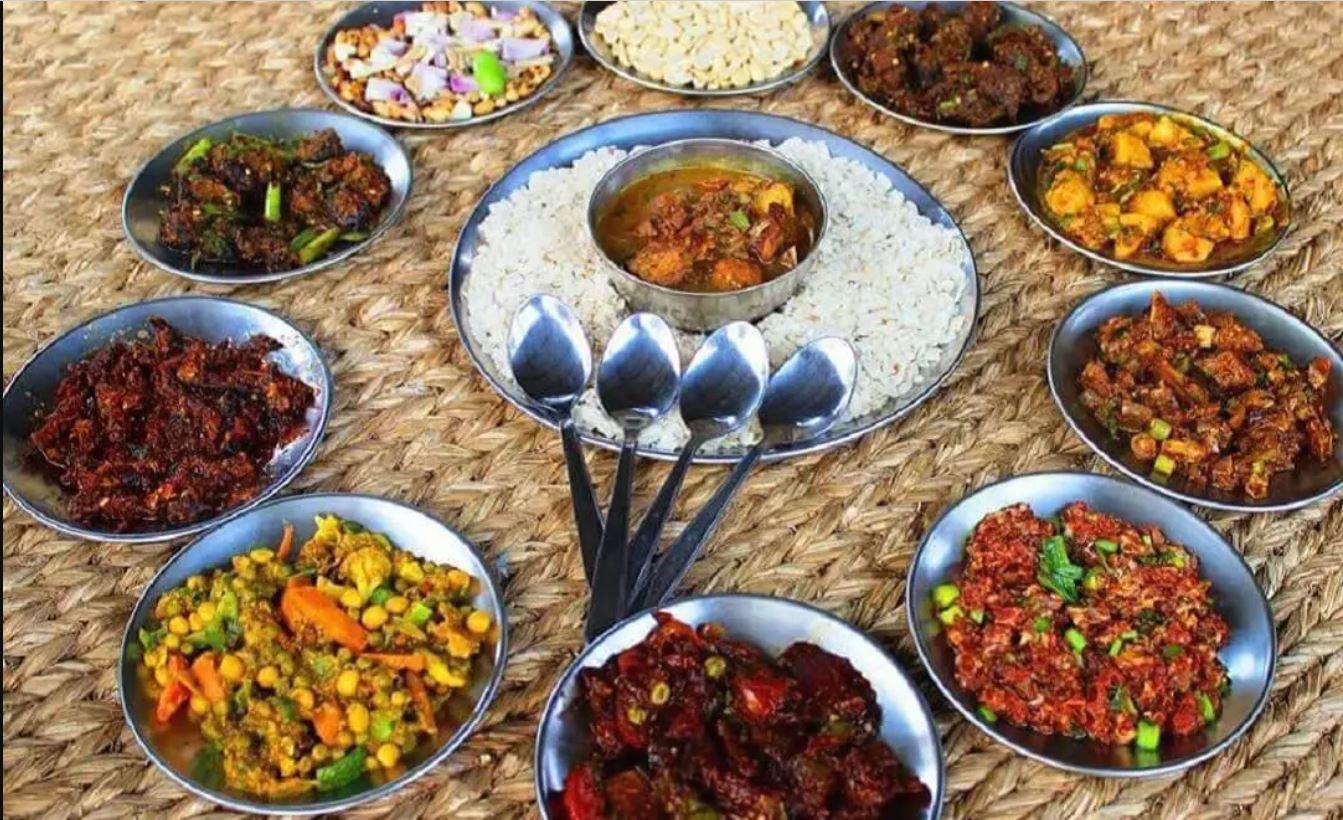
    A flat lay shot of a traditional Newari thali or platter, featuring various dishes.

    Next, we tried sel roti. The famous Nepali rice doughnut, crispy on the outside, and soft on the inside with achar that had a spice from chilis and ginger. Eating a warm sel roti right out of the pan in Kathmandu felt like being able to access home, even in a new city. Moreover, it never would have thought that a street food could give that kind of comfort.

    The further we walked into Thamel, the more I could smell Momo steam rising from the roadside stalls. Our guide did insist, first, on trying the buff momo along with the vegetable. I am not sure whether eating barely cooled, dumplings dripping in tomato chutney so passionate it felt like they were making my eyes water was an approval of buff momo, but I could not stop. Each bite was the perfect combination of soft dough, some juicy fat or filling, and some spice (it was a chewy, delicious restaurant).

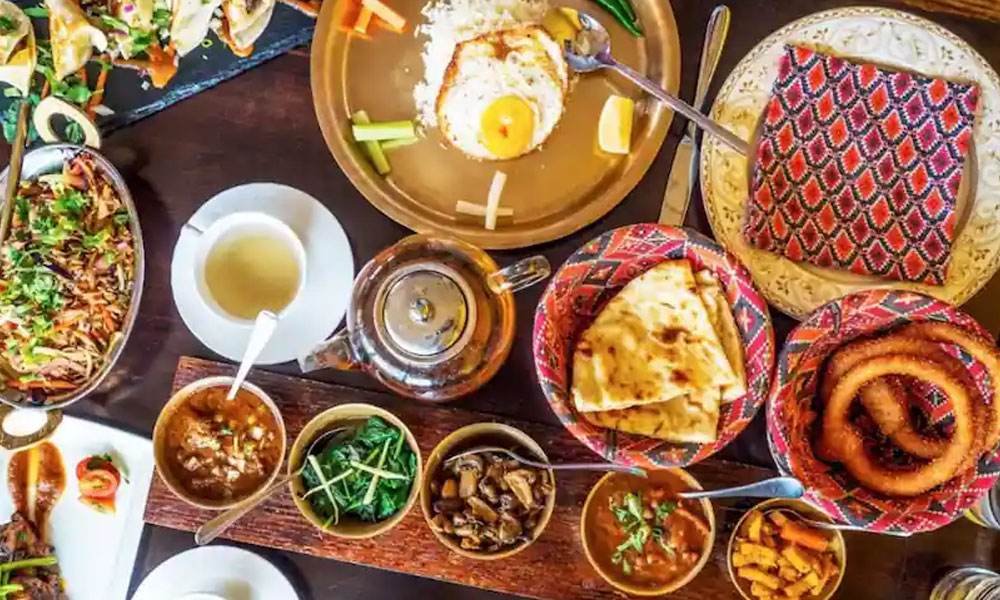
    A flat lay shot of a traditional Nepali thali or platter, featuring various dishes. The central elements include a round metal plate with steamed rice, a fried egg, and what appears to be a lentil soup (dal) in a bowl.

    One unexpected surprise was the yomari, a Newari delicacy filled with sweet molasses and sesame inside a fig-shaped dumpling. Standing under strings of colorful prayer flags, biting into it. And having the steaming inner molasses ooze out was like knowing Kathmandu had its own heartbeat. Multi-layered, warm, and inclusive of their traditional meaning.

    While I had eaten enough, I had eaten enough. But not only did I feel my body full, I felt the streets depicted the city surrounding me differently. In conclusion, the food of Kathmandu was telling a story about the people, their lives and histories. And the celebrations of the people of Nepal. Additionally, it dawned on me, while we once again canvassed the crowded streets. That this tour was not the act of eating dishes, it was to eat Kathmandu.


  • Was I Satisfied with My Tour in Nepal?

    Was I Satisfied with My Tour in Nepal?

    Was I Satisfied with My Tour in Nepal?

    Traveling has always been my own way of discovering how cultures operate outside of a guide. Overall, in August 2024, I packed my bags, departed from France, with anticipation of living Nepal’s experience. The himalayas, the temples, and the street life all intrigued me prior to going, but nothing could prepare me for what lay ahead of me.

    Touching down in Kathmandu was a violent rush of sensation; the chaos of the traffic, the aromas of spices swirling from food stalls, and of course, strangers who seemed to want to help immediately with welcoming smiles. I wandered the lively streets of Thamel (an eclectic area for travelers with every imaginable gear for trekking, tons of colorful prayer flags, and all the handmade items), and street musicians were sandwiched in between the noise of the streets and the sounds of restaurants serving food from all over the world. This city is both global and anchored at the same time. At every turn, there were amazing stories to touch to. 

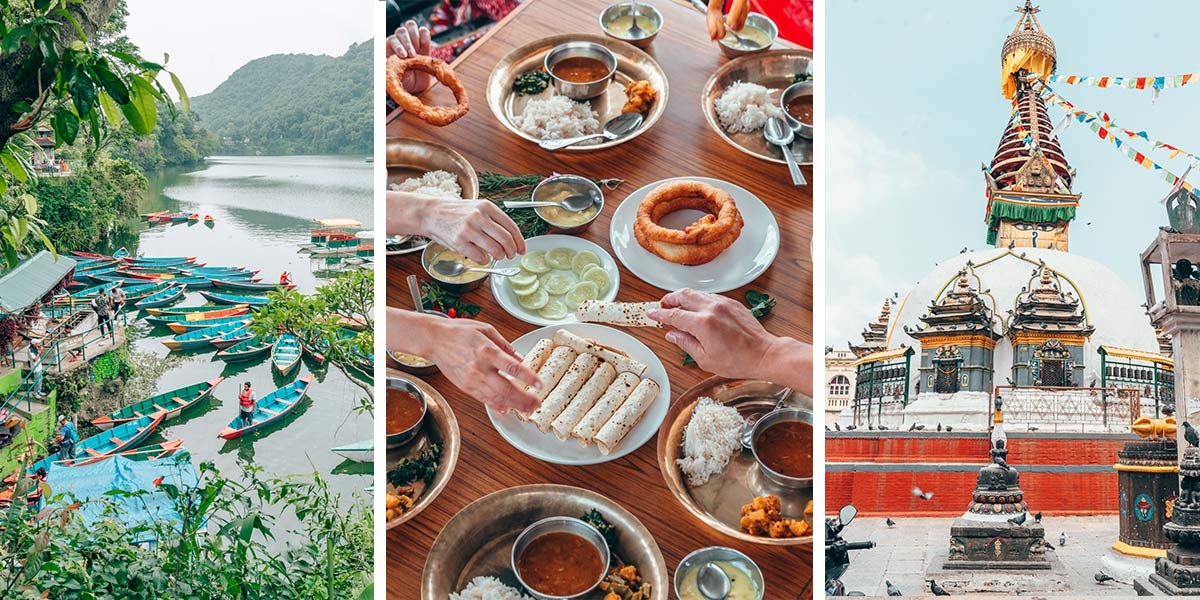
    The top panel features colorful boats on a calm body of water, possibly a lake or river, surrounded by lush greenery, with a waterfall visible in the background. The middle panel displays a close-up of a dining experience, with multiple hands reaching for food laid out on a wooden table, including traditional dishes like thali sets and bread

    Kathmandu Durbar Square

    Then there was the incredible Kathmandu Durbar Square. Surrounded by old palaces and intricately carved wooden temples, I could hardly stand it.  The history unfolded manifoldly, with pigeons flying over rooftops. Kings once lived, courtyards still associated with the now ritualistic, and again, statues and sculpture everywhere I looked. It felt entirely foreign from France. As each statue and every door divulged to me, acts of devotion, artistic endeavor, as well as fortitude. Yet, what I was to experience next, that capped my trip, was to participate in Indra Jatra, which is the festival of Nepal.

    In 2024, the Indra Jatra festival occurred on September 17th. Even though my trip began in August, I opted to extend my trip just to be there for the Indra Jatra, easily the best decision I made. For that time, all of Durbar square was a cauldron of life, music, reverence, and dancing; the square as a community was tasked with the exhilarating duty of pulling the chariot of the Living Goddess Kumari around the old city.

    "A vibrant, eye-level shot of a historic temple complex in Nepal, likely Kathmandu Durbar Square, at sunset. The image features traditional Nepalese architecture with tiered roofs and intricate carvings, bathed in the warm glow of the setting sun.


    I was right up against local families and pilgrims; everybody was craning to get a slight view of the young goddess as she came into view, calm and godlike, out of the open end of the chariot. The masked dancers, both fierce and playful, danced as myths have danced in front of Anthropologist’s eyes before, and the waves of drumming, vocal prayers that were chorused, and a sea of color and lights created an energy that felt electric and sacred. 

    Pokhara

    I was outside of Kathmandu, and since I had to leave. I spent a few days in Pokhara – a city of gentle exhale after the charged chaos of Kathmandu. Each morning began by the friendliest water of Phewa Lake with a reflection of the Annapurna range. Living in the water like a dream, shimmering along with the sun. My first time seeing Machhapuchhre, the Fishtail Mountain, glowing orange with sunlight behind it’s pointed symmetrical peak, felt like a naturally vibrant painting; like I have gotten myself stuck in a frame of an art gallery. Although Pokhara had its own energy with boat rides, tiny temples lined up with the lakeside, and hidden waterfalls; there was a gentleness of the city that contrasted so nicely to what it felt like being in Kathmandu celebrating.

    Pashupatinath Temple

    Visiting Pashupatinath Temple was another vivid experience. This was more than just a pilgrimage site; this was a spiritual space that left me in deep reflection. As I walked along the Bagmati River, I saw rituals concerning both life and death side-by-side – a combination of cremation ceremonies, prayer, offerings, and chants. It created an experience both somber and uplifting. The golden roofs of the temple shimmered in the sun. And there was foreigner prohibition from the main sanctum, to just be in, around, and amongst the temple was incredible. 

    Boudhanath Stupa

    Boudhanath Stupa provided me with a different sense of peace. The immense white dome, with the all-seeing eyes of Buddha, stood tall against the skyline, amidst fluttering strings of prayer flags. I walked around the stupa. And activated prayer wheels, in concert as monks in crimson robes walked the same path, as did locals with small butter lamps. There was something meditative in the slow, steady movement of people circling in silence. As if they stopped momentarily and walked fine line with time. I returned twice while on my travels, attracted to this calmness and energy.

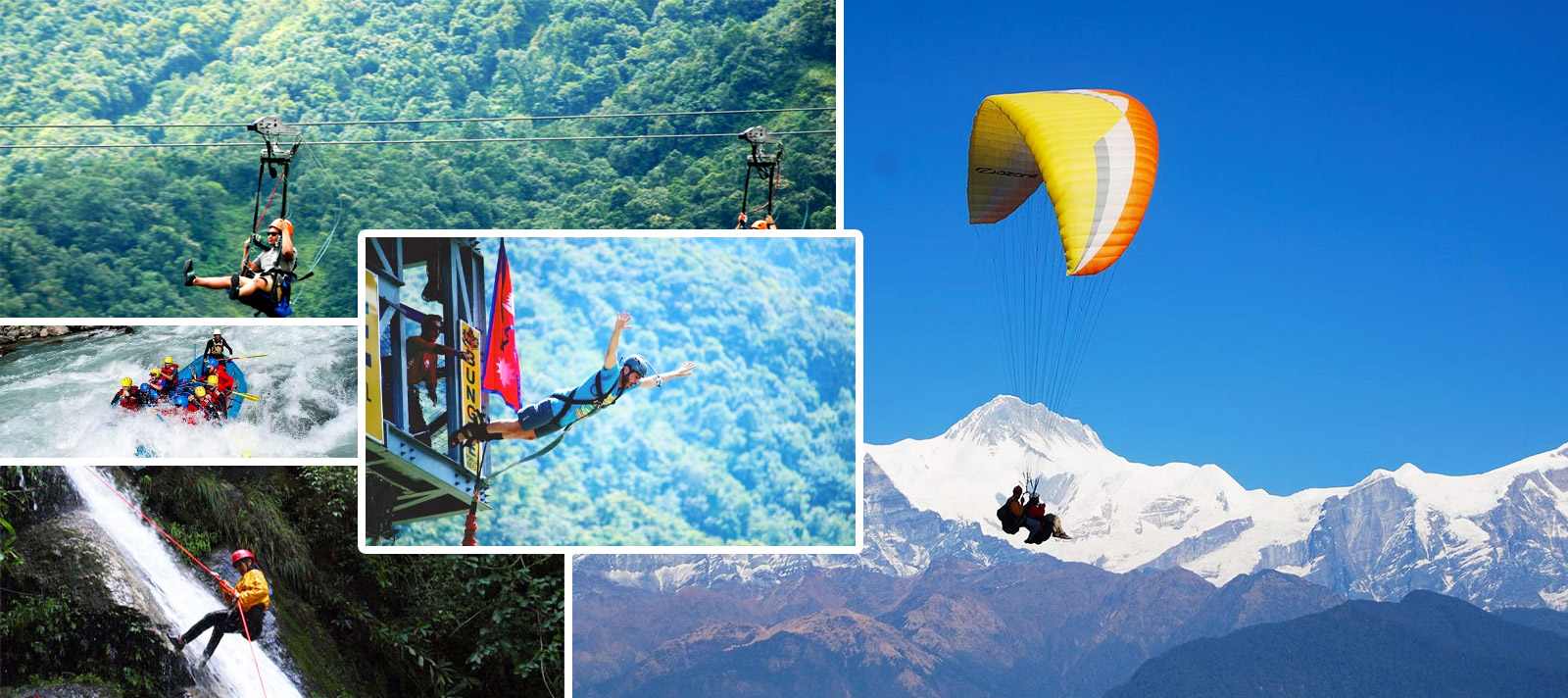
    Rafting, Paragliding & Bungee Jumping in Nepal

    Was I happy with my trip to Nepal when I finally boarded my flight back to France? Absolutely not, does not capture how I felt about it, more like I was fulfilled. Nepal gave me more than I bargained for. It gifted me moments in time that will be in my memories forever. It will be difficult to beat the sheer joy of watching Indra Jatra. I will forever remember the kindness of the people, the chaos blending into serenity, the jaw-dropping landscapes. It all made this trip to Nepal exceptional. Nepal is not a place that you simply visit; it is a place you carry with you long after you leave. 


  • It’s raining, what can I do in Kathmandu as a traveller?

    It’s raining, what can I do in Kathmandu as a traveller?

    It’s raining, what can I do in Kathmandu as a traveller?

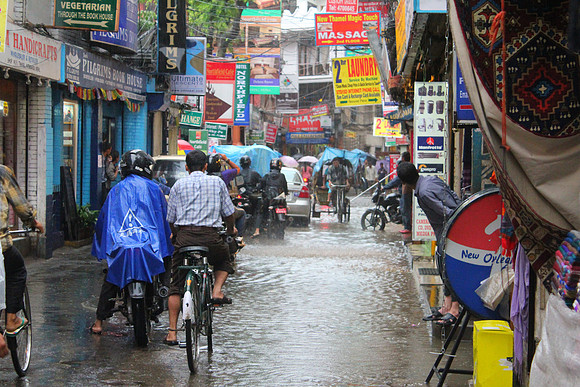
    The morning, I awoke to it raining in Kathmandu, it was the right kind of rain. The steady rain that soaked the streets and filled the city with damp stone, incense, and earth aromas. I thought at first that I’d caught a bad break. I pictured myself arrayed and damp, wandering between temples and squares, not just looking at the rippling puddles from my window.

    A street scene during rainfall, with multiple individuals on motorcycles and bicycles navigating through flooded areas. The foreground features a person sitting near a colorful barrel

    So, i decided to just head out. The streets of Thamel were shining, every brick beading, which was saying something for a tourist district. I ducked into a little café where the tin roof became a drum with just a few raindrops. Sitting with a piping hot cup of masala tea, I watched the rain fall over the colourful shop signs and pendant prayer flags outside. It felt like the city was more alive in the rain slower, but softer.

    When the rain started to pour, I needed to go to Patan Museum. I let myself forget about the weather as I stood amongst old bronze statues and a multitude of haumha paintings that seemed centuries old. The rain pelting against the old palace windows made the aisles feel even more still as its sound echo was somehow absorbed by the walls and artifacts surrounding me. I felt I could linger in every section of the museum, as if the weather granted me permission to cultivate a slower pace.

    By the afternoon, I was hungry, and as there was absolutely torrential rain outside, I was craving warmth. I ducked into a Newari kitchen not far from Durbar Square. They served me a plate of bara crispy lentil fritters. And a steaming bowl of yomari with sweet jaggery inside. Moreover, it was pouring outside, but every morsel helped to wash away the damp and settled warm comfort in my belly.

    As it was getting darker yet, and I was on foot, with an umbrella, walking toward Boudhanath Stupa. In drenching air, and with the prayer flags hanging low from the rain of the day, the stupa stood openly proud, dazzling against the gray sky. The monks were moving slowly, with umbrellas, in their monk maroon, chanting softly. Butter lamps provided flickering light through the mist. While I stood there for a long time, rain only going through my jacket, thinking. However, there was an odd kind of quiet. As if the two realms of the city and the mountain rain had exposed the only possibility that is available when it rains. 

    view of the Boudhanath Stupa in Kathmandu, Nepal, with prayer flags strung around it and surrounding buildings visible

    I learned something that day. Rain in Kathmandu does not equal the adventure being finished; it simply shifts it. Rain led me into hidden nooks. The rain took me to consume food that nourished my soul. The rain took me to a stupa that appeared to descend from the heavens. To be honest, I would not trade this rainy day for a completely sunny day.

  • Helicopter Tours in Nepal: Experience Luxury Above the Himalayas

    Helicopter Tours in Nepal: Experience Luxury Above the Himalayas

    Helicopter Tours in Nepal: Experience Luxury Above the Himalayas

    Amongst the awe-inspiring peaks of the Himalayas, Nepal is one of those magical destinations that can delight anybody from a high-adventure traveller to a nature lover, a yogi, or anyone looking for all of the spiritual experiences this amazing country has to offer. A trekking trip provides the traveler with the traditional way to experience the distinctive and spectacular vistas that one will discover throughout the vast range of peaks, valleys, escapes, and secrets hidden within the many layers of Nepal; you can imagine flying over or touring in a helicopter throughout Nepal is equally unique, while also comfortable and convenient method to enjoy a spectacular scenic experience. If you would like to escape for a few hours, away from everyone’s daily struggles, and to quietly appreciate beauty from a bird’s-eye view, you have to try helicopter tours of Nepal.

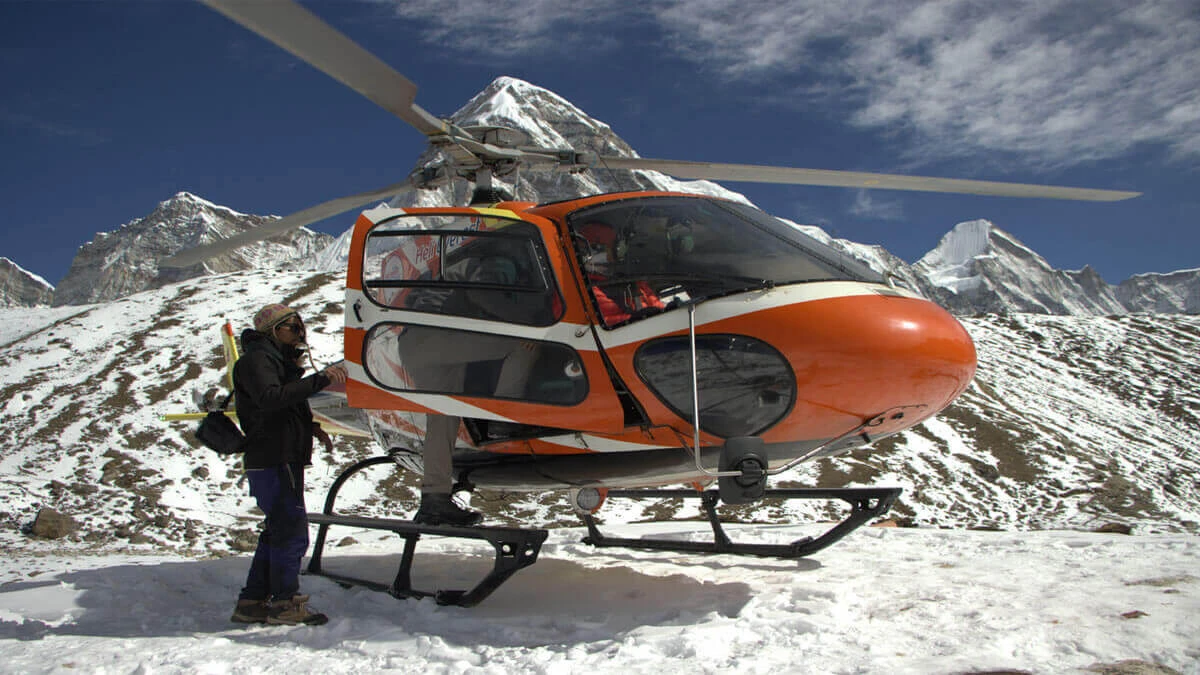
    Helicopter in mount everest. helicopter, orange and white, is positioned on a snow-covered mountain peak with a person standing near its tail rotor, against a clear blue sky.

    Helicopter tours present an up-close experience of Nepal as a fascinating country offering an array of views and experiences that would have been made outdone or diminished by distance or time with other types of travel. Whether it is aerial views of the famous, snow-capped peaks of Mount Everest, or flying into pristine blue lakes or an old temple, or some remote village, helicopter tours do truly provide an experience that cannot really be classified or matched against anything else.

    Whether taking an aerial view of the snow-blazed peaks of Mount Everest, or flying into tranquil lakes, ancient temples, or some remote village, helicopter tours offer you an experience that may not be departmentalized or matched in any other means of travel. Helicopter tours of Nepal are an ideal experience for the luxury traveler, honeymooners, photographers, or anyone looking for an adventure of a lifetime or just something unique.

    What is included in luxury helicopter tours in Nepal? 

    Luxury helicopter tours are generally more than just a scenic flight over the landscapes of Nepal. Helicopter tours are experiences that provide the passenger comfort, exclusivity, and individualized services that will leave you stunned for life. Here is a broad list of what you can expect:

    1. Private Charter Flights

    Luxury helicopter tours can allow you to hire a private charter just for you or your partner or your group. With private charter flights, you don’t share the helicopter with others, and you have the privacy, flexibility, and exclusivity to fly according to your tour route, pick your preferred destinations, a nd choose how long to stay at the stops along the tour. These charter flights are perfect for honeymooners, VIP Page 96 of 157 travelers, and families wanting a tailored experience.

    2. Panoramic Himalayan Views

    Picture your journey taking off above the clouds and closely looking down at Mount Everest (8,849m), Annapurna, Langtang, and all the other giants of the Himalaya. The luxury helicopter tours take you to the best aerial perspectives of all the breathtaking landscapes of Nepal. From green valleys to turquoise alpine lakes, towering glaciers, and snow-covered peaks, these helicopter tours provide a 360-degree panoramic view, unattainable while on the ground.

    3. Getting to Iconic Locations

    The good thing about a helicopter tour is that, unlike walking to a world-class location for multiple days, you get to fly and land at these locations. You could fly and land at Everest Base Camp, enjoy breakfast at the Hotel Everest View, see the beautiful Gokyo Lakes, or visit the Muktinath Temple (which is sacred to both Hindus and Buddhists). Some packages even give you a couple of moments on the ground at Annapurna Base Camp or the Langtang Valley just to see the mountains and breathe some fresh mountain air, and take a photo.

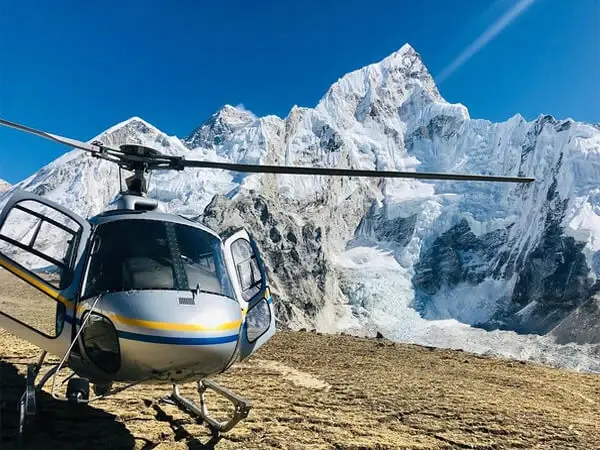
    helicopter In the background, a large, snow-capped mountain range rises under a clear blue sky.

    4. VIP ground services

    Luxury helicopter tours even start long before you step into a helicopter. Premium ground services can often start when you are picked up from your hotel! Ground services can include private luxury vehicles, airport assistance, priority boarding, and more, all to make your trip seamless and effortless, while you sit back and enjoy the experience.

    5. Complimentary Refreshments

    Most luxury helicopter bundles include complimentary snacks and beverages during the voyage. In a couple of tours, you can sip on hot coffee or tea while taking in views of the Himalayas or even pop some champagne at views such as the Everest View Hotel. These experiences give the whole venture an extra treat and make you feel relaxed, prolonging the overall experience.

    6. Safety and Comfort Beyond Compare

    Safety is a high priority in luxury helicopter tours. Newer helicopters are equipped with cutting-edge navigation systems, weather systems, and seating for a comfortable flight. Pilots have gone through years of training on high altitude flying and have often experienced beyond formal training in the Pacific area, so you can sit back, not only with peace of mind but also soak in some of the most scenic views you will ever witness in your entire life!

    Luxury Helicopter Tour Opportunities: Common Destinations in Nepal 

    There are many amazing, different helicopter tour destinations to choose from in Nepal:

    • Everest Base Camp Helicopter Tour – Get as close as possible to the highest point in the world by flying to and landing at Everest Base Camp or Kala Patthar and experience it for yourself!
    • Annapurna Base Camp Helicopter Tour – You can experience Annapurna and the surrounding peaks all in a matter of hours!
    • Langtang Valley Helicopter Tour – This quick, yet scenic helicopter tour next to Kathmandu is limit in time.
    • Gokyo Lake Helicopter Tour – Get aerial views of the many turquoise lakes shape by white peaks!
    • Muktinath Helicopter Tour – This helicopter tour is a type of spiritual pilgrimage in one of Nepal’s holy temples, churches, for private spiritual views, pilgrims, and cultural tours!
    Helicopter waiting for the clints to take off after EBC Heli tour
    Heli Tour

    Why Choose a Luxury Helicopter Tour in Nepal?

    • Save Overall Time – Get to remote or exotic locations in under one hour, instead of spending hours or even days trekking.
    • Travel in Maximum Comfort – Enjoy private flights, door-to-door VIP service, and premium service.
    • Make it Memorable – Selfies with epic backdrops, and the Himalayas are spectacular from whatever angle you take the picture from.
    • The Ideal Experience for Special Events – Great way to celebrate a honeymoon, or anniversary, or just to surprise someone!

    Conclusion

    A luxury helicopter tour of Nepal is not simply a joy flight; it is for travelers who seek comfort, privacy, and once-in-a-lifetime experiences. Whether to celebrate a special occasion, avoid endless trekking, or just to do it, luxury helicopter tours provide an outstanding opportunity to experience the beauty of Nepal in comfort and style.

  • 3 Most Visited Places in Nepal and My Travel Experience

    3 Most Visited Places in Nepal and My Travel Experience

    3 Most Visited Places in Nepal and My Travel Experience

    The first impressions of my long adventure to Nepal could not have been better. I had just completed customs and my heavy travels and emerged from the airport. As soon as I walked outside, I was greeted with a rush of air, a cool breeze, oh, how refreshing! I took a moment and reflected on how I must have looked so different, light and fresh, after having a little bit of earth and incense inhaled. The gentle breeze passing over my body, like soft air blowing off the Himalayas, was like no other. That was the moment I just knew and felt like I was going on the best adventure of my life!

    Kathmandu

    Kathmandu Durbar Square places

    My travel began in Nepal’s heritage and cultural capital of Kathmandu. The sights and sounds of that bouncing, buzzing city soothed my spirits and put me in a cheerful, happy anticipation in motion. Each element was perfectly place, establishing its own rhythm that welcome me in Kathmandu, and said, “Let’s go explore!”

    I started my travels in Kathmandu body and spirit with a visit to Swayambhunath Stupa (more popularly known, for comedic relief, as the Monkey Temple). The winds were whipping, and the prayer flags were being vigorously waved. I was in a seemingly extreme level of inner being.

    I was stir wake at Pashupatinath Temple by the holy chanting. And felt the resonance process across the Bagmati River and could feel the sound vibrations giving me an awesome chill to go up and down my spine. I also found all of my experiences during my time in Kathmandu to be stunning. Boudhanath Stupa was simply mesmerizing. And to watch the Monks spin prayer wheels in peaceful mindfulness changed time itself for each moment. I loved wandering the streets at night through the masses of bustling Thamel, particularly all of the light-dependent open performers, and tourists at the cafes bursting with excitement. The aroma of a range of authentic Nepali foods and chiya, all for you to enjoy while you wait! 

    Pokhara

    Phewa lake, colorful boats & great evening vibes
    Phewa Lake

    The next day, I woke up even earlier, got going for Sarangkot to witness one of the most magical sunrises of my life. When I was standing there at the bottom of the hill, that was just as the first orange rays of sunlight touched the snow-capped peaks of the mountains. And I could feel the crisp air on my cheek; it was blissful. Standing in front of me now was the Annapurna range in all its grandness, which took my breath away.

    I arrived at the World Peace Pagoda, a structure that sits on top of the hill. It stands with silence except for the wind and birds in the distance. I paraglided over the valley, and while hovering there in the air, I could feel the wind catch my shoulders and cheeks. All at once, I had the pure experience of it all. I was given the true feeling of freedom and flying like some eagle in the Himalayas. 

    Chitwan

    Chitwan National Park: people enjoying Wildlife Safari Adventure

    Finally, I ascended to Chitwan, where I could revel in the lush jungle conditions and wild experiences. The moment I enter Chitwan National Park. I was envelop in the earthiness of wet grass. However, I felt like it sounded as though I was surrounded by birds, prompting a delay to their distant evening rest. As the jungle safari proceeded. I felt a brief warmth of breeze across my back and overlaying a stillness. To the thrill from the wildlife murmuring through the trees surrounding me

    I had an incredibly amazing experience. A first and only experience. I felt very lucky to see a one-horned rhinoceros chomping away and a few endangered birds flying up into the trees. After this, I arrived back at the Tharu cultural village, where I had learned so much about their exotic culture. I think what will be the best memory for me is sitting on the banks of the Rapti River while the sun was setting. With a cool breeze on my skin, elephants bathing behind me. And the sun turning from orange to purple in the sky. 

    When I think back to my time in Nepal especially  Kathmandu, Pokhara, and Chitwan. I now realise it was pure magic for me. The temples of temples and their rich histories. The beautiful lakes and intriguing jungles were a magic and beauty I have never experienced in my life. Being amongst the cool winds coming down from the Himalayas, and the intangible flowing air, I felt on my body. The wonderful energy of this beautiful country is something that I will carry with me forever.

    If you are considering going to Nepal, then make sure that you try to fit in these three most popular destinations. And I can guarantee that every moment, or should I say, every second will be poetry in the wind. 


  • Naryanhiti Durbar. The #1 location if you have limited time.

    Naryanhiti Durbar. The #1 location if you have limited time.

    Naryanhiti Durbar. The #1 location if you have limited time.

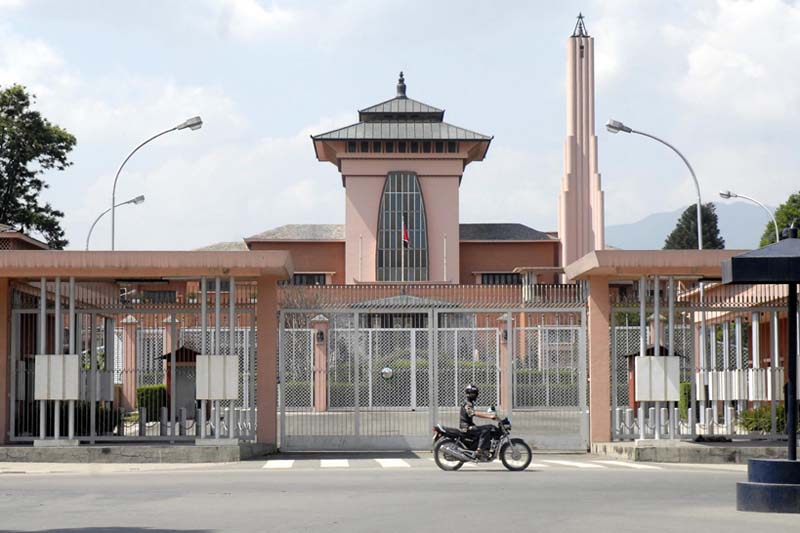
    When I think about my time in Kathmandu, the only thing I focus on is the Narayanhiti Durbar Museum. If you only have a day or two in the city and want to gain a real connection to Nepal’s modern history, this is my number one recommendation.

    Although the Palace occupies a central location in Kathmandu, and is not too far away from the busy Lazimpat and Durbar Marg districts. It does not have the most imposing or grand sight from the outside, and is rather unremarkable, which is consistent with what to expect in resolution of the prior notions associated with Kathmandu. Once I passed through the gates toward the interior of the Palace. There was no doubt that I was present and could not possibly reconsider. The experience of just standing in the entrance area was most certainly memorable. The hallway alone had dusty walls and contained all the remnants of an entire monarchy.

    Narayanhiti Durbar Museum

    The sounds of the cars and motorbikes outside became mere white noise, while it felt like a calm, still weight fell gently around me. The weight was heavy, but it was much richer because of its history. Althoughh the Palace occupies a central location in Kathmandu, and is not too far away from the busy Lazimpat and Durbar Marg districts, it does not have the most imposing or grand sight from the outside, and is rather unremarkable, which is consistent with what to expect in resolution of the prior notions associated with Kathmandu. Once I passed through the gates toward the interior of the Palace, there was no doubt that I was present and could not possibly reconsider. The experience of just standing in the entrance area was most certainly memorable. The hallway alone had dusty walls and contained all the remnants of an entire monarchy.

    Although I walked through the site of the Palace. It was somewhat surreal to consider that I was a presence within its storied past. The rooms were as they were everywhere else and preserved, including all the original antique furniture with unreal sparkling chandeliers, long red carpets, velvet chairs. And the photographs of history – kings and queens, lining the walls. If I felt the weight of history upon entering the Palace, the heavier weight belonged to the throne room. The throne room was enormous and not disappointingly ornate in style, uniquely its own. The ceilings were staggering enough in terms of height that I could logically visualize them as being the host site for significant history-making events. It must have contained roles to serve coronations or formal state functions of a government.

    For just a moment, I was able to visualize how much energy must have taken place in the room during those celebrations and gatherings. Narayanhiti is both impressive and heavy. Narayanhiti is not only a palace of grandeur, but it is also one of Nepal’s great tragedies. The Royal Palace Massacre of 2001. I could not escape from its history in the rooms of the murder of an estimated 10 royals and family members. I was chilled.

    naratanhiti durvar


    The museum also provides insight into how royalty lived. I am not talking about display rooms. I walked through bedrooms, dining rooms, and private meeting places, where they all existed as originals without intervention. Many palaces around the world can also embody the idea of a regal experience. But you will feel polished and far removed from a lived experience. The royal family left just yesterday. And the furniture, carpets, and photographs were all left as living records of their lives.

    When I returned to the streets, I felt different. I  was once again awakened by the horns of the car and the sounds of life. Conversations on the streets of Kathmandu, but now with a fuller understanding of the nation of Nepal. Narayanhiti Durbar reminded me of both the beauty and tragedy of monarchy. And also, about the ever-present and everlasting power of the resilient Nepalese people, who travel the country with joy and with sorrow.

    If you are in a pinch for time in Kathmandu, don’t do everything in one punch. Take those hours inside of Narayanhiti Durbar | Palace that gives you more than history. It gives you perspective, passion, and a memory that will remain with you well after your visit is through.

  • My Experience While Staying in a Community Homestay in Nepal

    My Experience While Staying in a Community Homestay in Nepal

    My Experience While Staying in a Community Homestay in Nepal

    When I came to the Ghandruk community homestay in Nepal, the first thing I was welcomed with was a red tika coating my forehead, and one of the warmest smiles I had ever received with a welcome party – I felt like I was at home. There was a calmness in the place, and in the people  a calmness I had not felt in a long time. The room was bare but colorful, and bordering on the ridiculous if you considered the window opening onto miles of barren field, but the peace and calm I felt deep in my bones at this homestay made me never want to leave.
    . In the background, a towering, snow-capped mountain with a prominent golden-orange peak under sunlight dominates the view, while a lush green valley and other mountains extend below.

    Every morning, I was awake by the very loud roosters crowing and the smell of milk tea bubbling on the begrudging fire stove, a very thick breakfast of sel roti and fresh greens they had pulled from the field outside, beyond what is western. Then, I sat with the family on a straw mat and finished my tea while they gathered in a circle to talk about their day, story after story of their life, where time stood still. Every ‘one meal prep’ joined my host mother over the fire to help prepare the meals, which became an absolutely spectacular moment in my time.

    Every day was an adventure through the terraced hills, to the temple, and through the joyful voices of children enjoying their names: “namaste.” I was meeting neighbors, catching glimpses of rice paddies, and even attempting farm work. Everywhere and everyone was nice, friendly, and jolly; it was art.

    Every Night

    The rest of every night was very magical. After the family and I enjoyed a customary meal of dal bhat, we rested outside under the stars. They sang songs and stories about festivals and life in the villages. I remarkably remember when the grandmother was speaking, particularly with her own, integral pride. She seemed to have a wisdom of memory coupled with the loveliness of a grandmother. It was during that in between silence. Before getting up, and in the very place of what I had allowed to settle in my thoughts.

    The image displays a picturesque view of Ghandruk village in Nepal, nestled amidst lush green hills with mist or clouds partially obscuring the lower parts of the valley. The village features numerous traditional stone and slate-roofed houses built on terraced slopes,

    As I slept, that I had realizations about the deeper significations of place. And how food, family, and community sometimes make visible. An understanding of the past. Usually because the act of recording history is often offered as a kind of performance.

    When the moment finally came. I left with a heart of lead. I was leaving family, not a guest house. The experience taught me a valuable lesson that true travel is not just going to a new place. But being at home in the mind and heart of a stranger.

  • My Teej Experience as an Unmarried Girl in Nepal

    My Teej Experience as an Unmarried Girl in Nepal

    My Teej Experience as an Unmarried Girl in Nepal

    From the time I was a little kid, living in Nepal, I had festivals that brought color and meaning to my life. While different festivals have their own significance and beauty, one festival has a special place in my heart: Teej! I am now married; as a young, unmarried girl, I was not fasting for a husband, but I have always participated in every ritual since it’s part of culture, discipline, and about honoring women. This year, my Teej was quite the adventure! I prayed, I fasted, I danced, and made so many special memories that I will never forget. 

    I woke up early in the morning feeling excited about all the experiences that would happen that day. After bathing, I wore a bright red saree I had shopped for days before. I layered on green and red bangles, placed some tika on my forehead, and put on my simple necklace and earrings. The mirror showed not just me but the spirit of Teej. Throughout the entire preparations, my mother and I collected pure flowers, fruits, a few mystical puja diya, and of course, made our way to the temple, all the while capturing pictures with my cousins.

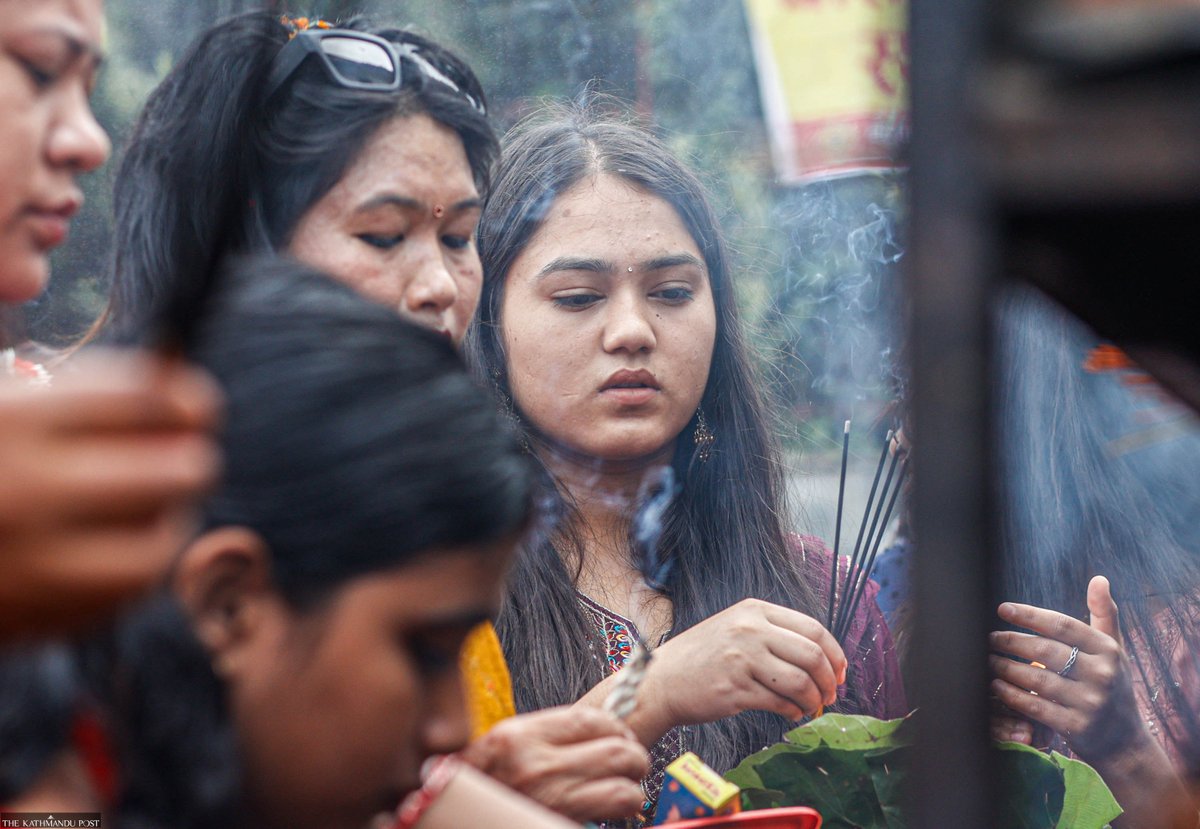
    There were women everywhere in gorgeous red attire – all making their way to the temple for a similar serious intention. I joined the line at the Shiva temple. I had my offerings. The temple smelled wonderful incense flowed freely. Bells rang up ahead and devotional songs was somewhere in the distance. When it was finally my turn, I bowed my head in front of Lord Shiva, placed flowers down, and decorated a diya with a flame. I closed my eyes and prayed- not for marriage but for love, peace, and strength in my life. I was proud to be among so many women, intertwined in a strong tradition.

    Once our tour to the temple was over, my fast began in earnest. It was a nirjala vrat- no food or water.At first, I wasn’t anticipating this to be too tough, but by noon, my stomach started to feel dehydrated, and my thirst proved to bring discomfort. It was easy to remind myself that fasting is not just a physical thing; it is also about willpower. Therefore devotion to the fast itself. I felt incredibly lucky to be supported by my cousins, aunts, and friends who were also fasting on Teej – they kept me positive. We swapped stories, laughed, and temporarily forgot about being hungry in each other’s company


    By late afternoon, the low tone had cleared and was now a time of celebration. I found myself with a group of women in a courtyard, with the madal drum steadily beating. Teej songs filled the air, songs of love, songs of challenges and struggles for women, and songs of extraordinary joy. I started dancing. By that point, I had been gifted my gleaming saree and bangles, and my feet were moving independently of my thoughts. I had almost forgotten that I was fasting. The music, the laughter, and the connection of all the women dancing together somehow energized me with new life.

    As the sun started to sink lower in the sky. I walked home for evening puja to again offer my prayers to Lord Shiva as a family unit. I sat in silence and reflected on the day’s events; on the hunger, the prayers, the dancing, and the laughter. When it was time for the puja to begin, I also had my first sip of water for the day. It was the sweetest blessing. Though I had not eaten for a day. When I had some fruit and a very light meal, it tasted more satisfying than any meal I might have imagined as a feast.

    As I lay in bed that night, tired but pleased. I began to sort out what Teej really means for me. It is so much more than fasting; it is a different embodiment of empowerment, keeping a community, and trust. I see where I gain value as an unmarried girl, not because I am expecting my future husband. But because it allows me to reclaim my roots. The women in my own family, and the generations of women who have practiced this tradition. Every Teej, I get to experience the joy of putting on red, singing in song, dancing with friends, and going to temples. I feel a sense of pride in the larger community. I see Teej as celebrating womanhood, resilience, and having fun together.


  • Budget Hotels vs. Luxury Resorts in Pokhara: Which to Choose?

    Budget Hotels vs. Luxury Resorts in Pokhara: Which to Choose?

    Budget Hotels vs. Luxury Resorts in Pokhara: Which to Choose?

    When you think of Pokhara, the first recollection is spectacular, snow-capped Annapurna peaks reflected off of stunning Phewa Lake. Pokhara is Nepal’s most chilled-out district to plan a trek, experience adrenaline sports, and really take in a serene boat ride or a slow-paced cultural excursion. But, before all this cool stuff, you still have to address one last pressing question: Where will you stay? 

    Will you stay at a budget hotel (which still by the way, will still be in Lakeside) to save money for paragliding and trekking, or are you looking to indulge yourself by staying at a luxury property with Himalayan views, infinity pools, or wellness spas? These two possibilities cater to 2 very distinctive types of travel; picking which one to stay in boils down to budget, style, and expectations.

    This guide looks at the advantages and disadvantages of budget hotels vs. luxury hotels in Pokhara- including cost, experiences, amenities, and recommendations – so that you can get the most out of your time.
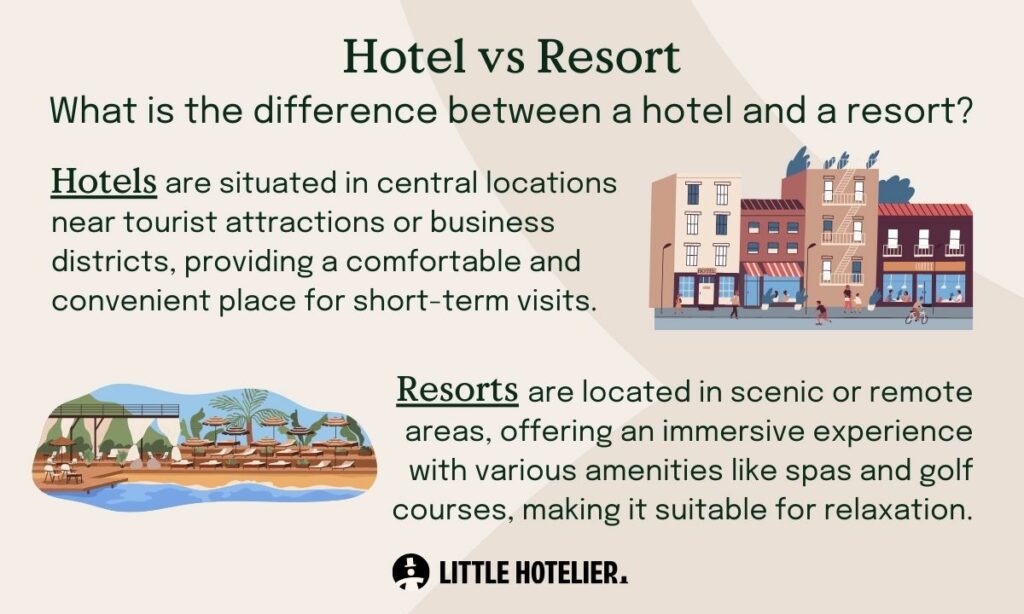
    difference between hotel and resort

    Why is Accommodation Important in Pokhara

    Unlike many transit cities, Pokhara is not only a base. It’s a place worth sitting and enjoying. Whatever you are going to do, when you are returning from a trek, on your honeymoon (super important), or escaping the chaos of Kathmandu, where you choose to stay is going to either augment or mitigate your experience. 

    • If you decide to stay at a cheap (budget) hotel, then you are probably going to spend your days wandering the streets, eating some random street snacks or in cafes, and meeting and connecting with fellow travelers who are on their way to the mountains or on some kind of adventure. 
    • If you are fortunate enough to be living this resort life, then you could easily go through a whole day just lounging by the pool, absorbing the views, participating in full body spa treatments, or waking up at sunrise with yoga on your deck whilst overlooking the Himalayas.

    So where you choose to stay will impact not only your comfort, but will also provide the setting for all your other Pokhara experiences to take place. 

    Pokhara Budget Hotels
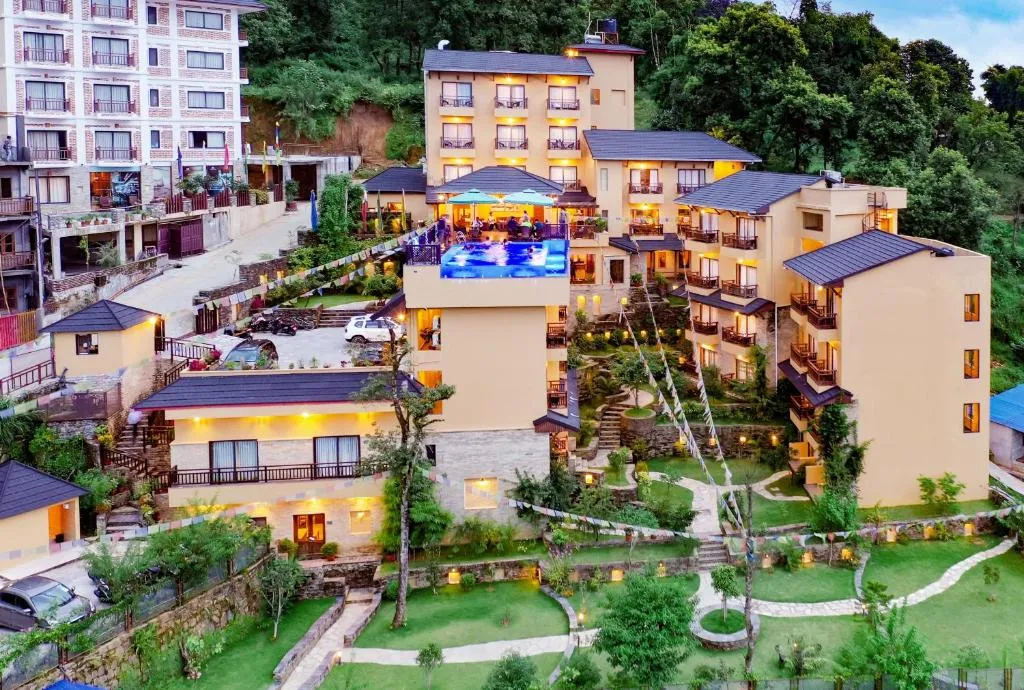
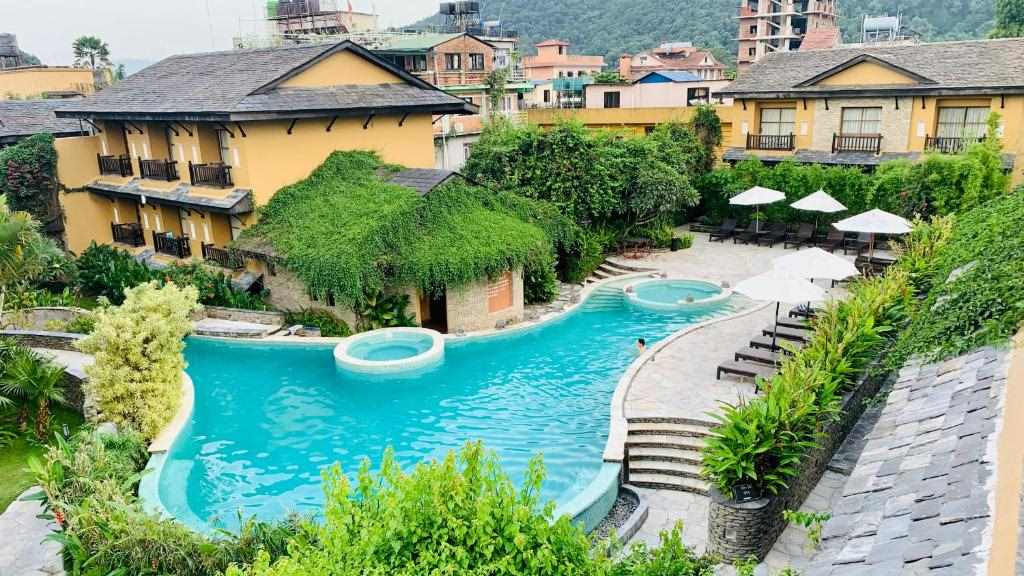
    An aerial view of Bar Peepal Resort in Pokhara, Nepal, showcasing its multiple buildings with dark roofs, lush green gardens, winding pathways, and a prominent swimming pool, all illuminated by evening lights

    Cheap & Affordable

    Pokhara should get an award for being the best value of all travel destinations in Asia. It, a great place for both backpackers and solo travelers; its budget hotels can be cheaper than dinner in Europe. You can find very good budget hotels (around $10 – $30) in the Lakeside area, where you can get wi-fi, a private bathroom, and sometimes even breakfast included.

    Location: Lakeside 

    Most budget hotels are likely located around Lakeside Pokhara- the main and busiest tourist area in Pokhara, which allows you easy access to:

    • Restaurants and coffee shops serving Nepali and international food
    • Boat hire for a relaxing paddle on Phewa Lake
    • Offices to book adventure activities, e.g., paragliding, rafting, and trekking
    • A souvenir and gear shop near the local market. 
    • Being in a central location means you can walk everywhere, very convenient if travelling without your own transport.

    What Amenities Will You Get 

    Don’t expect marble bathtubs or infinity pools – but Pokhara’s budget accommodation options deliver on all the key basics:

    • Free Wi-Fi (most places are reliable)
    • Hot showers (some places are solar-heated; best to take a hot shower at night)
    • Clean room, basic furniture
    • Roof-top terrace or restaurant with mountain or lake view
    • All are generally family-run and have a personal feel
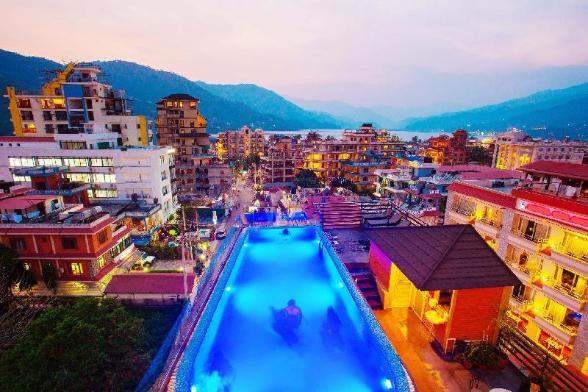
    A vibrant, inverted nighttime cityscape with illuminated buildings and a bright blue swimming pool, set against a backdrop of mountains and a twilight sky

    Experience: Social and locals

    It is a better chance of experiencing the real vibe of Pokhara when you stay in a budget hotel, you meet fellow travelers, you chat with the hotel owners about life in Pokhara, and you can ask them for tips about pretty hidden spots in Pokhara. The vibe is laid-back and chilled out – great atmosphere if you really want to get to know some people and have meaningful experiences.

    Luxury Resorts in Pokhara
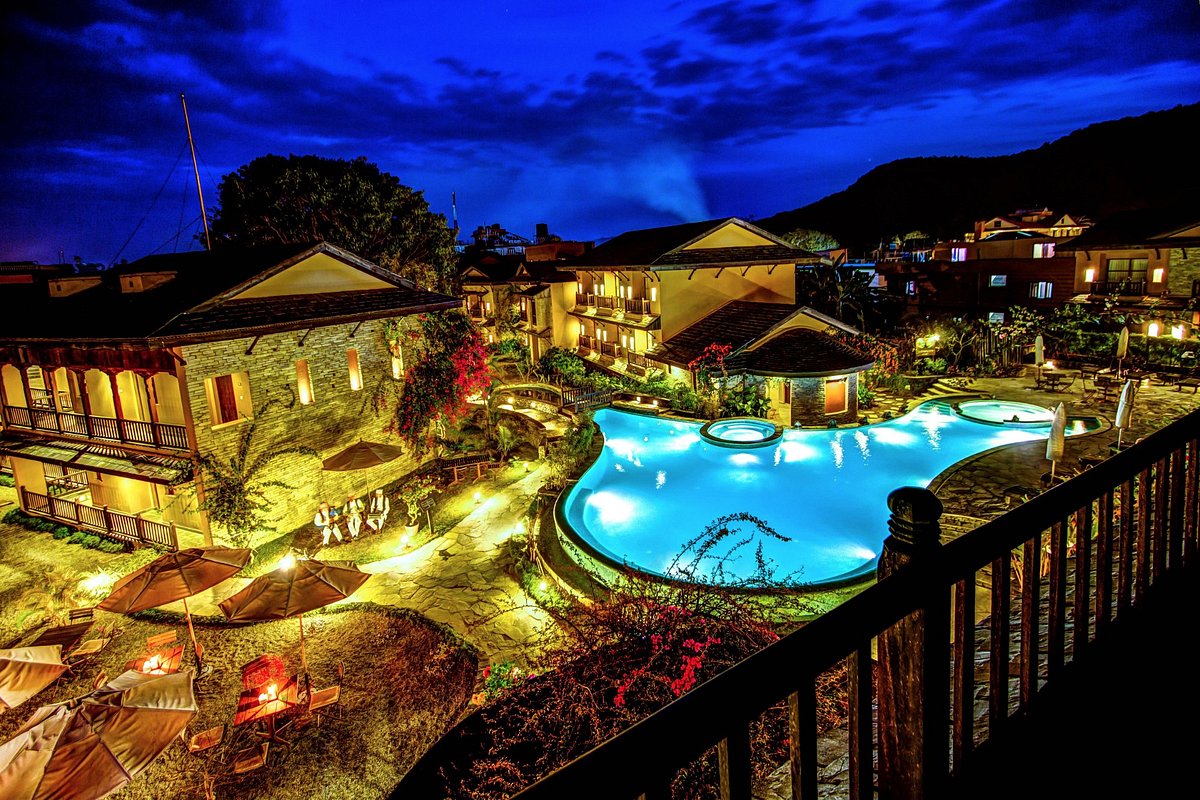
    A vibrant, inverted nighttime cityscape with illuminated buildings and a bright blue swimming pool, set against a backdrop of mountains and a twilight sky

    An Extraordinary Experience

    The luxury resorts in Pokhara are intended to forget the outside world. These resorts are often built on hilltops with views of the Phewa Lake or in tranquil garden settings, cocooning travelers in an oasis of rest and relaxation. The pricing will vary, but rates often range from $80 to $200+, depending on the resort you choose and the time of year.

    Location: Views that take your breath away.

    Luxury resorts find ways to have great views. Low-cost hotels focus on functionality and convenience. Imagine waking up to warm sun on your balcony, sipping your morning coffee, staring at Machhapuchhre (Fishtail mountain). Many of the resorts are really close to the bustling lakeside.

    Amenities

    Luxury in Pokhara goes beyond just a room, often all-inclusive with the luxury concept: 

    • Infinity pools, yes, that’s right infinity pool with views of the Annapurnas. 

    • A full-service spa with an extensive menu of massages, ayurvedic therapies, and wellness offerings.

    • Upscale restaurants with international dining options, or organic Nepali cuisine sourced from farm to table.

    • Private balconies or villas with ceilings that go all the way to the floor.

    • Fitness centres and/or access to yoga classes or meditation spaces.

    • Concierge services provide personalized excursion experiences.
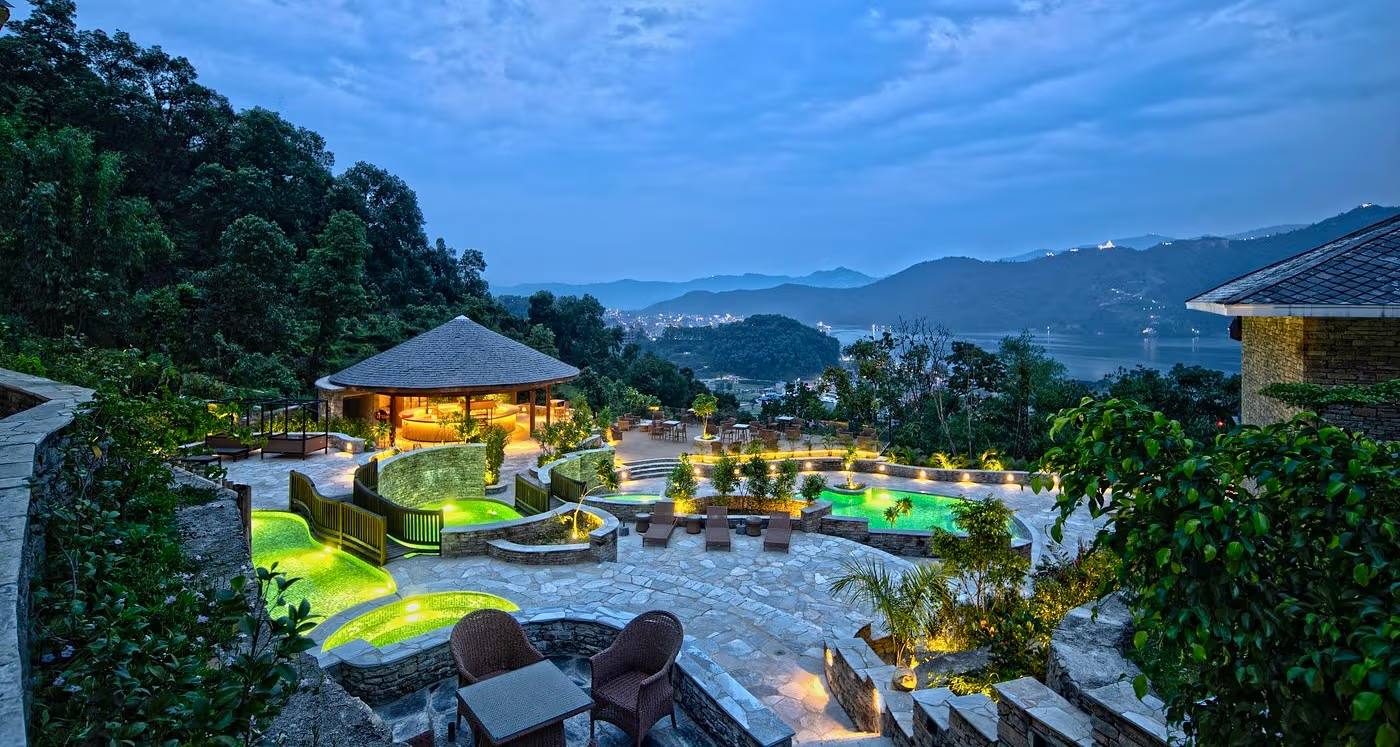
    A vibrant, inverted nighttime cityscape with illuminated buildings and a bright sky

    Experience: Exclusive & Relaxing

    Luxury resorts in Pokhara are about slowing down and enjoying the finer things in life. Whether it’s a honeymoon couple soaking in a hot tub or a family enjoying sunset cocktails by the pool, the experience is curated and indulgent.

    Budget Hotels Pros & Cons
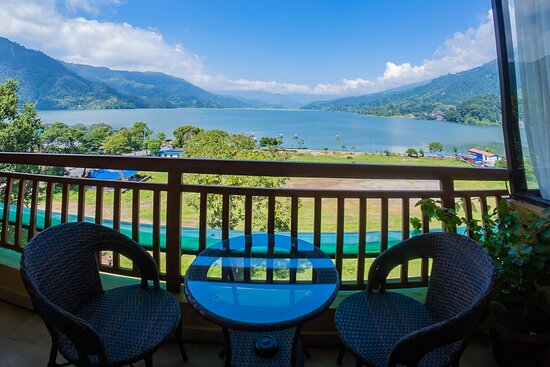
    
view of phewa lake from room

    Pros

    • Very cheap
    • Central location.
    • Social, friendly atmosphere.
    • Comfortable setting to meet fellow travelers.
    • More money left over for activities.

    Cons

    • Less luxury.
    • Rooms can be small or simplistic.
    • Noise can be problematic in busy Lakeside.
    • Hot showers are sometimes hot.

    Luxury Resorts Pros & Cons 
    A vibrant, inverted nighttime cityscape with illuminated buildings and a bright blue swimming pool, set against a backdrop of mountains and a twilight sky

    Pros

    • Gorgeous mountain and lake views.
    • All amenities (including pool, spa, fine dining).
    • Private, away from crowds.
    • Great for relaxation after trekking.
    • Great for honeymoons or romantic getaways. 

    Cons

    • Expensive by Nepali standards.
    • Further away from Lakeside (may need to use taxis).
    • Less opportunity to casually interact with locals.
    • Can feel ‘internationalized’ rather than local.

    How to make the choice?

    1. Choose a Budget Hotel if:

    You are a socially-oriented backpacker/student/solo traveller who is budget-conscious and looking for a base in Pokhara, which is also a good fit if you will be mostly outside on activities anyway, instead of hanging out in your hotel.

    2. Choose a Luxury Resort if:

    You are celebrating something special, such as a honeymoon, or want to just relax and unwind (and want to relax in luxury). A good choice for those who want to experience between activity and rest, and also families that enjoy the family-friendly features and convenience.

    3. The best of both options

    Here is a little travelling hack: to do both! Many travellers will go all over the city and not return to their affordable. Budget-friendly hotel in Lakeside during the first half of their Pokhara adventure. But they may also indulge and include a two-night luxury hotel stay at the end of their stay to allow for a relaxing and rejuvenating hotel visit. You get to experience the hecticness of the street and life Pokhara puts out there, and balance it with the serene and calm portion of relaxation quality time at the luxury side of Pokhara!

    Practical Advice on Choosing Accommodation

    1. Book Early during Peak Seasons

    Pokhara fills up fast during the peak trekking seasons of October – November (autumn) and March – April (spring). Cheap hotel prices can skyrocket quickly, and luxury resorts will have zero problems raising prices.

    2. Read Reviews

    Cheap hotels will not all have the same experience – search for the reviews on hotel cleanliness, Wi-Fi reliability, availability of hot water, etc.

    3. Location.

    Budget Hotels = Lakeside (close to action)

    Luxury Resorts = outskirts or top of the mountain (peace and view)

    4.  Consider Transportation

    If you are staying at a resort that has a location past Lakeside, check to find out if they offer shuttles or taxis.

    5. Don’t bring too much to hotels.

    Almost all hotels (budget and luxury) offer laundry services; keep it light.

    Conclusion

    No matter what travel style or budget, any traveler will feel at home when cruising through Pokhara, regardless of their travel preferences – budget or luxury! Ultimately, it really doesn’t matter how you experience the city – it’s whether you want to experience a budget hotel that’s by the lake, or luxury resort style accommodation, cheap as chips,s or top end with 5 stars and a clear view of the Himalaya!  

    If you want to experience, have an adventure, and travel, get a budget hotel! If you want to experience comfort, enjoy the comfort, and maybe a bit of luxury, get a luxury resort! Better yet, make it fun and do both budget, with the luxury side of Pokhara, and mix it up with hotel accommodations! 

    However you slice it, the magic of Pokhara — the tranquillity of Phewa Lake, the excitement of paragliding, and the beauty of the Annapurna range — all of the memories will stay with you long after you have traveled away!

    FAQs

    Q1: Are budget hotels in Pokhara safe for solitary travelers? 

    Yes, Pokhara itself is either quite safe or safe enough for the ordinary traveler. Most budget hotels are family-run, and they are all generally welcoming places to stay.

    Q2: Can budget hotels have lake or mountain views? 

    Sure, Many hotels in Lakeside have rooftop terraces where exciting views can be experienced, and they are not charging you the price of a luxury hotel!

    Q3: Are luxury resorts worth it after a trek?

     Yes, after a number of days walking around, a hot stone massage, swimming pool, infinity pool, and gourmet food can be divine after some pampering after lodging in the wilderness.

    Q4: Are there midrange hotels in Pokhara?

     Yes, midrange hotels are plentiful ($40 to $70 per night). Midrange boutique hotels are right in the middle. Their rates will offer more comfort than the budget hotels, but won’t charge a full resort price.

    Q5: Which is better for families, budget hotels or luxury resorts? 

    Luxury resorts are better for families. Larger rooms for the kids or family accommodations, swimming pools or activities for kids, offers for families, and more child services. Budget hotels will be just fine for families if they are trying to save money, but the amenities will be limited.